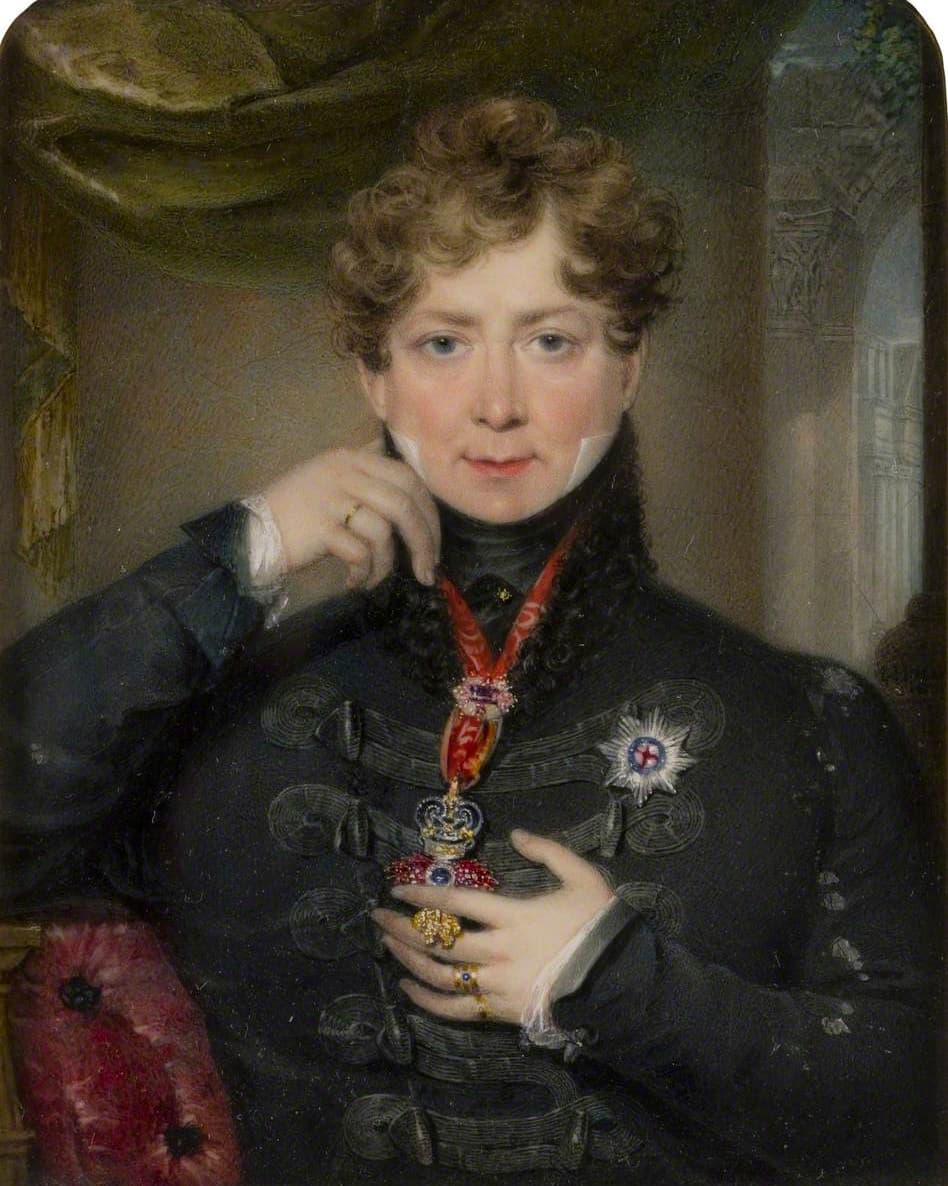
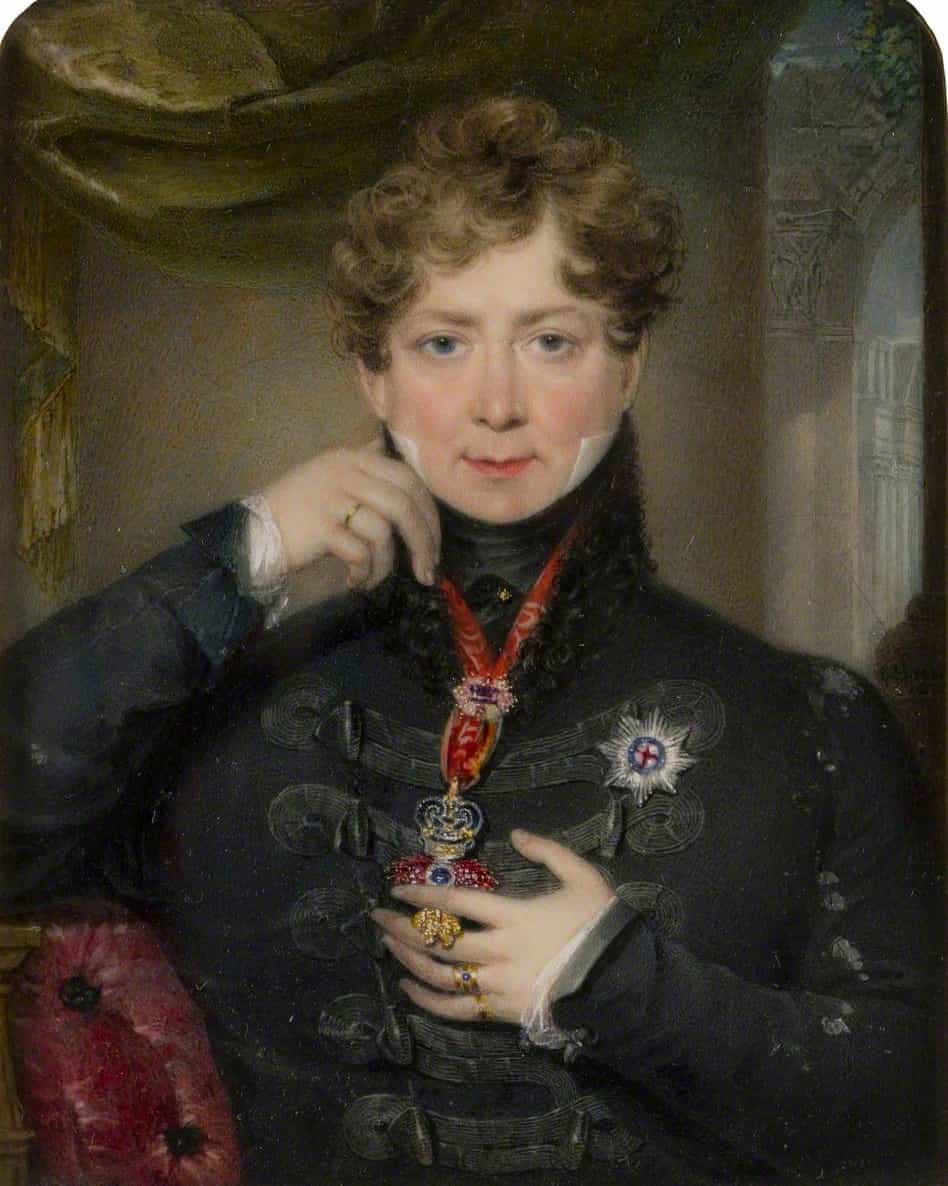
George IV (after Thomas Lawrence)
James Holmes
From €54
Collection
Museum-quality reproductions on 310gsm textured cotton rag paper.
Shop all prints by James HolmesArtistic Style
Style Evolution
Holmes maintained the refined, tightly finished qualities of late-Georgian miniature painting throughout his career. Over time his work responded to shifting tastes by emphasizing portrait realism and decorative finish, even as photography began to supplant painted miniatures.
Palette
Subjects
Techniques
Topics
James Holmes (1777-1860) was an English miniature watercolour portrait artist and instructor whose delicate miniatures captured refined likenesses.
Learn about the life of James Holmes
Biography
James Holmes (1777-1860) was an English miniature watercolour portrait artist and instructor whose delicate miniatures captured refined likenesses and suited Georgian and Victorian patronage.
James Holmes (1777-1860) was an English miniature watercolour portrait artist and instructor whose delicate miniatures captured refined likenesses and suited Georgian and Victorian patronage.
Holmes was born in 1777 in England. Records identify him as a specialist in portrait miniatures executed in watercolour — a valued form of private portraiture in late 18th- and early 19th-century Britain. Little is documented in the public record about his childhood or formal artistic education; what is clear is his professional identity as a miniaturist and teacher during a period when small-scale, highly finished likenesses were prized by families and collectors.
Holmes’s career unfolded during the transition from Georgian to Victorian tastes, when miniature portraiture remained an intimate and decorative art form alongside emerging photographic practices.
In his early years Holmes established himself producing finely detailed watercolour miniatures that emphasized accurate likeness, clear drawing, and refined finish. Miniature portraiture required disciplined handling of wash and brush to render faces at a very small scale.
As an instructor and practicing artist, Holmes would have balanced commissioned portrait work with teaching, passing on techniques for delicate brushwork, careful layering of washes, and the handling of ivory or card supports commonly used for miniatures.
By mid- to late 19th century the market for painted miniatures declined with the rise of photography. Holmes’s continued practice into later life preserved the traditions of the craft and the decorative appeal of hand-painted likenesses.
Specific titles of Holmes’s miniatures are not widely documented in the available data. He is principally noted for his body of miniature watercolour portraits and for his role as a painting instructor — both contributions that sustained the miniaturist tradition during his lifetime.
Holmes worked in watercolour on small supports, employing precise brush control, transparent layering, and an eye for facial detail and costume. His technique prioritized clarity of likeness, subtle modeling through washes, and neat, refined finishes that make miniatures appealing decorative objects for domestic interiors.
While not widely recorded among the most famous names of British art, Holmes represents the craftsmen-artists who maintained the art of miniature portraiture into the 19th century. As an instructor he helped transmit technical skills to students and preserved practices that collectors and connoisseurs continue to value for their intimacy and technical finesse.
##
Frequently Asked Questions
George IV (after Thomas Lawrence)
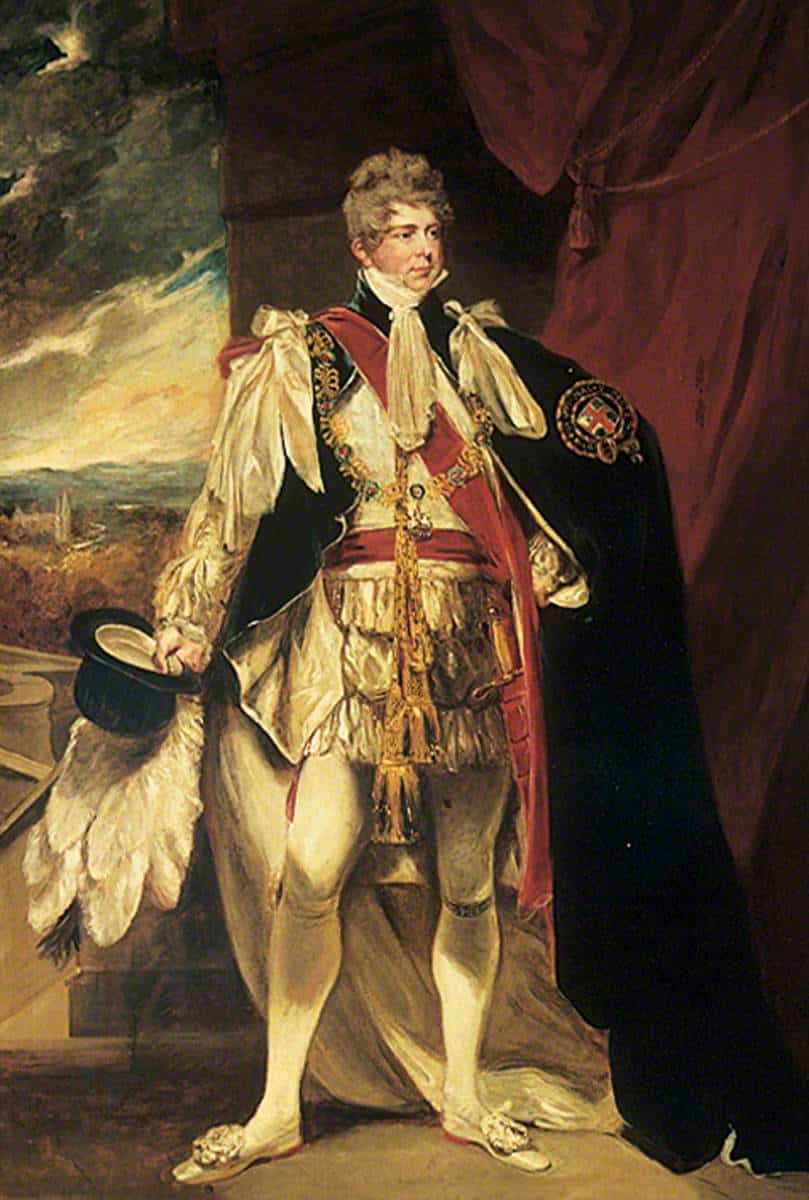
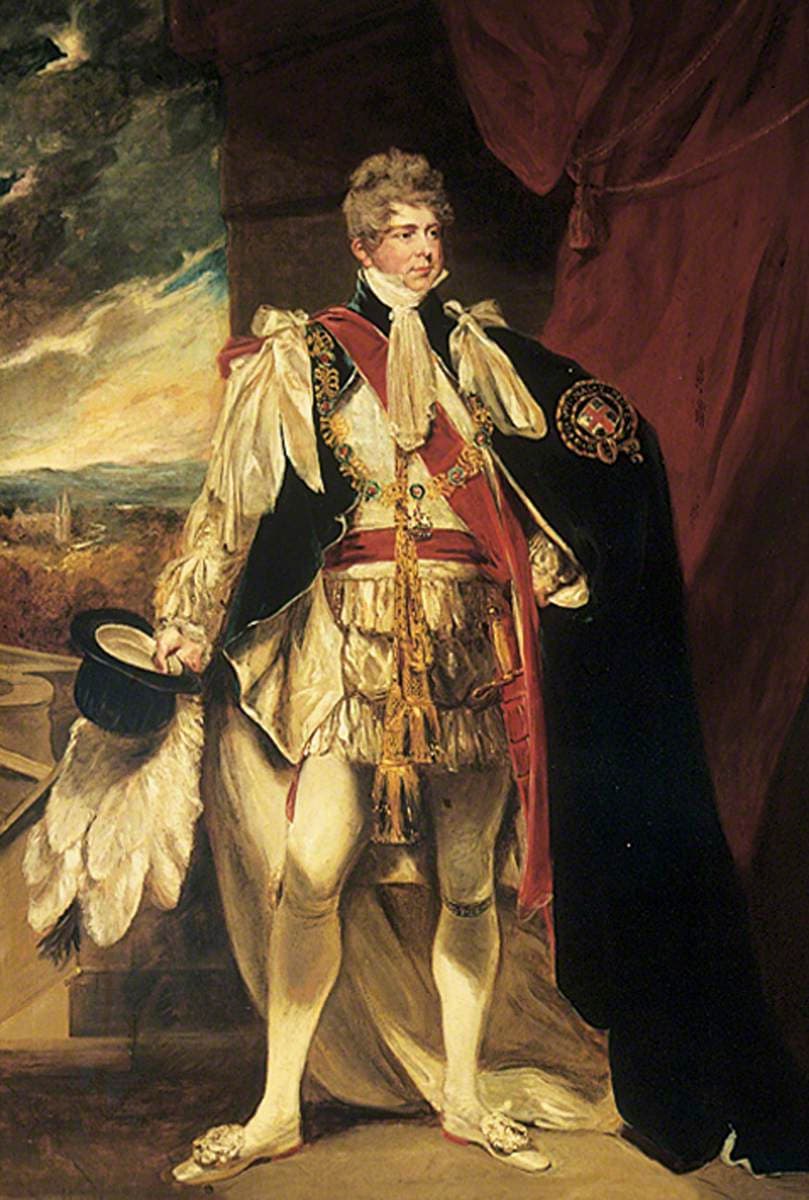
George IV (1762–1830) as Prince Regent (after John Hoppner)
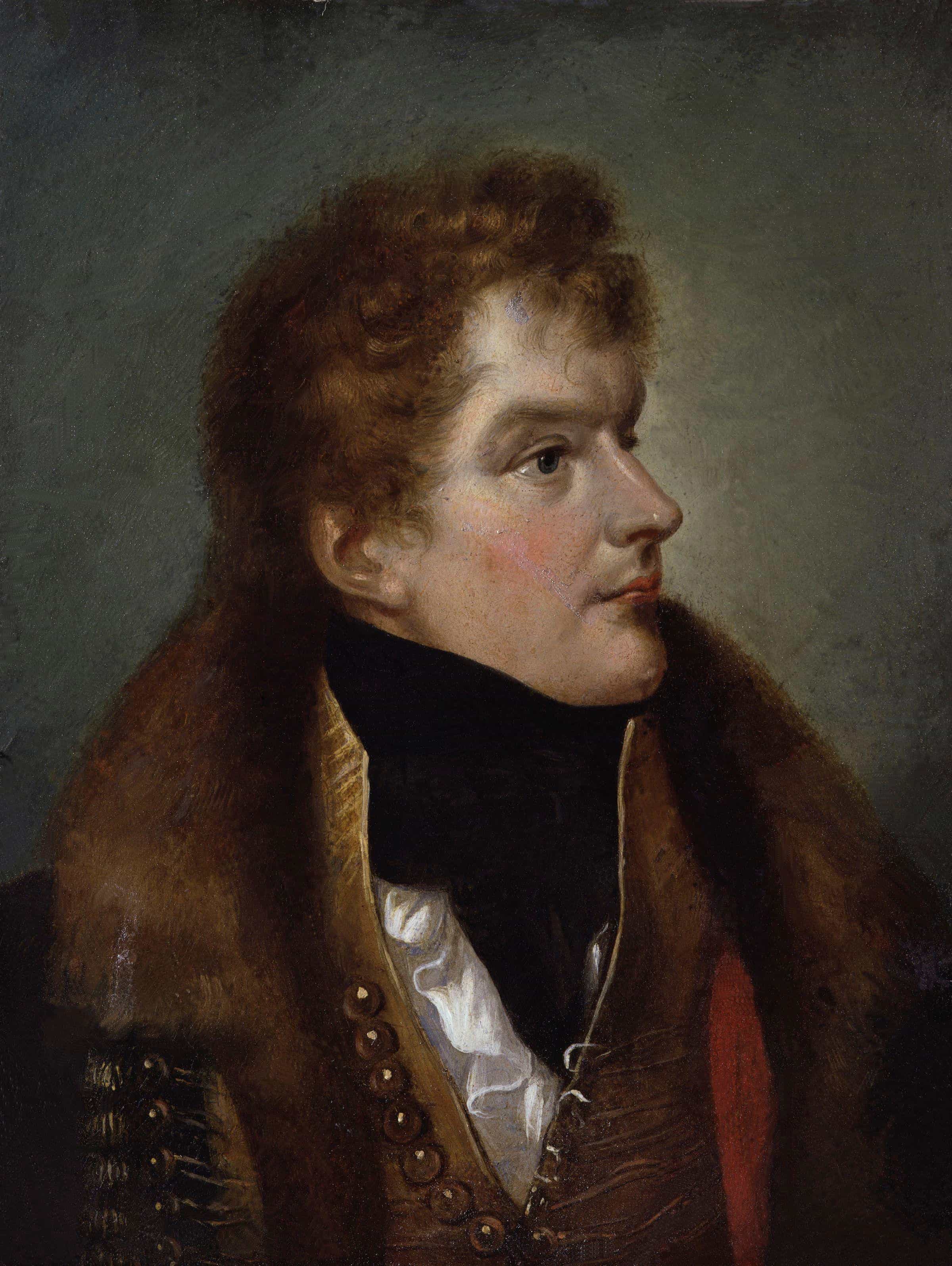
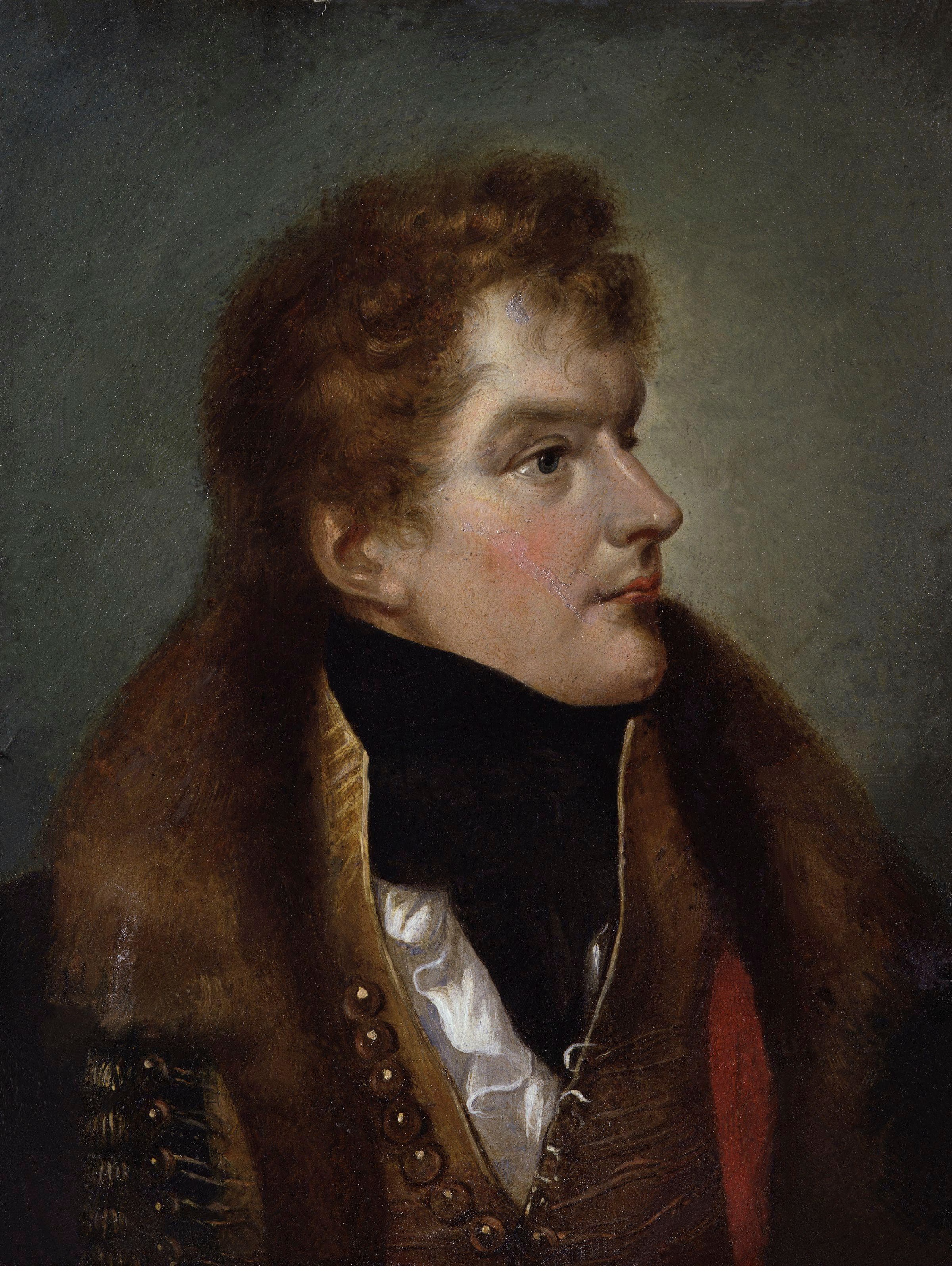
Charles John Gardiner, 1st Earl of Blessington
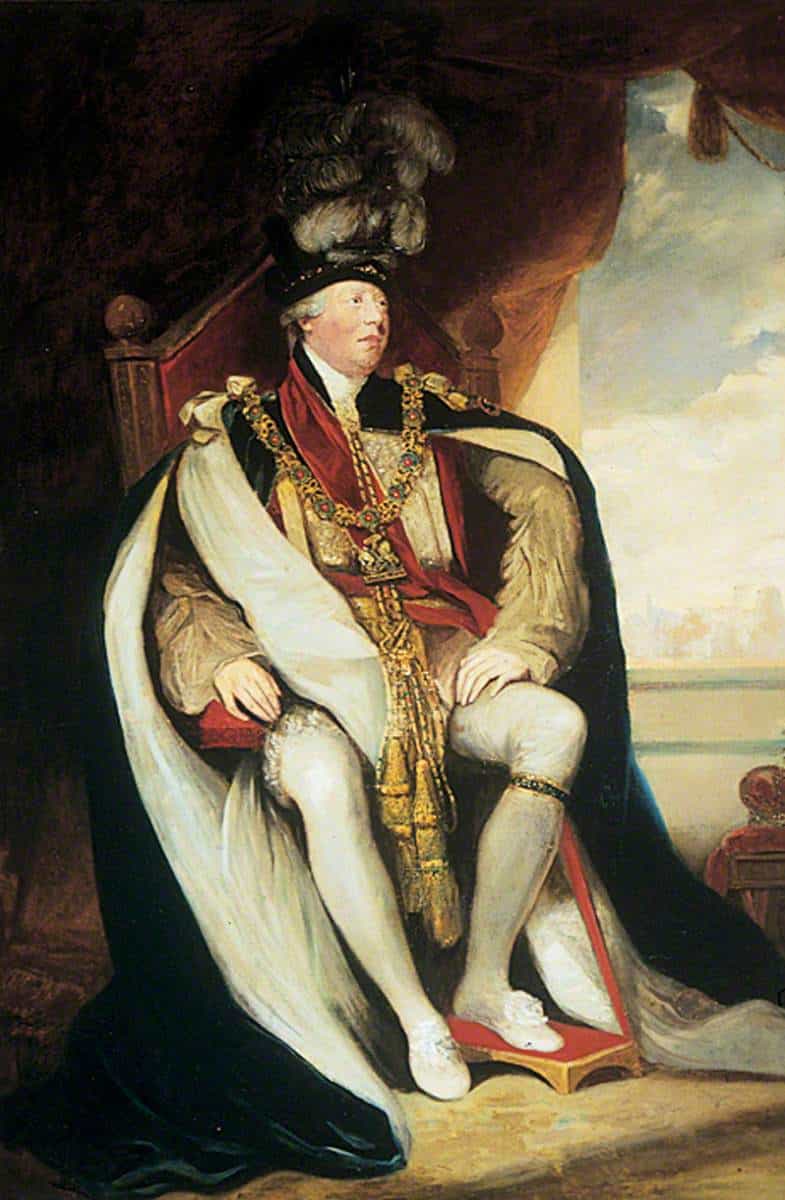
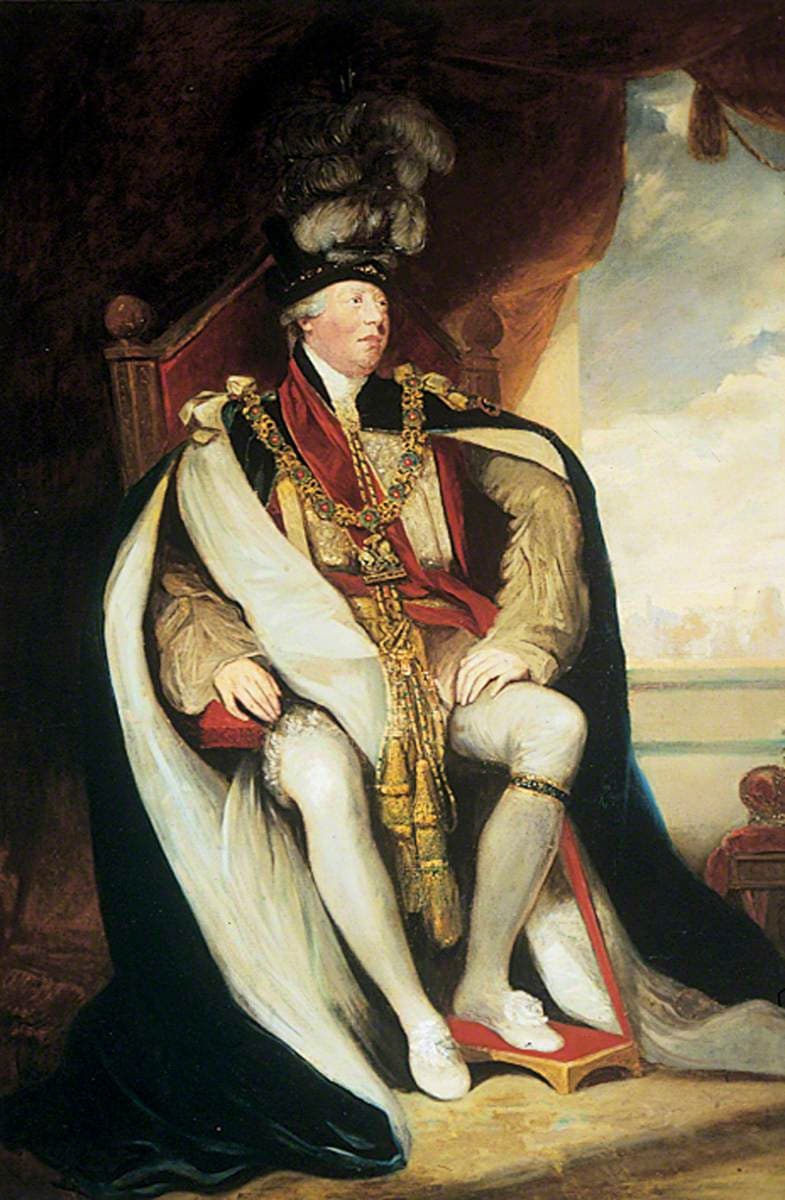
George III (1738–1820)
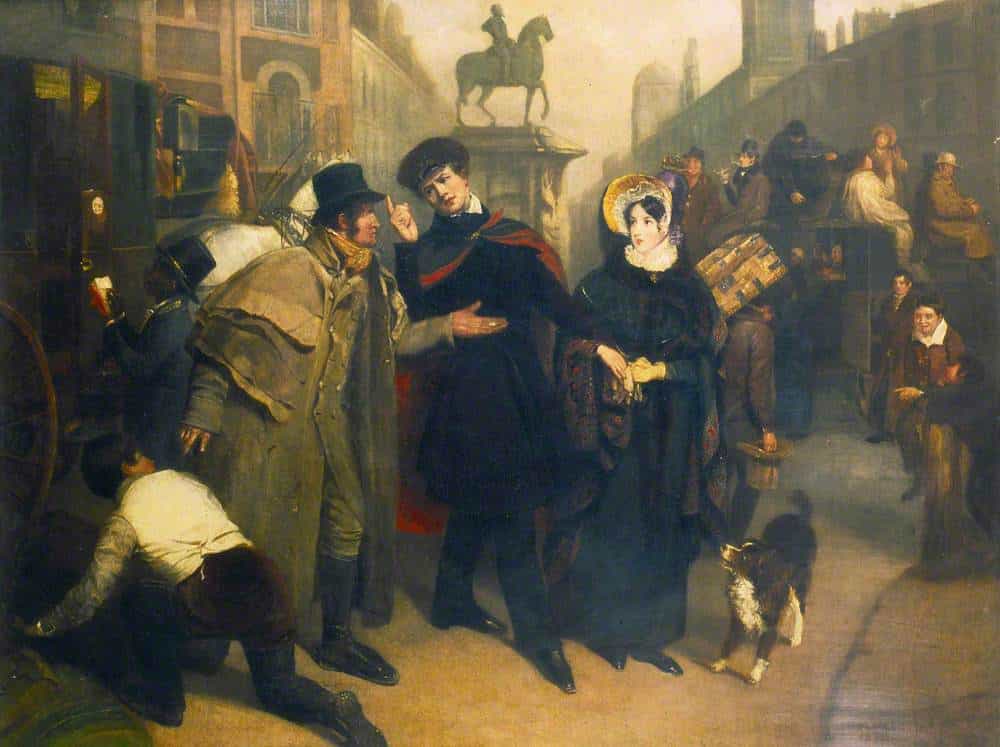
Charing Cross, London