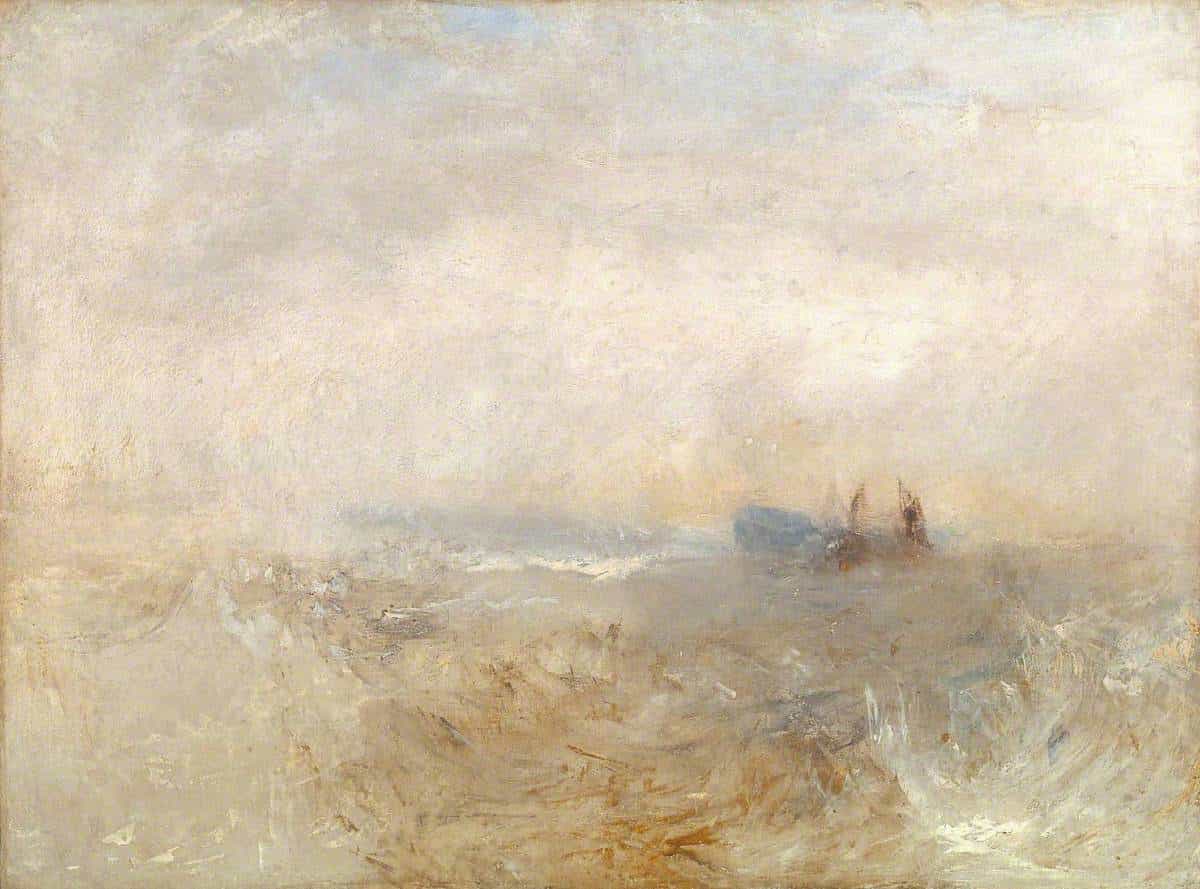
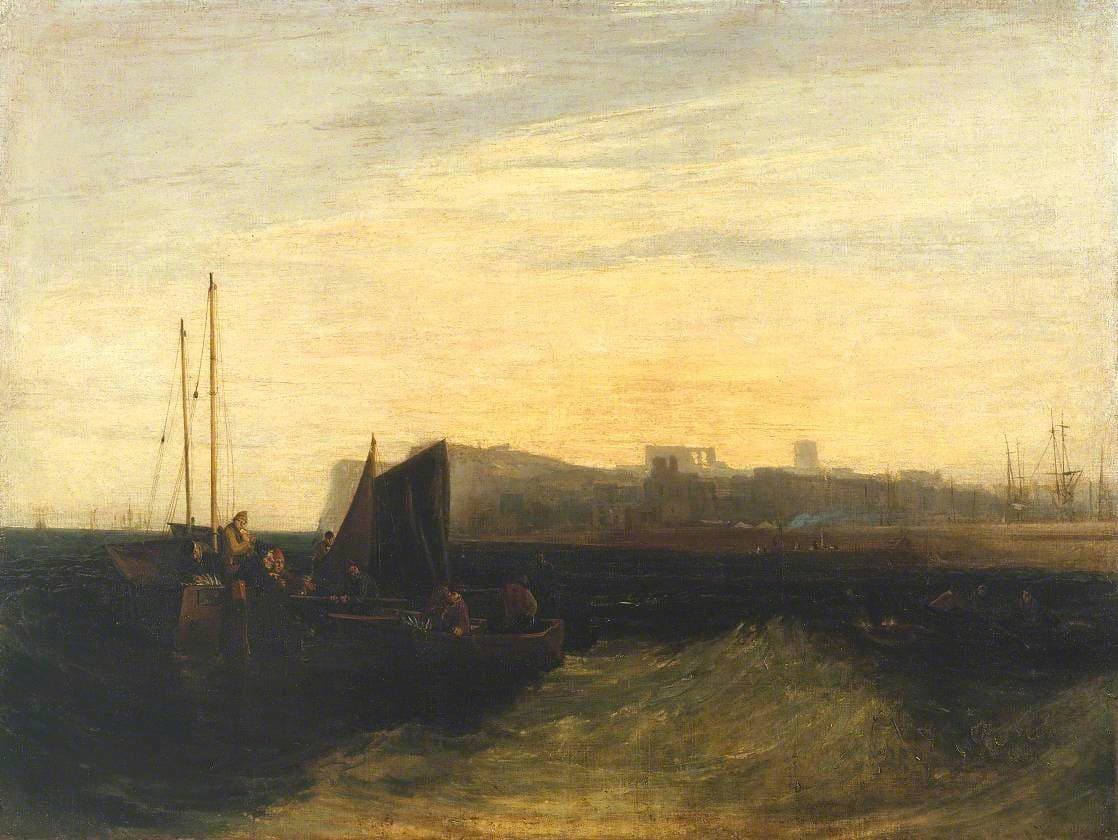
A Wreck, with Fishing Boats
J. M. W. Turner
From €64
Collection
Museum-quality reproductions on 310gsm textured cotton rag paper.
Shop all prints by J. M. W. TurnerArtistic Style
Style Evolution
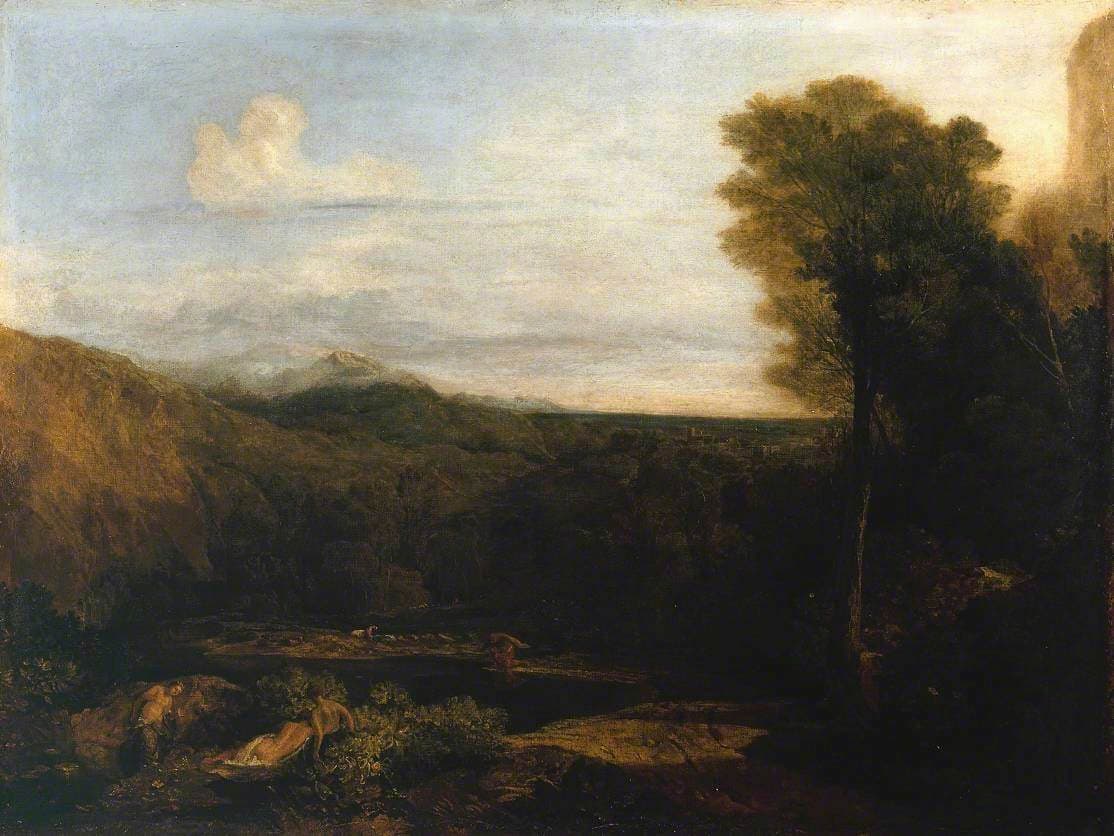
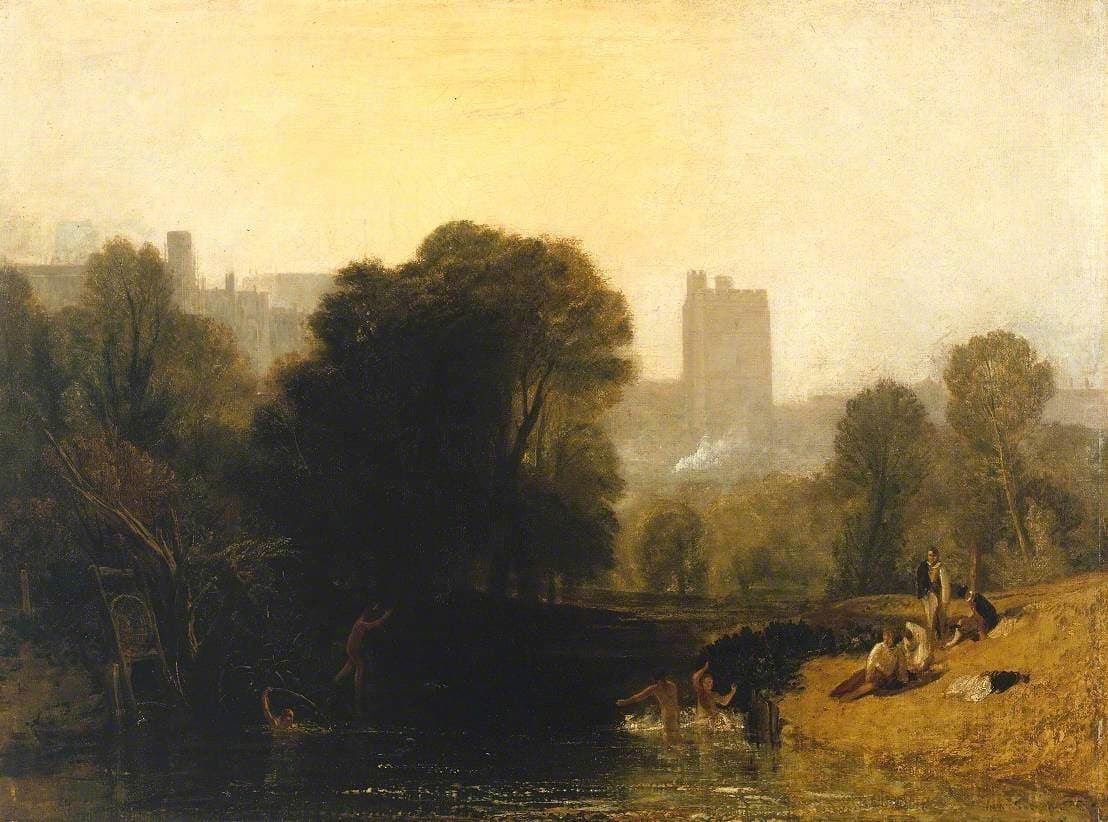
Turner progressed from precise topographical watercolours to increasingly expressive oil paintings that prioritize light, atmosphere and mood. Travel and study widened his palette and loosened his handling, culminating in late works that emphasize tonal atmosphere and presage Impressionist concerns.
Palette
Subjects
Techniques
Topics
J. M. W. Turner (1775-1851) was a British Romantic landscape painter whose luminous, atmospheric seascapes and daring experiments with light redefined landscape art.
Learn about the life of J. M. W. Turner
Signature Works
See all available prints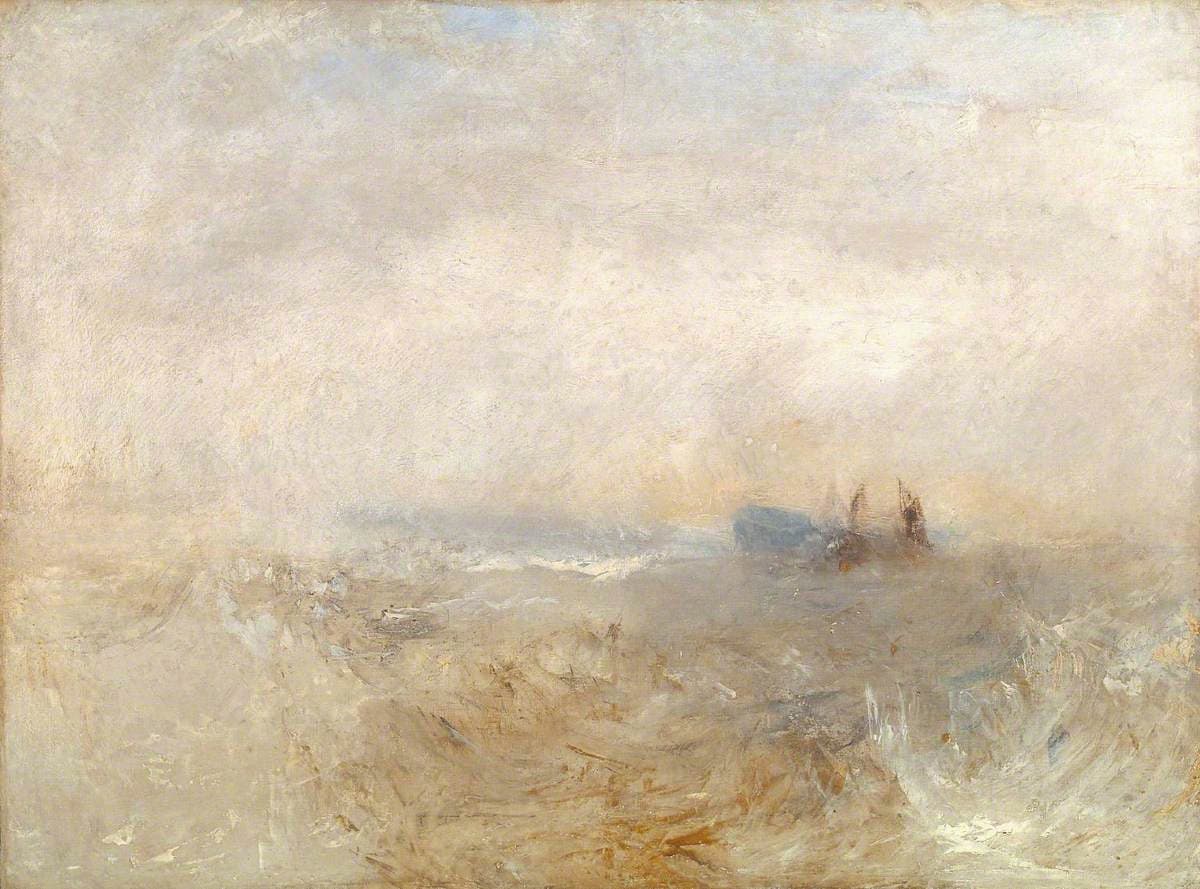
Biography
J. M. W. Turner (1775-1851) was a British Romantic landscape painter whose luminous, atmospheric seascapes and daring experiments with light redefined landscape art.
J. M. W. Turner (1775-1851) was a British Romantic landscape painter whose luminous, atmospheric seascapes and daring experiments with light redefined landscape art.
Joseph Mallord William Turner was born in Maiden Lane, London. He showed artistic talent early and received formal training at the Royal Academy Schools in London. Turner developed an intimate knowledge of topography and nautical subjects through continuous travel and sketching, forming the basis for his studio paintings and watercolours.
Turner's career progressed from detailed topographical views to increasingly expressive, light-driven compositions that emphasized atmosphere over strict representation.
Trained at the Royal Academy Schools and exhibiting in London from a young age, Turner made his name with precise watercolours and oil views that combined careful observation with dramatic composition.
Turner traveled widely for study—sketching coastal scenes and Alpine passes—and incorporated those observations into larger studio works. Over the middle period of his career he expanded his palette and loosened his brushwork, producing works notable for their luminous skies and dynamic handling of weather and sea.
In later years Turner's work became increasingly abstracted in its treatment of light and atmosphere, prioritizing tonal mood and sensation. These late canvases anticipated many ideas later central to Impressionism and modern landscape painting.
Turner is celebrated for his revolutionary handling of light, atmosphere and motion in seascapes and landscapes. He exhibited widely in London throughout his life and established a reputation as one of Britain’s foremost landscape painters.
Turner worked in oil and watercolour, often using glazing, layered washes, and vigorous brushwork to build luminous effects. His approach emphasized tonal gradation, vaporous atmospheres, and the emotional impact of weather and light. He experimented with scale, composition and the decorative potential of landscape imagery.
Turner influenced later generations of artists, including early Impressionists and landscape painters who admired his treatment of light and colour. His innovations in capturing transient atmospheric effects reshaped expectations for landscape painting and remain a touchstone for artists and collectors.
Turner lived much of his adult life in London and in his later years in the Chelsea area, where he maintained a prolific studio practice. He was known for a disciplined work ethic and lifelong dedication to depicting the natural world.
Frequently Asked Questions
A Wreck, with Fishing Boats
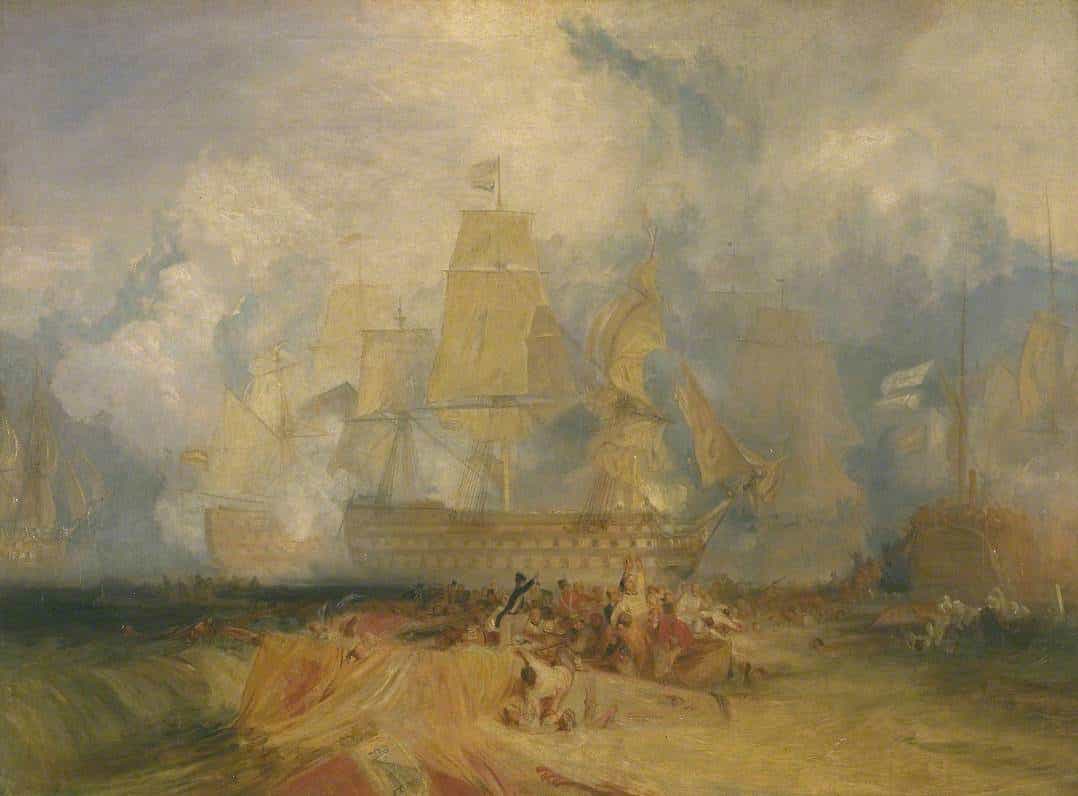
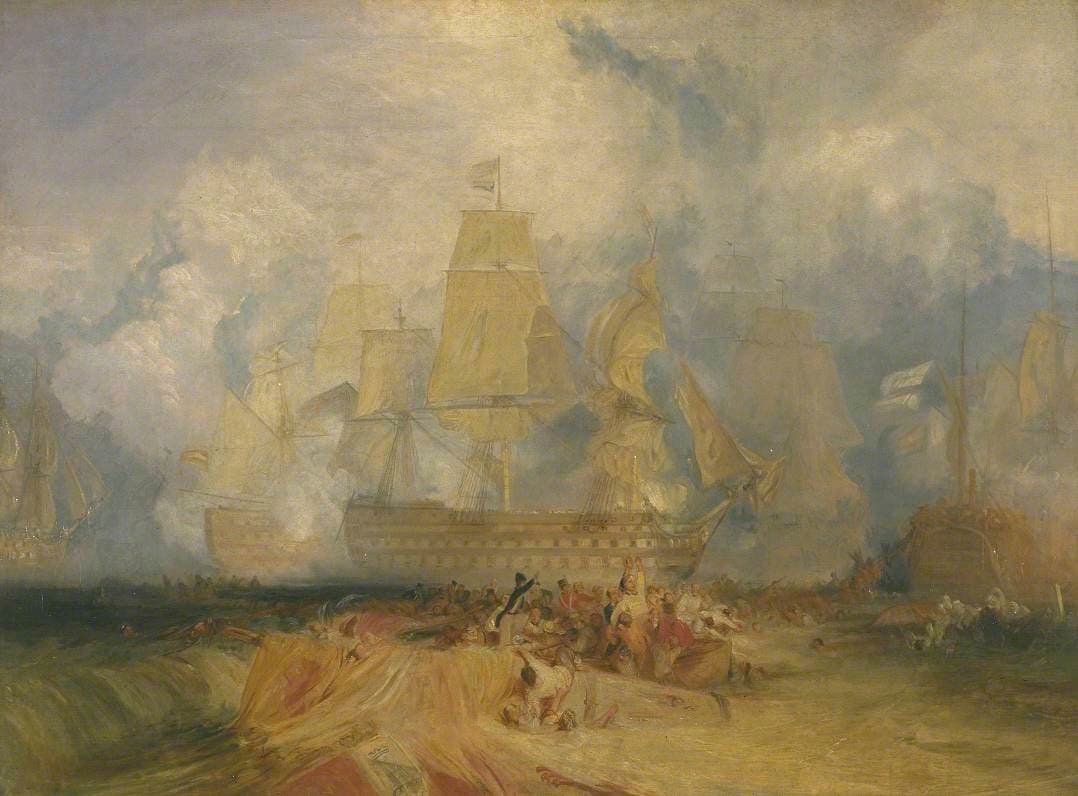
Second Sketch for The Battle of Trafalgar
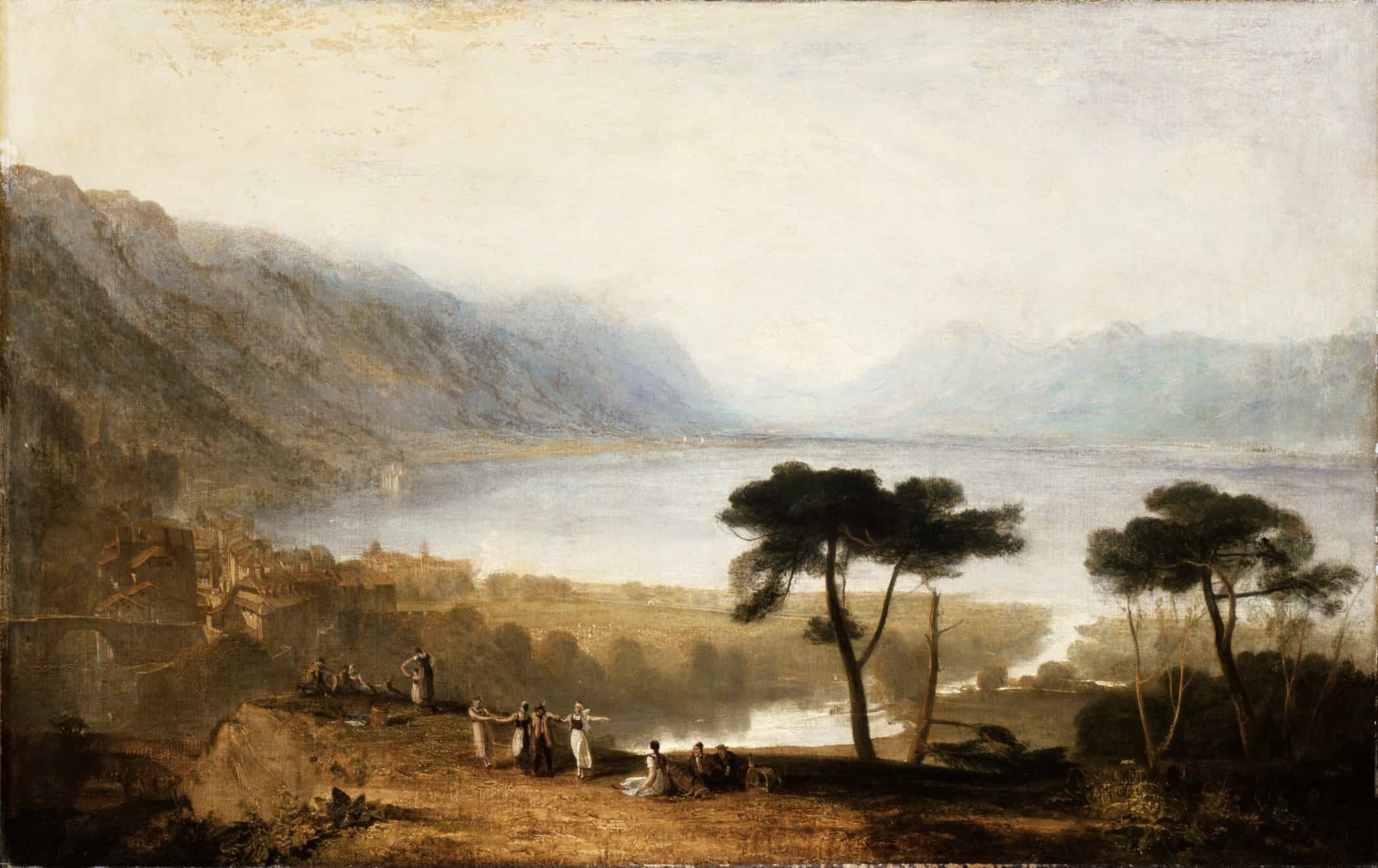
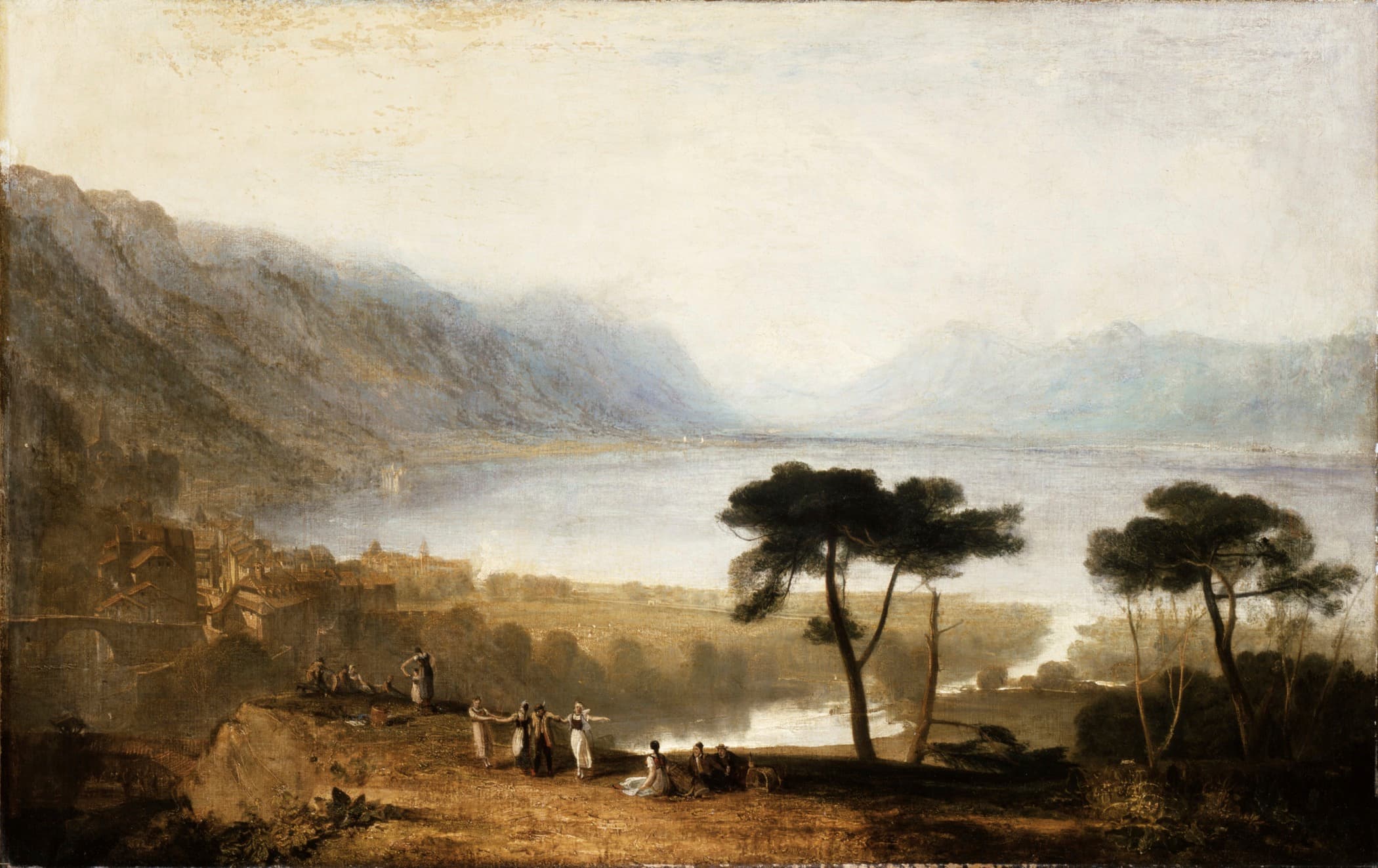
Lake of Geneva from Montreux
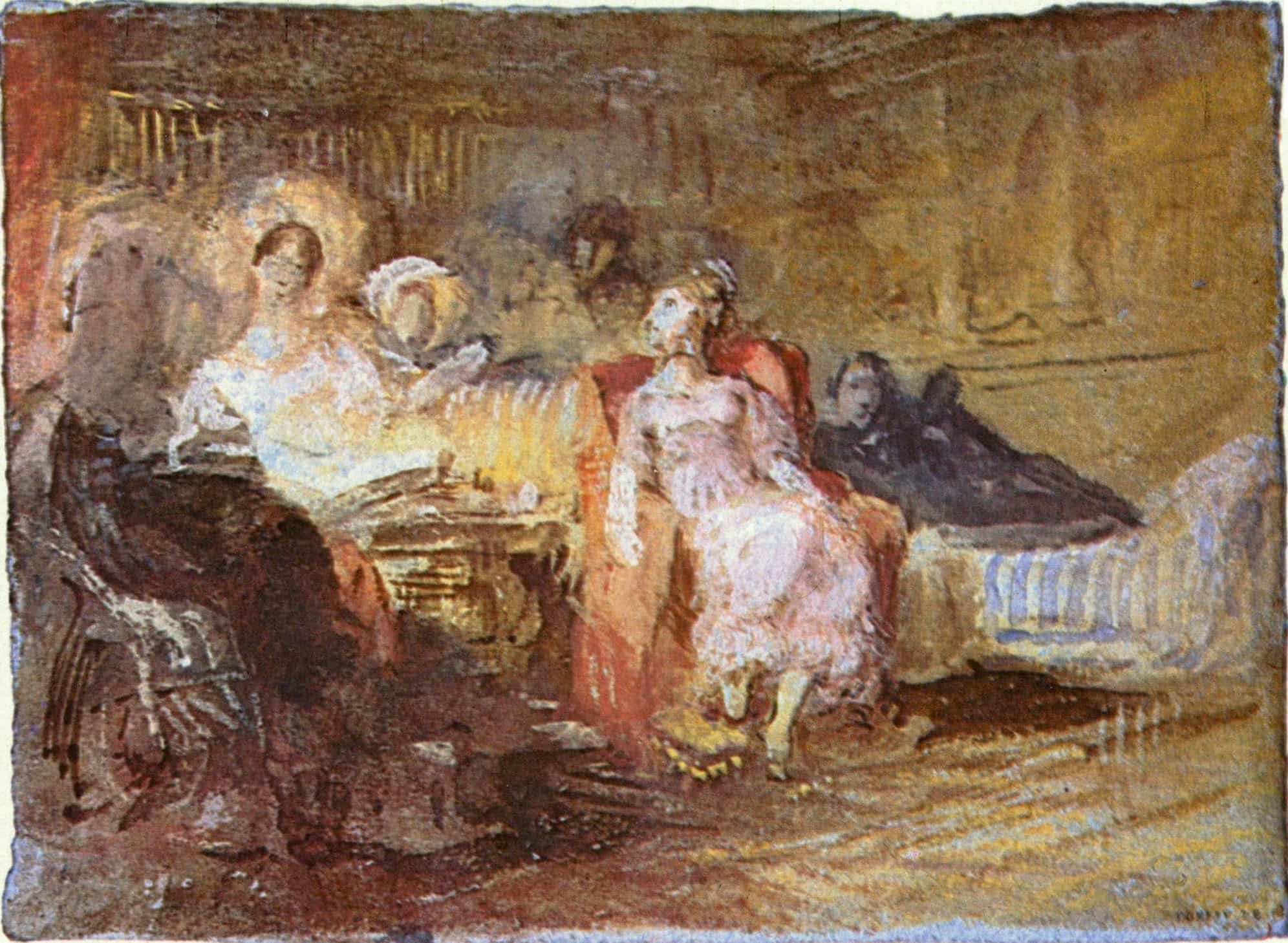
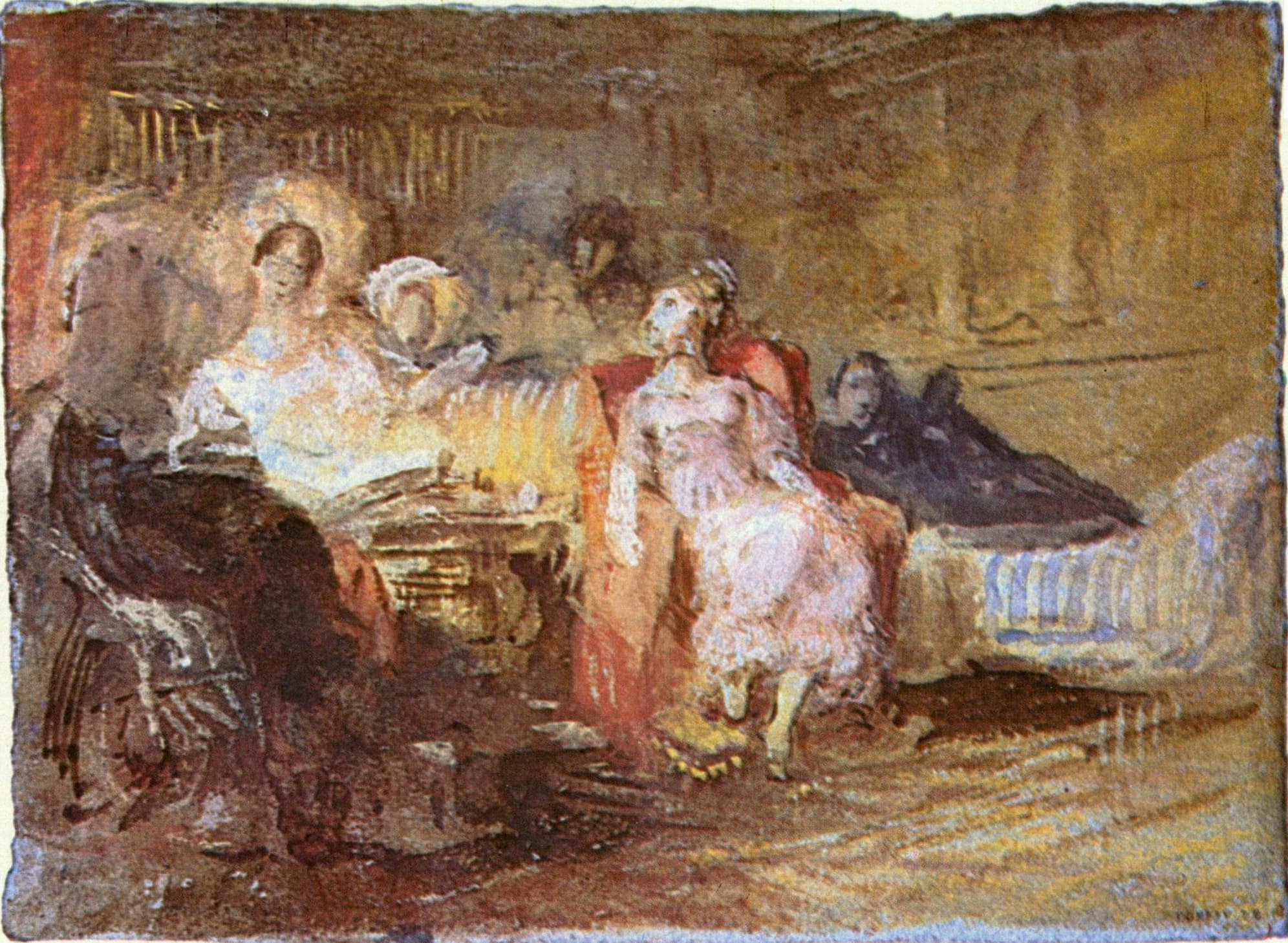
A Salon
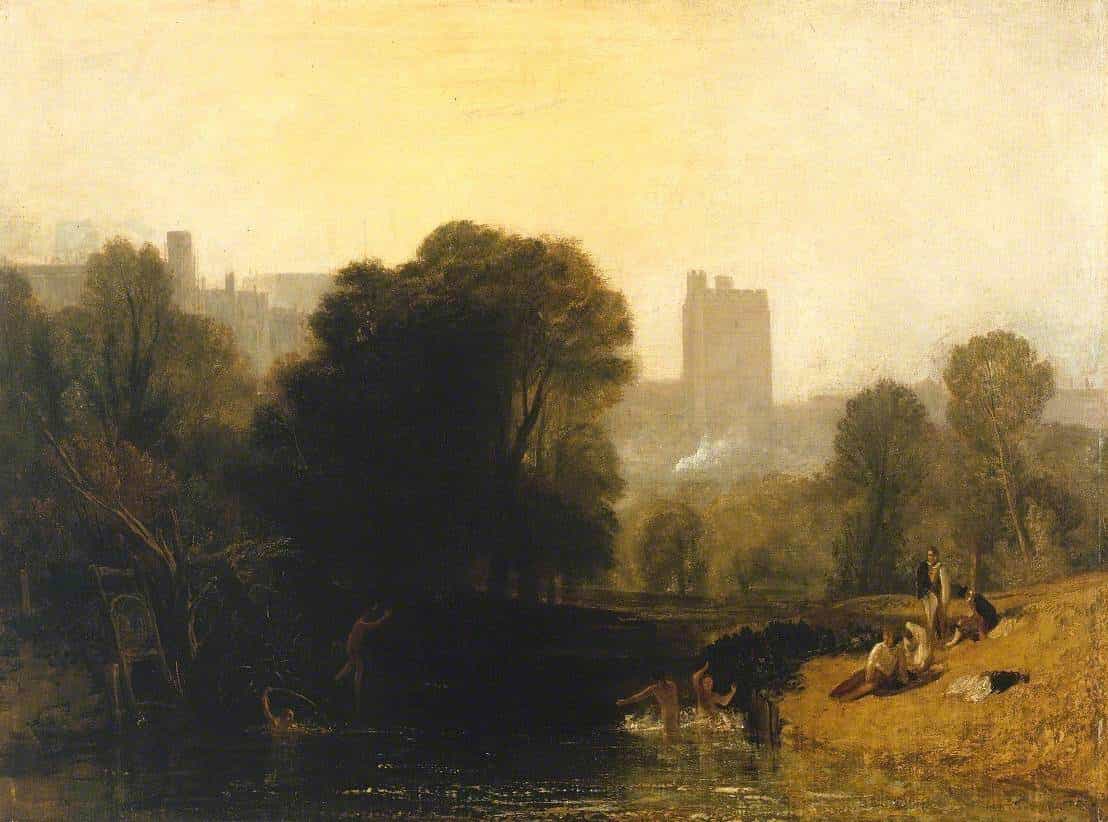
Near the Thames’ Lock, Windsor
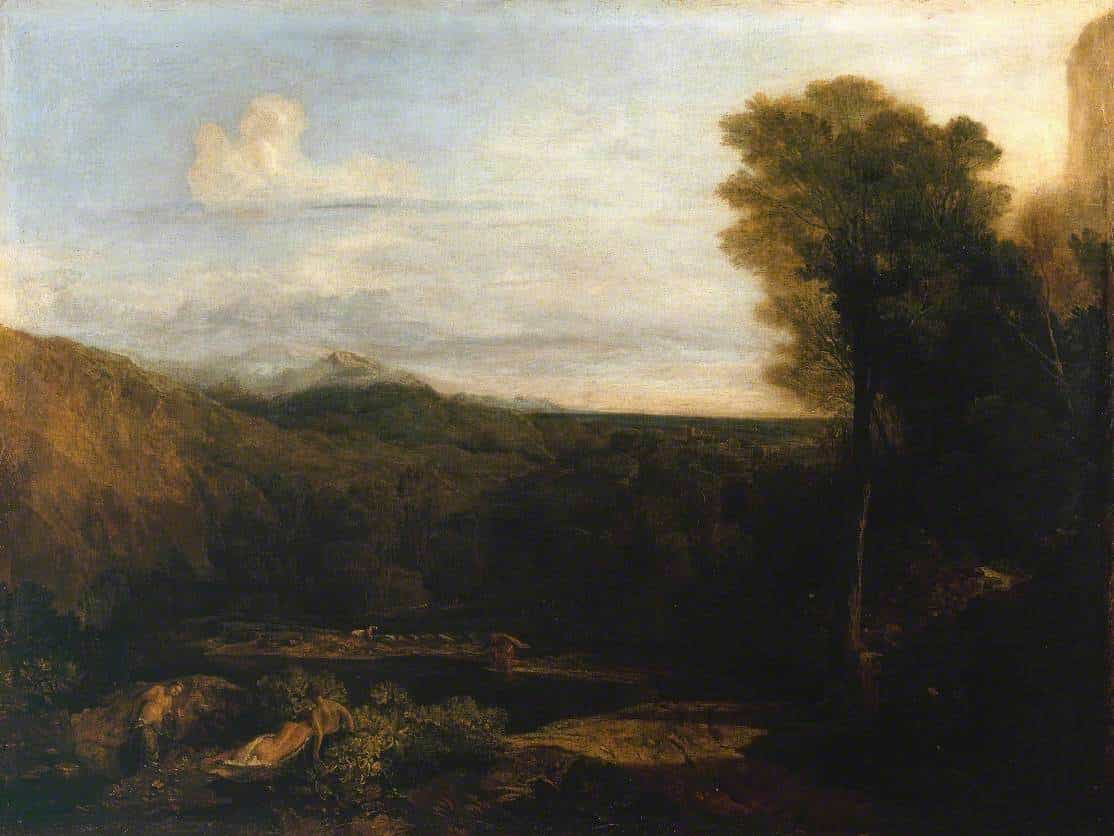
Narcissus and Echo
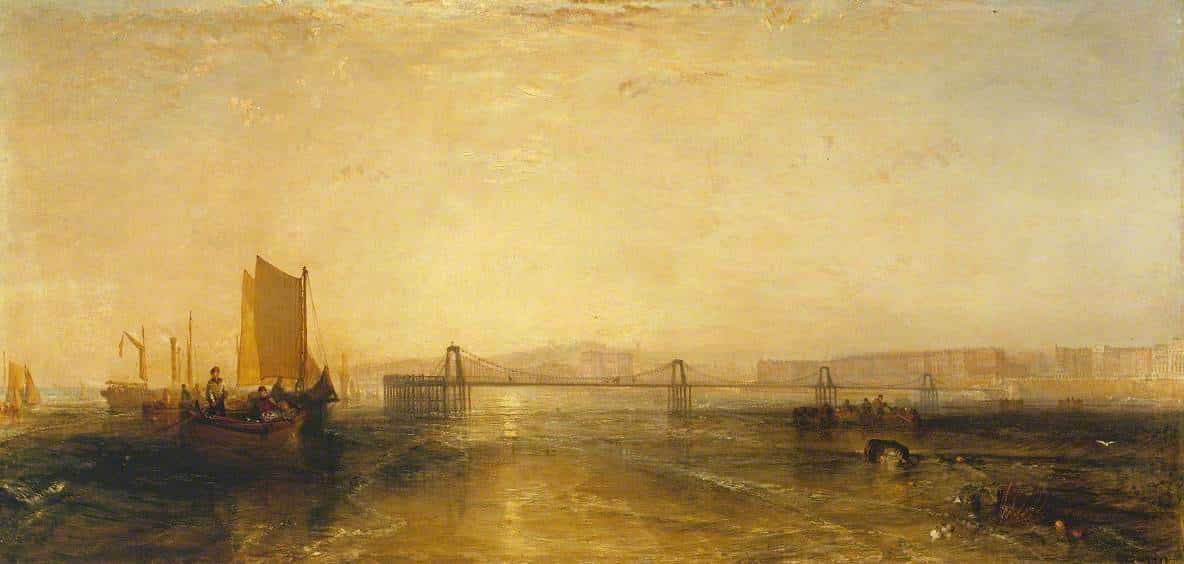
Brighton from the Sea
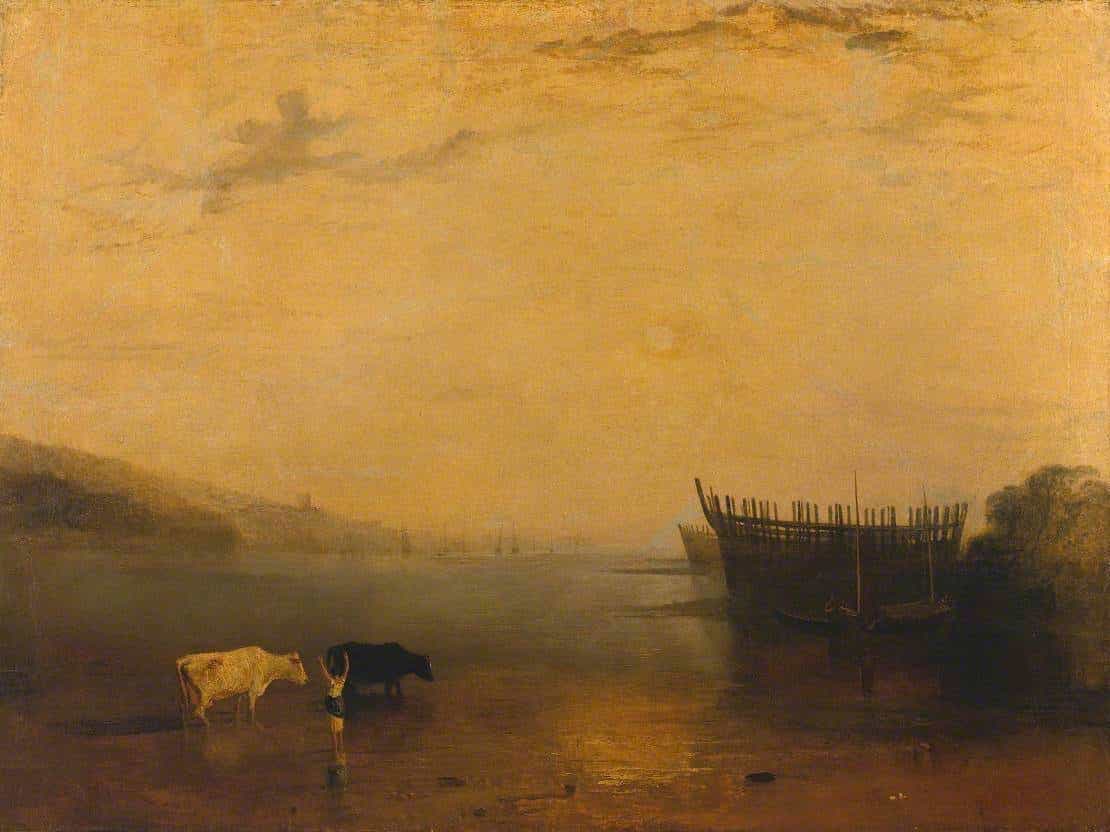
Teignmouth
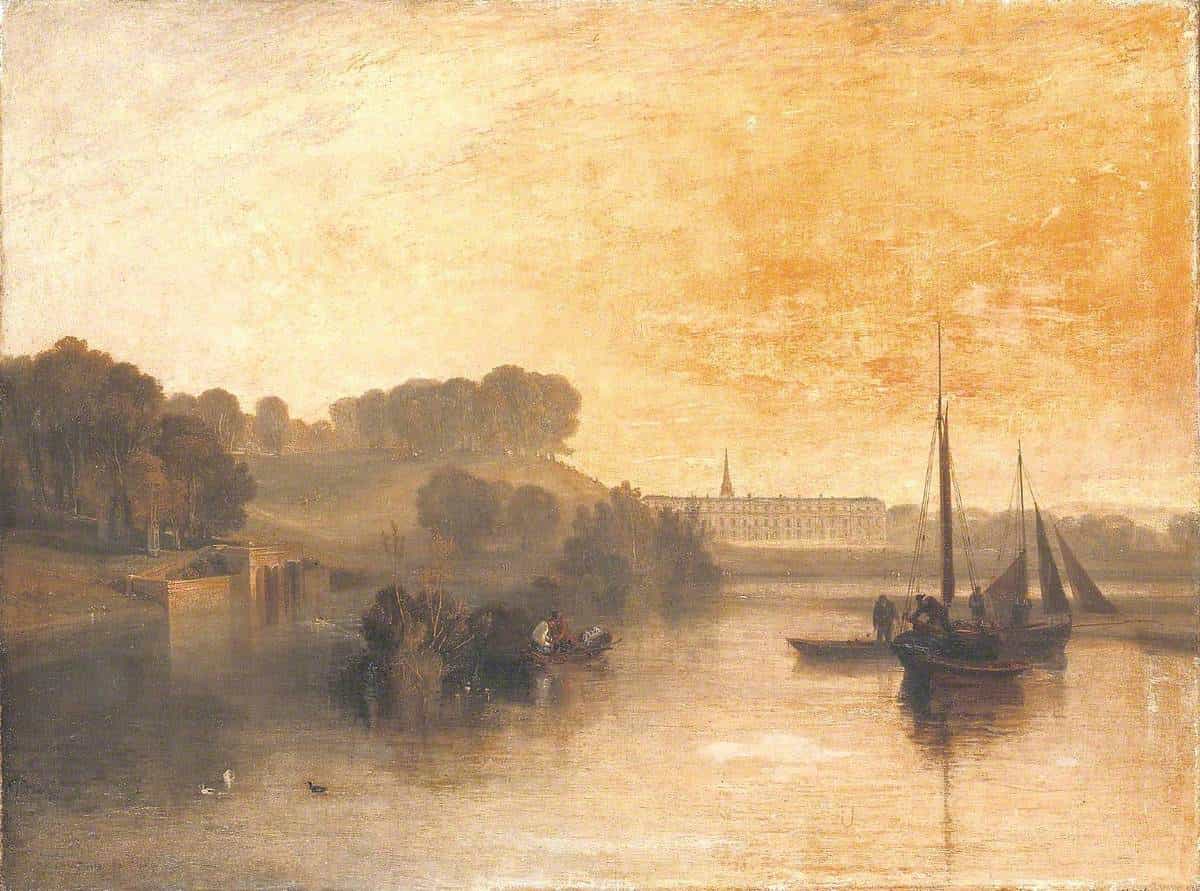
Petworth, Sussex, the Seat of the Earl of Egremont: Dewy Morning
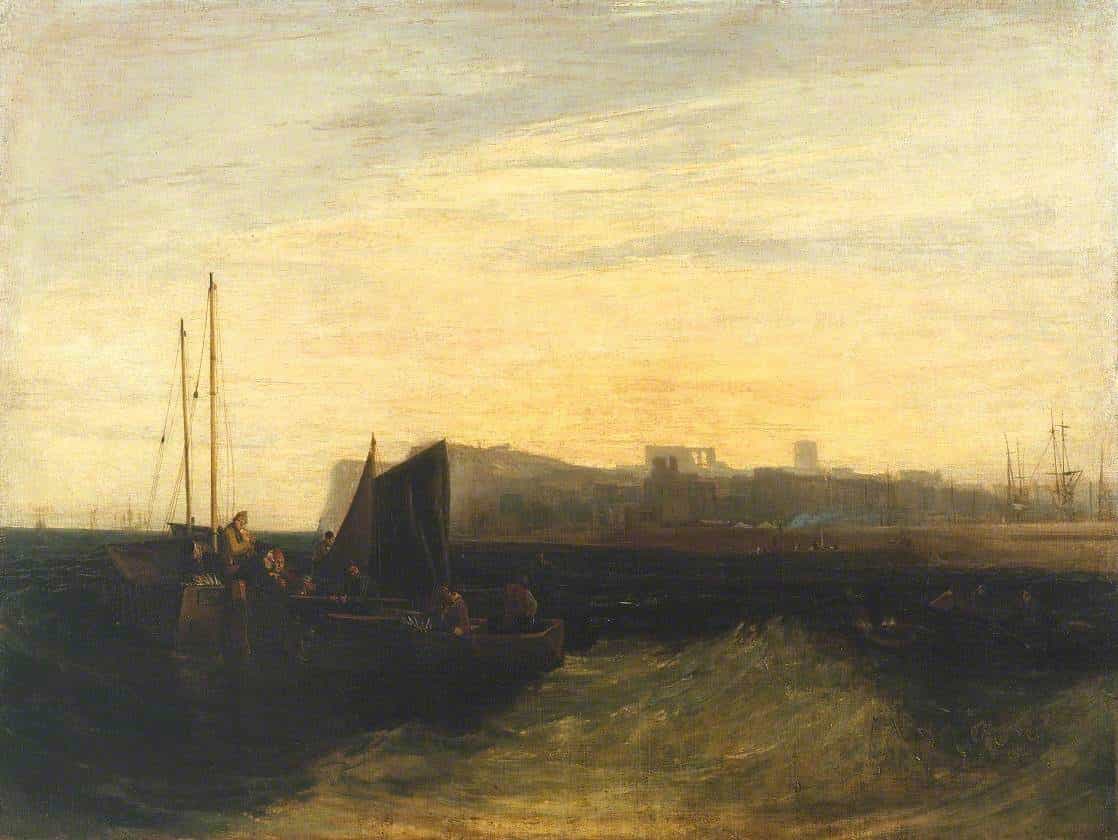
Margate
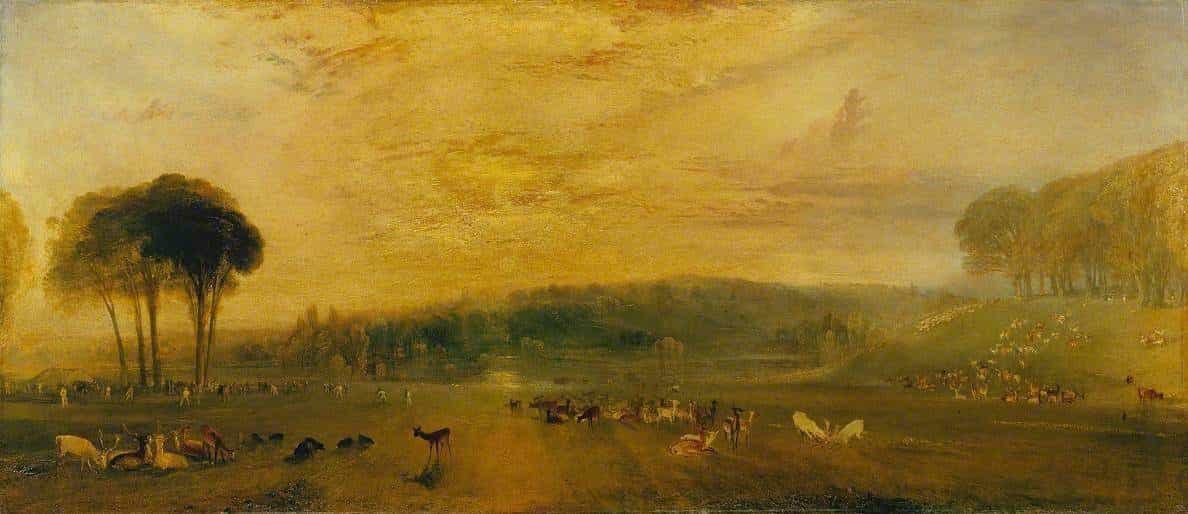
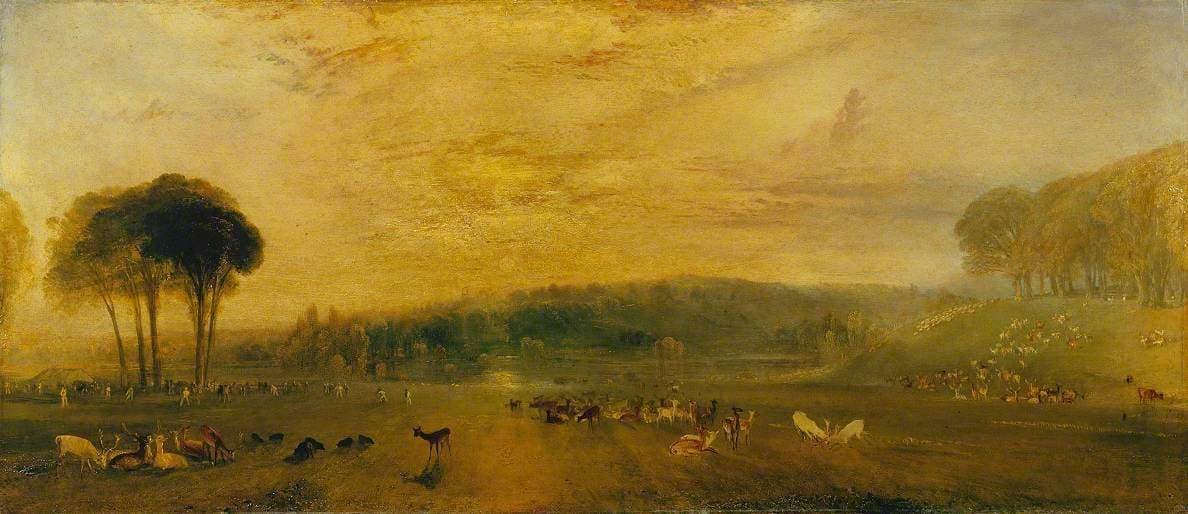
The Lake, Petworth: Sunset, Fighting Bucks
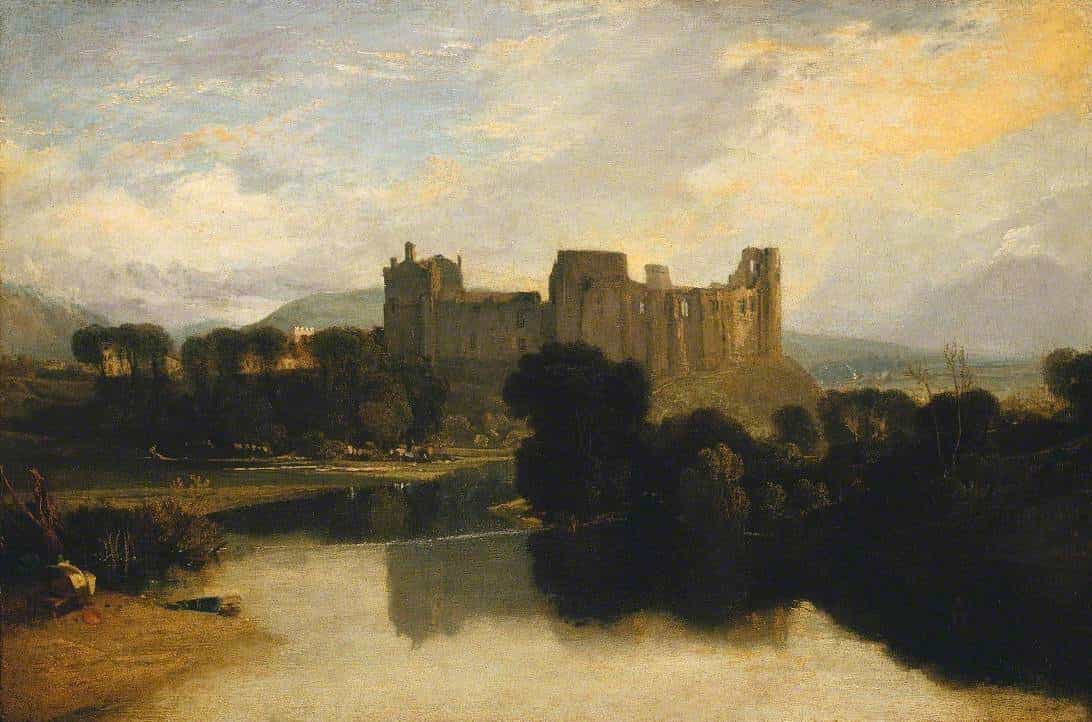
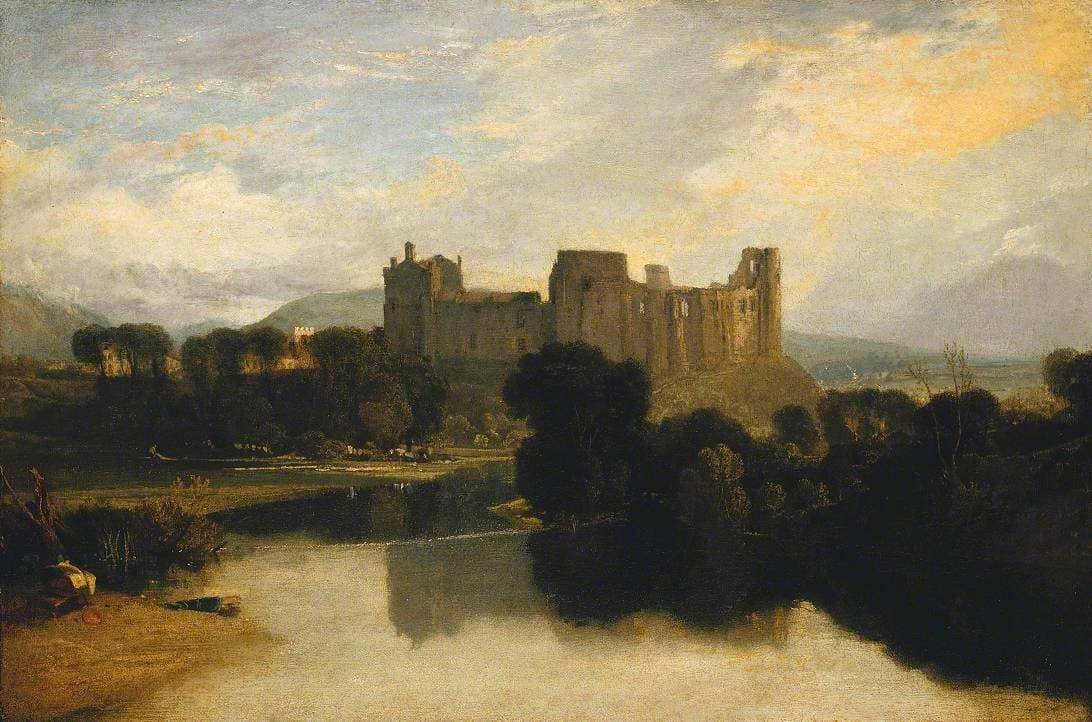
Cockermouth Castle