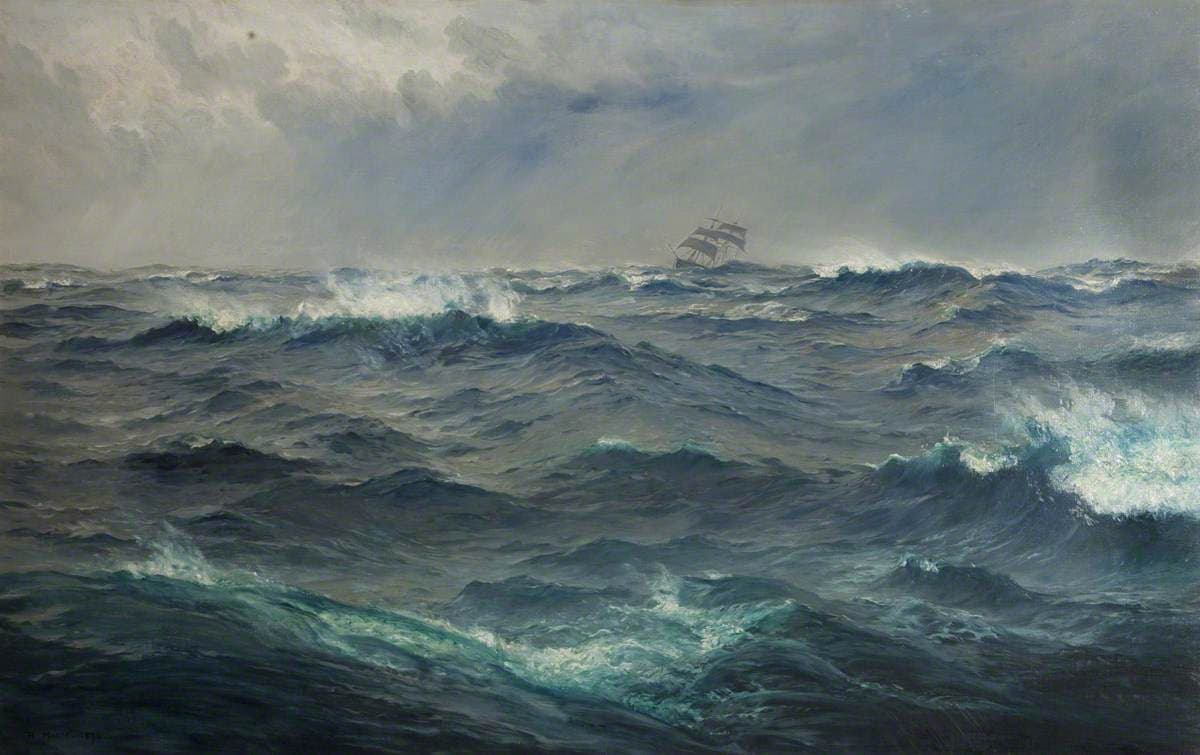
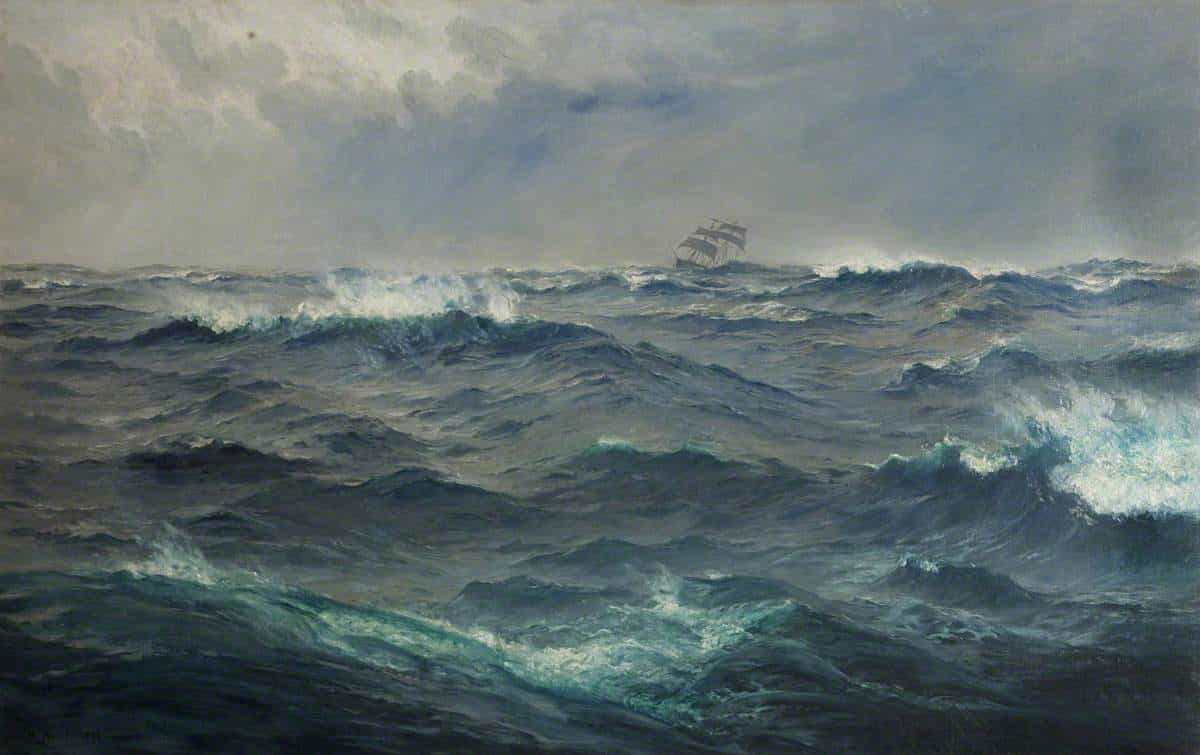
Westward
Henry Moore
From €38
Collection
Museum-quality reproductions on 310gsm textured cotton rag paper.
Shop all prints by Henry MooreArtistic Style
Style Evolution
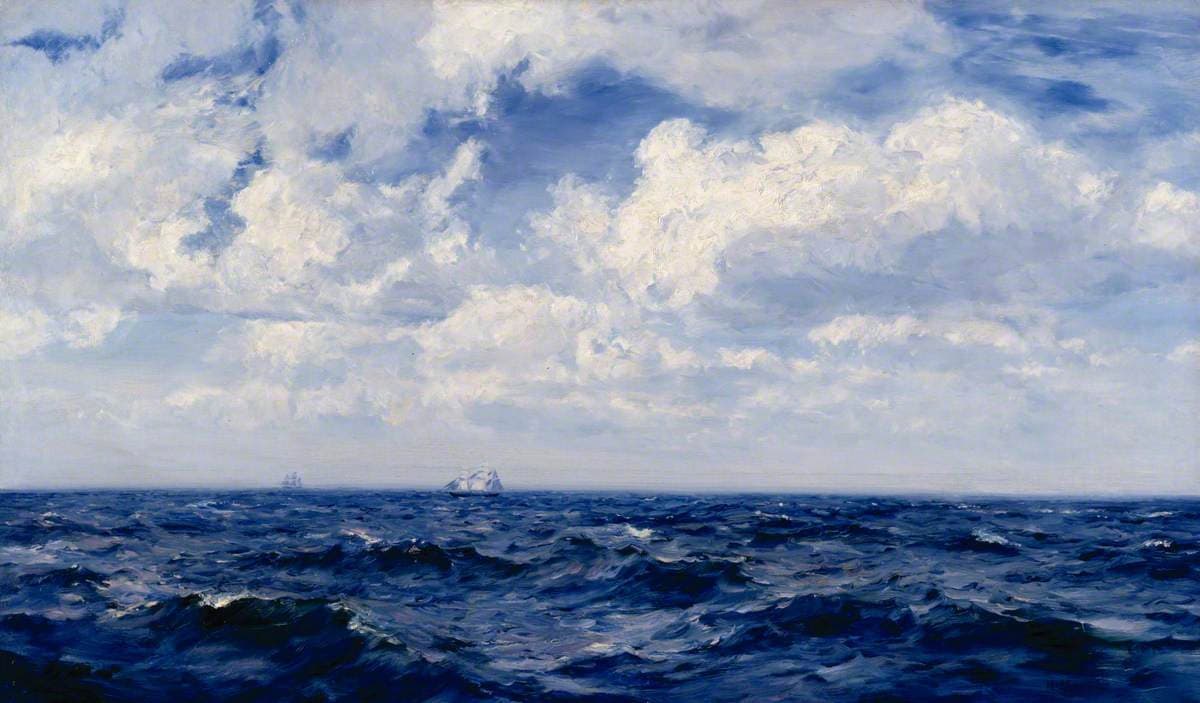
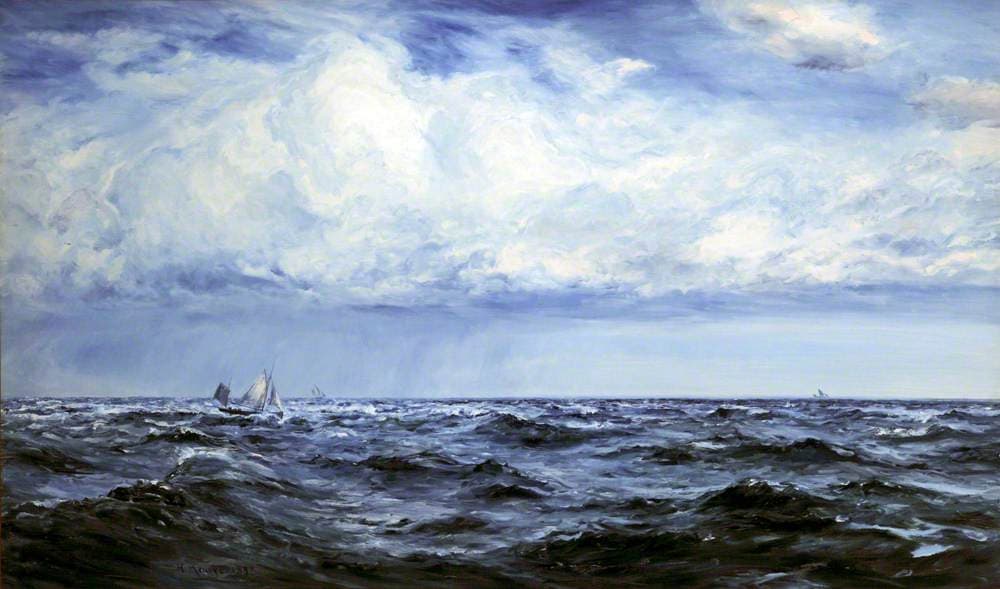
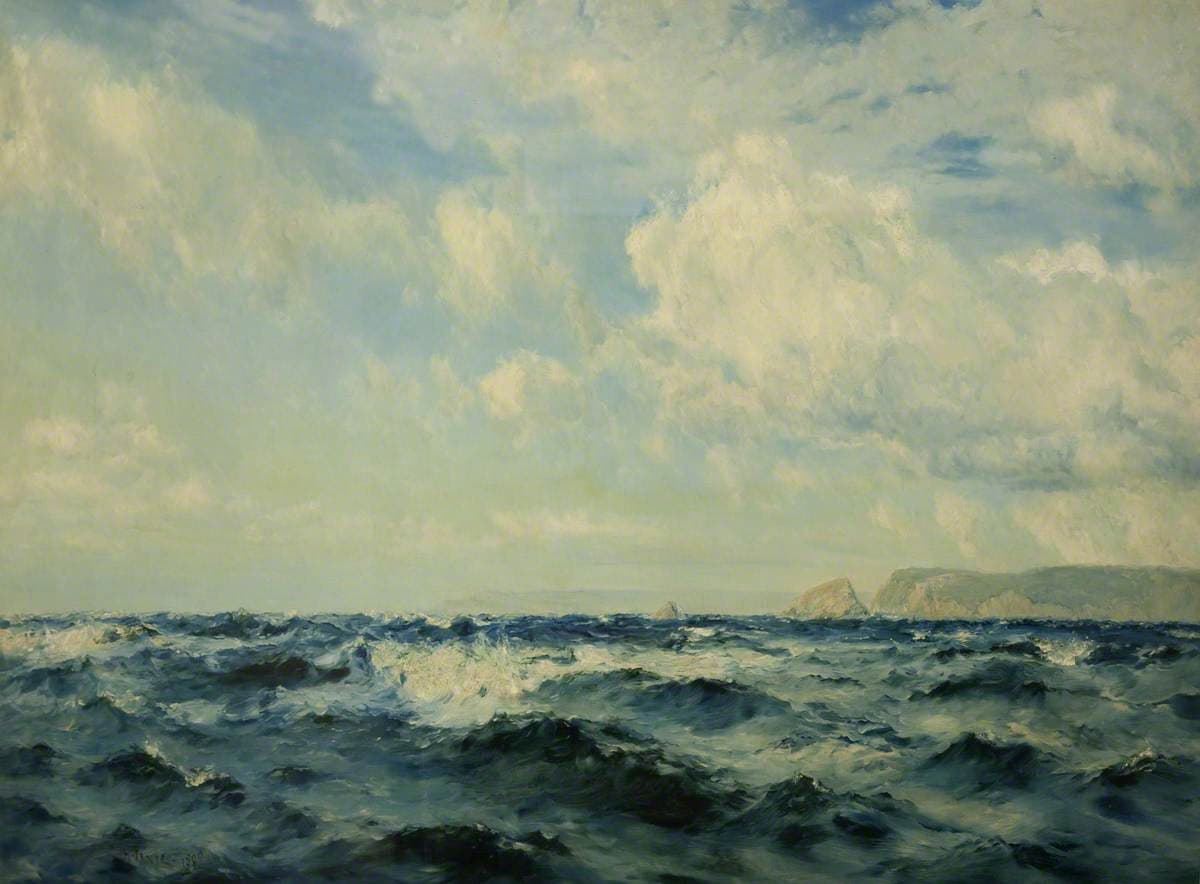
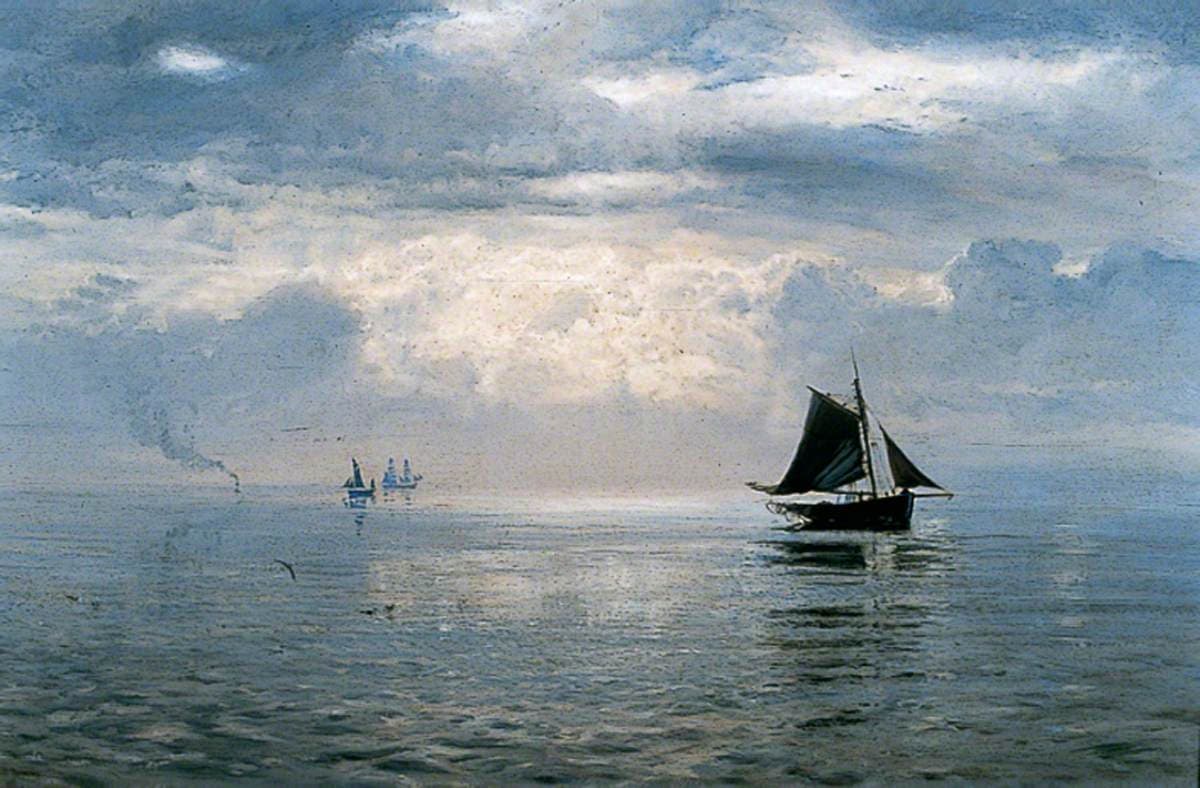
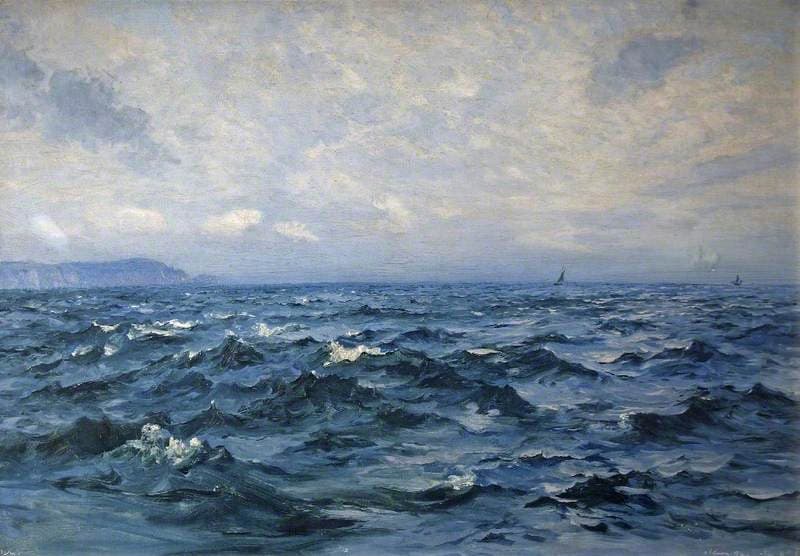
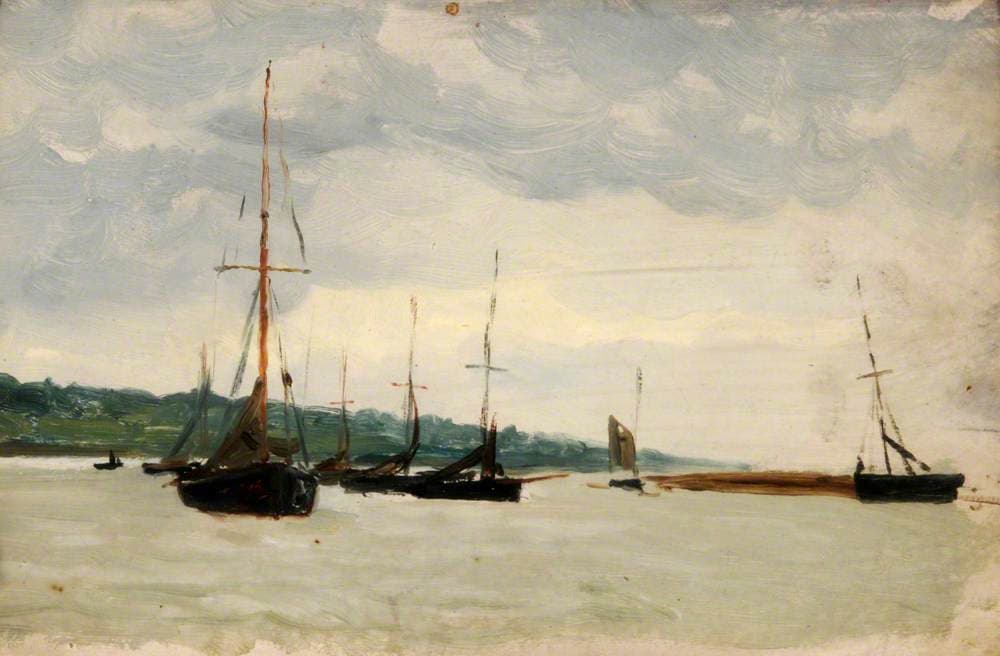
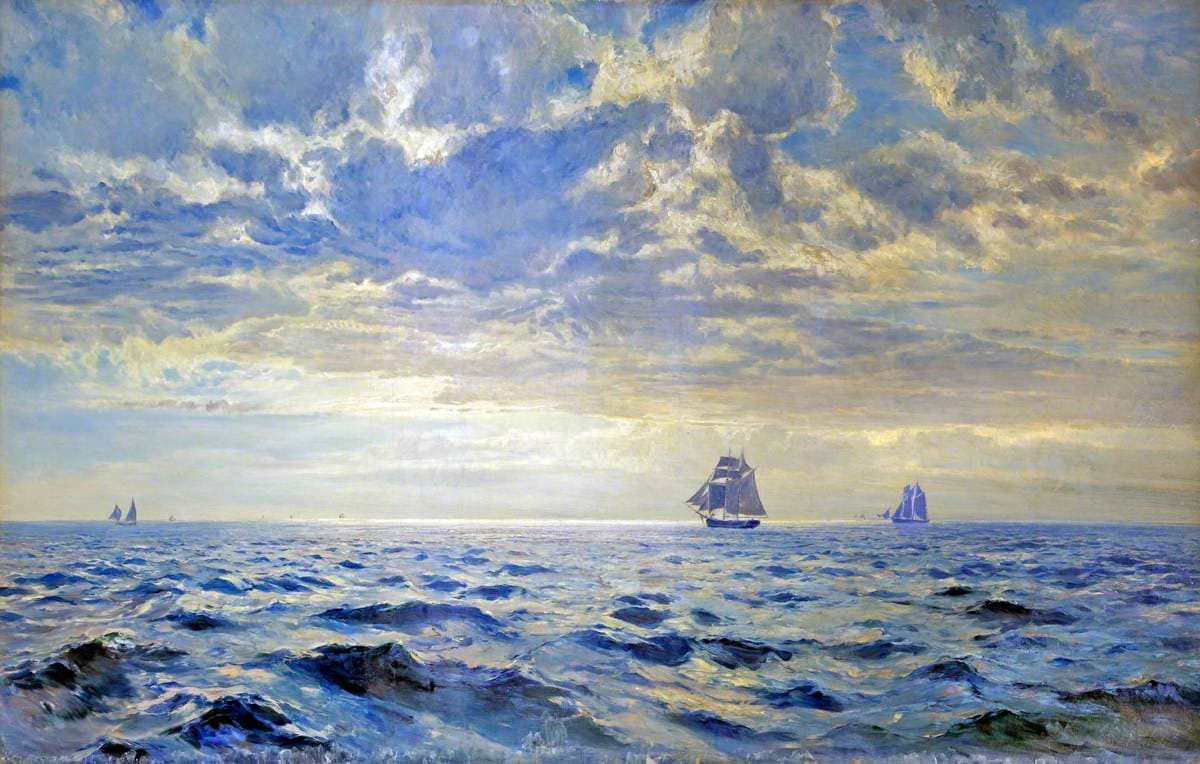
Moore's work remained within Victorian realist and genre traditions: early careful draughtsmanship matured into a middle-career emphasis on mood and decorativeness, with later coastal works reflecting softer light and a relaxed seaside sensibility.
Palette
Subjects
Techniques
Topics
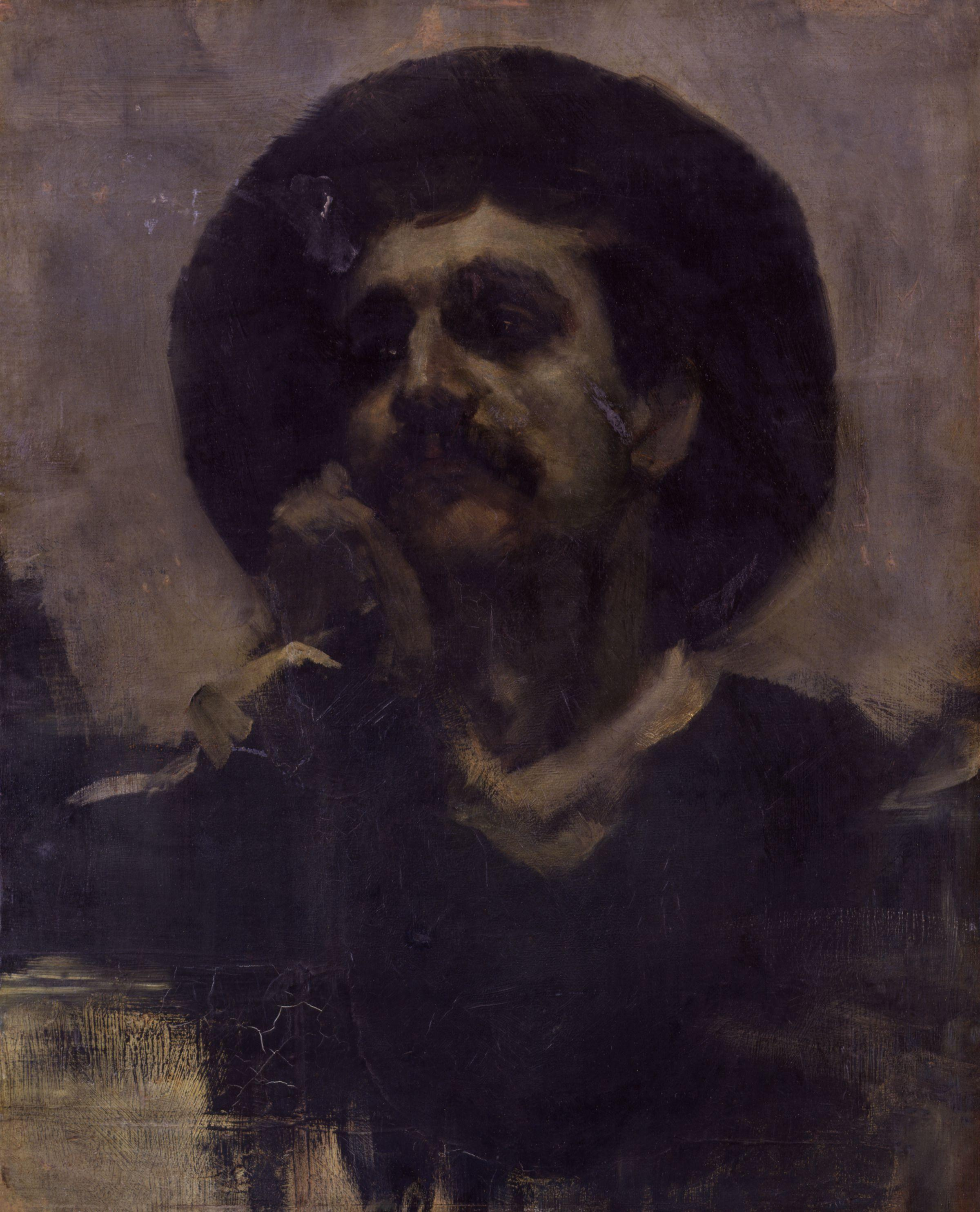
Henry Moore (1831-1895) was a British Victorian-era painter whose evocative landscapes and domestic scenes captured the atmosphere of 19th-century England.
Learn about the life of Henry Moore
Biography
Henry Moore (1831-1895) was a British Victorian-era painter whose evocative landscapes and domestic scenes captured the atmosphere of 19th-century England.
Born in York in 1831, Henry Moore came of age during the Victorian era, a period that shaped British tastes for landscape and genre painting. Details of his formal training and education are not widely documented in major public records. He worked within the visual language and market of mid- to late-19th-century Britain, producing works that appealed to both provincial collectors and urban patrons. Moore spent his later years in Margate, where he died in 1895.
Moore's career unfolded entirely within the 19th century and reflects the broader tendencies of Victorian painting: attention to narrative, careful draftsmanship, and a preference for subjects that responded to contemporary social and visual interests.
In his early period, Moore developed a steady hand for composition and observation, focusing on scenes that would have appealed to middle-class collectors of the time.
During his middle career, Moore likely produced the bulk of his known works, refining a quiet, descriptive approach to landscape and interior subjects that emphasized mood and atmosphere over avant-garde innovation.
In later life, when he lived in coastal Margate, Moore's work is thought to have reflected the seaside light and genteel leisure themes popular with Victorian audiences.
Comprehensive lists of Moore's individual paintings are not consistently cited in major national catalogs. He is principally recognized for his evocative landscapes and domestic genre scenes that exemplify Victorian tastes. His works were appreciated by regional collectors and contributed to the era's visual record of English life.
Moore's painting style aligns with Victorian academic and genre traditions: careful drawing, controlled brushwork, and an emphasis on clear narrative or atmospheric intent. His palette and technique catered to decorative and domestic display, making his canvases suitable for furnishings and interior settings of the period.
While not commonly placed among the most famous national figures of 19th-century British art, Moore represents the many competent provincial painters whose work documented everyday Victorian life. Collectors and historians value such painters for the social and decorative record they provide. His oeuvre contributes to the broader understanding of taste, domesticity, and landscape in Victorian Britain.
Biographical details beyond birthplace (York) and death place (Margate) are limited in widely available public sources. Moore's life followed a pattern common to many working Victorian artists: steady production for local and regional markets rather than international renown.
■
Frequently Asked Questions
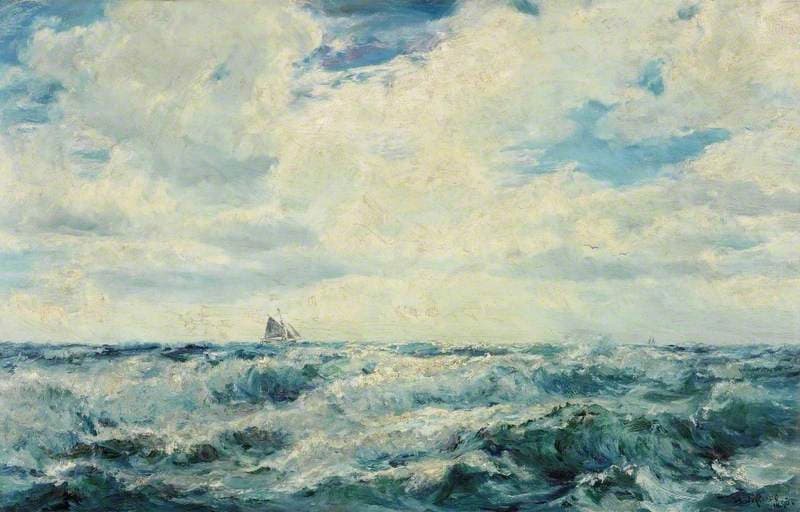
Westward
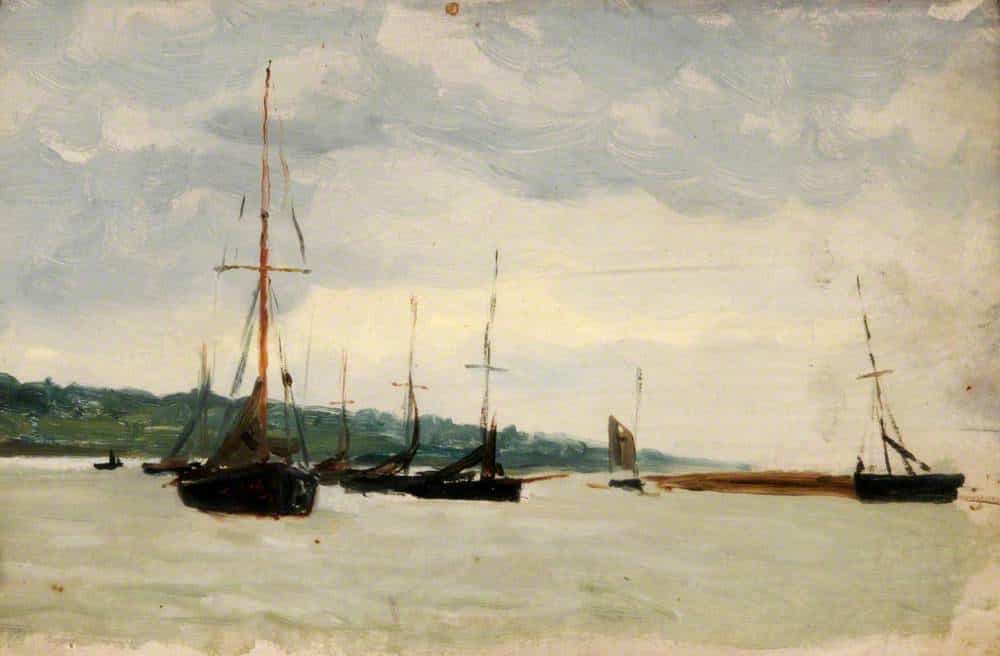
Sea Piece
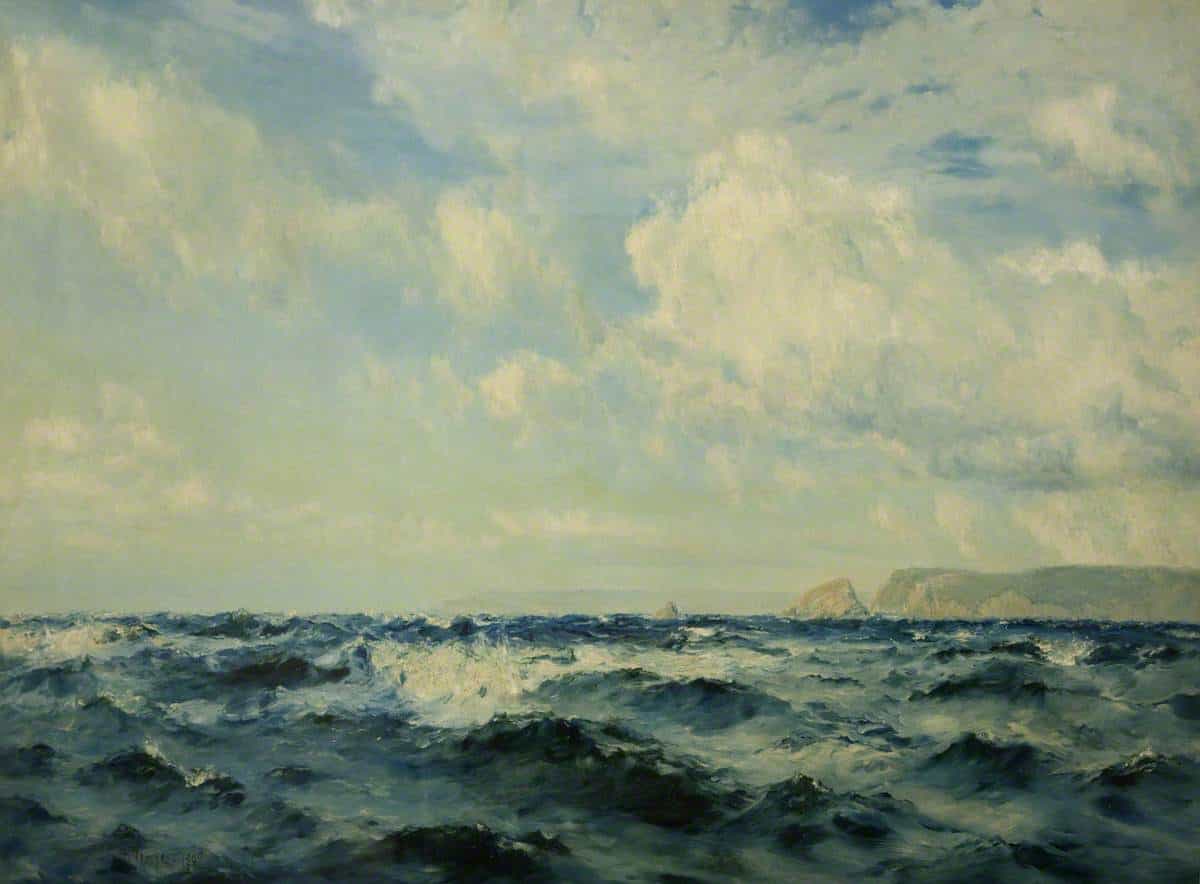
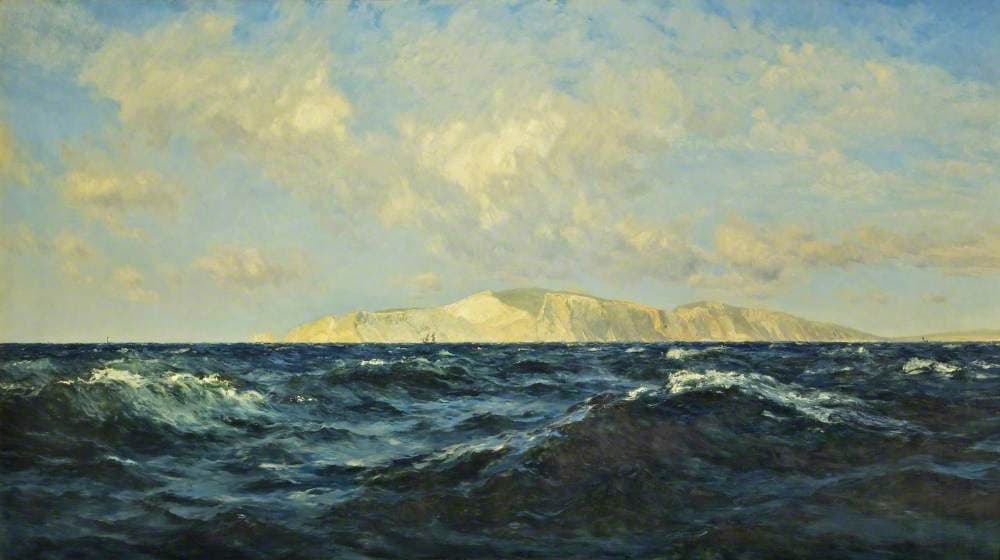
A Breezy Day off the Isle of Wight
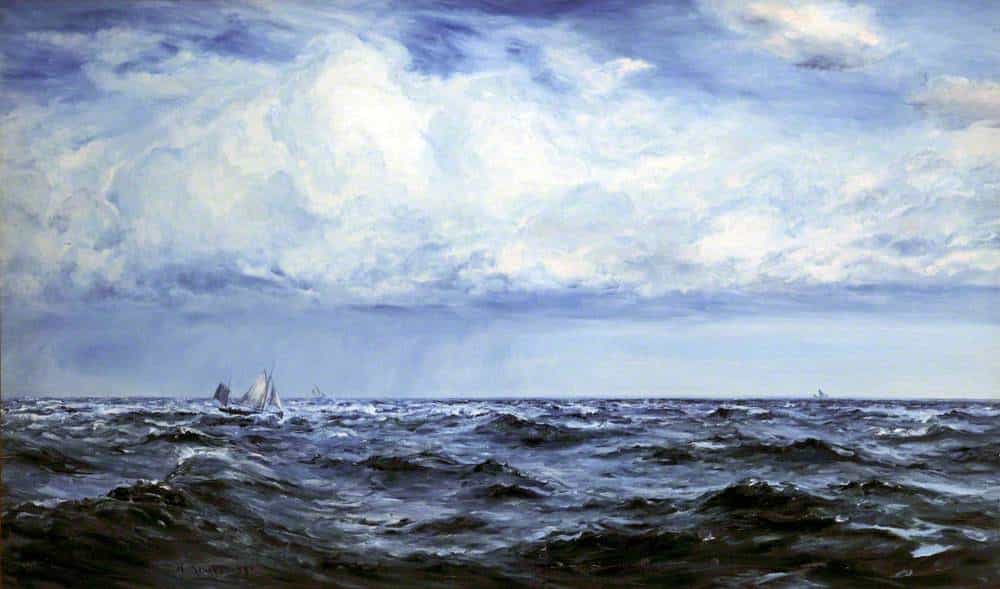
Seascape
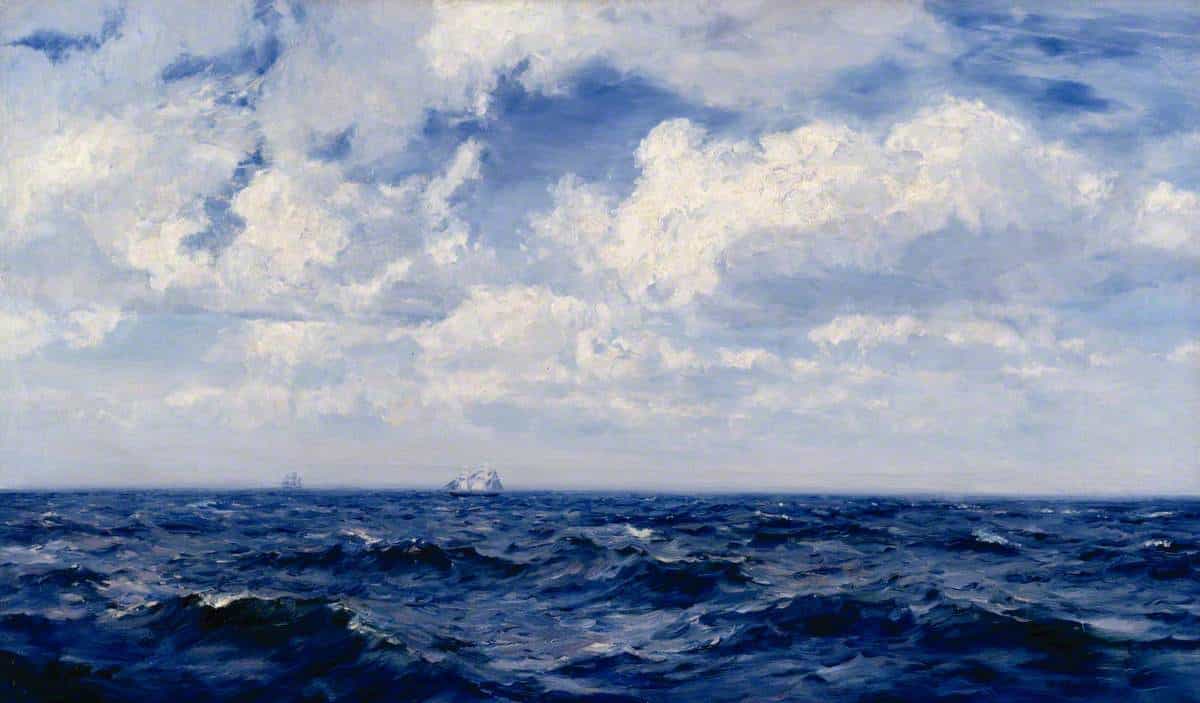
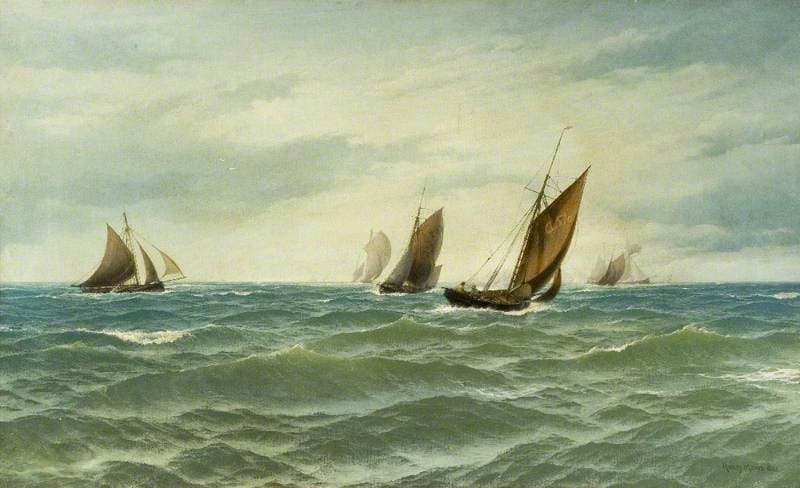
Summer Breeze in the Channel
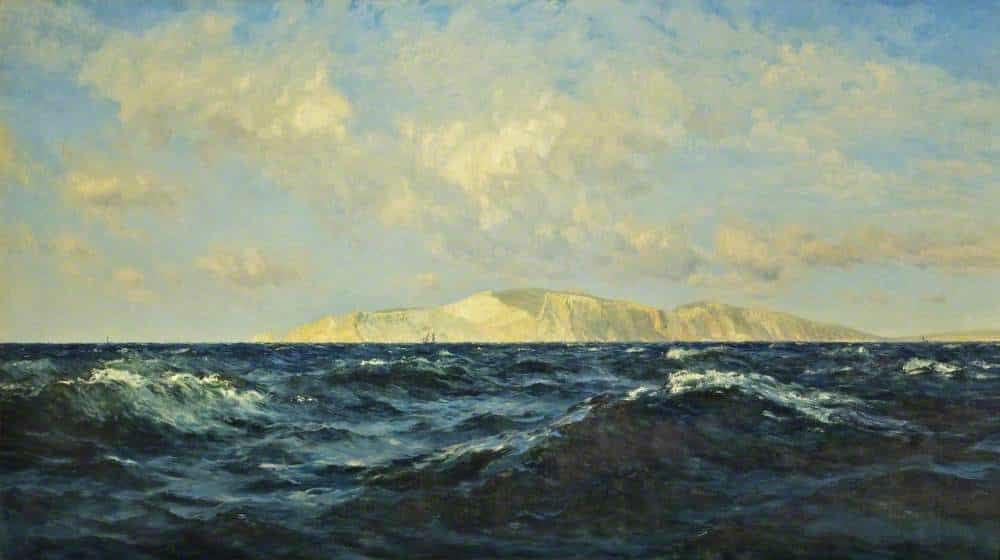
Nearing the Needles
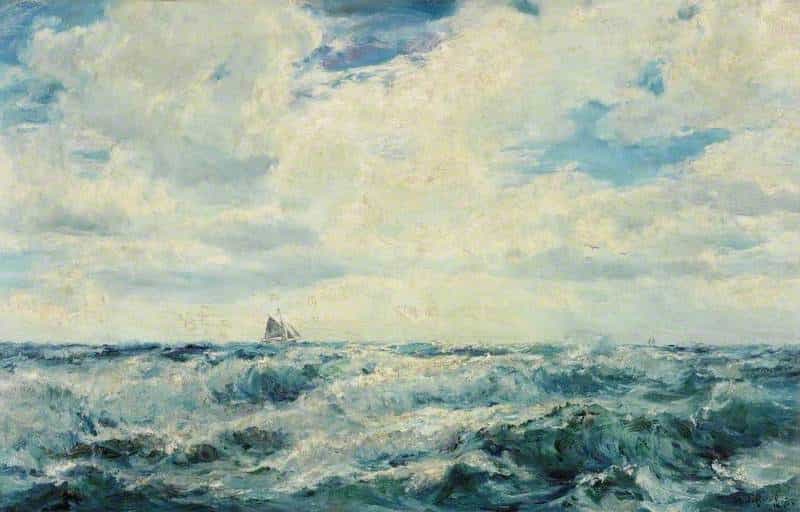
Broken Weather, North Coast of Cornwall
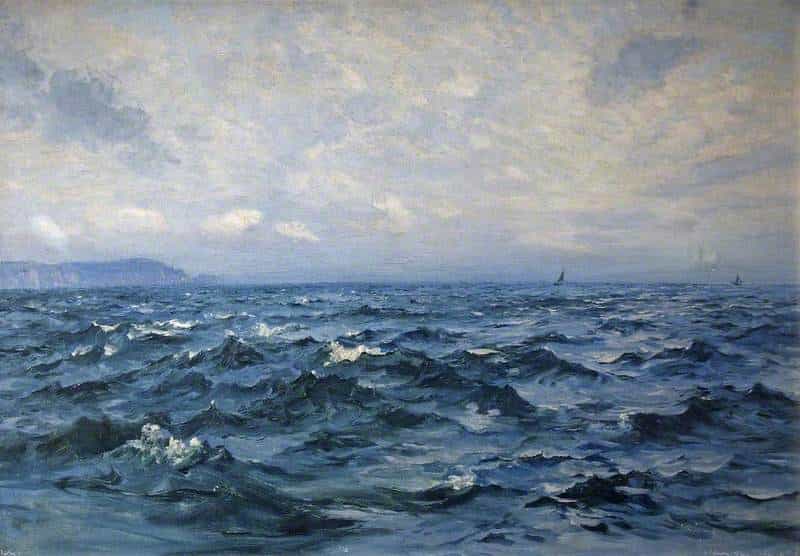
The Race of Alderney
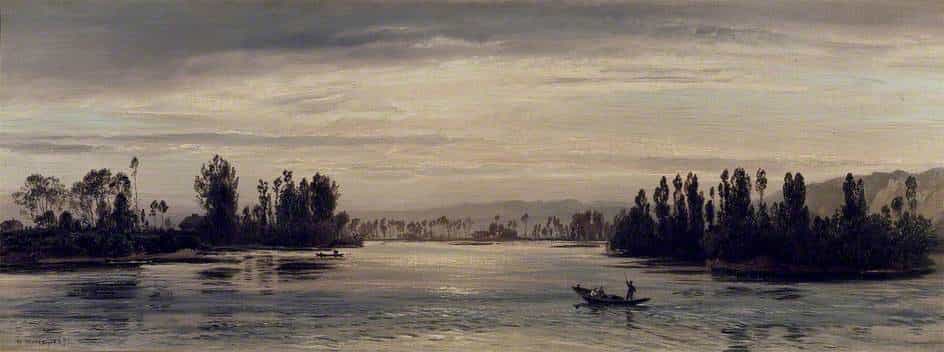
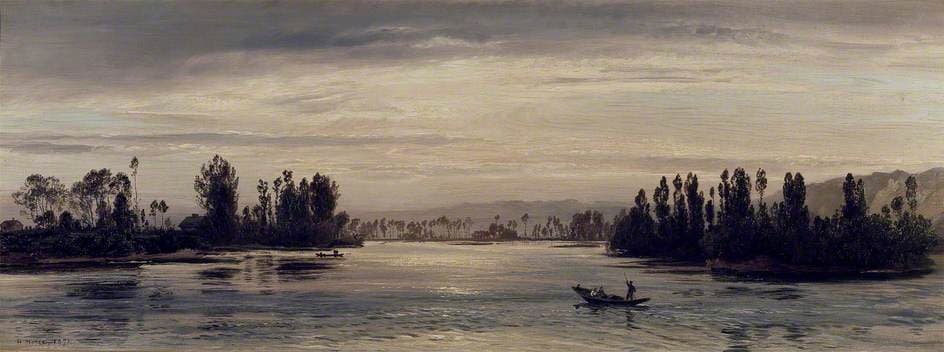
On the Seine near Les Andelys
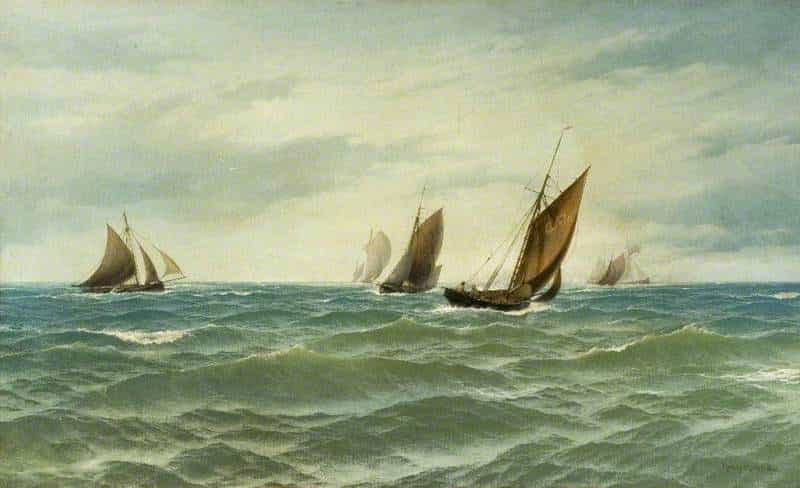
Seascape
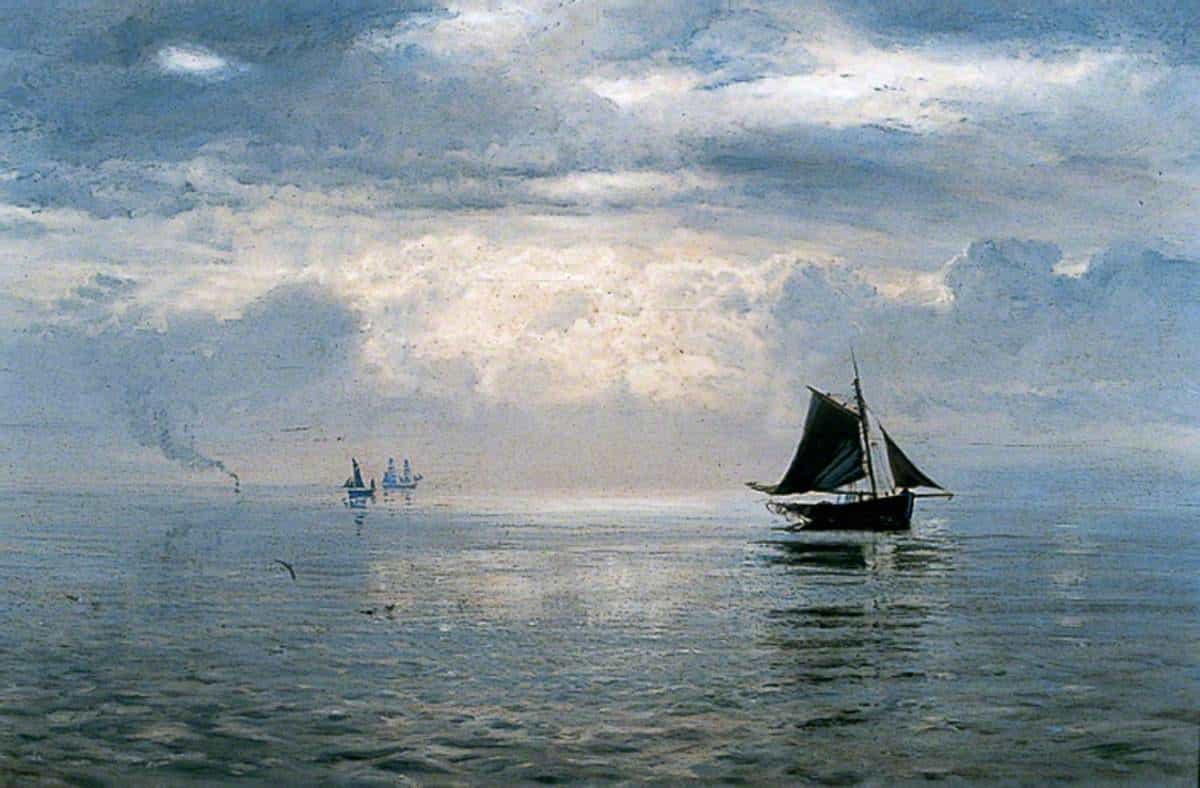
Calm Before a Storm
Rough Weather in the Mediterranean