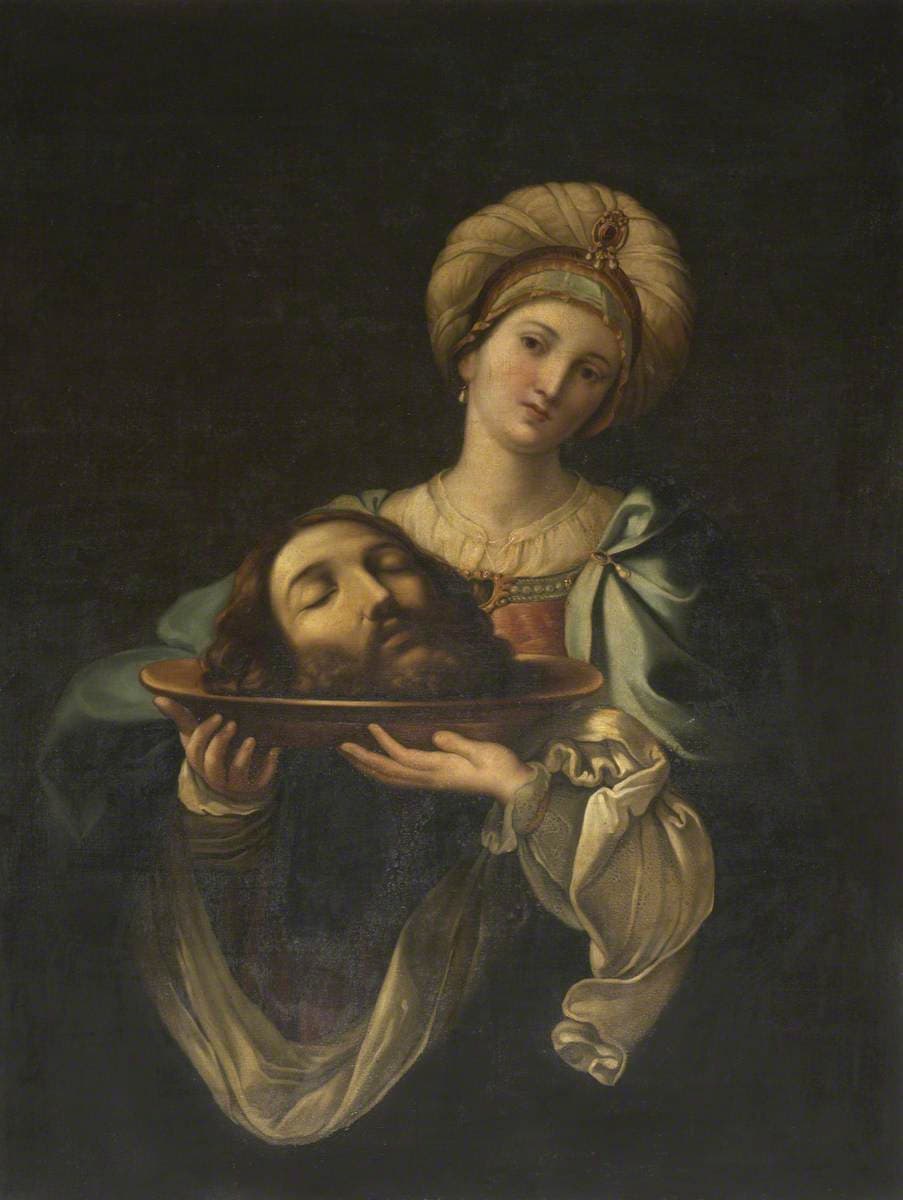
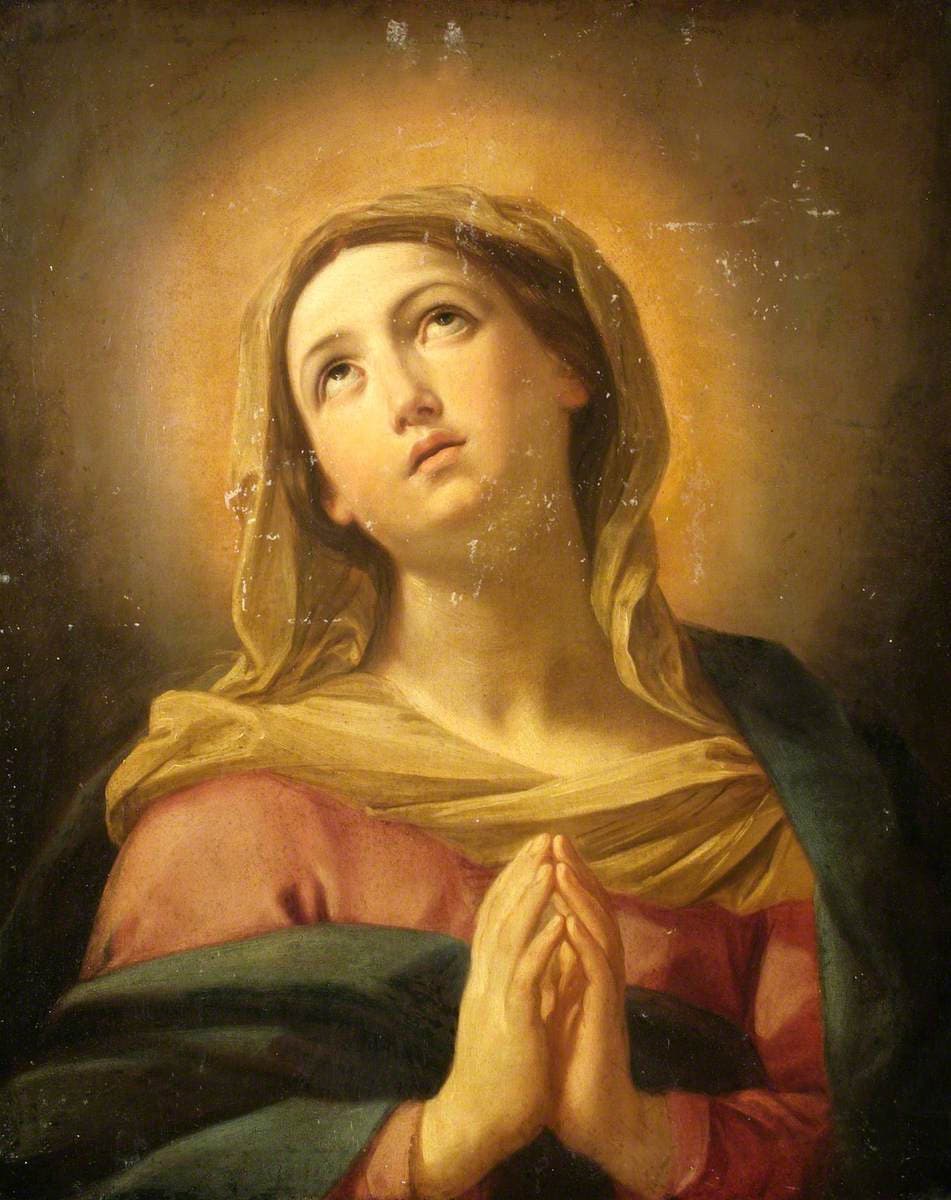
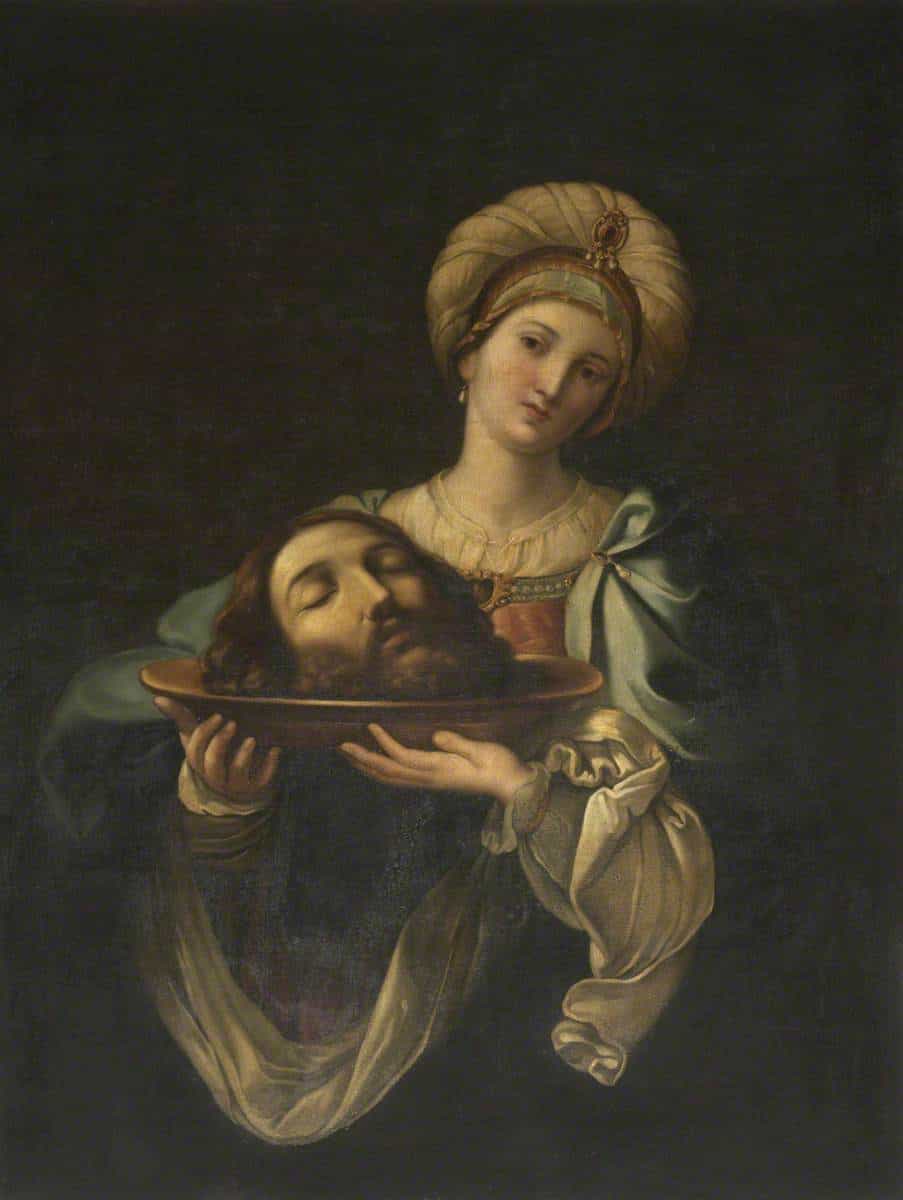
Salome with the Head of Saint John the Baptist
Guido Reni
From €64
Collection
Museum-quality reproductions on 310gsm textured cotton rag paper.
Shop all prints by Guido ReniArtistic Style
Style Evolution
Reni moved from the rigorous drawing and classical balance of the Bolognese school toward a softer, more luminous classicism. His Roman and later Bologna work favors idealized figures and serene compositions that blend Baroque movement with classical restraint.
Palette
Subjects
Techniques
Topics
Guido Reni (1575-1642) was a Papal States Baroque painter whose graceful, idealized figures and luminous classicism made him a leading Bolognese master.
Learn about the life of Guido Reni
Signature Works
See all available printsBiography
Guido Reni (1575-1642) was a Papal States Baroque painter whose graceful, idealized figures and luminous classicism made him a leading Bolognese master.
Guido Reni (1575-1642) was a Papal States Baroque painter whose graceful, idealized figures and luminous classicism made him a leading Bolognese master.
Reni was born in Bologna and trained in the city’s vigorous artistic environment. He emerged from the Bolognese tradition that emphasized drawing, classical balance, and refined composition. Early training and contact with the Carracci circle helped shape his pursuit of ideal beauty and devotional clarity.
Reni’s career unfolded across Italy, with long associations in Bologna and important periods working in Rome and Naples. He combined rigorous draftsmanship with a softer, more lyrical palette that distinguished him from more dramatic Baroque painters.
In Bologna Reni absorbed the emphasis on disegno and classical principles that dominated the city, producing devotional works with calm, harmonious compositions.
Reni spent significant time working on commissions in Rome and traveled for projects elsewhere in Italy. In Rome his style matured toward a luminous idealism, while commissions outside Bologna broadened his public reputation.
Returning to Bologna later in life, Reni maintained a busy studio producing altarpieces and devotional paintings that circulated widely and shaped the taste for polished, graceful figure painting.
Reni became celebrated for his serene Madonnas, elegant angels, and mythological subjects rendered with clarity and idealized beauty. His fresco of the Aurora (Casino dell'Aurora, Rome) is among the works often cited as emblematic of his luminous classicism. His portrayals of archangels and saints further secured his reputation for refined religious painting.
Reni is known for a polished, graceful approach: precise drawing, smooth modeling, and a diaphanous, luminous palette. His handling favors soft transitions of light and subtle color harmonies to achieve a serene, idealized effect. He balanced Baroque movement with classical restraint, emphasizing beauty and devotional clarity over intense drama.
Reni influenced generations of painters in Italy and beyond who sought a classical Baroque idiom that prioritized idealized beauty and devotional grace. His approach to figure composition and luminous coloring informed both religious commissions and the decorative programs of palaces and churches.
Reni remained closely associated with Bologna throughout his life, returning there frequently and ultimately dying in the city. He ran a productive studio that fulfilled many altarpiece and decorative commissions for patrons across Italy.
Frequently Asked Questions
Salome with the Head of Saint John the Baptist
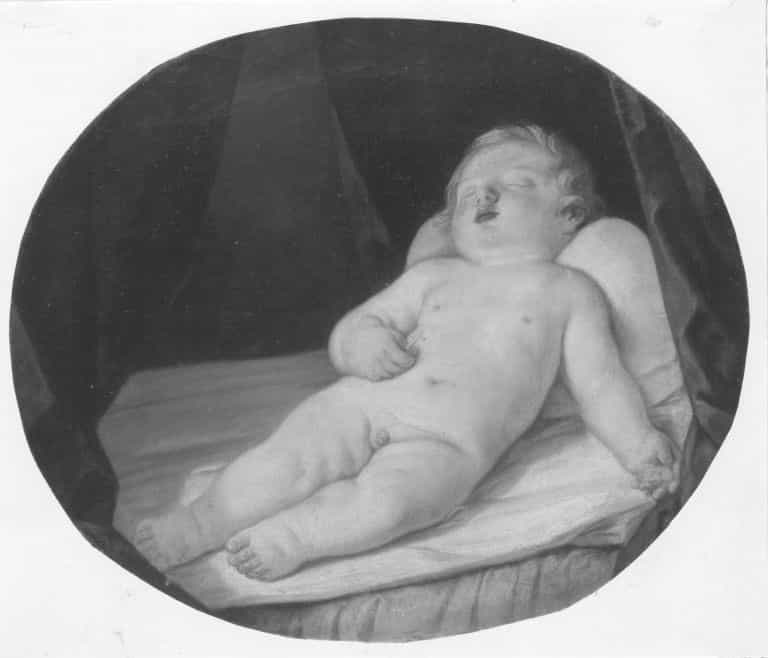
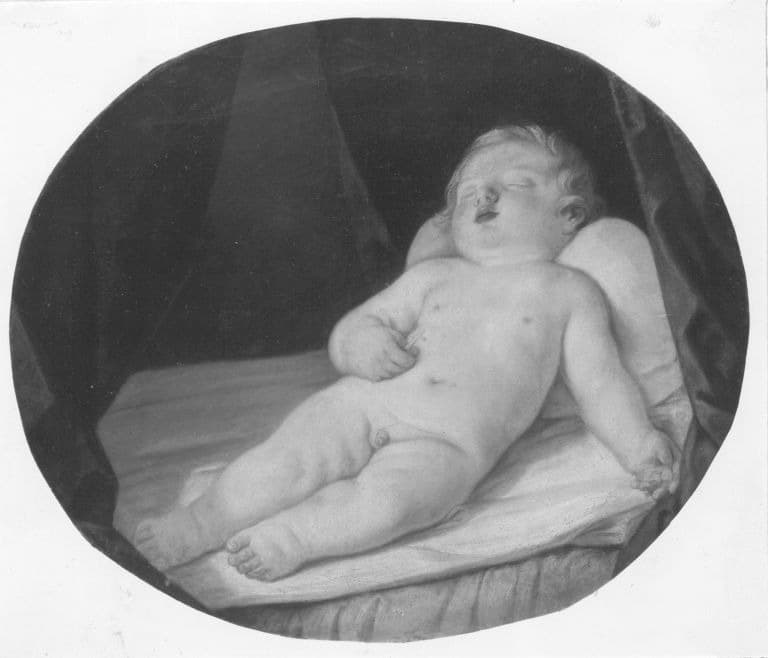
Schlafendes Jesuskind (oval)
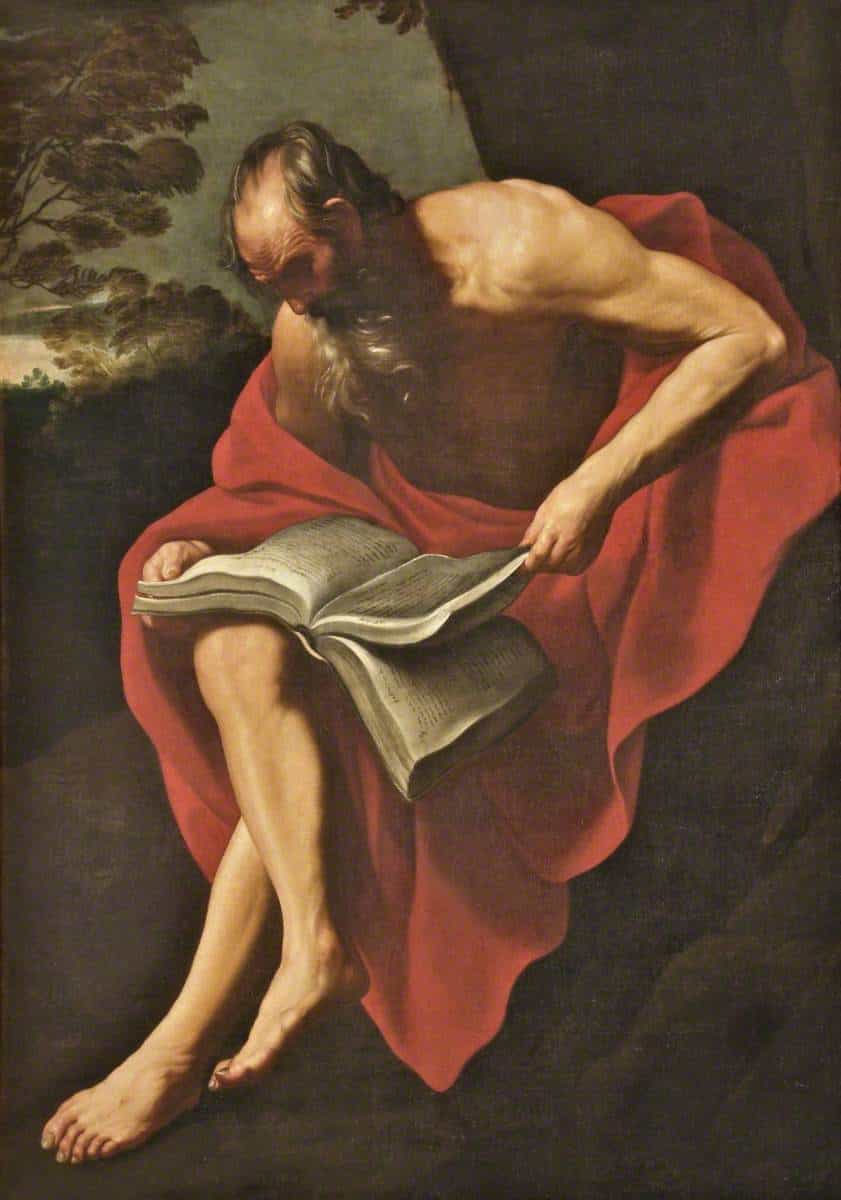
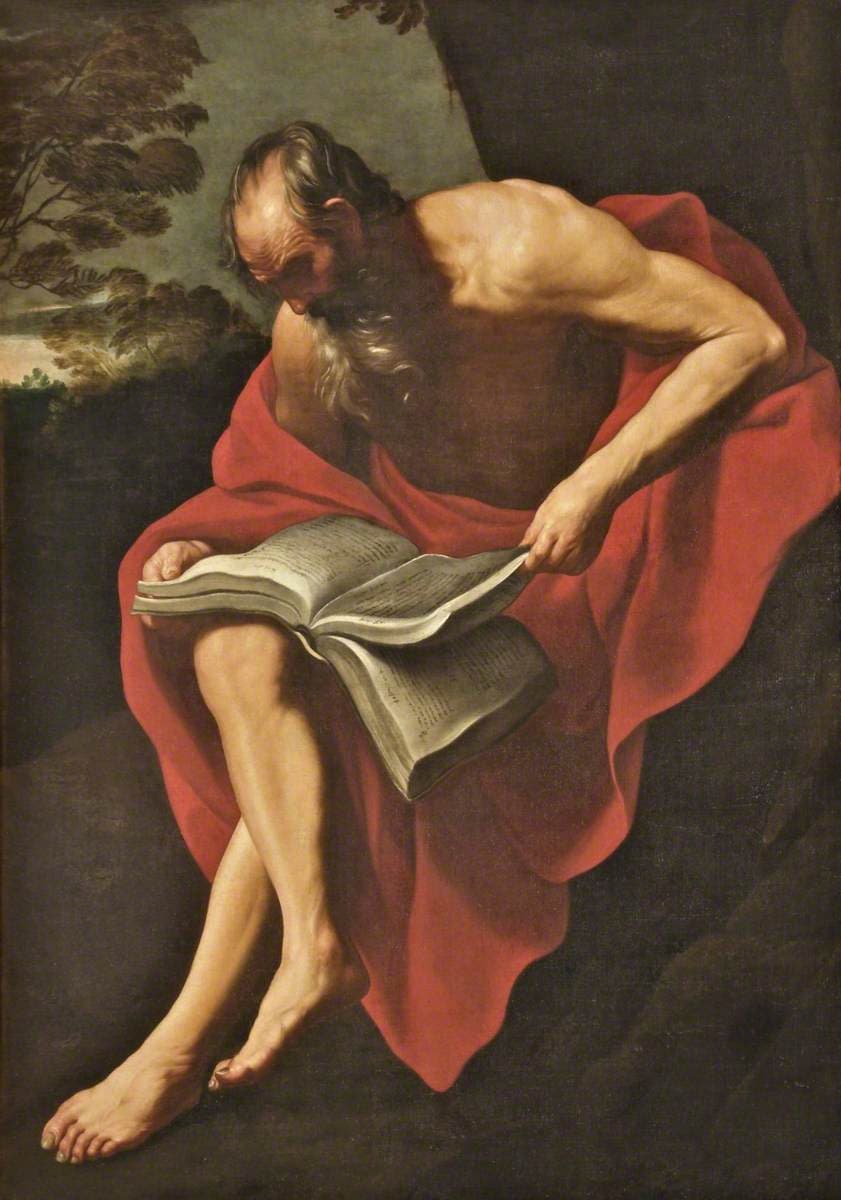
Saint Jerome
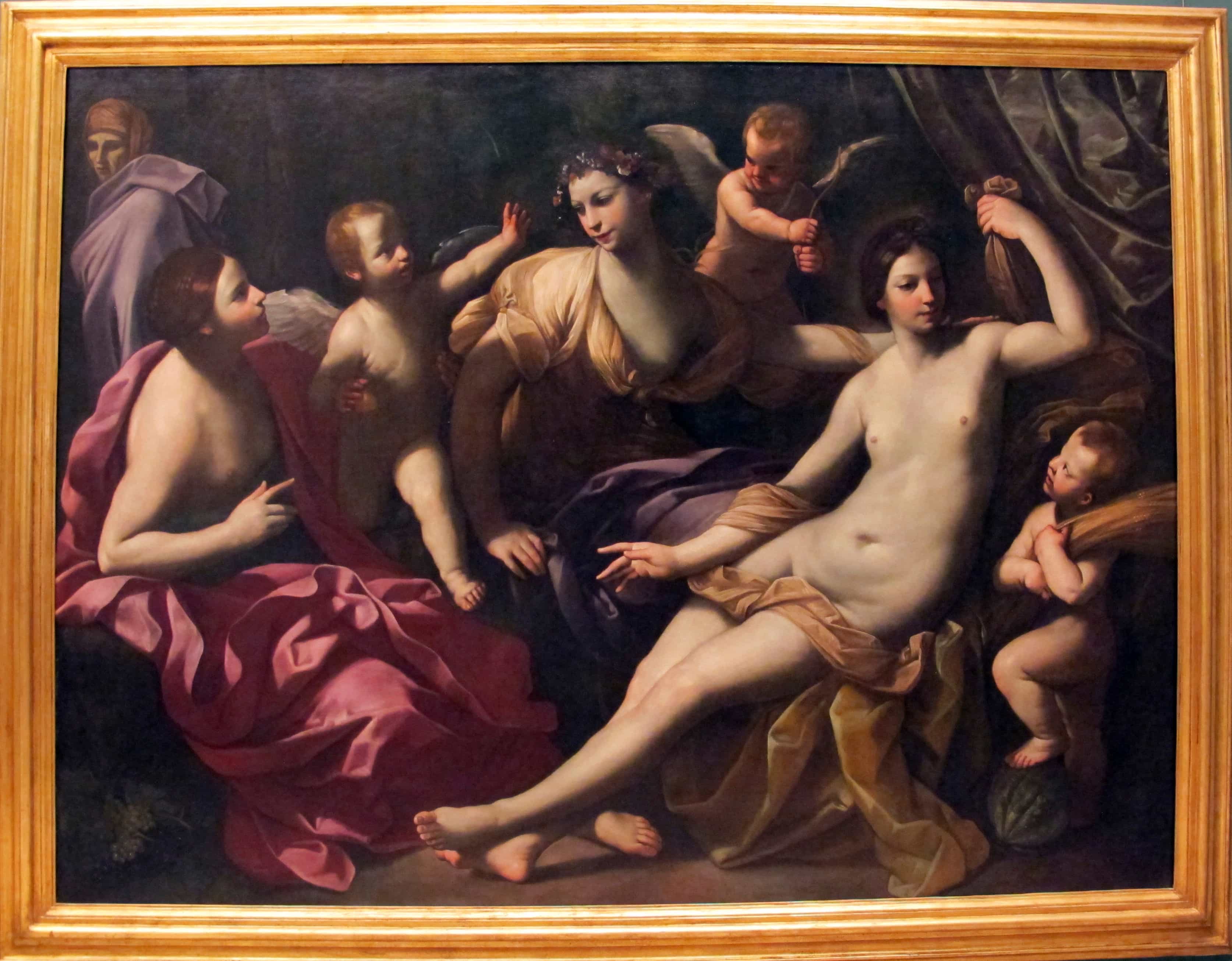
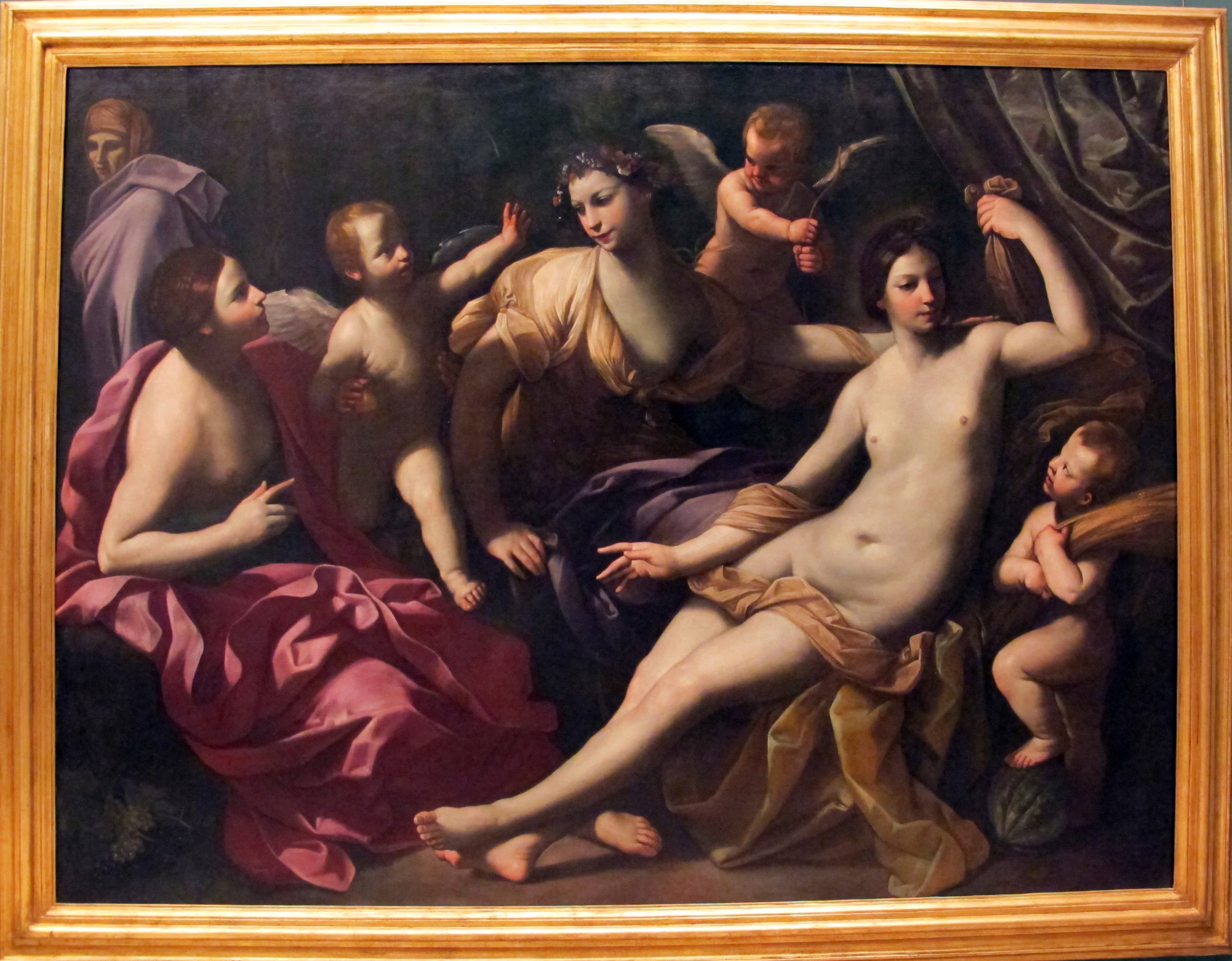
Guido Reni, Quattro Stagioni
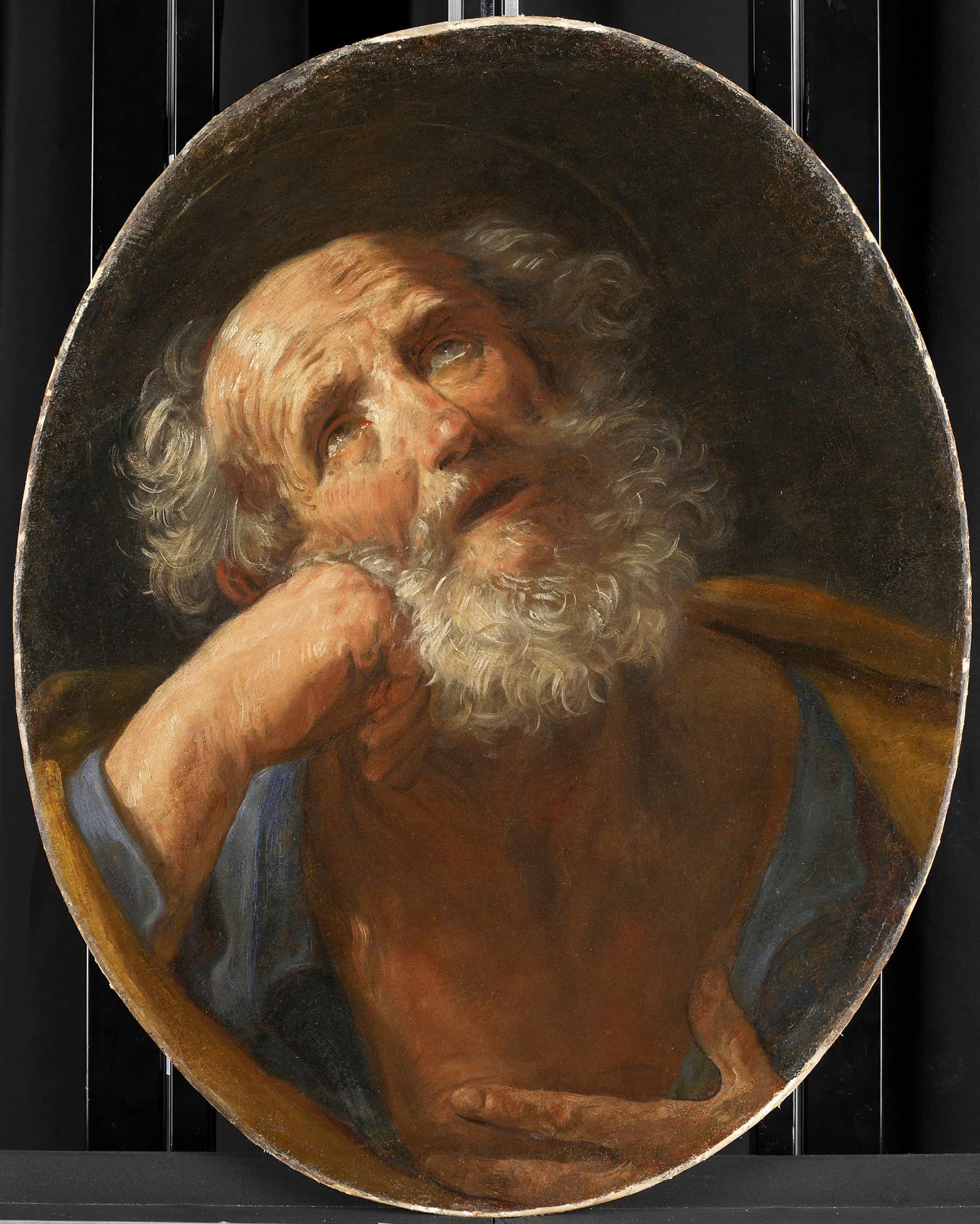
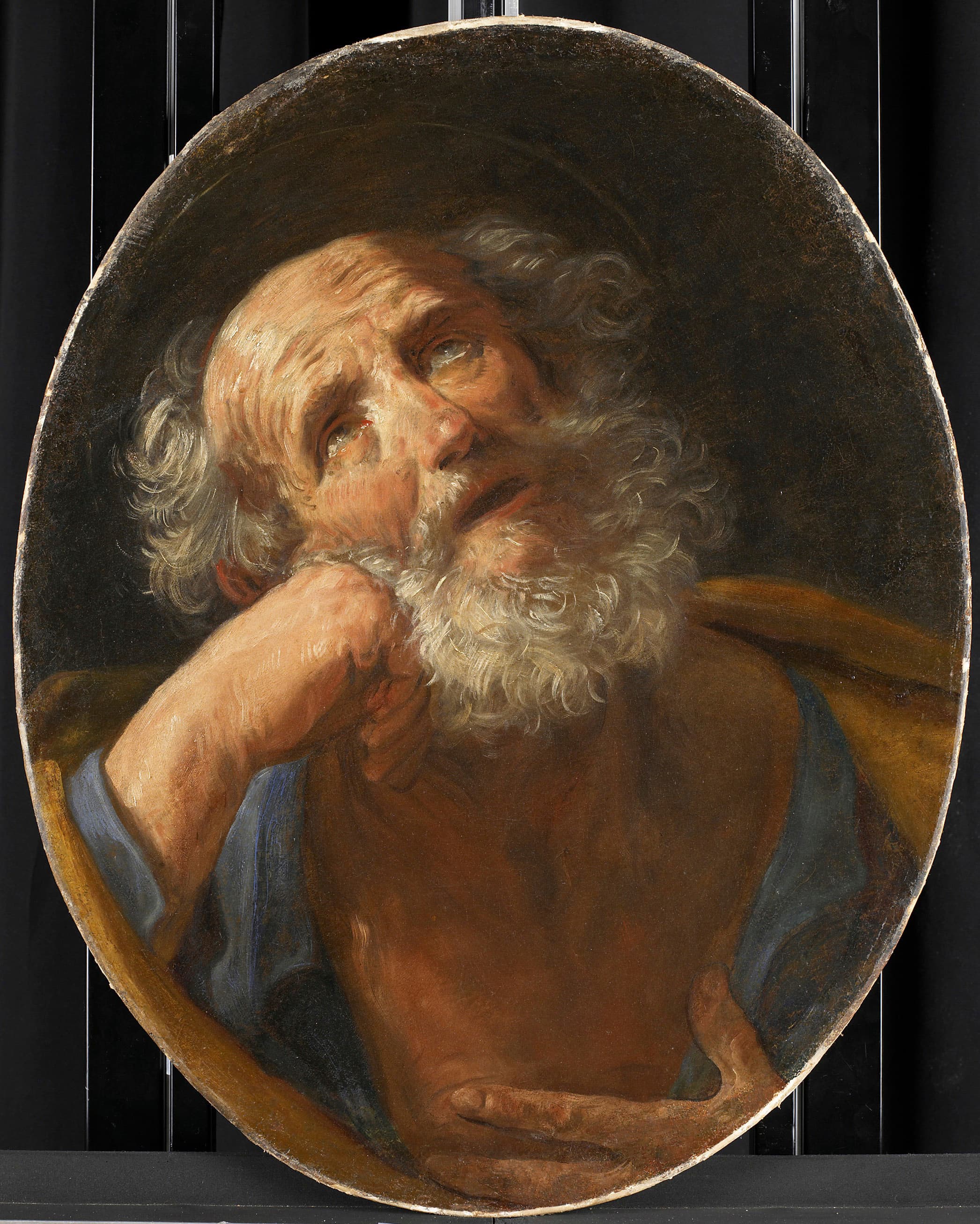
Penitent Saint Peter
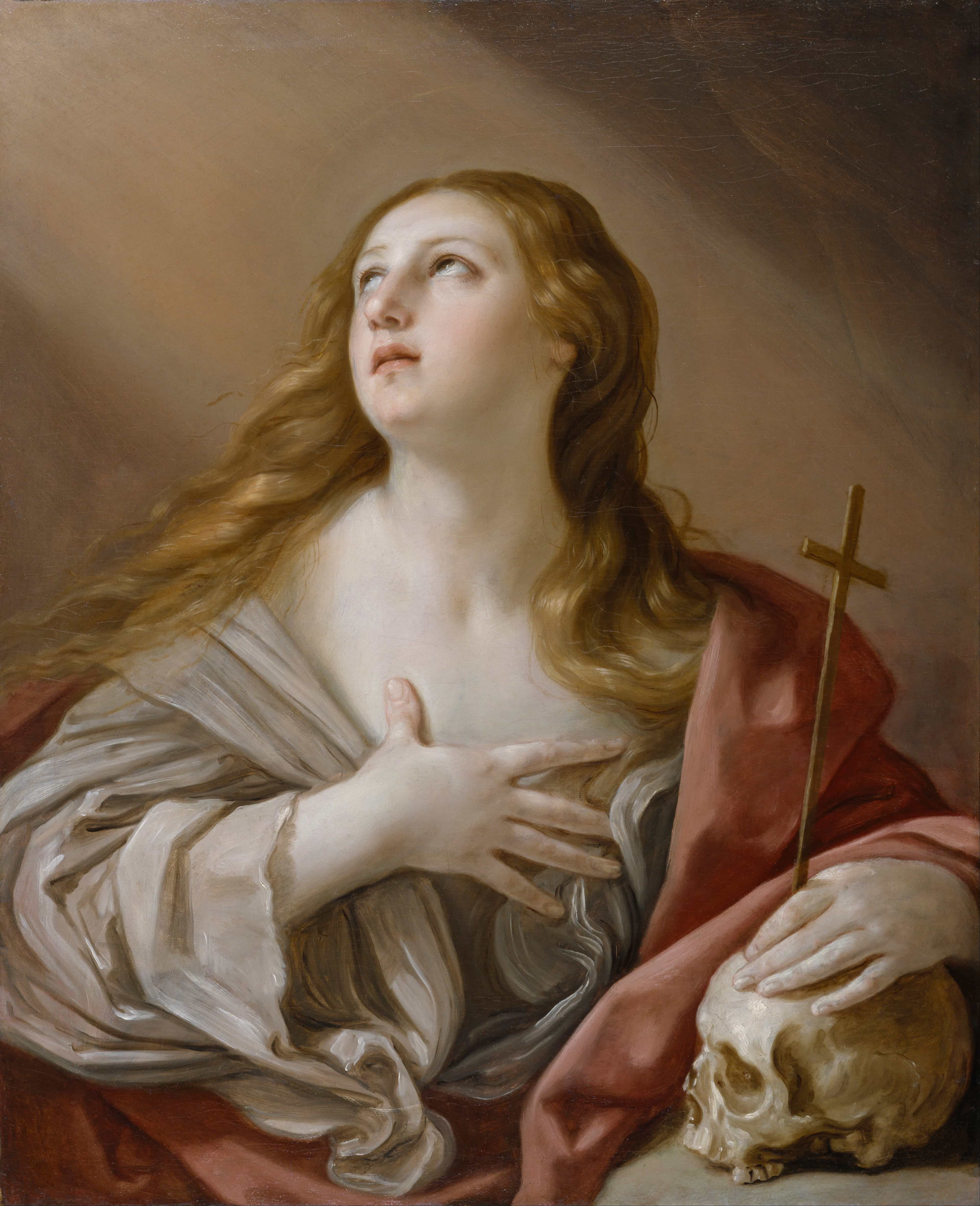
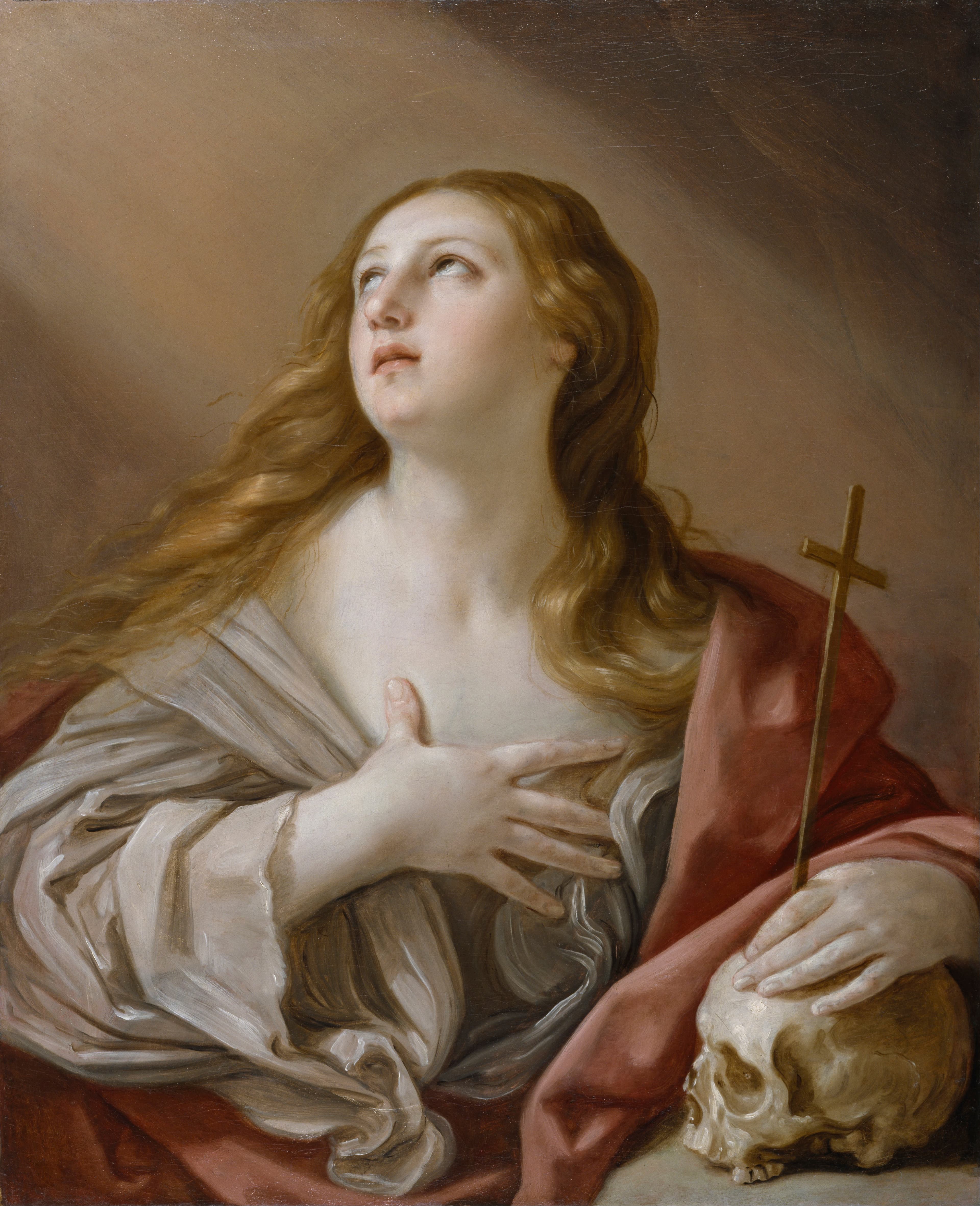
The Penitent Saint Mary Magdalene
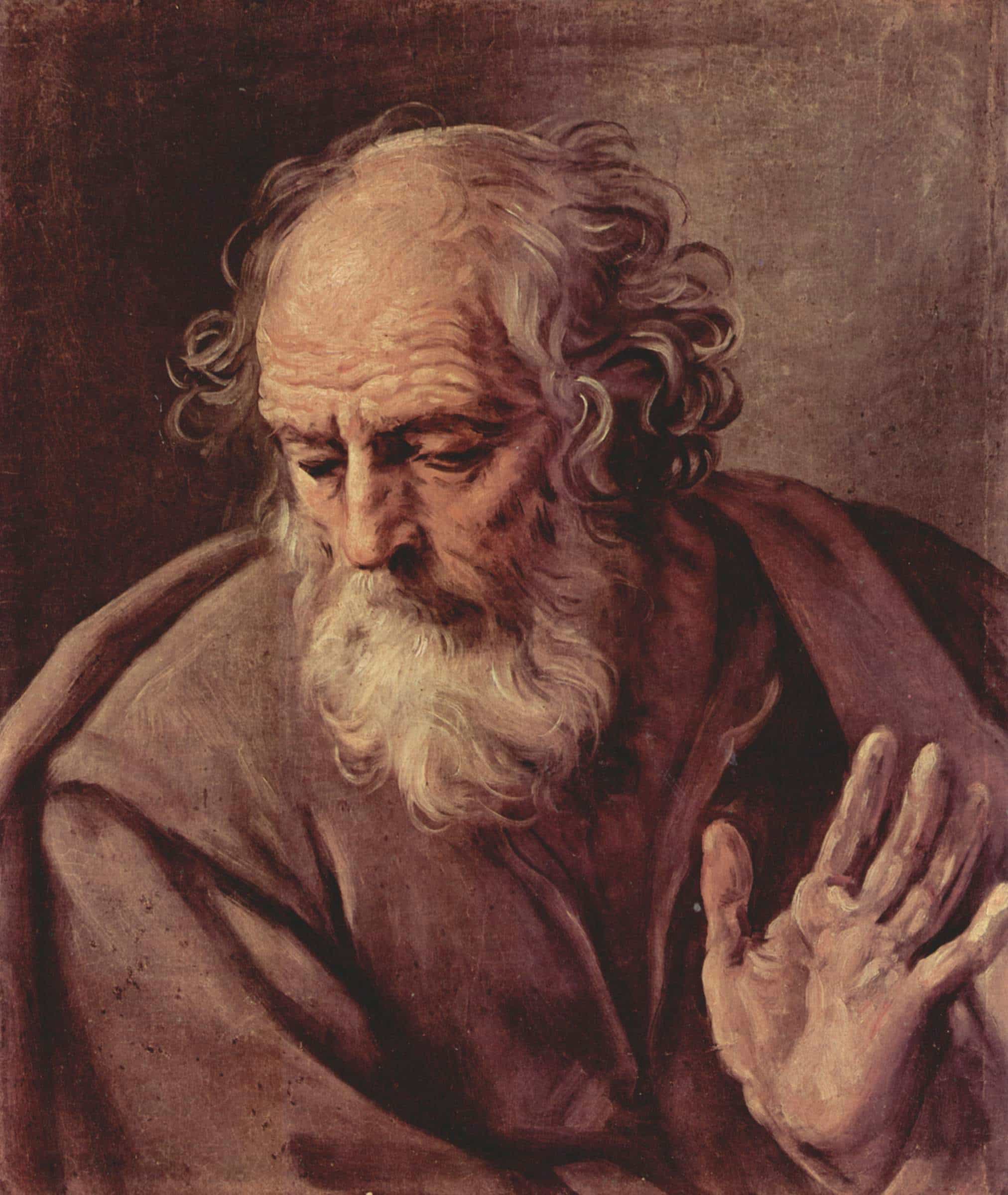
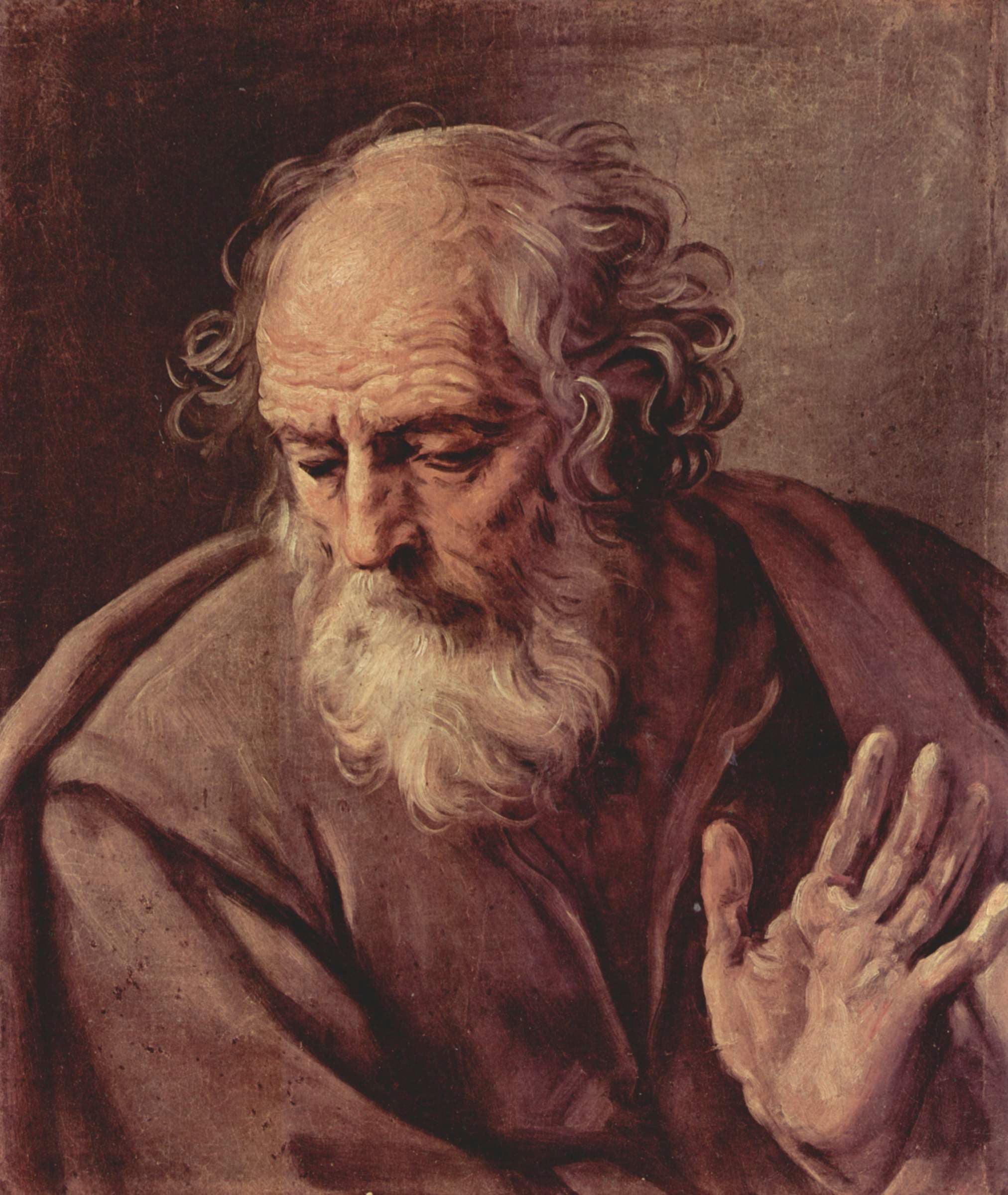
Joseph
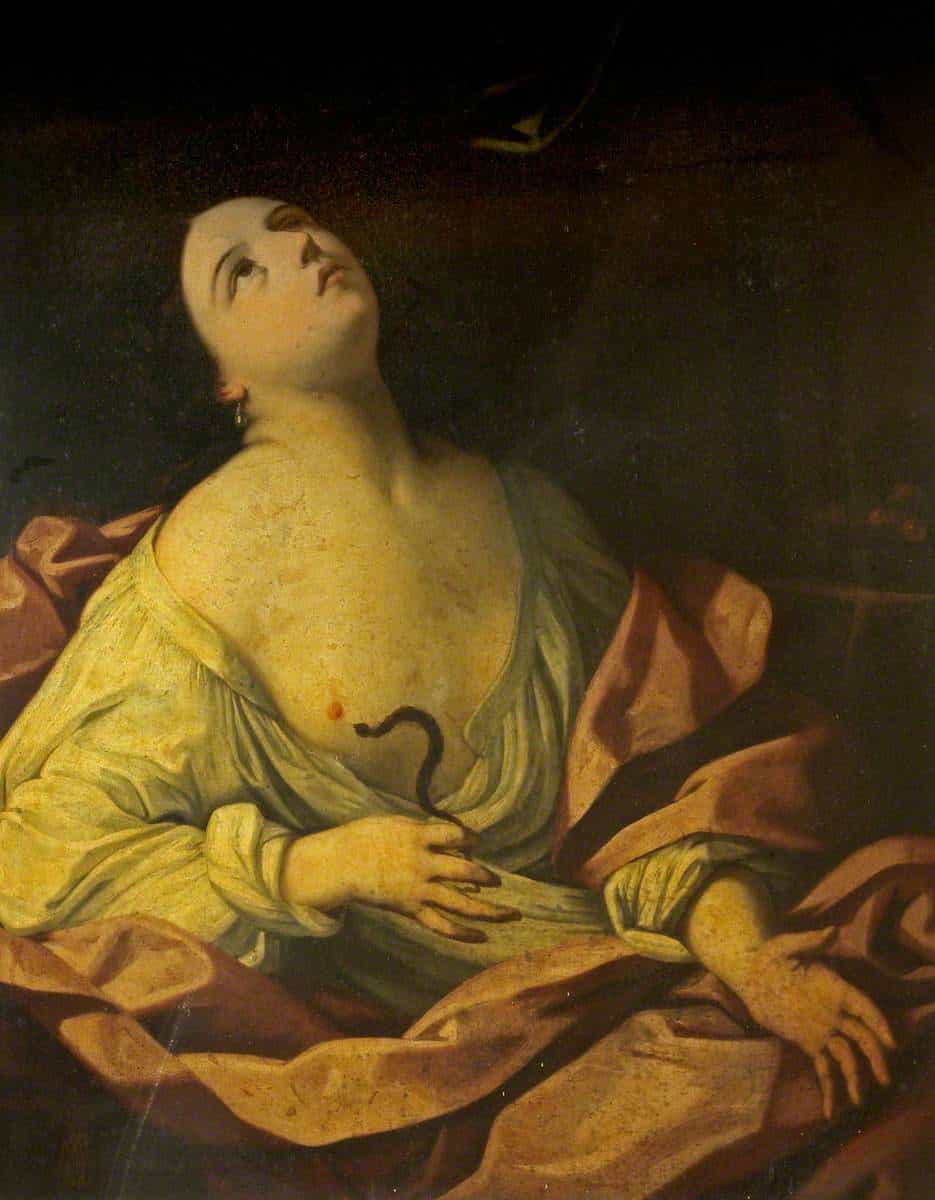
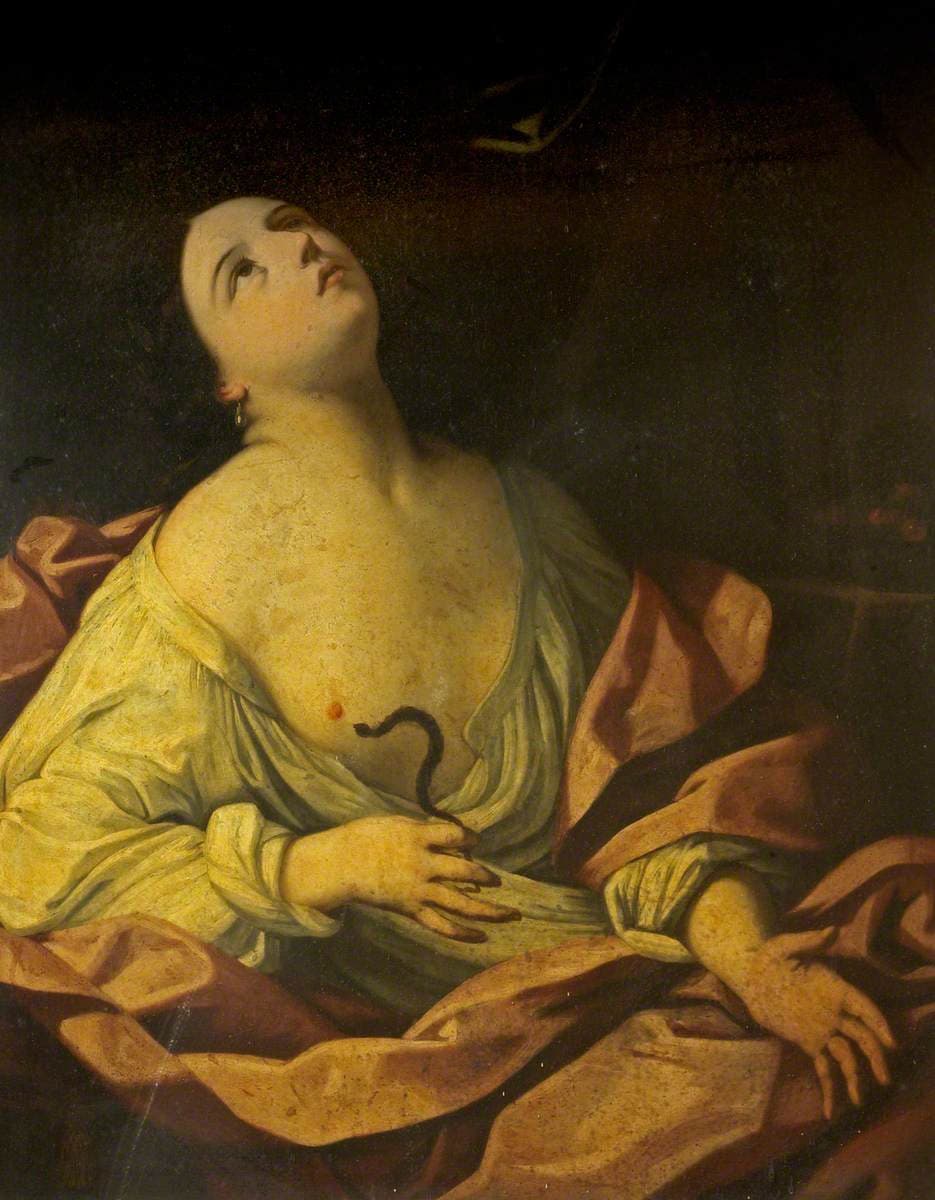
Cleopatra and the Asp
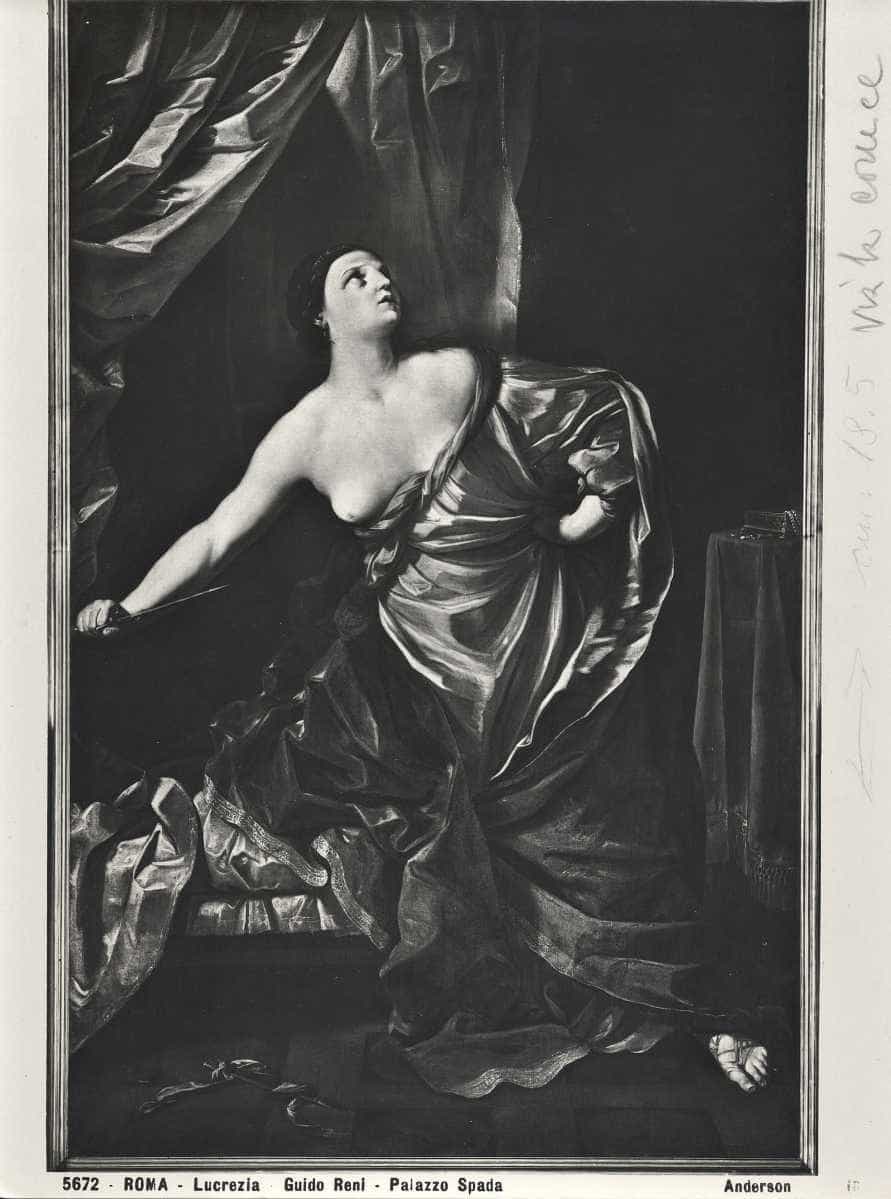
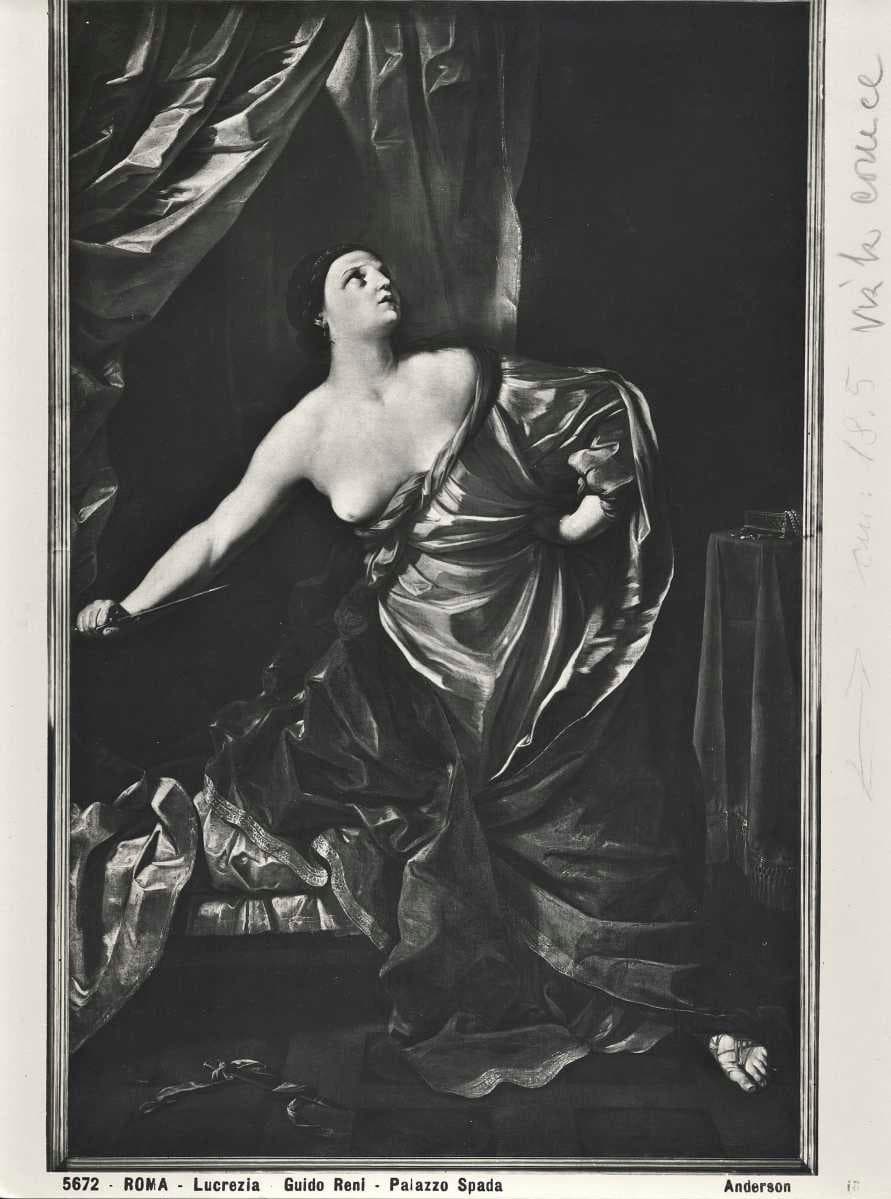
Death of Lucrezia
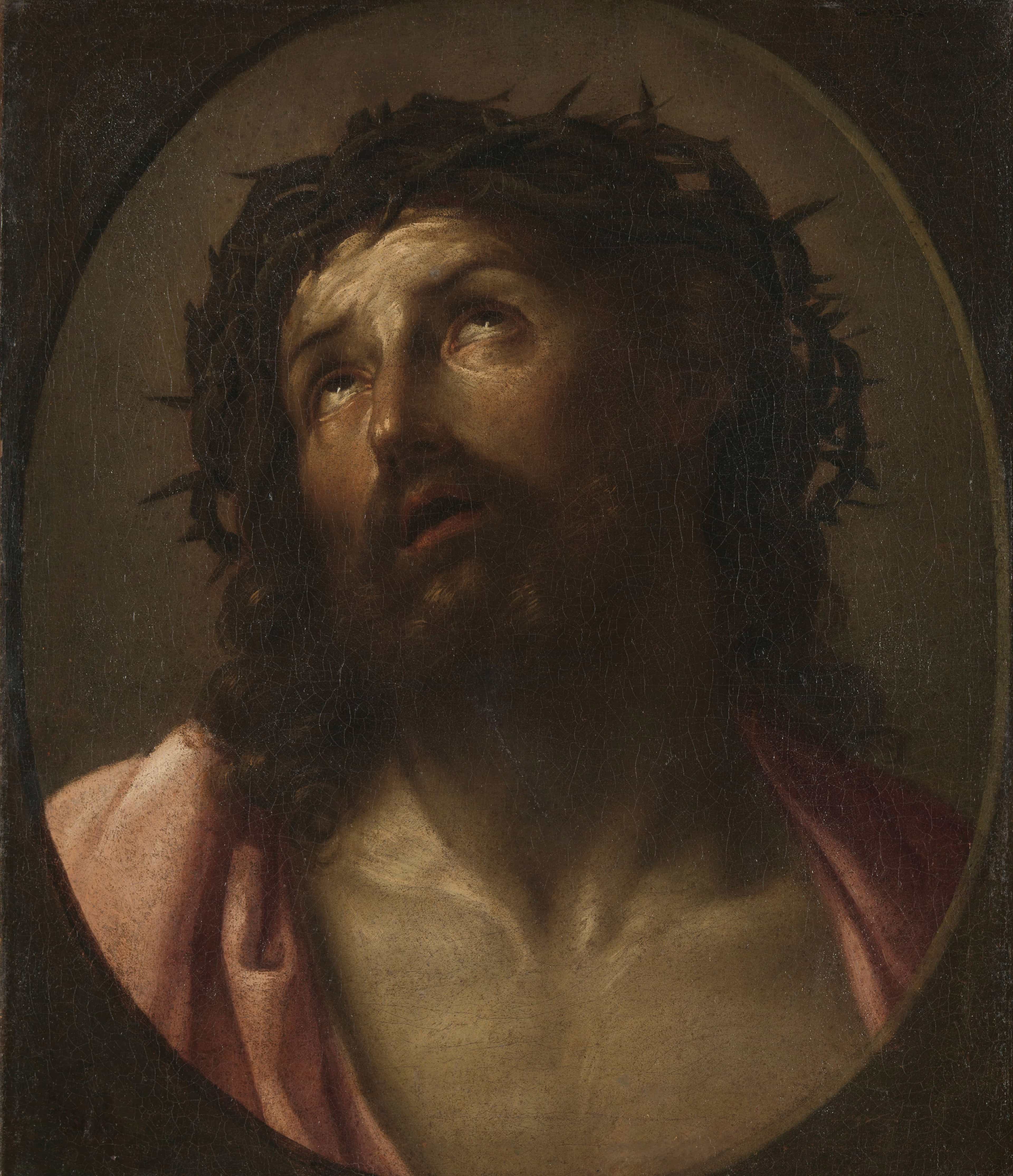
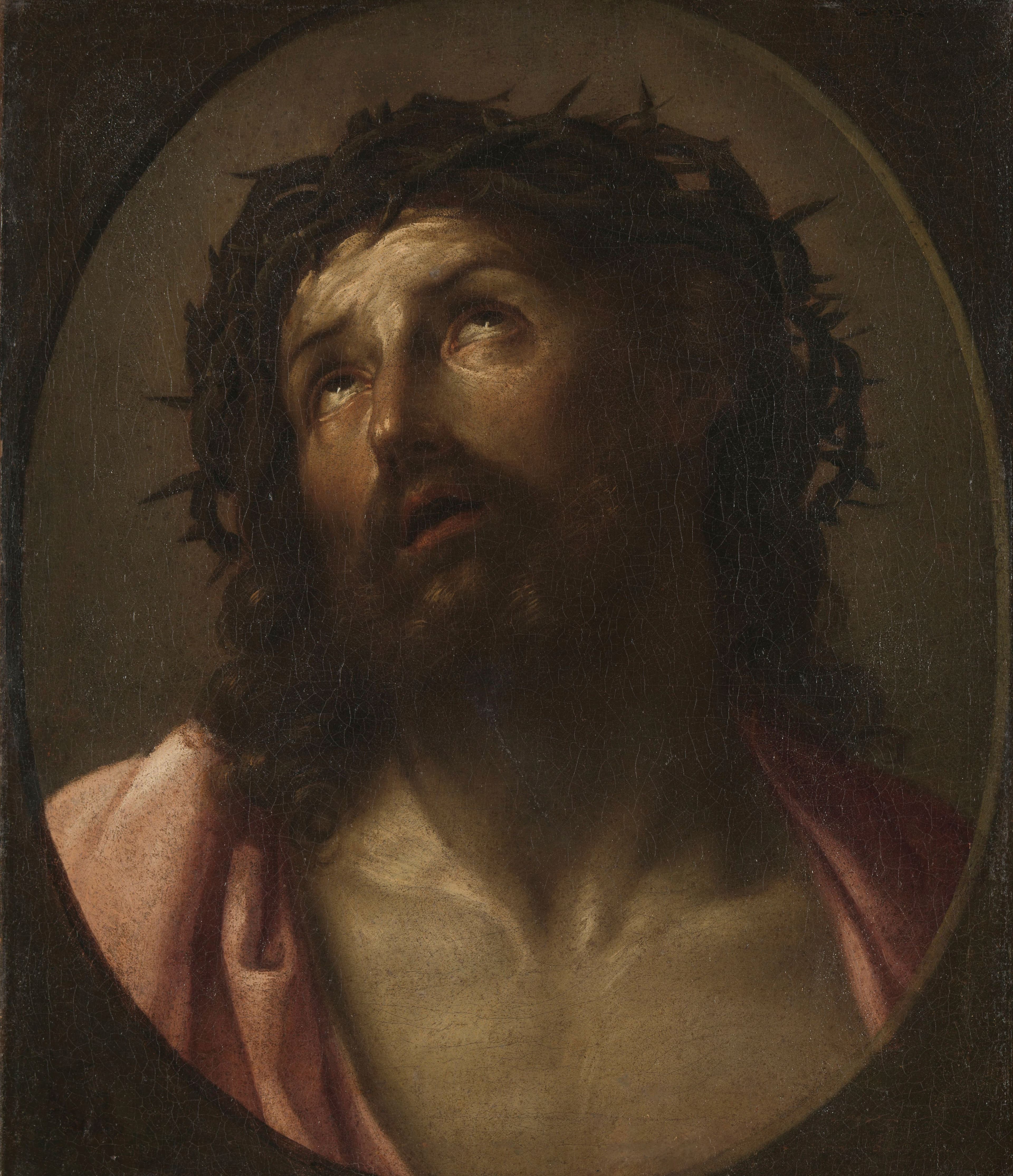
Man of Sorrows
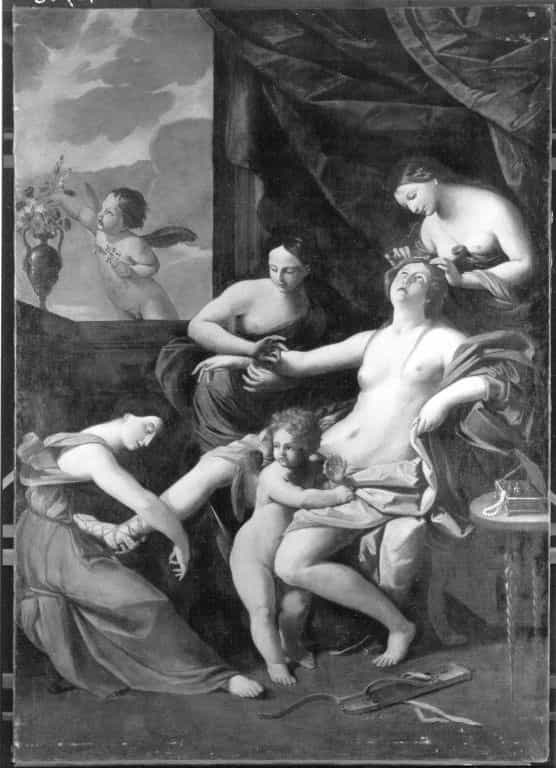
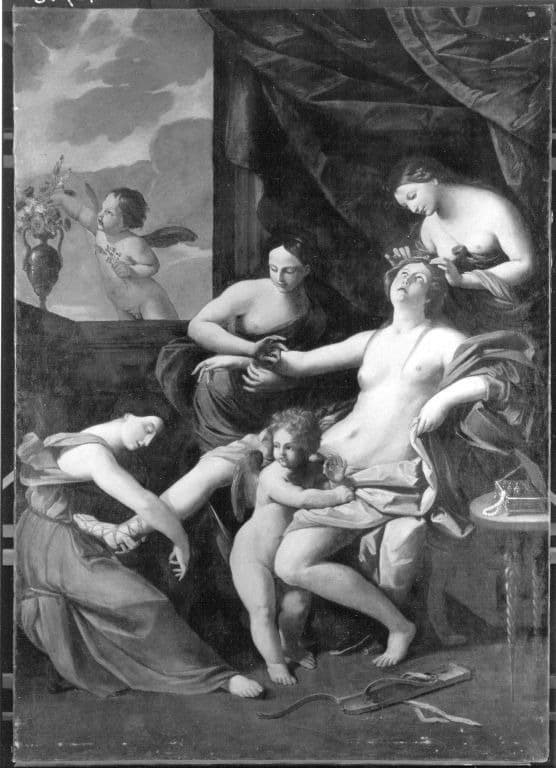
Schmückung der Venus
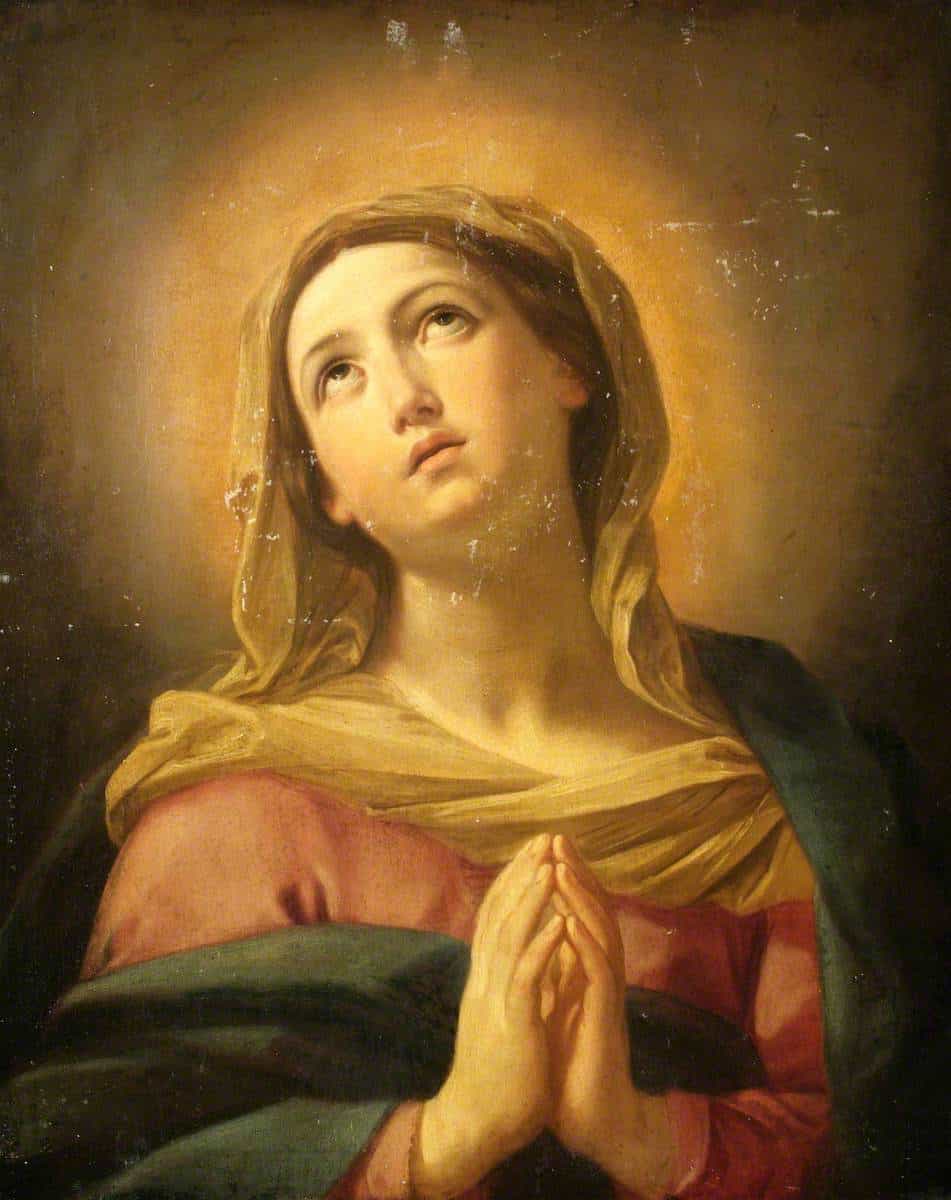
The Madonna in Prayer