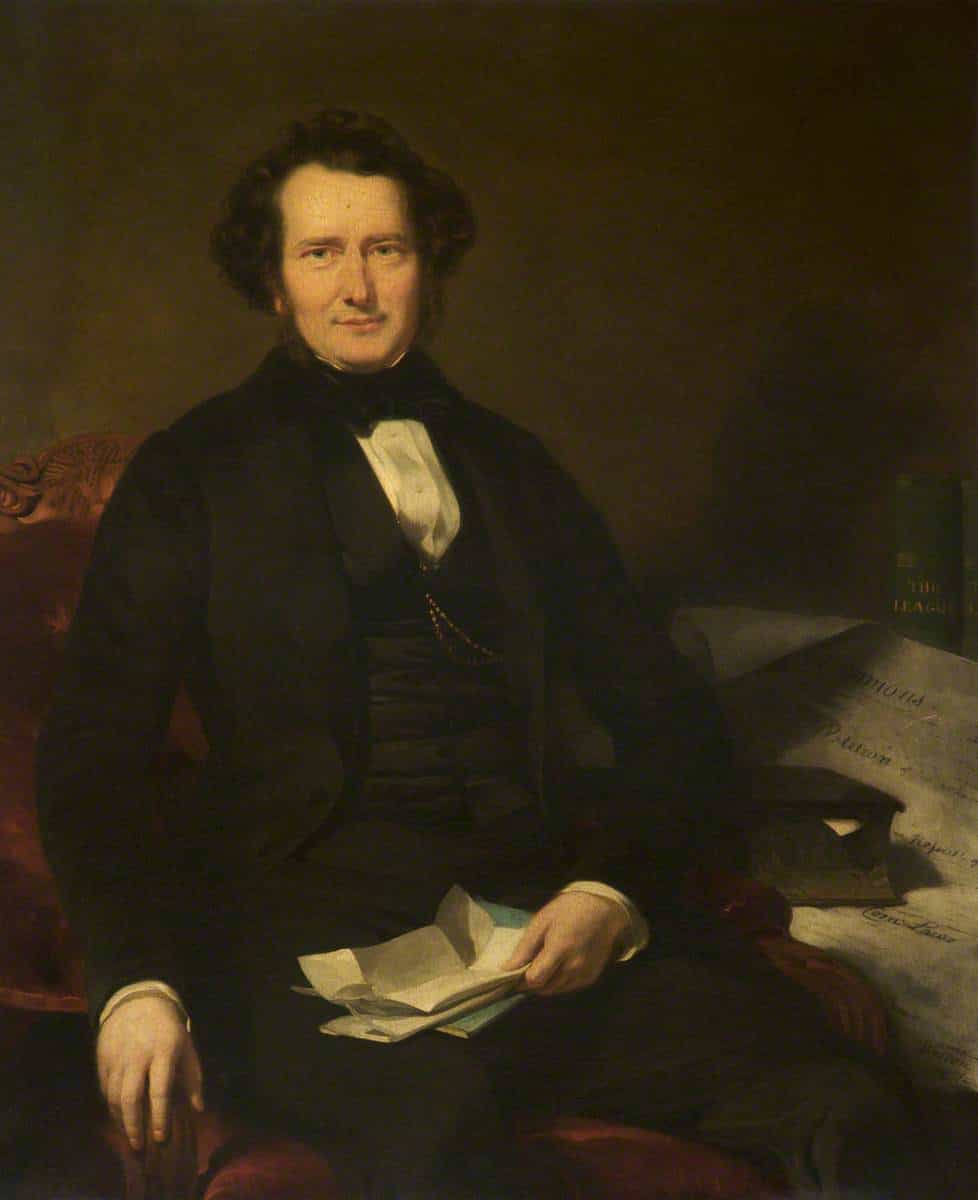
George Wilson
George Patten
From €54
Collection
Museum-quality reproductions on 310gsm textured cotton rag paper.
Shop all prints by George PattenArtistic Style
Style Evolution
Patten's work remained rooted in the British academic tradition: early-career emphasis on draftsmanship gave way to mature, decorative portraits and figure compositions with a polished finish suited to Victorian interiors.
Palette
Subjects
Techniques
Topics
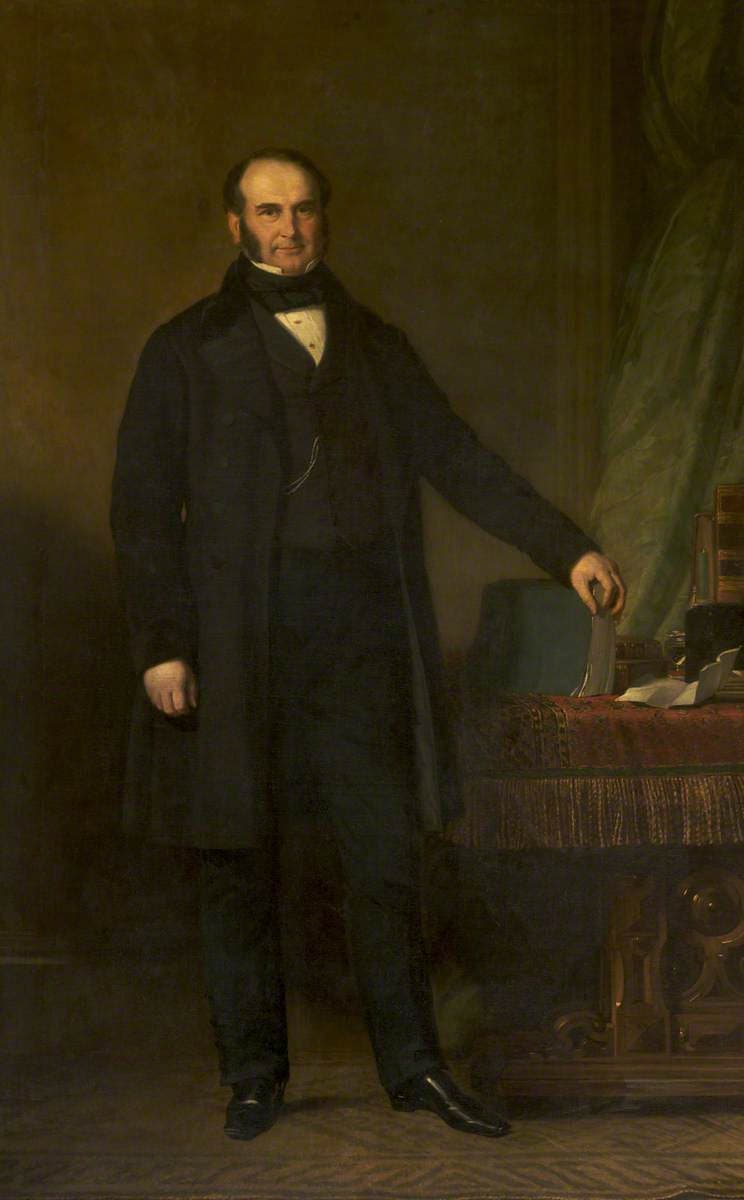
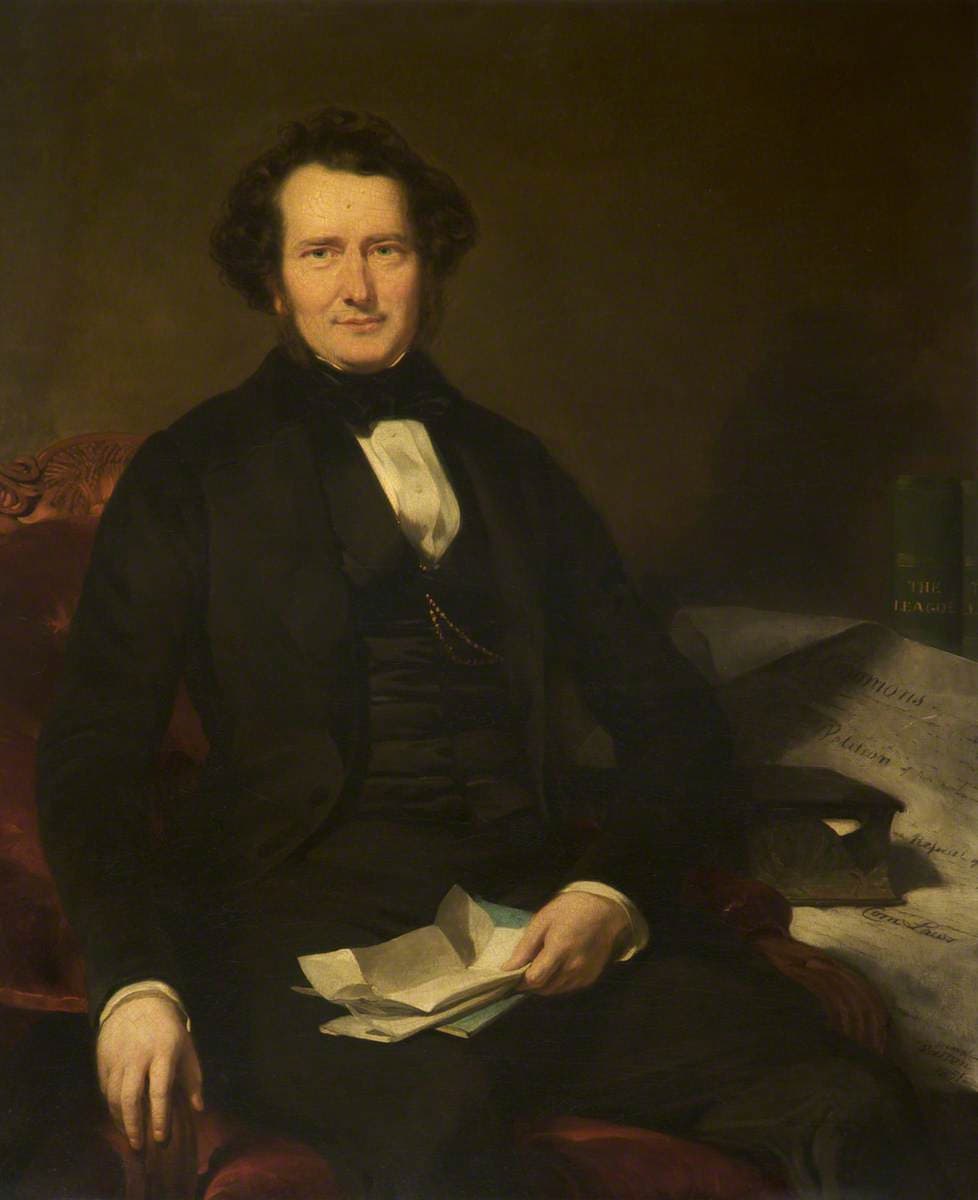
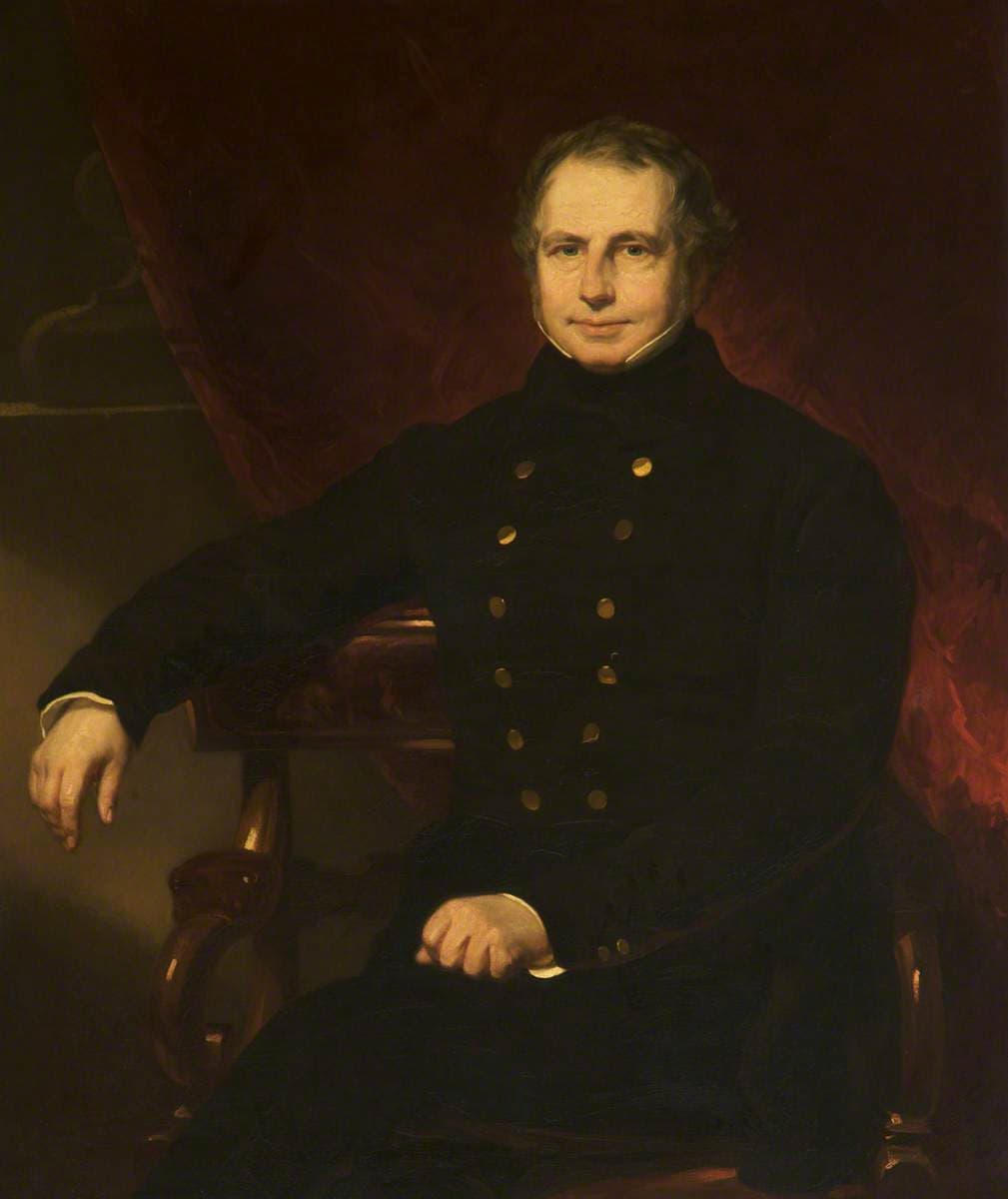
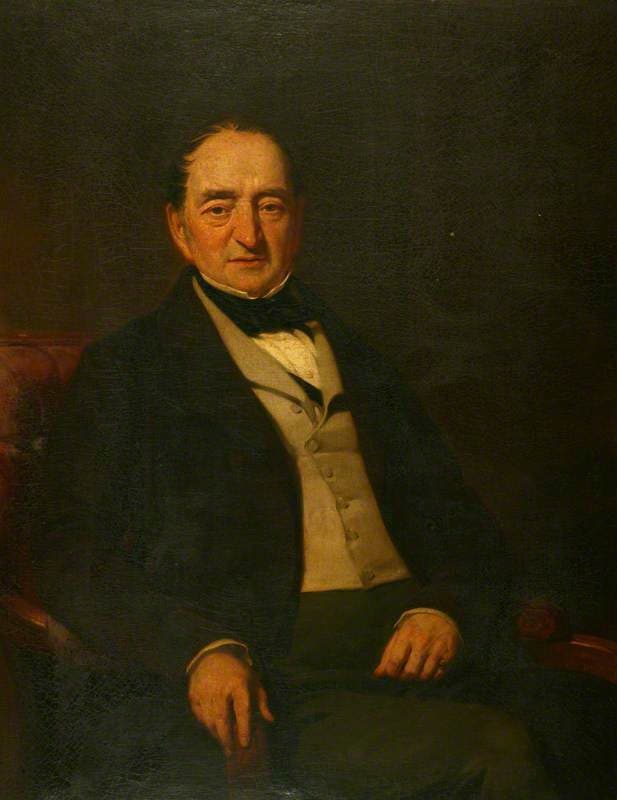
George Patten (1801–1865) was a British academic and portrait painter whose refined figure compositions and decorative sensibility made him a notable Victorian-era artist.
Learn about the life of George Patten
Signature Works
See all available prints
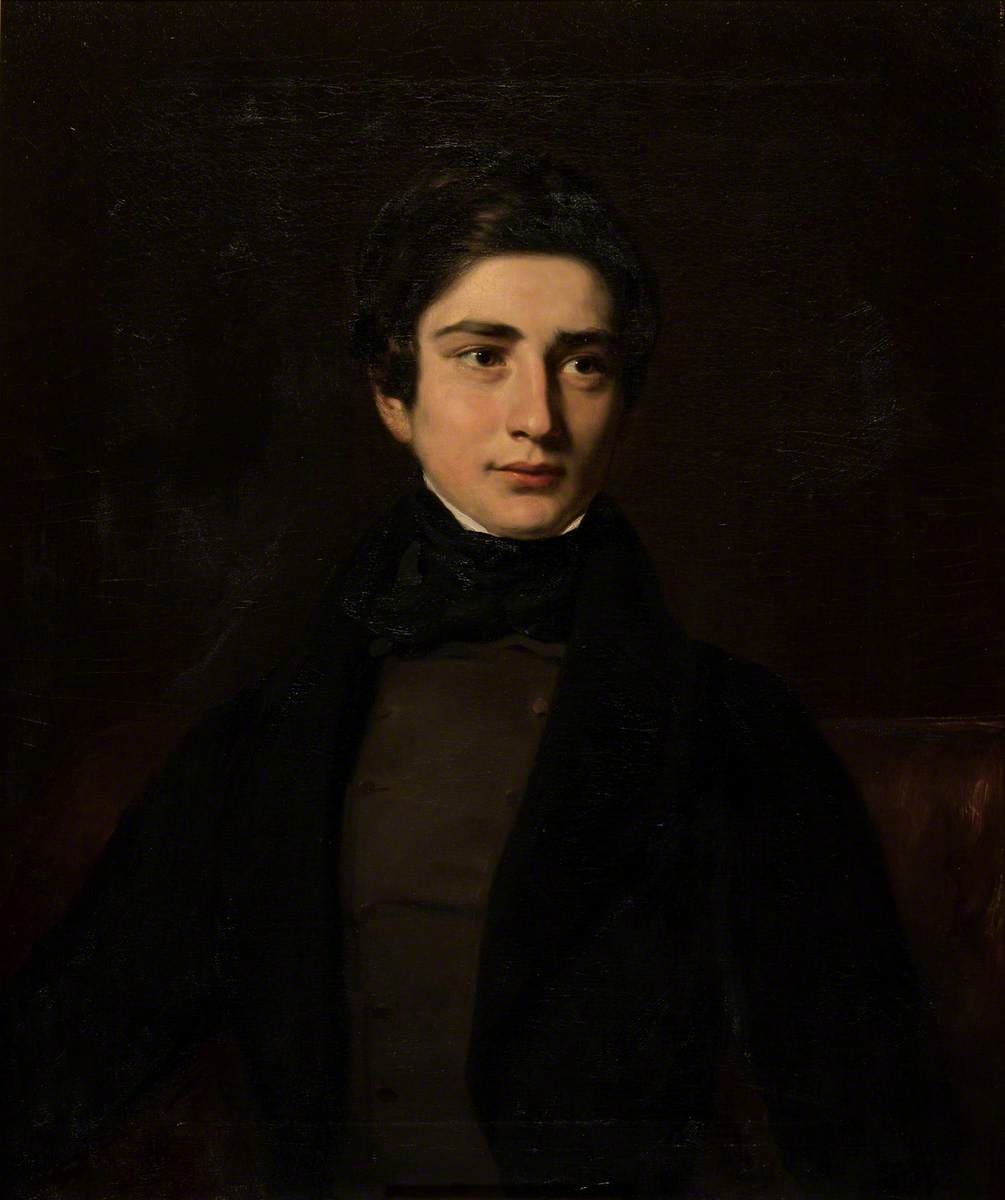
Biography
George Patten (1801–1865) was a British academic and portrait painter whose refined figure compositions and decorative sensibility made him a notable Victorian-era artist.
George Patten was born in Dublin in 1801 and worked as a painter within the British Victorian academic tradition. While details of his formal training and early mentors are not well documented in widely available sources, Patten's work is best understood in the context of 19th-century British academic painting, which emphasized careful draftsmanship, polished finish, and polished portraiture and figure composition.
Patten's career unfolded during the Victorian era, a period when portraiture, history painting and refined genre scenes were in steady demand from patrons and the burgeoning middle classes.
In his early professional years Patten developed a precise handling of form and a restrained yet polished palette that suited commissioned portraiture and decorative figure works.
Through the middle part of his career Patten consolidated a reputation for refined compositions and an emphasis on the decorative arrangement of figures and drapery, aligning his practice with academic conventions popular in Britain at the time.
In later years Patten continued to produce elegant portraits and figure studies marked by careful modelling and a controlled sense of colour and finish.
Patten is principally known for portraiture and decorative figure compositions executed in the academic manner of mid-19th-century Britain. Specific titles and a complete catalogue of his paintings are not consistently documented in general reference sources; his works are valued for their craftsmanship, compositional clarity and decorative quality.
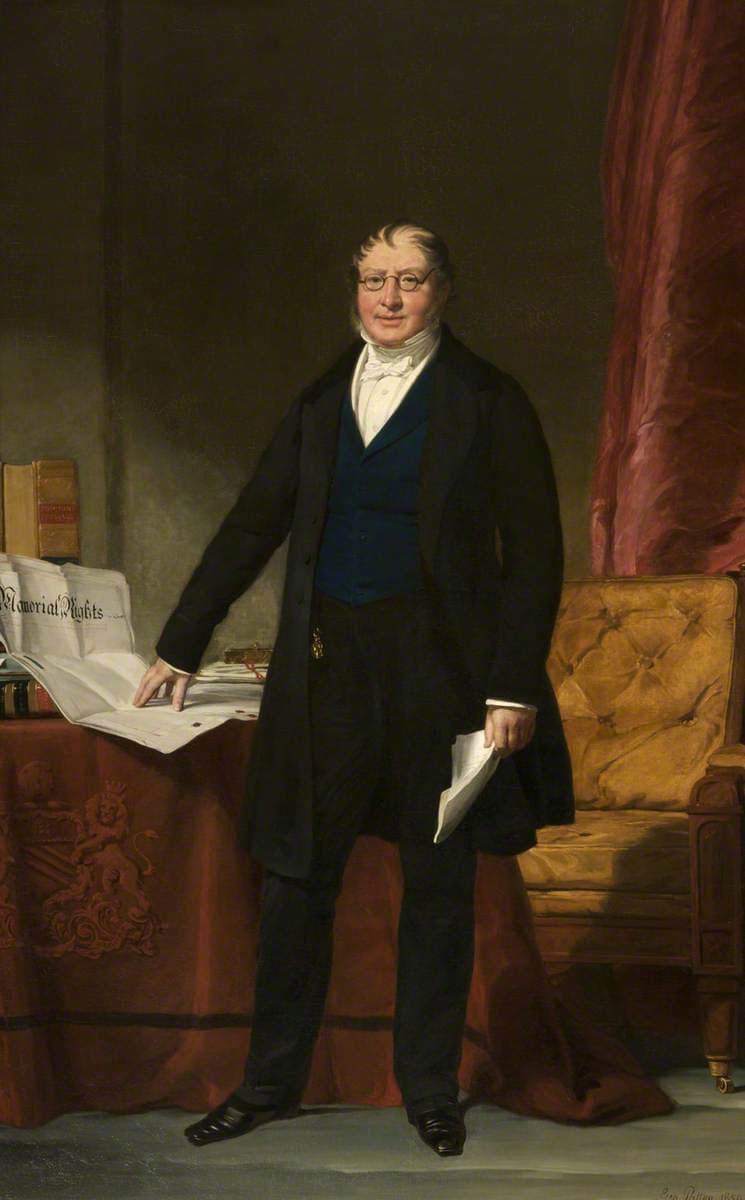
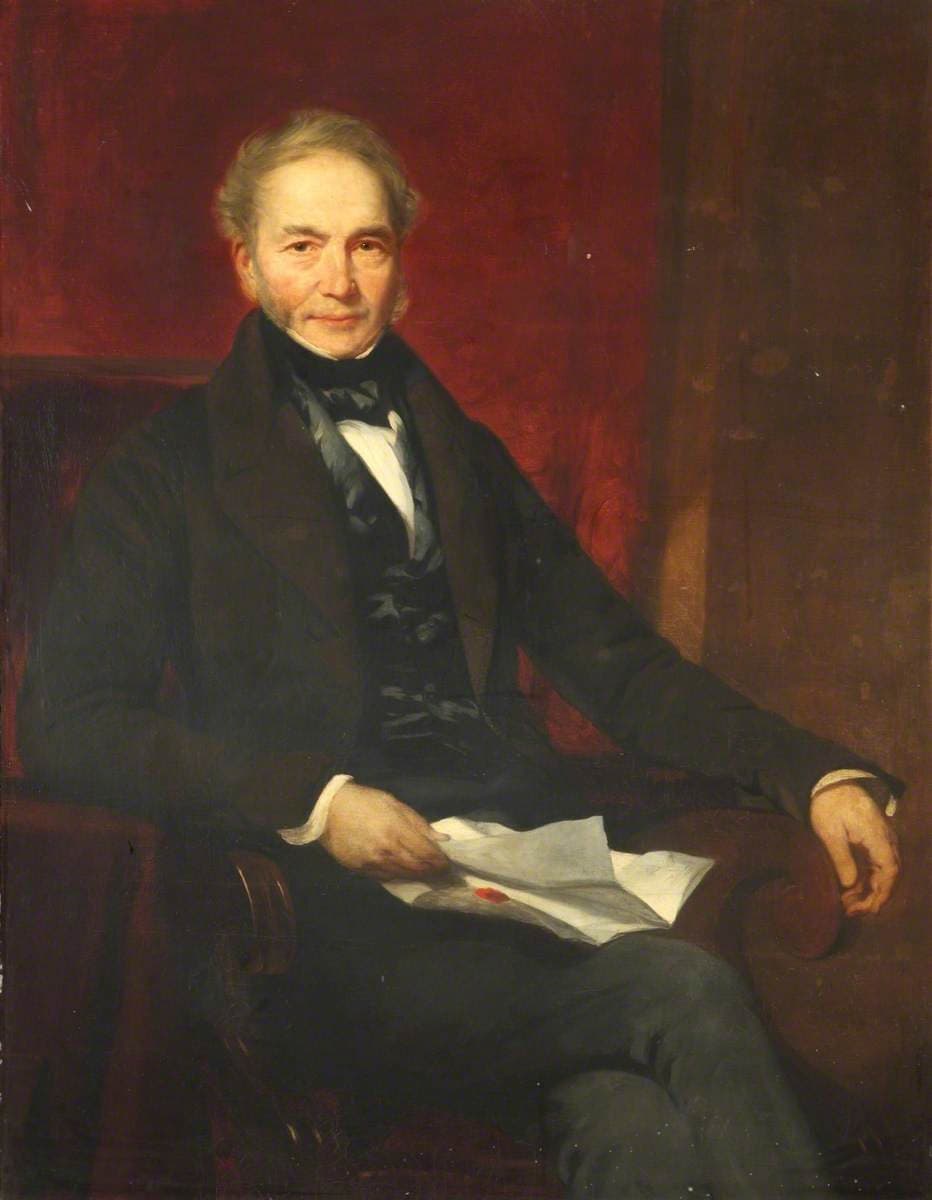
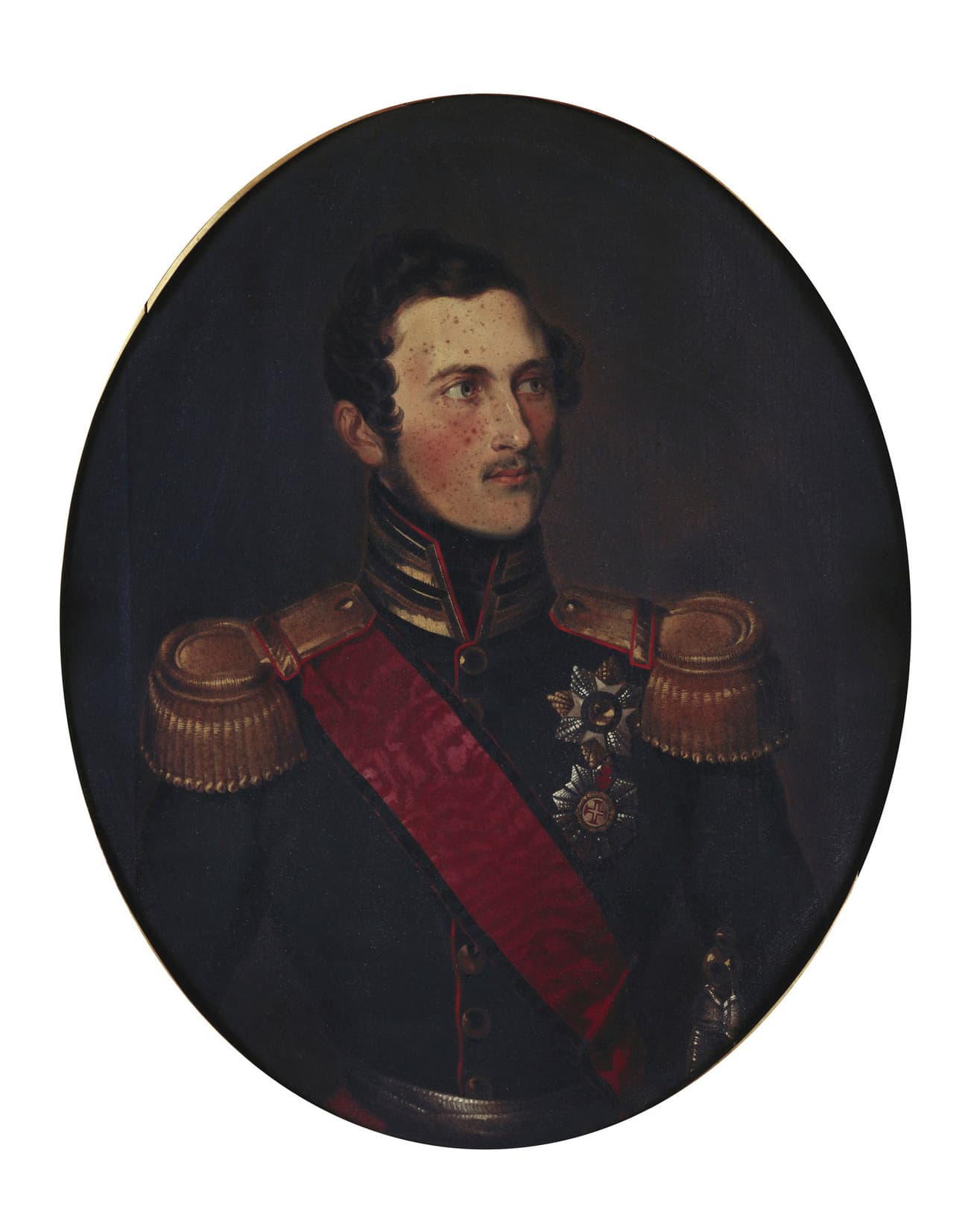
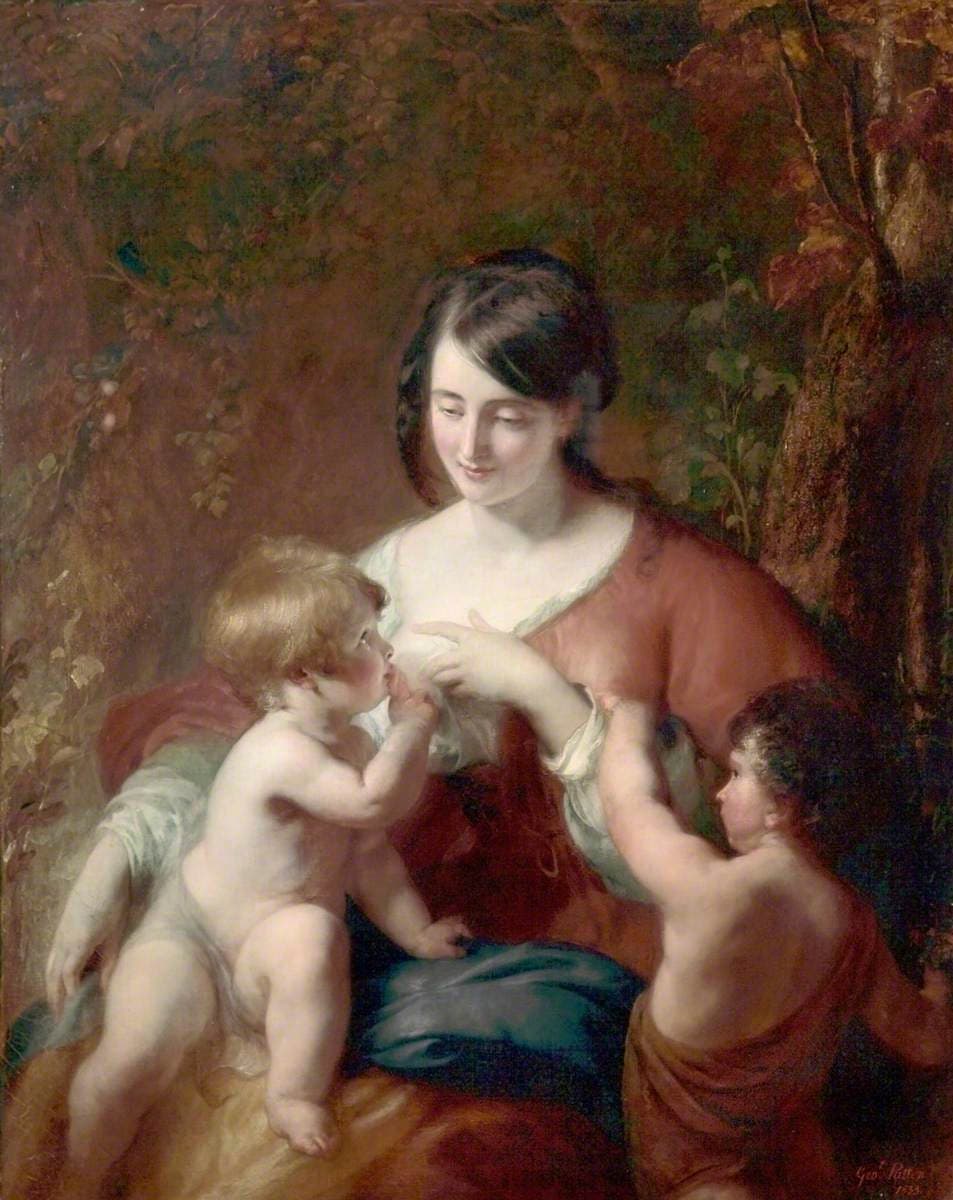
Patten's technique reflects academic training: careful drawing, smooth modelling of forms, and an emphasis on surface finish. His compositions focus on posed figures, nuanced facial modelling and refined treatment of costume and drapery. The visual appeal of his paintings lies in their clarity, decorative arrangement and suitability for interior display.
Working within the Victorian academic tradition, Patten contributed to the visual culture of mid-19th-century Britain through portraiture and figure painting. While he is not as widely cited as some contemporaries, collectors appreciate his works for their technical competence and decorative qualities. His practice reflects broader academic values that influenced British portraiture and interior decoration of the period.
George Patten's personal life is sparingly recorded in standard reference sources. He was born in Dublin and pursued a painting career that placed him within the British artistic milieu of the Victorian era.
Collectors prize Patten's paintings—
Frequently Asked Questions
George Wilson
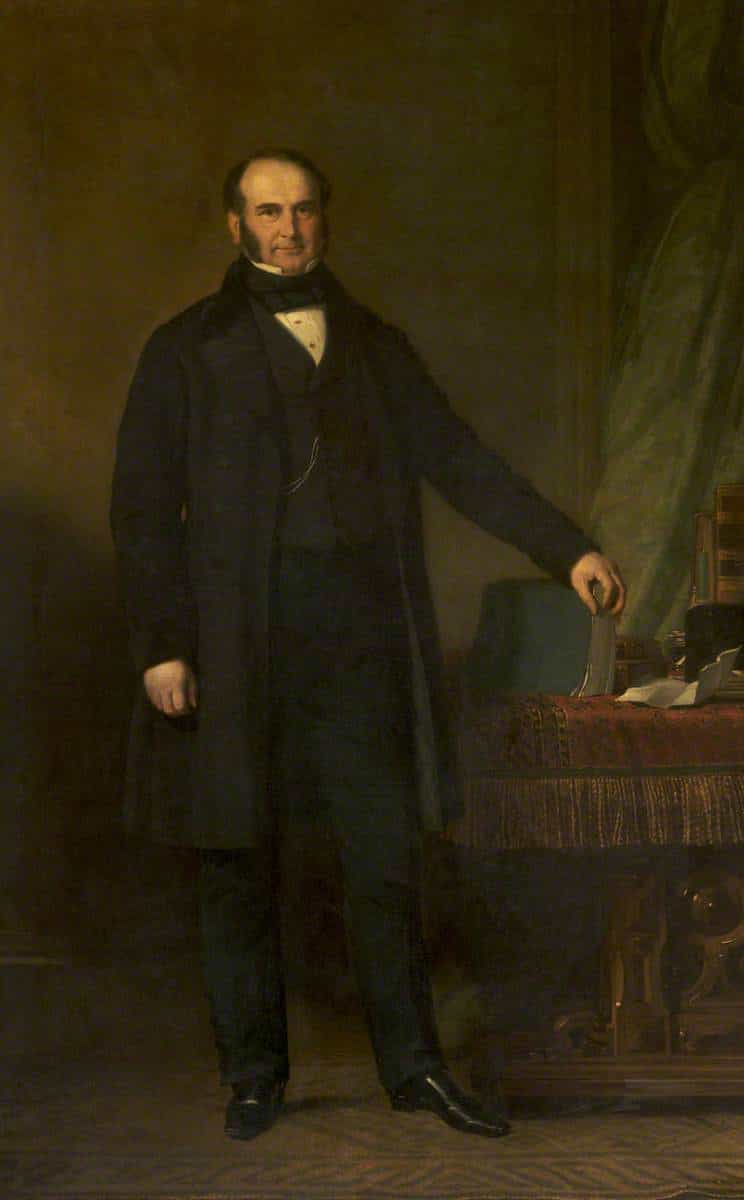
Mark Philips (1800–1873)
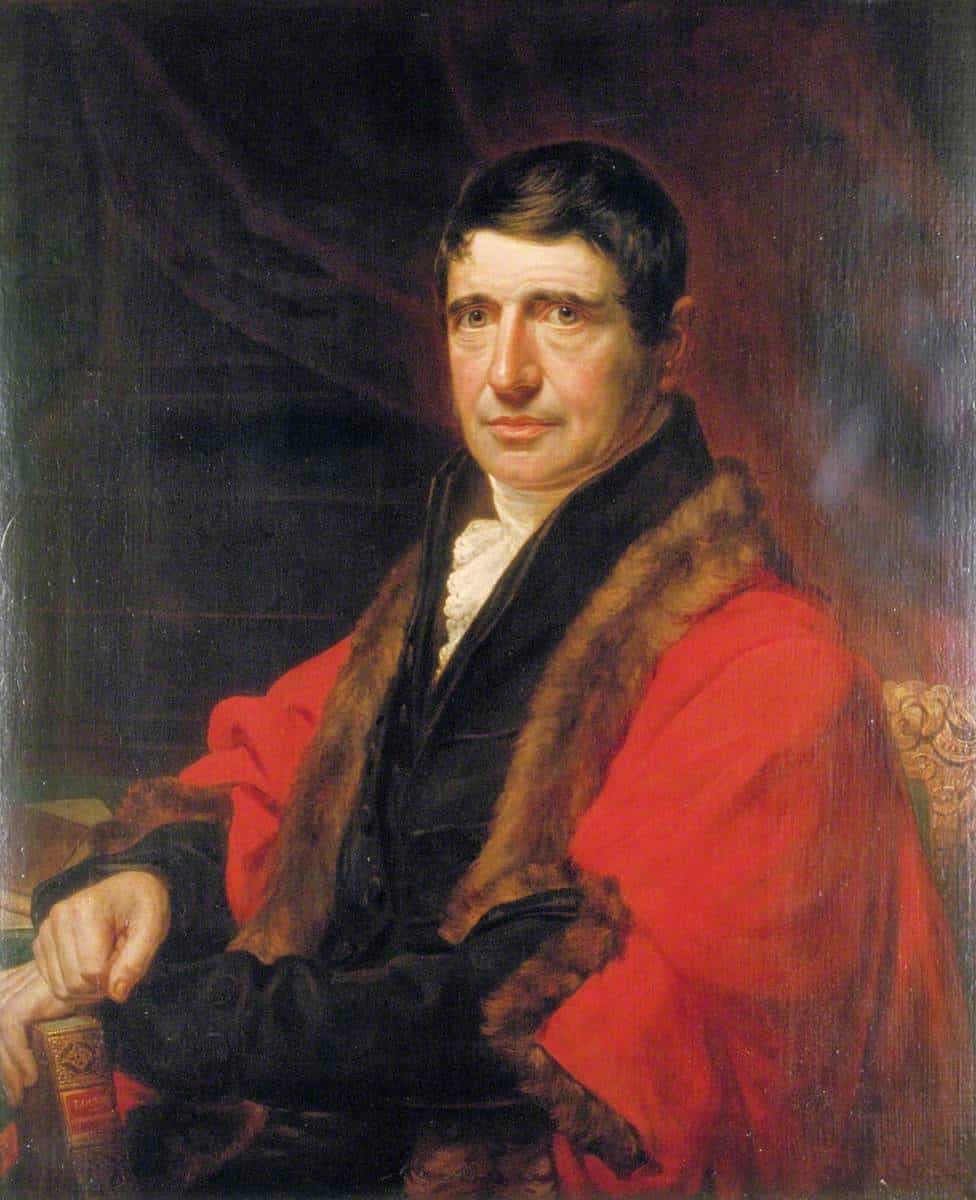
Alderman Robert Waithman (1764–1833), Politician and Lord Mayor of London
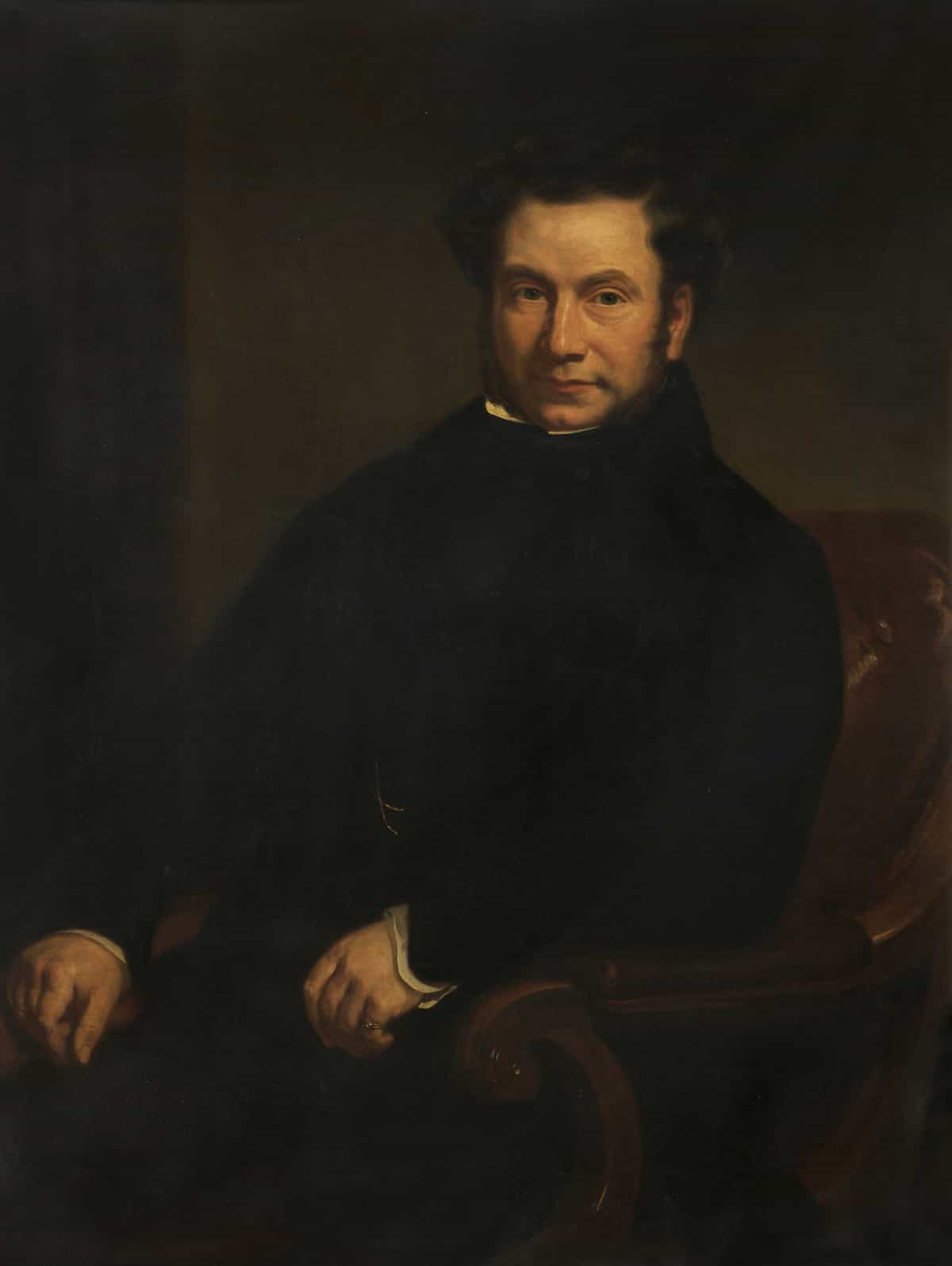
Portrait of Benjamin Hick, engineer
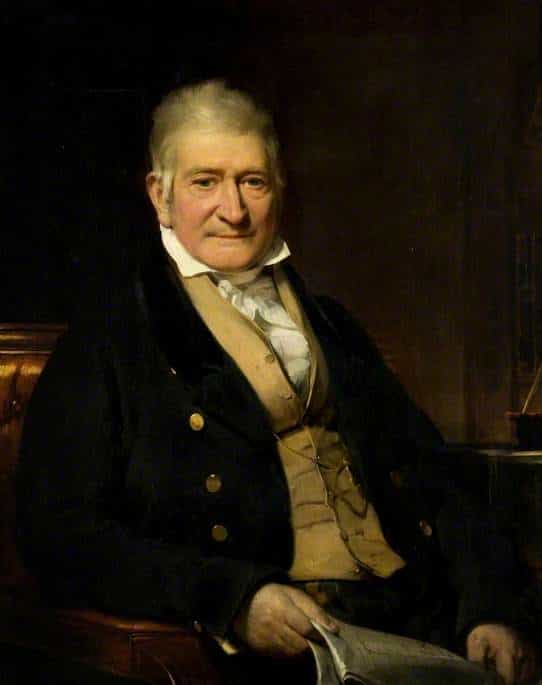
Thomas Telford (1757–1834)
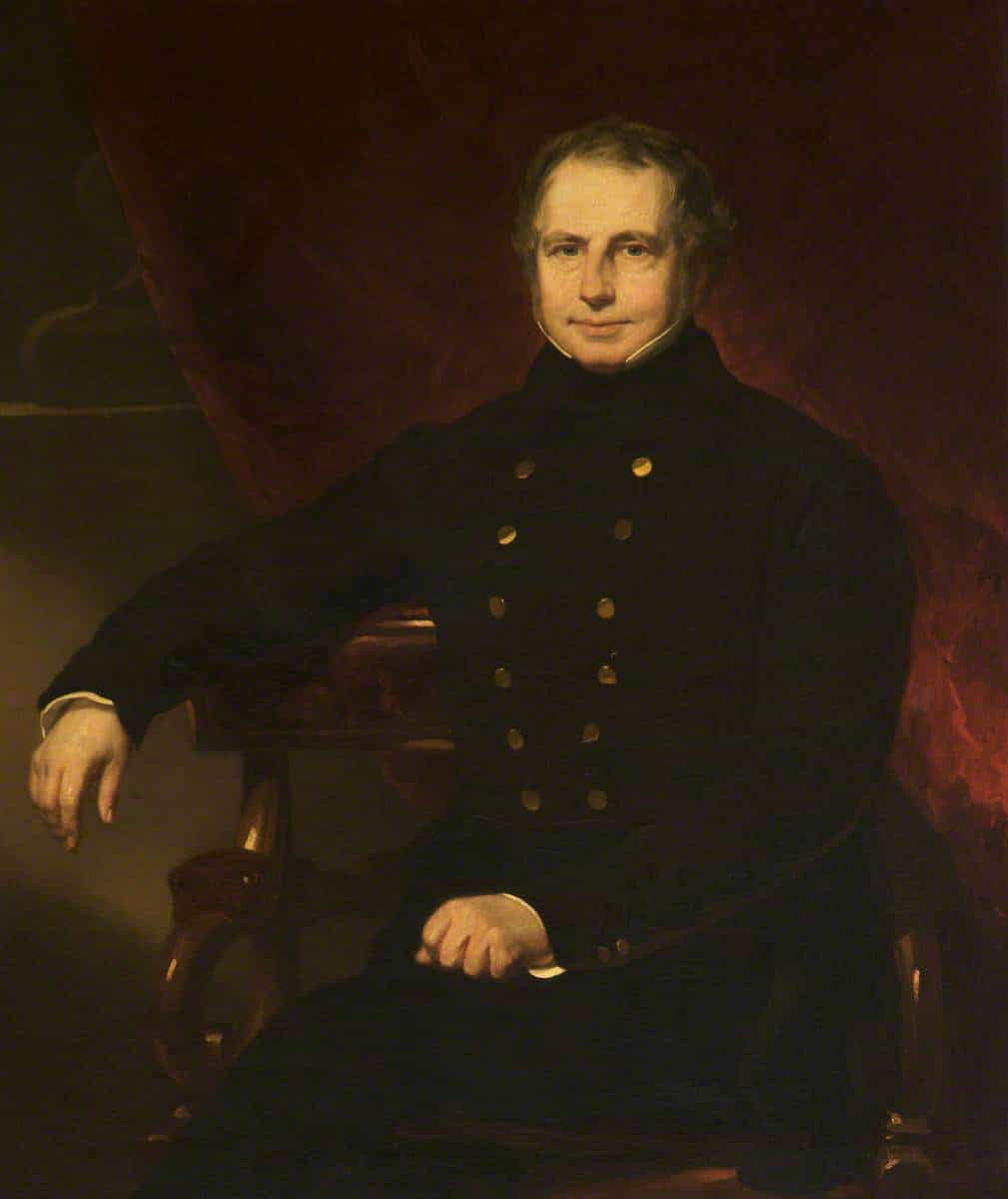
Charles James Stanley Walker
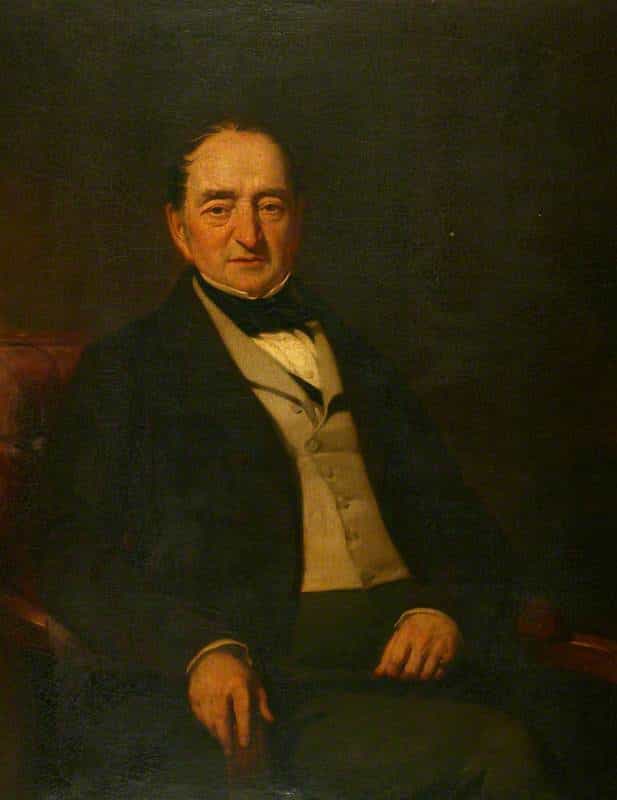
Edmund Buckley
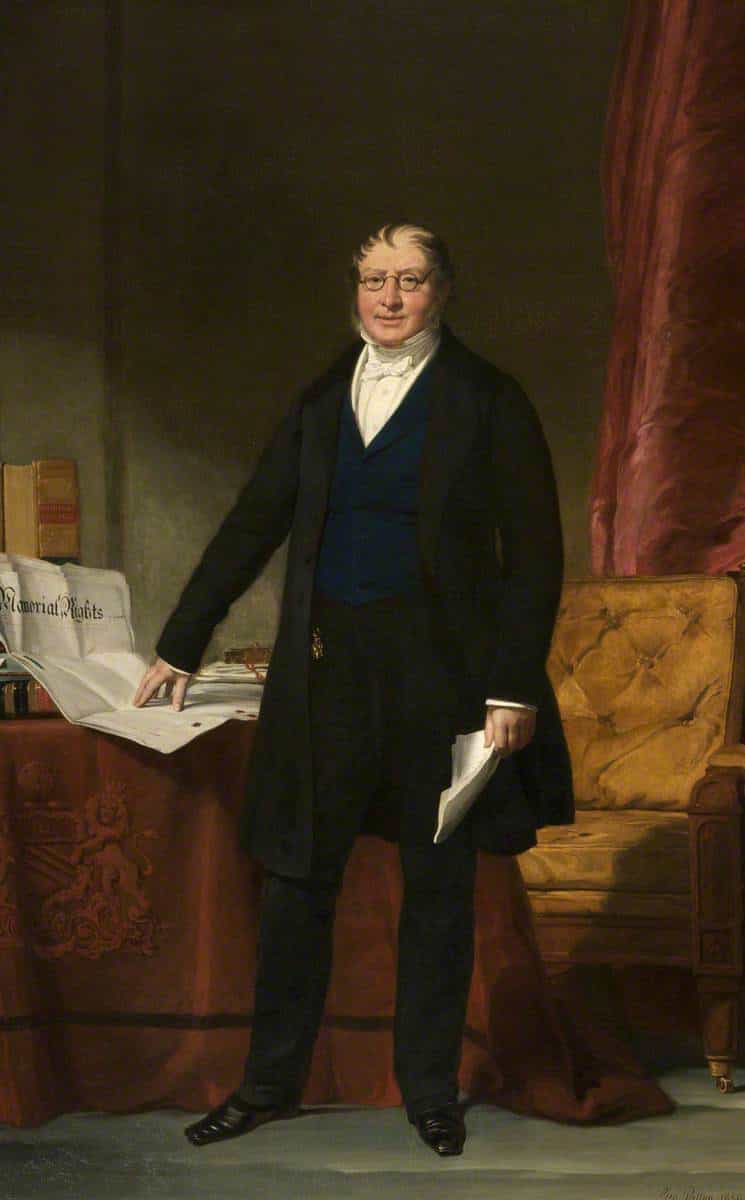
Alexander Kay
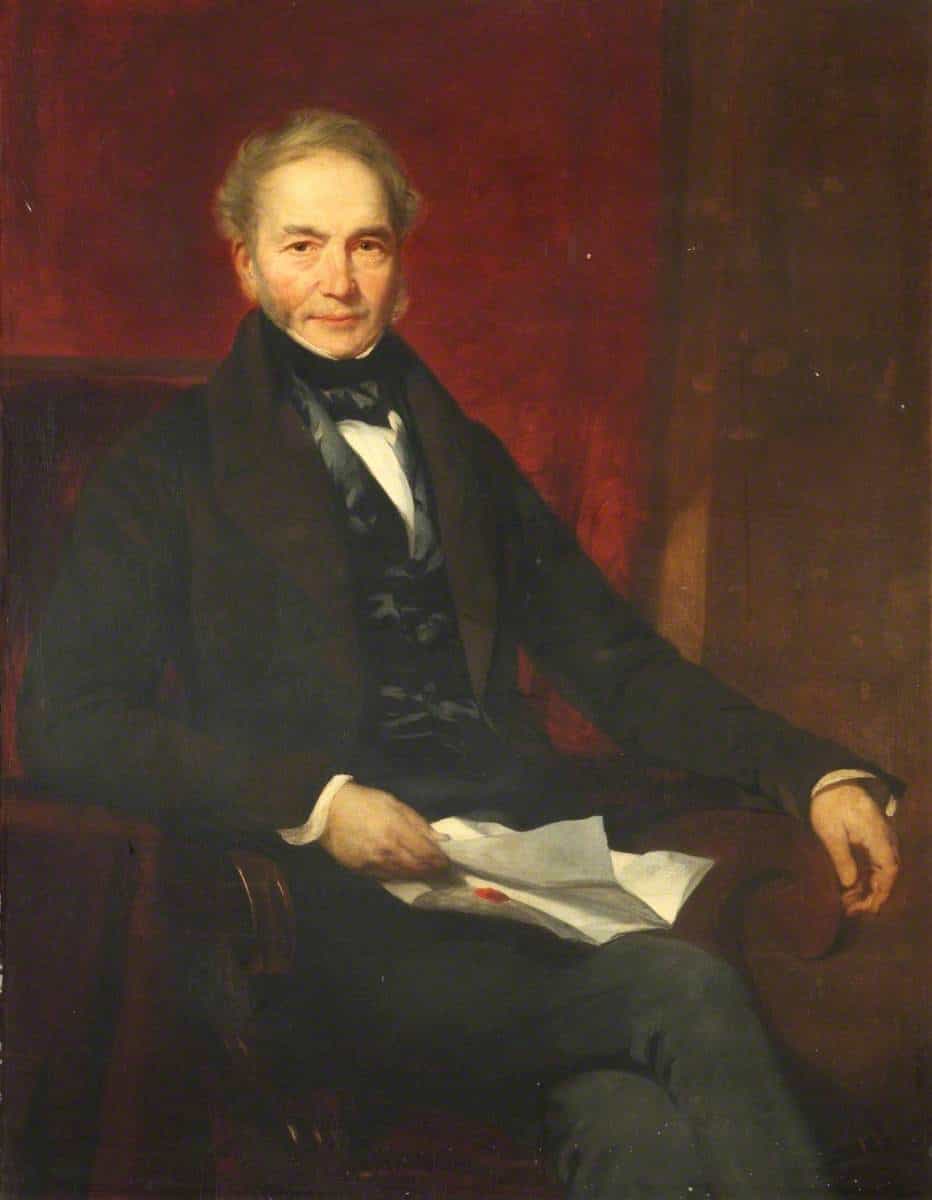
William Fawcett (1760/1761–1844)
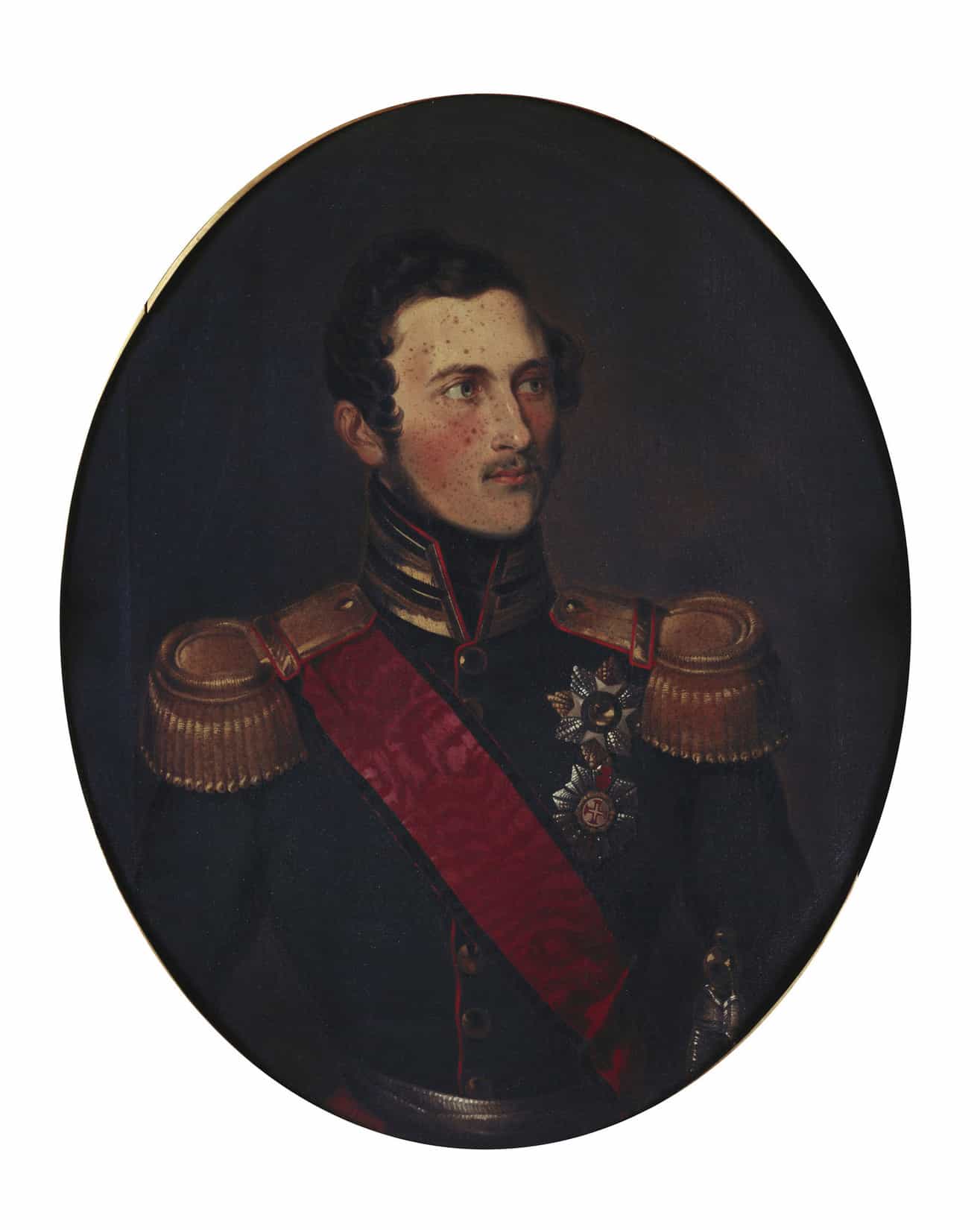
Prince Albert (1819–1861)
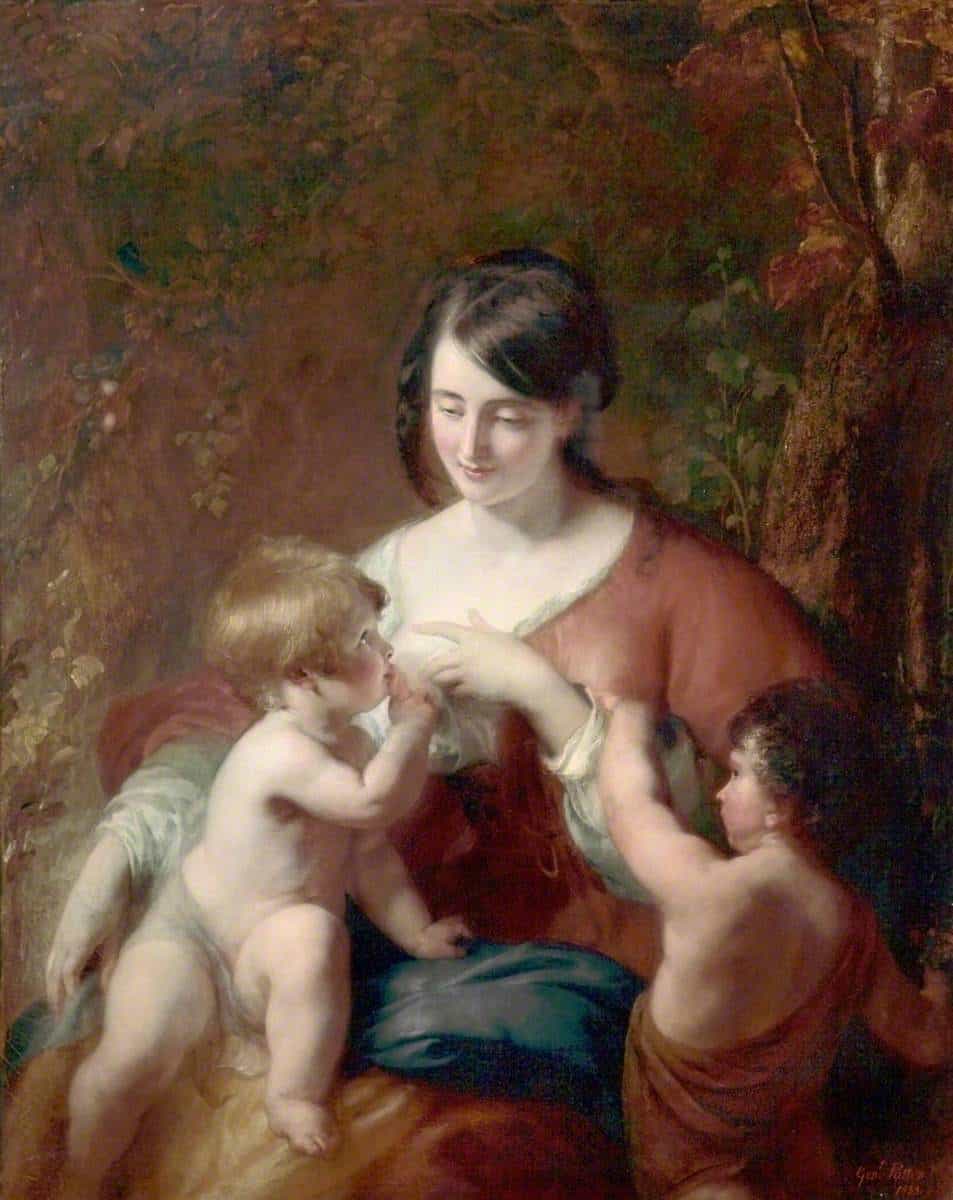
Maternal Affection
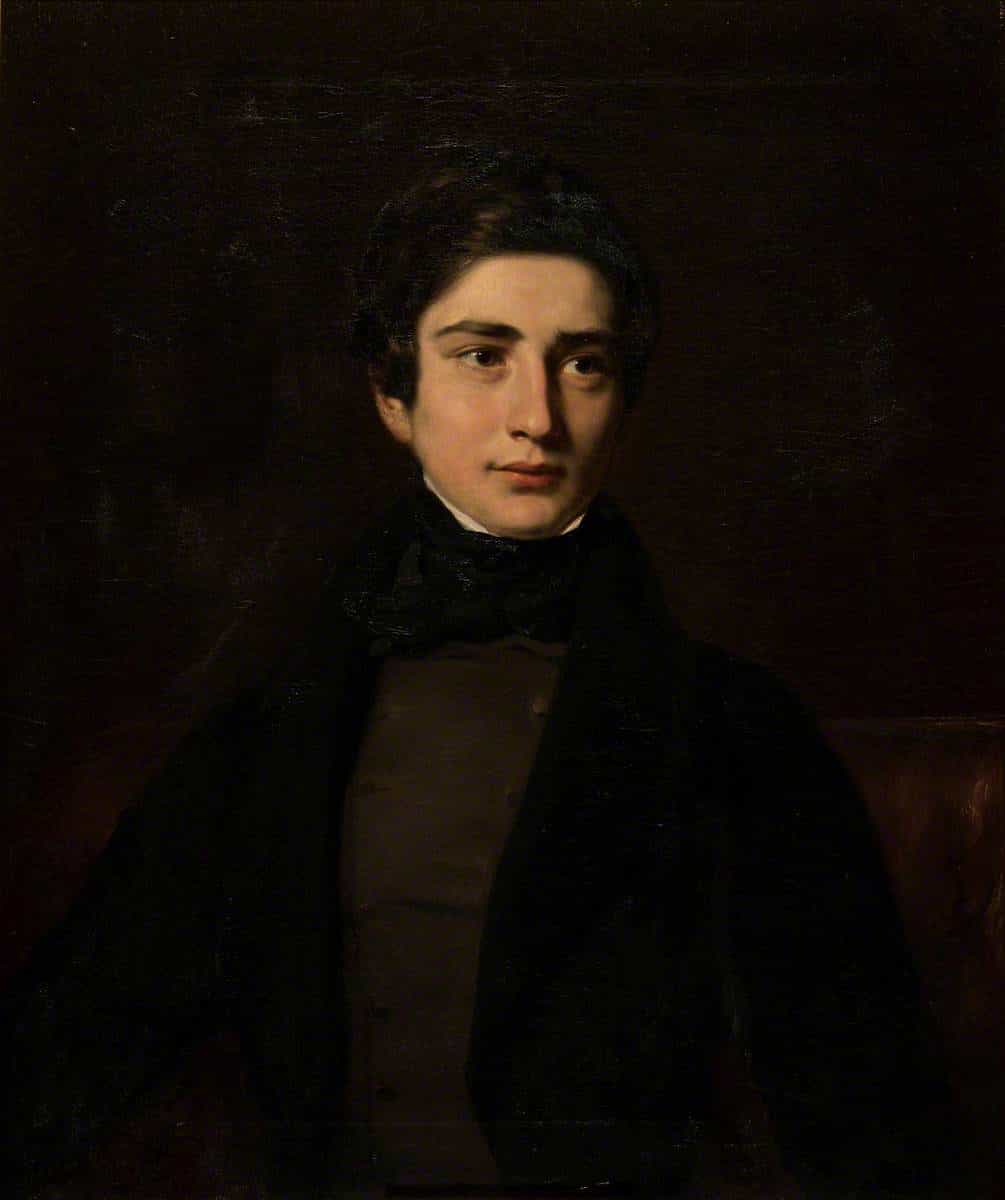
James Gylby Lonsdale (1816–1892)