📦 Sitewide sale now on: 30% off + free shipping 📦
Home/Artists/Francis Bourgeois

Francis Bourgeois

17531811, from Kingdom of Great Britain

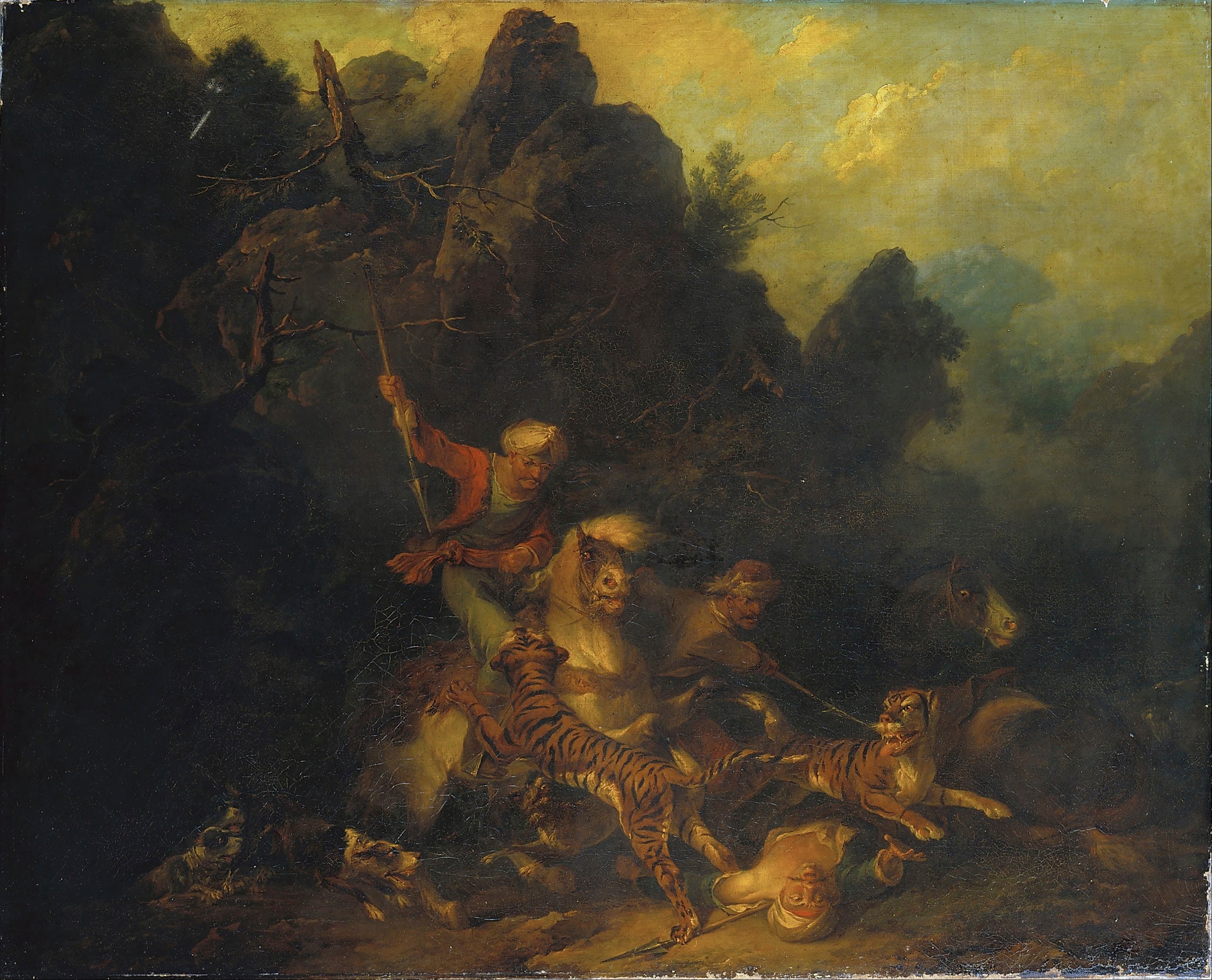
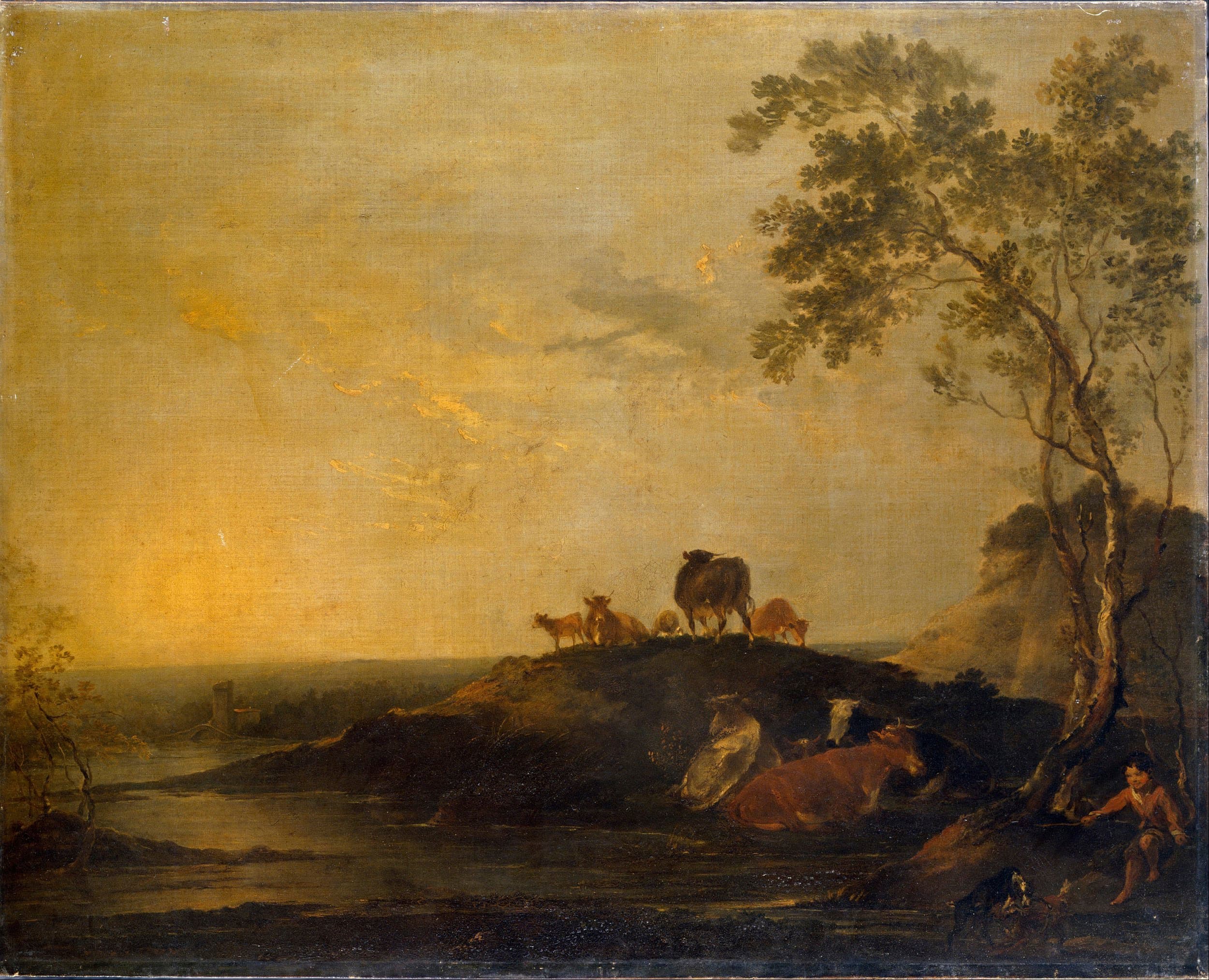
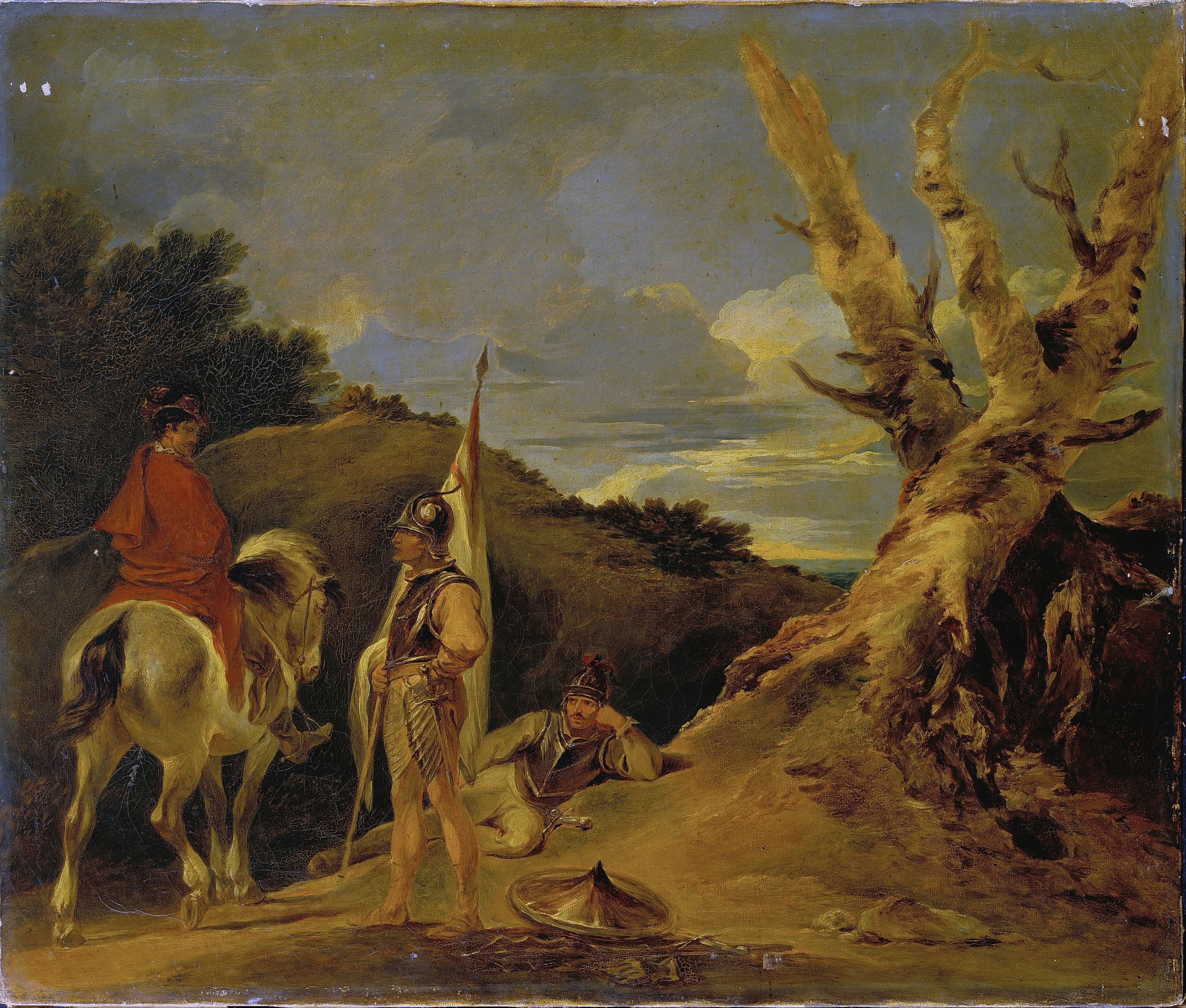
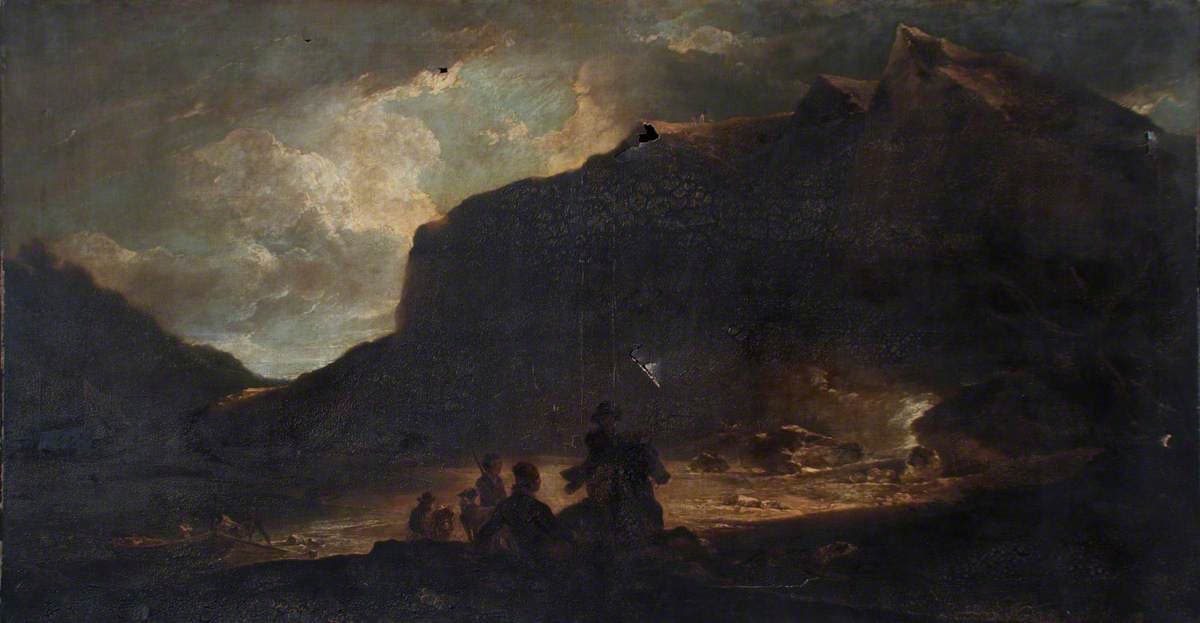
Francis Bourgeois (1753–1811) was a British late-Georgian painter, art dealer and collector whose discerning eye shaped connoisseurship and collecting in his era.

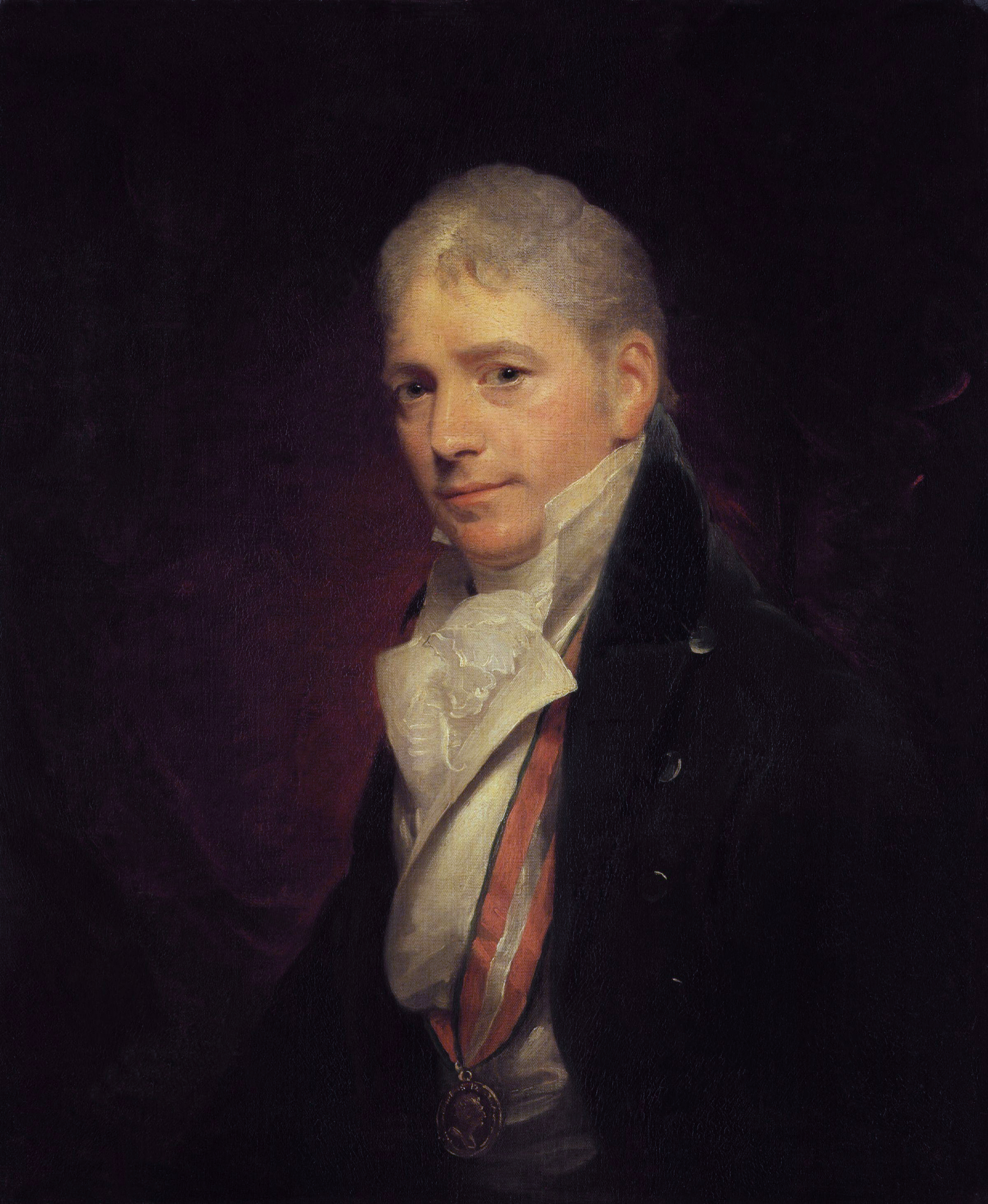
Portrait of Francis Bourgeois

Collection

Shop Francis Bourgeois Prints

Museum-quality reproductions on 310gsm textured cotton rag paper.

Shop all prints by Francis Bourgeois

Artistic Style

Style Evolution

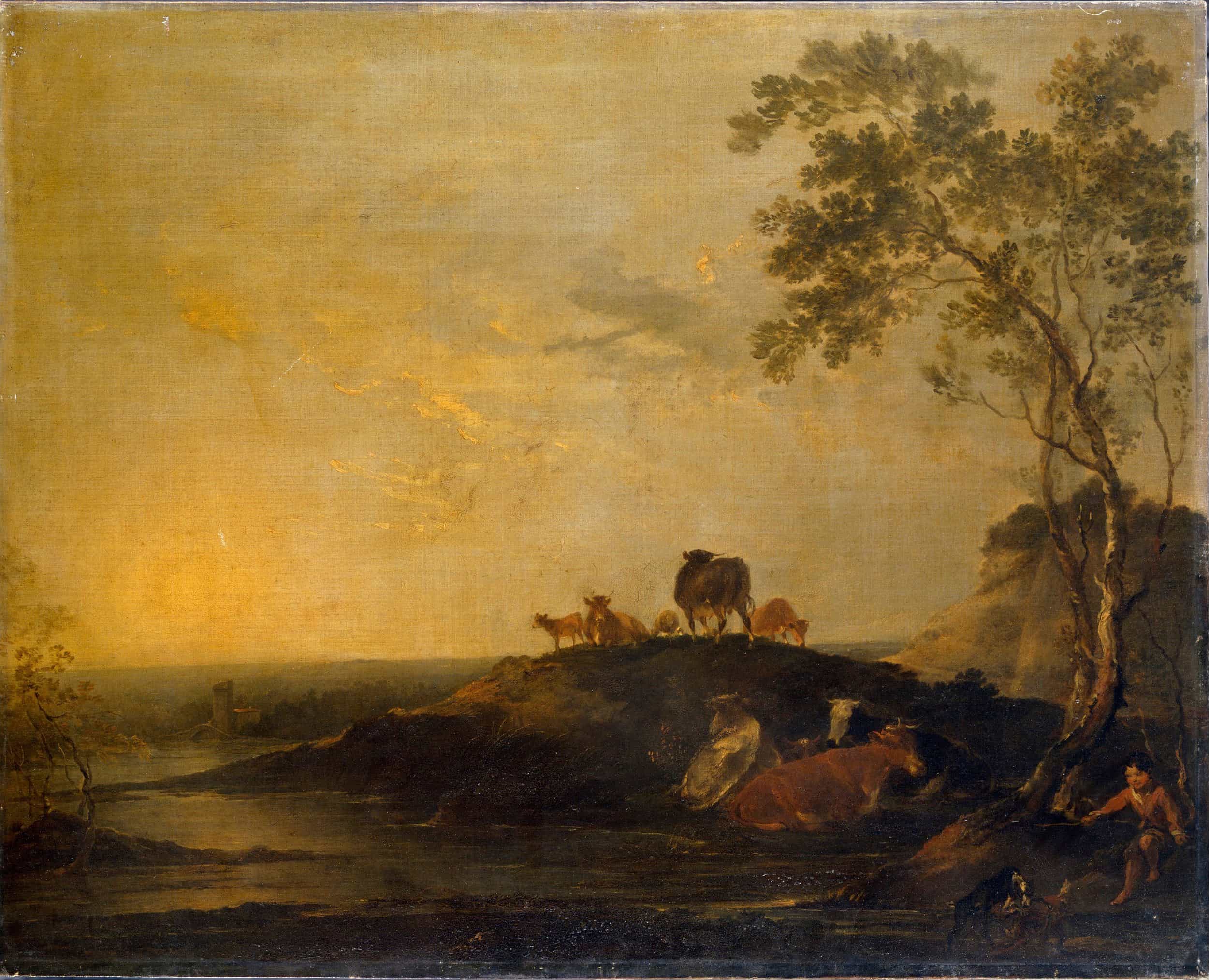
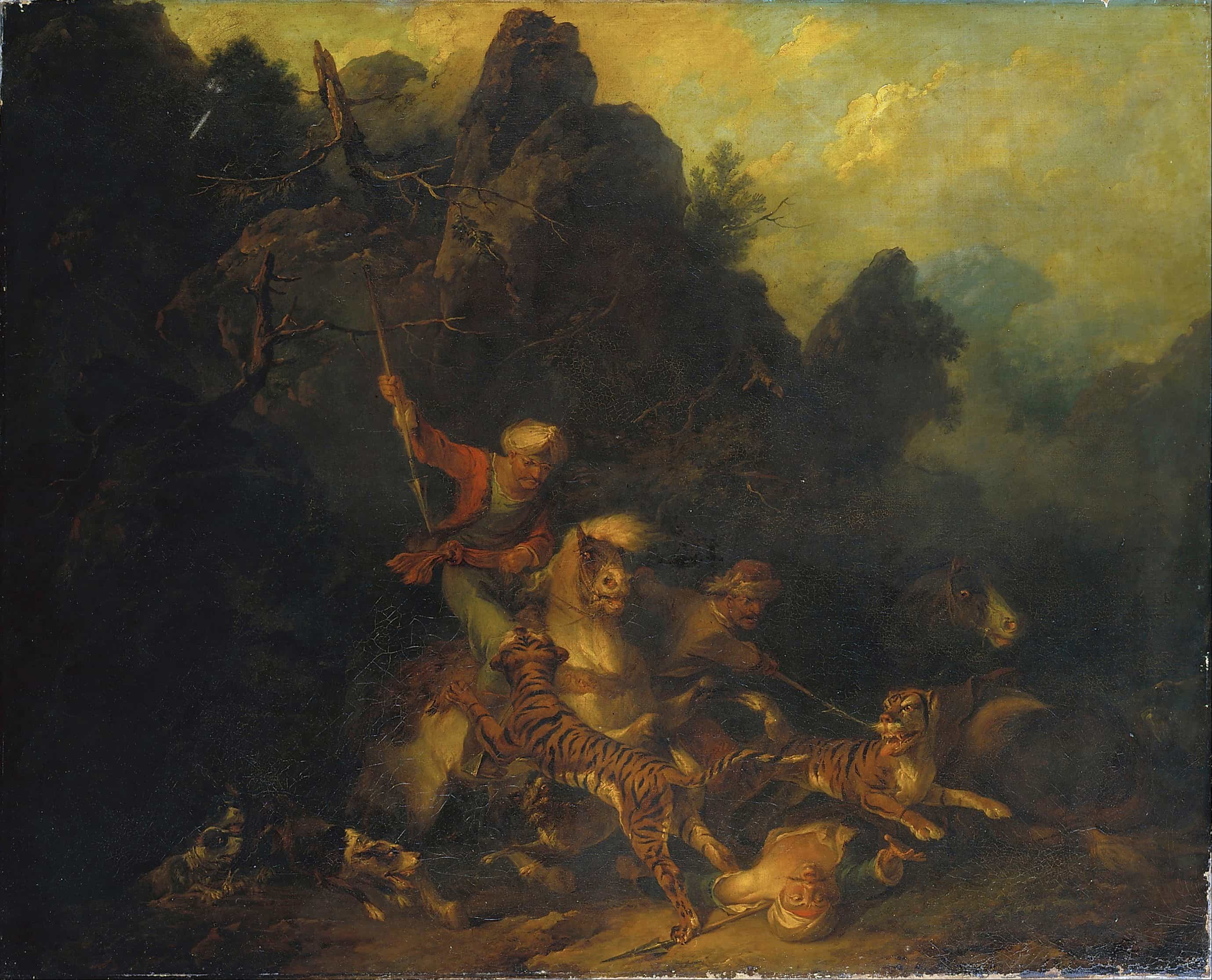
Across the late Georgian period Bourgeois combined refined draftsmanship with a collector’s eye. His work reflects the measured, representational style prized by collectors of the era; over his career he balanced painting practice with connoisseurship, producing works and assembling collections that suited contemporary interiors and tastes.

Palette

  • balanced tonal range
  • naturalistic coloration
  • subtle contrasts for clarity

Subjects

  • portraiture
  • historical and topographical views
  • paintings for private collections

Techniques

  • careful draftsmanship
  • attention to composition
  • refined finish suitable for collectors

Topics

Britishlate-Georgianpainterart dealercollectorportraituretopographical18th-century artLondon

Francis Bourgeois (1753–1811) was a British late-Georgian painter, art dealer and collector whose discerning eye shaped connoisseurship and collecting in his era.

Learn about the life of Francis Bourgeois

1753

Born in London

1770

Early artistic activity begins in London (recorded as active in the late 18th century)

1780

Establishes presence in the London art market as painter and dealer

1790

Active as a collector and connoisseur, contributing to private collections

1800

Continued work and collecting in London, consolidating reputation

1811

Died in London

Biography

Francis Bourgeois (1753–1811) was a British late-Georgian painter, art dealer and collector whose discerning eye shaped connoisseurship and collecting in his era, leaving a legacy among collectors of British art and historical painting traditions in London and beyond. He combined artistic practice with the trade and preservation of works, contributing to the visual culture of late 18th- and early 19th-century Britain through paintings, dealership and collecting activities that informed contemporary taste.

Frequently Asked Questions

What are Francis Bourgeois's most famous paintings?+
Specific widely recognized single titles for Francis Bourgeois are not provided here. Bourgeois is documented as a British painter active in the late Georgian era who worked alongside his roles as an art dealer and collector. Collectors interested in his work should consult museum catalogues, sale‑r
What is Francis Bourgeois's style?+
Francis Bourgeois worked in a representational late‑Georgian manner characteristic of British artists of the late 18th and early 19th centuries. His approach emphasized careful draftsmanship, clear composition and a finish suited to private collectors and the tastes of contemporary patrons.
What made Francis Bourgeois unique?+
Bourgeois combined the practices of painter, dealer and collector, giving him a dual role as creator and curator. This position allowed him to shape taste directly — both through the works he produced and those he acquired and circulated — making him a figure of interest to collectors and historians
What are three of Francis Bourgeois's masterpieces?+
A definitive list of 'masterpieces' for Francis Bourgeois is not provided in the supplied data. Bourgeois is primarily known through his combined activities as a painter, art dealer and collector rather than a single iconic work cited here. For authoritative lists, consult specialised catalogues or
What movement was Francis Bourgeois part of?+
Francis Bourgeois is best situated within the late‑Georgian British artistic context. That period favored representational painting—portraiture, historical and topographical subjects—and an emphasis on finish and connoisseurship that matched contemporary collecting habits.
What influenced Francis Bourgeois?+
Specific teachers or influences are not listed in the provided data. More generally, artists operating in late‑18th‑ and early‑19th‑century Britain worked within prevailing academic and commercial practices, responding to patron preferences, British portrait and landscape traditions, and the demands