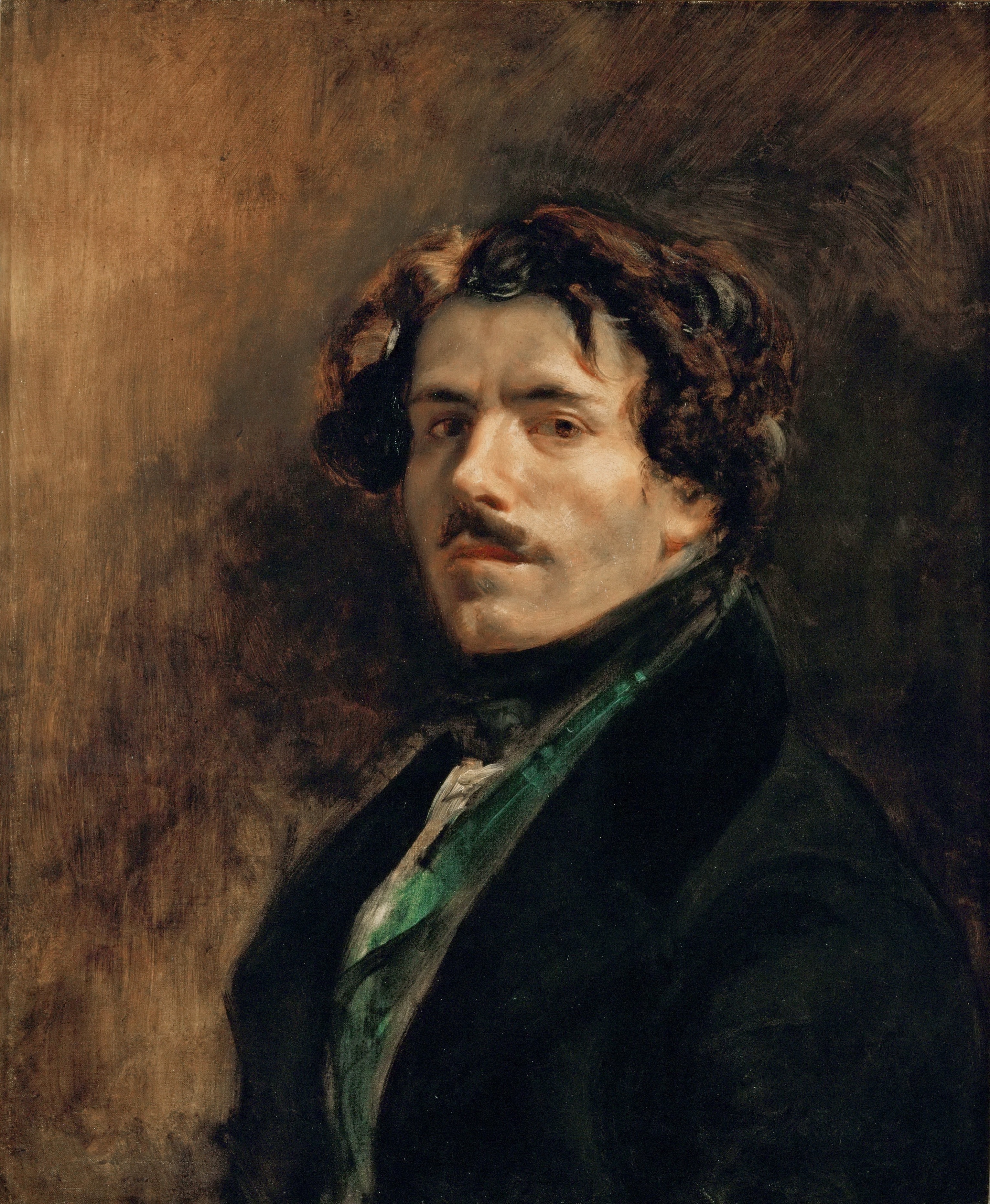
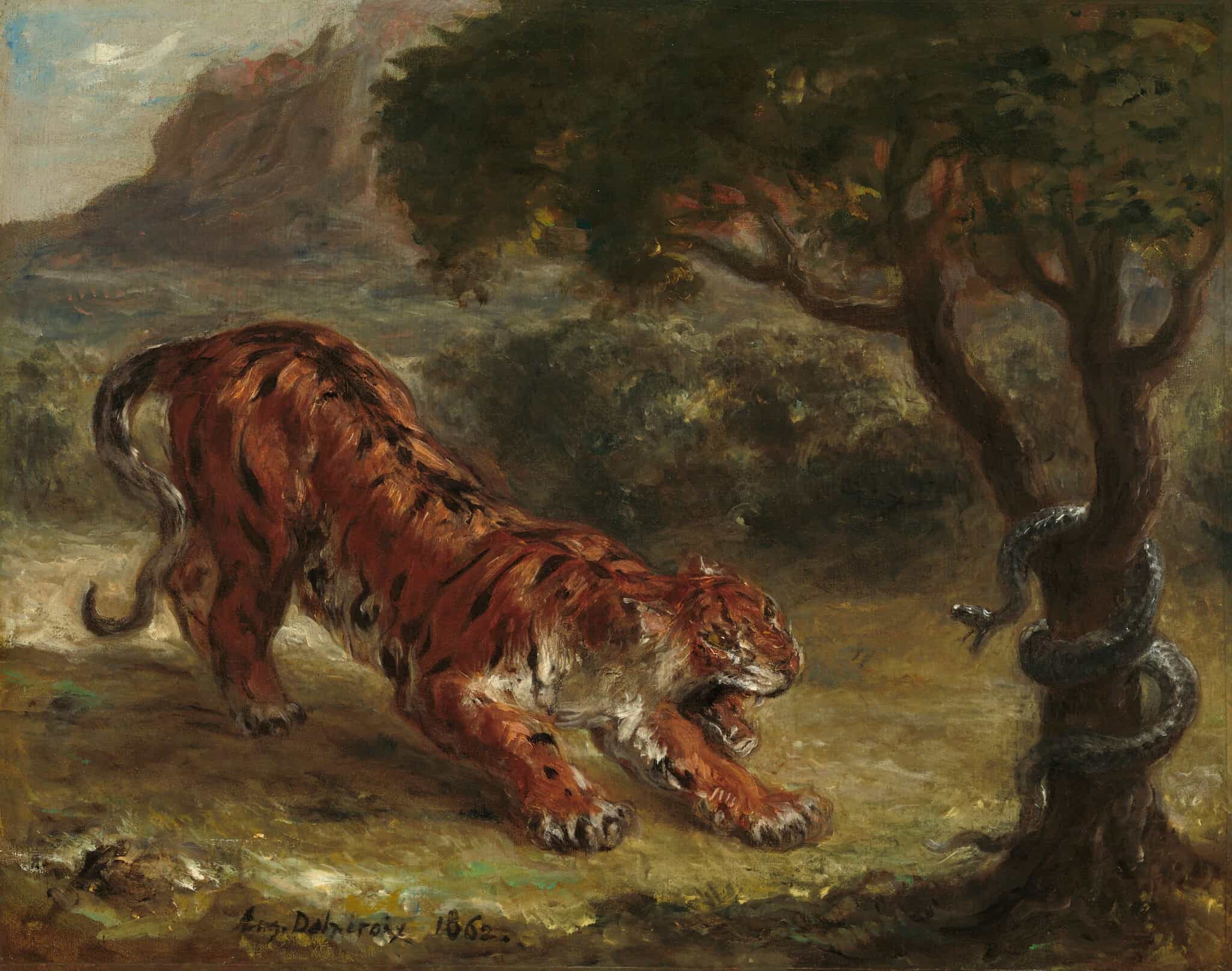
Tiger and Snake
Eugène Delacroix
From €37
Collection
Museum-quality reproductions on 310gsm textured cotton rag paper.
Shop all prints by Eugène DelacroixArtistic Style
Style Evolution
Delacroix moved from academic training toward a Romantic emphasis on color, emotion and dramatic composition. Travels to North Africa and study of masters such as Rubens and Goya expanded his palette and loosened his brushwork, influencing later Impressionists and colorists.
Palette
Subjects
Techniques
Topics
Eugène Delacroix (1798-1863) was a French Romantic painter whose dramatic compositions, audacious color and expressive brushwork defined 19th-century Romanticism.
Learn about the life of Eugène Delacroix
Signature Works
See all available prints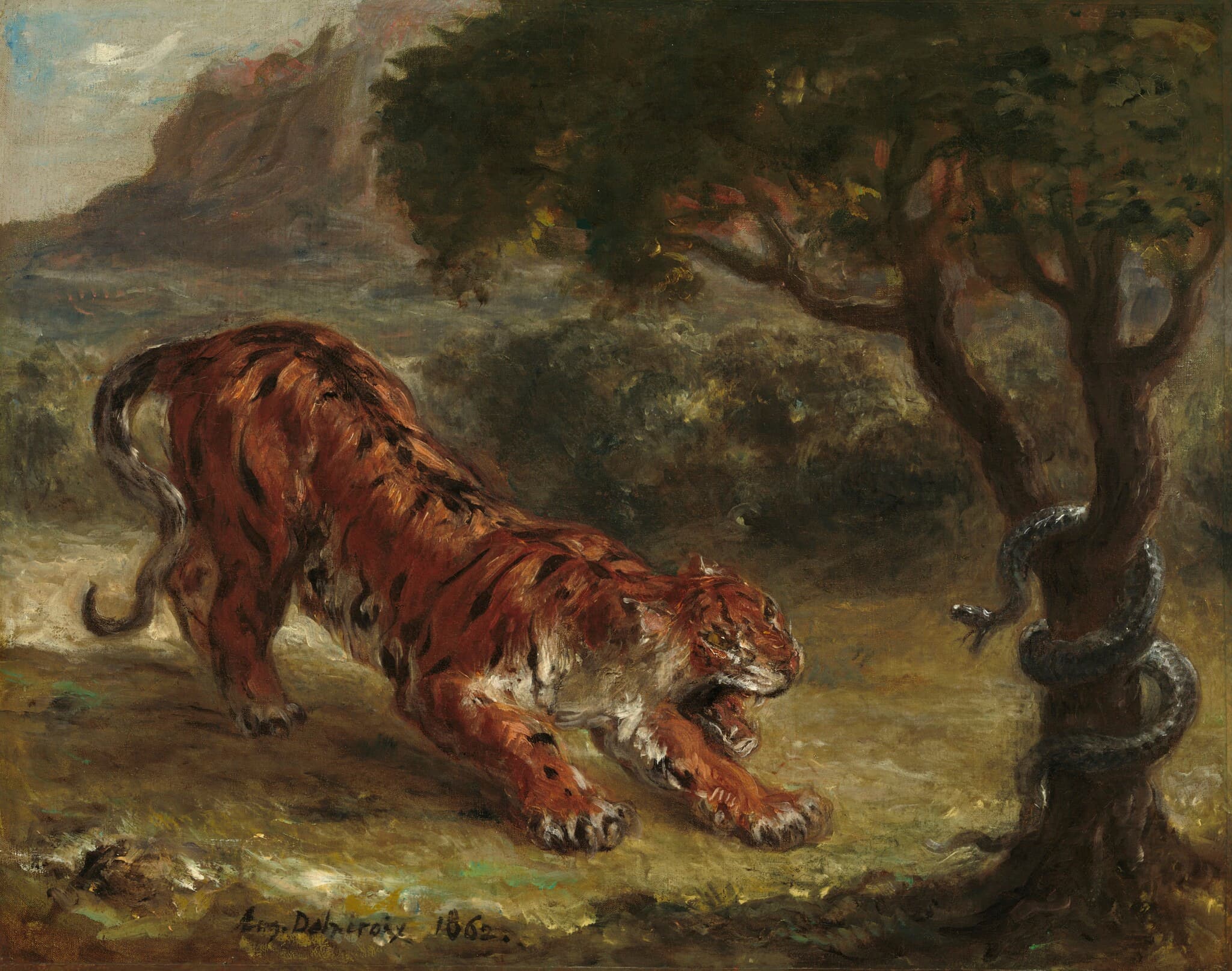
Biography
Eugène Delacroix (1798-1863) was a French Romantic painter whose dramatic compositions, audacious color and expressive brushwork defined 19th-century Romanticism.
Eugène Delacroix (1798-1863) was a French Romantic painter whose dramatic compositions, audacious color and expressive brushwork defined 19th-century Romanticism.
Delacroix was born in Saint-Maurice, near Paris, and came of age during a period of political upheaval in France. He trained in the academic tradition but quickly rejected strict Neoclassical restraint for a more expressive, color-driven approach. His early artistic formation took place in Paris, where he absorbed academic training while developing an independent visual language.
Delacroix established his reputation through powerful historical and literary subjects, later broadening his repertoire to include Orientalist scenes and intimate genre paintings.
In Paris he encountered art, theatre and literature that shaped his taste for dramatic narrative and vivid characterization. His early works already show a commitment to dynamic composition and strong chiaroscuro.
By the late 1820s Delacroix had produced some of his most ambitious history paintings. He continued to exhibit in Paris and consolidated a reputation for bold color, vigorous brushwork and emotionally charged subject matter.
A journey to North Africa in 1832 broadened Delacroix’s palette and subject matter; Orientalist motifs and North African color and light entered his work, enriching his approach to texture and pattern.
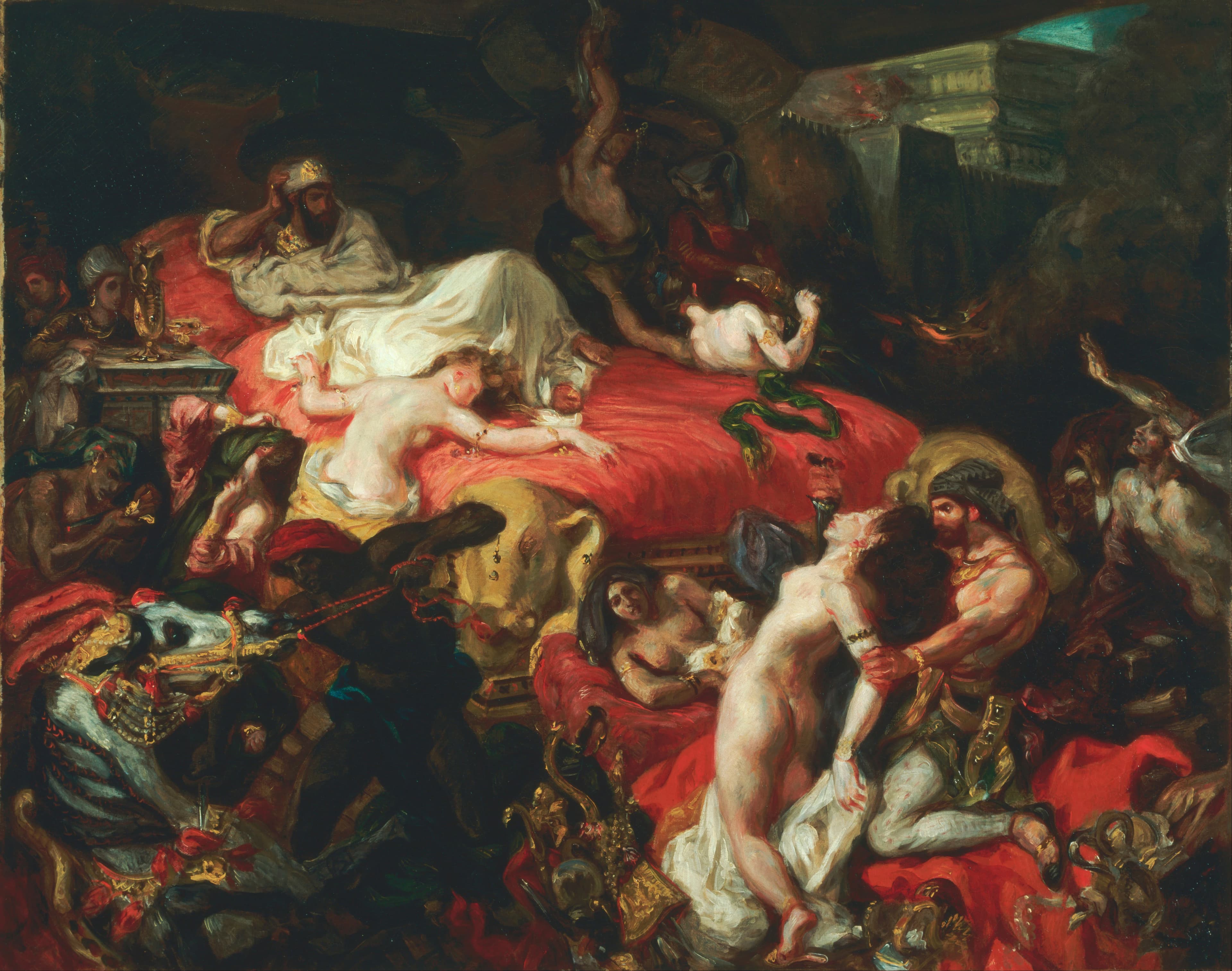
Delacroix’s best-known canvases combine political passion and painterly bravura. Notable works include Death of Sardanapalus (1827), Liberty Leading the People (1830) and Women of Algiers (1834). These paintings exemplify his ability to fuse dramatic narrative with luminous color, producing canvases that read as both historical statement and decorative spectacle.
Delacroix’s technique emphasized energetic, visible brushstrokes, layered color, and a mastery of contrasts—both tonal and chromatic. He favored oil paint applied with freedom and variety, achieving textures that read powerfully at scale and enliven interiors when reproduced as prints or decorative works.
A central figure of French Romanticism, Delacroix influenced later generations—most notably the Impressionists and Post-Impressionists—through his colorism and painterly freedom. He looked to earlier masters such as Rubens and admired the work of Goya, synthesizing these influences into a distinctly modern sensibility that helped reshape 19th-century painting.
Delacroix maintained a life centred on Paris, balancing commissions, travel and a prolific sketching practice. His travels to the
Awards
Frequently Asked Questions
Tiger and Snake
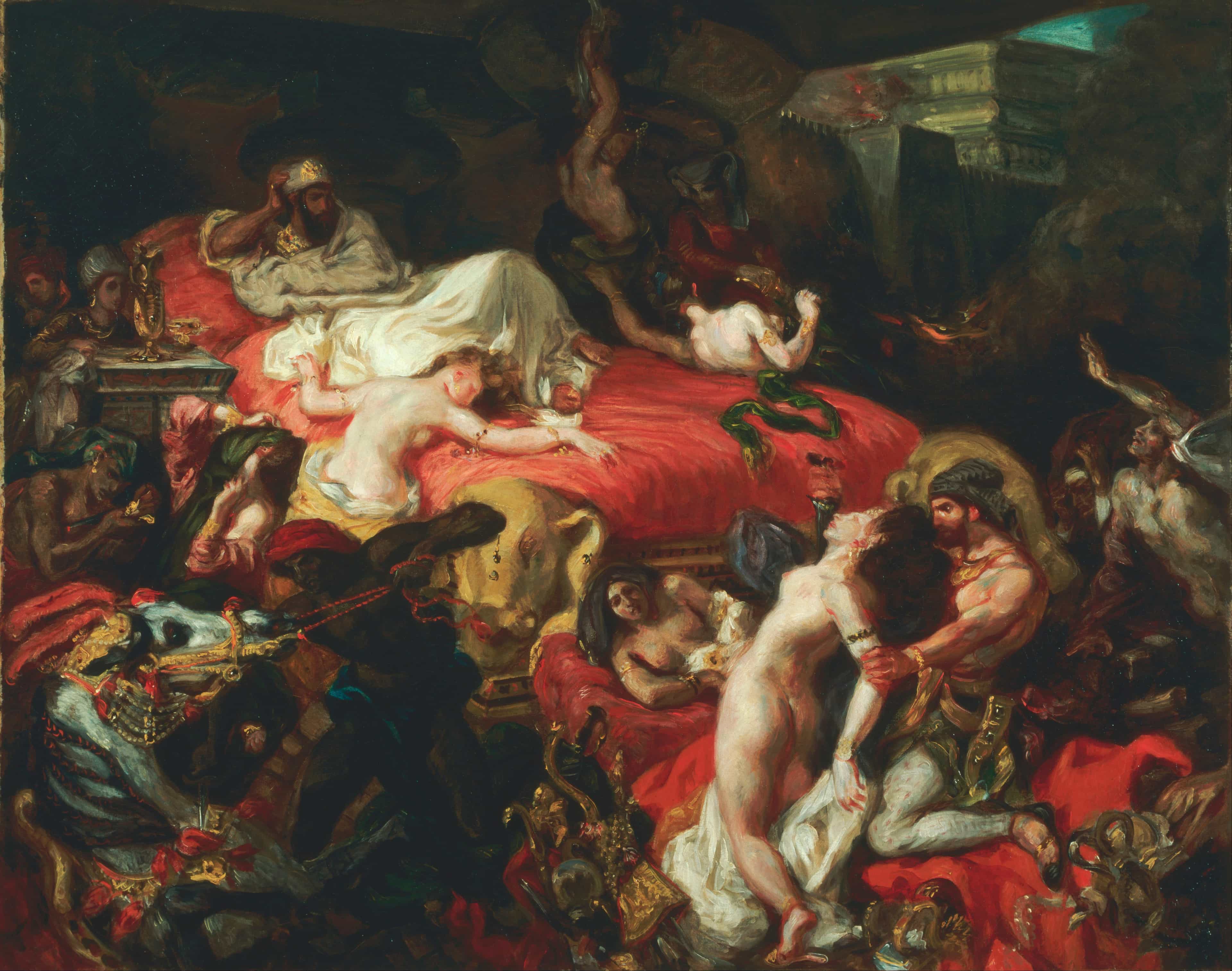
Death of Sardanapalus
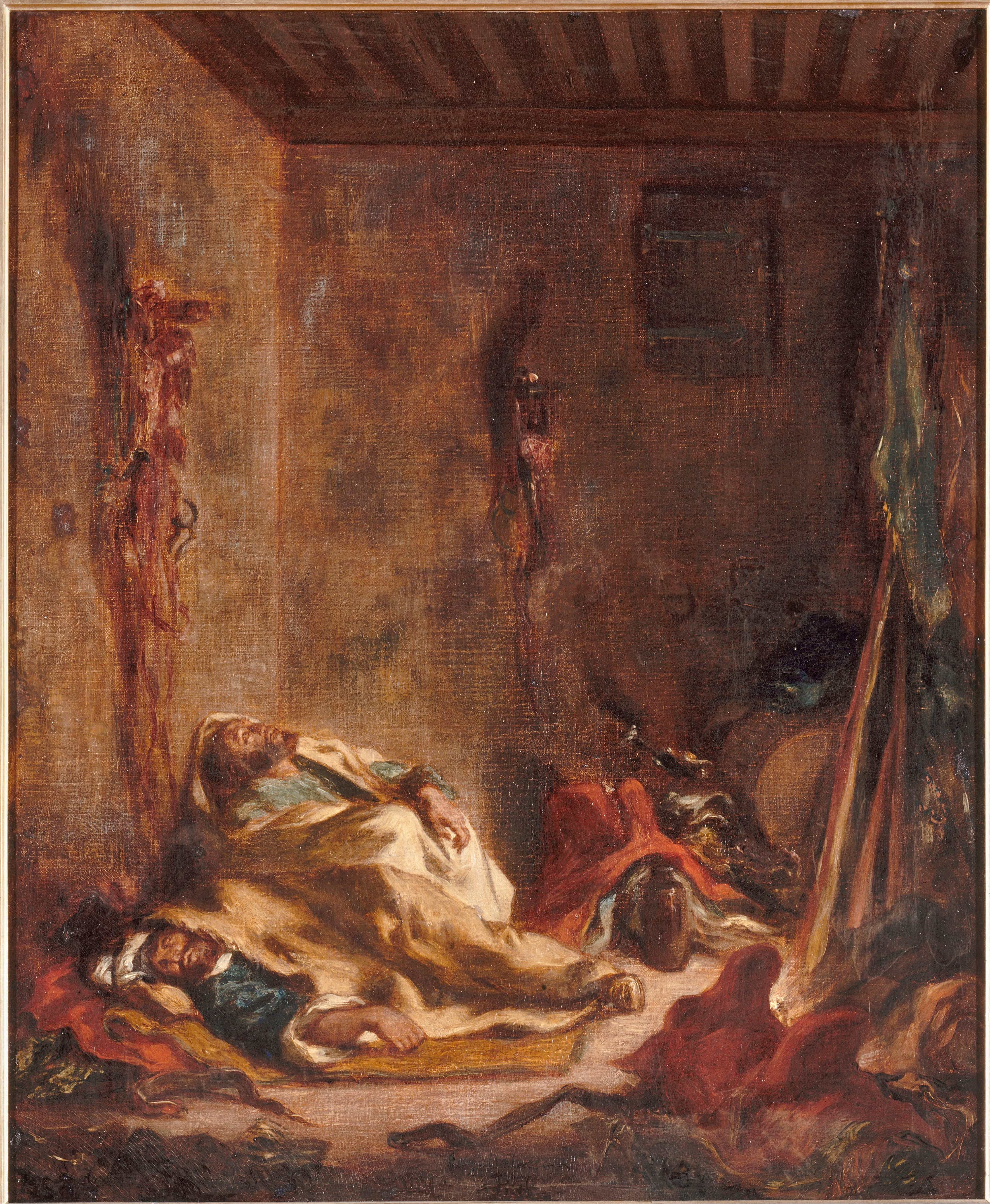
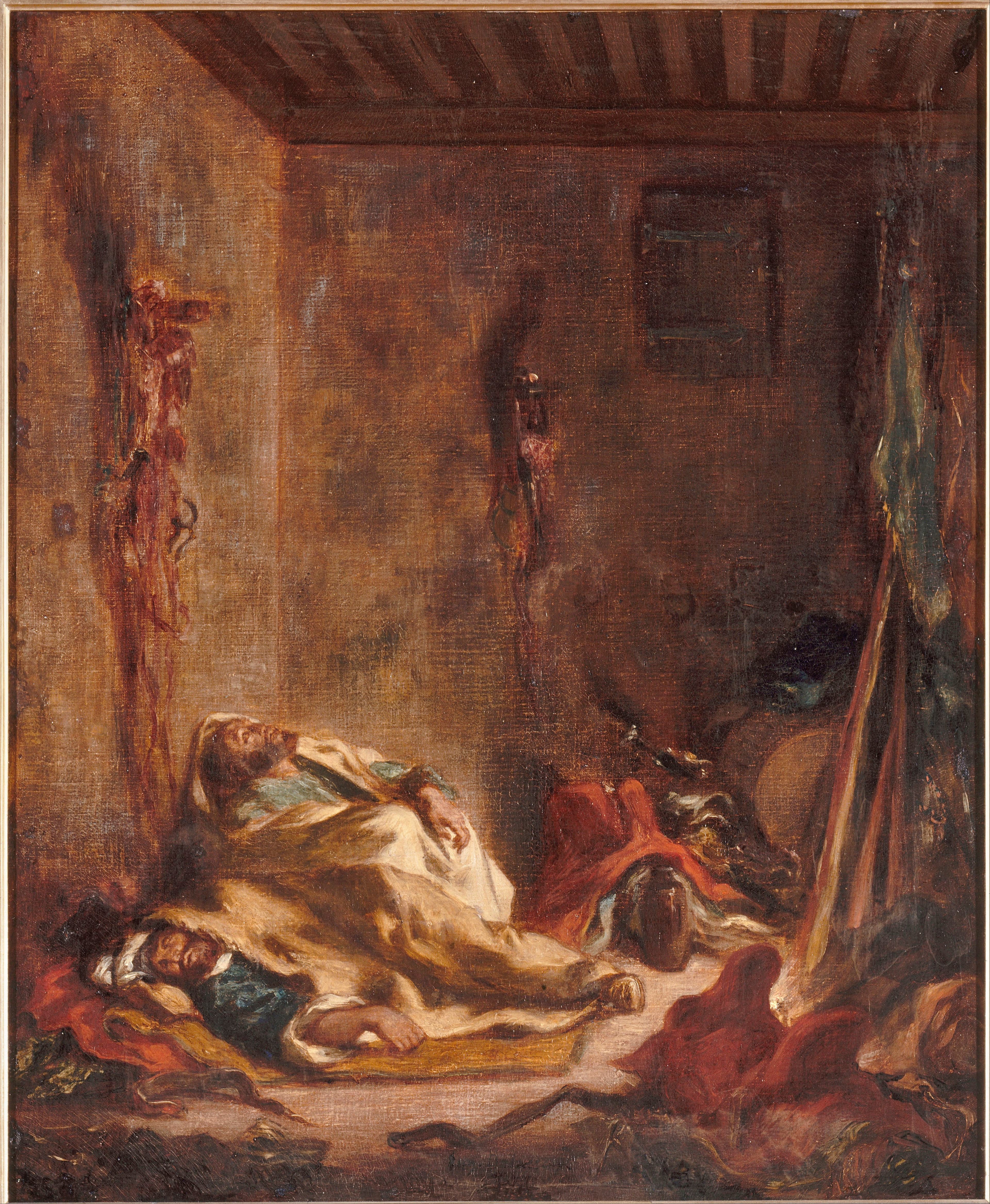
Le corps de garde à Meknès
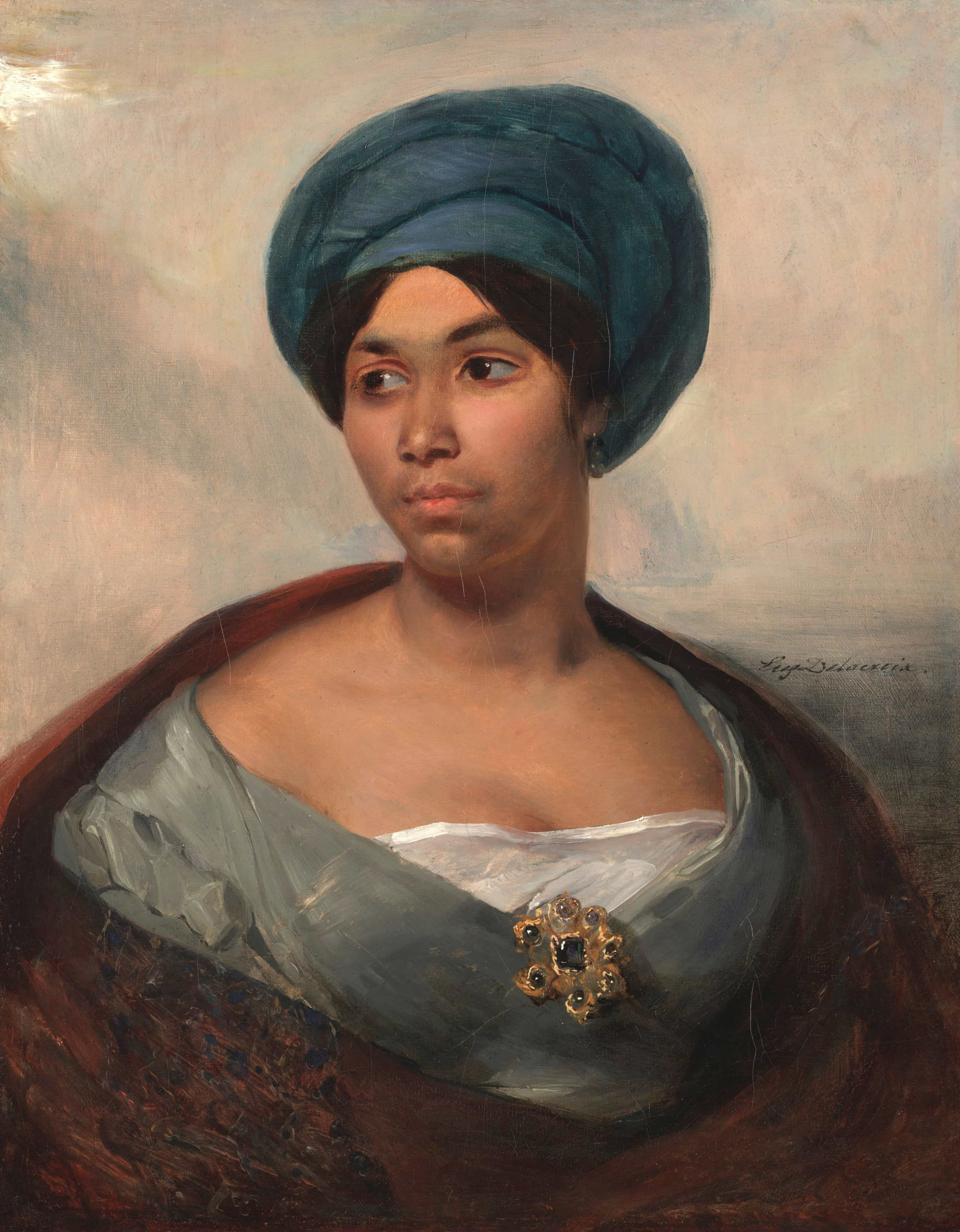
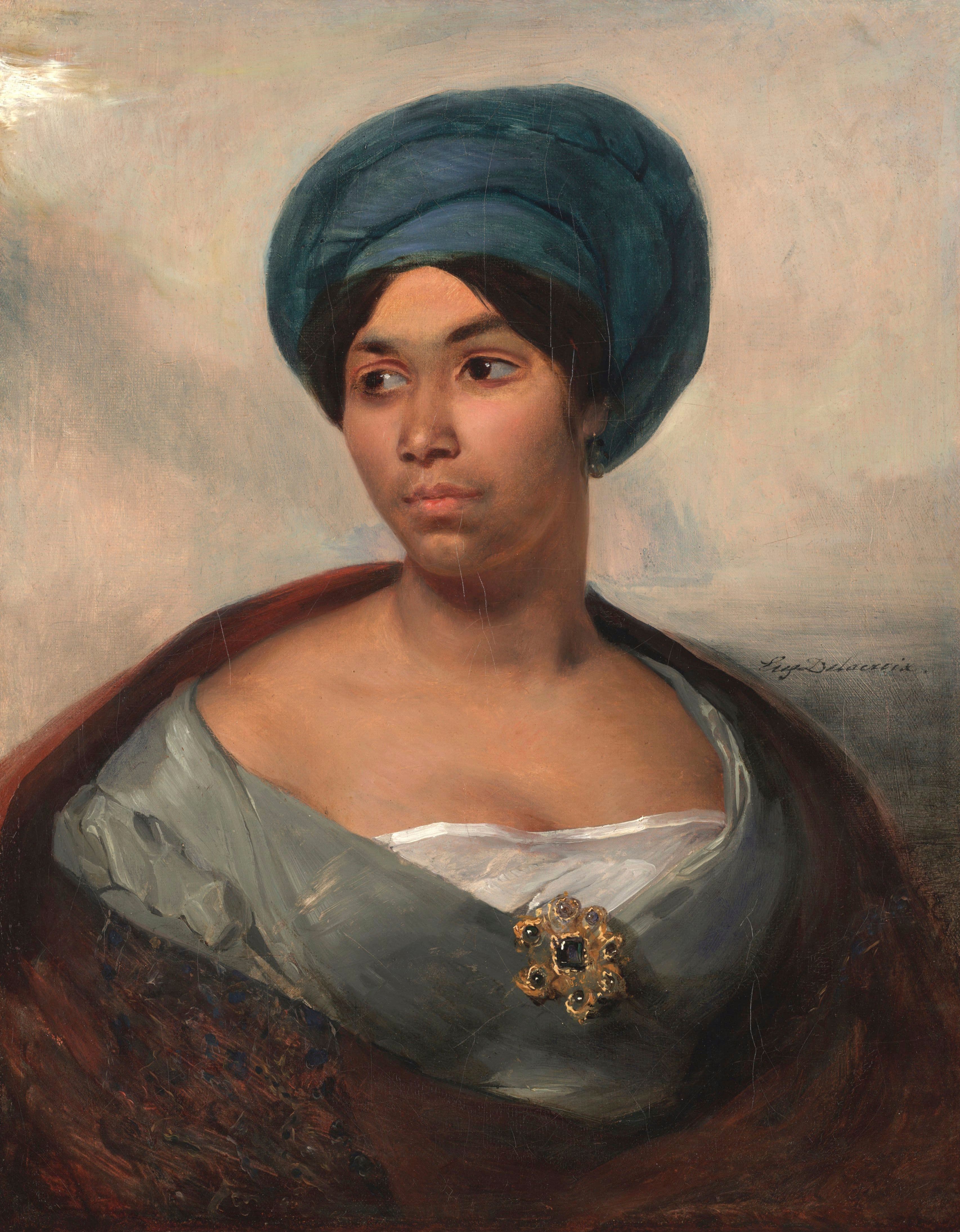
Portrait of a Woman in a Blue Turban
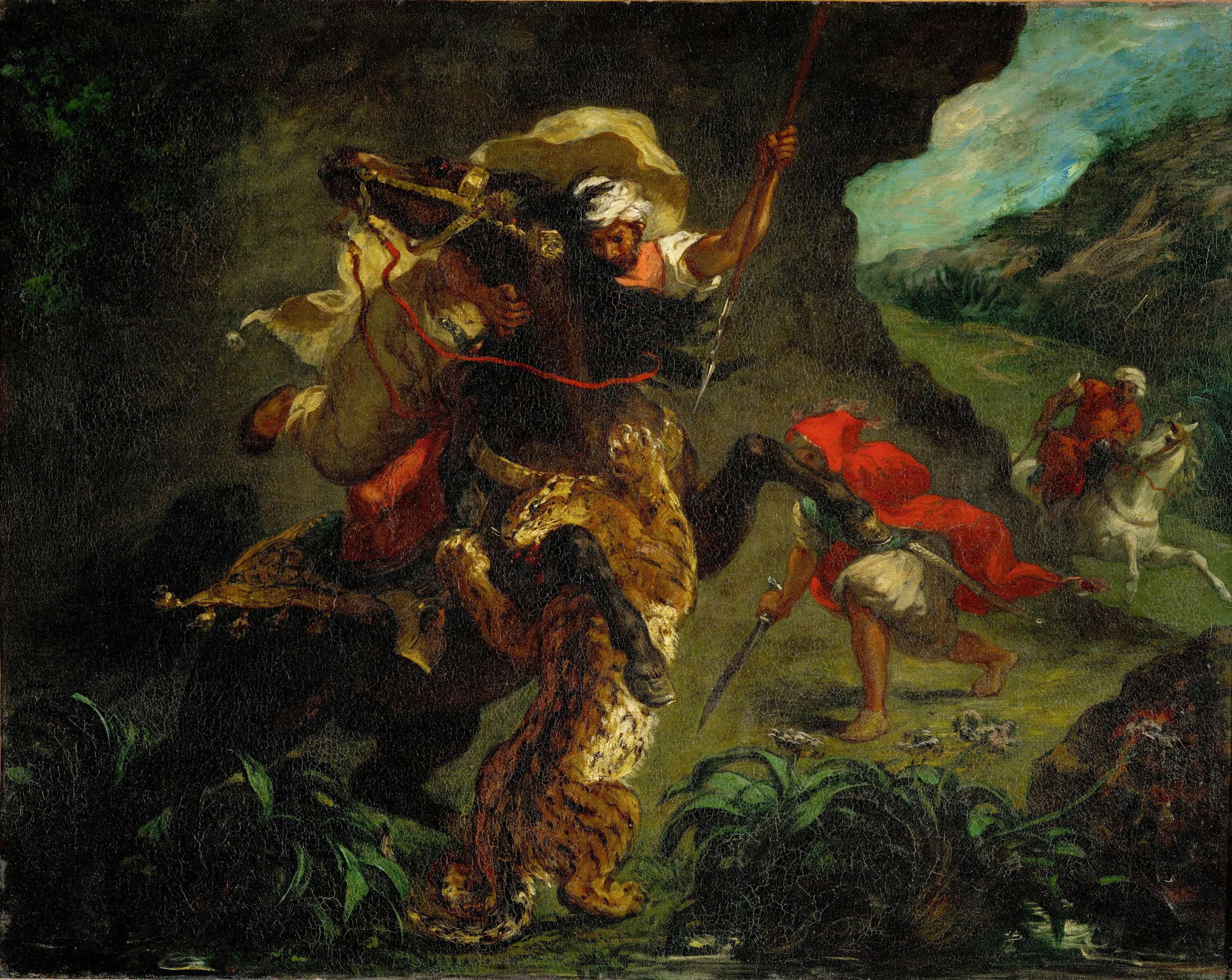
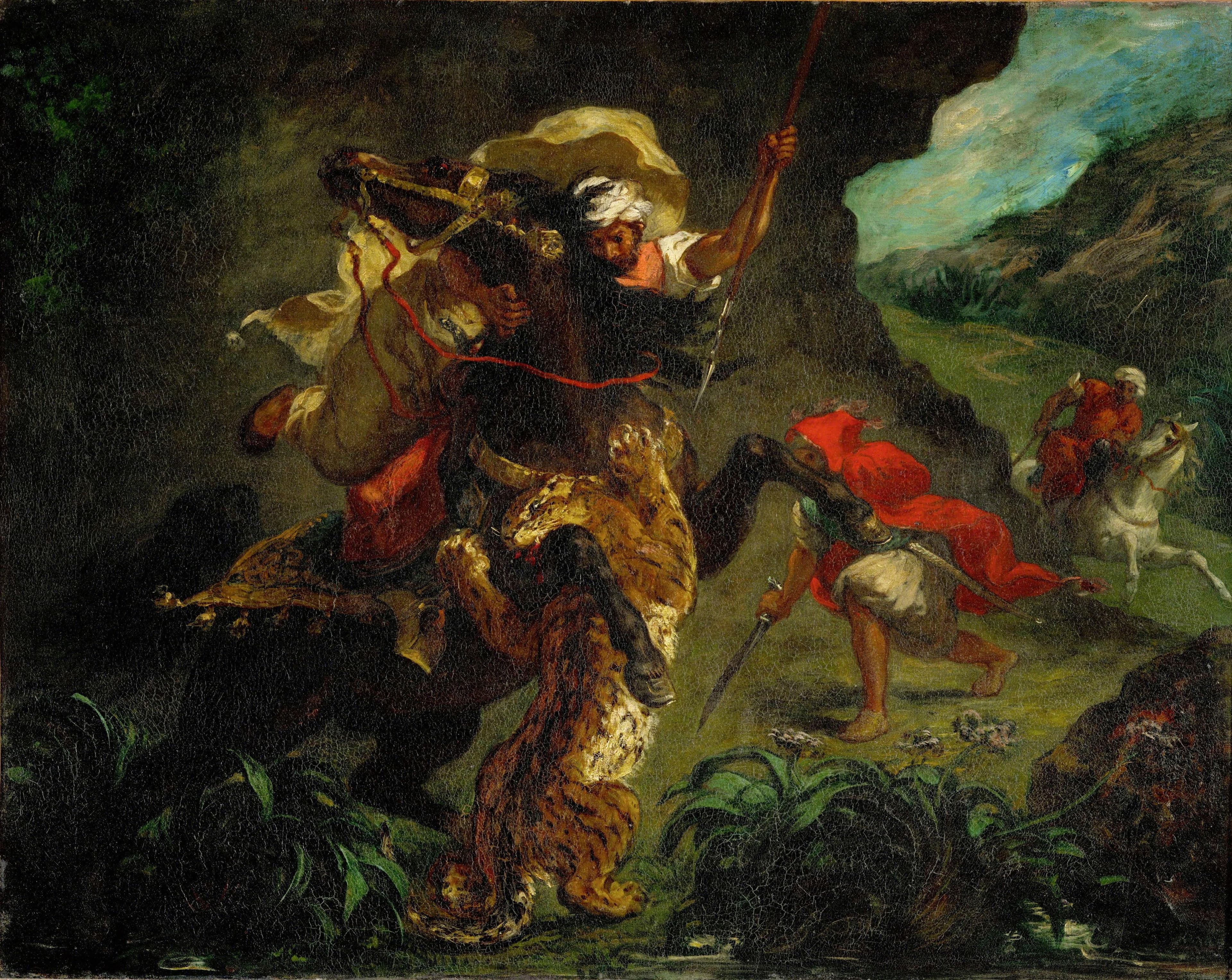
The Tiger Hunt
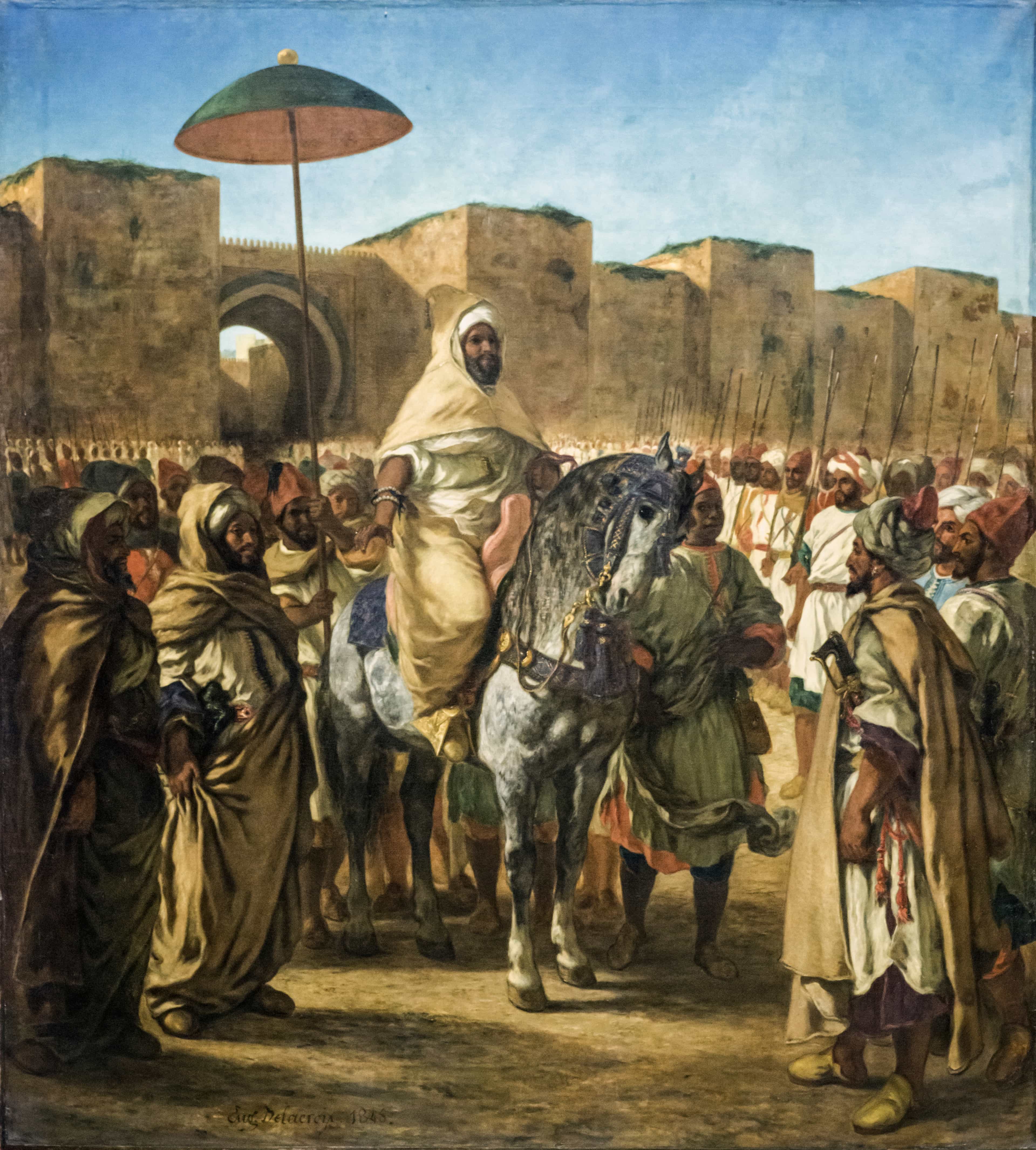
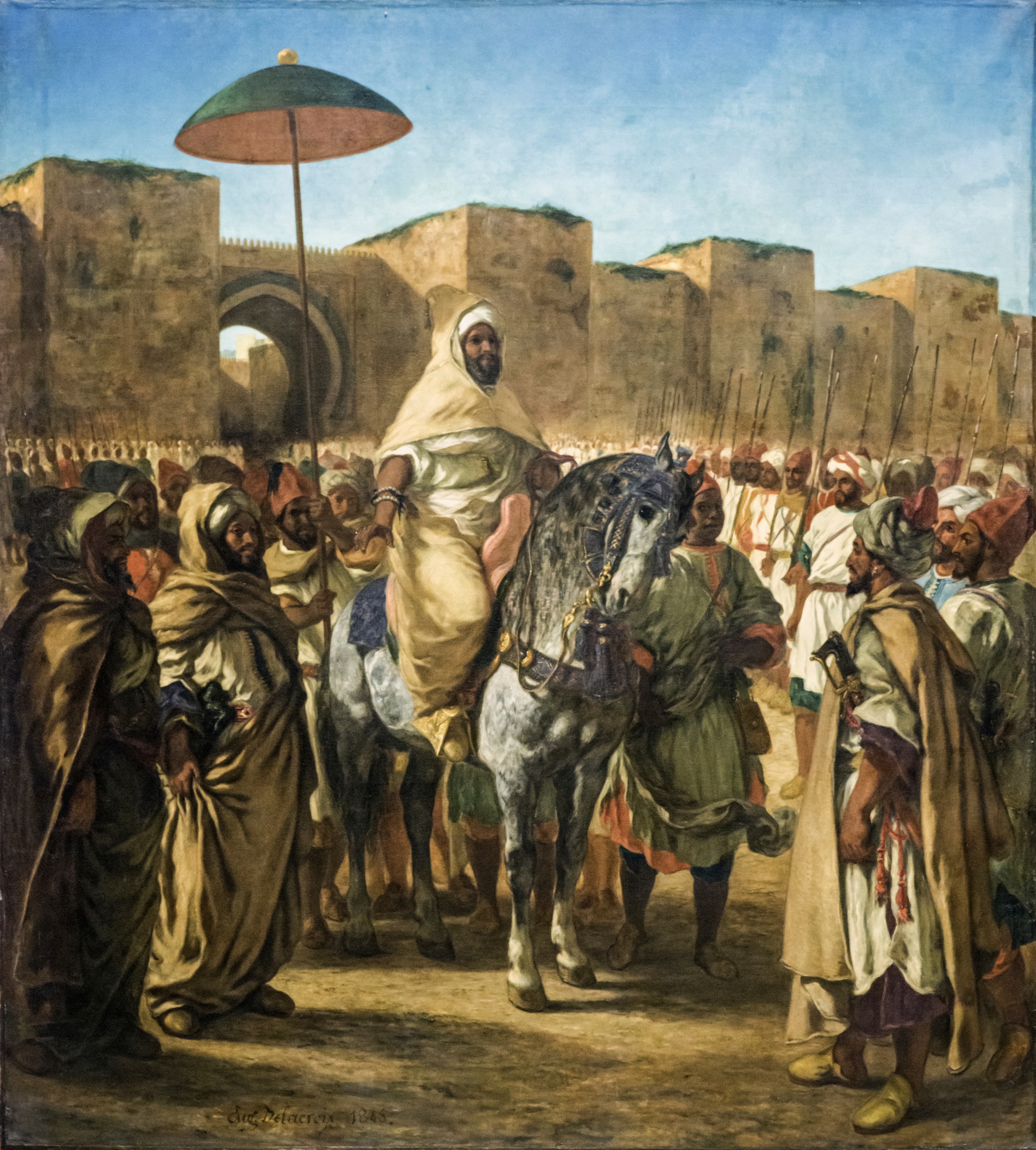
Muley-Abd-Err-Rahmann, sultan du Maroc sortant de son palais de Mequinez
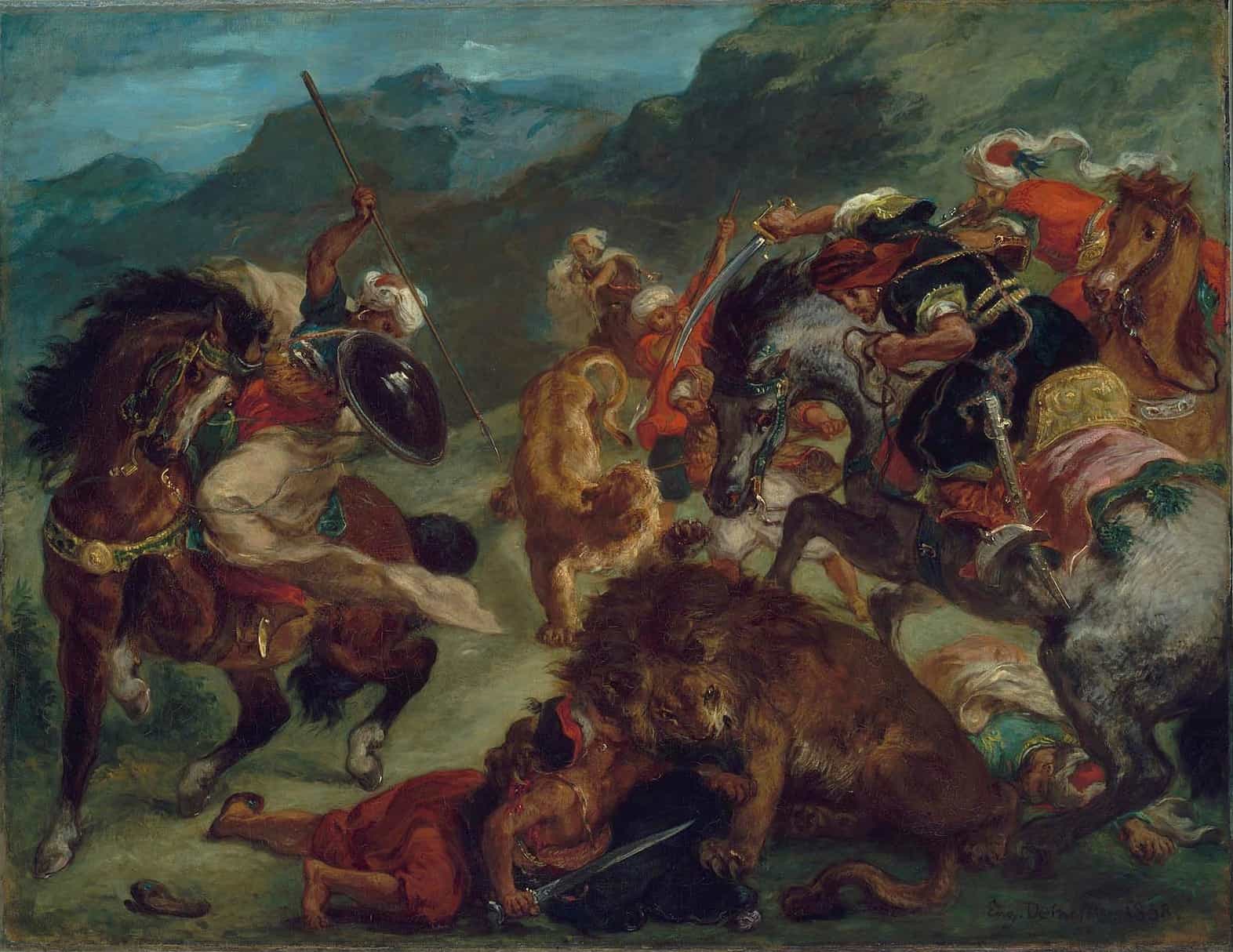
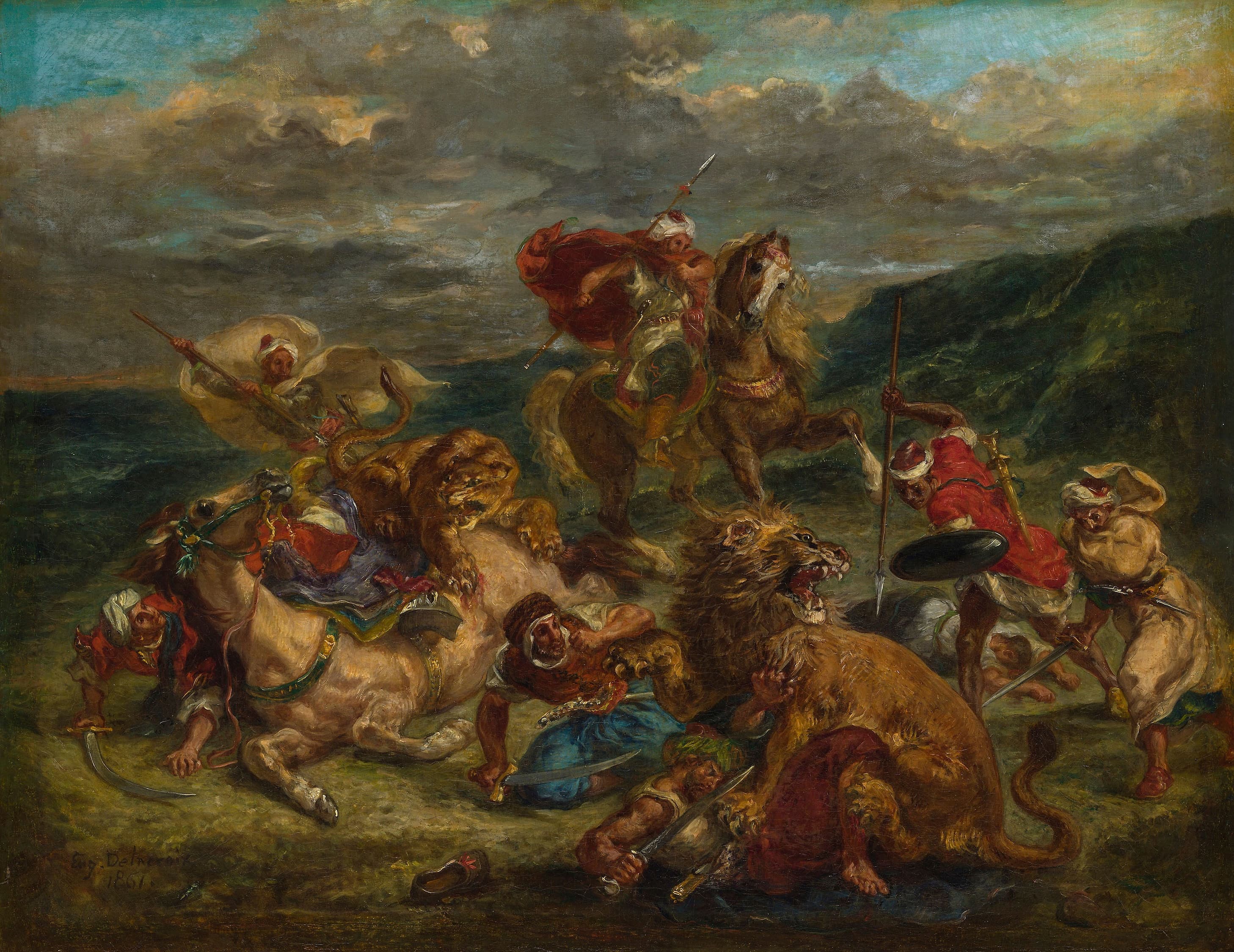
Lion Hunt
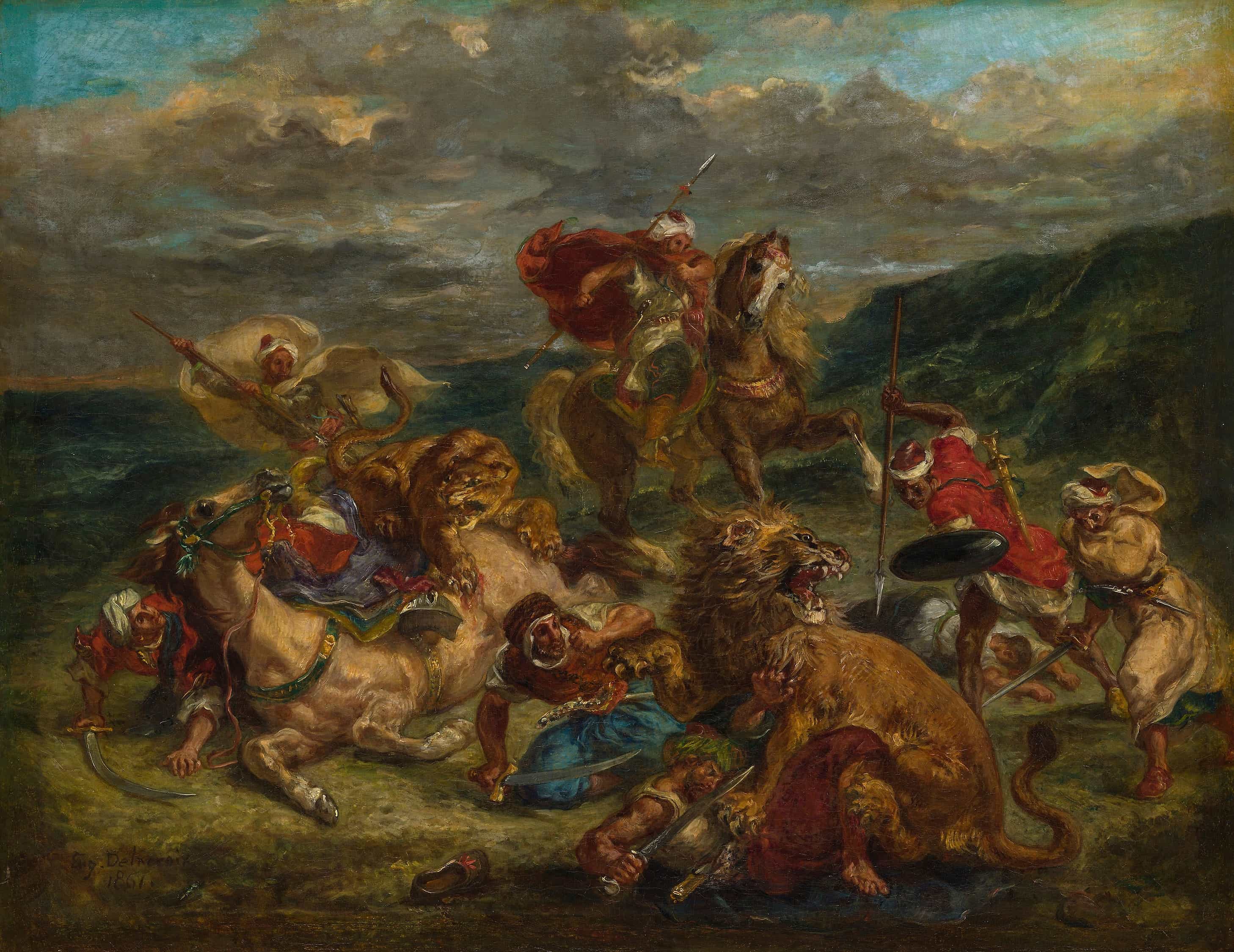
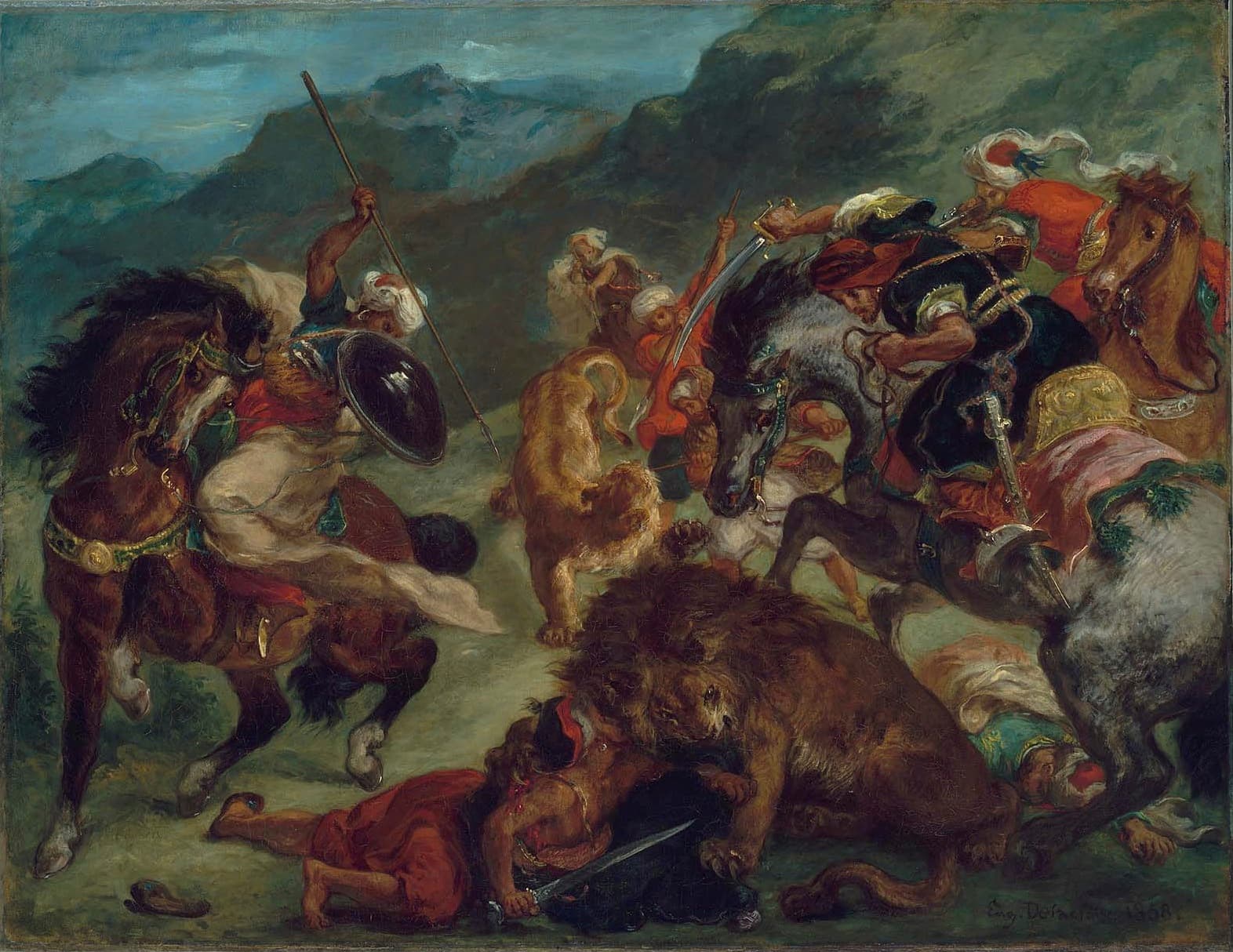
La Chasse aux lions au Maroc
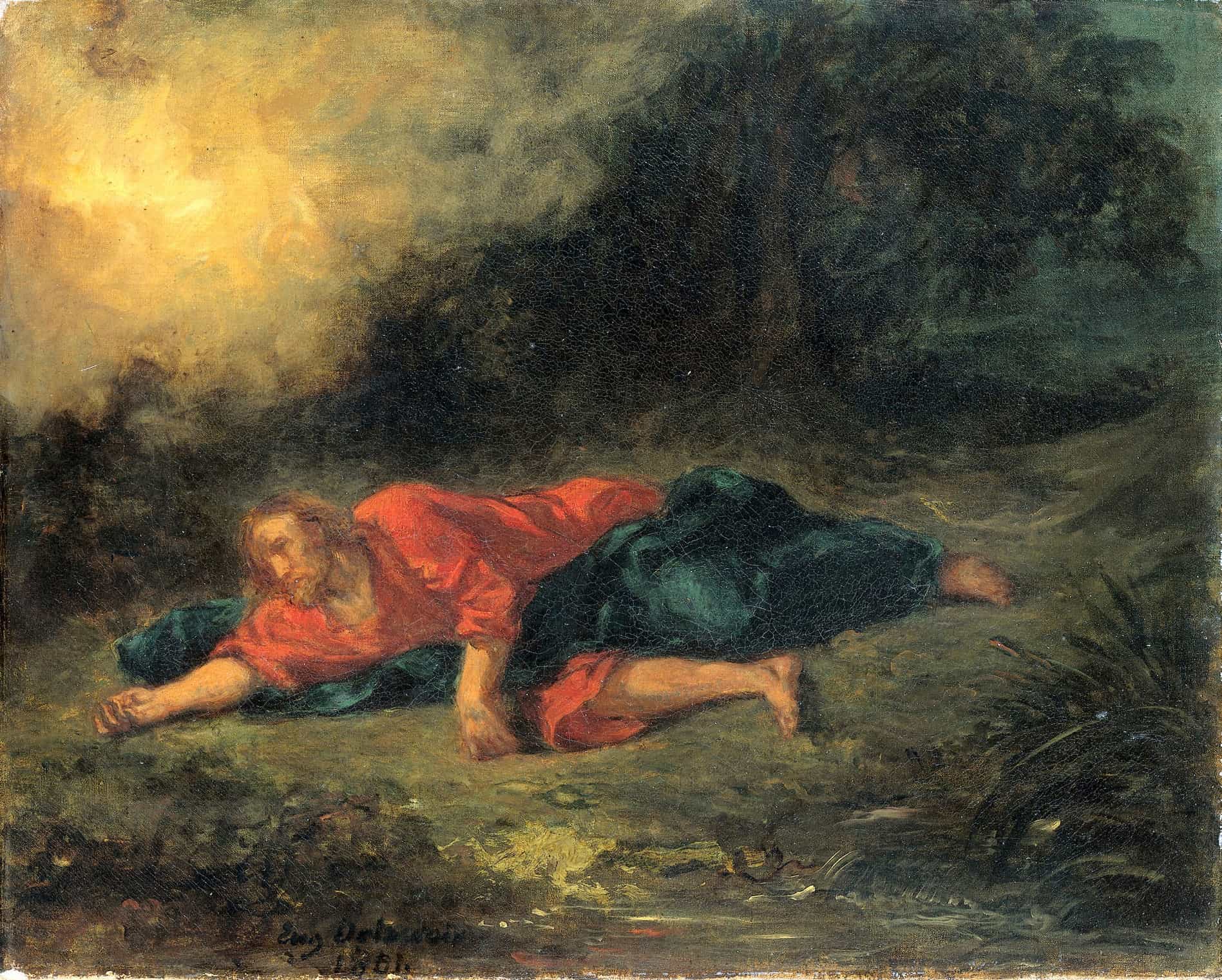
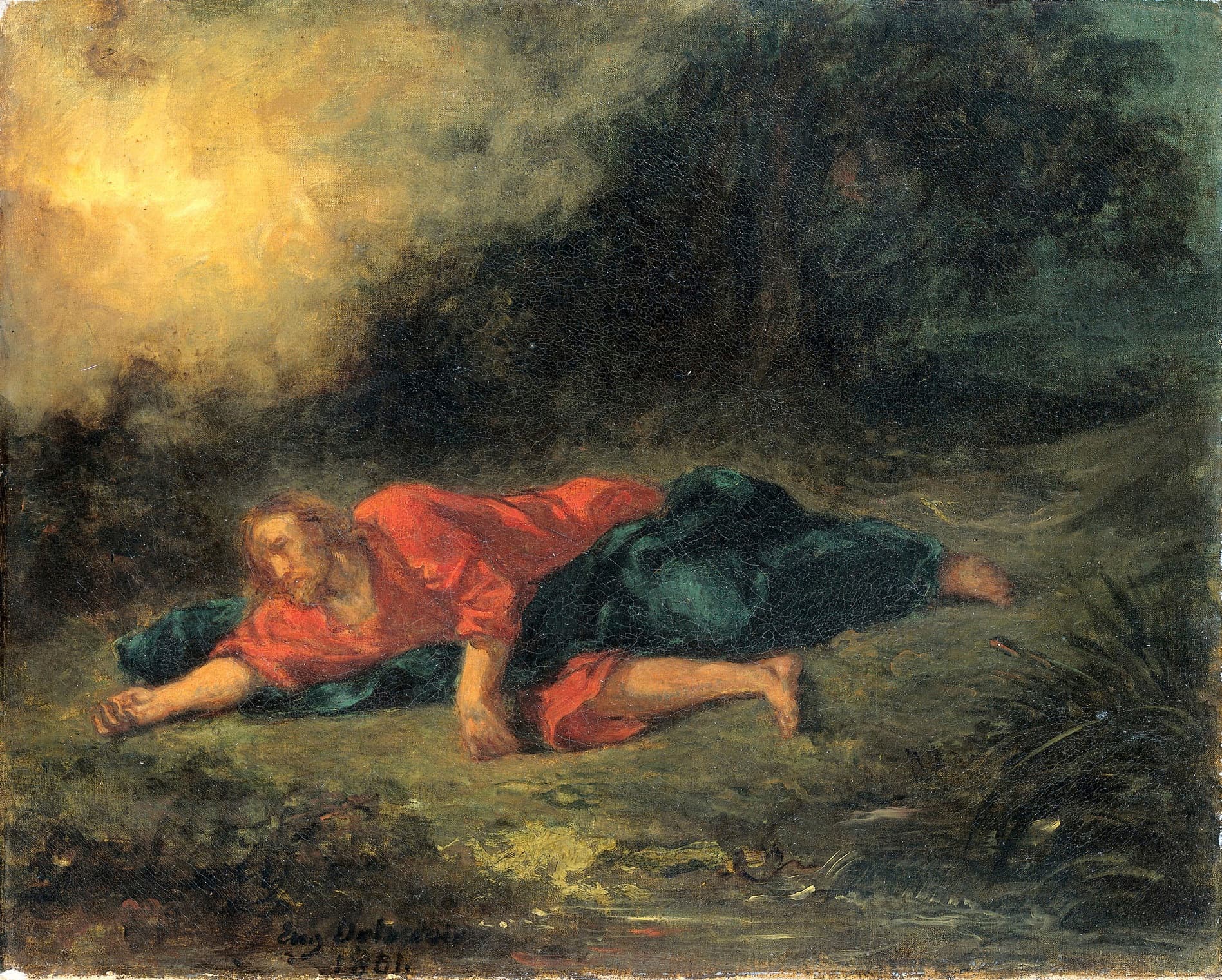
The Agony in the Garden
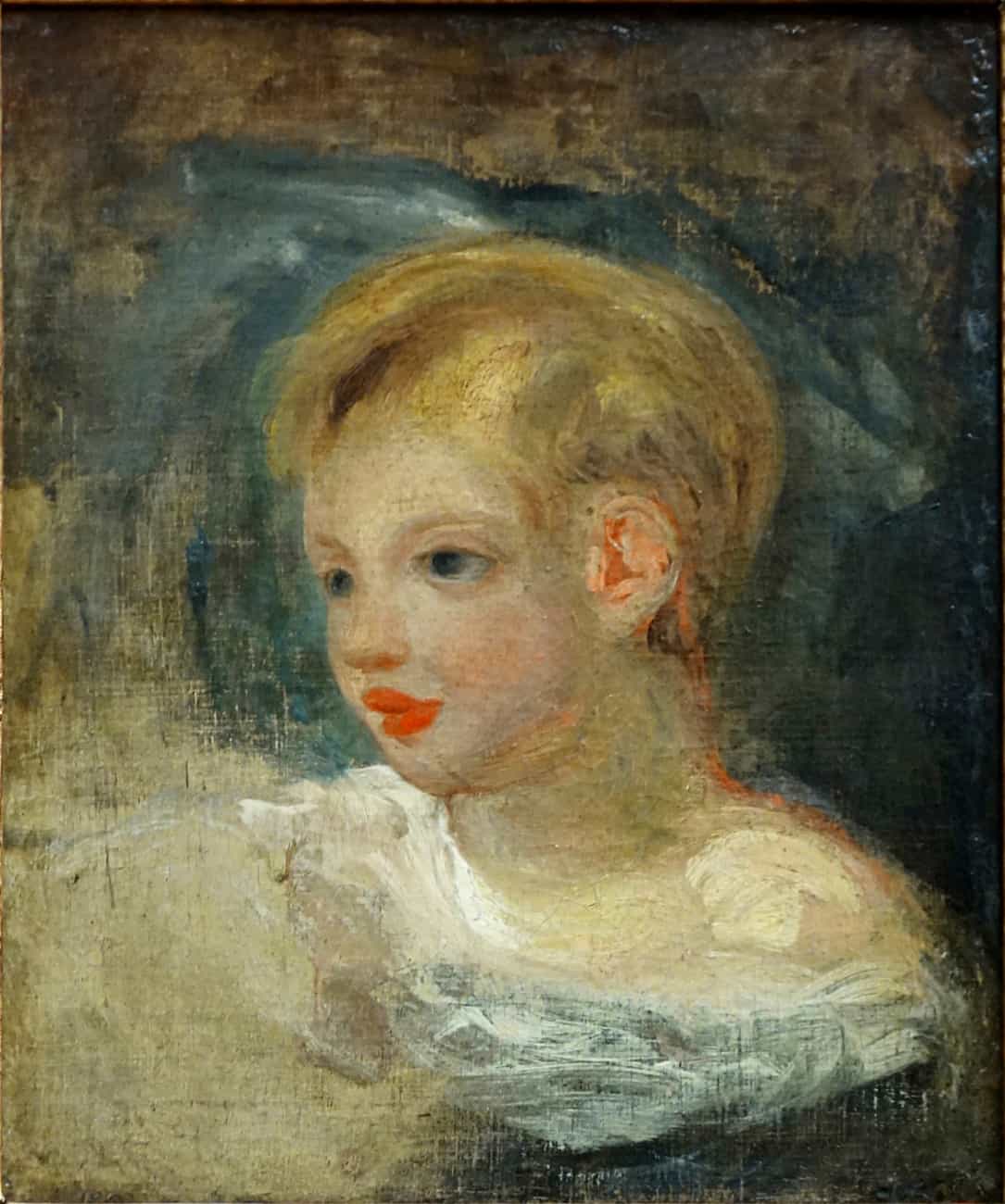
unknown
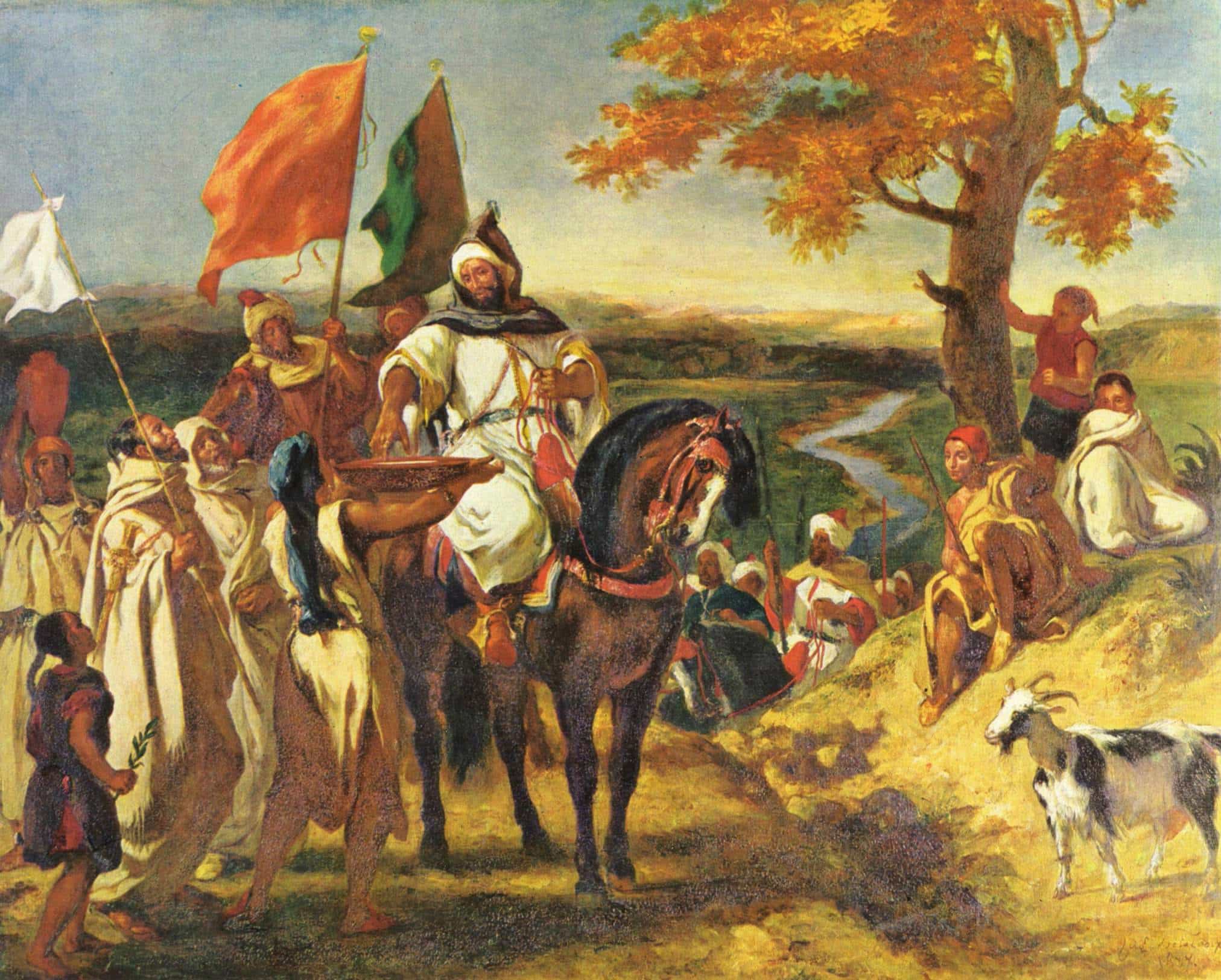
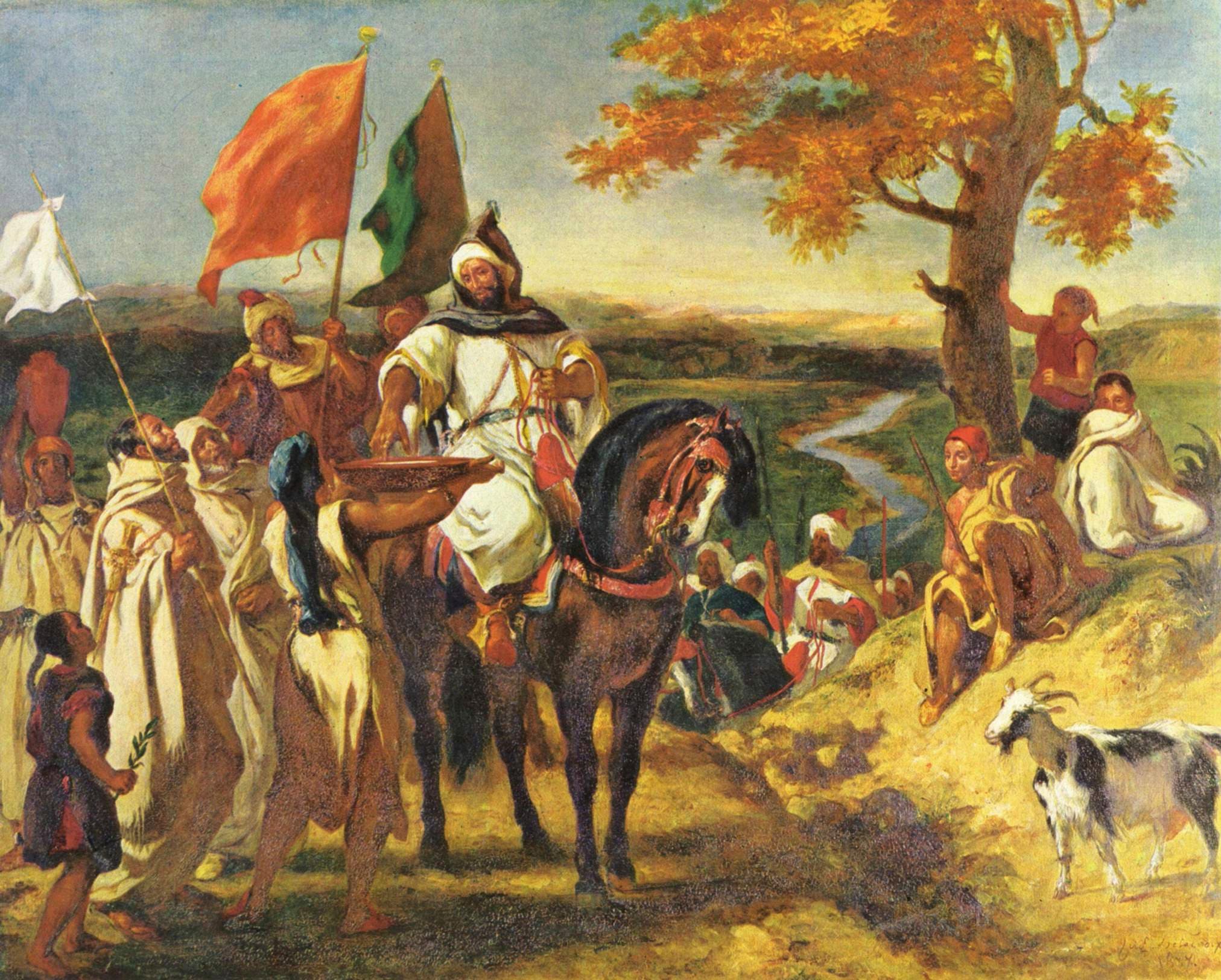
Moroccan Caid Visiting His Tribe
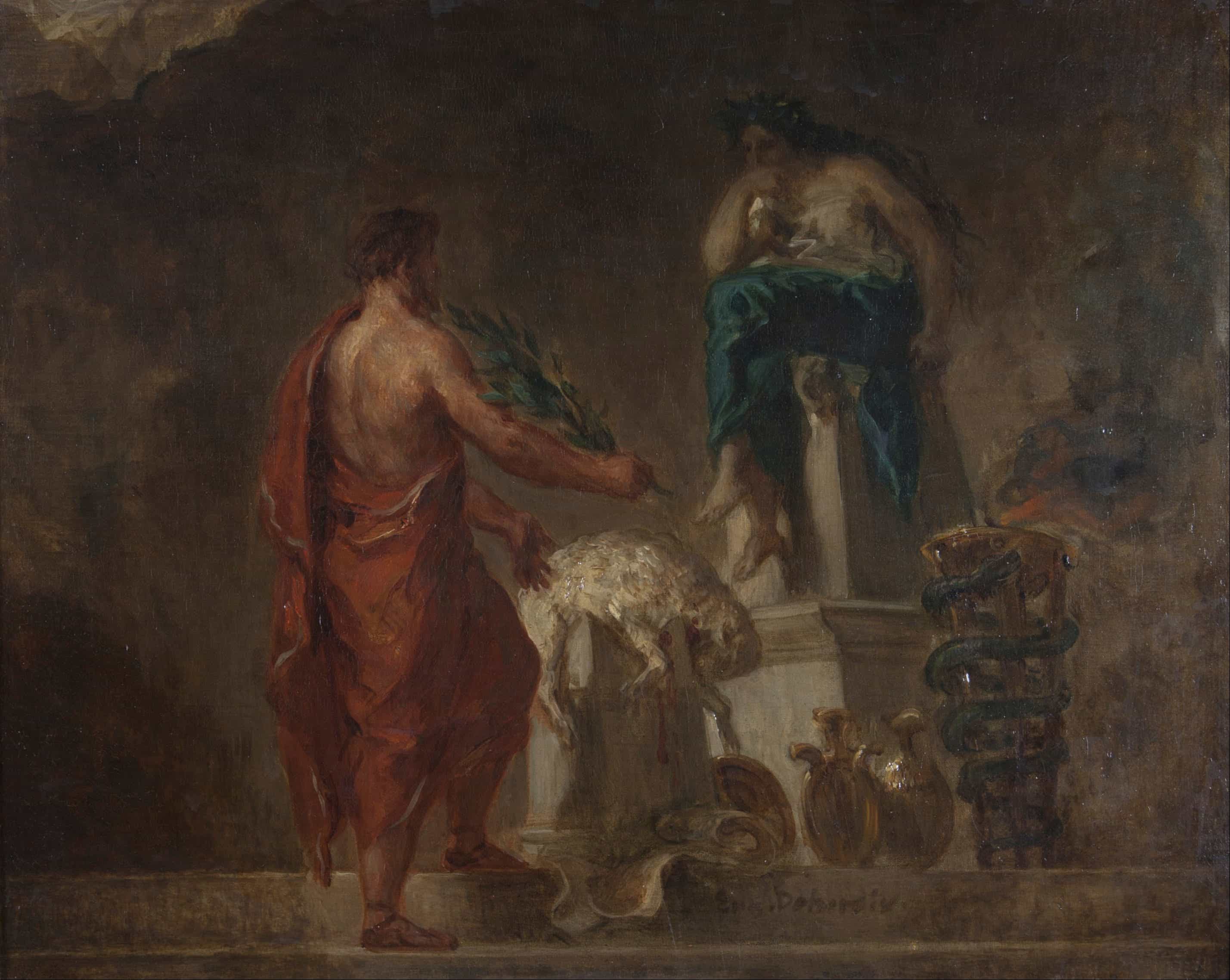
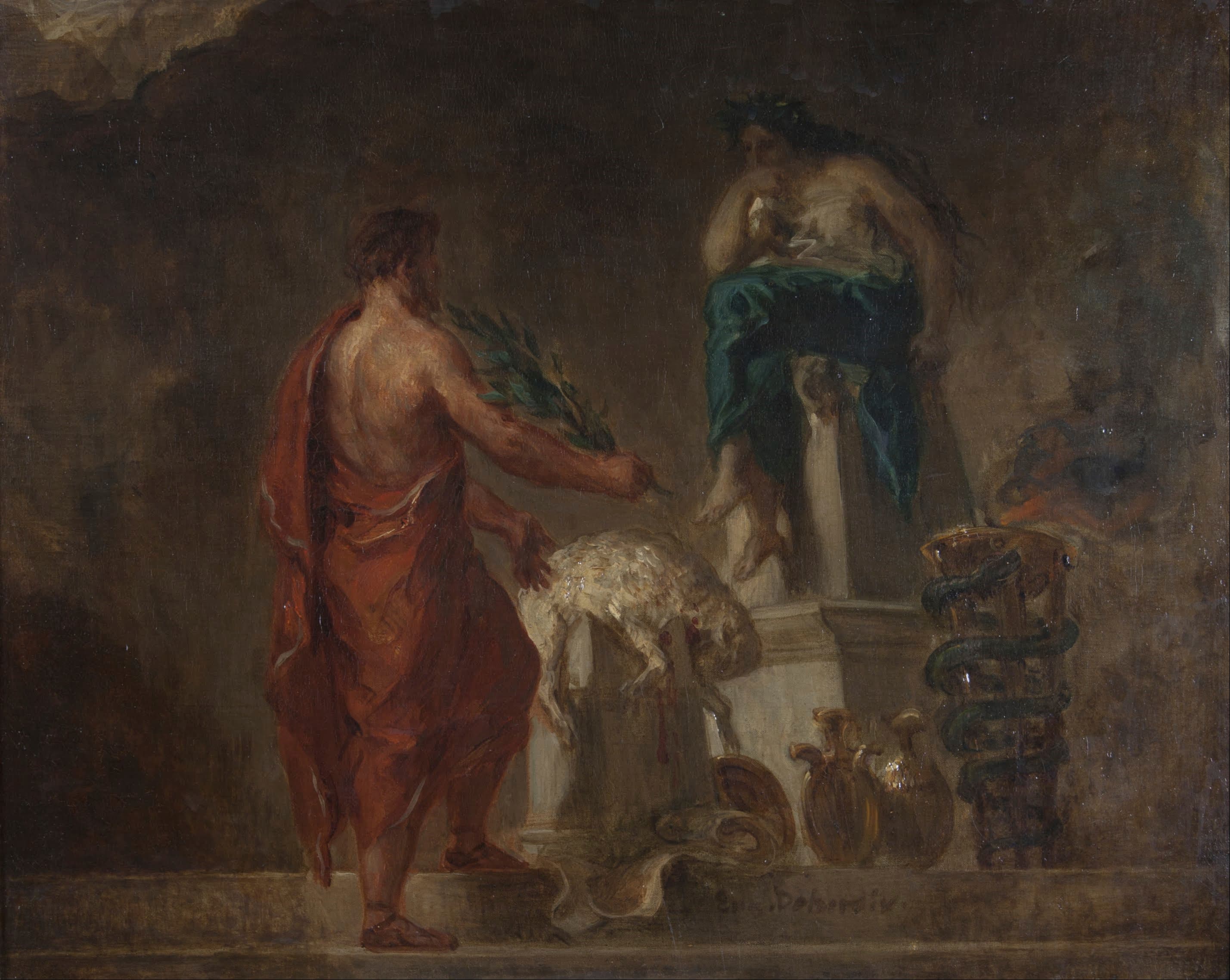
Lycurgus Consulting the Pythia