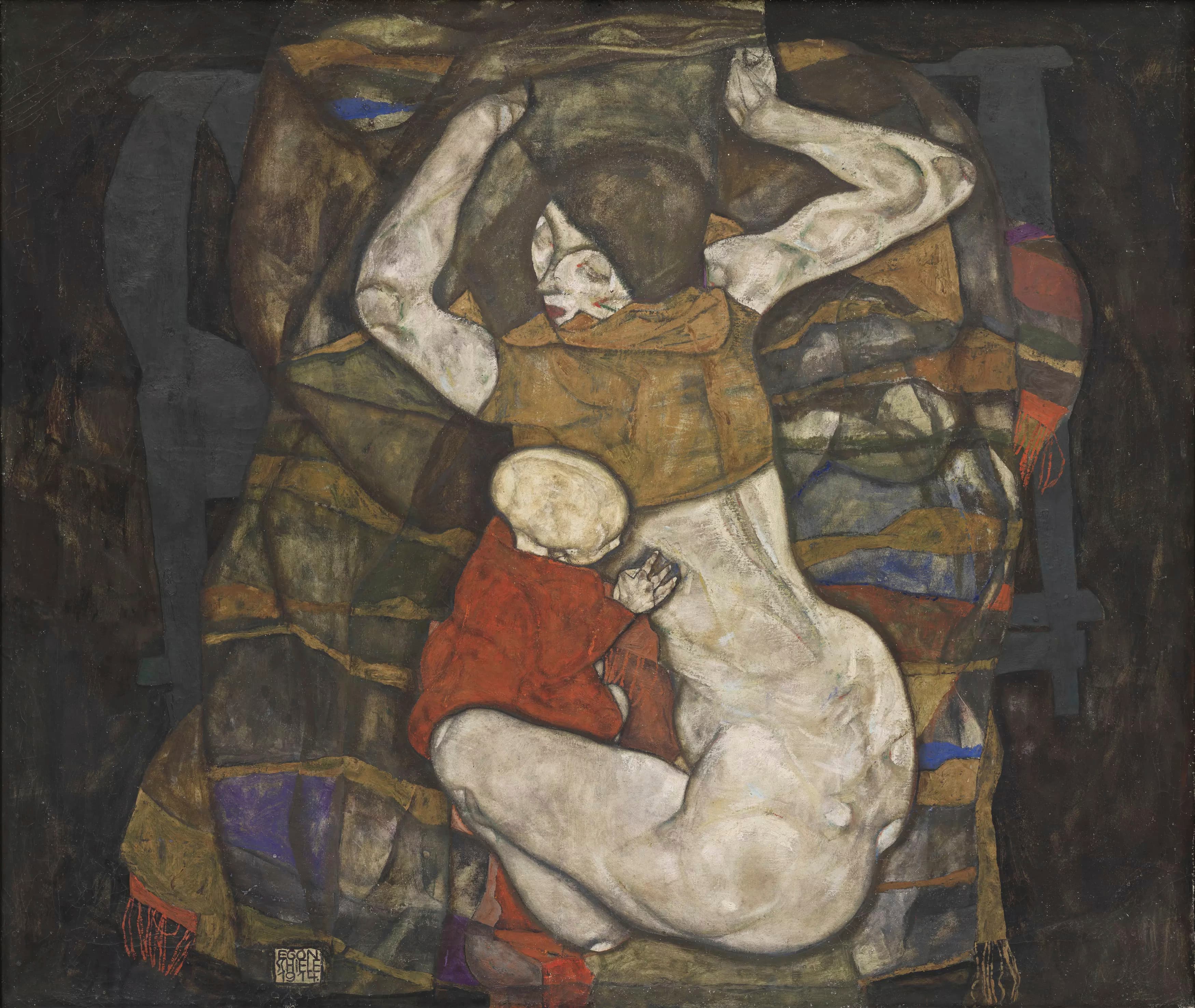
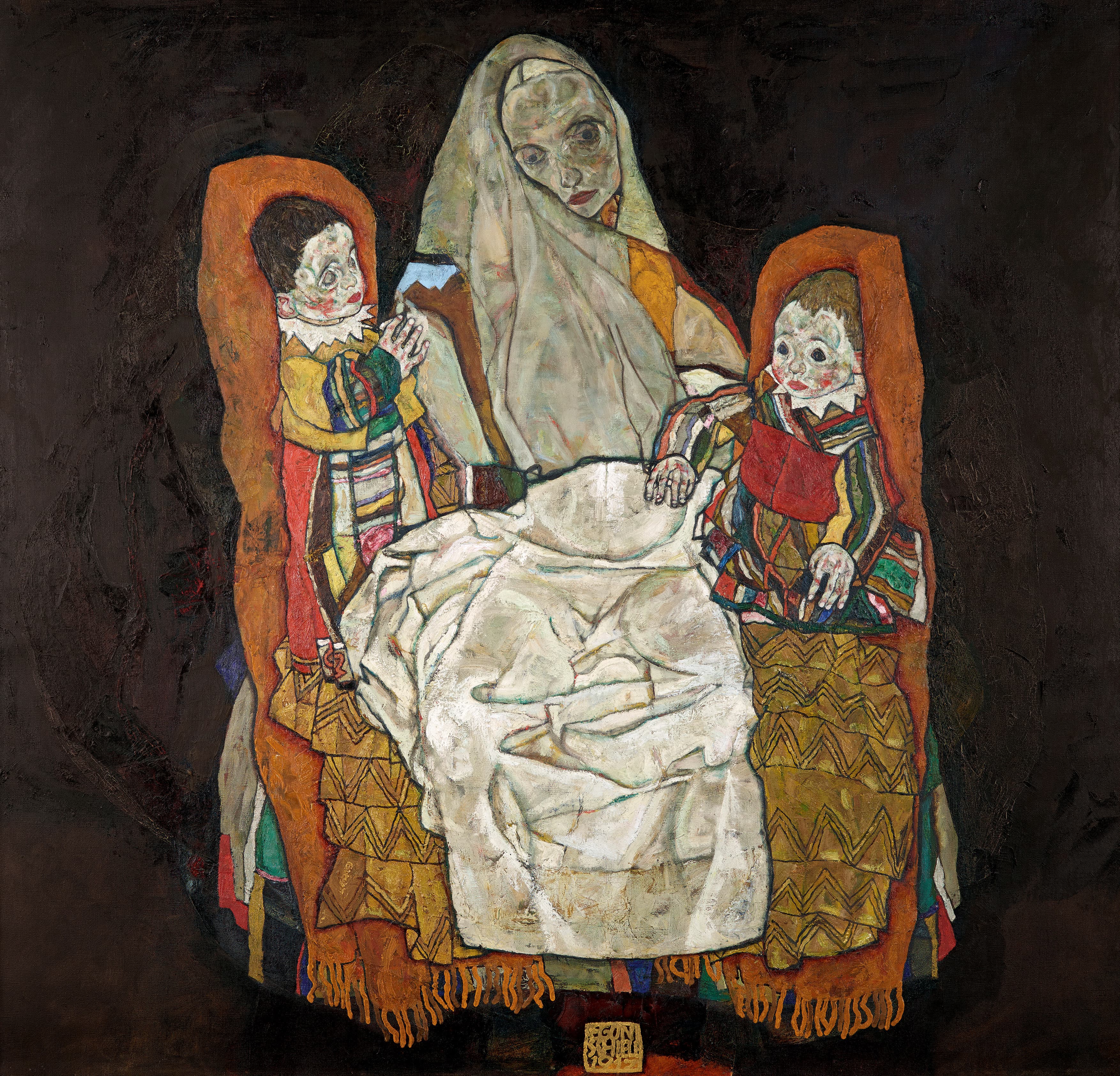
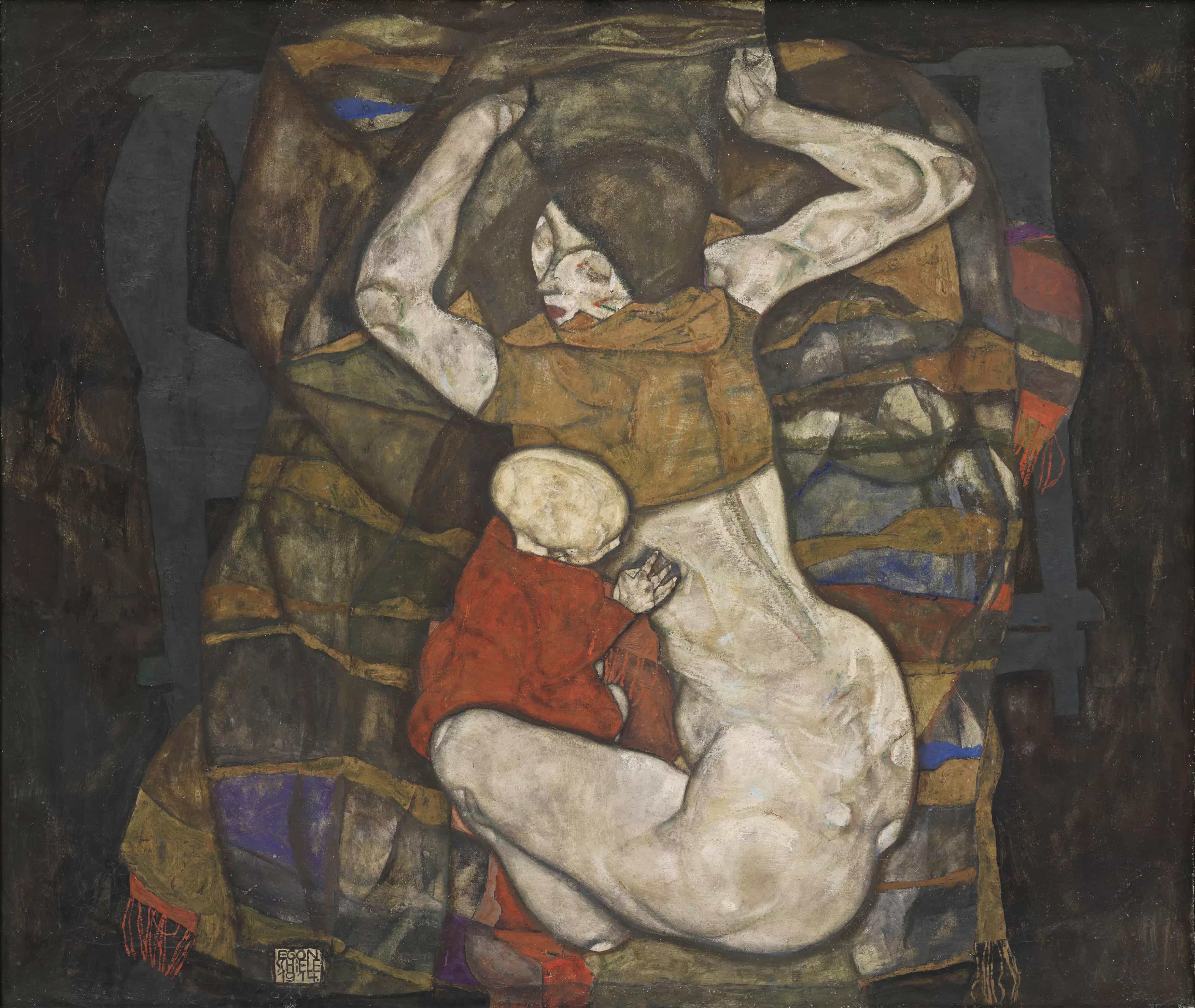
Young Mother
Egon Schiele
From €54
Collection
Museum-quality reproductions on 310gsm textured cotton rag paper.
Shop all prints by Egon SchieleArtistic Style
Style Evolution
Schiele evolved from precise draughtsmanship into a distinctly Expressionist vocabulary: early training in Vienna produced taut line work, which matured into emotionally intense, often stark figure compositions that combined fluid washes with incisive contouring.
Palette
Subjects
Techniques
Topics
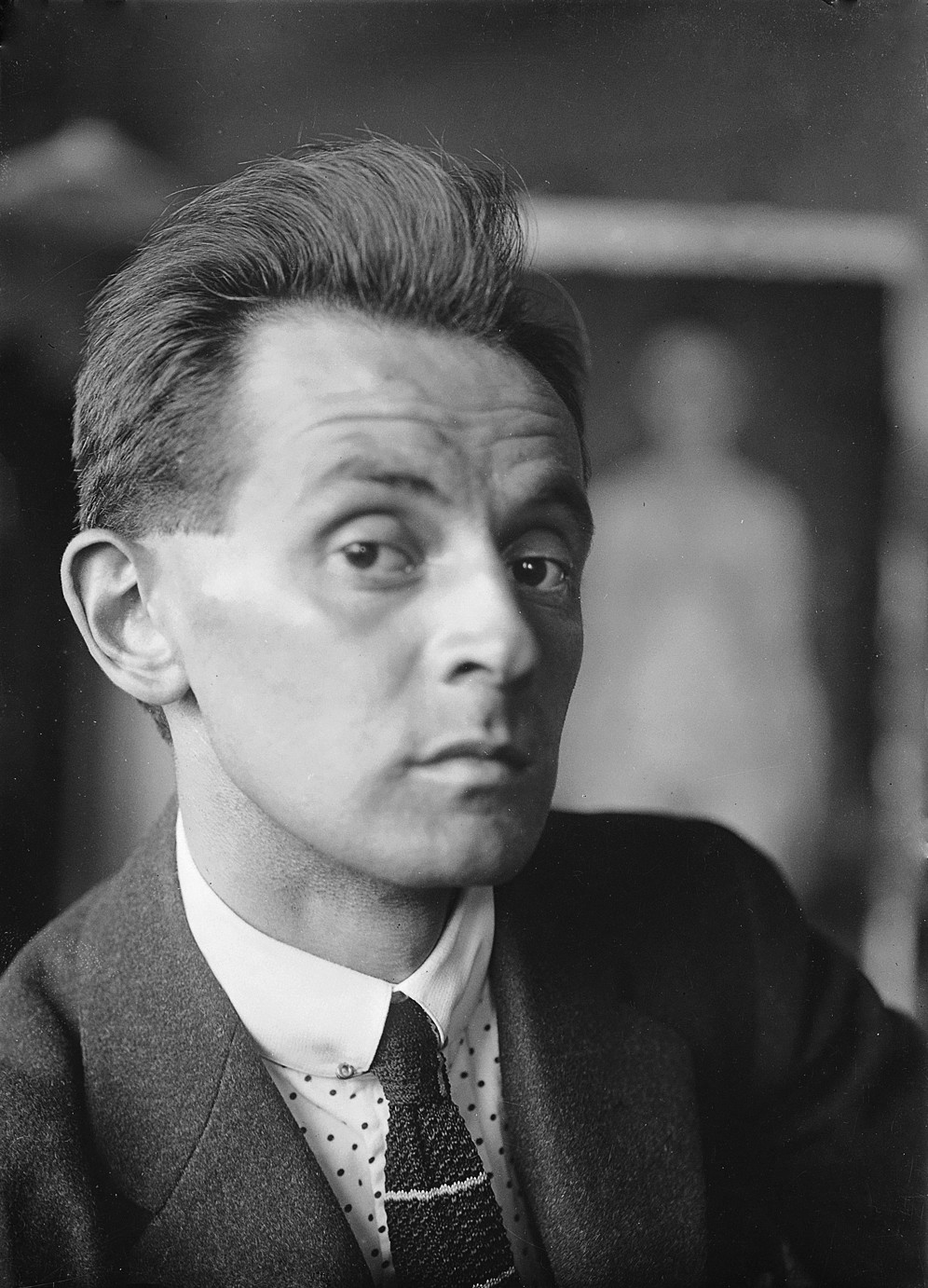
Egon Schiele (1890-1918) was an Austrian Expressionist painter whose raw, sharply contoured figure studies and psychological intensity reshaped early 20th‑century portraiture.
Learn about the life of Egon Schiele
Biography
Egon Schiele (1890-1918) was an Austrian Expressionist painter whose raw, sharply contoured figure studies and psychological intensity reshaped early 20th‑century portraiture.
Egon Schiele (1890-1918) was an Austrian Expressionist painter whose raw, sharply contoured figure studies and psychological intensity reshaped early 20th‑century portraiture.
Born in Tulln an der Donau, Schiele grew up in a multi‑cultural, late‑imperial Austrian environment that shaped his early sensibilities. He displayed artistic talent from a young age and pursued formal training in Vienna, the imperial capital and a vibrant center for modern art and intellectual exchange.
Schiele developed his style within the rapidly changing artistic circles of fin‑de‑siècle Vienna. He trained in Vienna and worked there throughout his career, forming key relationships with contemporary artists and critics. Gustav Klimt was a notable influence and supporter of Schiele’s early professional life; Klimt’s encouragement and patronage helped Schiele gain visibility among collectors and galleries.
In his early work Schiele experimented with draftsmanship and strong linearity, producing portraits and figure studies that emphasized contour and psychological presence. His command of line and economy of form distinguished him from more decorative contemporaries.
By the 1910s Schiele’s work focused on confrontational nudes, intimate portraits, and stark self‑portraits. He explored elongated forms, angled poses, and expressive distortion to convey emotion and interior states. His compositions often balance tenderness with tension, combining delicate color washes with uncompromising draughtsmanship.
Schiele’s oeuvre is renowned for its penetrating portraits and figure compositions. His distinctive images helped define Austrian Expressionism and established him as one of the most original figurative painters of his generation. His works are frequently reproduced as prints and posters because of their strong graphic presence and decorative impact.
Schiele is celebrated for his linear precision, fluid contour drawing, and the economy of his watercolor and gouache washes. His technique emphasizes skeletal structure and surface gesture; delicate washes of color sit atop incisive ink or pencil lines. This combination gives his works immediacy and visual tension that translates well to framed prints and modern interiors.
Schiele’s frank portrayals of the human figure and psychological intensity influenced later generations of Expressionist and figurative artists. His work stands alongside other key Viennese modernists in explaining the era’s preoccupation with identity, sexuality, and existential feeling. Today his images continue to influence contemporary figurative painters, illustrators,和
Frequently Asked Questions
Young Mother
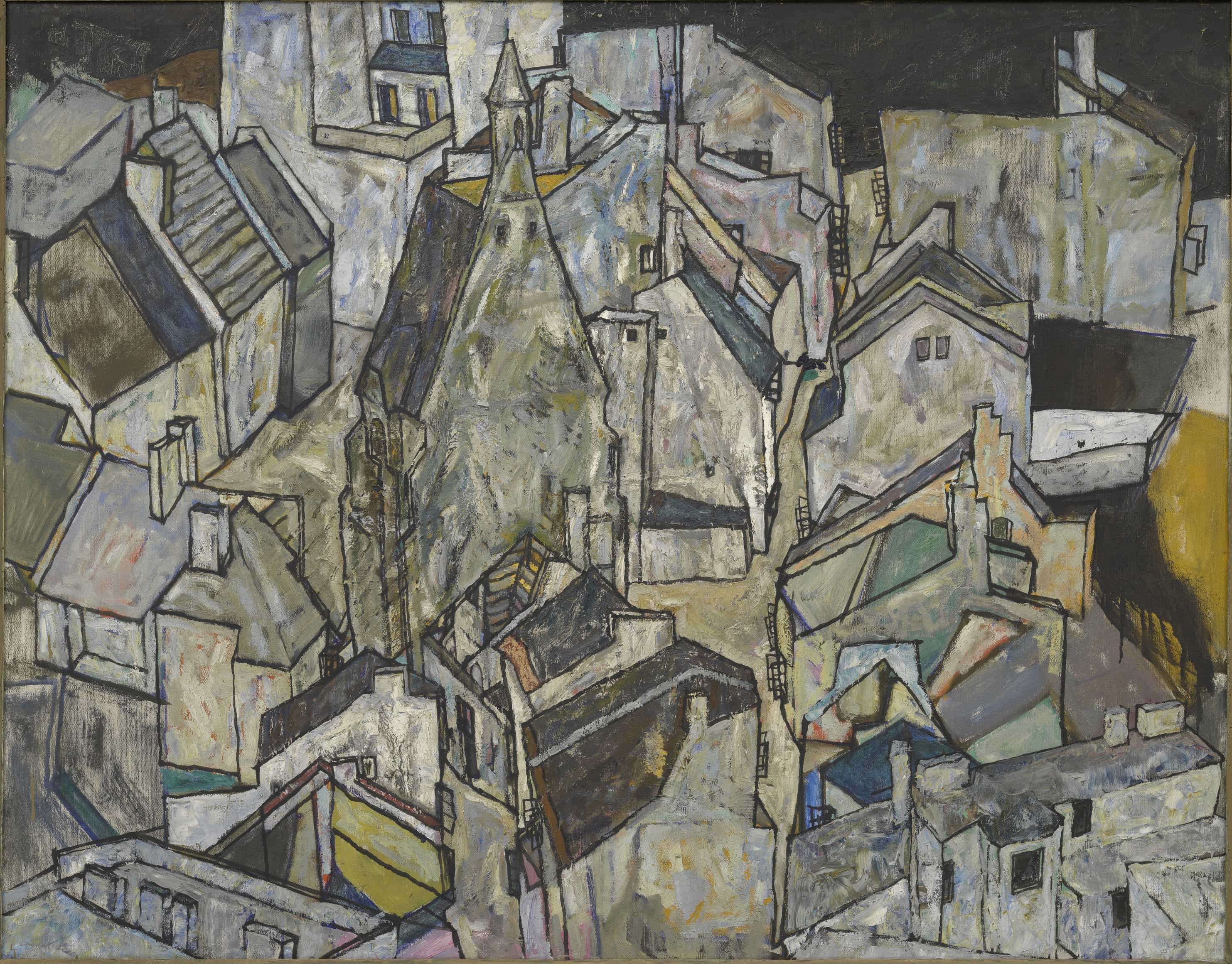
Mödling II
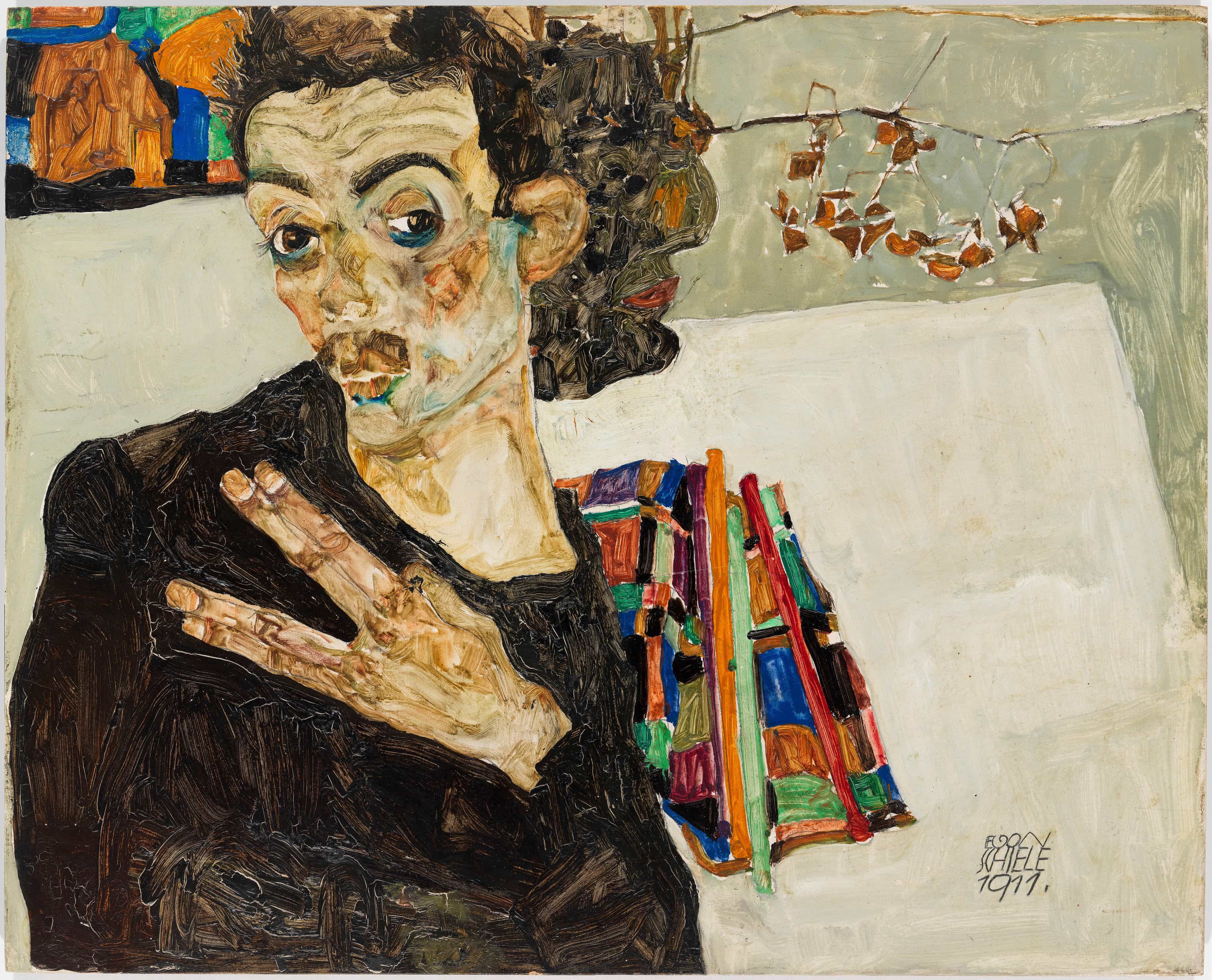
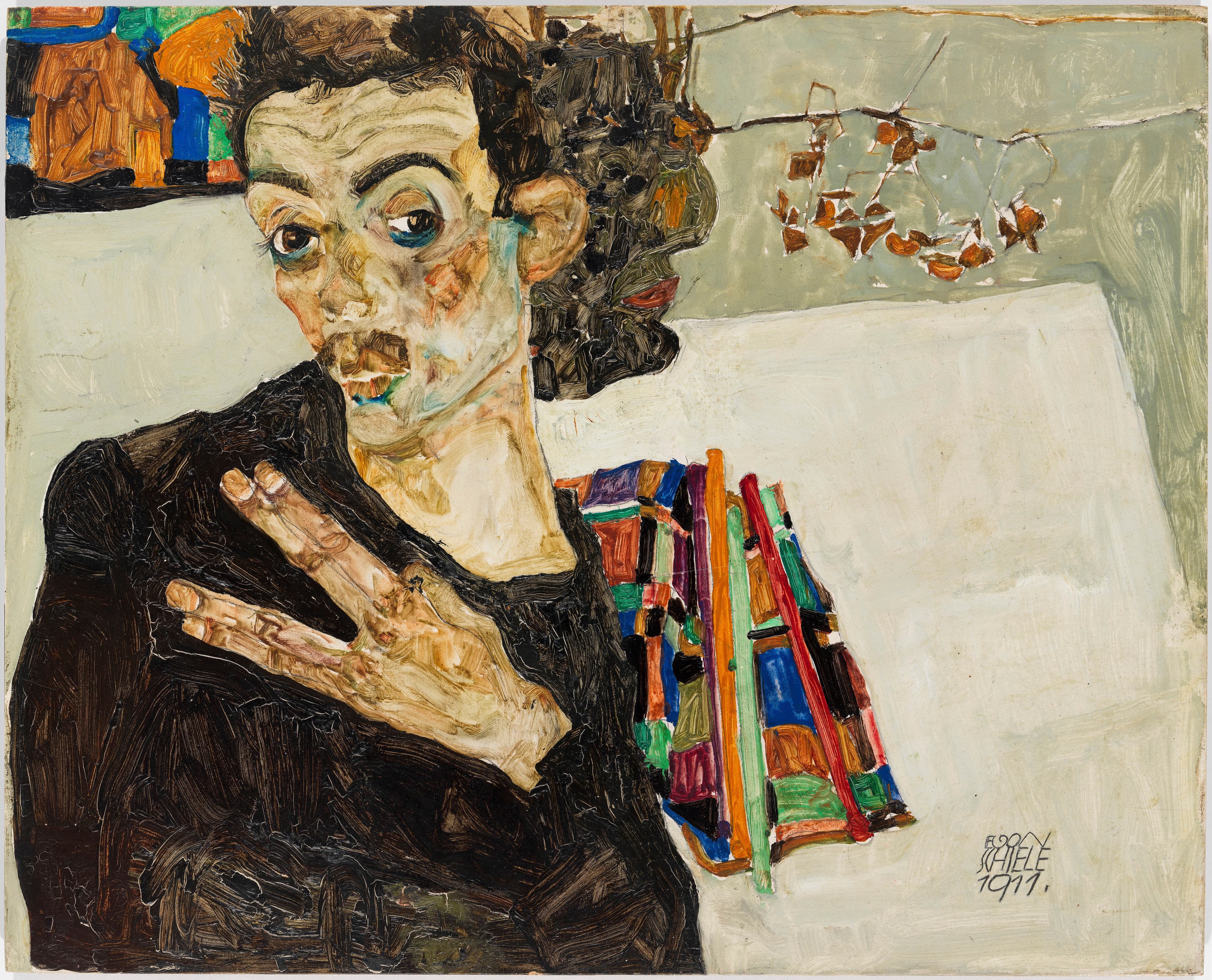
Self-Portrait
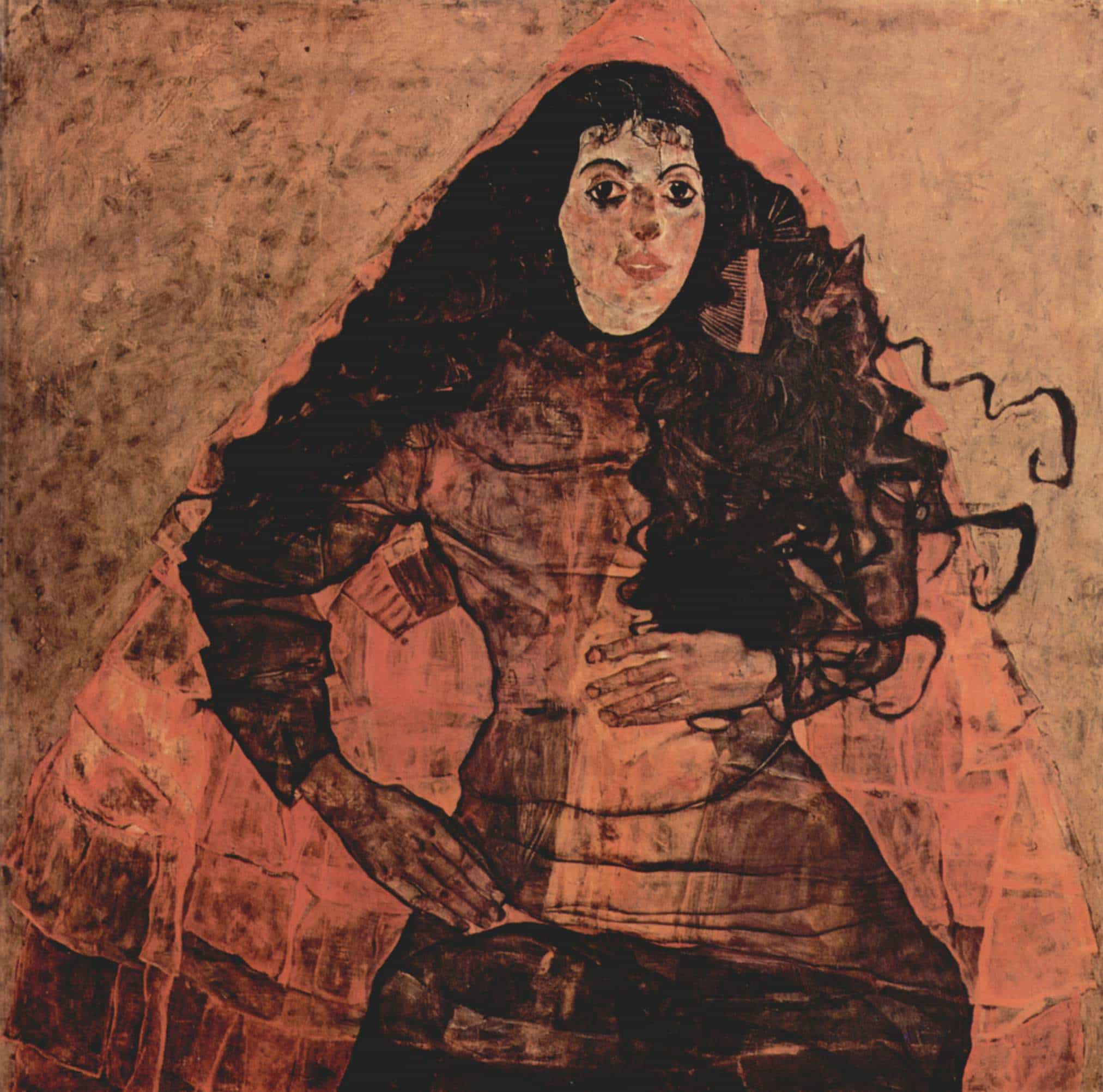
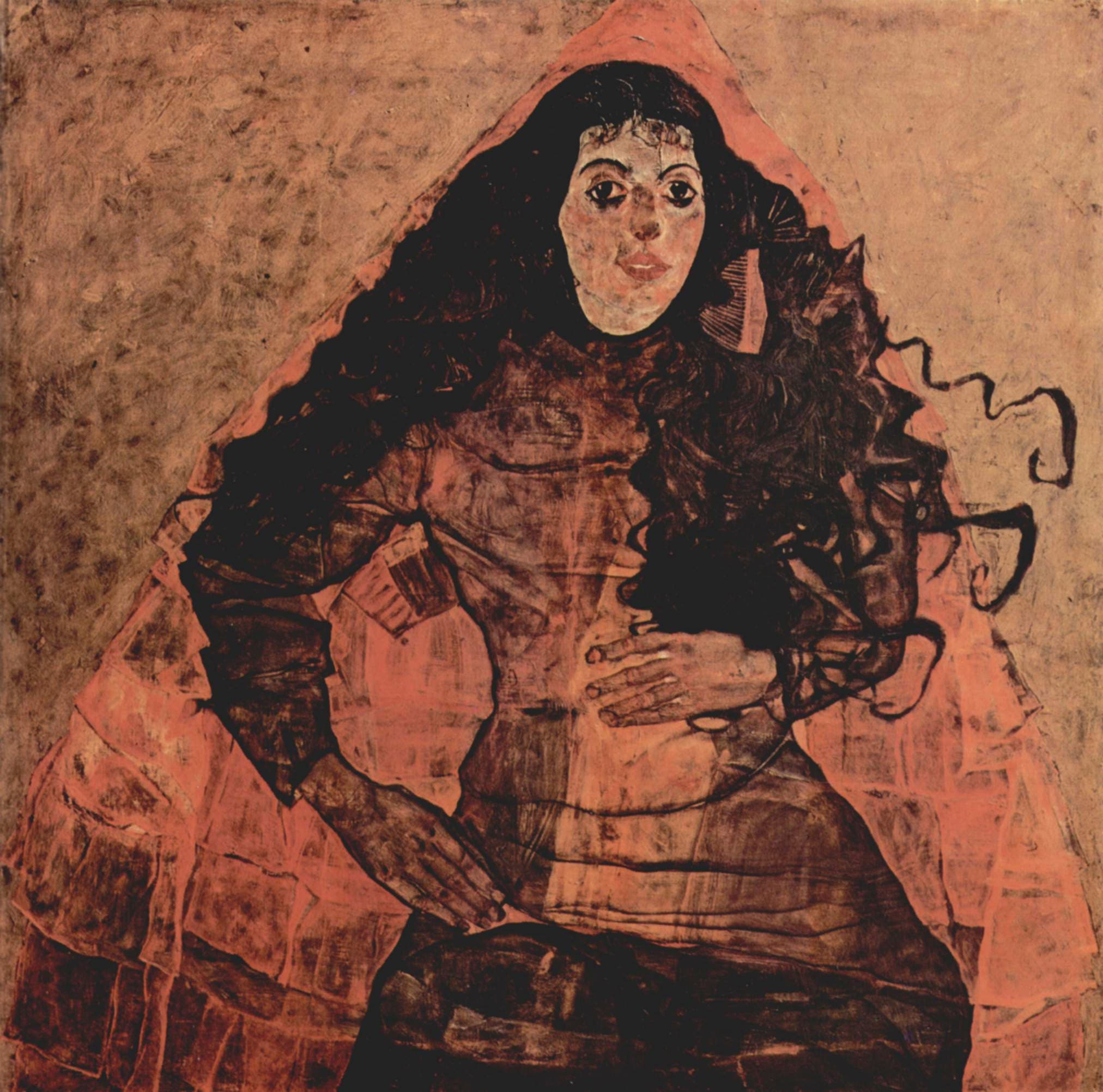
Portrait of Trude Engel
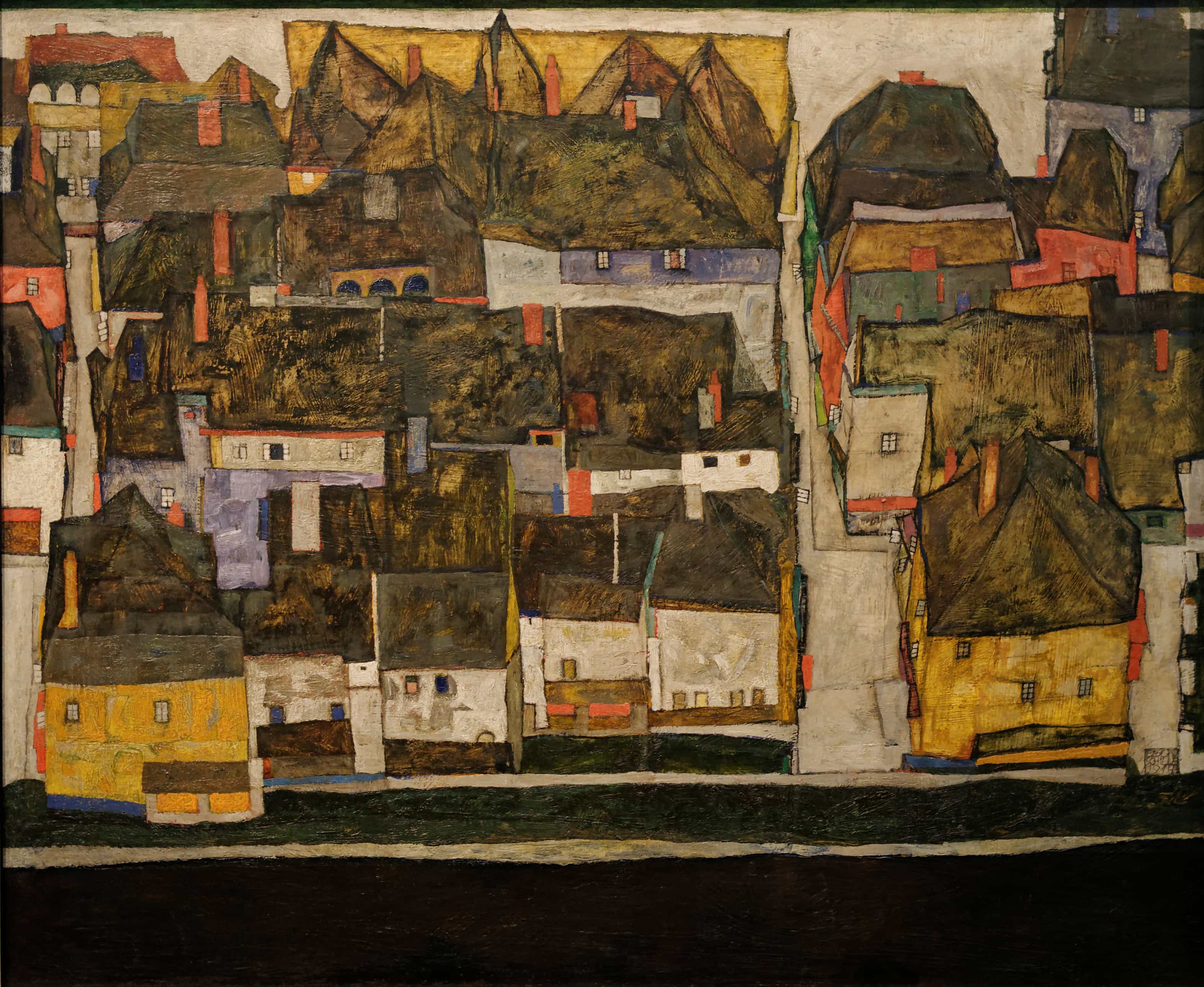
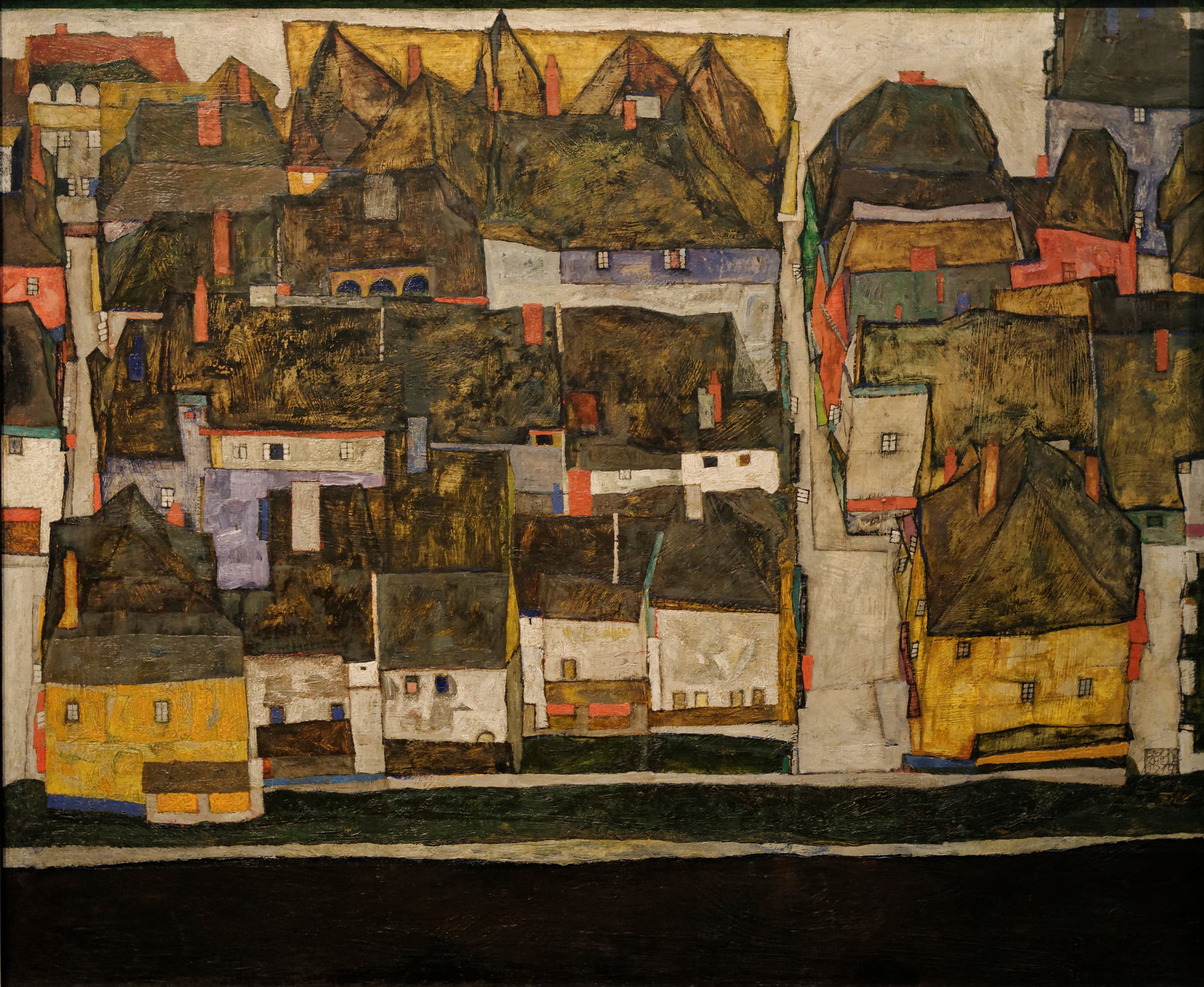
Krumau on the Vltava (The Small Town IV)
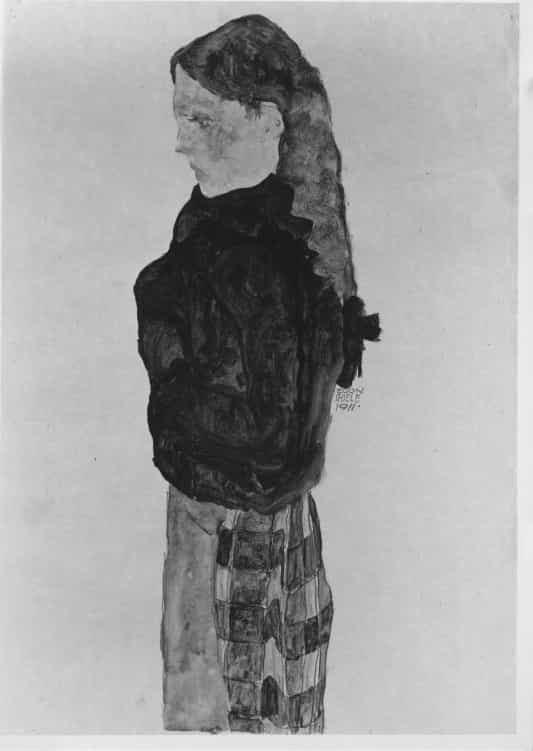
Standing Girl
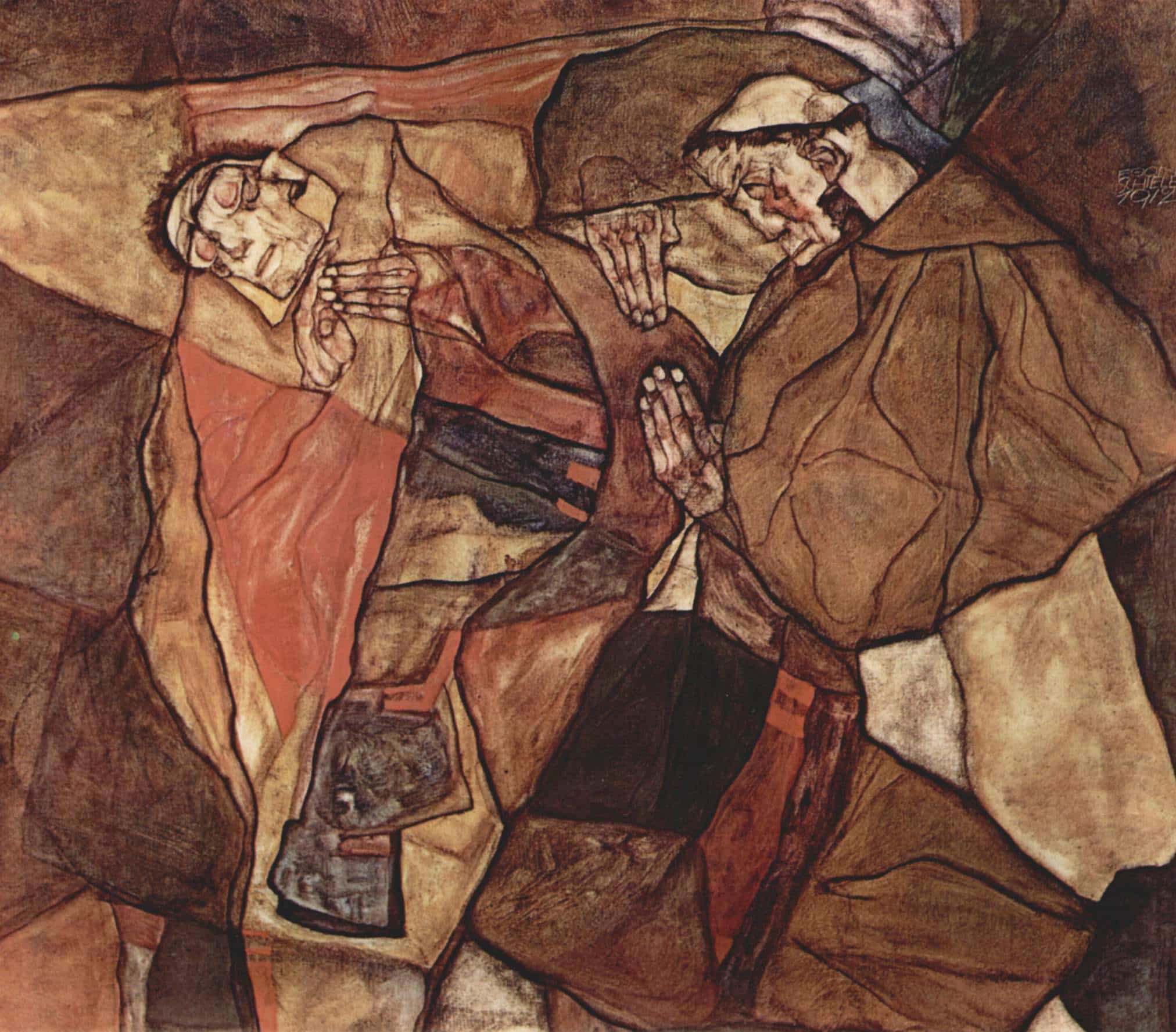
Agony (The Death Struggle)
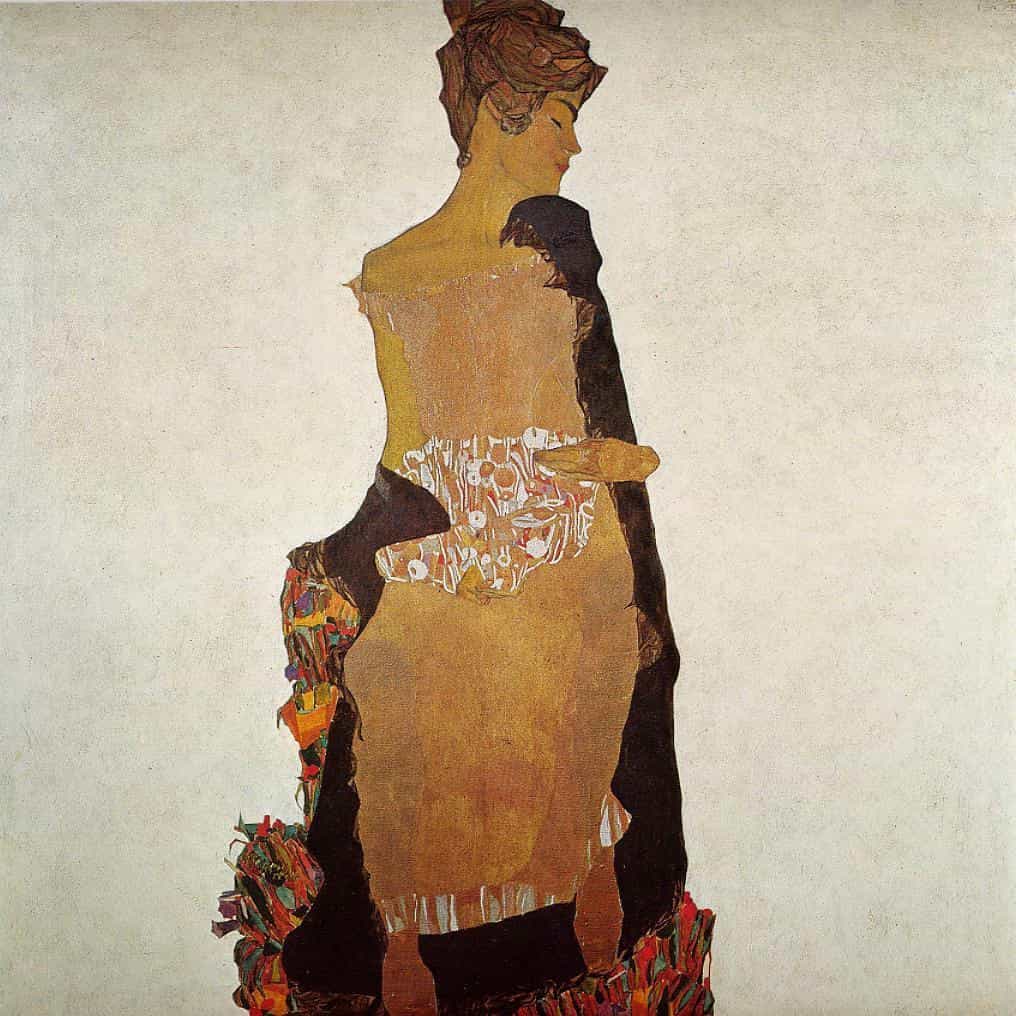
Portrait of Gerti Schiele
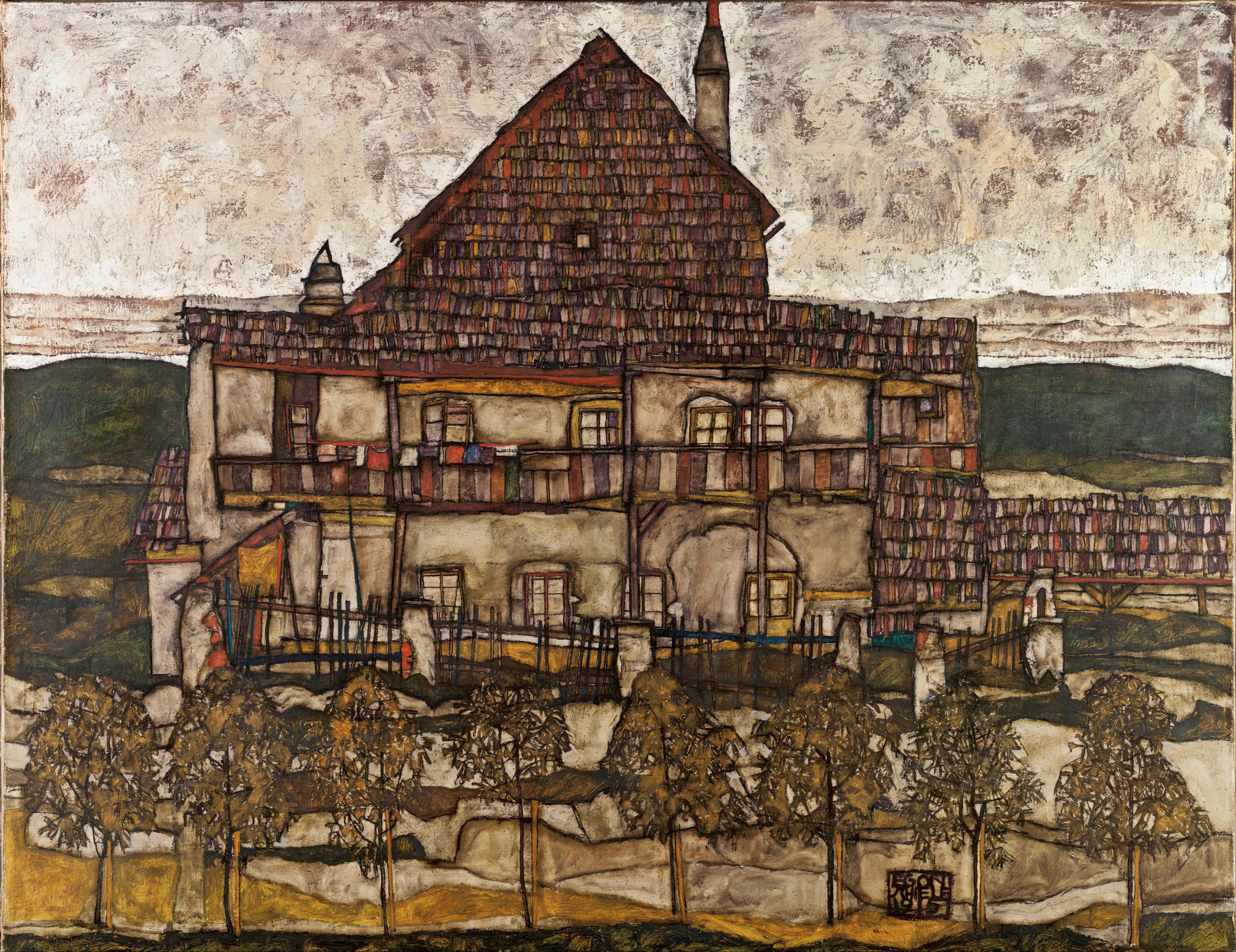
House with Shingle Roof
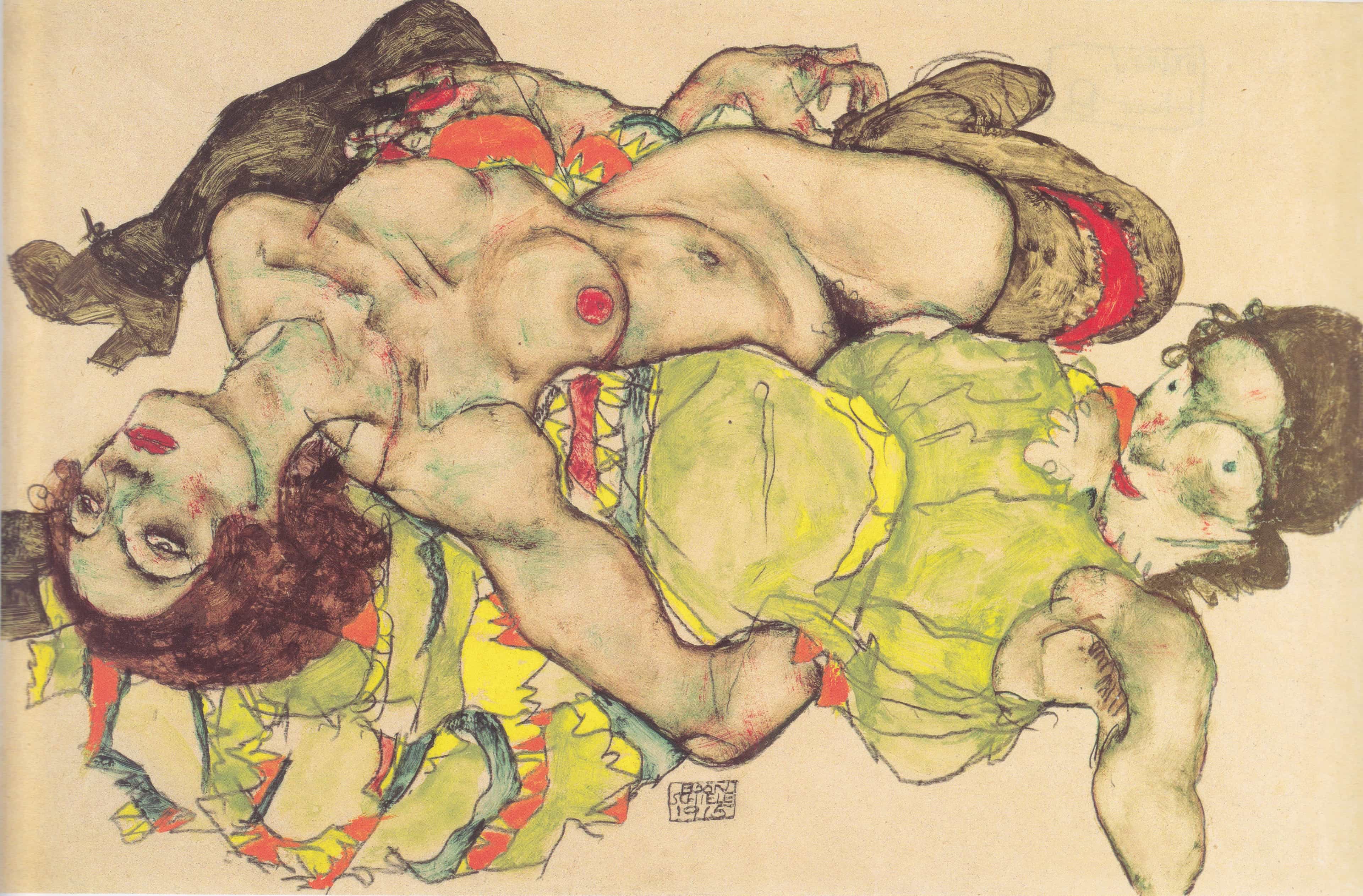
Female Lovers 1915
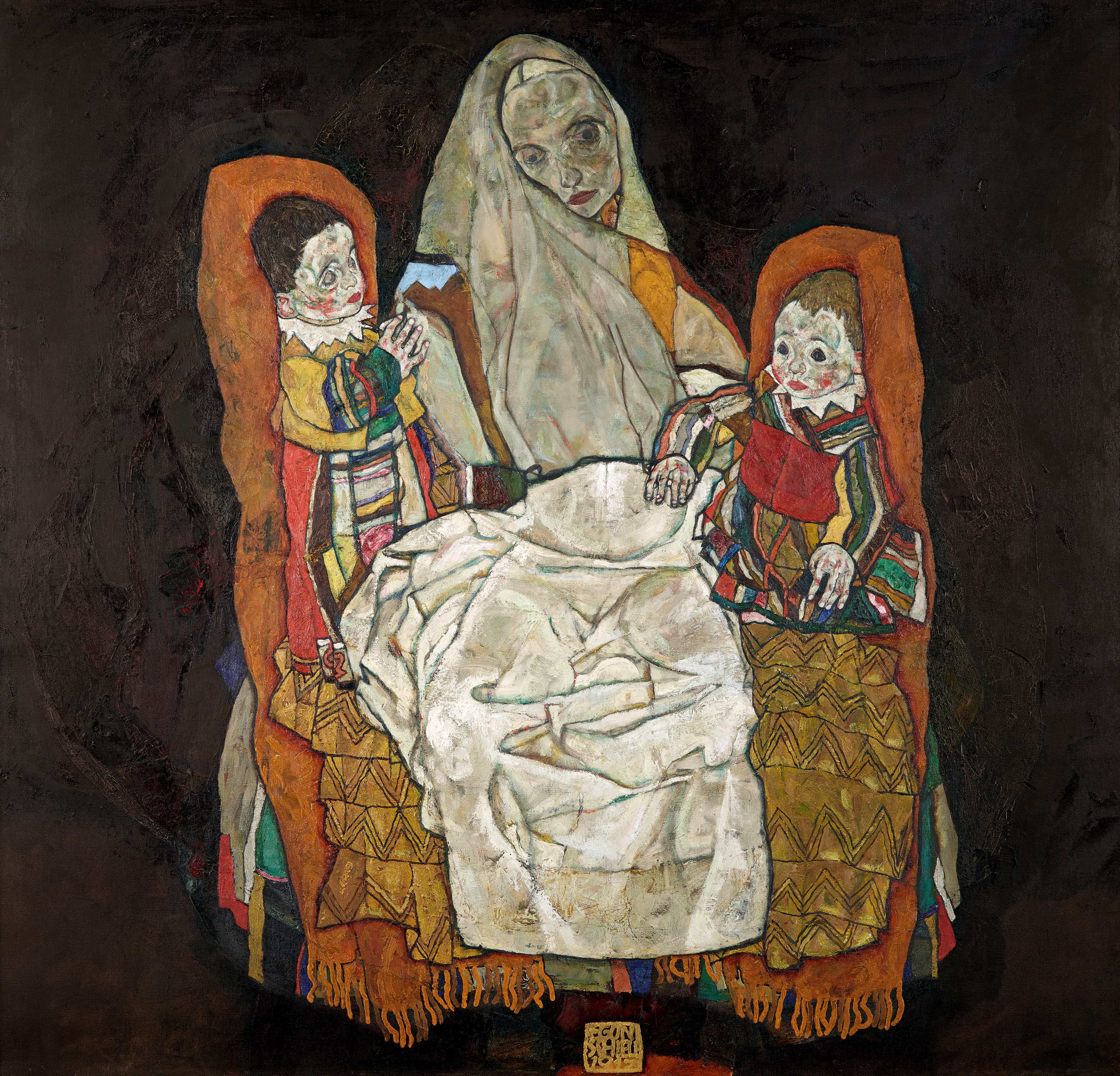
Mother with Two Children
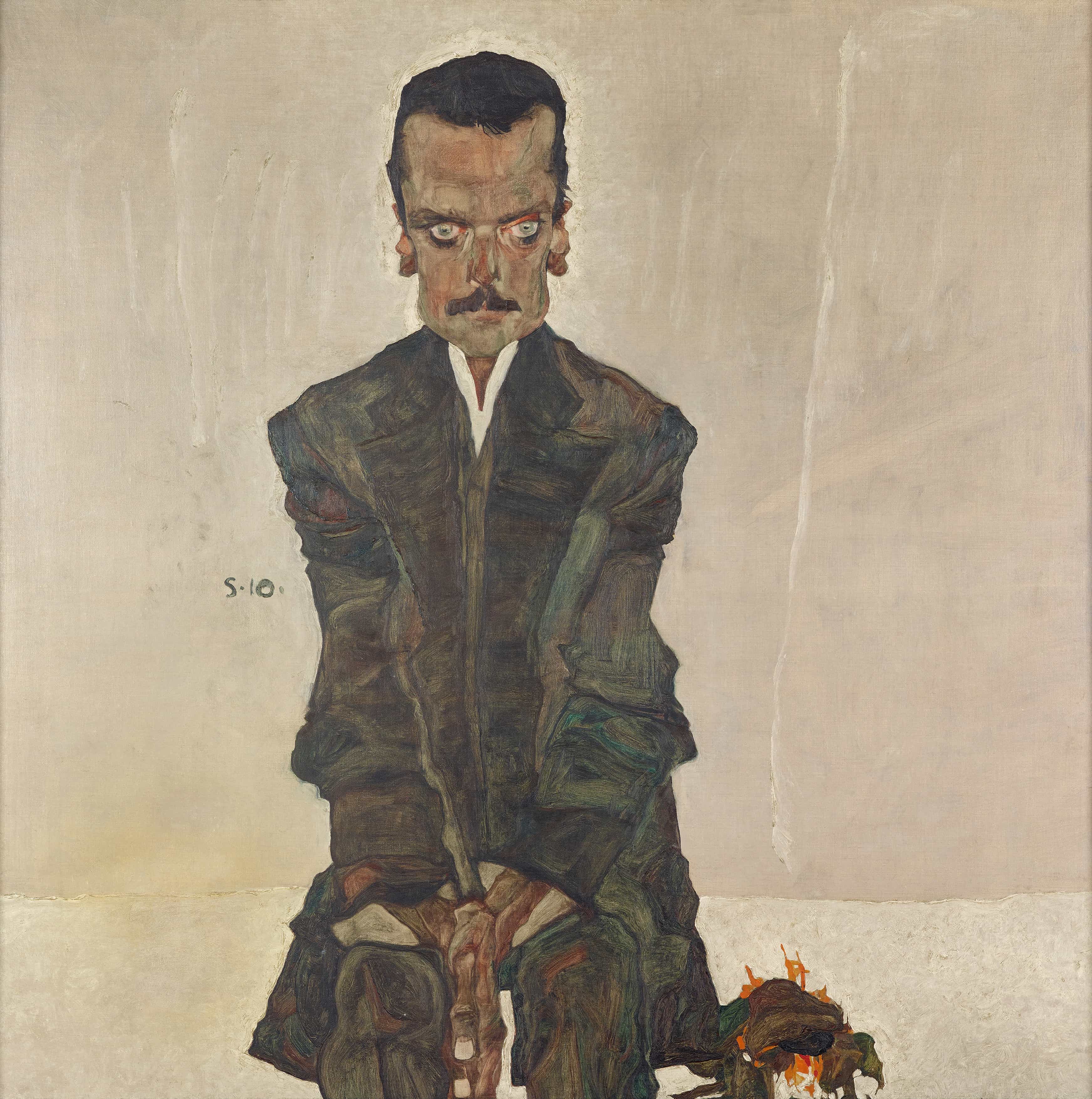
Eduard Kosmack