
An Alchemist in His Laboratory
David Teniers the Younger
From €54
Collection
Museum-quality reproductions on 310gsm textured cotton rag paper.
Shop all prints by David Teniers the YoungerArtistic Style
Style Evolution
Teniers evolved from early lively, anecdotal peasant scenes in Antwerp to more polished, collectible gallery pictures and refined genre compositions during his middle and late career, balancing rustic realism with decorative appeal.
Palette
Subjects
Techniques
Topics
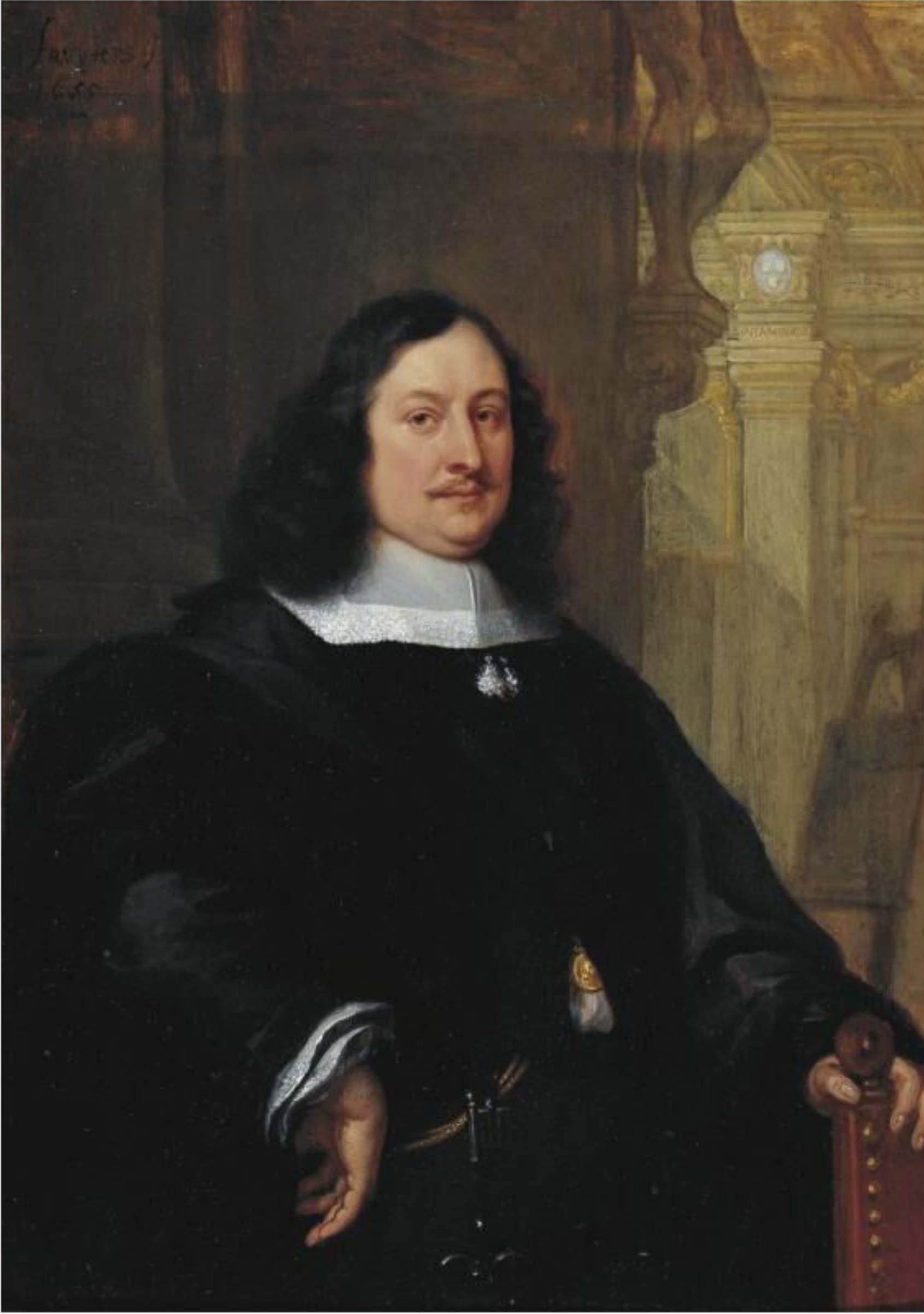
David Teniers the Younger (1610–1690) was a Flemish Baroque painter whose lively genre scenes and refined gallery paintings defined 17th‑century Flemish taste.
Learn about the life of David Teniers the Younger
Signature Works
See all available prints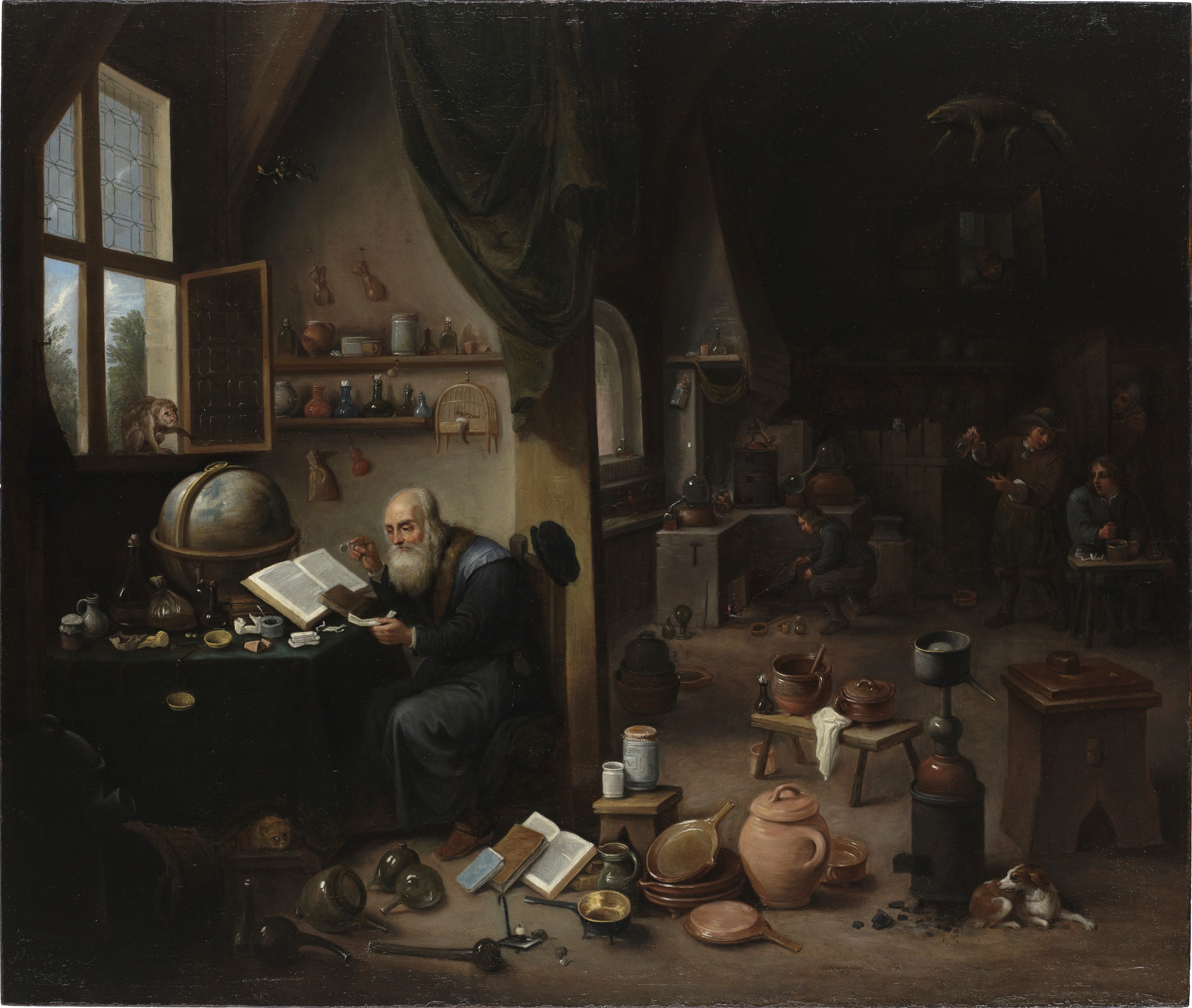

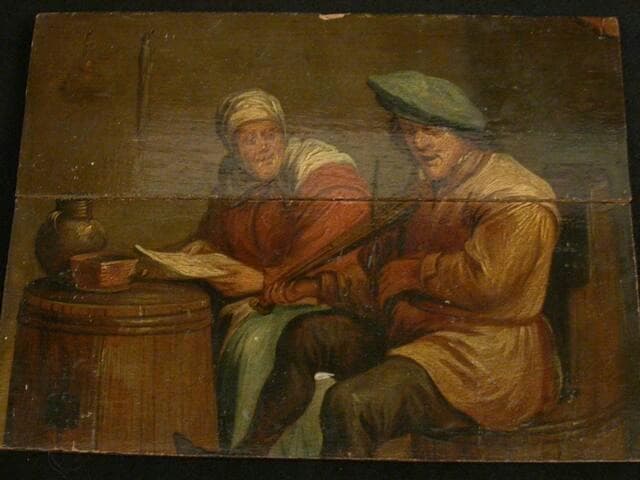
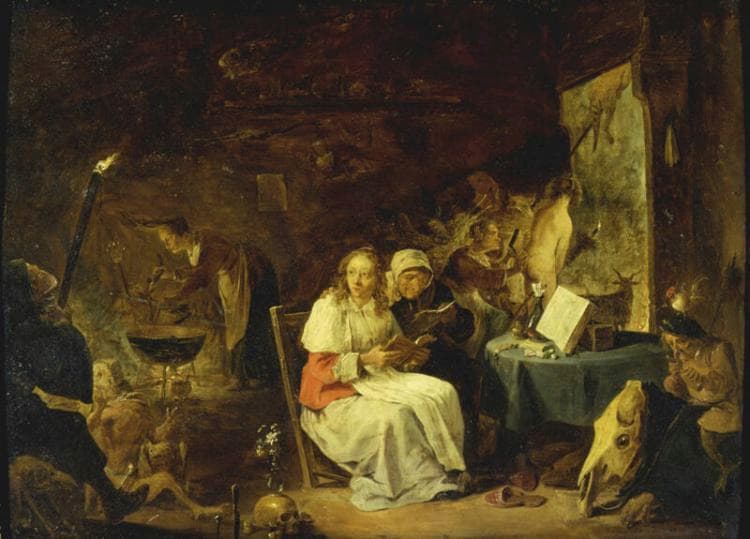
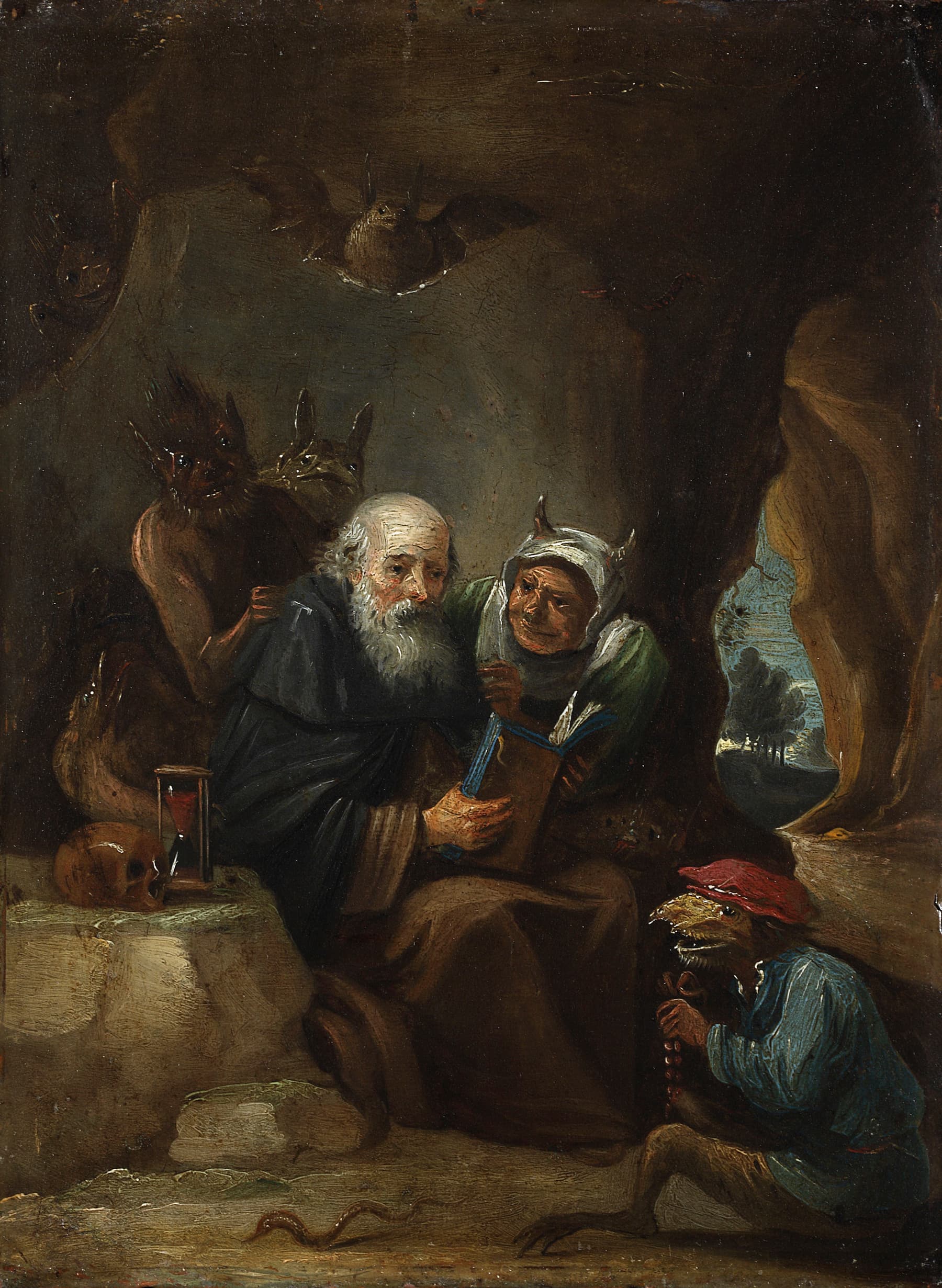

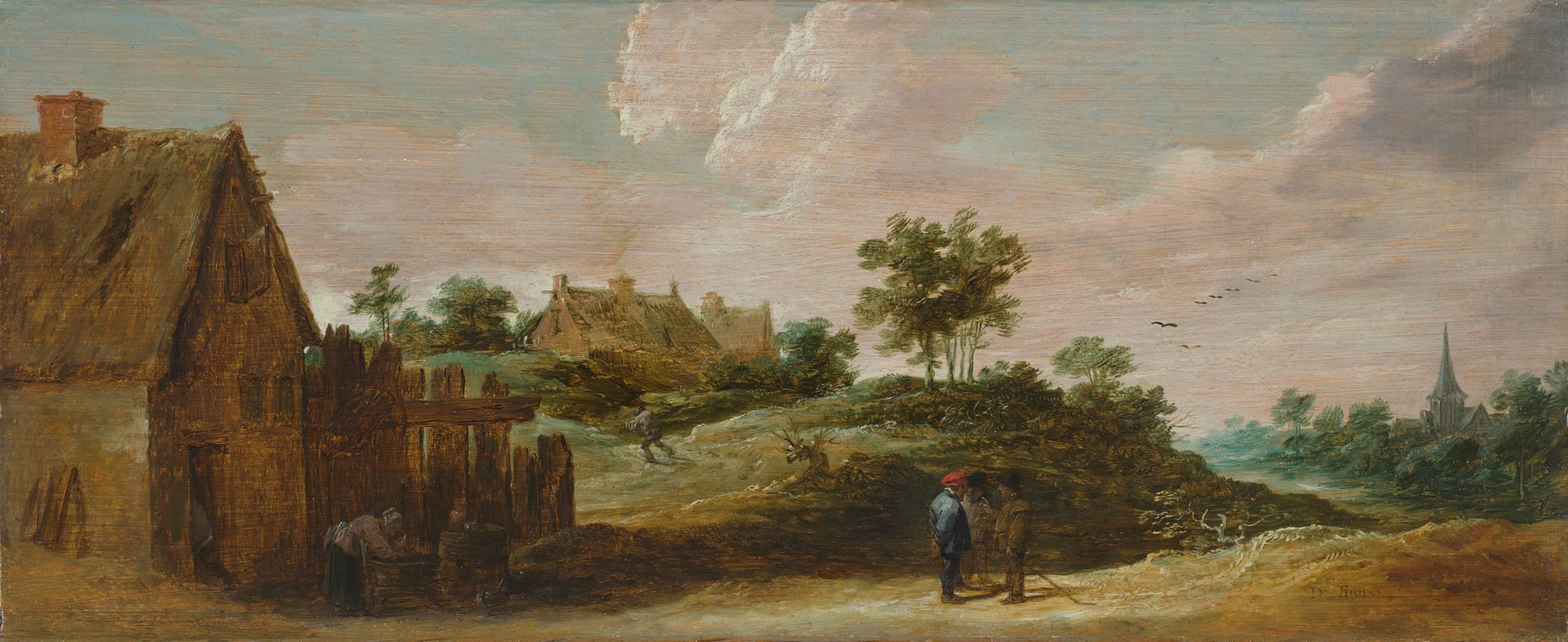


Biography
David Teniers the Younger (1610–1690) was a Flemish Baroque painter whose lively genre scenes and refined gallery paintings defined 17th‑century Flemish taste.
David Teniers the Younger was born in Antwerp in 1610 and died in the City of Brussels in 1690. He emerged from a family of painters and trained within the rich artistic environment of Antwerp, a center of Flemish painting in the early 17th century. Teniers developed a strong command of observation and narrative, channeling everyday life into compositions that appealed to both private collectors and courtly patrons.
Teniers’ career unfolded amid prominent artistic centers in the Southern Netherlands. He established himself in Antwerp before gaining recognition at court and in Brussels, where his work reached broader aristocratic audiences. His training combined apprenticeship traditions in Antwerp with exposure to the larger Baroque vocabulary of dramatic composition and rich textures.
In his early work Teniers concentrated on small-scale genre scenes: peasant life, tavern interiors, and lively village festivities. These works demonstrate his emerging talent for narrative detail and anecdotal charm.
By mid-career his compositions became more refined and varied: he produced elegant gallery pictures, refined genre scenes for connoisseurs, and works that balanced humor with careful observation. This period shows increased sophistication in handling light, spatial arrangement, and figure interaction.
In later years Teniers consolidated his reputation, producing works that appealed to collectors for both their decorative qualities and narrative interest. His later paintings often display a polished technique and an emphasis on collectable subject matter.
Teniers is celebrated for his genre scenes, village festivals, tavern interiors, and gallery paintings that capture both rustic life and cultivated collectors’ environments. His oeuvre set the standard for Flemish small-scale narrative painting in the 17th century and was highly sought after by private patrons and court collectors.
Teniers combined precise draftsmanship with a refined, economical brushwork suitable for small-scale narrative paintings. His compositions rely on careful grouping of figures, subtle use of light to model faces and interiors, and an ear for anecdotal detail. The decorative appeal of his work—balanced compositions, engaging storytelling, and polished surfaces—makes his paintings highly desirable for interiors and collections.
Teniers influenced subsequent Flemish and European genre painters through his combination of observation, humor, and compositional clarity. His gallery pictures helped establish the motif of the collector’s cabinet as a subject, and his approach to small-scale narrative painting informed
Frequently Asked Questions
An Alchemist in His Laboratory
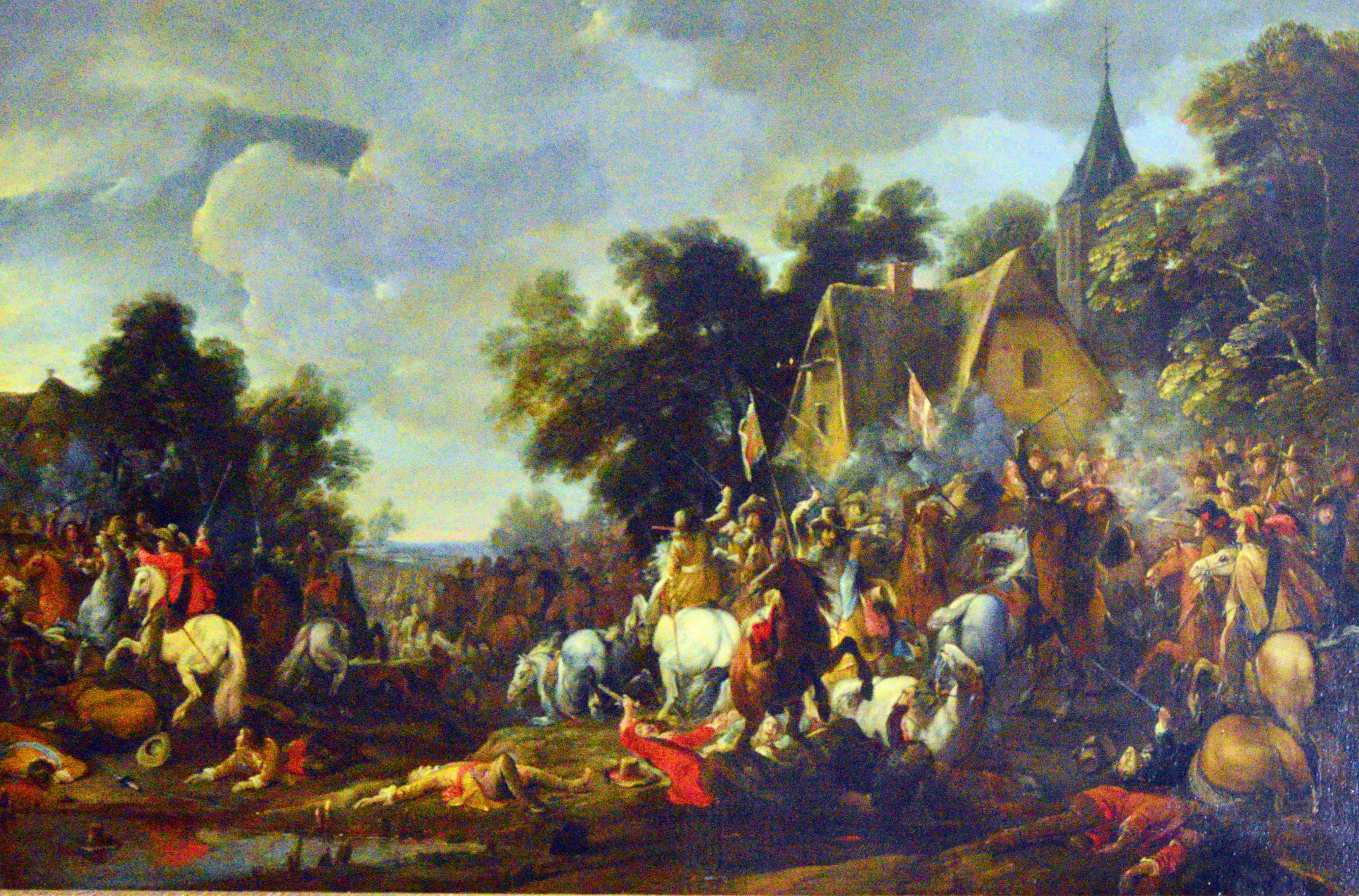
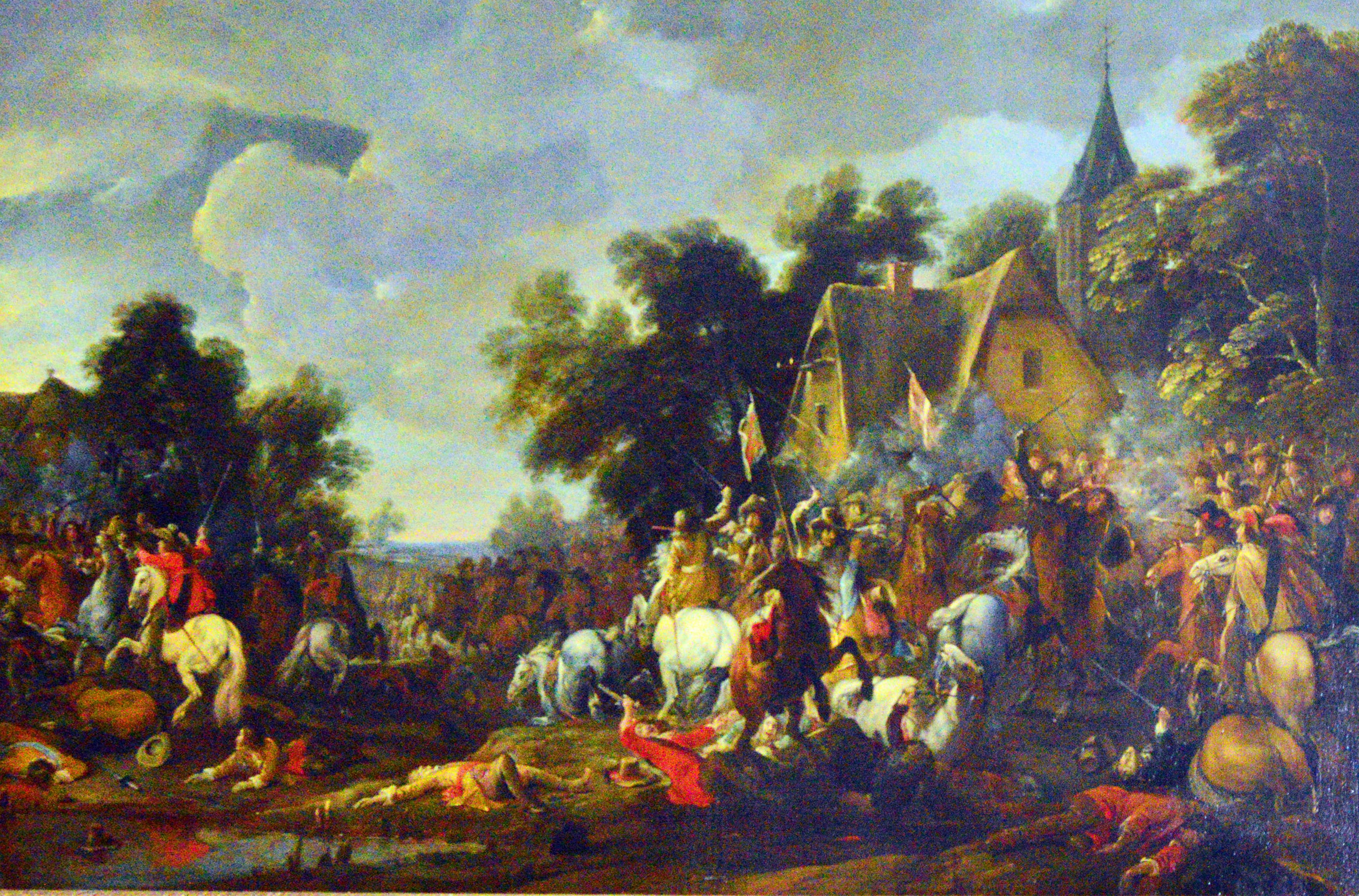
Battle Scene from the Eighty Years' War
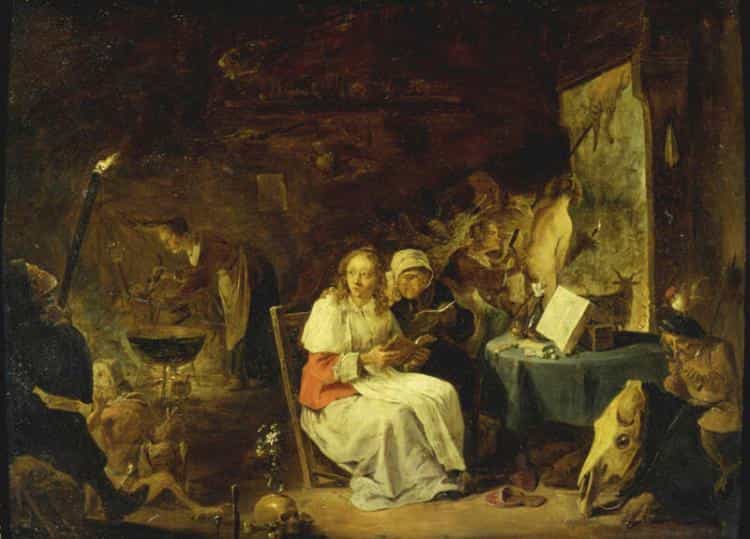
Incantation Scene
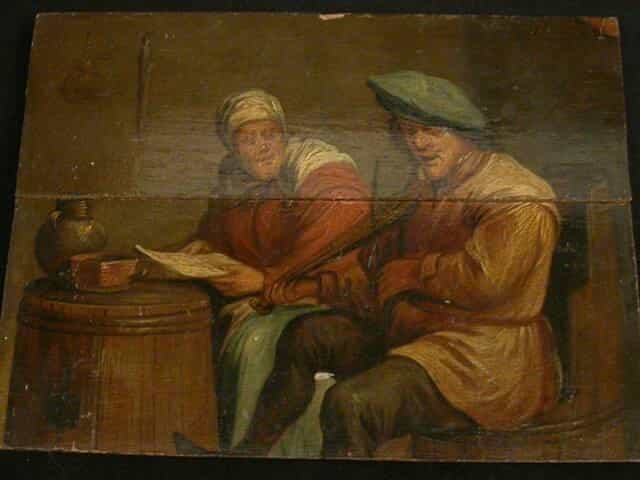
The Old Fiddler

Interior of a Tavern with Smoking Peasants
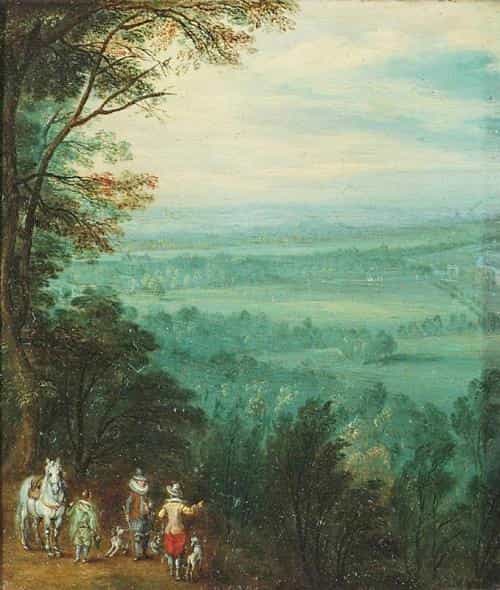
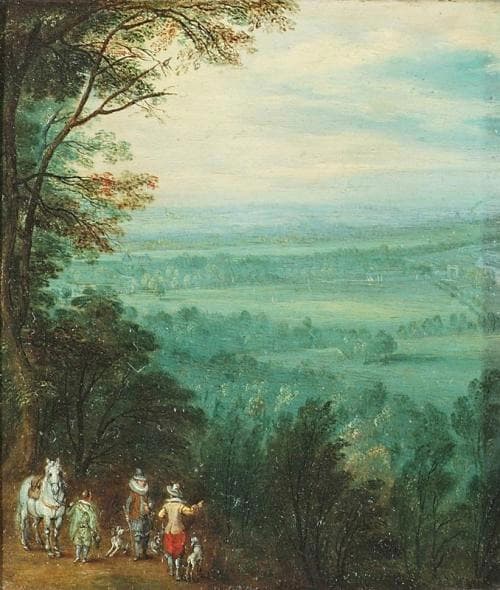
Landscape with Figures
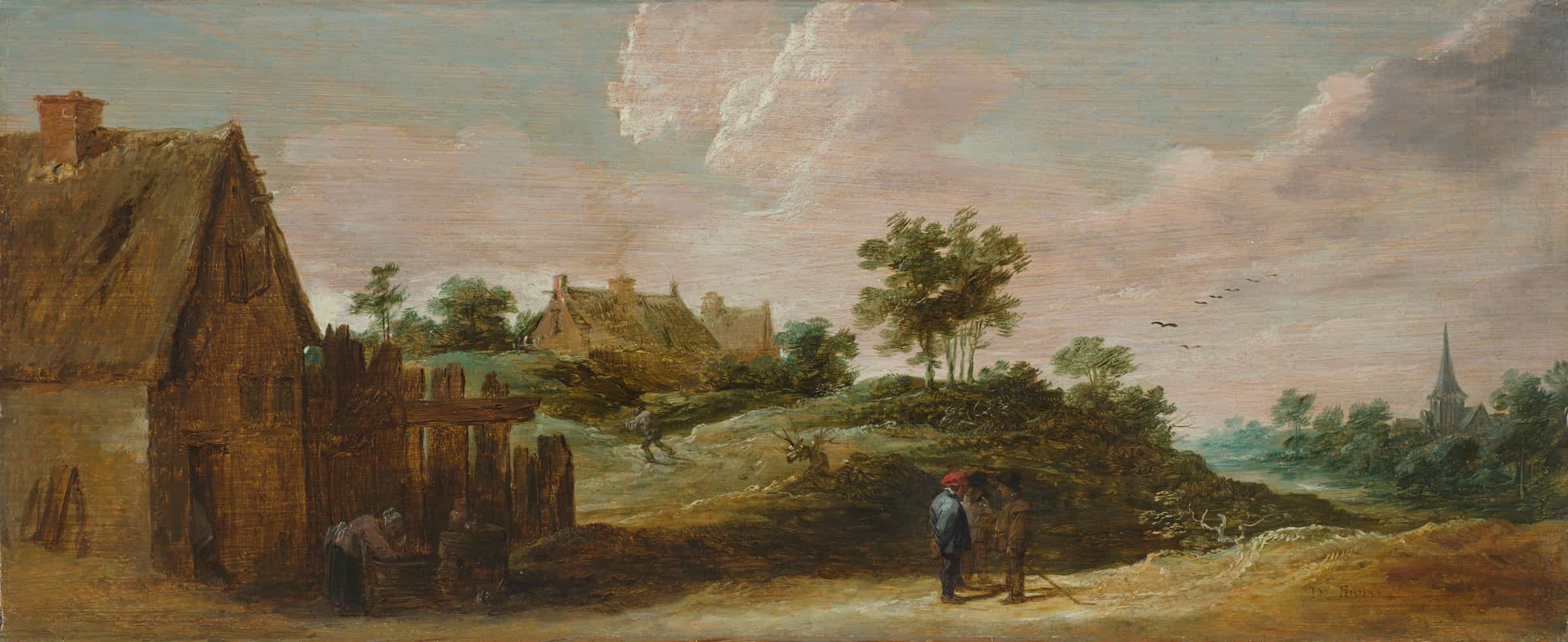
Landscape with Peasants and a Washerwoman

The Torture of the Rich Man in Purgatory
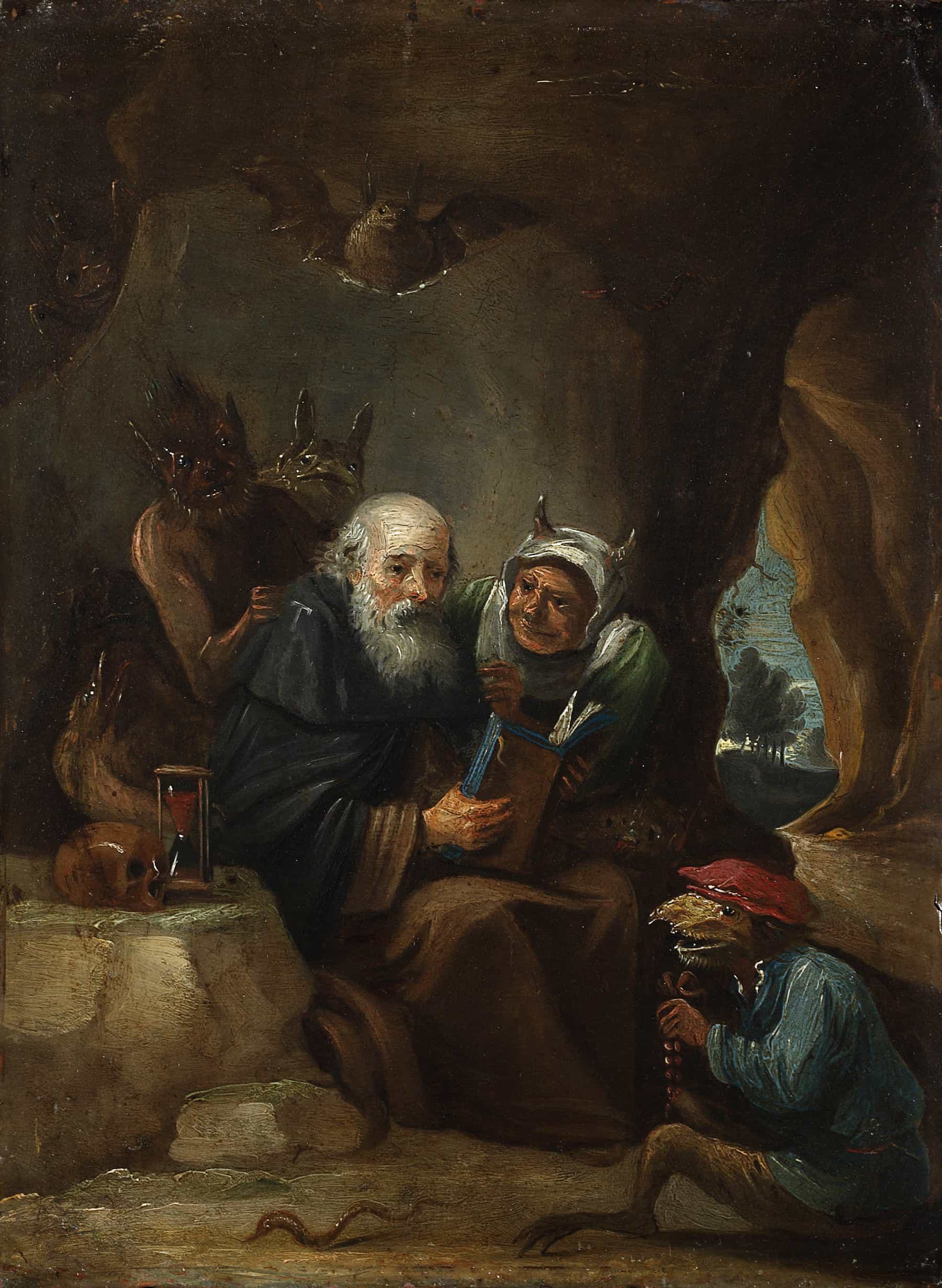
The Temptation of St. Antony
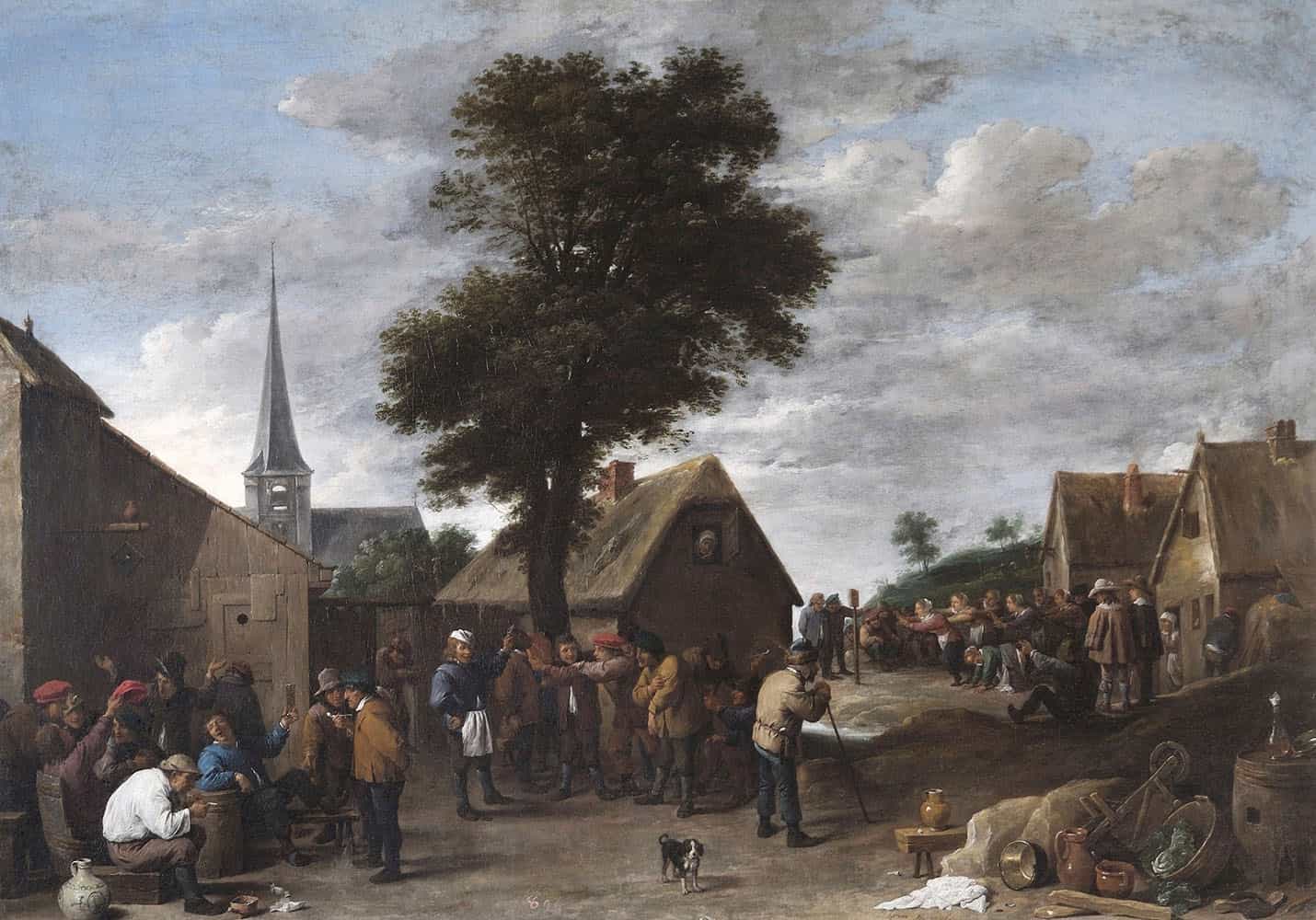
A Flemish Village Festival

Madonna and Child
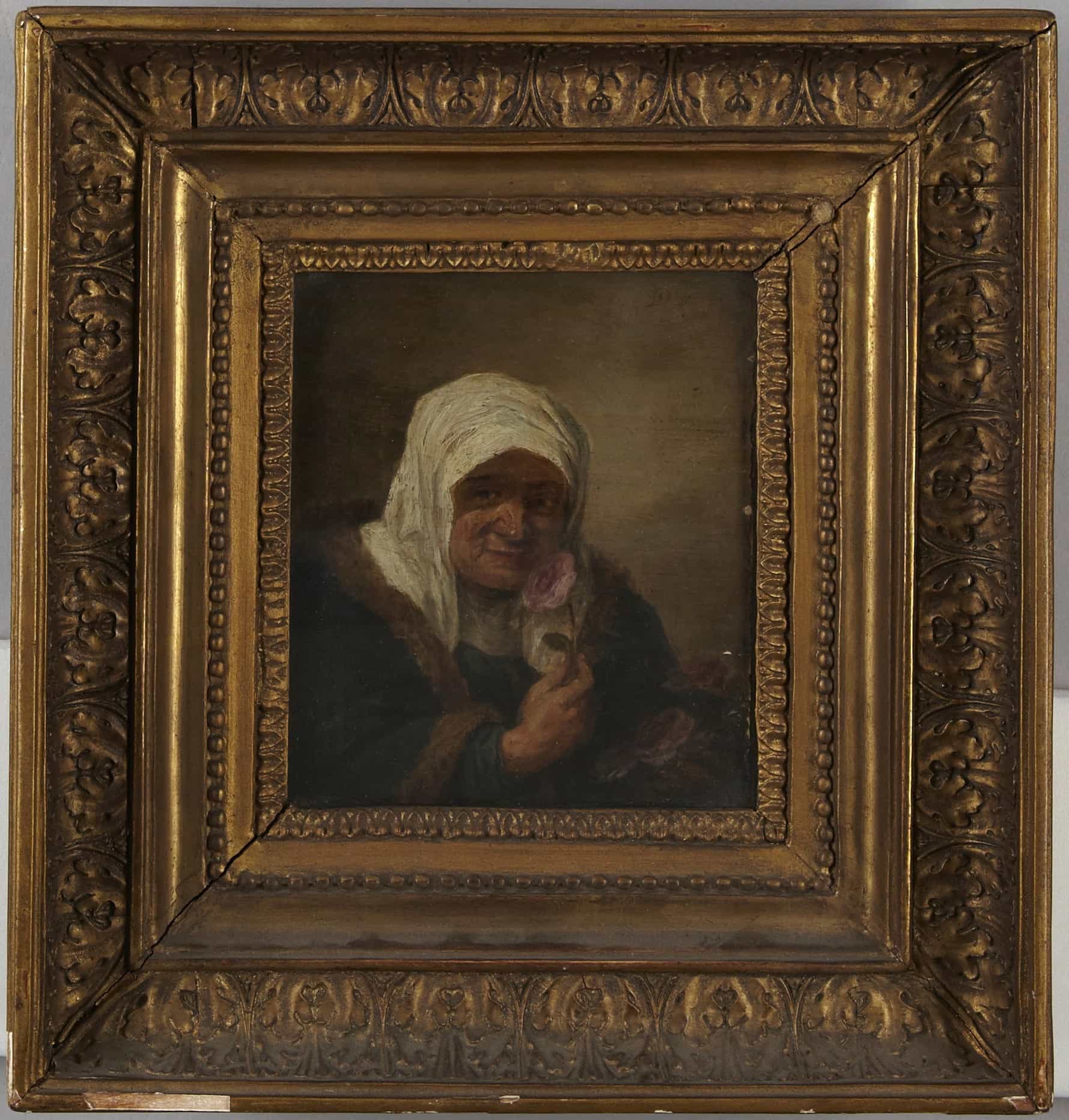
Old Lady with Rose