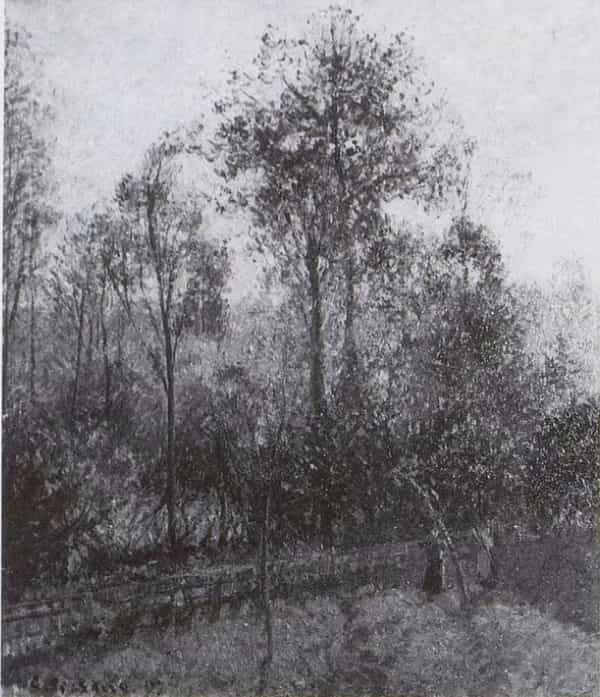
Après-midi d'automne, Eragny
Camille Pissarro
From €54
Collection
Museum-quality reproductions on 310gsm textured cotton rag paper.
Shop all prints by Camille PissarroArtistic Style
Style Evolution
Pissarro's work evolved from precise, observational plein‑air studies to include experiments with Neo‑Impressionist broken color; throughout he retained a commitment to depicting everyday rural and urban life and to collaborative exhibition.
Palette
Subjects
Techniques
Topics
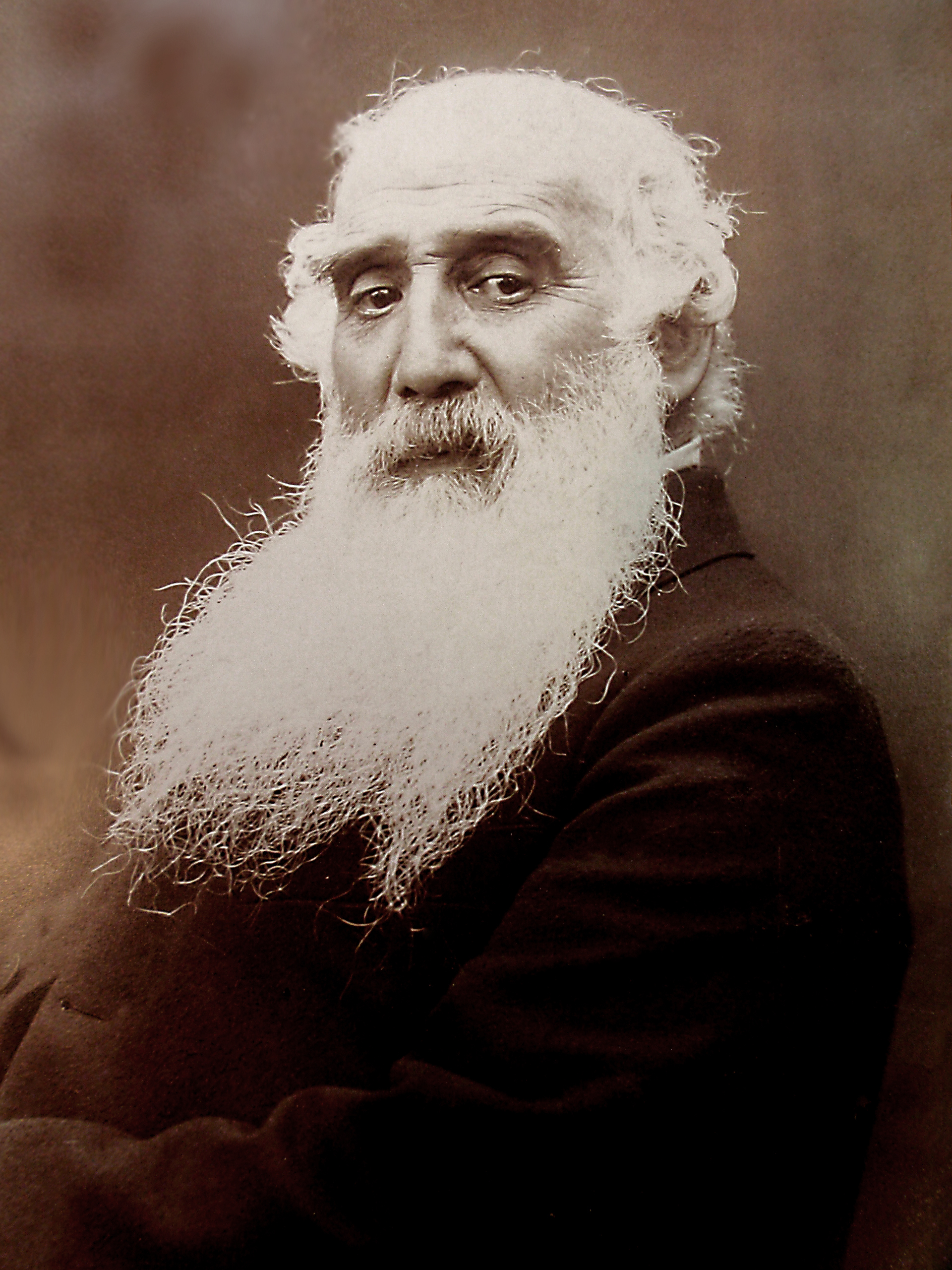
Camille Pissarro (1830-1903) was a Danish‑French Impressionist painter whose pioneering plein‑air landscapes and cooperative leadership shaped modern French painting.
Learn about the life of Camille Pissarro
Signature Works
See all available prints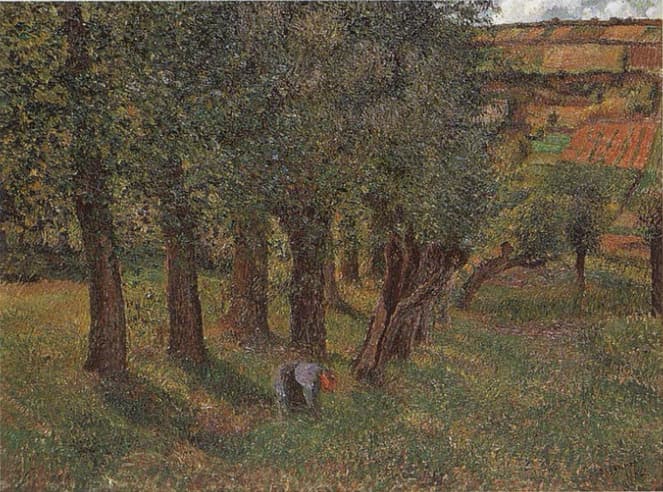


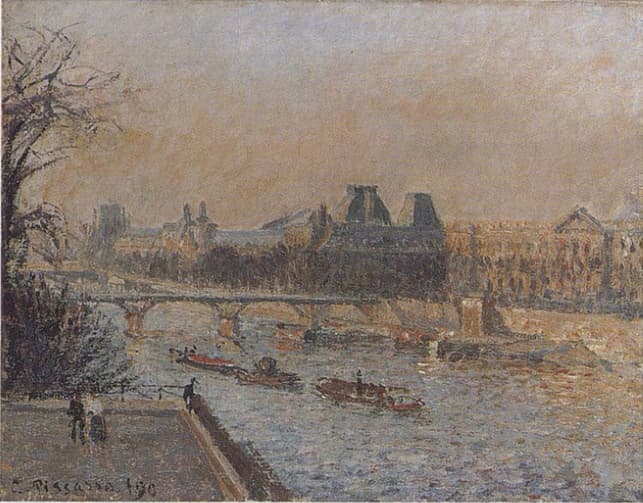

Biography
Camille Pissarro (1830-1903) was a Danish‑French Impressionist painter whose pioneering plein‑air landscapes and cooperative leadership shaped modern French painting.
Camille Pissarro was born in Charlotte Amalie in 1830 and died in Paris in 1903. Of Danish–French origin, he came of age as academic painting gave way to new approaches to color, light, and outdoor practice. Pissarro's early exposure to varied cultures and landscapes informed his life-long attention to rural and urban scenes rendered directly from nature.
Pissarro trained and worked across several French locales and was central to the development of Impressionism. He embraced plein‑air painting and collaborative exhibition efforts that defined the movement.
In his formative years Pissarro developed a commitment to painting from life, favouring observational studies of landscape and the working countryside. He built technical foundations that would later support more experimental work.
Pissarro became a key participant in the Impressionist movement and was closely involved with the group exhibitions that introduced Impressionism to a wider public. He worked alongside contemporaries who were rethinking light and color and helped organize and promote group efforts.
Later in his career Pissarro explored Neo‑Impressionist approaches and experimented with broken color and systematic brushwork, integrating these techniques into his mature landscapes while maintaining a dedication to observation.
Pissarro is best known for his sustained practice of painting landscapes, rural labor, and city views directly from life. His contributions include leadership within the Impressionist exhibitions and mentorship of younger artists—roles that amplified his influence beyond individual canvases.
Pissarro's style centers on plein‑air observation, broken brushwork, and a careful modulation of color to convey atmospheric conditions. He balanced compositional structure with lively, tactile surfaces; in later years he incorporated pointillist and systematic approaches without abandoning naturalistic intent.
Pissarro influenced peers and younger artists and is widely regarded as a connecting figure between generations of modern French painters. His commitment to collaborative exhibitions and to painting ordinary life helped shape the trajectory of Impressionism and later developments in modern art.
While primarily known for his art, Pissarro's life was marked by mobility between urban and rural settings in France and by active participation in artistic circles that promoted collective exhibition and dialogue.
Collectors prize Pissarro for the decorative charm and harmonious color of his landscapes and views—works—
Frequently Asked Questions
Après-midi d'automne, Eragny
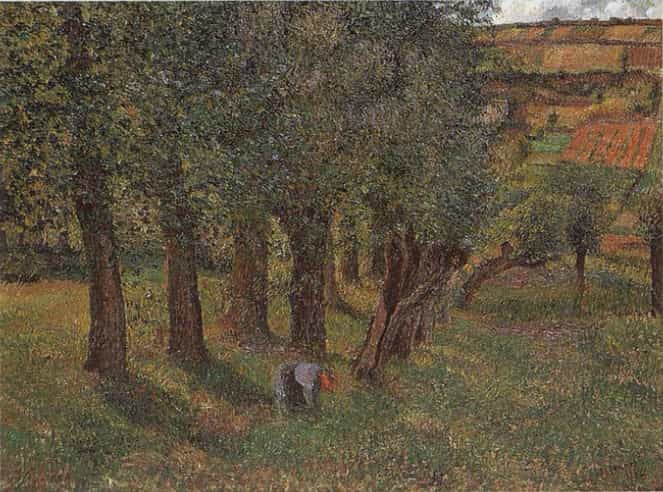
Le Chou à Pontoise
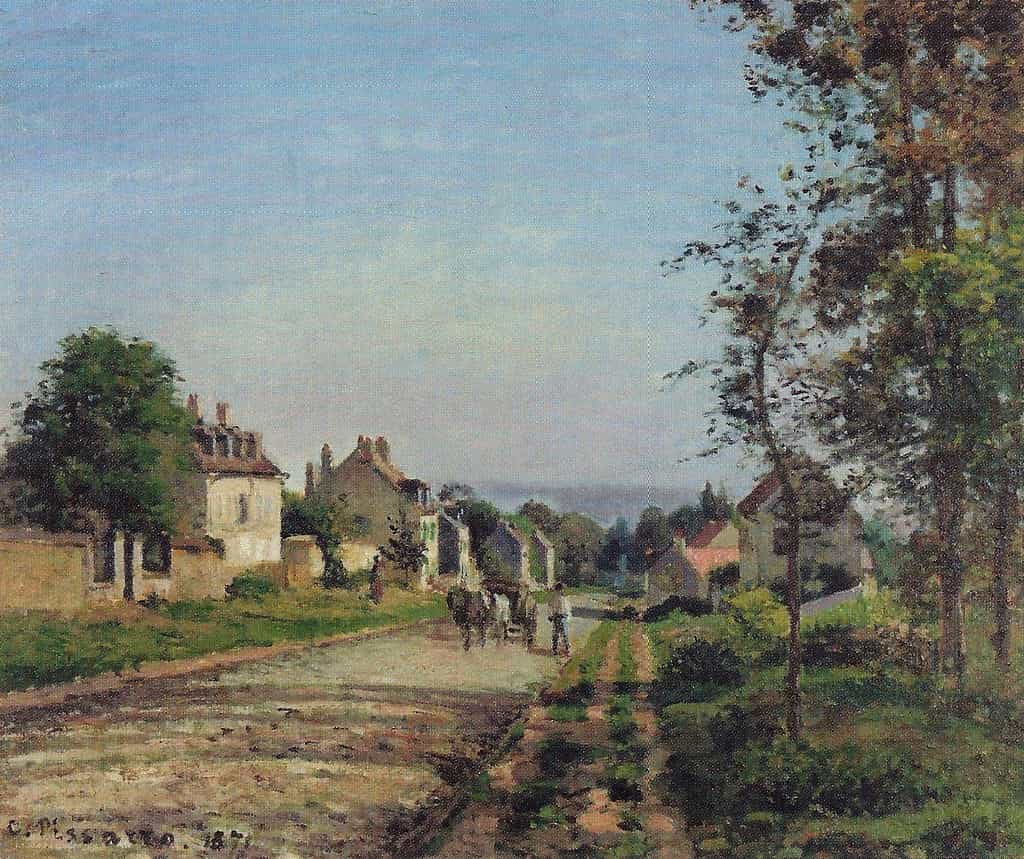
Around Louveciennes, the Road
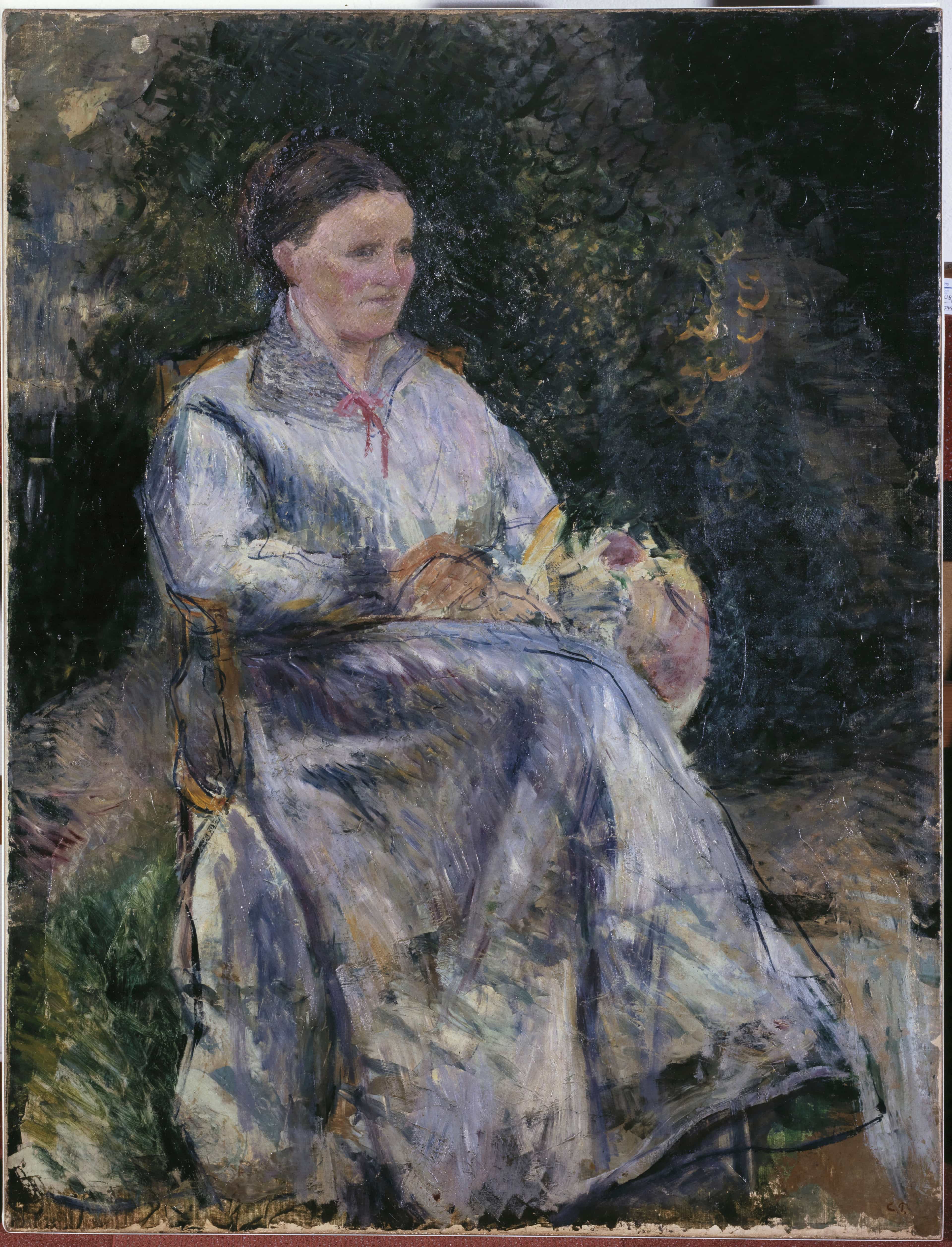
Julie Pissarro au jardin
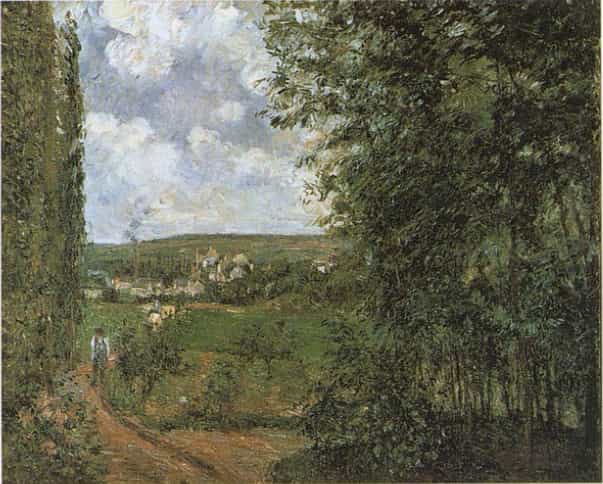
View from the Gratte-Coqs Hill, Pontoise
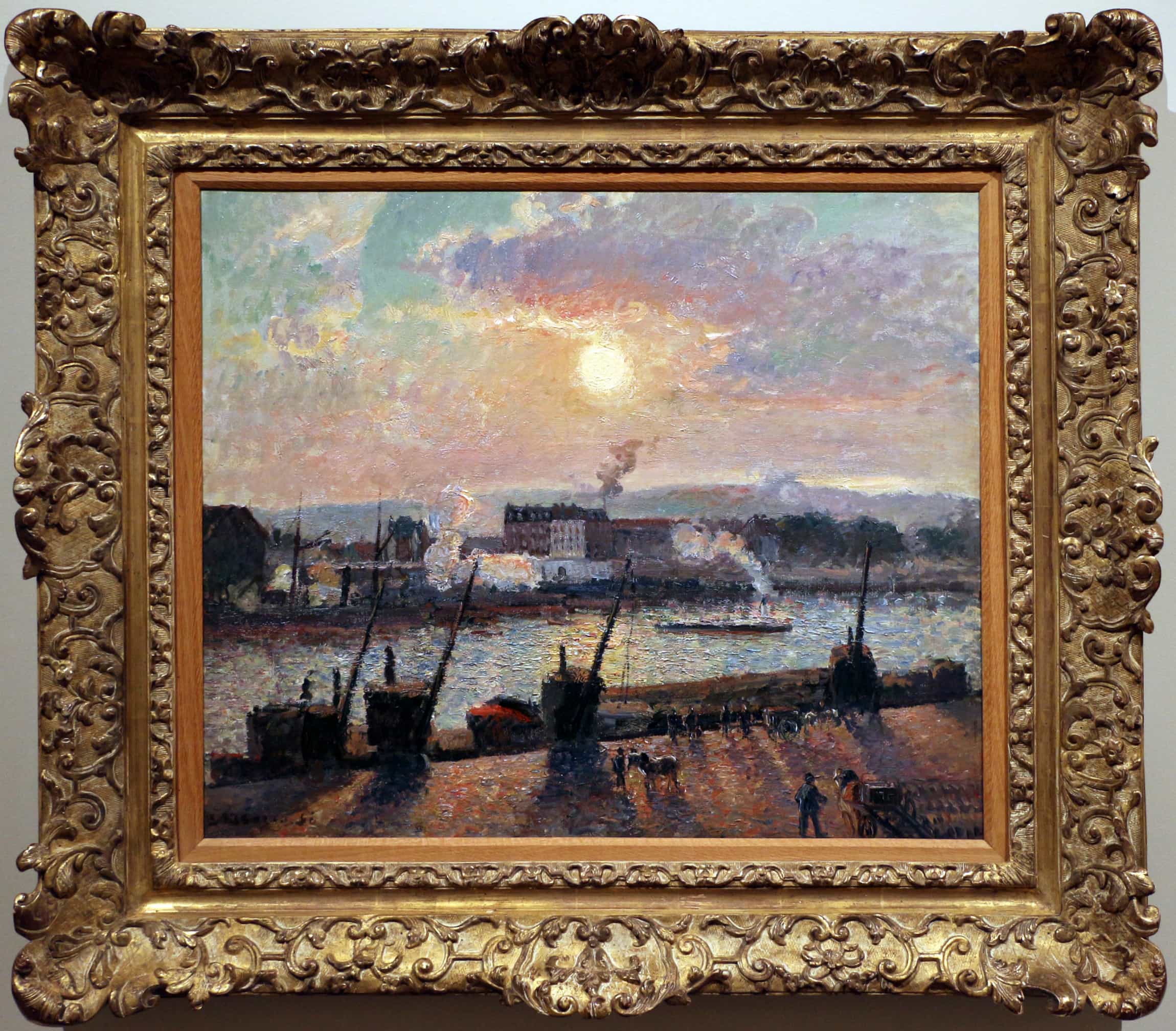
Sunset at Rouen
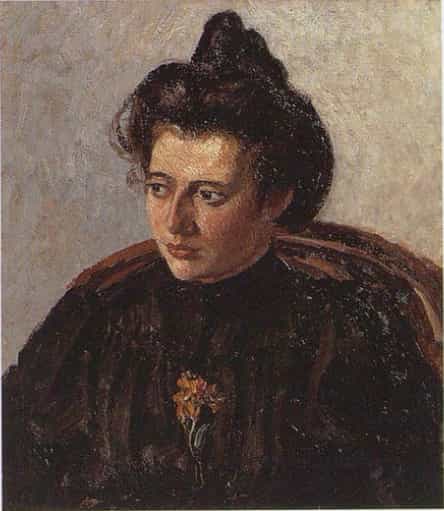
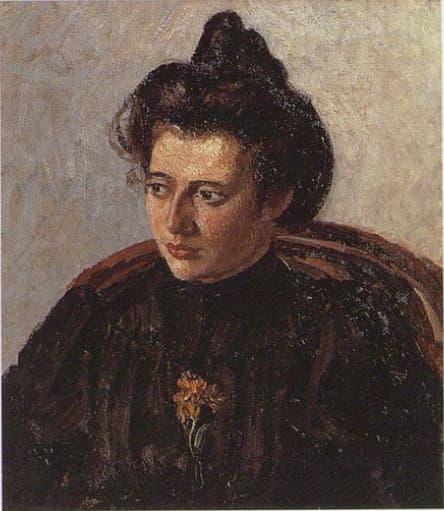
Porträt von Jeanne, der Tochter des Künstlers
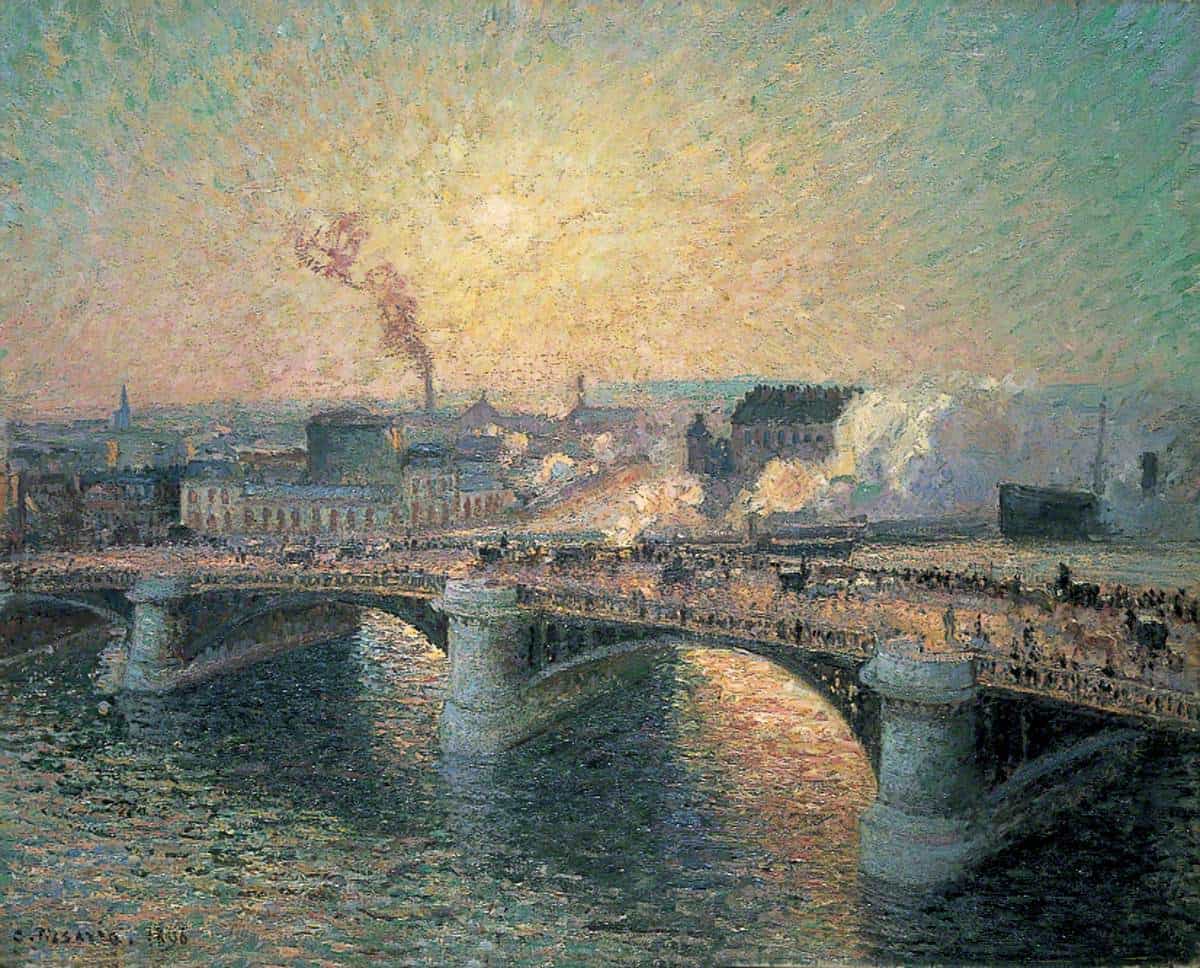
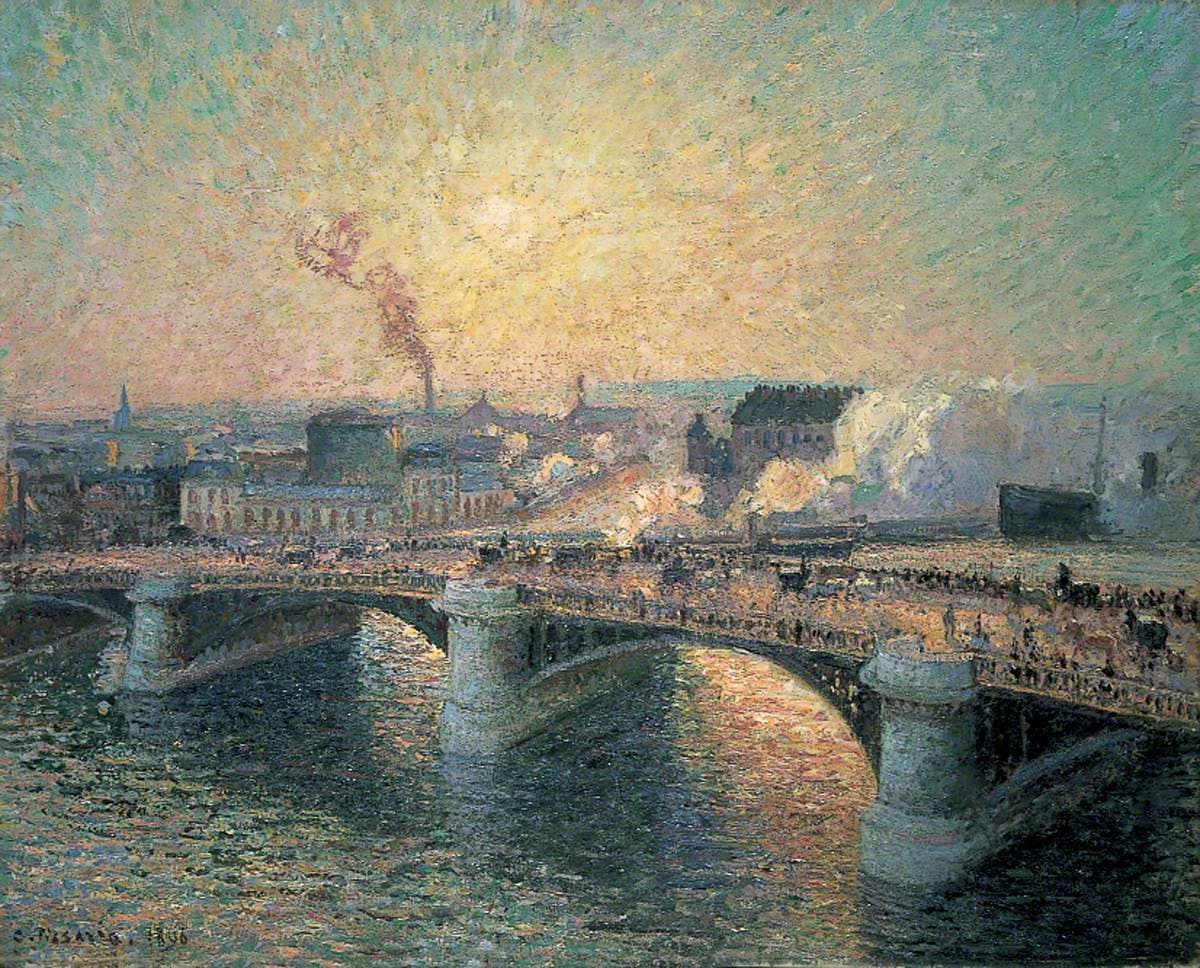
Le Pont Boieldieu, Rouen, Soleil Couchant
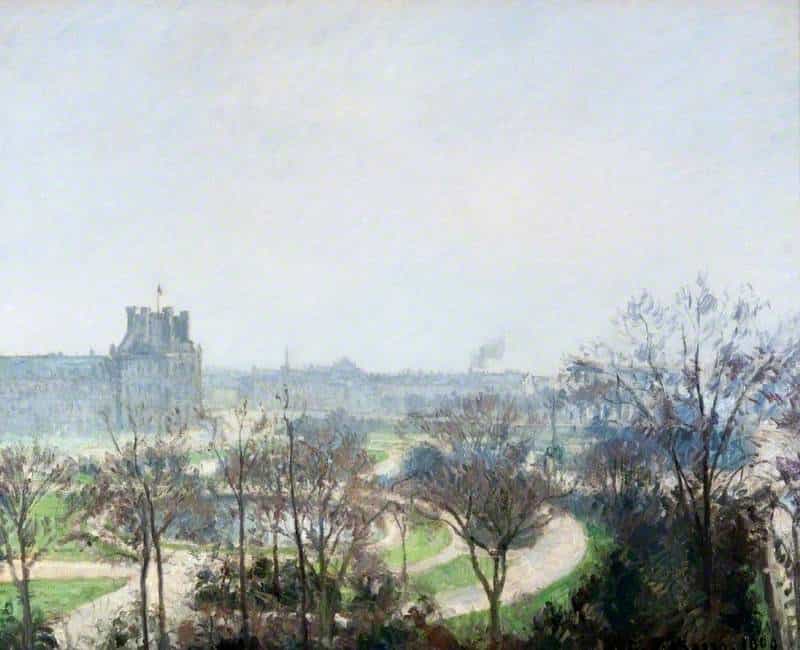
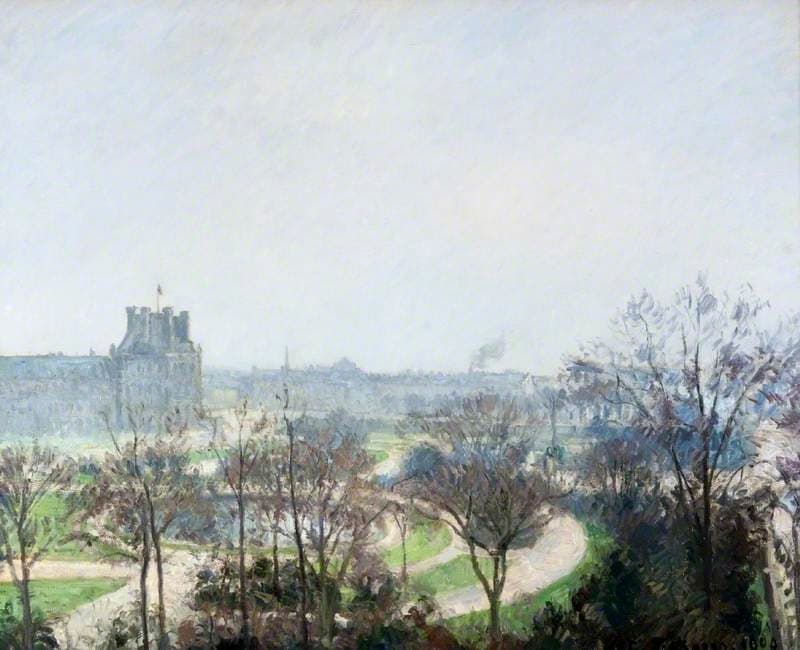
The Tuileries Gardens, Paris
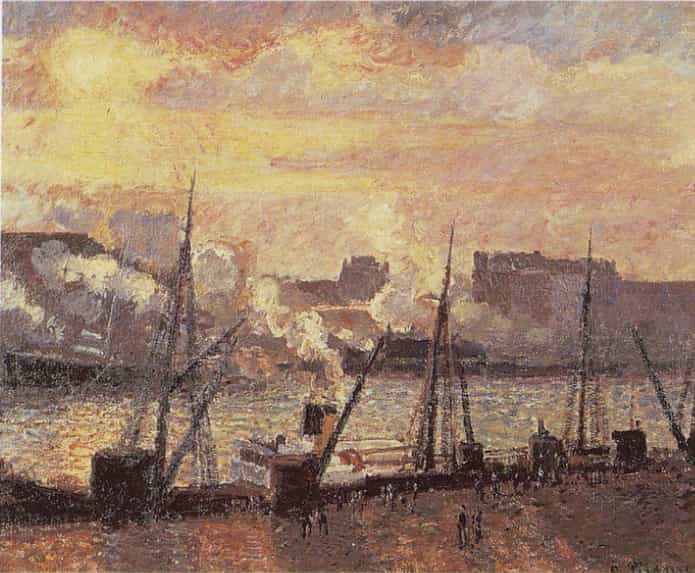
Quai de la Bourse at Rouen, Sunset
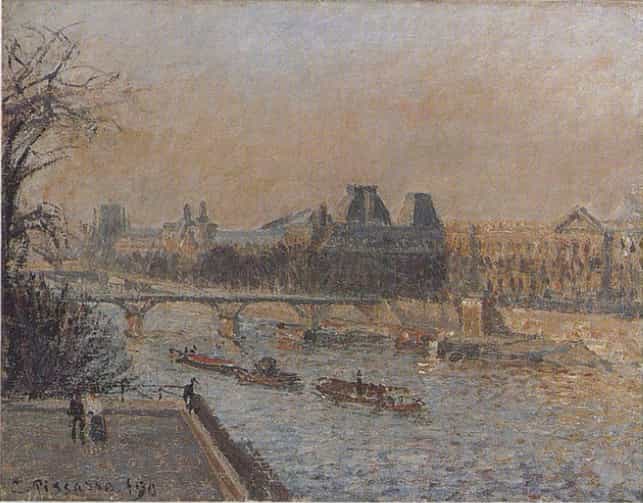
Le Louvre, soleil couchant, 3e série
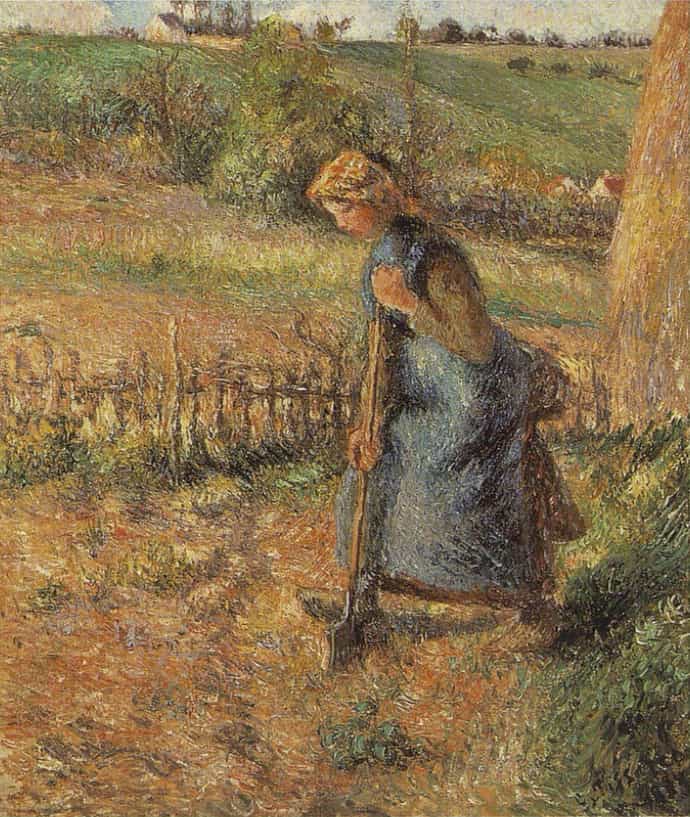
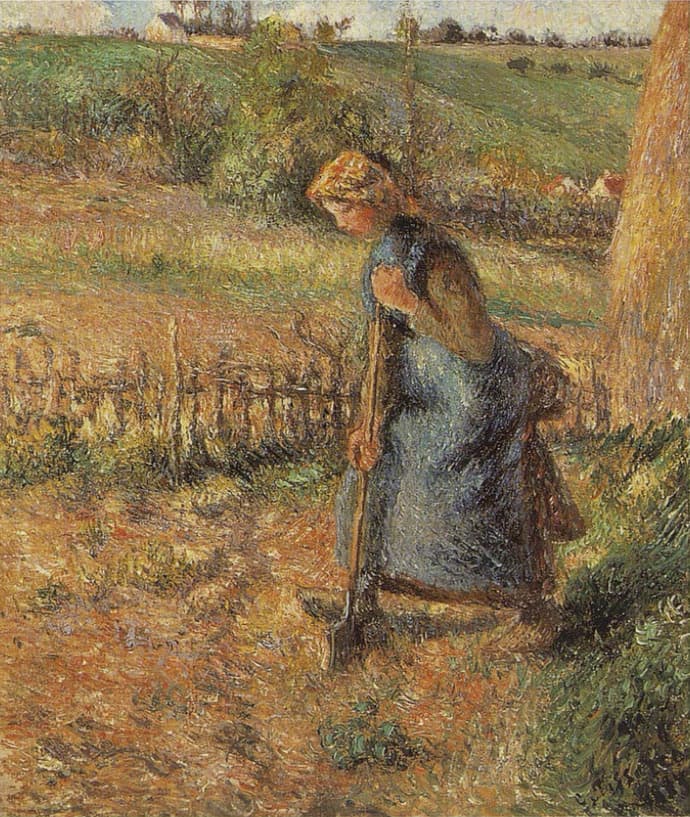
Peasant Woman Digging