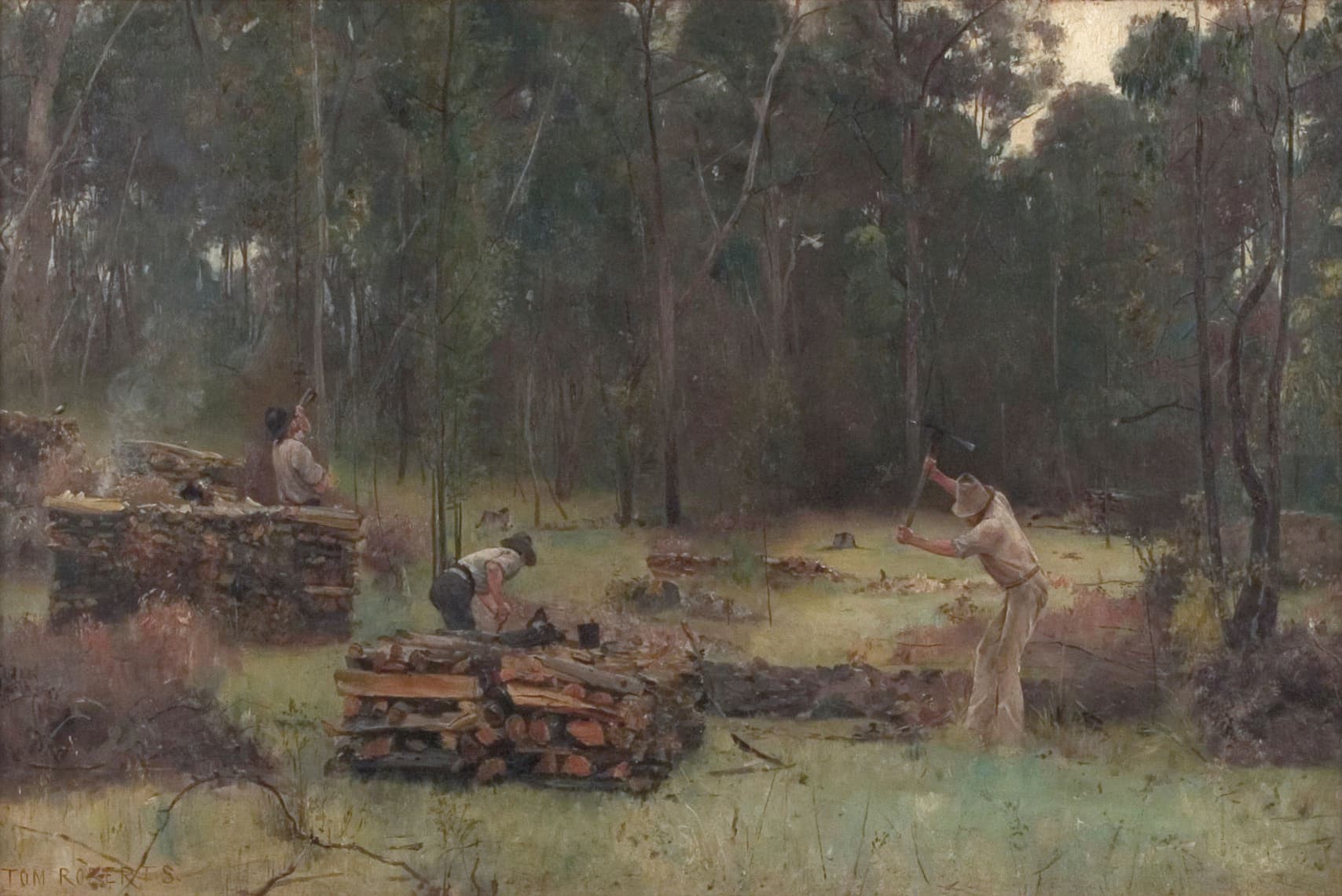
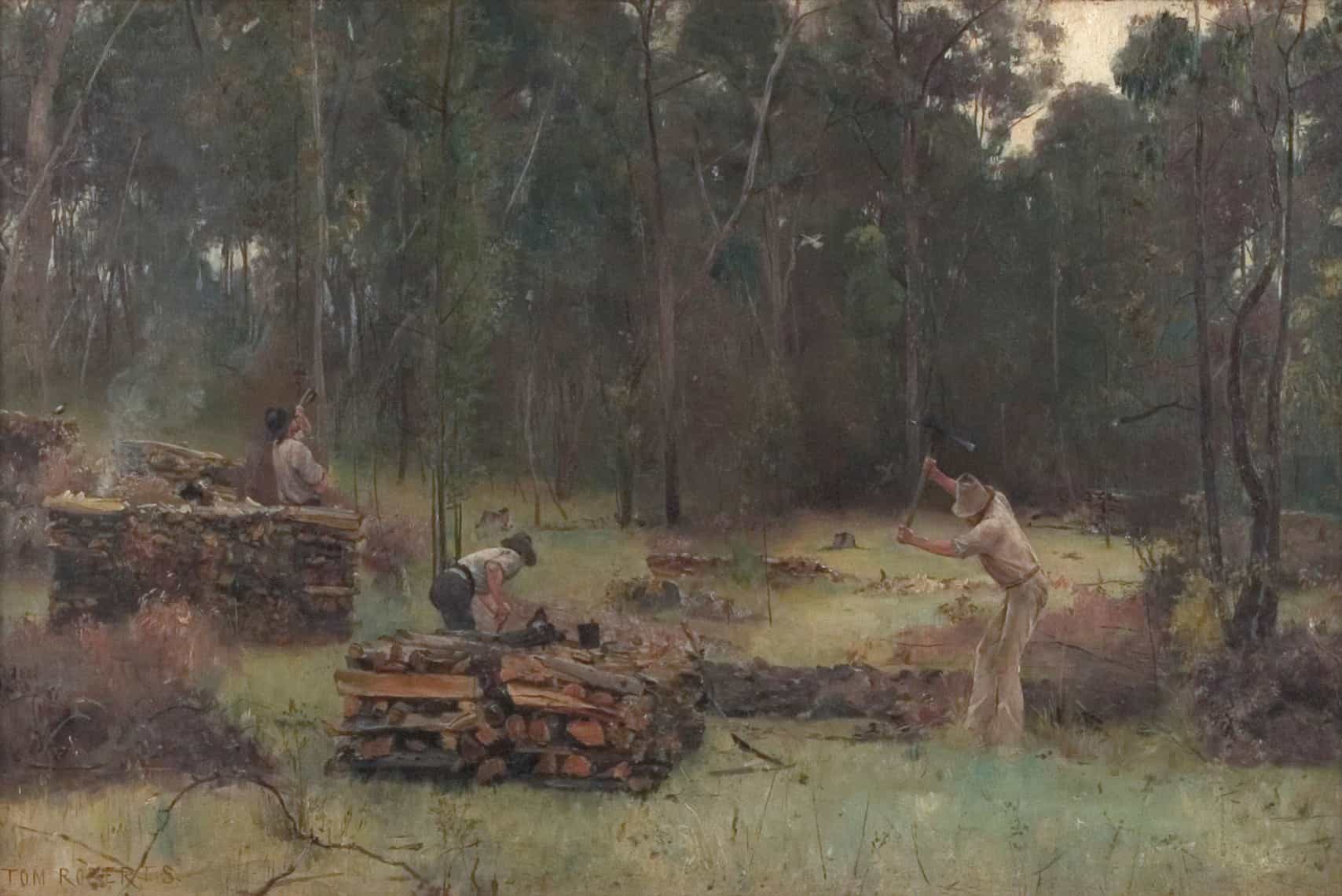
Charcoal Burners
Tom Roberts
From €38
Collection
Museum-quality reproductions on 310gsm textured cotton rag paper.
Shop all prints by Tom RobertsArtistic Style
Style Evolution
Roberts began with academic foundations and adopted plein-air methods, evolving into a leader of the Heidelberg School. Over his career he moved from study-based realism toward a looser, light-focused Impressionist approach that emphasized Australian daylight and local subject matter.
Palette
Subjects
Techniques
Topics
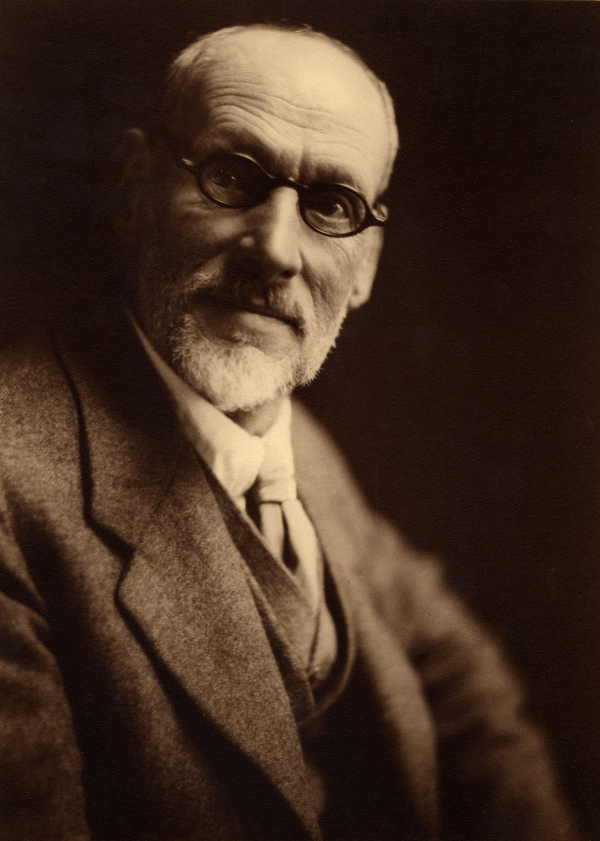
Tom Roberts (1856-1931) was an Australian Impressionist painter whose depictions of rural life and leadership in the Heidelberg School helped define a distinctly Australian art identity.
Learn about the life of Tom Roberts
Biography
Tom Roberts (1856-1931) was an Australian Impressionist painter whose depictions of rural life and leadership in the Heidelberg School helped define a distinctly Australian art identity.
Tom Roberts was born in Dorchester in 1856 and is remembered as one of the leading figures of Australian Impressionism. Though born in England, Roberts became strongly associated with Australia through his lifelong dedication to depicting the country’s light, landscape and people. His formative years and training exposed him to academic practice and emerging plein-air techniques that he adapted to Australian subjects.
Roberts' career matured as he embraced painting outdoors to capture changing light and atmosphere—a practice central to the Heidelberg School, a loose group of artists who pursued an Australian variant of Impressionism.
In the 1880s and 1890s Roberts was closely associated with fellow artists who worked around Melbourne and surrounding rural districts. This period emphasized plein-air studies, working-class and rural subjects, and a focus on local colour and light.
Across his mature career Roberts balanced spontaneous outdoor studies with larger studio compositions. He combined observational detail with painterly brushwork to produce scenes that are both decorative and narratively rich.
Roberts is widely regarded as a central figure in the development of a distinct Australian school of painting. He produced canonical images of rural labour, landscape and portraiture that remain influential in Australia’s cultural memory.
Roberts favoured plein-air painting, capturing transient effects of sunlight with a controlled but expressive brush. His compositions often balance realist observation with painterly handling—creating works that read well at room scale and as decorative centrepieces.
Roberts helped shape the Heidelberg School and Australian Impressionism, influencing successive generations of Australian painters who sought to represent local life and landscape. His works contributed to a national visual language that remains influential in museum displays, private collections and the market.
Roberts spent much of his life working in and around Melbourne and rural Victoria. He maintained professional relationships with other leading Australian artists of his generation and remained active as a painter throughout his life.
Collectors prize Roberts for his pivotal role in Australian art history, his evocative depictions of rural life, and the decorative appeal of his landscapes and figure scenes. His paintings command attention in both public and private collections and are sought after for their cultural significance and ability to transform interior spaces with warm, sunlit atmospheres.
Frequently Asked Questions
Charcoal Burners
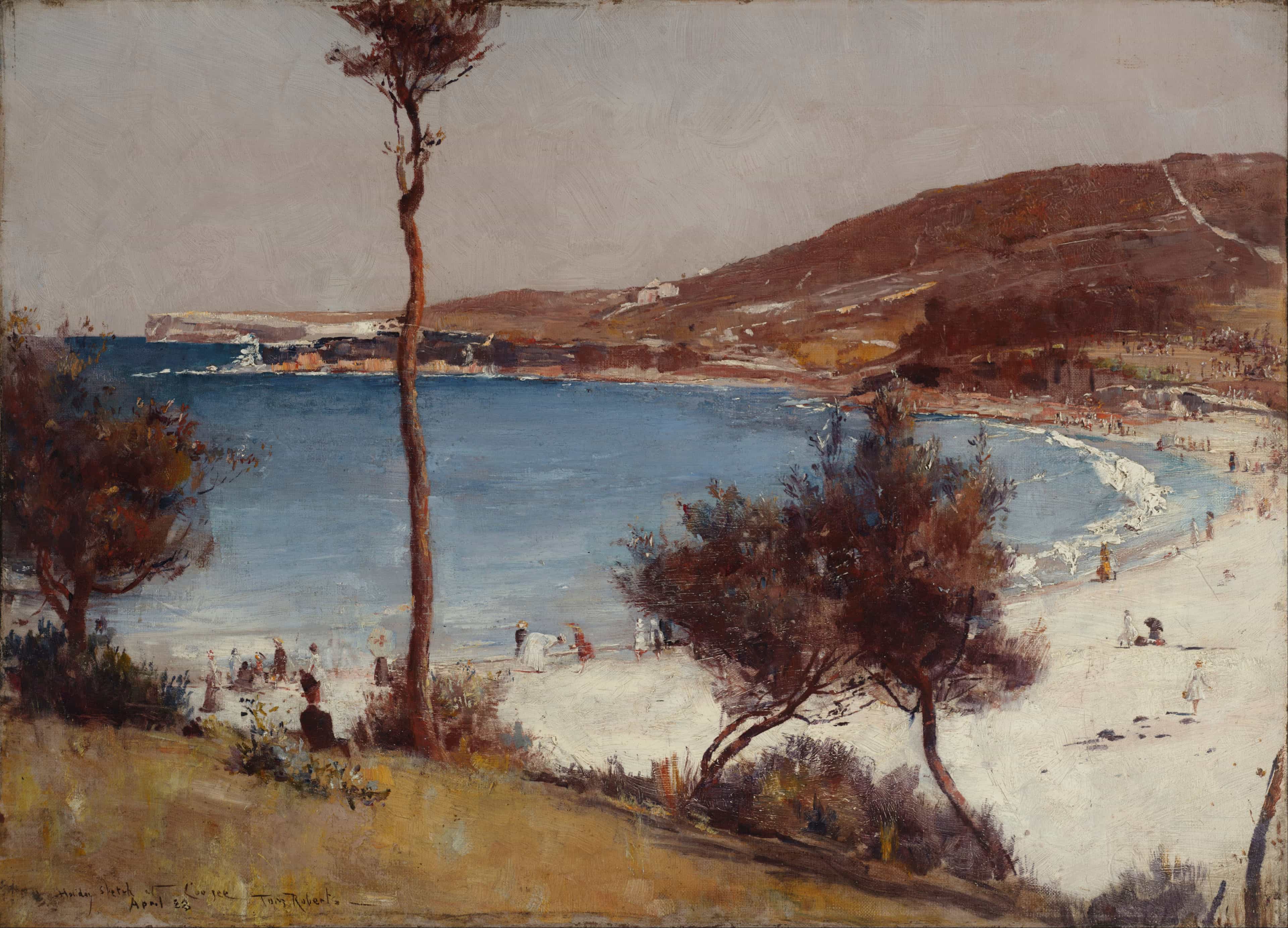
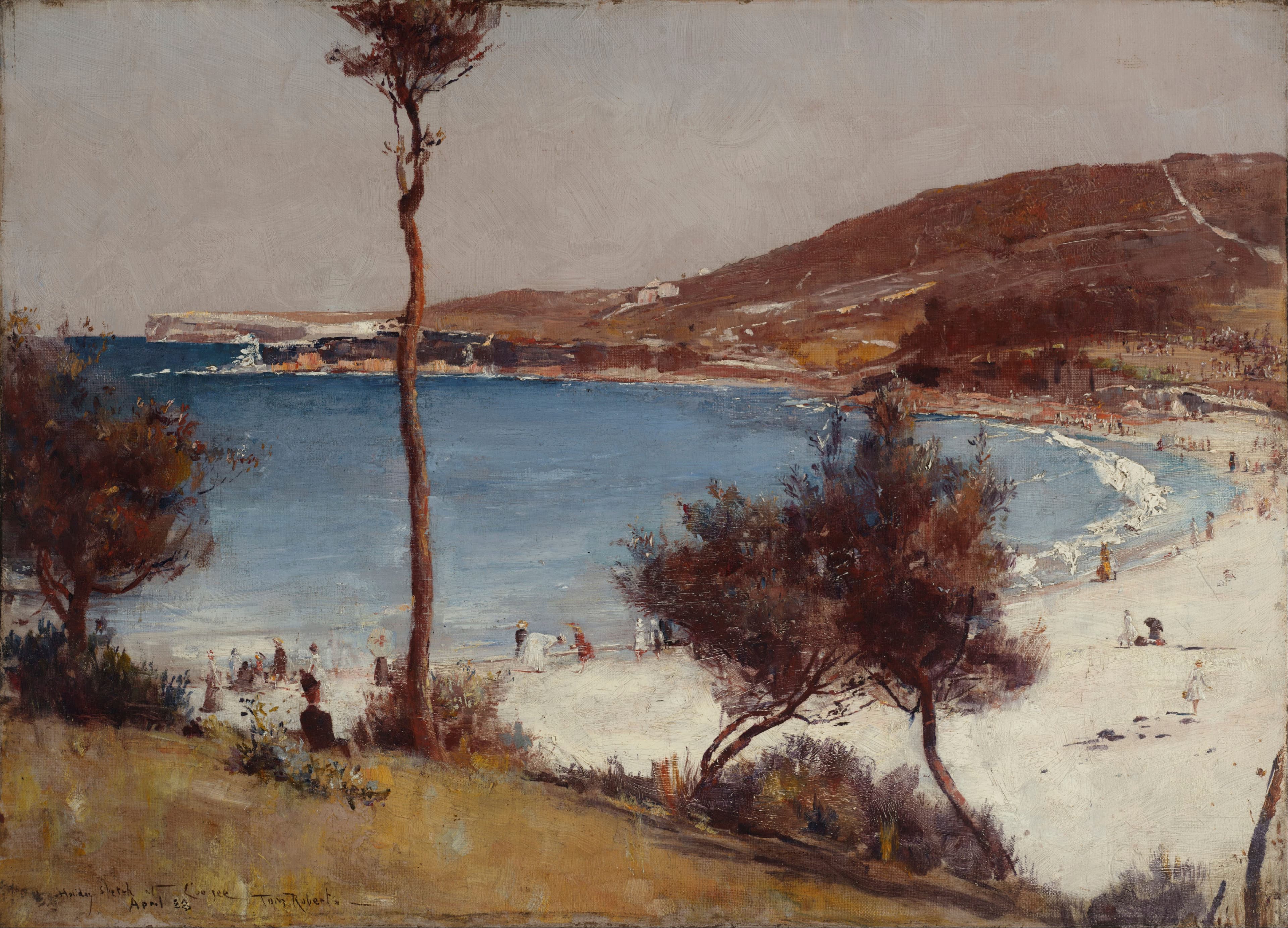
Holiday Sketch at Coogee
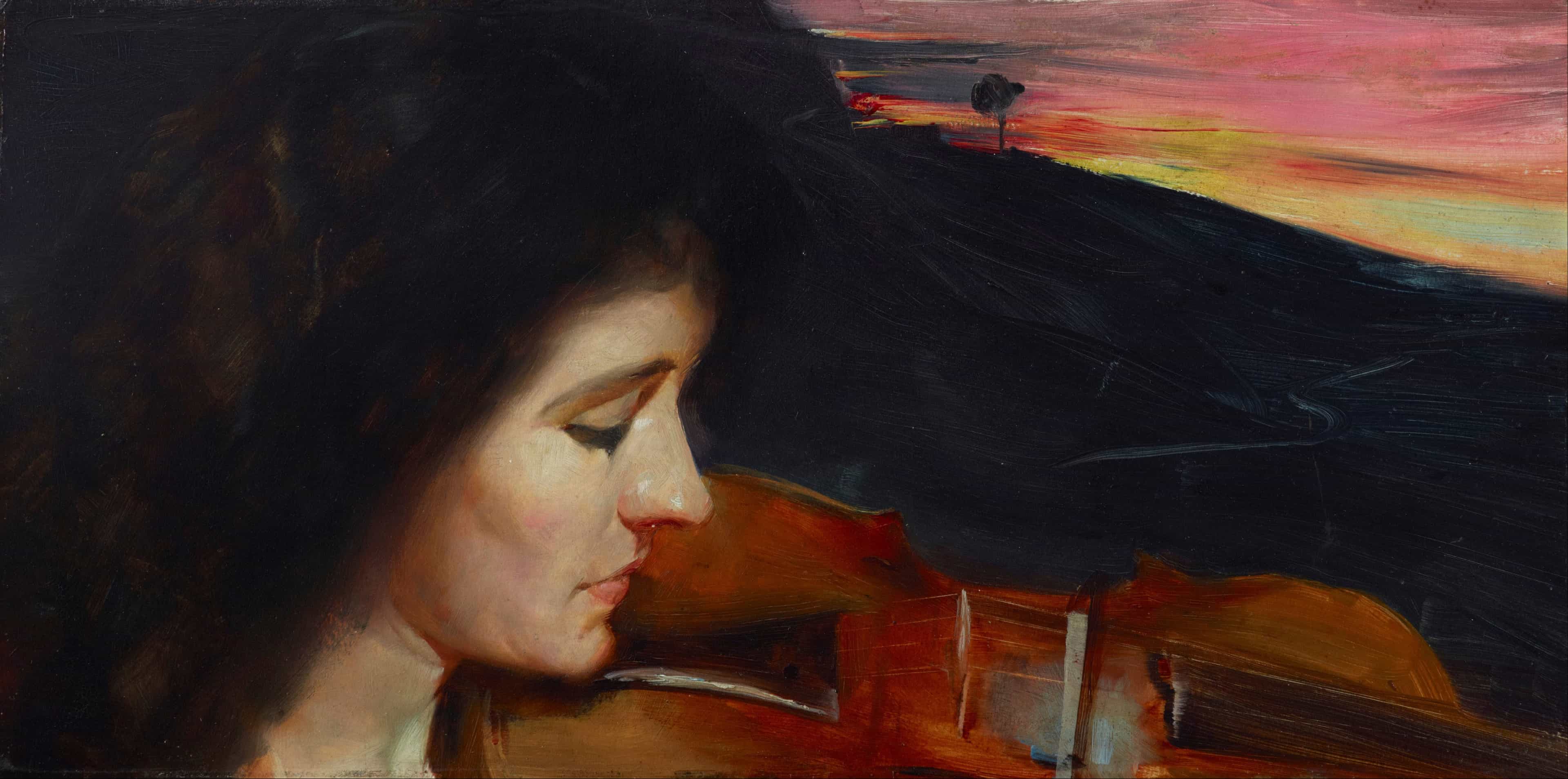
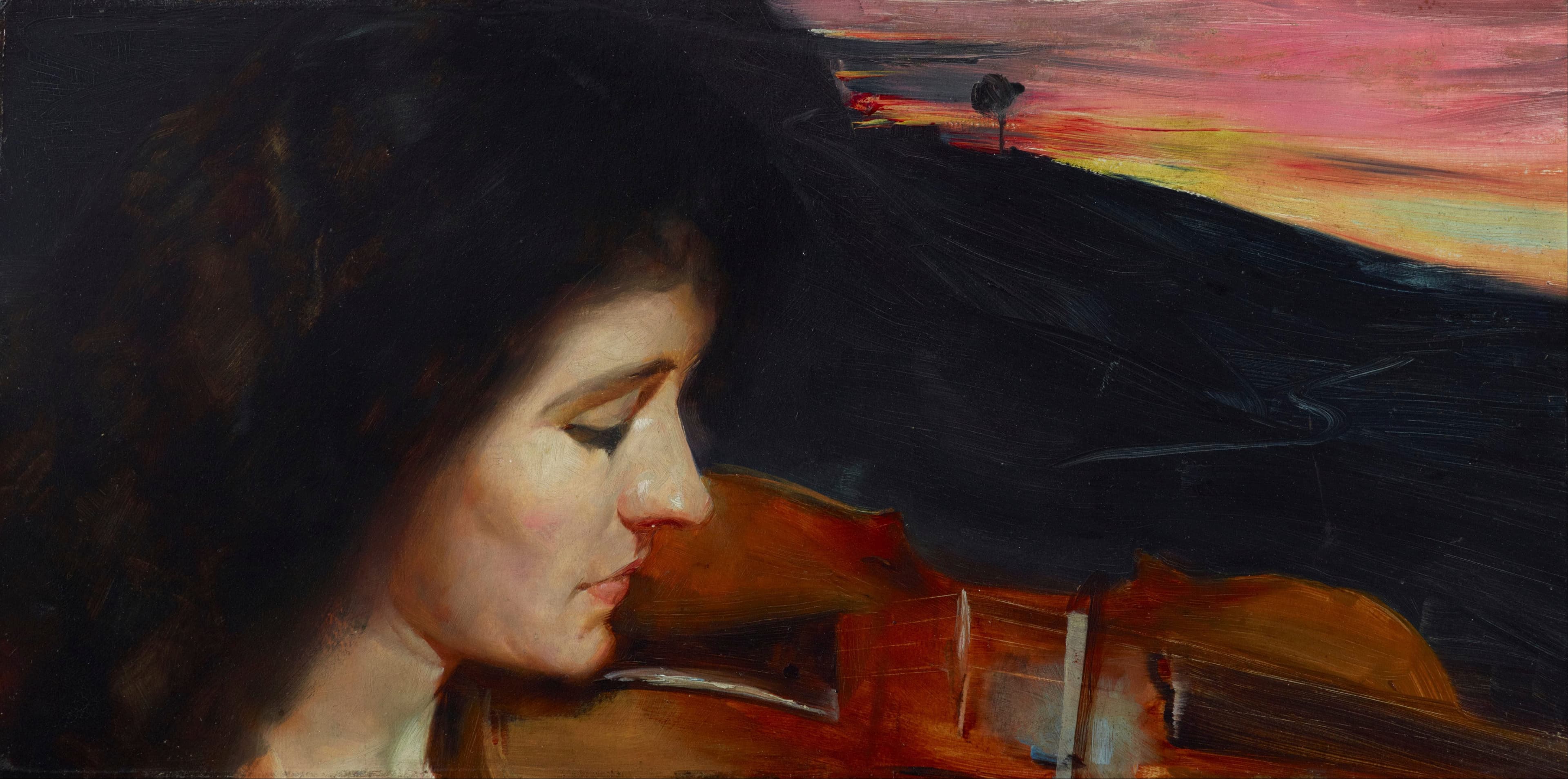
Adagio
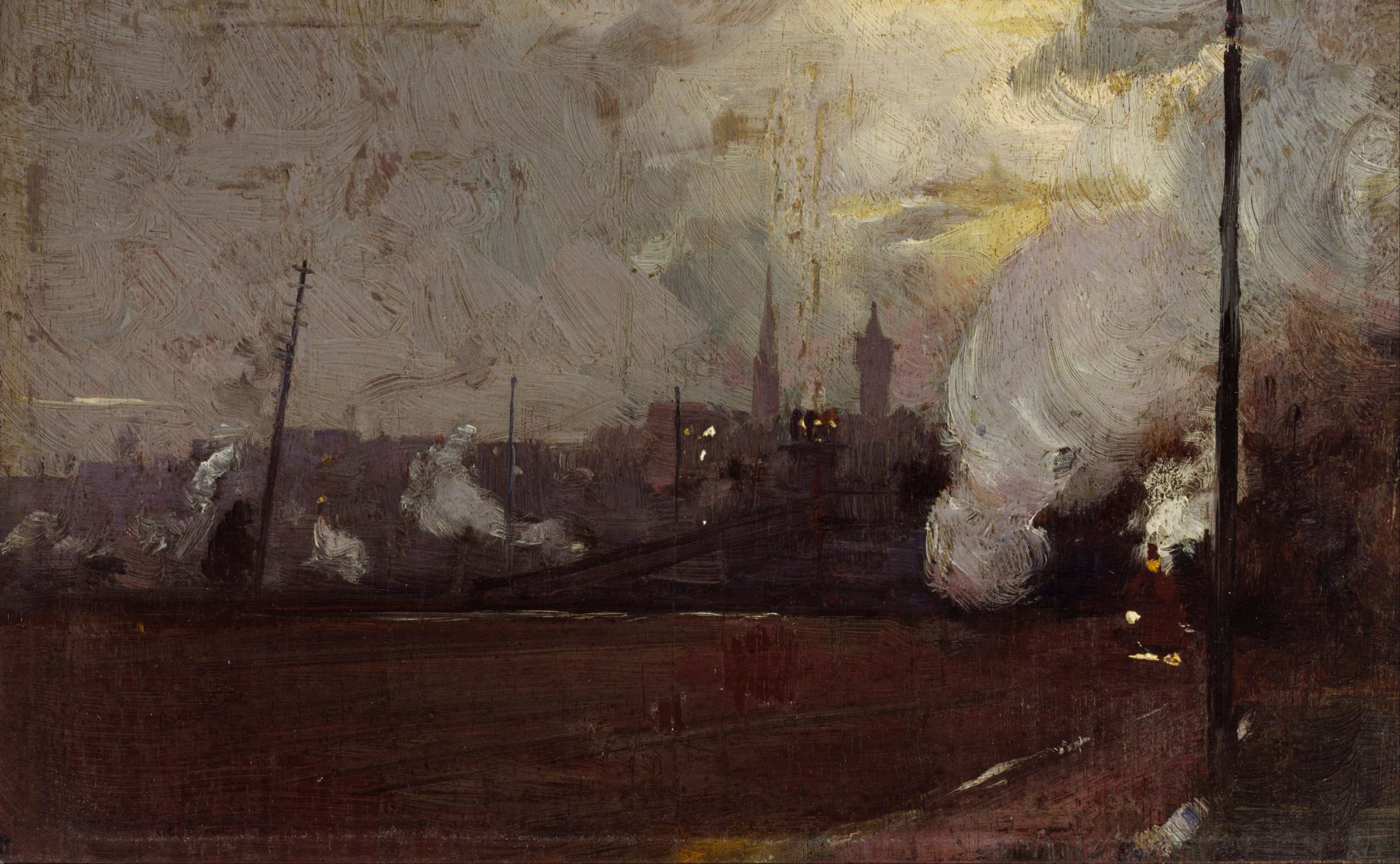
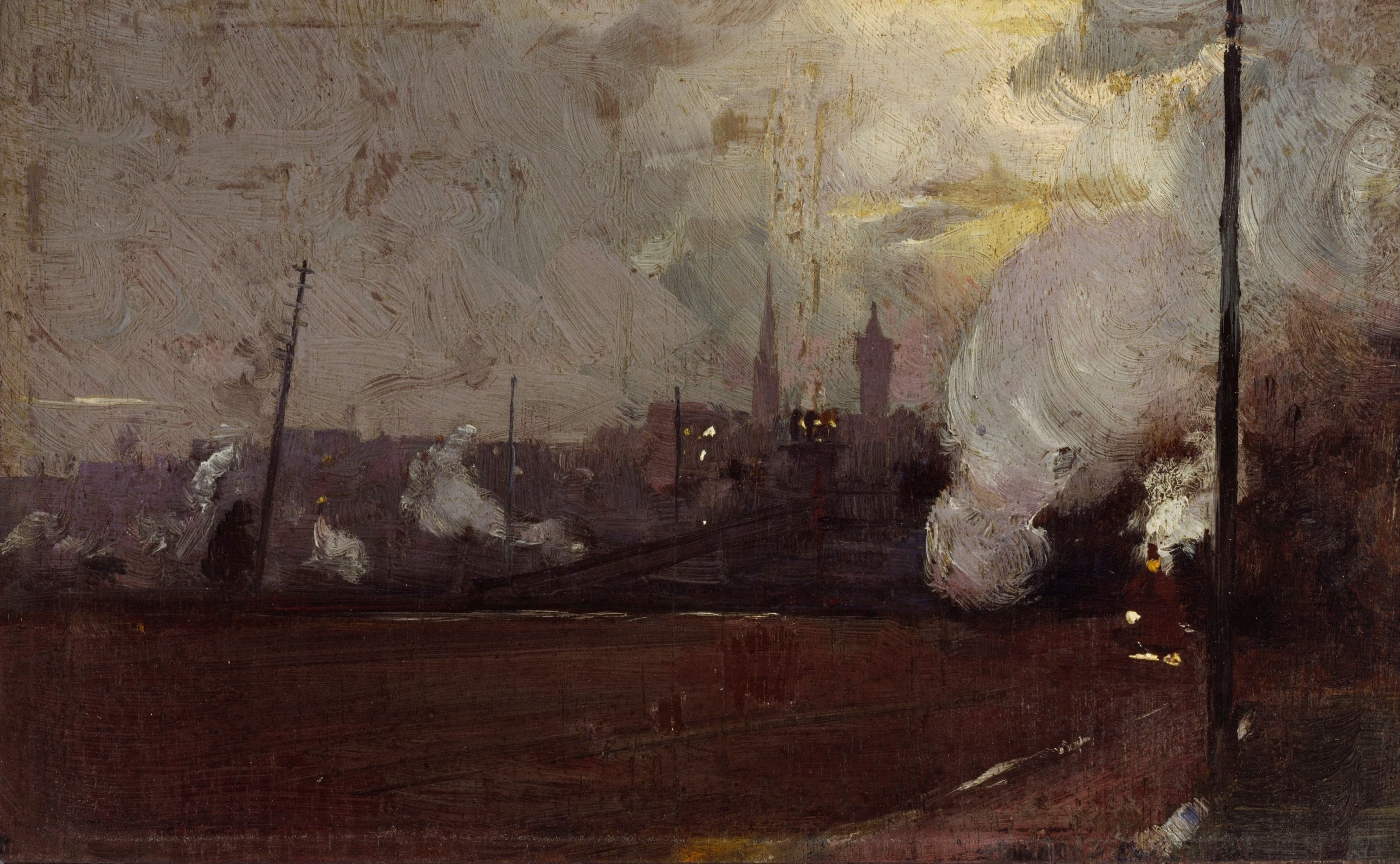
Evening Train to Hawthorn
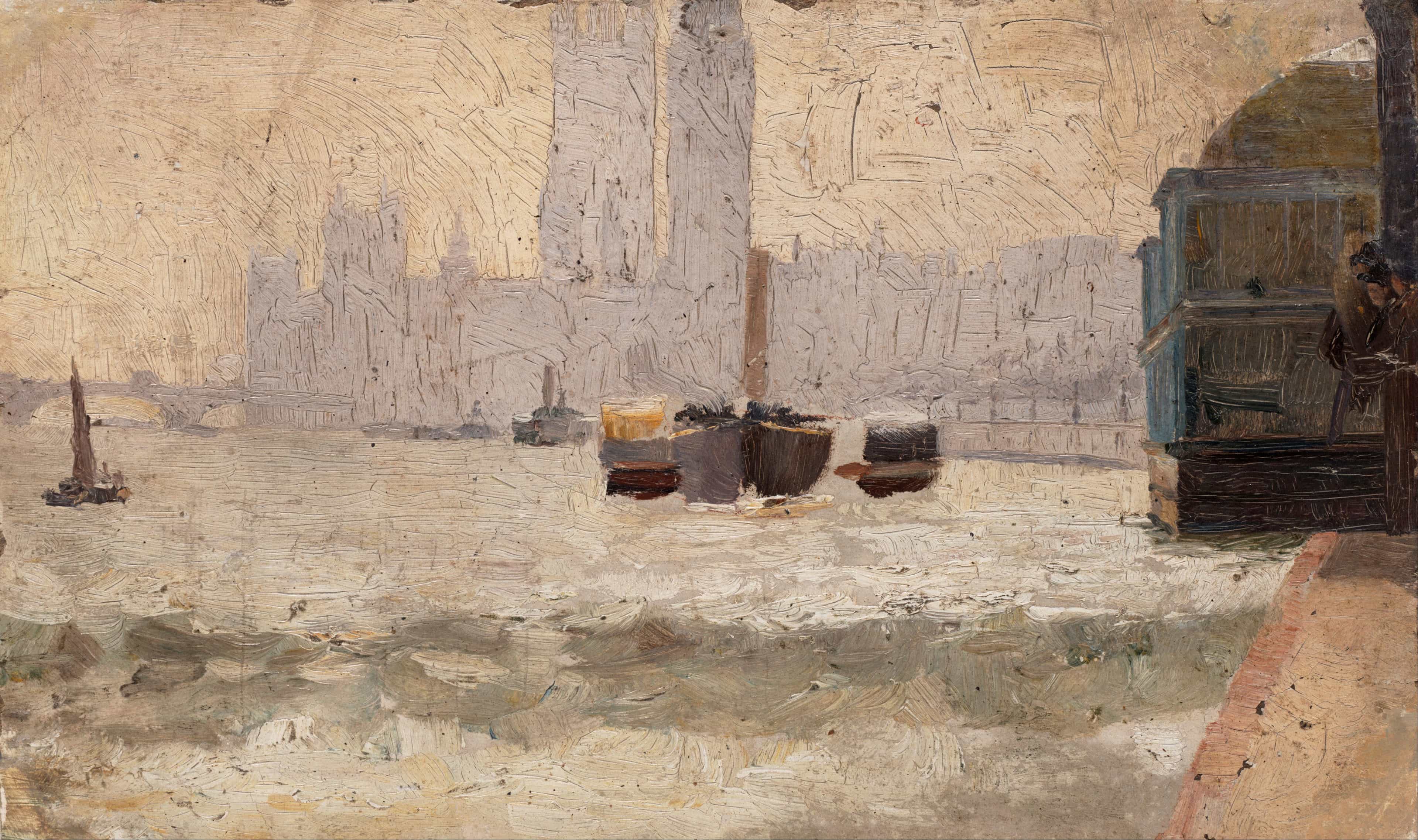
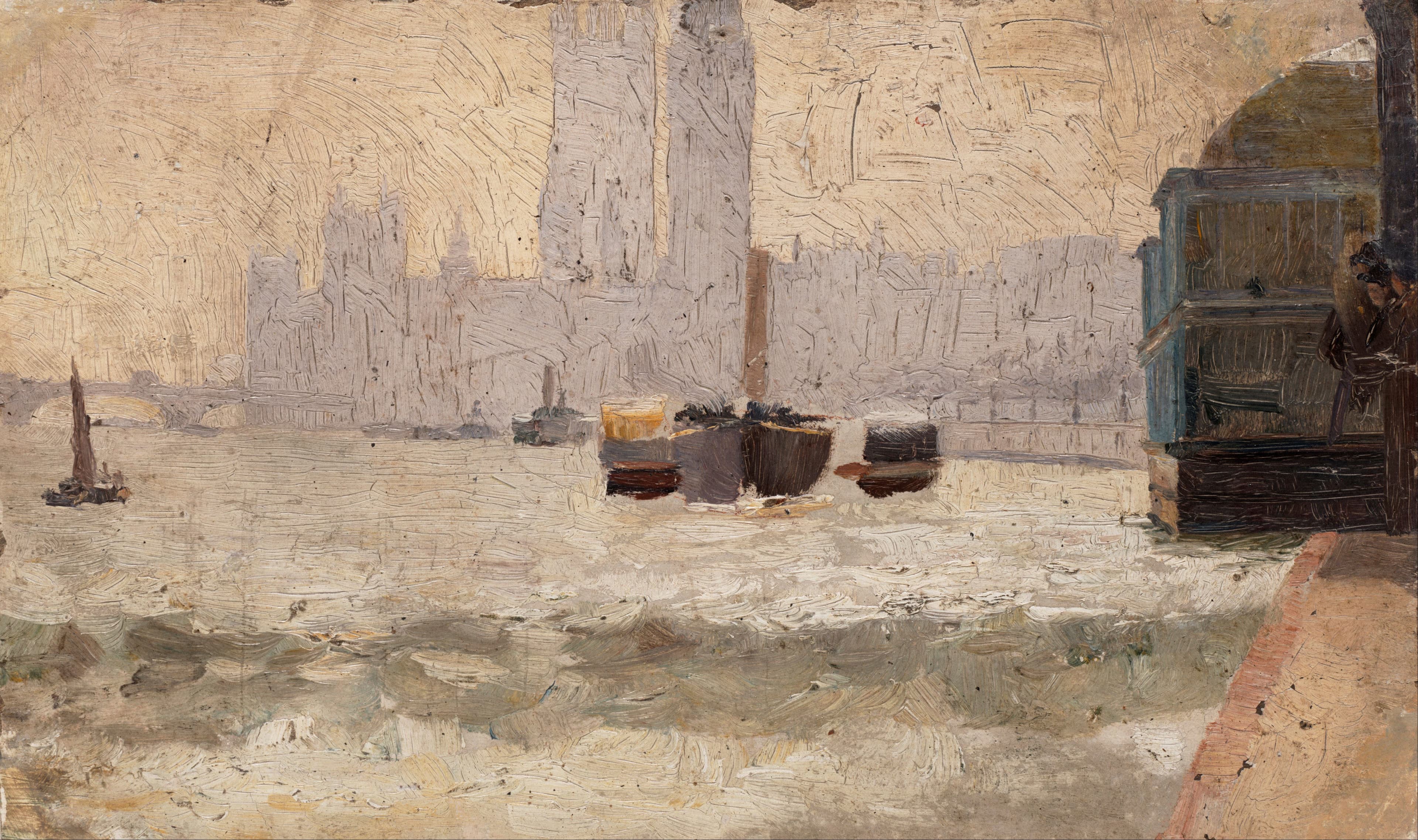
Fog, Thames Embankment
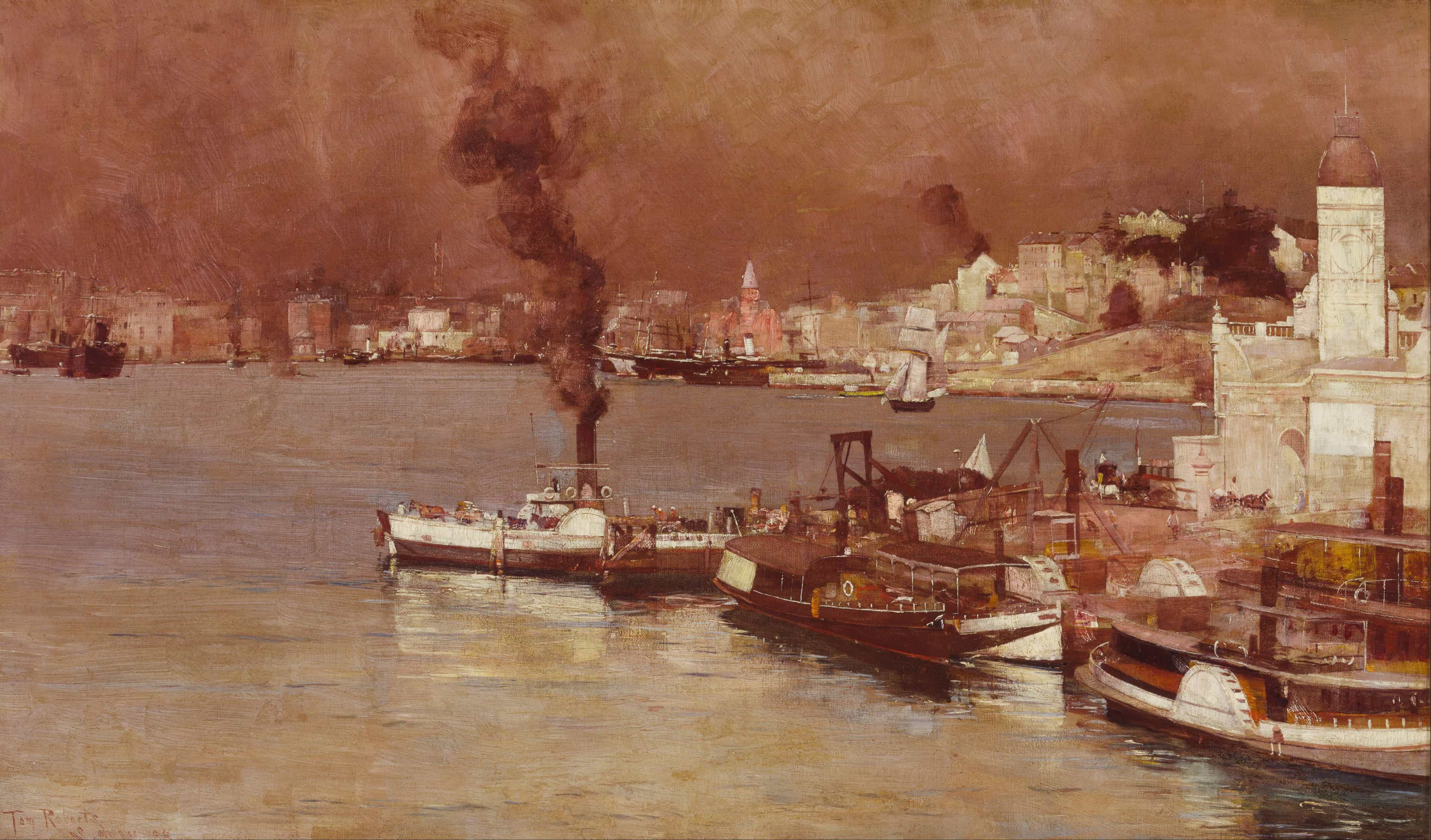
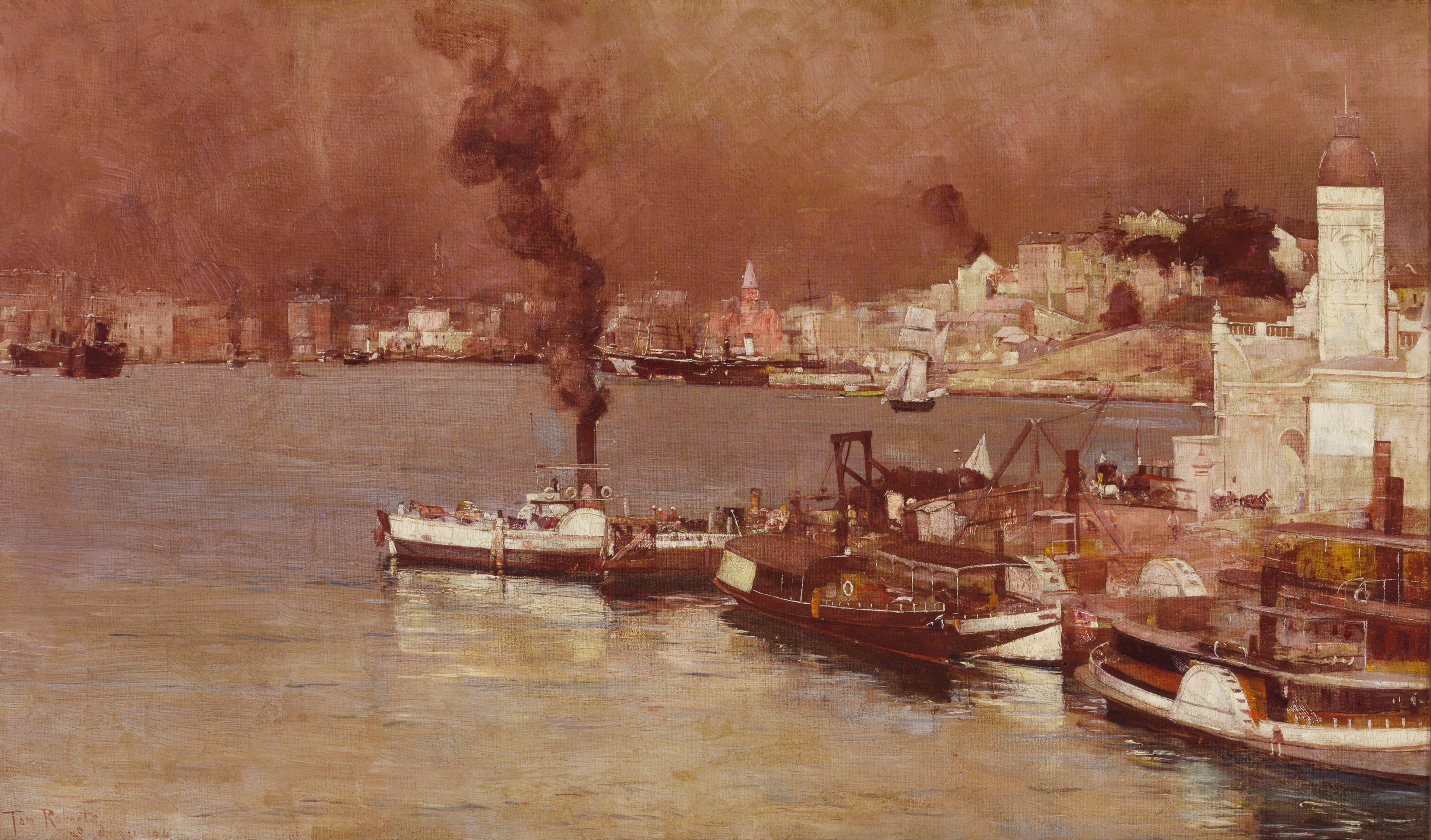
An Autumn Morning, Milson's Point, Sydney
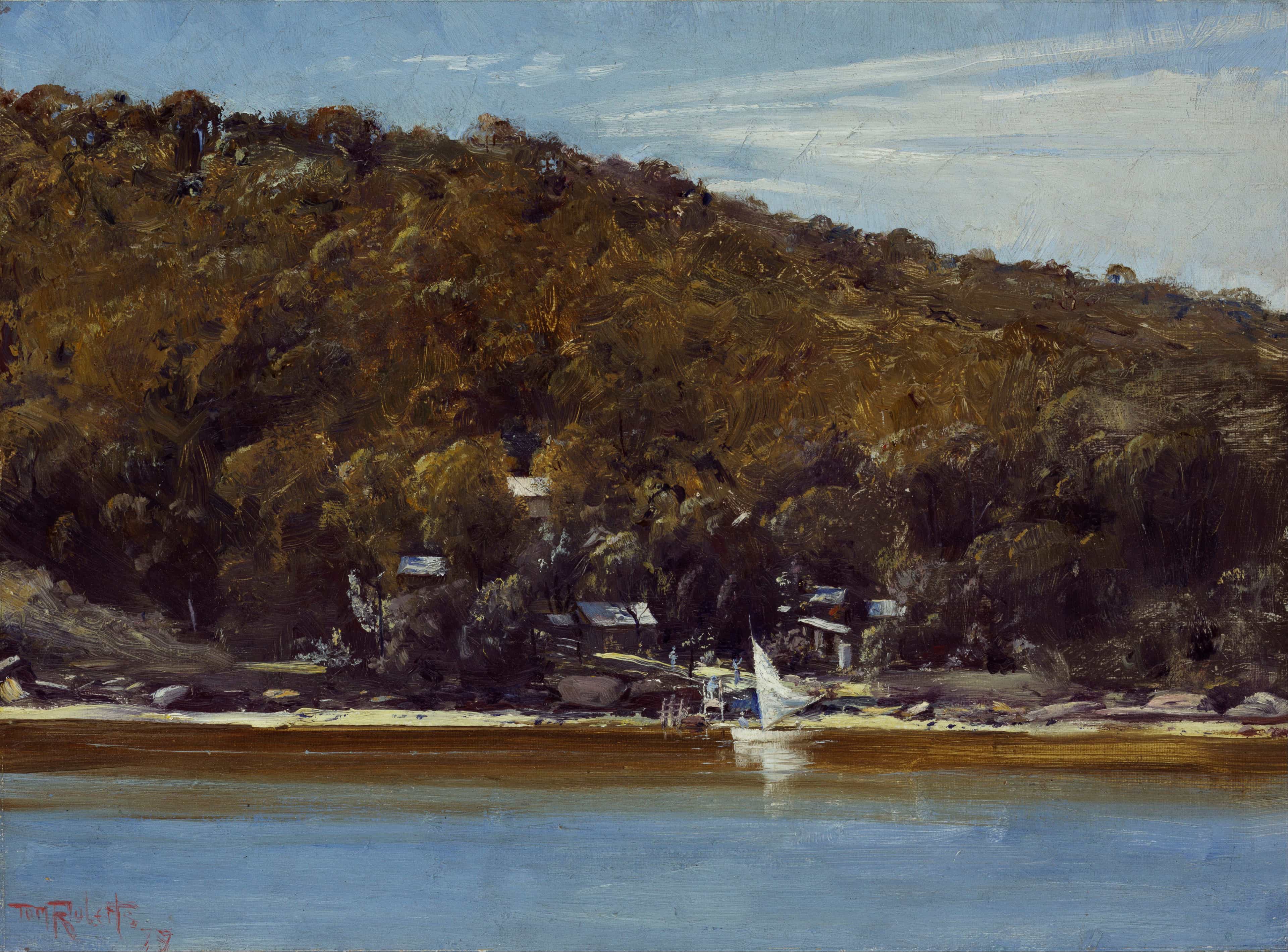
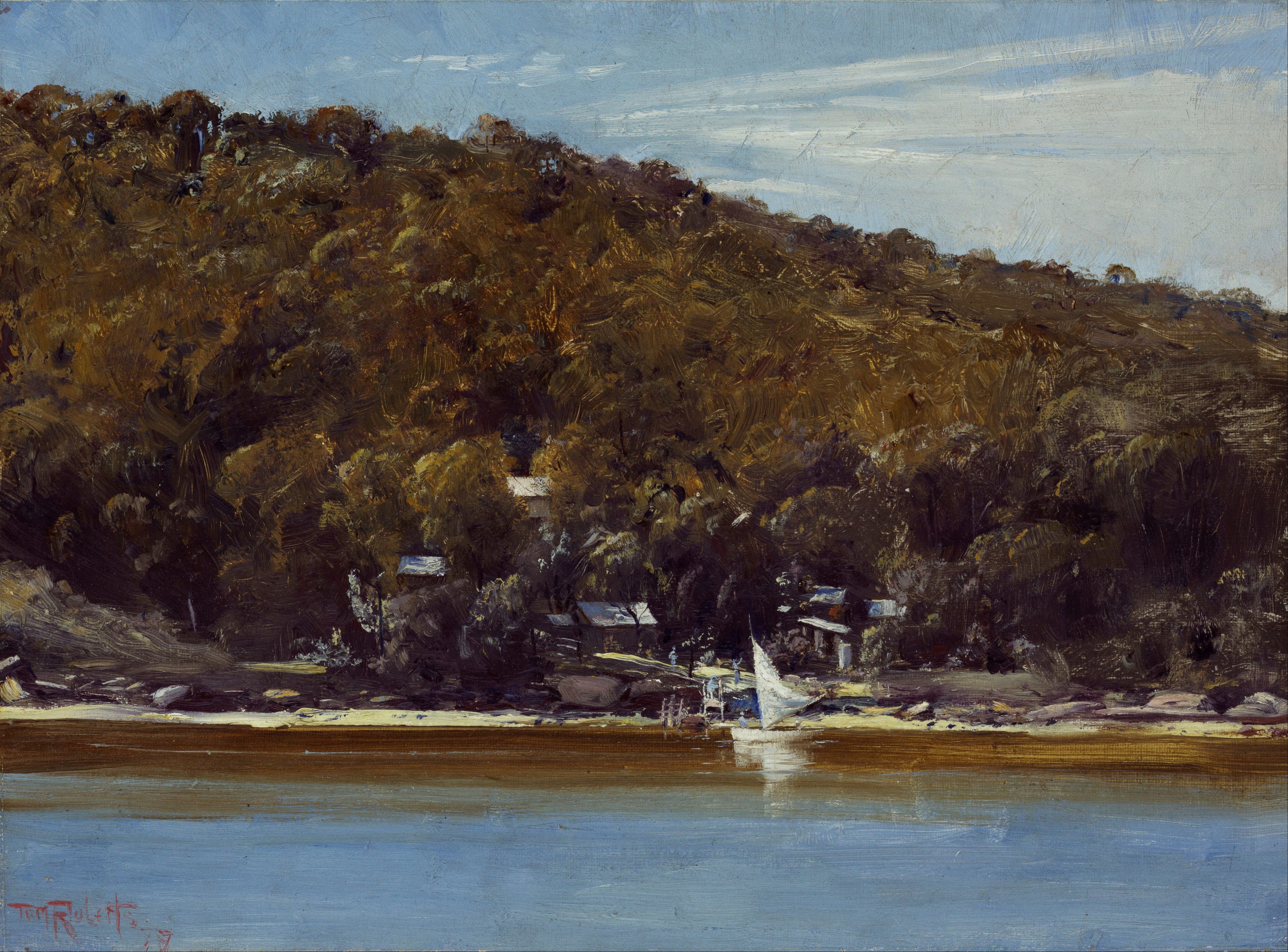
The Camp, Sirius Cove
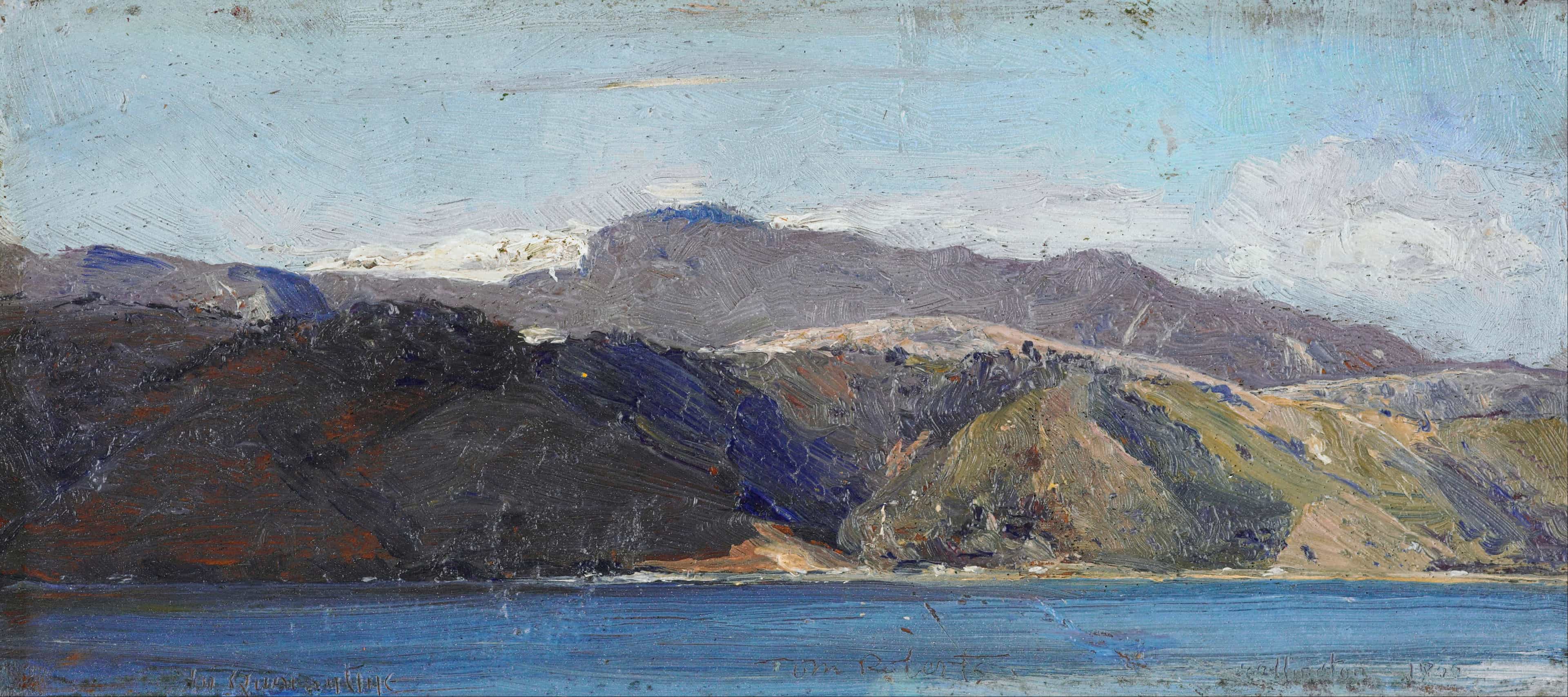
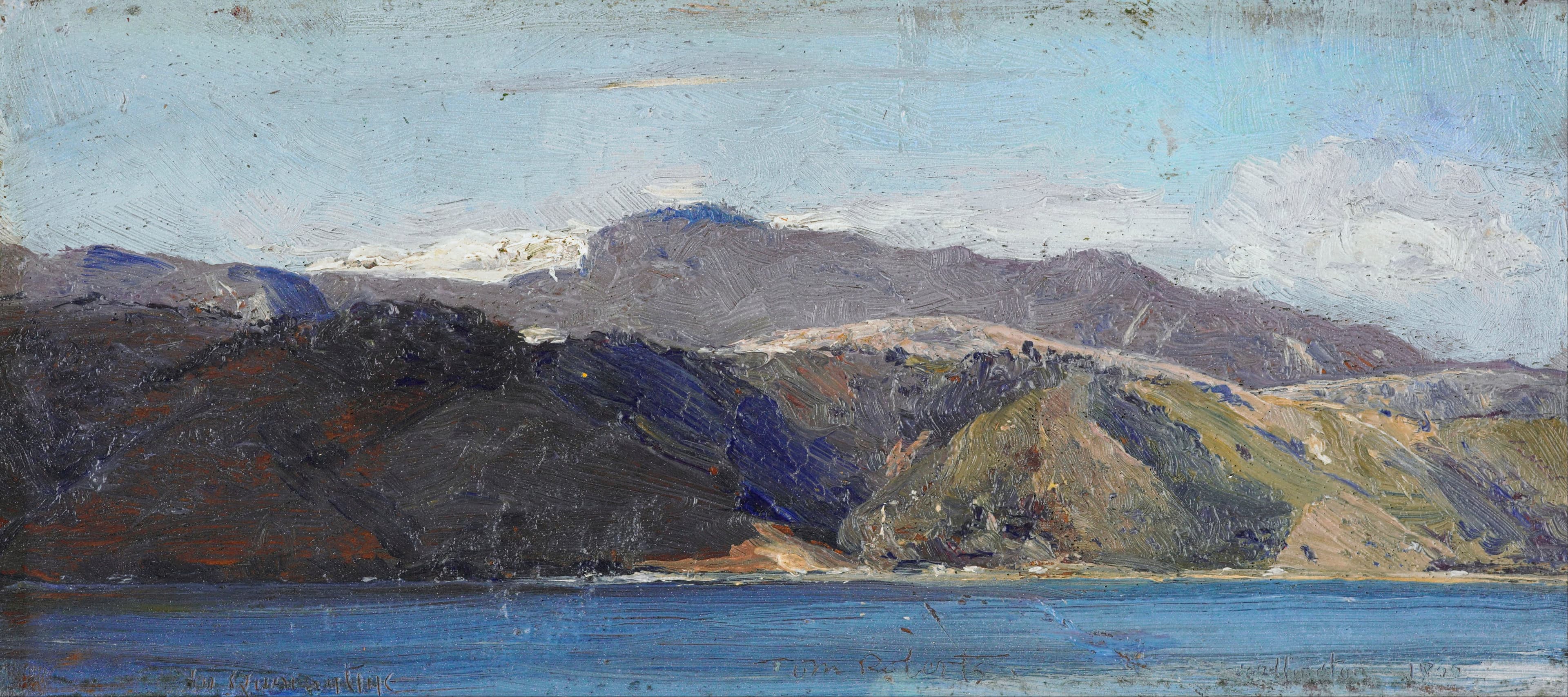
In Quarantine, Wellington
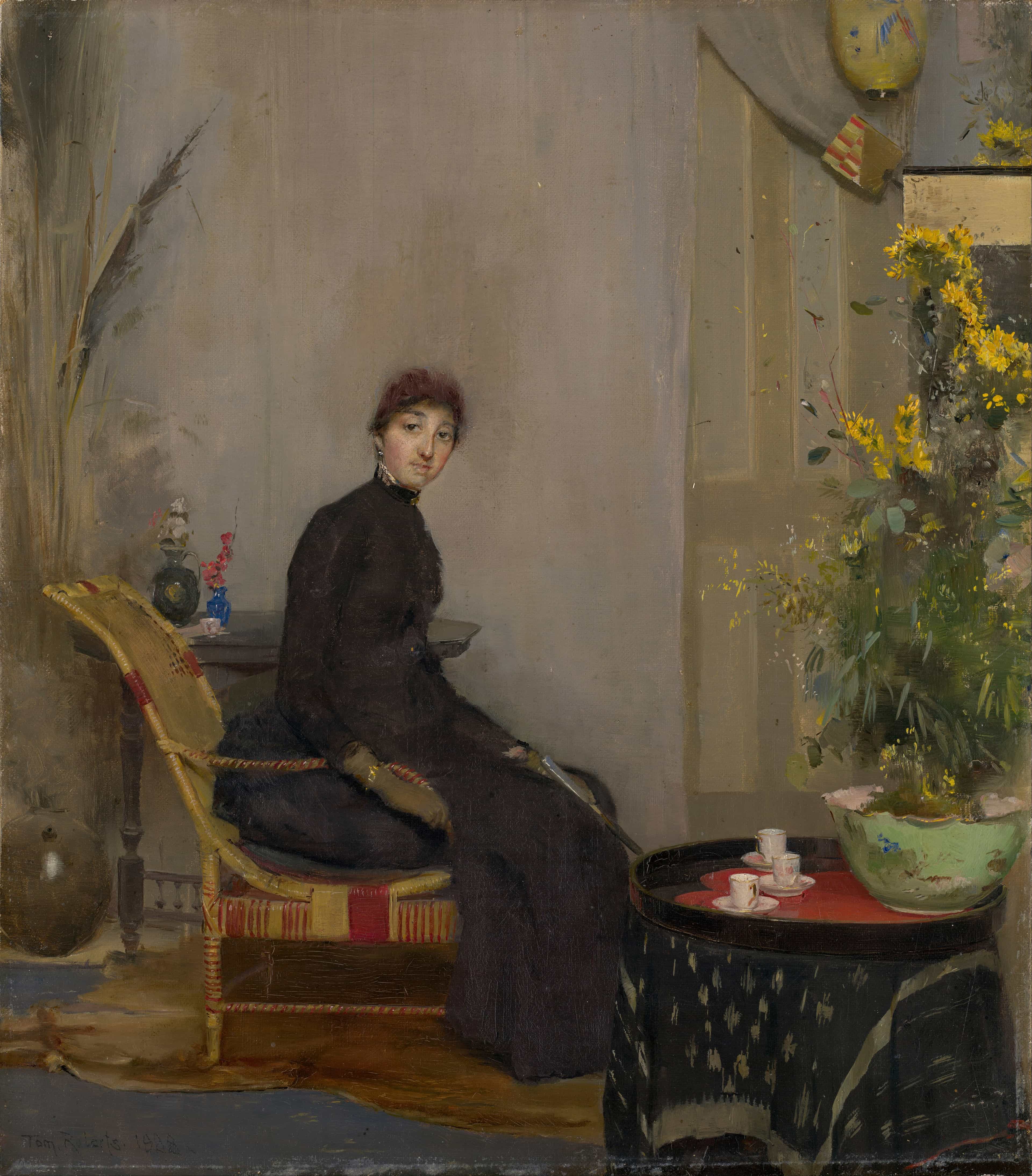
Mrs L. A. Abrahams
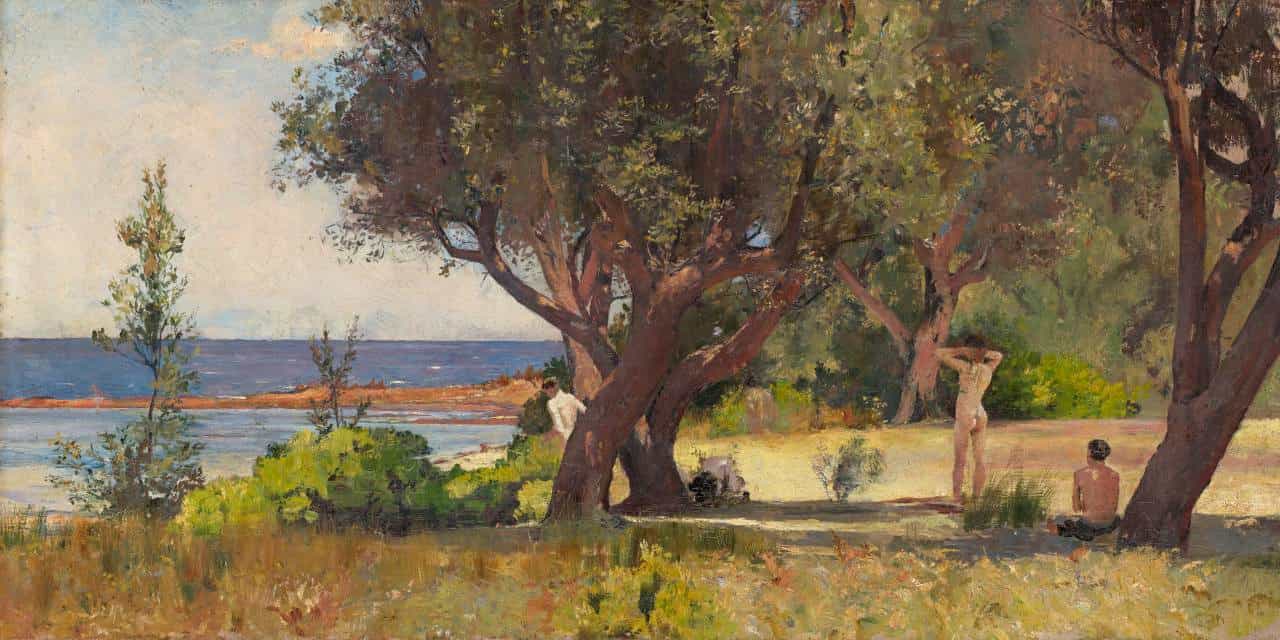
The Sunny South
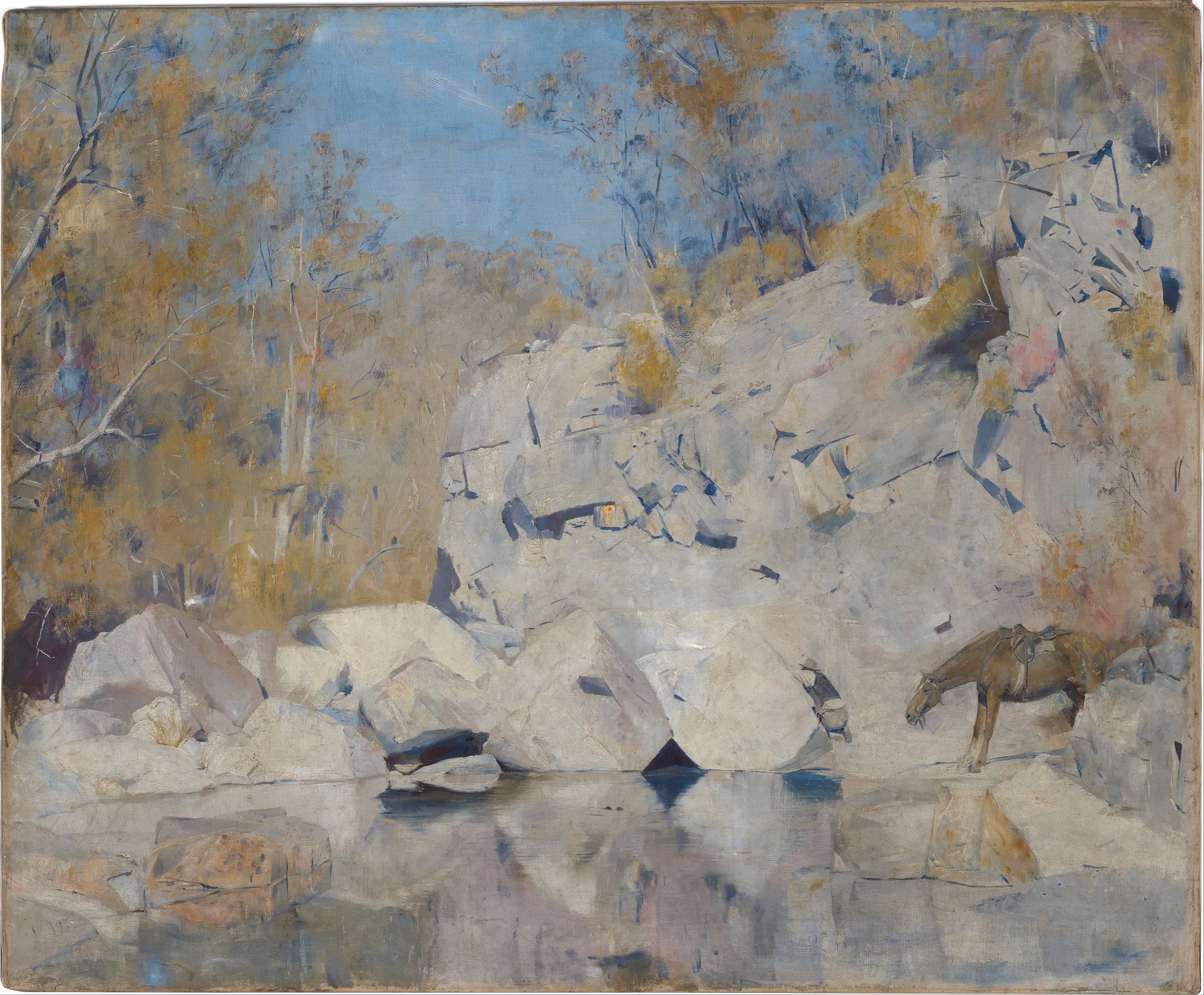
In a Corner on the Macintyre
Rejected