
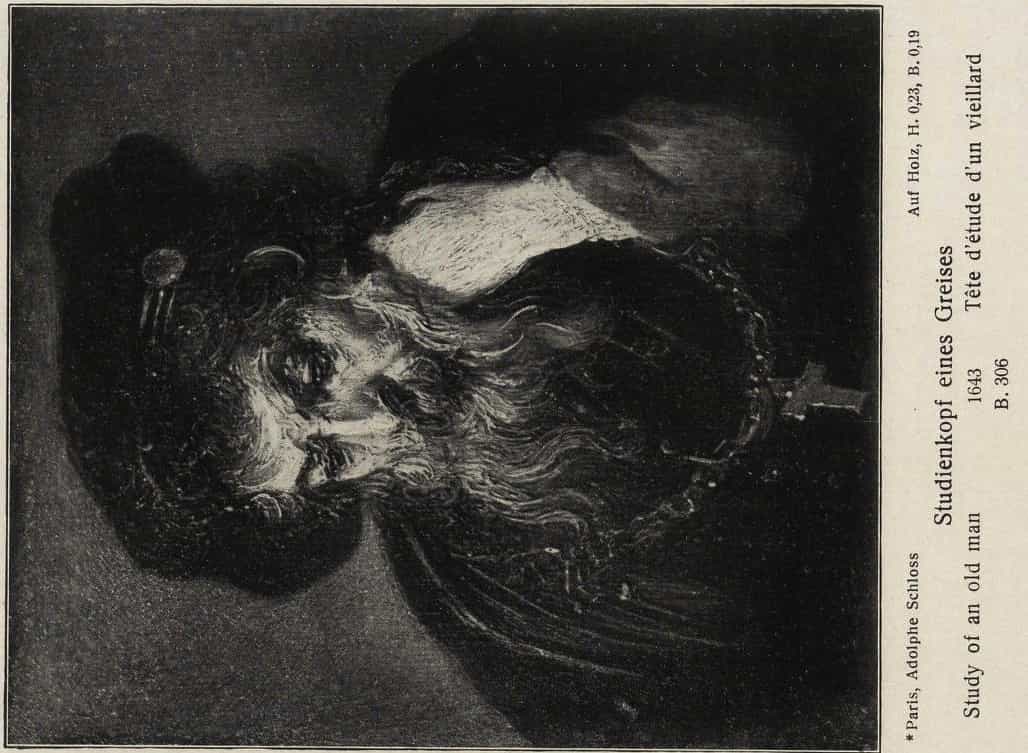
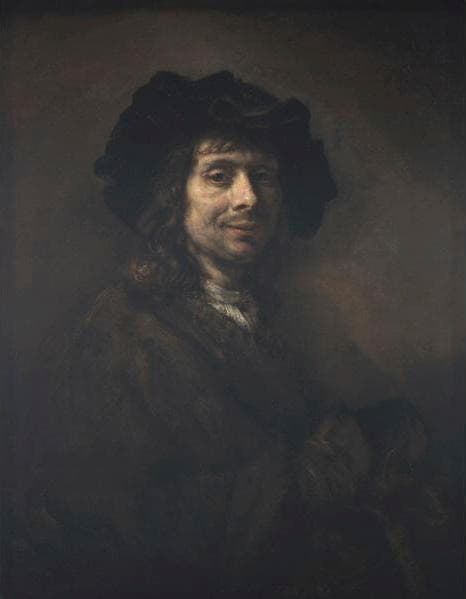
An Old Man Almost in Full Face
Rembrandt
From €38
Collection
Museum-quality reproductions on 310gsm textured cotton rag paper.
Shop all prints by Rembrandt van RijnArtistic Style
Style Evolution
Rembrandt's style progressed from detailed, narrative-driven early works in Leiden to the grand, psychologically acute portraits and group paintings of his Amsterdam maturity; his late work is marked by looser handling, textured surfaces, and intensified emotional subtlety.
Palette
Subjects
Techniques
Topics
Rembrandt van Rijn (1606-1669) was a Dutch Baroque painter and printmaker whose masterful chiaroscuro and psychological portraits redefined portraiture and narrative painting.
Learn about the life of Rembrandt van Rijn
Signature Works
See all available prints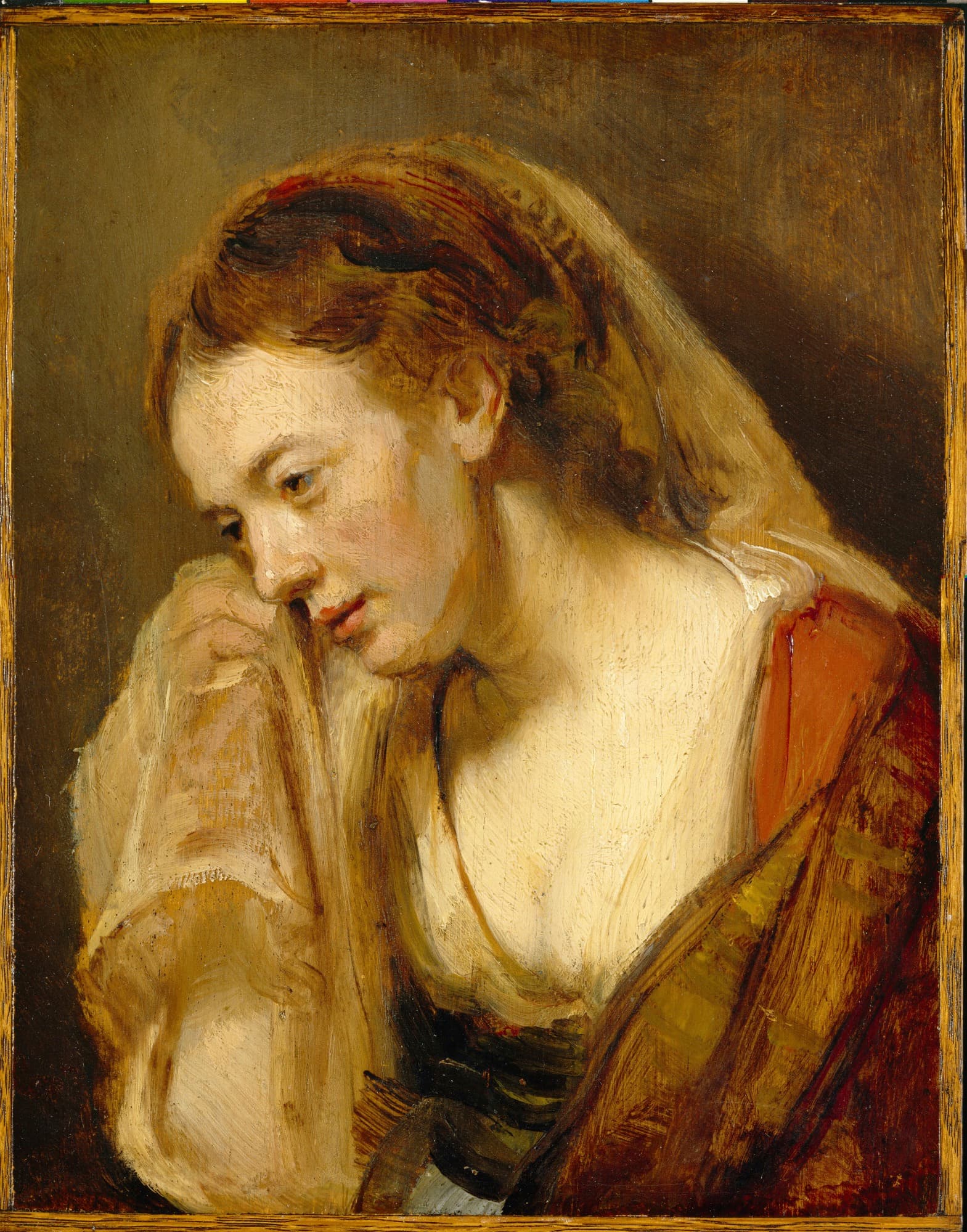
Biography
Rembrandt van Rijn (1606-1669) was a Dutch Baroque painter and printmaker whose masterful chiaroscuro and psychological portraits redefined portraiture and narrative painting.
Rembrandt was born in Leiden in 1606 into a middle-class family. He received his earliest artistic training locally before moving to Amsterdam and then returning briefly to Leiden to establish himself. Early study with established painters helped him develop a strong foundation in figure drawing, narrative composition, and the techniques of Northern European painting.
Rembrandt's career spans distinct phases in which his technique, scale, and choice of subjects evolved markedly. He worked in Leiden early on, producing small history pieces and portraits; his move to Amsterdam coincided with rising demand for large-scale group portraits and ambitious narrative works.
In his early career Rembrandt developed a command of drawing and composition, producing lively character studies and biblical scenes that attracted local patrons.
Settling in Amsterdam, Rembrandt achieved wide recognition for portraiture and narrative canvases. He ran a busy studio, took commissions for civic and private portraits, and produced a prolific body of etchings. His mature work is known for dramatic lighting, rich textures, and a deep interest in human psychology.
In his later years, Rembrandt's palette and handling grew more economical and textured; his late portraits and prints convey subtlety of emotion and an intensified focus on the human face and hands.
Rembrandt produced an exceptionally wide range of paintings, etchings, and drawings. Throughout his career he was acclaimed for his portraiture, group portraits, and narrative paintings drawn from history and the Bible. His etchings expanded the medium's expressive possibilities and were widely collected in his lifetime and afterward.
Rembrandt is celebrated for his mastery of chiaroscuro—contrasting light and shadow to model form—and for an expressive, tactile paint handling that emphasizes surface and depth. He combined meticulous observation with painterly freedom, often building rich surface textures and warm, golden highlights against deep shadow.
Rembrandt influenced generations of portraitists and printmakers across Europe. His psychological insight, naturalistic depiction of subjects, and innovations in etching set standards for realism and emotional depth. Collectors and museums prize his works for their technical mastery, narrative power, and decorative presence in interiors.
Rembrandt balanced studio work, teaching, and printmaking with the practical demands of commissions. He experienced financial ups and downs during his life; despite personal and economic challenges, he remained
Frequently Asked Questions
An Old Man Almost in Full Face
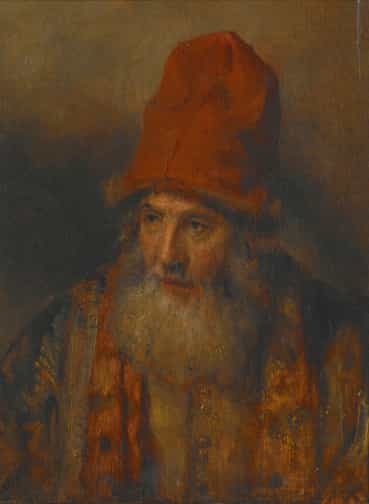
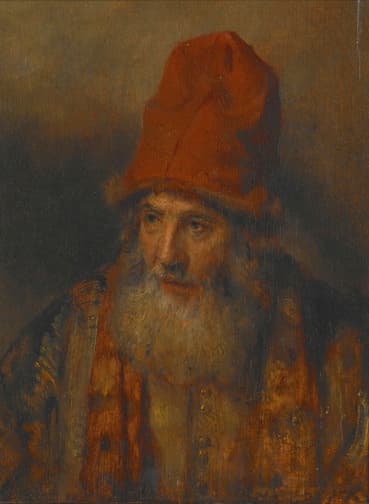
Old Man with a Tall, Fur-edged Cap
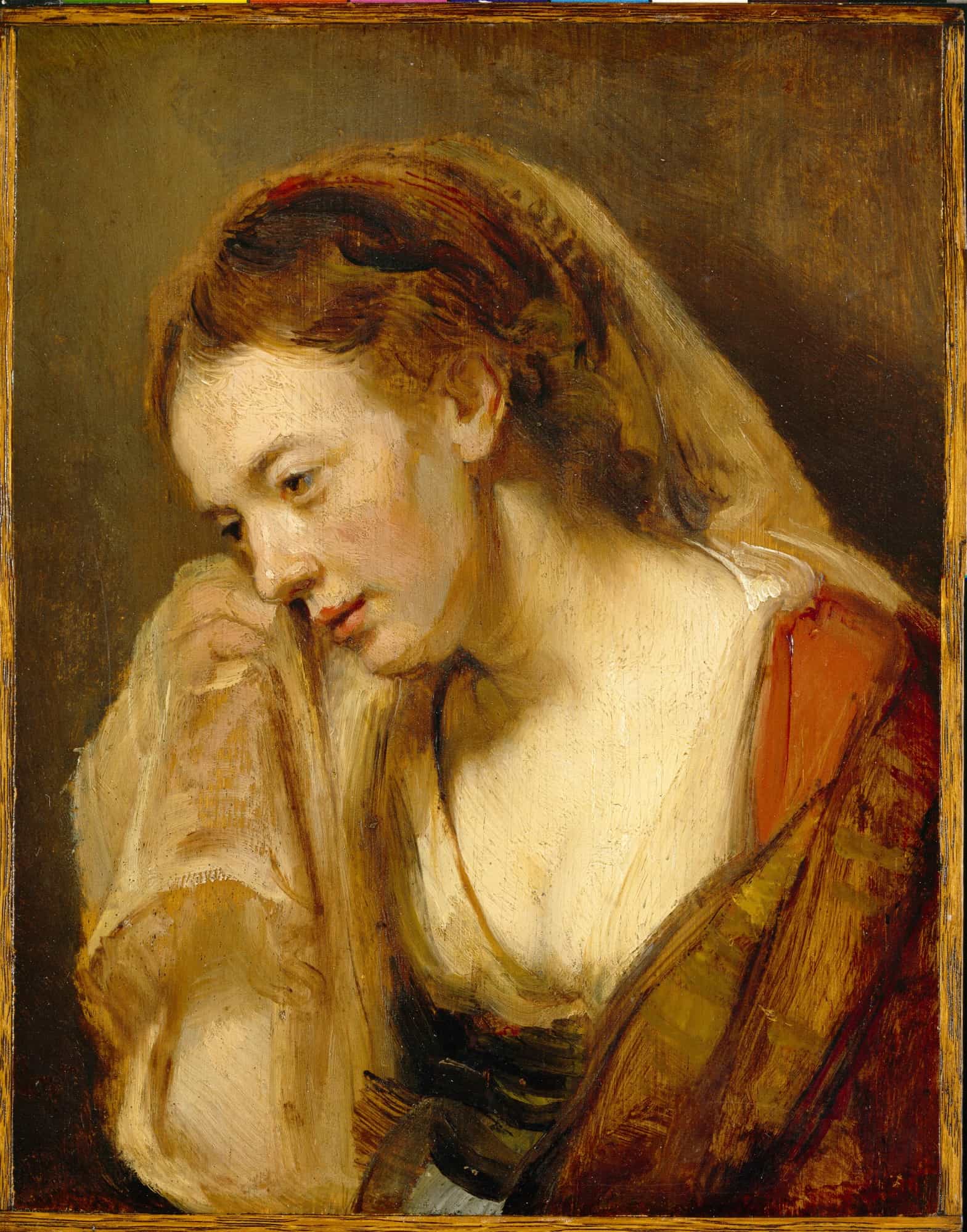
A Weeping Woman
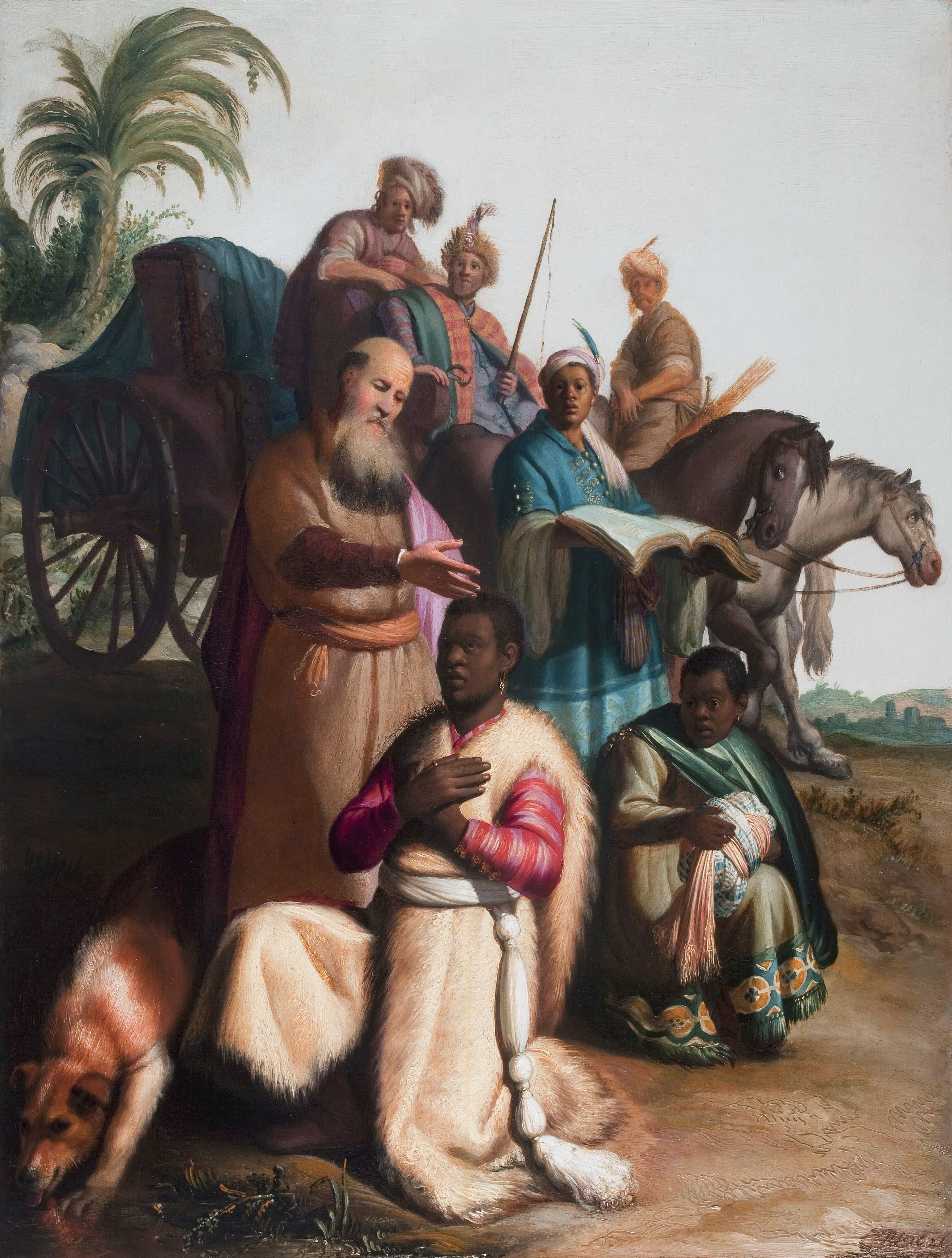
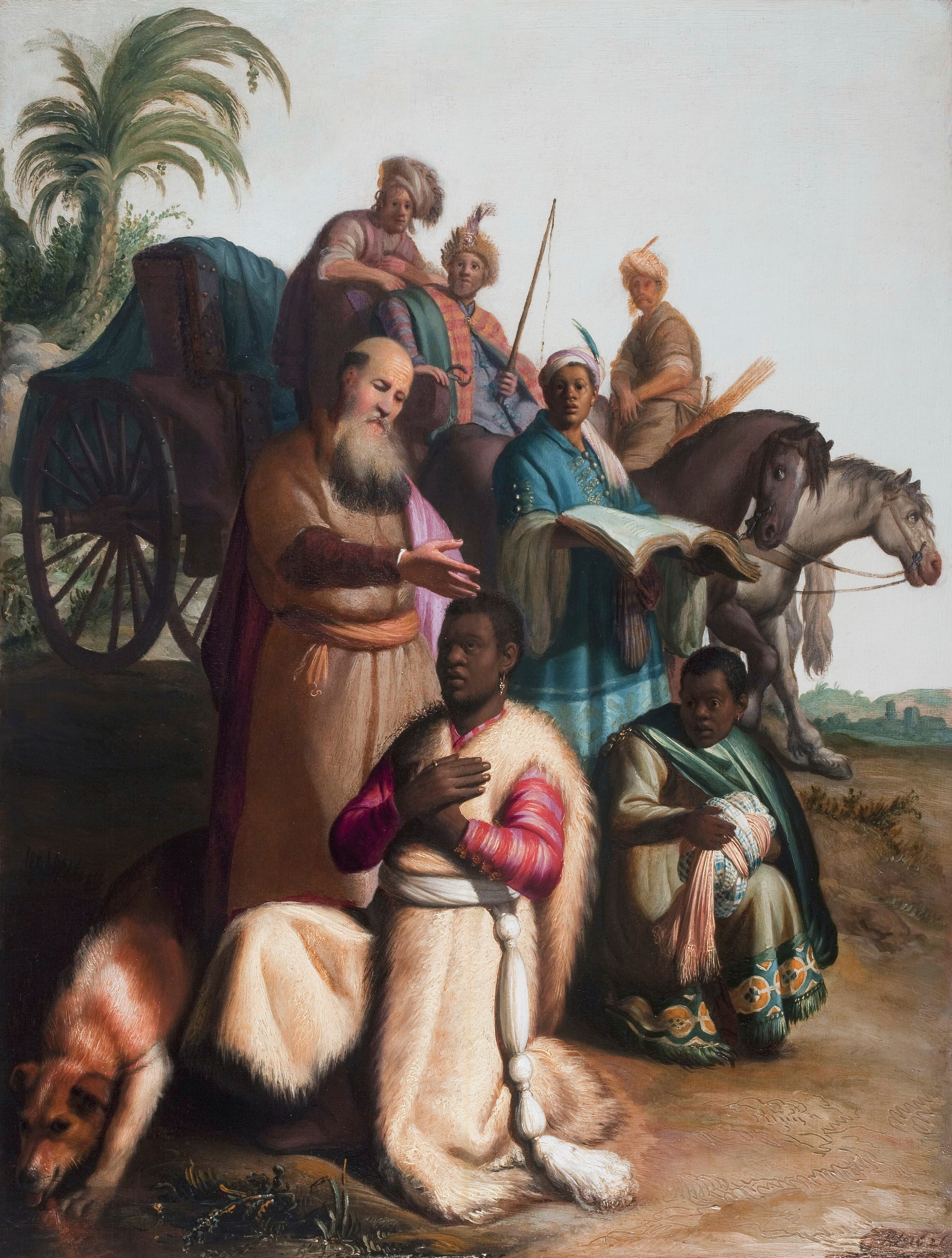
The Baptism of the Eunuch
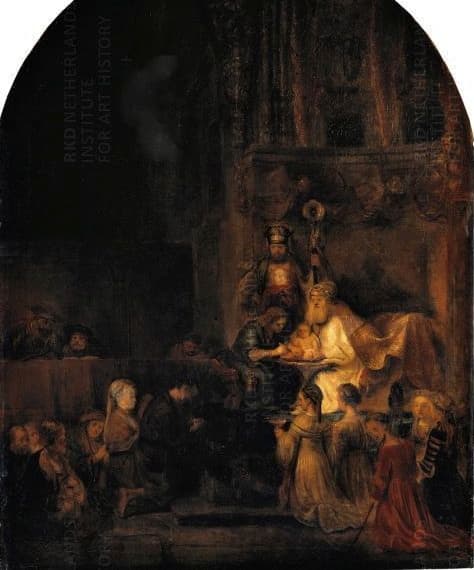
The Circumcision
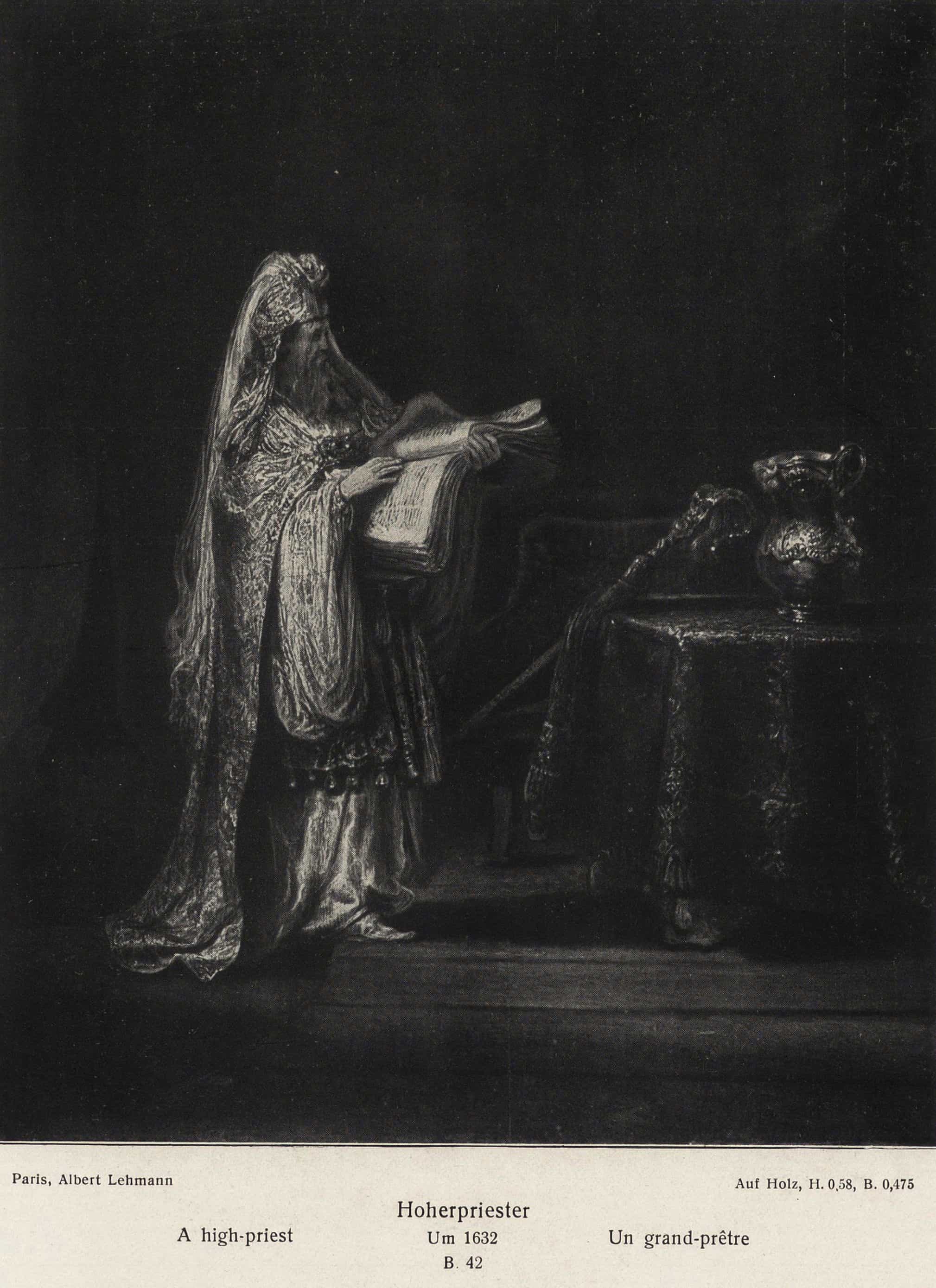
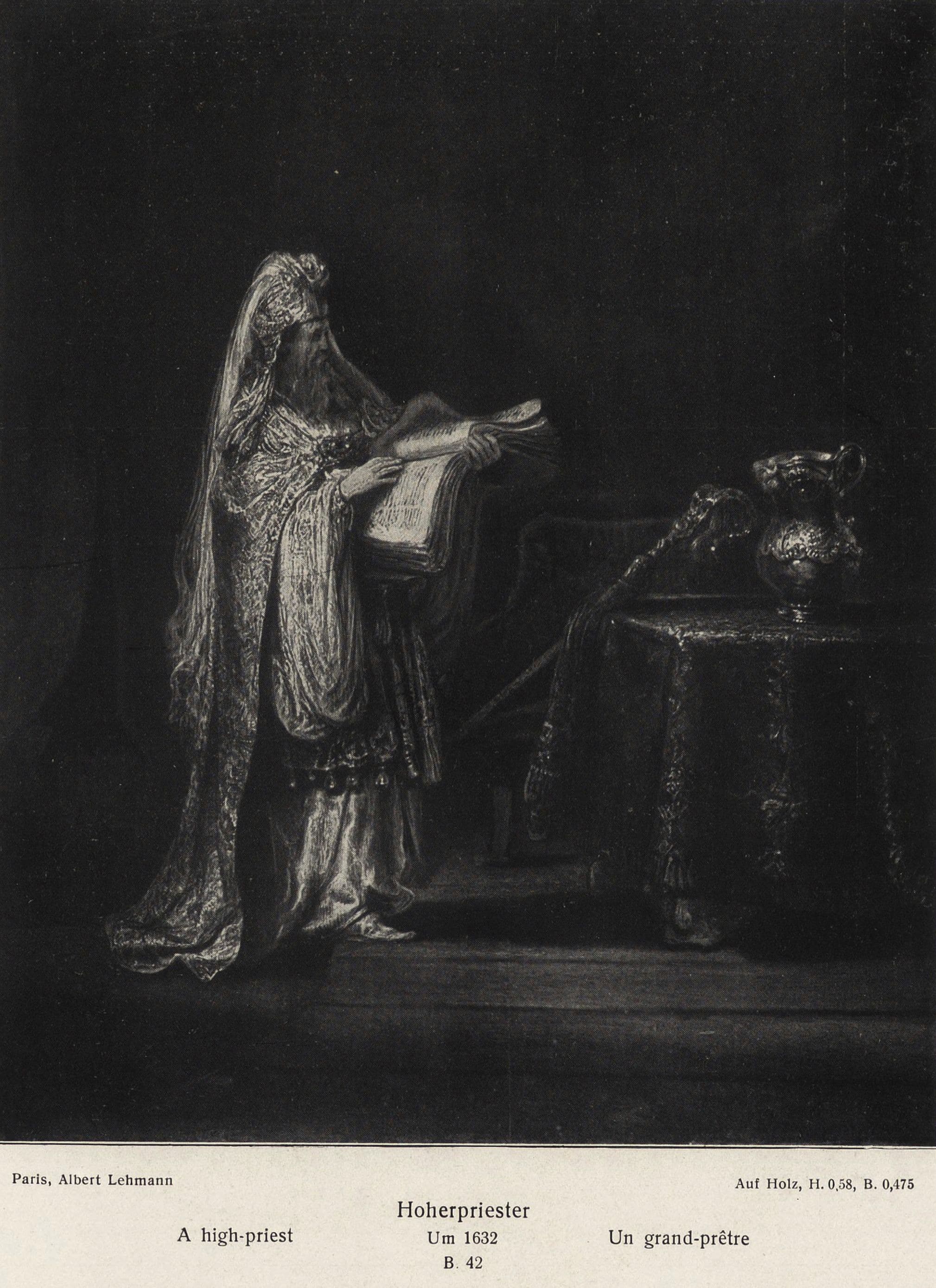
Zacharias in the Temple
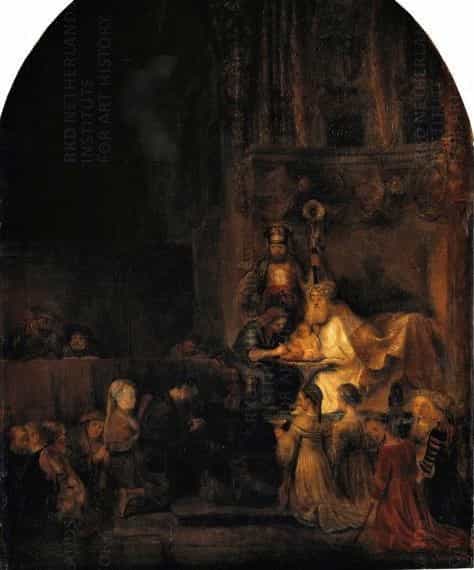
Circumcision — copy after Passion series for Frederik Hendrik
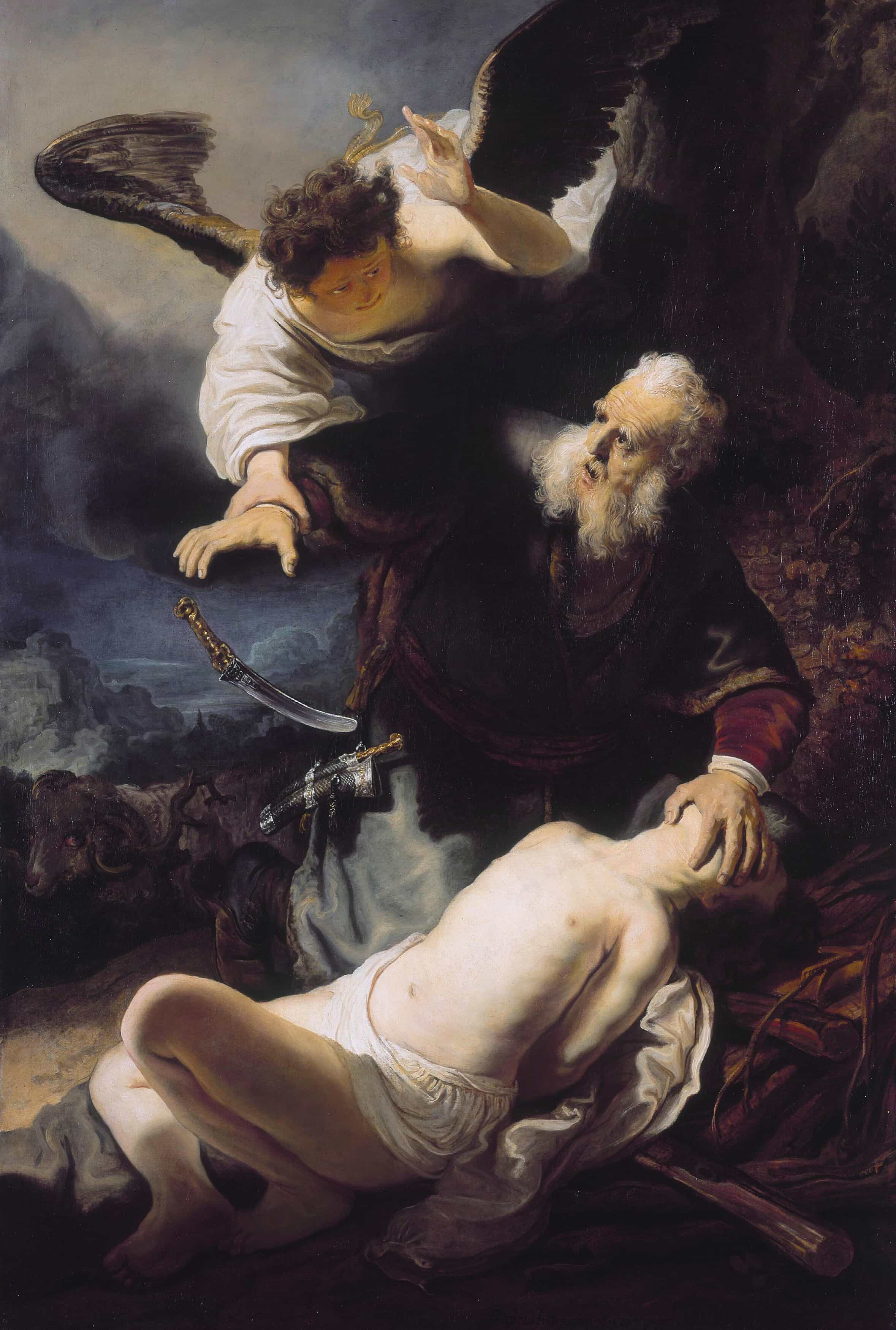
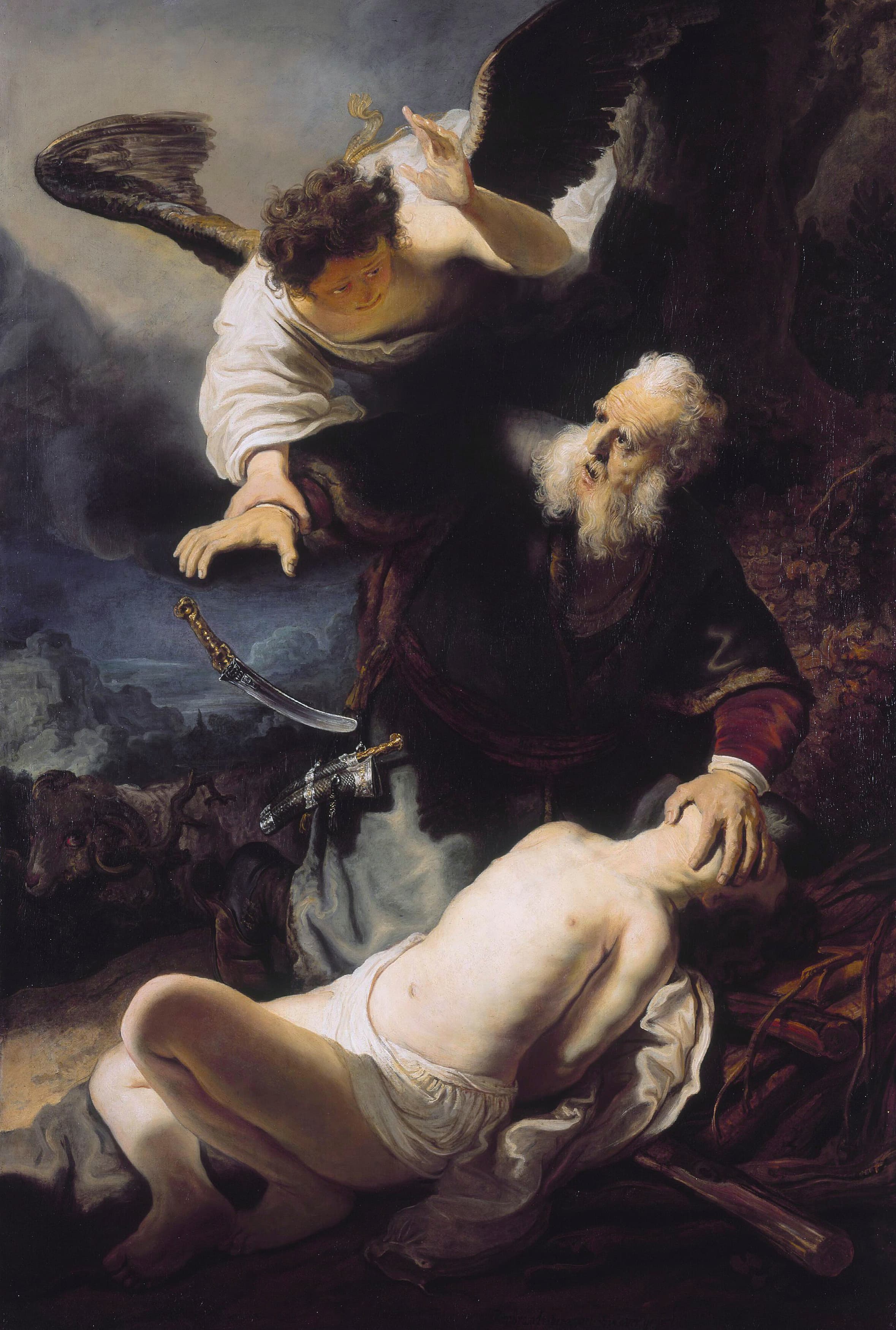
Sacrifice of Abraham
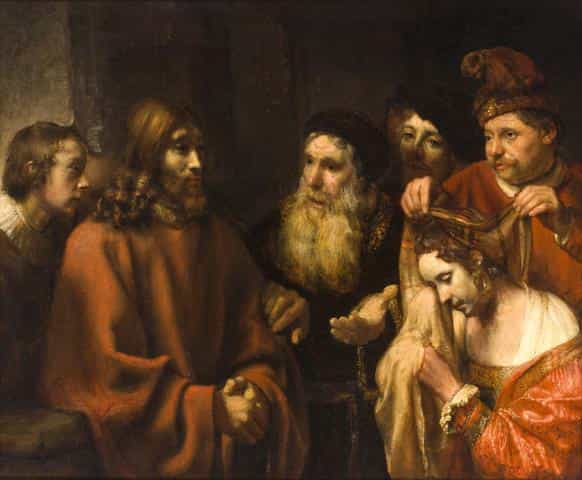
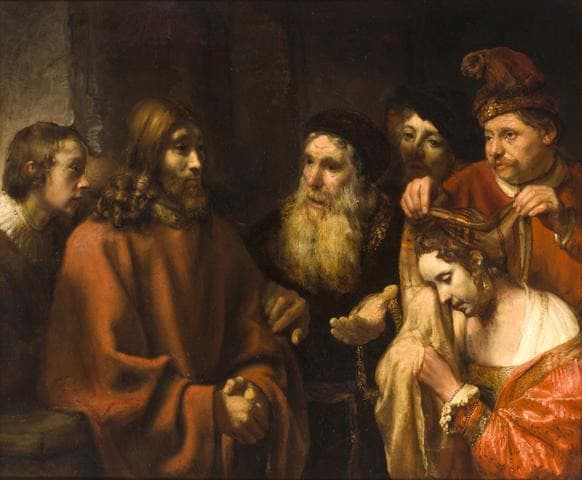
The Adulteress before Christ
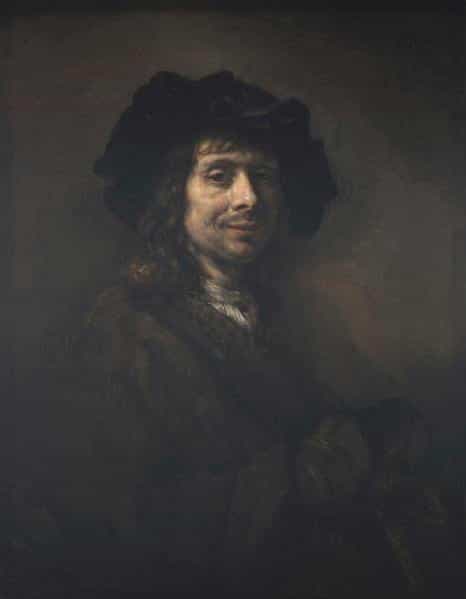
Portrait of a Young Man, Possibly an Artist
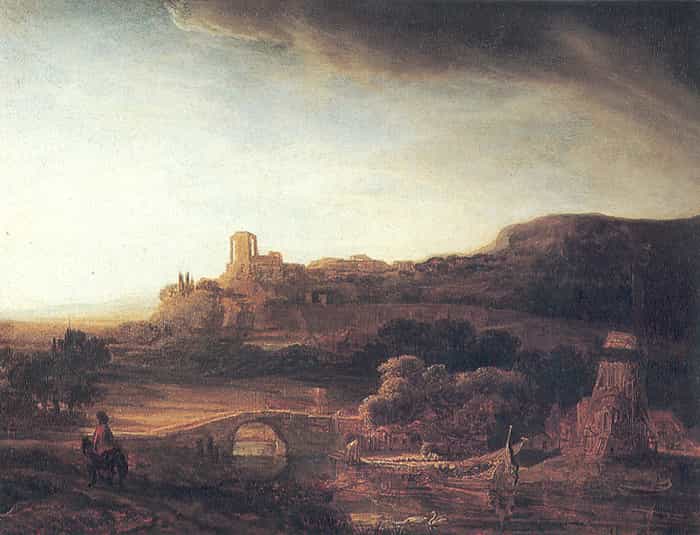
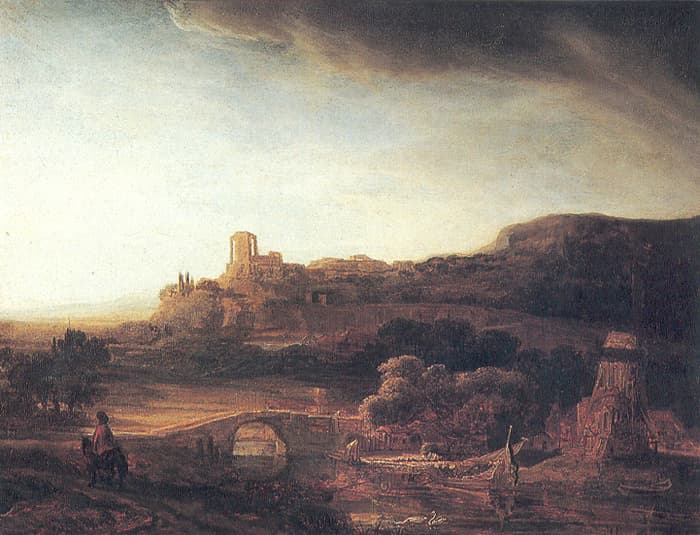
Landscape with Ruins and Windmill
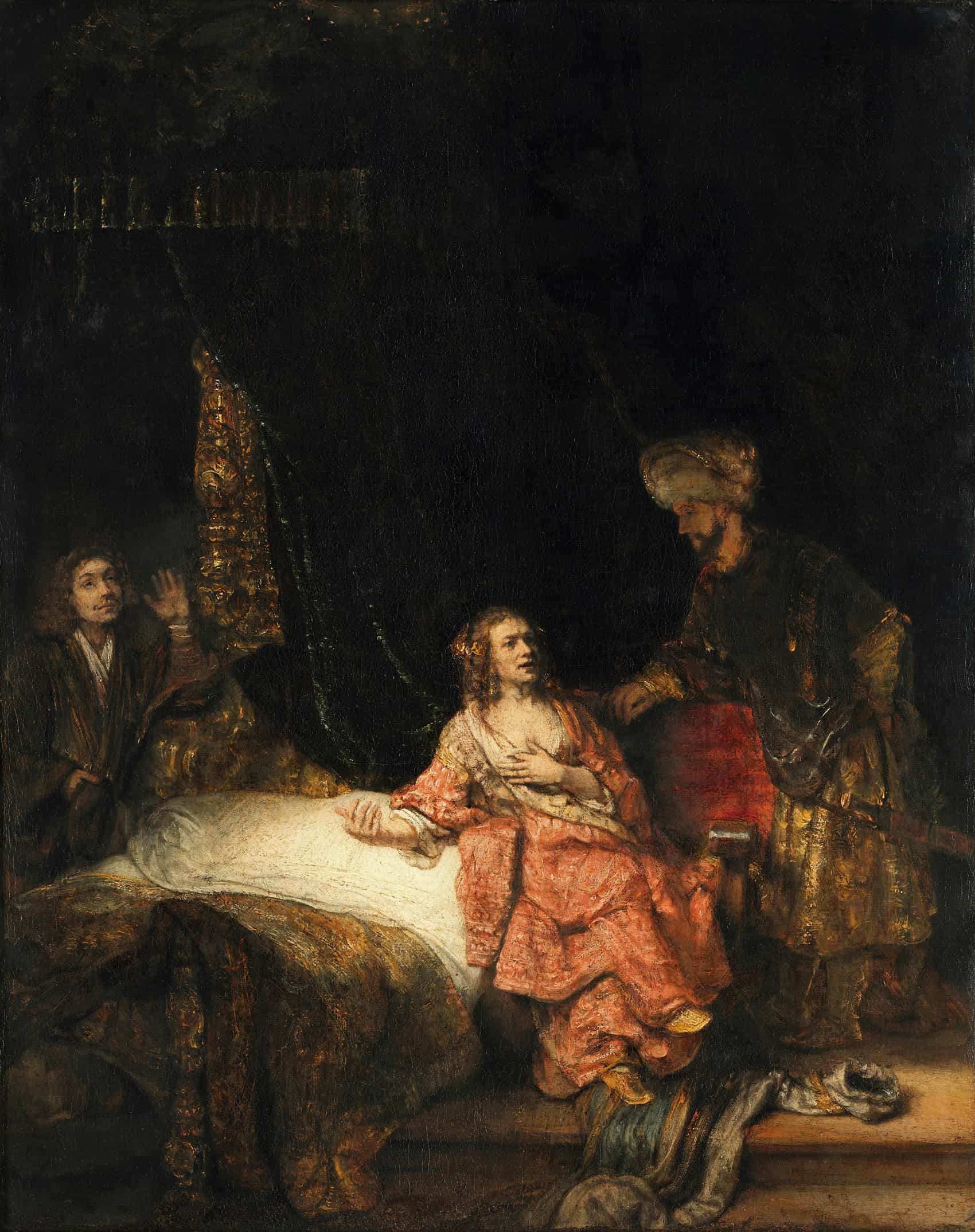
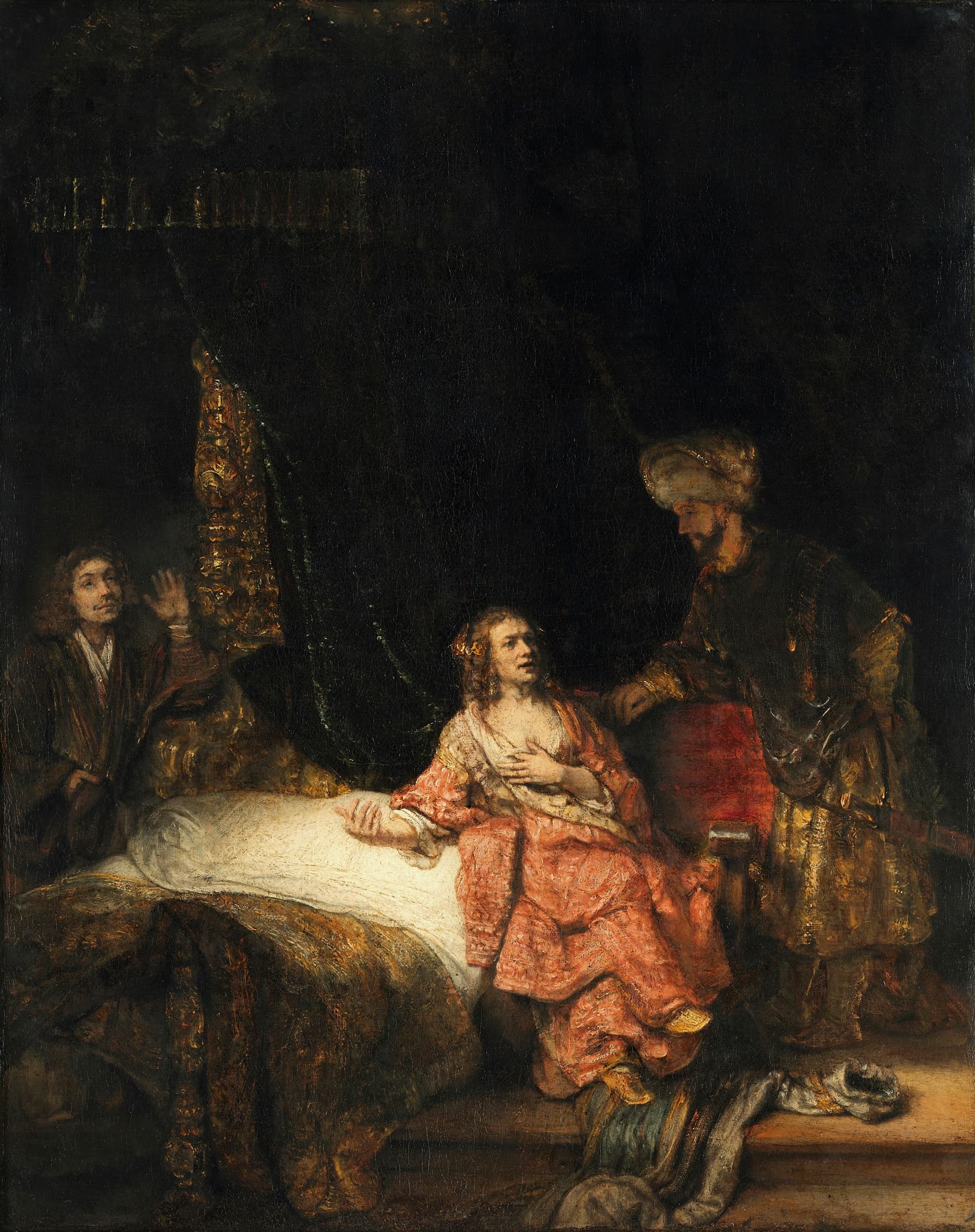
Joseph Accused by Potiphar's Wife