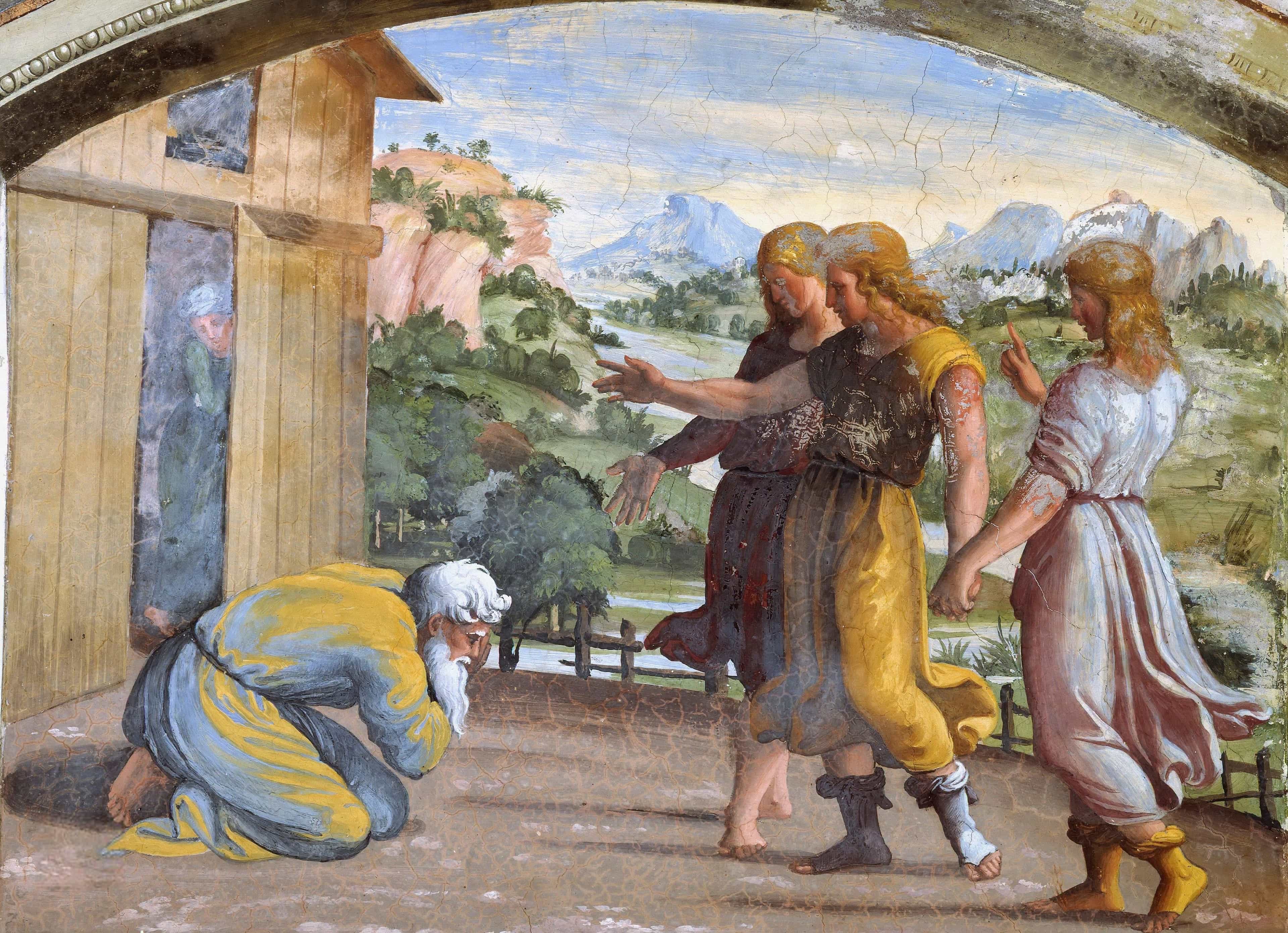
Abraham and the Three Men
Raphael
From €38
Collection
Museum-quality reproductions on 310gsm textured cotton rag paper.
Shop all prints by RaphaelArtistic Style
Style Evolution
Raphael's style adheres to Renaissance principles: early work established technical draftsmanship, the middle period developed large-scale compositions and integration with architecture, and the late period refined compositional balance and pictorial clarity.
Palette
Subjects
Techniques
Topics
Raphael (1499–1546) was an Italian Renaissance painter and architect whose refined compositions and harmonious balance shaped civic and sacred visual culture.
Learn about the life of Raphael
Signature Works
See all available prints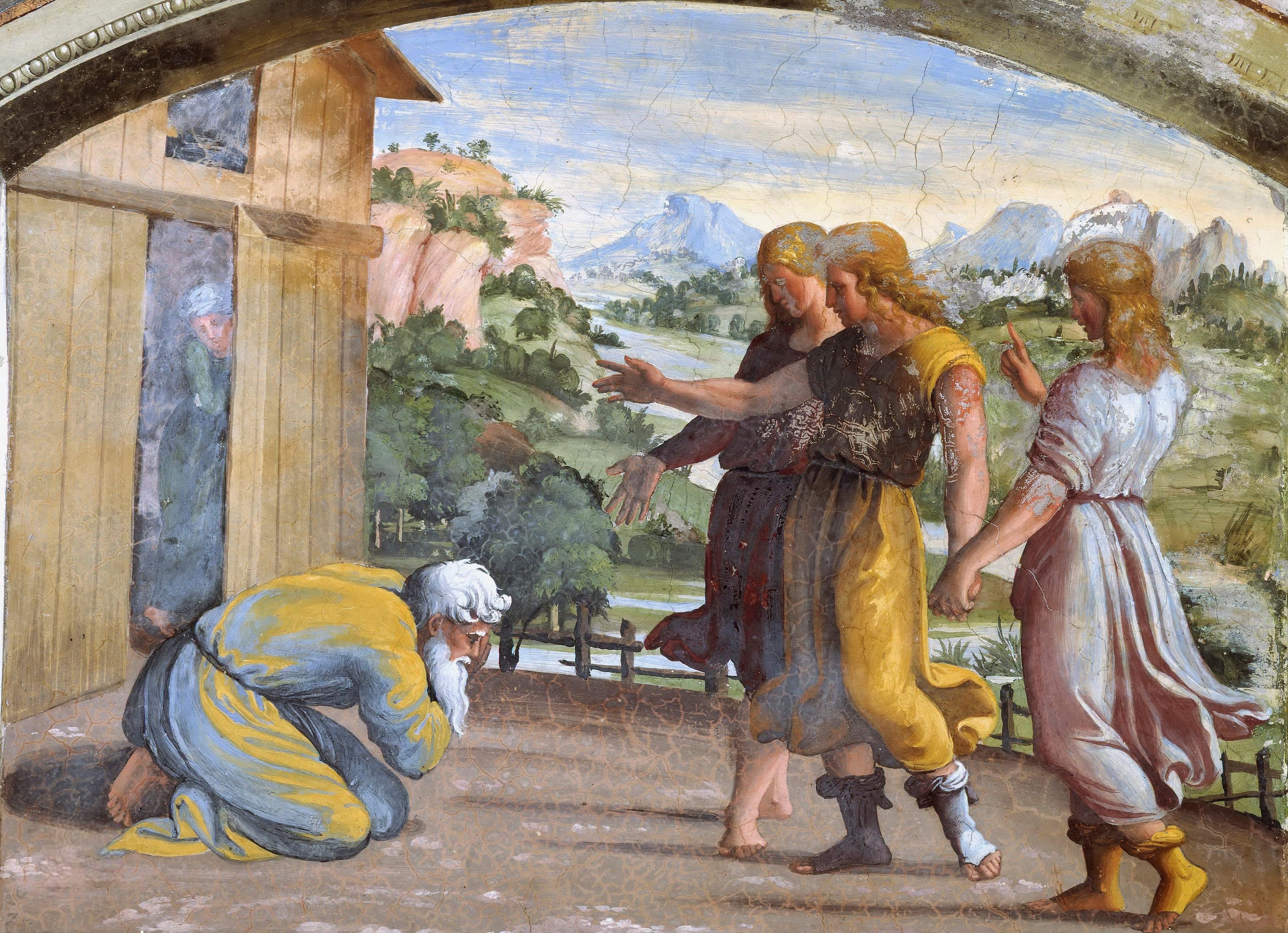
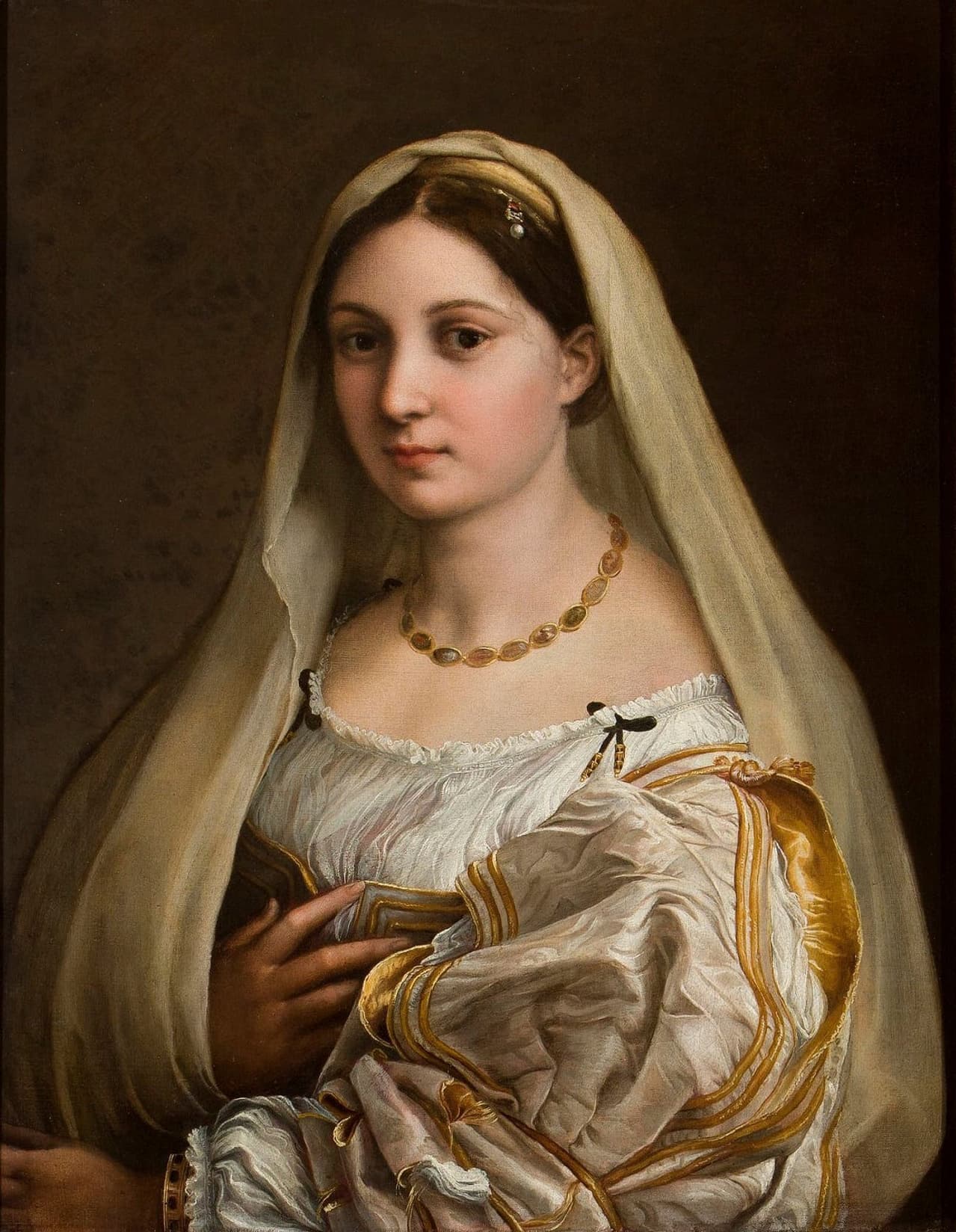
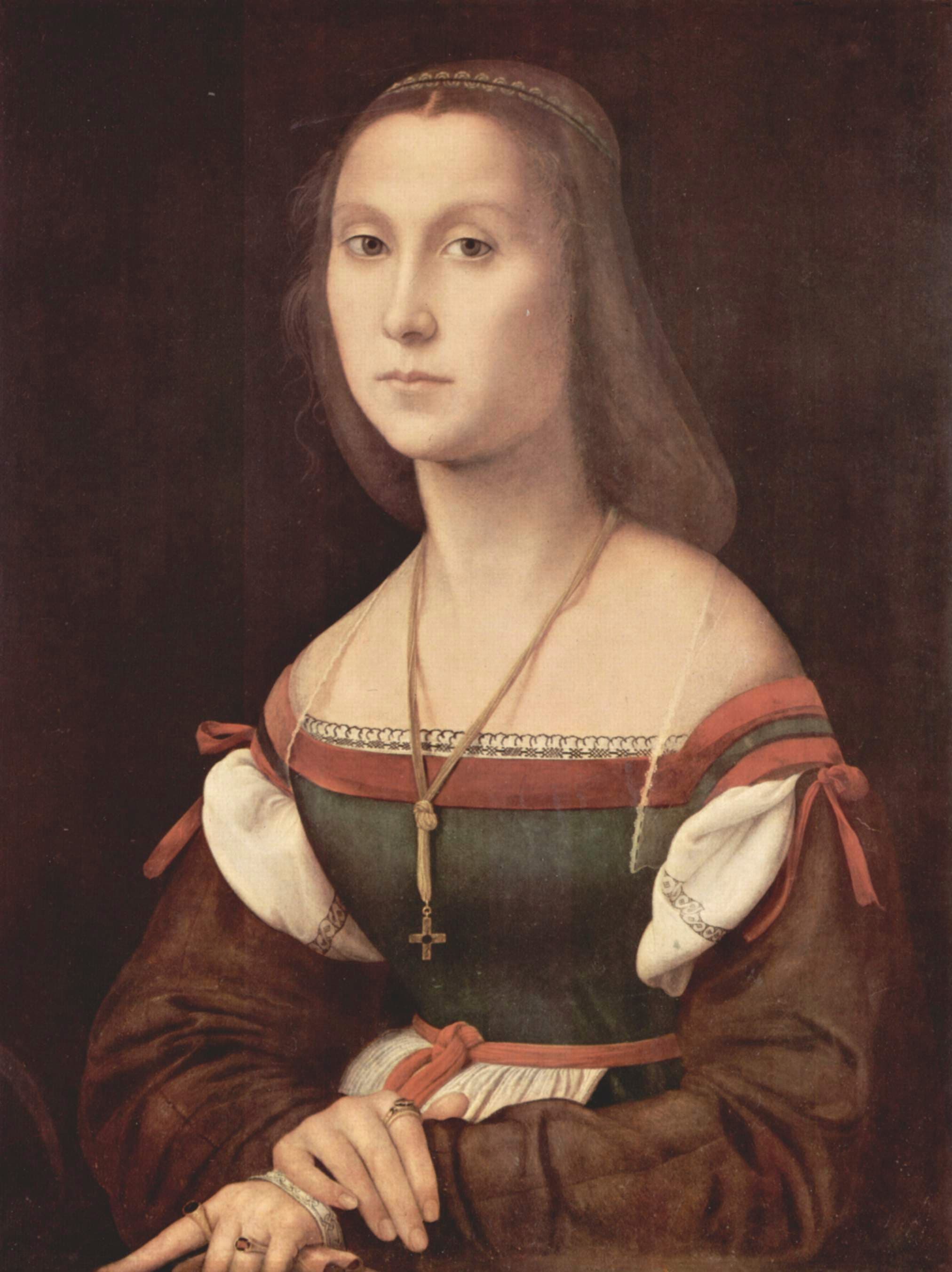
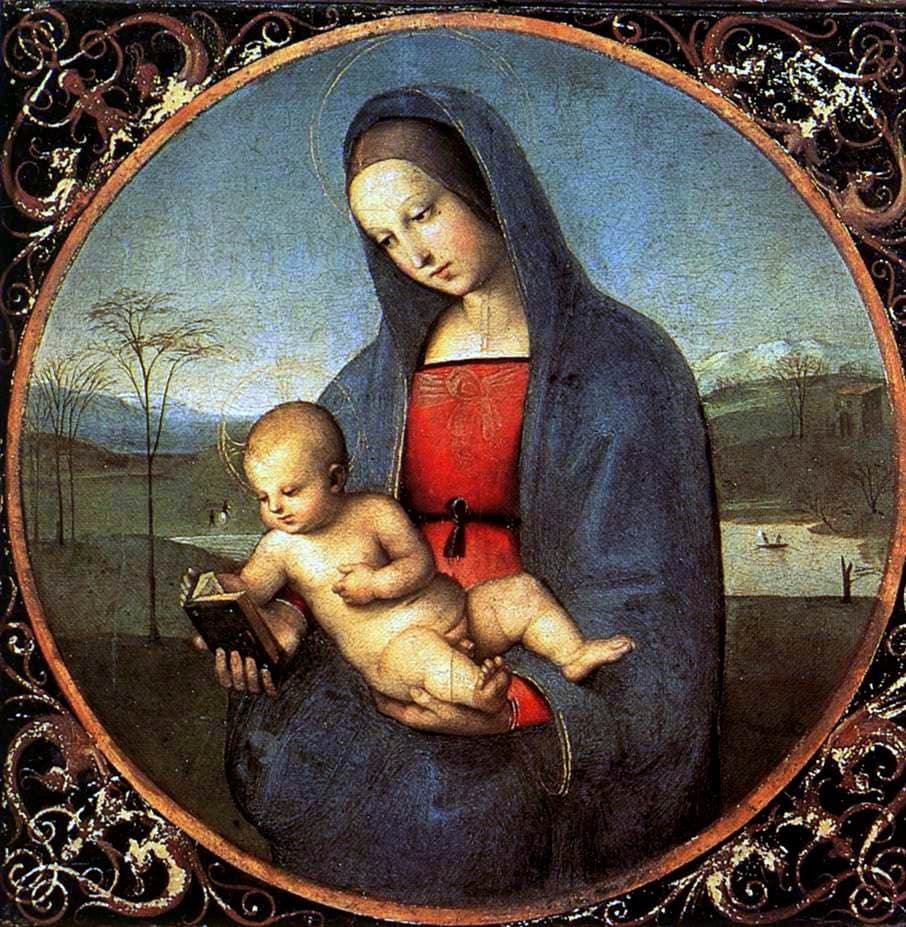
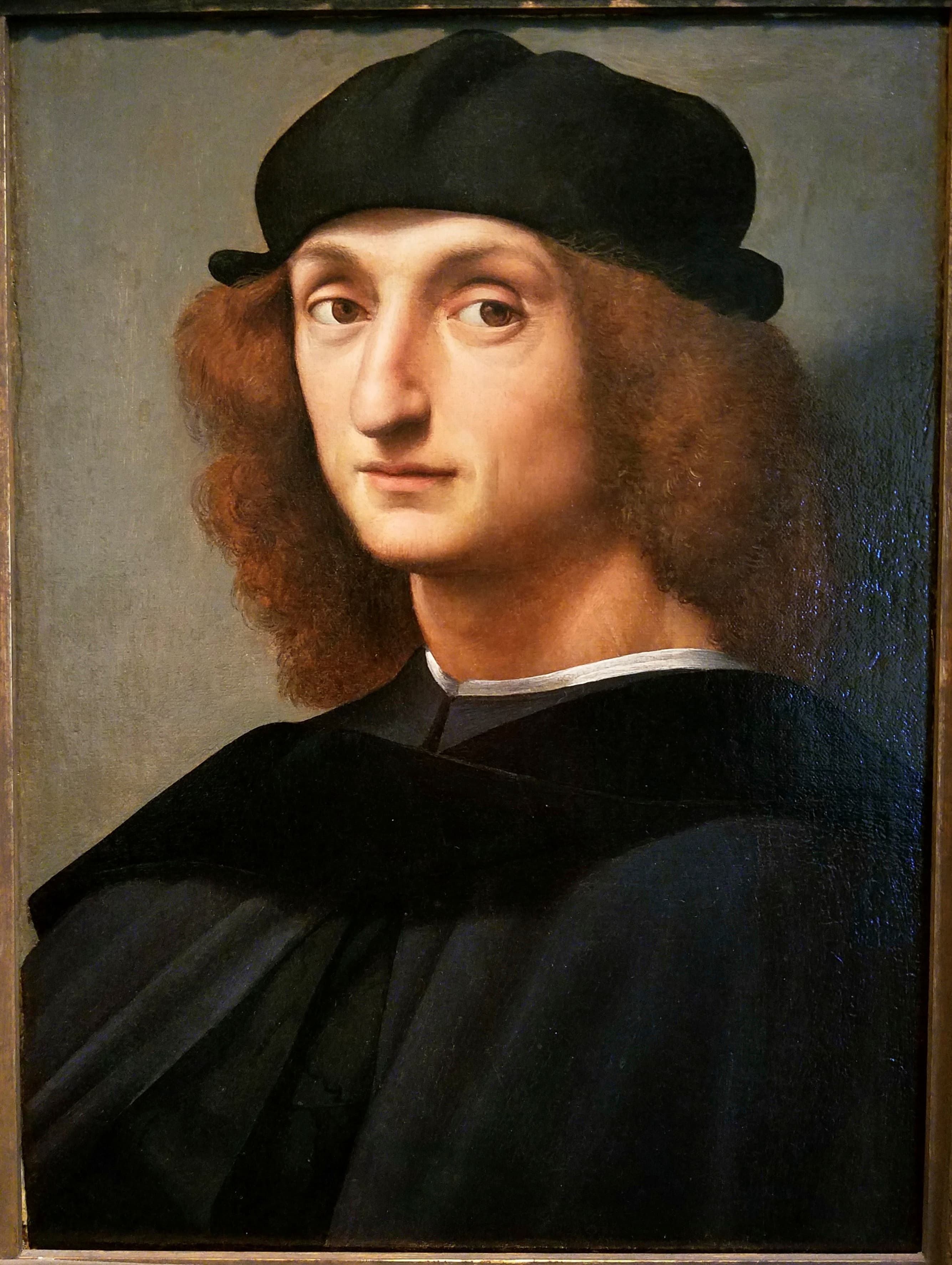
Biography
Raphael (1499–1546) was an Italian Renaissance painter and architect whose refined compositions and harmonious balance shaped civic and sacred visual culture.
Raphael (1499–1546) was born in Rome and died in Mantua. Identified as an Italian painter and architect, he worked within the broad cultural movement of the Renaissance. Details about his formal training and early family background are not provided here; what is well established is his engagement with Renaissance artistic ideals—clarity of form, balanced composition, and the integration of architecture and pictorial design.
Raphael’s career unfolded across the early, middle, and late phases of the Italian Renaissance, with activity centered in Rome and concluding in Mantua.
In his early period, he absorbed the visual language of the Renaissance: measured composition, sculptural modeling of figures, and careful draftsmanship. This phase established his technical foundation and interest in combining painting with architectural thinking.
The middle period saw maturation of compositional clarity and an increased focus on large-scale public and sacred commissions. His work emphasized harmony between figure groups and architectural settings.
In the late period, his approach continued to refine balance and clarity, with architectural concerns often informing pictorial arrangements. His practice integrated painting and built space, reflecting the dual role of painter-architect.
Specific catalogue entries and titles are not provided in the supplied data. What is documented is that Raphael produced works for both civic and sacred contexts, including large-scale pictorial cycles and architectural projects typical of an artist working as both painter and architect during the Renaissance.
Raphael’s style is characterized by precise draftsmanship, harmonious composition, careful spatial organization, and a refined handling of form and light. Techniques associated with Renaissance masters—fresco painting, temperate color harmonies, and a focus on anatomical correctness and graceful poses—are central to his visual language. His architectural practice informed his pictorial constructions, yielding images that sit well in formal interiors and public settings.
Working within Renaissance traditions, Raphael contributed to the period’s emphasis on balance, proportion, and unity between architecture and the painted image. His approach influenced subsequent generations of artists who sought compositional harmony and integration of pictorial and architectural design. Over time, collectors and institutions have valued works that exemplify these qualities for their decorative presence and cultural resonance.
Only limited biographical details are provided here: birth in Rome and death in Mant
Frequently Asked Questions
Abraham and the Three Men
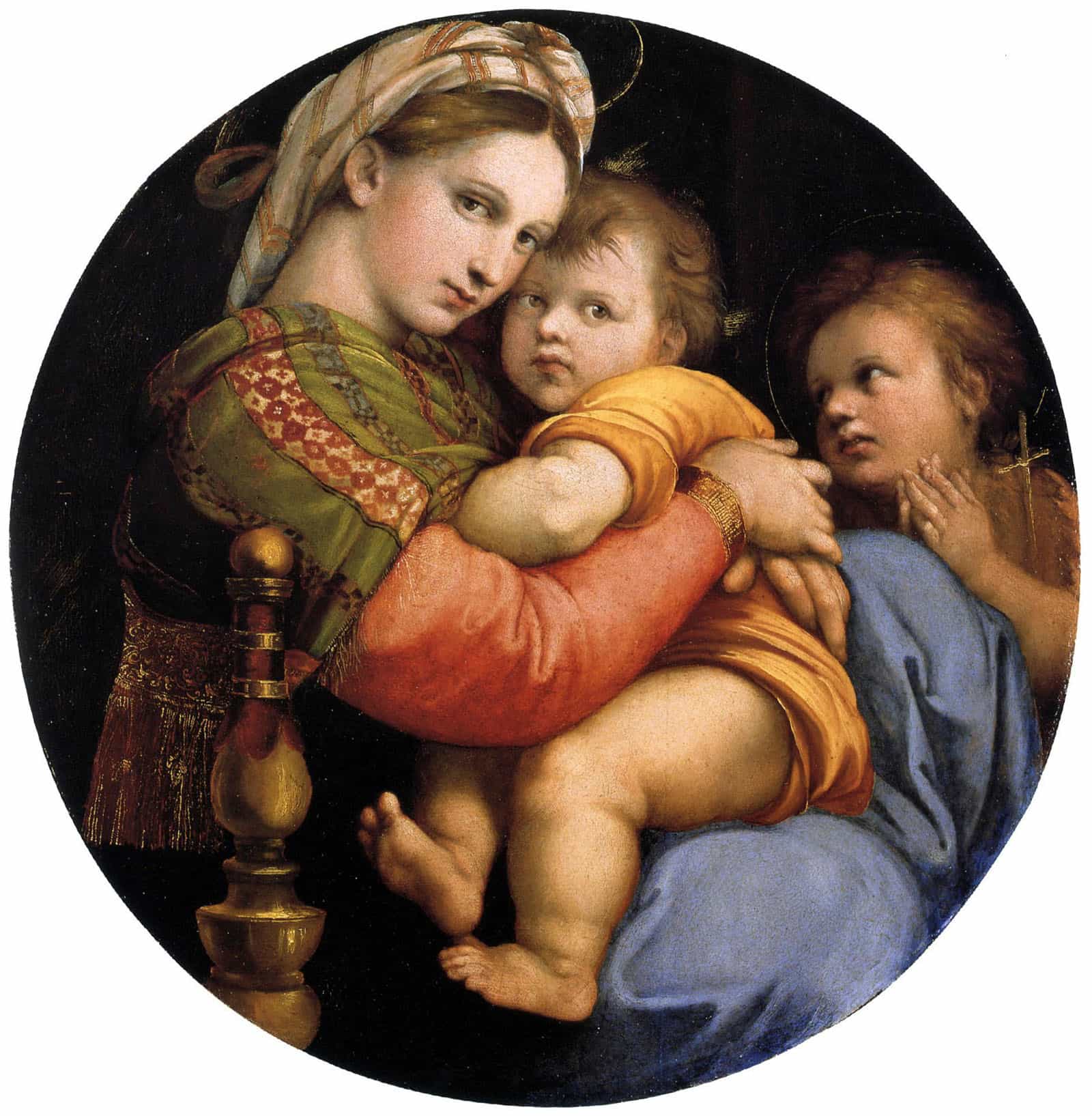
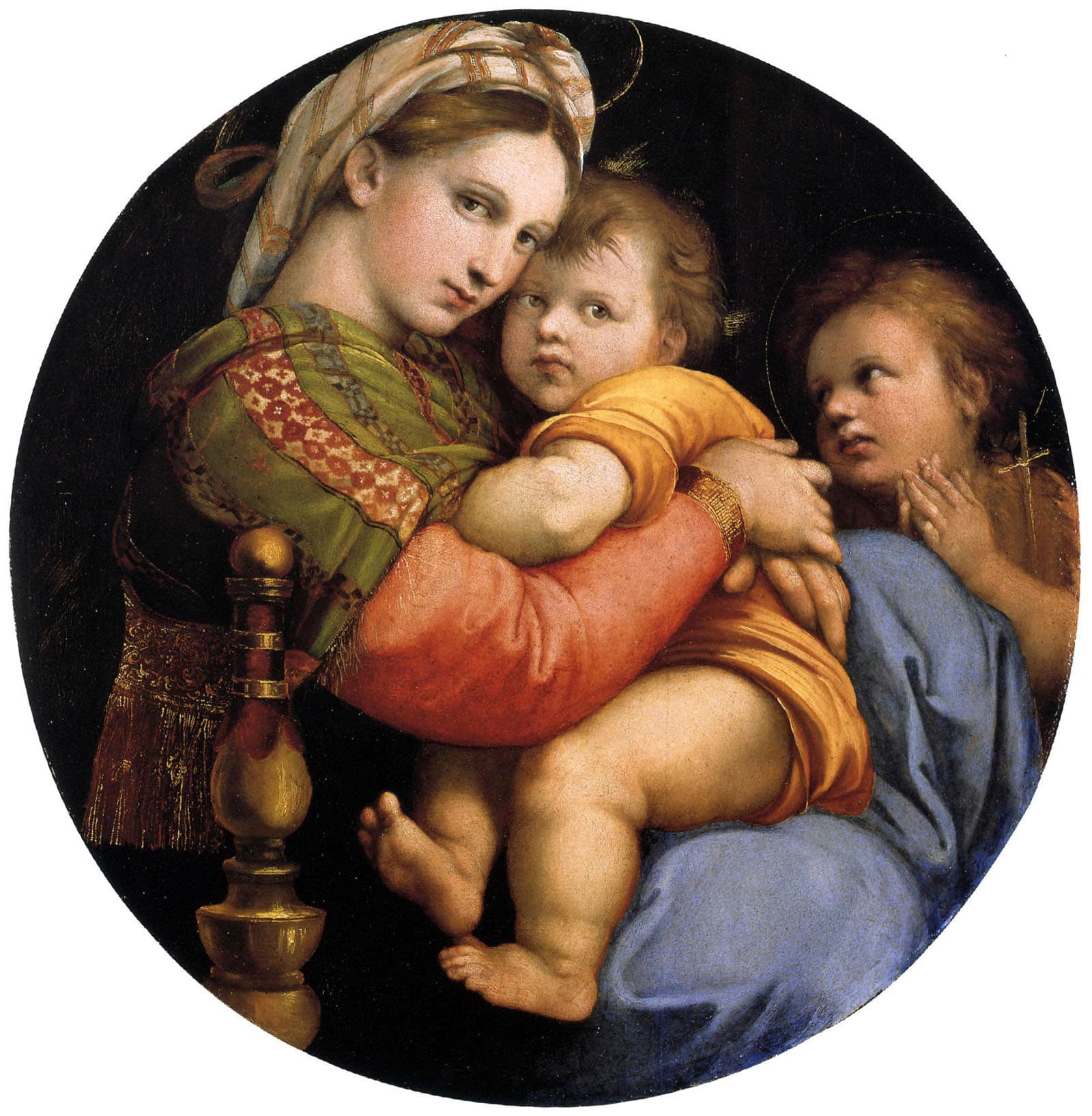
Madonna della Seggiola
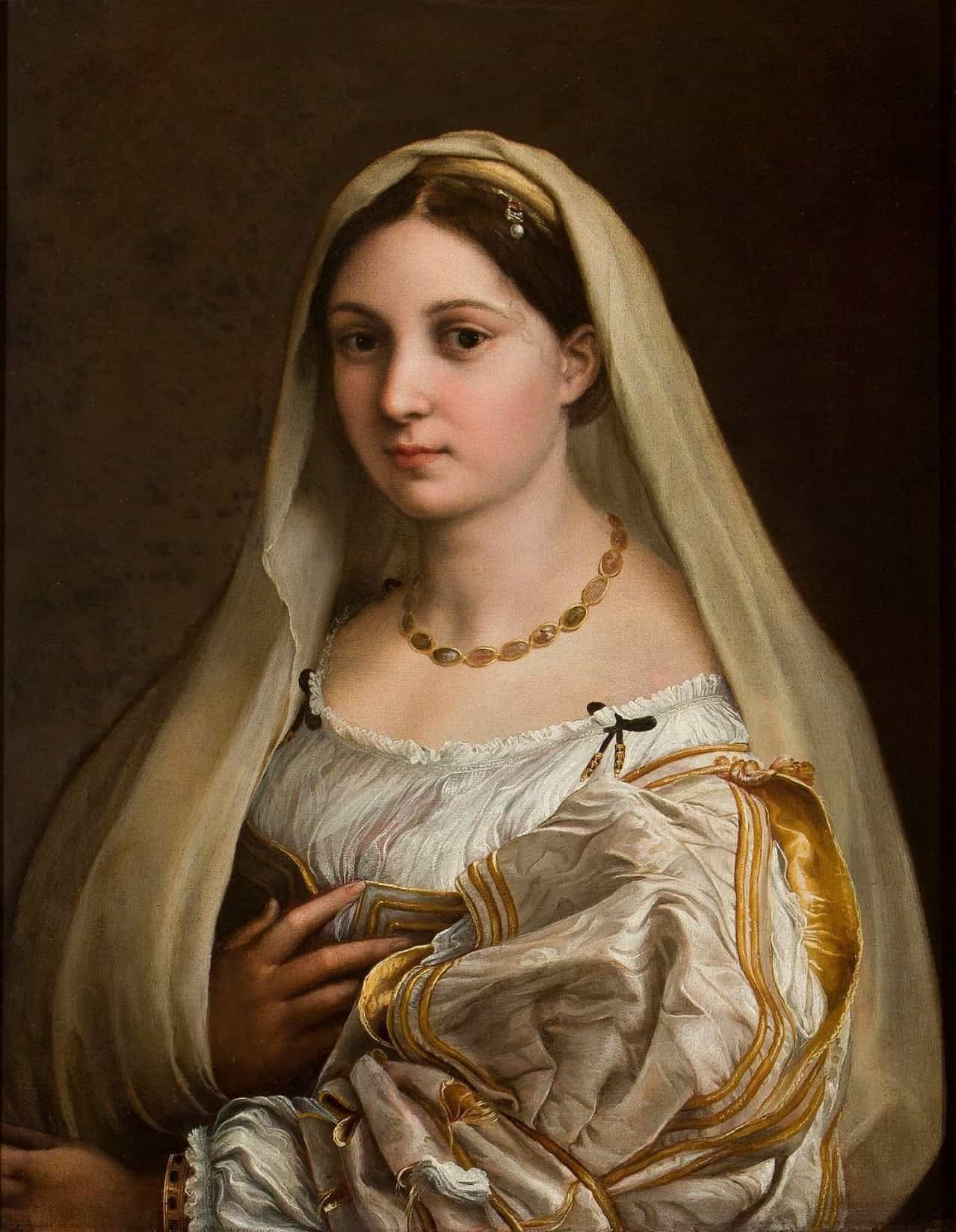
La velata
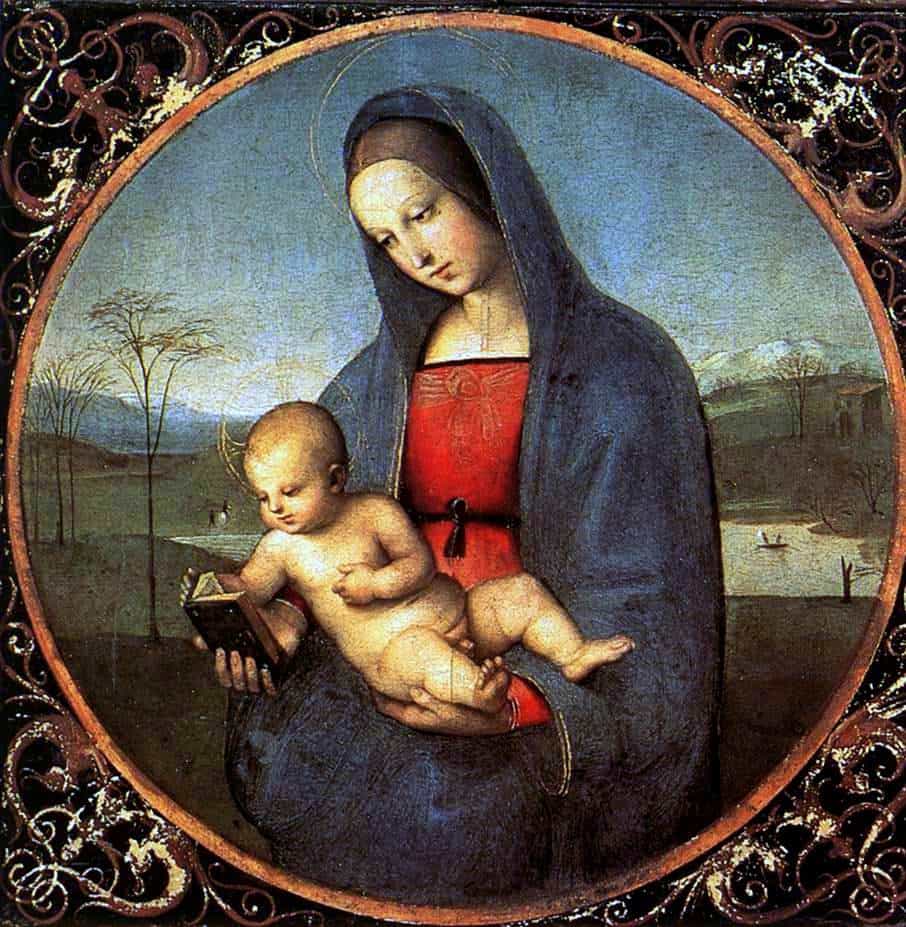
Madonna and Child (The Conestabile Madonna)
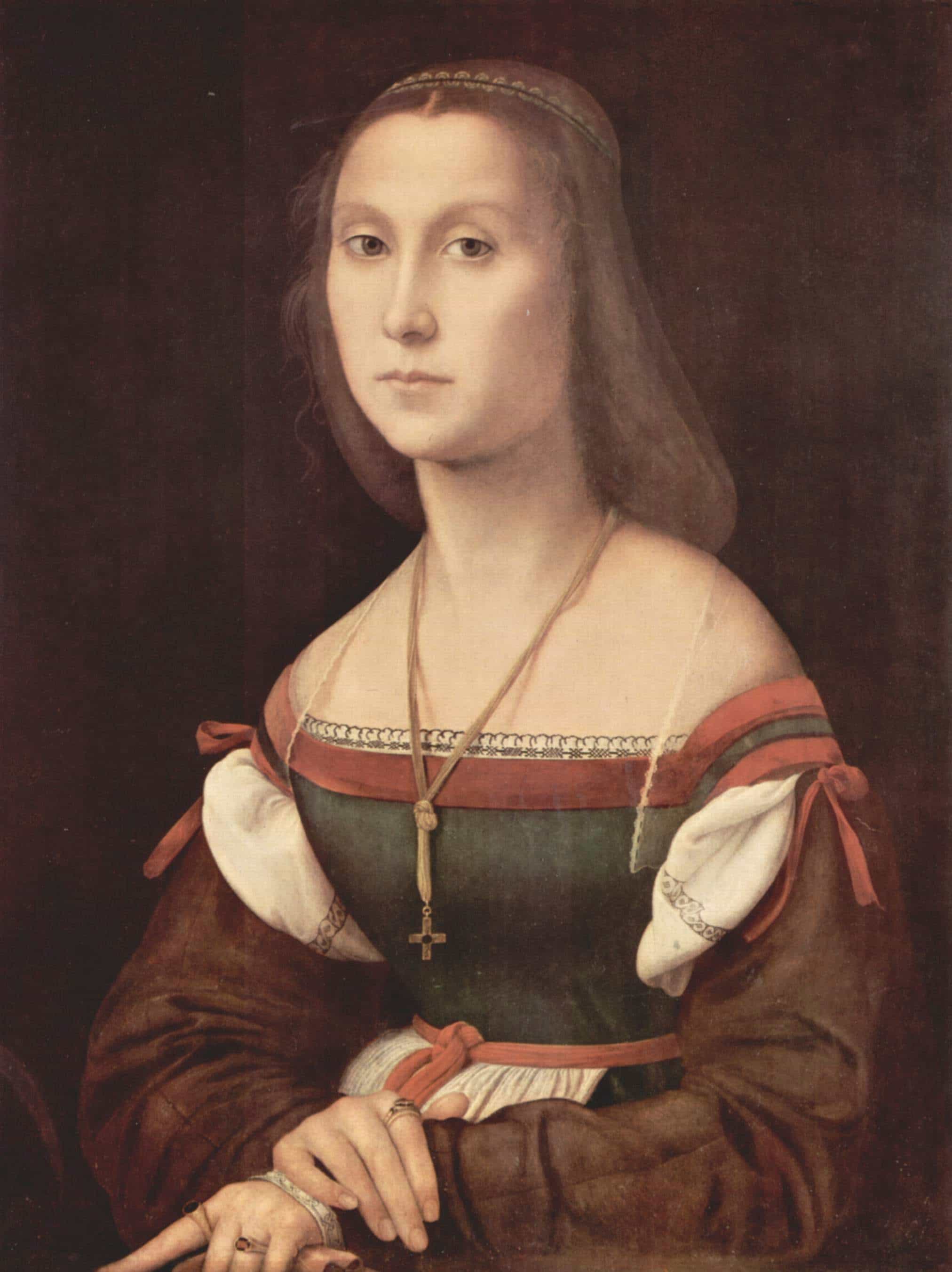
Portrait of a Young Woman
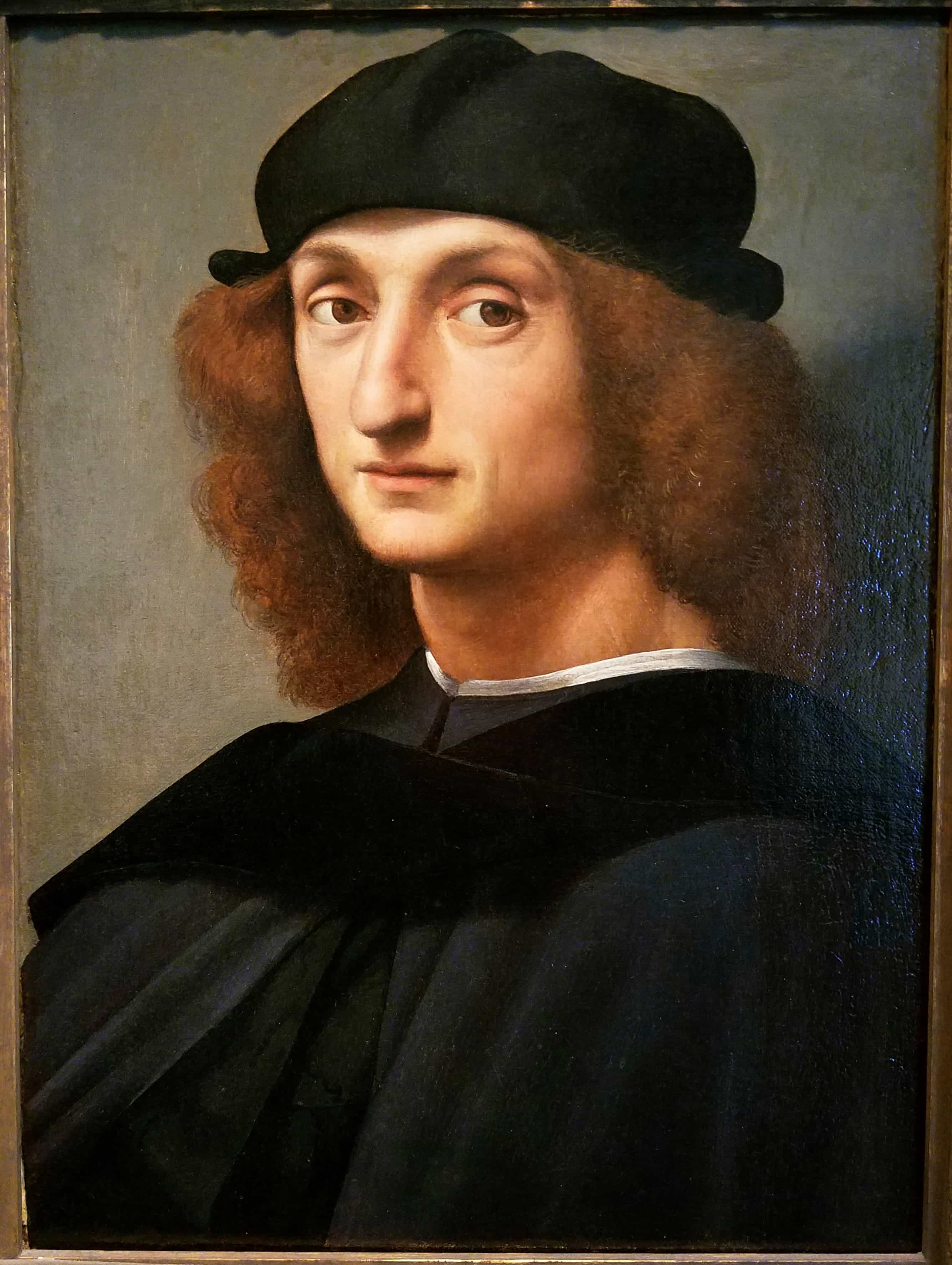
Portrait of a Young Man
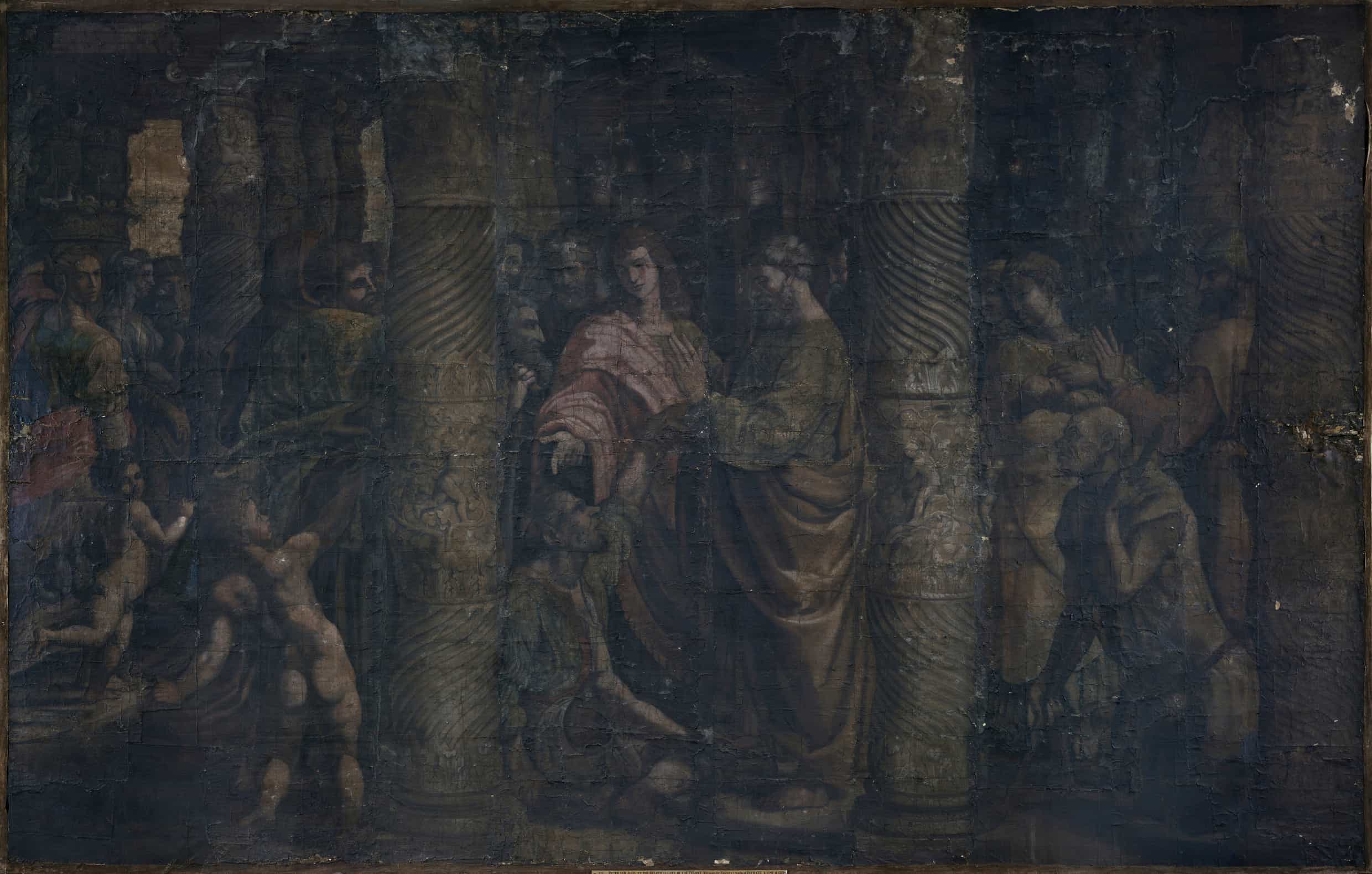
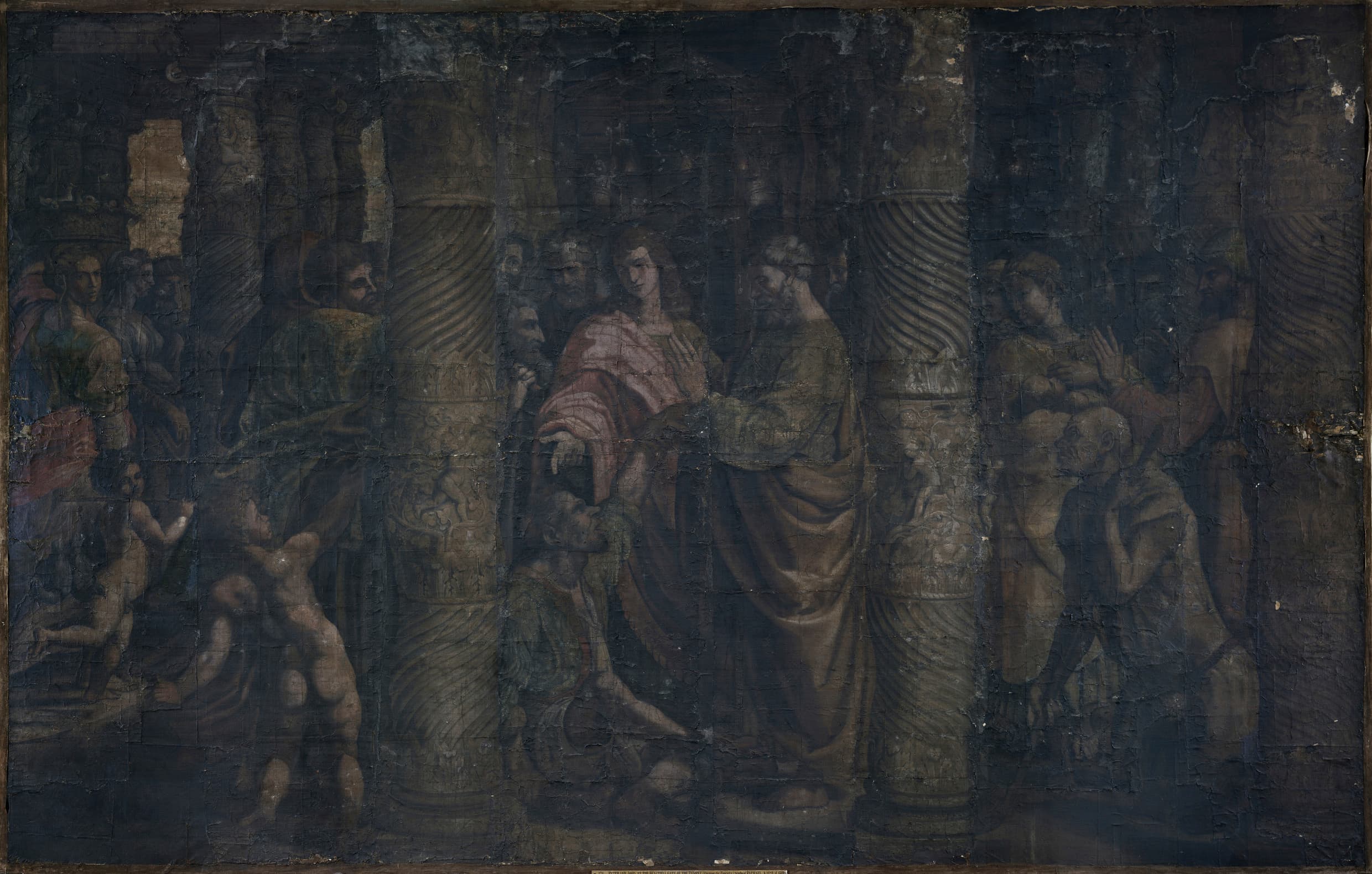
The Healing of the Lame Man
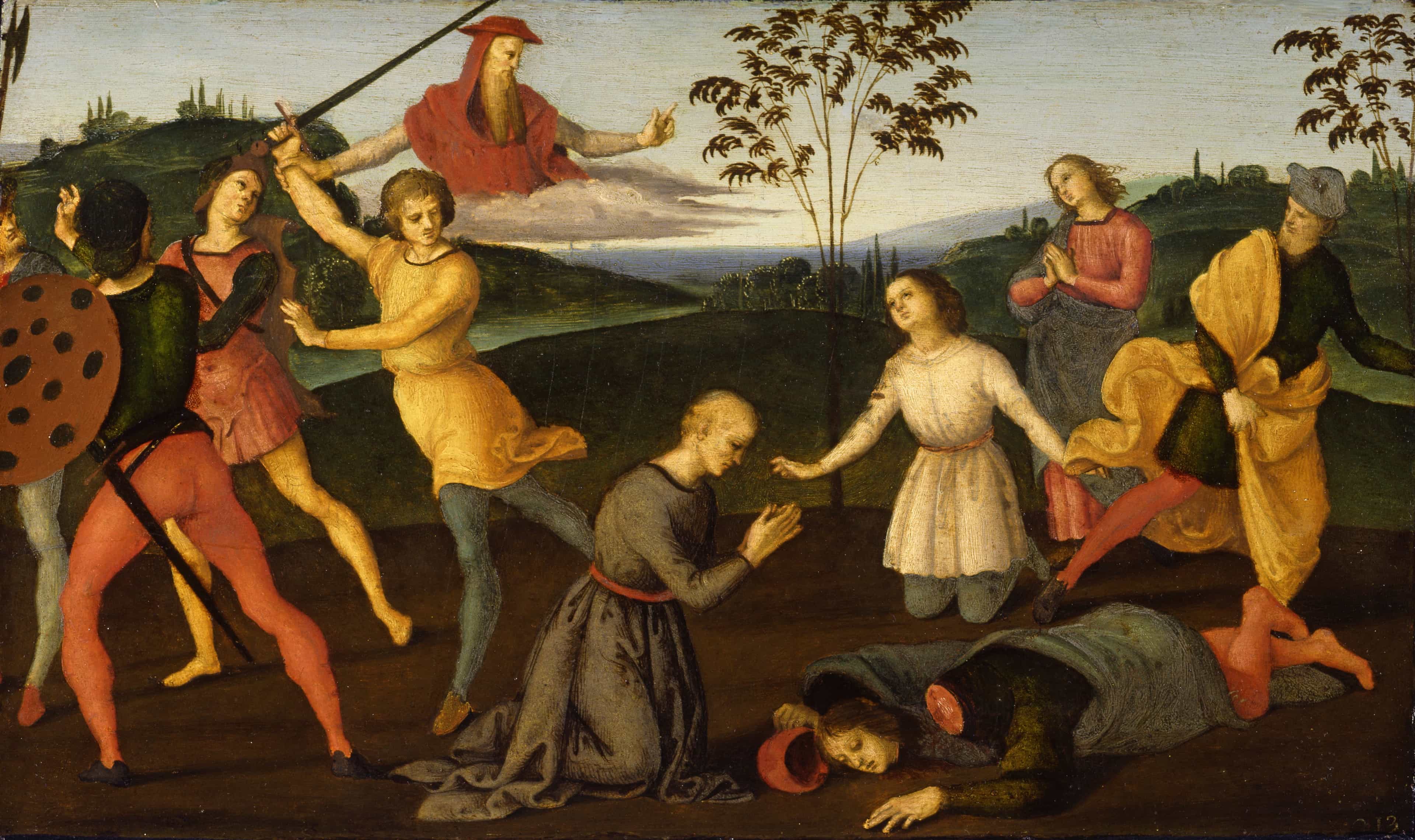
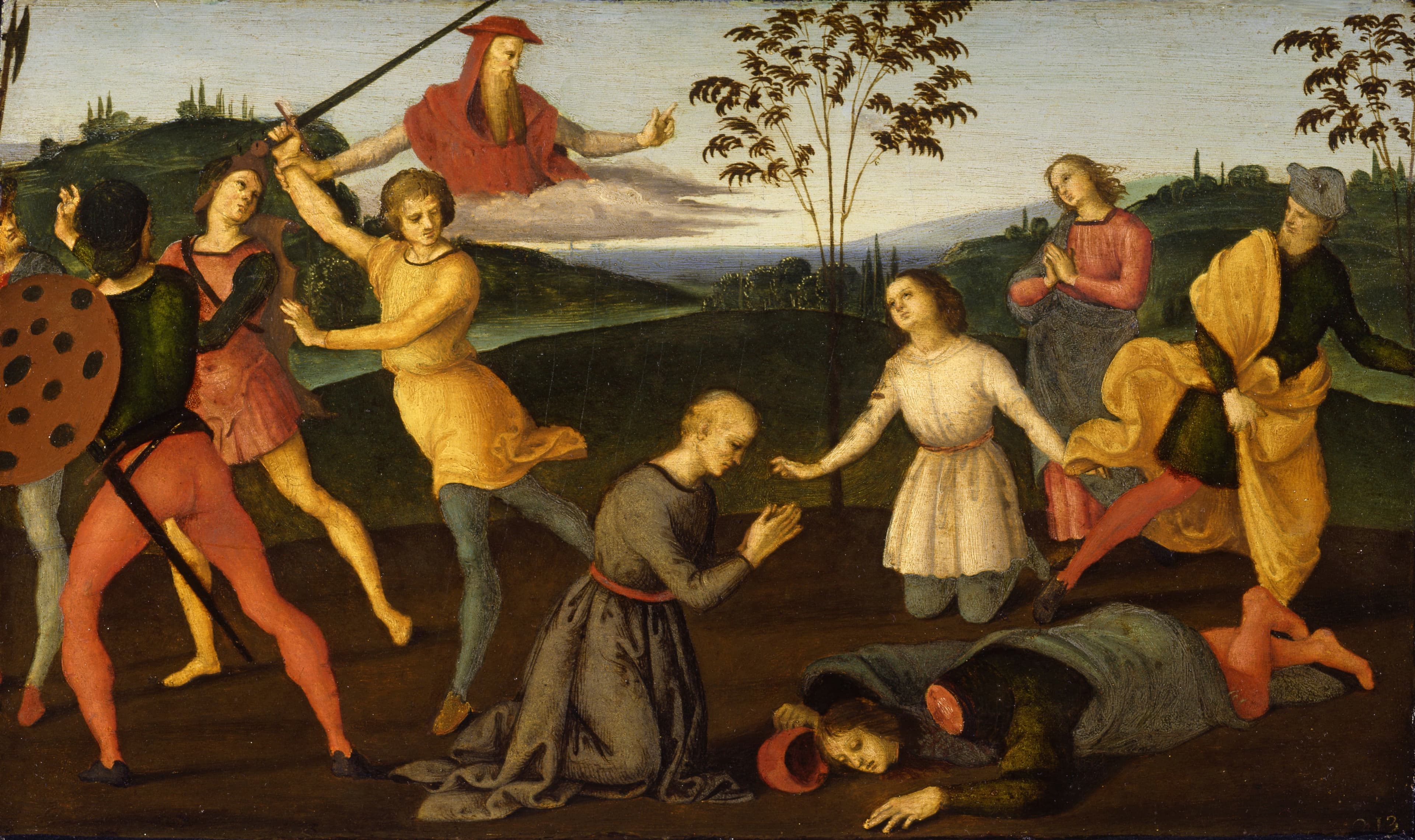
St. Jerome Punishing the Heretic Sabinian
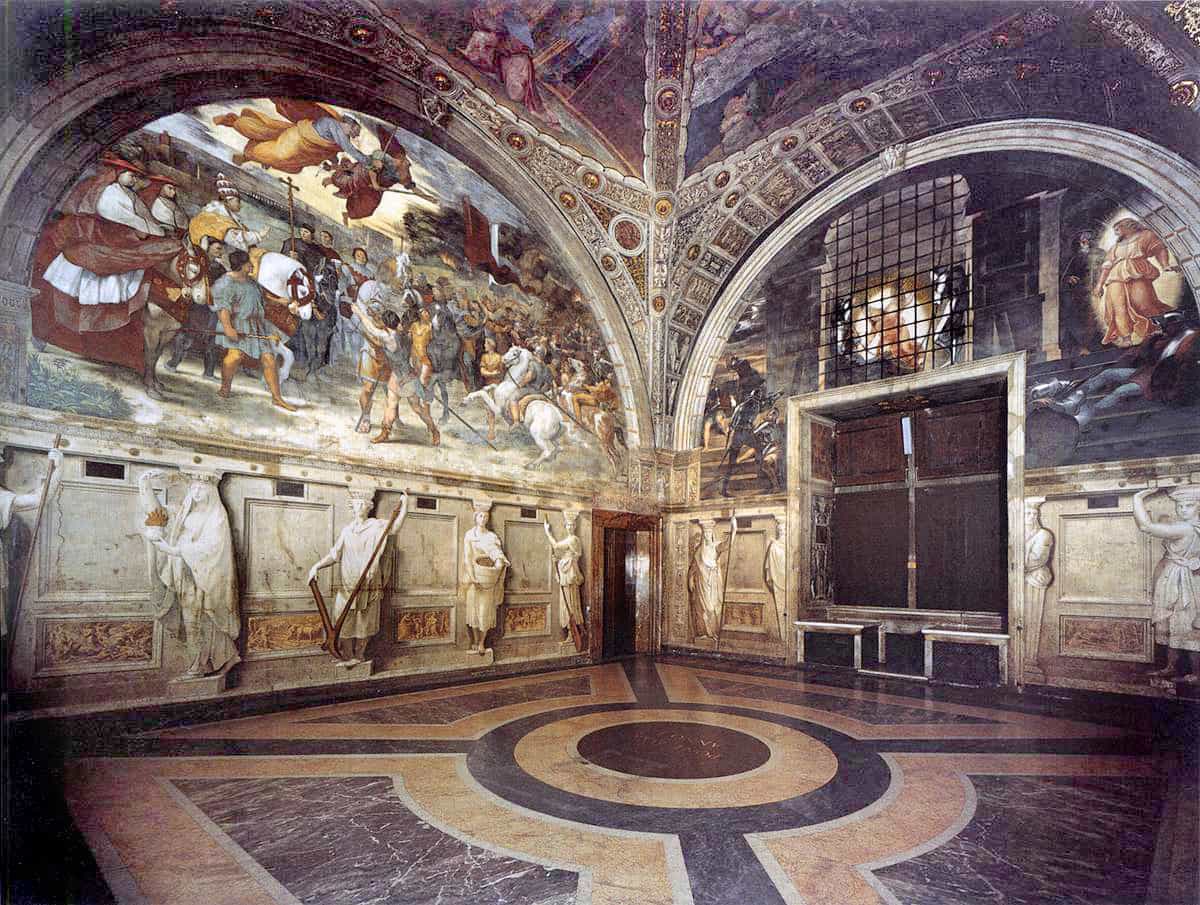
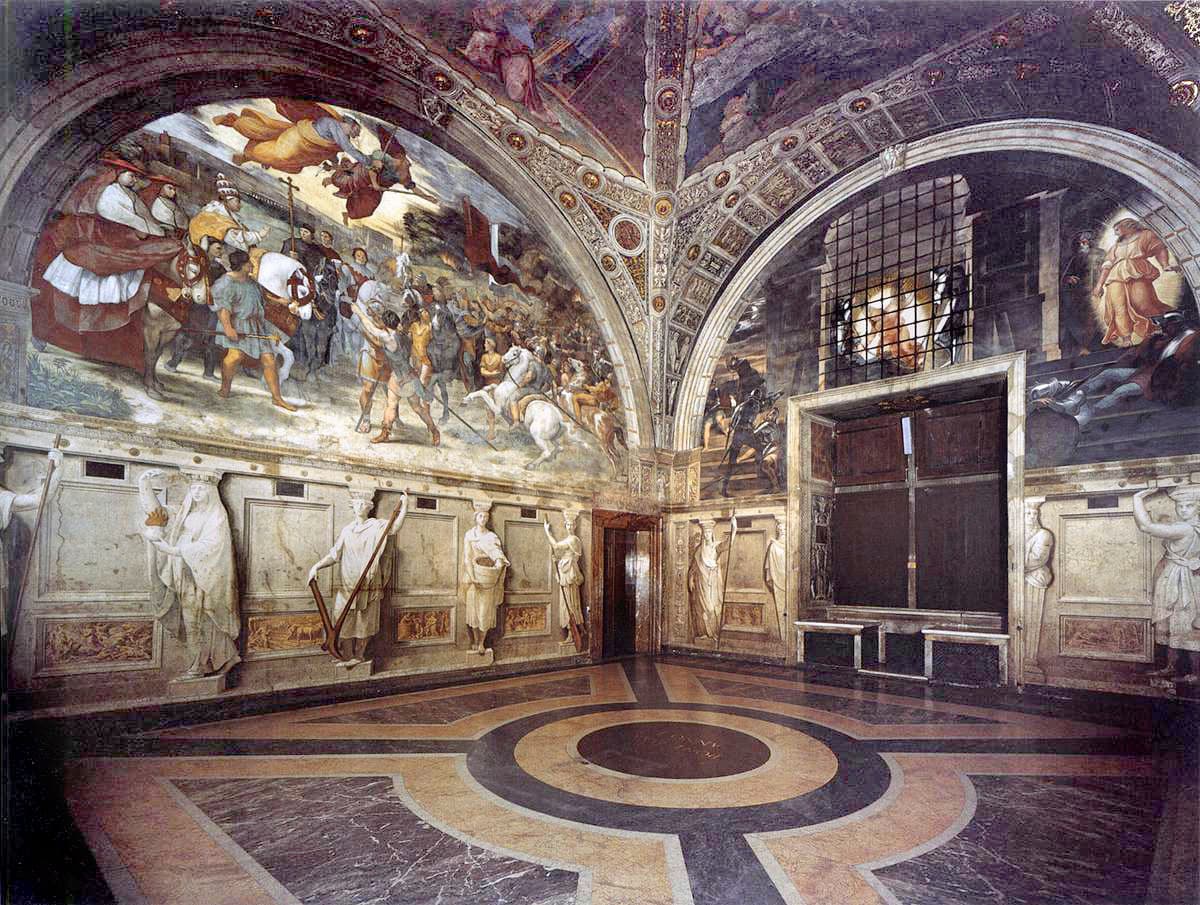
Stanza di Eliodoro
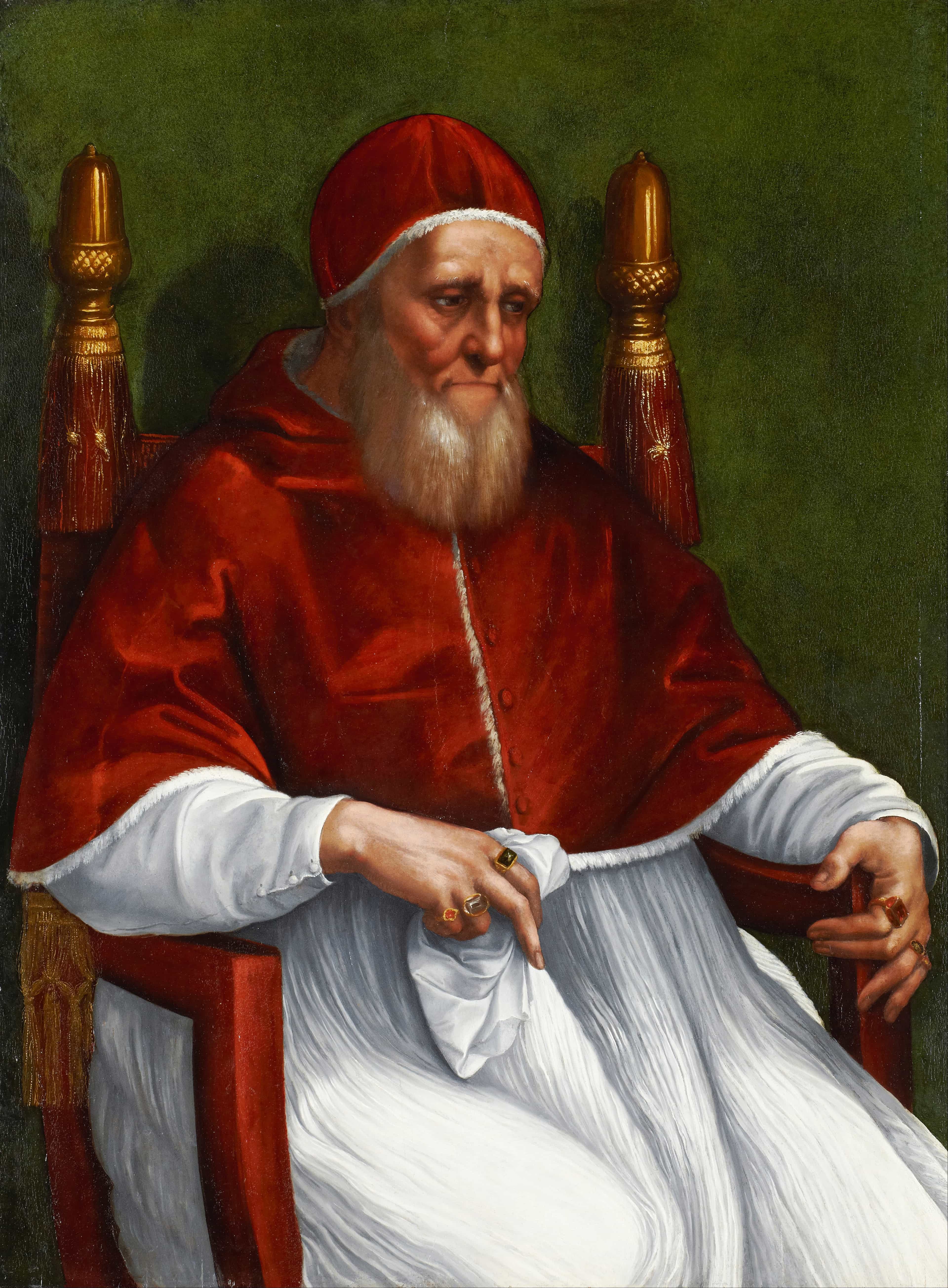
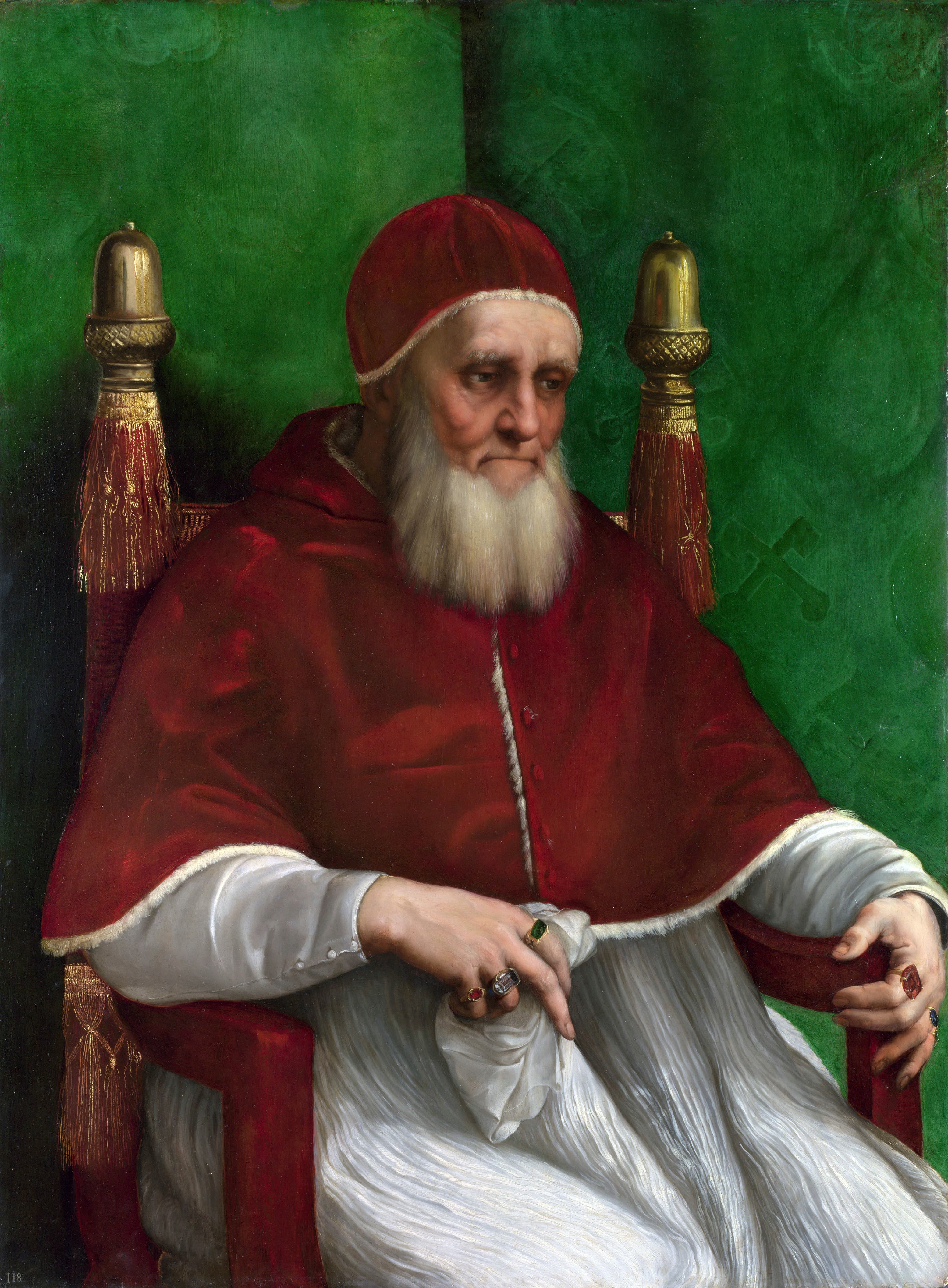
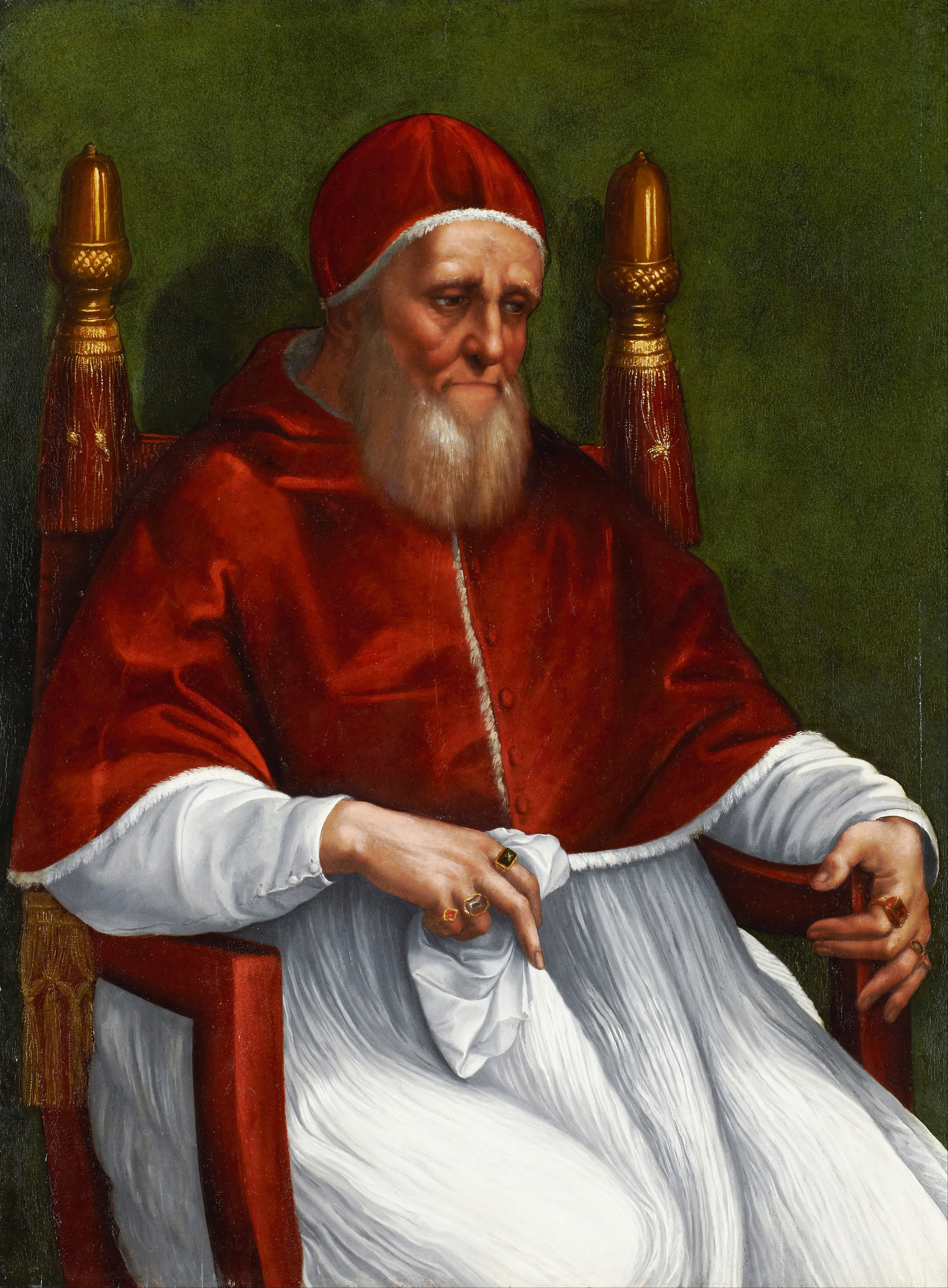
Portrait of Pope Julius II
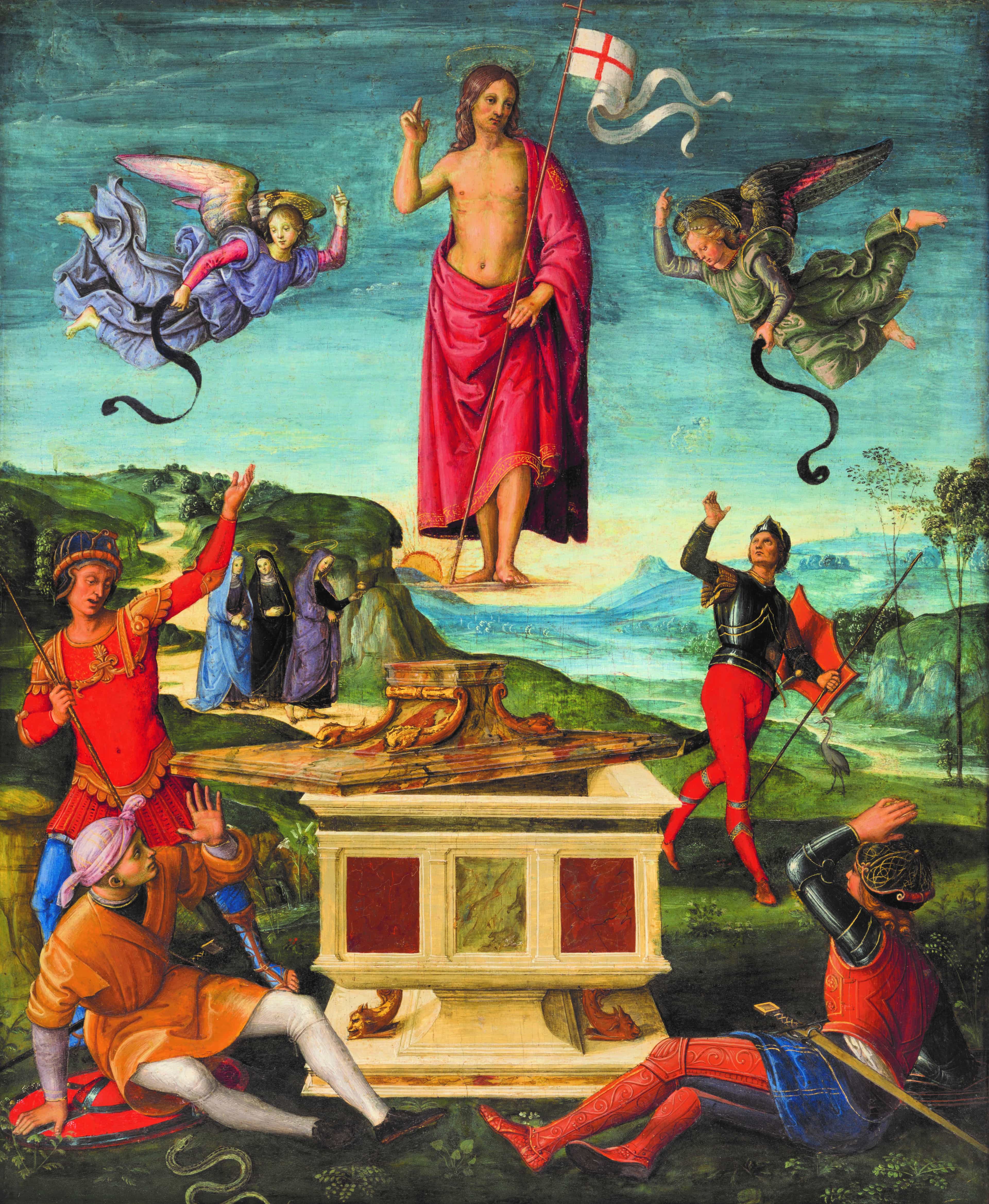
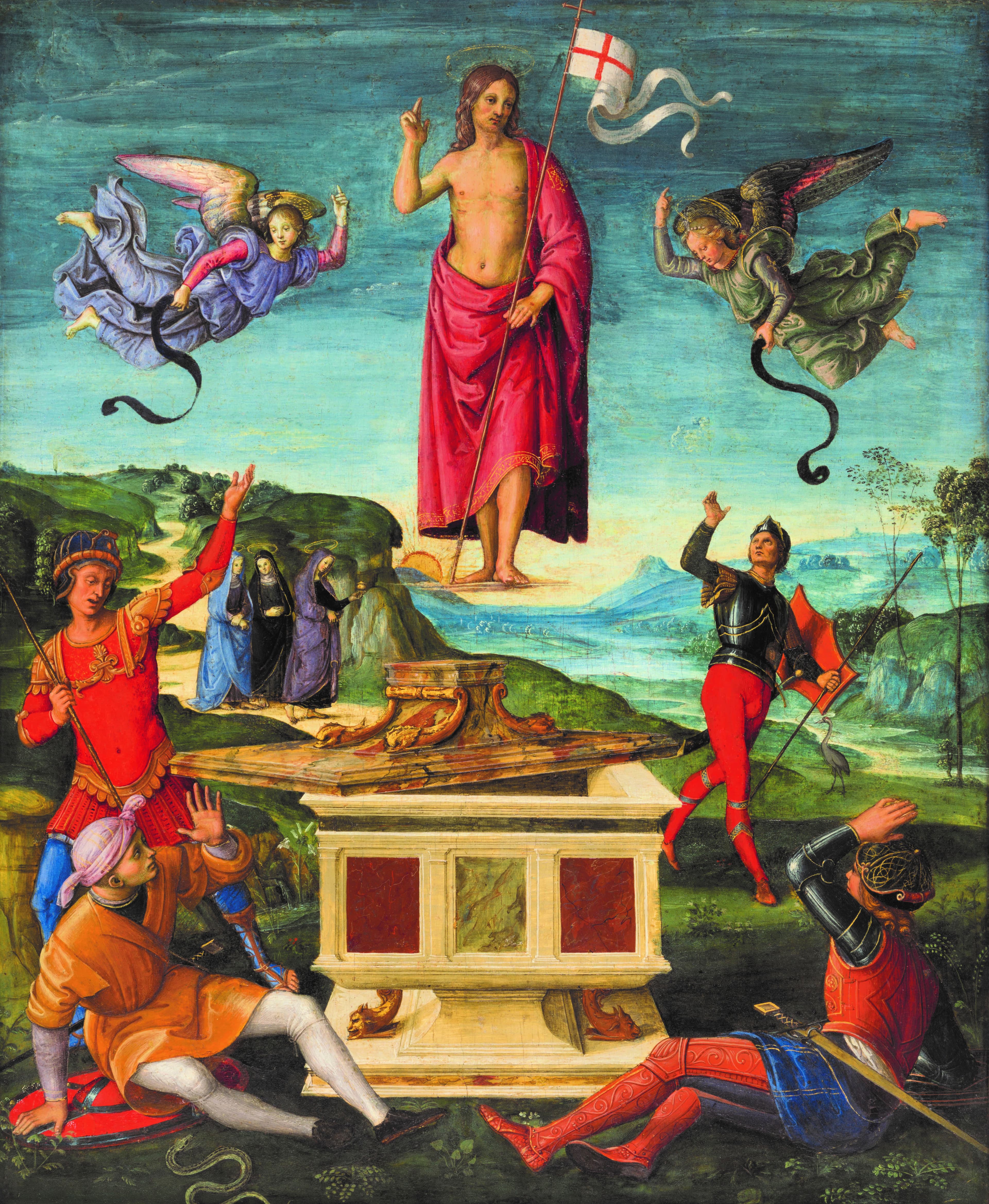
Resurrection of Christ
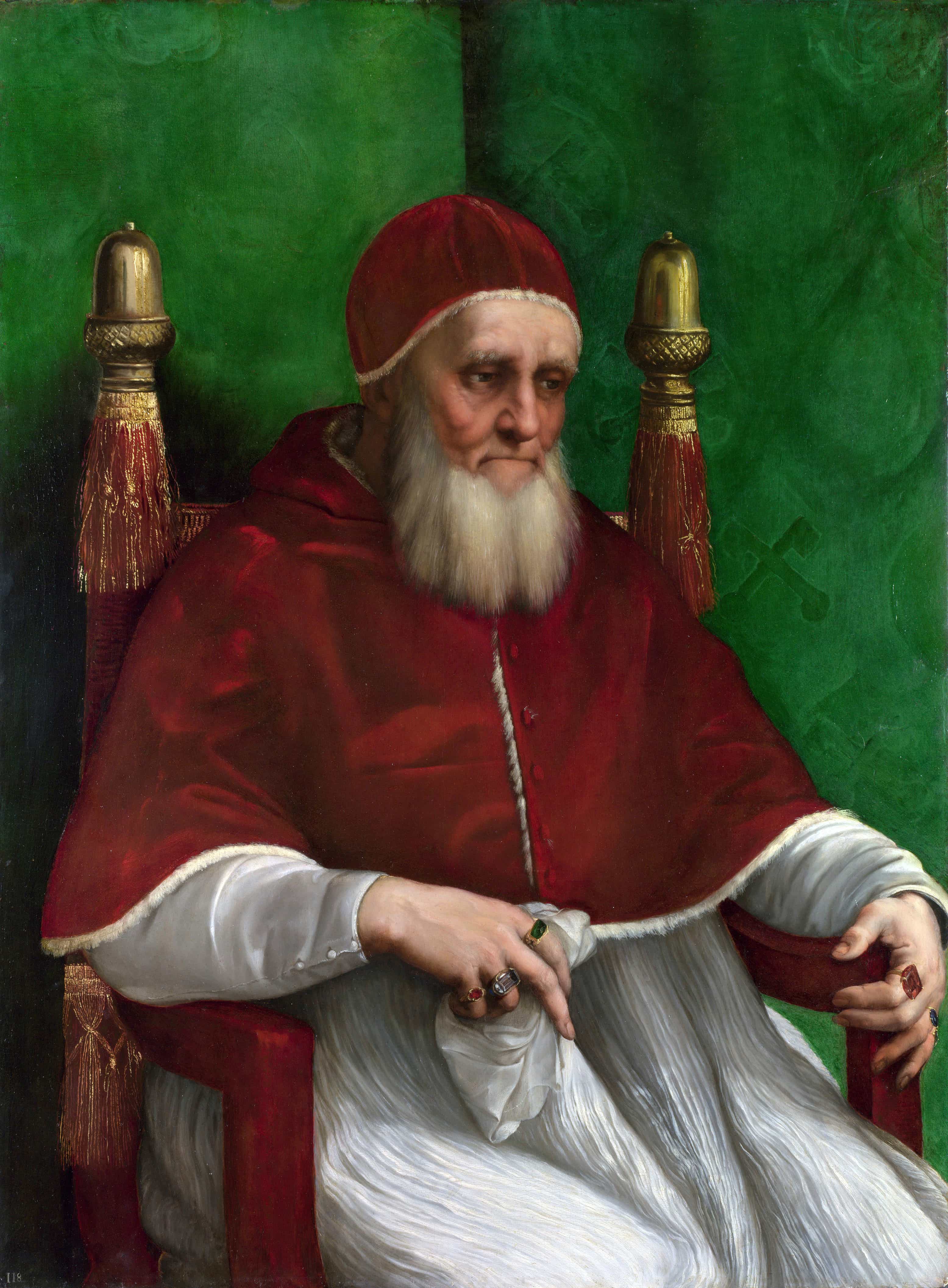
Portrait of Pope Julius II