




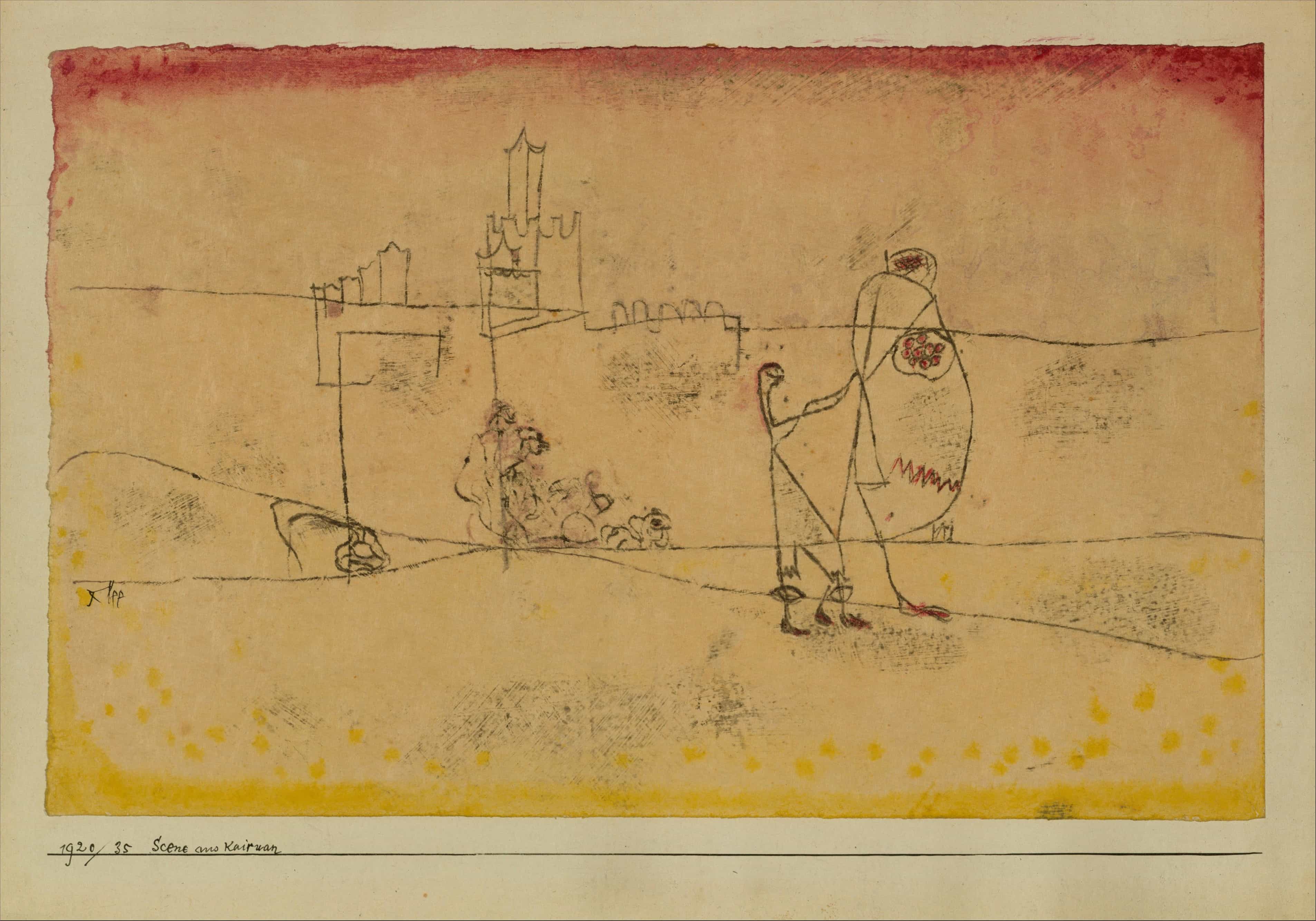
Episode at Kairouan
Paul Klee
From €38
Collection
Museum-quality reproductions on 310gsm textured cotton rag paper.
Shop all prints by Paul KleeArtistic Style
Style Evolution
Klee moved from observational drawing and figurative watercolors to a personal modernist idiom: early symbolic works gave way to Bauhaus-era pedagogical experiments and late, condensed abstractions combining geometric order with poetic pictorial signs.
Palette
Subjects
Techniques
Topics
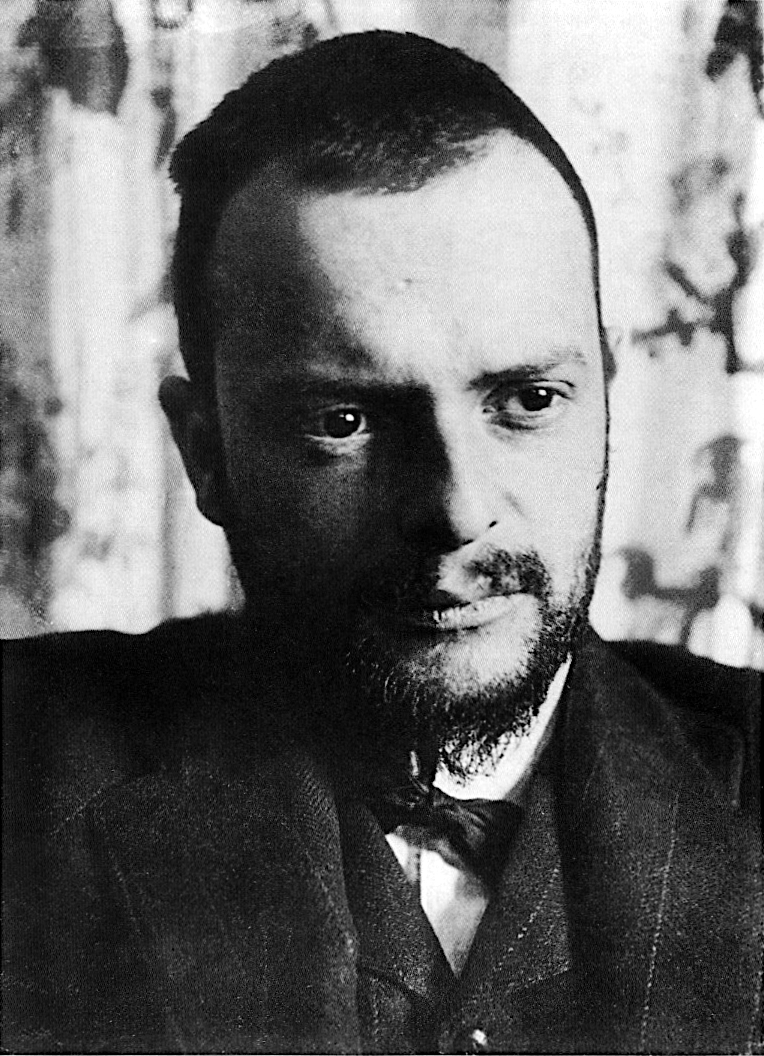
Paul Klee (1879-1940) was a Swiss-German modernist painter linked to Expressionism and Bauhaus whose lyrical abstractions and pictorial signs reshaped 20th-century art.
Learn about the life of Paul Klee
Biography
Paul Klee (1879-1940) was a Swiss-German modernist painter linked to Expressionism and Bauhaus whose lyrical abstractions and pictorial signs reshaped 20th-century art.
Paul Klee (1879-1940) was born in Münchenbuchsee and raised in a culturally musical household. Trained initially with an early interest in music and drawing, Klee pursued visual arts education in Germany and developed a practice that balanced drawing, watercolor, and experimental print techniques. His early years combined careful draftsmanship with an appetite for color and symbolic form.
Klee’s artistic development moved from careful observation to a highly individual modernist language that absorbed Expressionist intensity, Cubist structure, Surrealist imagination and pedagogical clarity.
In his early period he explored figurative drawing, delicate watercolors, and symbolic scenes that show both natural observation and a growing tendency toward abstraction. He became connected with avant‑garde circles that valued experimentation and pictorial invention.
Klee’s middle period is most closely associated with his role as a teacher and theorist. He taught at the Bauhaus where his notebooks and classroom practice codified ideas about color theory, line, and pictorial space. This decade saw Klee refine a concise visual vocabulary of signs, grids and lyrical, biomorphic shapes.
In the 1930s political upheavals forced a change in his career and location. His late works increasingly combined pared-down geometry, expressive linework, and an inventive use of surface and texture, producing works of intense concentration and emotional depth.
Klee is widely celebrated for works that demonstrate his mastery of watercolor, ink and mixed media, and for a uniquely personal iconography of signs and pictograms. His teaching at the Bauhaus and his theoretical writings are considered milestones in 20th-century art education and practice.
Klee's technique is notable for its variety: delicate washes of watercolor, finely articulated line, mixed-media layering and an economy of pictorial elements. He often balanced playful pictorial motifs with rigorous compositional structures, using grid-like frameworks, symbolic signs and textured surfaces to create works that can read as both decorative and intellectually rigorous.
Klee influenced generations of modern artists and educators through both his paintings and his pedagogical writings. He occupies a central place in the story of European modernism—bridging Expressionism, Constructivism and Surrealist ideas—and his visual language continues to inspire contemporary painters, designers and teachers.
Klee combined a disciplined studio practice with teaching and theoretical
Frequently Asked Questions
Episode at Kairouan
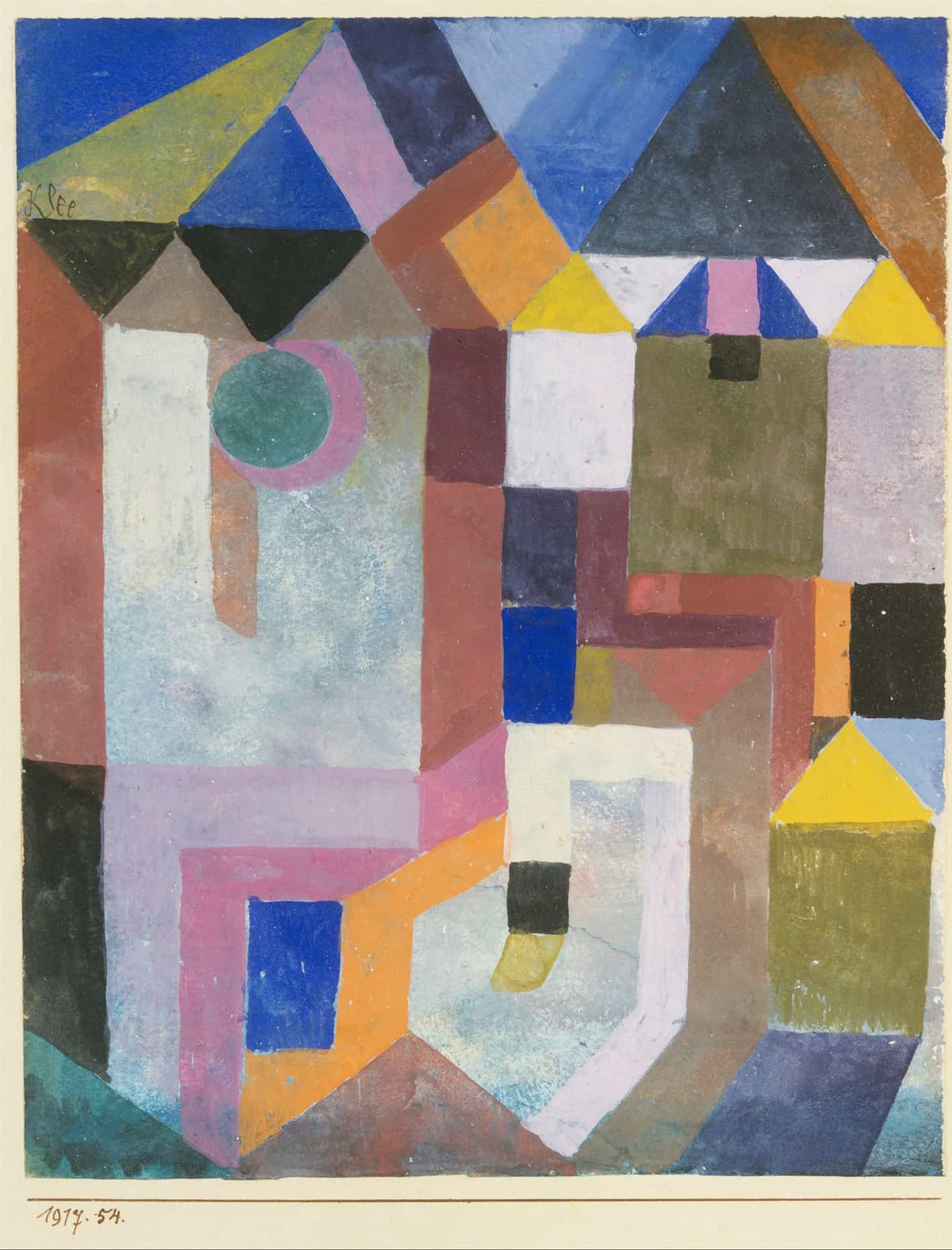
Colorful Architecture
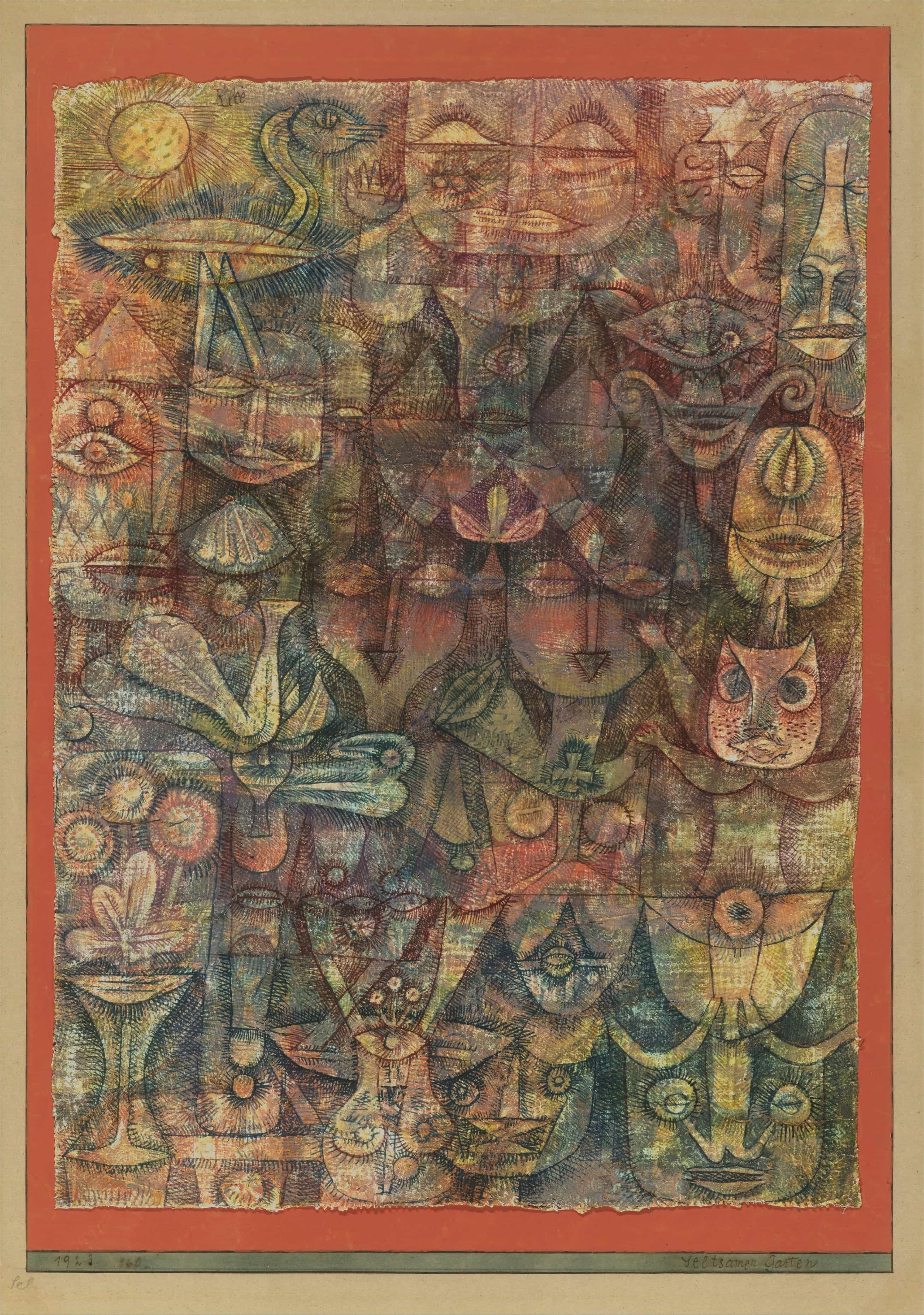
Strange Garden
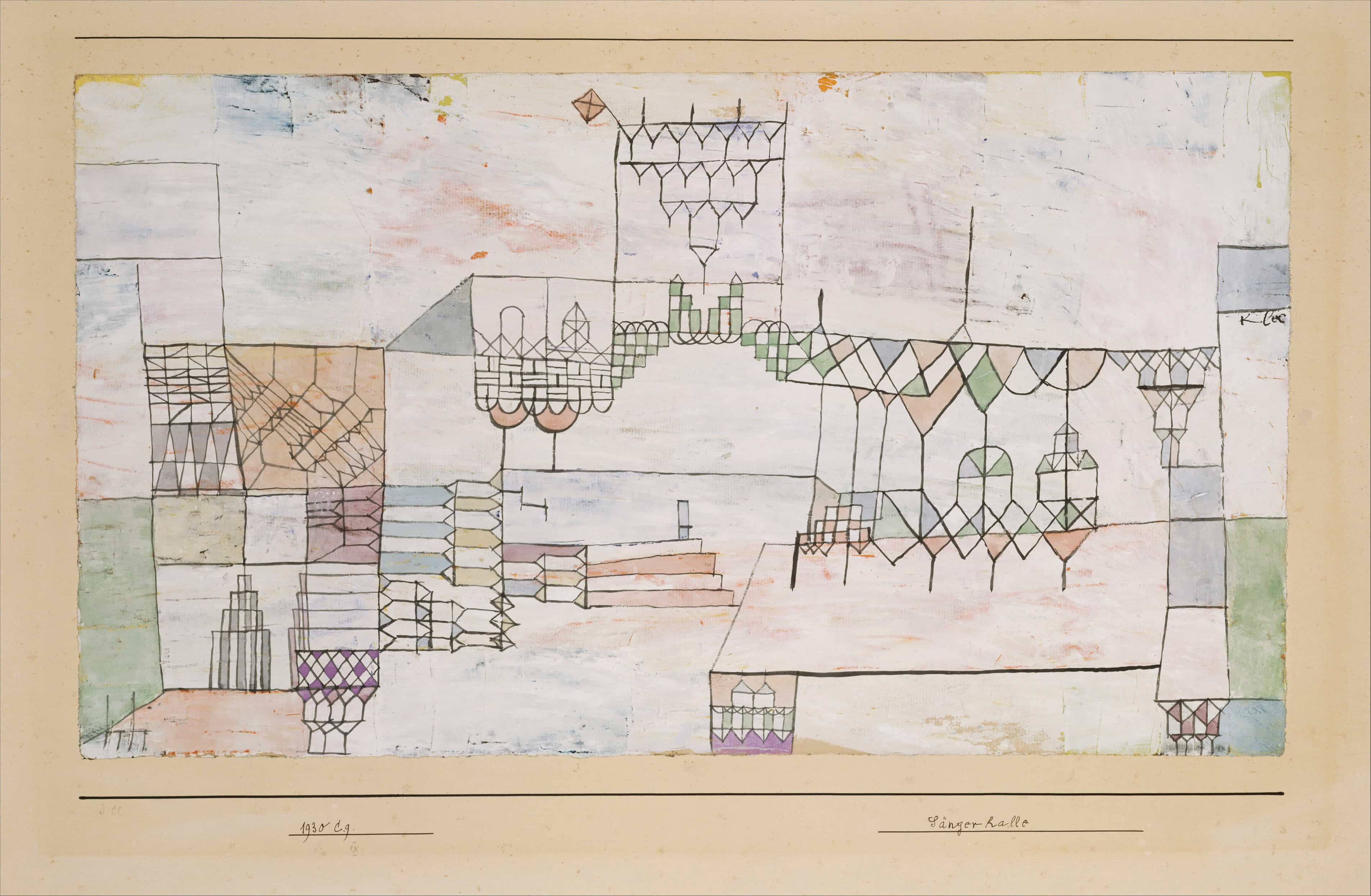
Great Hall for Singers
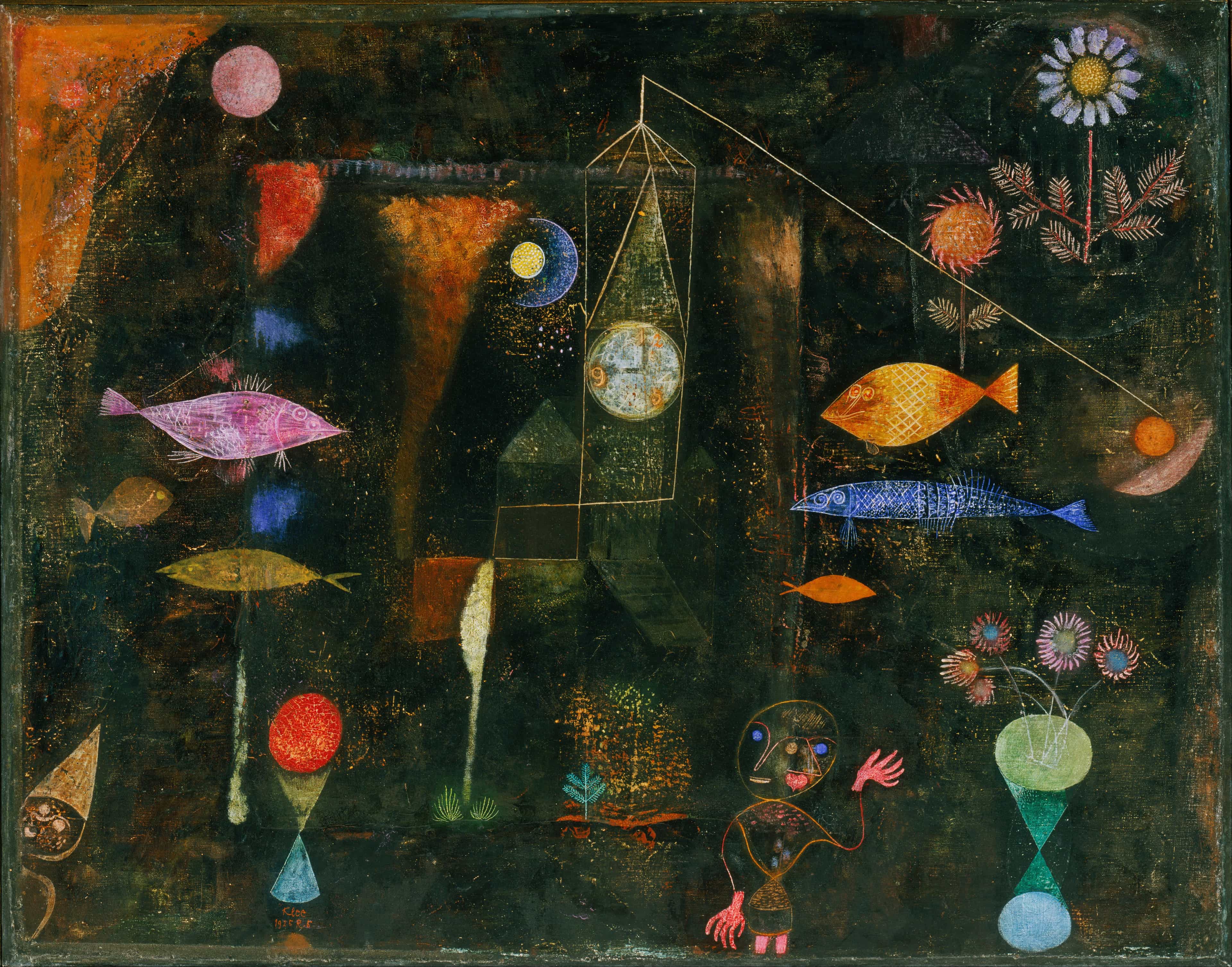
Fish Magic
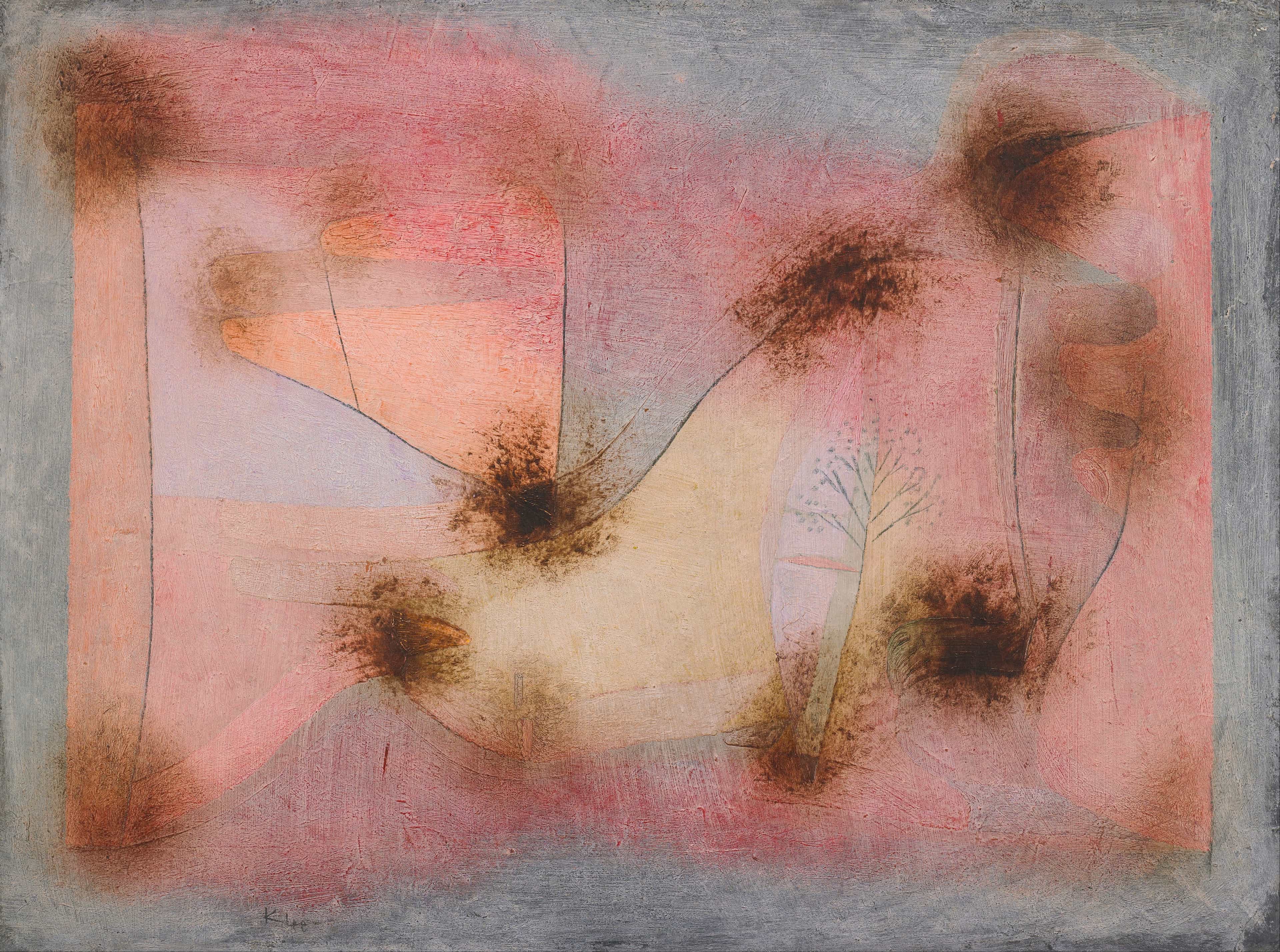
Hardy Plants
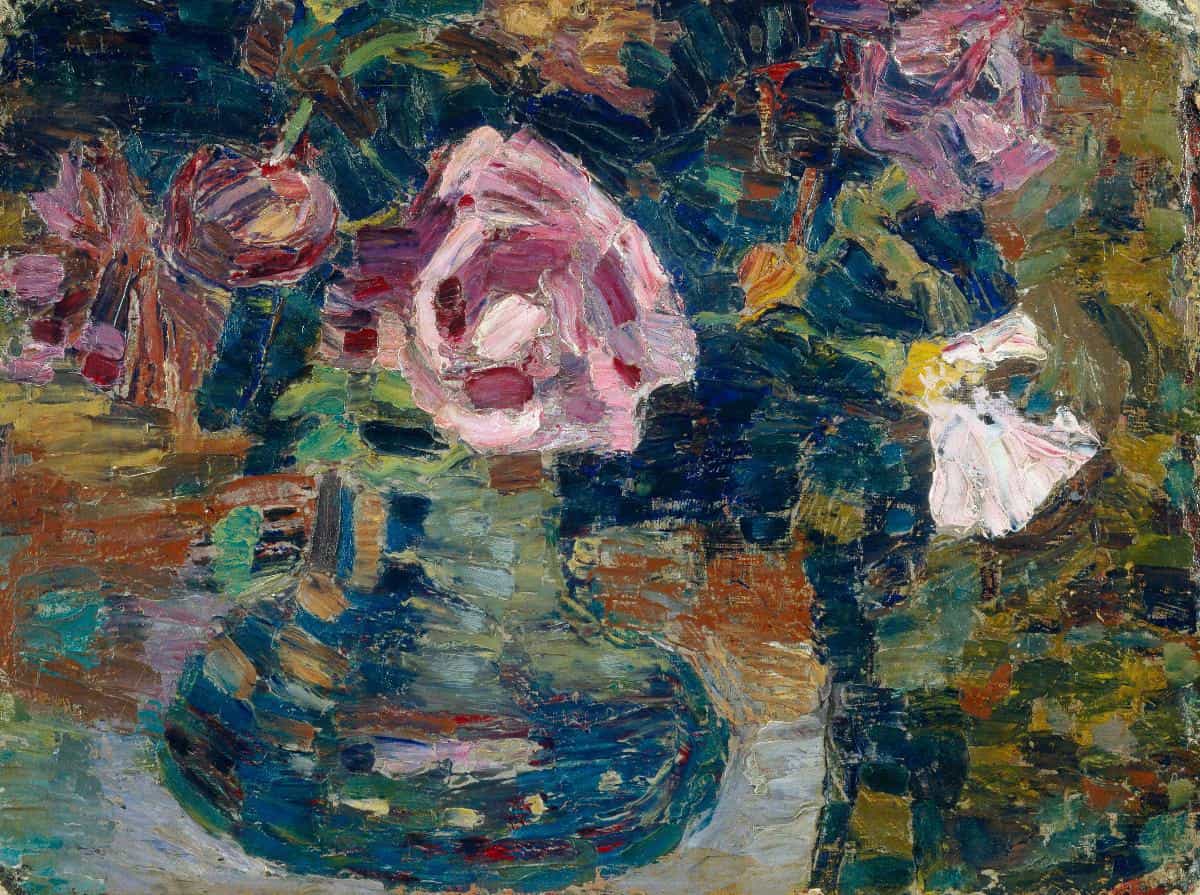
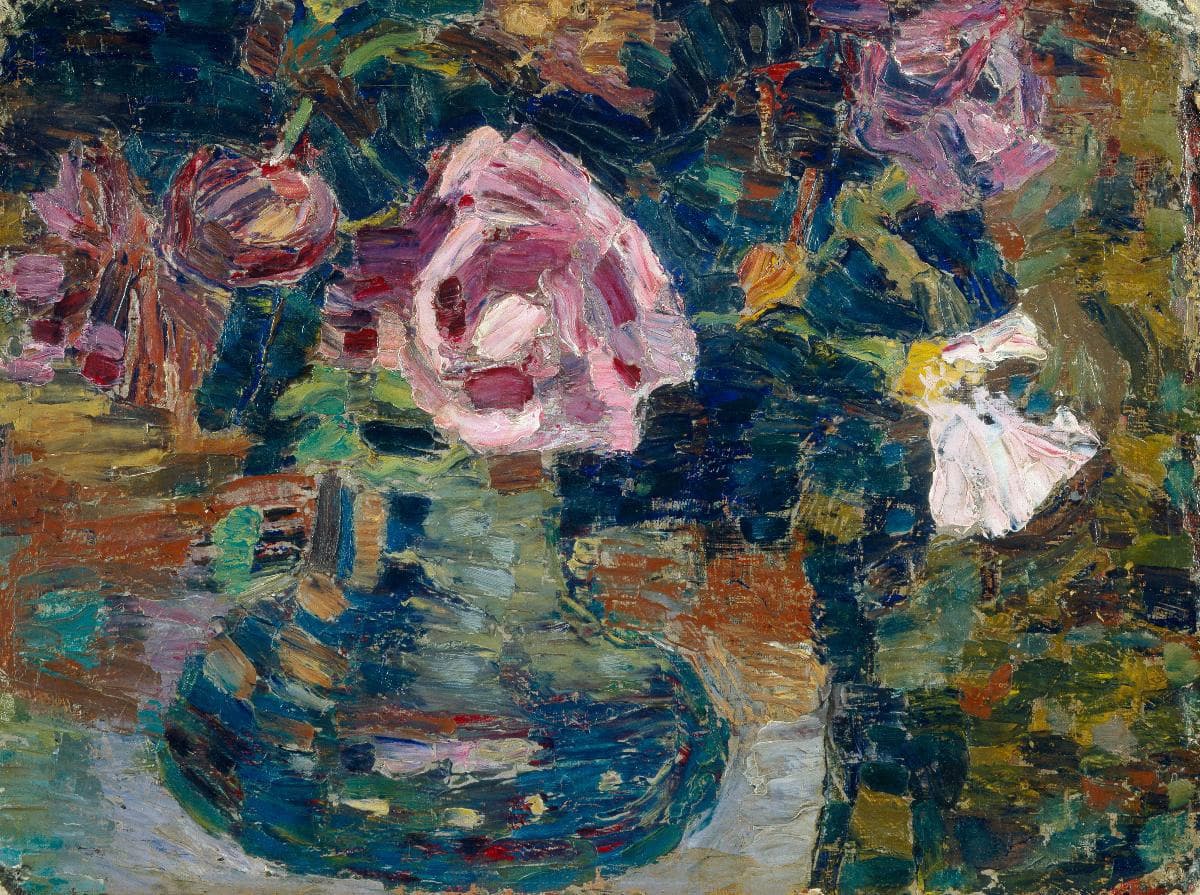
Ohne Titel: Vase mit Blumen
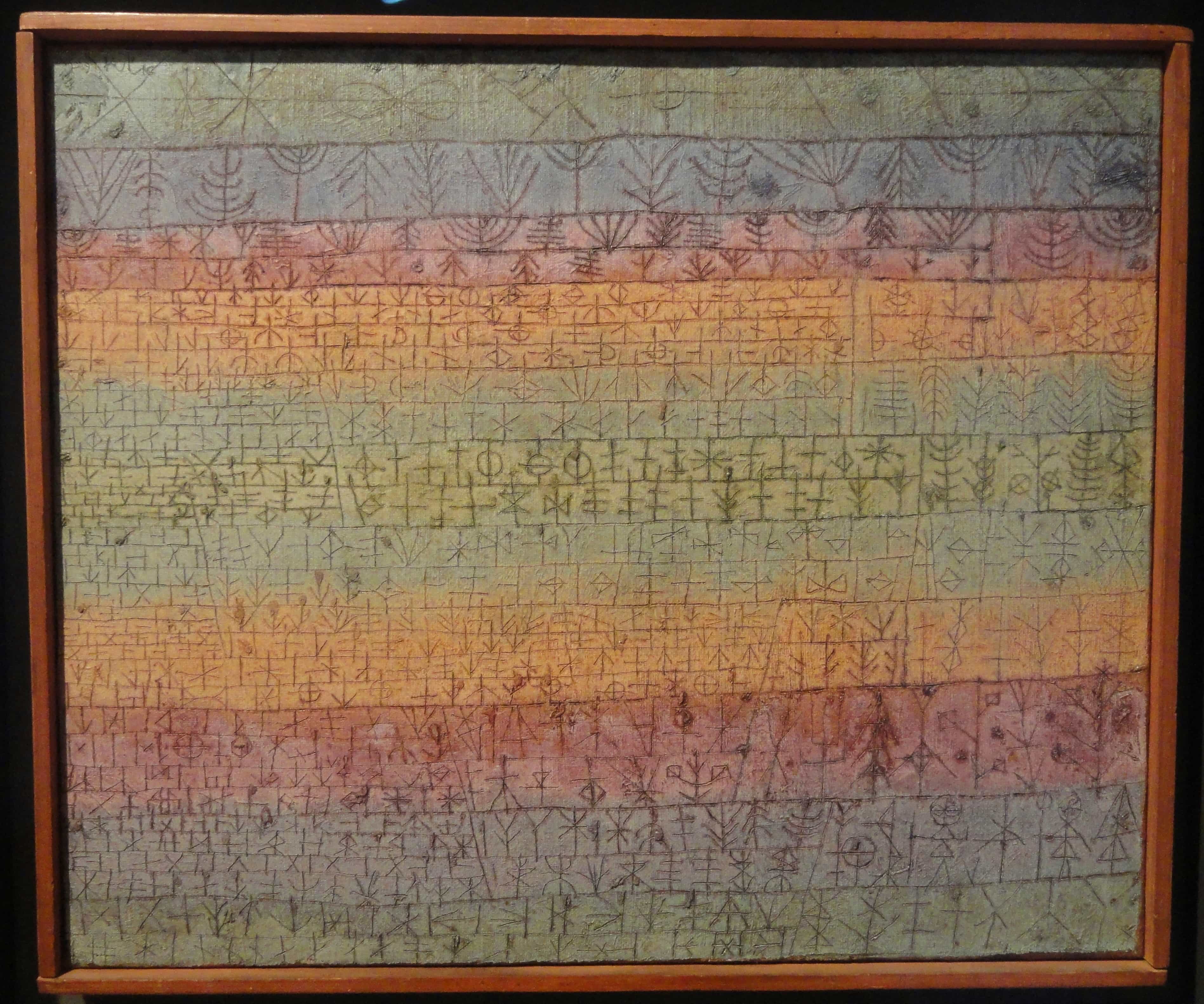
Tree Nursery
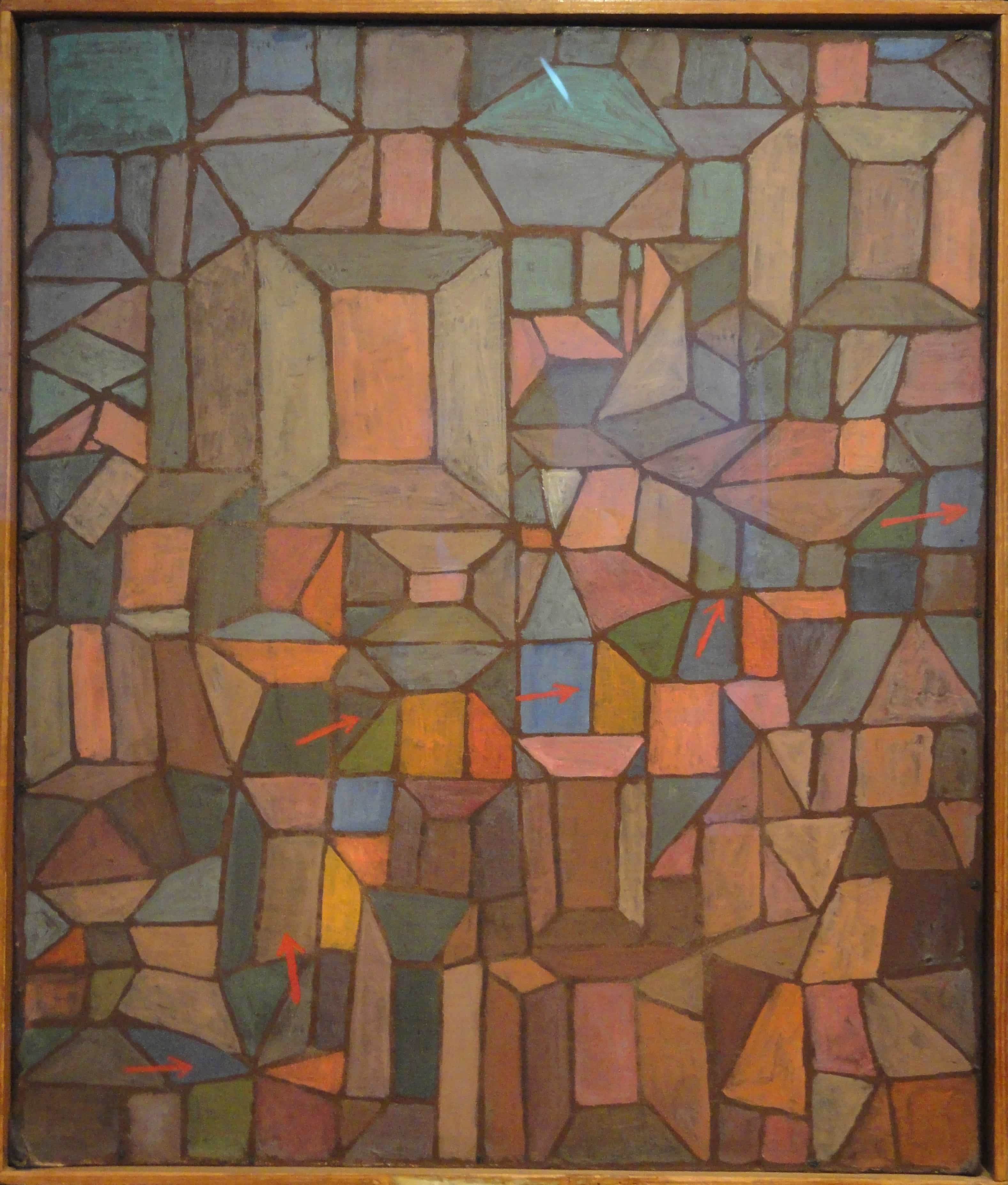
The Way to the Citadel
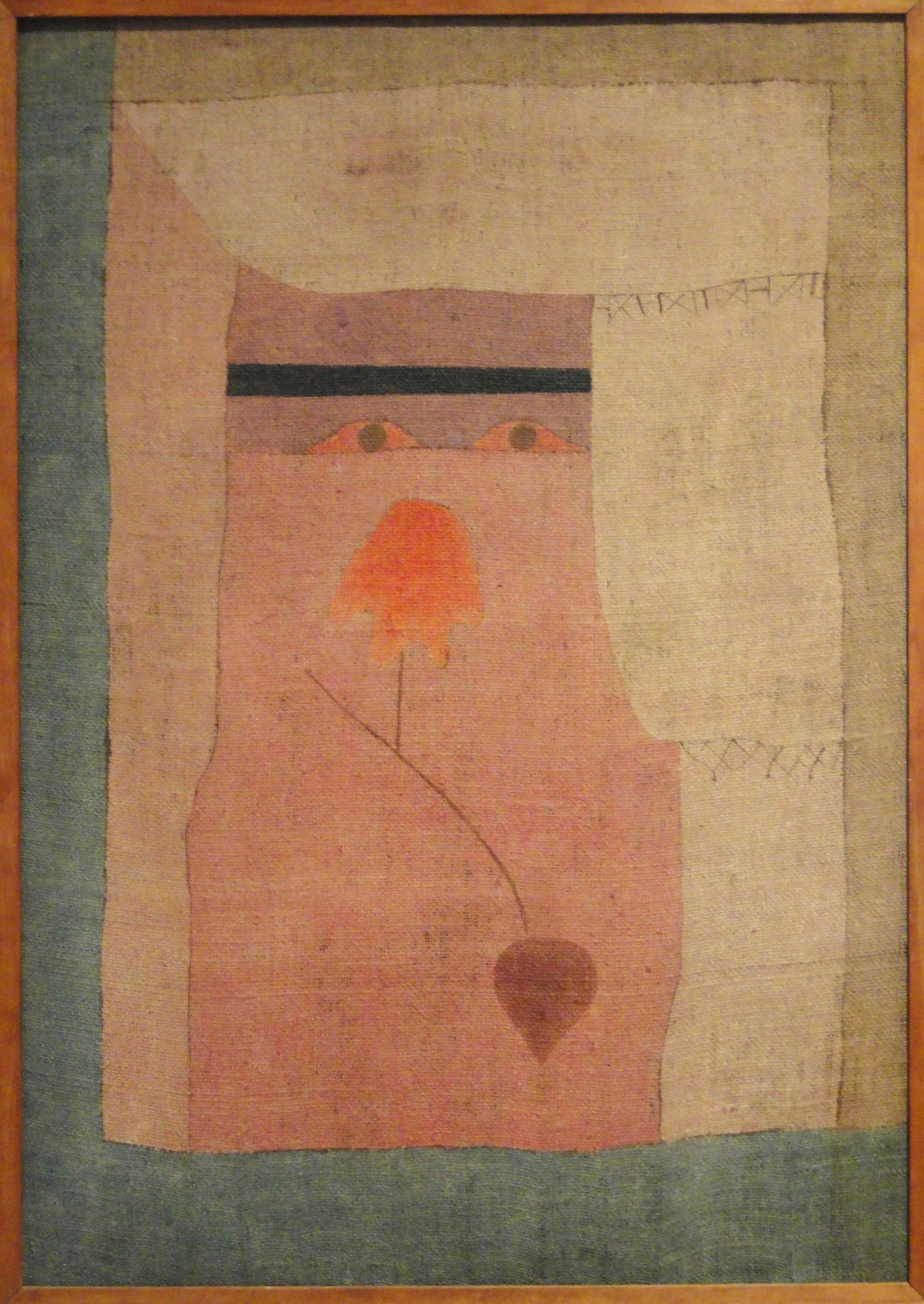
Arab Song
Flora of the Heath
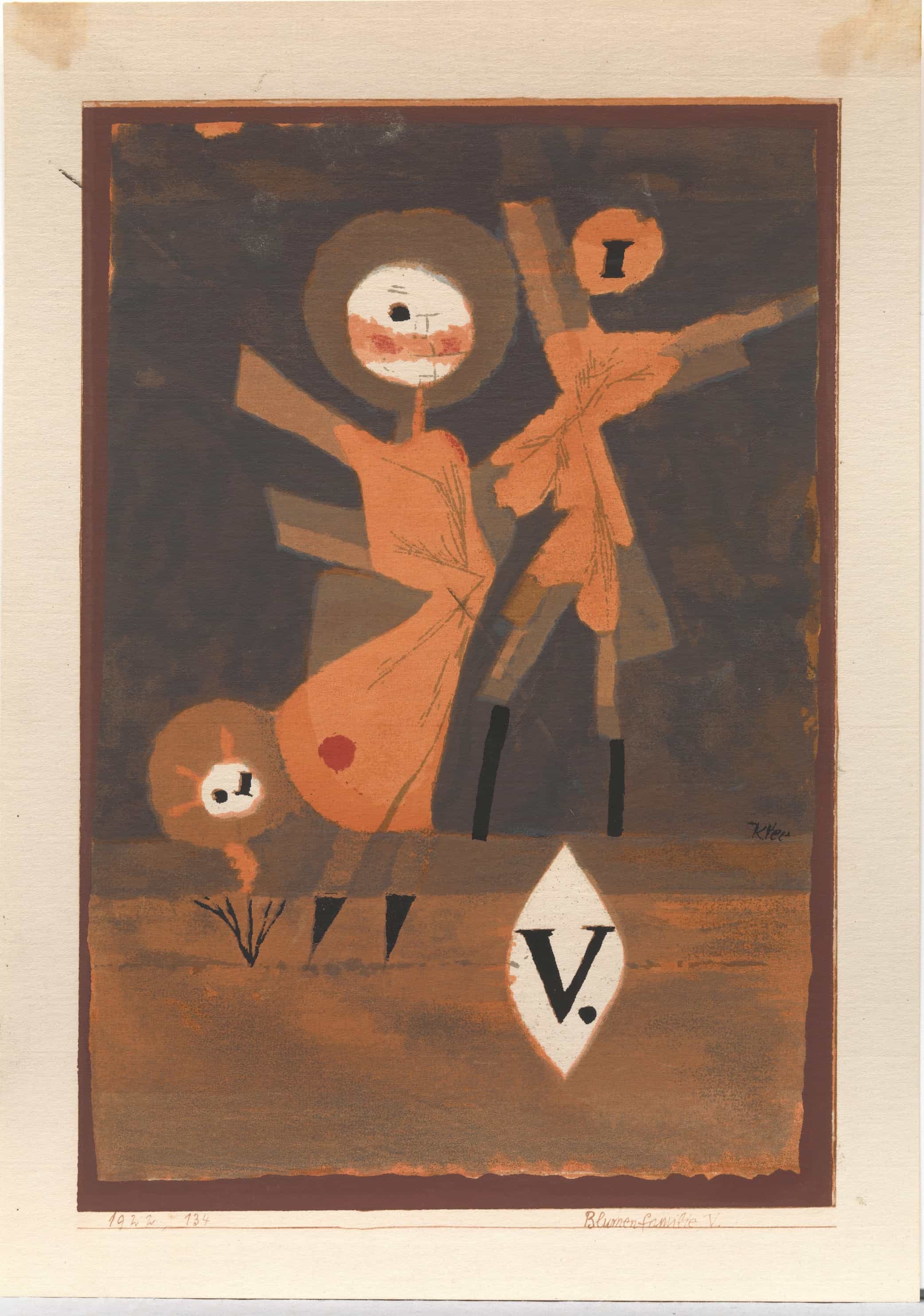
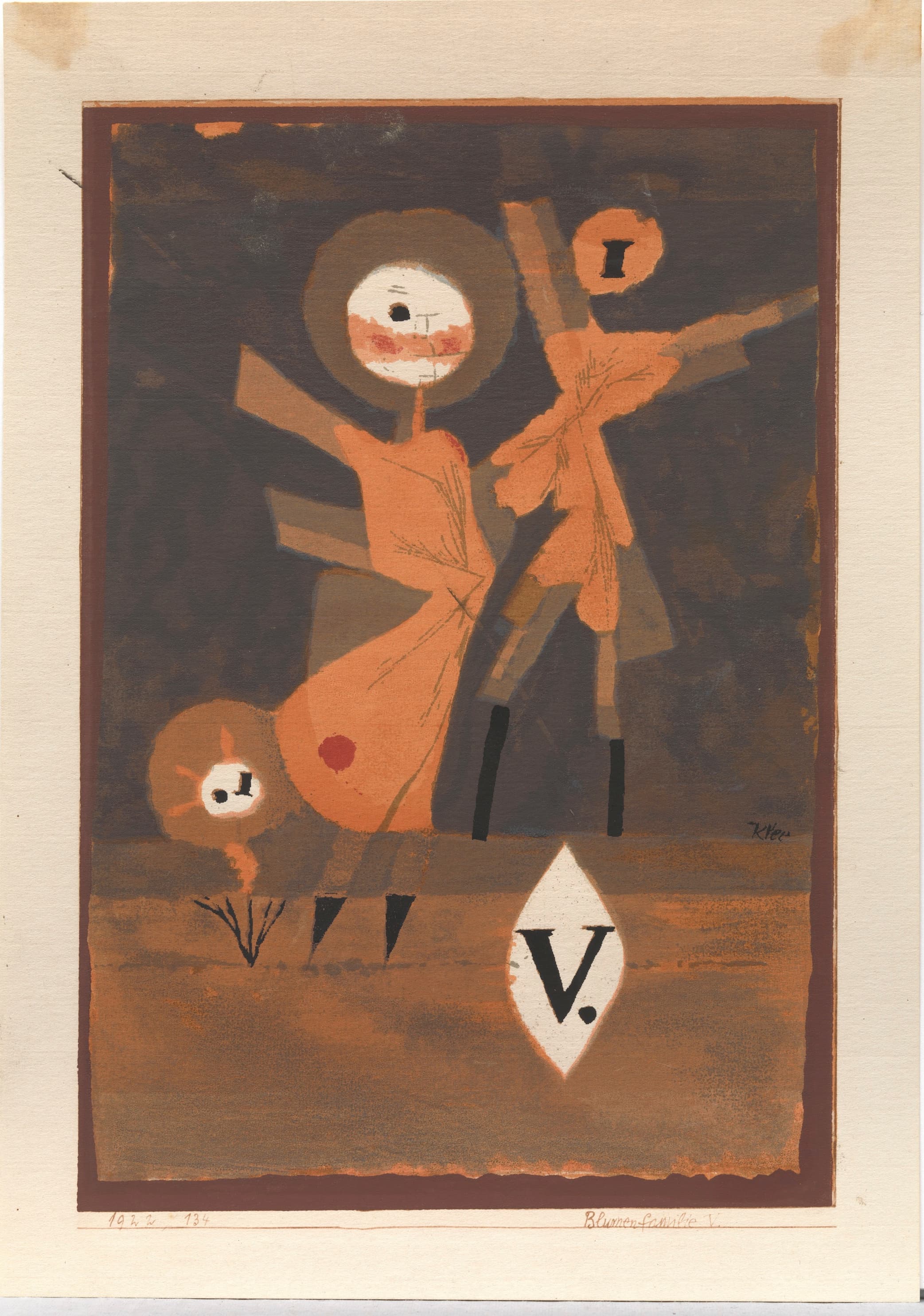
Flower Family V