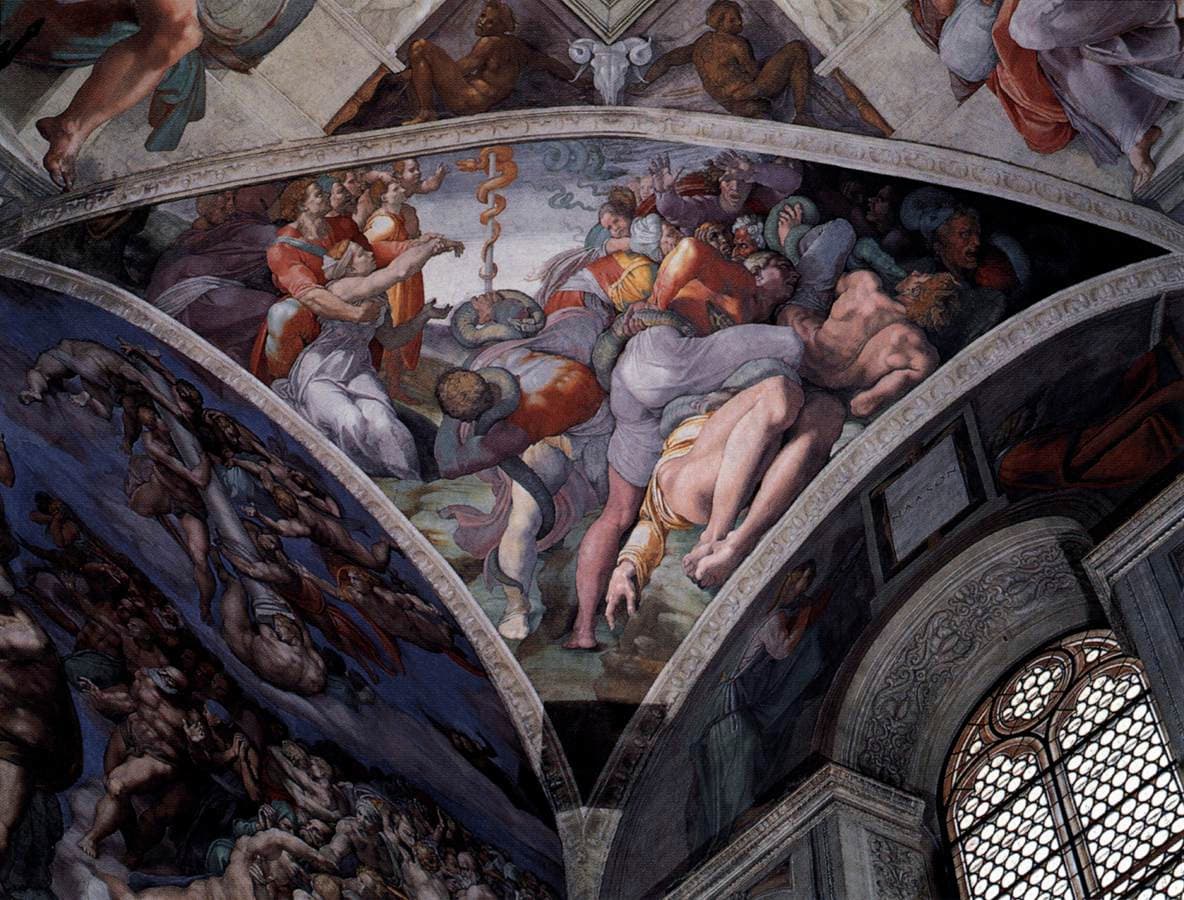
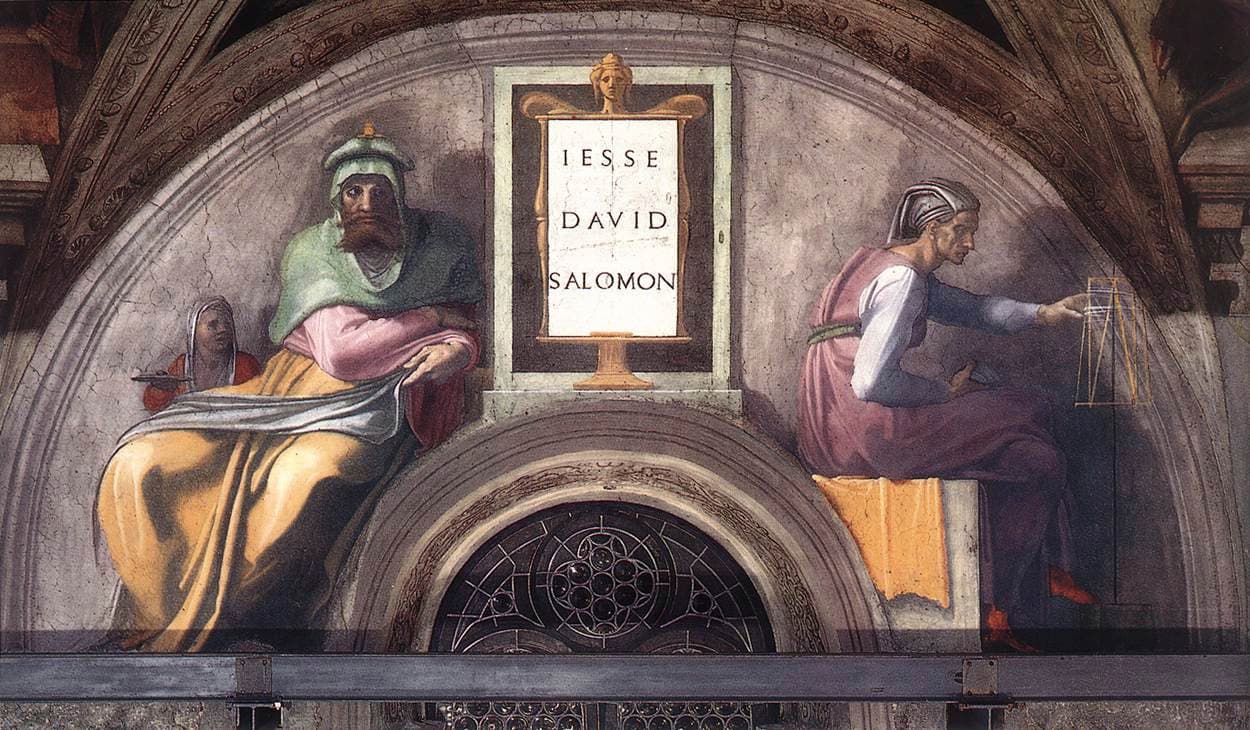
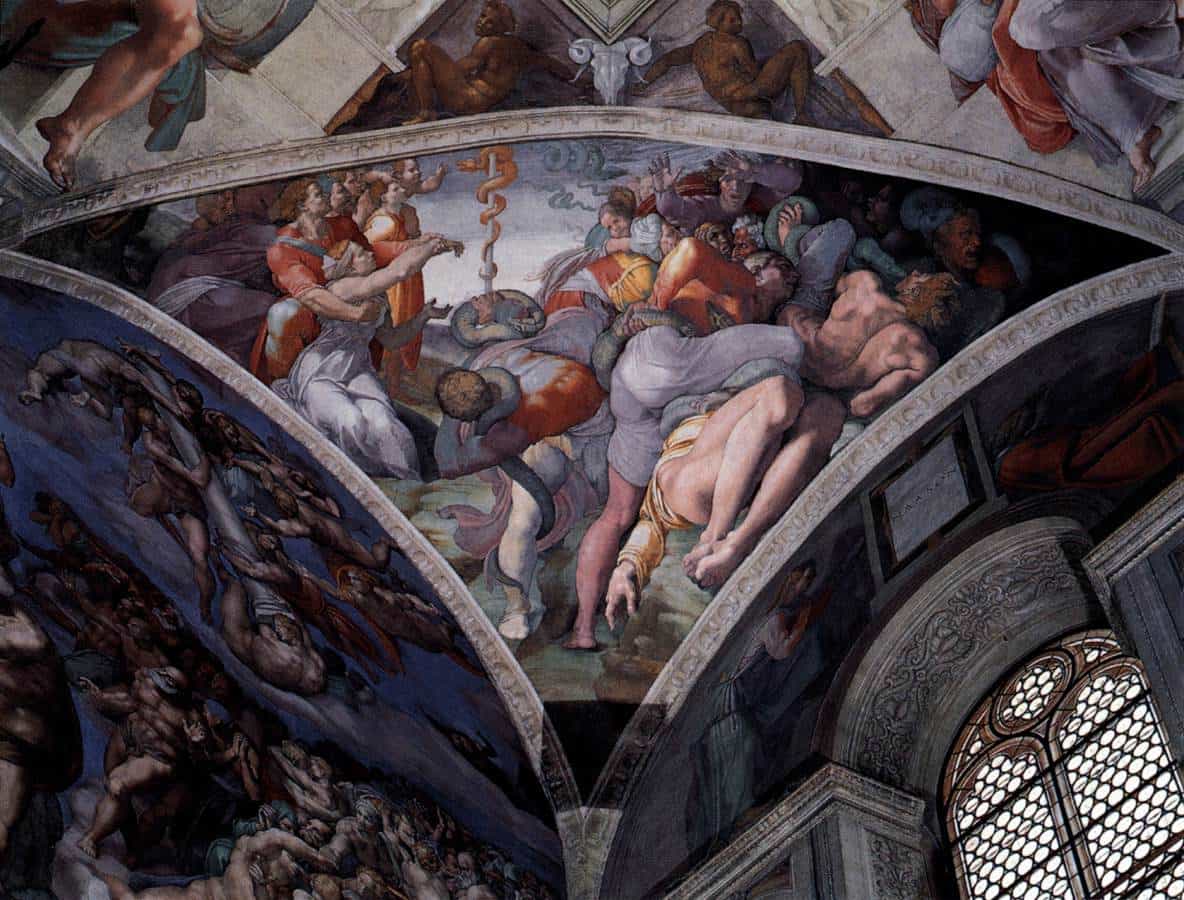
The Brazen Serpent
Michelangelo
From €64
Collection
Museum-quality reproductions on 310gsm textured cotton rag paper.
Shop all prints by MichelangeloArtistic Style
Style Evolution
Michelangelo's work moved from rigorous early studies of anatomy and sculpture to monumental, expressive compositions in painting and architecture. His middle period emphasizes muscular, idealized figures and complex narratives; his late period focuses on architectural synthesis and increasingly expressive, compressed forms.
Palette
Subjects
Techniques
Topics
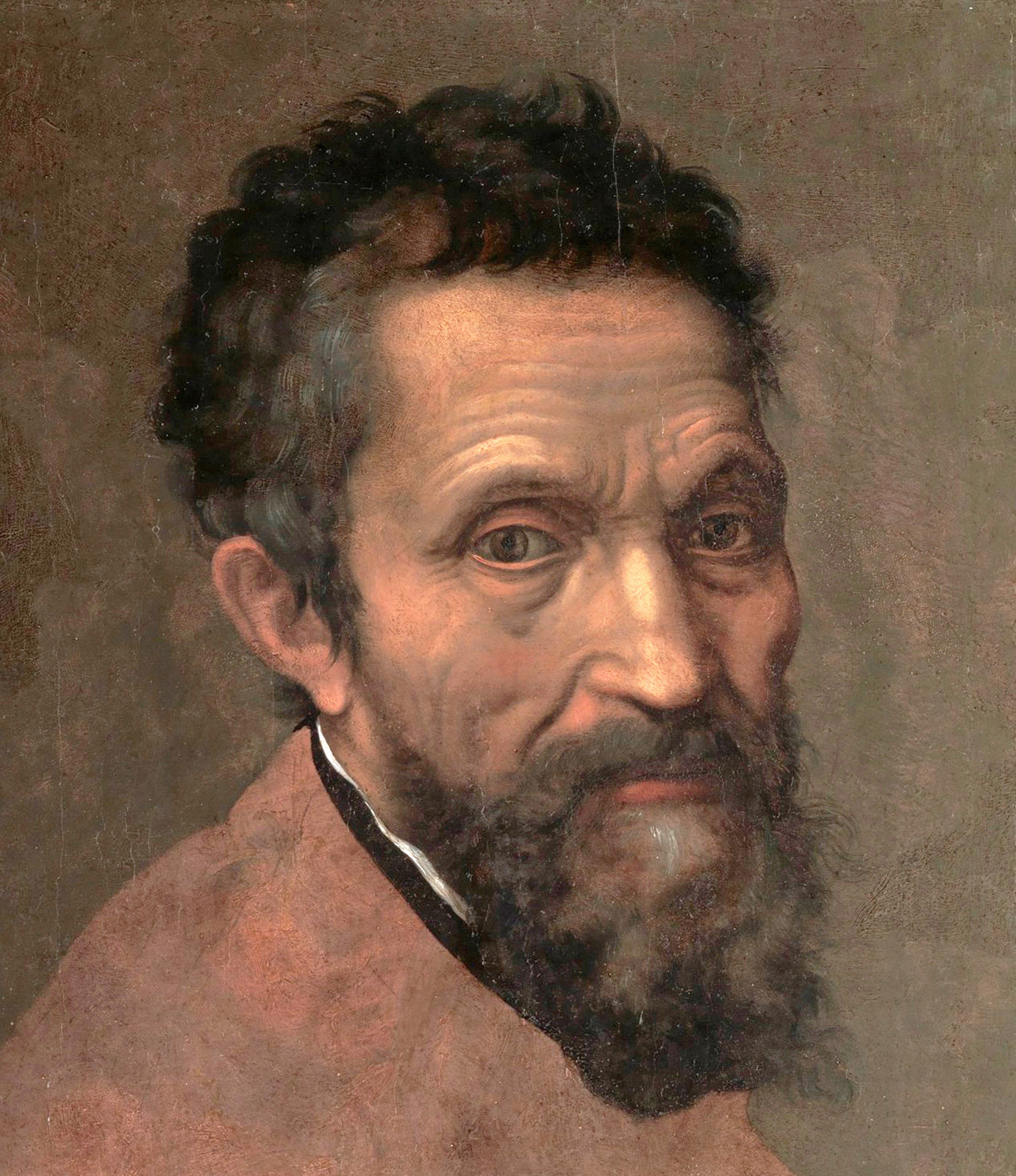
Michelangelo (1475-1564) was an Italian High Renaissance sculptor, painter, and architect whose monumental works and mastery of form reshaped Western art.
Learn about the life of Michelangelo
Signature Works
See all available printsBiography
Michelangelo (1475-1564) was an Italian High Renaissance sculptor, painter, and architect whose monumental works and mastery of form reshaped Western art.
Born in Caprese Michelangelo in 1475, Michelangelo emerged in the cultural milieu of the Republic of Florence. His early years were shaped by rigorous training in drawing and sculpture at a time when Florence was a leading center of artistic innovation. He developed technical facility in marble and an intense study of the human figure that would define his career.
Michelangelo's practice spanned more than six decades and evolved through distinct phases defined by location, commissions, and growing responsibilities.
In his early career he established a reputation for exceptional draftsmanship and sculptural skill. He focused on mastering anatomy, proportion, and the expressive potential of the human body.
During his mature years he undertook large-scale painting, sculpture, and architectural commissions. His work from this period shows an intensified monumentality and a move toward complex compositions and muscular, idealized figures.
In later life his priorities shifted increasingly to architecture and the integration of sculptural language into built space, while his graphic work and late sculptures convey compressed energy and a deepened expressivity.
Across painting, sculpture, and architecture, Michelangelo produced projects of exceptional ambition and scale. He is celebrated for monumental commissions that combined technical virtuosity, dramatic anatomy, and a commanding sculptural sense that influenced generations of artists.
Michelangelo's technique is defined by extraordinary anatomical precision, a sculptor's approach to painted form, bold modeling, and a robust handling of marble. In painting and fresco he employed a powerful sense of volume and dramatic foreshortening; in sculpture he favored dynamic poses, deeply undercut surfaces, and a carved intensity that emphasizes mass and movement.
A central figure of the High Renaissance, Michelangelo influenced both contemporaries and later movements, from Mannerism to later academic traditions. His synthesis of sculpture, painting, and architecture set a standard for artistic ambition and is a touchstone for collectors and institutions worldwide.
Michelangelo maintained a lifelong devotion to his craft. His work was deeply connected to religious and civic institutions of his time. Personal details are less central than the enduring public projects and commissions that preserved his reputation.
Works associated with Michelangelo carry immense cultural and market significance because of their historical impact,—
Frequently Asked Questions
The Brazen Serpent
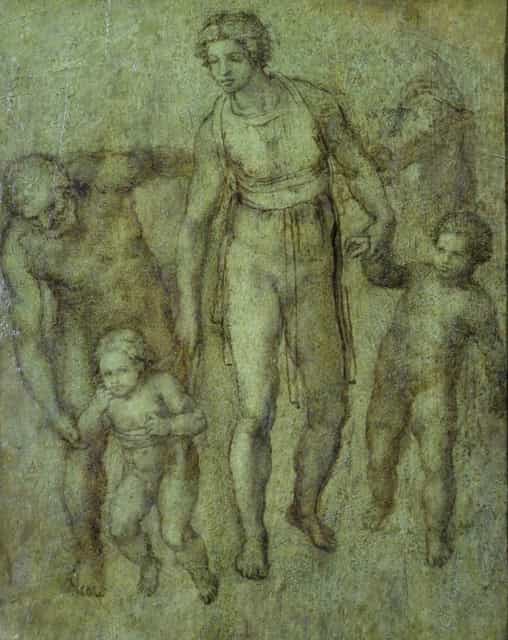
The Holy Family with Saint John the Baptist
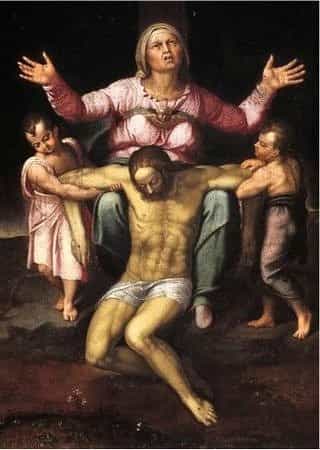
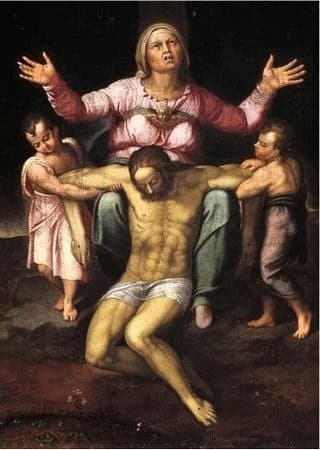
Pietà
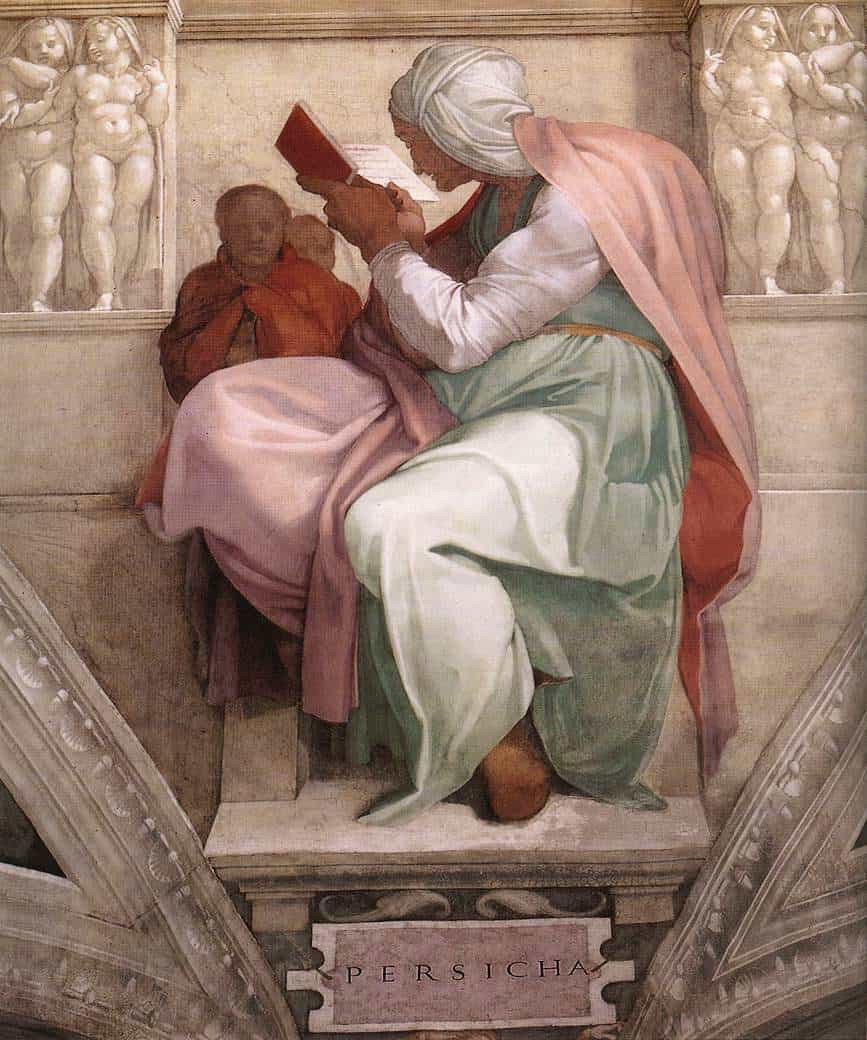
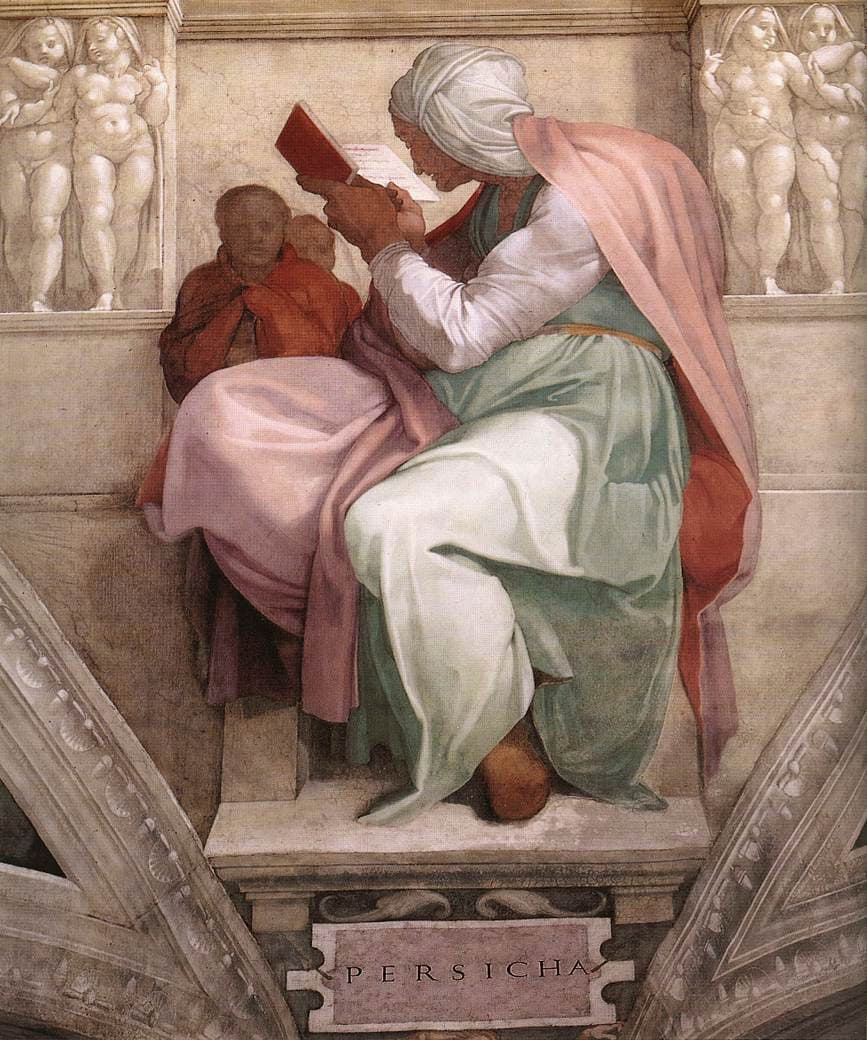
Persian Sibyl, Sistine Chapel
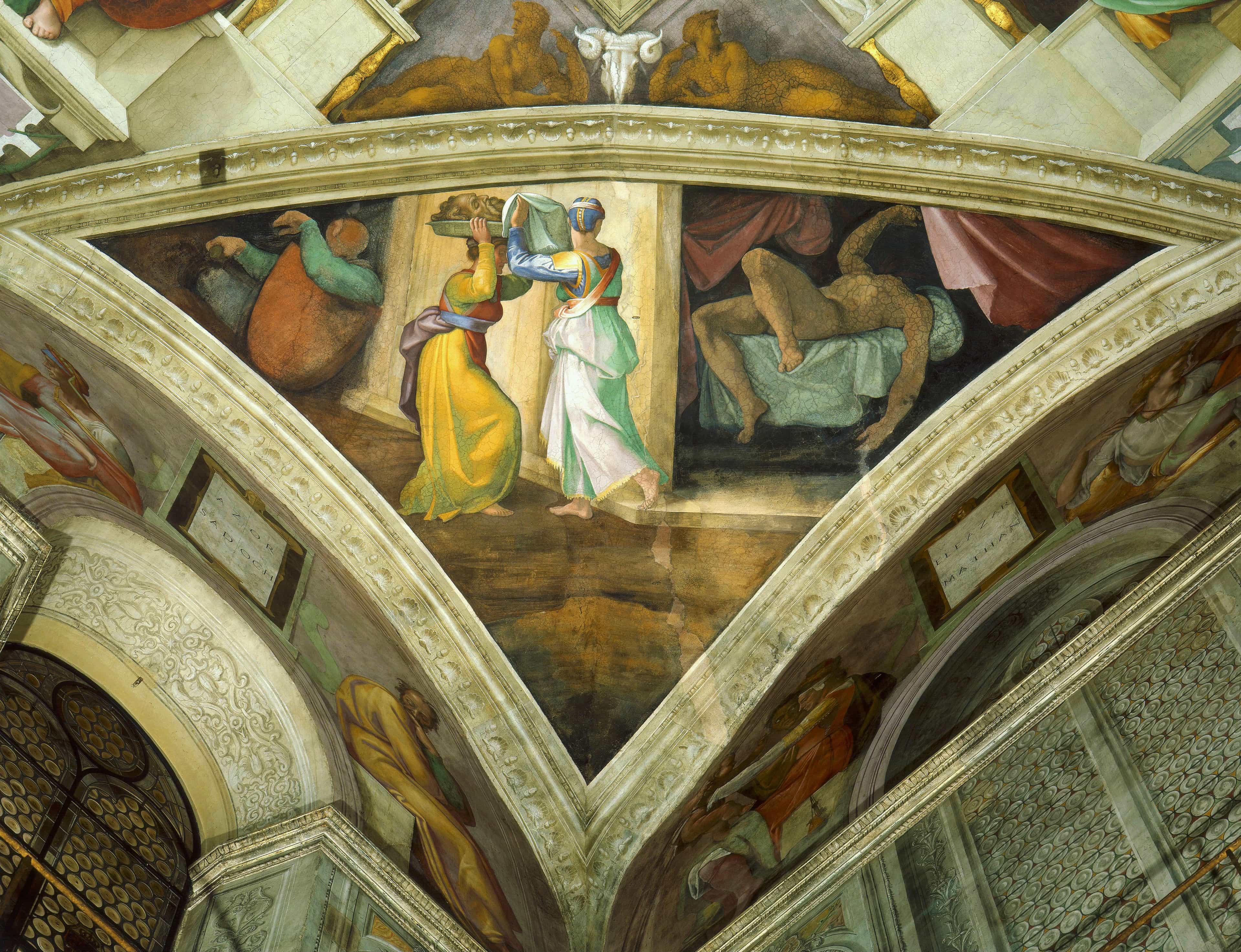
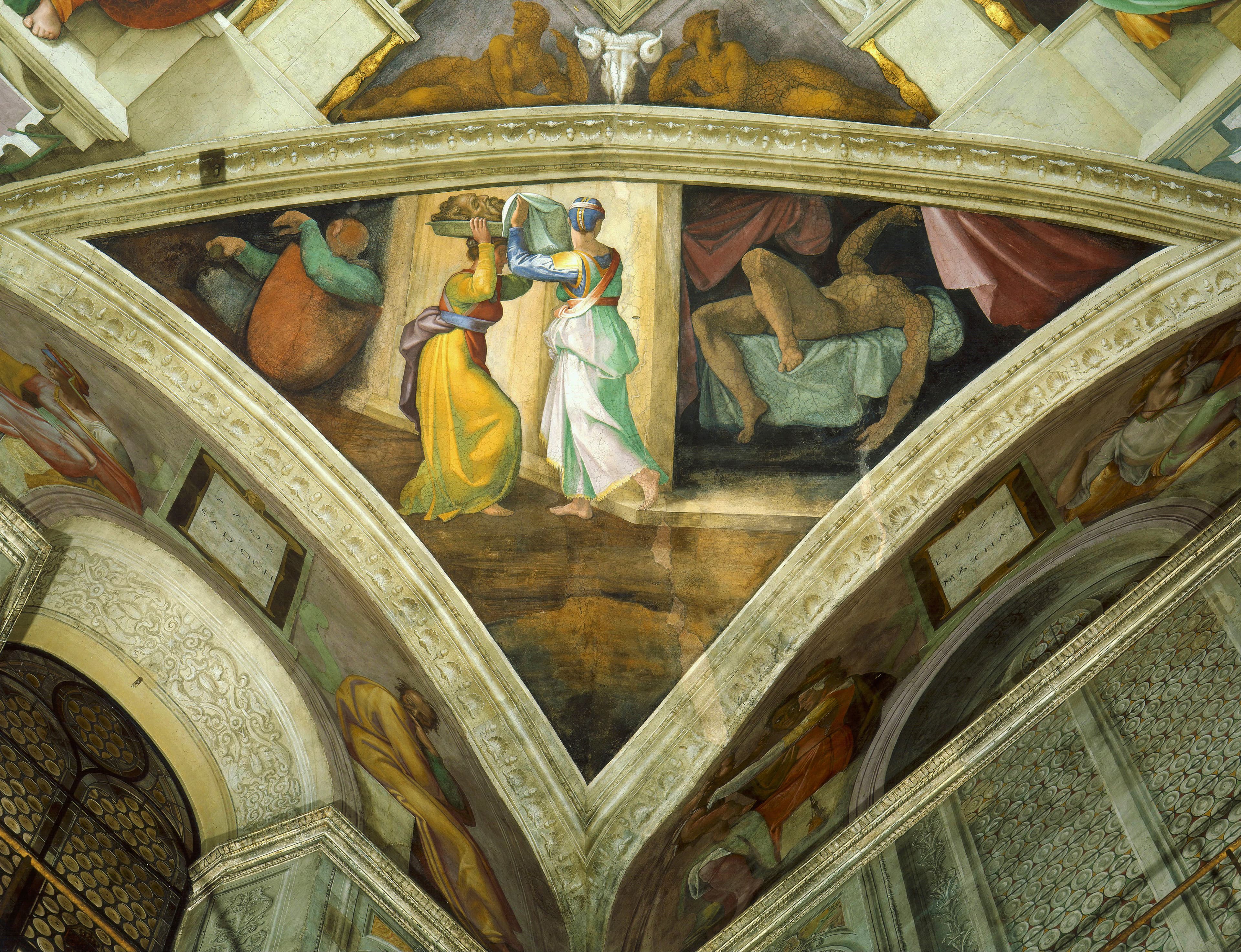
Judith and Holofernes
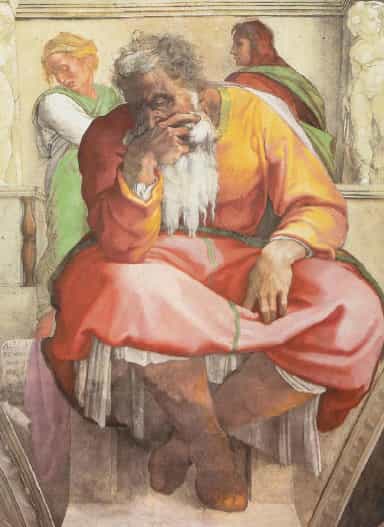
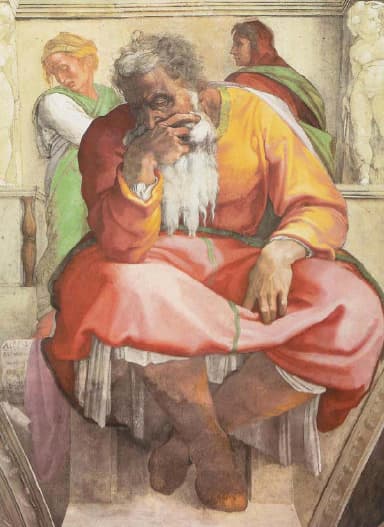
Prophet Jeremiah
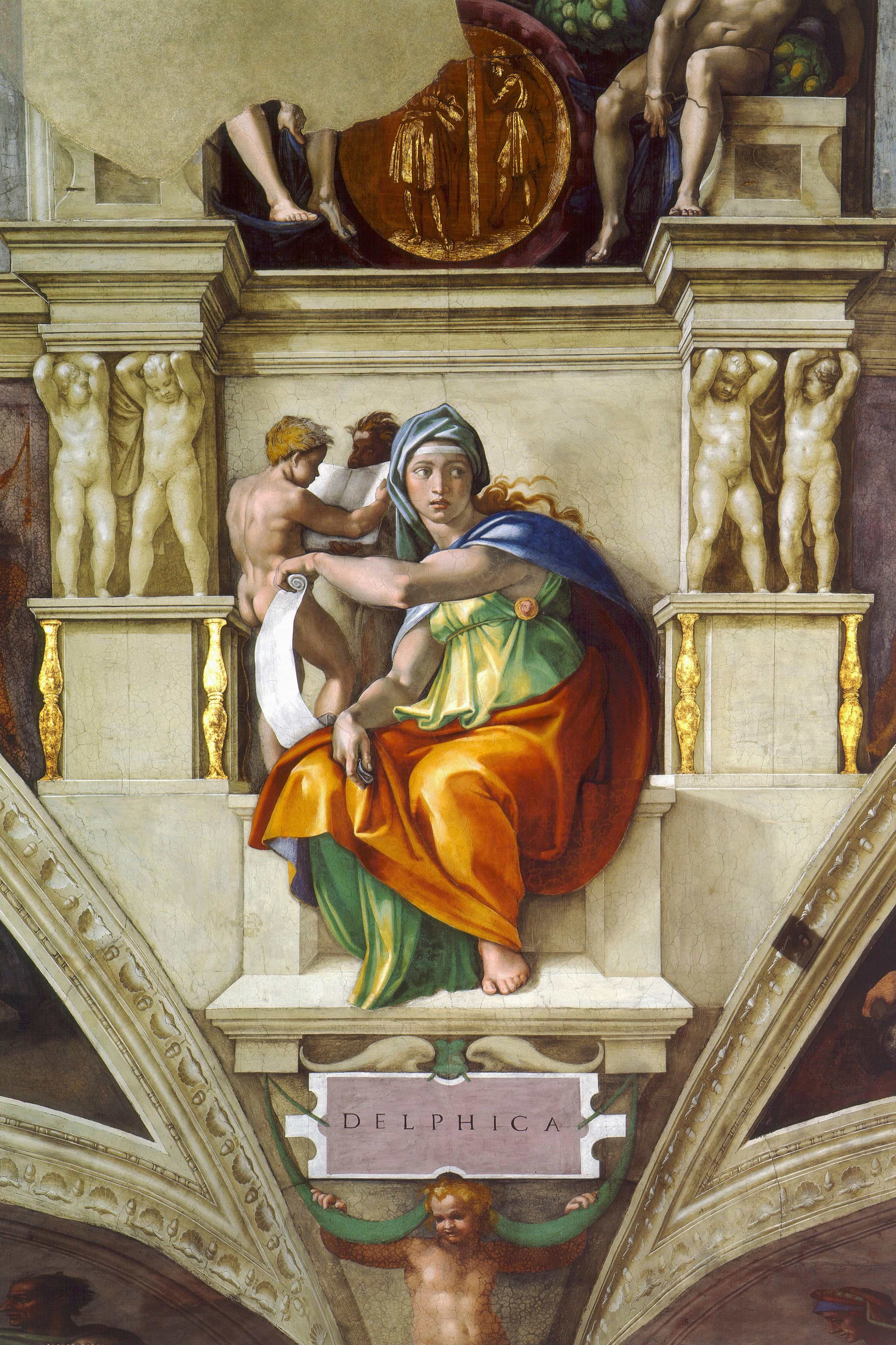
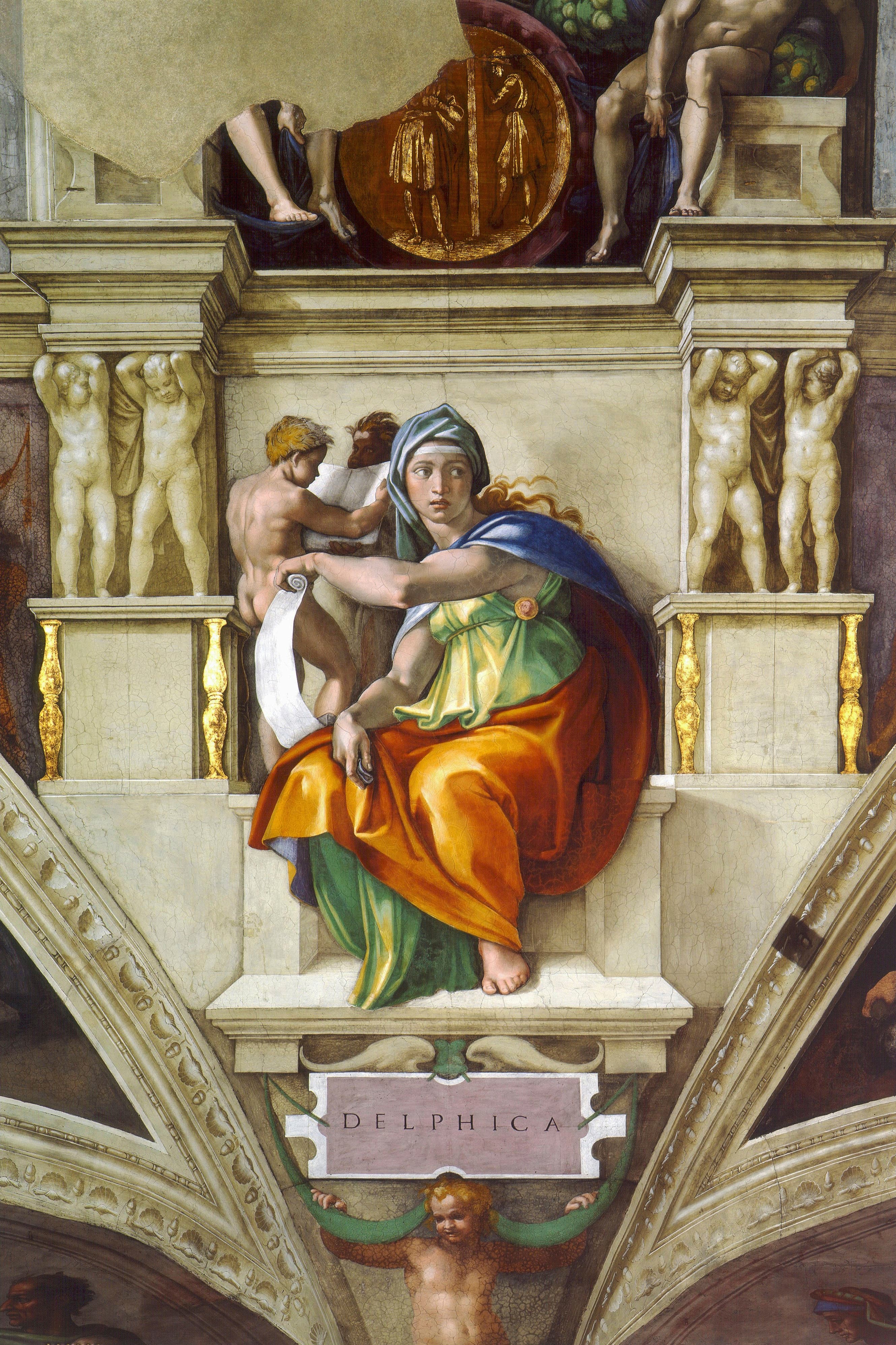
Delphic Sibyl
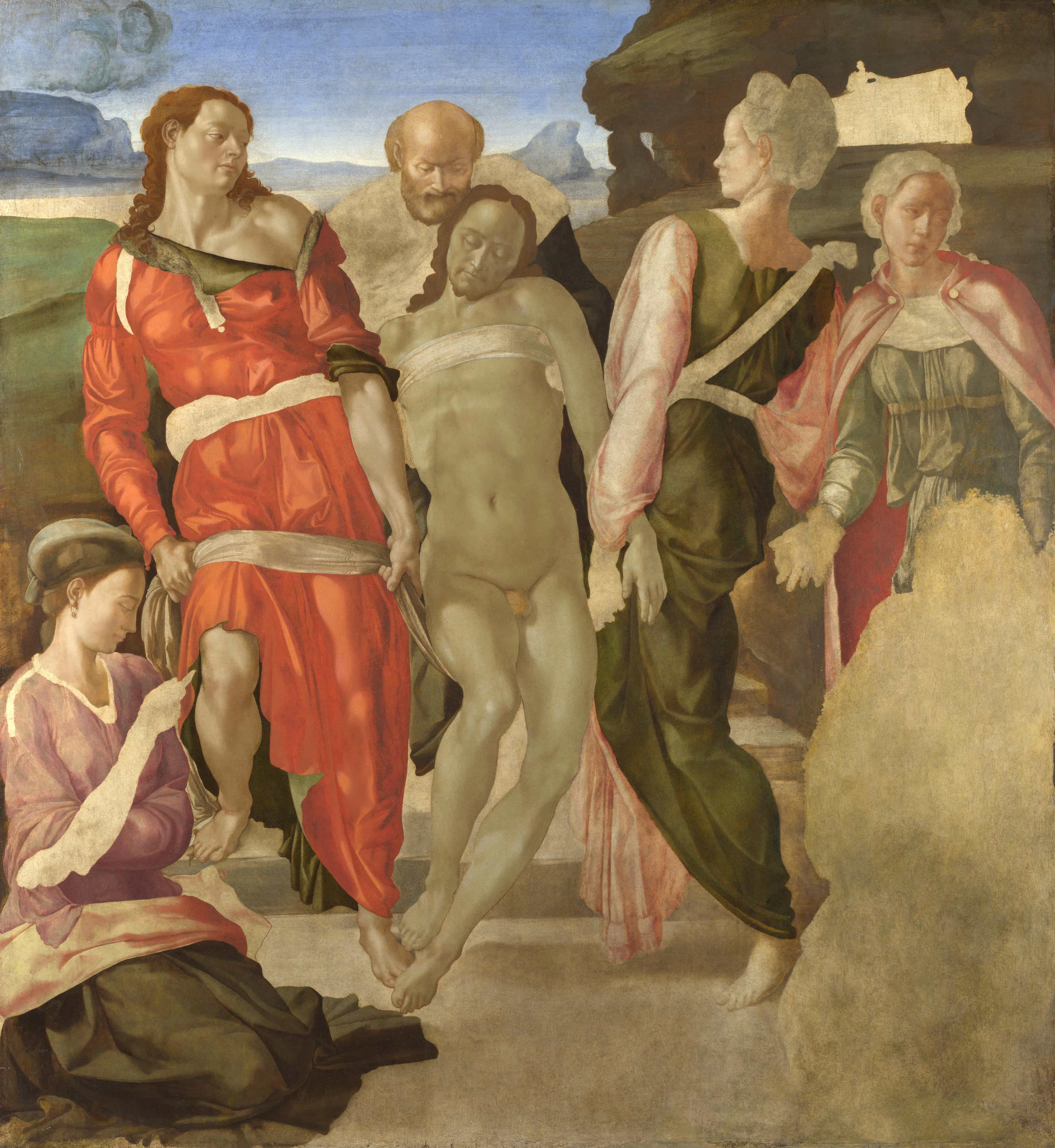
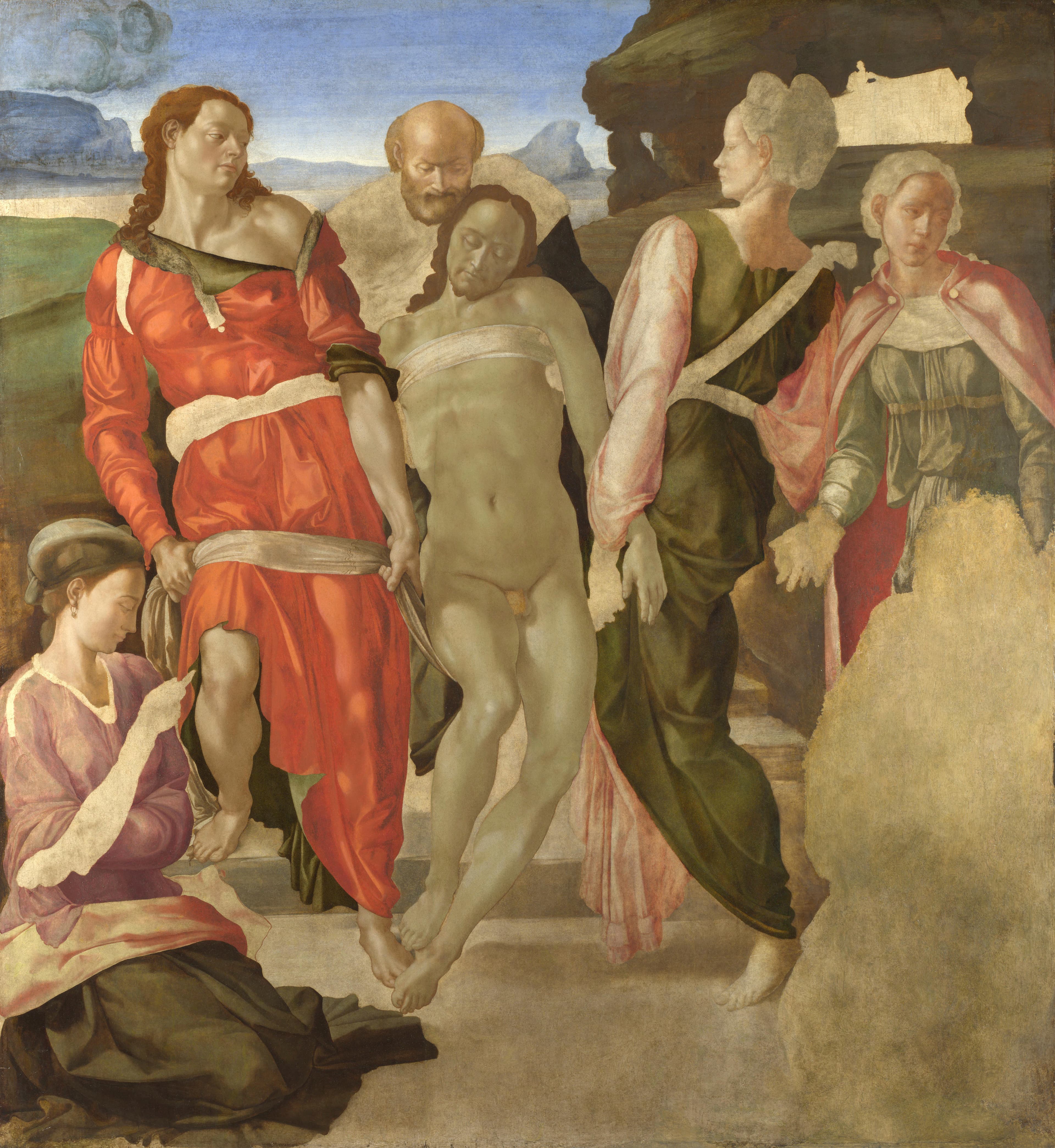
The Entombment
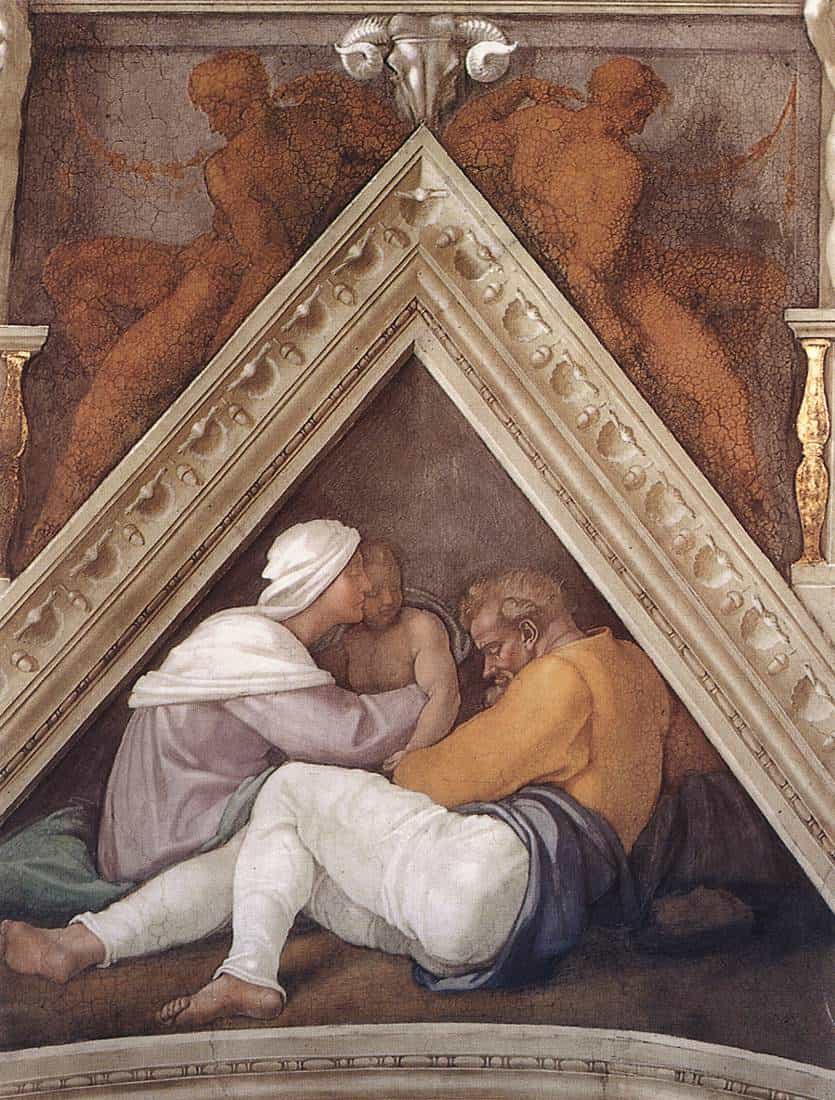
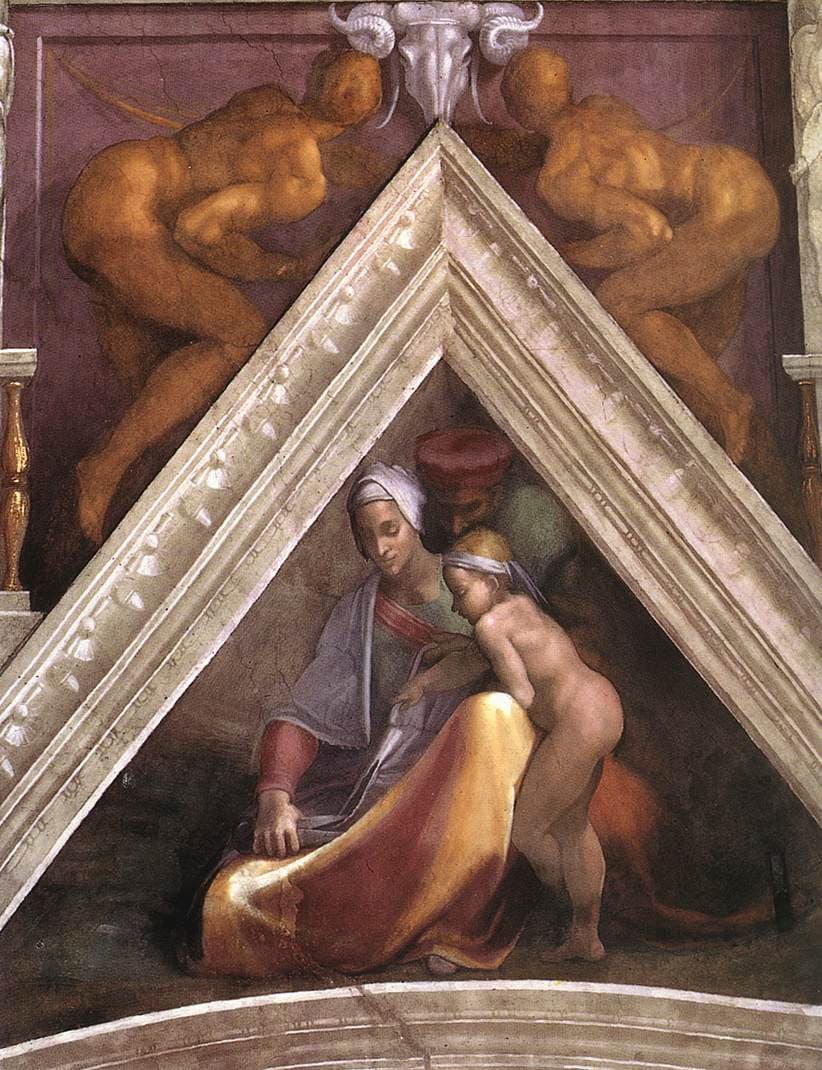
The Ancestors of Christ: Josias, Jeconiah and Shealtiel
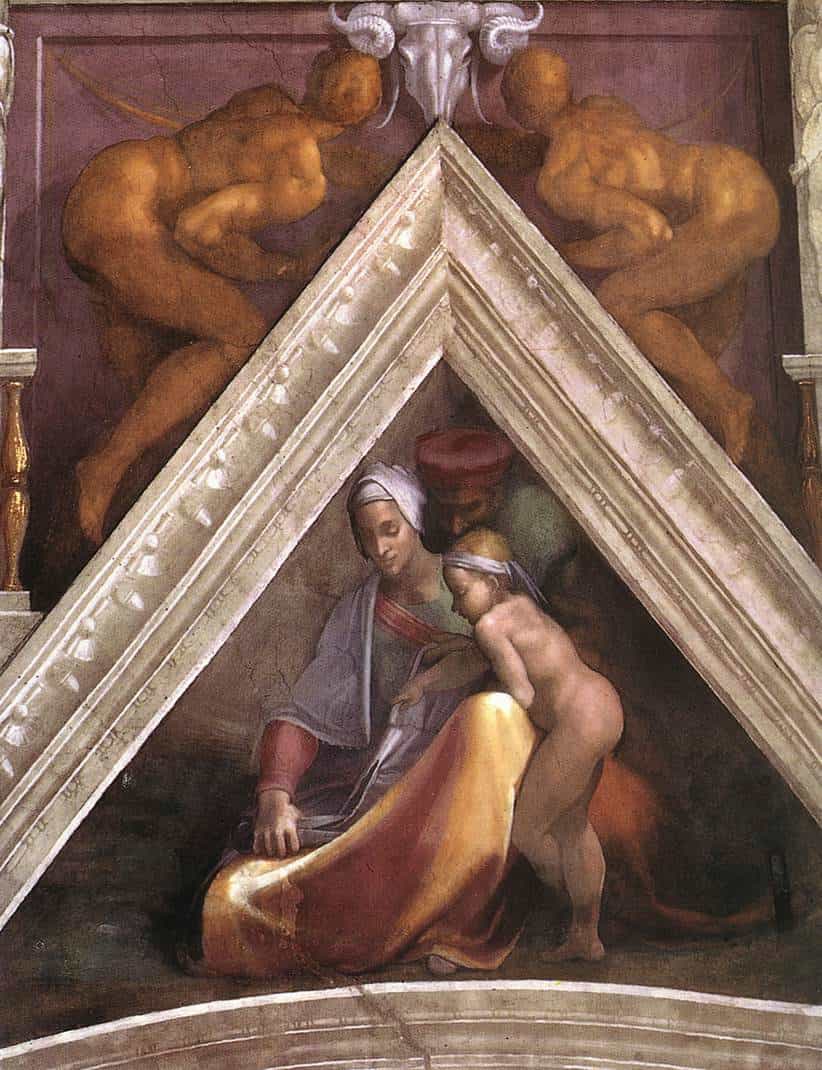
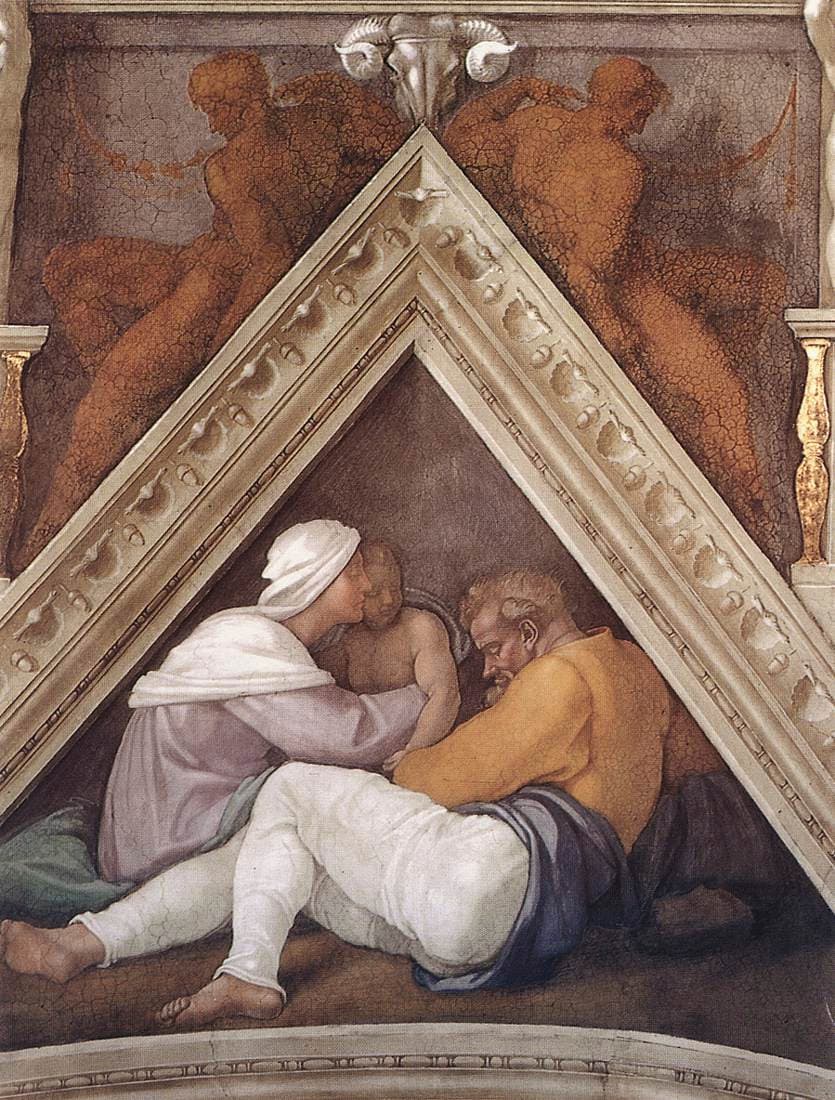
The Ancestors of Christ: Salmon, Boaz and Obed
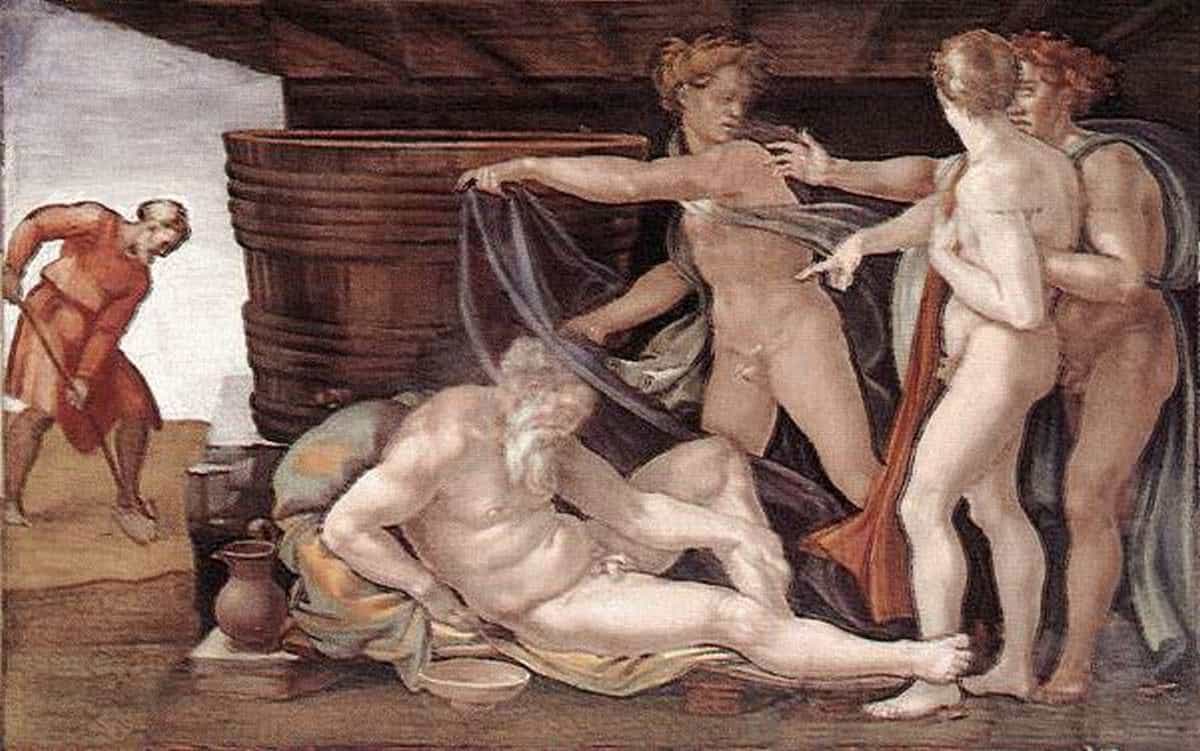
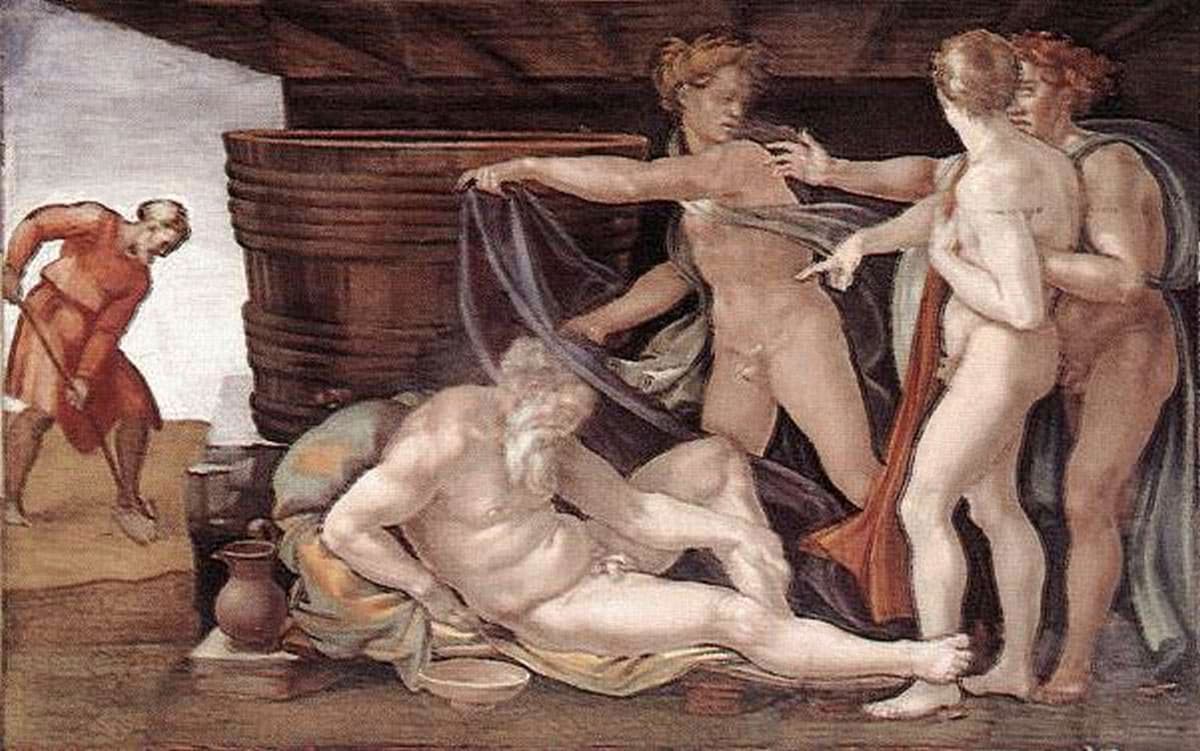
Drunkenness of Noah
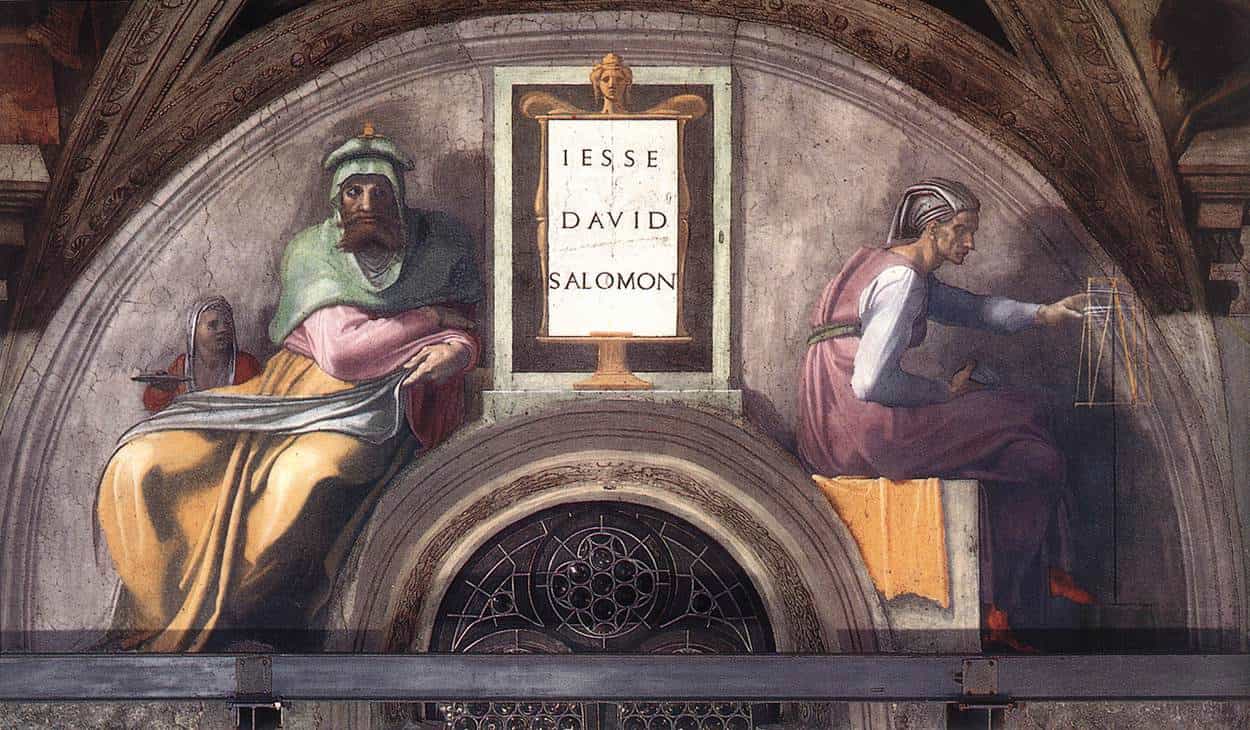
Solomon