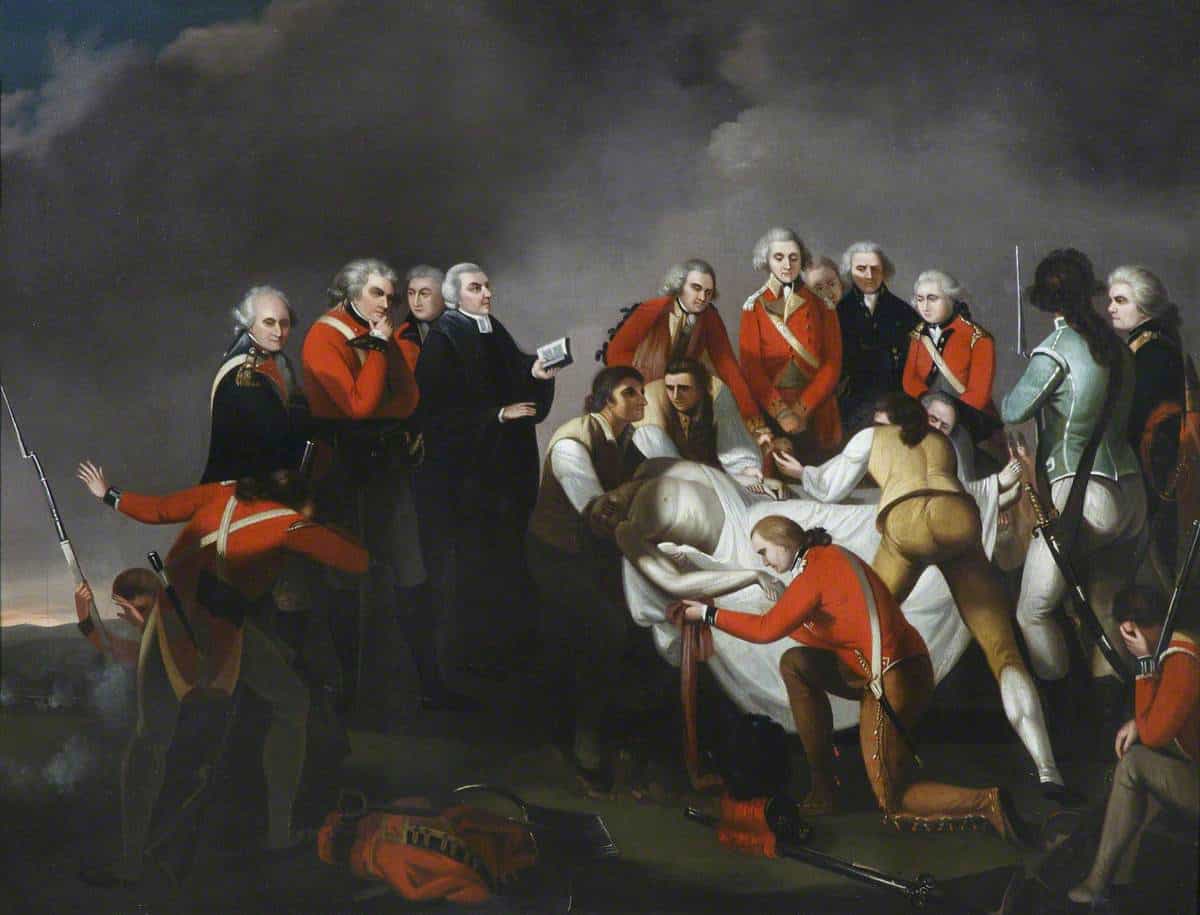
The Burial of General Simon Fraser (1729–1777), after the Battle of Saratoga, 1777
John Graham
From €64
John Graham (1754–1817) was a Kingdom of Great Britain painter whose refined portraiture and historical compositions reflected late Georgian and neoclassical tastes in Scotland.
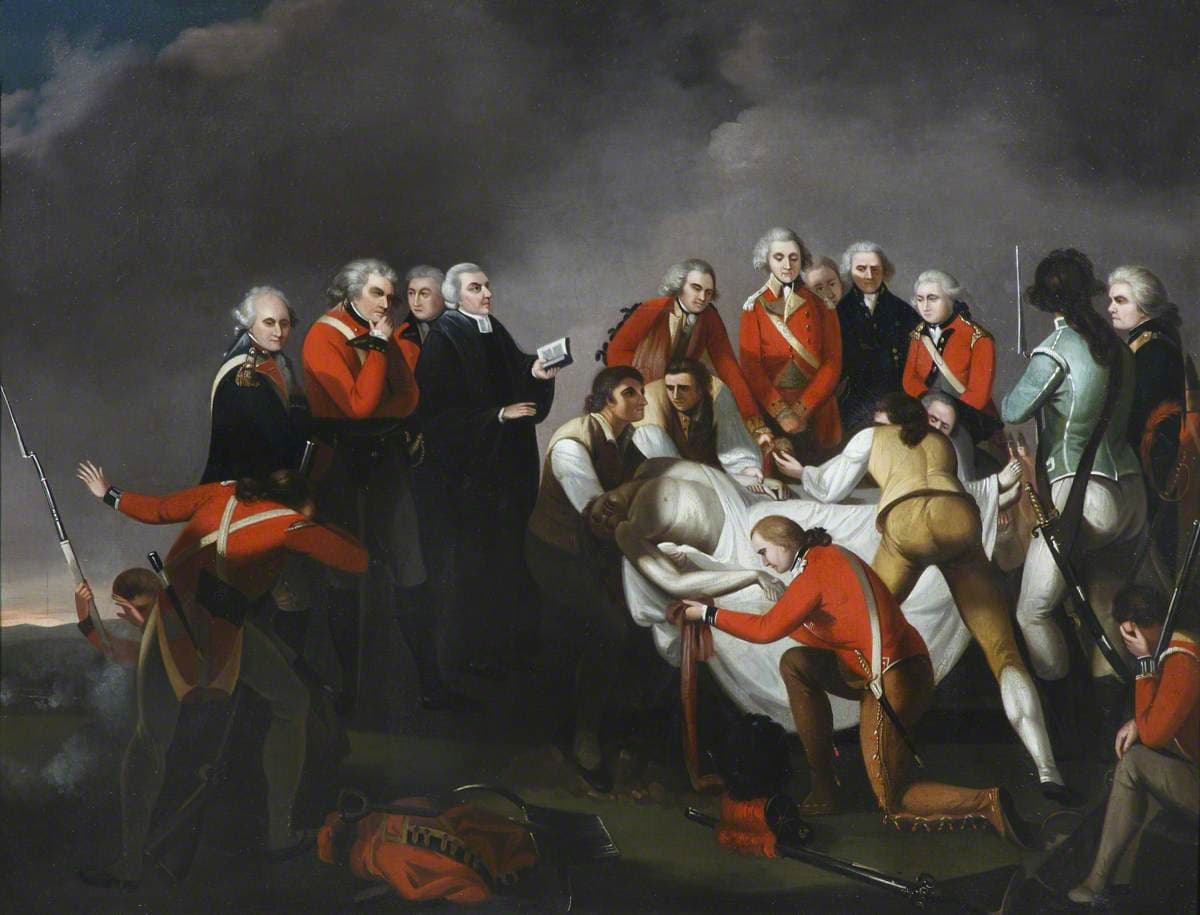
The Burial of General Simon Fraser (1729–1777), after the Battle of Saratoga, 1777
Collection
Museum-quality reproductions on 310gsm textured cotton rag paper.
Shop all prints by John GrahamArtistic Style
Style Evolution
Graham’s work follows late Georgian and neoclassical tendencies: early careful draughtsmanship and formal portraiture gradually consolidated into mature historical compositions and refined portraiture tailored to Scottish patrons.
Palette
Subjects
Techniques
Topics
John Graham (1754–1817) was a Kingdom of Great Britain painter whose refined portraiture and historical compositions reflected late Georgian and neoclassical tastes in Scotland.
Learn about the life of John Graham
Signature Works
See all available printsBiography
John Graham (1754–1817) was a Kingdom of Great Britain painter whose refined portraiture and historical compositions reflected late Georgian and neoclassical tastes in Scotland.
John Graham (1754–1817) was born in Edinburgh. He emerged as a professional artist during the late 18th century, working within the cultural milieu of Edinburgh and the broader Kingdom of Great Britain. The city’s civic and intellectual life during the Georgian era provided a backdrop for Graham’s practice, which responded to contemporary tastes for portraiture and history painting.
John Graham’s career developed against the conventions of late Georgian and neoclassical art in Britain. While specific archival details of his training and teachers are not provided here, his work is best understood within the period’s emphasis on draughtsmanship, compositional clarity, and disciplined figure work.
In his early career Graham established himself in Edinburgh, producing commissioned portraits and studies that adhered to the restrained elegance favored by patrons in the late 18th century.
During his mature years Graham consolidated a repertoire of portraiture and historical compositions. His paintings from this period likely balance formal portrait conventions with narrative ambition, a combination that appealed to civic and private patrons.
In the final years of his life Graham continued working in Scotland, contributing to the visual culture of Edinburgh until his death in 1817.
Specific titles of Graham’s paintings are not listed here. Broadly, he is associated with accomplished portraiture and history painting produced for Scottish patrons in the late 18th and early 19th centuries. Collectors and historians value his works for their technical competence and period character.
Graham’s style aligns with late Georgian and neoclassical conventions: careful draftsmanship, balanced composition, and an emphasis on legible figure construction. His technique likely emphasizes clear modelling of form, controlled brushwork, and a tonal approach suited to interiors and formal likenesses.
While detailed records of Graham’s pupils or direct influences are not provided here, his practice contributed to the visual continuity of Scottish portraiture and historical painting in the Georgian era. His works help document the tastes and civic identities of late-18th–early-19th-century Scotland and remain of interest to collectors and historians tracing that period’s artistic culture.
Graham was born and died in Edinburgh (1754–1817). Beyond these facts, personal details are not included here to avoid unsupported claims.
Works by artists active in late Georgian Scotland are prized for their historical resonance and decorative appeal. Graham
Frequently Asked Questions
The Burial of General Simon Fraser (1729–1777), after the Battle of Saratoga, 1777
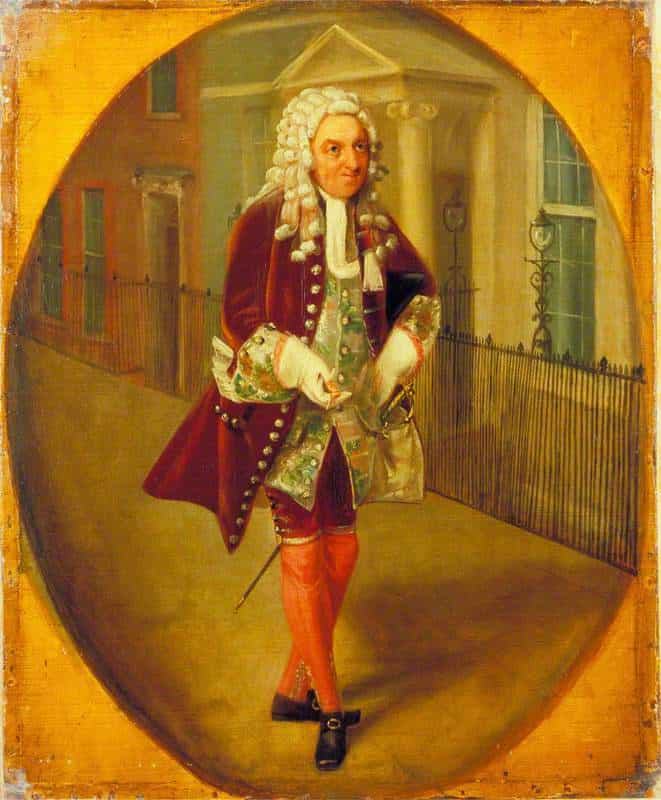
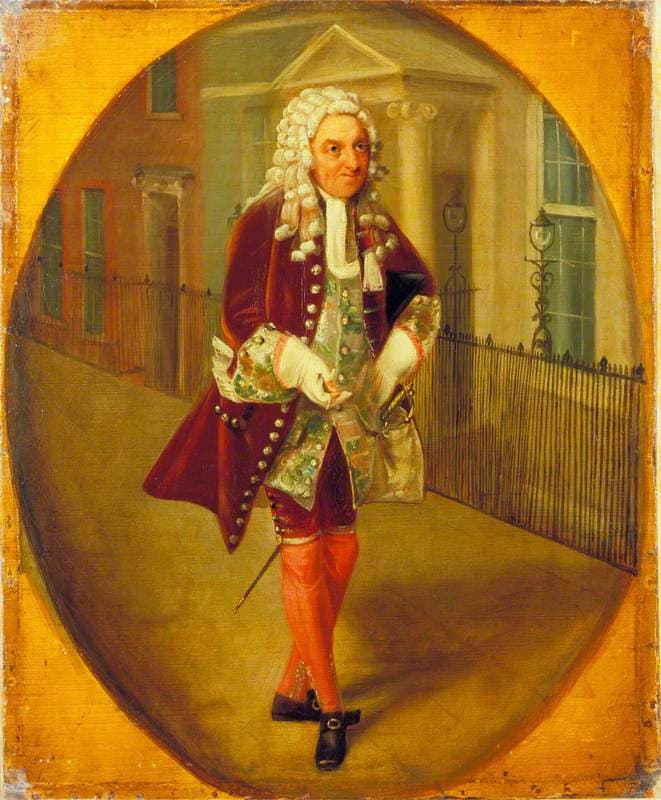
Richard Suett as Bayes in 'The Rehearsal'
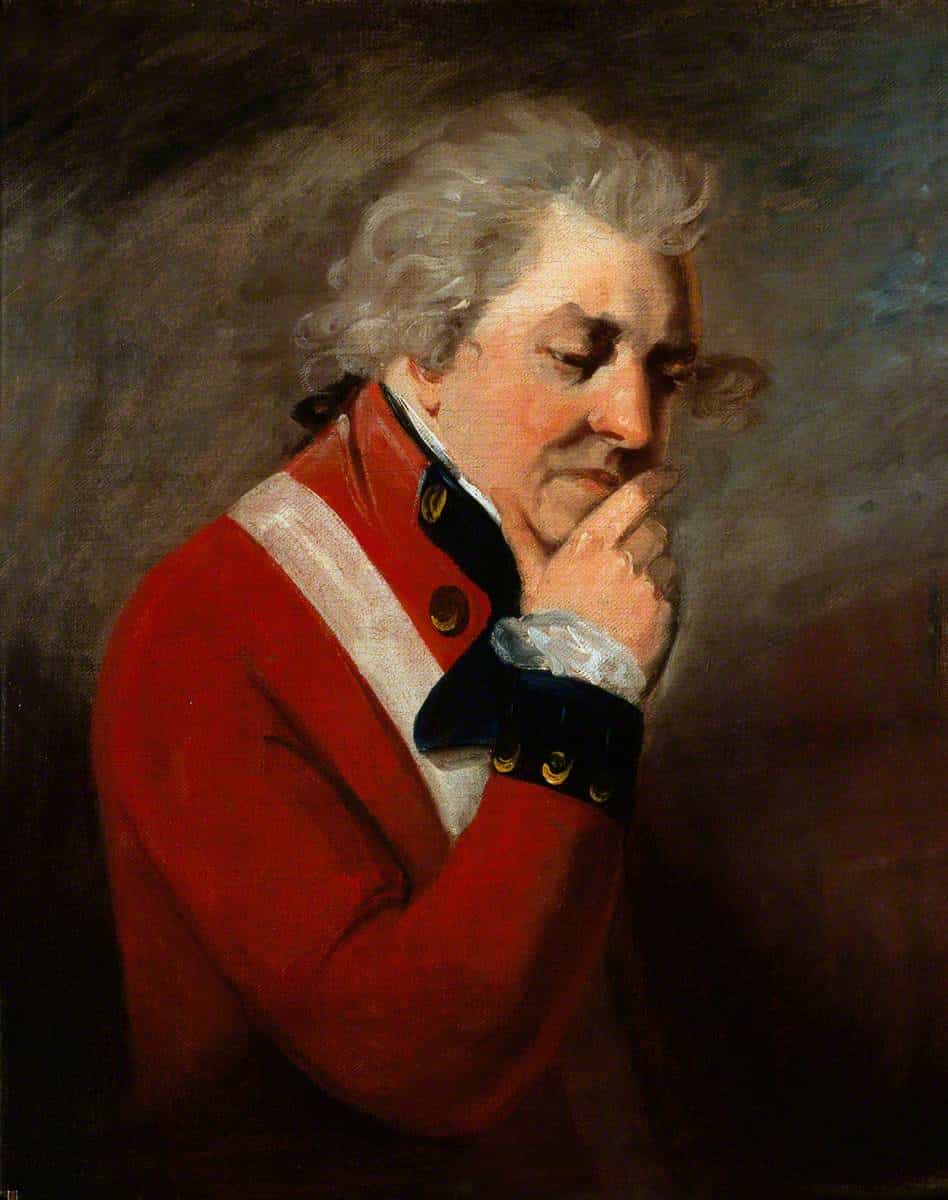
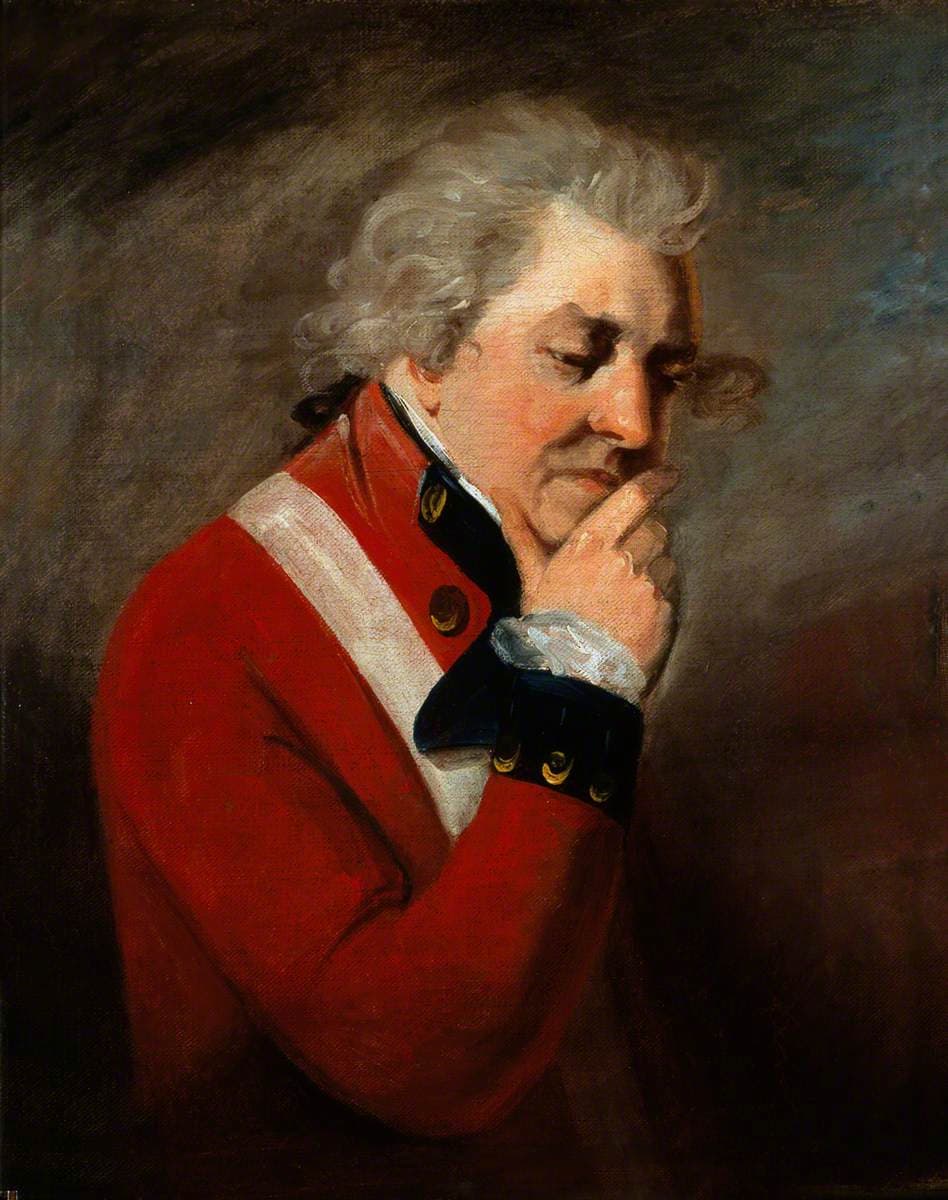
Lieutenant-General John Burgoyne (1722–1792)
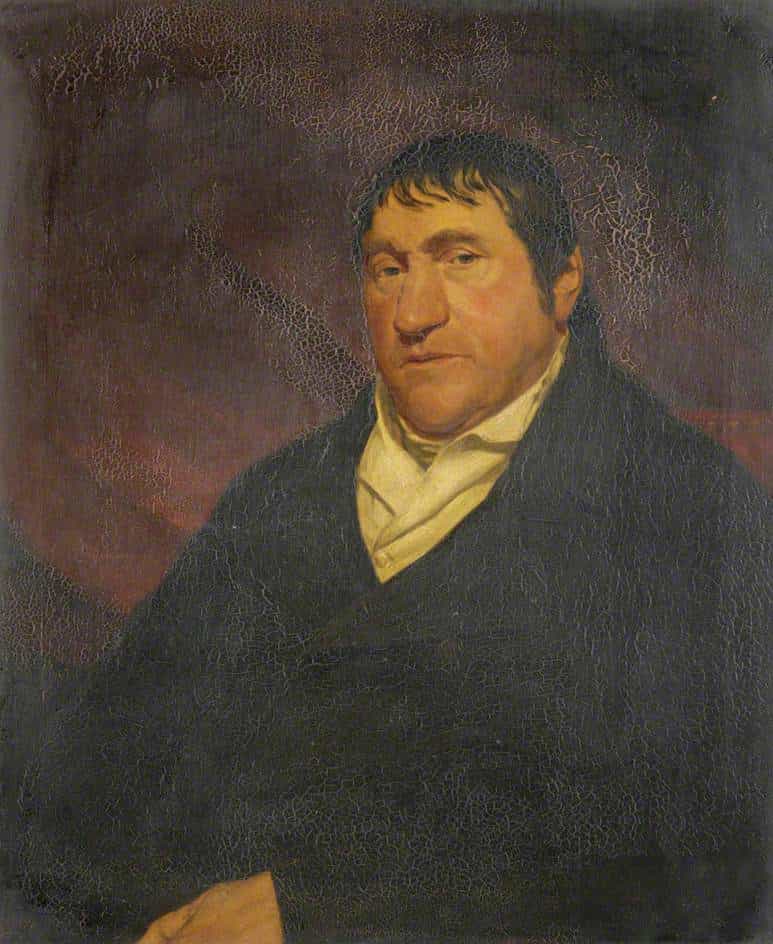
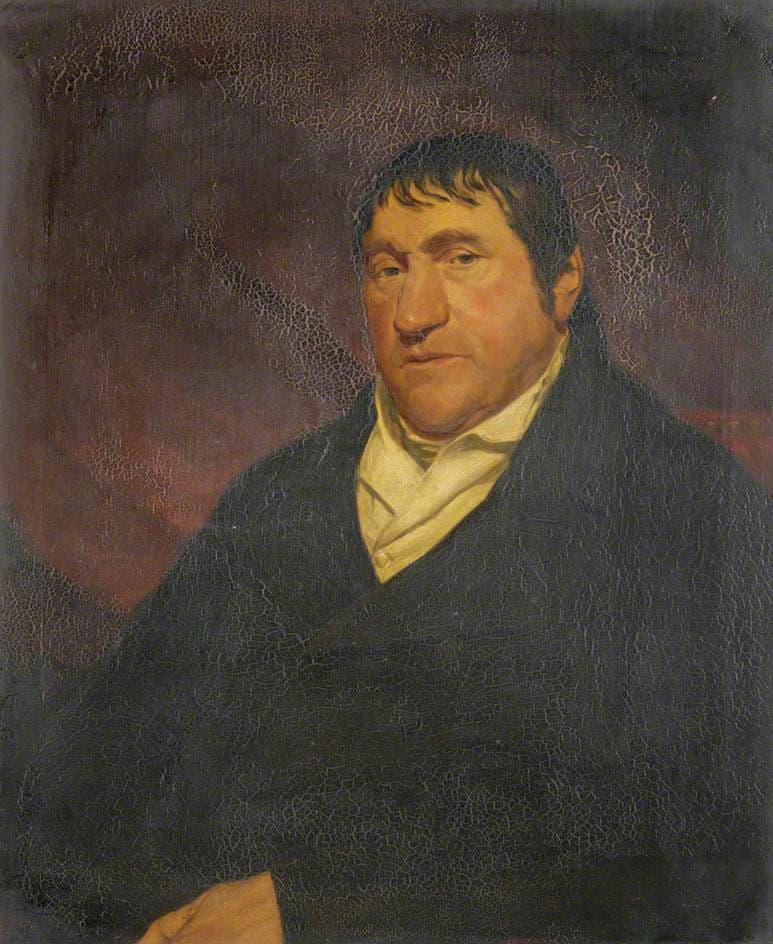
Dr William Ruddiman
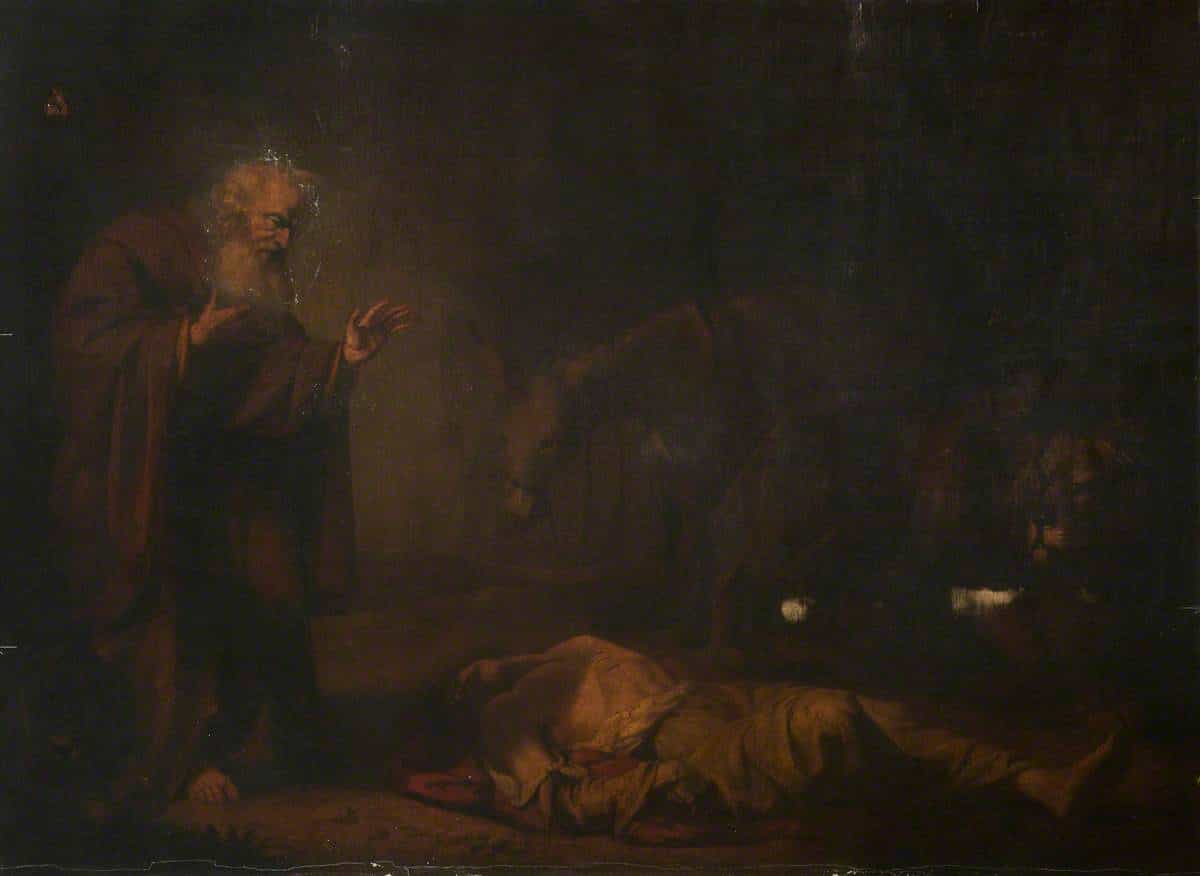
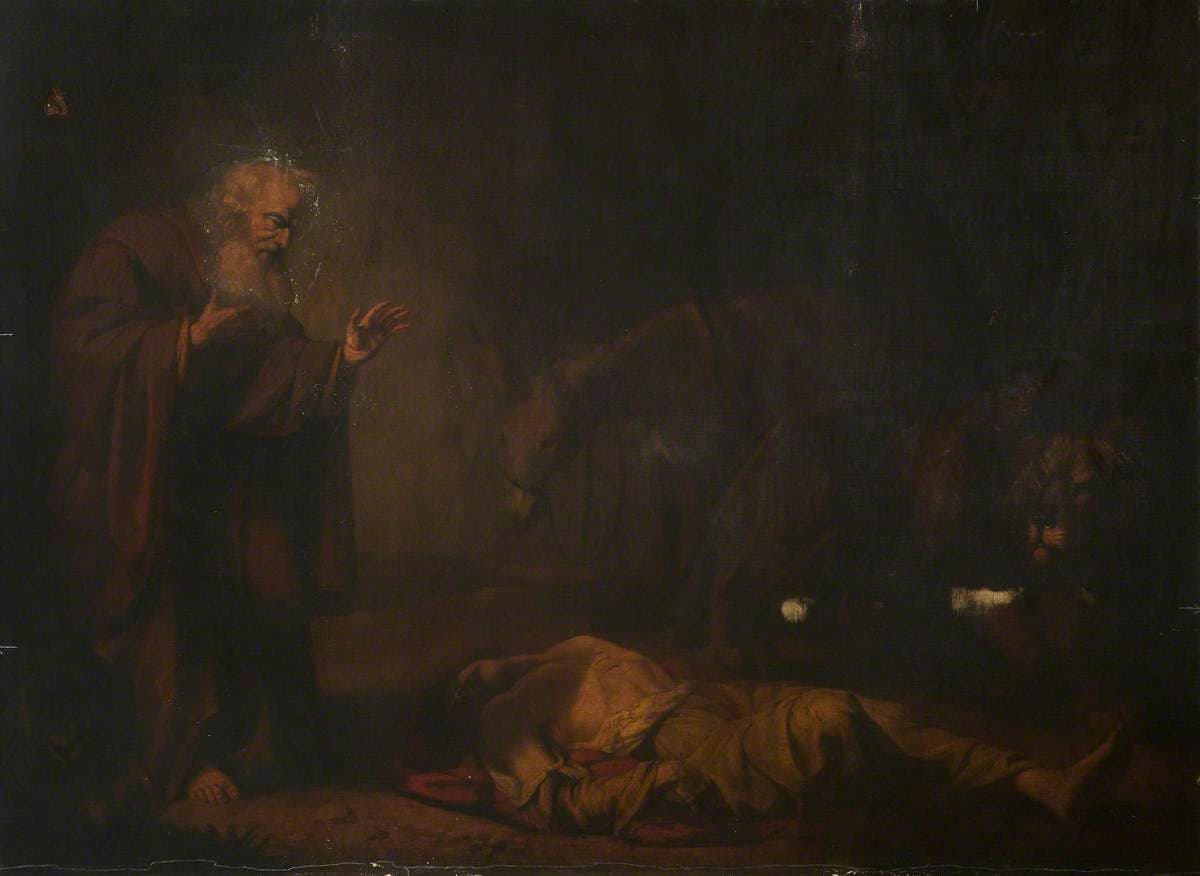
The Disobedient Prophet
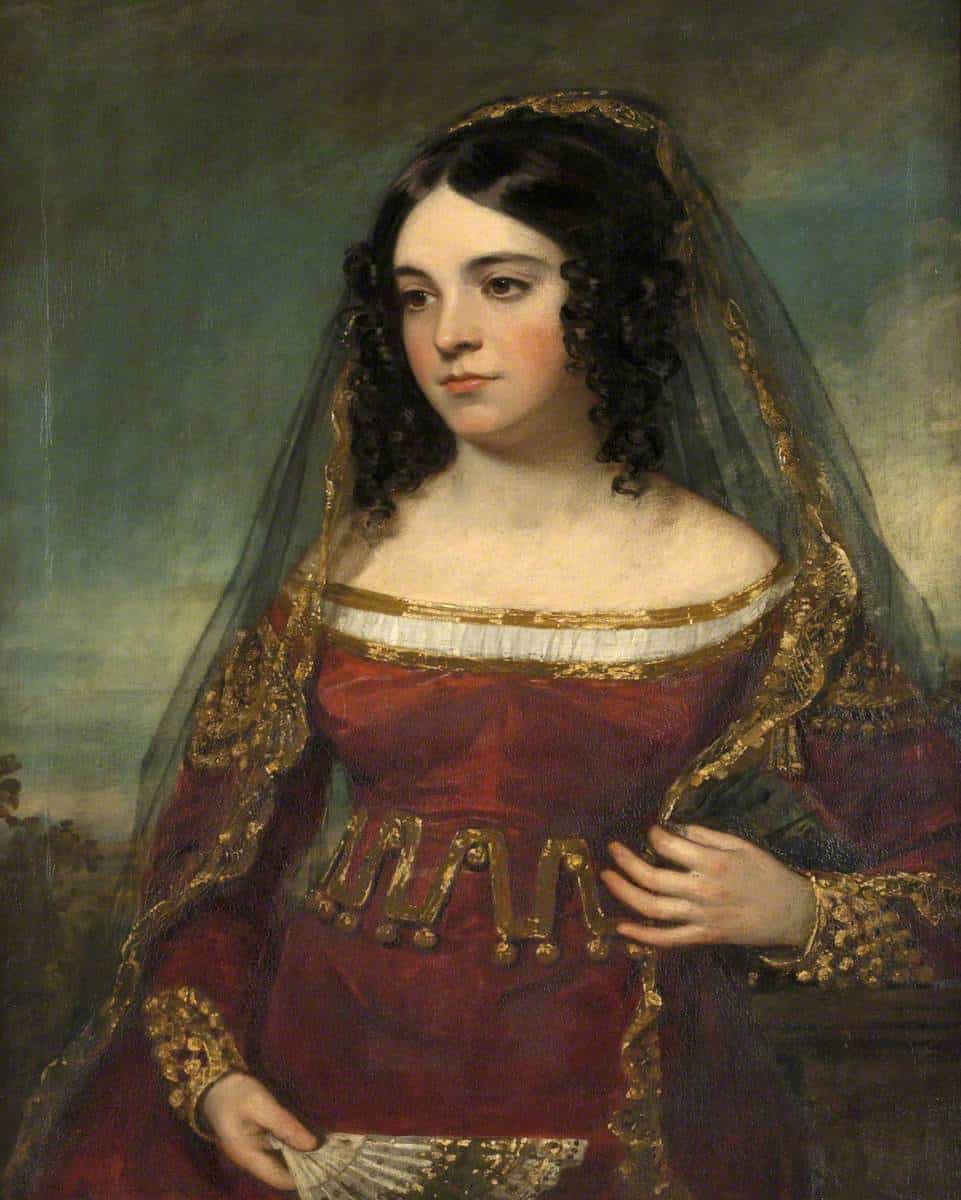
Anne Scott (1803–1833), Daughter of Sir Walter Scott