📦 Sitewide sale now on: 30% off + free shipping 📦
Home/Artists/Joan Miró
Surrealism

Joan Miró

18931983, from Spain

Joan Miró (1893-1983) was a Spanish Surrealist painter and sculptor whose playful biomorphic forms and vivid abstract language redefined 20th‑century modernism.

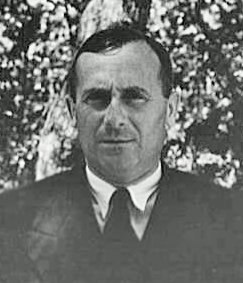
Portrait of Joan Miró

Collection

Shop Joan Miró Prints

Museum-quality reproductions on 310gsm textured cotton rag paper.

Shop all prints by Joan Miró

Artistic Style

Style Evolution

Miró evolved from early regional training in Barcelona to the spare, poetic abstraction of his Paris and Surrealist years, later expanding his pictorial language into sculpture, ceramics and monumental public works while retaining a signature visual vocabulary of signs and symbols.

Palette

  • vivid primaries
  • contrasting blacks and whites
  • luminous color fields
  • occasional earthy ceramic tones

Subjects

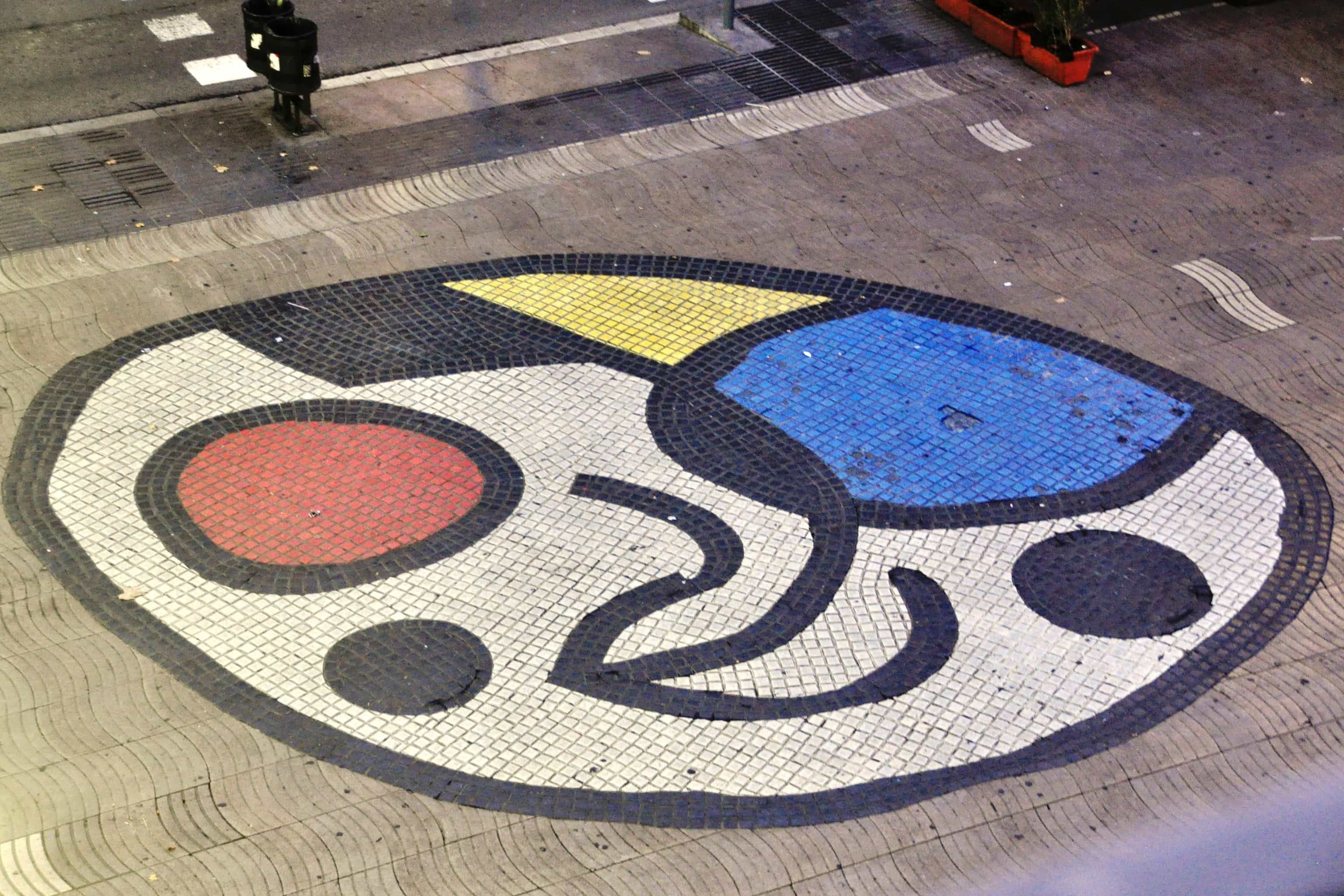
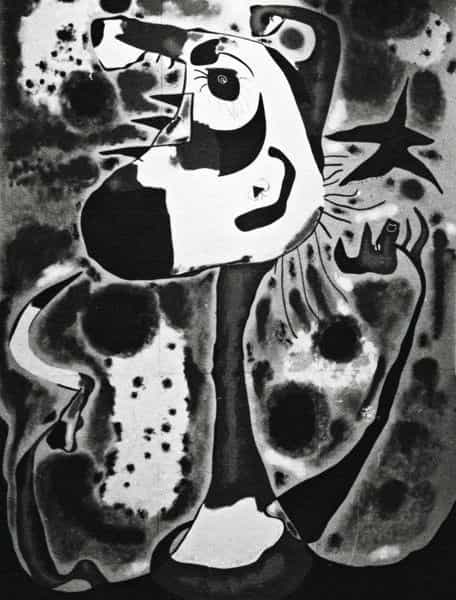
  • biomorphic forms and pictograms
  • birds and celestial imagery
  • ladder and eye motifs
  • abstracted figures and landscapes

Techniques

  • automatic drawing/spontaneous mark-making
  • pared-down calligraphic lines
  • collage and mixed media
  • ceramic glazing and sculptural modelling

Topics

SpanishSurrealismCatalan modernism20th-centuryabstractpaintingsculptureceramics

Joan Miró (1893-1983) was a Spanish Surrealist painter and sculptor whose playful biomorphic forms and vivid abstract language redefined 20th‑century modernism.

Learn about the life of Joan Miró

1893

Born in Barcelona, Spain

1910

Early artistic training and work in Barcelona

1920

Moved to Paris and engaged with avant-garde circles

1924

Alignment with Surrealist ideas and development of biomorphic vocabulary

1936

Spanish Civil War era — work responds to political and cultural upheaval

1940

Expands into sculpture, ceramics and large-format works

1950

Increased international recognition and major public commissions

1983

Died in Palma, Spain

Biography

Joan Miró (1893-1983) was a Spanish Surrealist painter and sculptor whose playful biomorphic forms and vivid abstract language redefined 20th‑century modernism.

Early Life and Background

Joan Miró was born in Barcelona in 1893 into a Catalan family at a time of vigorous cultural renewal in Spain. From an early age he trained in local art schools and developed a fluency in drawing and craft that would inform his lifelong experimentation with mediums including painting, sculpture, printmaking and ceramics. His Catalan roots and exposure to popular folk art and craft provided a persistent visual vocabulary throughout his career.

Artistic Development and Periods

Miró’s artistic development moved from academic training in Barcelona to sustained encounters with avant-garde currents in Europe.

The Barcelona Years

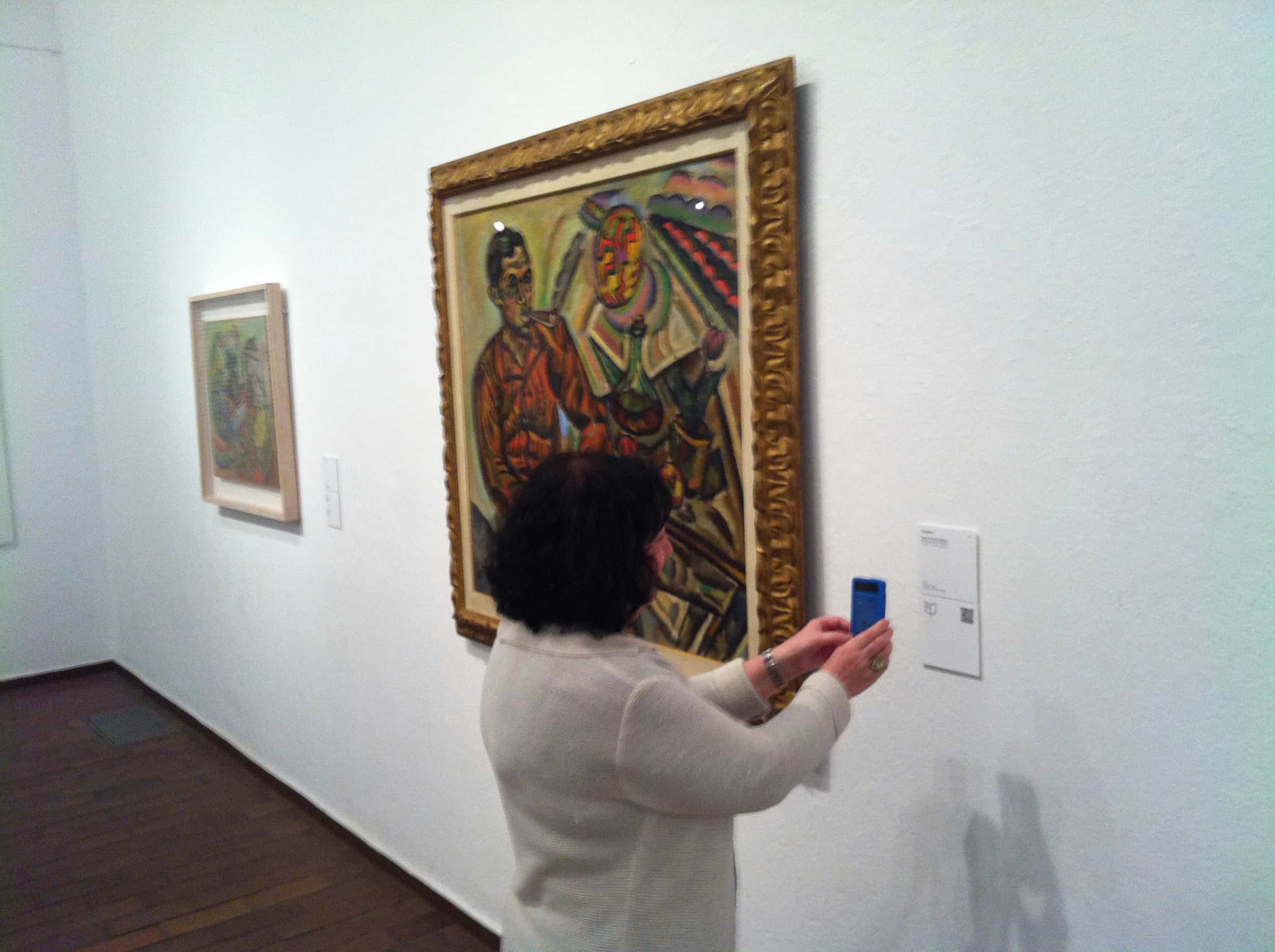
In his early years Miró absorbed regional traditions, academic technique and the visual culture of Catalonia. He experimented with figuration and gradually moved toward simplification and abstraction.

The Paris Years and Surrealist Alignment

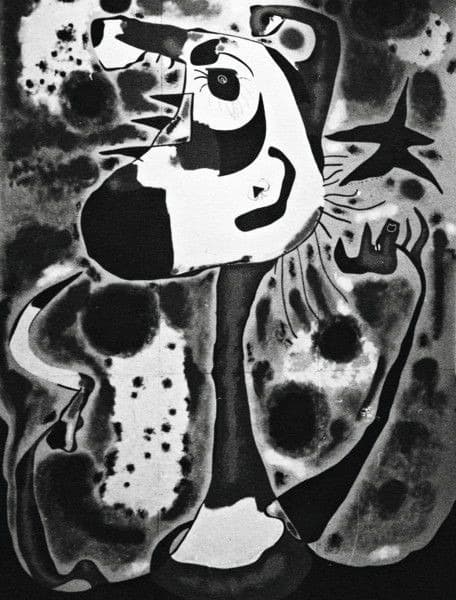
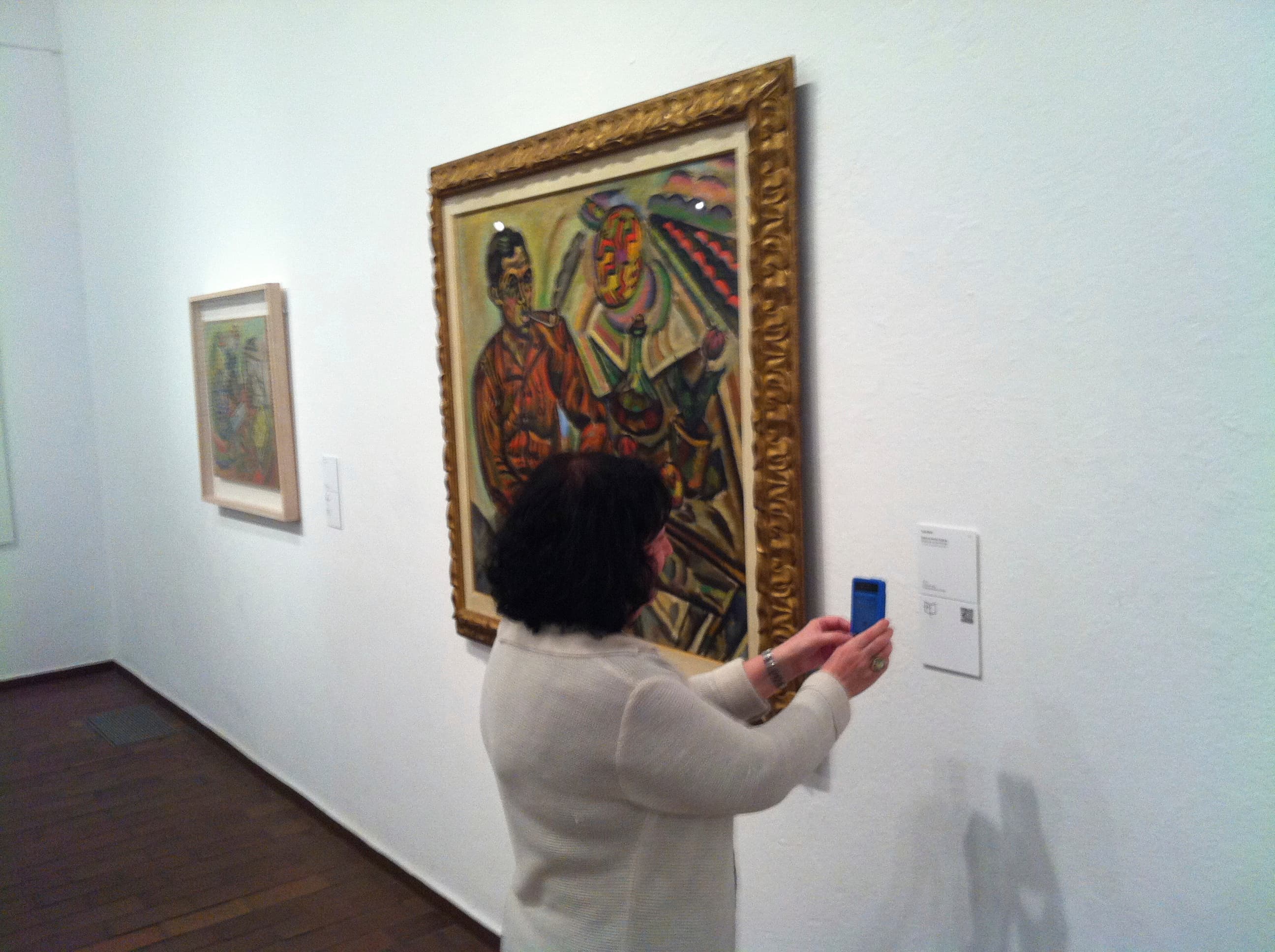
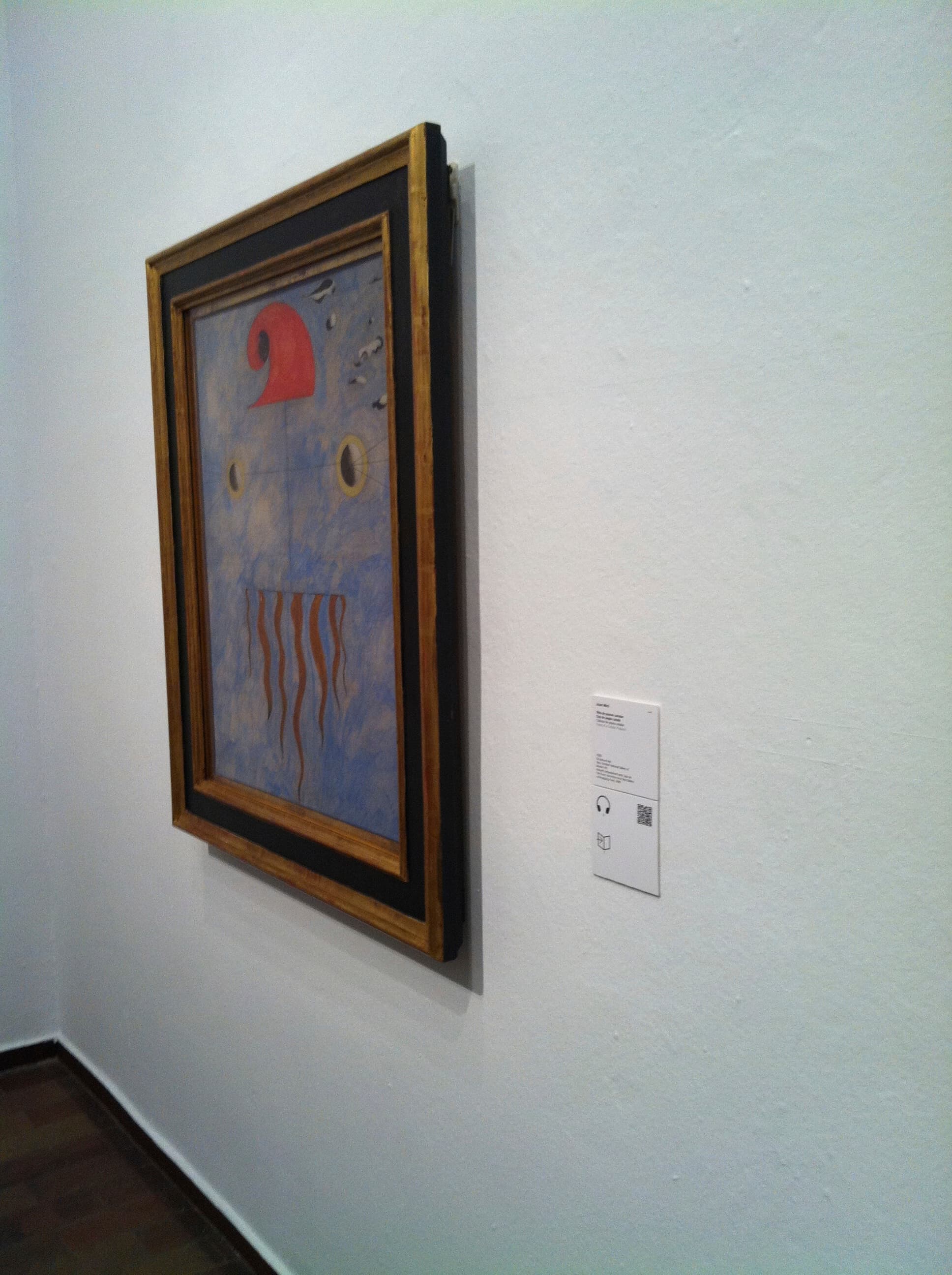
In the 1920s Miró spent significant time in Paris and engaged with contemporary avant-garde artists and writers. By the mid-1920s his work integrated automatist and dreamlike strategies associated with Surrealism, producing spare, biomorphic shapes and a poetic iconography of stars, eyes, birds and ladders.

Mid- and Late-Career Exploration

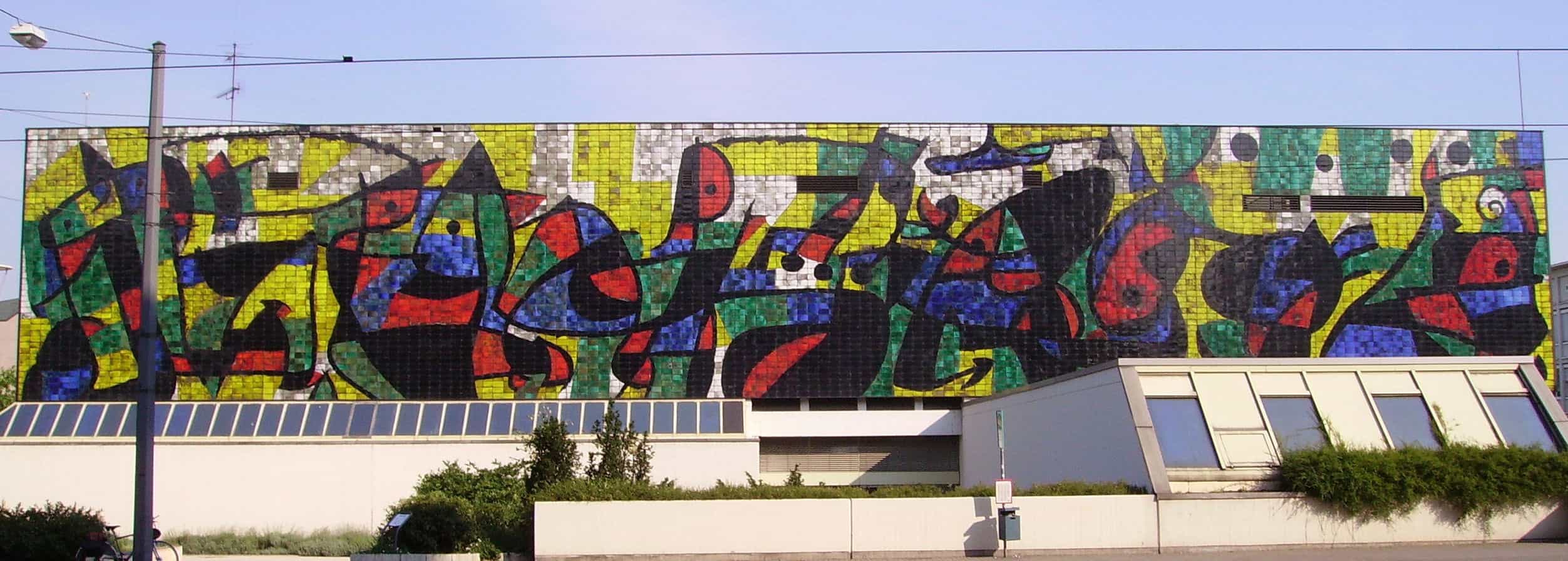
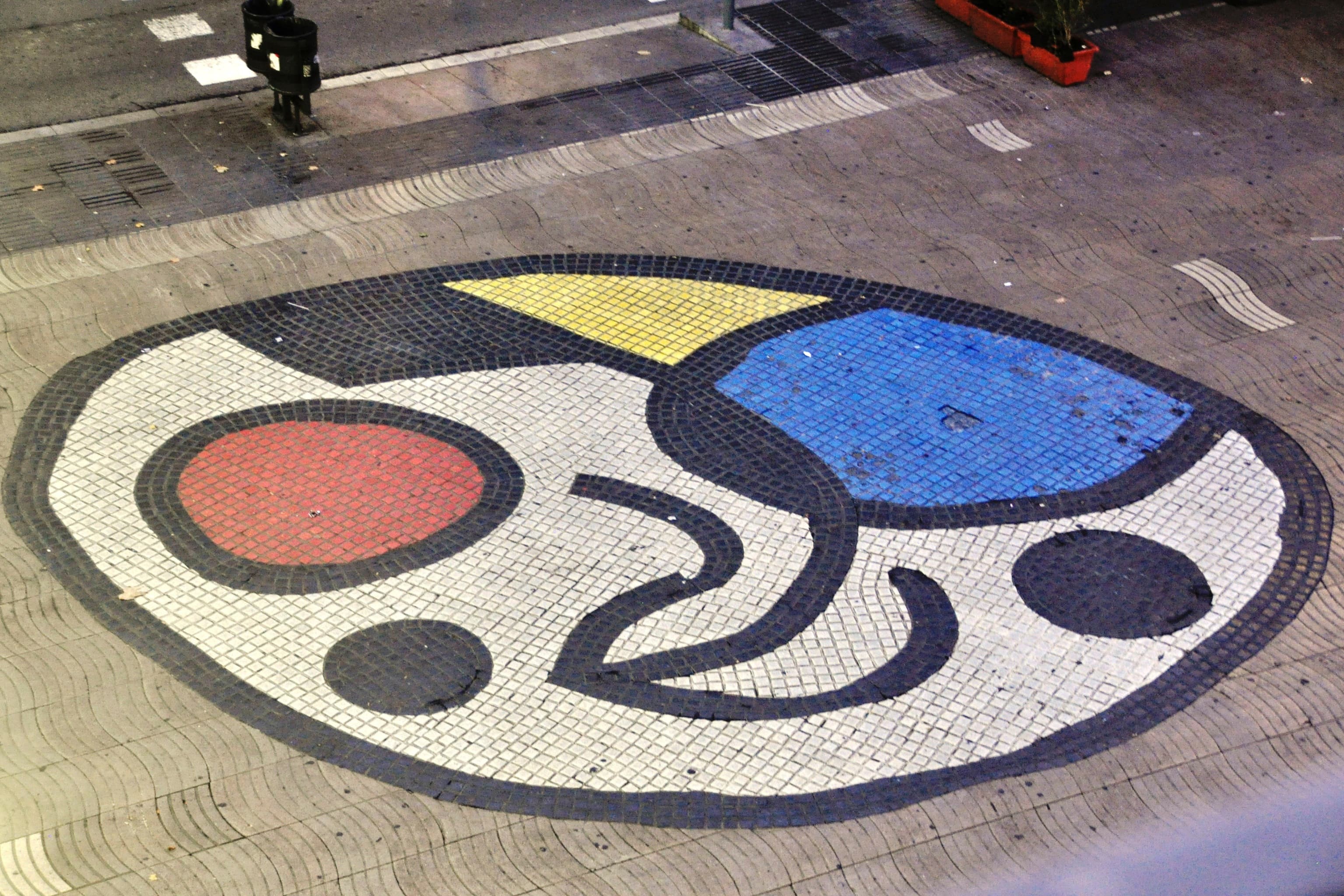
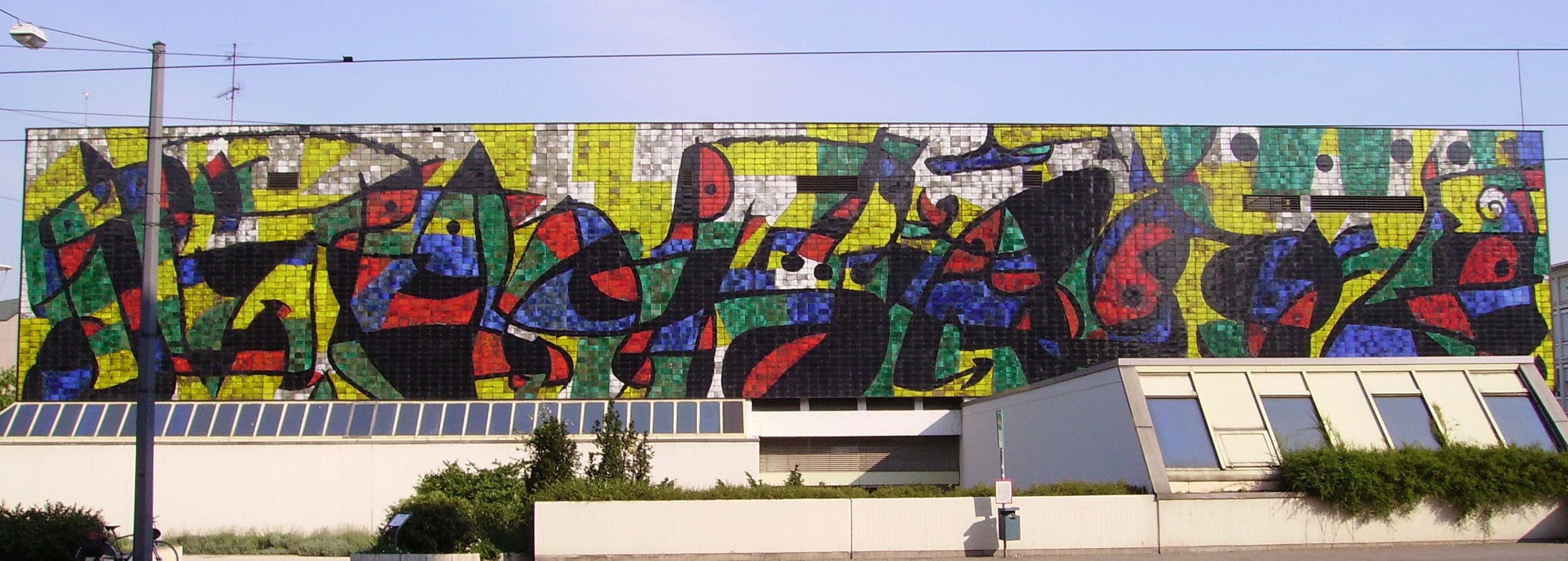
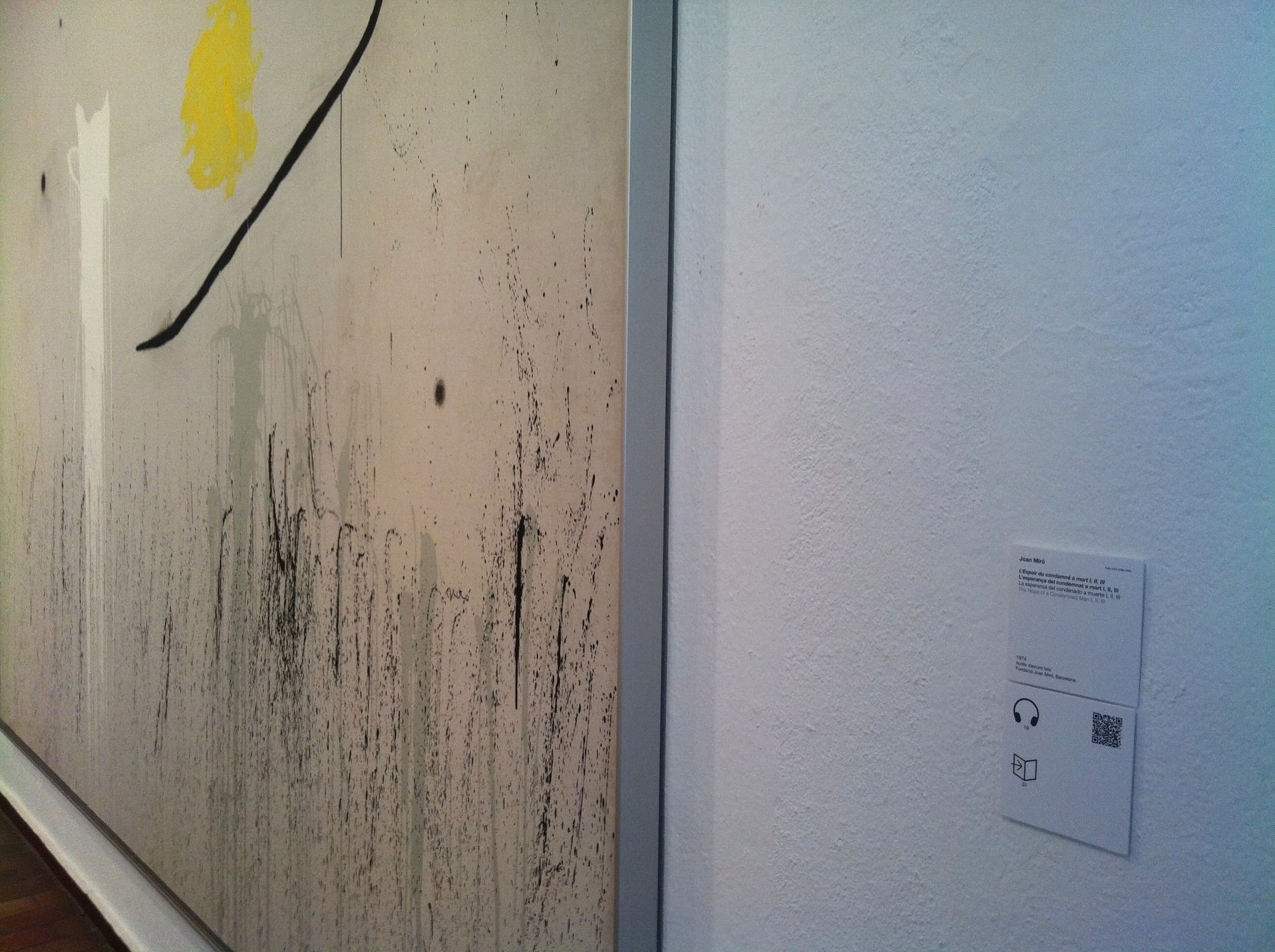
Across the mid-20th century Miró expanded into sculpture, public commissions, murals, ceramics and large-scale works. He continually reinvented his visual language, combining spontaneity with considered formal balances and often working at increasingly monumental scales in later decades.

Major Works and Achievements

Miró never ceased to experiment across mediums, moving fluidly between painting, printmaking, sculpture and ceramics. His achievement lies in creating a distinctive visual lexicon—playful signs, graphic contours and vivid color fields—that translated across two- and three-dimensional media and into public art. Collectors prize Miró for works that balance whimsy and formal rigor and that integrate modernist abstraction with poetic symbolism.

Style and Technique

Miró’s style is characterized by pared-down, calligraphic lines, emblematic pictograms and luminous color fields. He used automatic drawing, spontaneous mark-making and collage techniques, then refined those gestures into compositions that feel both improvisatory and meticulously balanced. His sculptures and ceramics carry the same biomorphic energy as his paintings, often enlivened by texture and bold color.

Influence and Legacy

Miró bridged Surrealism and abstraction, influencing generations of abstract and minimalist artists with his economy of form and surreal poetic vision. His playful, symbolic imagery broadened possibilities for modern decorative and public art, and continues to inspire artists, designers and collectors worldwide.

Personal LifeContext

Awards

Gold Medal of the Generalitat of Catalonia, Feltrinelli Prize, Gold Medal of Merit in the Fine Arts, Knight of the Legion of Honour, Grand Cross of the Order of Isabella the Catholic, Grand Cross of the Civil Order of Alfonso X the Wise, honorary doctor of Harvard University, Gold Medal for Tourism Merit, honorary doctorate of Barcelona University, honorary doctorate of the University of Murcia

Frequently Asked Questions

What are Joan Miró's most famous paintings?+
Joan Miró is best known for works that feature his hallmark biomorphic shapes, bold lines and vivid color fields. While specific titles vary across collections, Miró’s paintings and lithographs that display his surreal pictograms—stars, birds, eyes and ladders—are widely recognized. Collectors seek,
What is Joan Miró's style?+
Joan Miró's style blends Surrealist automatism with playful abstraction. He reduced forms to emblematic signs and used spontaneous mark-making, bright color fields and graphic outlines. The result is a poetic, childlike visual language that reads as both symbolic and decorative, suitable for gallery
What made Joan Miró unique?+
Miró's uniqueness lies in his creation of a consistent visual vocabulary—simple signs and biomorphic figures—that translated across painting, sculpture and ceramics. His ability to merge wit, spontaneity and formal balance produced works that are both emotionally expressive and visually decorative,
What are three of Joan Miró's masterpieces?+
Selecting three works as 'masterpieces' depends on collections and exhibitions, but Miró's most influential output includes paintings and prints that exemplify his biomorphic pictograms, his major murals and his sculptural/ceramic ensembles. These works show his evolution from Surrealist automatism
What movement was Joan Miró part of?+
Joan Miró is most often associated with Surrealism and with Catalan modernism. While he never adhered rigidly to a single school, his work absorbed Surrealist ideas—particularly automatism and dream imagery—while remaining distinctly personal and experimental across media.
What influenced Joan Miró?+
Miró drew on Catalan folk art, popular crafts and the experimental currents of early 20th-century Paris. He responded to Surrealist ideas about chance and the unconscious, and also absorbed lessons from modernists who emphasized form, color and simplified pictorial language. These influences merged
Where can I see Joan Miró's work?+
Major museums and public collections in Europe and beyond hold works by Joan Miró, and many institutions dedicate galleries to 20th-century modernism where his paintings, prints and sculptures are shown. Galleries and auction houses also regularly offer Miró prints and editions—making high-quality