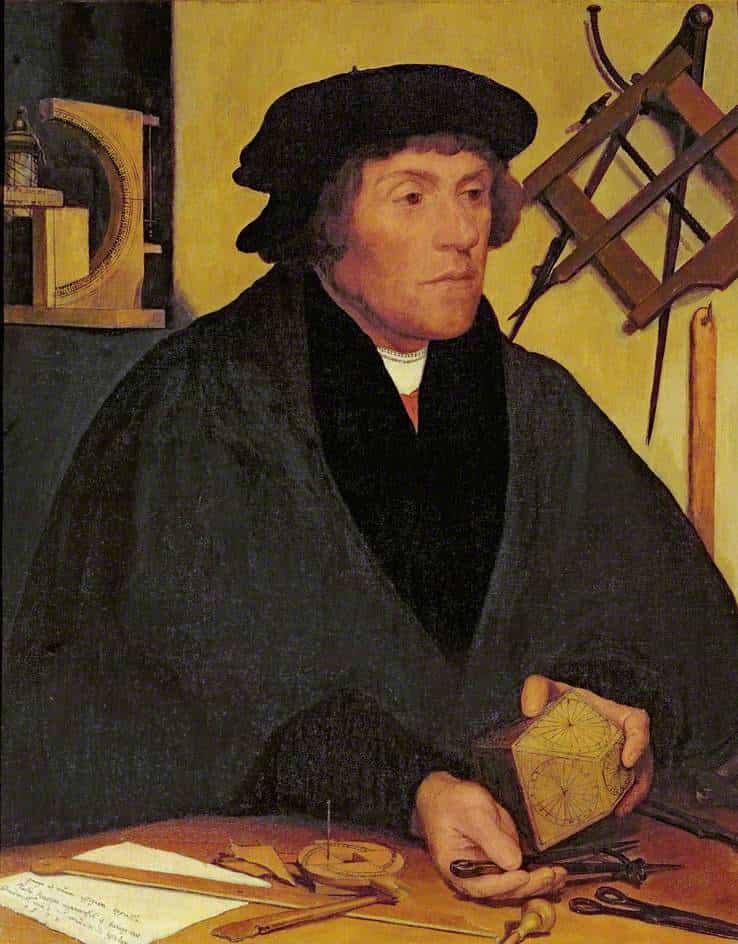
Nicholas Kratzer (1487–c.1550), Fellow of Corpus Christi College, Oxford and Later Astronomer Royal to Henry VIII
Hans Holbein the Younger
From €54
Collection
Museum-quality reproductions on 310gsm textured cotton rag paper.
Shop all prints by Hans Holbein the YoungerArtistic Style
Style Evolution
Holbein's style moved from the finely detailed, graphic work produced for Basel's print and humanist circles to the more sumptuous, psychologically incisive portraiture demanded by Tudor patrons, retaining a consistent emphasis on line and texture.
Palette
Subjects
Techniques
Topics
Hans Holbein the Younger (1497-1543) was a Swiss Renaissance painter and printmaker whose precise portraits and courtly images defined Tudor-era realism.
Learn about the life of Hans Holbein the Younger
Signature Works
See all available prints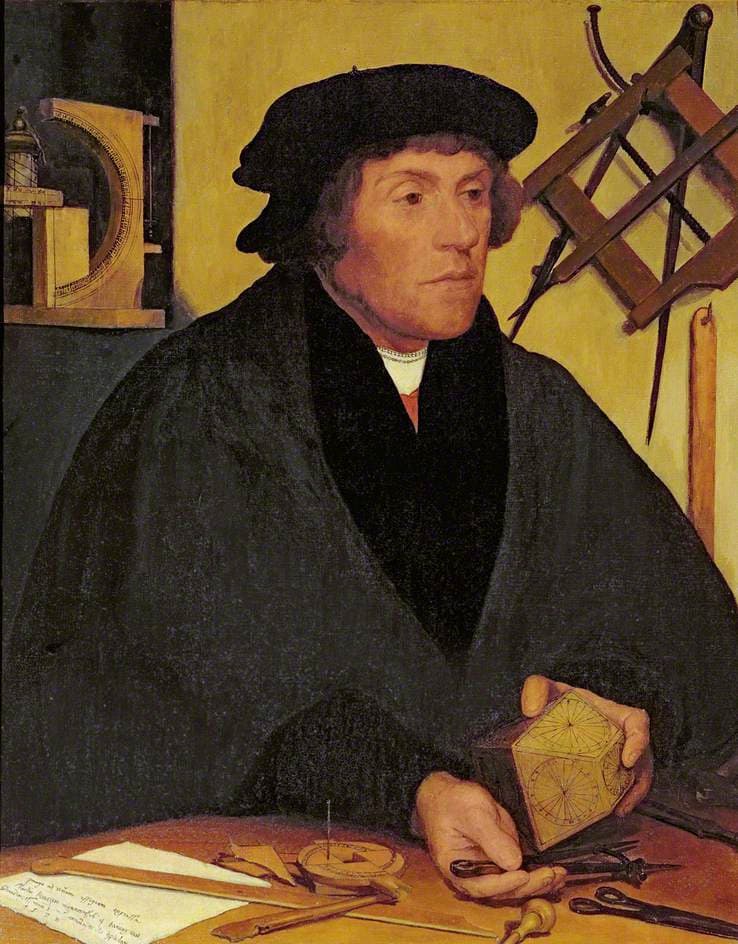
Biography
Hans Holbein the Younger (1497-1543) was a Swiss Renaissance painter and printmaker whose precise portraits and courtly images defined Tudor-era realism.
Hans Holbein the Younger (1497-1543) was a Swiss Renaissance painter and printmaker whose precise portraits and courtly images defined Tudor-era realism.
Born in Augsburg into a family of artists, Holbein trained in a Northern European workshop tradition that emphasized draftsmanship, detailed observation, and mastery of both painting and print techniques. Though born in the German city of Augsburg, he became closely associated with Basel, a cultural and publishing center where he established his reputation as a versatile portraitist and designer for prints and book illustrations.
Holbein's career unfolded across two major centers: Basel and London. He worked for printers and humanist clients in Basel, producing portrait drawings, woodcuts, and designs that displayed exceptional linear clarity and attention to costume and object. Later he traveled to England and became closely linked with the Tudor court, producing some of the most authoritative likenesses of the era.
In Basel Holbein developed his technical command of drawing, engraving designs, and small-scale portraiture. He worked for humanists and publishers, refining an economy of line and an ability to depict materials and textures with forensic exactitude.
Holbein's work in England elevated him to international prominence. As a court painter, he produced formal portraits that combined psychological insight with meticulous rendering of fabrics, jewelry, and settings—qualities that made his work particularly desirable to patrons wanting authoritative likenesses.
Holbein's oeuvre is celebrated for its portraiture and print designs. His portraits are admired for their combination of lifelike observation and compositional restraint, capturing both status and character. He also produced designs for prints and book illustrations that circulated widely and influenced contemporaries across Northern Europe.
Holbein is known for extraordinary draftsmanship, a refined linear style, and meticulous depiction of surfaces—silks, jewels, armor and furniture—rendered with clarity. Working in oils, tempera and as a designer for prints, he balanced detailed realism with compositional harmony, often isolating figures against plain backgrounds to emphasize the sitter's presence.
Holbein bridged Northern Renaissance detail with Renaissance ideals of portraiture. His images of leading figures of his day set standards for court portraiture and influenced later portraitists in England and on the Continent. Collectors prize his works for their historical importance, technical mastery, and decorative presence.
Holbein came from an art
Frequently Asked Questions
Nicholas Kratzer (1487–c.1550), Fellow of Corpus Christi College, Oxford and Later Astronomer Royal to Henry VIII
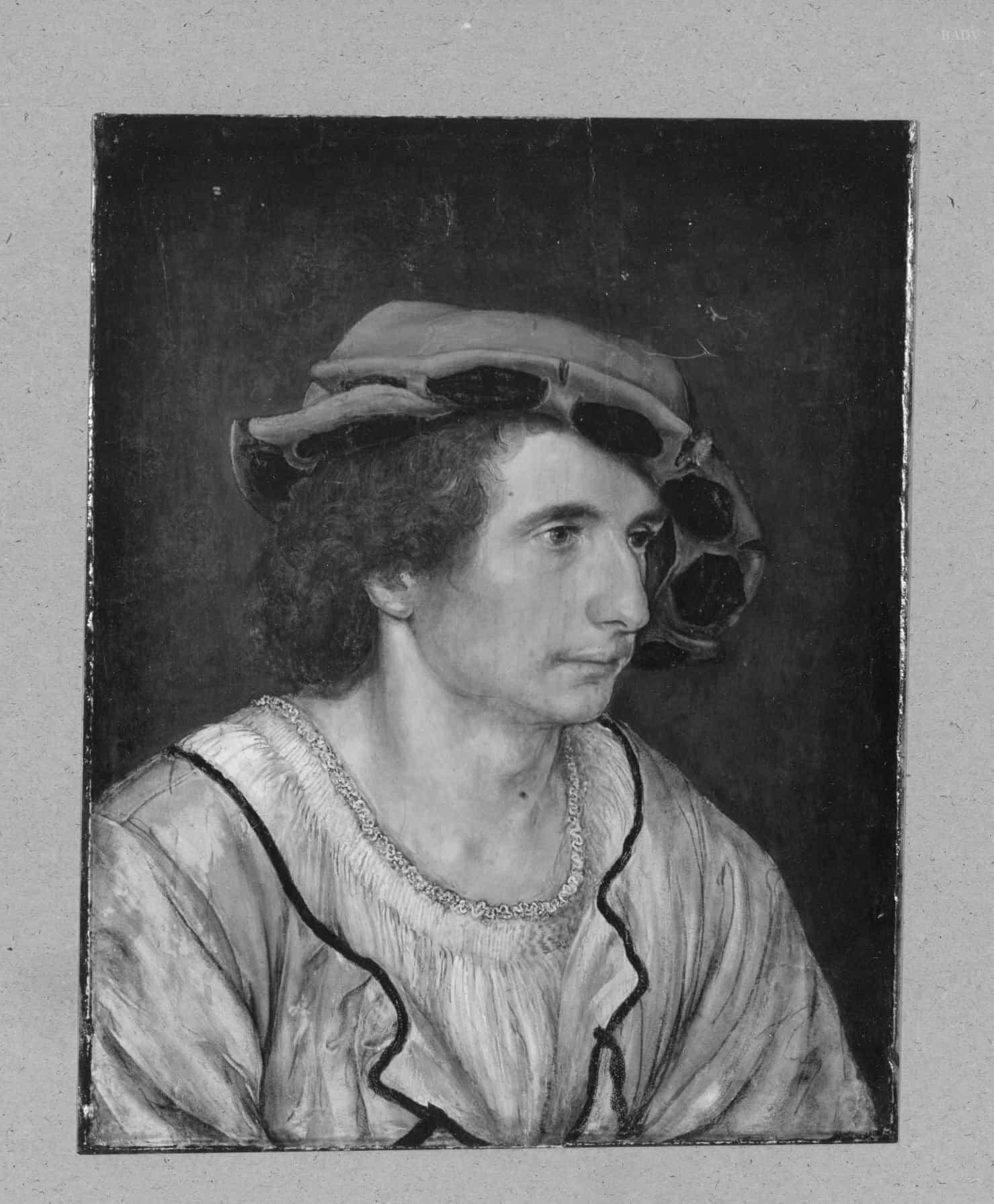
Portrait of a Young Man
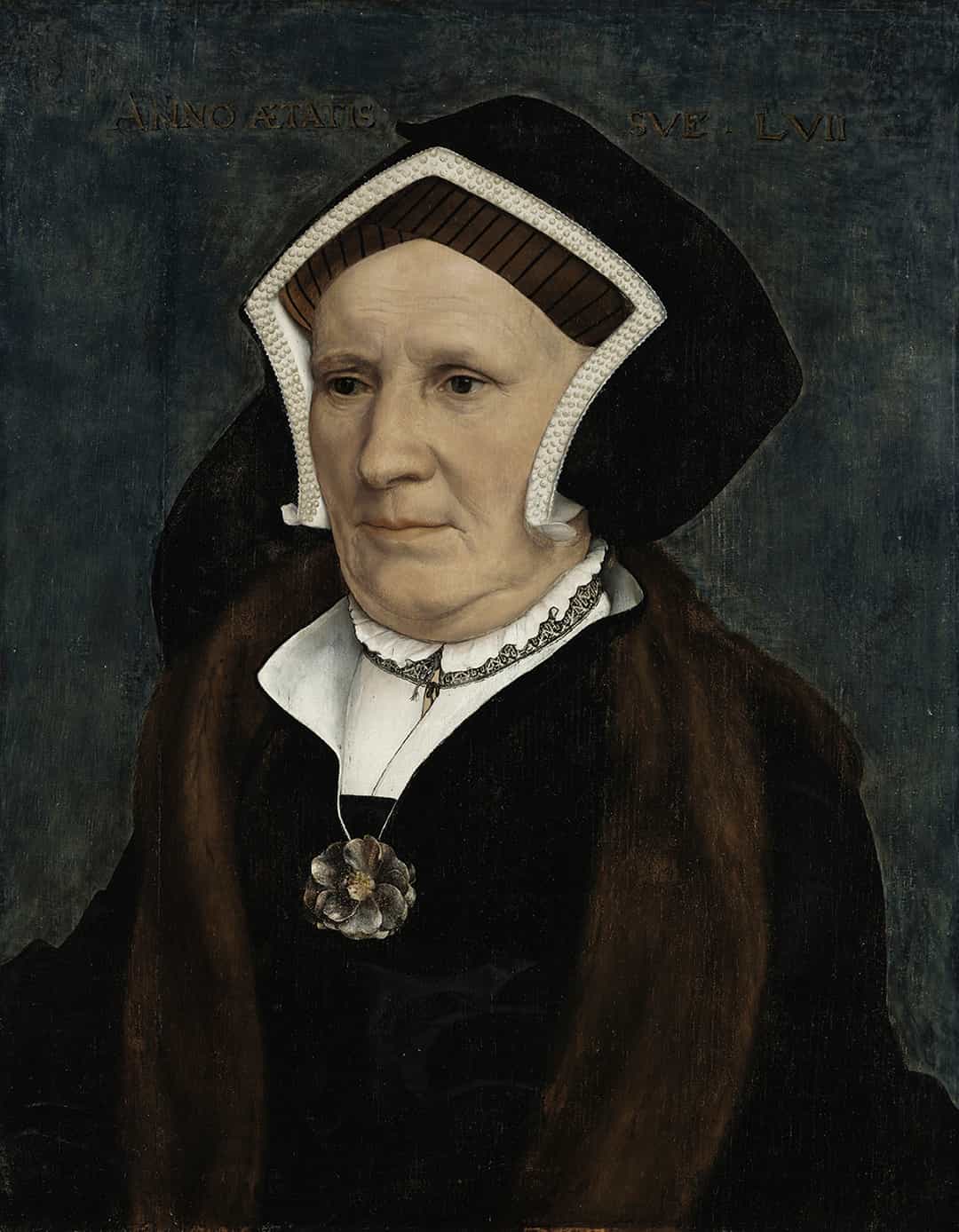
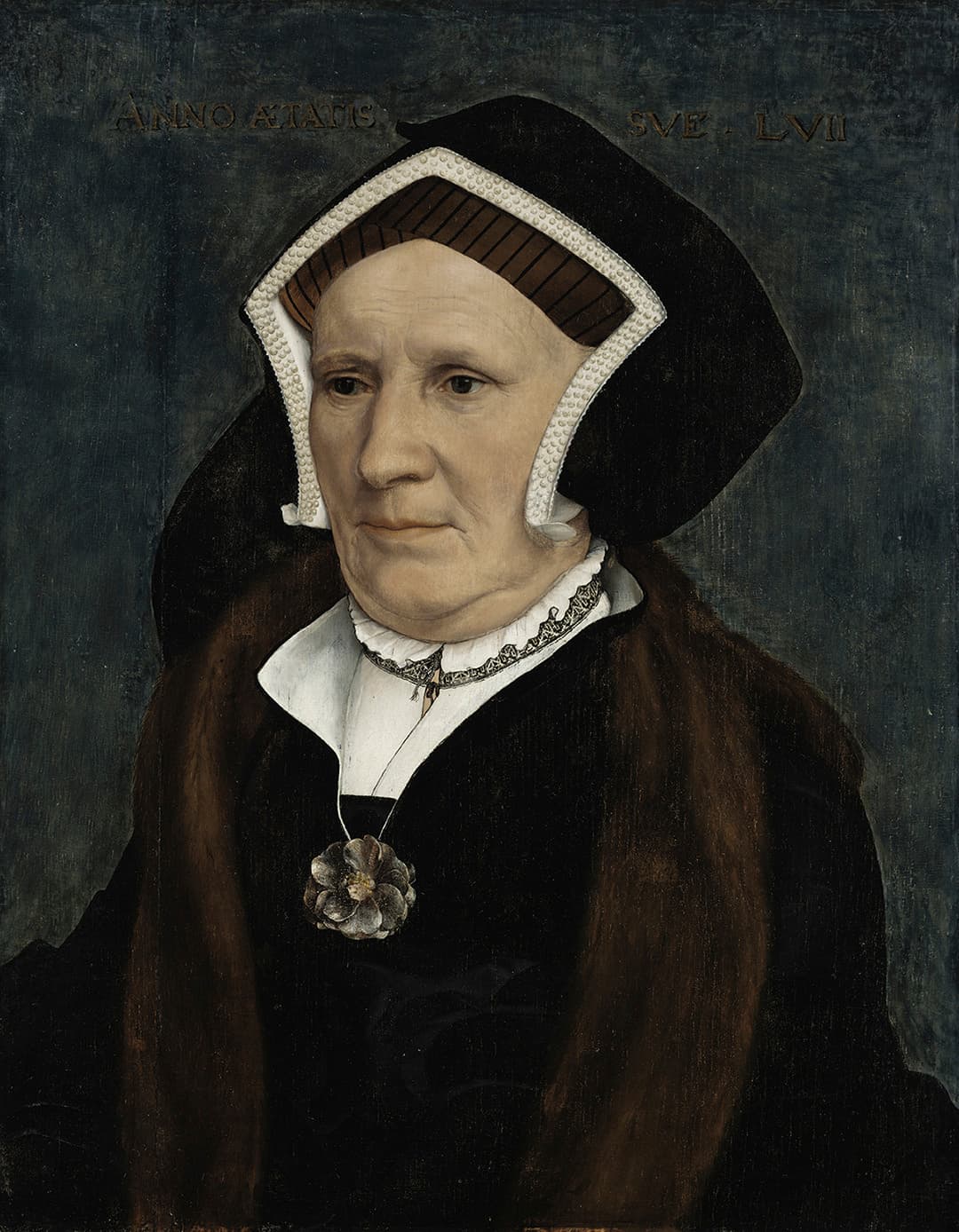
Lady Margaret (Bacon) Butts
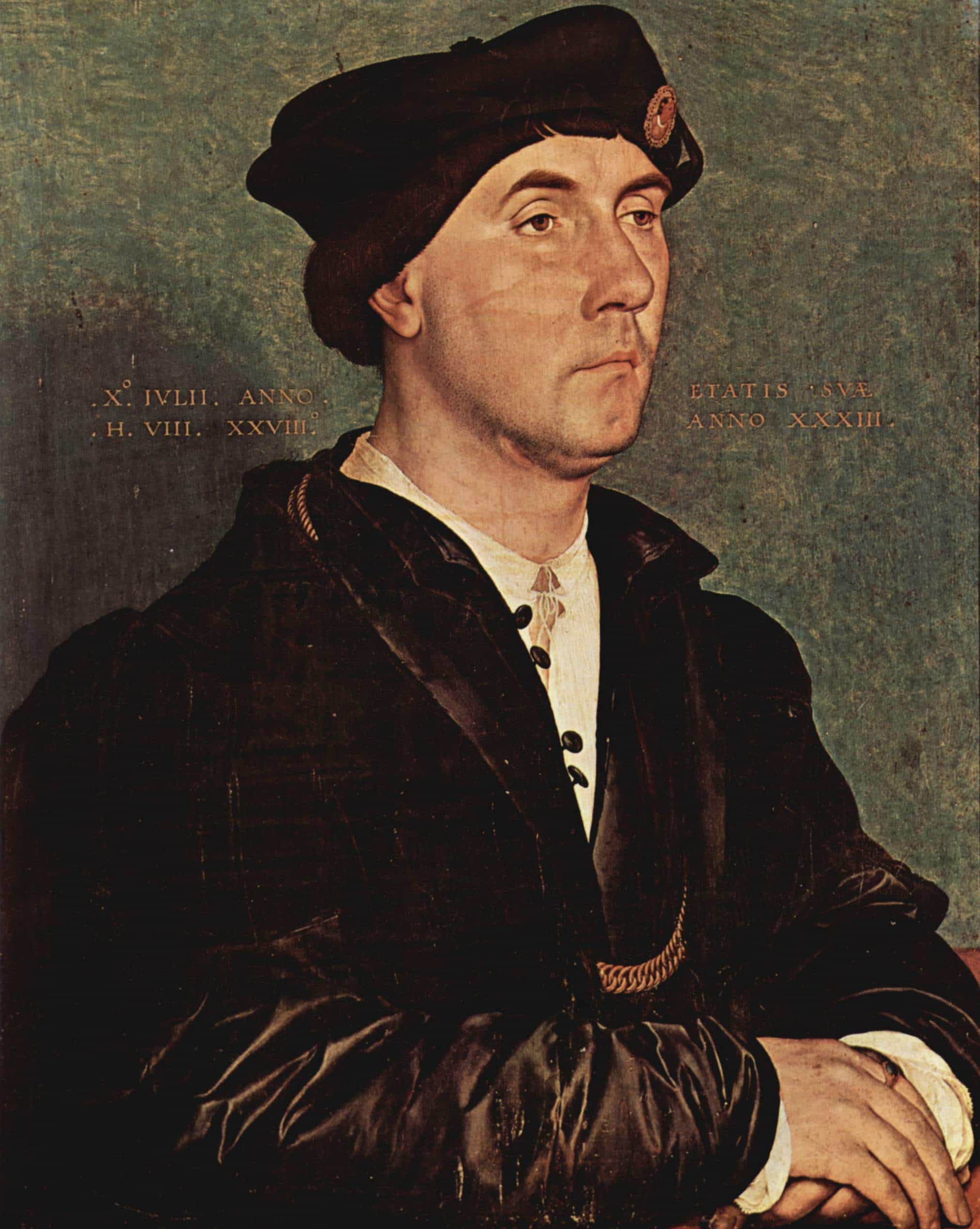
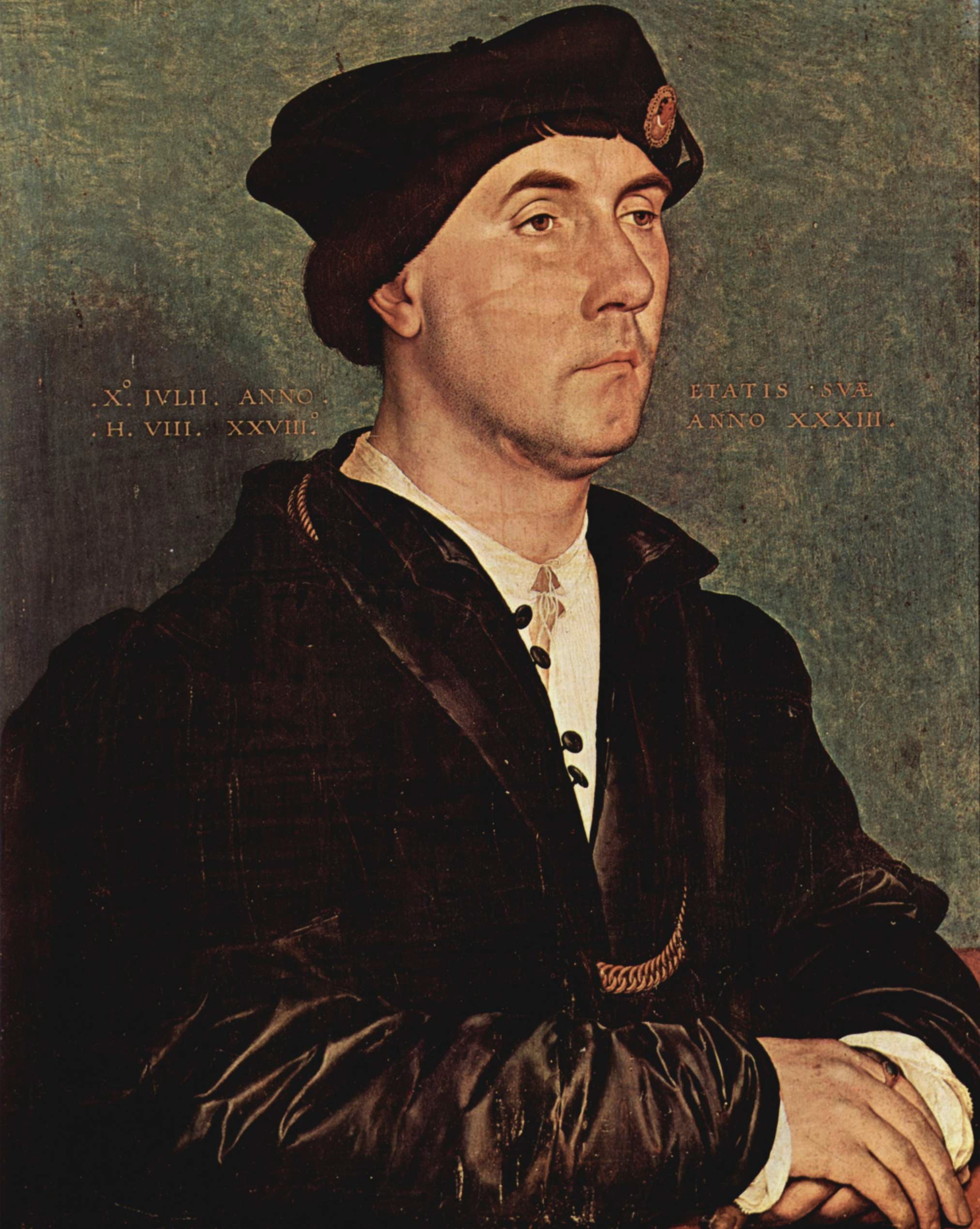
Portrait of Sir Richard Southwell
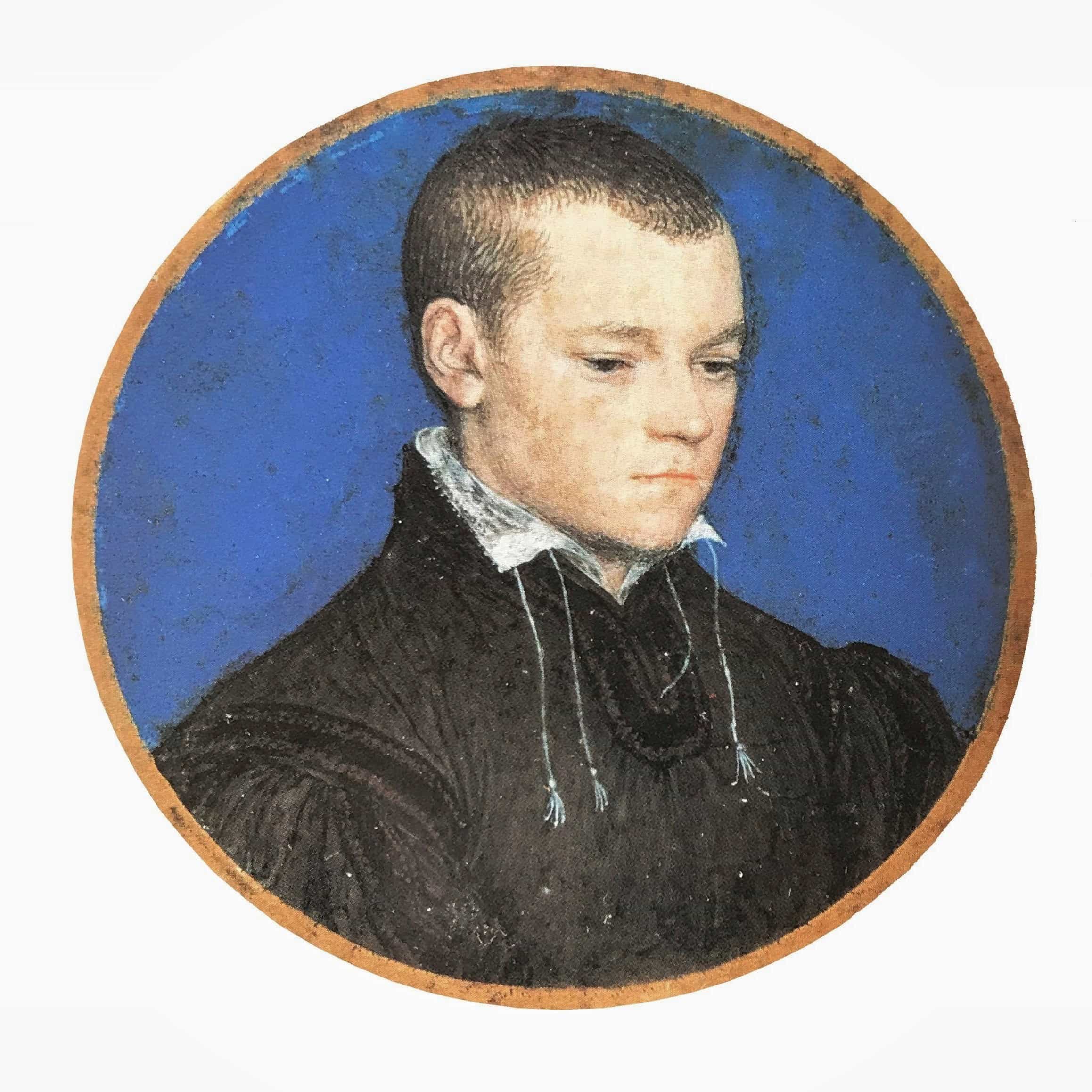
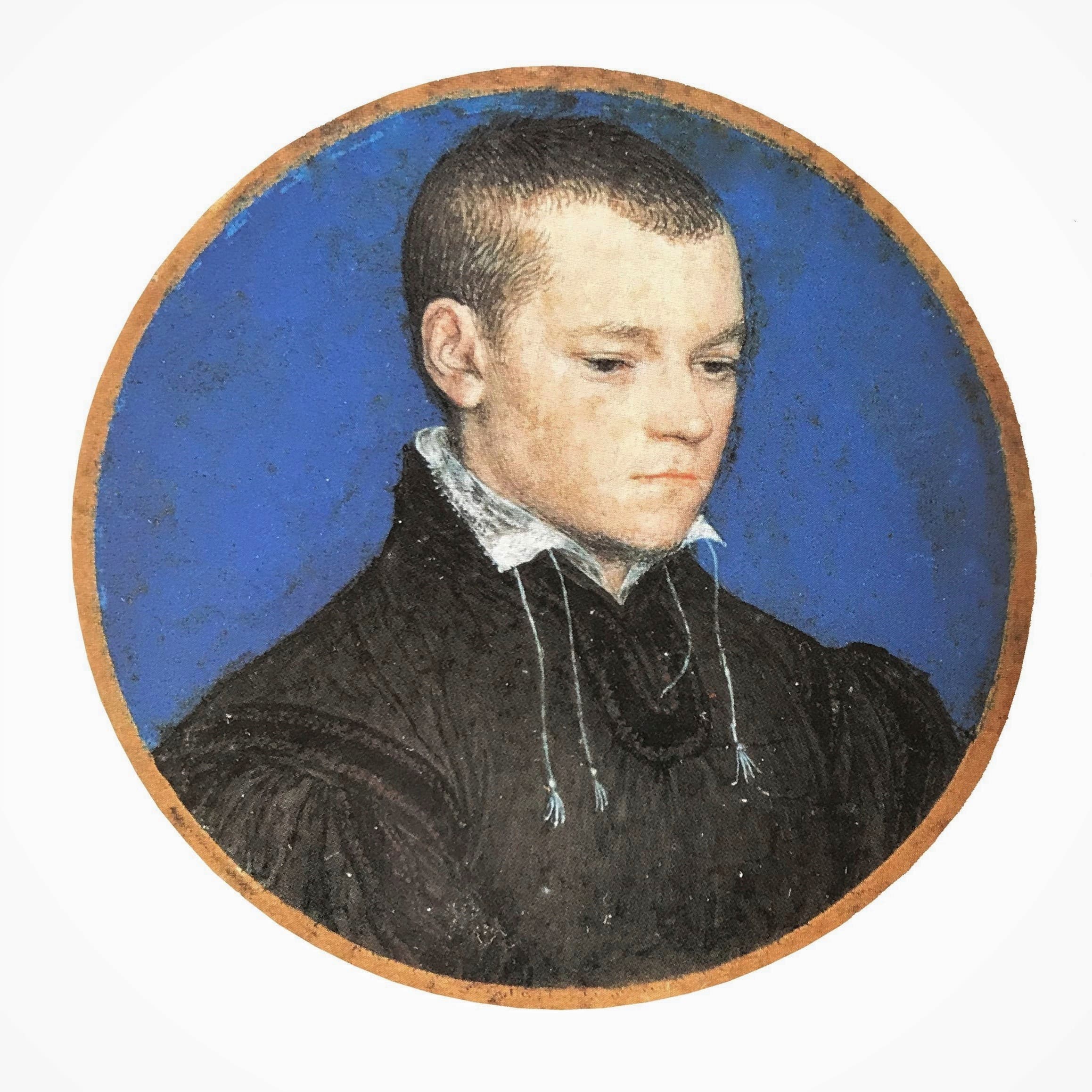
Portrait Miniature of Hans Schwarzwaldt
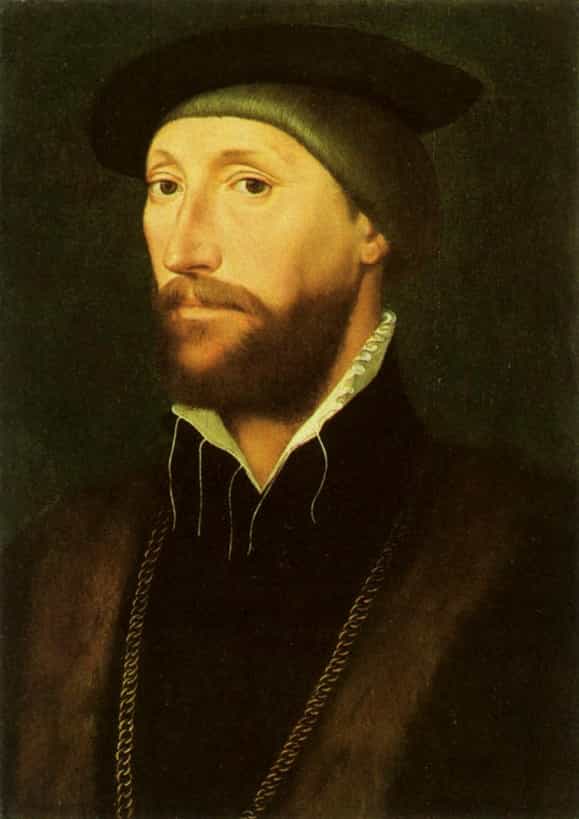
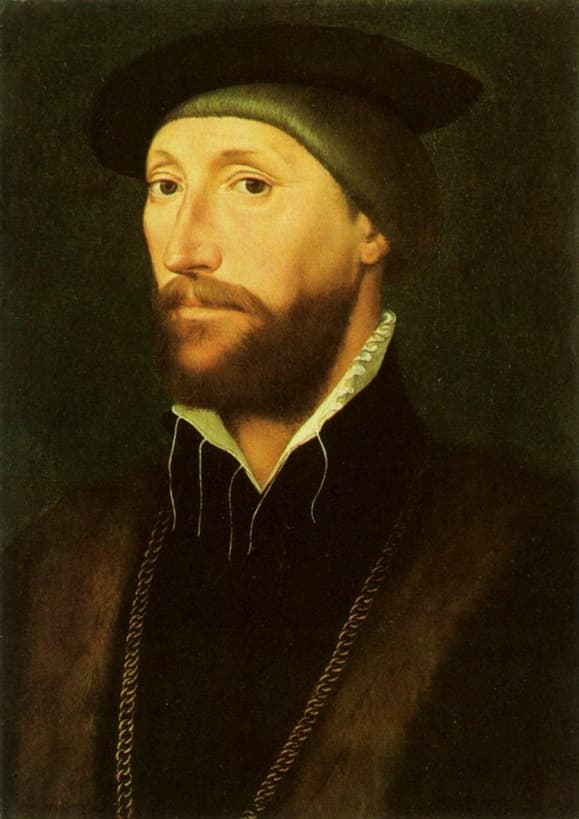
Portrait of Sir Thomas Le Strange
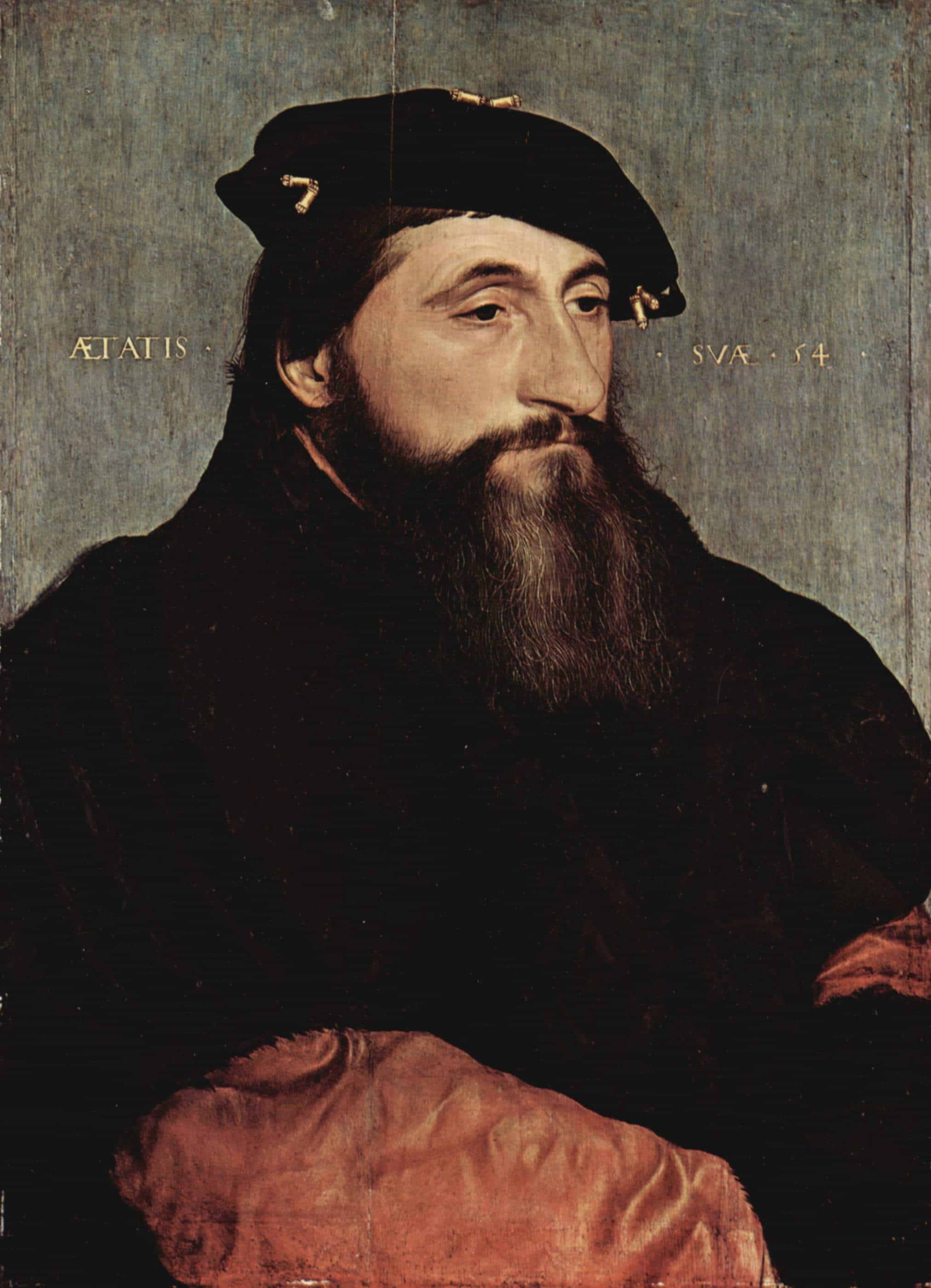
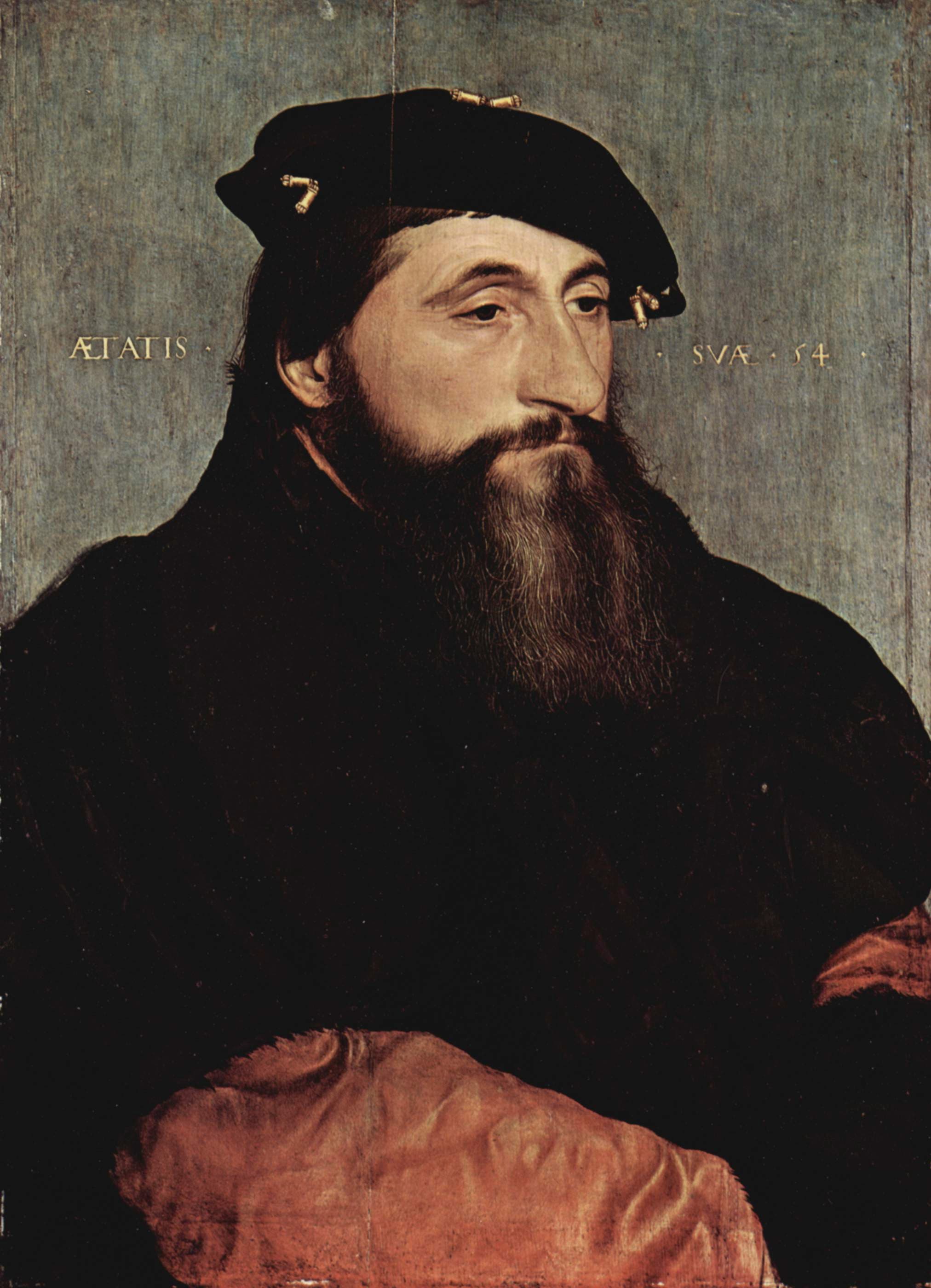
Duke Antony the Good of Lorraine
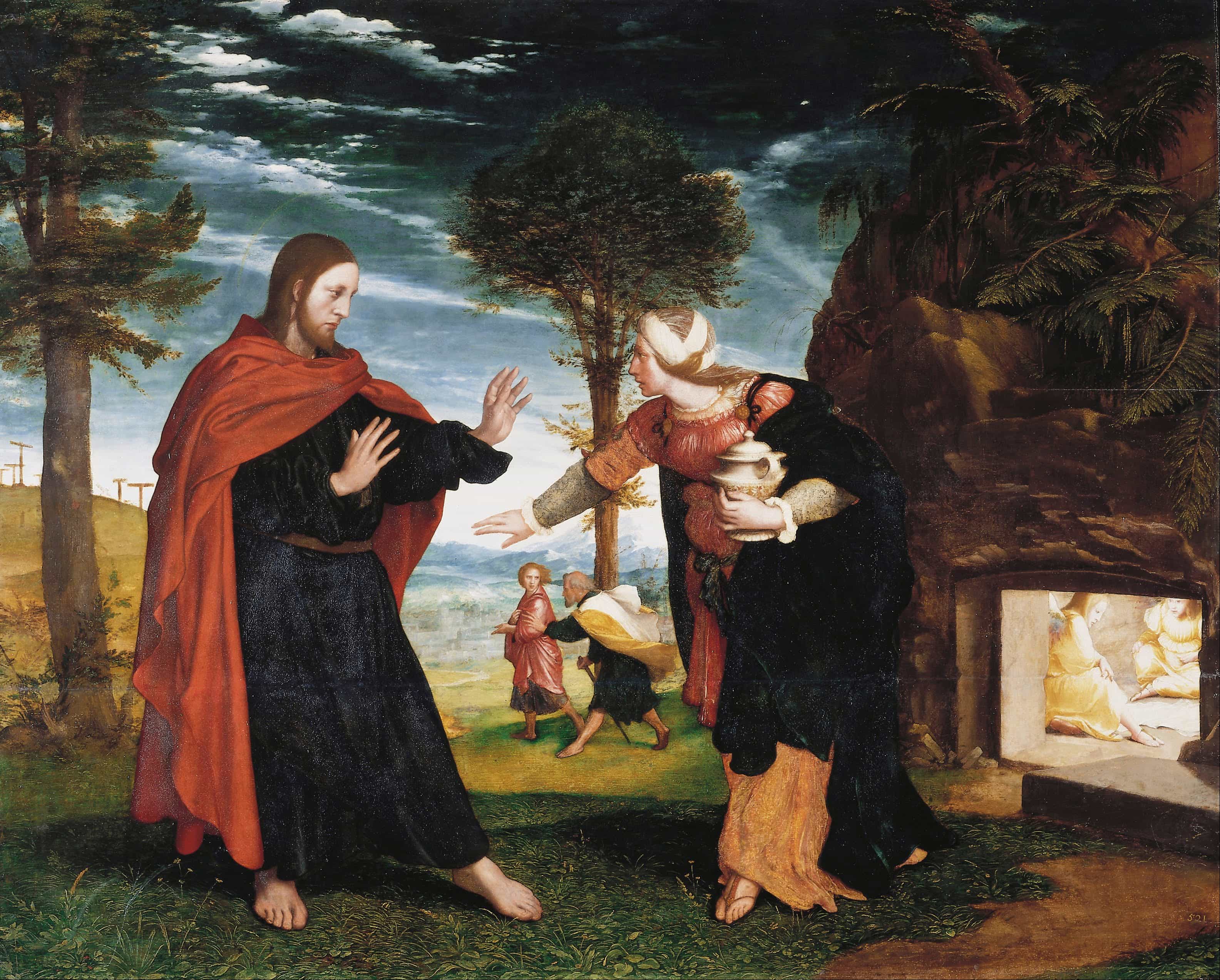
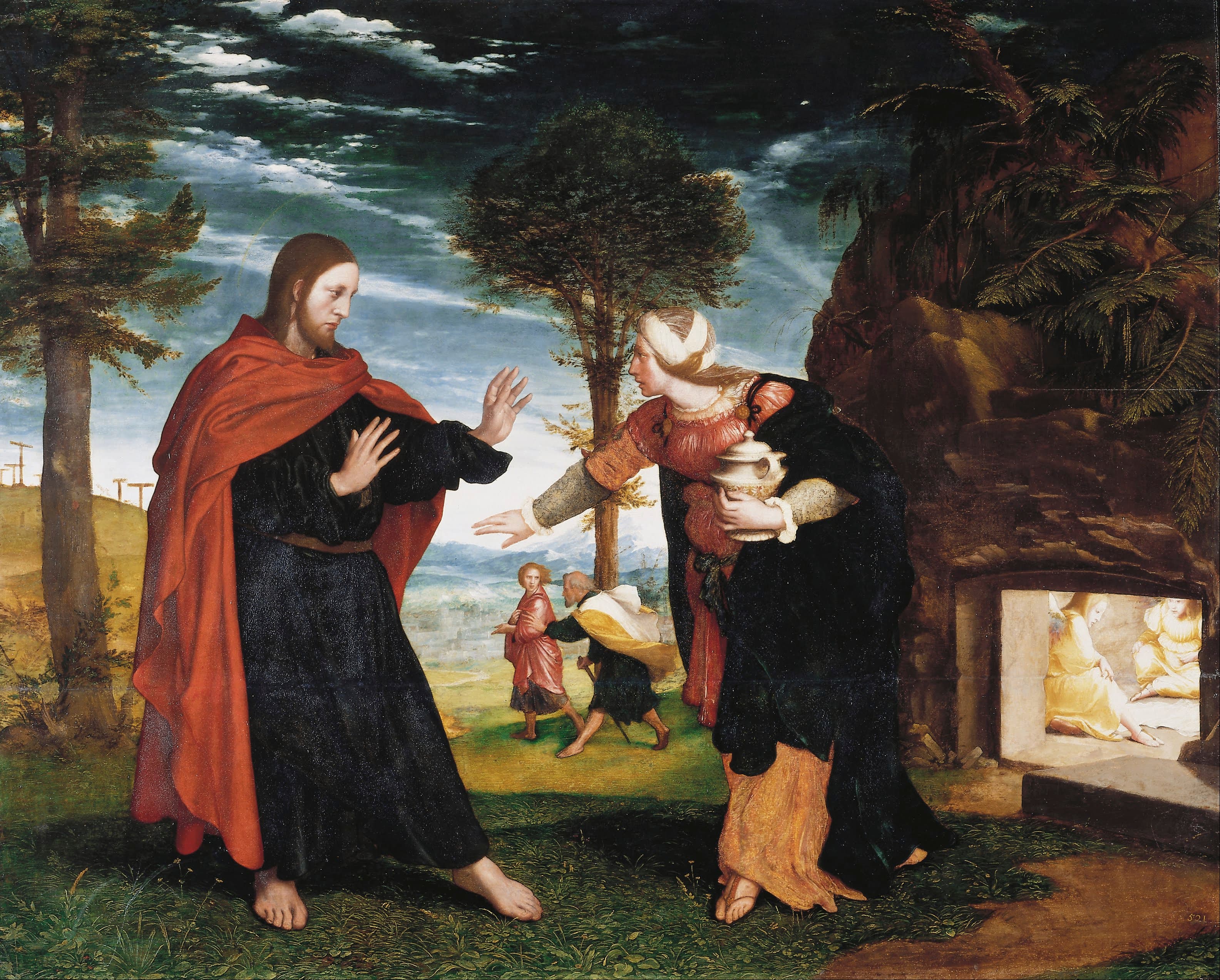
Noli Me Tangere
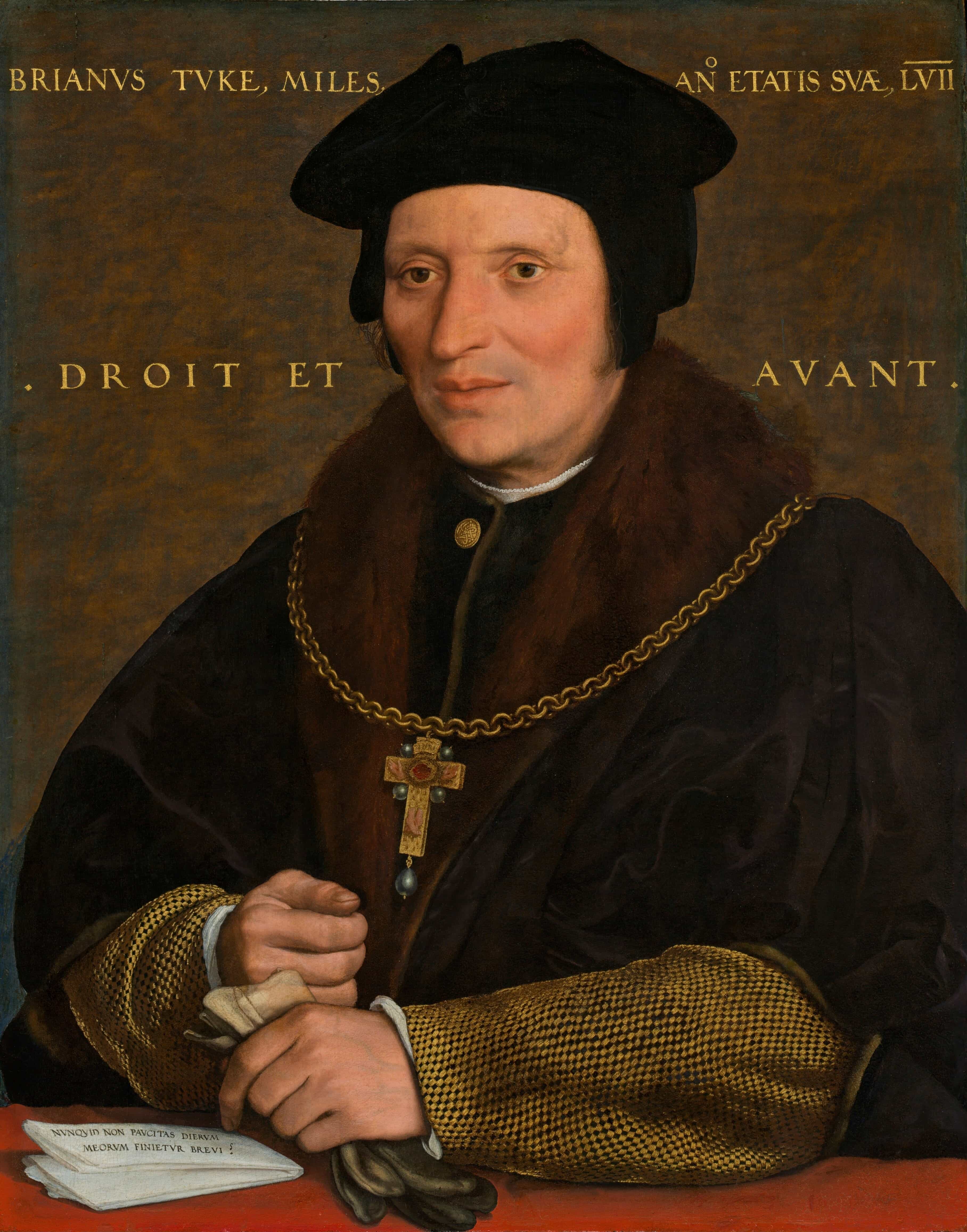
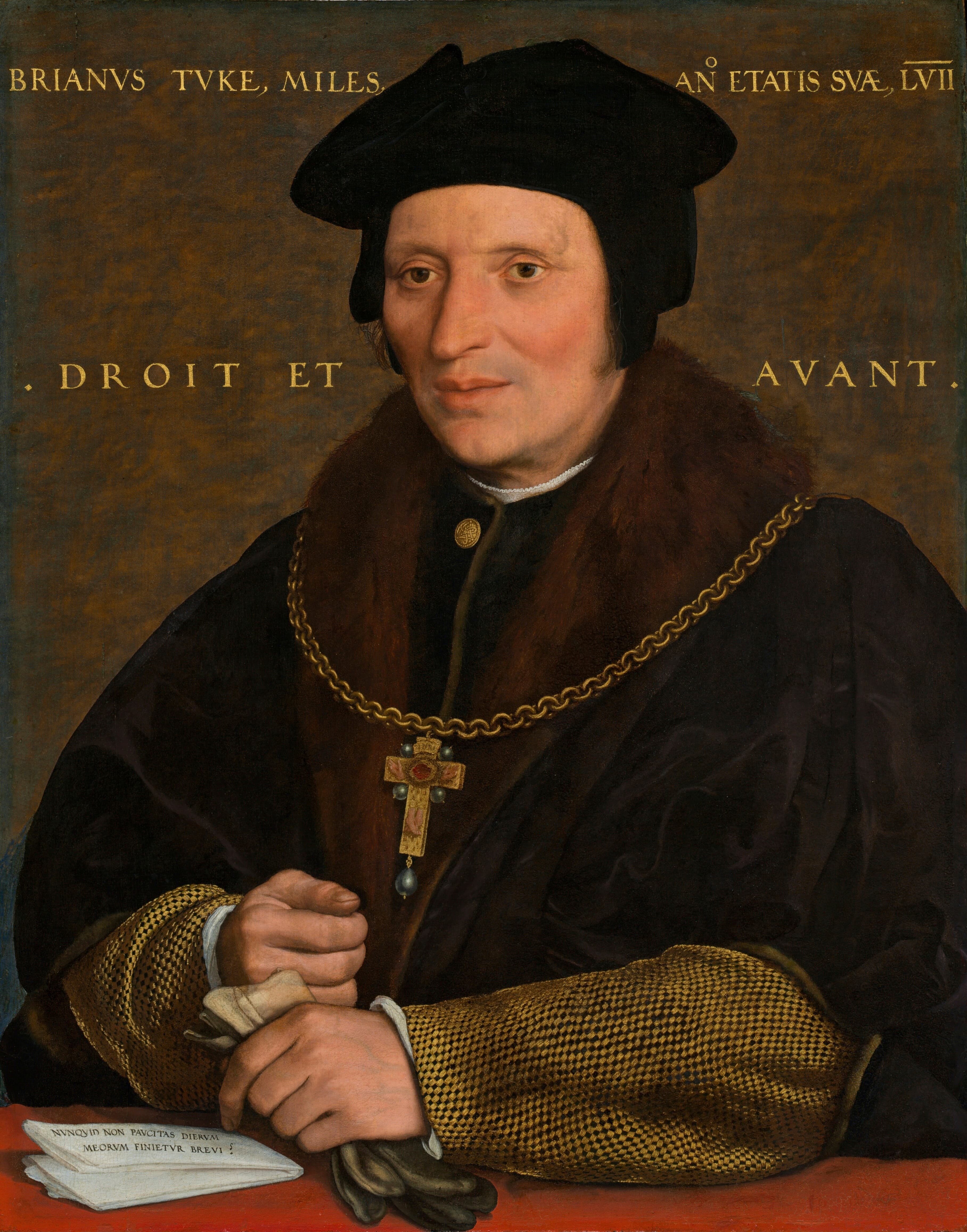
Sir Brian Tuke
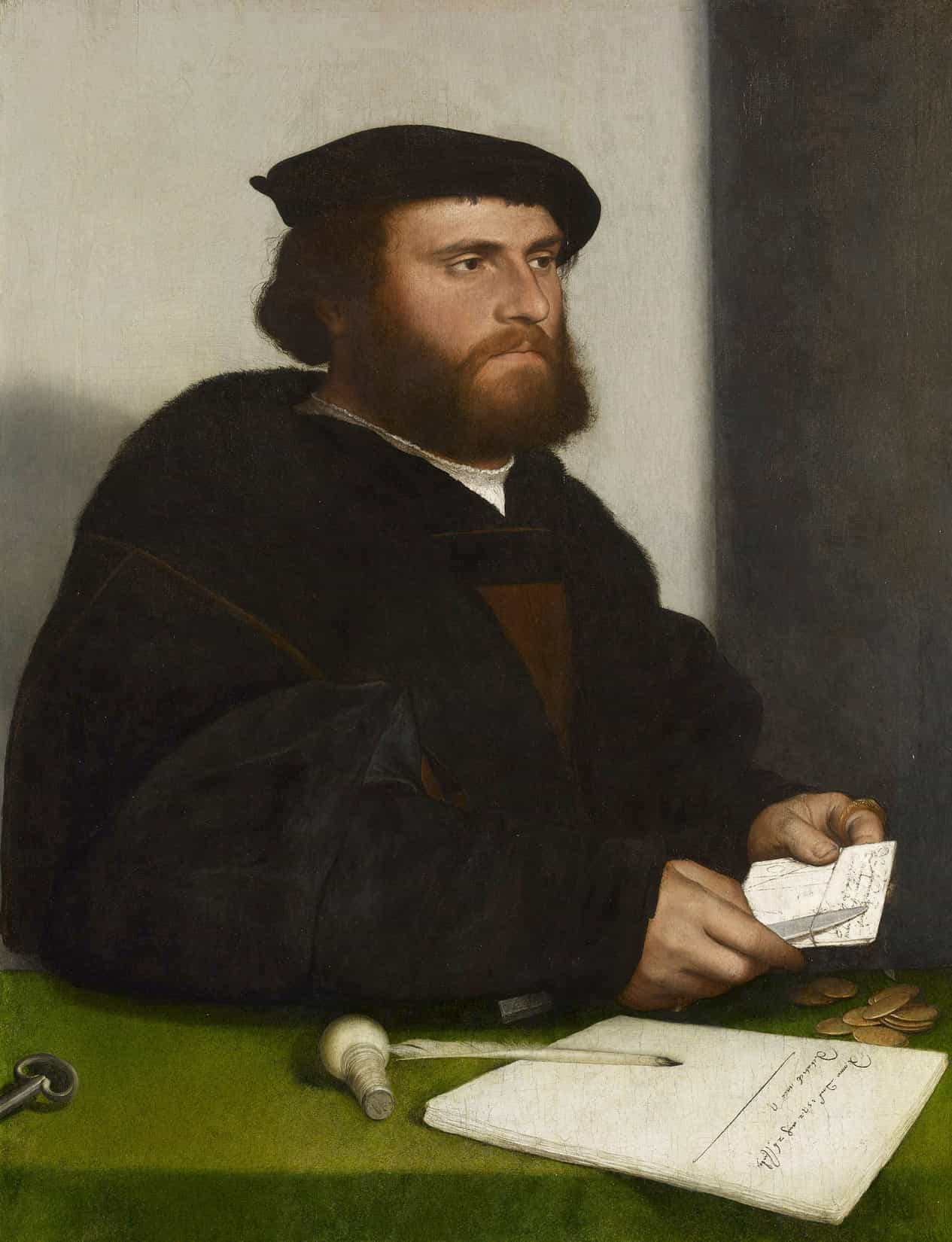
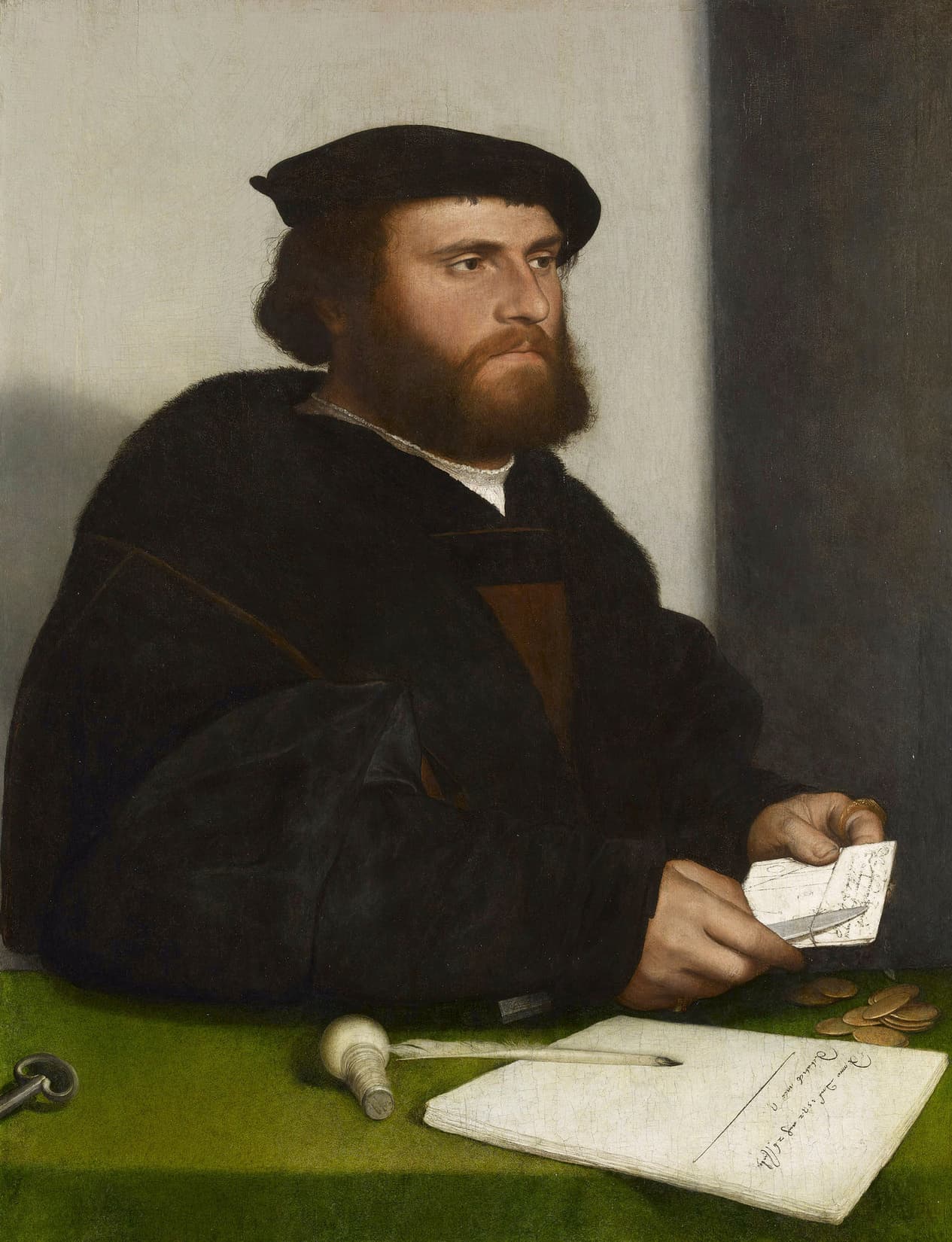
A Merchant of the German Steelyard: 'Hans of Antwerp'
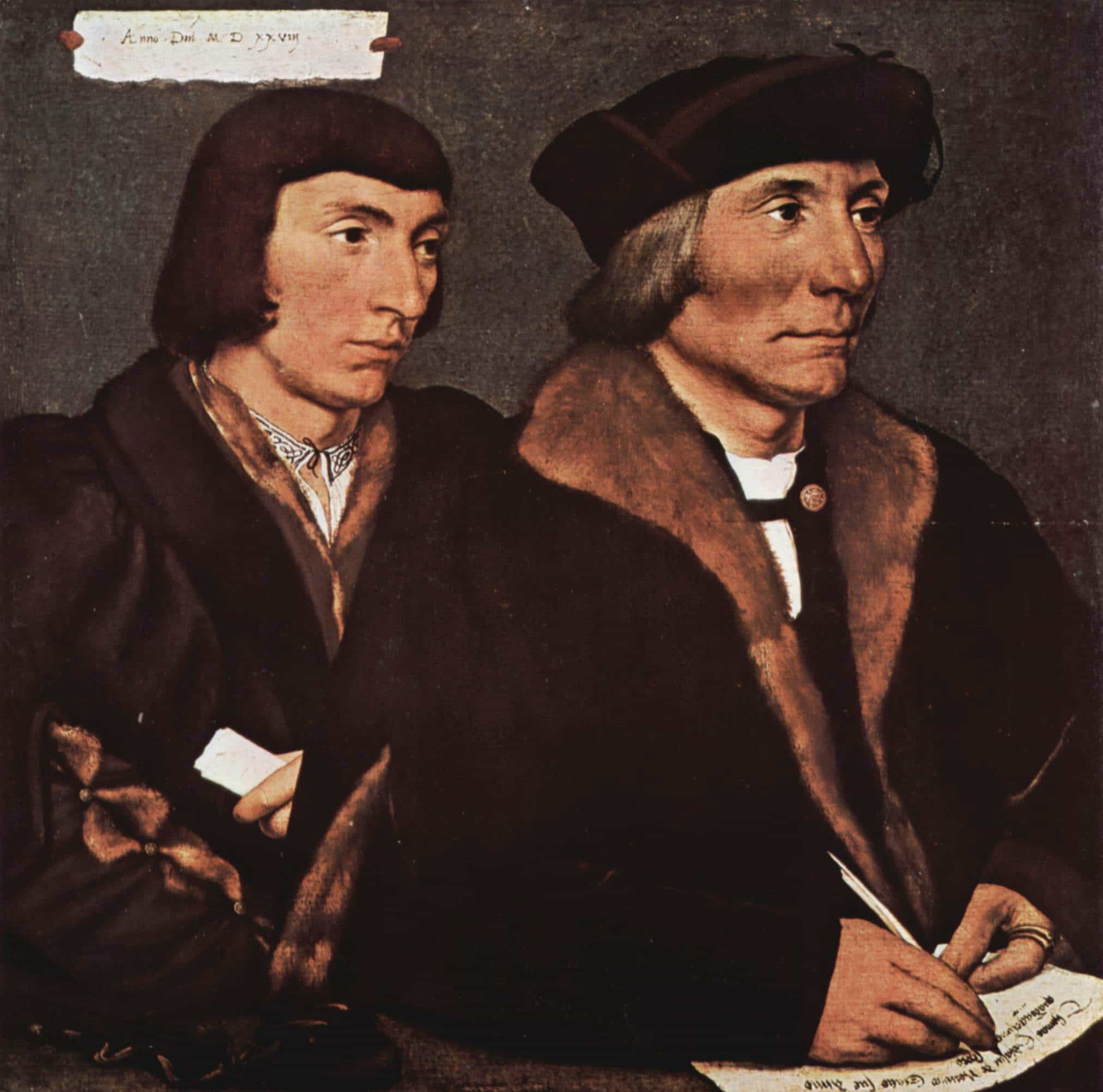
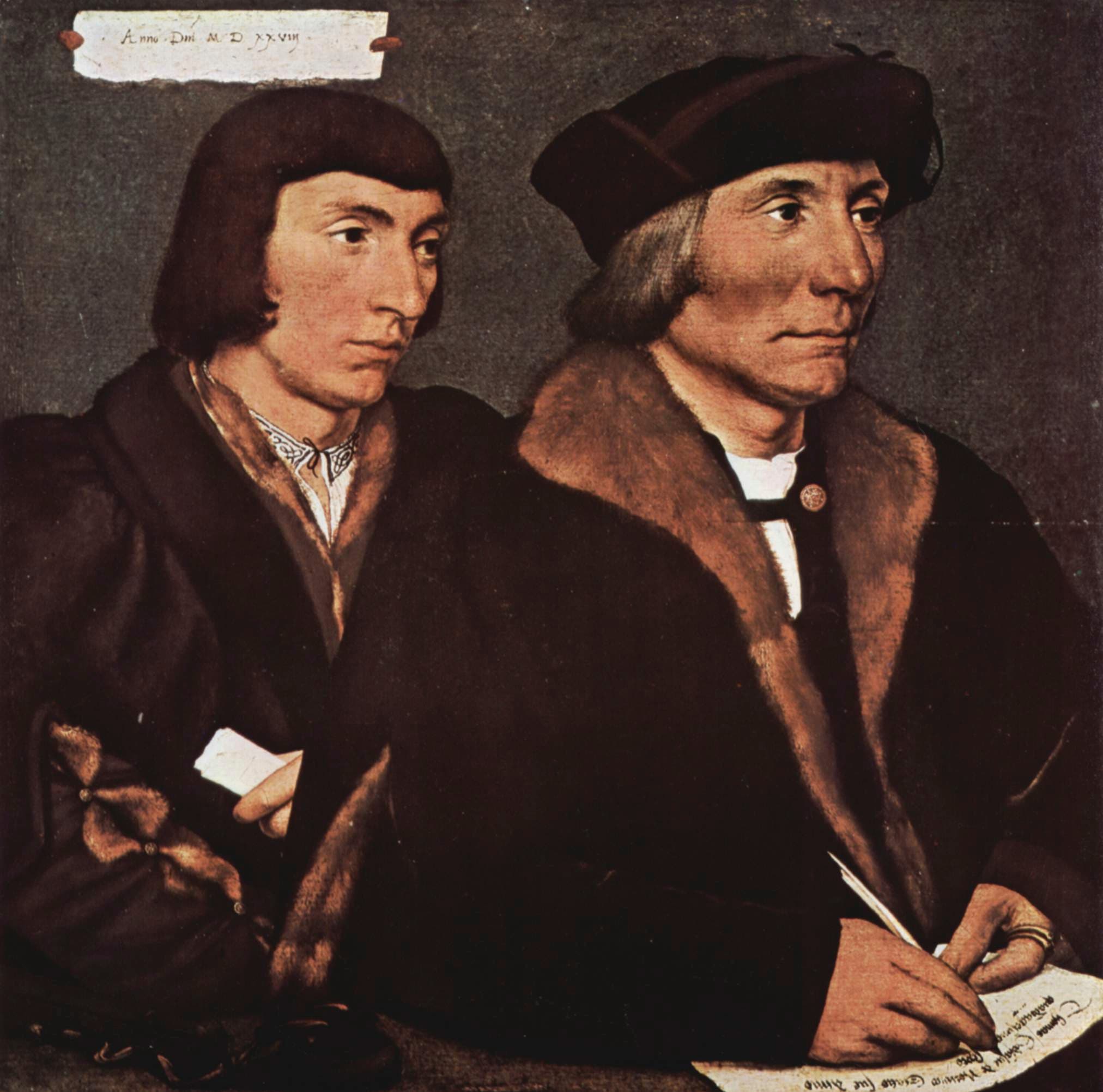
Portrait of Thomas Godsalve and His Son John
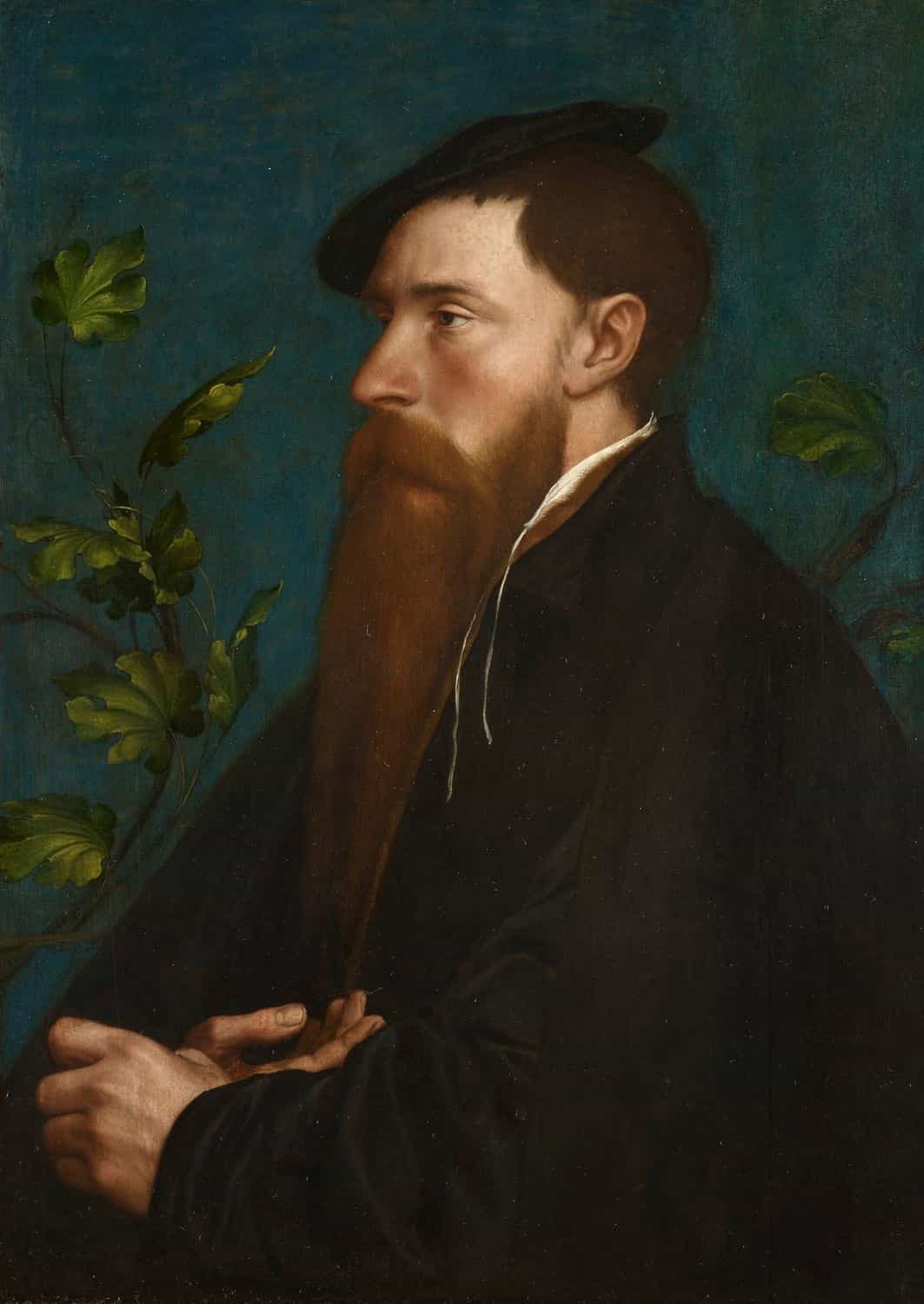
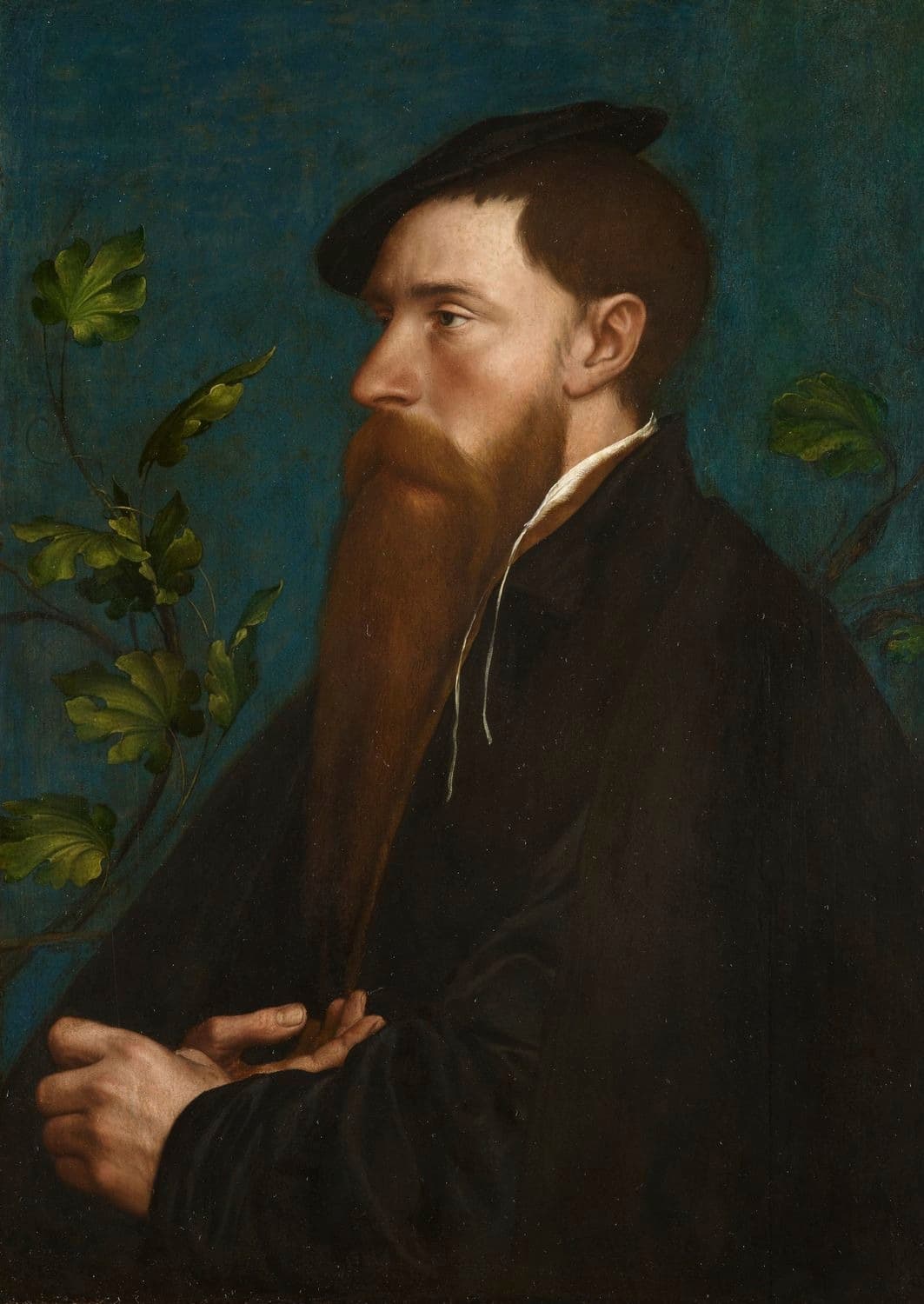
William Reskimer (?-1552)