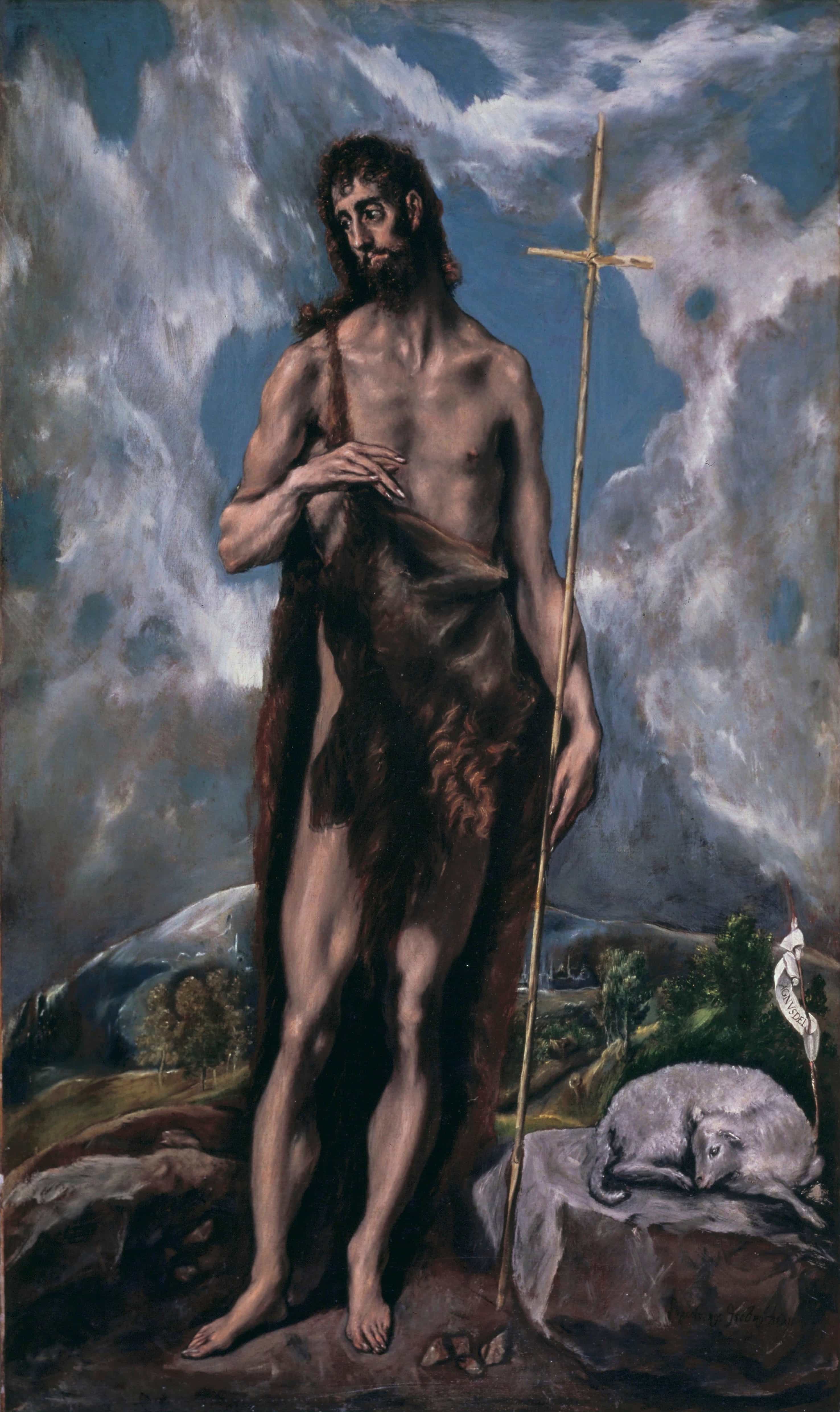
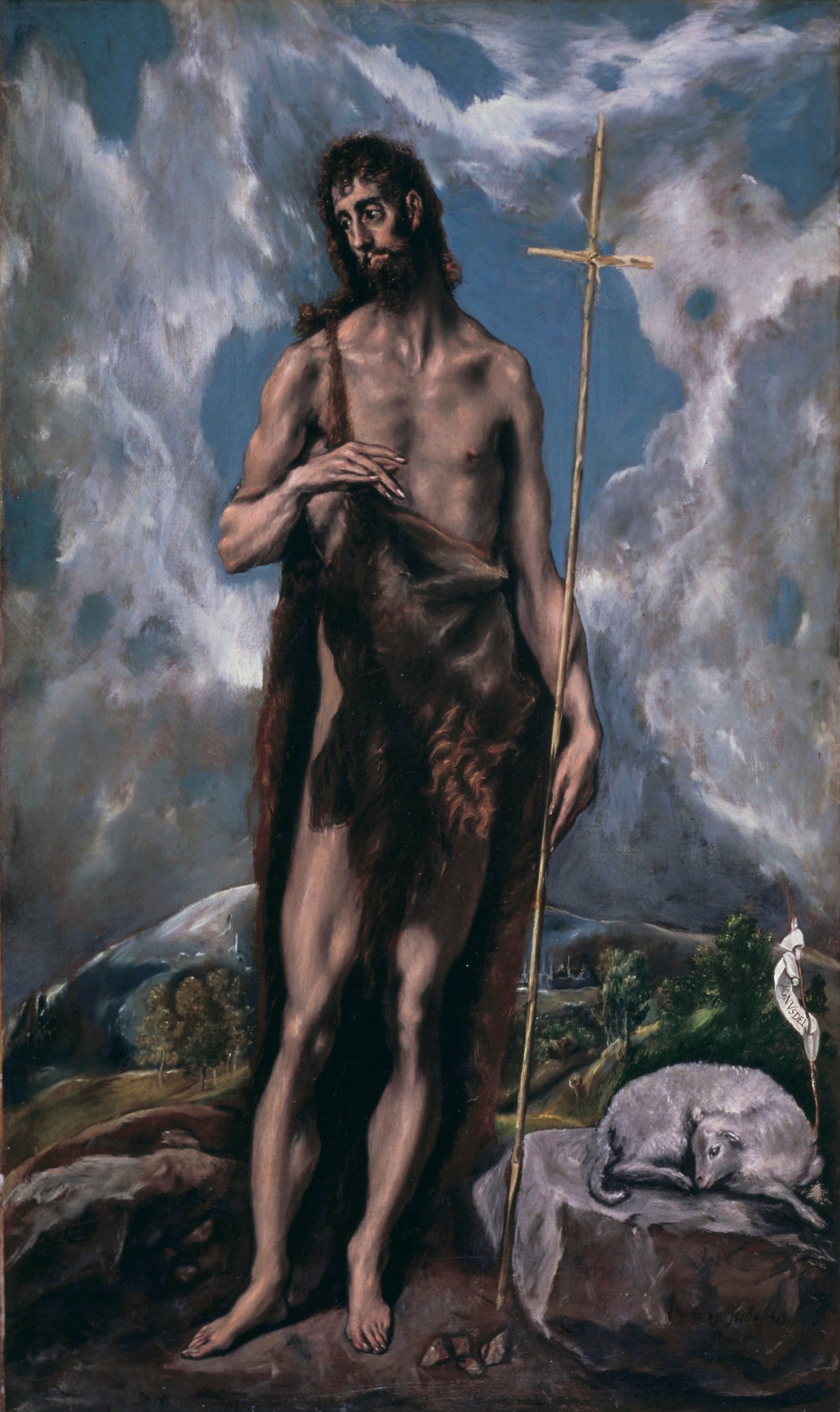
St. John the Baptist
El Greco
From €64
Collection
Museum-quality reproductions on 310gsm textured cotton rag paper.
Shop all prints by El GrecoArtistic Style
Style Evolution
Rooted in Cretan icon tradition, El Greco absorbed Venetian color and Roman Mannerism, then synthesized these influences in Toledo into a highly individual, spiritual, and elongated mannerist idiom prized for its emotional intensity.
Palette
Subjects
Techniques
Topics
El Greco (1541-1614) was a Greek Mannerist painter whose elongated figures and luminous color brought intense spirituality to Spanish religious art.
Learn about the life of El Greco
Signature Works
See all available prints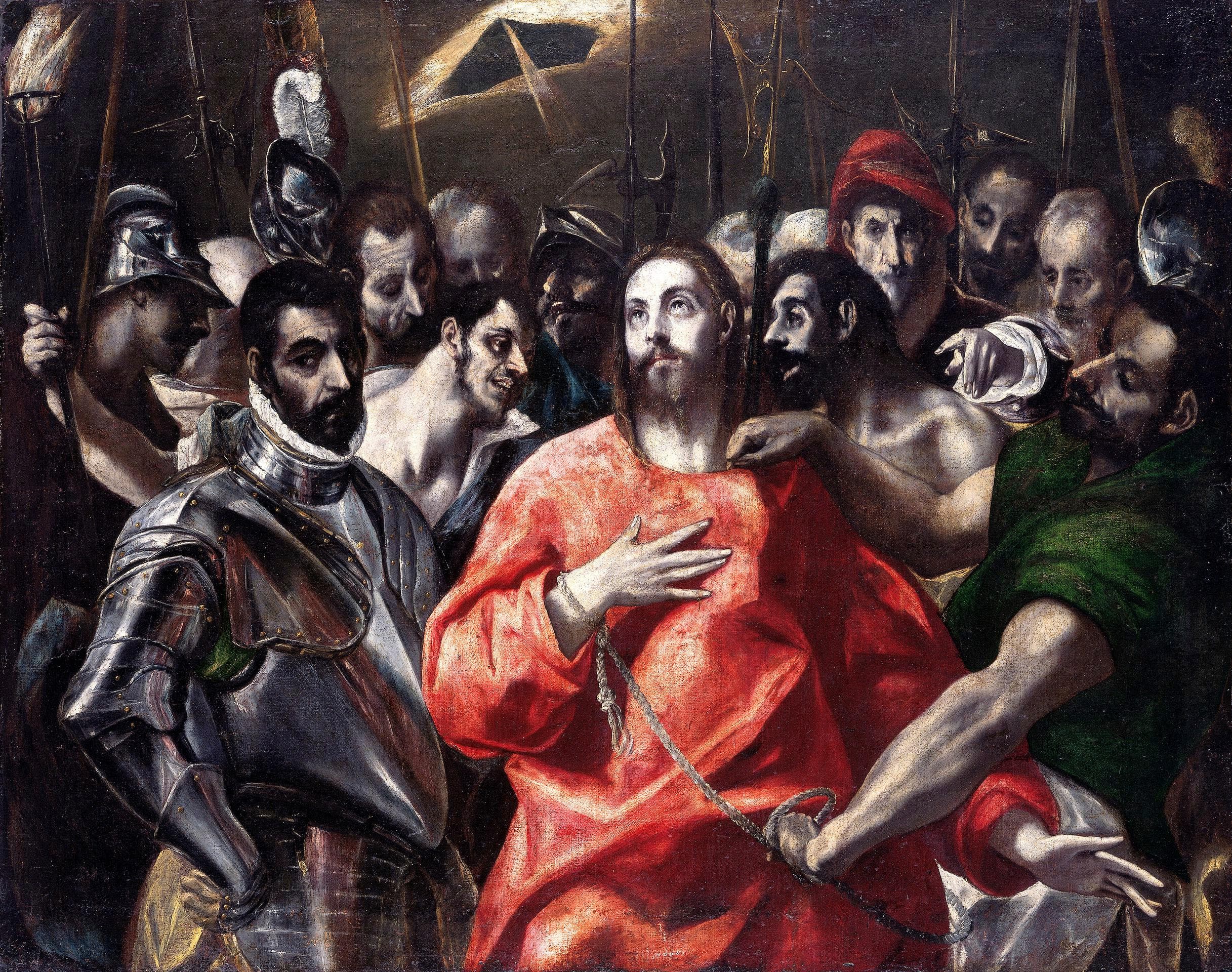
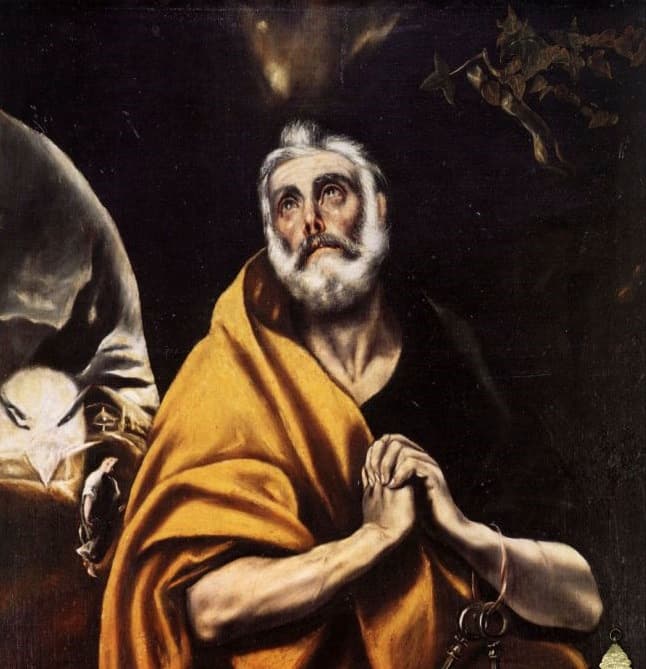
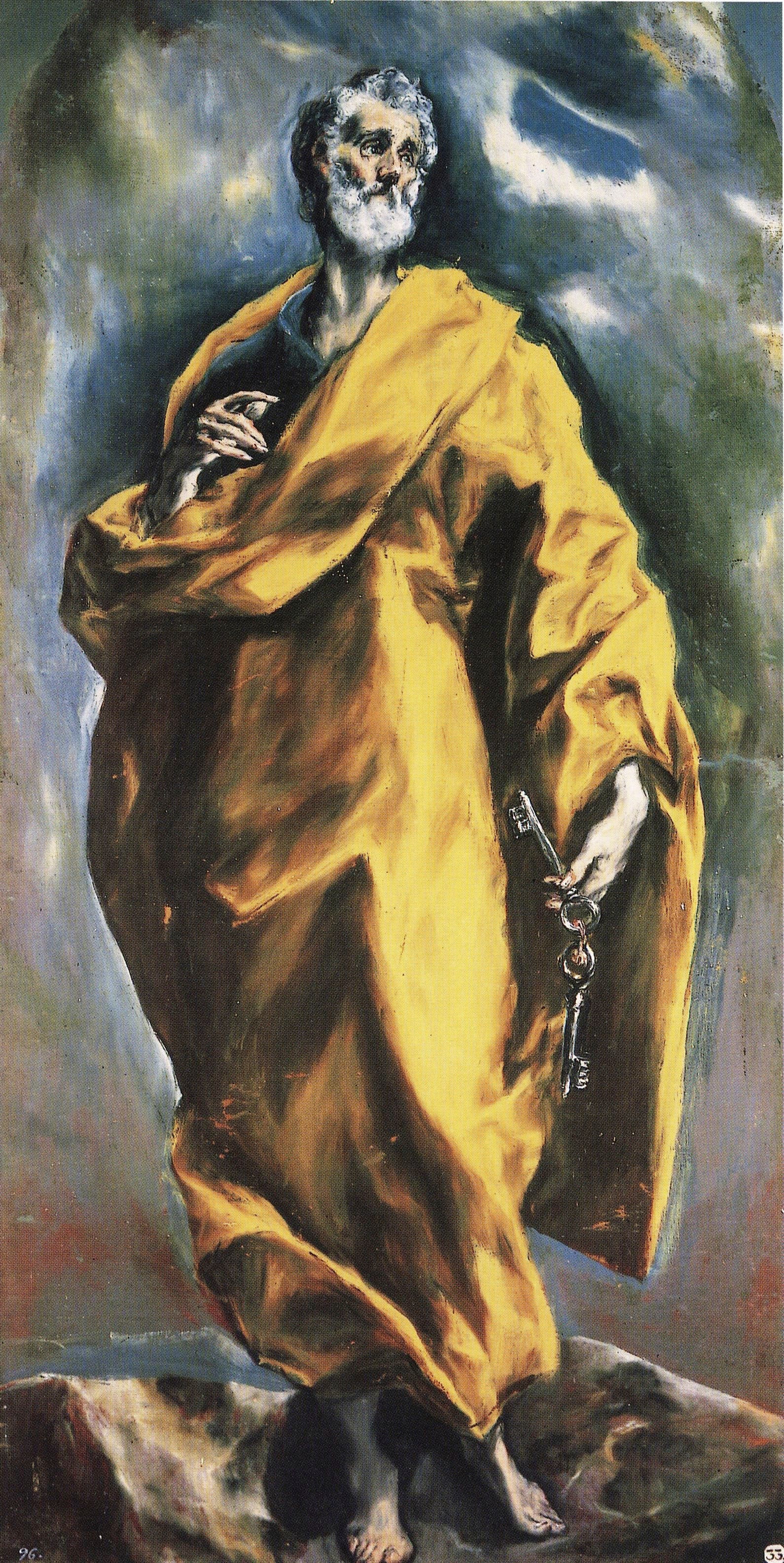
Biography
El Greco (1541-1614) was a Greek Mannerist painter whose elongated forms, vivid color harmonies and spiritual intensity reshaped Spanish religious painting.
El Greco was born in Heraklion in 1541 and trained initially within the post-Byzantine icon tradition of Crete. Early training in the Cretan school grounded him in icon-painting techniques and a strong sense of devotional imagery. Seeking further artistic development, he traveled to artistic centers of Italy where contact with Venetian colorito and Roman Mannerism deeply influenced his approach.
El Greco's career unfolded across several geographic and stylistic phases that shaped his mature voice.
During his time in Venice and Rome he absorbed the rich colorism of Titian and the elongated, expressive figuration of Mannerist painters. These influences informed his dramatic compositions, heightened color contrasts, and expressive anatomy.
Settling in Toledo, Spain, El Greco developed the distinctive personal style for which he is best known: luminous, often otherworldly color, elongated figures, intensified emotional expression, and compositions tailored to devotional and ecclesiastical contexts.
El Greco is celebrated for large-scale religious commissions and altarpieces that transformed devotional painting in Spain through heightened spiritual drama and architectural compositional arrangements. His major masterpieces—widely reproduced and studied—exemplify a union of Byzantine devotional intensity, Venetian color, and Mannerist elongation.
El Greco's technique combines a luminous palette, loose brushwork, elongated anatomy, and dramatic chiaroscuro. He balanced painterly surfaces with carefully orchestrated compositions to convey spiritual intensity. His works often feature sweeping diagonals and clustered figures that guide the viewer's gaze toward transcendent focal points.
El Greco's fusion of Byzantine icon conventions, Venetian color, and Mannerist distortion influenced subsequent generations, particularly in Spanish religious art. In modern times his expressive distortions and visionary use of color have resonated with Symbolist and Expressionist artists and collectors, securing a lasting place in art history.
While primarily active as a painter, El Greco was also recognized as a sculptor and architect in historical records. His workshop in Toledo produced numerous commissions for churches and patrons, situating him at the center of Spanish devotional art of his era.
Collectors prize El Greco for his striking decorative presence, spiritual intensity, and rarity of major works on the market. His canvases command strong museum interest and high market esteem for their unique visual impact and historical importance, making them prized as
Frequently Asked Questions
St. John the Baptist
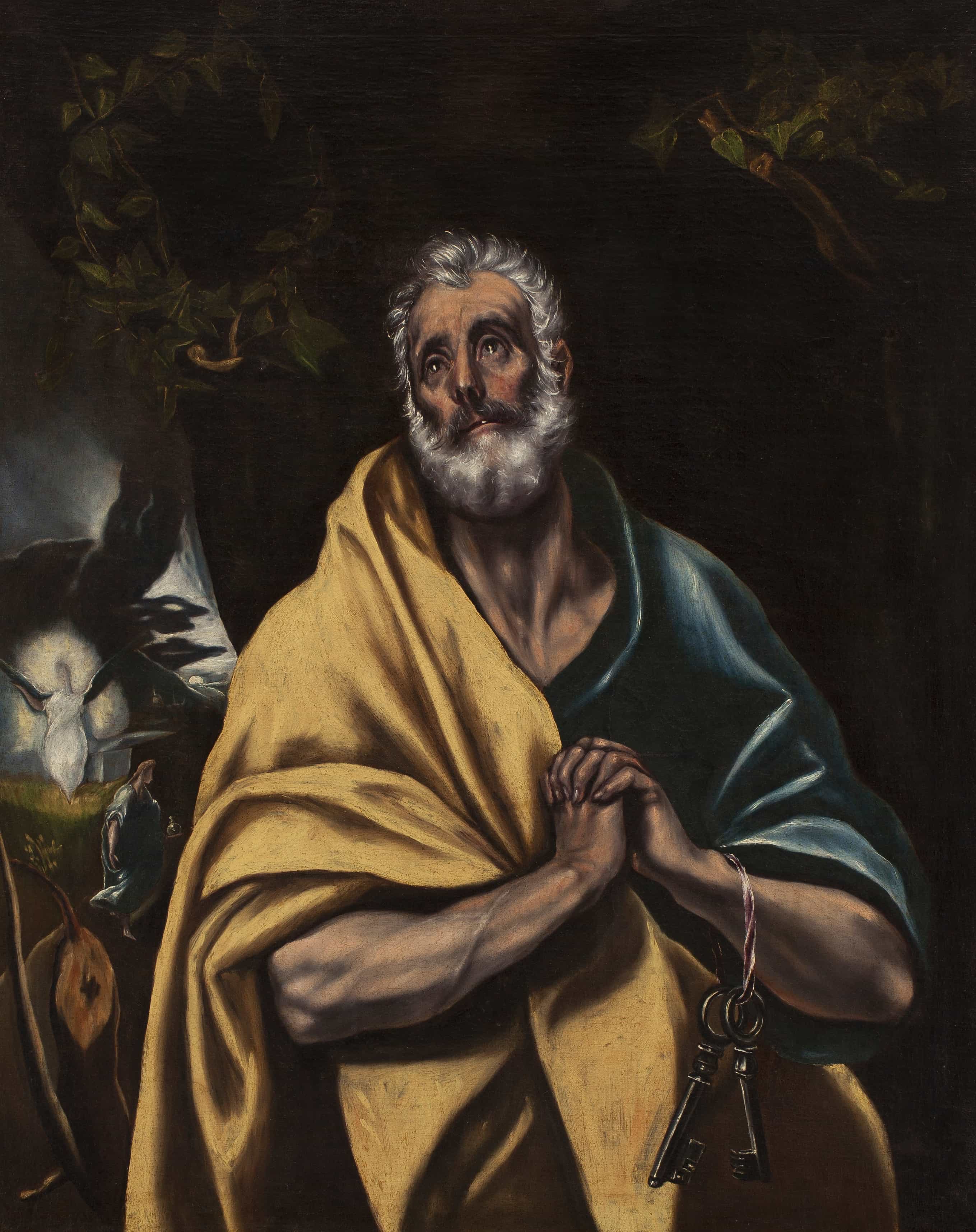
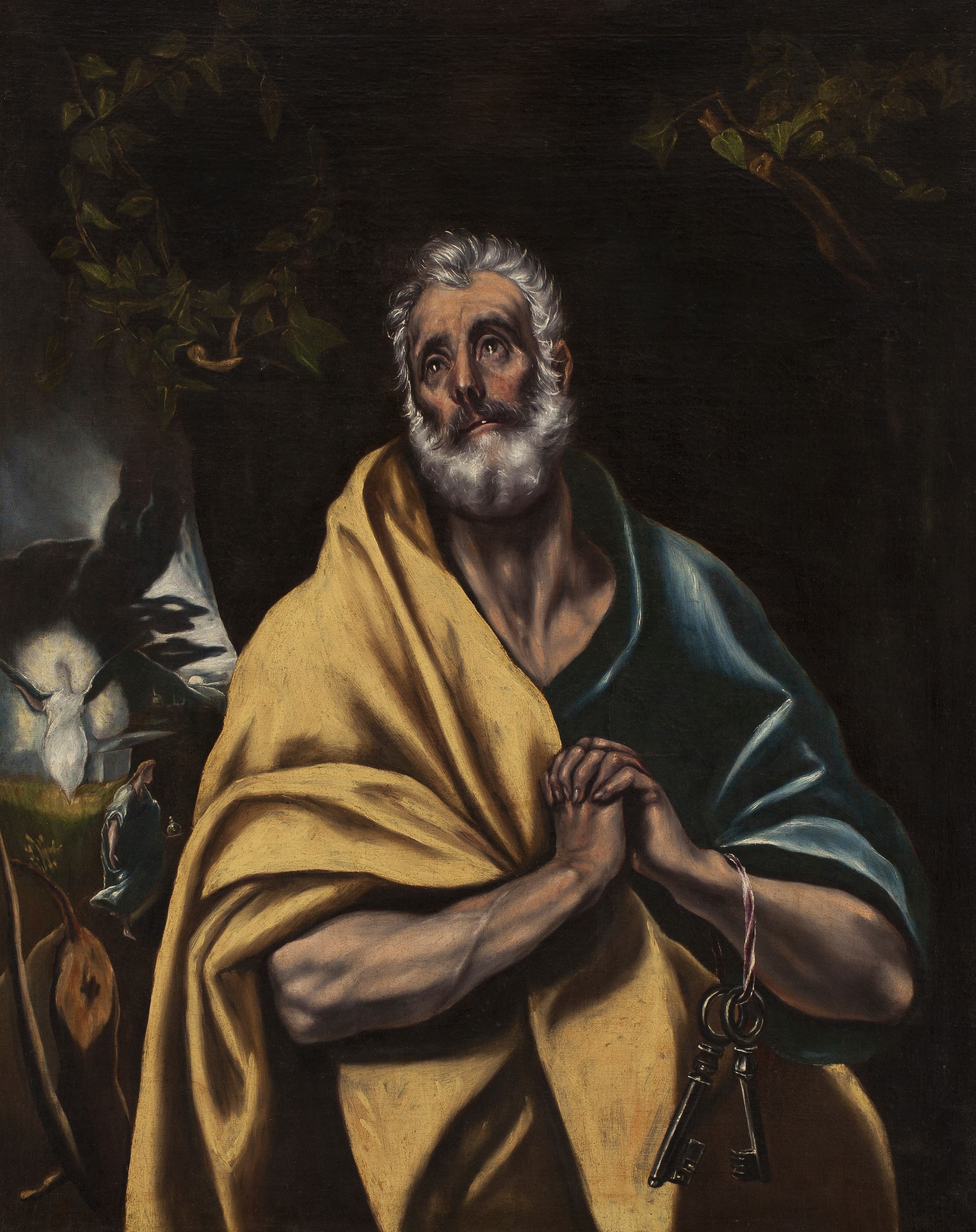
The Tears of Saint Peter
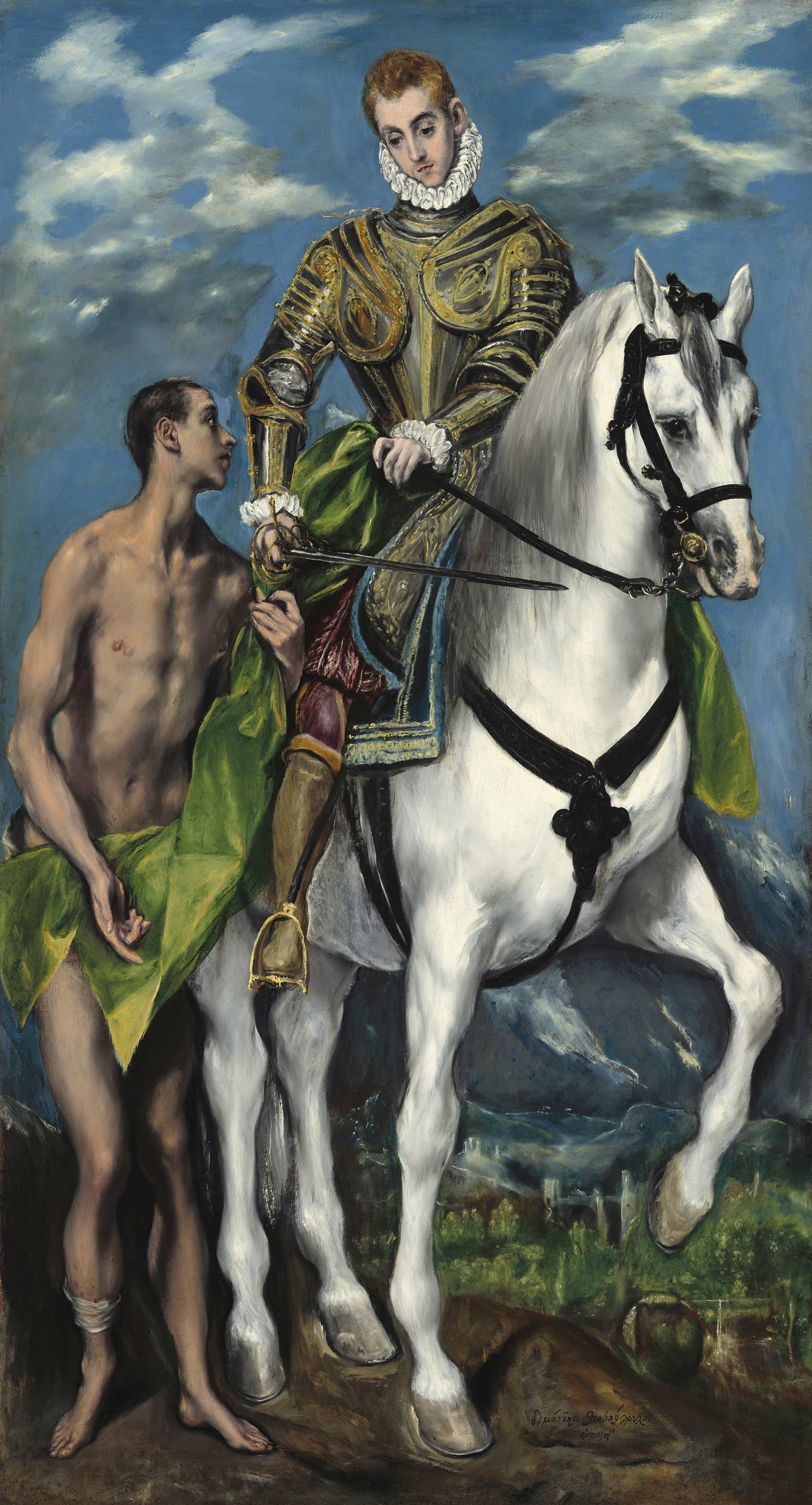
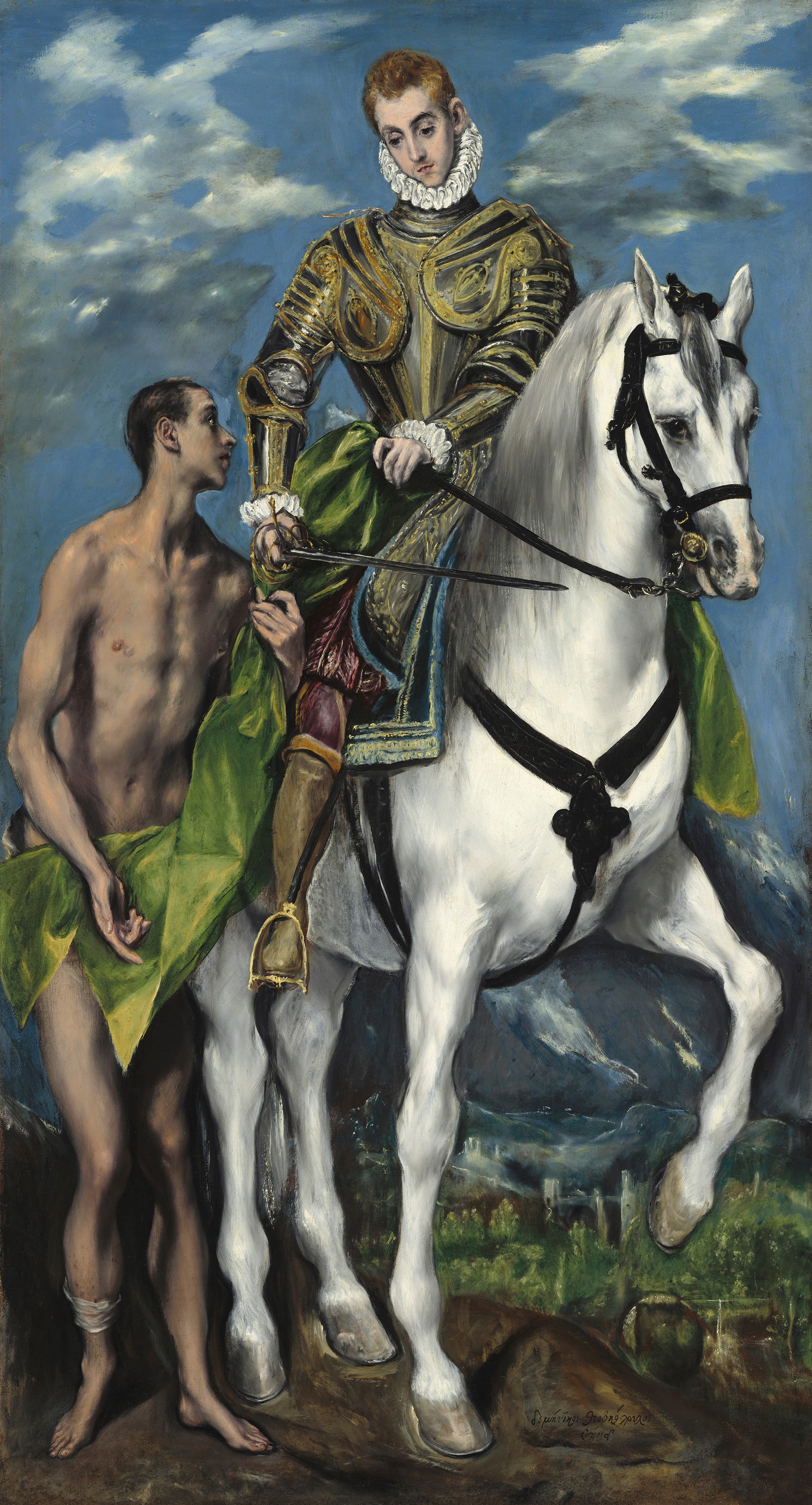
Saint Martin and the Beggar
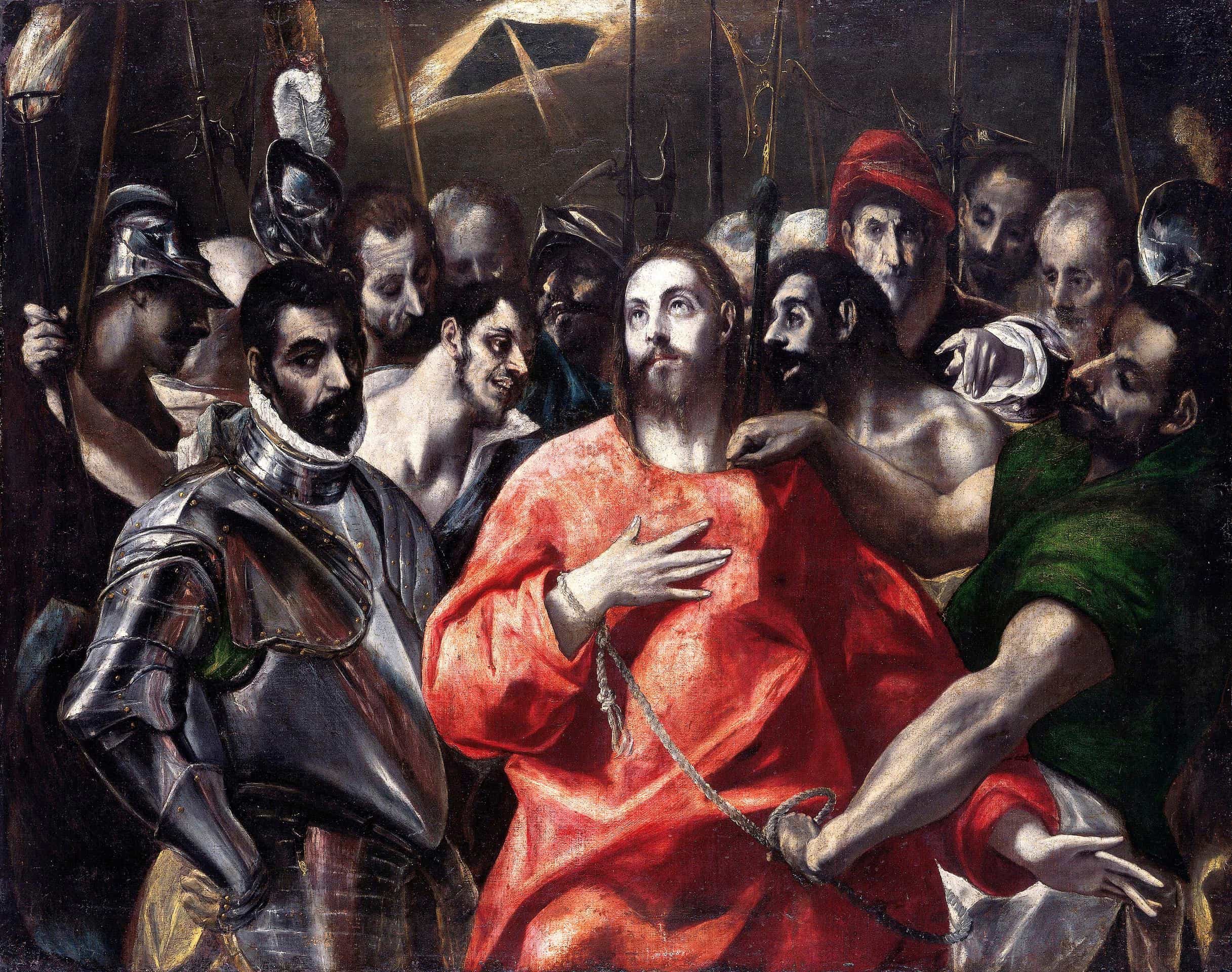
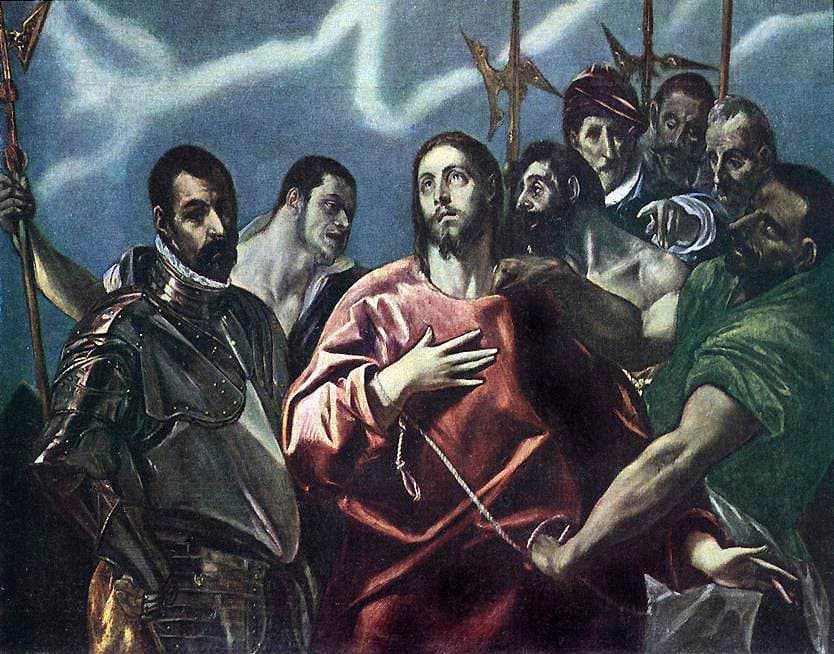
The Disrobing of Christ
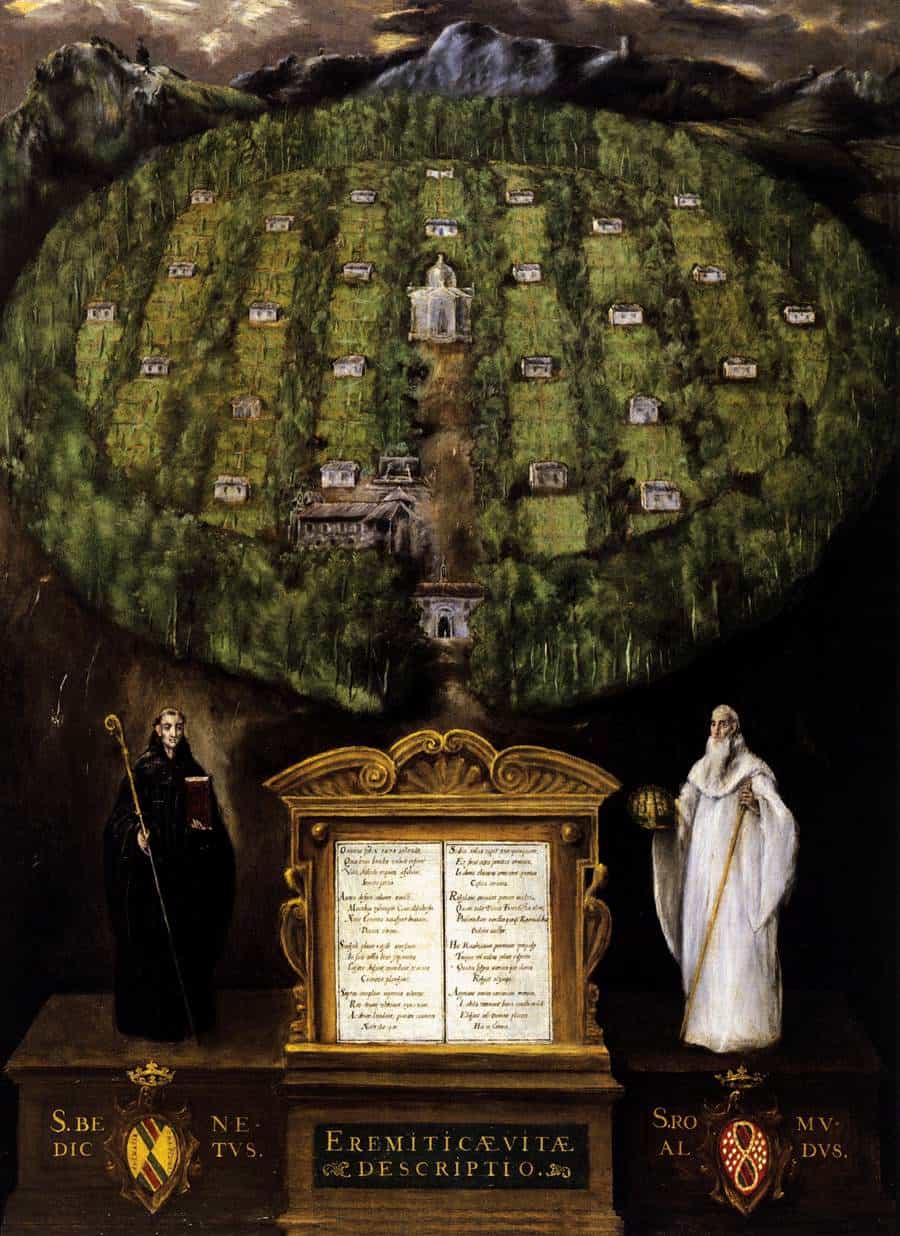
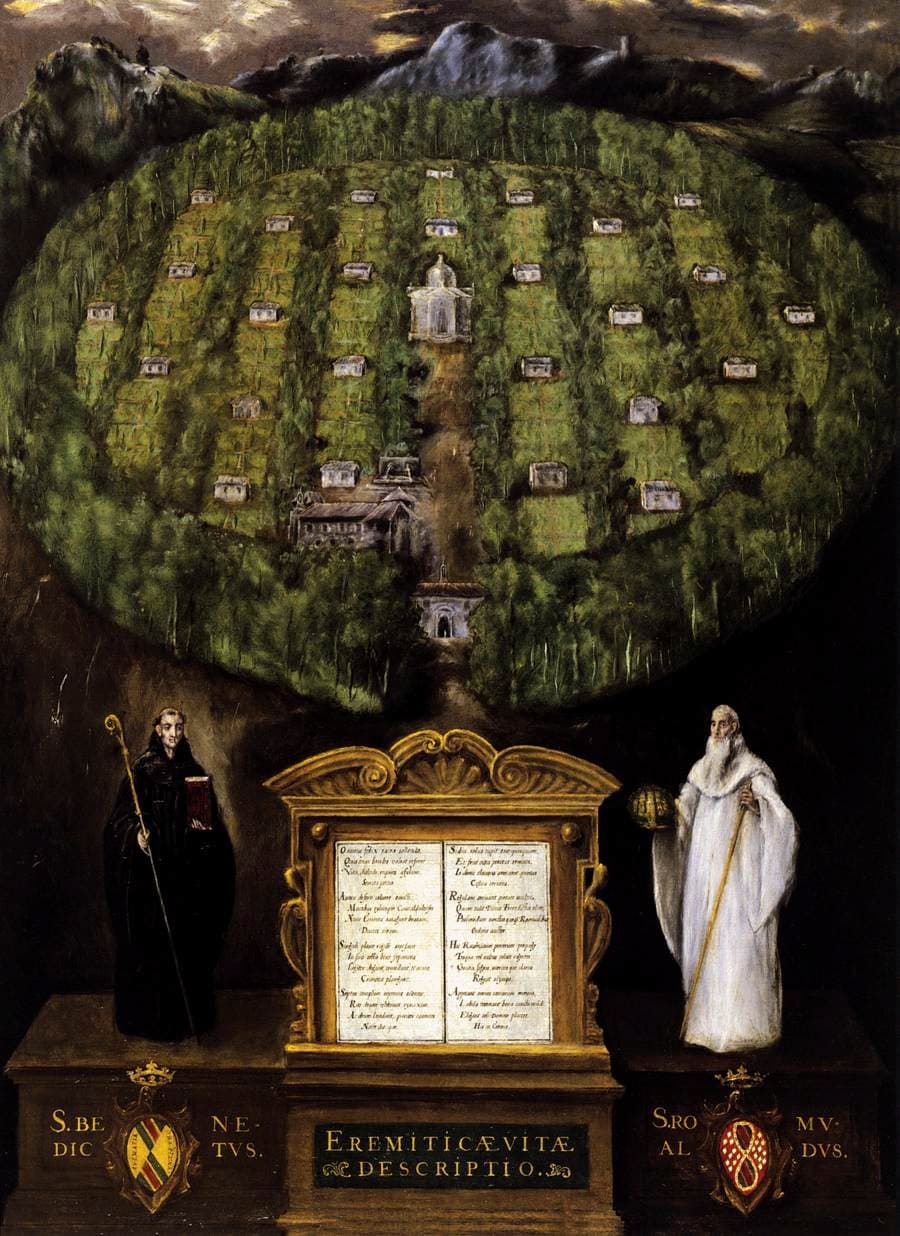
Allegory of the Camaldolese Order
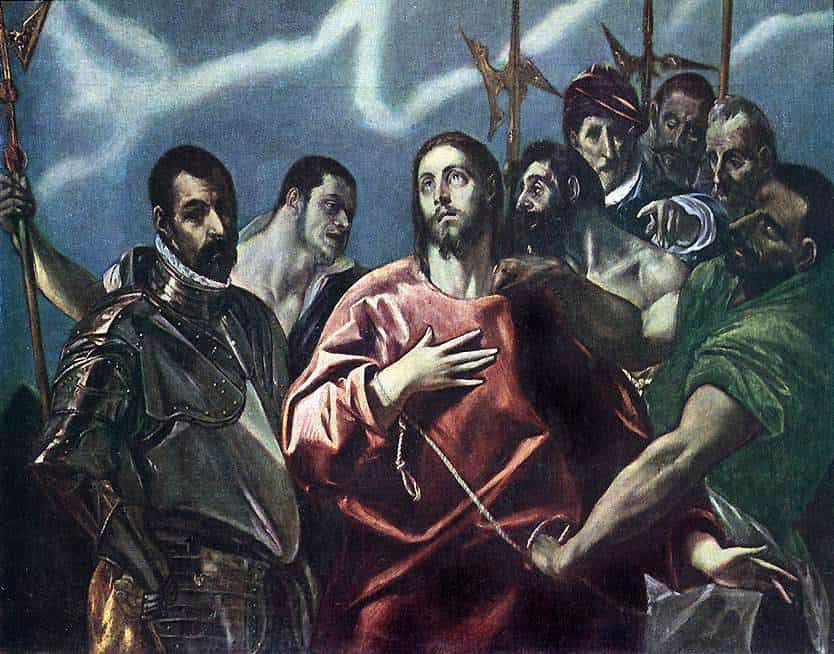
The Disrobing of Christ
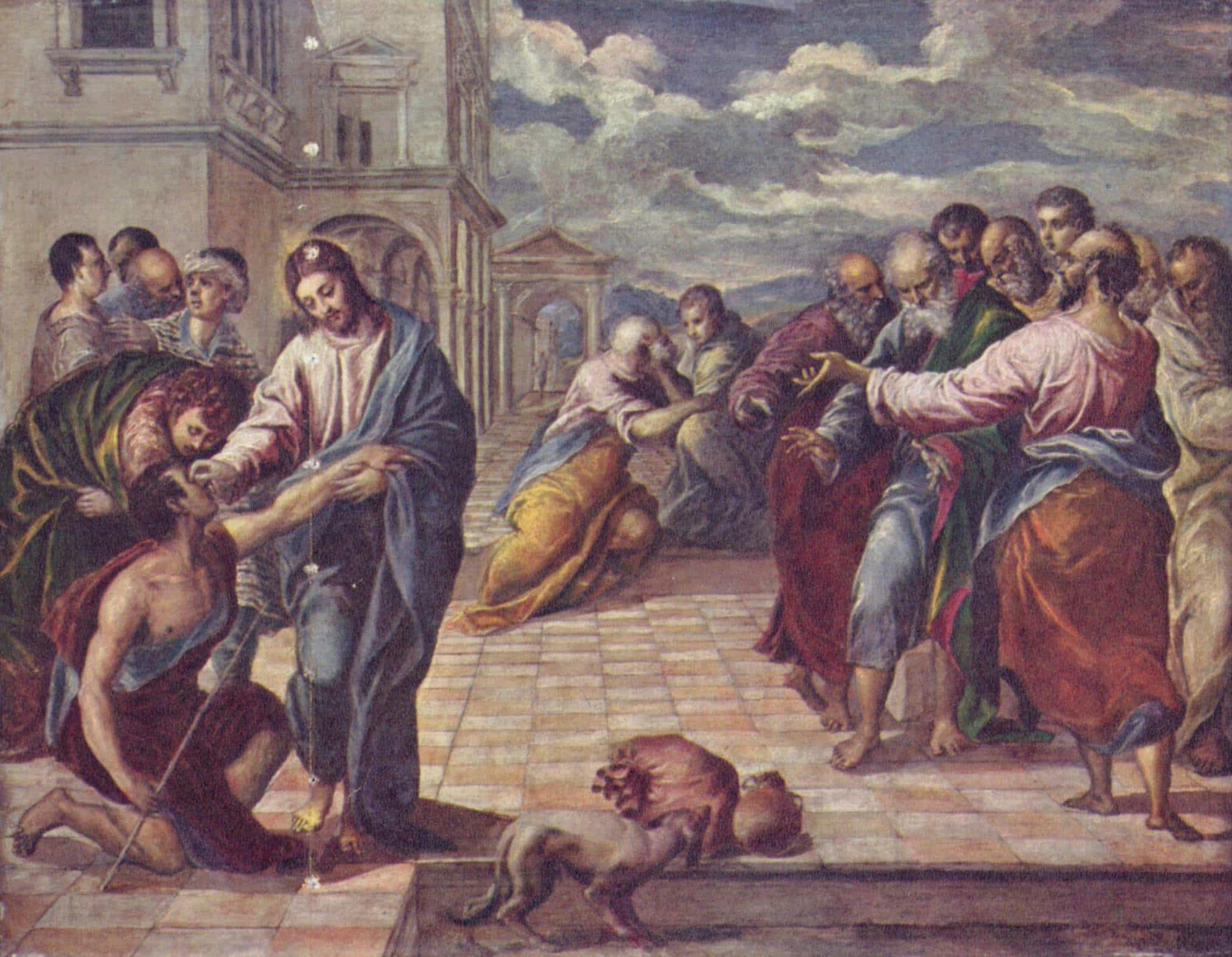
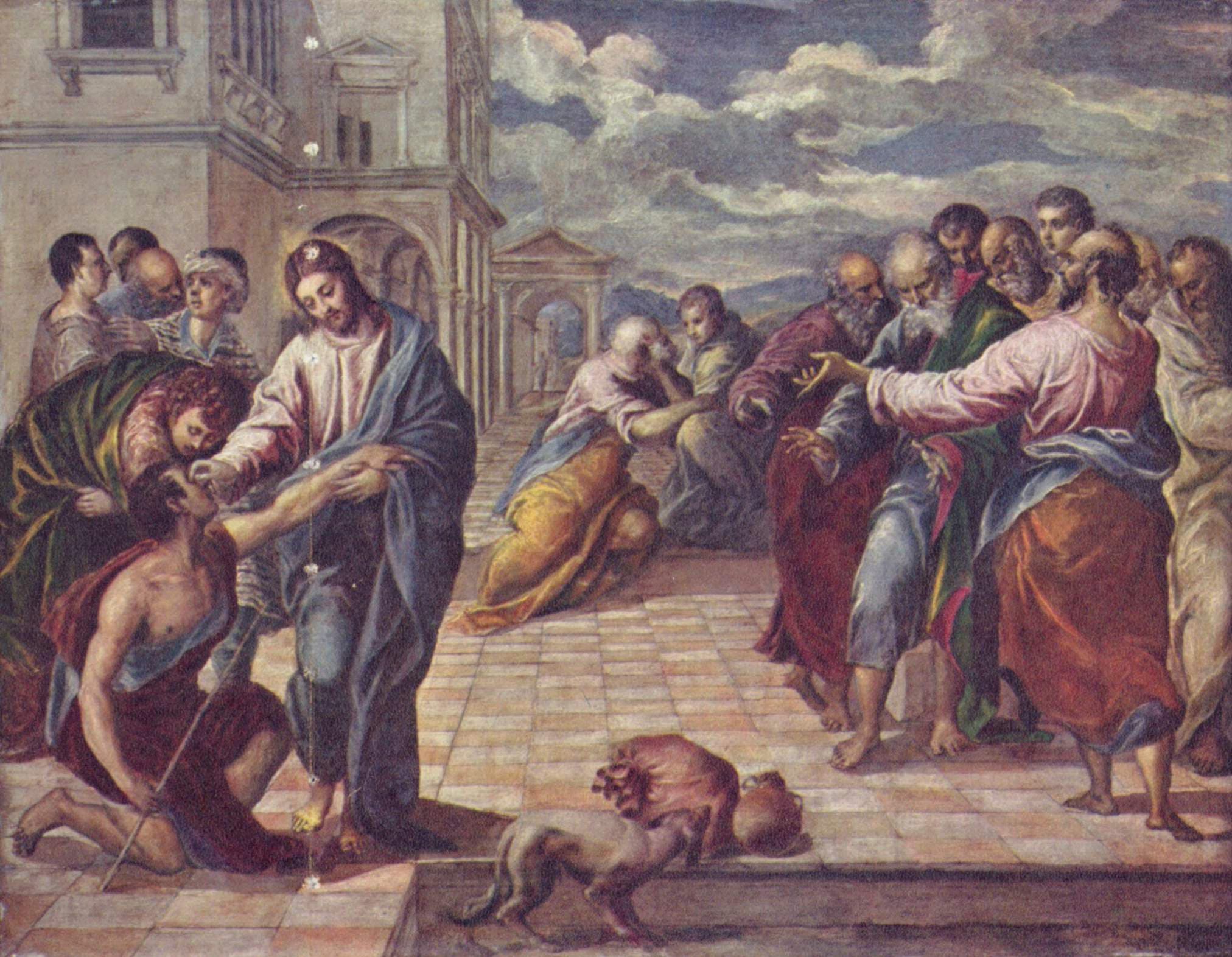
Christ Healing the Blind
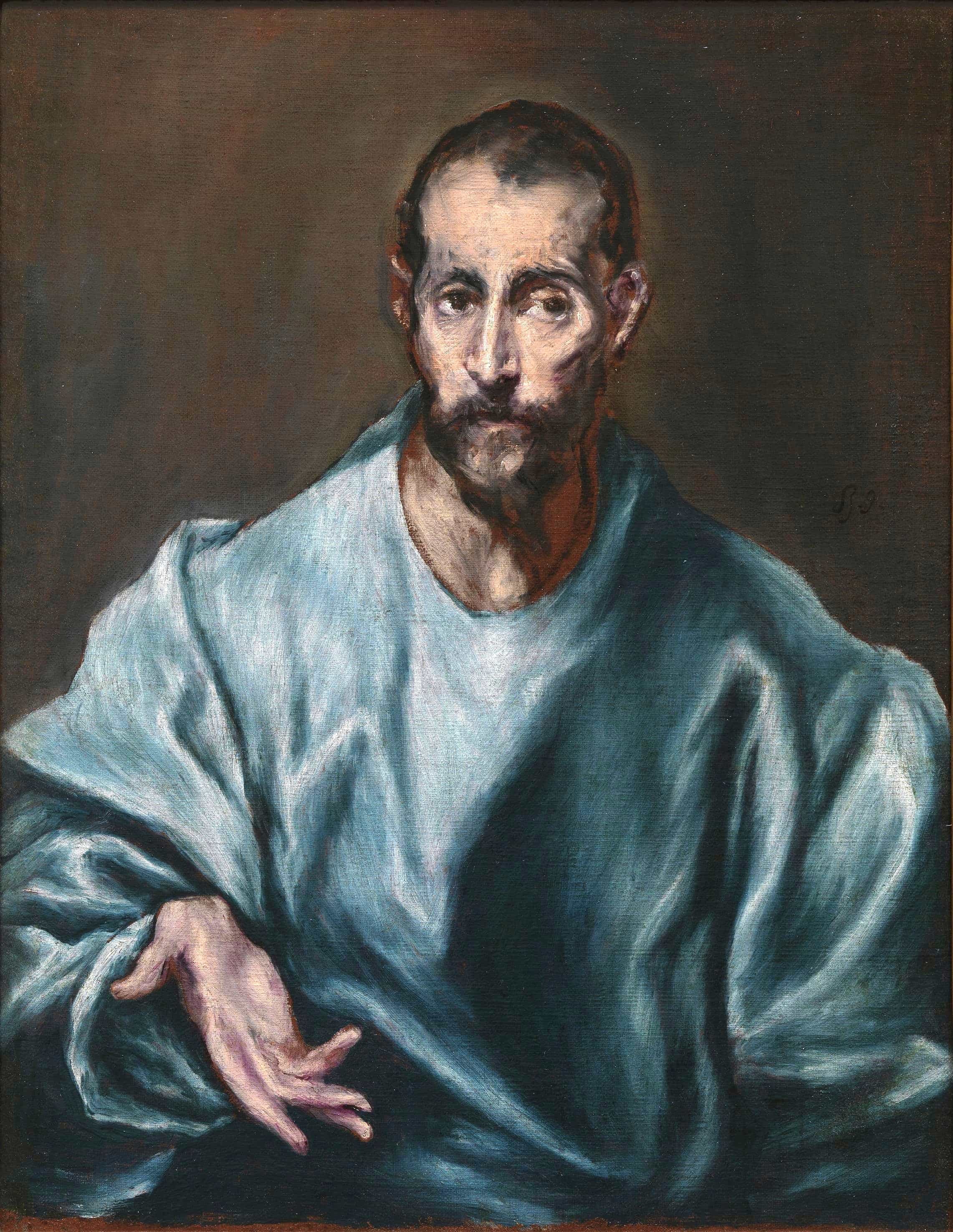
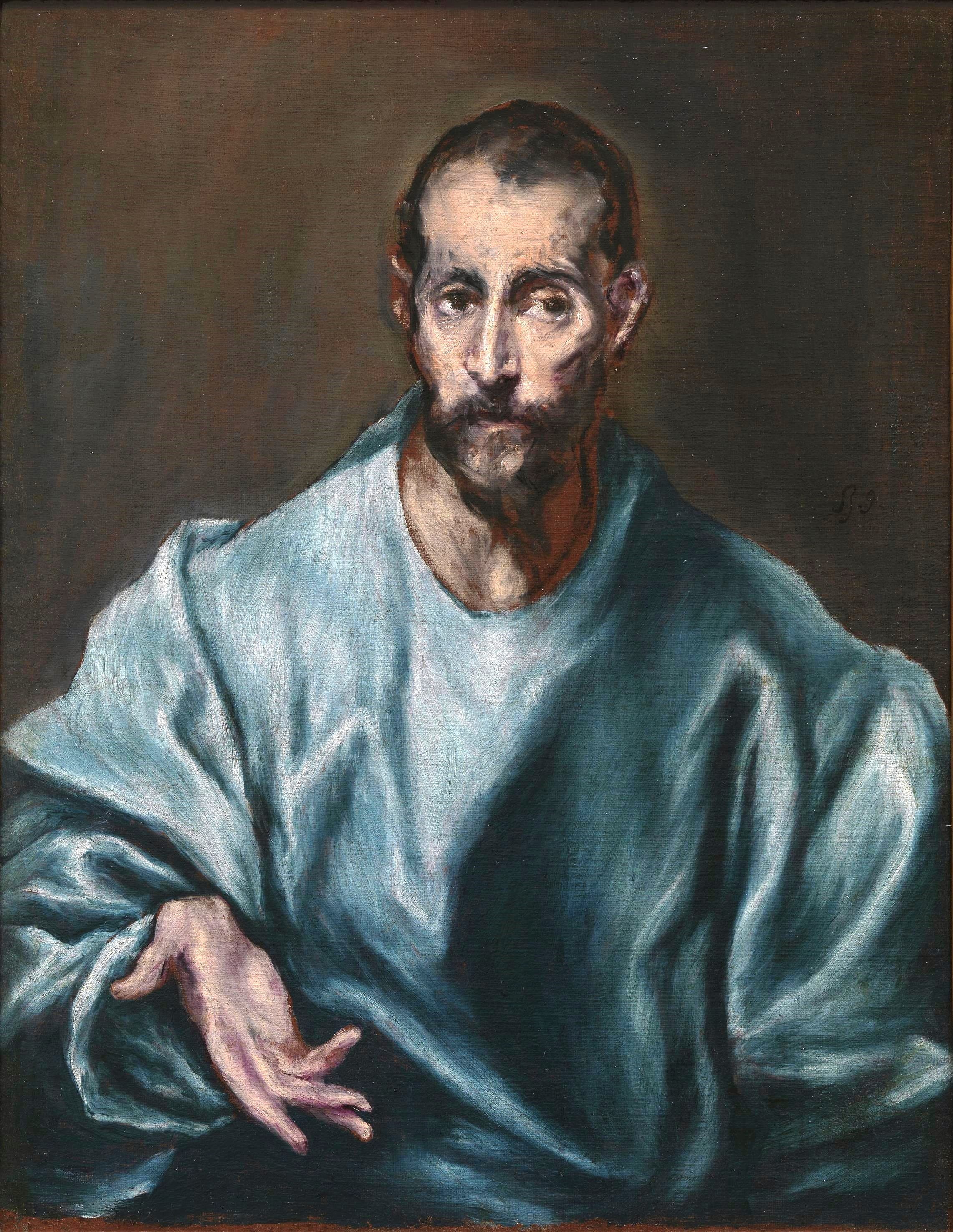
St James
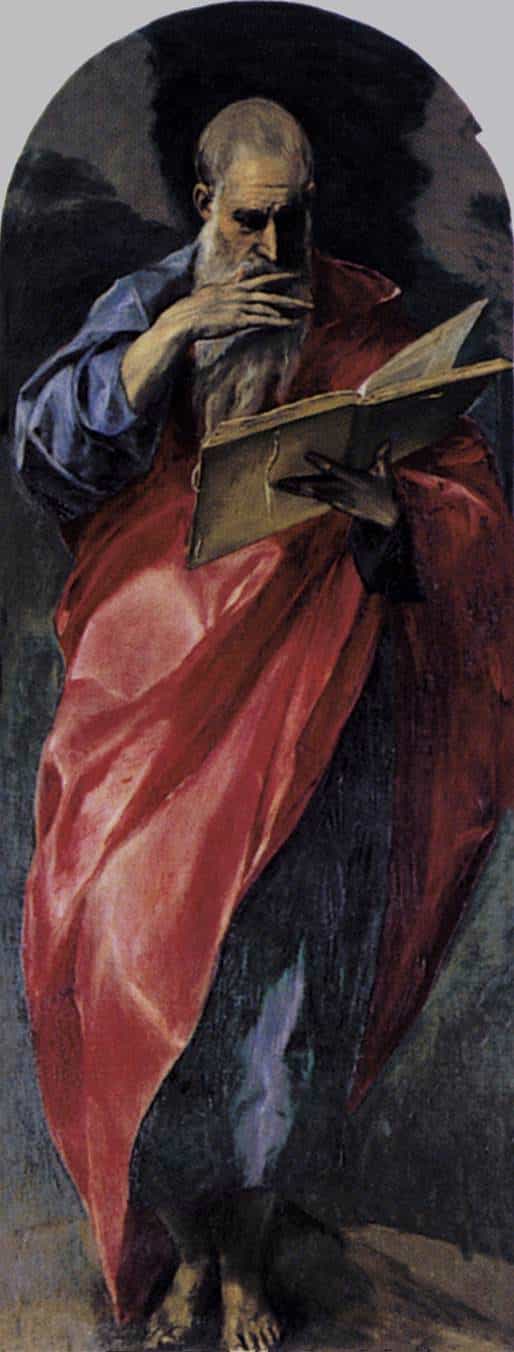
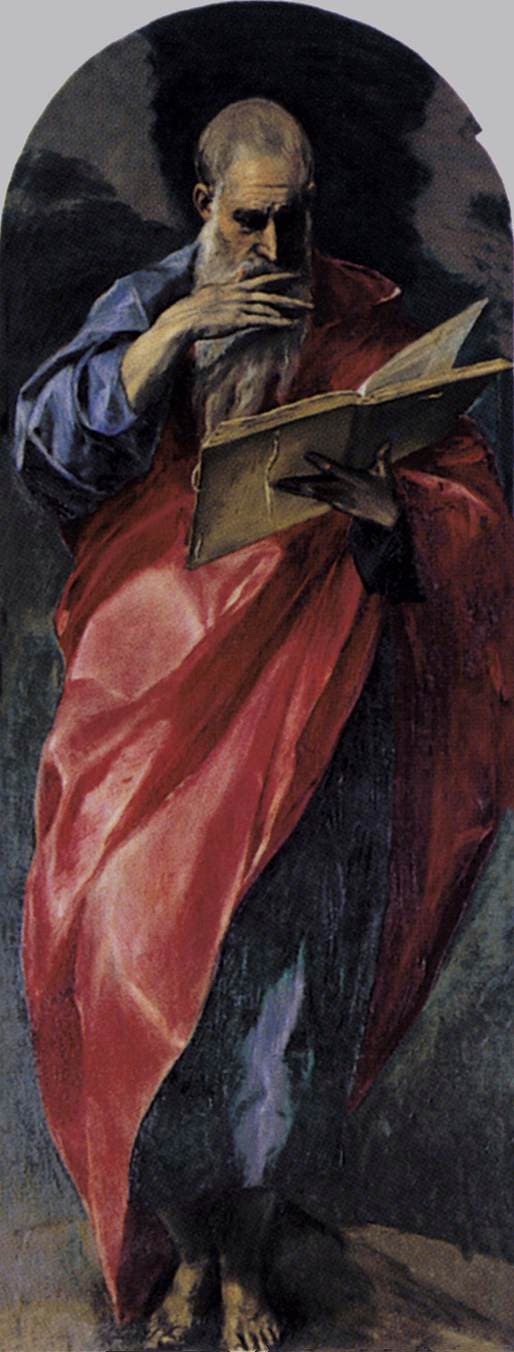
John the Evangelist
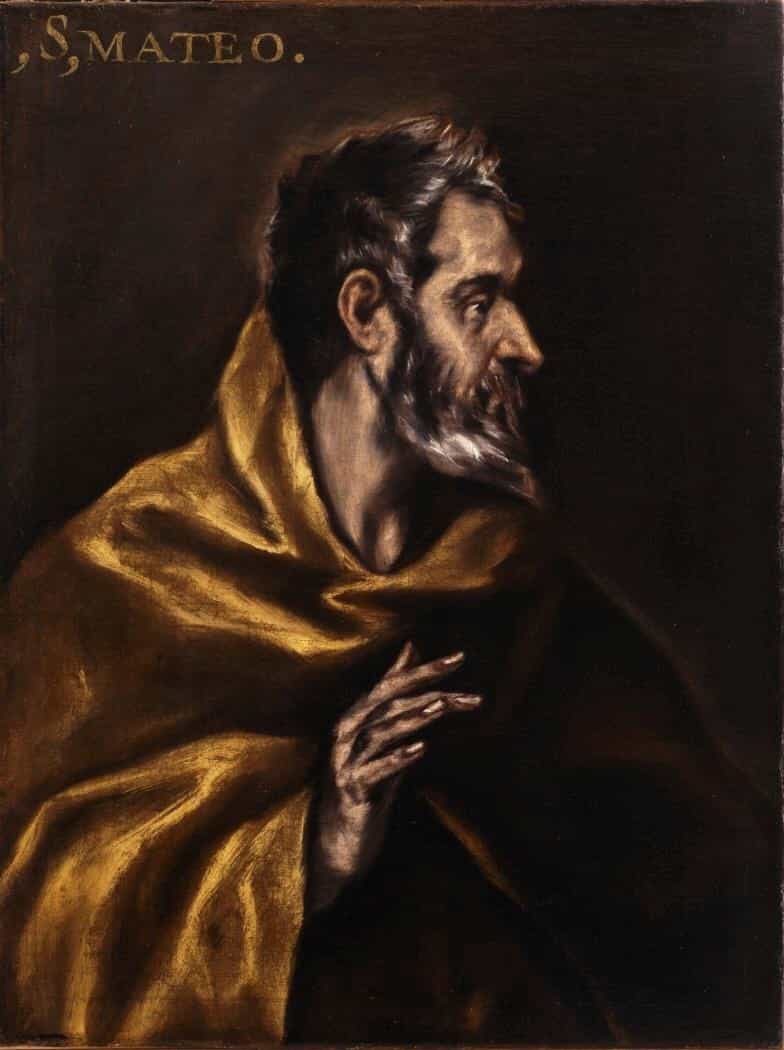
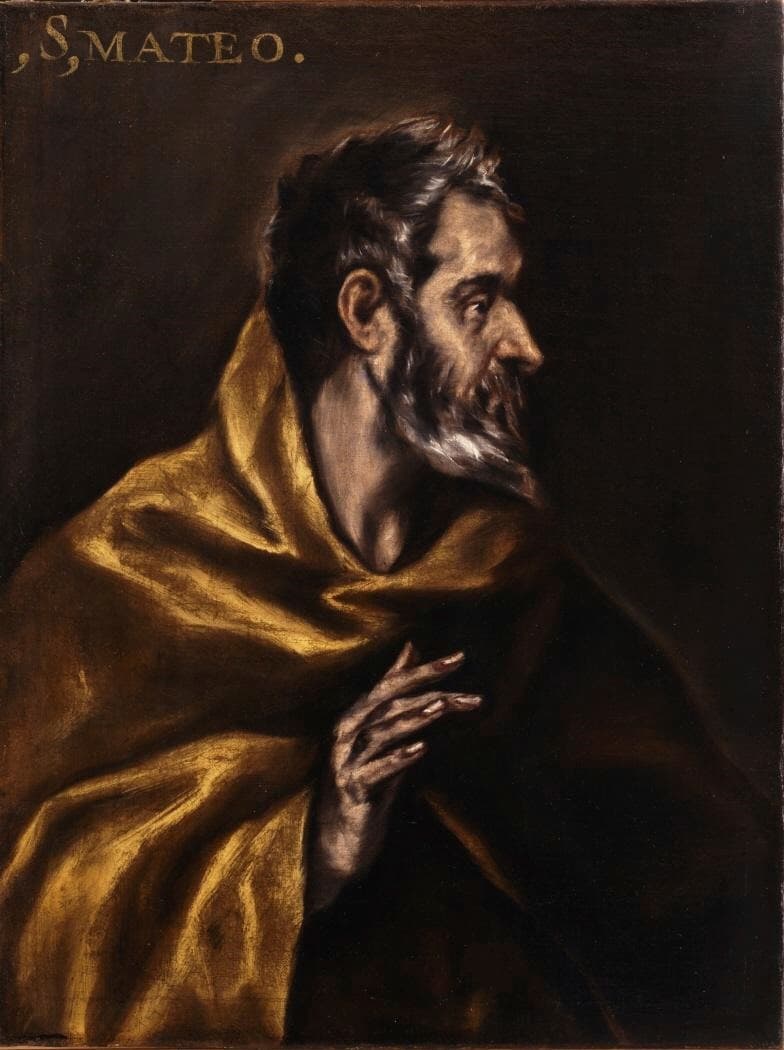
Apostle Series (The Apostolado) of the Marquis of San Feliz of Oviedo
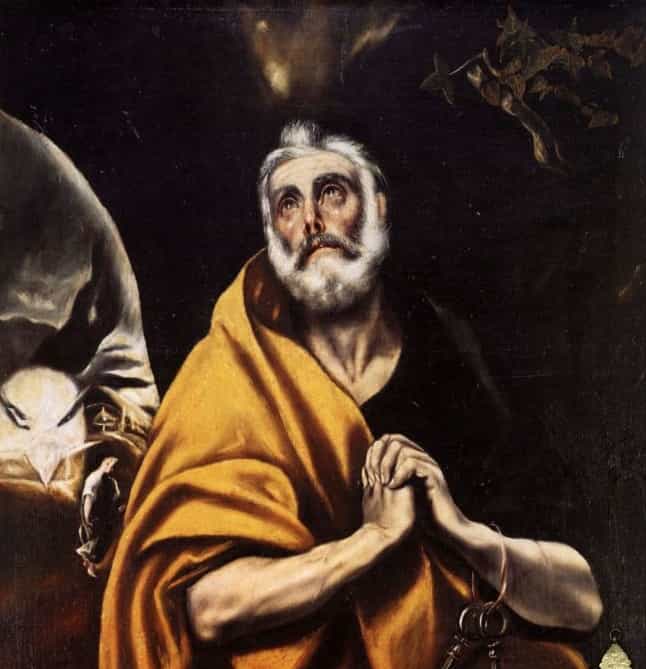
The Tears of Saint Peter
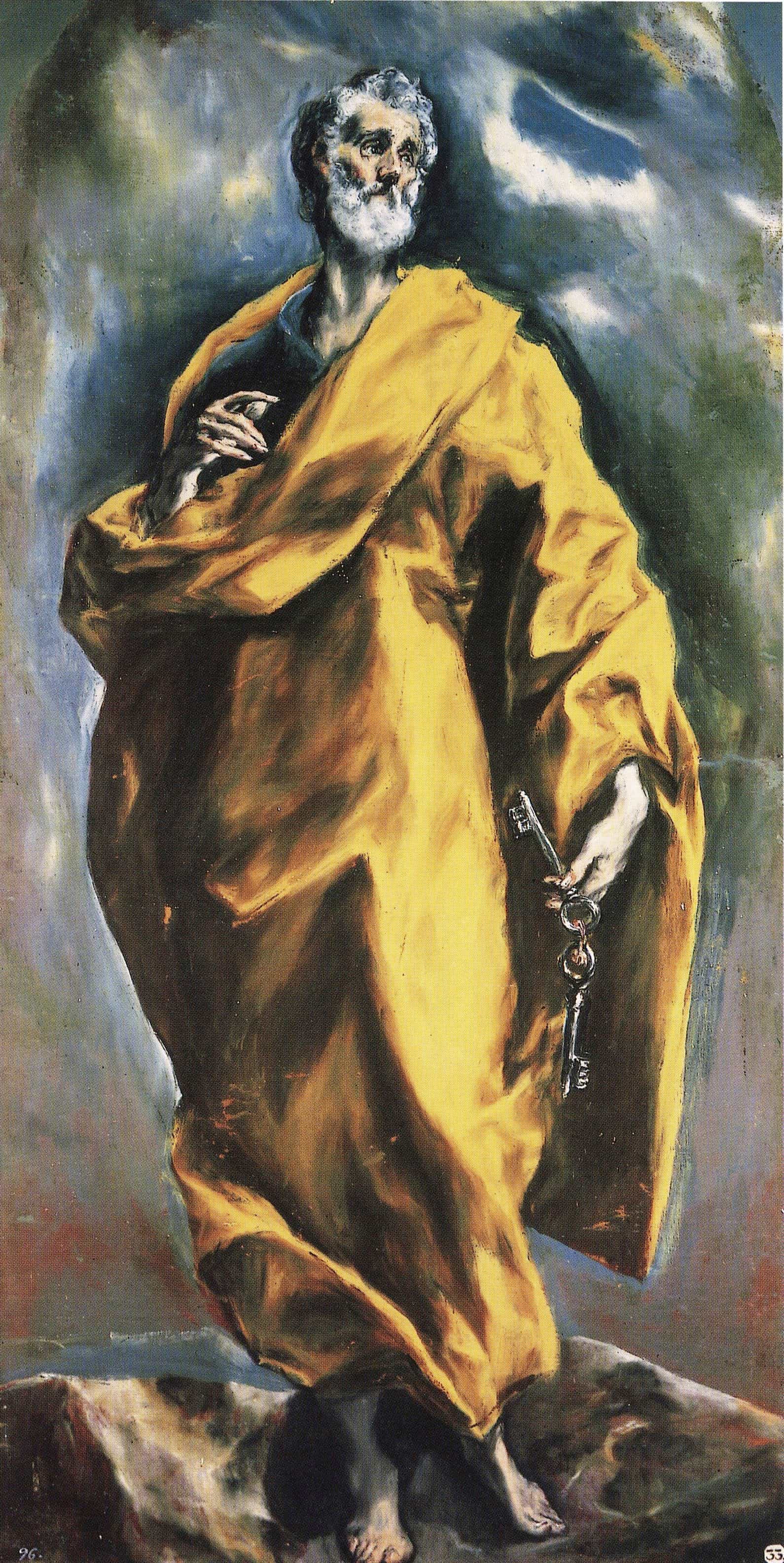
Saint Peter (1608)