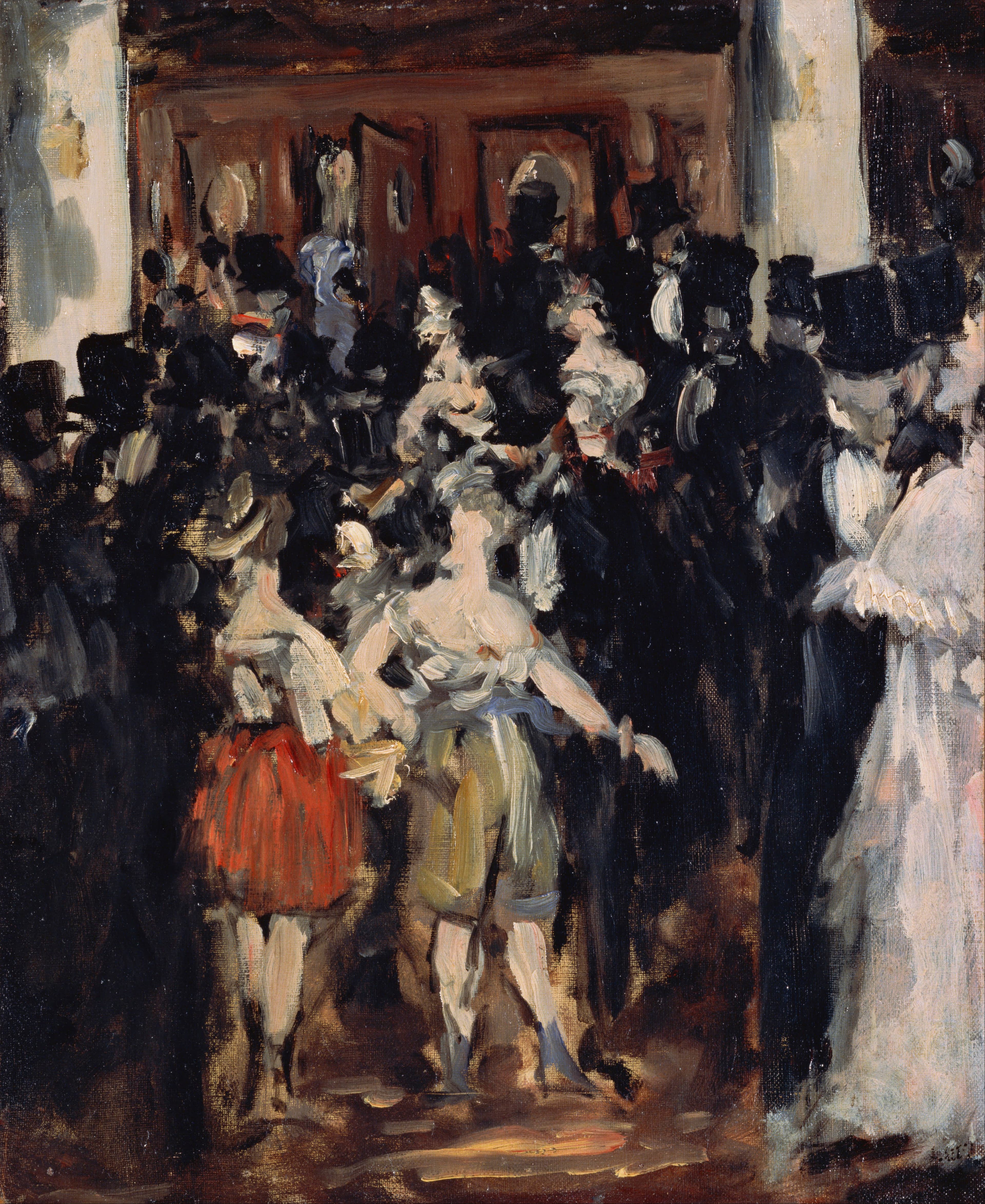
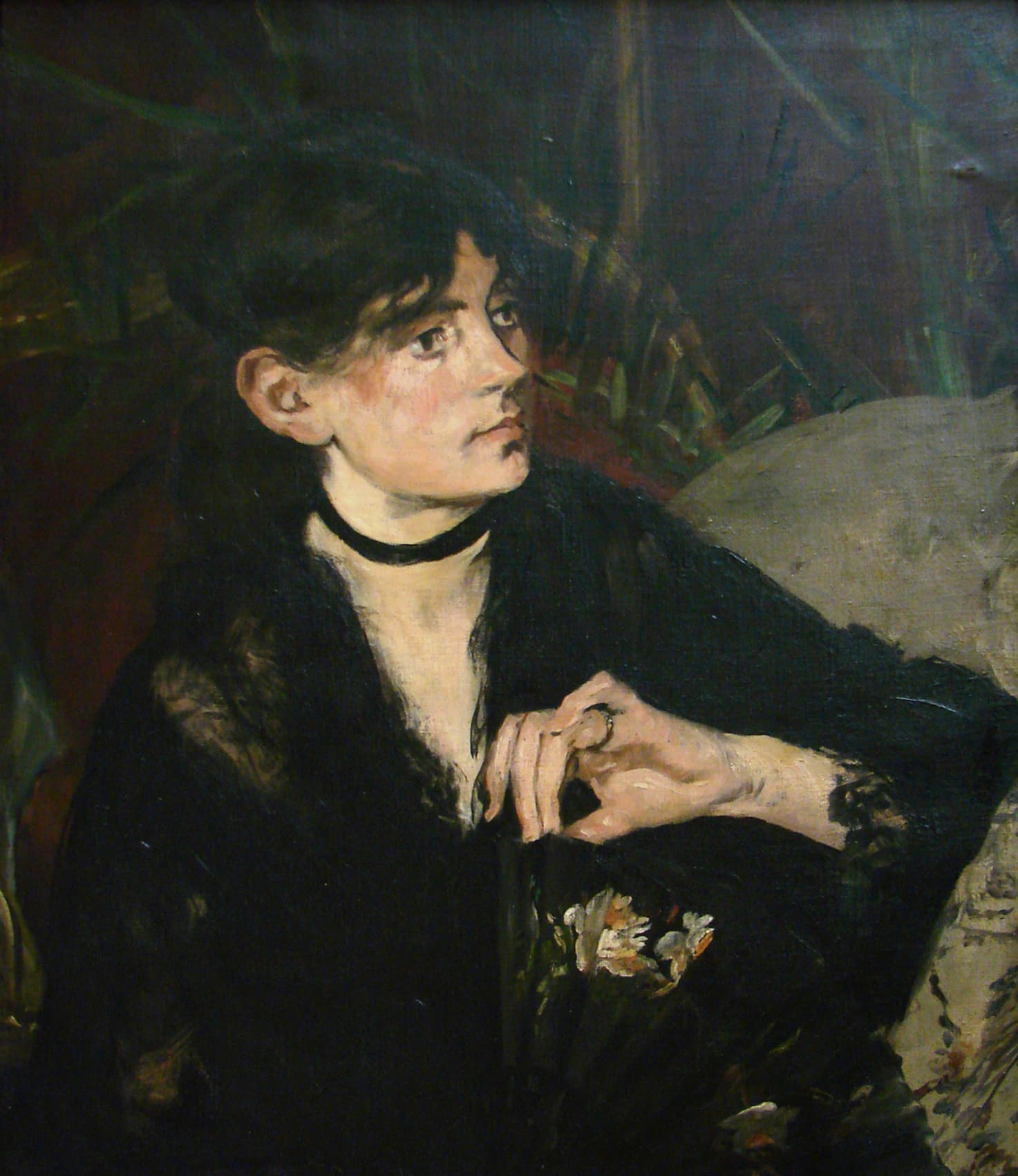
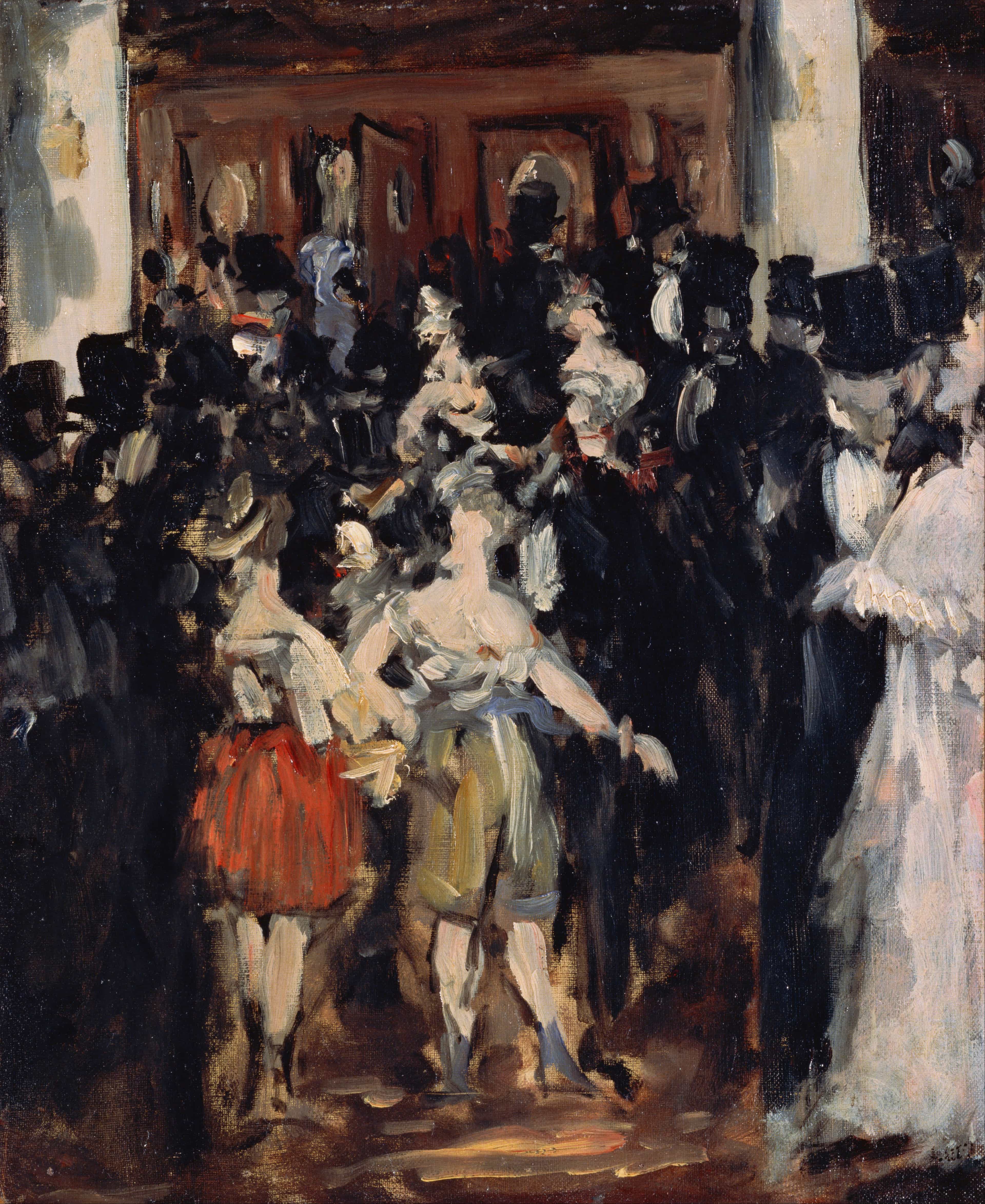
Masked Ball at the Opera
Édouard Manet
From €54
Collection
Museum-quality reproductions on 310gsm textured cotton rag paper.
Shop all prints by Édouard ManetArtistic Style
Style Evolution
Manet moved from academic training toward a pared-down realism that emphasized modern subjects and surface. Across his Paris years he refined a brisk, decisive handling of paint that anticipated Impressionist approaches while remaining distinct in composition and tonal control.
Palette
Subjects
Techniques
Topics
Édouard Manet (1832-1883) was a French Realist and forerunner of Impressionism whose candid depictions of modern life reshaped painting.
Learn about the life of Édouard Manet
Biography
Édouard Manet (1832-1883) was a French Realist and forerunner of Impressionism whose candid depictions of modern life reshaped painting.
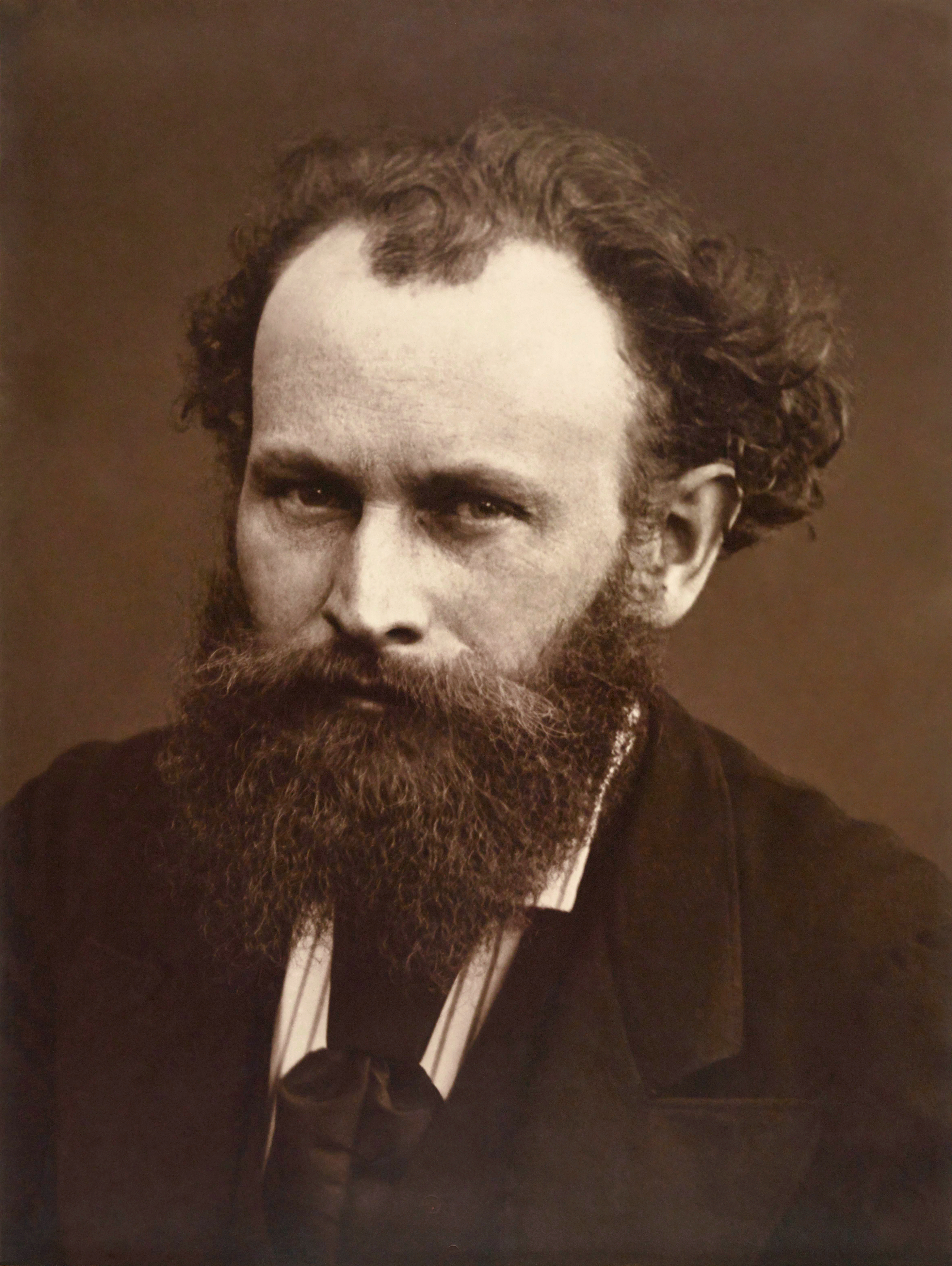
Édouard Manet (1832–1883) was born in Paris and grew up in a cultured, civic-minded household. After early travels and a brief attempt at a naval career, he turned to art. He studied with the academic painter Thomas Couture, where he received technical training in draughtsmanship and figure composition while cultivating an independent approach that would soon put him at odds with academic conventions.
Manet's career unfolded largely in Paris, where he became a central figure in debates over modern art. His early work shows strong academic training tempered by realist interests in contemporary subjects and candid urban scenes.
In Paris Manet developed the direct, economical brushwork and flattened spatial effects that challenged Salon expectations. He painted cafés, theatres, domestic interiors and contemporary figure studies that presented modern life without romanticizing it.
During the 1860s and 1870s Manet produced some of his most discussed paintings, works that provoked critical controversy and public debate while influencing younger artists around him. He was closely associated with, and influential on, the circle that became known as the Impressionists, even as he retained distinct compositional and painterly concerns.
Manet created a number of now-famous paintings that are widely cited as milestones in modern art. His fearless engagement with contemporary subject matter, innovative handling of paint, and willingness to court controversy are central achievements of his career.
Manet is known for broad, assured brushstrokes, a pared-down approach to modelling, and a focus on light and surface rather than detailed academic finish. He often simplified forms and used abrupt contrasts of light and dark to give scenes immediacy and presence.
Manet bridged Realism and Impressionism. He influenced younger artists—most notably the Impressionists—by validating painting of modern life and by pioneering freer paint handling. His work is considered foundational to the development of modern French painting and continues to shape museum displays and private collections worldwide.
Manet lived and worked primarily in Paris. He maintained friendships and artistic exchanges with many contemporaries, balancing salon participation with a commitment to depicting contemporary urban subjects.
Manet's work is prized by collectors for its historical importance, striking decorative qualities, and ability to transform domestic interiors. His canvases command strong market interest because they represent a decisive moment in 19th-century art—works that both document a
Awards
Frequently Asked Questions
Masked Ball at the Opera
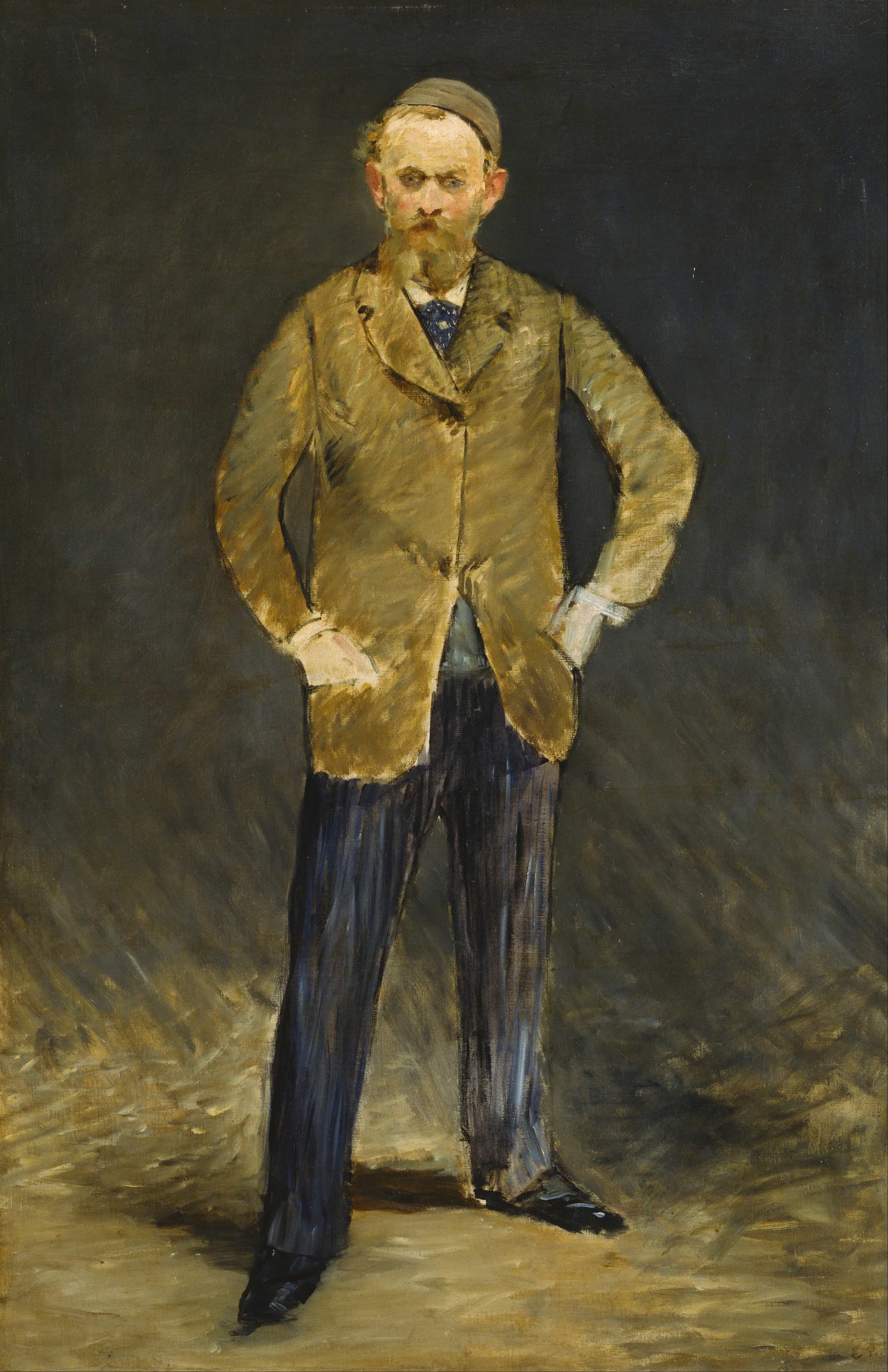
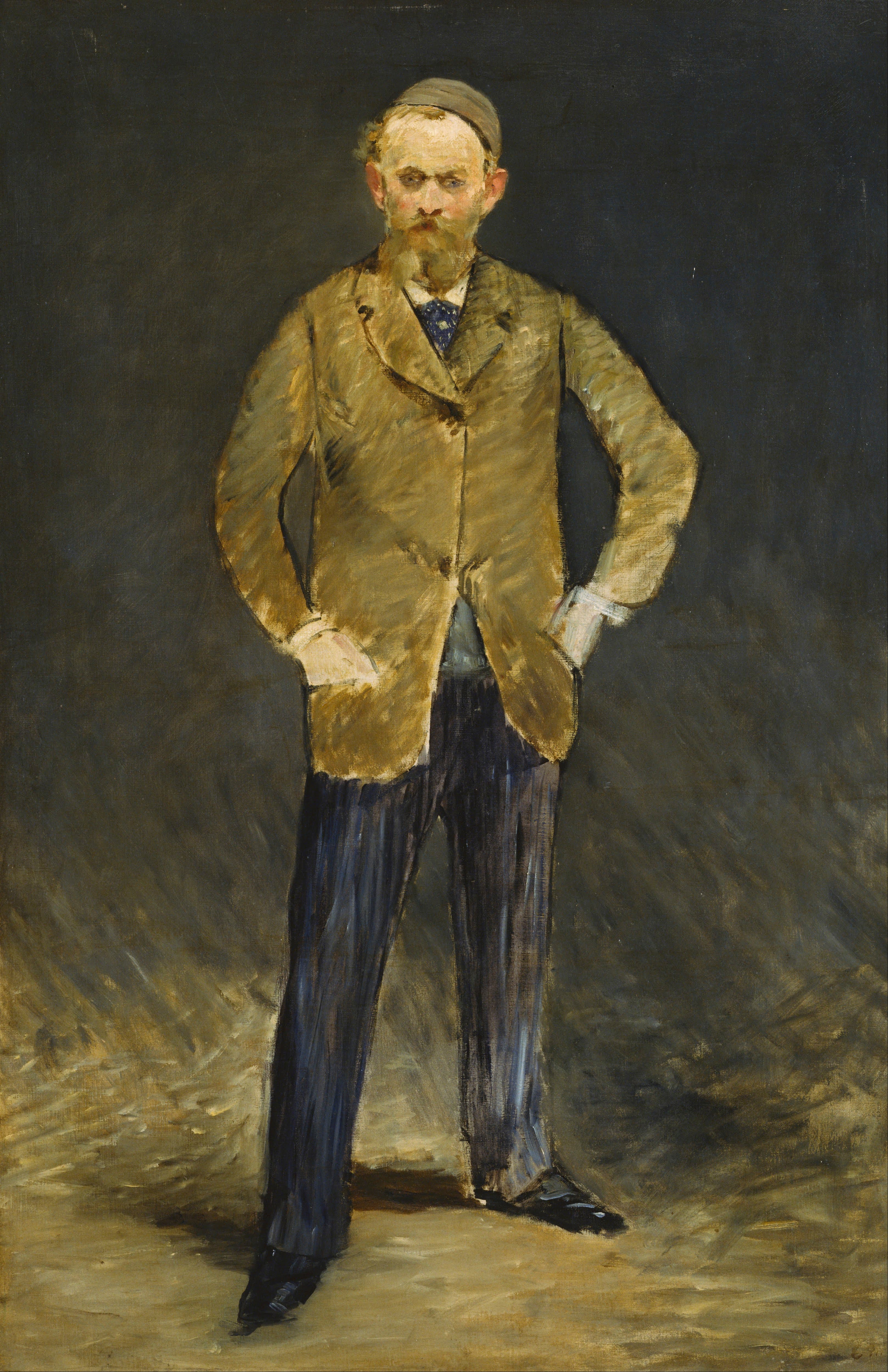
Self-Portrait
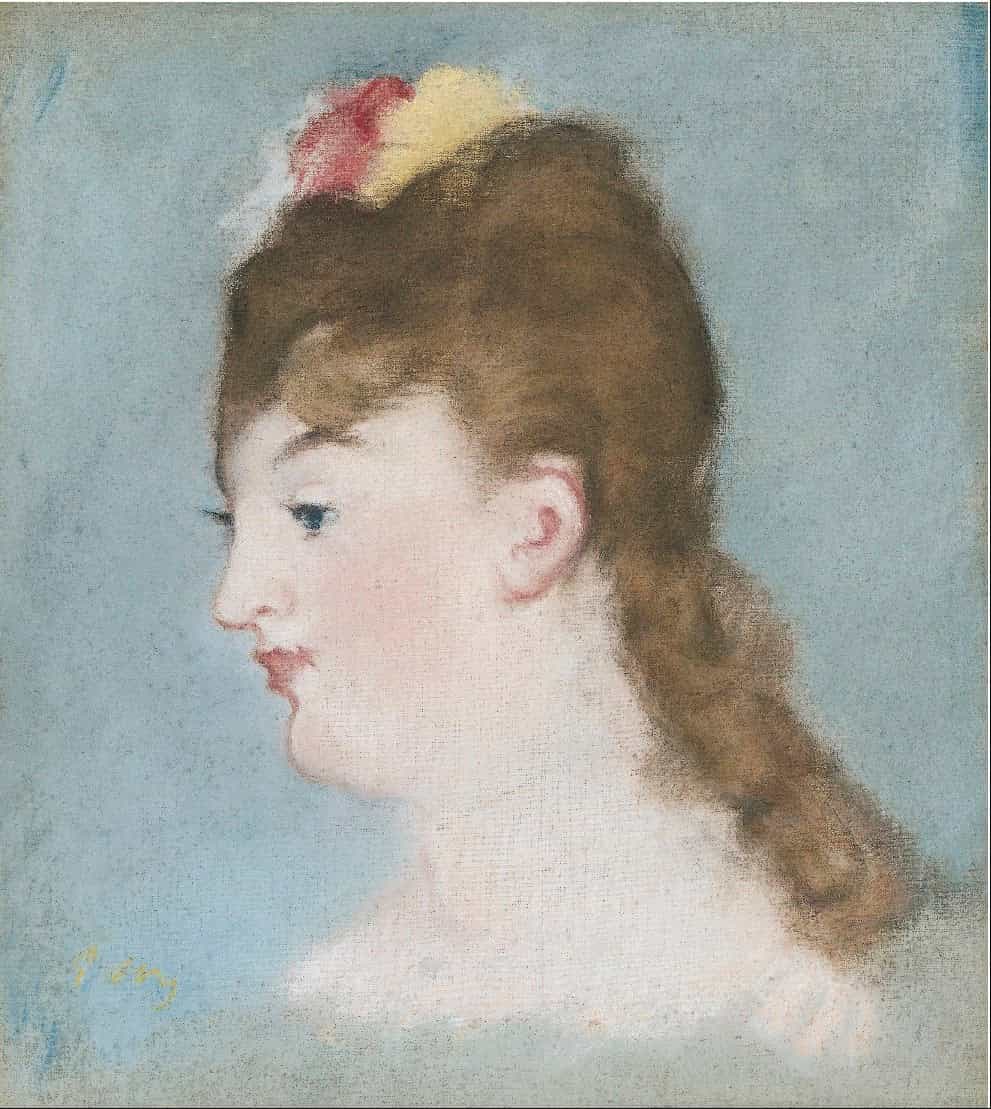
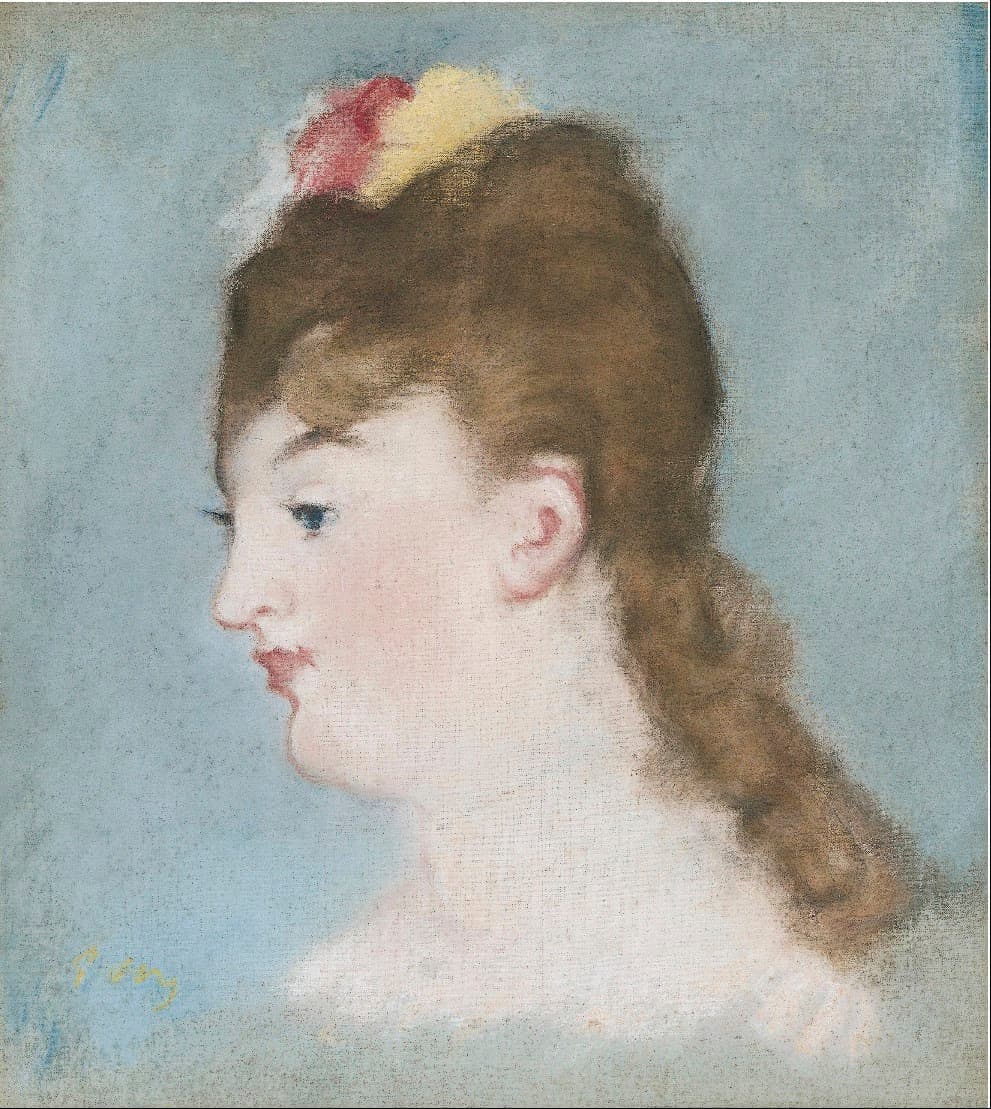
Méry Laurent

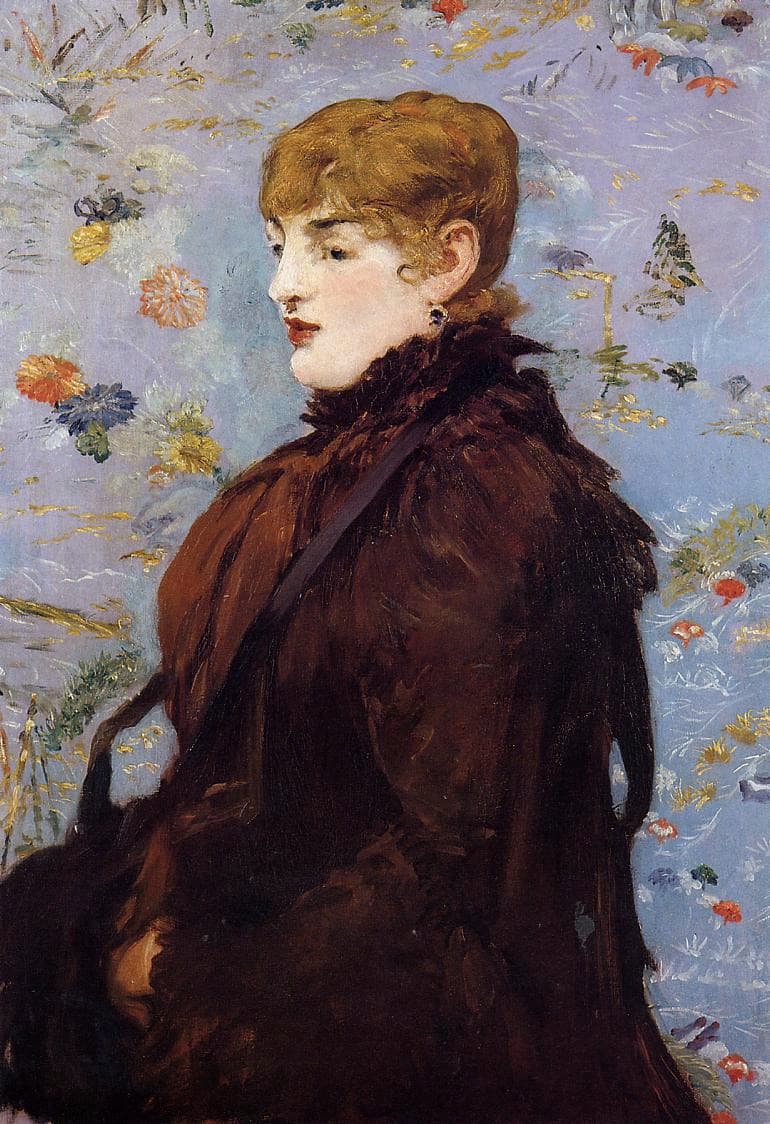
Autumn
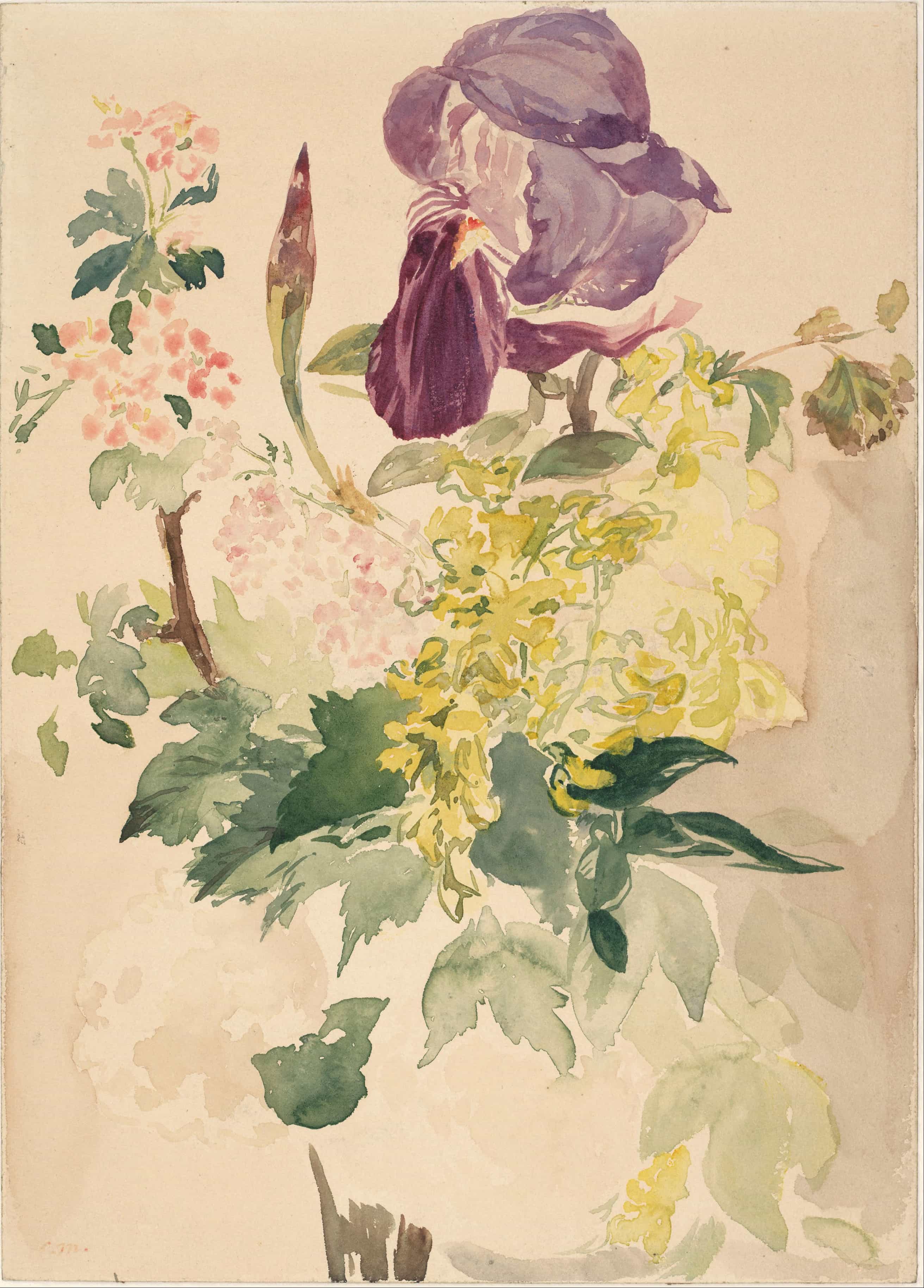
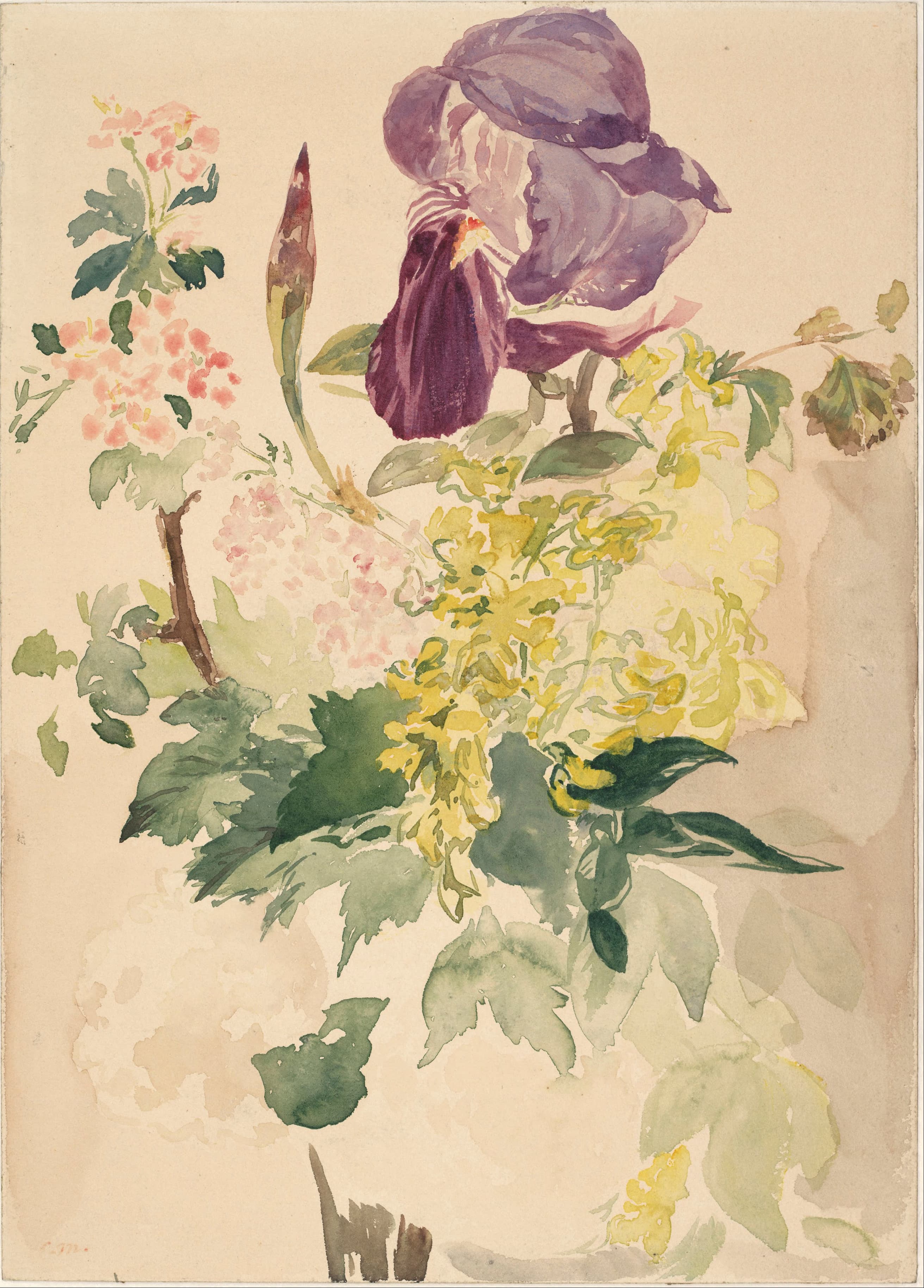
Flower Piece with Iris, Laburnum, and Geranium
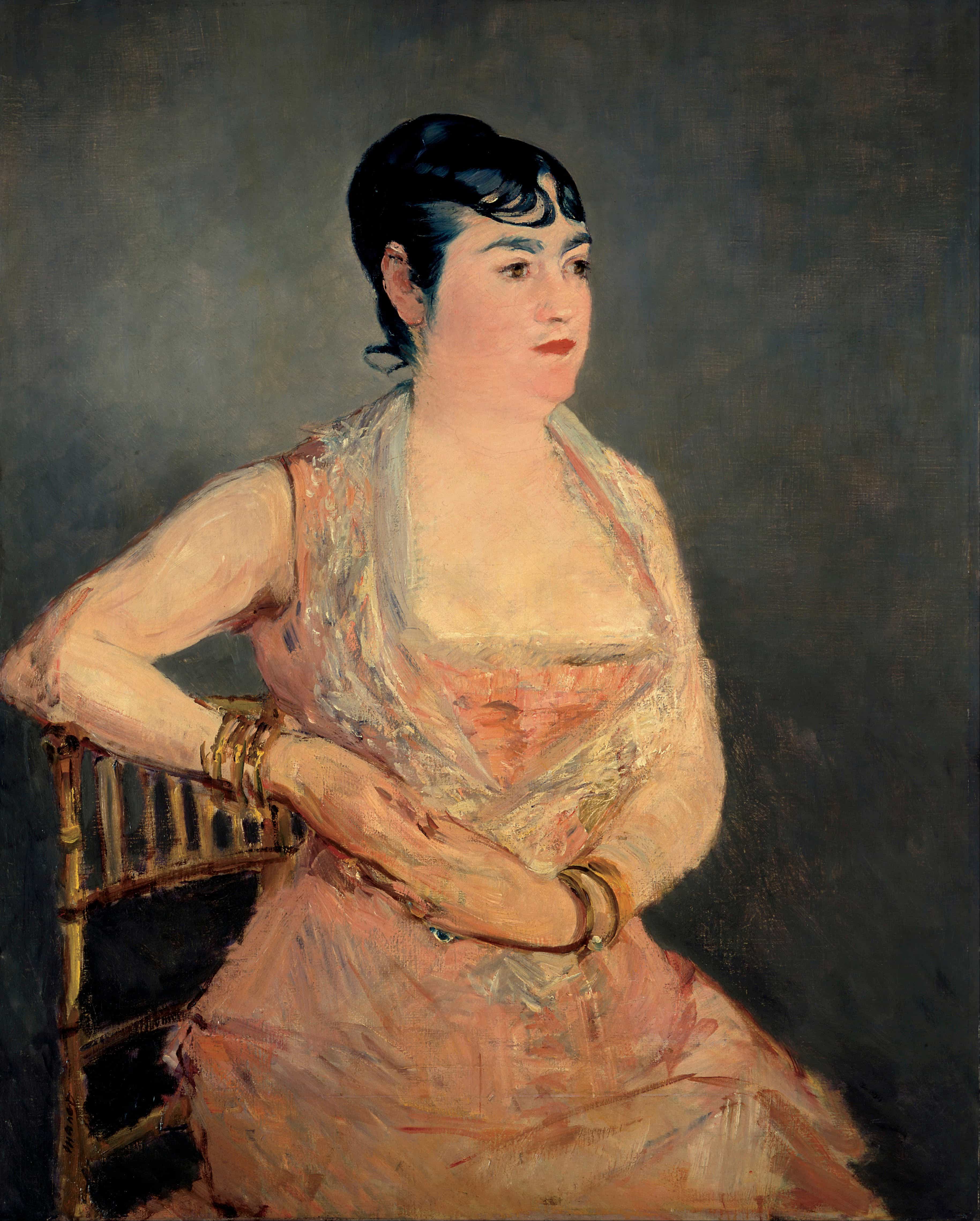
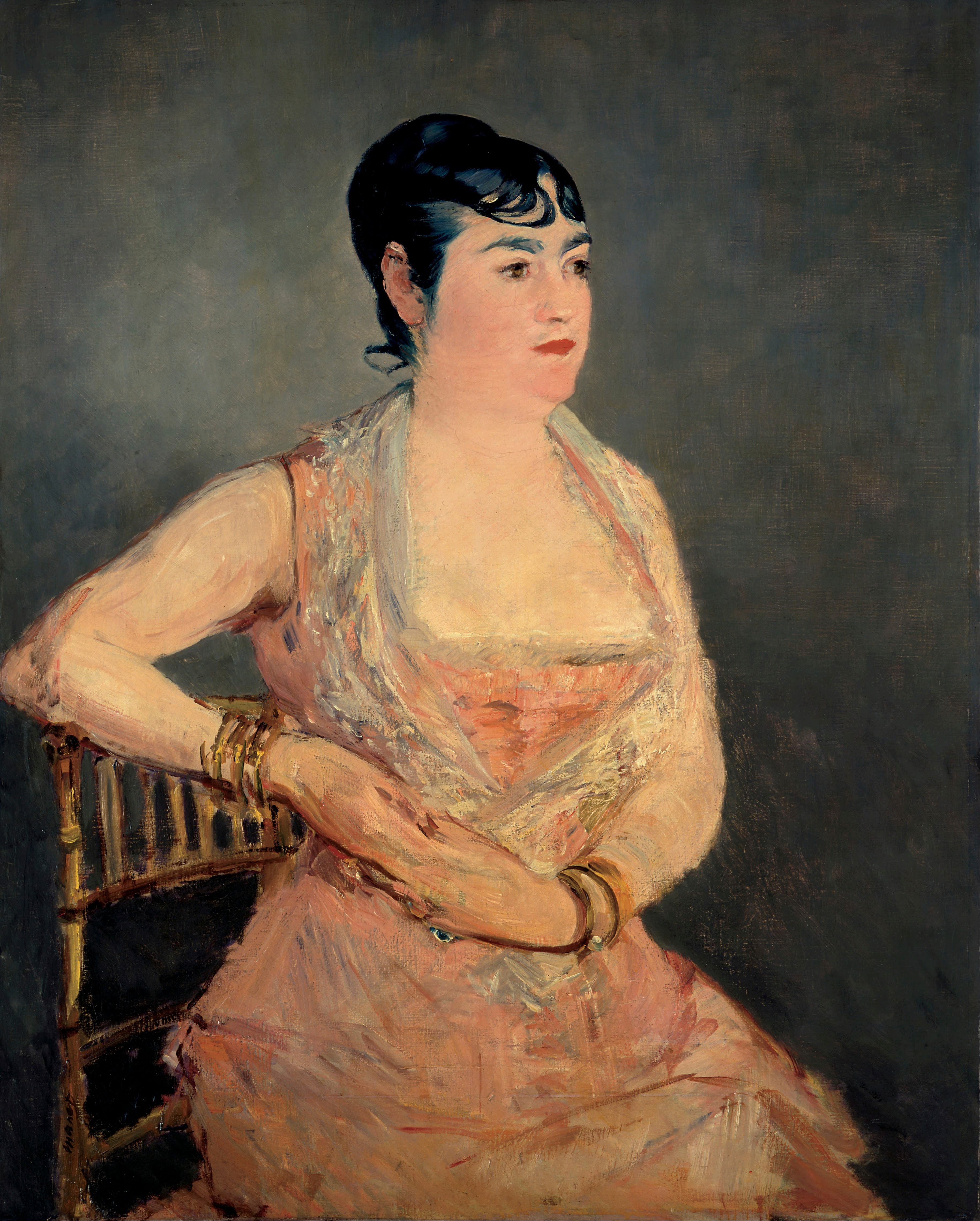
Lady in Pink
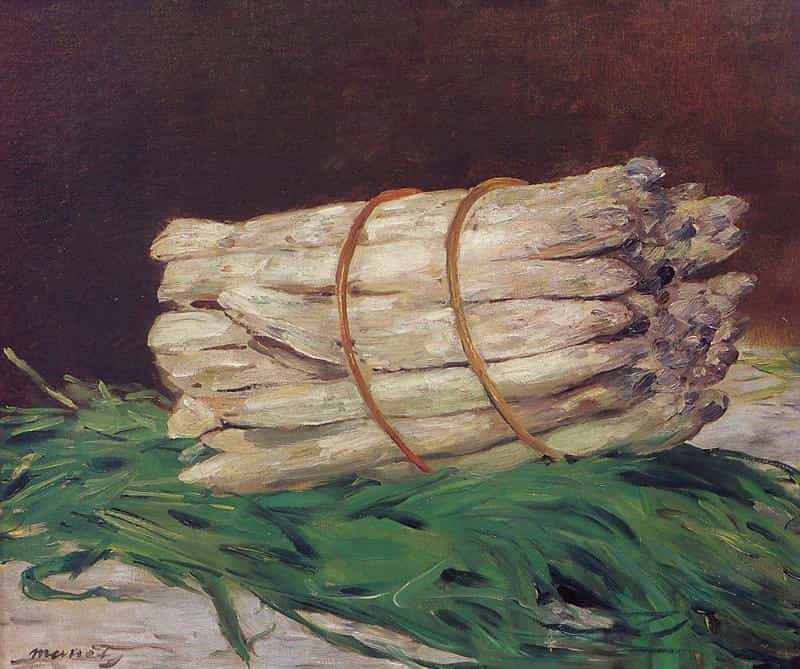
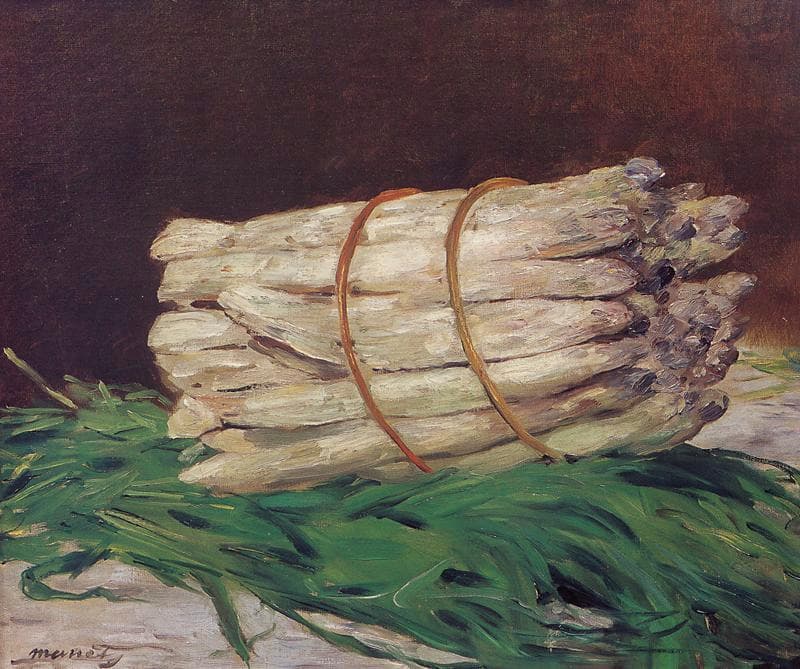
A Bundle of Asparagus
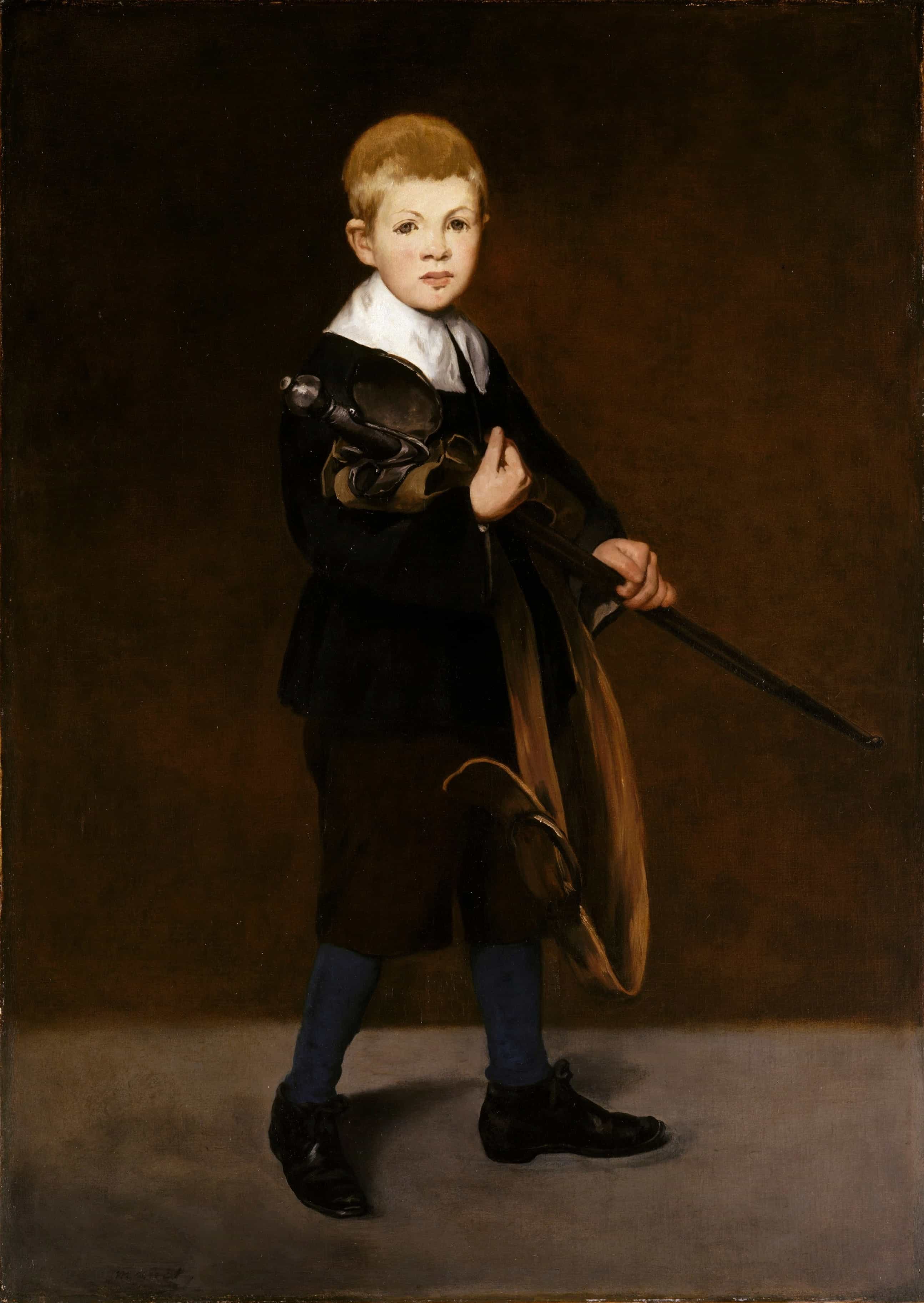
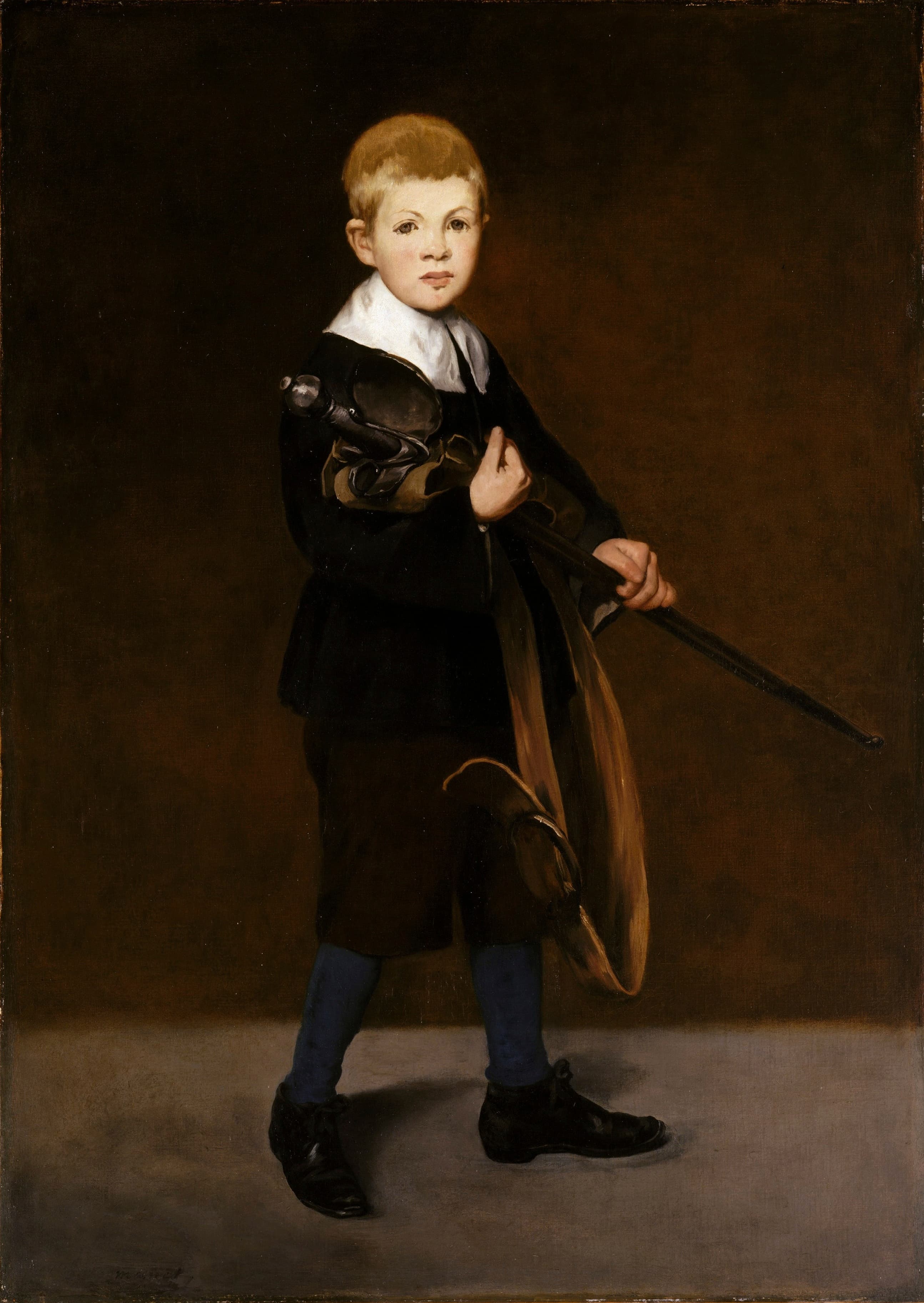
Boy Carrying a Sword
unknown
unknown
Berthe Morisot with a Fan
unknown