unknown
Edgar Degas
From €54
Collection
Museum-quality reproductions on 310gsm textured cotton rag paper.
Shop all prints by Edgar DegasArtistic Style
Style Evolution
Degas moved from academic training and an interest in old masters to a modern realism that emphasized observation, movement, and intimate urban scenes. Over his career he increasingly favored pastels and printmaking, refining a visual language of cropped compositions and gestural line that influenced later modernists.
Palette
Subjects
Techniques
Topics
Edgar Degas (1834-1917) was a French Impressionist painter and sculptor whose intimate studies of modern life—especially dancers and urban scenes—redefined observational art.
Learn about the life of Edgar Degas
Biography
Edgar Degas (1834-1917) was a French Impressionist painter and sculptor whose intimate studies of modern life—especially dancers and urban scenes—redefined observational art.
Edgar Degas was born in Paris in 1834 into a well-to-do family. He received early artistic training and studied drawing from youth. In 1855 he enrolled at the École des Beaux-Arts in Paris, where he absorbed academic drawing practices and thorough training in draftsmanship. Travel to Italy in the late 1850s exposed him to Renaissance and Baroque masters, reinforcing his interest in composition and the human figure.
Degas's career moved from academic beginnings toward a distinctive modern realism aligned with, but often separate from, Impressionism.
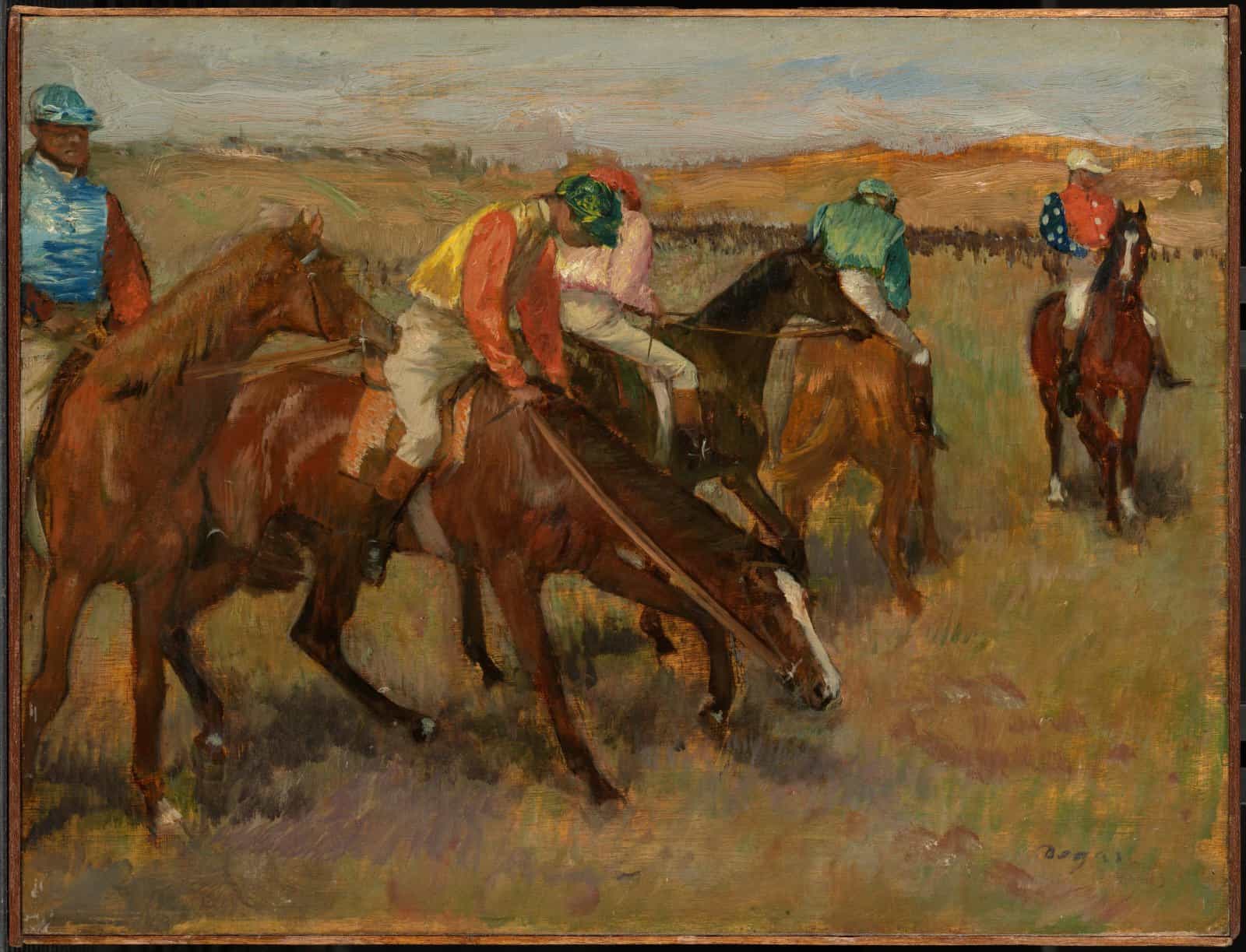
Based primarily in Paris for most of his life, Degas observed the city’s theaters, cafes, and racetracks. He became known for scenes of contemporary urban life produced in oils, pastels, prints, and sculpture.
In the 1870s and 1880s Degas developed a signature practice of combining drawing-like precision with looser handling and novel viewpoints. He experimented extensively with pastel, printmaking (including monotype), and sculpture, refining a vocabulary of gesture and composition.
Degas achieved lasting renown for his penetrating portrayals of modern life. He was a founding presence among artists who exhibited together with the Impressionists while maintaining a distinctive commitment to figure drawing, compositional cropping, and the study of movement. His pastels and works on paper are particularly celebrated for immediacy and decorative appeal.
Degas's technique blends rigorous draughtsmanship with painterly surface effects. He is noted for experimenting with pastel layering, unusual vantage points, tight cropping, and an economy of line that conveys movement and psychological depth. He worked across media—oil, pastel, print, and small-scale sculpture—often reworking subjects in multiple formats.
Degas influenced generations of artists with his emphasis on observation, draftsmanship, and unconventional compositions. He drew from academic tradition and Japanese prints while inspiring modernists who followed. Collectors prize his works for their technical mastery, expressive immediacy, and decorative qualities suited to interiors.
Degas remained largely based in Paris throughout his life and was known for a reserved personality and intense commitment to his craft. He maintained broad friendships within the artistic community and continued working into his later years despite deteriorating eyesight.
Degas is regarded as one of the foremost artists of late 19th-century France. His pastels, drawings, and sculptures are highly valued in the market for their rarity,技術,
Frequently Asked Questions
unknown
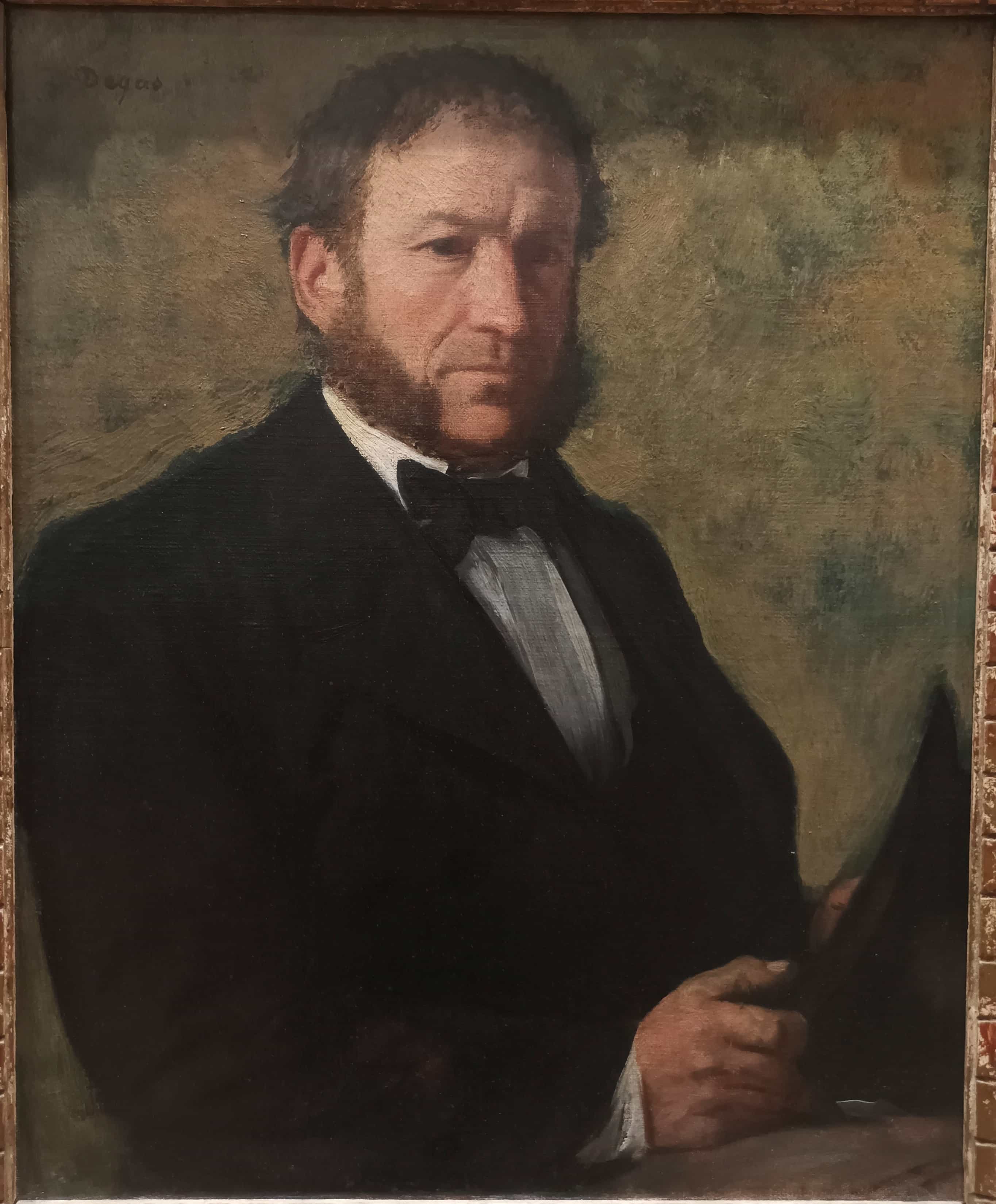
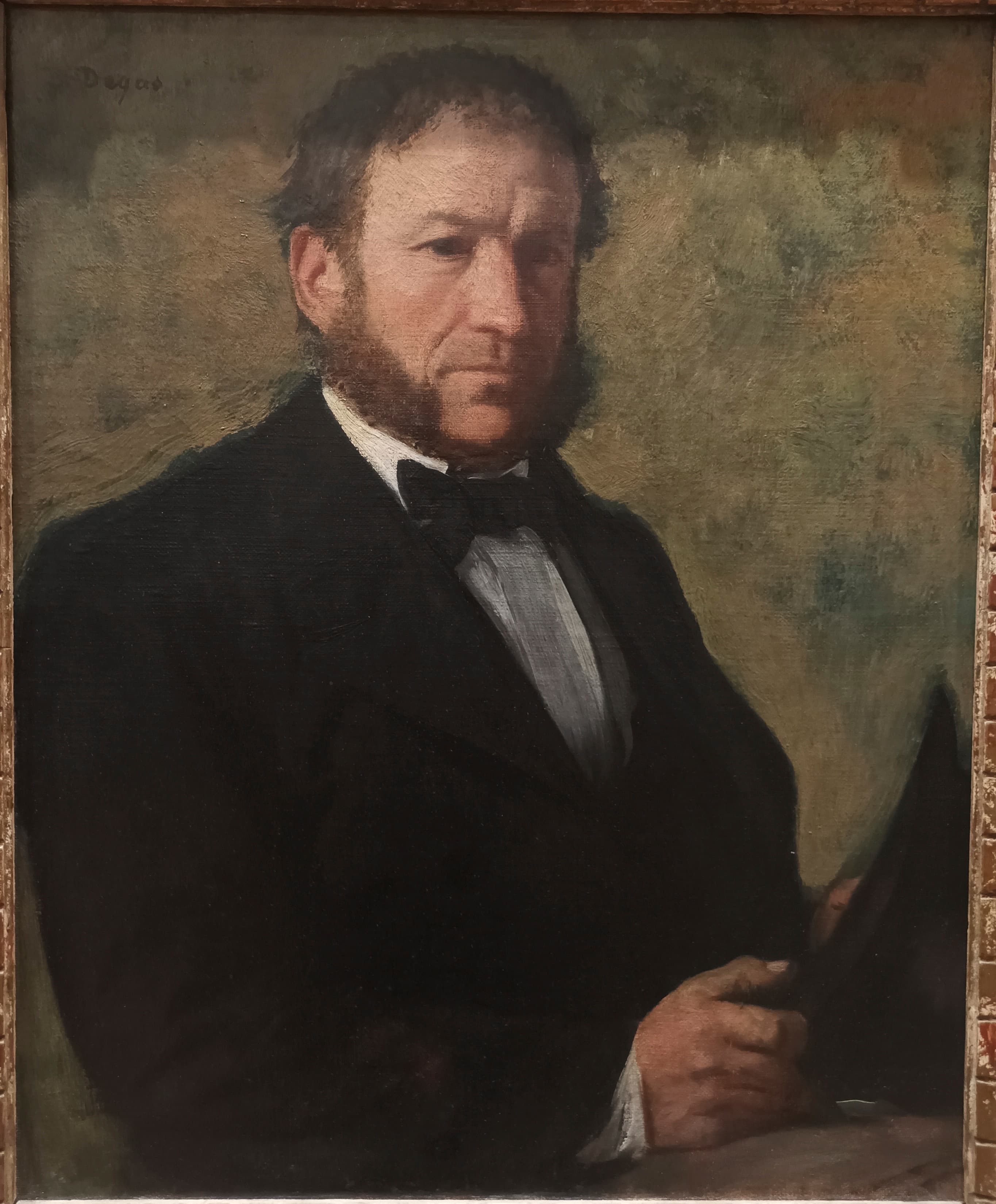
Monsieur Ruelle
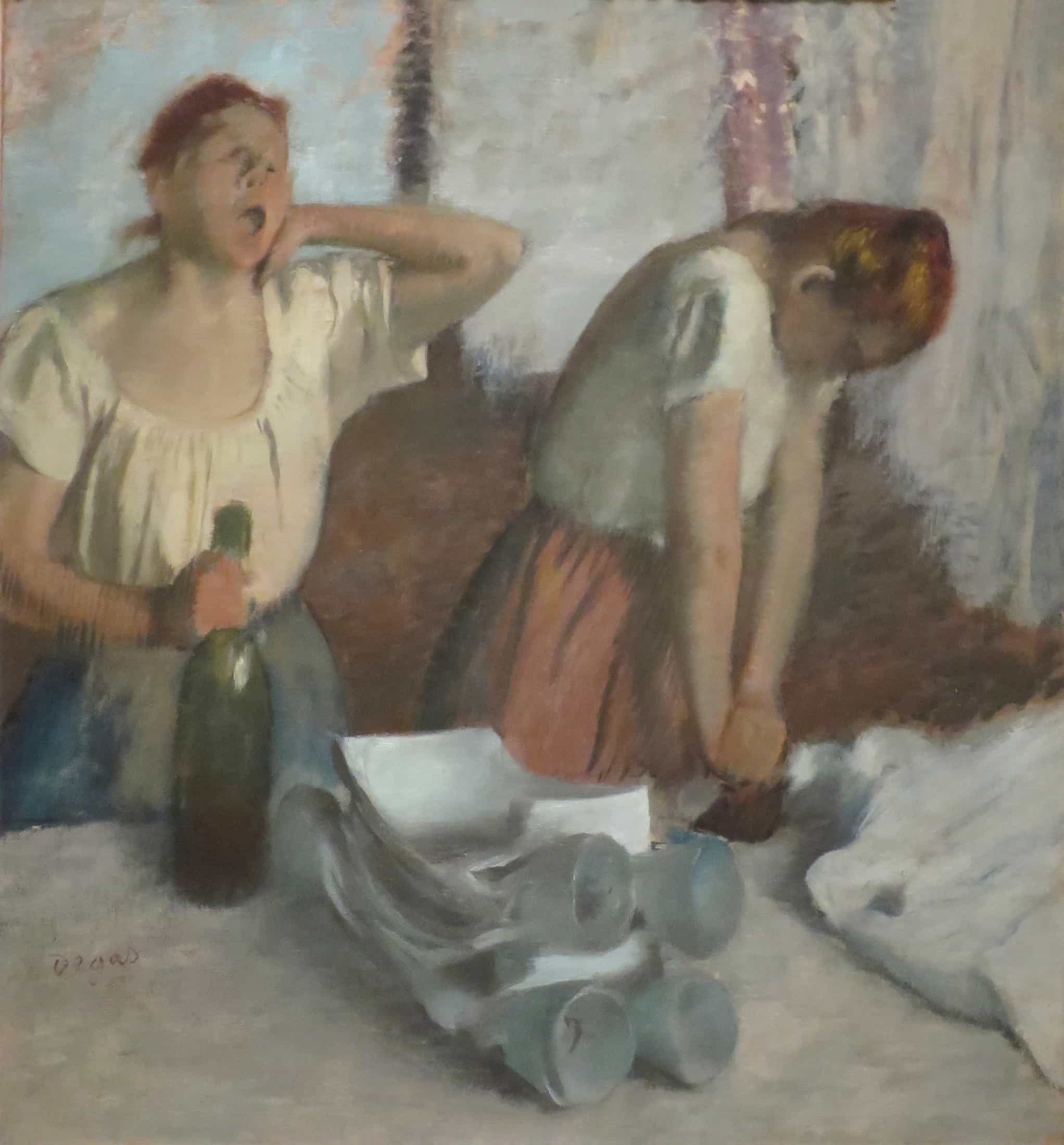
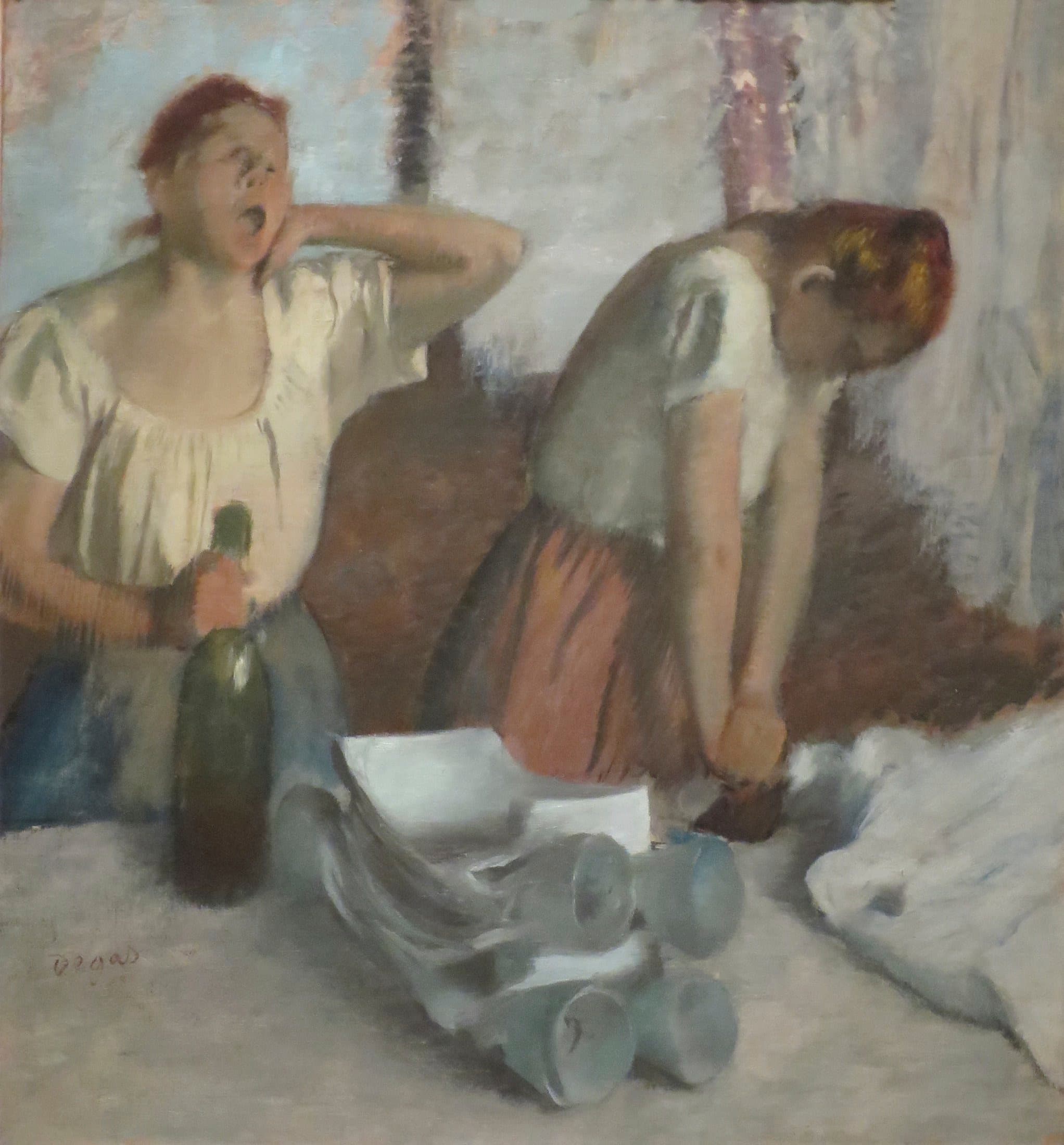
Women Ironing
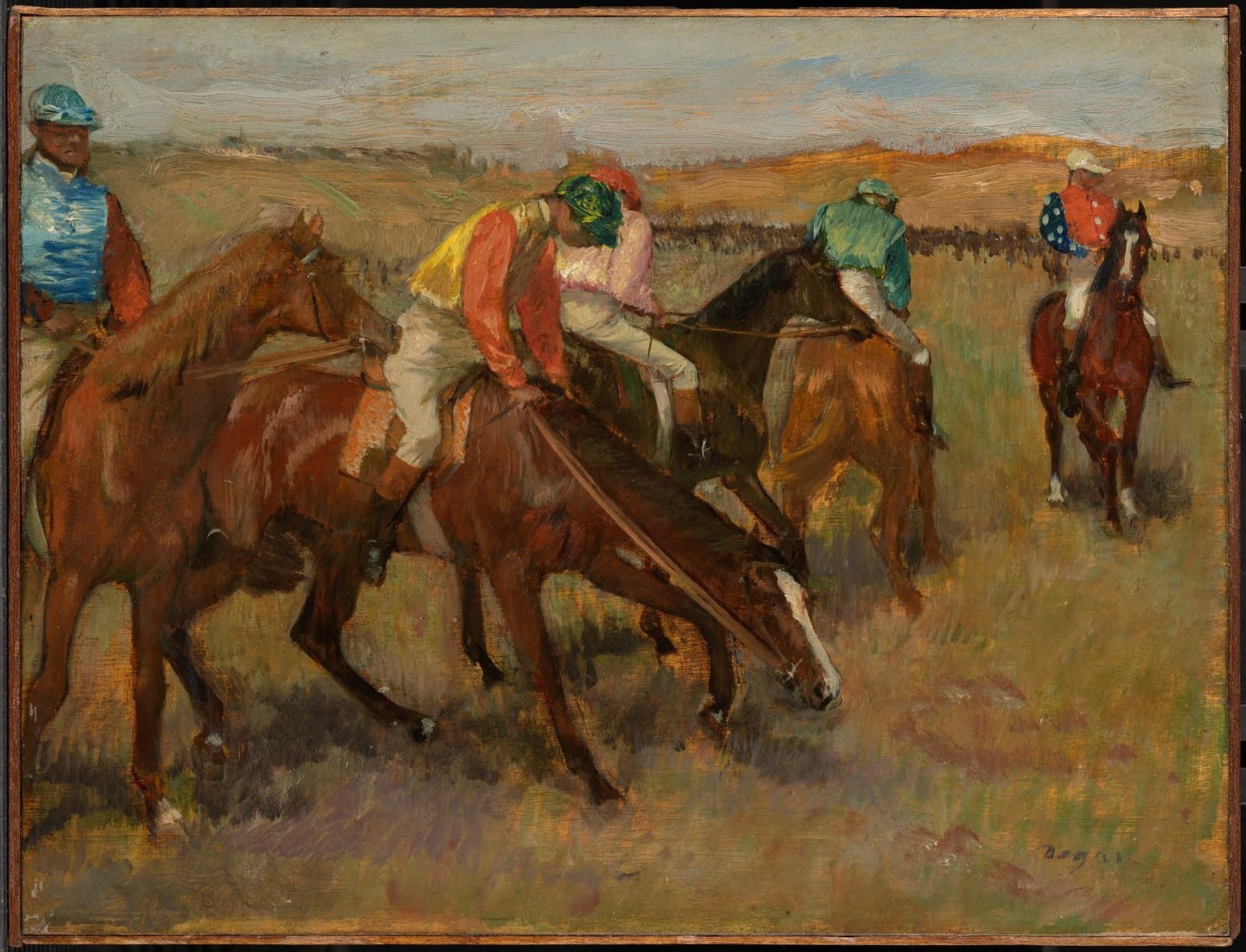
Before the Race
unknown
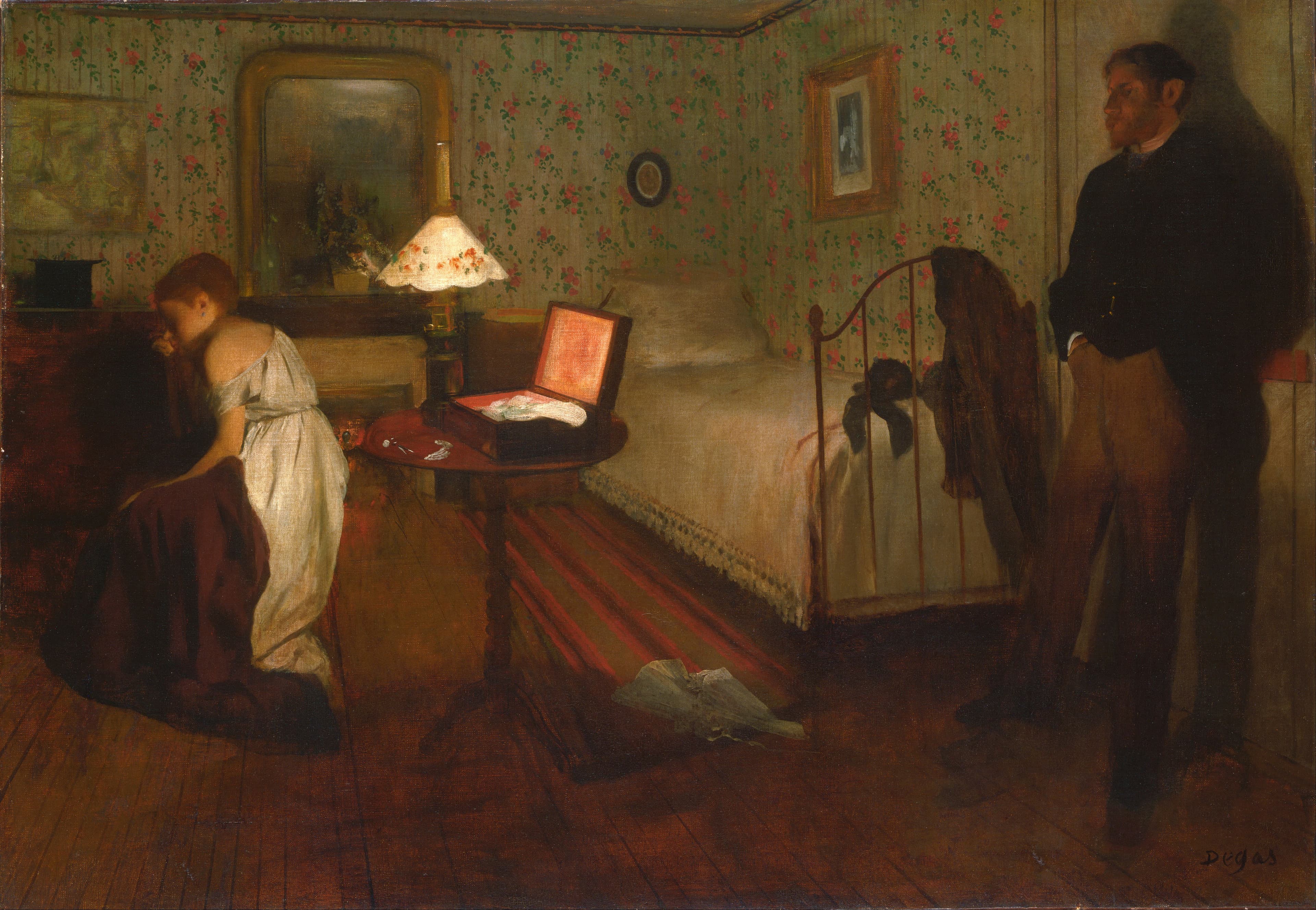
Interior
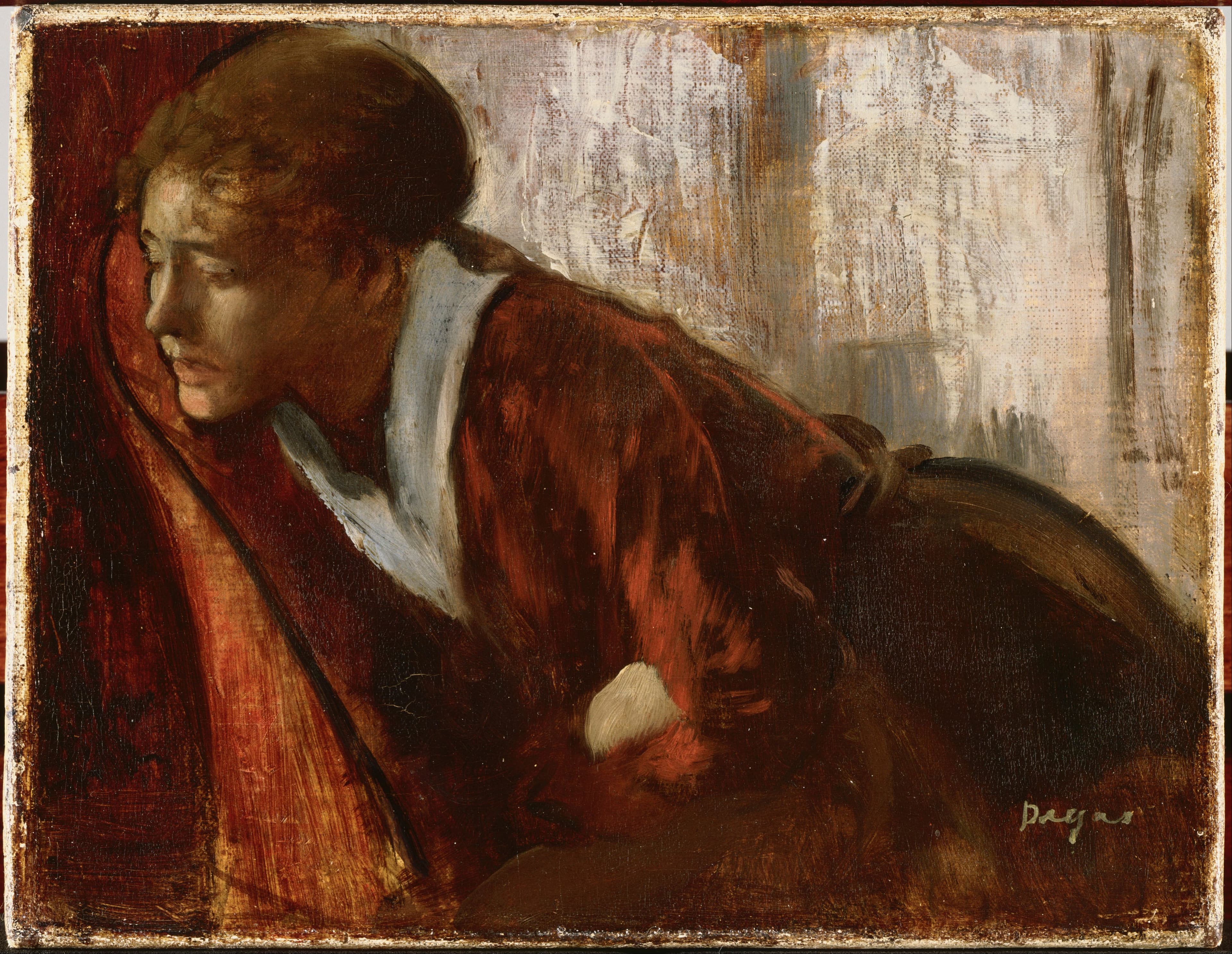
Melancholy
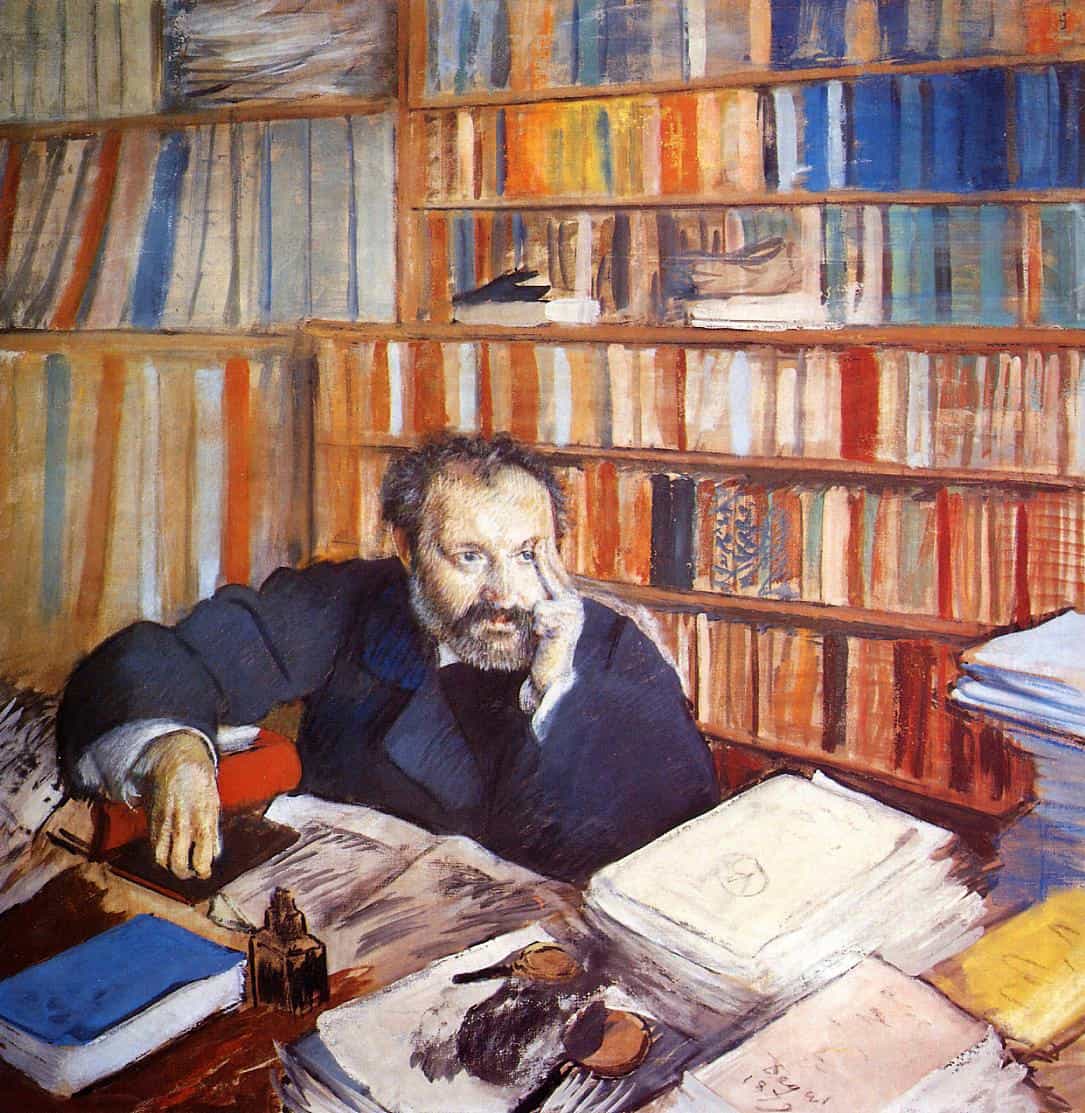
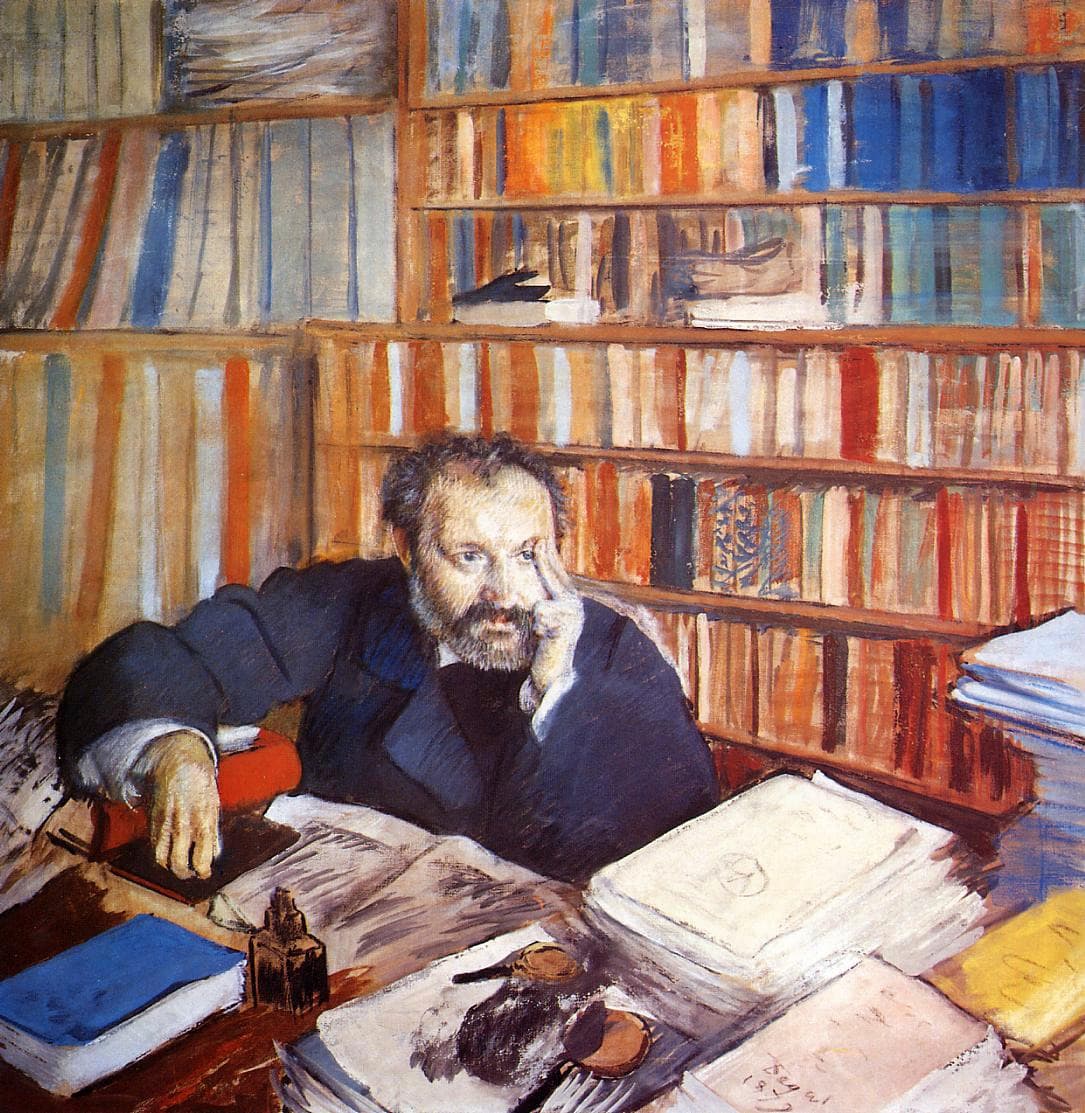
Portrait of Edmond Duranty
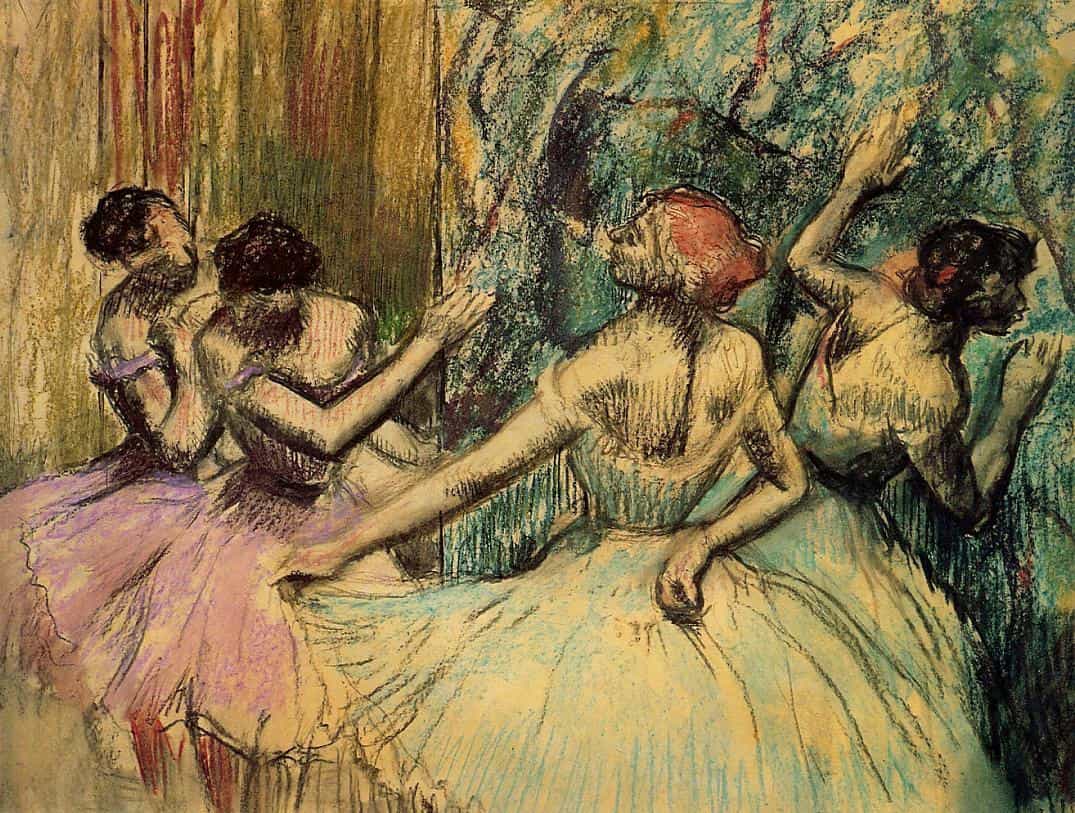
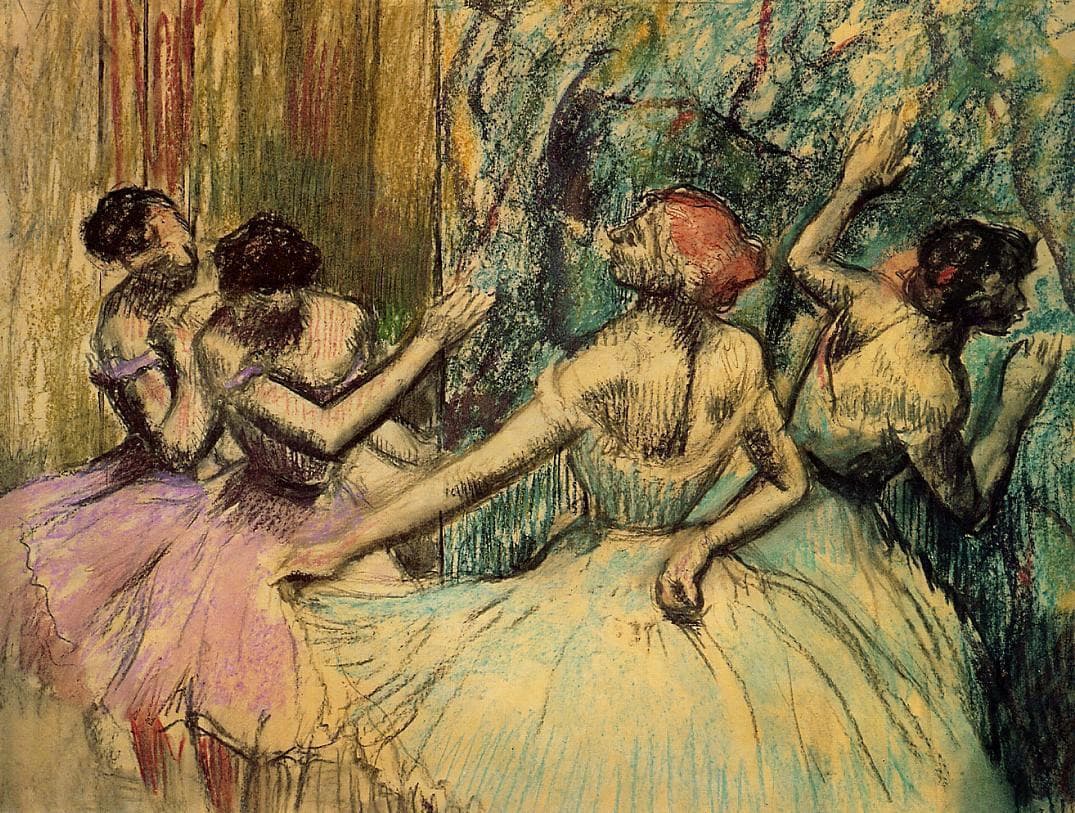
Dancers in the Wings
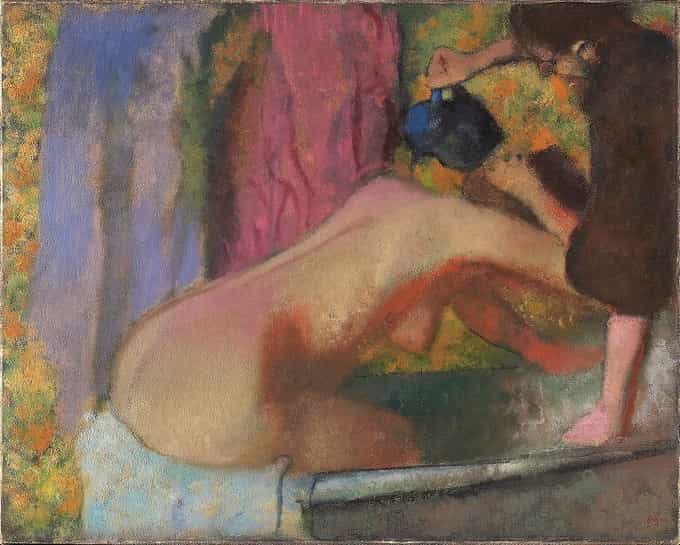
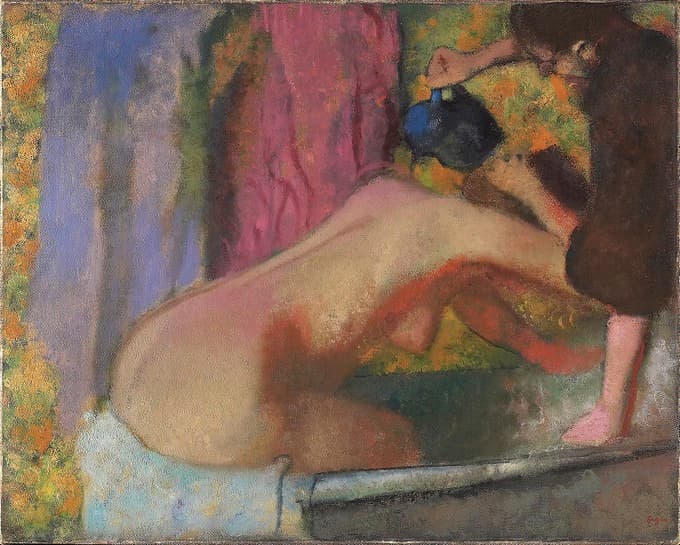
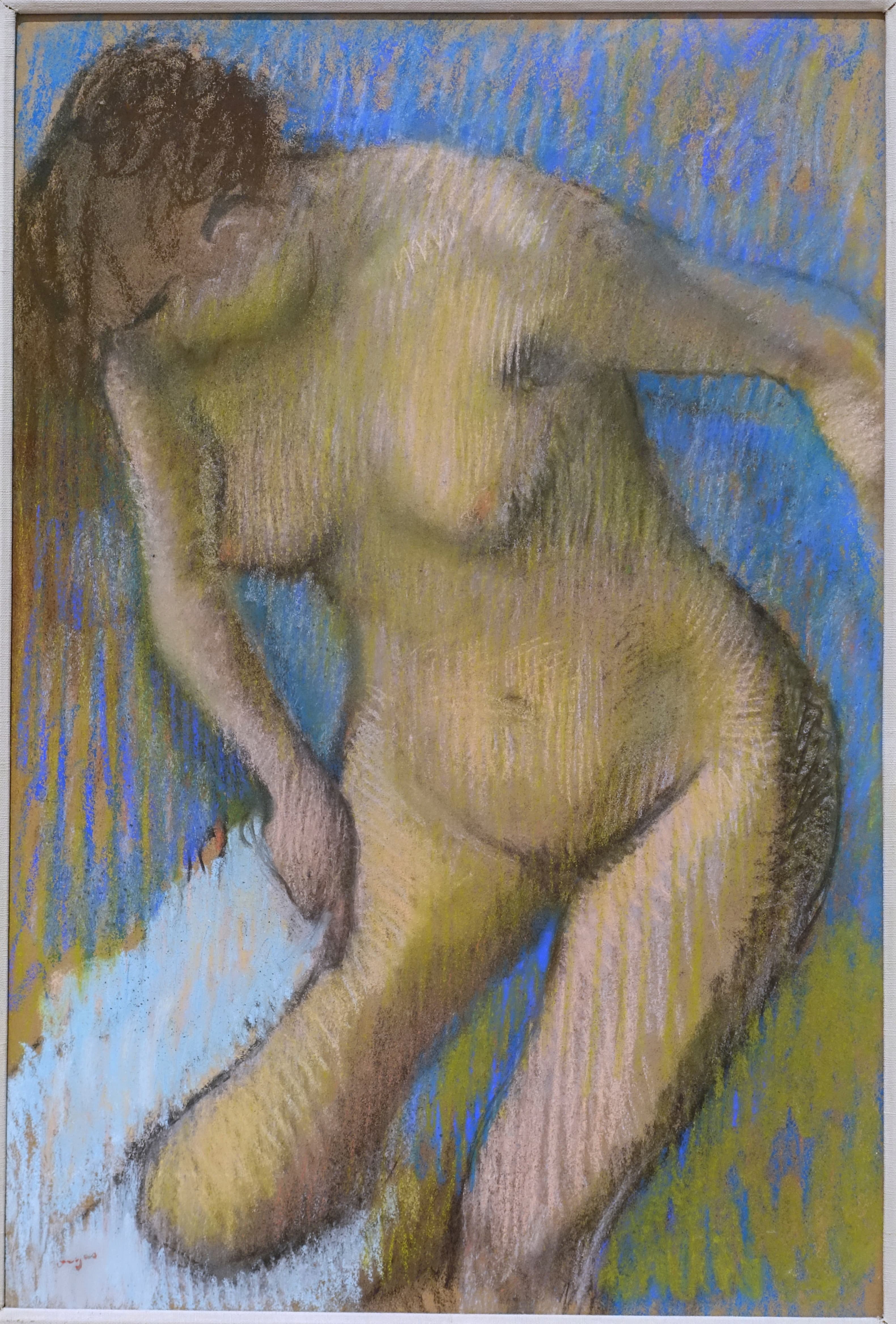
Woman at Her Bath
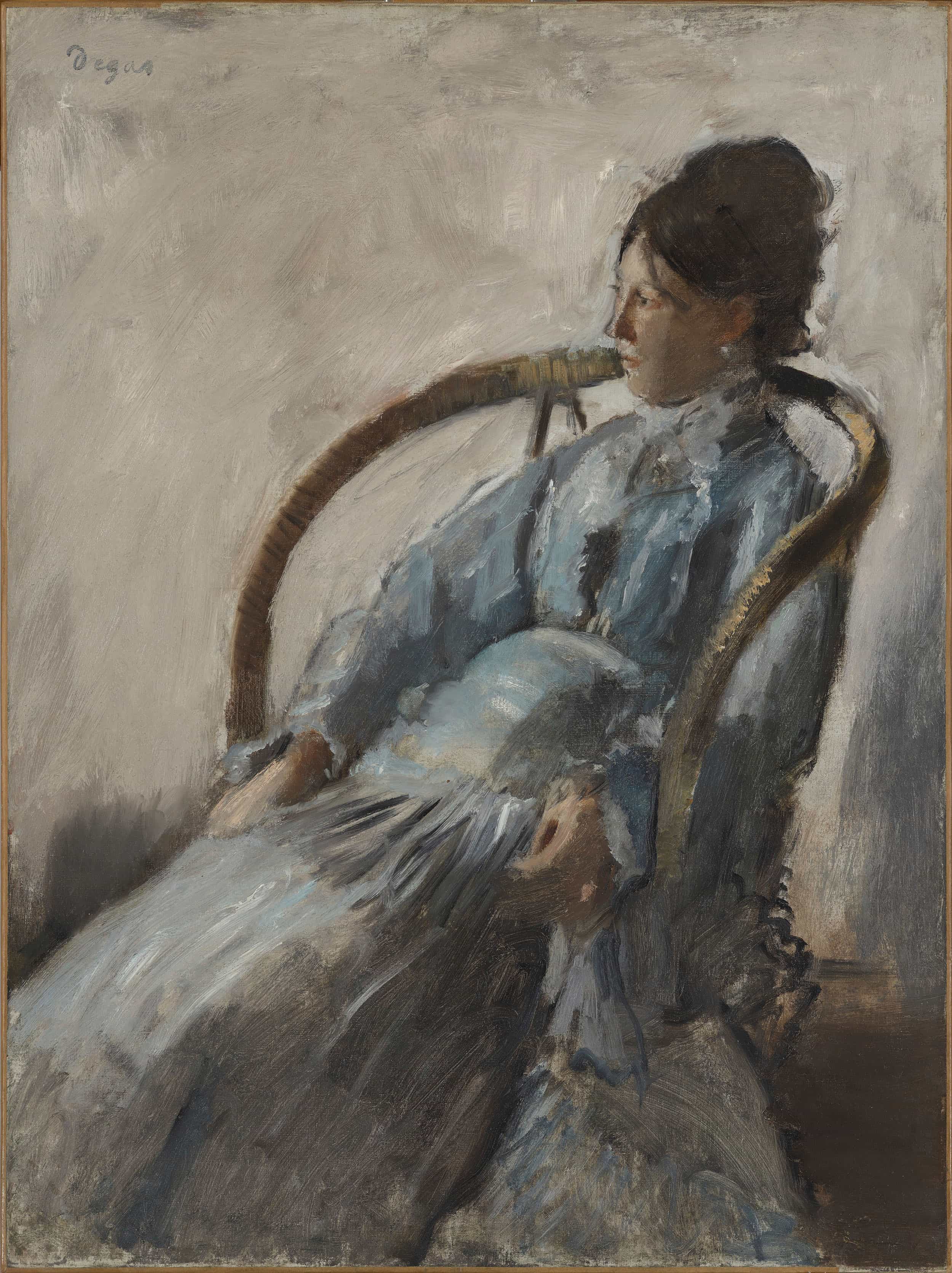
Madame de Nittis
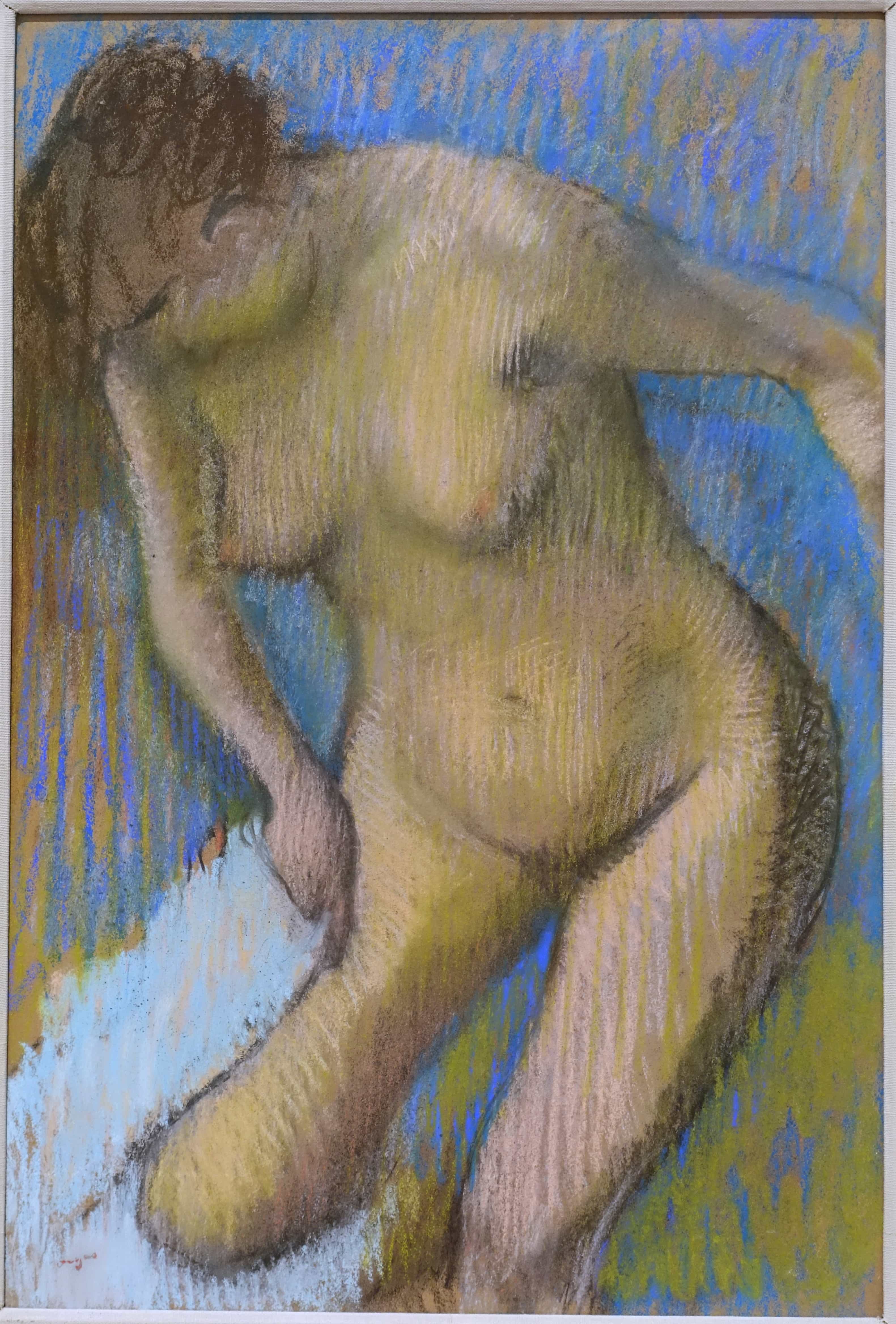
After the Bath