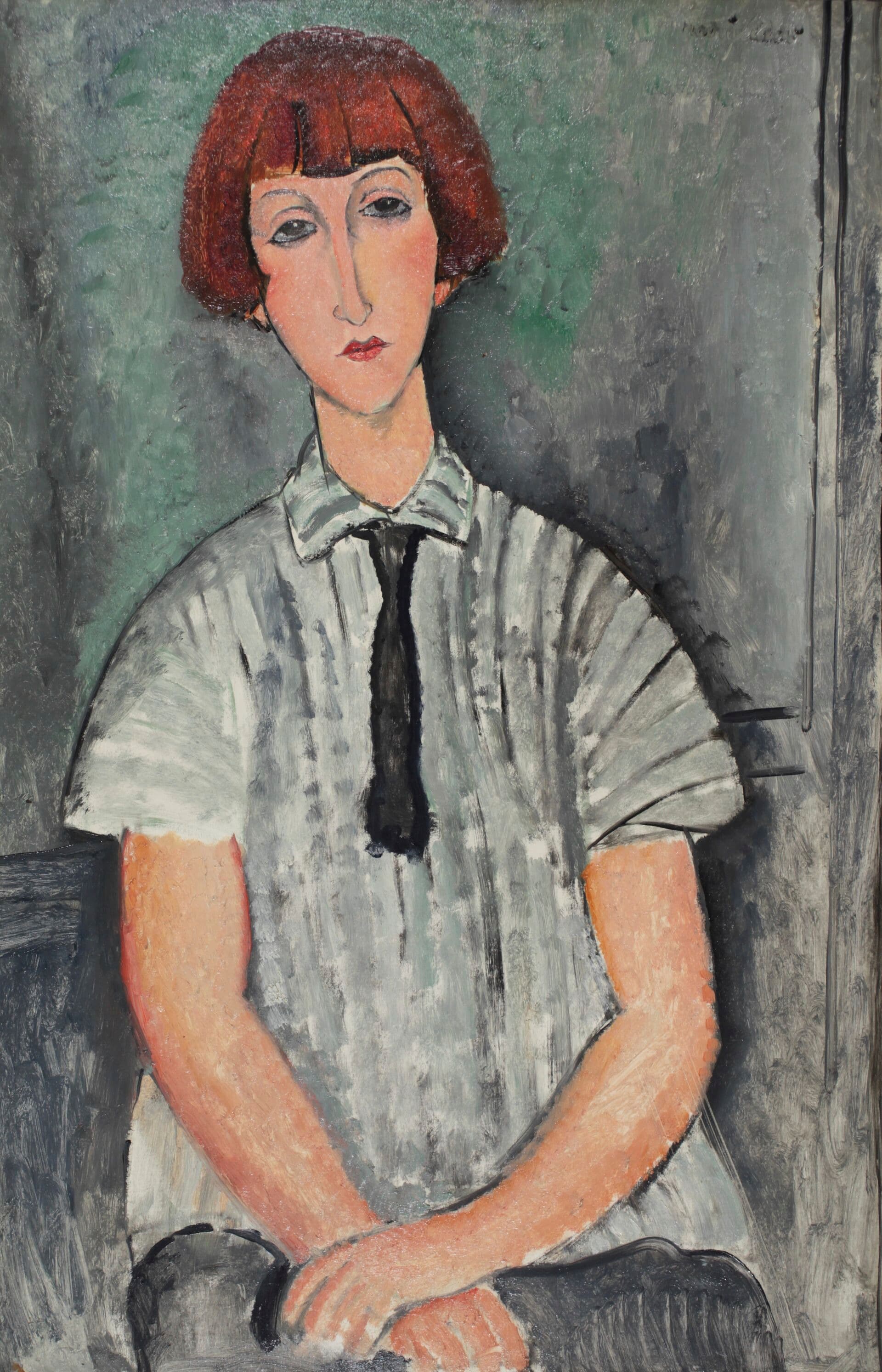
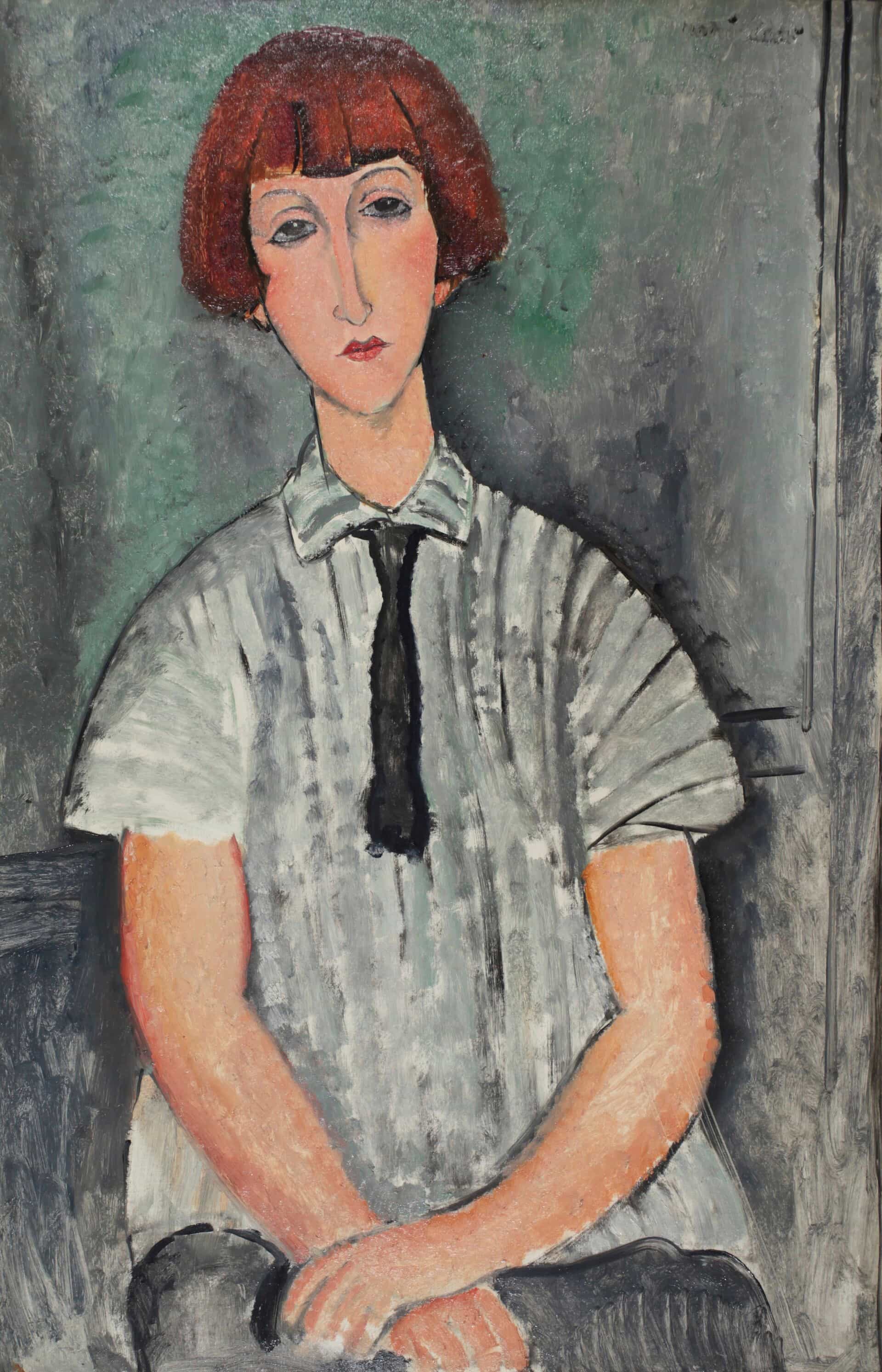
Young Girl with a Striped Blouse
Amedeo Modigliani
From €64
Collection
Museum-quality reproductions on 310gsm textured cotton rag paper.
Shop all prints by Amedeo ModiglianiArtistic Style
Style Evolution
Modigliani moved from academic training in Italy to the avant-garde environment of Paris, evolving toward a distinctive modernist idiom—marked by elongated proportions and simplified planes—that fused sculptural influences with contemporary portraiture.
Palette
Subjects
Techniques
Topics
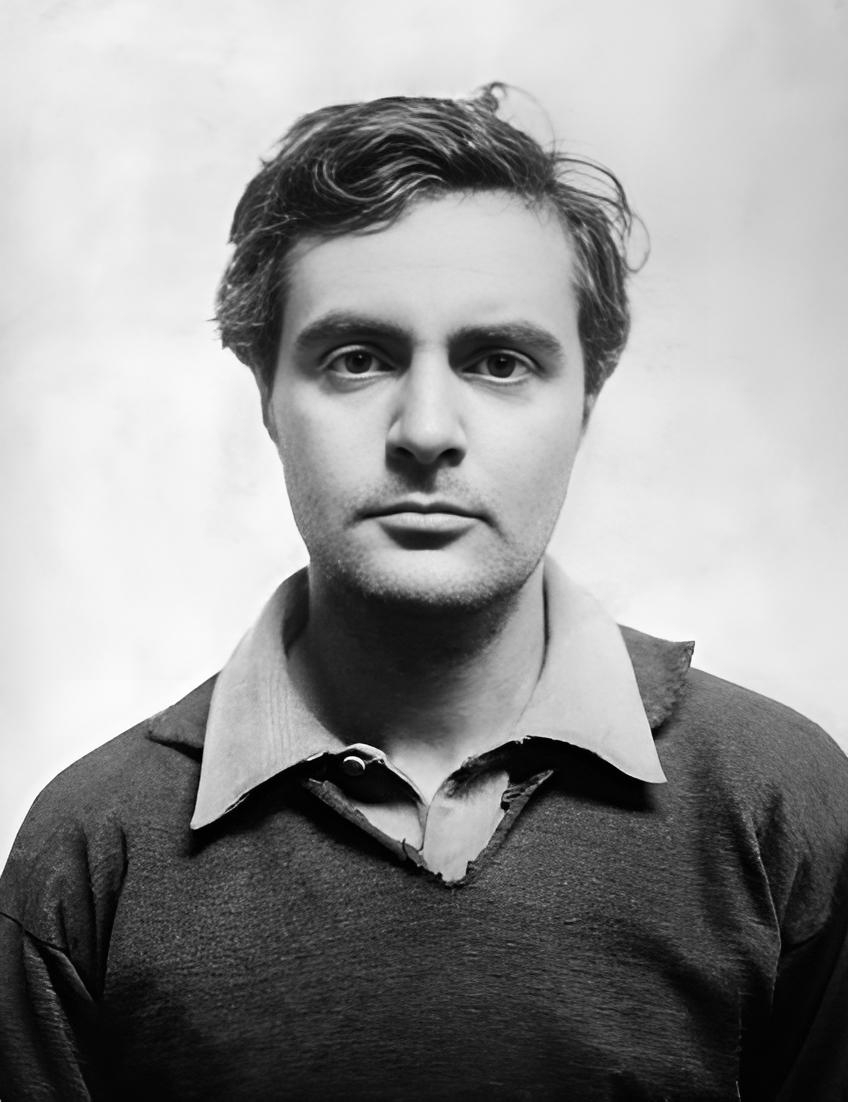
Amedeo Modigliani (1884-1920) was an Italian modernist painter and sculptor whose elongated figures and soulful portraits defined early 20th-century portraiture.
Learn about the life of Amedeo Modigliani
Signature Works
See all available printsBiography
Amedeo Modigliani (1884-1920) was an Italian modernist painter and sculptor whose elongated figures and soulful portraits defined early 20th-century portraiture.
Born in Livorno in 1884, Amedeo Modigliani received early artistic training in Italy before moving to the artistic centers of Europe. His formative years in Italy exposed him to classical sculpture and academic drawing, while his later time in Paris immersed him in the avant-garde currents of the early 20th century.
Modigliani's work synthesized influences from classical sculpture, African and Iberian statuary, and contemporary modernist movements.
Arriving in Paris in the first decade of the 1900s, Modigliani worked among painters and sculptors in Montparnasse and integrated lessons from Cézanne, African art, and the broader School of Paris into his practice. He produced both paintings and sculptures during this period, refining his economy of line and elongation of form.
By the 1910s Modigliani had developed the signature style for which he is best known: elegant, elongated heads and necks, simplified facial planes, and a subdued, lyrical palette. His portraits and nudes convey a blend of classical restraint and modern expressiveness.
Modigliani is celebrated for a body of portraits and nudes that emphasize decorative harmony, sculptural line, and a quiet emotional intensity. His painted portraits—often of friends, patrons, and fellow artists—are valued for their poised compositions and refined surfaces. He also produced sculptural heads that demonstrate his engagement with three-dimensional form and archaic models.
Modigliani's technique is marked by controlled, elongated line, flattened planar modeling, and an economy of detail that accentuates silhouette and presence. Whether in paint or stone, his figures balance stylization with a palpable humanity. The surfaces of his paintings often have a matte, velvety finish that enhances their decorative appeal.
Modigliani bridged classical sculpture and modernist portraiture, influencing later figurative painters and securing a place in the narrative of early 20th-century modern art. His unique combination of elegiac line and serene expression continues to inspire artists and collectors.
Modigliani's working life was centered between Italy and Paris; his artistic identity was shaped by both classical training and the vibrant avant-garde circles of Montparnasse. Personal hardships and health issues affected his life and career, but his artistic output remained focused on portraiture and the human figure.
Collectors prize Modigliani for the decorative beauty, emotional restraint, and unmistakable visual identity of his work. His portraits and nudes are highly sought after for their ability to俟e
Frequently Asked Questions
Young Girl with a Striped Blouse
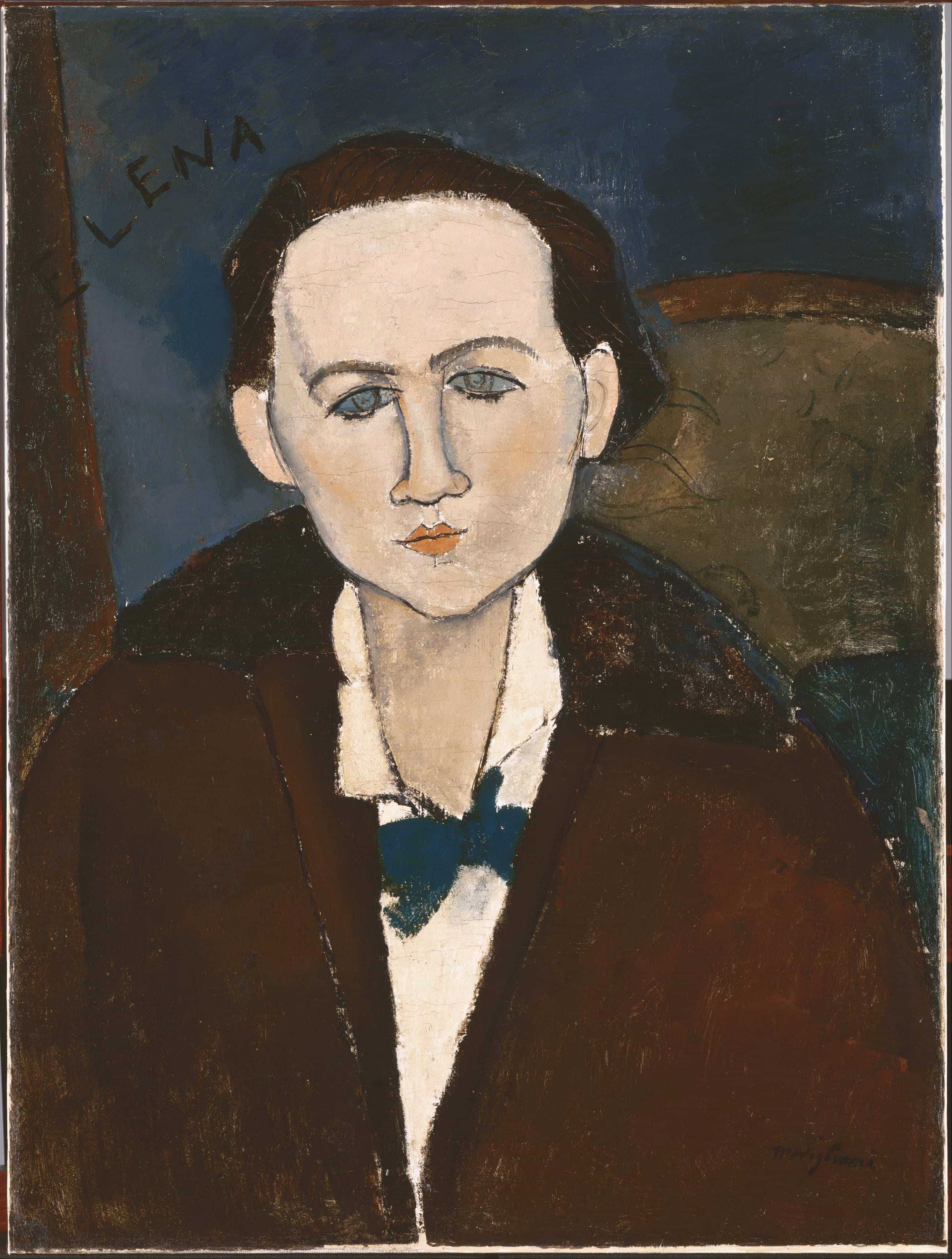
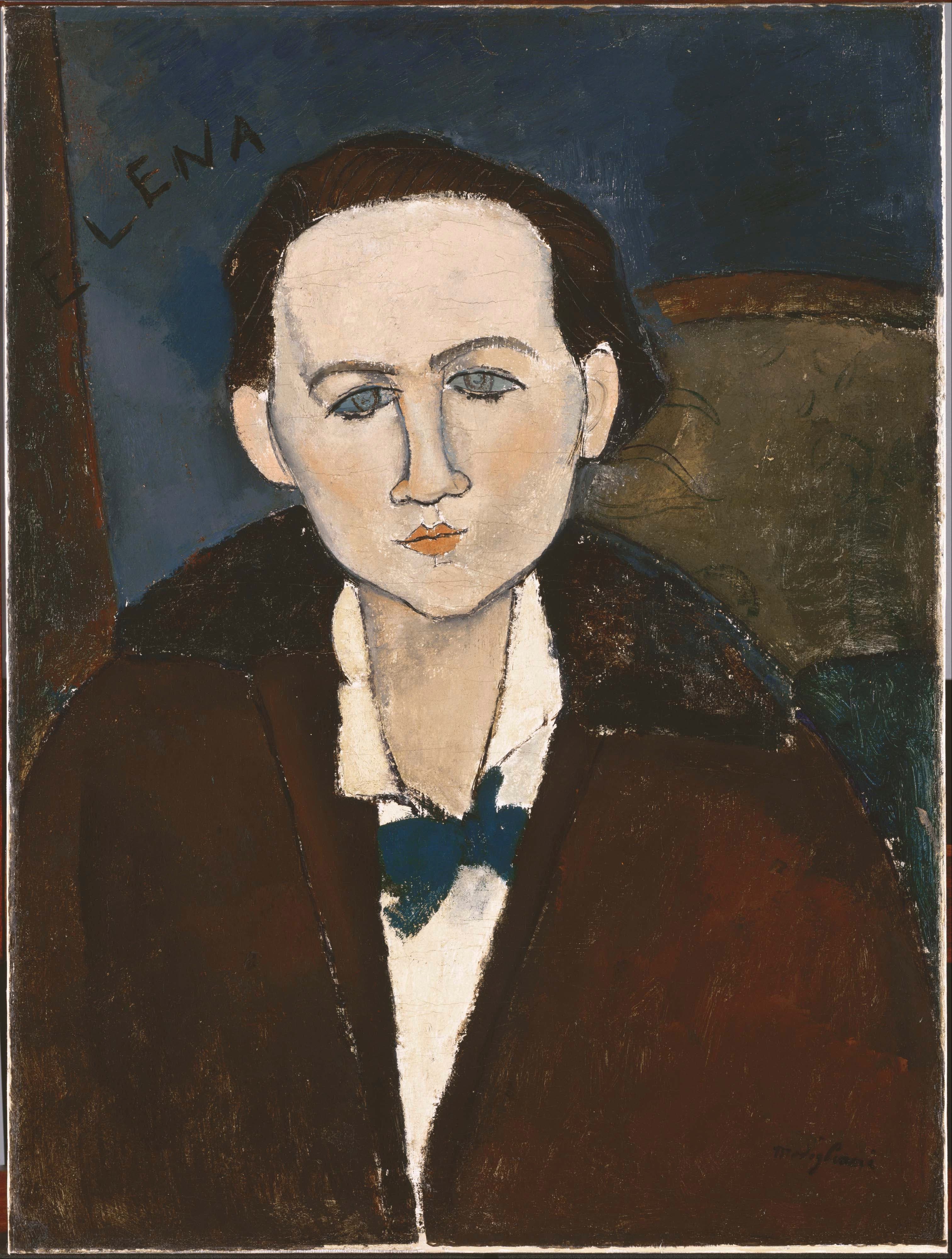
Elena Povolozky
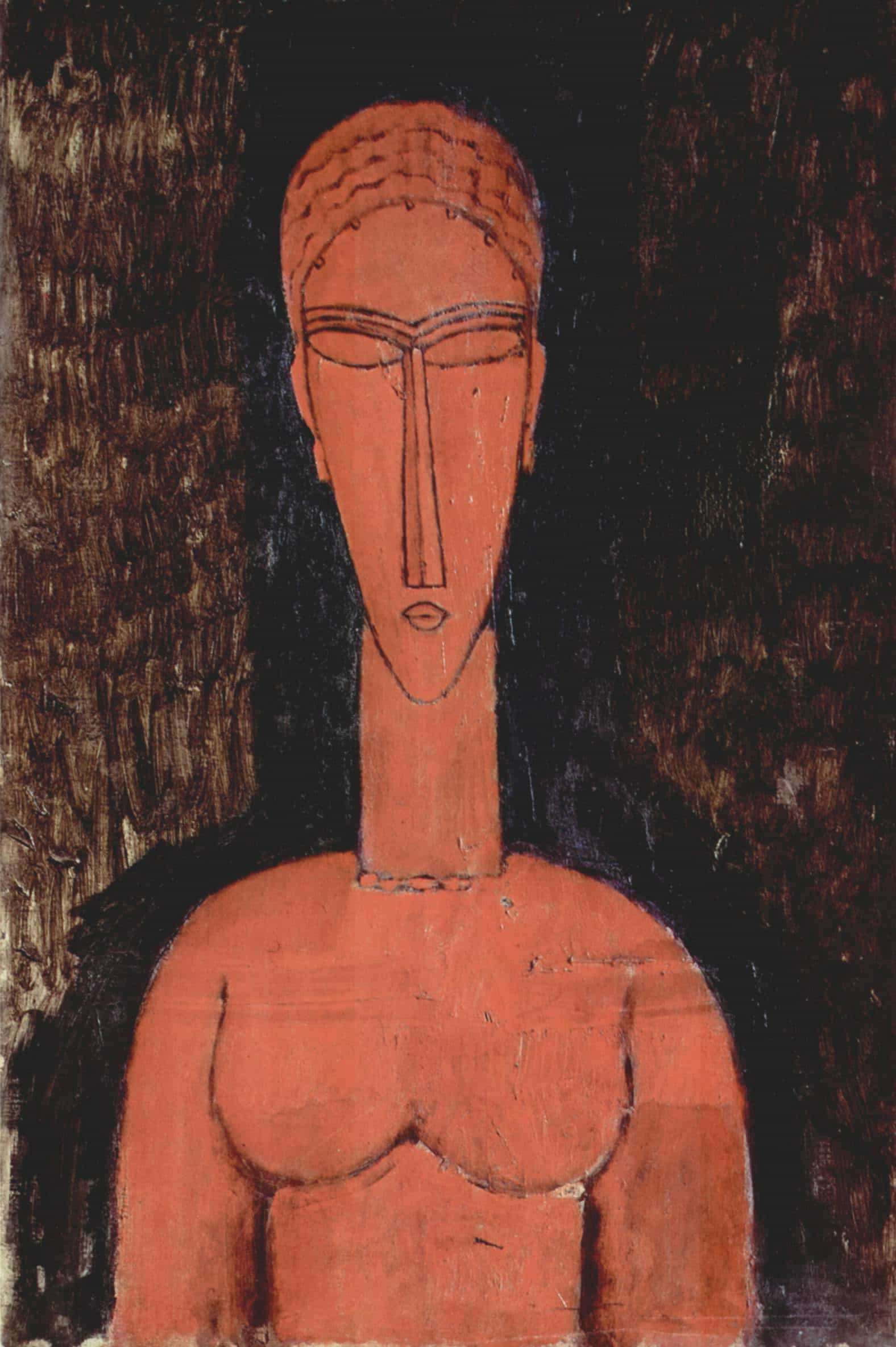
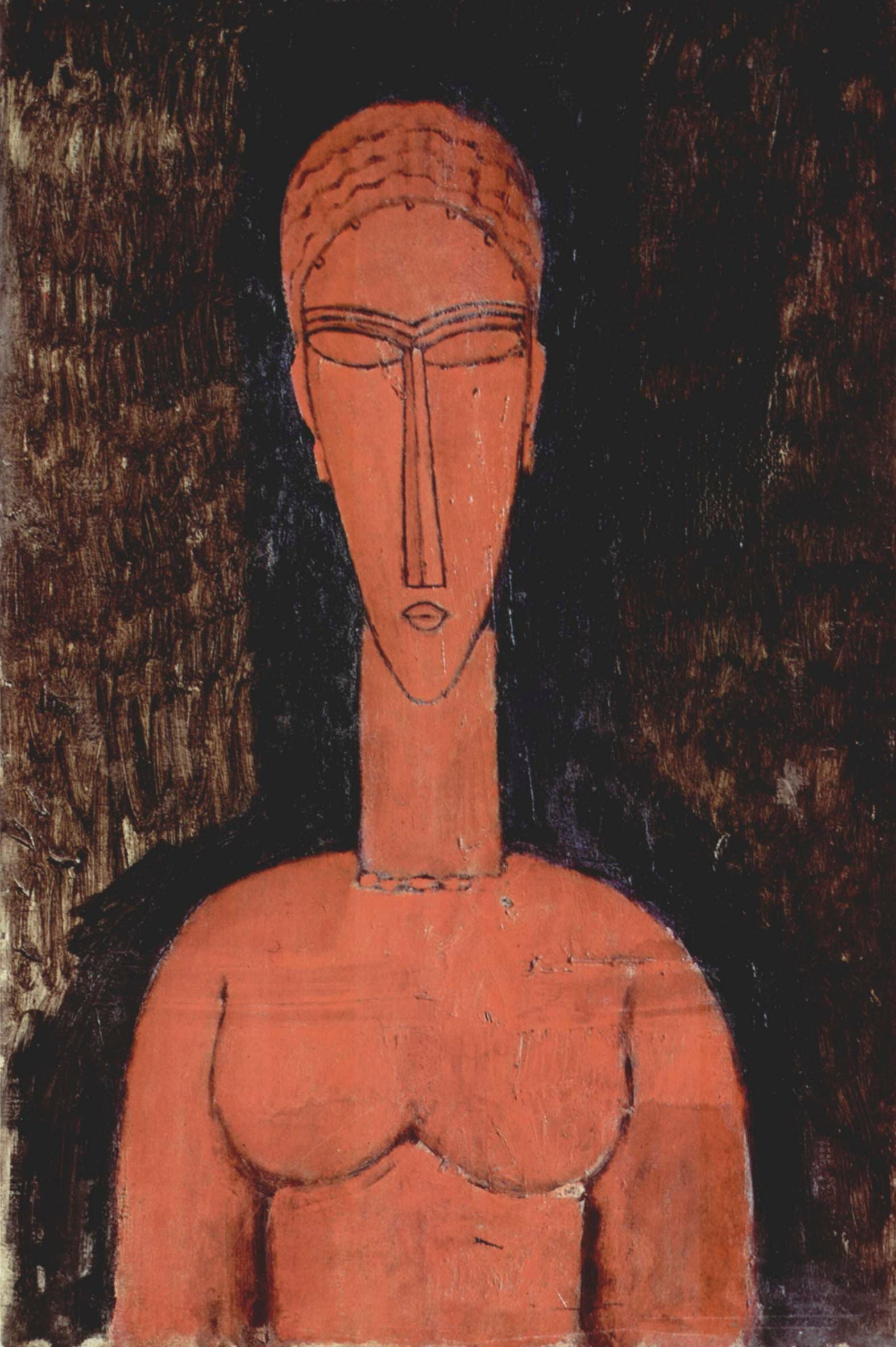
Rote Büste
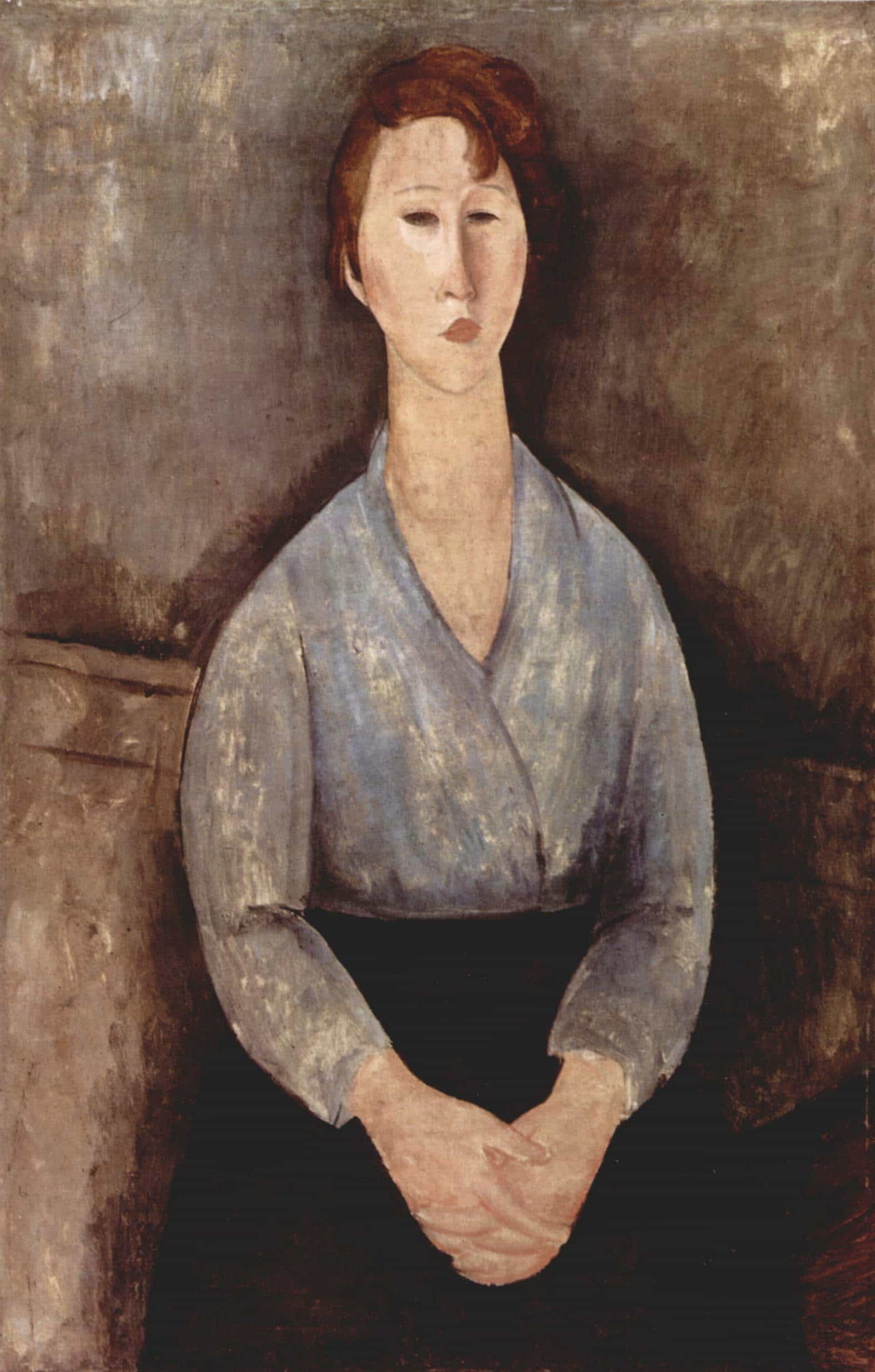
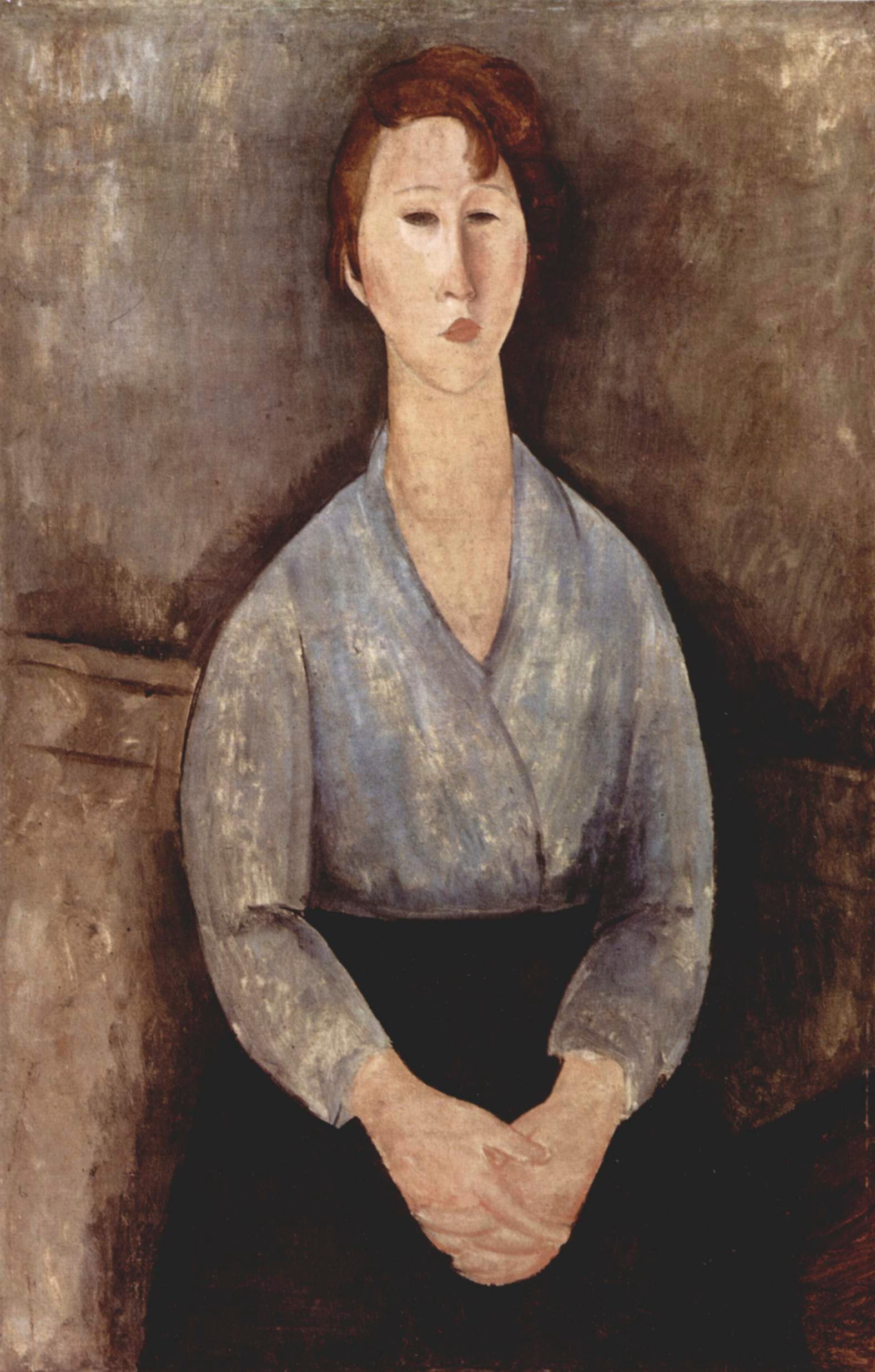
Sitzende Frau mit blauer Bluse
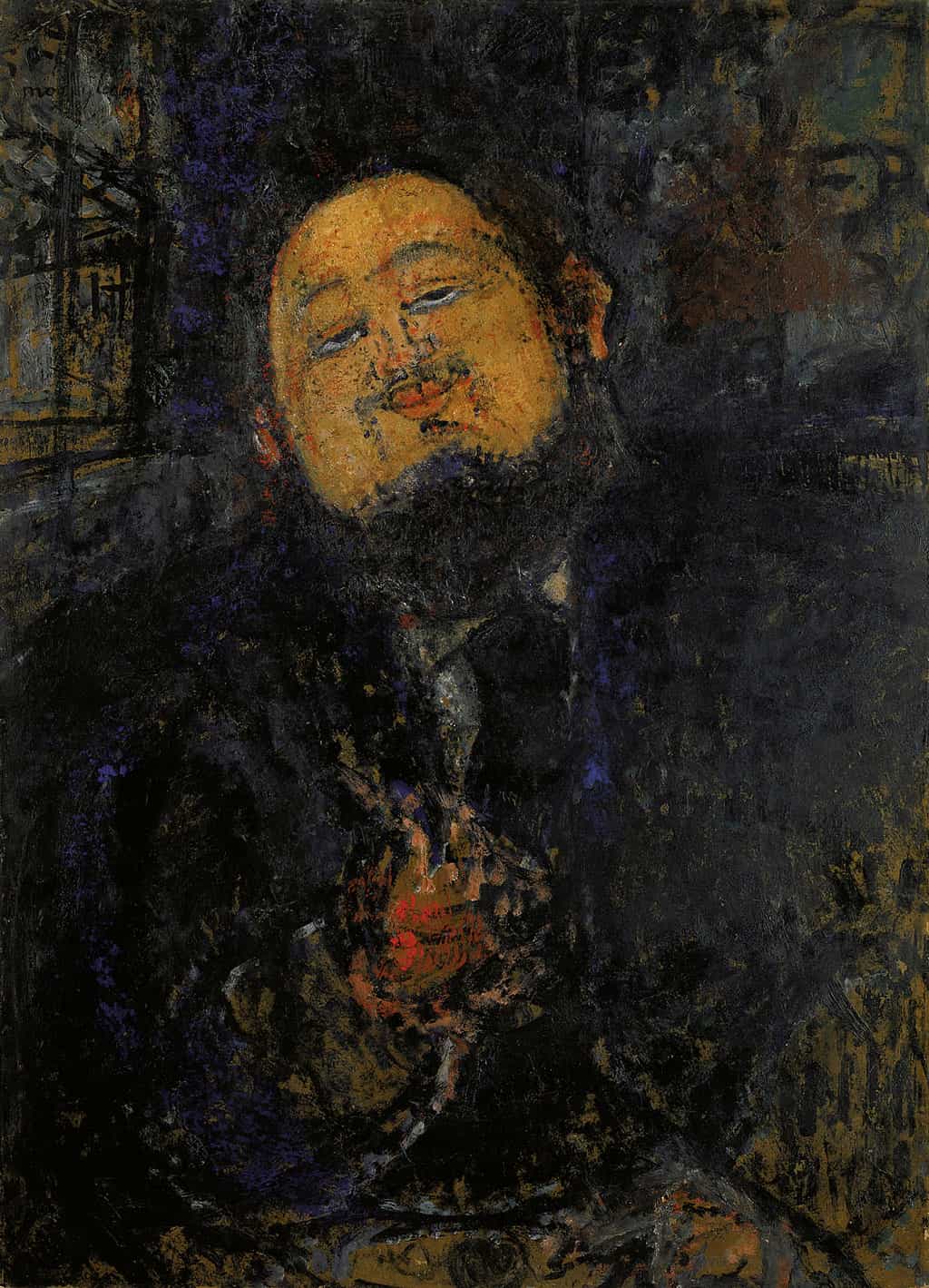
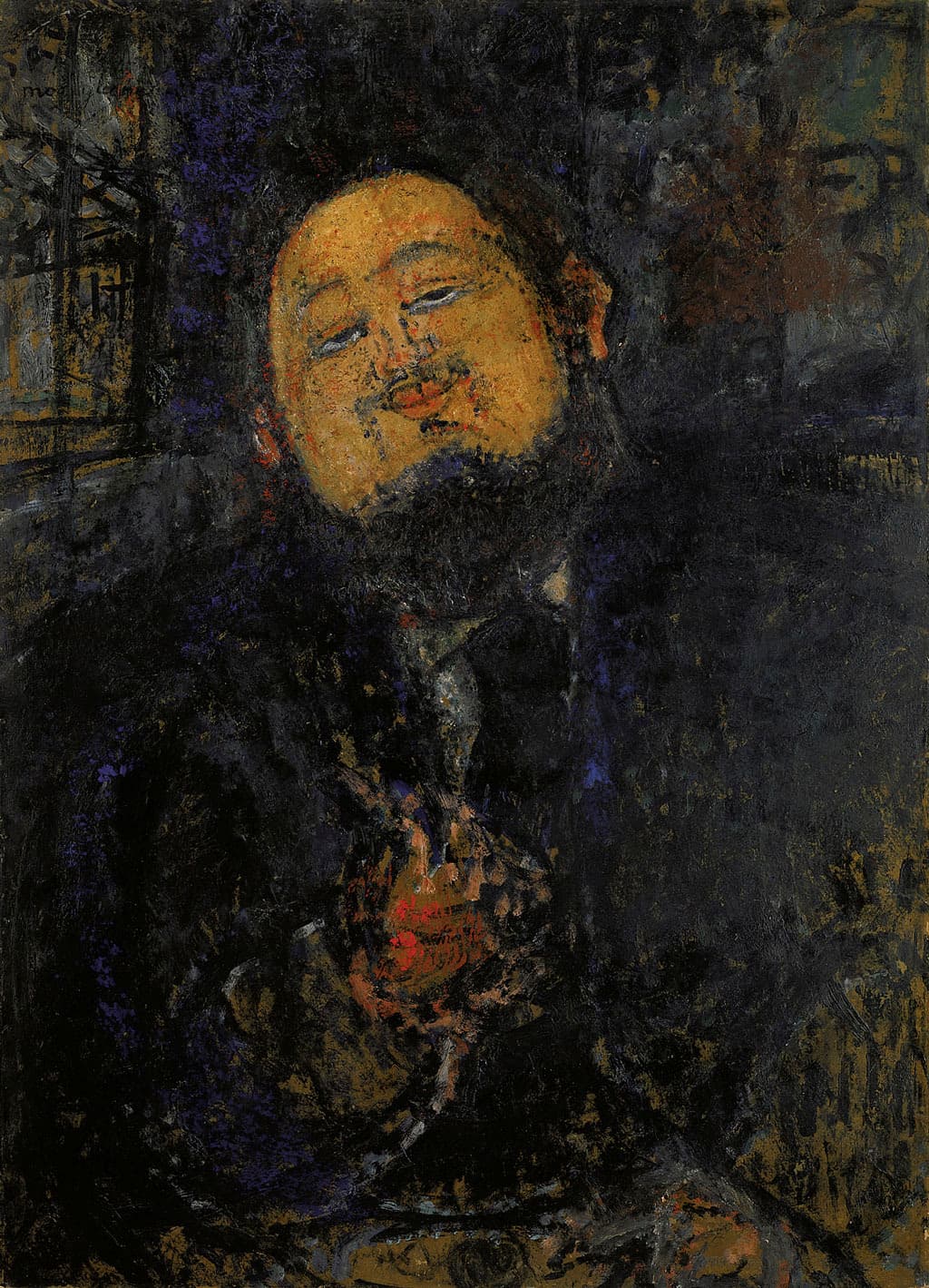
Portrait of Rivera
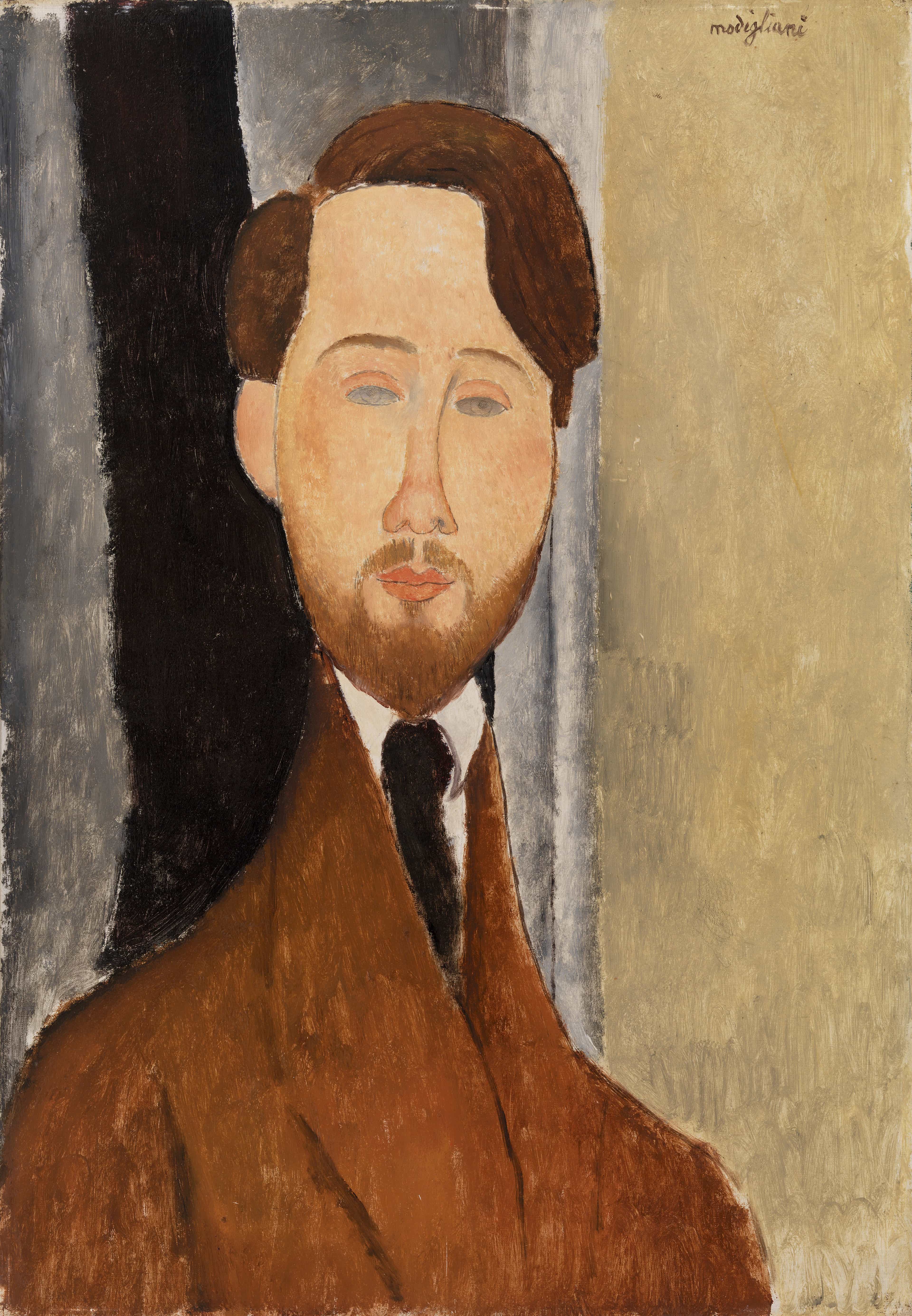
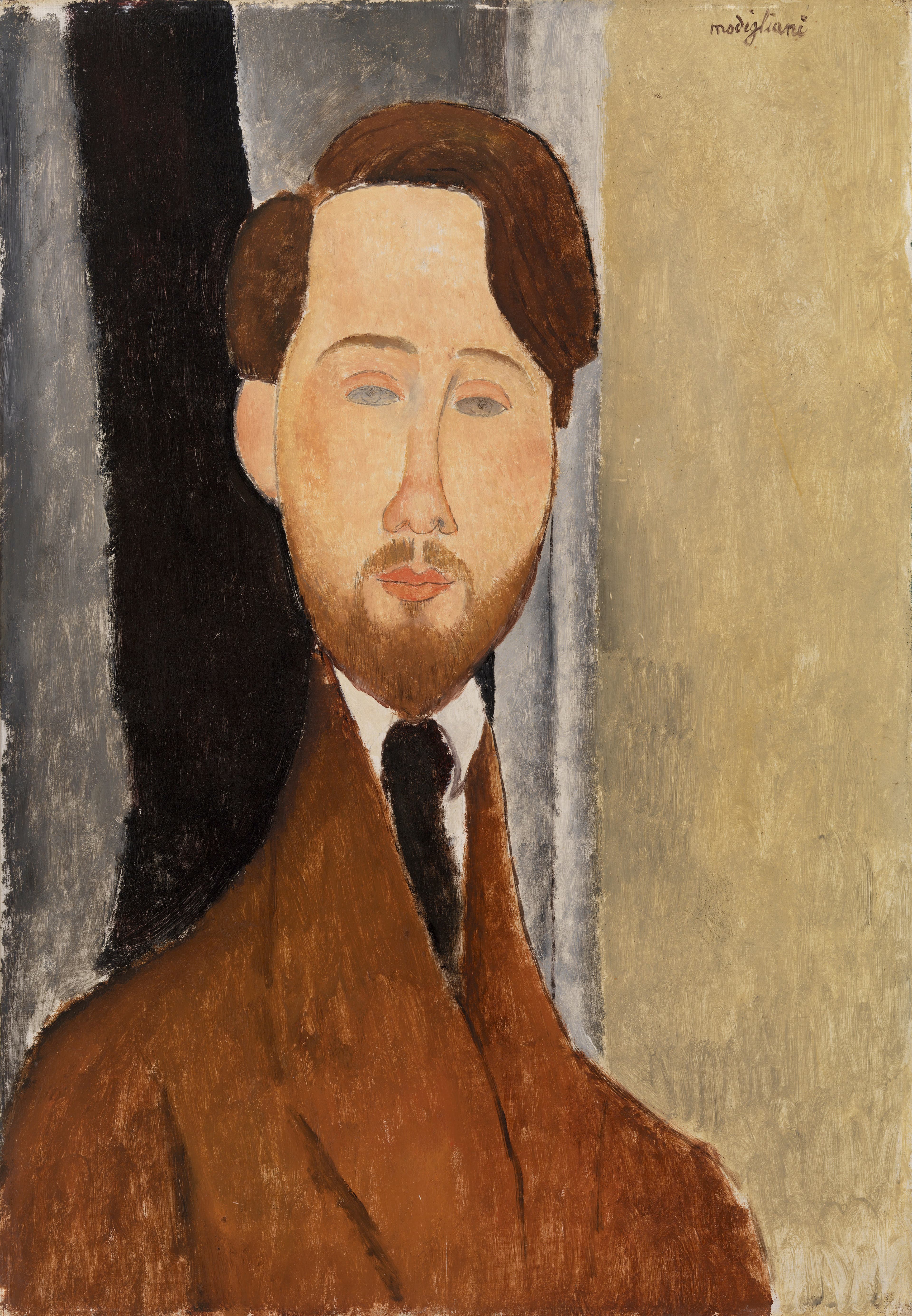
Léopold Zborowksi
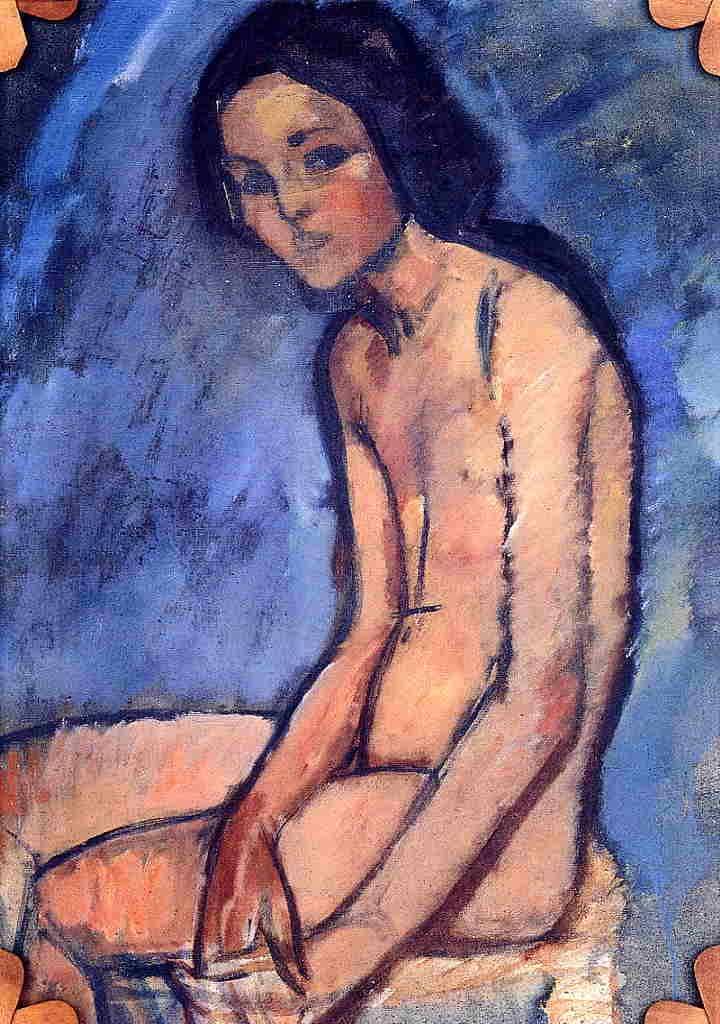
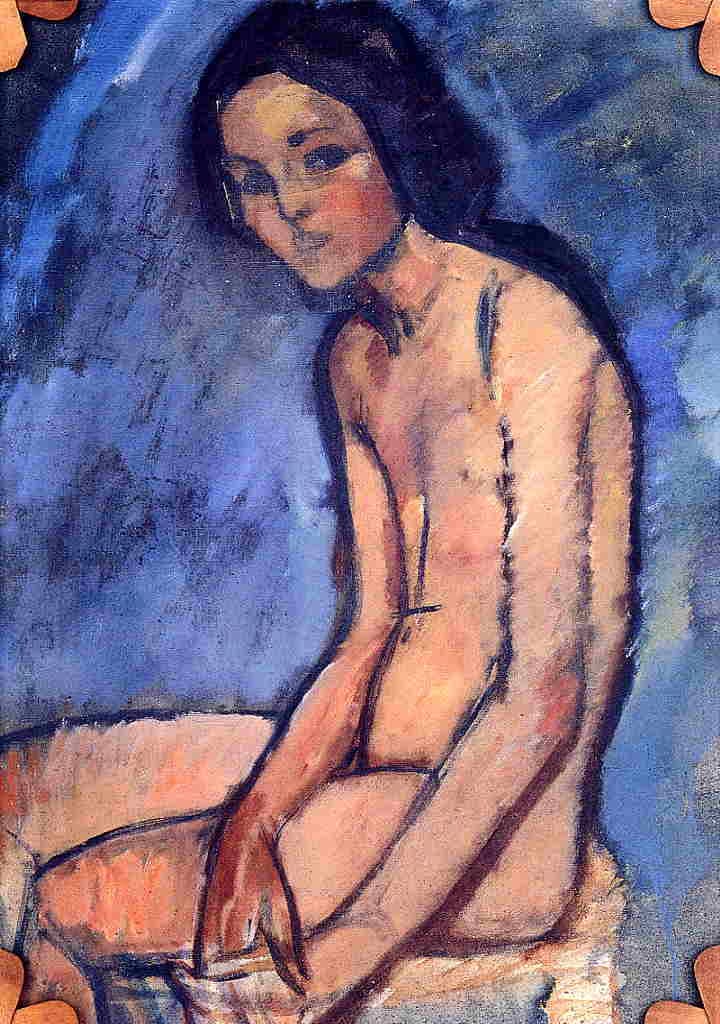
Nu assis (Sitzender Akt)
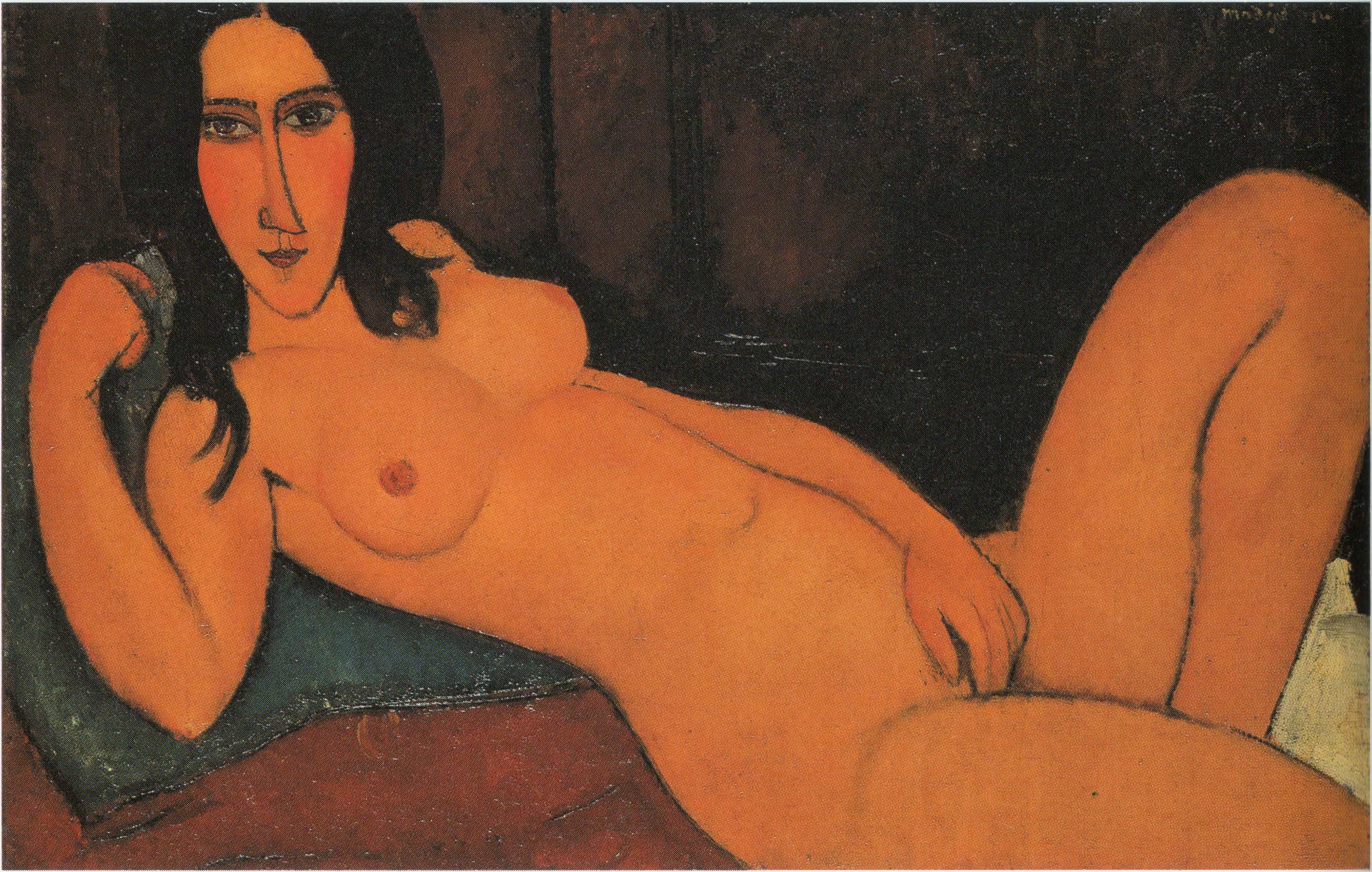
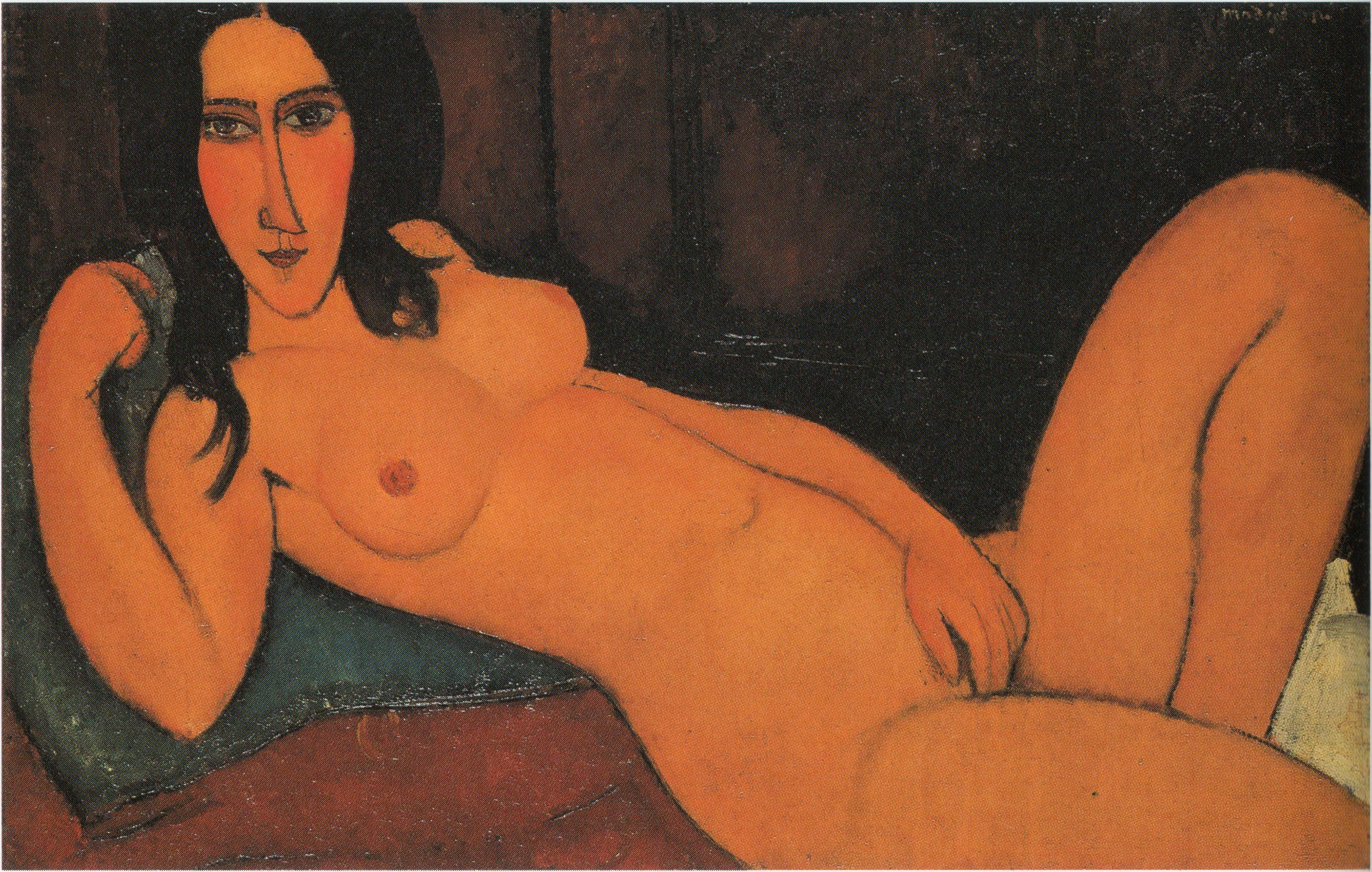
Reclining Nude with Loose Hair
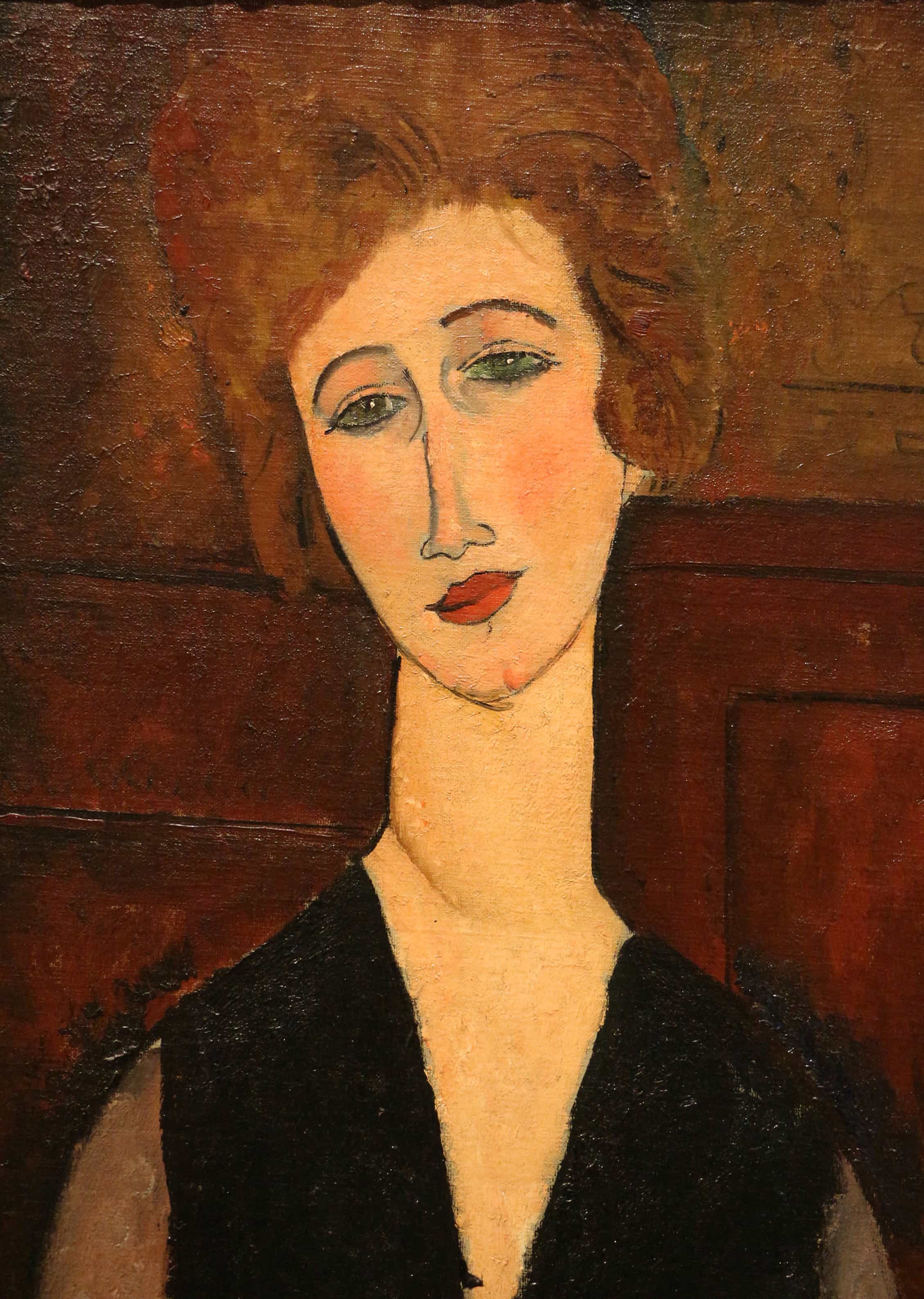
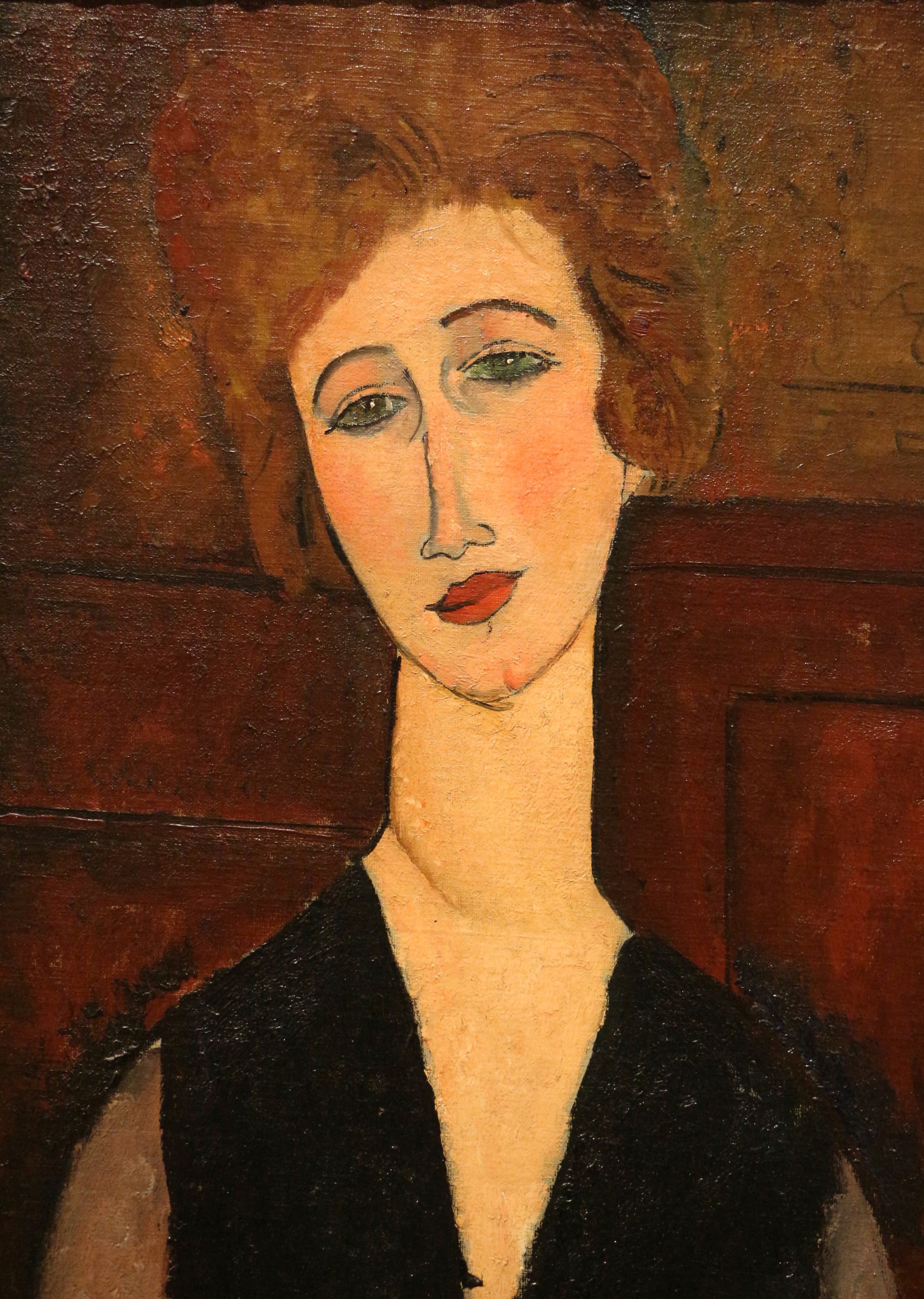
Portrait of a Woman
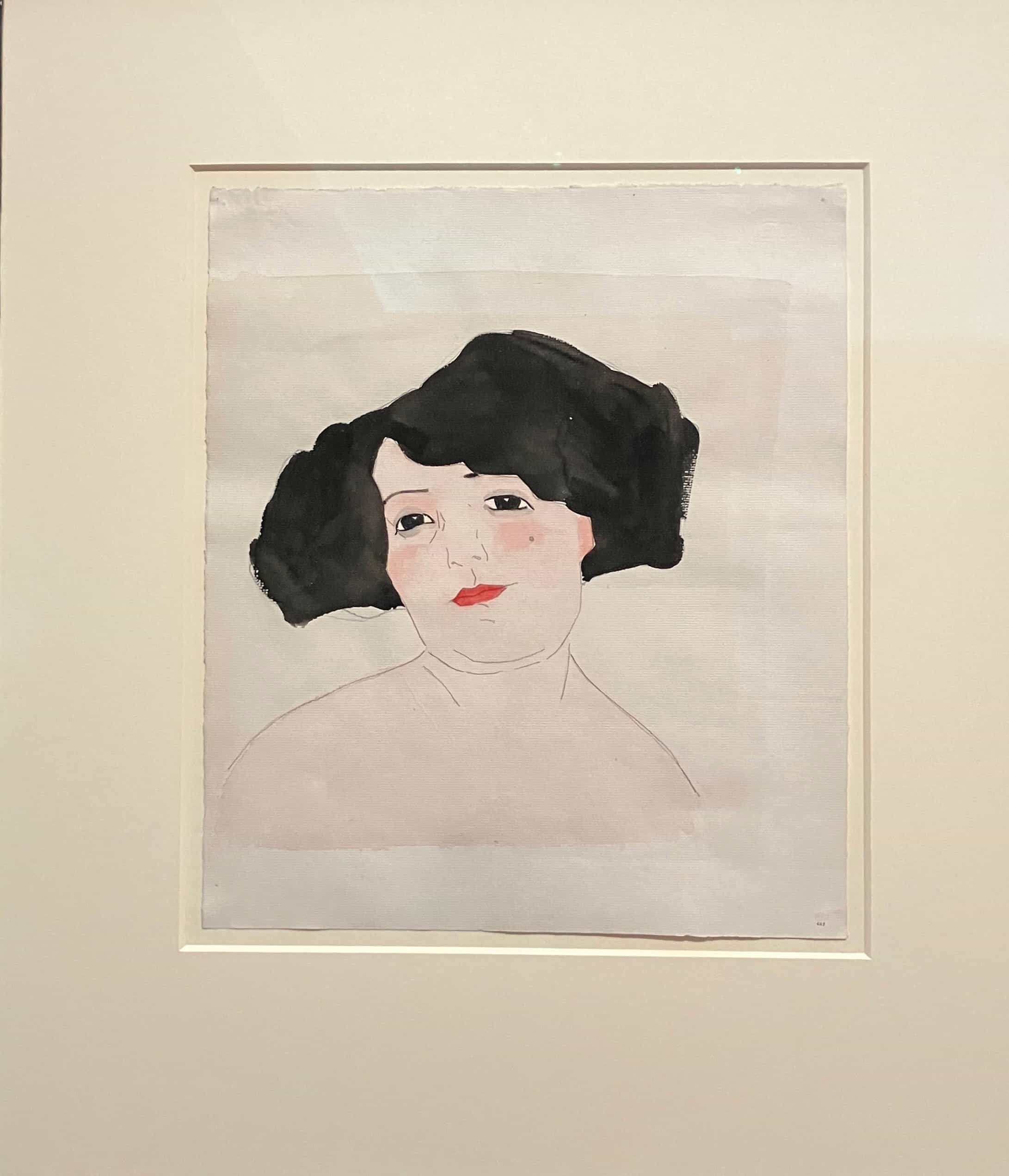
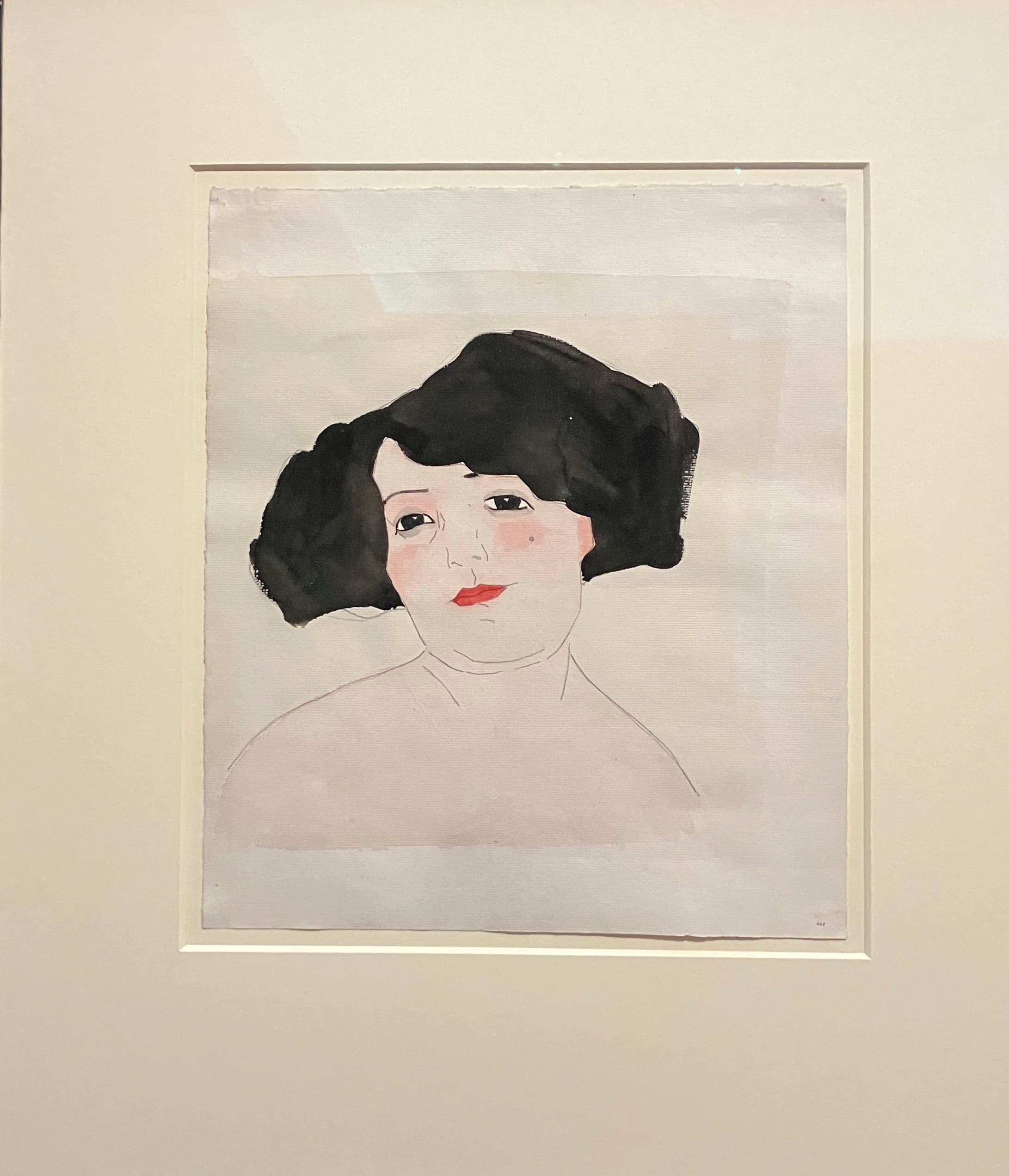
Portrait of a Woman with Beauty Spot
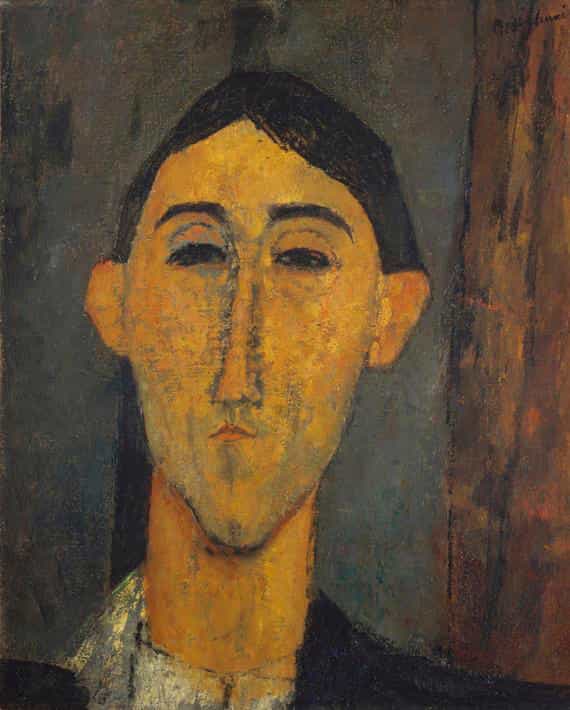
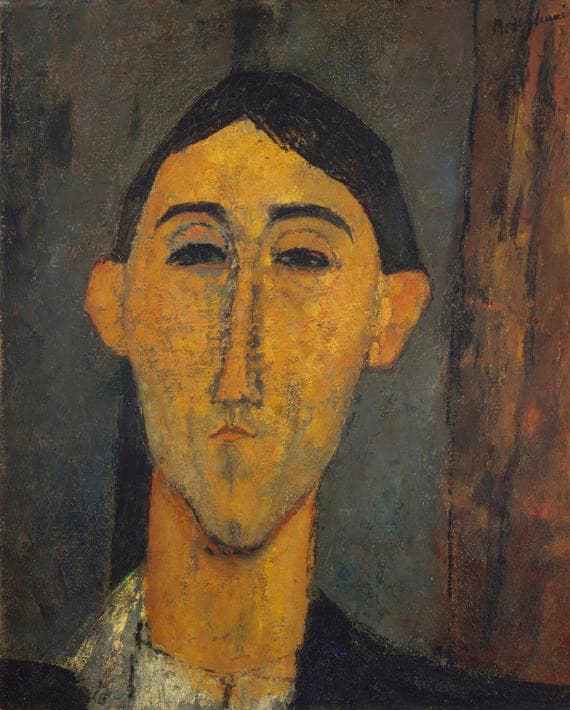
Portrait of Mateo Ruiz de Alegría
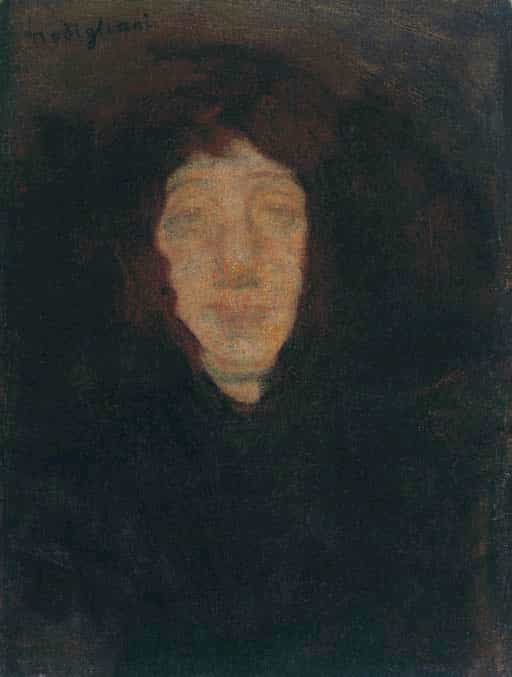
La Duse - Portrait of a Woman