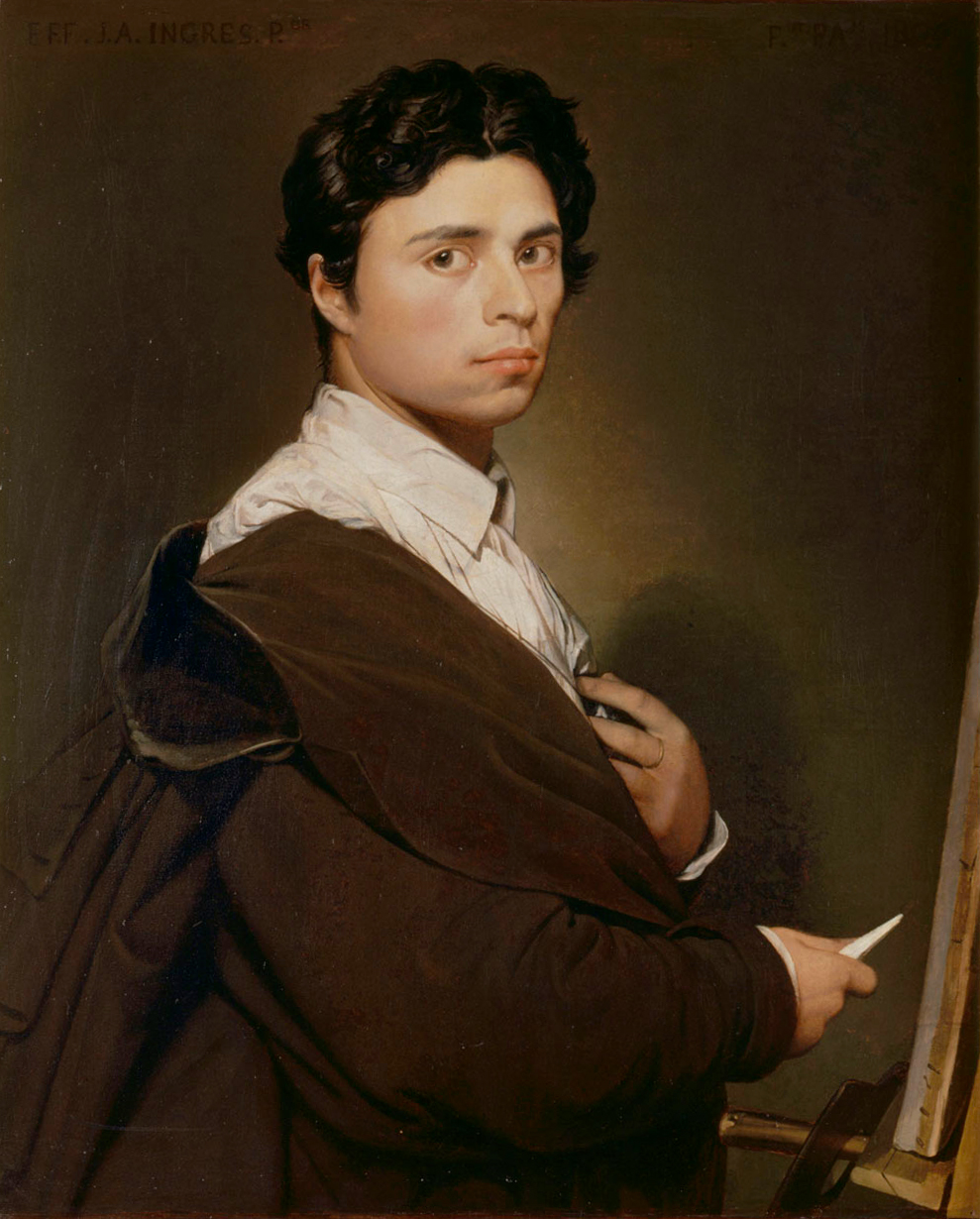
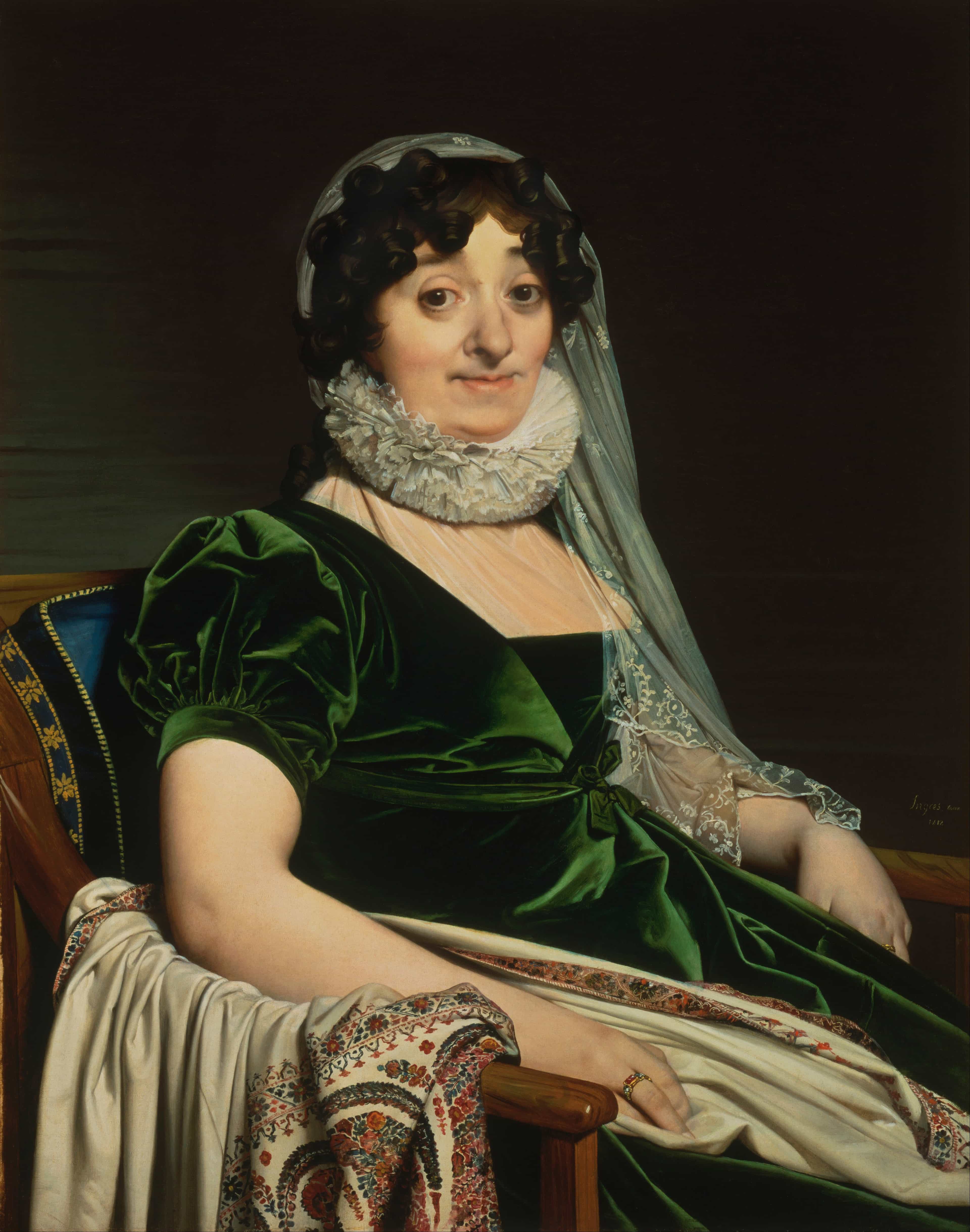
Portrait of the Countess of Tournon
Jean-Auguste-Dominique Ingres
From €54
Collection
Museum-quality reproductions on 310gsm textured cotton rag paper.
Shop all prints by Jean-Auguste-Dominique IngresArtistic Style
Style Evolution
Ingres began in a strict Neoclassical mode rooted in academic training and the study of antiquity; extended stays in Rome deepened his classical rigor, while later Paris commissions encouraged a greater focus on portraiture and decorative refinement—always centered on line and idealized form.
Palette
Subjects
Techniques
Topics
Jean-Auguste-Dominique Ingres (1780-1867) was a French Neoclassical painter whose precise draftsmanship and idealized forms reshaped academic painting and portraiture.
Learn about the life of Jean-Auguste-Dominique Ingres
Signature Works
See all available prints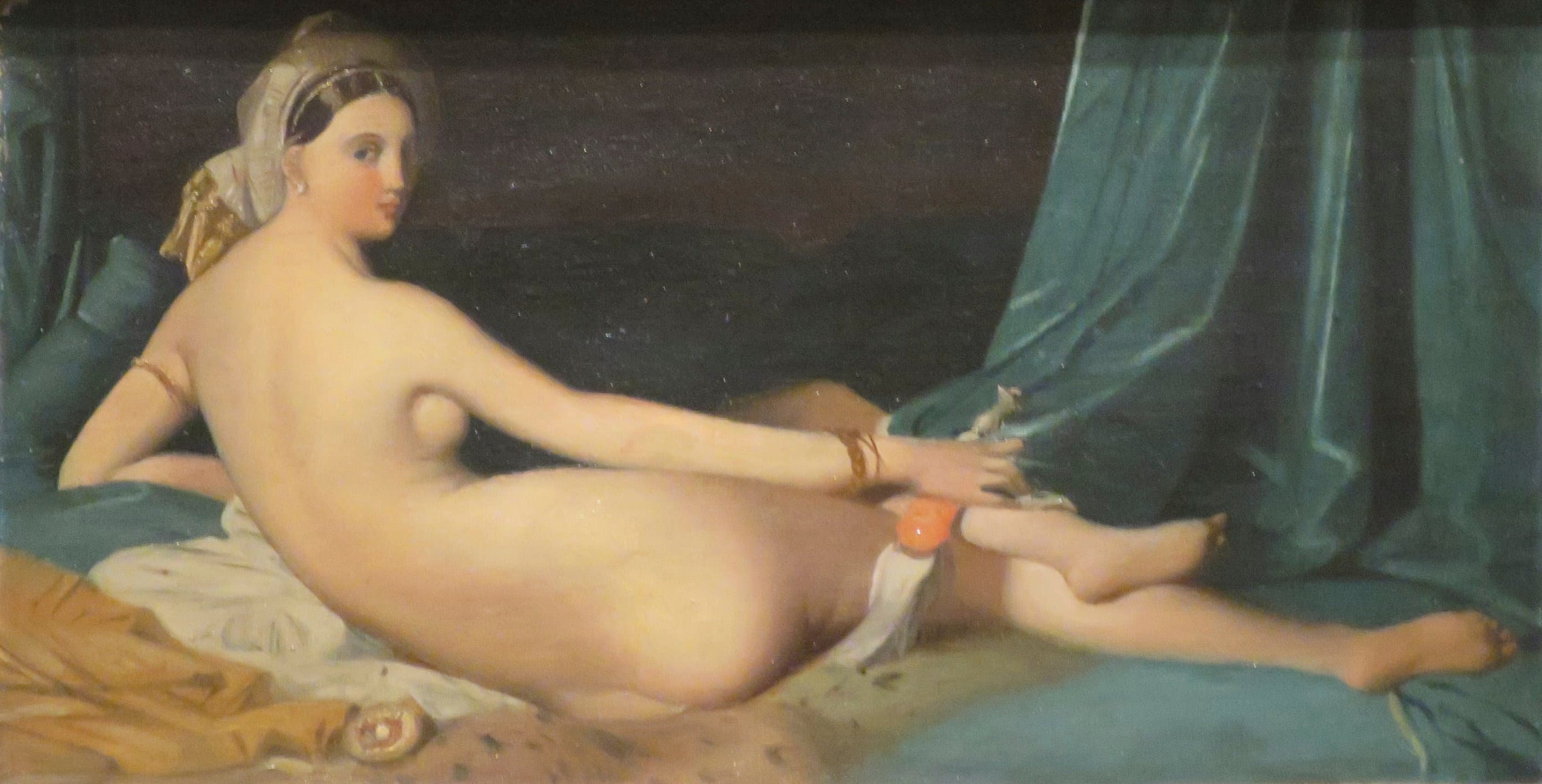
Biography
Jean-Auguste-Dominique Ingres (1780-1867) was a French Neoclassical painter whose precise draftsmanship and idealized forms shaped 19th-century academic painting and portraiture across Europe and beyond, prized for decorative clarity and refined line work that appeal to collectors and institutions alike, blending classical restraint with sensual surfaces that suit both museum walls and elegant interiors. (This field repeats the opening for SEO use.)
Jean-Auguste-Dominique Ingres (1780-1867) was a French Neoclassical painter whose precise draftsmanship and idealized forms helped define 19th-century academic painting. Born in Montauban, Ingres showed early talent for drawing. He went to Paris to pursue formal artistic training and became a pupil of Jacques-Louis David, the leading Neoclassical master of the time.
Ingres trained in the rigorous academic tradition, mastering line, anatomy, and the classical compositional principles that informed his entire career. He spent extended periods in Rome and Paris, both of which left strong impressions on his work: the classical heritage of Rome reinforced his devotion to idealized forms and antiquity, while Paris provided high-profile portrait commissions and Salon exposure.
In his early career Ingres focused on history painting and academic competitions; his precise draftsmanship and training under David marked these formative works.
During his long associations with Rome, Ingres immersed himself in the study of ancient sculpture and Renaissance masters, refining the purity of line and calm monumentality that would become his signature.
In Paris Ingres consolidated his reputation as a leading portraitist and academic painter. He balanced public commissions with private portraiture, producing works that appealed to collectors for their elegance and decorative qualities.
Ingres is celebrated for works that exemplify his command of line, clarity of form, and often idealized depiction of the human figure. Throughout his career he received major public commissions, exhibited at the Paris Salons, and held positions of influence in academic circles. His mastery of portraiture and history painting set standards for technical precision and compositional harmony prized by collectors and institutions.
Ingres's style centers on immaculate draftsmanship, smooth surfaces, and a linear clarity that privileges contour and form. He favored careful, controlled brushwork and a restrained use of painterly texture so that line and silhouette remain paramount. His approach often combines classical restraint with sensual treatment of fabrics and flesh, producing visually arresting canvases that function equally well as museum masterpieces or decorative focal points in domestic interiors.
A central figure of 19th-century
Awards
Frequently Asked Questions
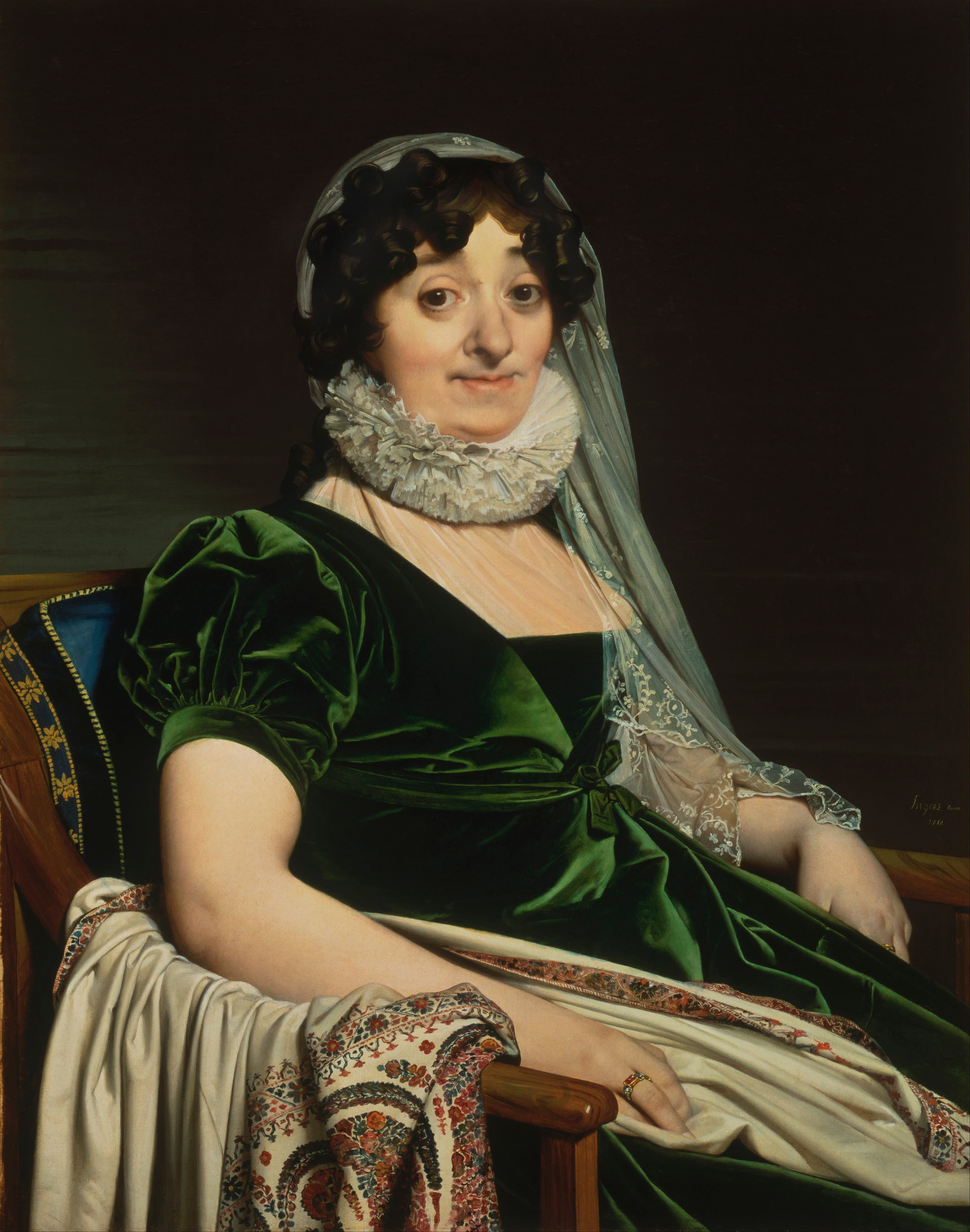
Portrait of the Countess of Tournon
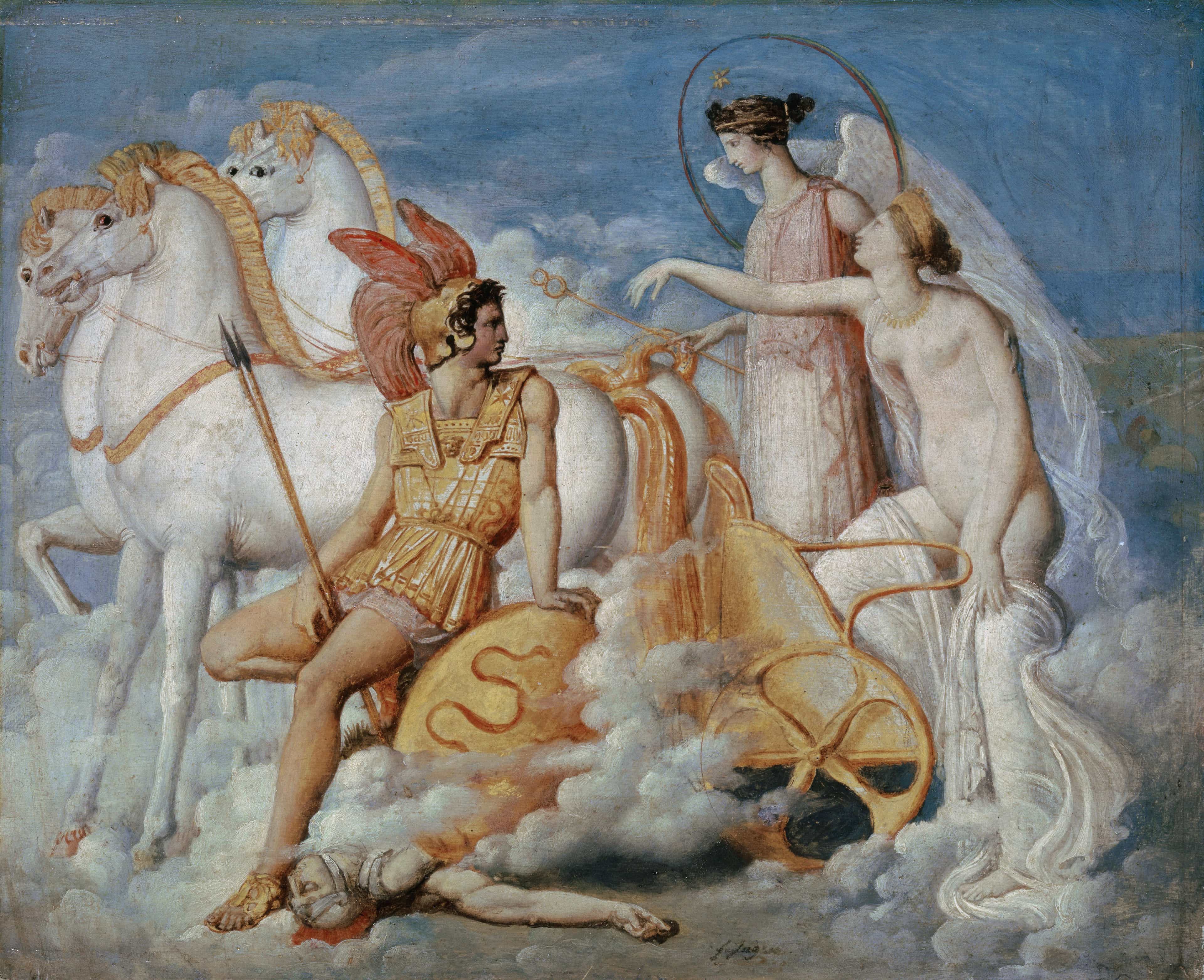
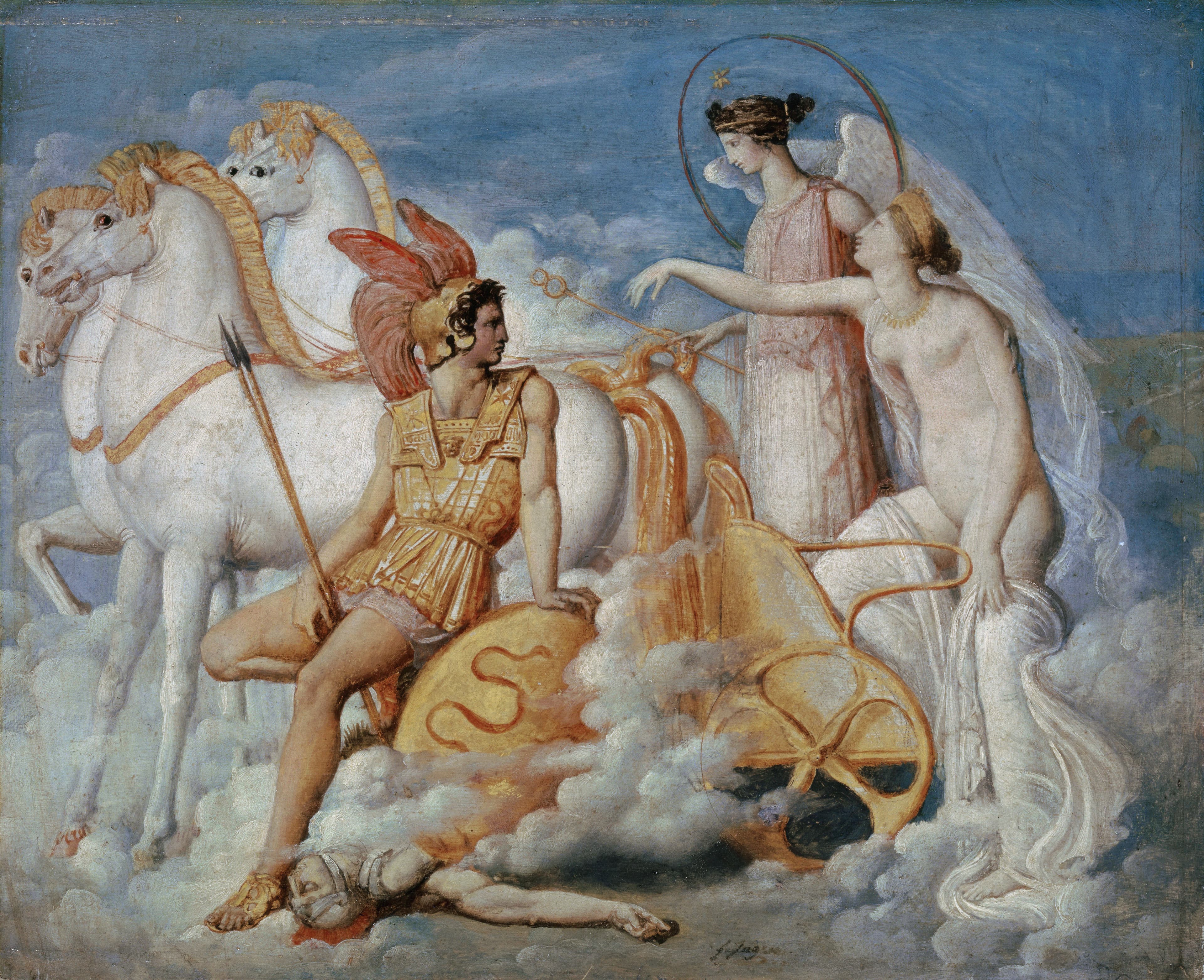
Venus Injured by Diomedes Returns to Olympus
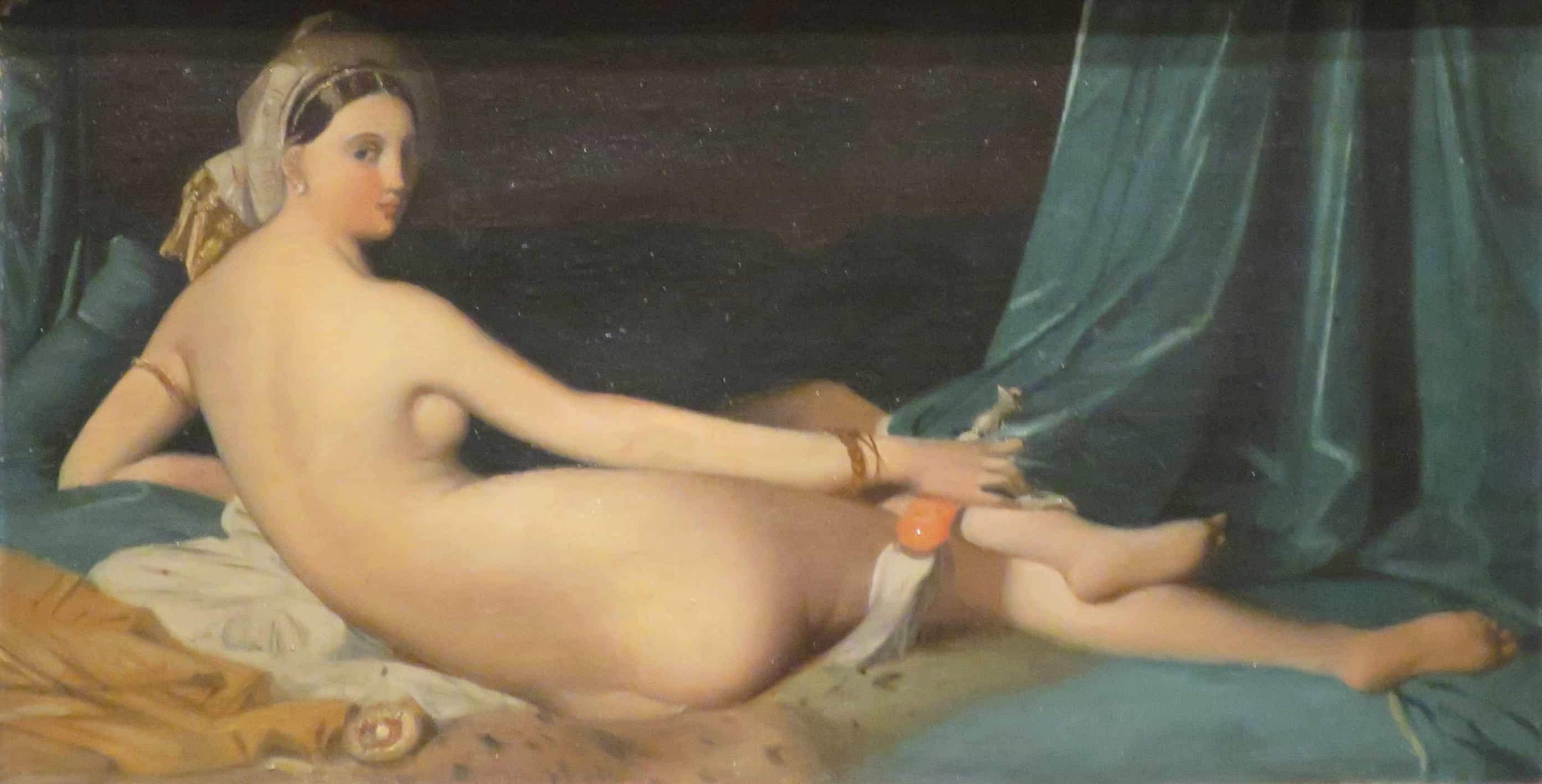
Odalisque
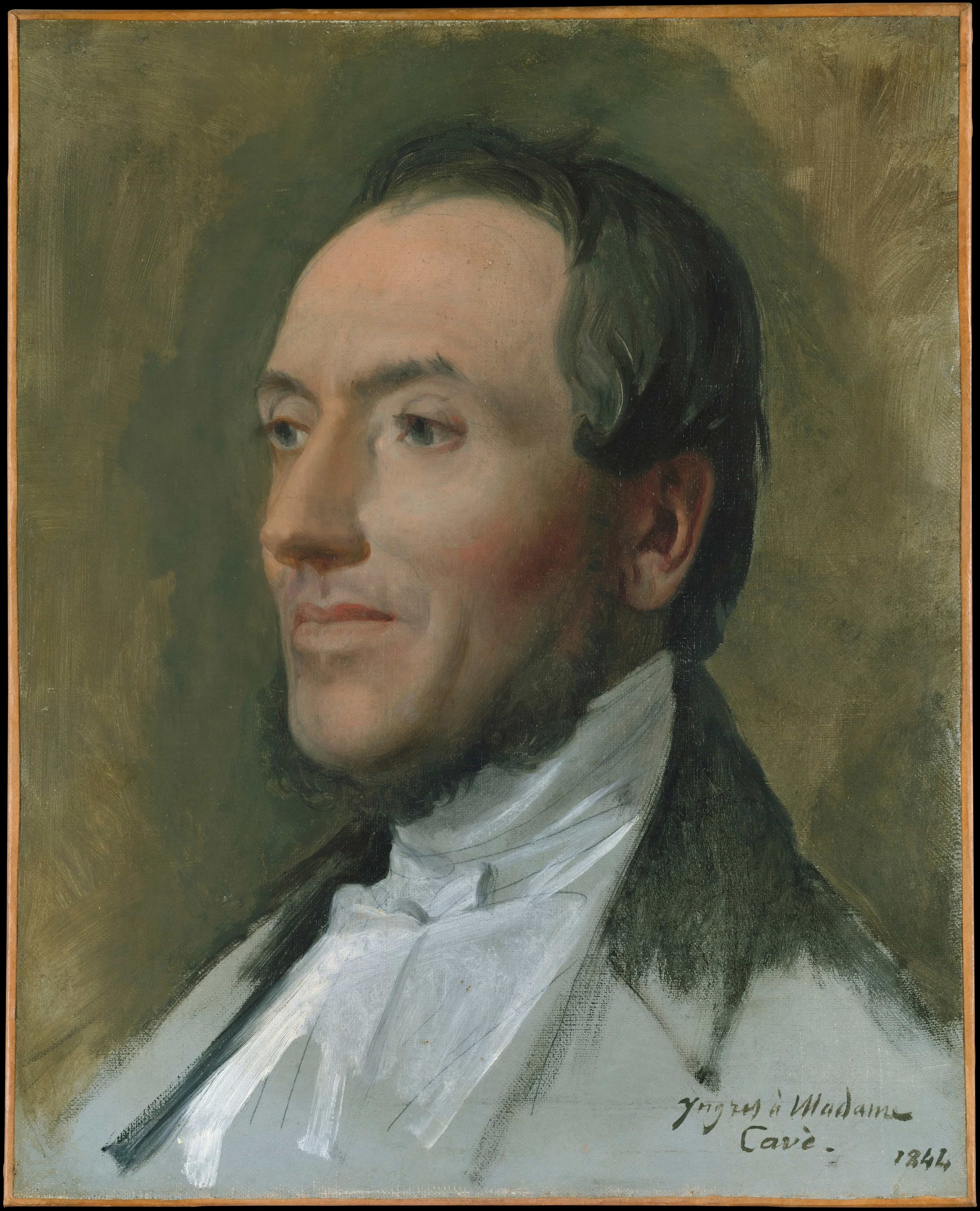
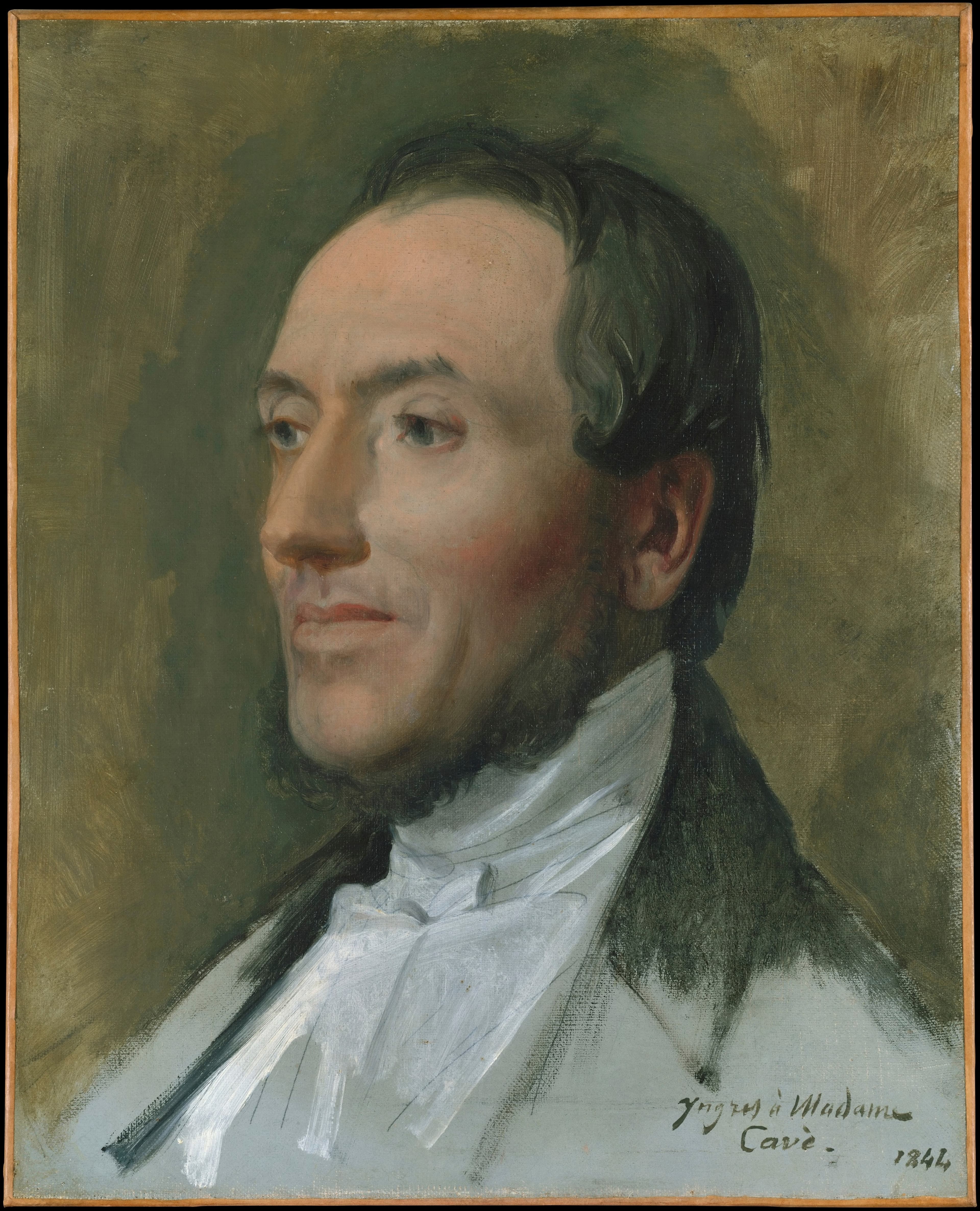
Edmond Cavé (1794–1852)
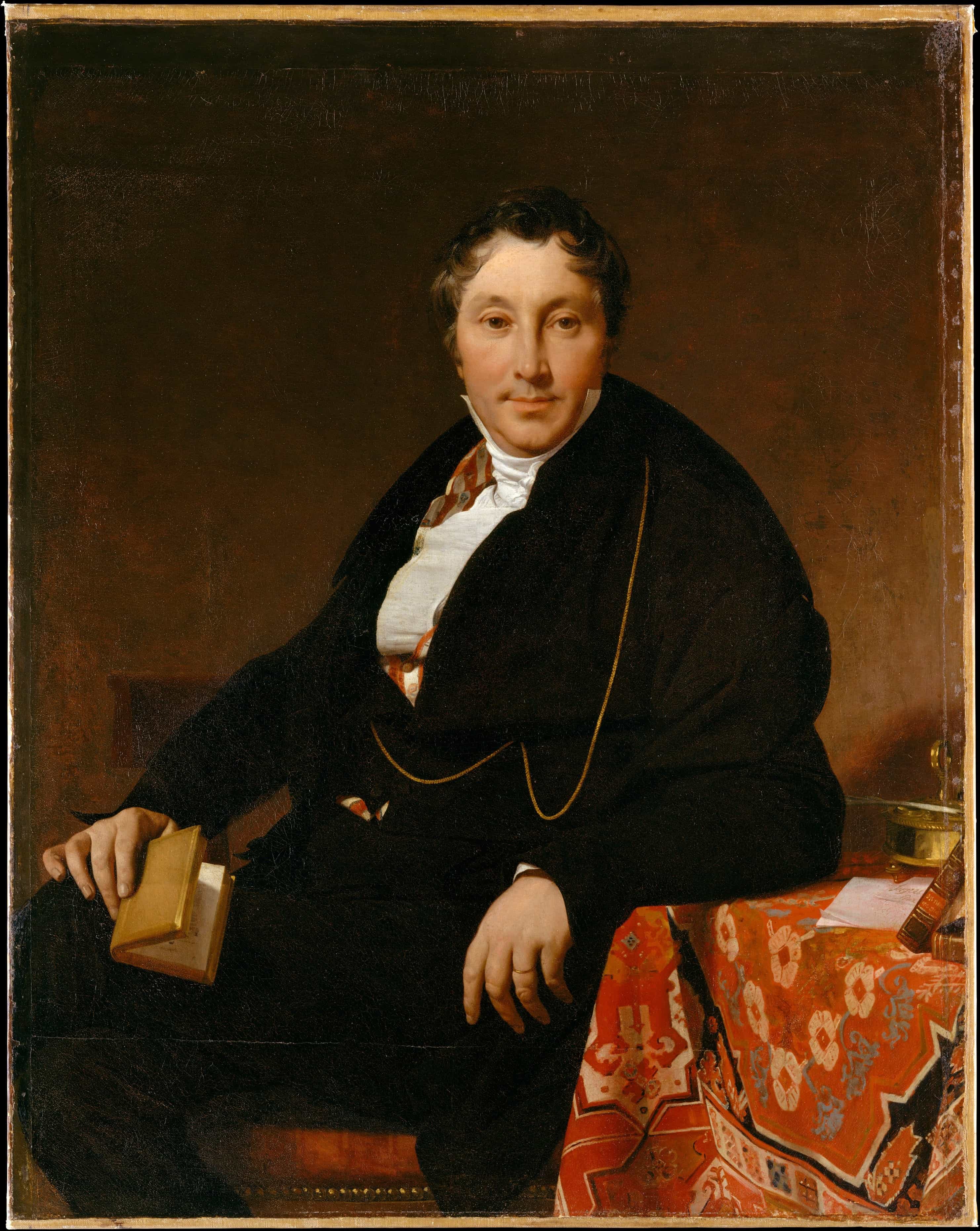
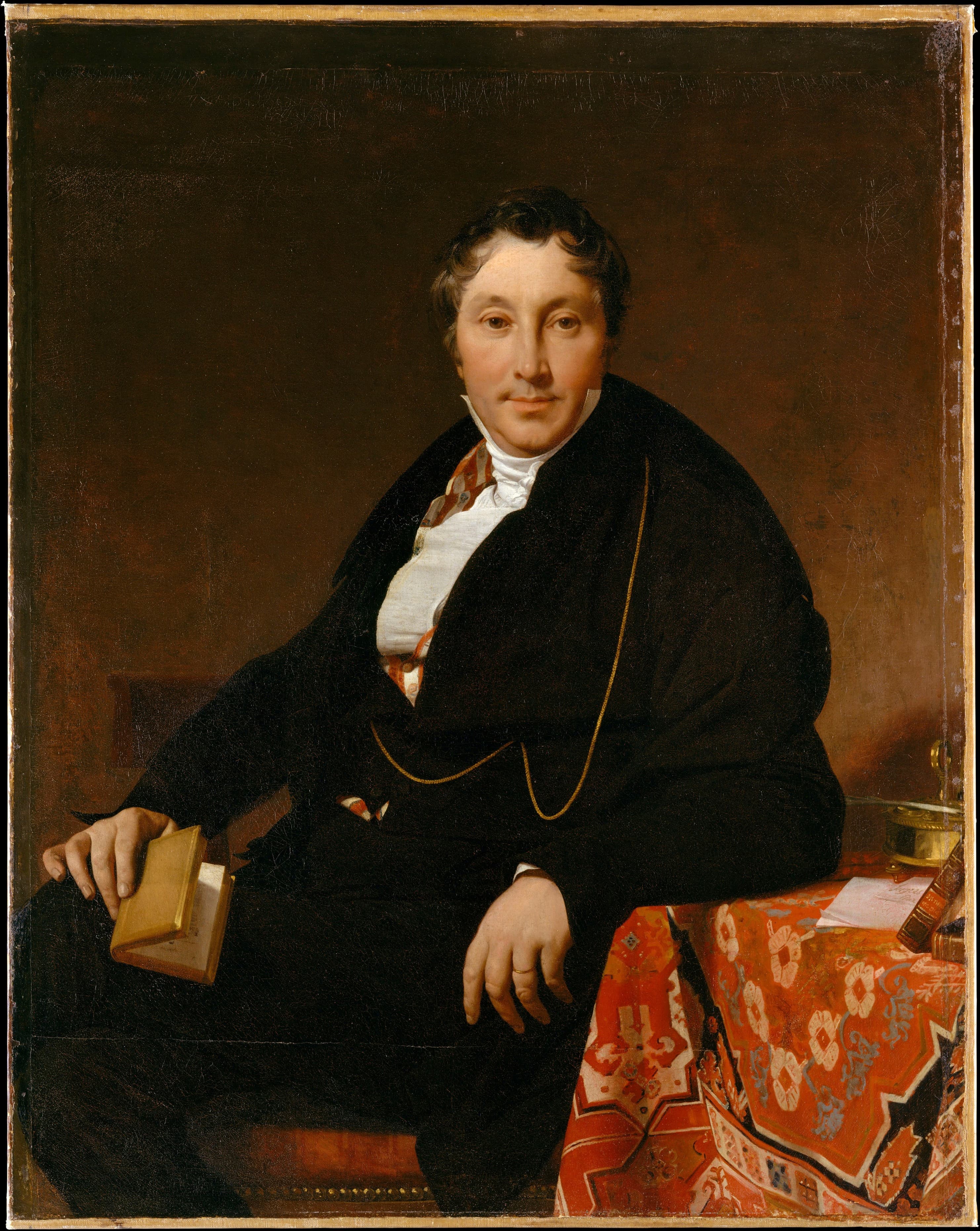
Jacques-Louis Leblanc (1774–1846)
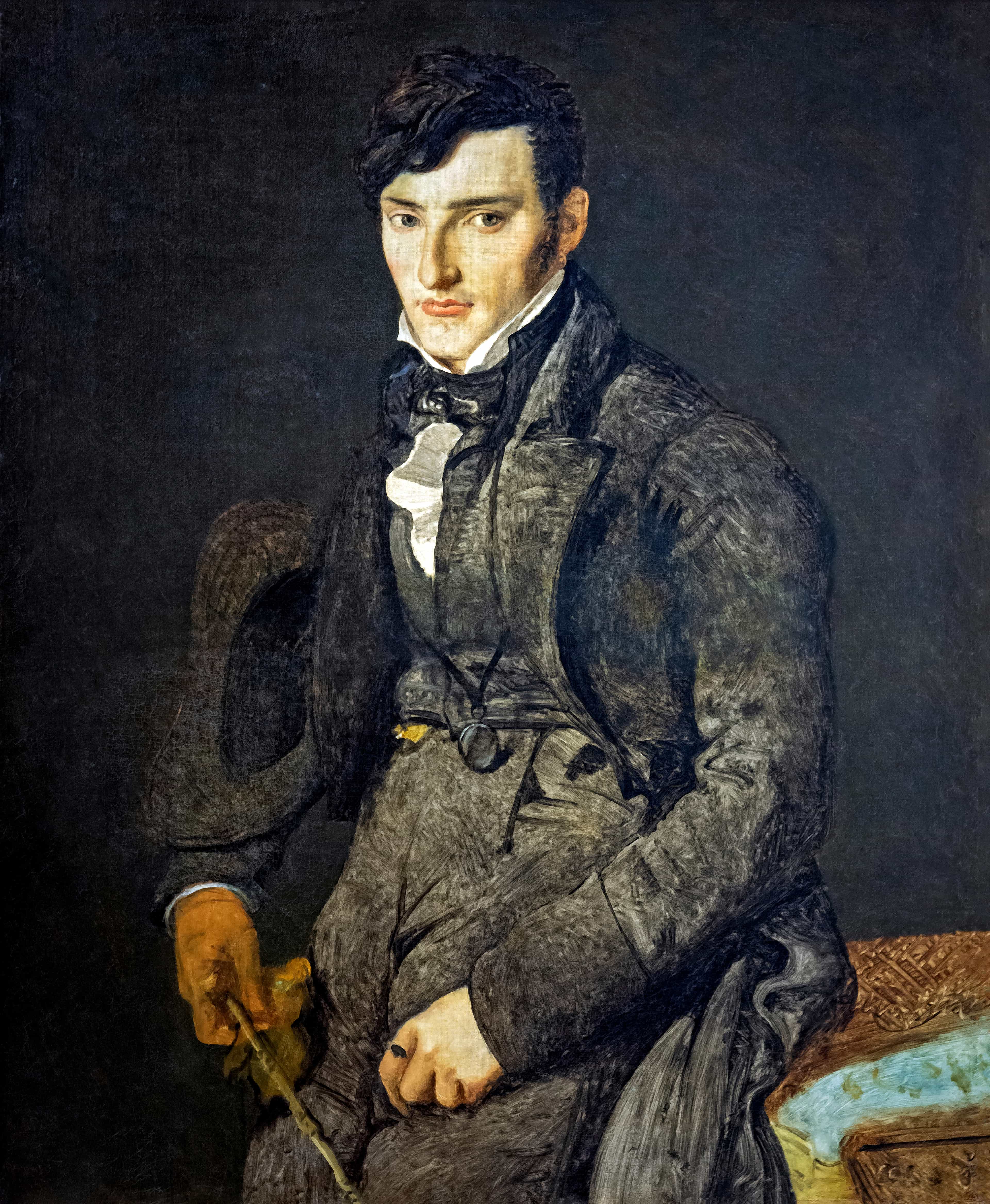
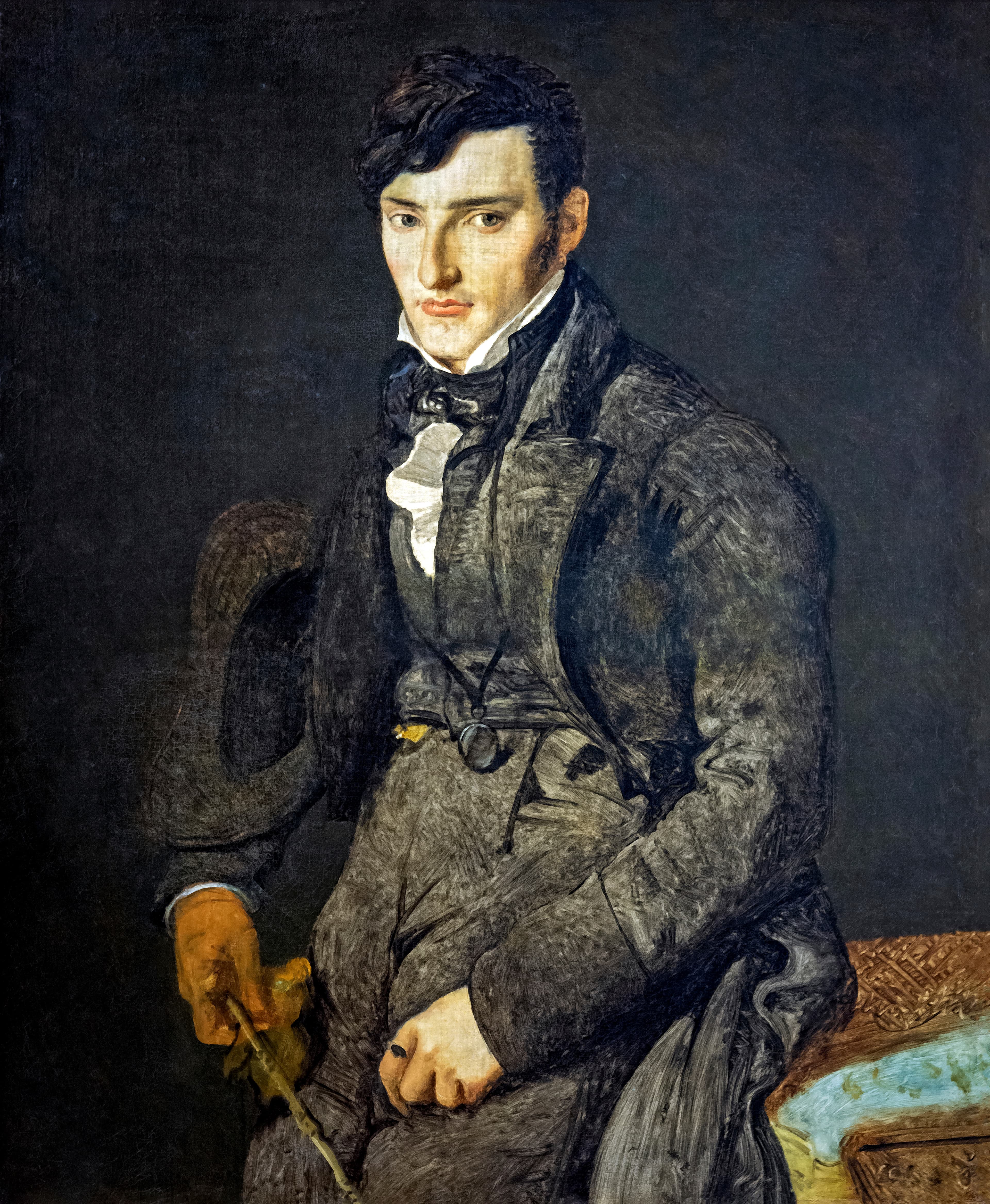
Portrait de Jean-Pierre-François Gilibert
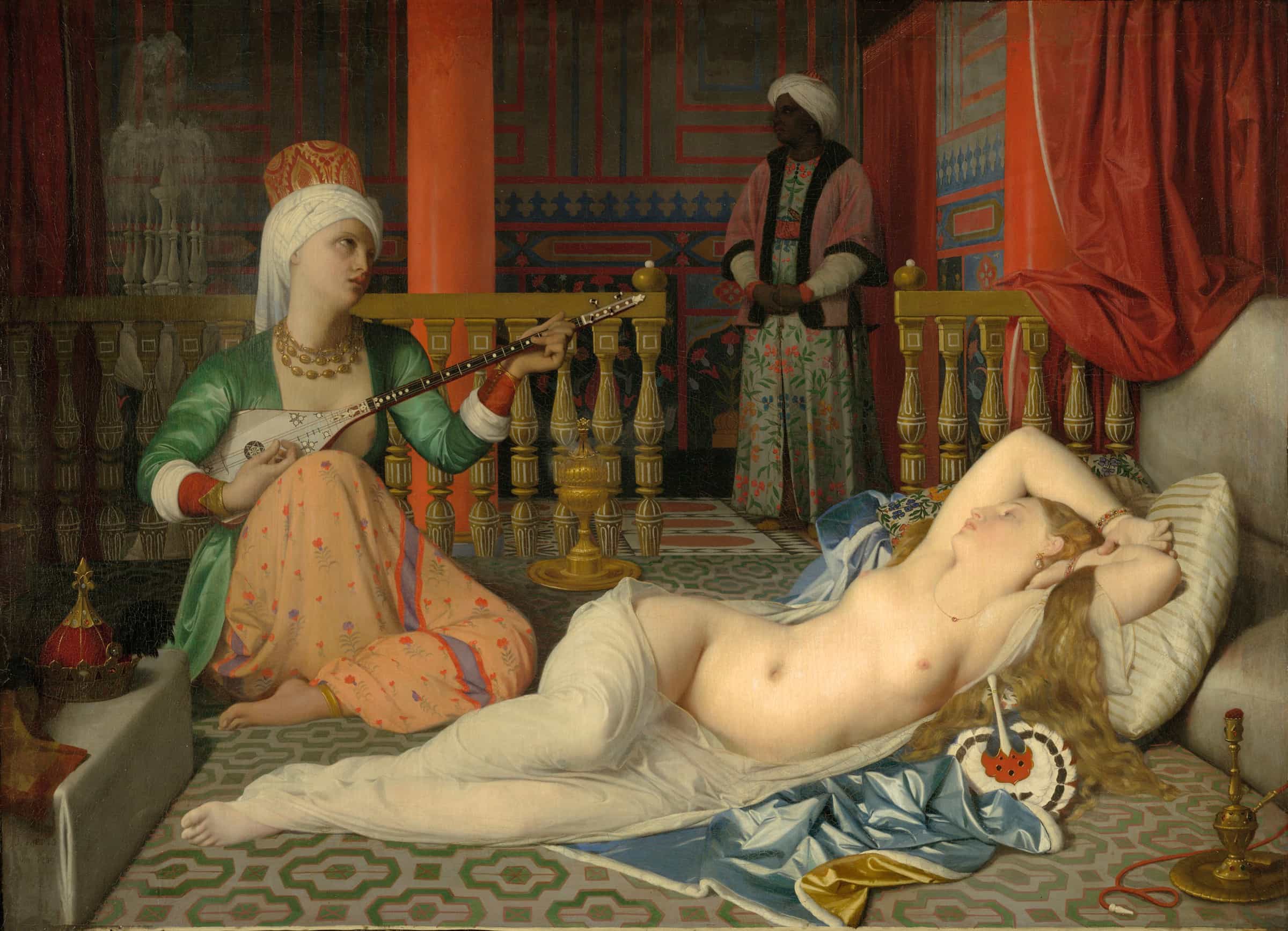
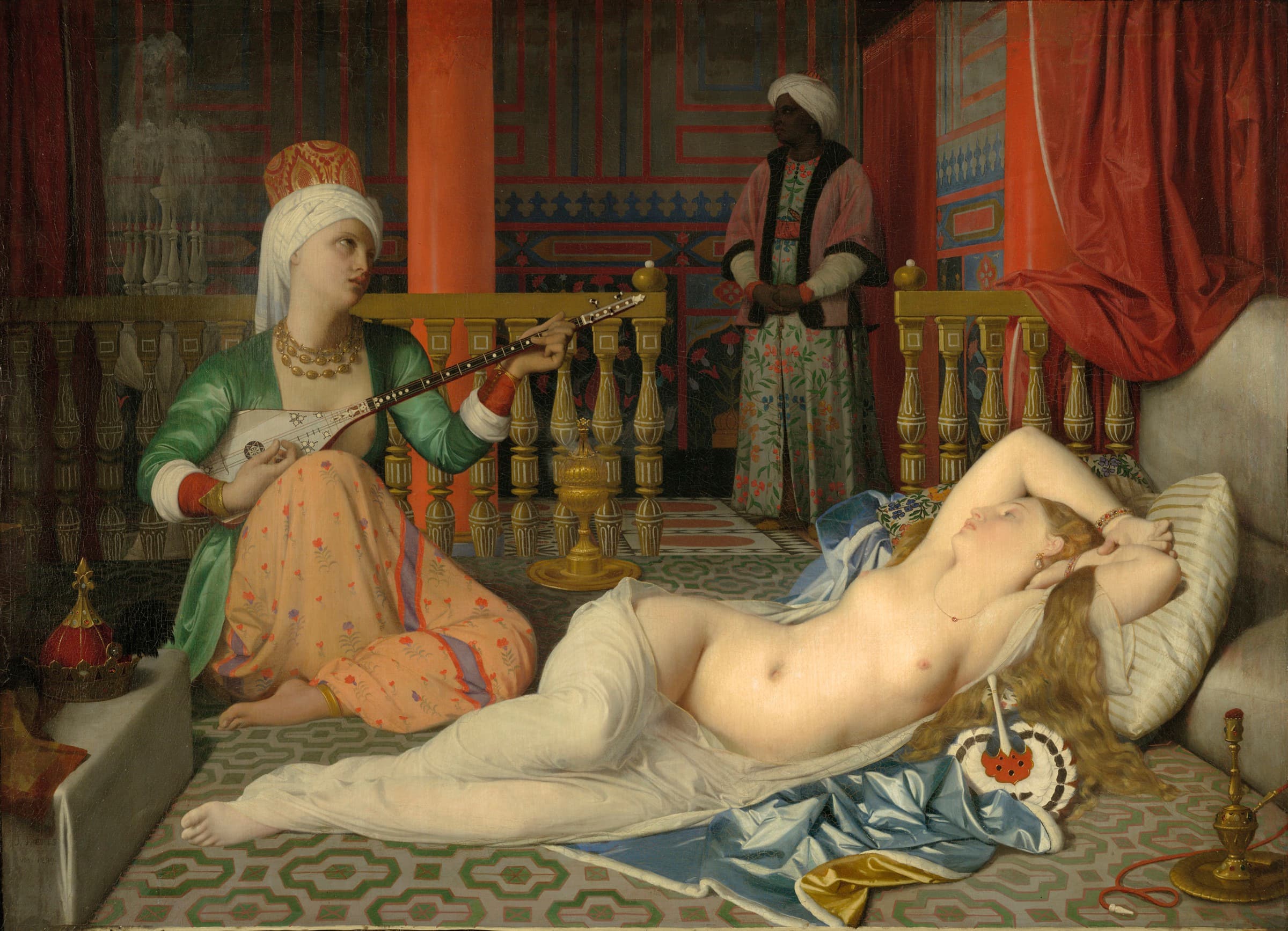
Odalisque à l'esclave
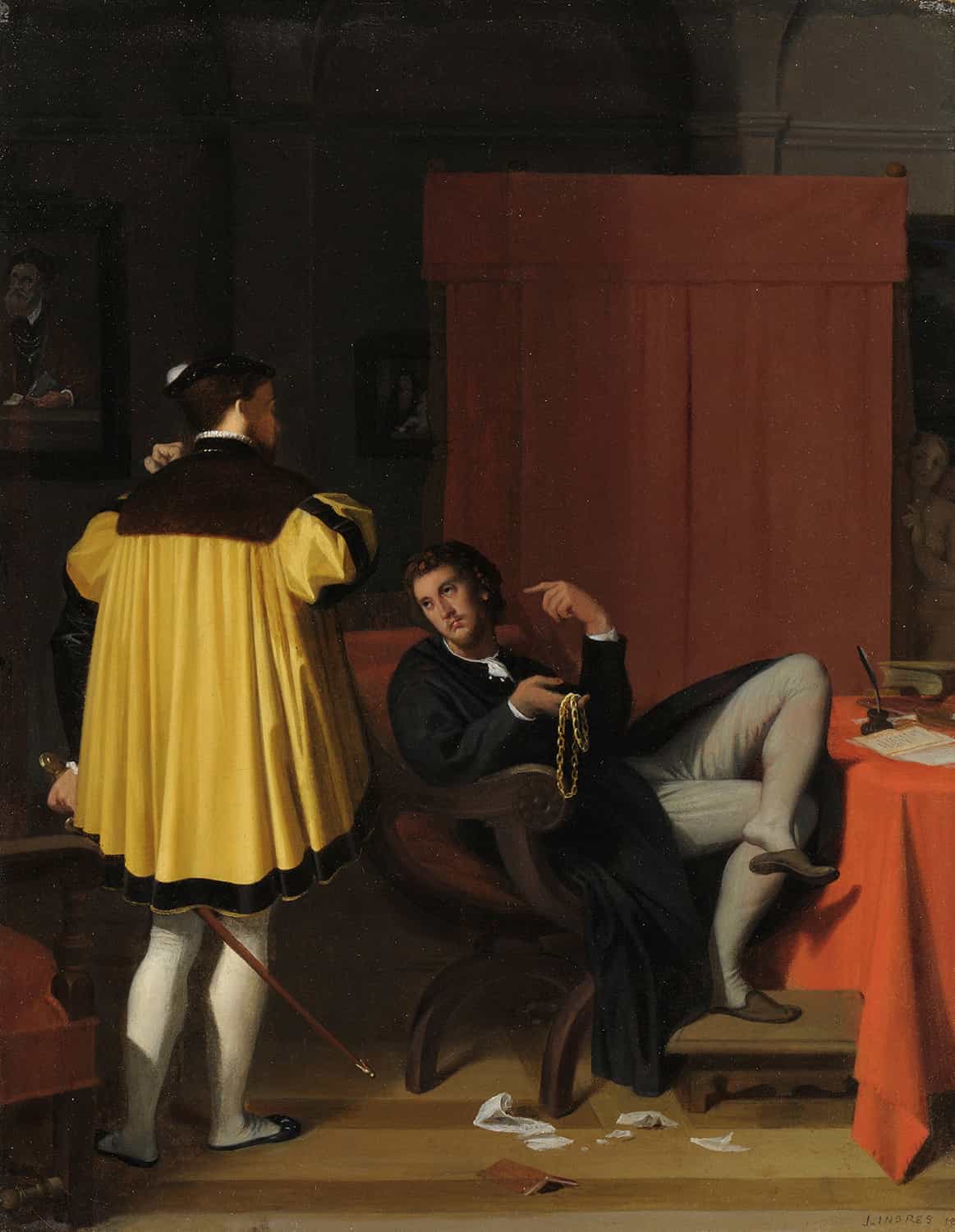
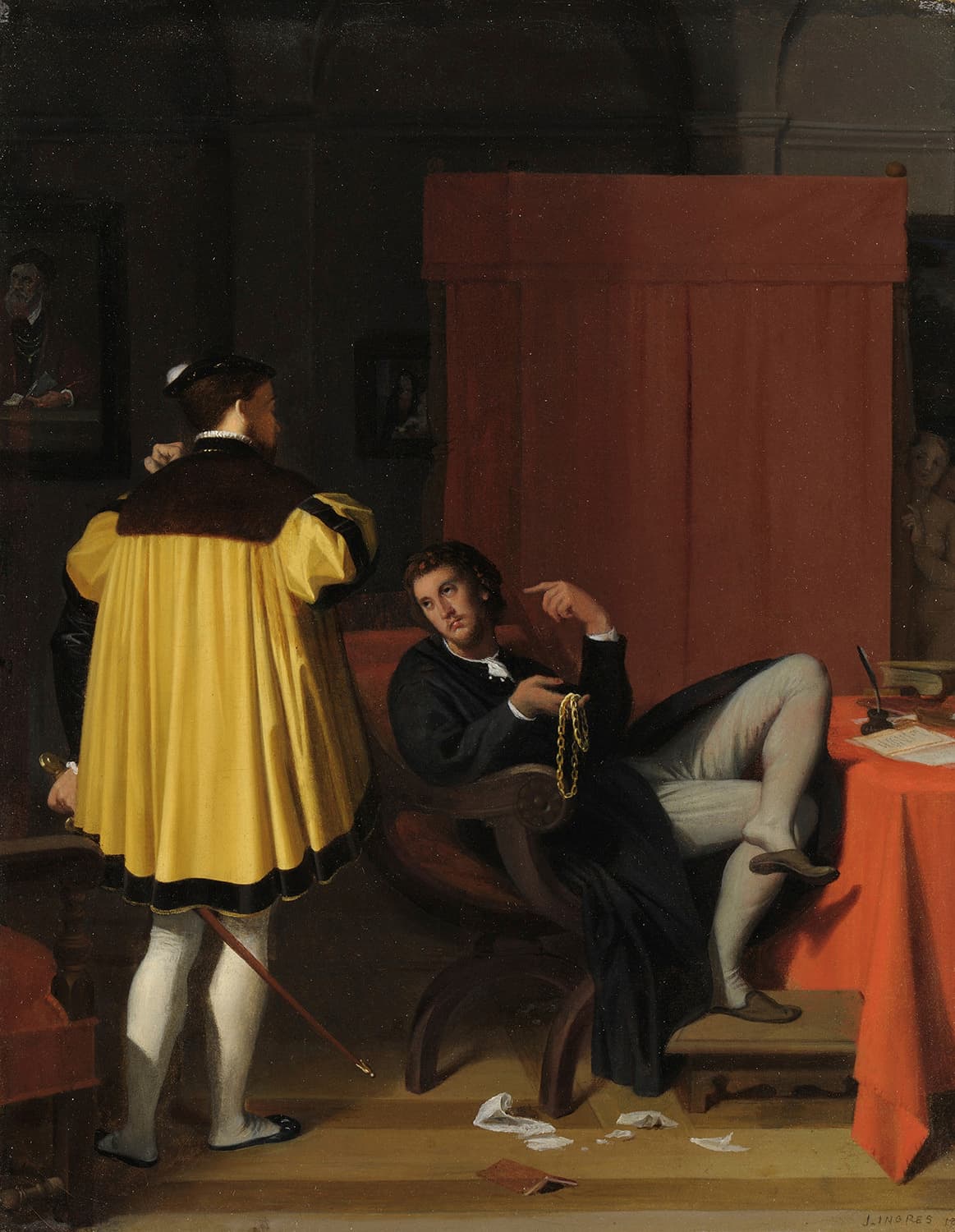
Aretino and Charles V's Ambassador
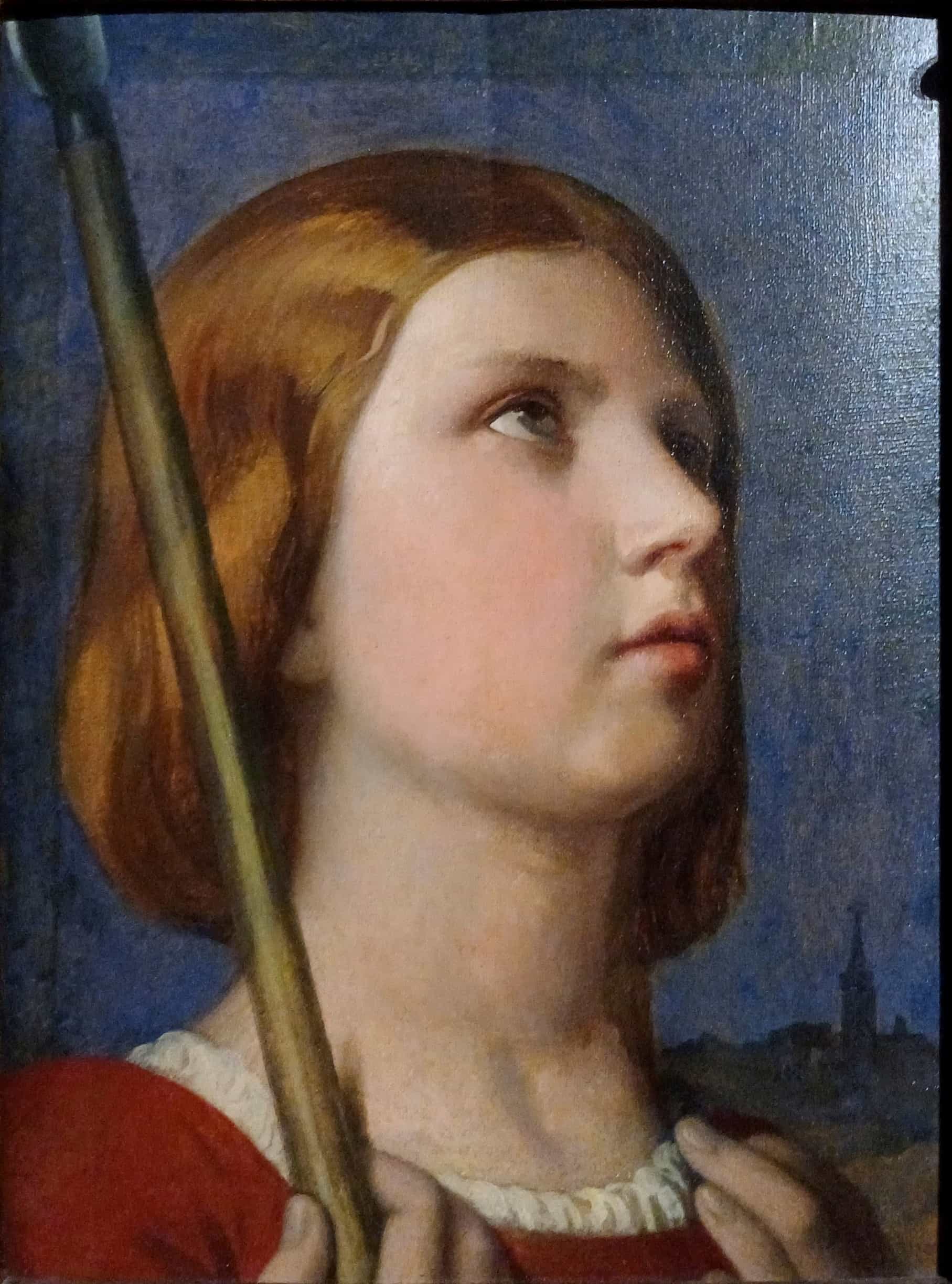
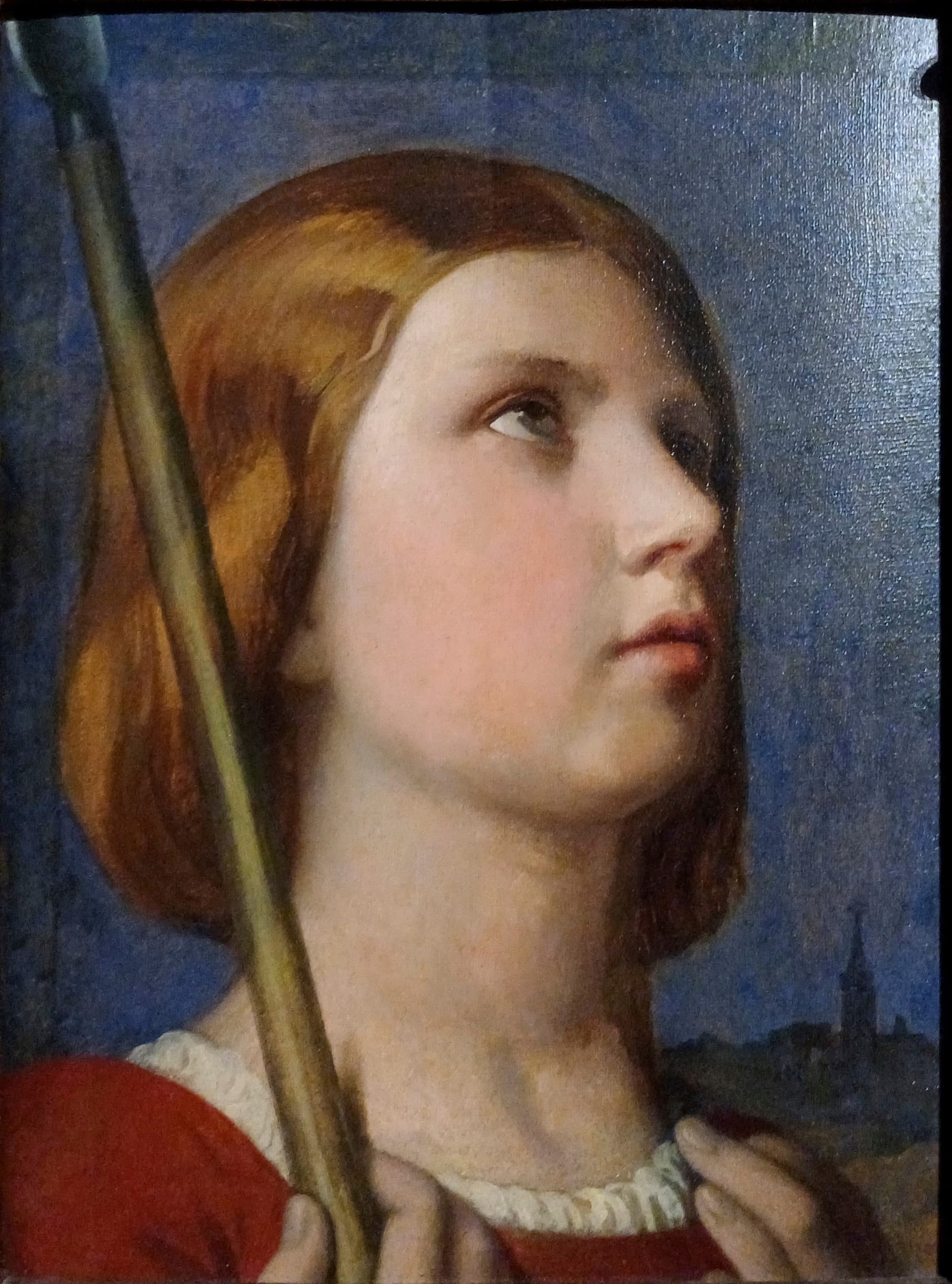
Head of Joan of Arc in Ecstasy
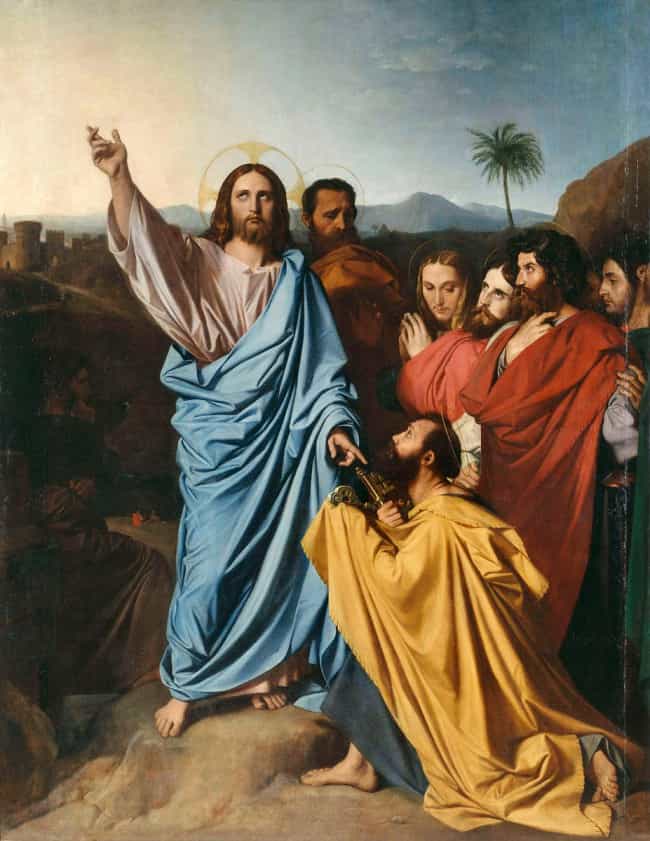
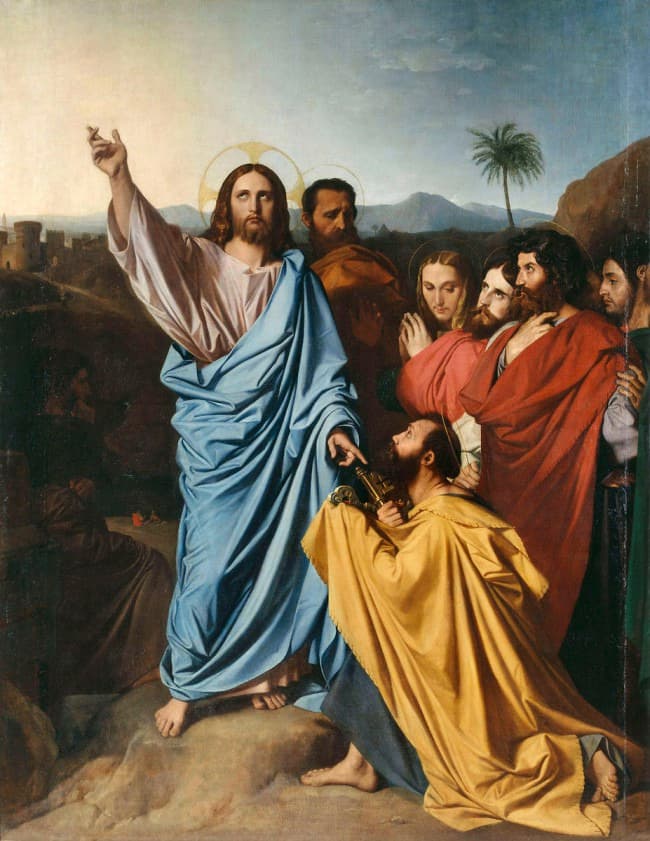
Jesus Returning the Keys to St. Peter
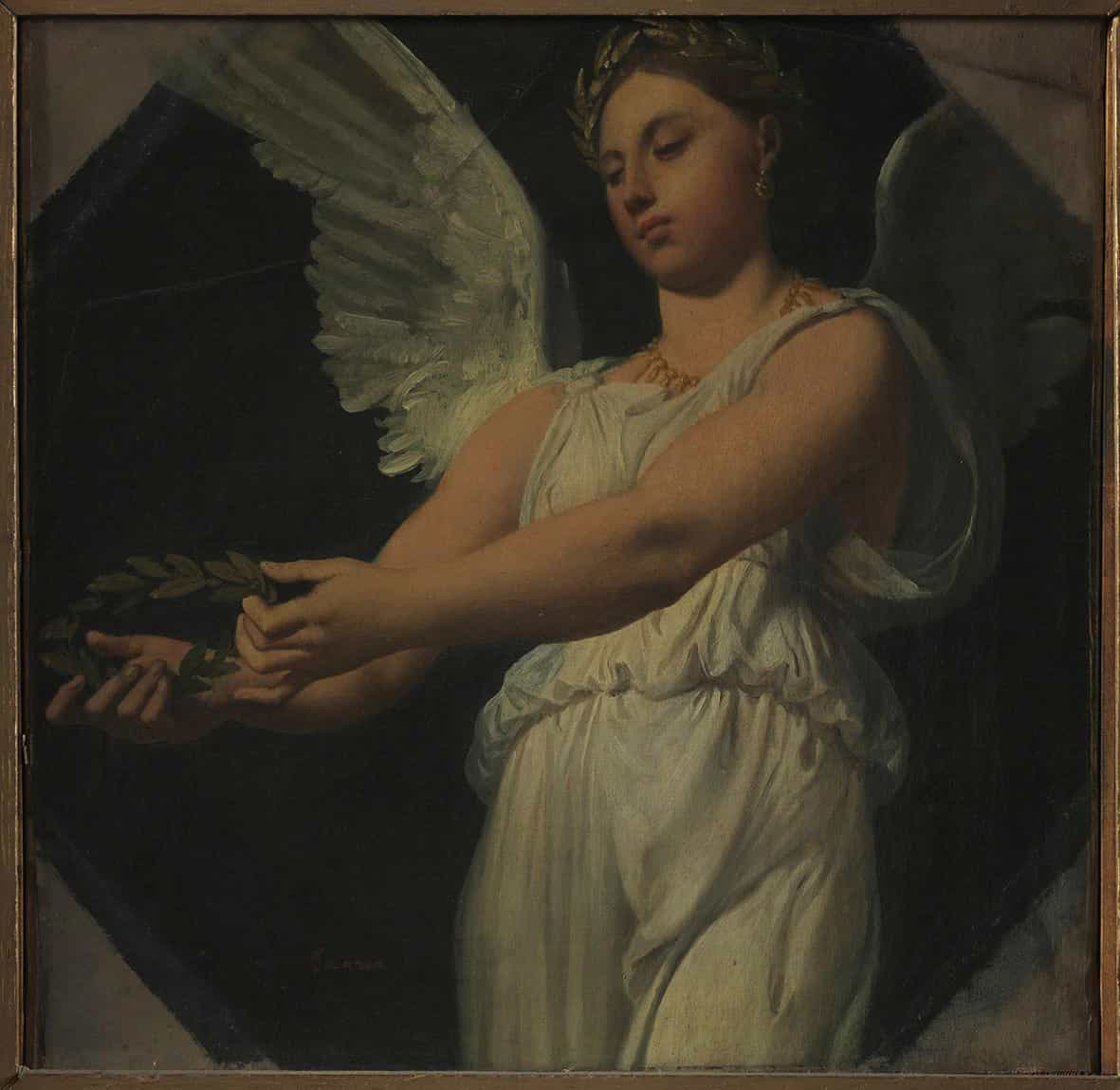
Étude pour L'Apothéose d'Homère (Bonnat-Helleu)
Q107499247