
Tree of Knowledge, No. 2
Hilma af Klint
From €64
Collection
Museum-quality reproductions on 310gsm textured cotton rag paper.
Shop all prints by Hilma af KlintArtistic Style
Style Evolution
Af Klint moved from academically trained representational painting to a personal, symbol-rich abstract language. Her middle period centers on spiritually motivated, large-scale series that foreground geometry, color relationships, and decorative rhythm.
Palette
Subjects
Techniques
Topics
Hilma af Klint (1862-1944) was a Swedish pioneer of abstract art and visionary painter whose spiritually inspired, large-scale abstractions predated many modernists.
Learn about the life of Hilma af Klint
Signature Works
See all available prints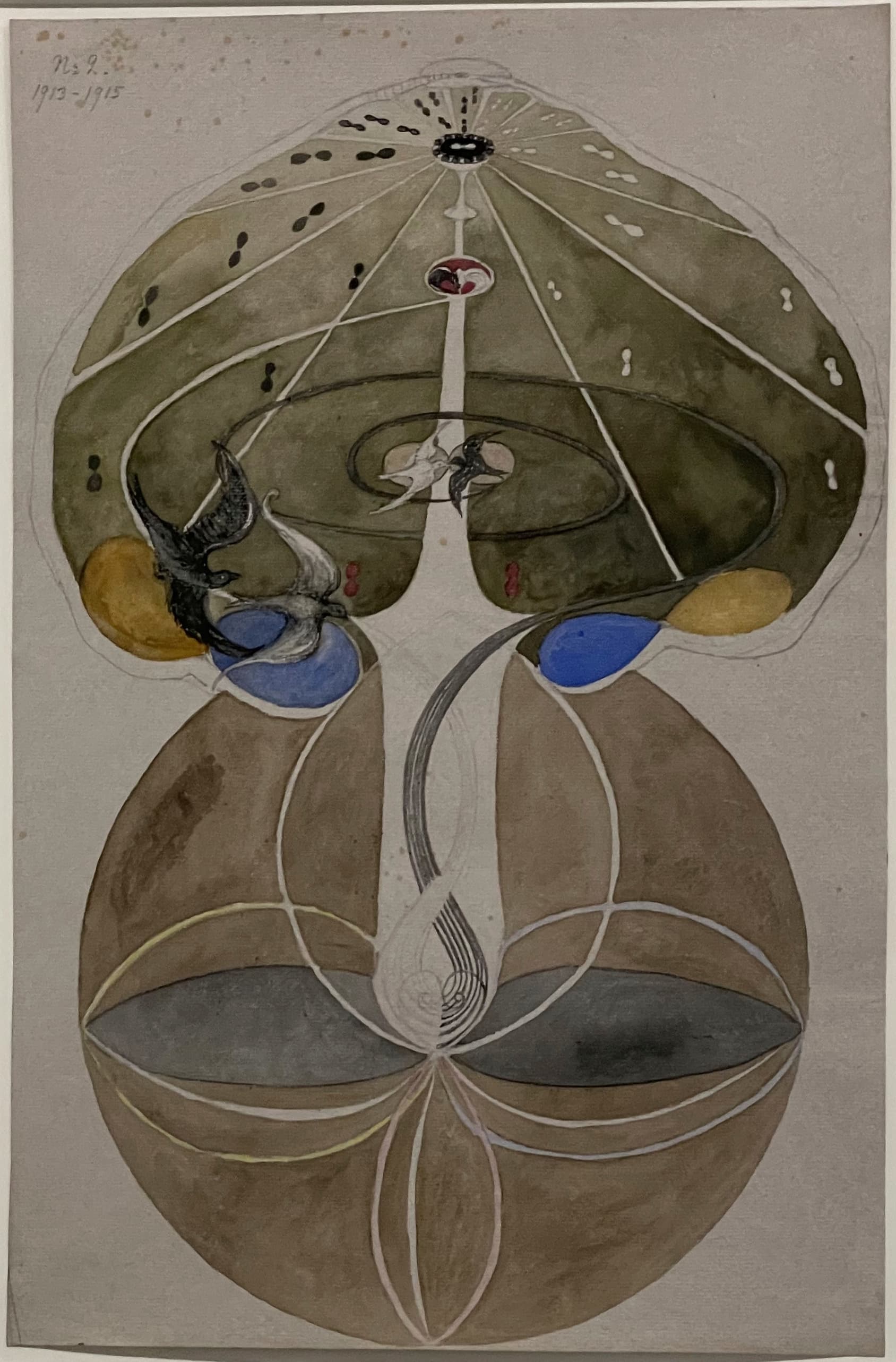
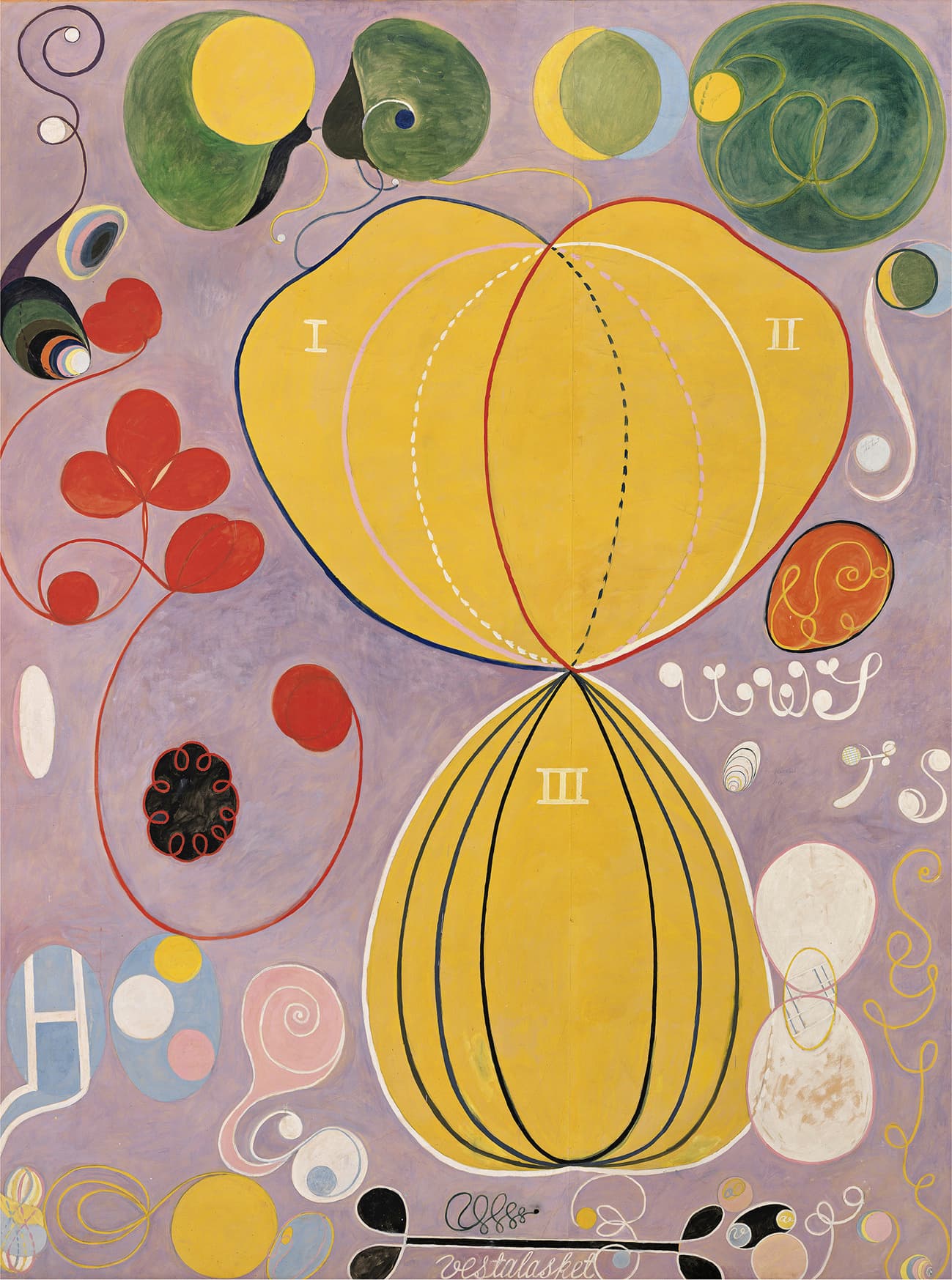
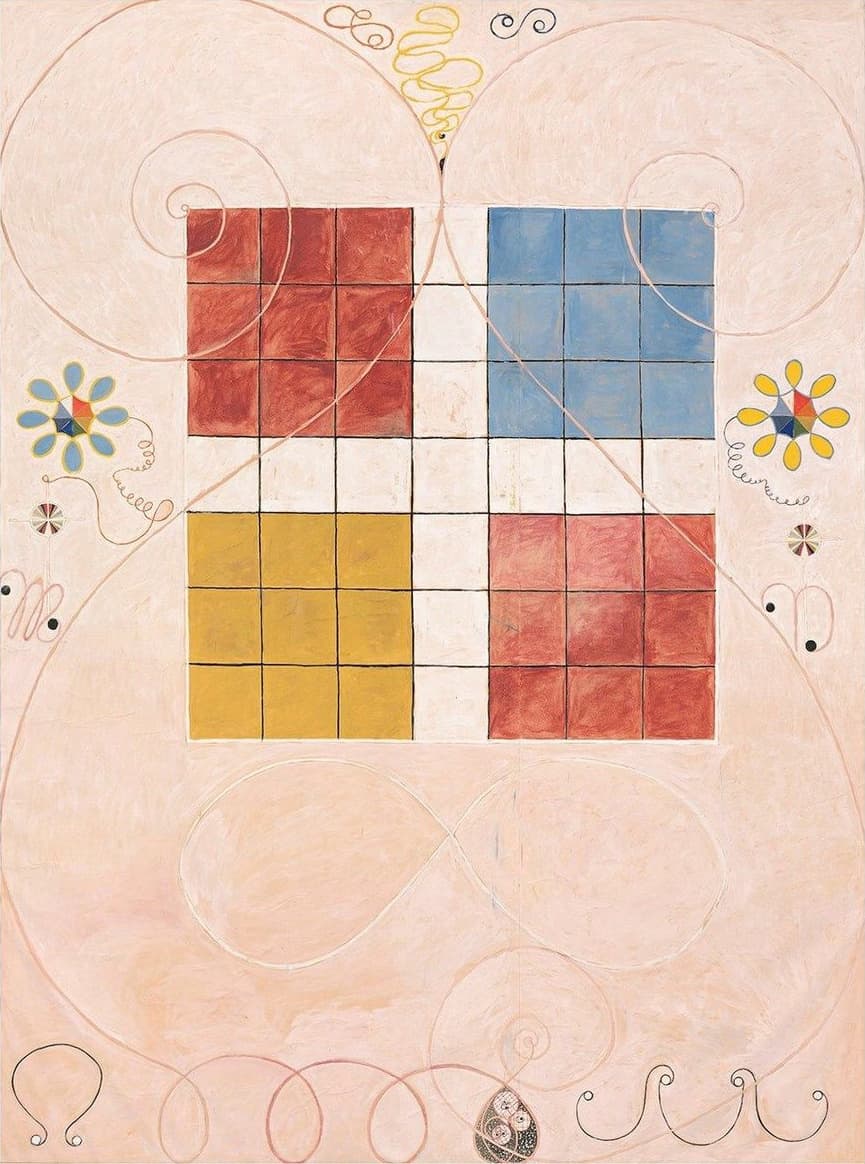
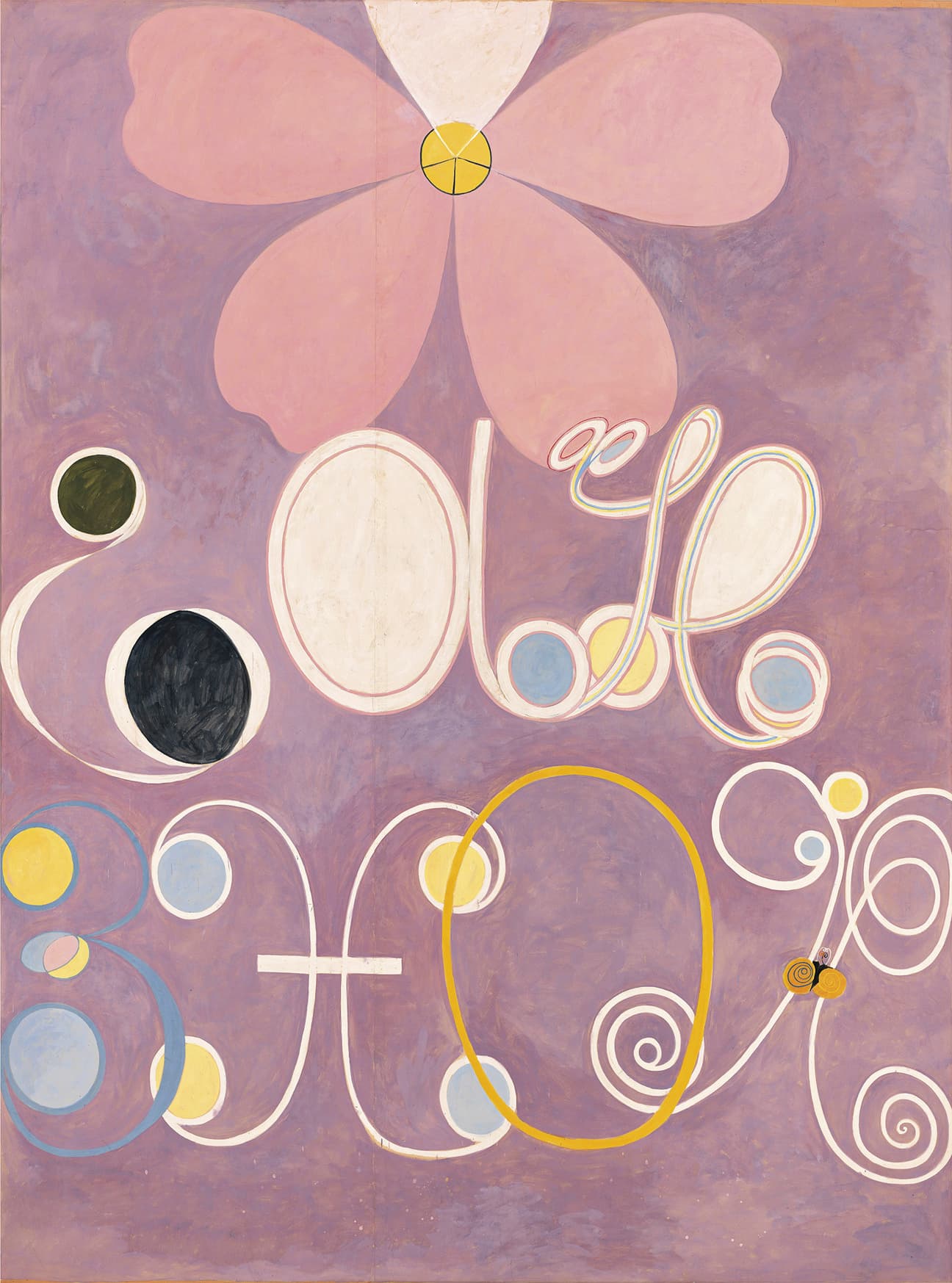
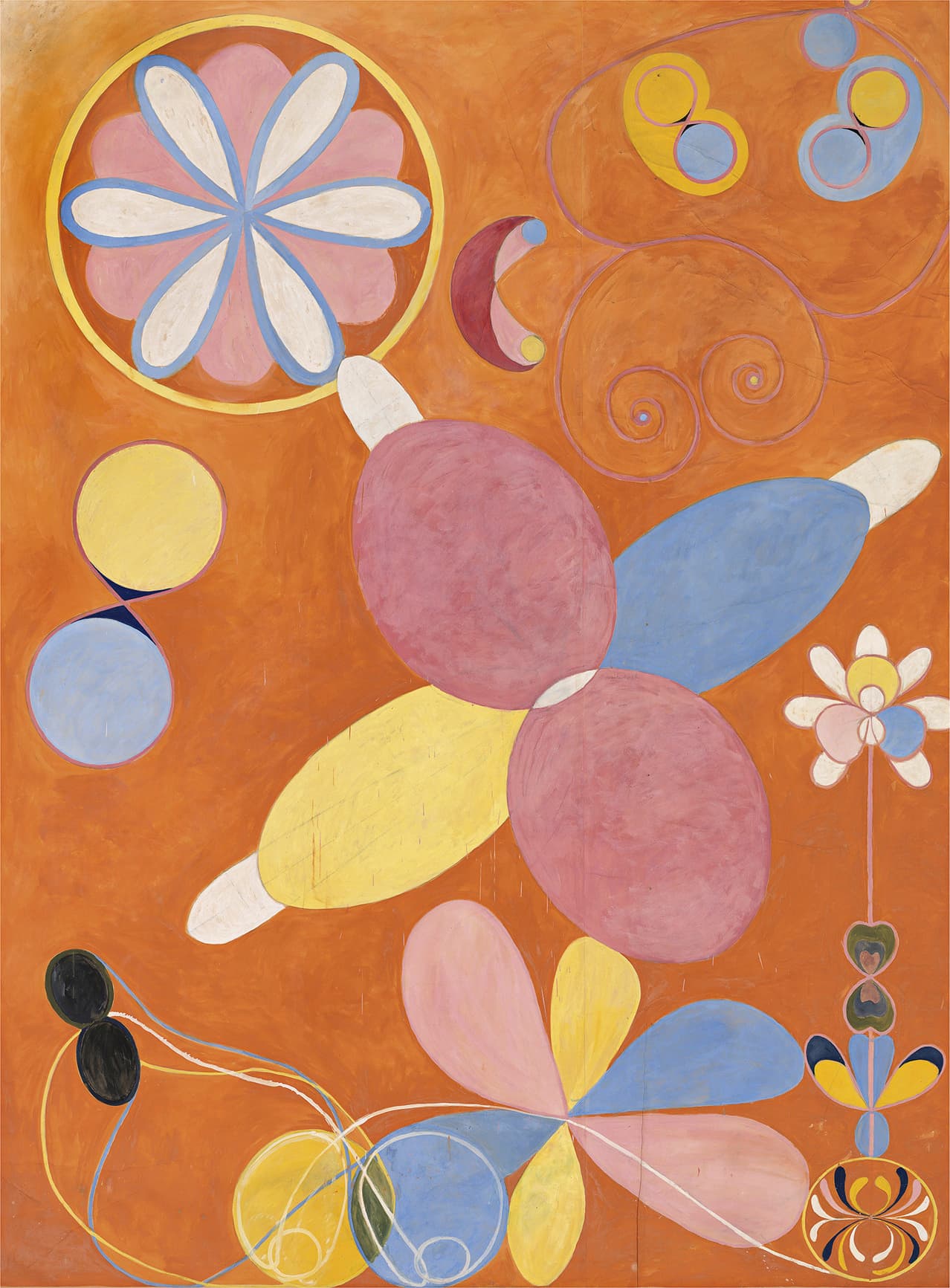
Biography
Hilma af Klint (1862-1944) was a Swedish pioneer of abstract art and visionary painter whose spiritually inspired, large-scale abstractions predated many modernists.
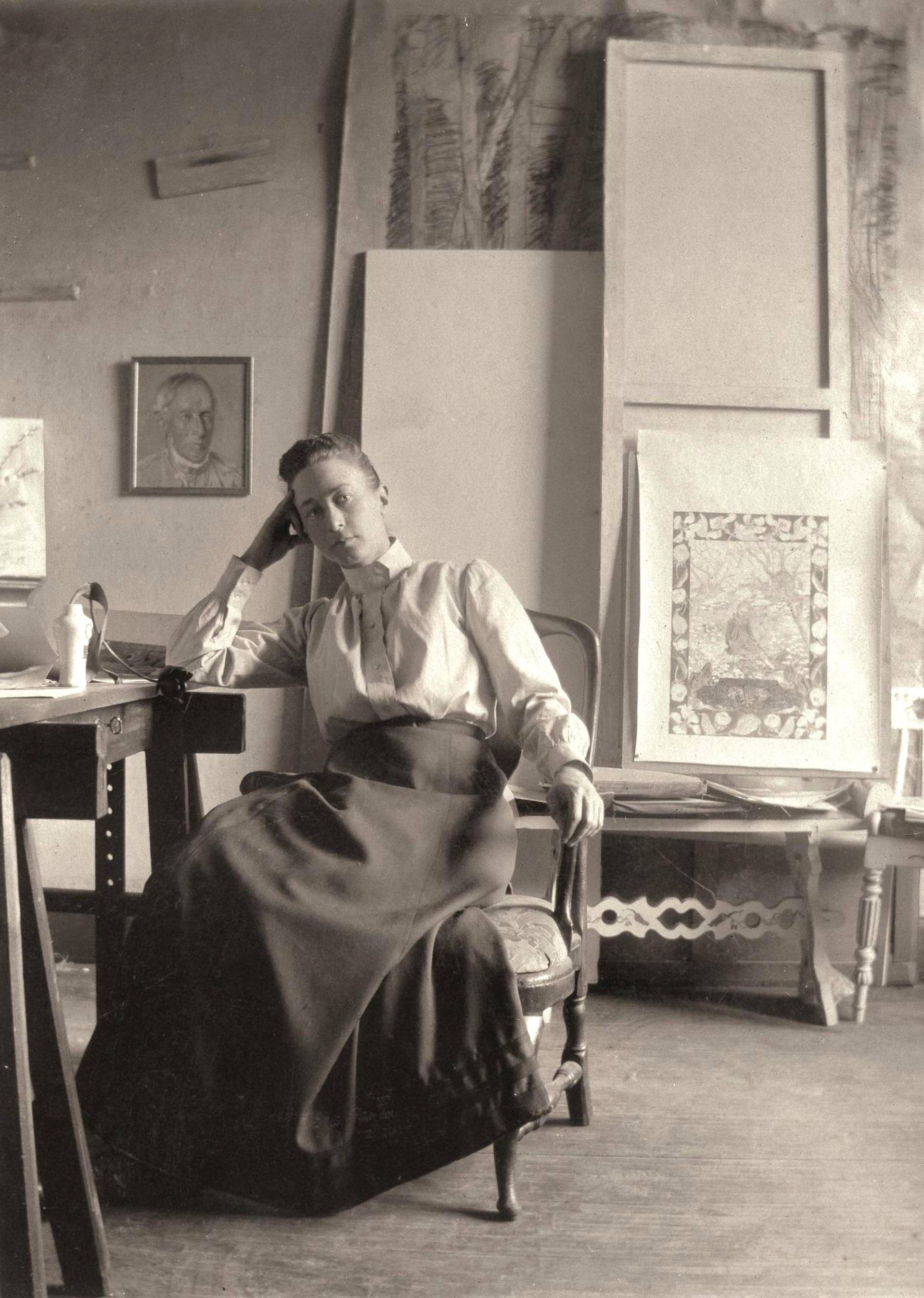
Hilma af Klint (1862–1944) was born in Solna, Sweden. She trained as a landscape and portrait painter at the Royal Swedish Academy of Arts in Stockholm, where she received academic instruction that grounded her technical skill. From an early age she combined conventional training with a deep personal interest in spiritualism and the era's esoteric currents.
Af Klint's development moved from representational work to a radical abstract language rooted in spiritual inquiry and geometric symbolism. While she worked professionally on conventional commissions, her private experiments led to a new pictorial vocabulary.
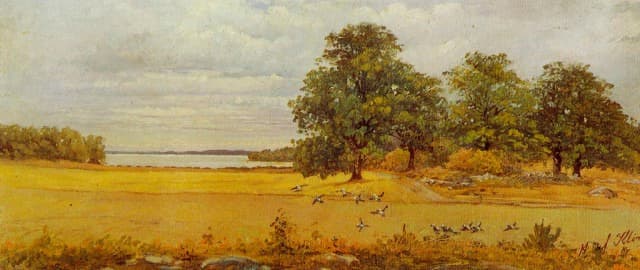
Her Academy training gave her mastery of draftsmanship, composition, and color. Early career paintings show conventional subject matter—portraits, botanicals, and landscapes—executed with academic care.
Around the turn of the 20th century, af Klint intensified collaborative séances and spiritual study with a group of women known collectively for their shared investigations into mediums and philosophy. These practices directly shaped her move toward non-representational forms. Beginning in the first decades of the 1900s she produced large series of abstract works intended as visual keys for spiritual concepts.
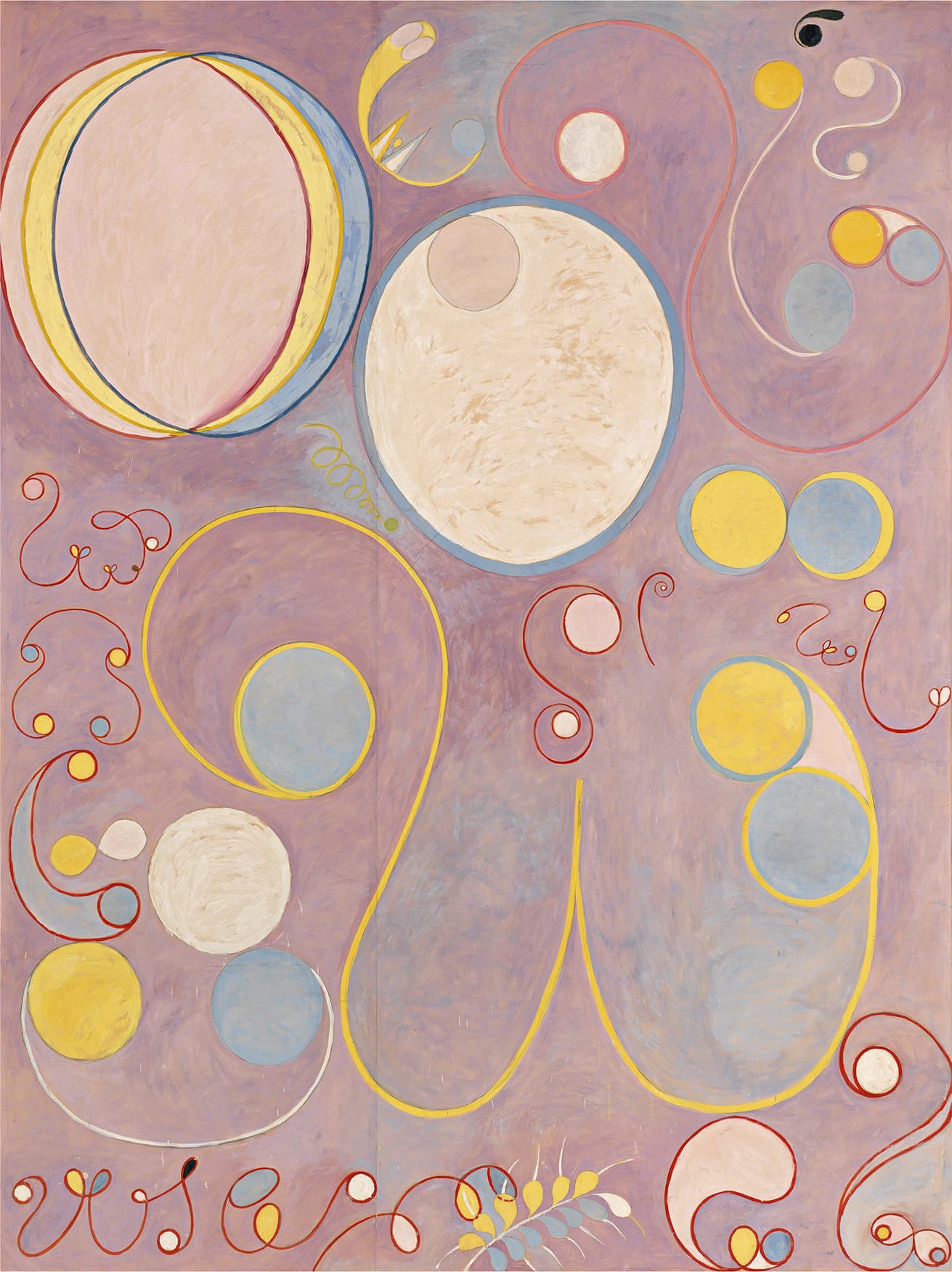
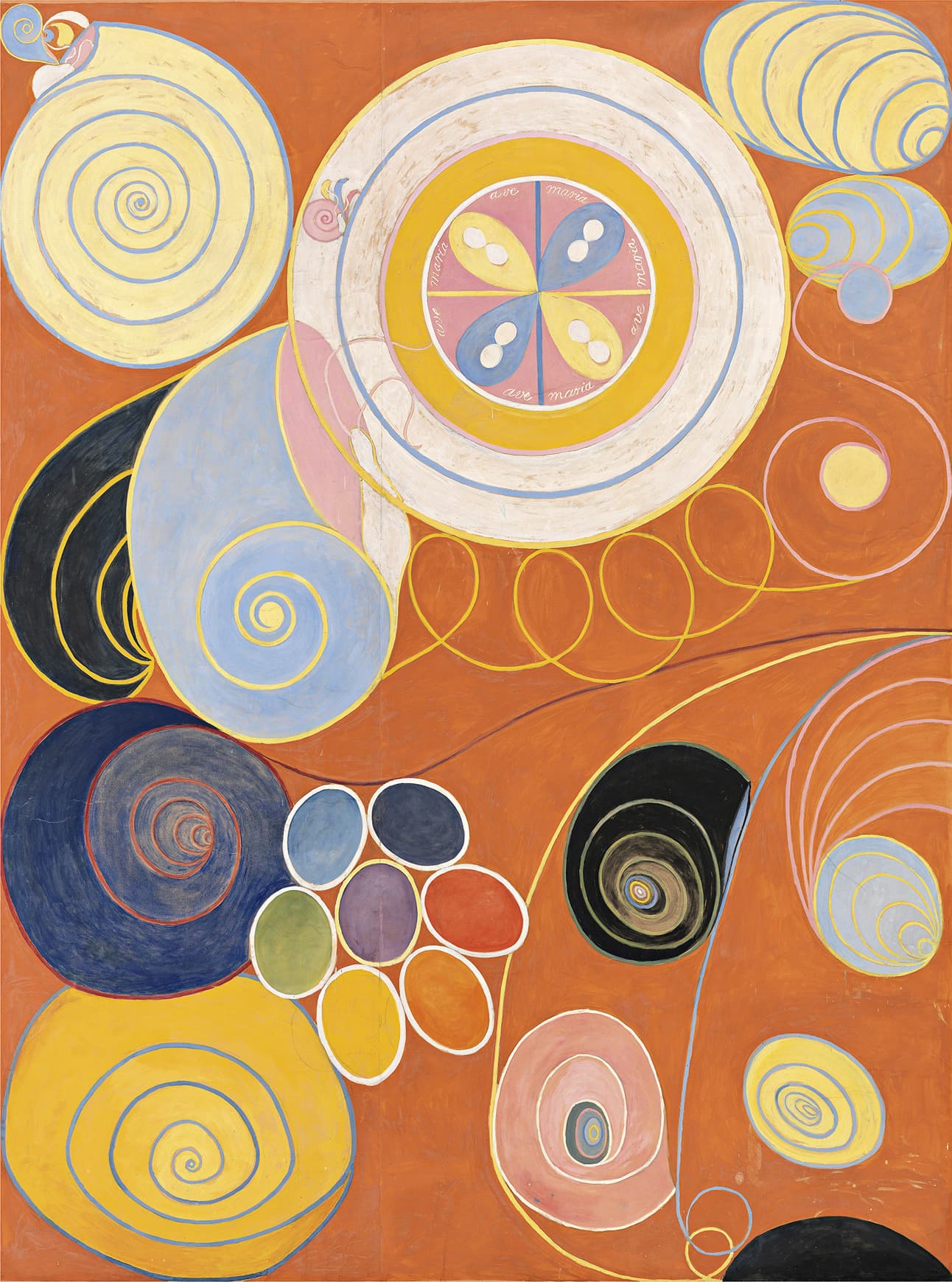
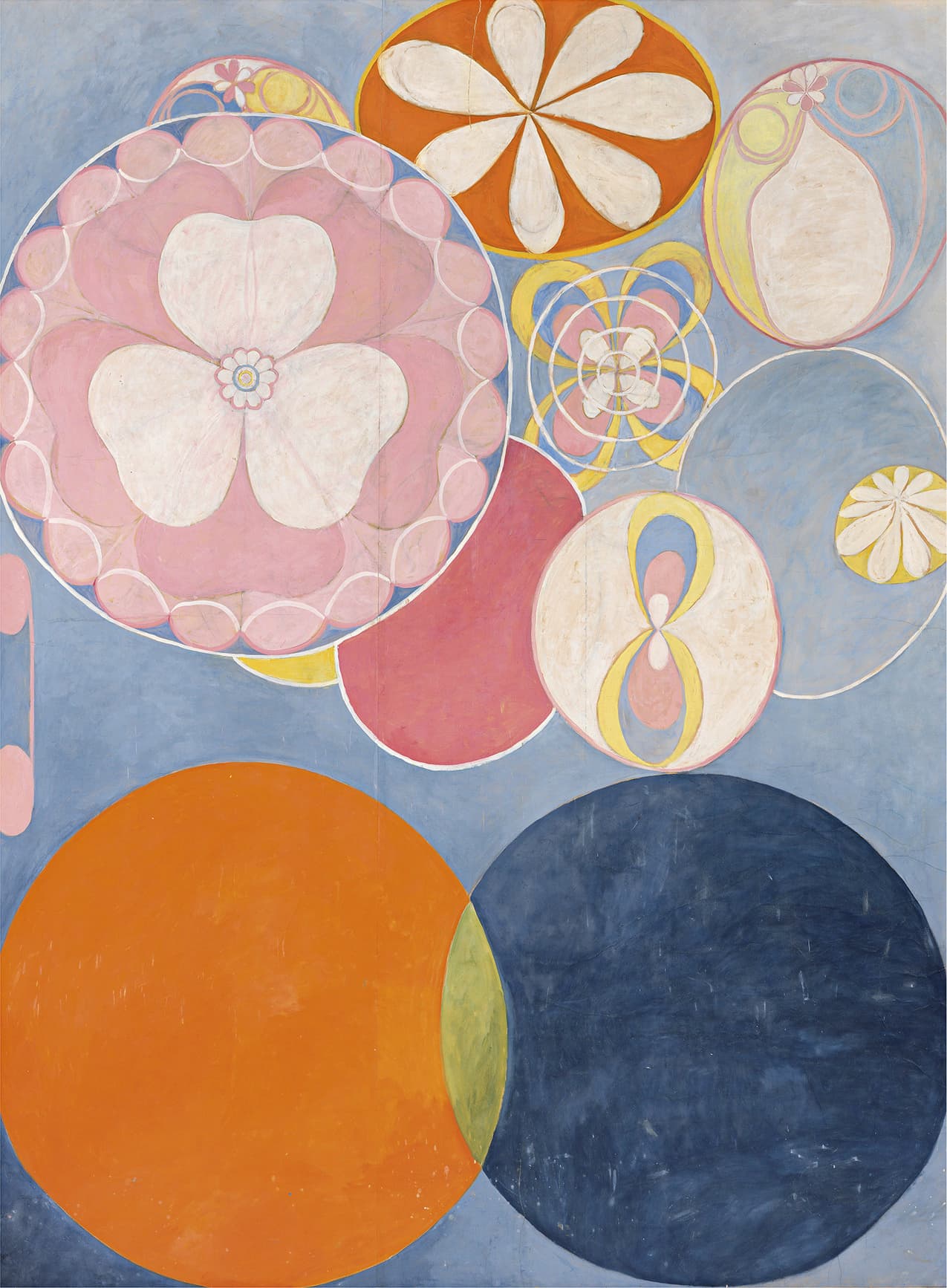
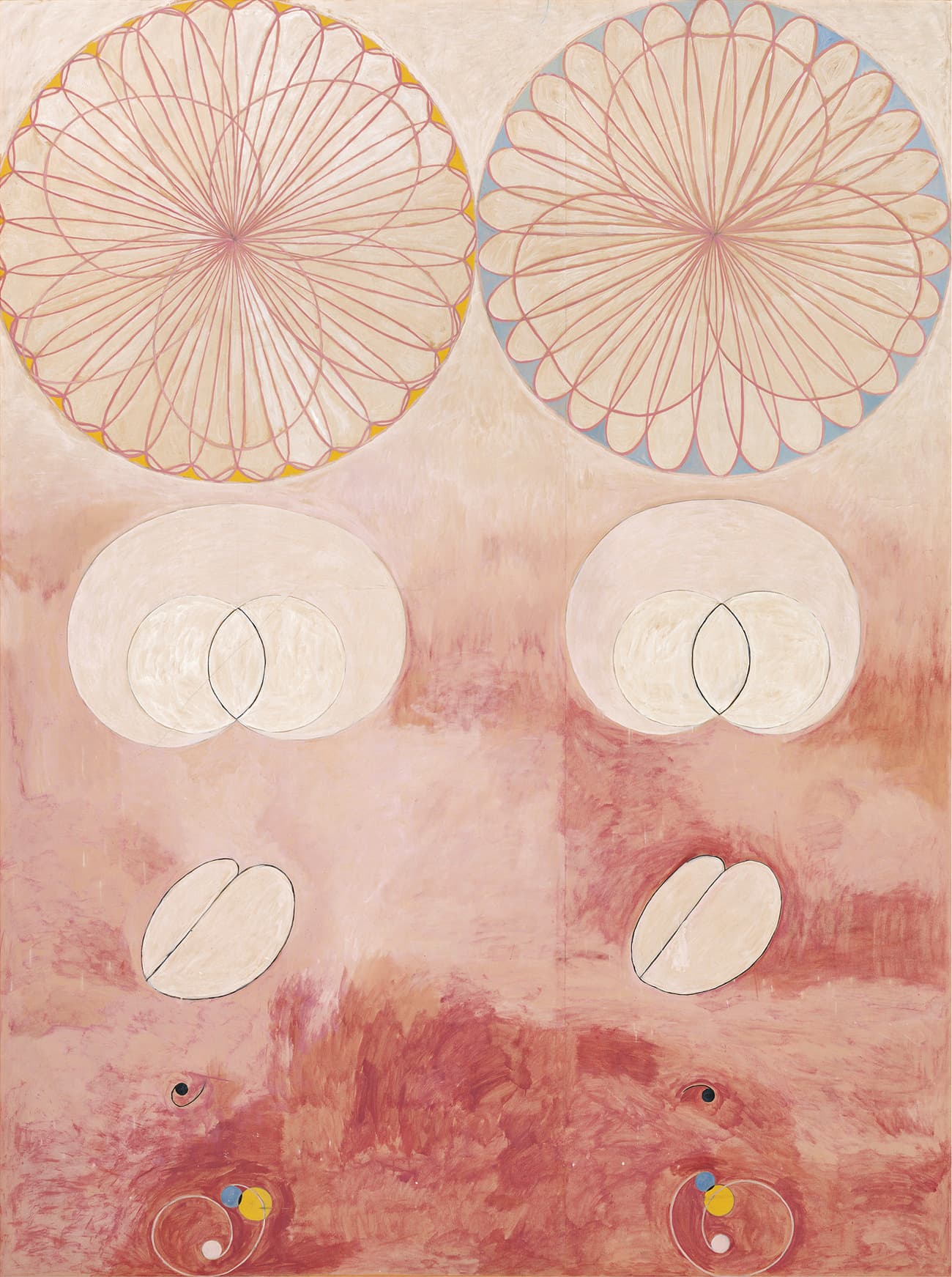
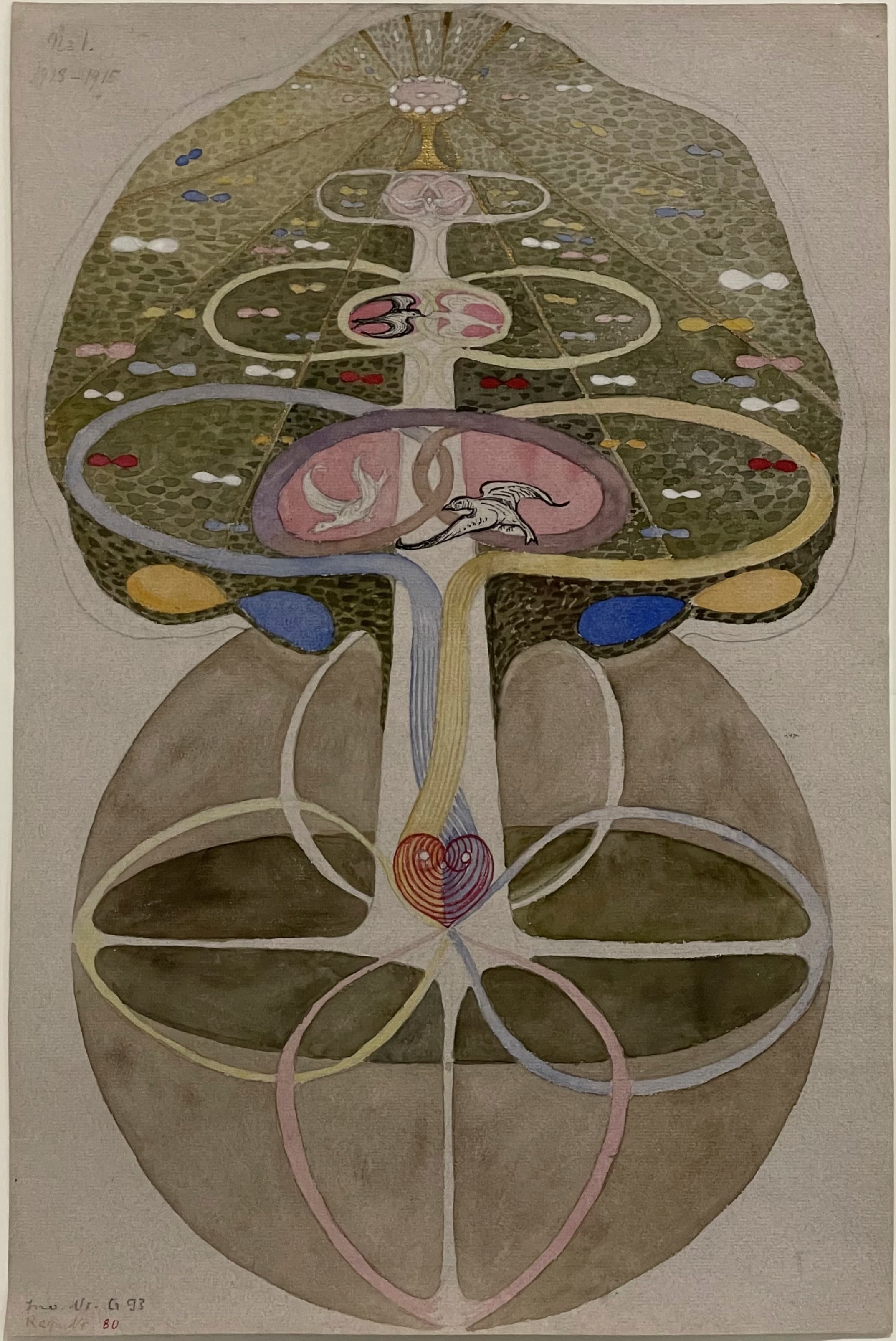
Af Klint is best known for the body of abstract, large-scale paintings she created as part of an overarching spiritual project. These works are notable for their bold scale, layered symbols, and orchestration of color and form to suggest inner states and cosmological orders. Though she instructed that much of this work remain private until decades after her death, the paintings now stand as early and original contributions to abstract art.
Her style combines geometric shapes, biomorphic forms, concentric diagrams, and delicate color gradations. She worked in large formats, often using oil and watercolor, and composed multi-panel sequences to convey progressive spiritual ideas. The visual language is decorative, architectural, and highly rhythmic—qualities that make her canvases striking as standalone decorative centerpieces.
Although she kept much of her abstract work private during her lifetime, af Klint is today recognized as a pioneering figure in abstraction. Her synthesis of spiritual ideas with visual form influenced later rediscoveries of early abstract practices and reshaped narratives about the origins of non-representational art. Collectors and institutions value her work for its originality, scale, and historical importance as an early, independent path to abstraction.
Af Klint balanced a conventional,務
Frequently Asked Questions
Tree of Knowledge, No. 2
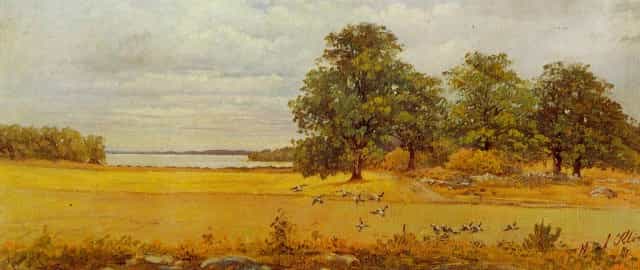
Late Summer
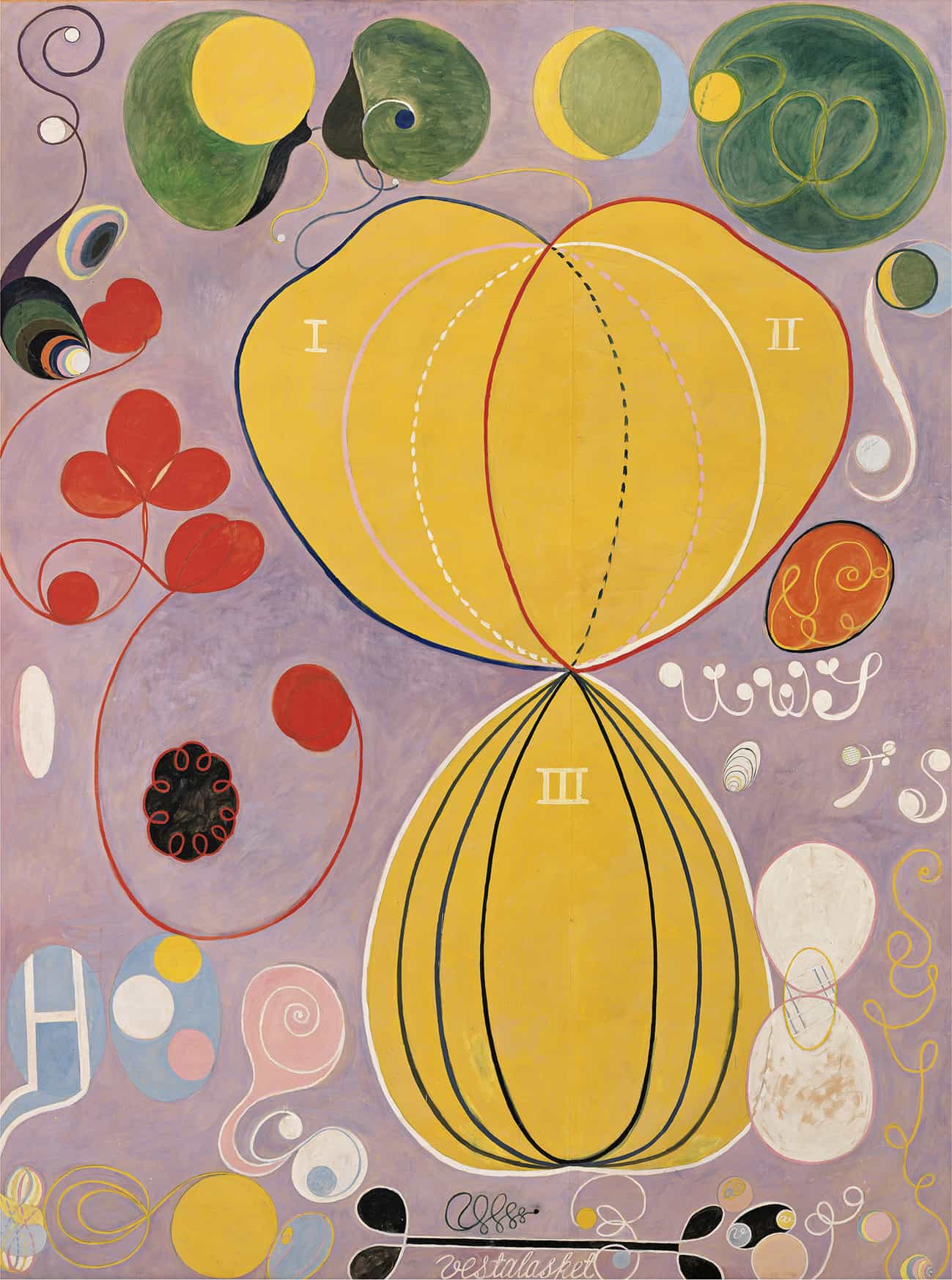
The Ten Largest, No. 7: Adulthood
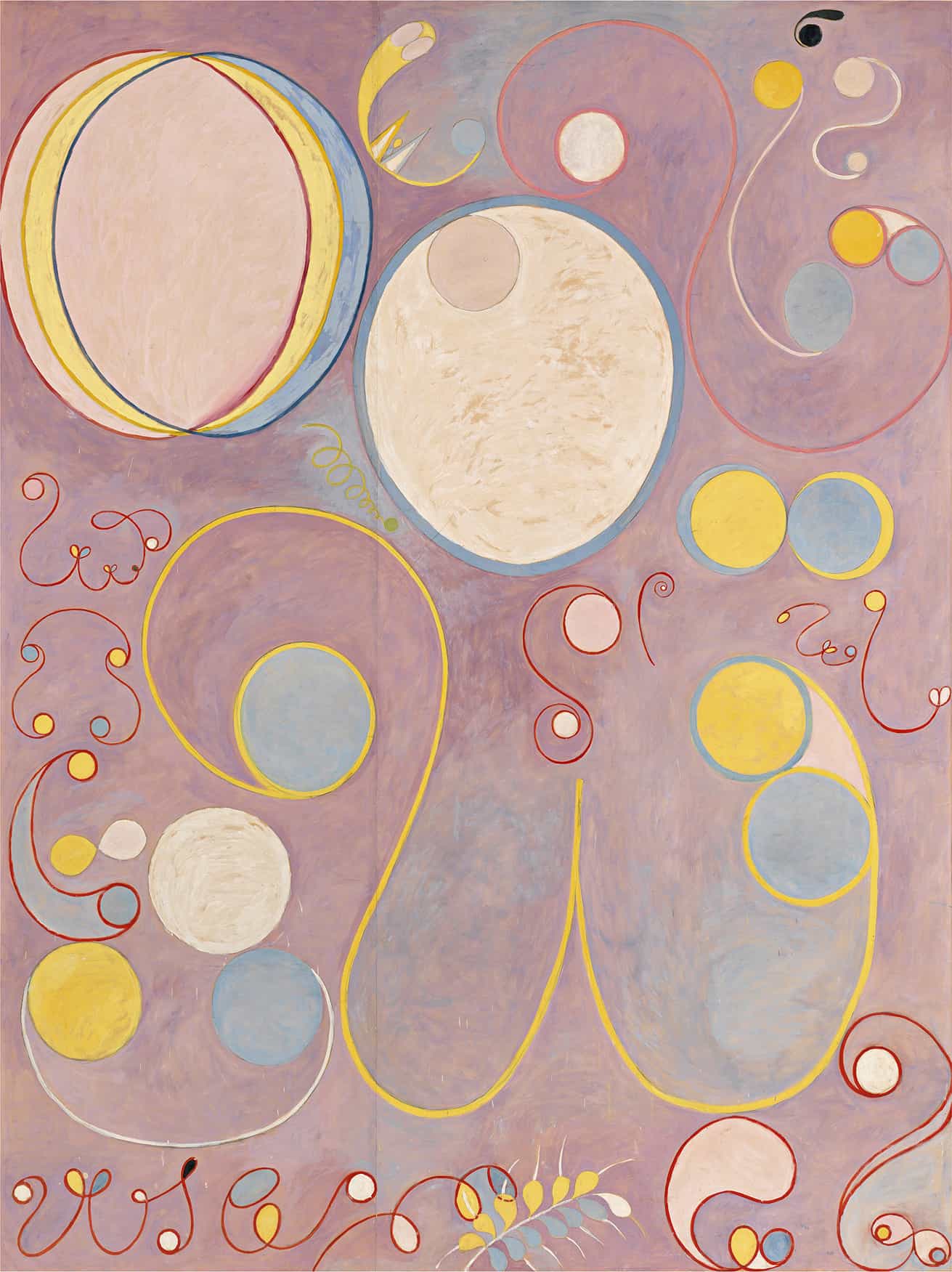
The Ten Largest No. 8 — Adulthood
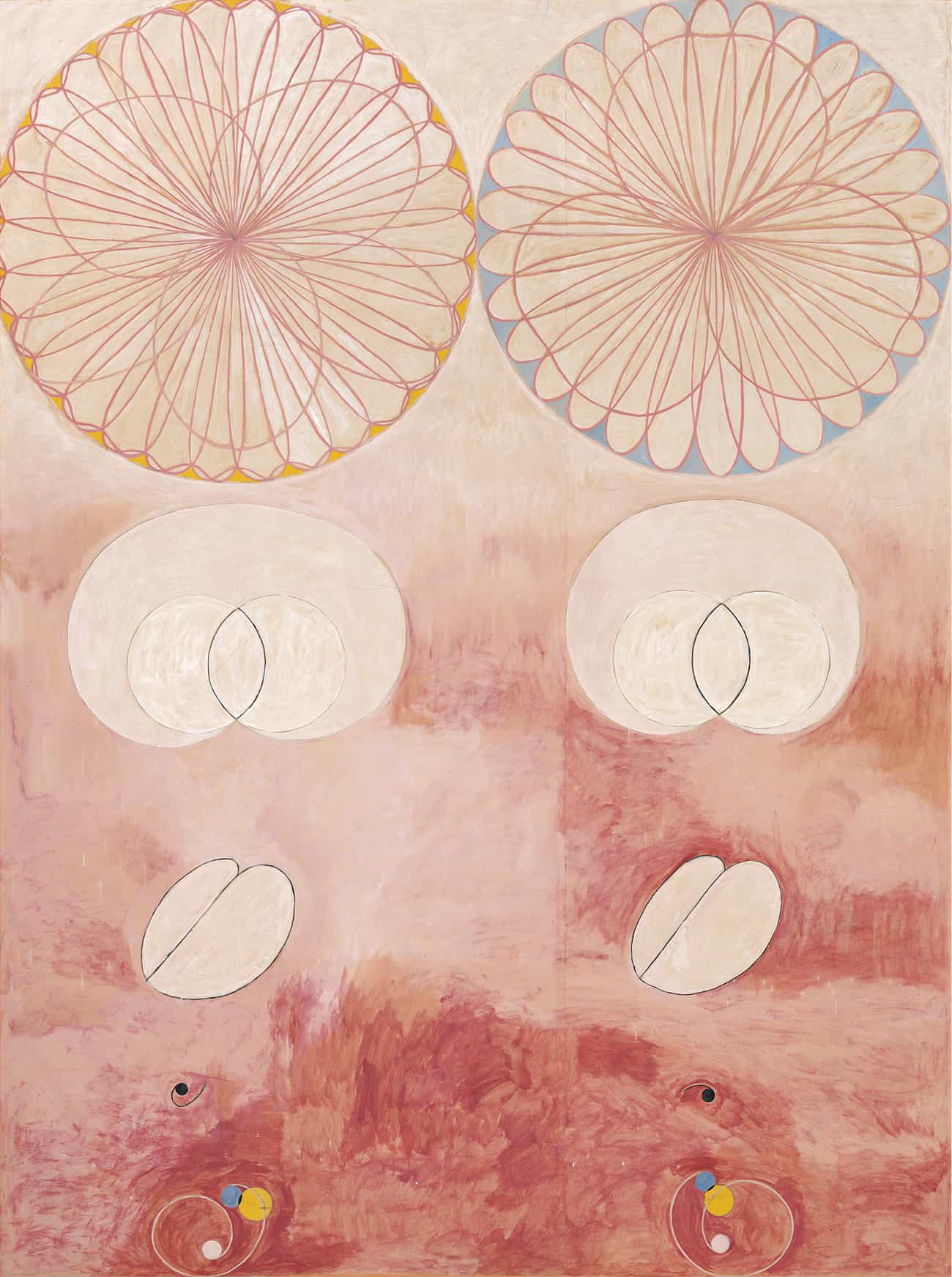
The Ten Largest No. 9: Old Age
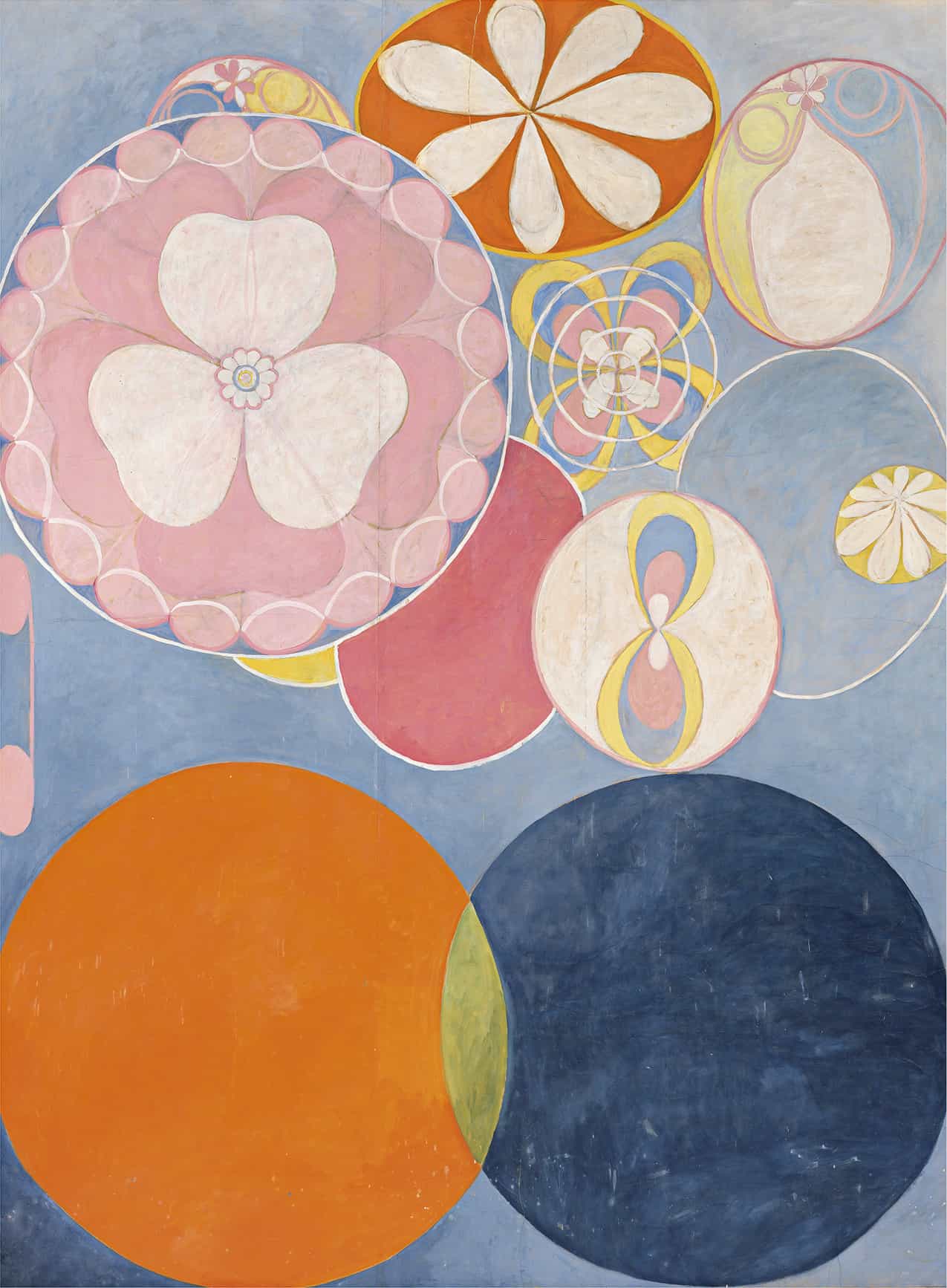
The Ten Largest, No. 2: Childhood
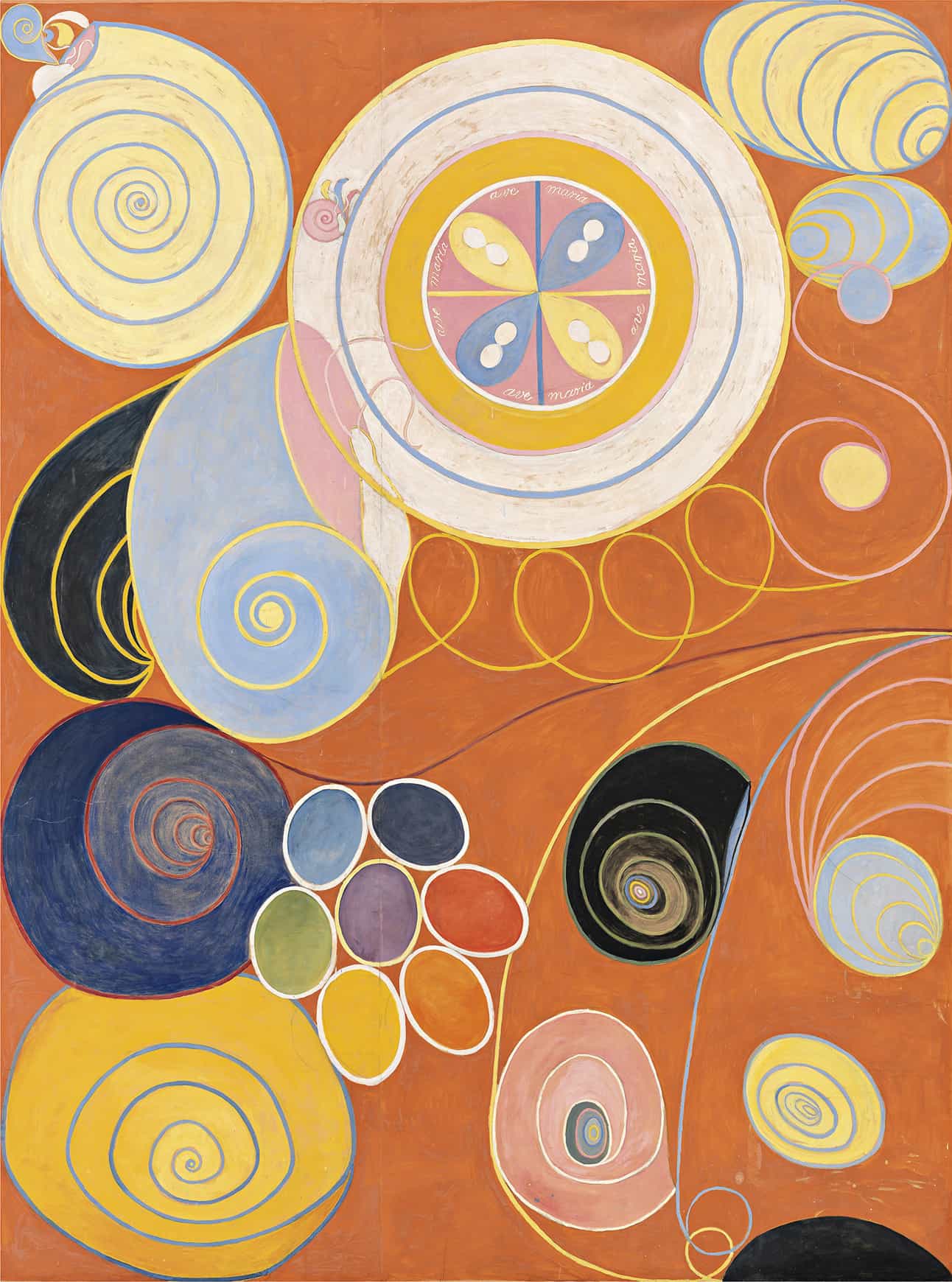
The Ten Largest, No. 3, Youth
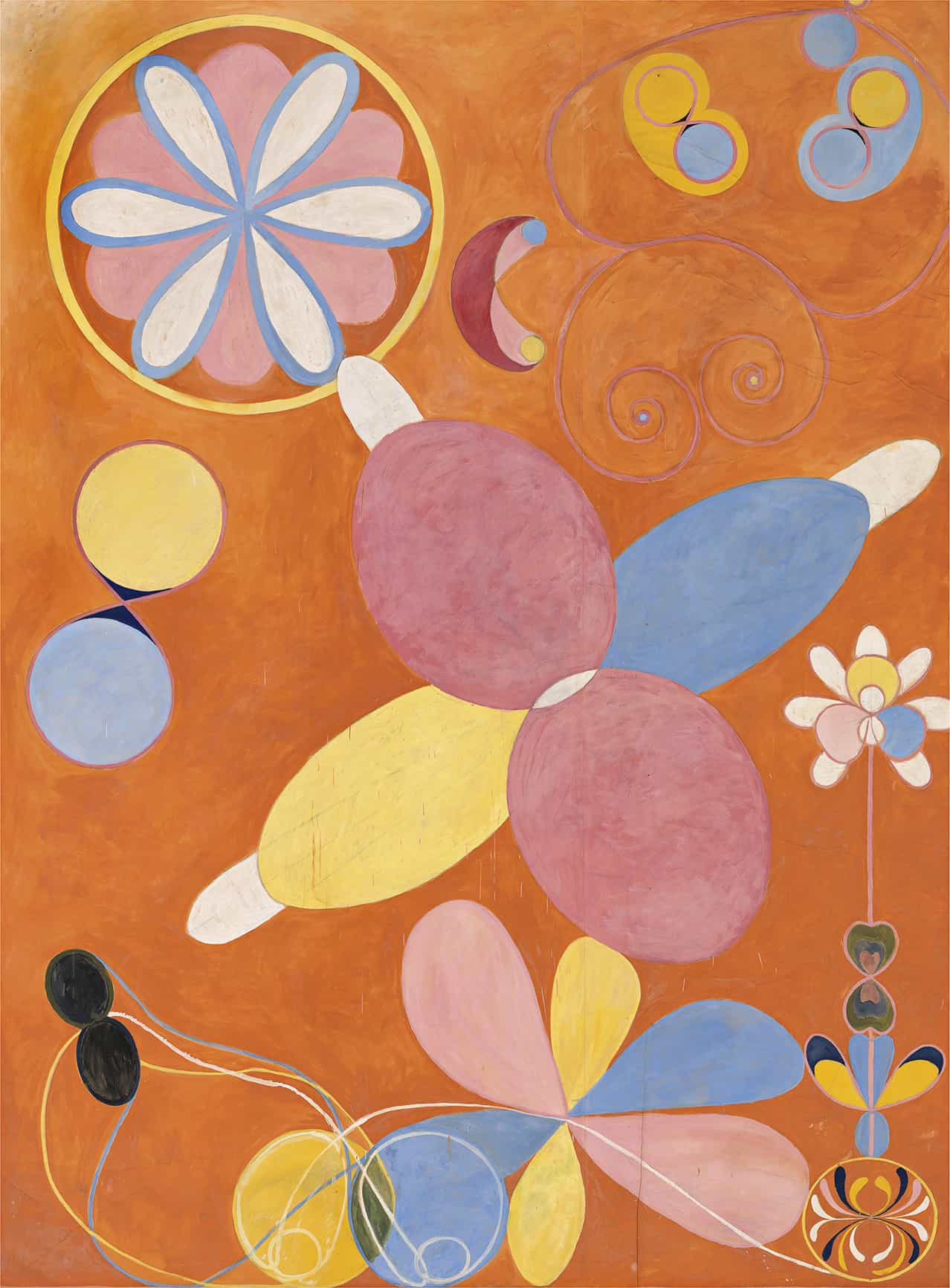
The Ten Largest No. 4 — Youth
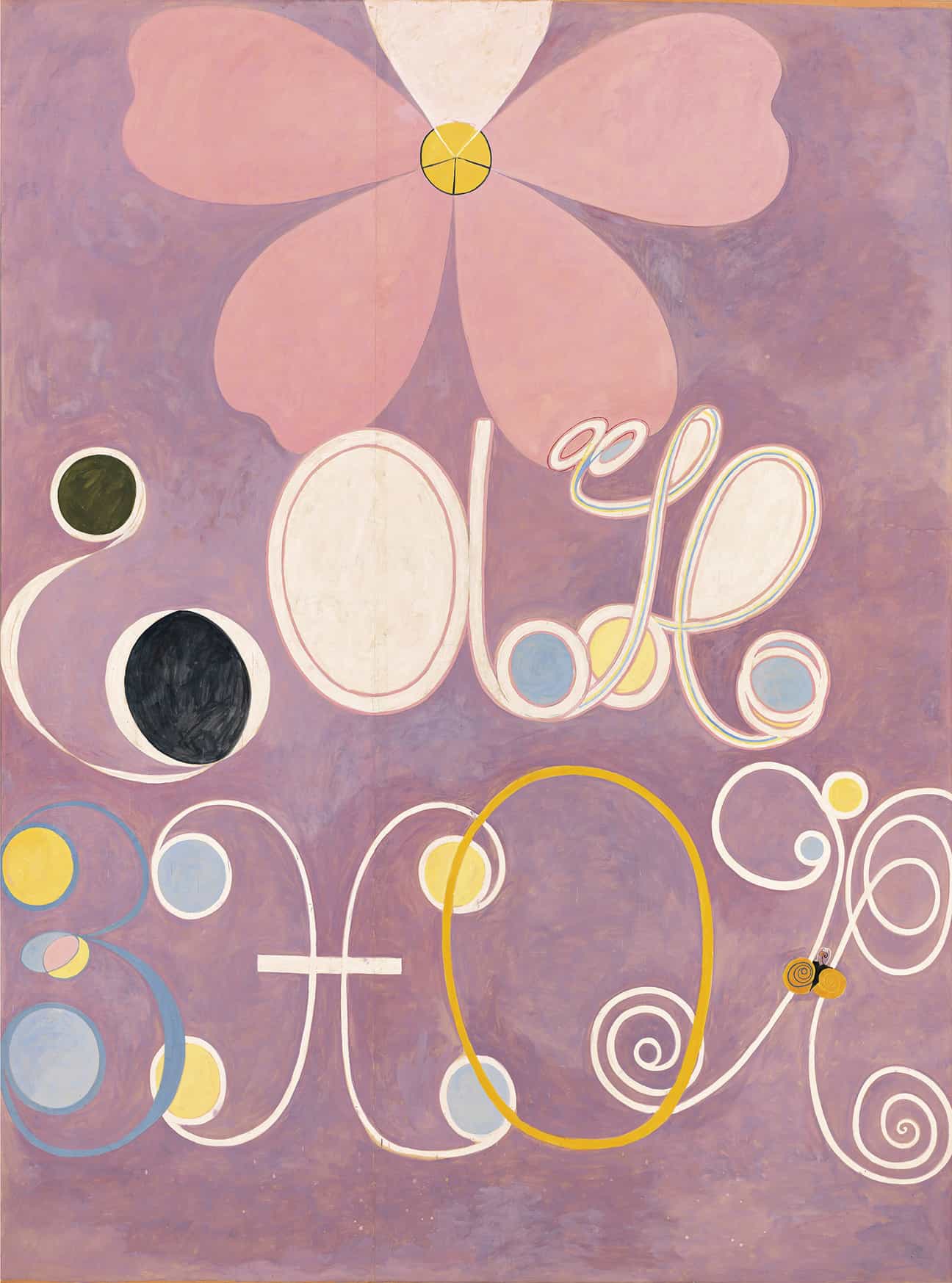
The Ten Largest, No. 5, Adulthood
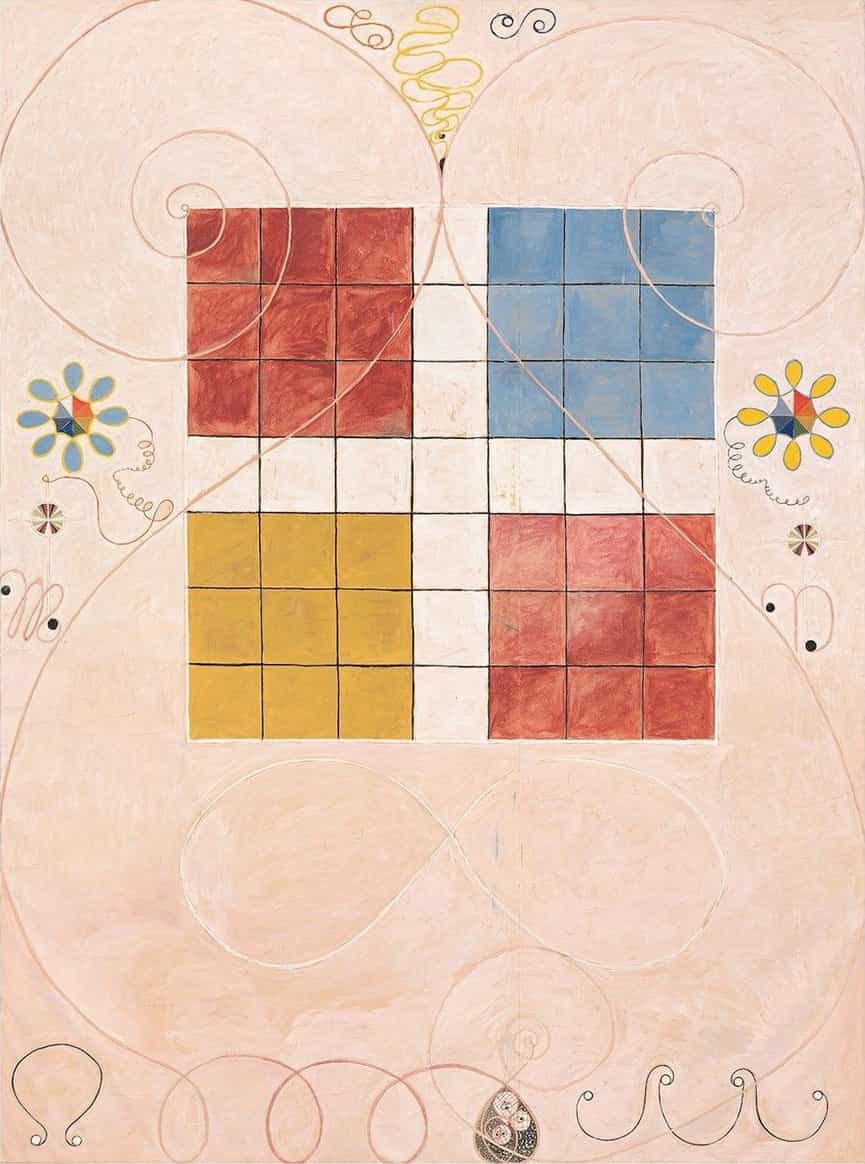
The Ten Largest, No. 10, Old Age
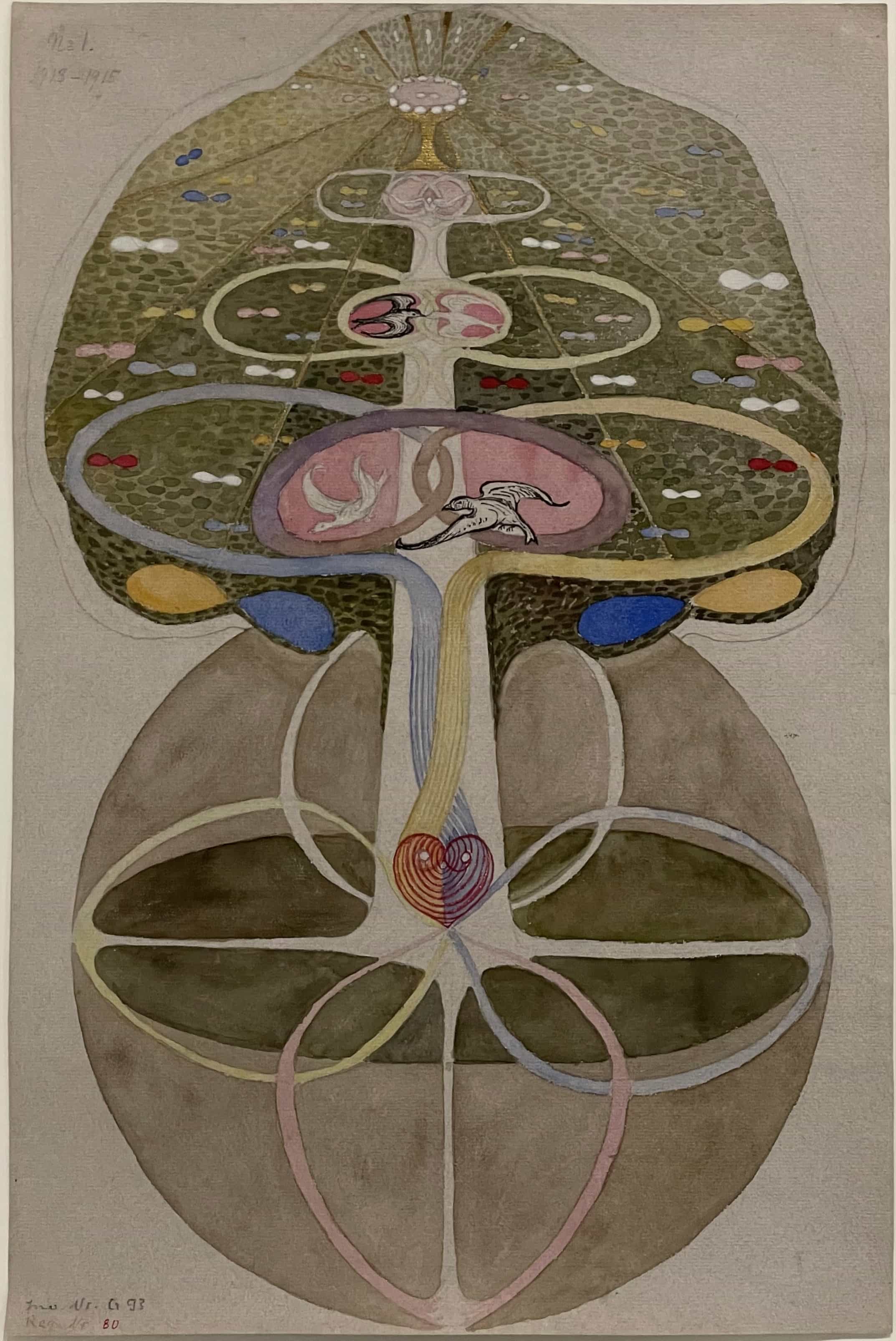
Tree of Knowledge No. 1