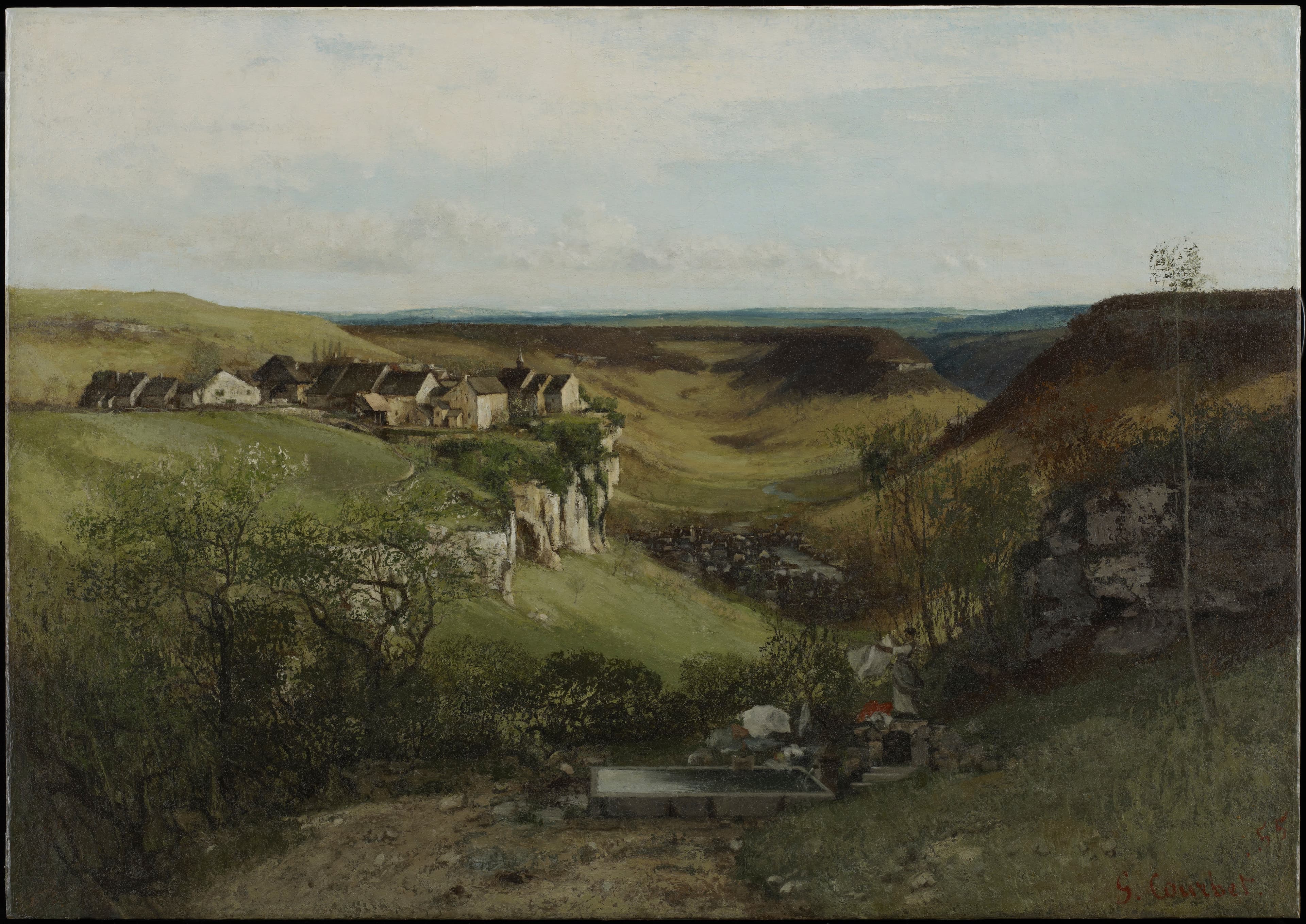


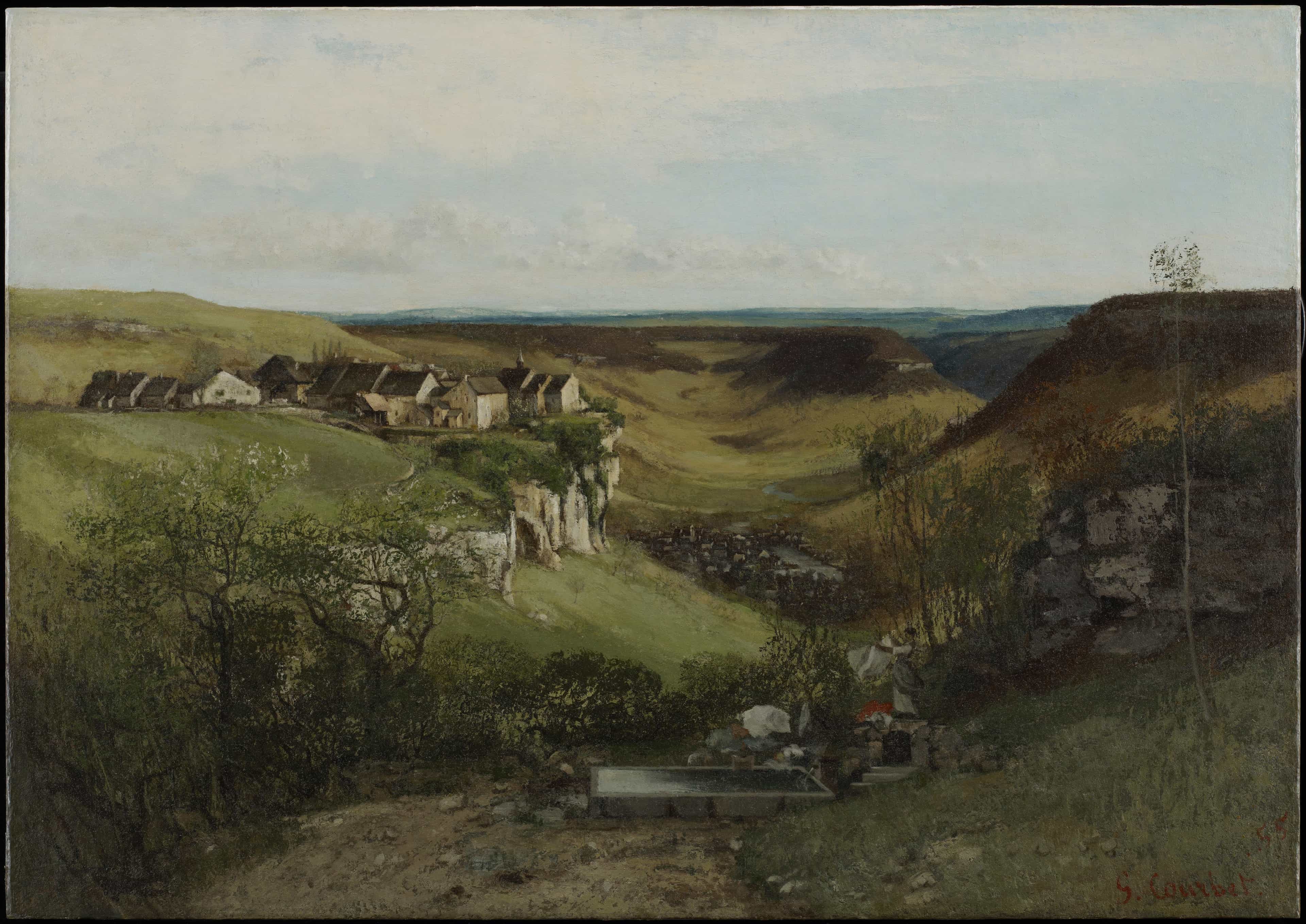
Château d'Ornans
Gustave Courbet
From €38
Collection
Museum-quality reproductions on 310gsm textured cotton rag paper.
Shop all prints by Gustave CourbetArtistic Style
Style Evolution
Courbet's style remained committed to Realist principles: early provincial scenes and peasant subjects matured into large, confrontational canvases in mid-career, with continued emphasis on material presence and unidealized depiction that influenced later modernists.
Palette
Subjects
Techniques
Topics
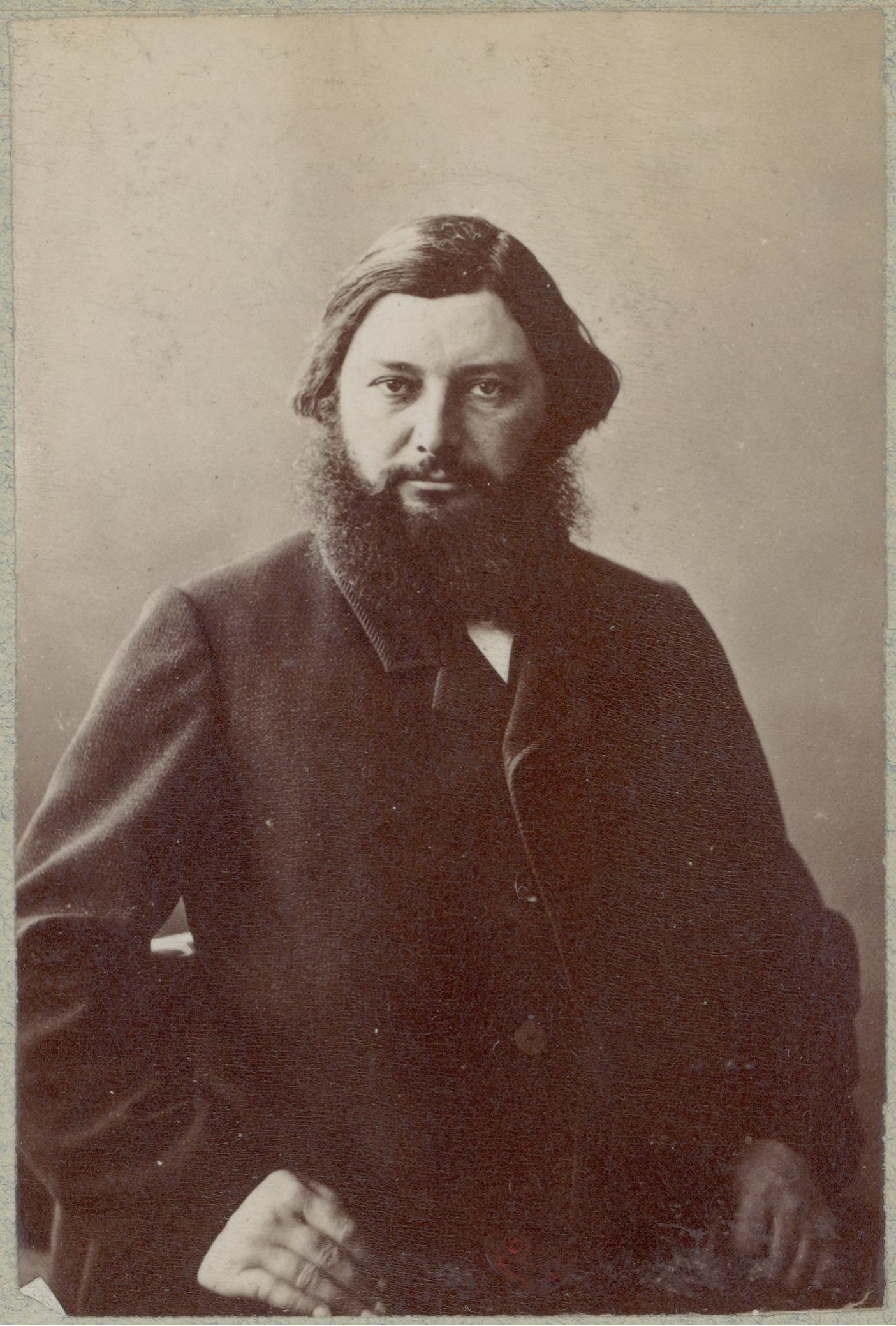
Gustave Courbet (1819-1877) was a French Realist painter whose uncompromising depictions of everyday life and large-scale history scenes redefined 19th-century art.
Learn about the life of Gustave Courbet
Biography
Gustave Courbet (1819-1877) was a French Realist painter whose uncompromising depictions of everyday life and large-scale history scenes redefined 19th-century art and taste.
Born in Ornans in 1819, Gustave Courbet emerged from a provincial, rural setting that informed his lifelong attention to ordinary people and landscapes. His upbringing in the Doubs region supplied both subject matter and a sensibility grounded in material reality. Courbet's decision to pursue painting set him apart from academic artists who favored myth and idealization.
Courbet became the foremost proponent of Realism, asserting that art should represent the visible world without romanticization.
Courbet’s early work draws directly on his native surroundings—peasants, quarry workers and local landscapes—rendered at scale and with stubborn fidelity to truth.
In mid-career Courbet worked in Paris and other cultural centers of France, boldly presenting large canvases of everyday subjects that challenged Salon tastes and academic hierarchy. His large-format treatments of rural life and public ritual made him both celebrated and controversial.
Courbet is widely known for major realist canvases that foreground ordinary people and labor. Notable examples from his oeuvre include The Stone Breakers (1849) and A Burial at Ornans (1849–1850), works that shocked contemporaries by treating humble subjects on grand scales traditionally reserved for history painting. These paintings crystallized Courbet’s argument that modern life—its toil, public ceremonies, and landscapes—was worthy of monumental representation.
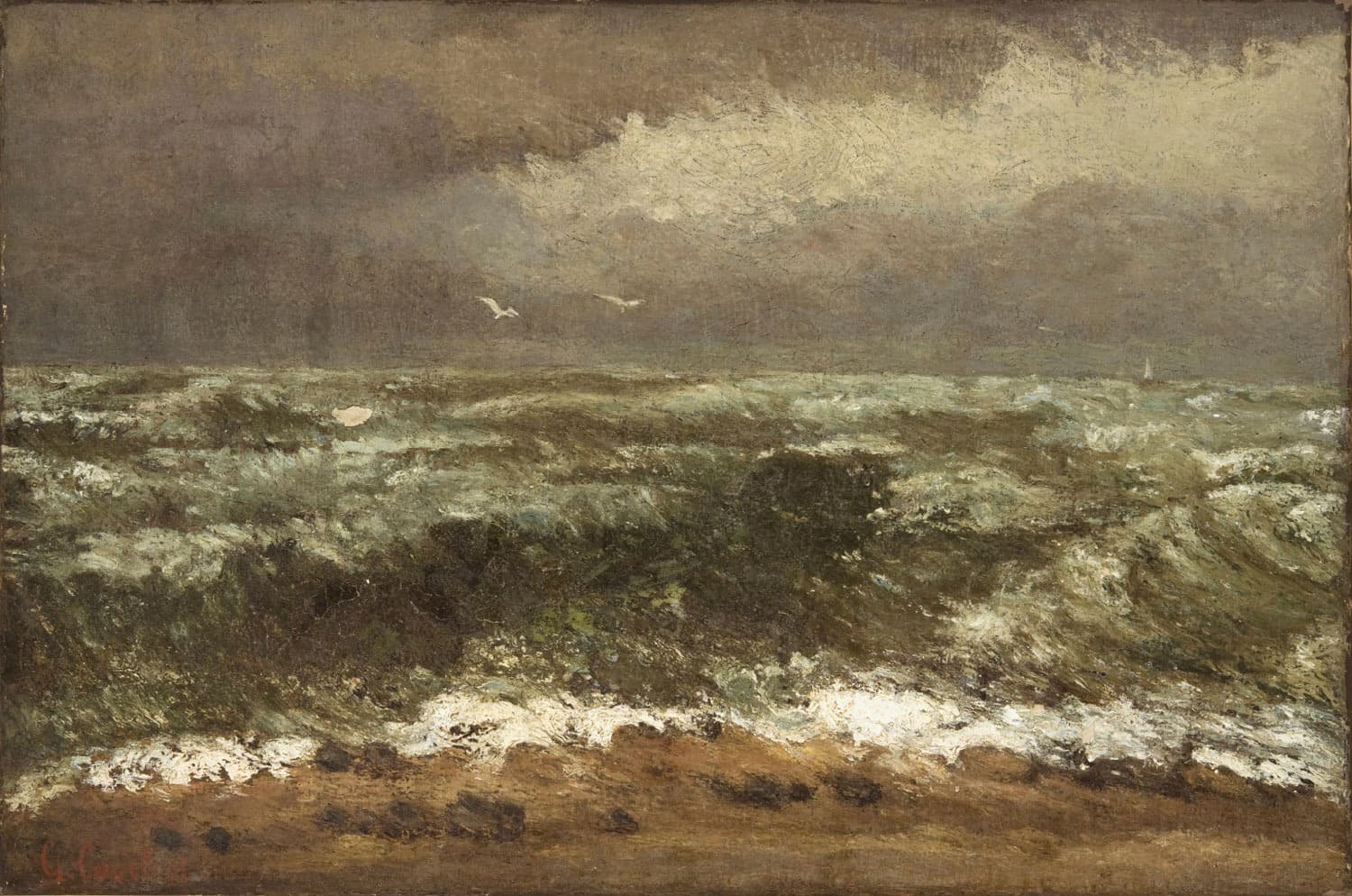
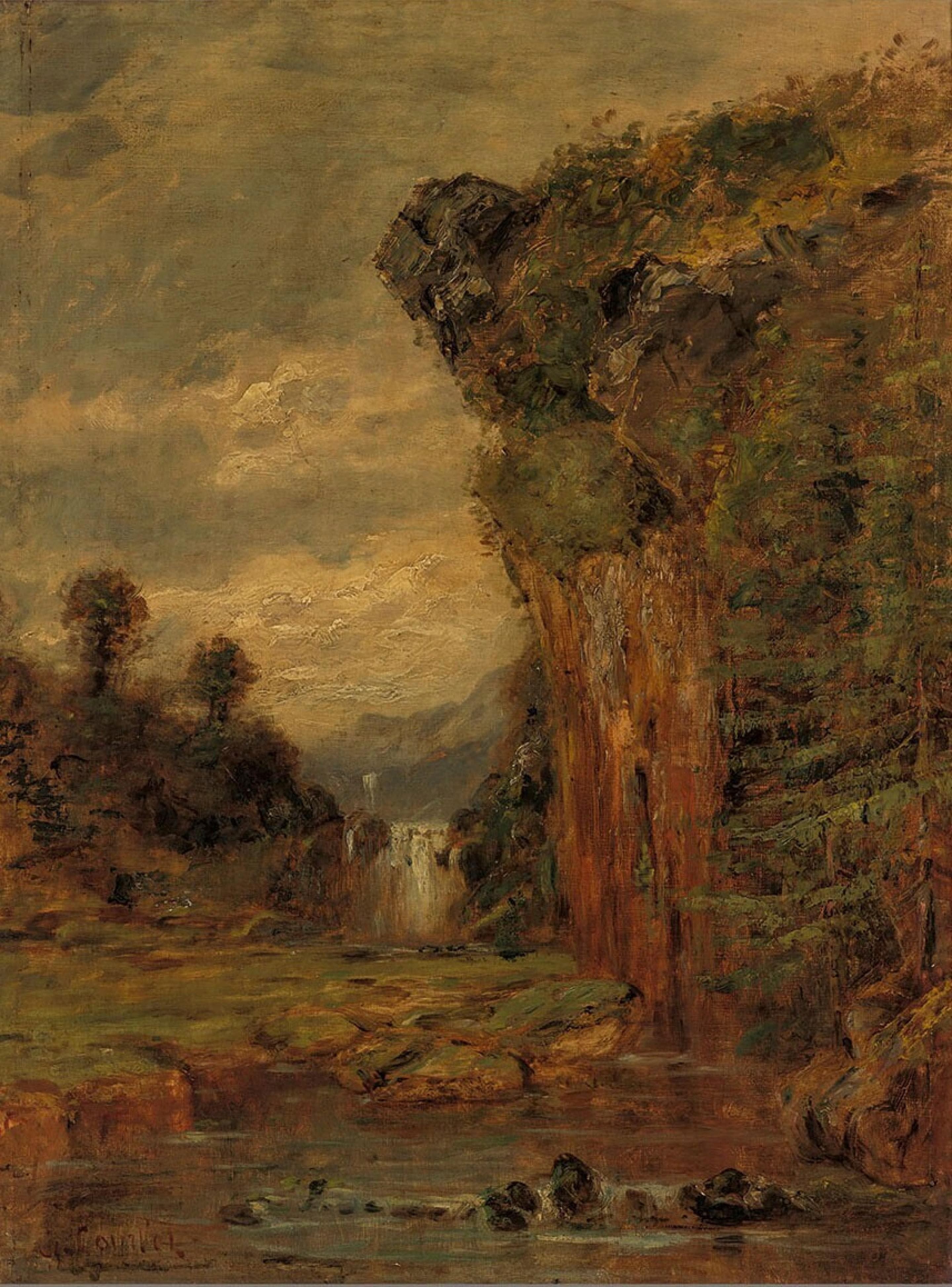
Courbet favored direct observation, a robust painterly surface, and a subdued, naturalistic palette. His handling ranges from tight descriptive passages to broadly modeled, tactile brushwork that emphasizes material presence. He often worked on a large scale, using composition and scale to grant dignity to ordinary figures and scenes.
Courbet’s insistence on representing real life influenced later movements including Realism's successors and contributed to the conditions that enabled Impressionism and modern art. Artists and critics have cited his challenge to academic conventions as a turning point in 19th-century painting. Collectors prize Courbet for his historical role, the powerful decorative presence of his large canvases, and the way his works anchor interiors with earthy color and bold form.
Courbet maintained close ties to his native Ornans throughout his life and spent his final years away from France, dying in La Tour-de-Peilz in 1877. His public persona combined political engagement with a combative independence in aesthetic matters.
Courbet’s works occupy an important place in the
Awards
Frequently Asked Questions
Château d'Ornans
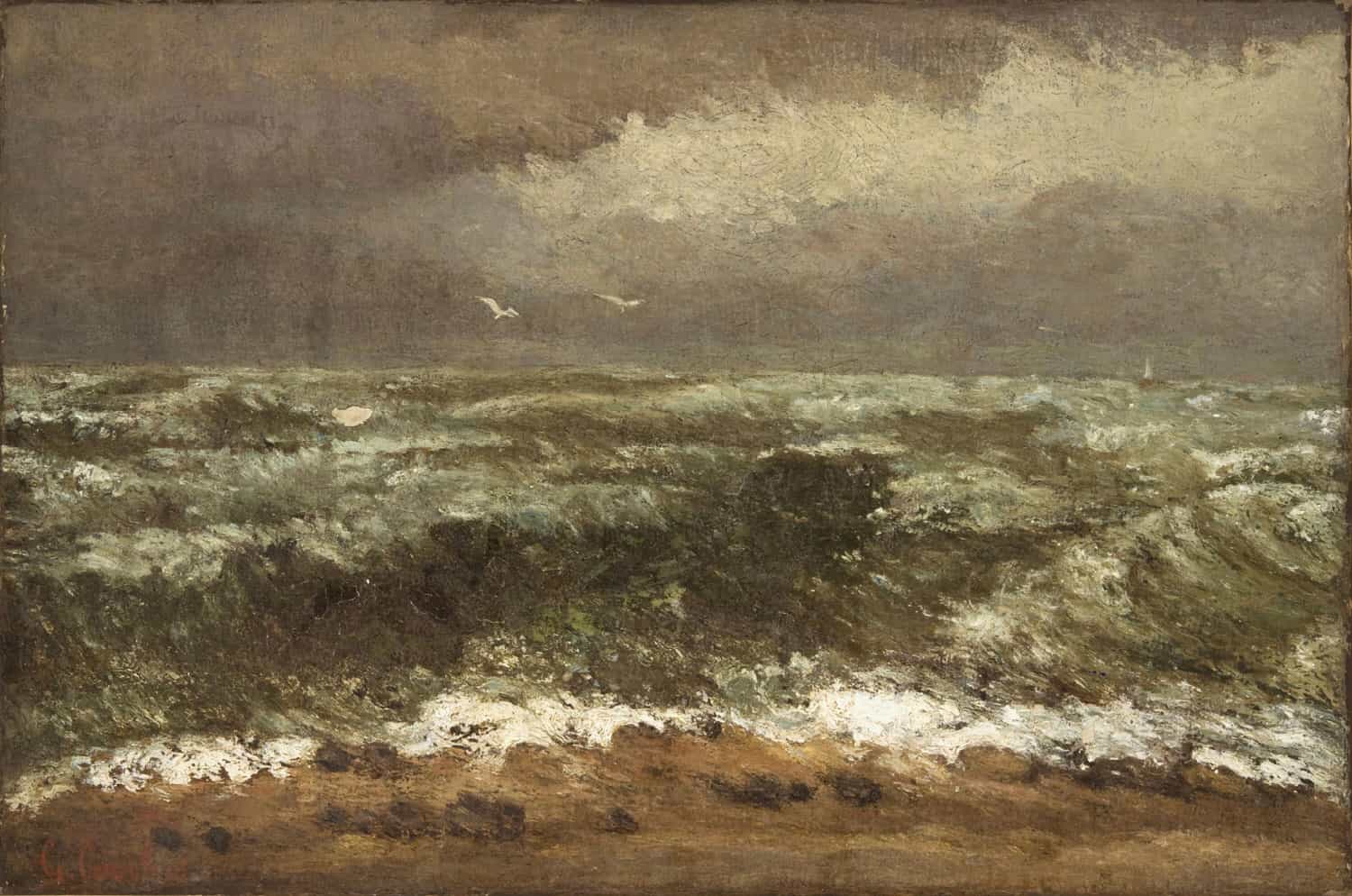
Waves
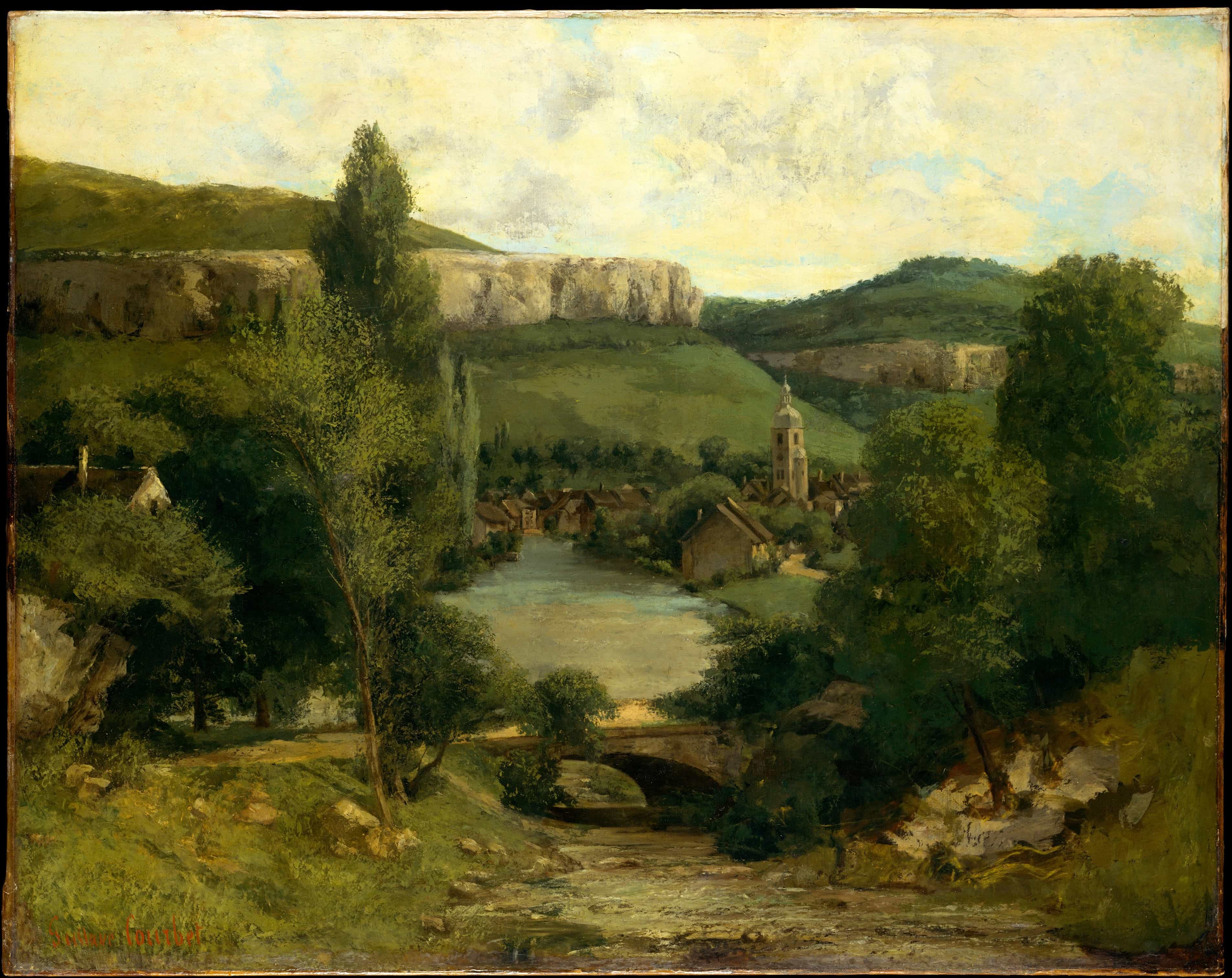
View of Ornans
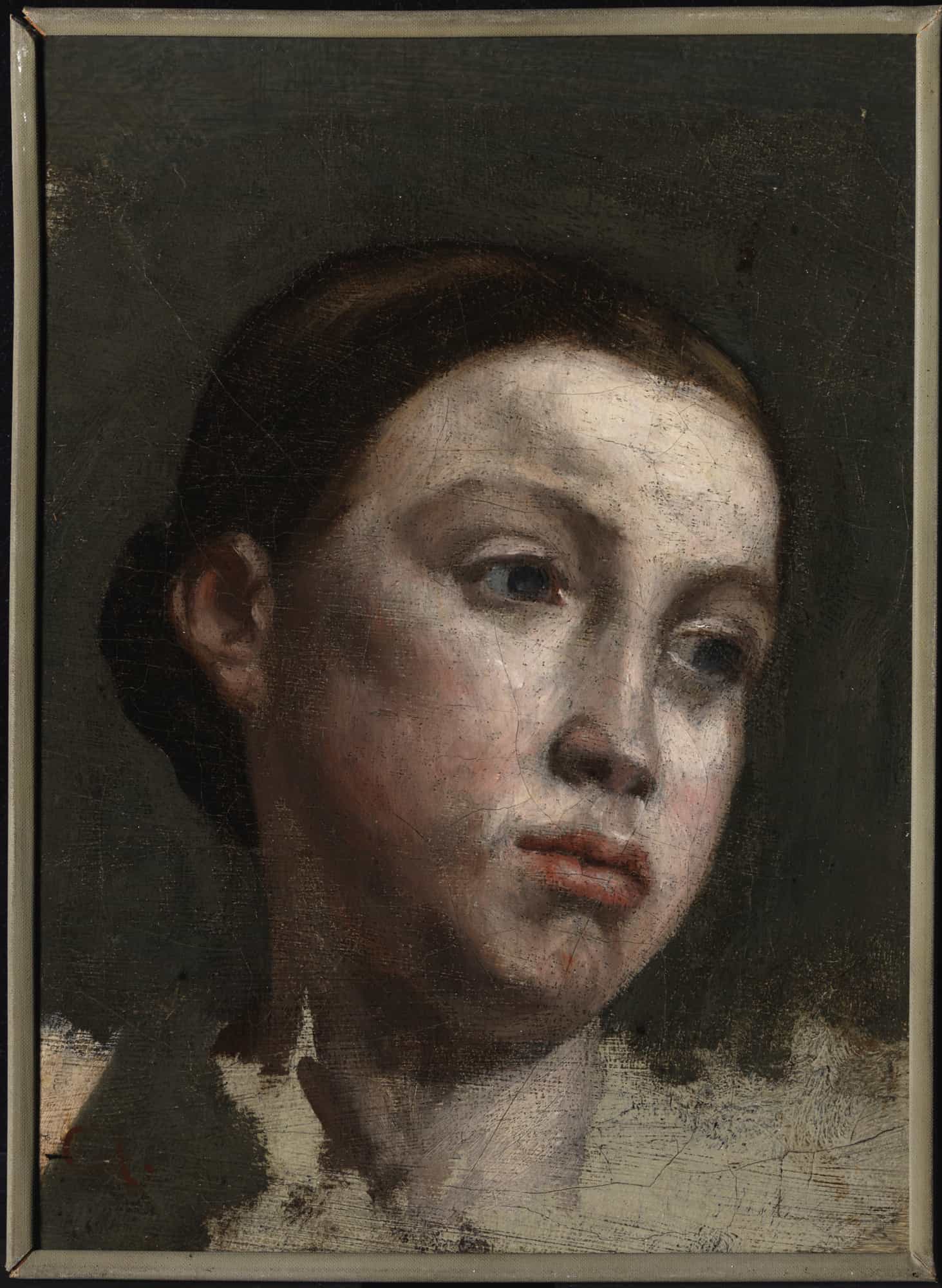
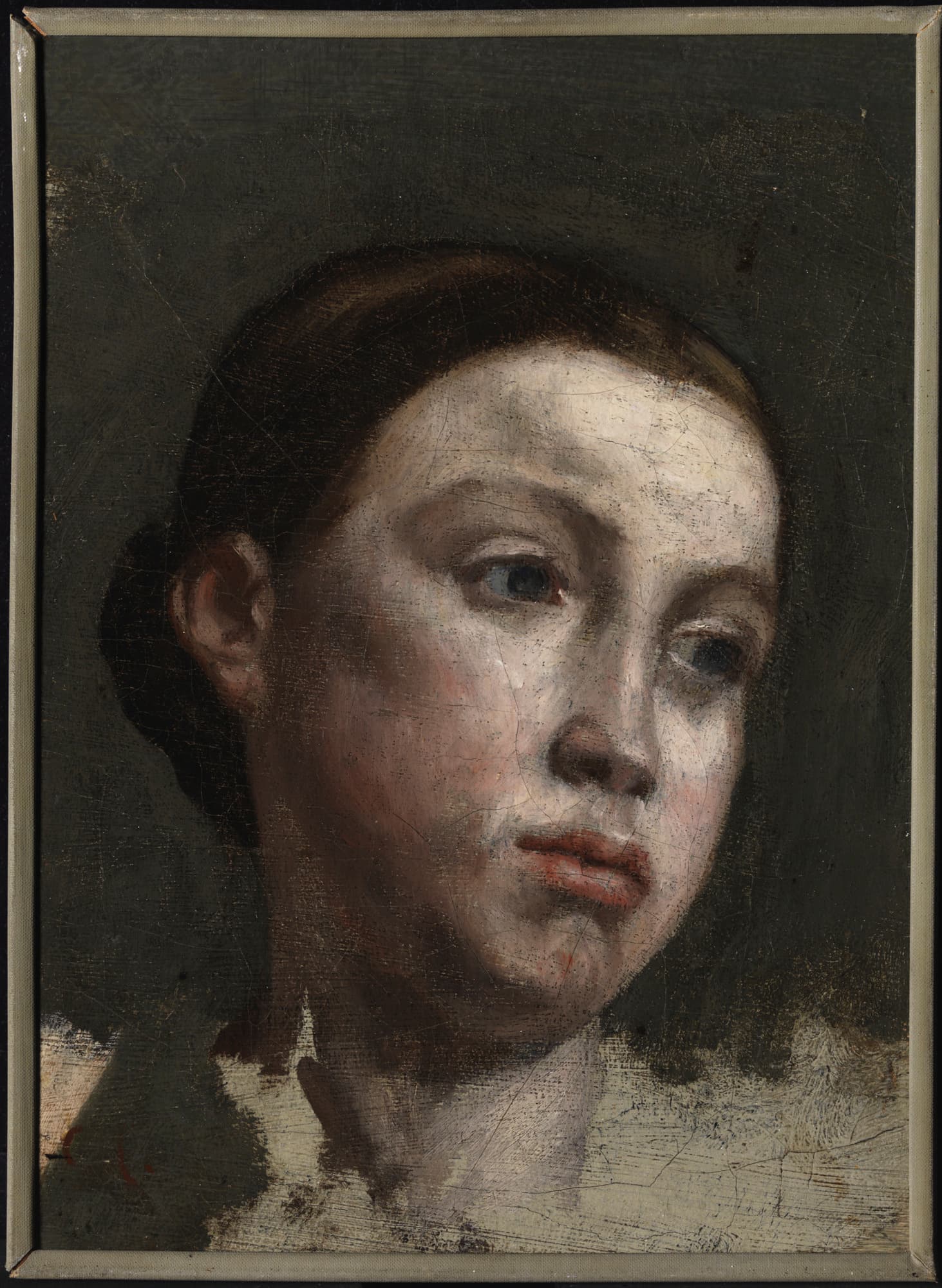
Portrait of a Young Woman
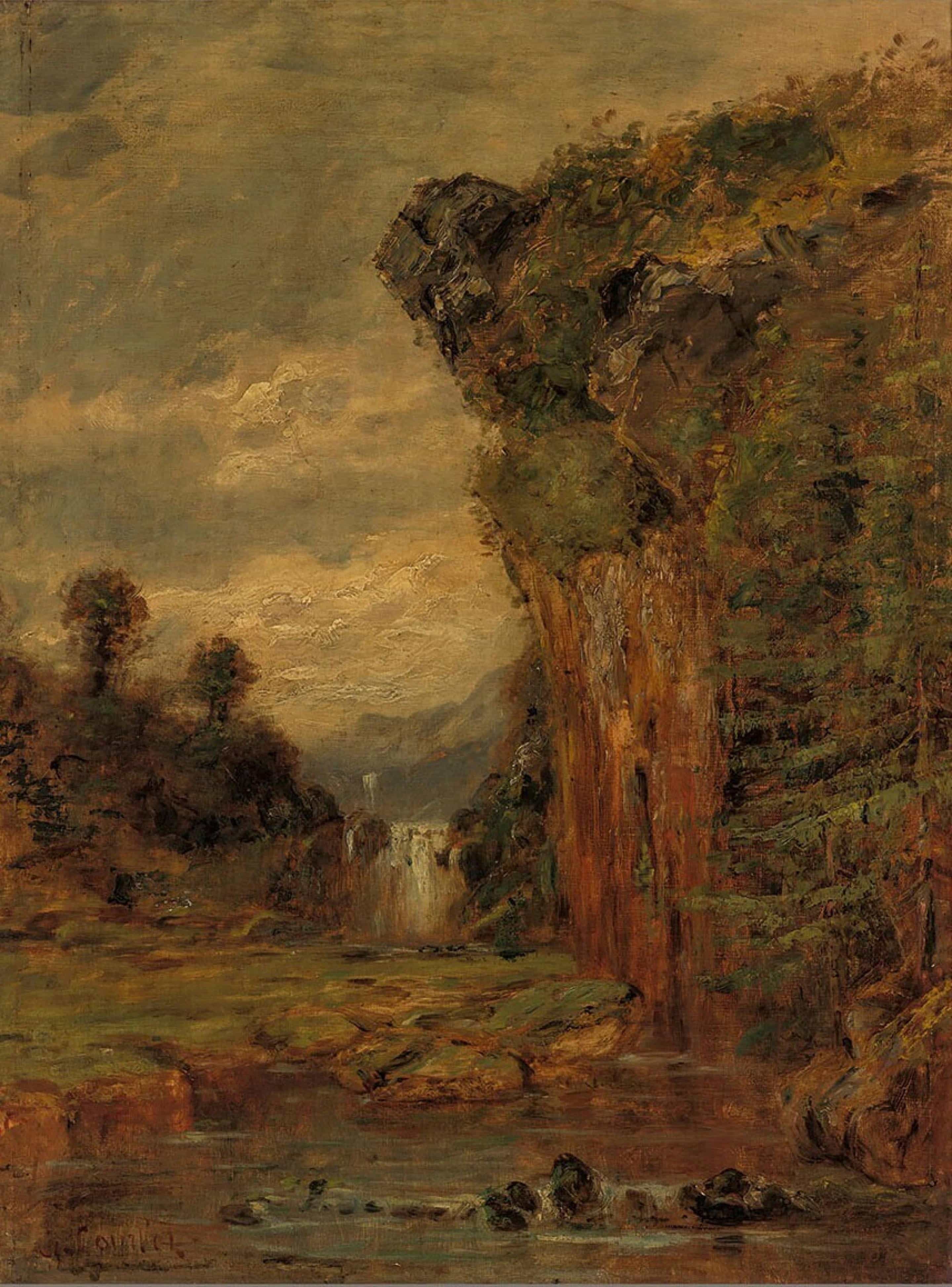
Rocky Landscape with Waterfall
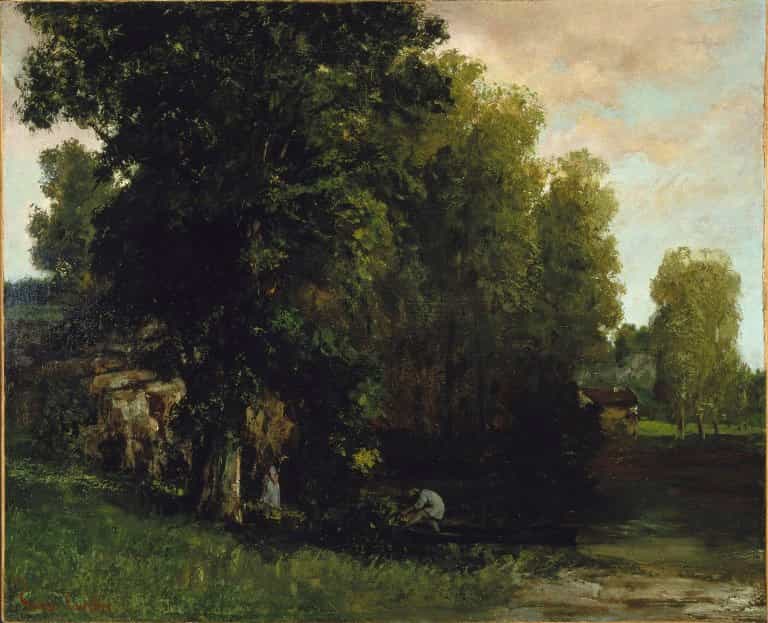
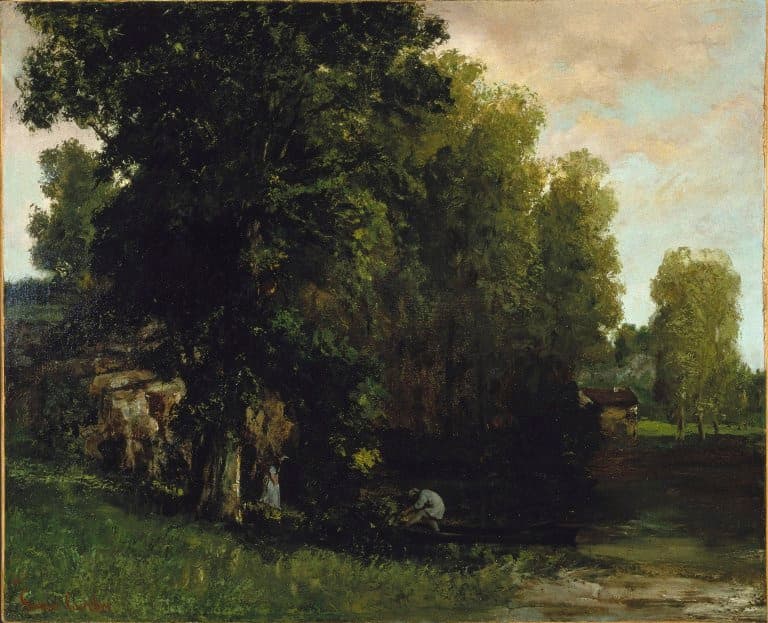
The Edge of the Pool
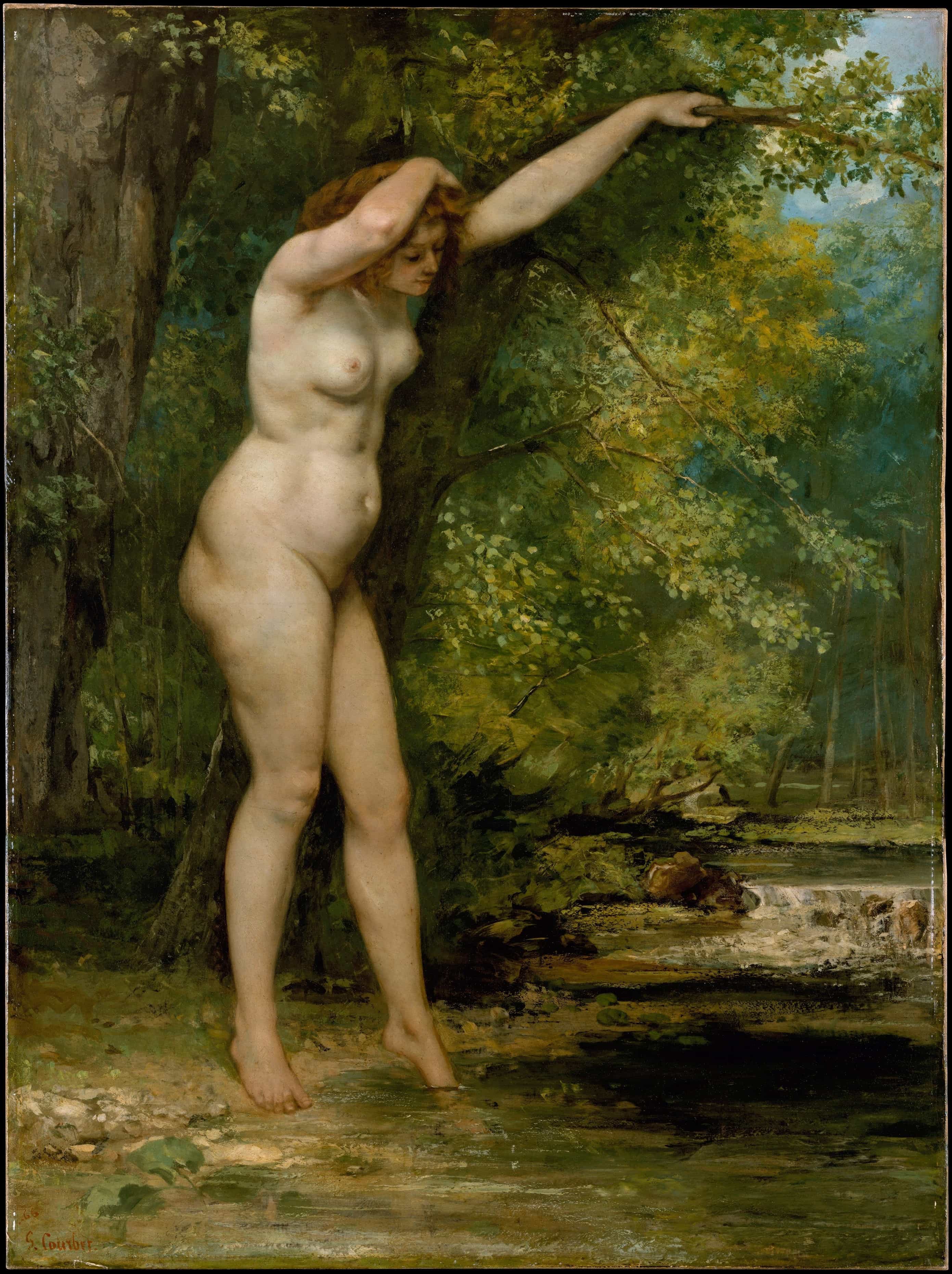
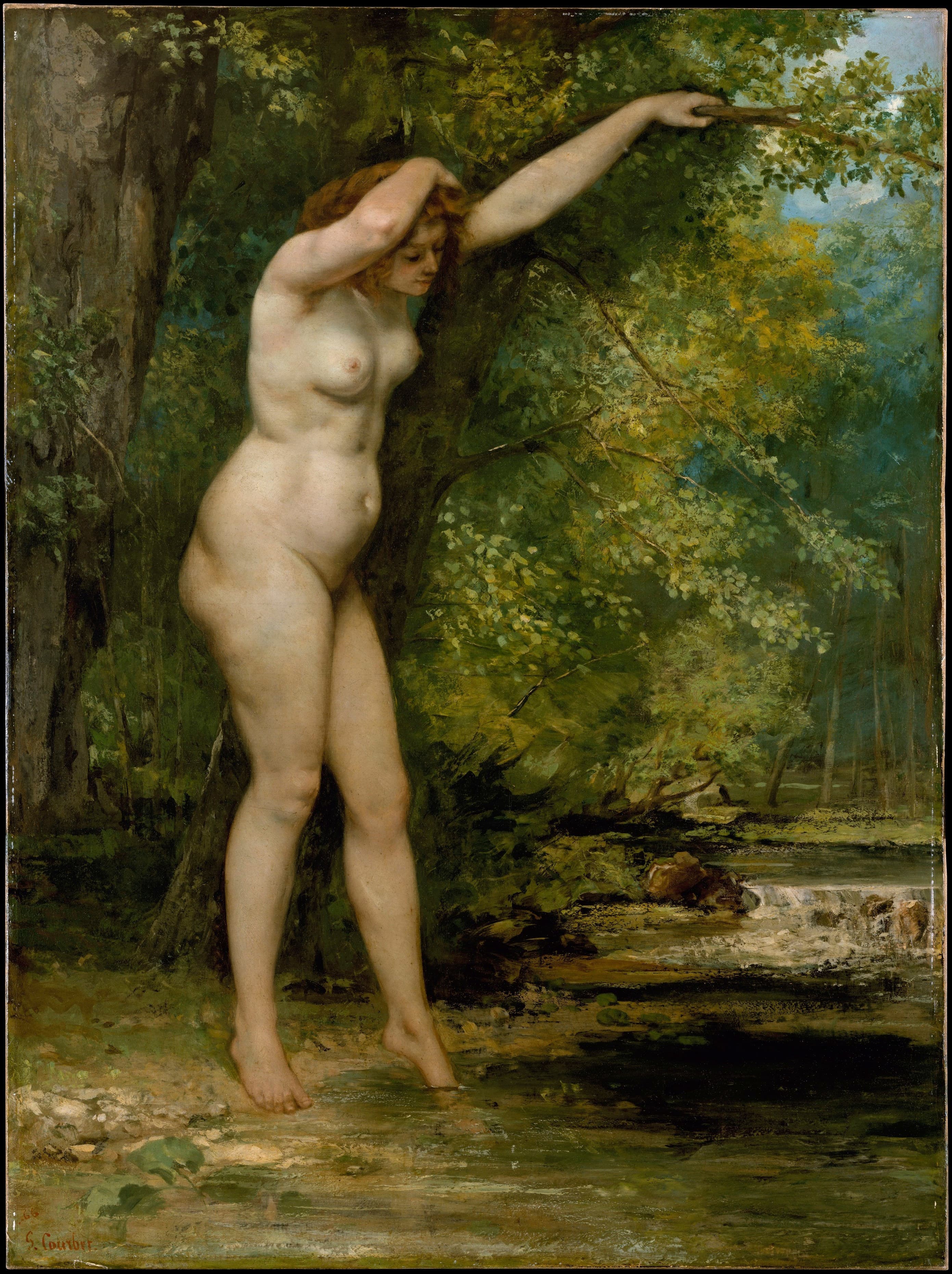
The Young Bather
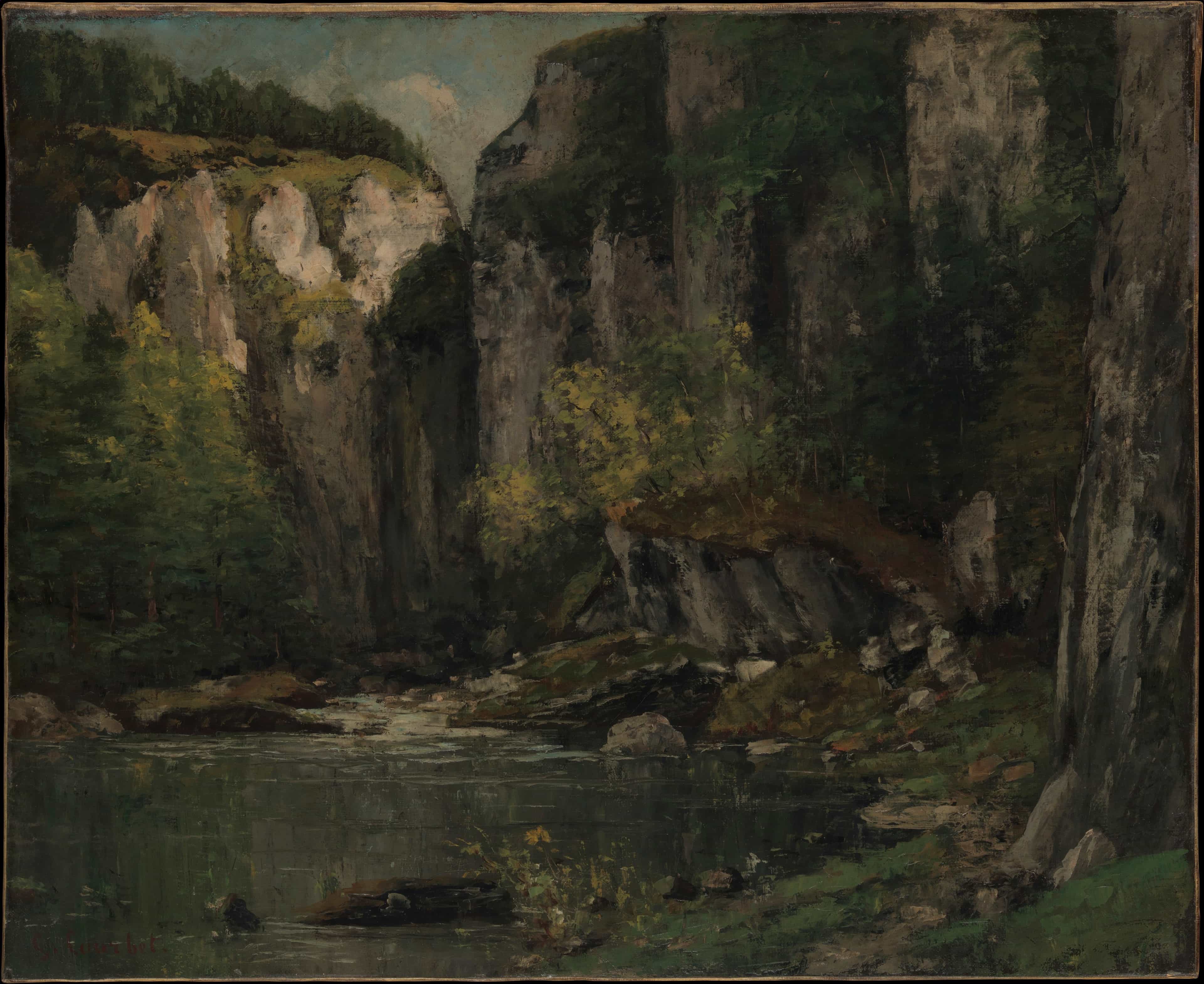
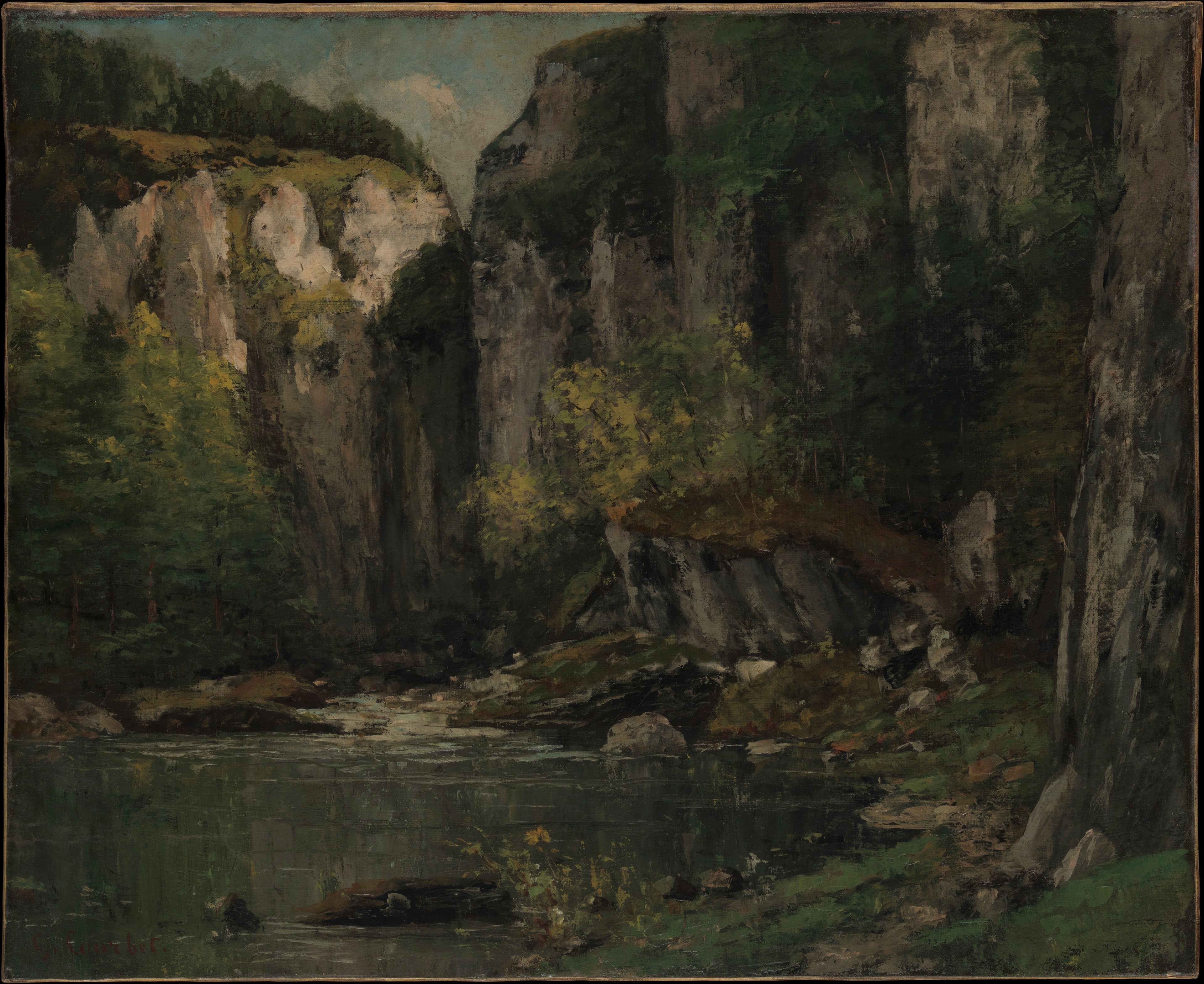
River and Rocks
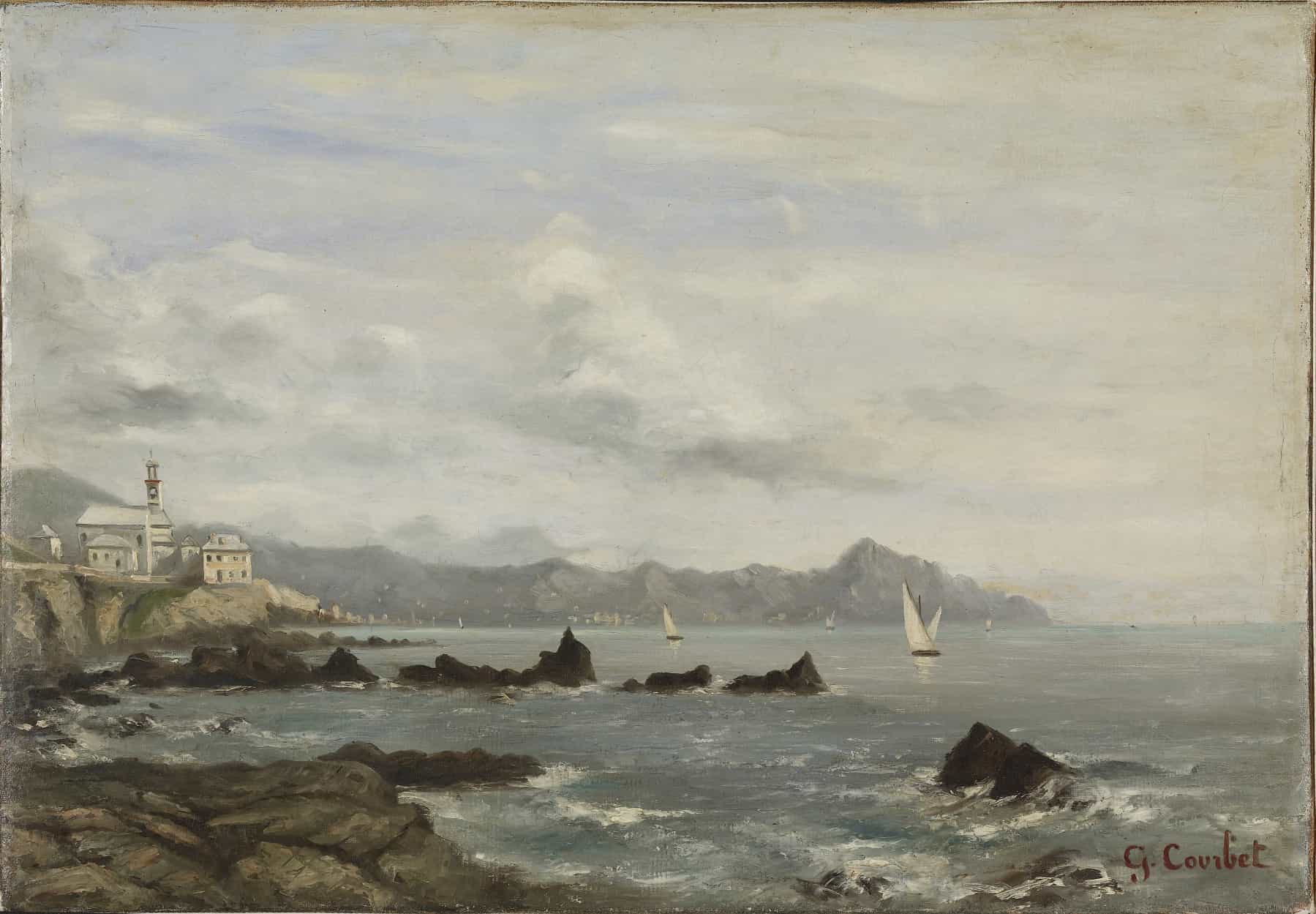
View of Lake Geneva
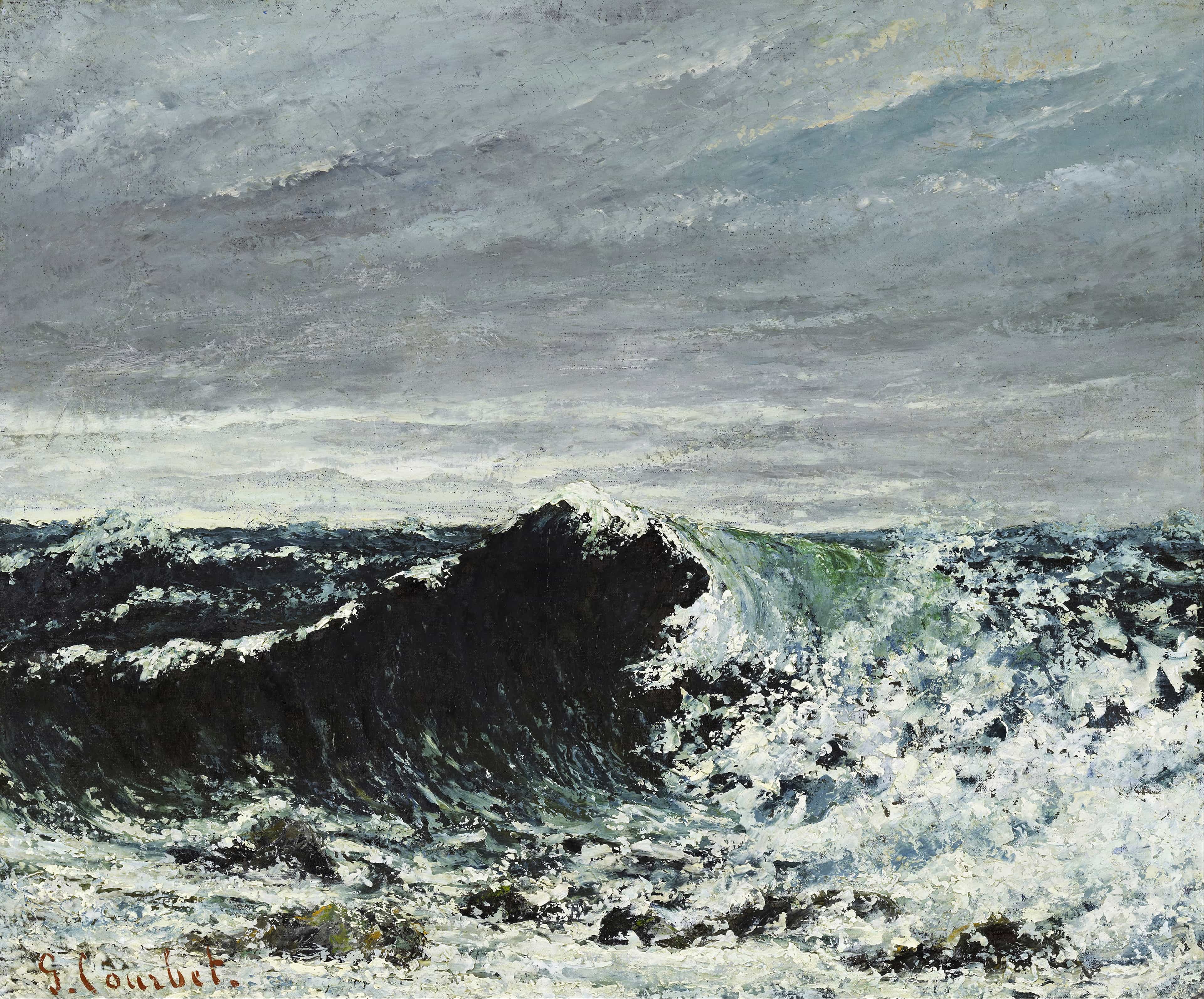
The Wave
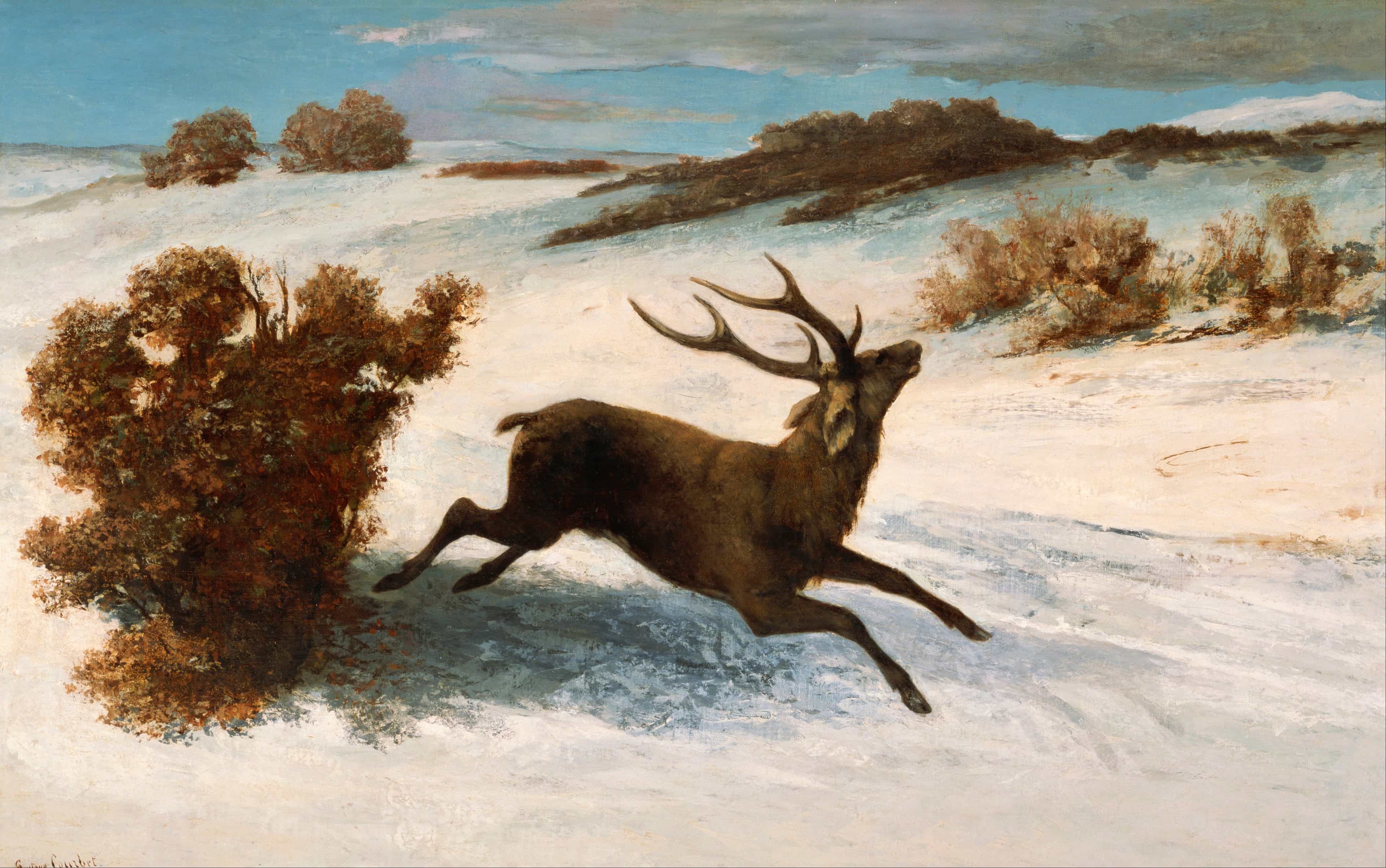
Deer Running in the Snow
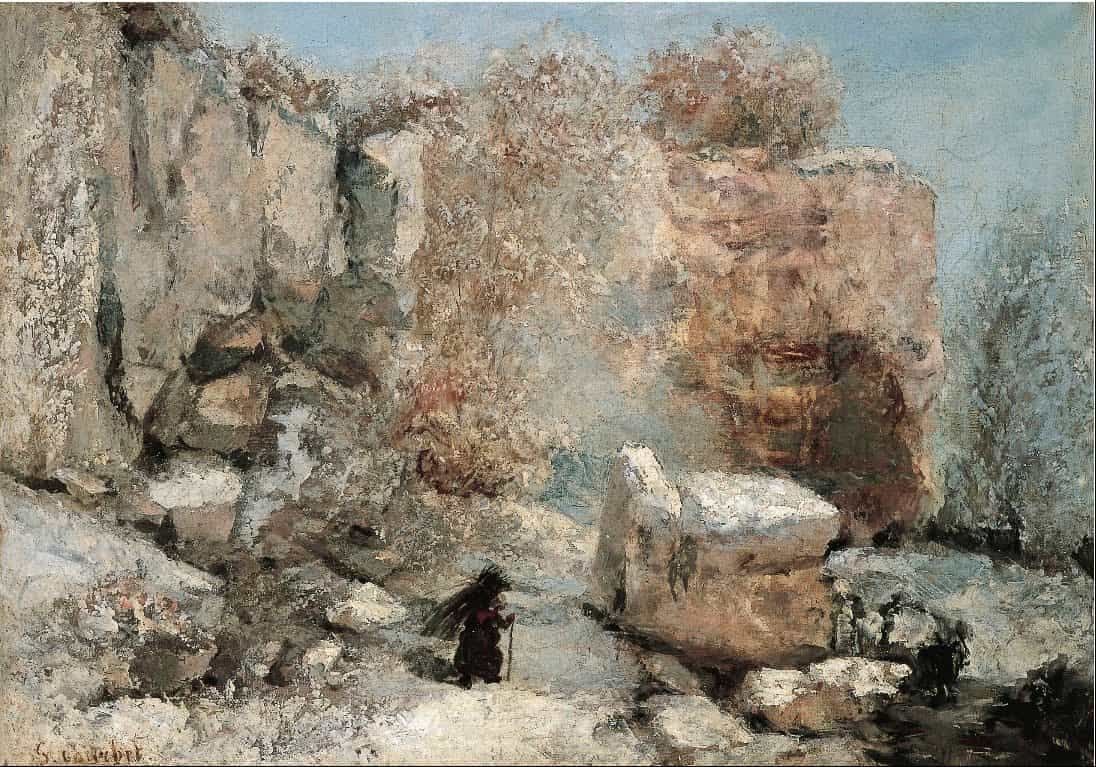
Snow Effect in a Quarry