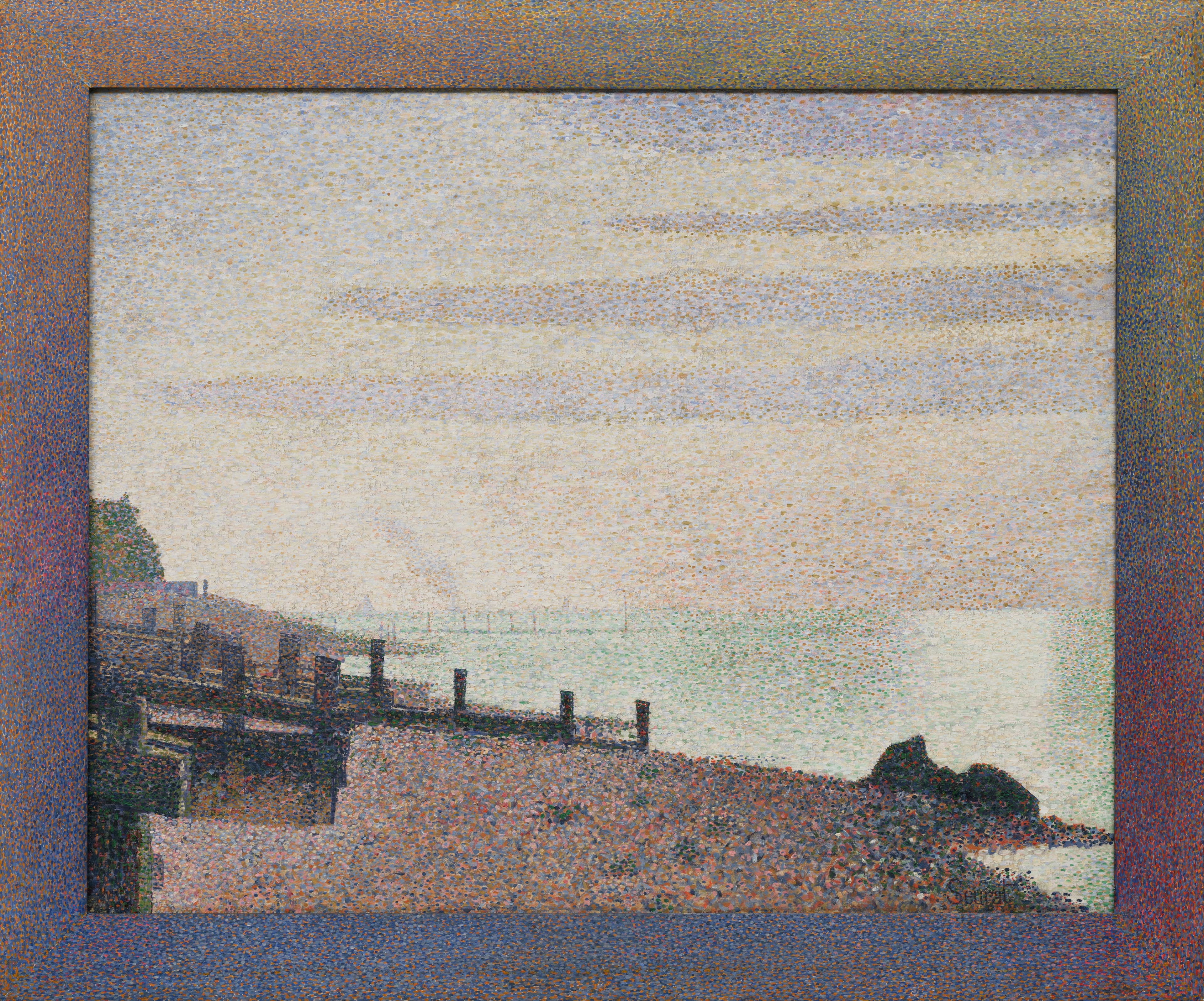
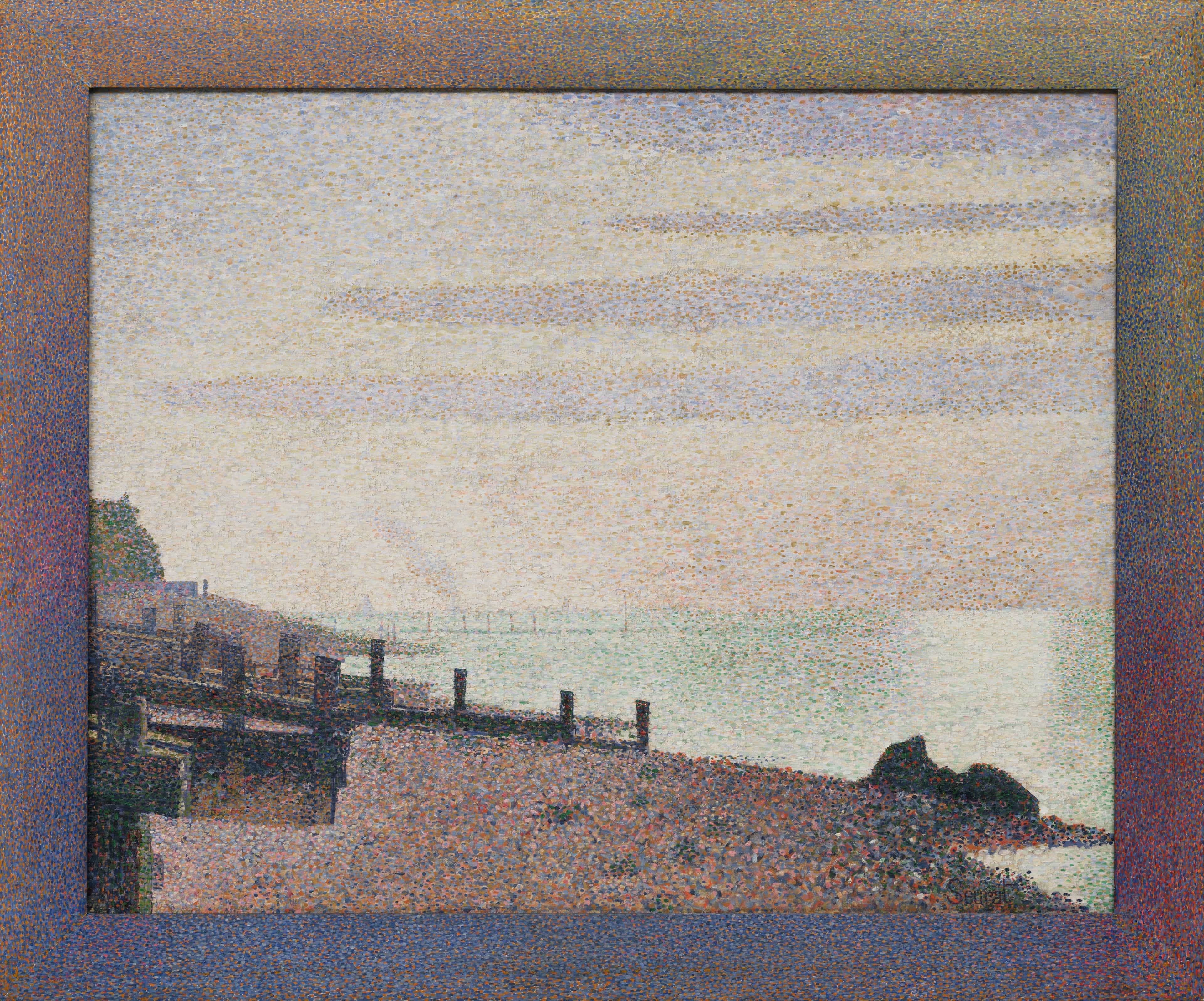
Evening, Honfleur
Georges Seurat
From €54
Collection
Museum-quality reproductions on 310gsm textured cotton rag paper.
Shop all prints by Georges SeuratArtistic Style
Style Evolution
Seurat moved from academic drawing to a Neo-Impressionist method that translated scientific color theories into a poetic, decorative painting practice. His middle period solidified pointillism and structured compositions that influenced later modernists.
Palette
Subjects
Techniques
Topics
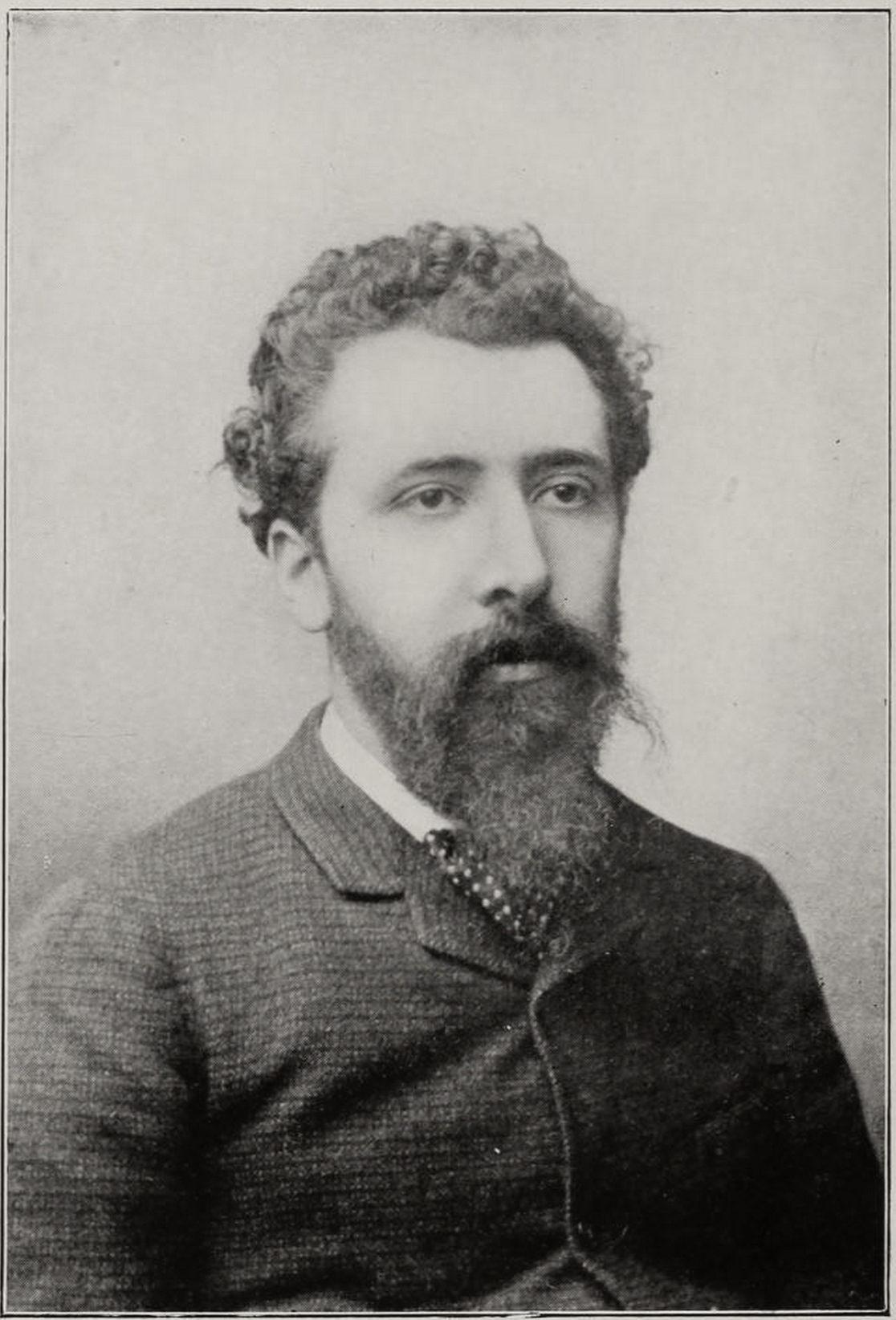
Georges Seurat (1859-1891) was a French Neo-Impressionist painter whose pioneering pointillist technique and rigorous color theory reshaped modern art.
Learn about the life of Georges Seurat
Signature Works
See all available printsBiography
Georges Seurat (1859-1891) was a French Neo-Impressionist painter whose pioneering pointillist technique and rigorous color theory reshaped modern art.
Georges Seurat was born in the former 5th arrondissement of Paris in 1859. Raised in a cultured bourgeois family, he trained as an artist in Paris and emerged during a period when Impressionism dominated the French art scene. Seurat rejected purely spontaneous brushwork in favor of a more scientific approach to color, composition and optical mixing.
Seurat developed his method in Paris and its environs, experimenting with color and form in studios and alongside contemporary painters. His development moved from academic study to an innovative practice defined by small, discrete touches of color.
Working in Paris, Seurat combined rigorous draftsmanship with an interest in modern urban life. He studied traditional drawing and composition before applying theories of color and perception to contemporary subjects.
In the mid-1880s Seurat painted scenes of suburban leisure and riverside life, translating flat, sunlit surfaces into patterns of luminous dots and strokes.
Seurat's major achievements lie in founding and popularizing what became known as Neo-Impressionism or Pointillism, a method that used small, discrete marks of pure color to achieve optical blending at a distance. His large-scale public compositions and carefully structured canvases established a new visual language for depicting modern life and light.
Seurat's technique emphasized optical color mixing, precise draftsmanship, and controlled composition. Working from sketches and studies, he applied thousands of tiny touches to build surfaces that resolve into shimmering forms from afar. His approach balanced scientific theories of vision with a poetic, formal sensibility.
Seurat bridged Impressionism and several strands of twentieth-century modernism. His methods influenced Divisionist painters, the Fauves, and later generations who explored color and structure. Collectors prize his works for their intellectual rigor, decorative beauty, and enduring visual impact.
Seurat led a concentrated, studio-focused life in Paris. He collaborated and debated with contemporaries interested in modern urban subjects and the scientific study of color.
Seurat's paintings are highly valued for their technical innovation, compositional harmony, and decorative power. His iconic canvases command attention in major museum collections and the art market, treasured by collectors seeking striking, luminous works that enhance and define interior spaces.
Frequently Asked Questions
Evening, Honfleur
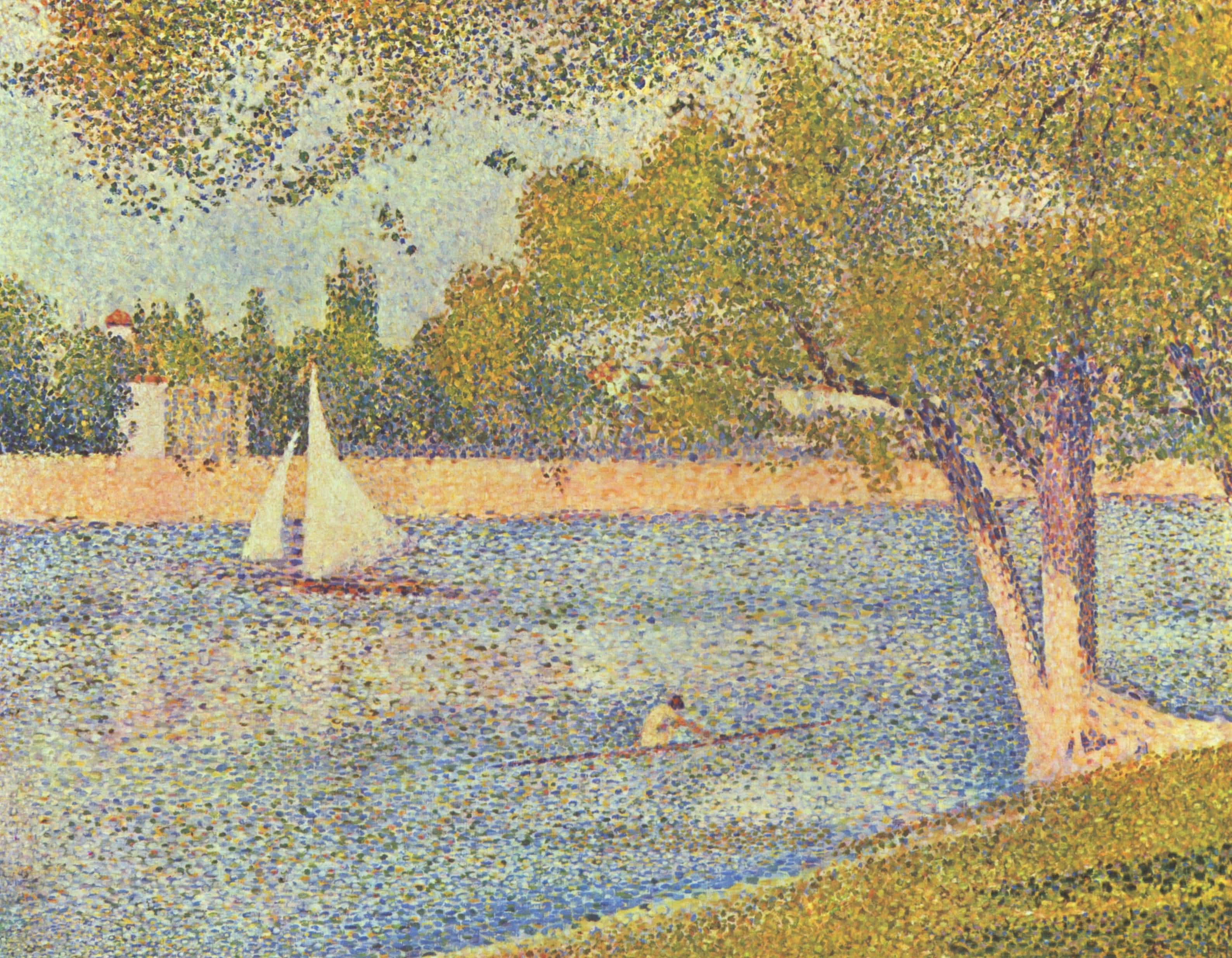
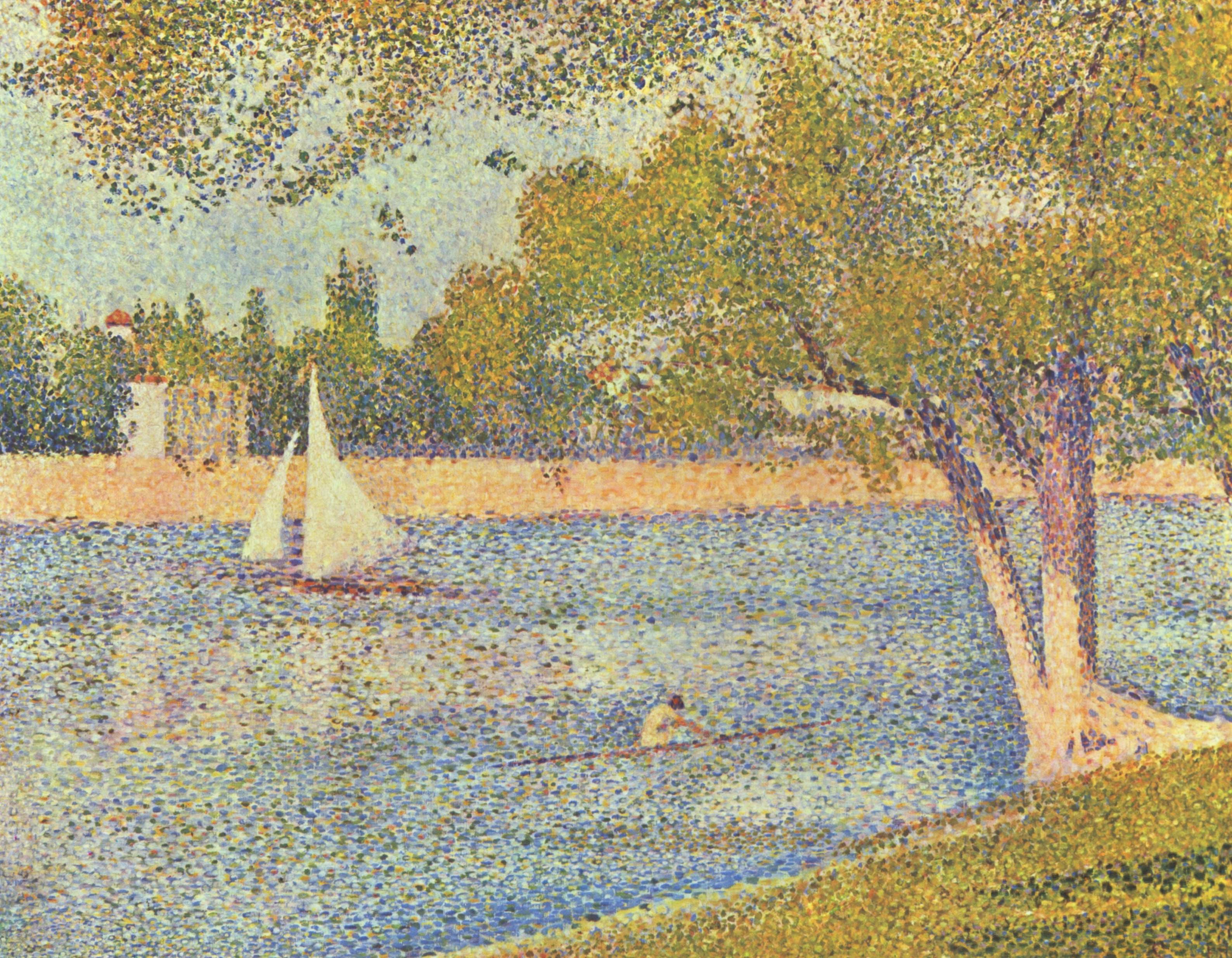
The Seine at La Grande Jatte
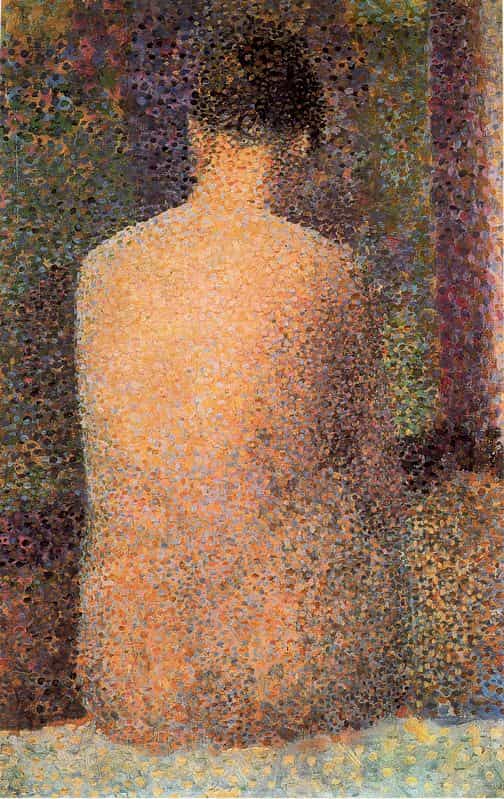
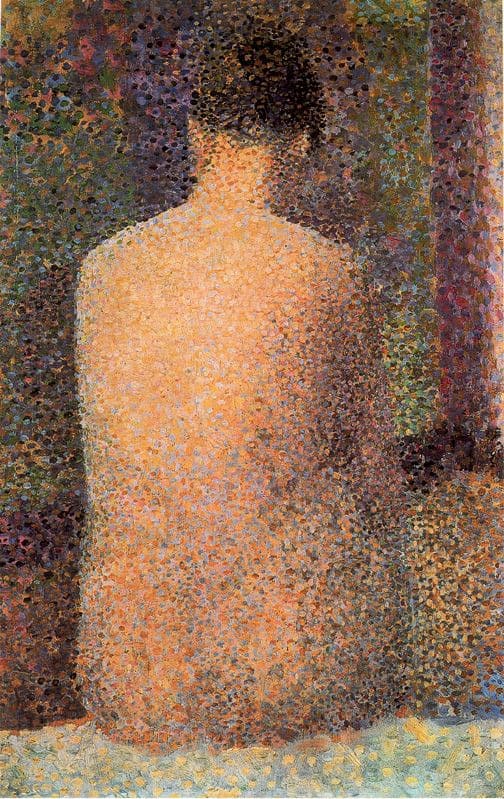
Poseuse de dos
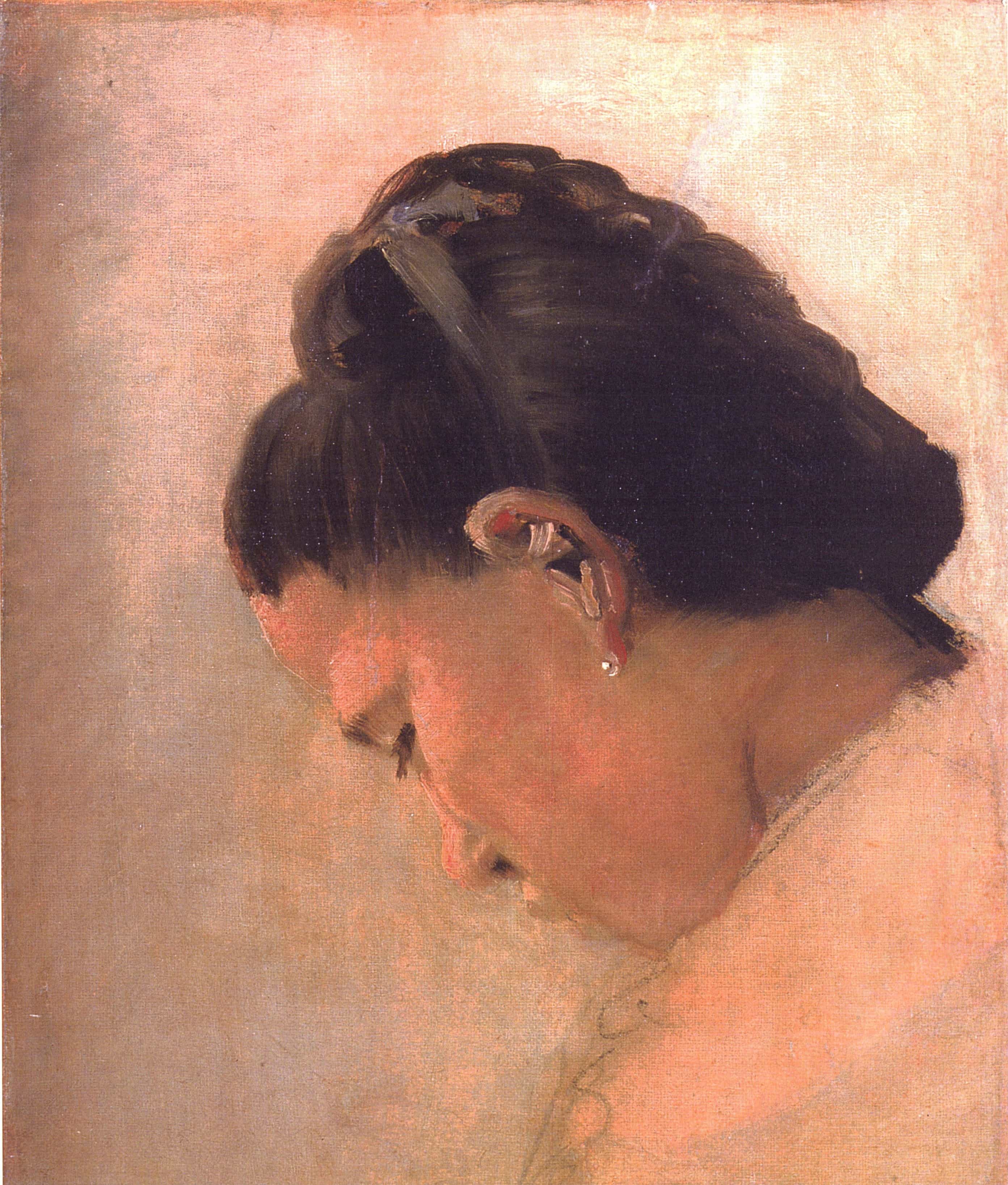
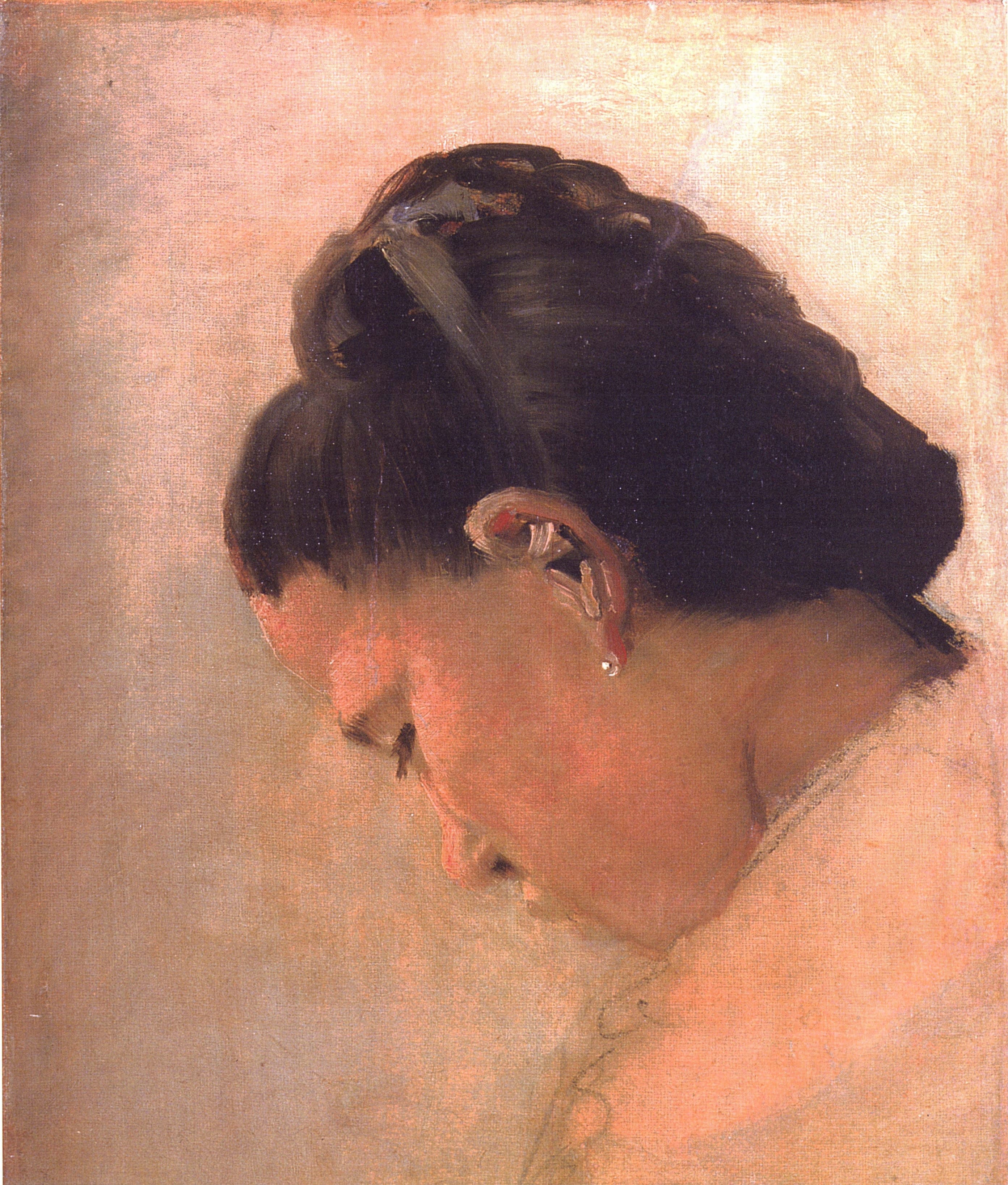
Head of a Young Girl
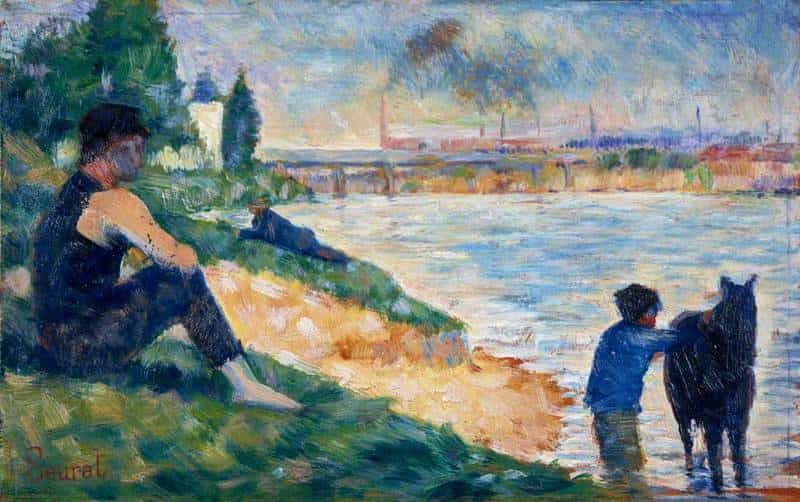
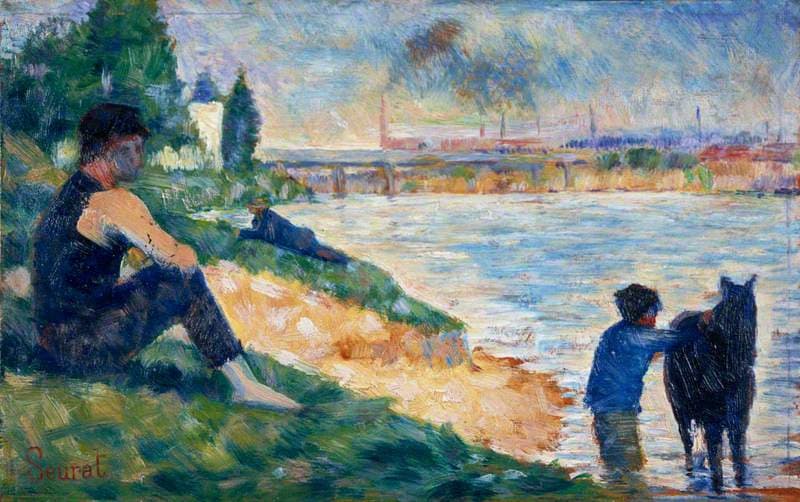
Bathers at Asnières (Study III)
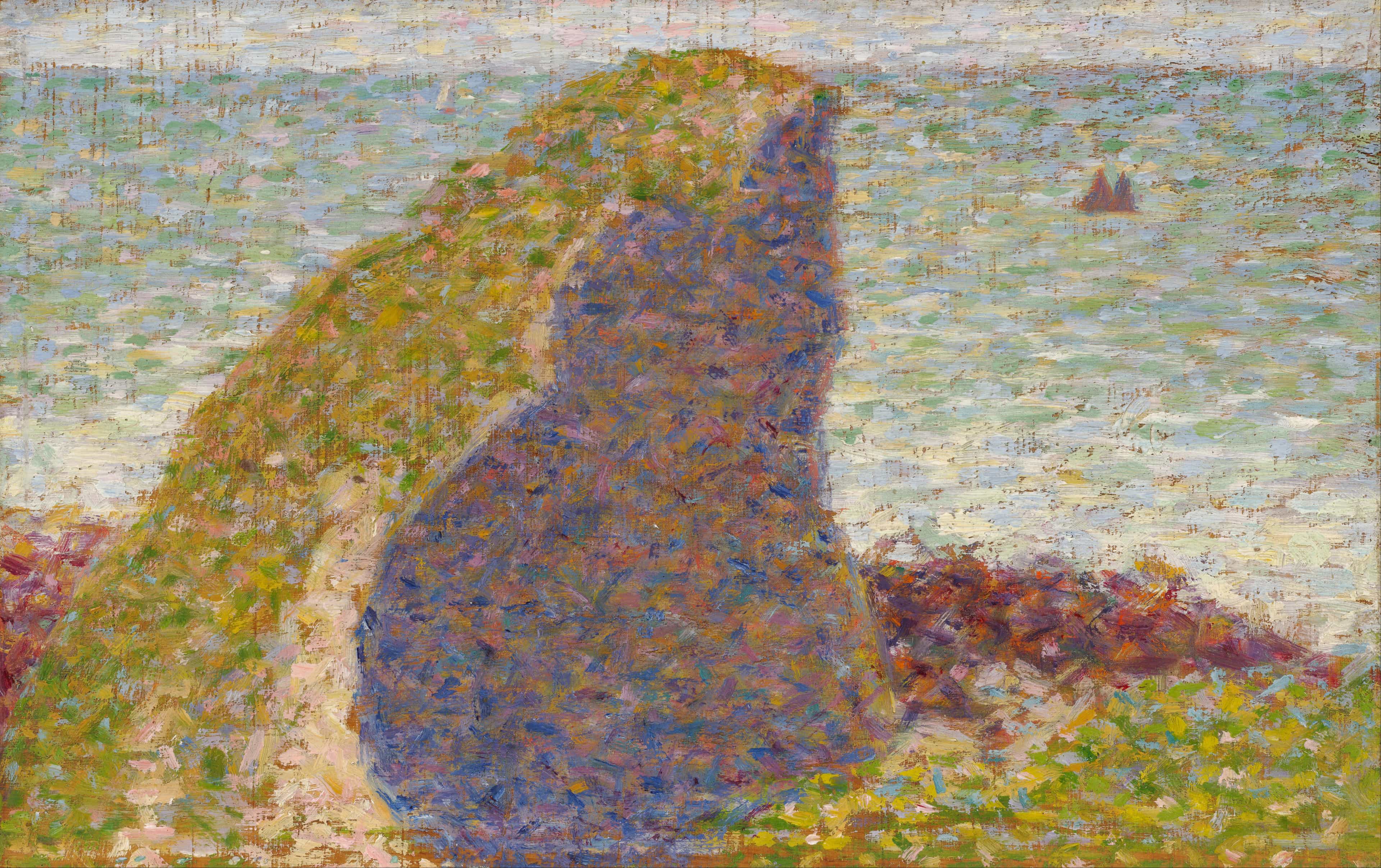
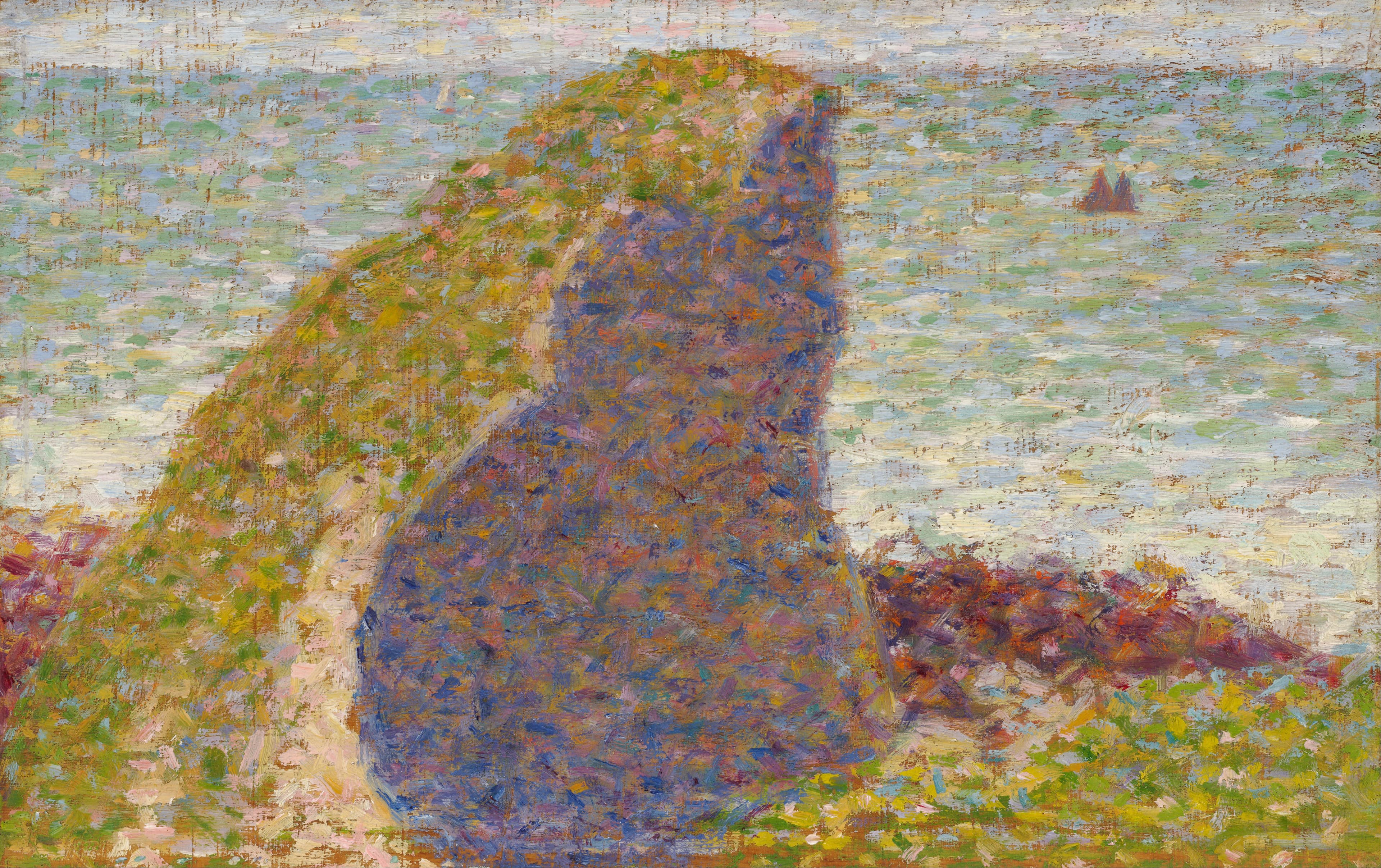
Study for Le Bec du Hoc, Grandcamp
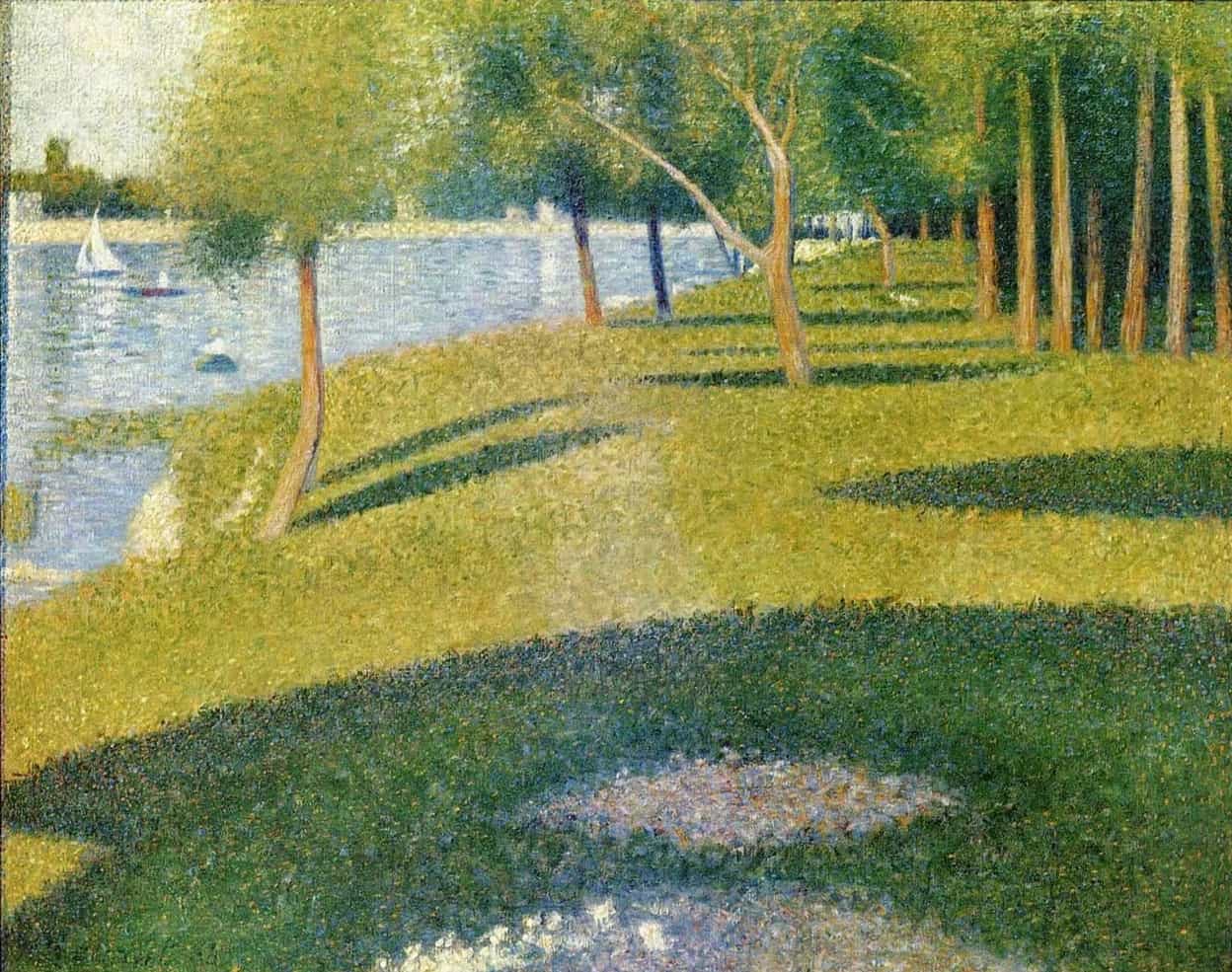
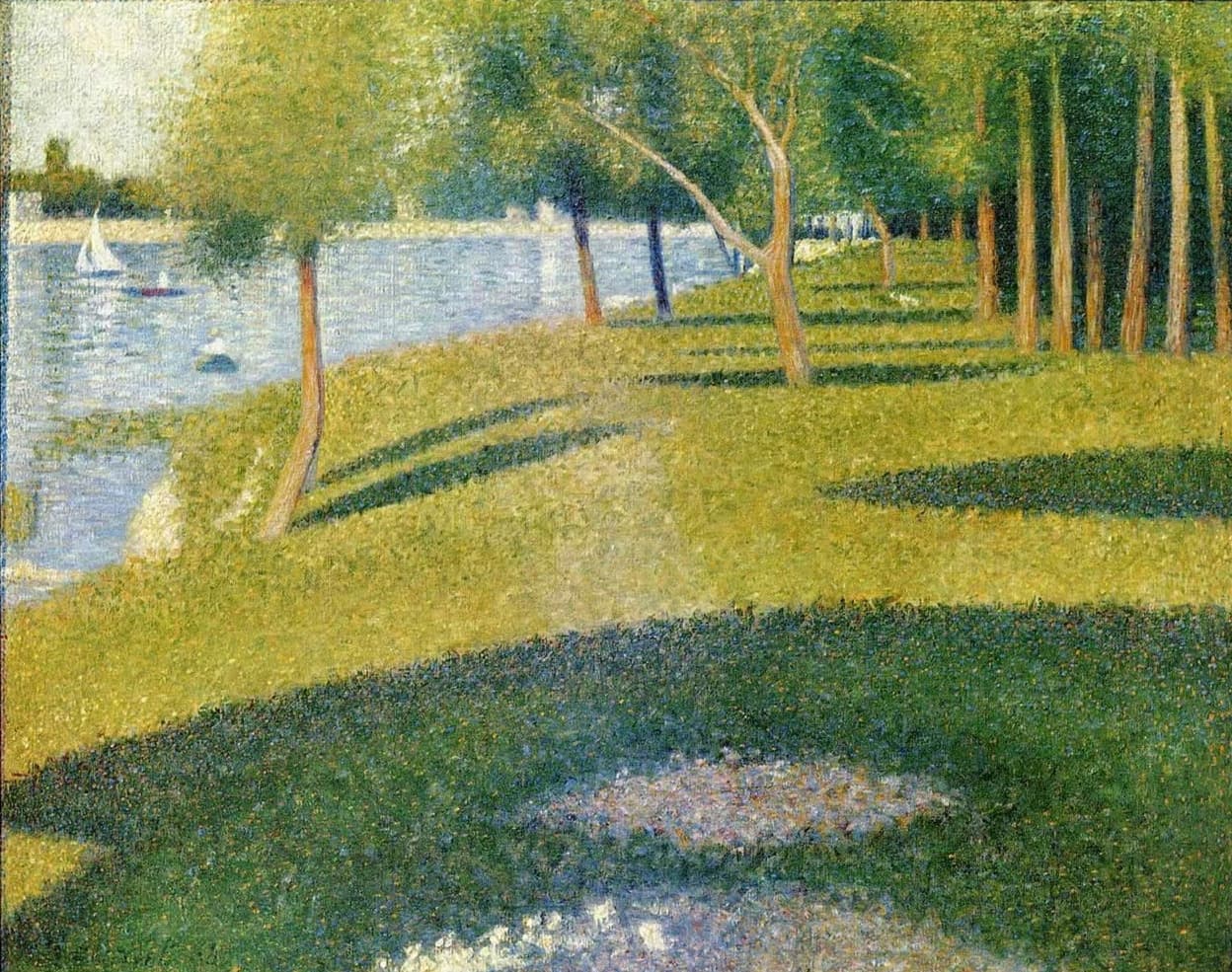
Landscape, Ile de la Grande-Jatte
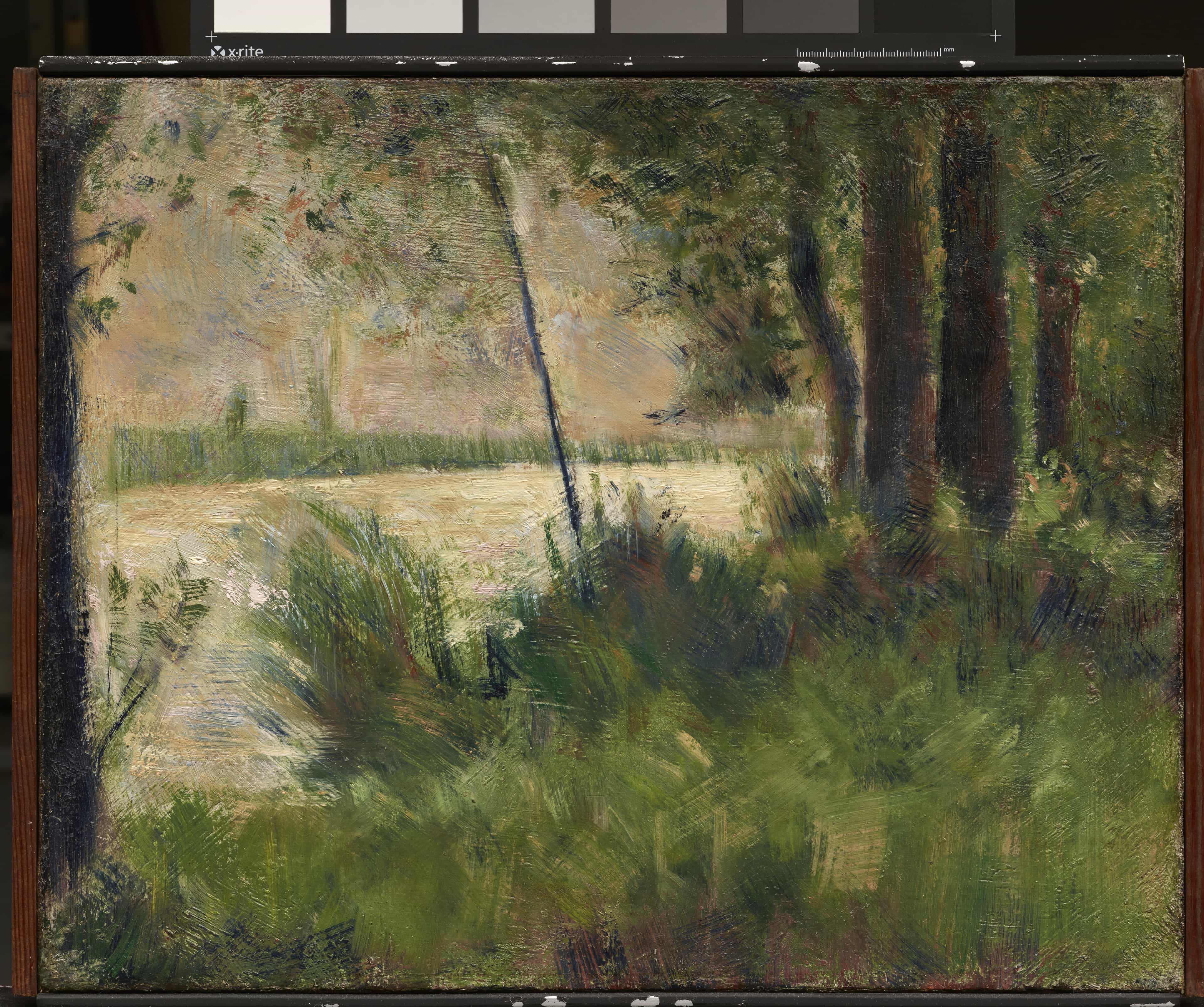
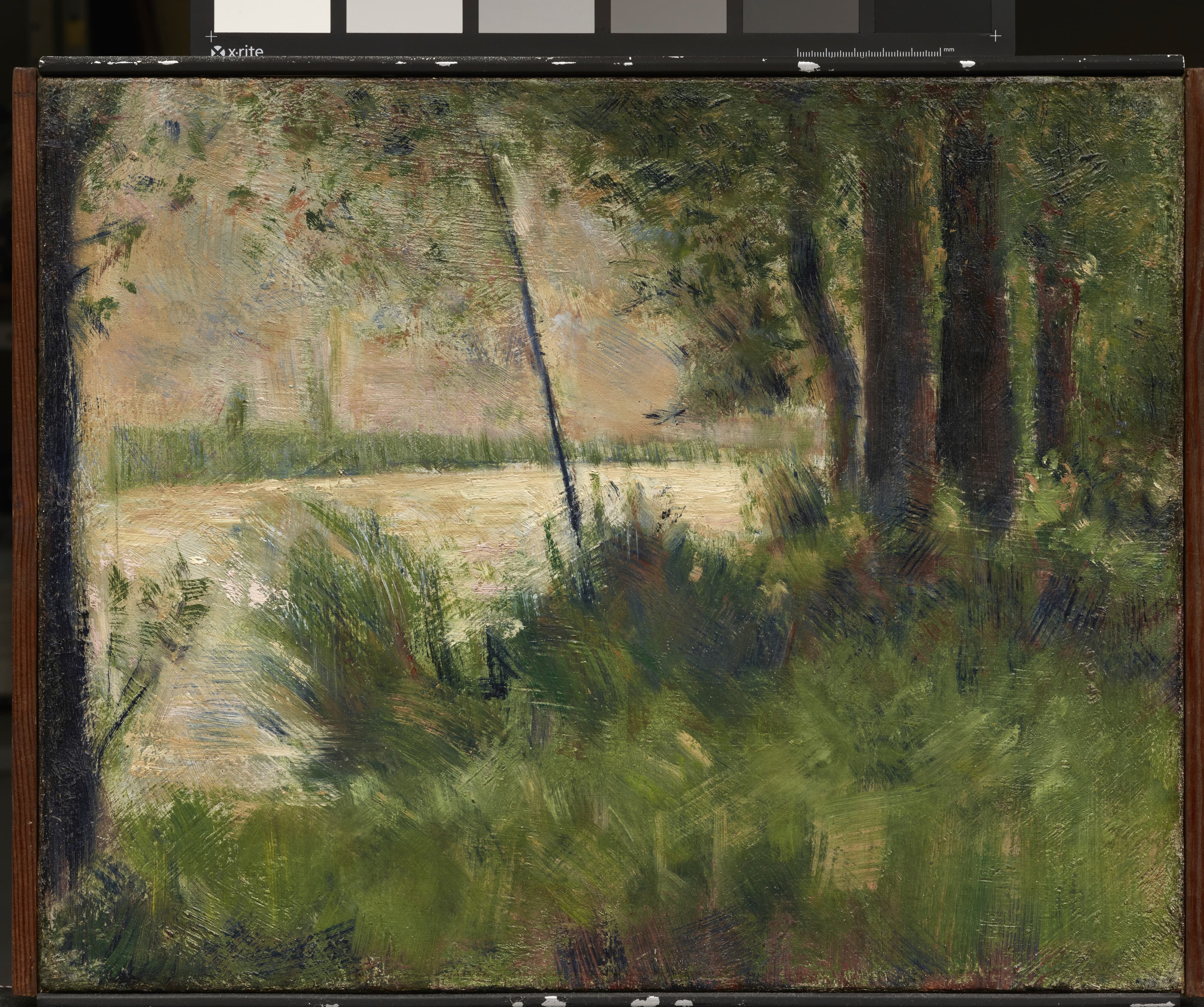
Grassy Riverbank
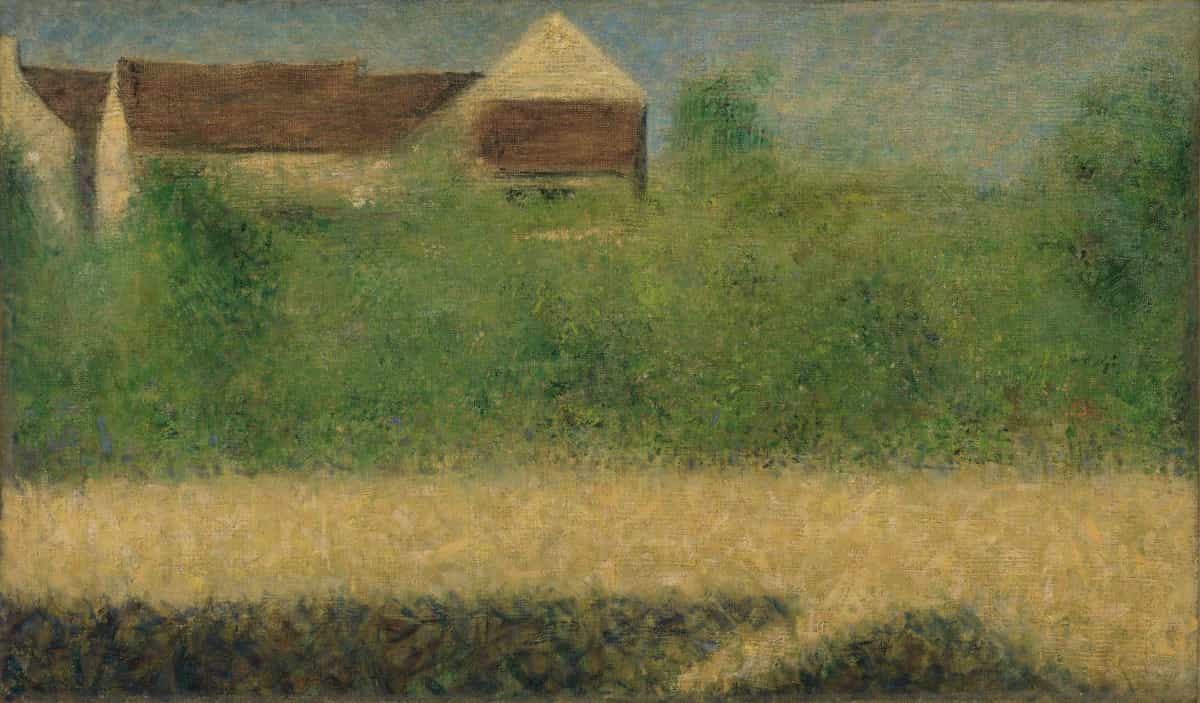
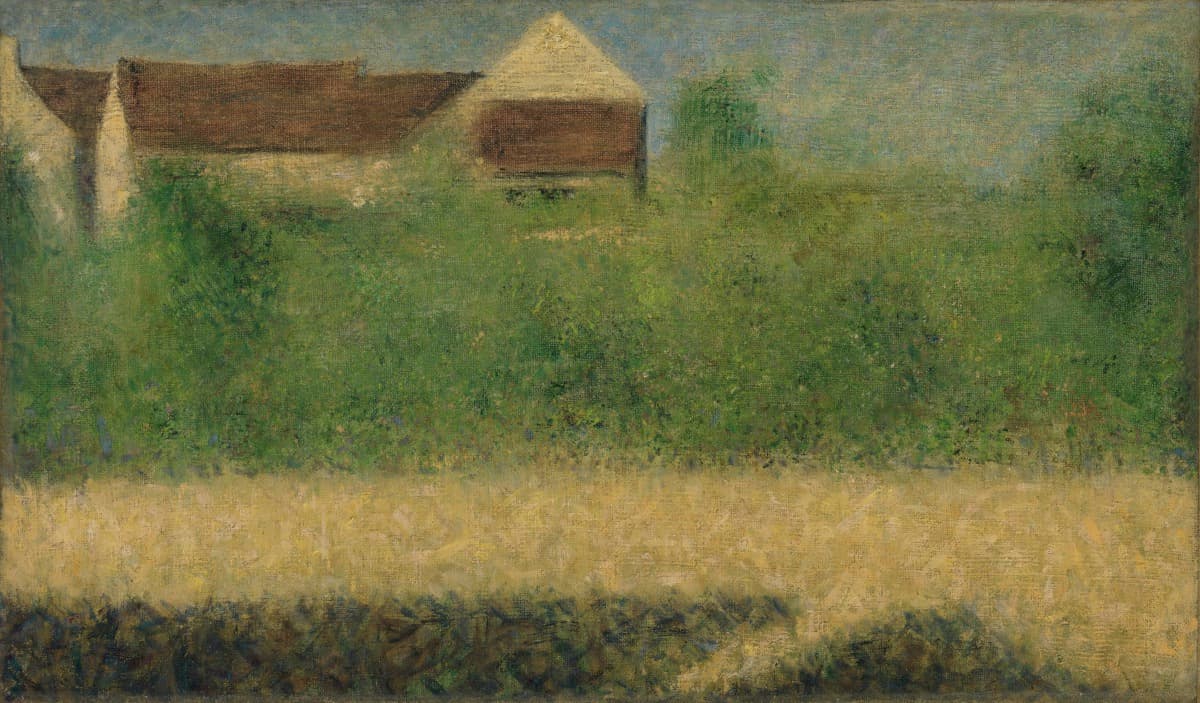
Houses and Garden
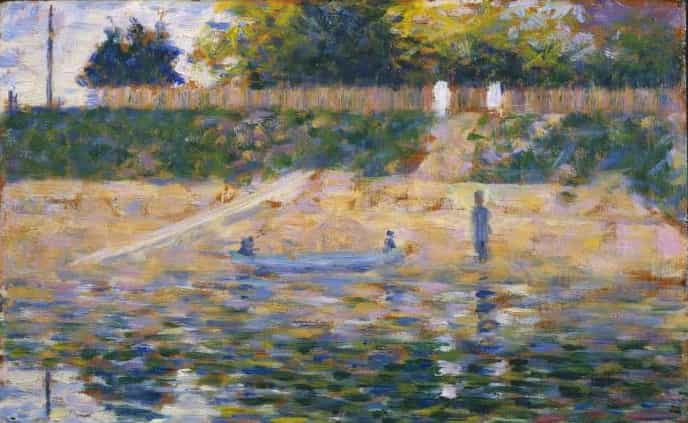
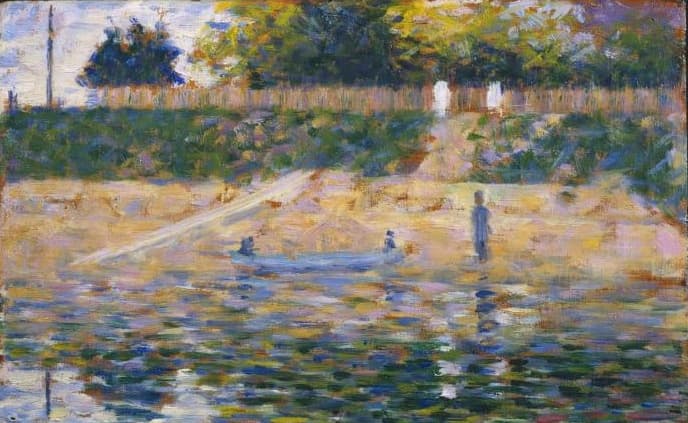
Boat by the Bank, Asnières
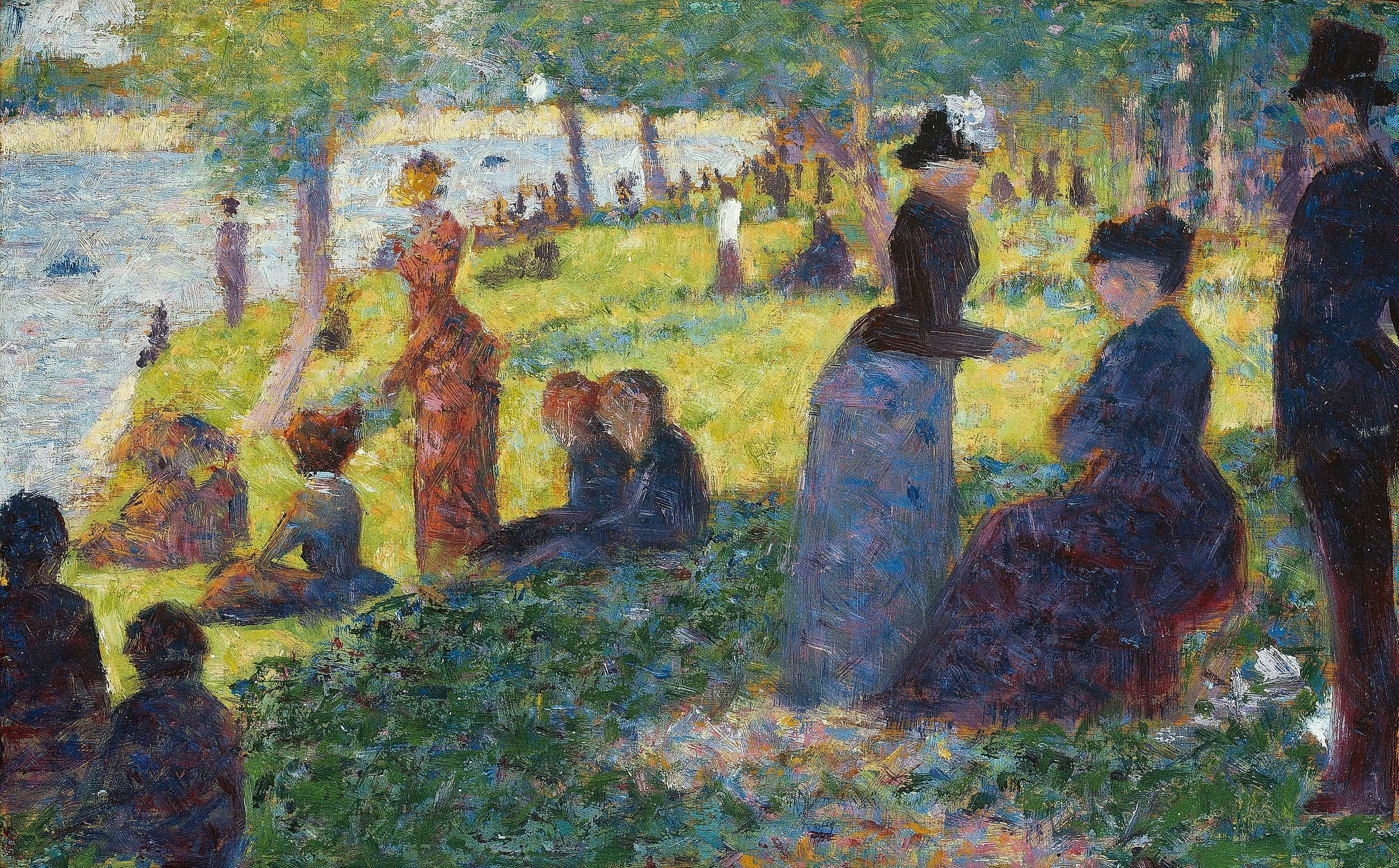
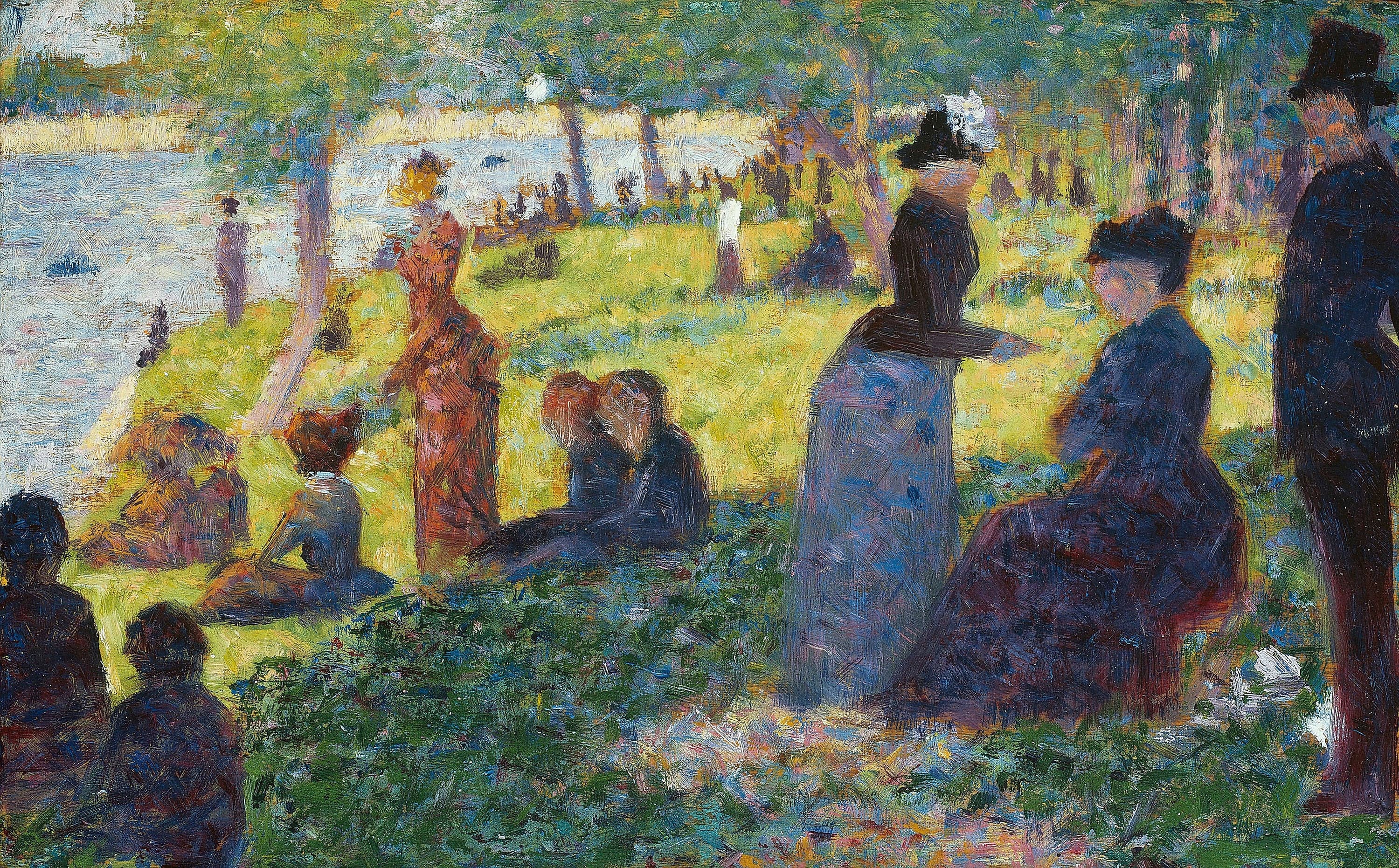
Oil Sketch for La Grande Jatte
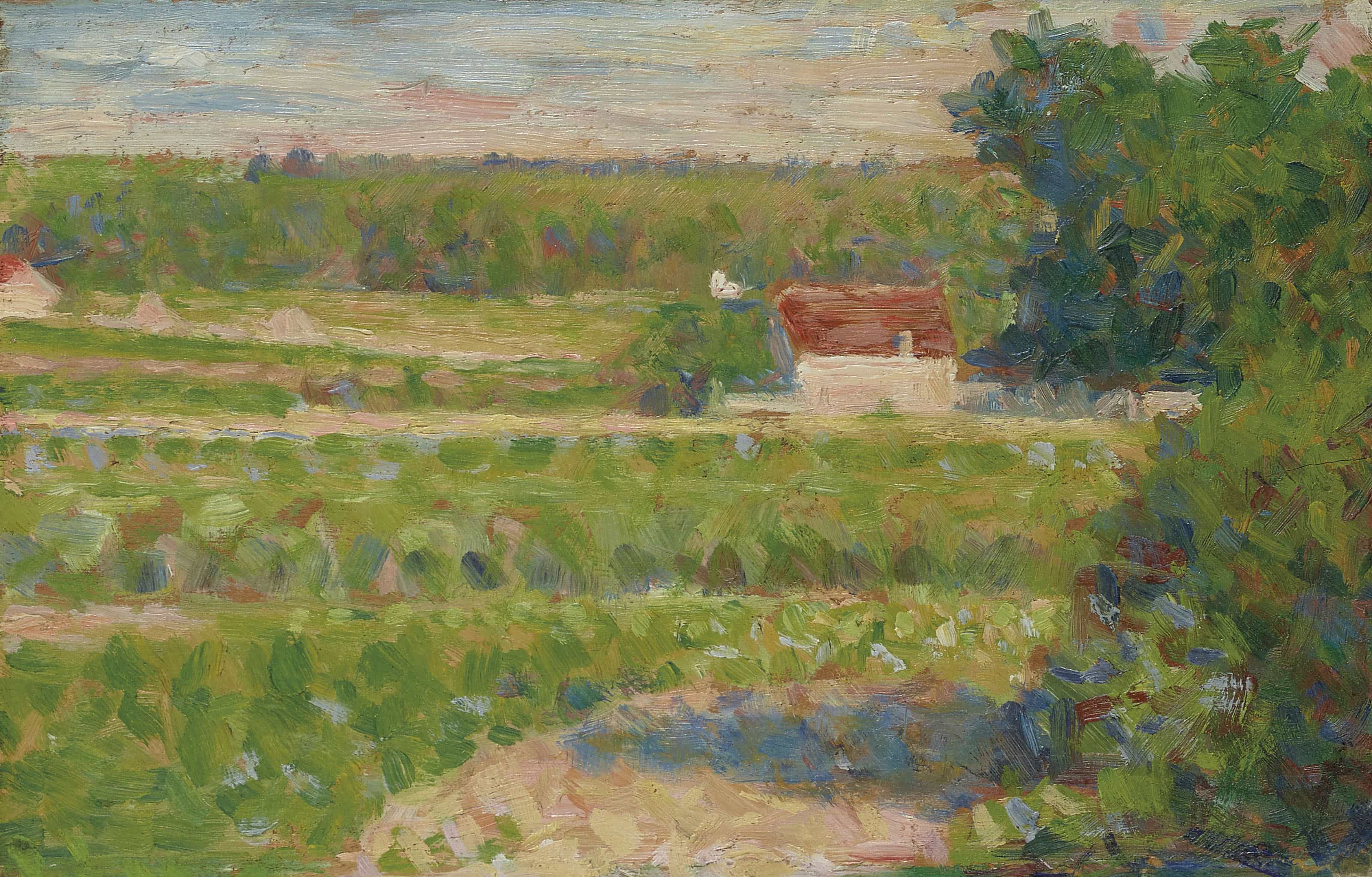
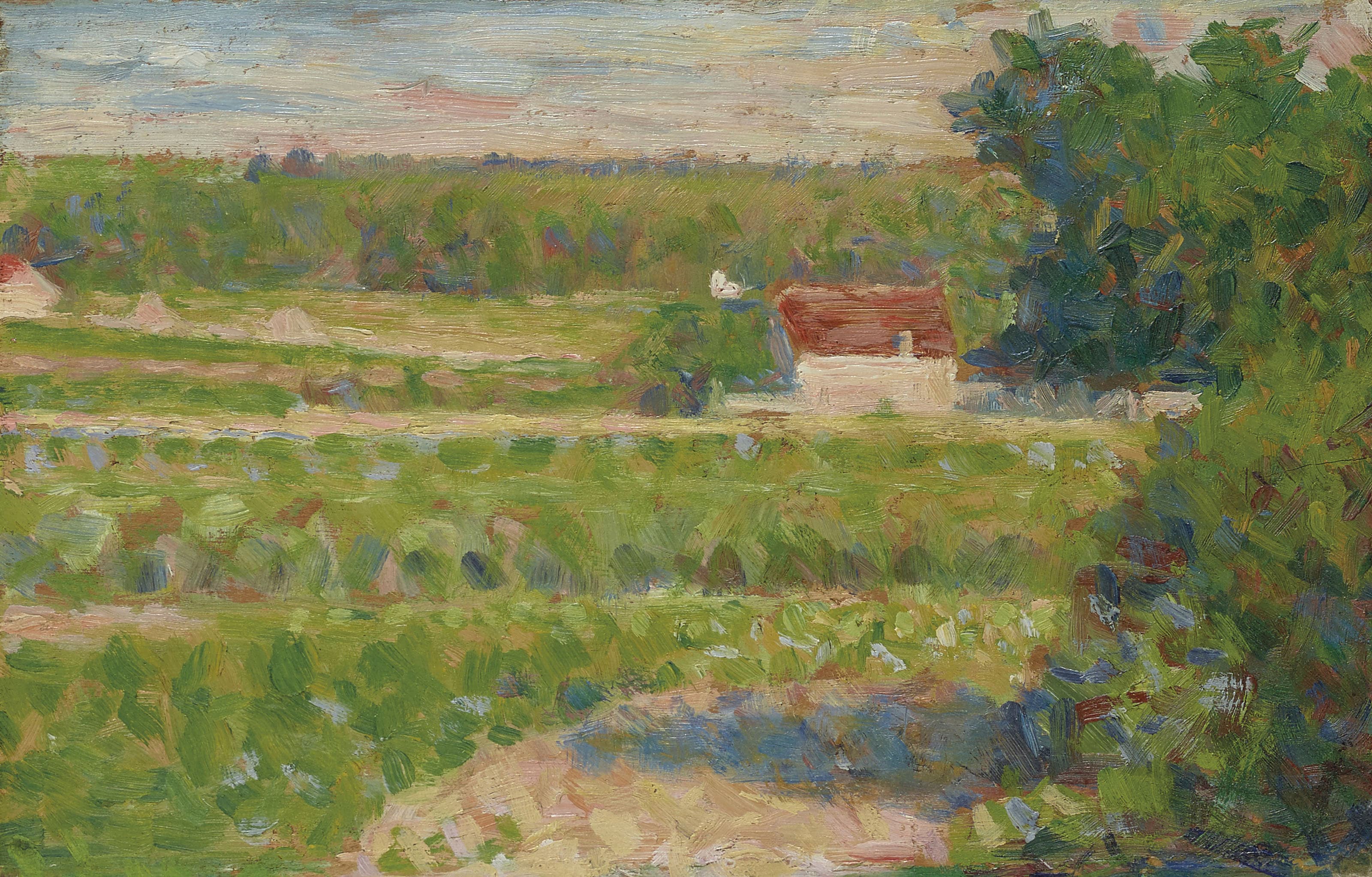
La Maison au toit rouge