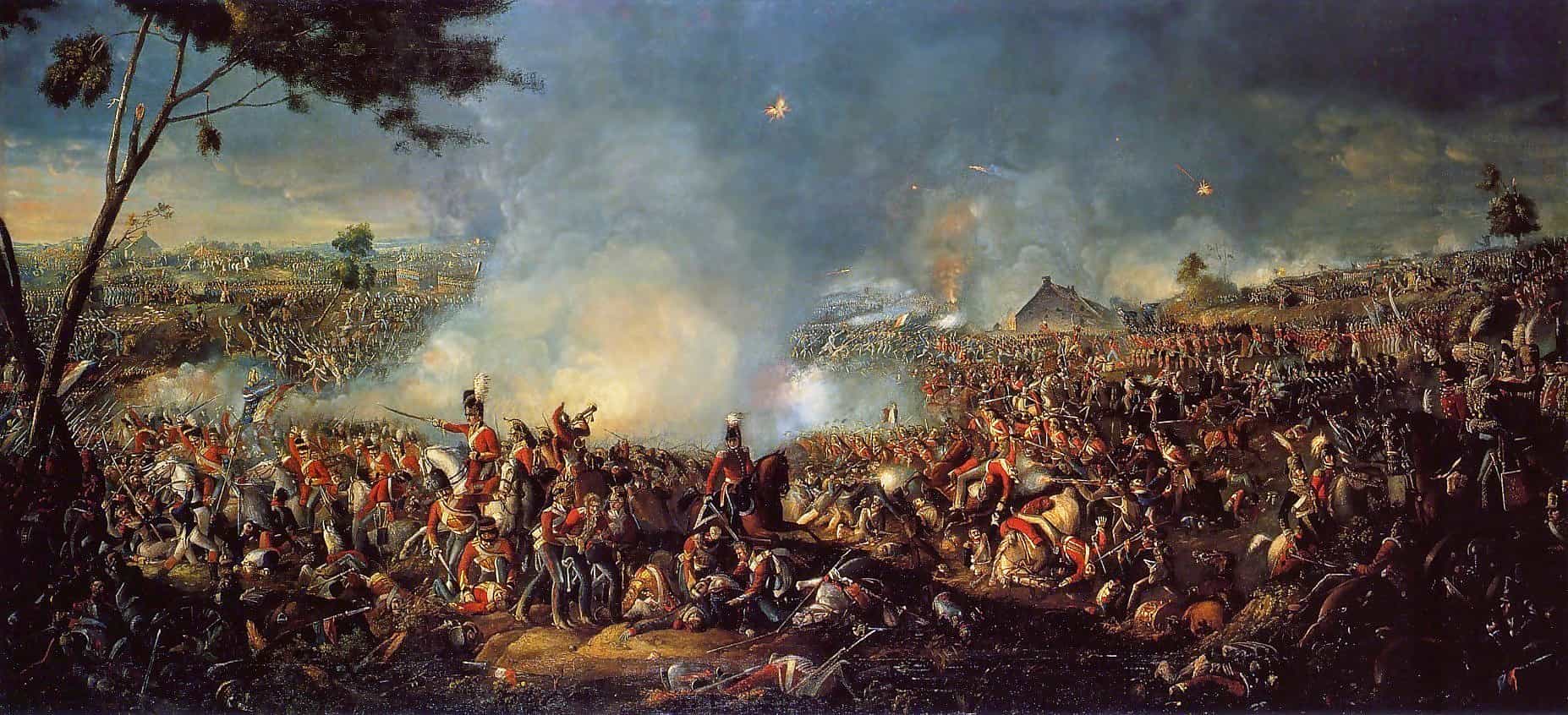
The Battle of Waterloo
William Sadler
From $109
Collection
Museum-quality reproductions on 310gsm textured cotton rag paper.
Shop all prints by William SadlerArtistic Style
Style Evolution
Sadler's work shows steady development within the Romantic-era idiom: early works emphasize clear drawing and topographical accuracy, the middle period deepens atmospheric effects, and late works retain compositional clarity while accentuating mood and decorative appeal.
Palette
Subjects
Techniques
Topics
William Sadler (1782-1839) was an Irish Romantic-era painter whose atmospheric 19th-century works captured the character of Ireland's landscapes and urban scenes.
Learn about the life of William Sadler
Biography
William Sadler (1782-1839) was an Irish Romantic-era painter whose atmospheric 19th-century works captured the character of Ireland's landscapes and urban scenes.
William Sadler (1782–1839) was born in Ireland. Details of his early training and exact places of study are limited in surviving records, but he came of age during the Romantic era, a period in which painters emphasized mood, landscape and historical subjects. Sadler worked within the Irish artistic milieu of the early 19th century and produced works that reflected both local topography and contemporary taste.
Sadler's career unfolded in the early decades of the 19th century. While comprehensive records of his teachers and formal education are scarce, his work demonstrates an engagement with Romantic sensibilities: an interest in atmosphere, delineated forms and a measured attention to architectural and landscape detail.
In his early period Sadler developed foundational skills and established himself as a practicing artist. His compositions from this time show an emphasis on clear drawing and careful depiction of place.
During his middle period Sadler refined his approach to light and spatial arrangement, producing works that appealed to collectors who valued picturesque and evocative views.
In the final years of his life Sadler continued to work and exhibit his abilities as a painter until his death in Ranelagh in 1839.
Comprehensive lists of Sadler's works and exhibition history are limited in the available record provided here. He is remembered as part of the generation of Irish painters who rendered 19th-century Ireland for both local and broader audiences. His paintings are valued for their decorative presence, compositional clarity and period character.
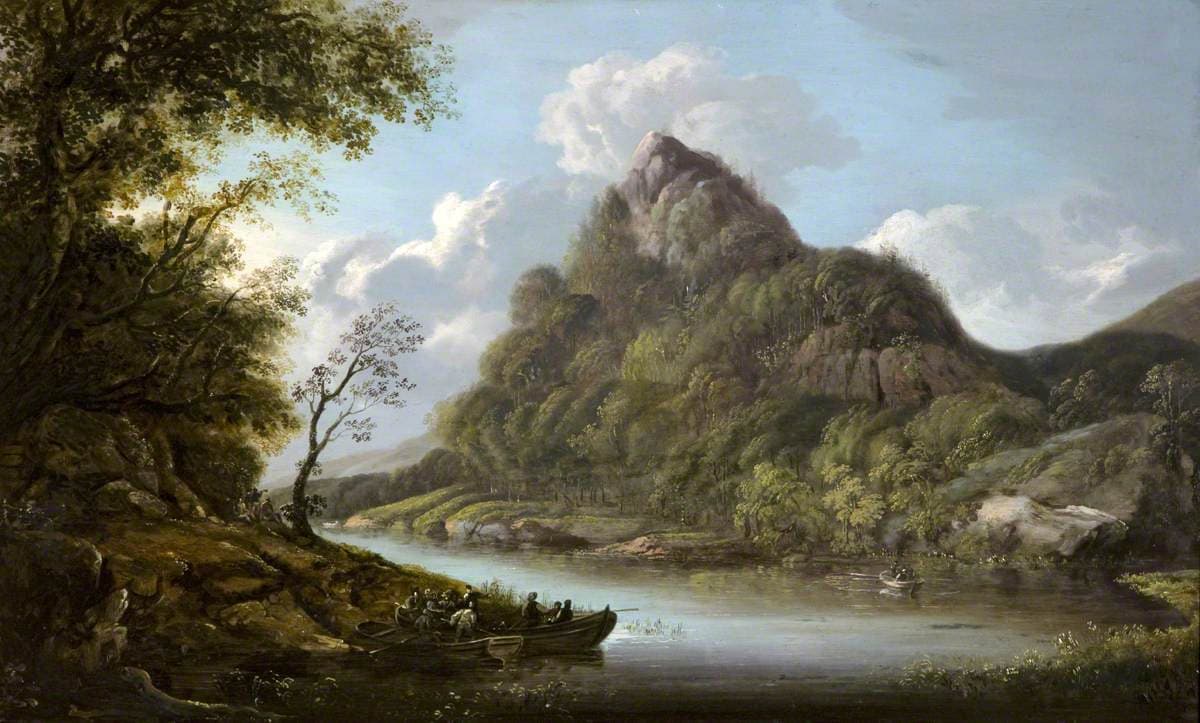
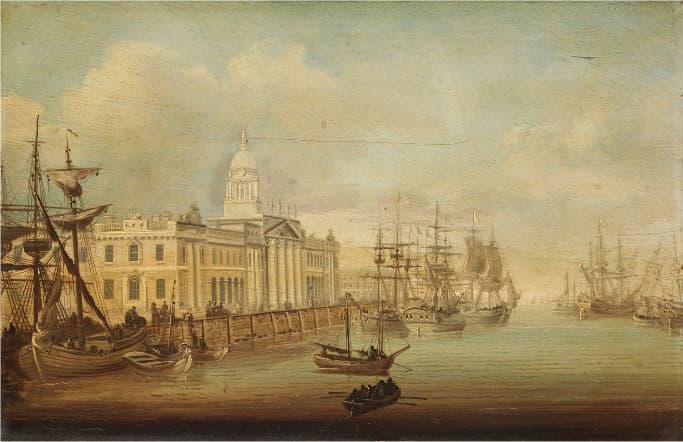
Sadler's paintings reflect the Romantic-era interest in mood, place and narrative suggestion. He favored careful draughtsmanship, controlled brushwork and composed scenes that balance architectural elements with landscape. His work can add historical atmosphere and decorative warmth to interiors.
Sadler belongs to an early-19th-century Irish tradition that bridged topographical representation and the Romantic taste for evocative landscapes and urban views. While not a household name internationally, his paintings contribute to understanding Irish visual culture of the period and remain of interest to collectors of 19th-century British and Irish art.
William Sadler died in Ranelagh in 1839. Beyond that, surviving public records provide limited personal detail; his professional identity is preserved primarily through his body of work.
Collectors value Sadler's paintings for their historical resonance, decorative qualities and clear
Frequently Asked Questions
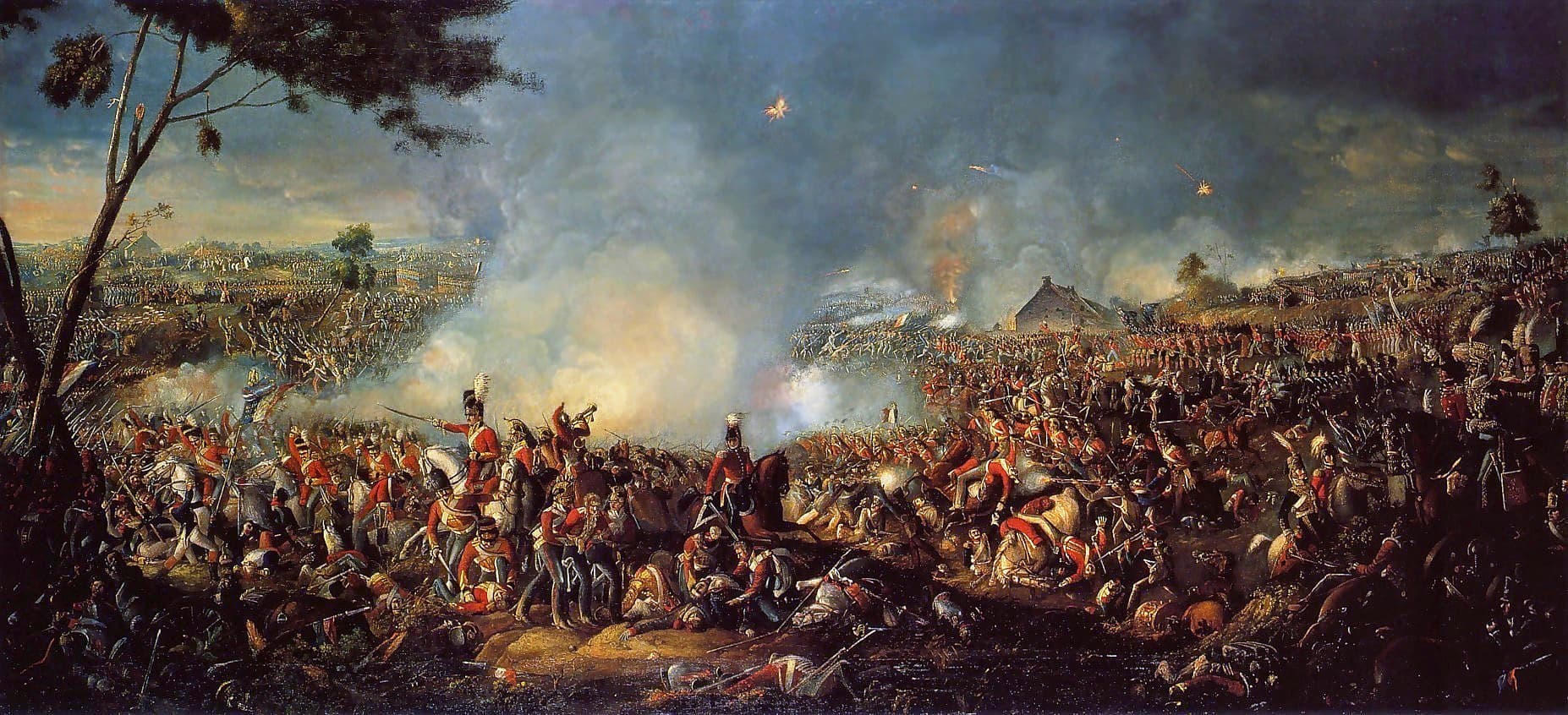
The Battle of Waterloo
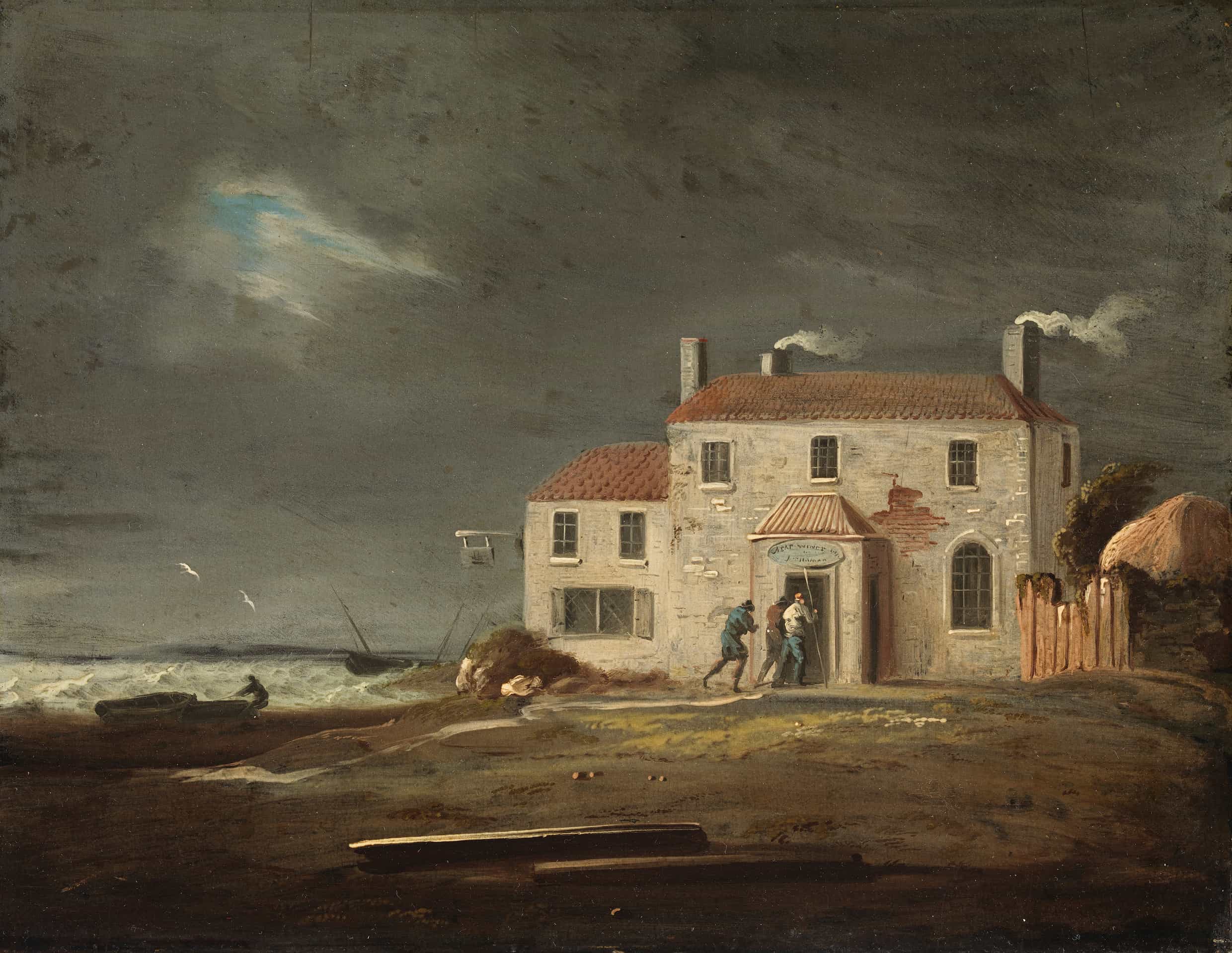
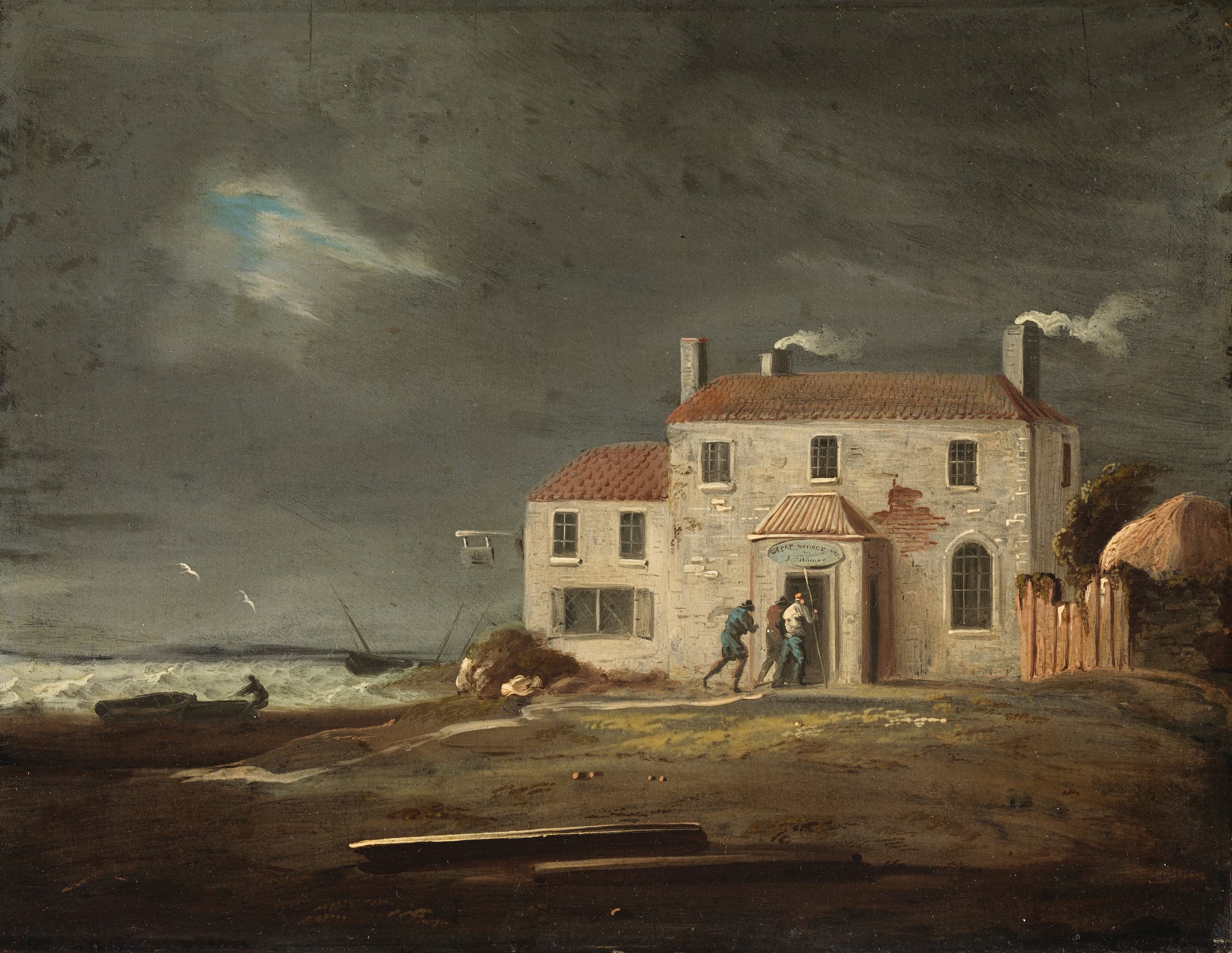
A View of the Inn, Laytown, County Meath
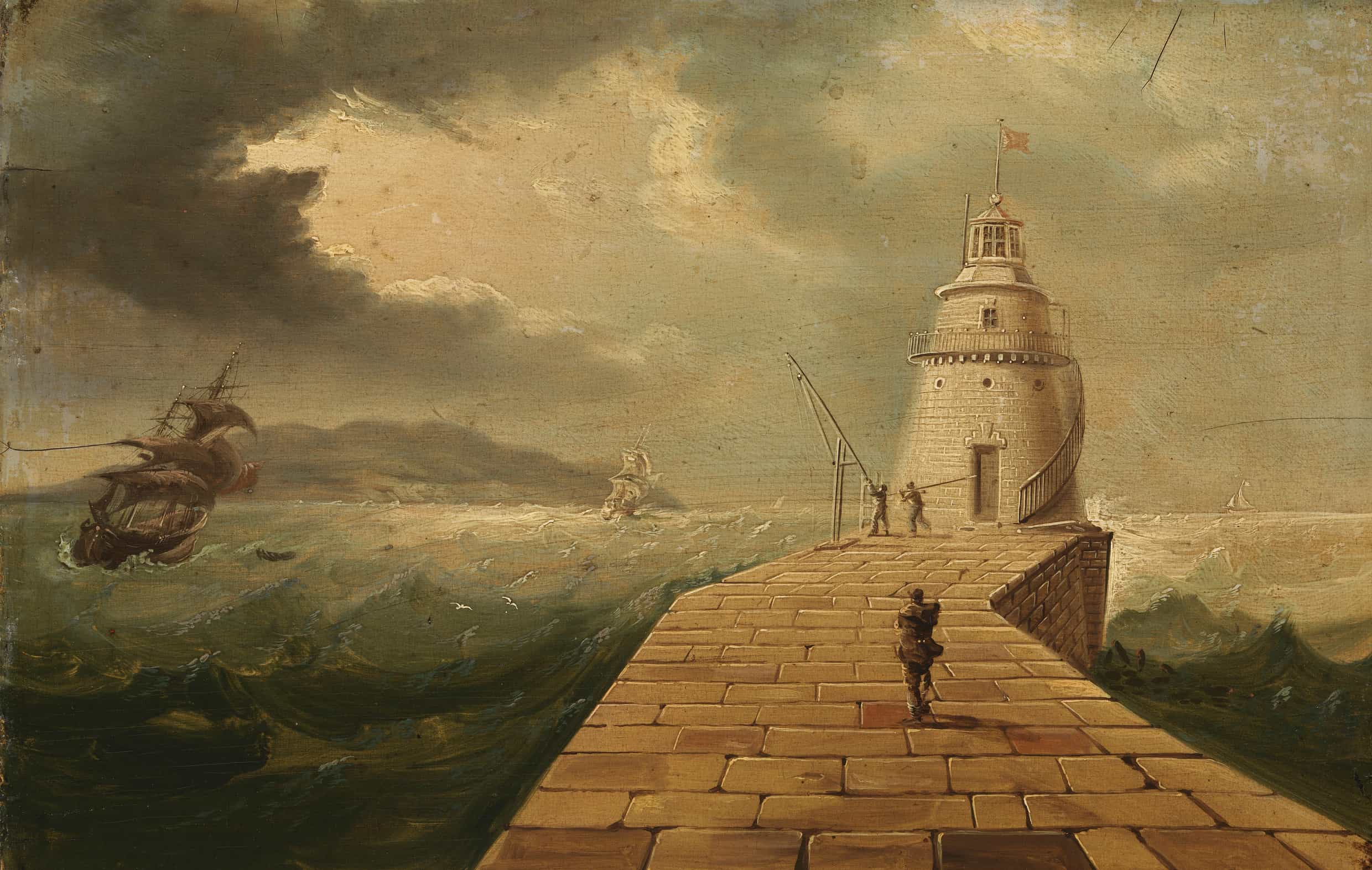
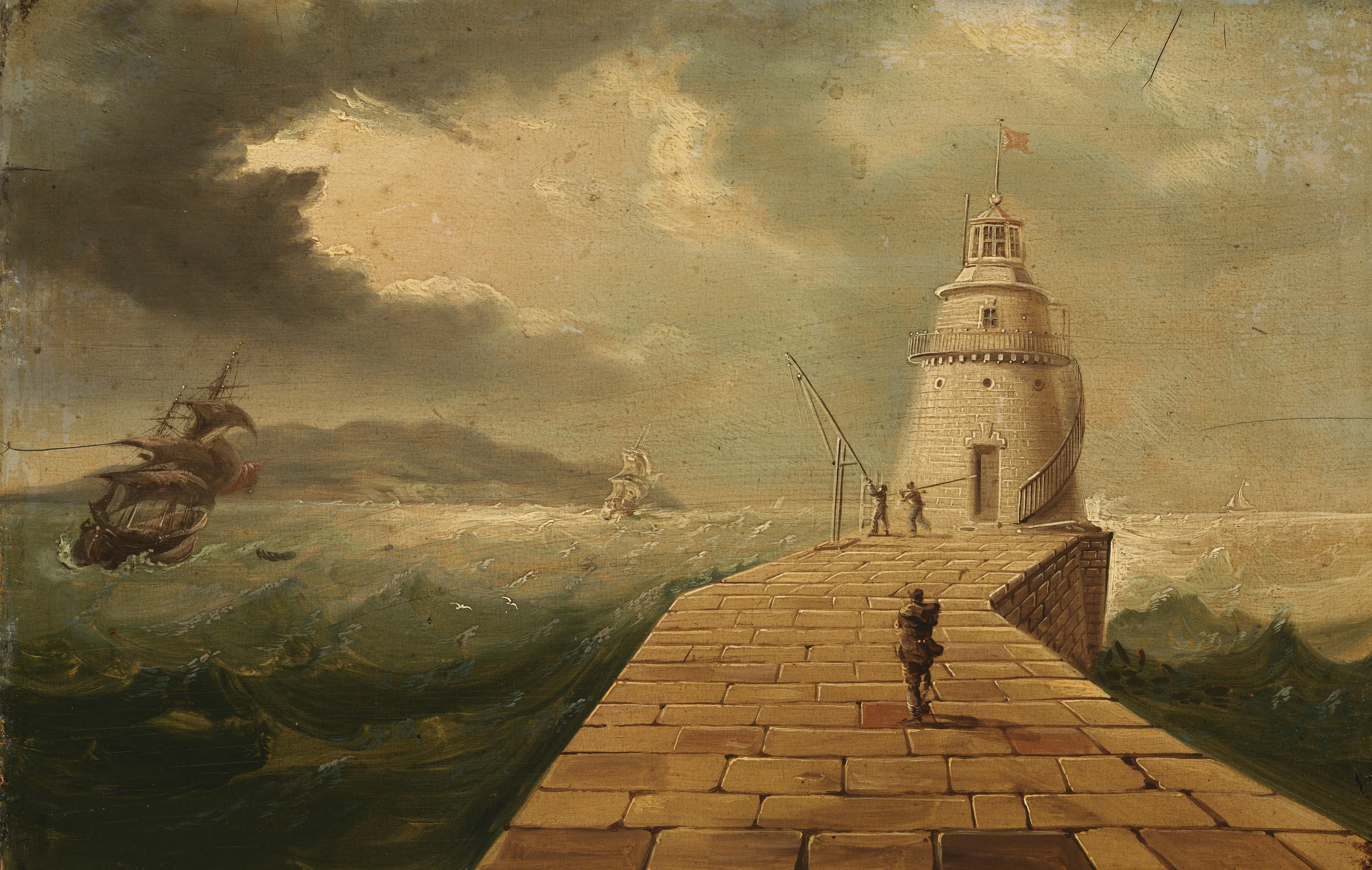
A View of Poolbeg Lighthouse
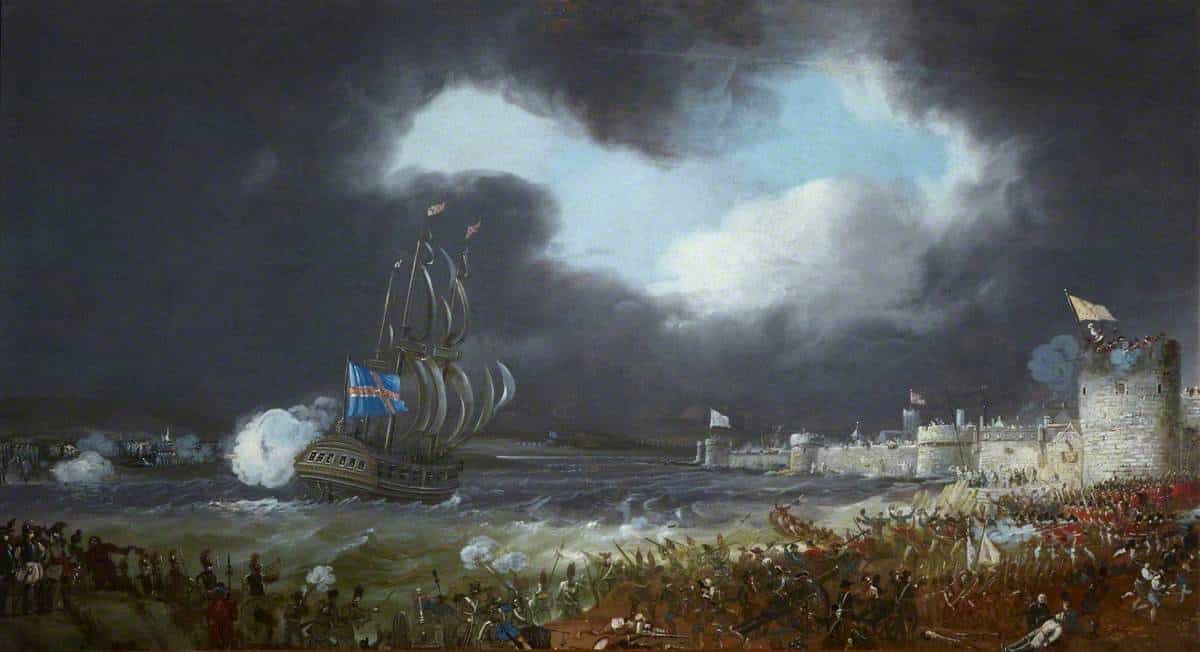
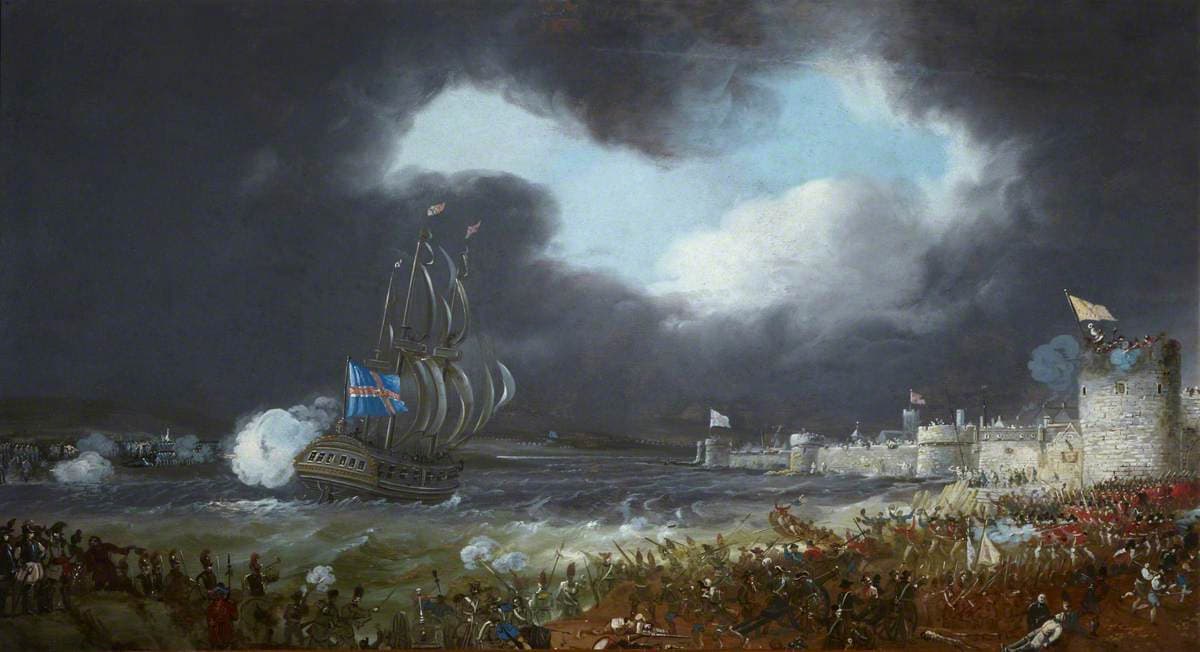
The Relief of Derry
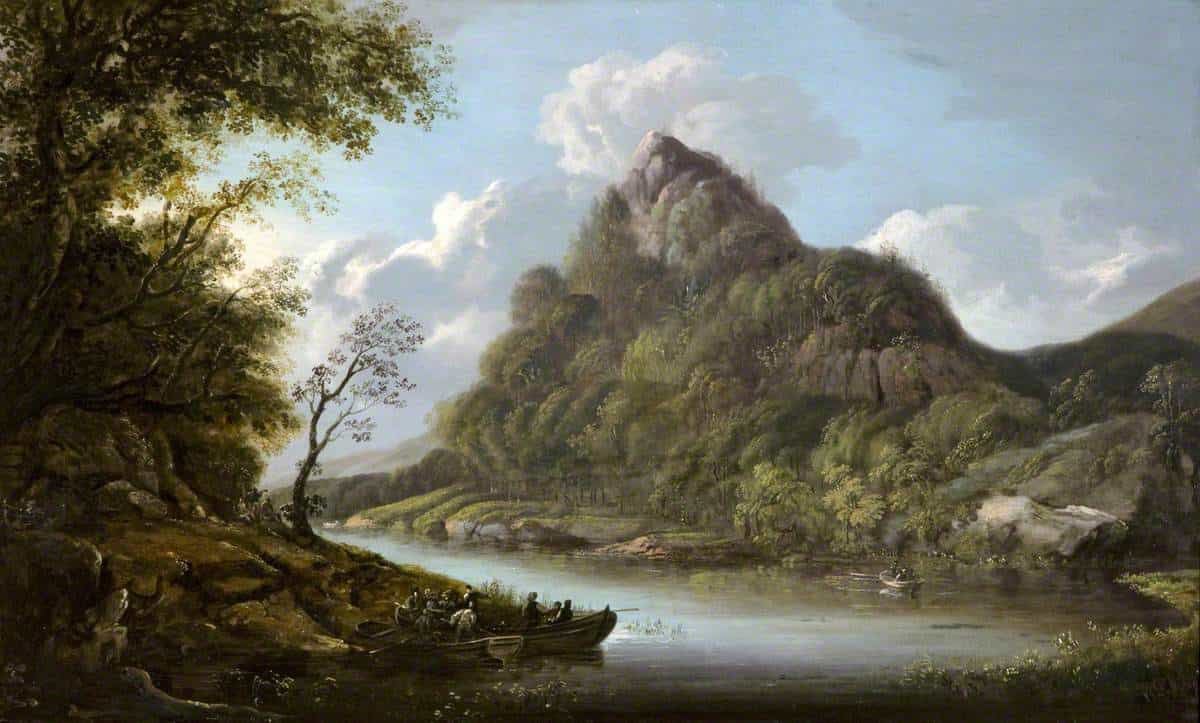
The Eagle's Nest, Killarney
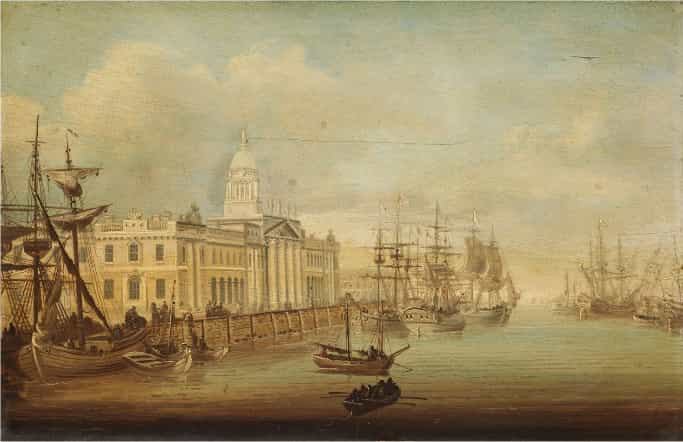
A View of the Custom House