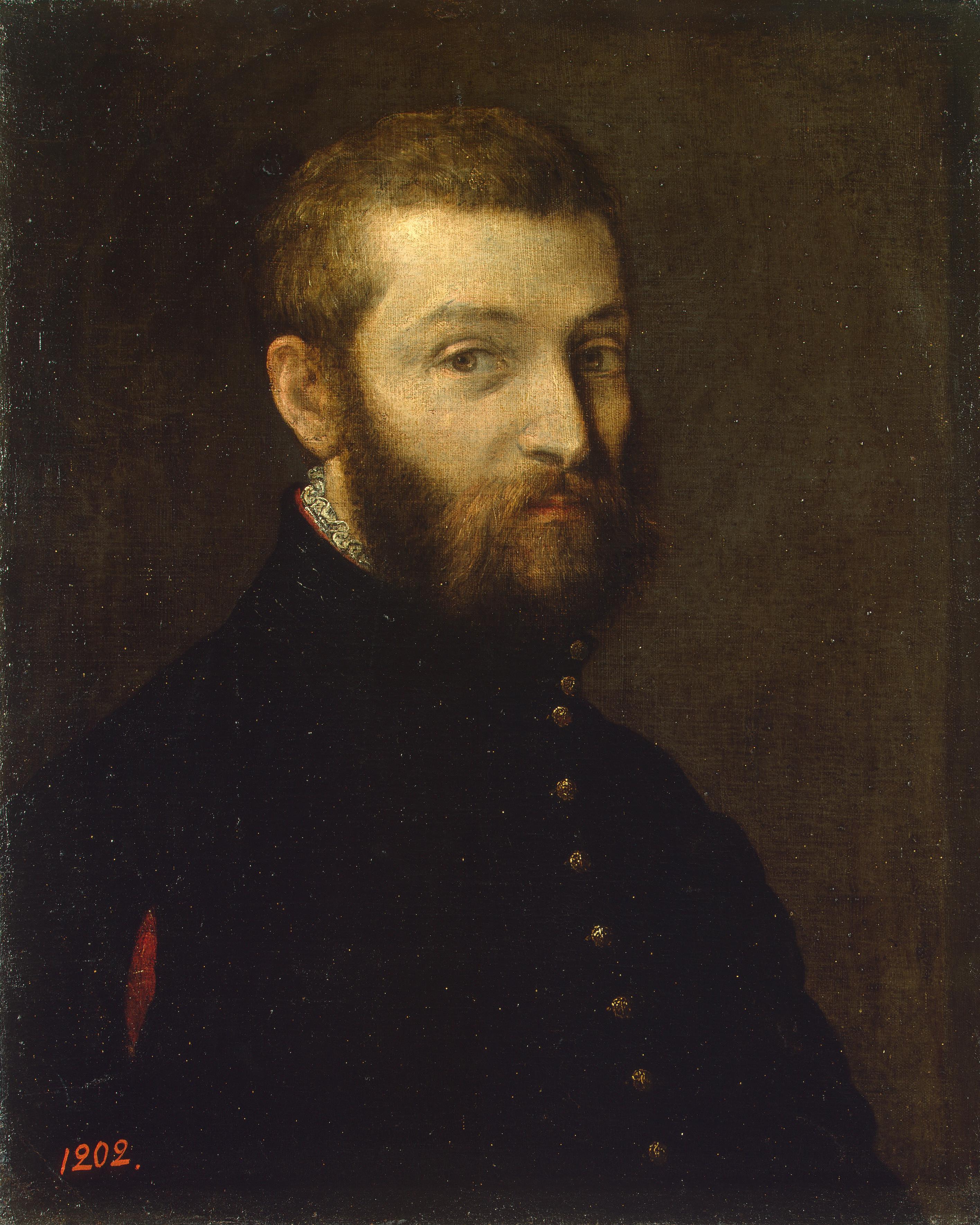

Judith Received by Holofernes
Paolo Veronese
From $109
Collection
Museum-quality reproductions on 310gsm textured cotton rag paper.
Shop all prints by Paolo VeroneseArtistic Style
Style Evolution
Veronese evolved from a regional Veronese training to the mature Venetian manner, increasing both the scale and theatricality of his compositions while deepening his use of luminous color and decorative detail suited to public and ecclesiastical spaces.
Palette
Subjects
Techniques
Topics
Paolo Veronese (1528-1588) was an Italian Renaissance painter whose monumental Venetian canvases and luminous color defined grand ceremonial painting.
Learn about the life of Paolo Veronese
Signature Works
See all available prints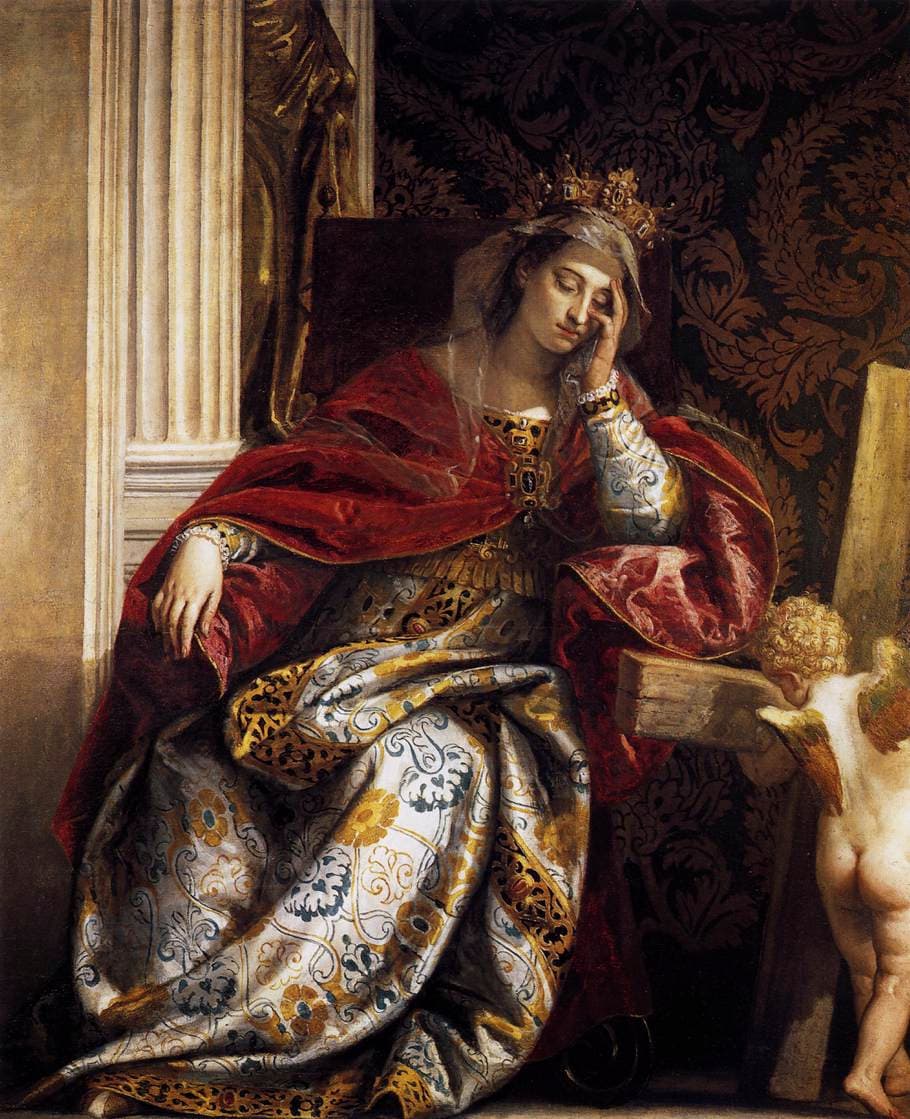
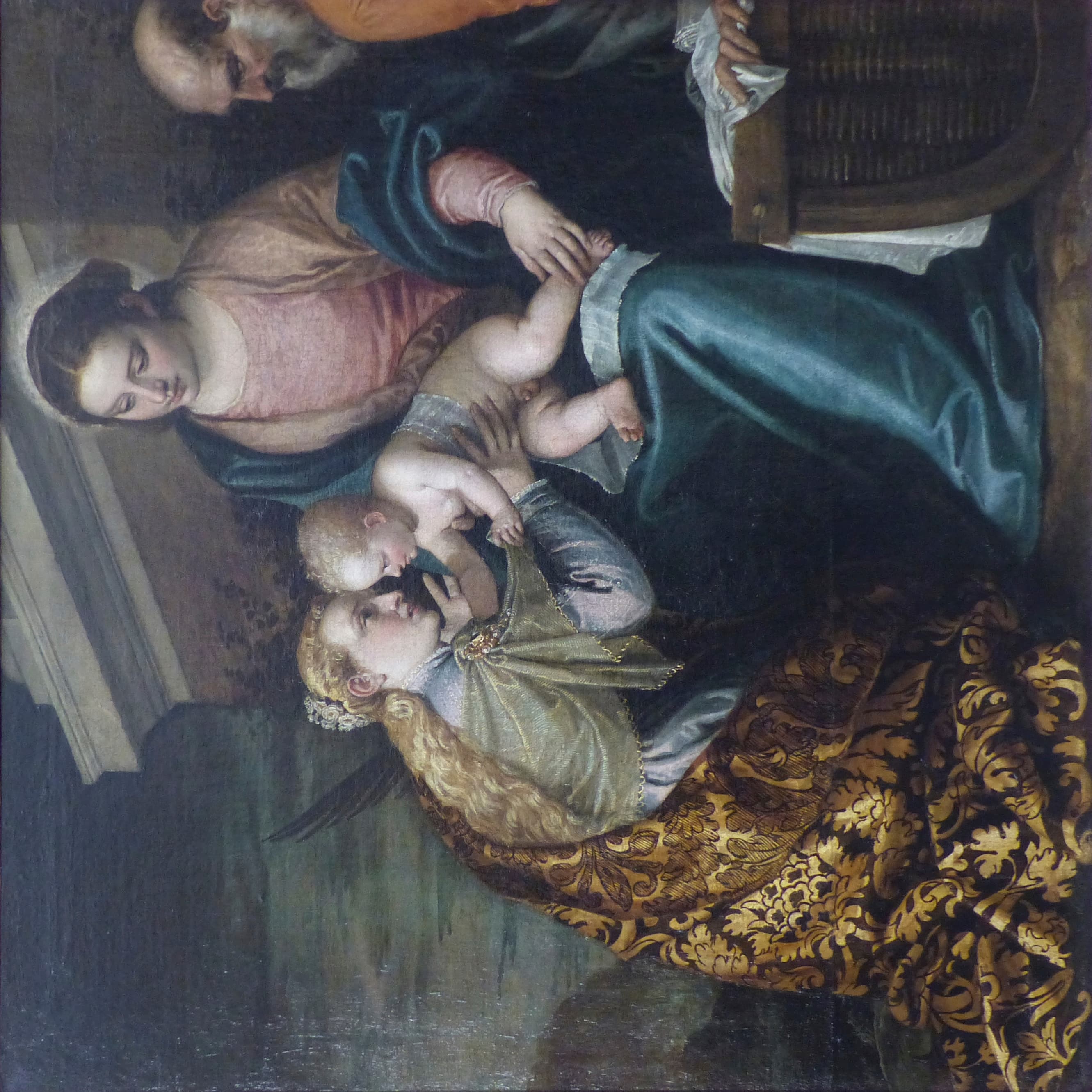
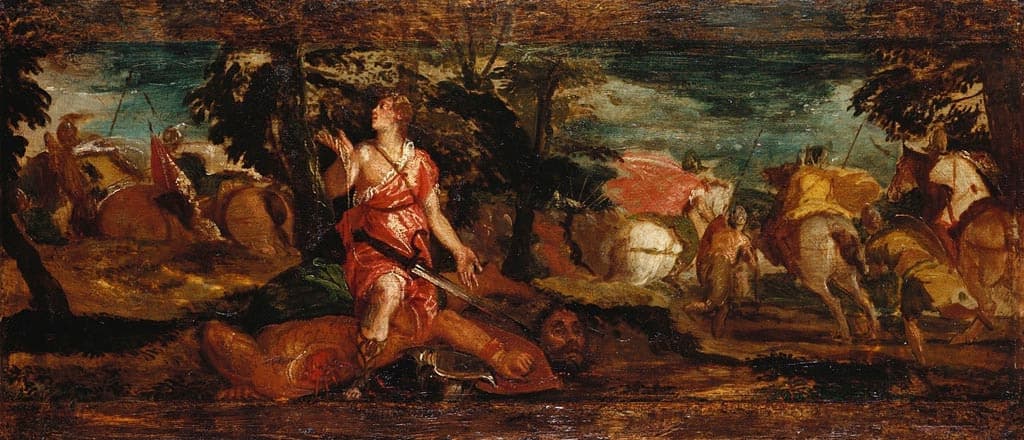
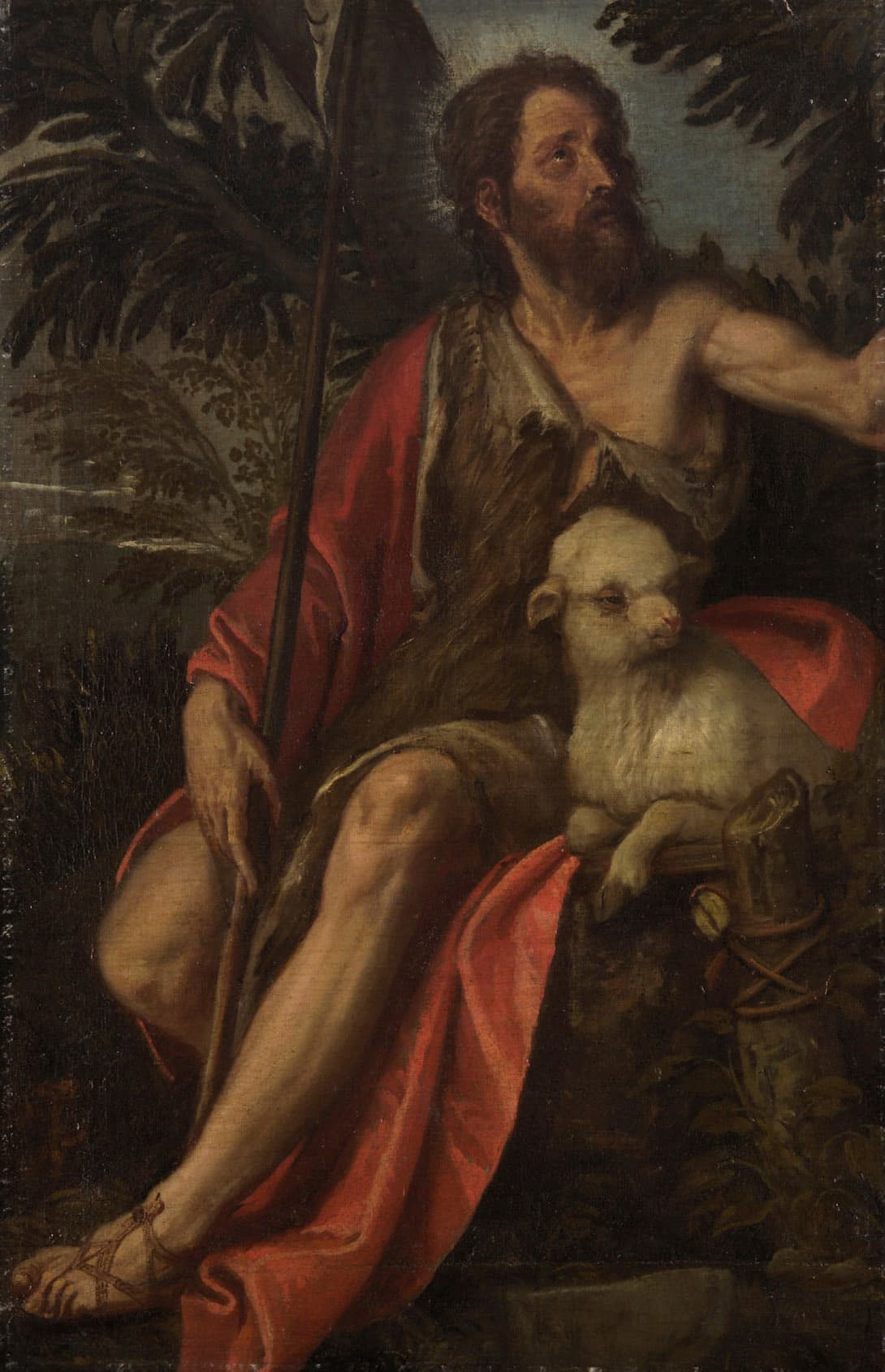
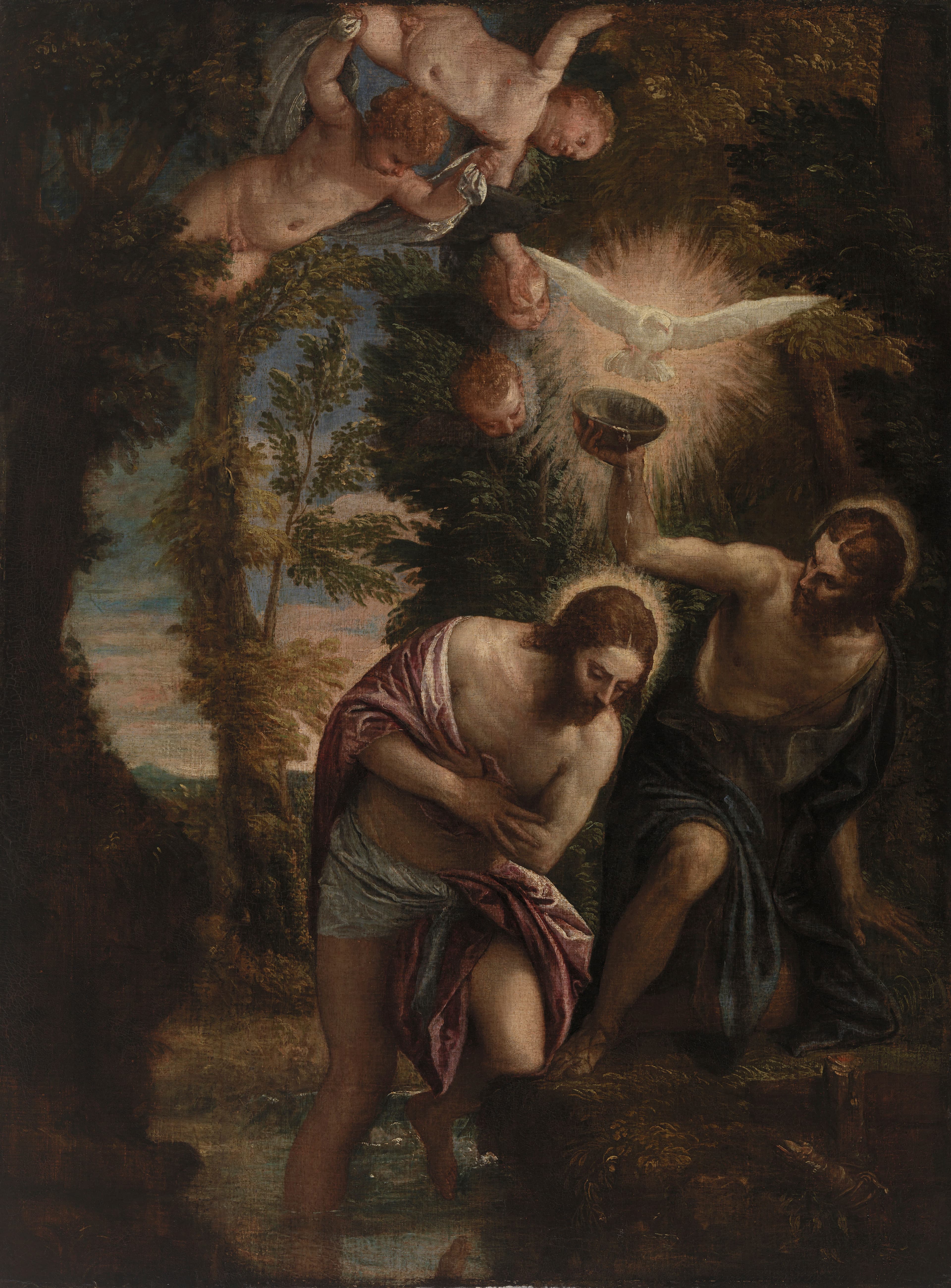
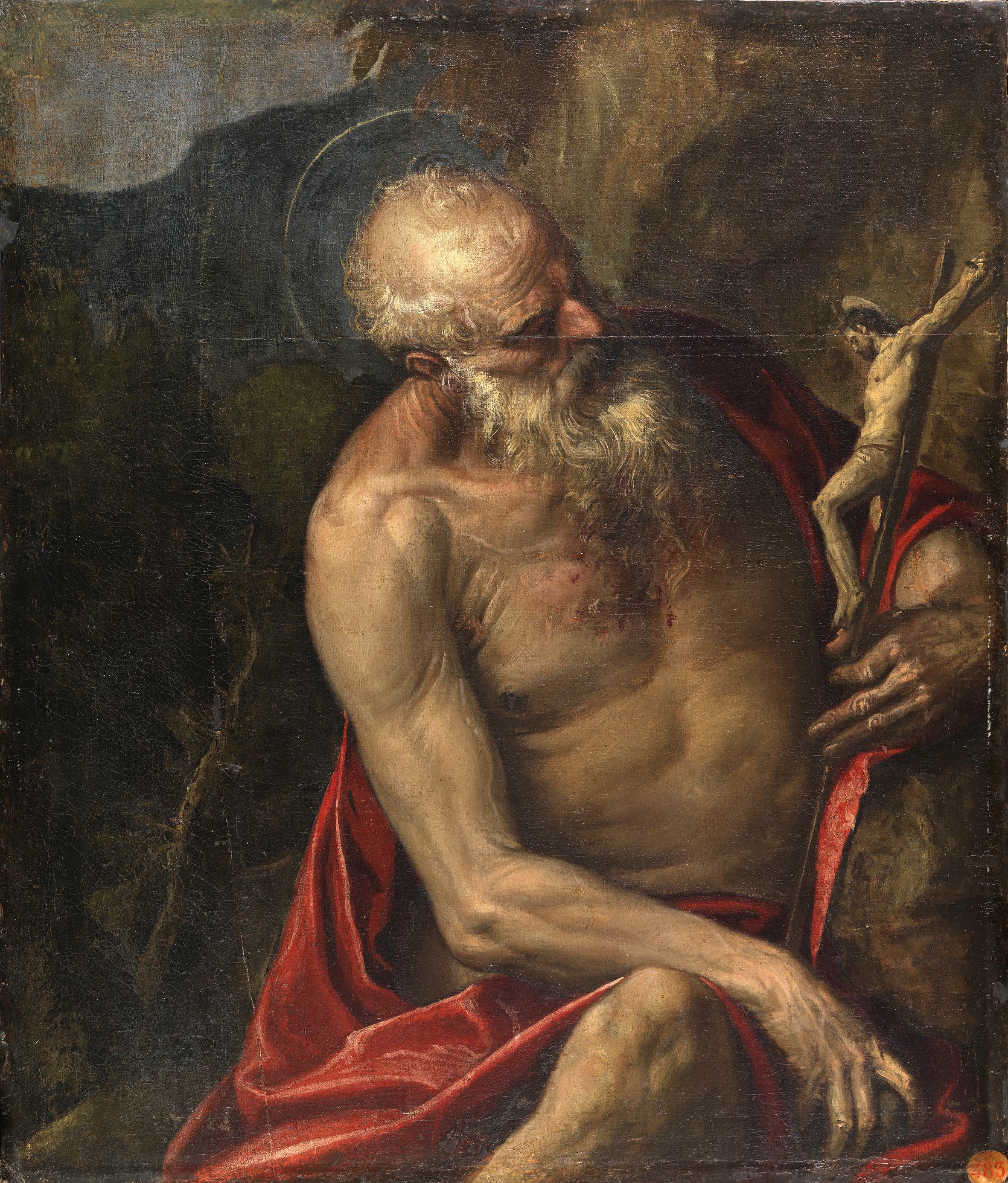
Biography
Paolo Veronese (1528-1588) was an Italian Renaissance painter whose monumental Venetian canvases and luminous color defined grand ceremonial painting.
Born in Verona in 1528, Paolo Veronese emerged from a wealthy and artistically active region of northern Italy. Trained in the Veronese workshop tradition, he developed an early command of composition and narrative that would serve him in large-scale public and ecclesiastical commissions. He established his reputation through richly detailed paintings that combined figure groups, architecture, and sumptuous costume.
Veronese’s career unfolded primarily in Venice, where the city’s taste for pageantry and luxury provided the ideal context for his art. He absorbed the coloristic lessons of the Venetian school and responded to contemporary theatrical and decorative demands.
In his early Venetian years Veronese consolidated a style suited to fresco and monumental canvas, integrating expansive architectural settings with elegant, poised figures.
By the height of his career he became synonymous with grand banquets, allegorical scenes and altar paintings executed on a scale and with a chromatic richness that catered to churches, confraternities, and noble patrons throughout Venice.
Veronese is celebrated for his large-scale public and ecclesiastical commissions executed in Venice. His paintings are admired for their ambitious compositions, theatrical staging, and sumptuous use of color and costume. He secured an enduring reputation as one of Venice’s leading masters of ceremonial painting during the late Renaissance.
Veronese’s technique is marked by a luminous, layered approach to color, refined draftsmanship, and an ability to orchestrate complex multi-figure compositions without losing clarity. He balanced painterly brushwork with careful attention to costume, architecture, and the effects of light across surfaces.
Veronese synthesized Venetian colorism with a sense of theatrical grandeur that influenced both contemporaries and later generations of decorative painters. His decorative solutions for large interiors and his handling of figural ensembles contributed to the continuing evolution of Venetian painting into the Baroque period.
Veronese spent his mature working life in Venice, where his workshop produced paintings and decorative schemes for religious institutions and private patrons. His command of mise-en-scène and ornament made his work especially desirable for grand interiors.
Collectors prize Veronese for the decorative impact of his compositions—their scale, opulent surfaces, and vivid coloration make his works focal points in collections and interiors. The artist’s paintings are considered culturally significant examples of Venetian
Frequently Asked Questions
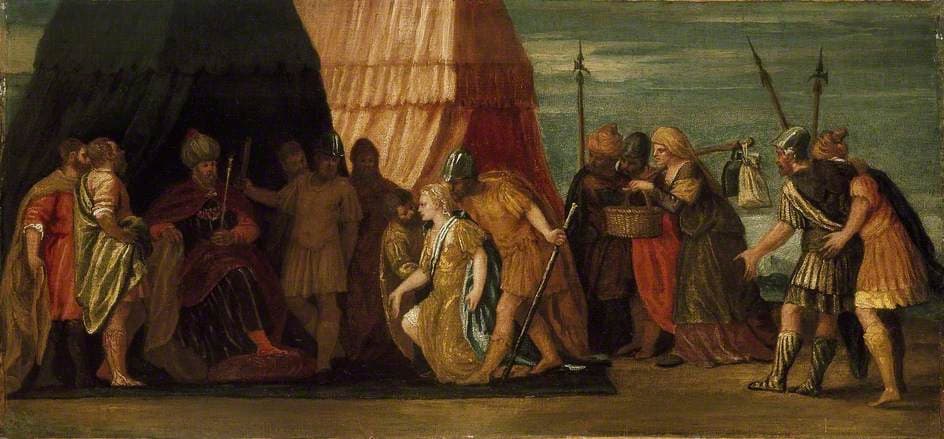
Judith Received by Holofernes
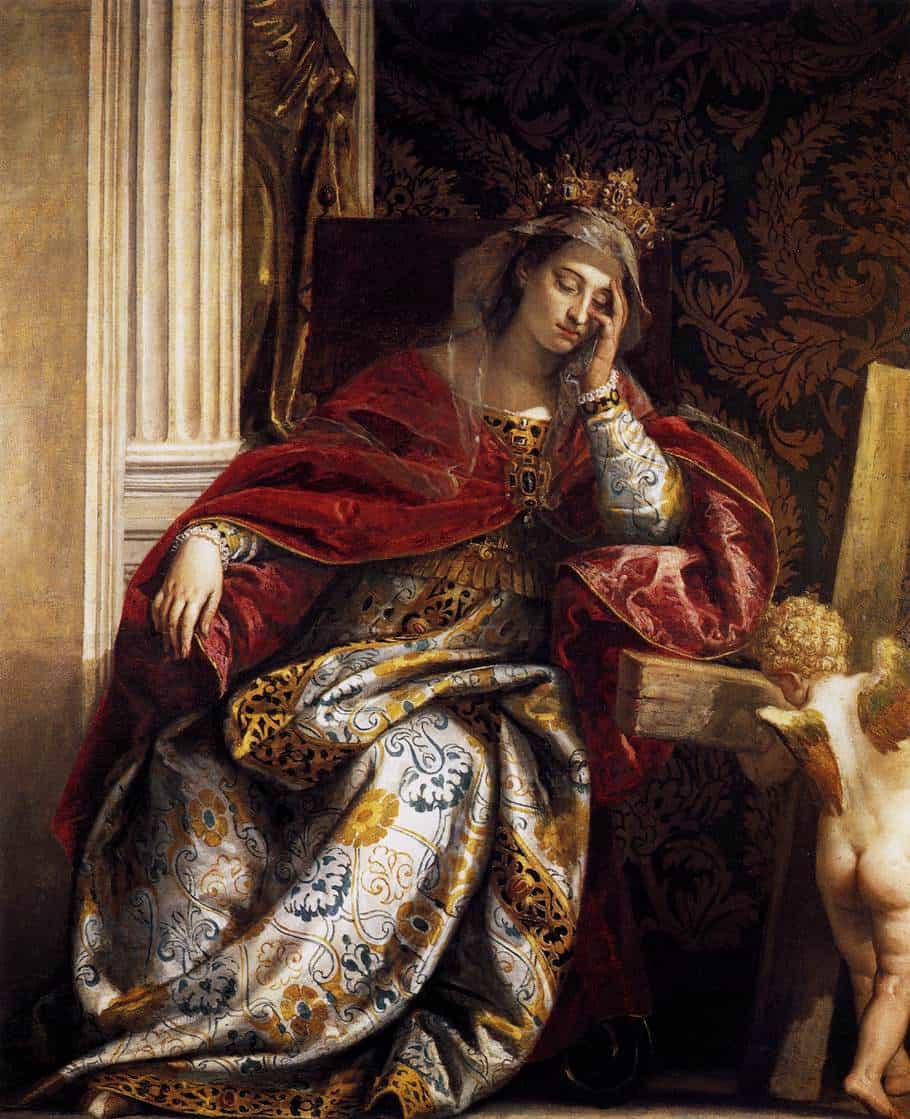
Vision of St. Helena
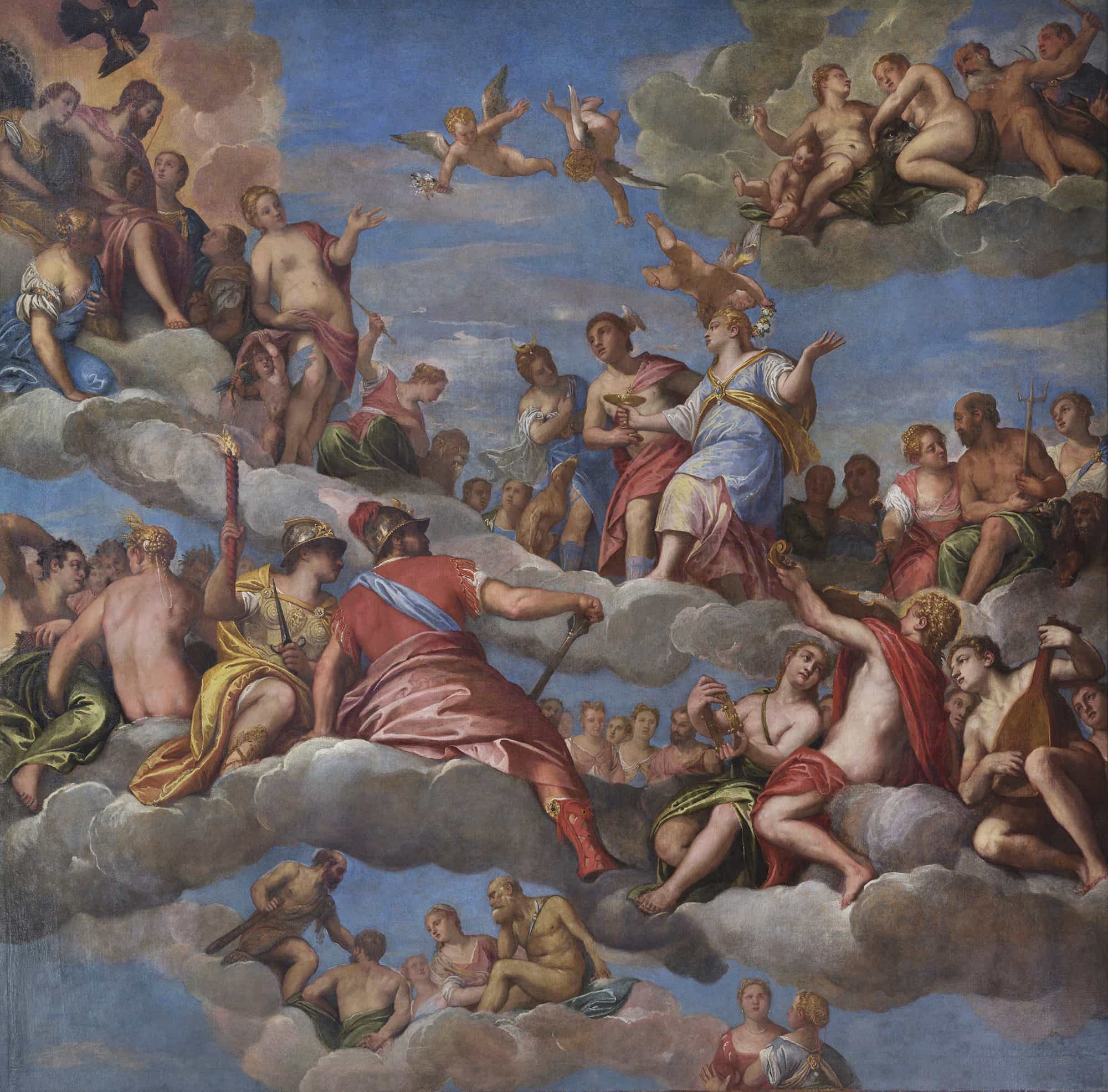
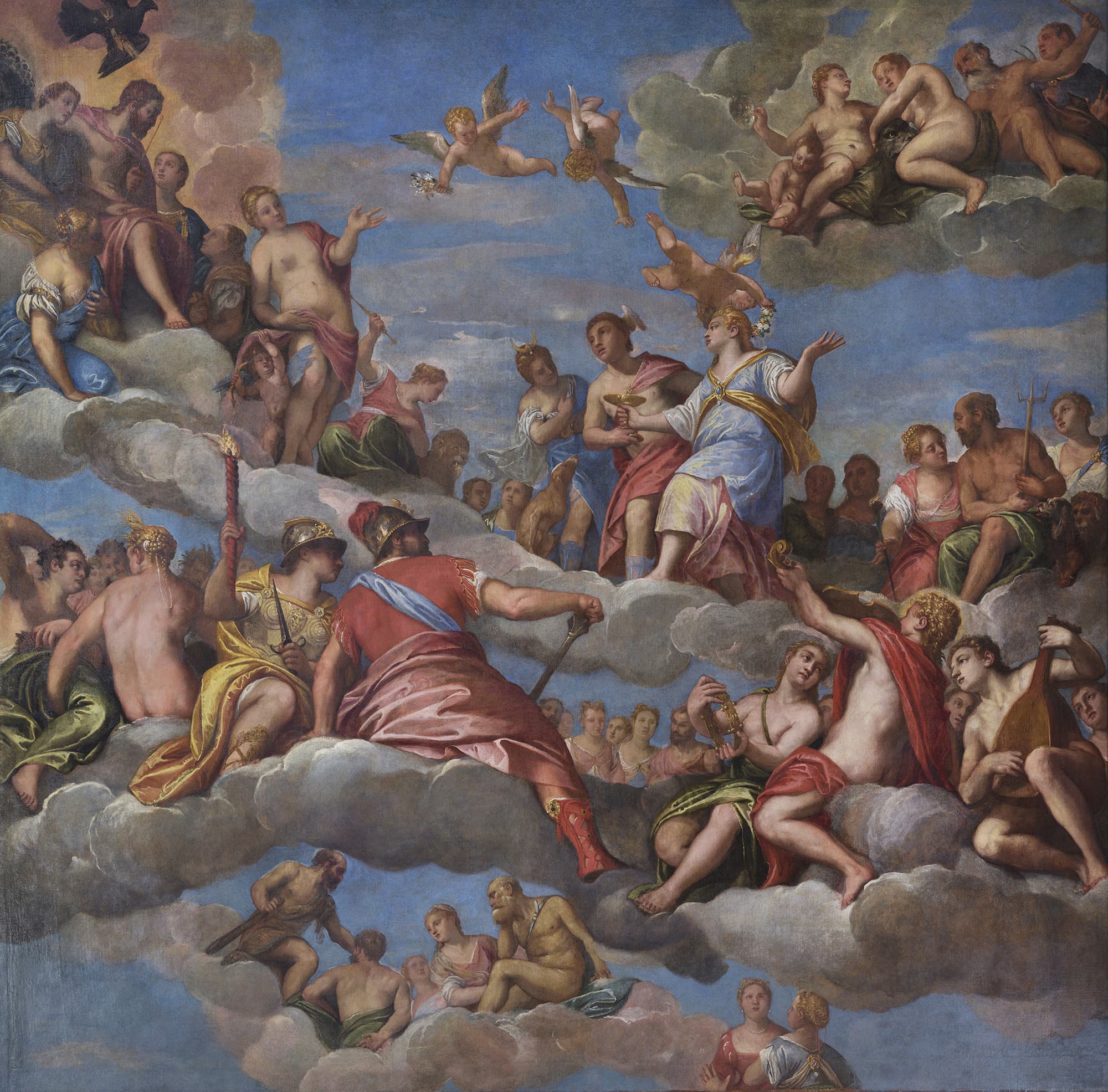
The Coronation of Hebe
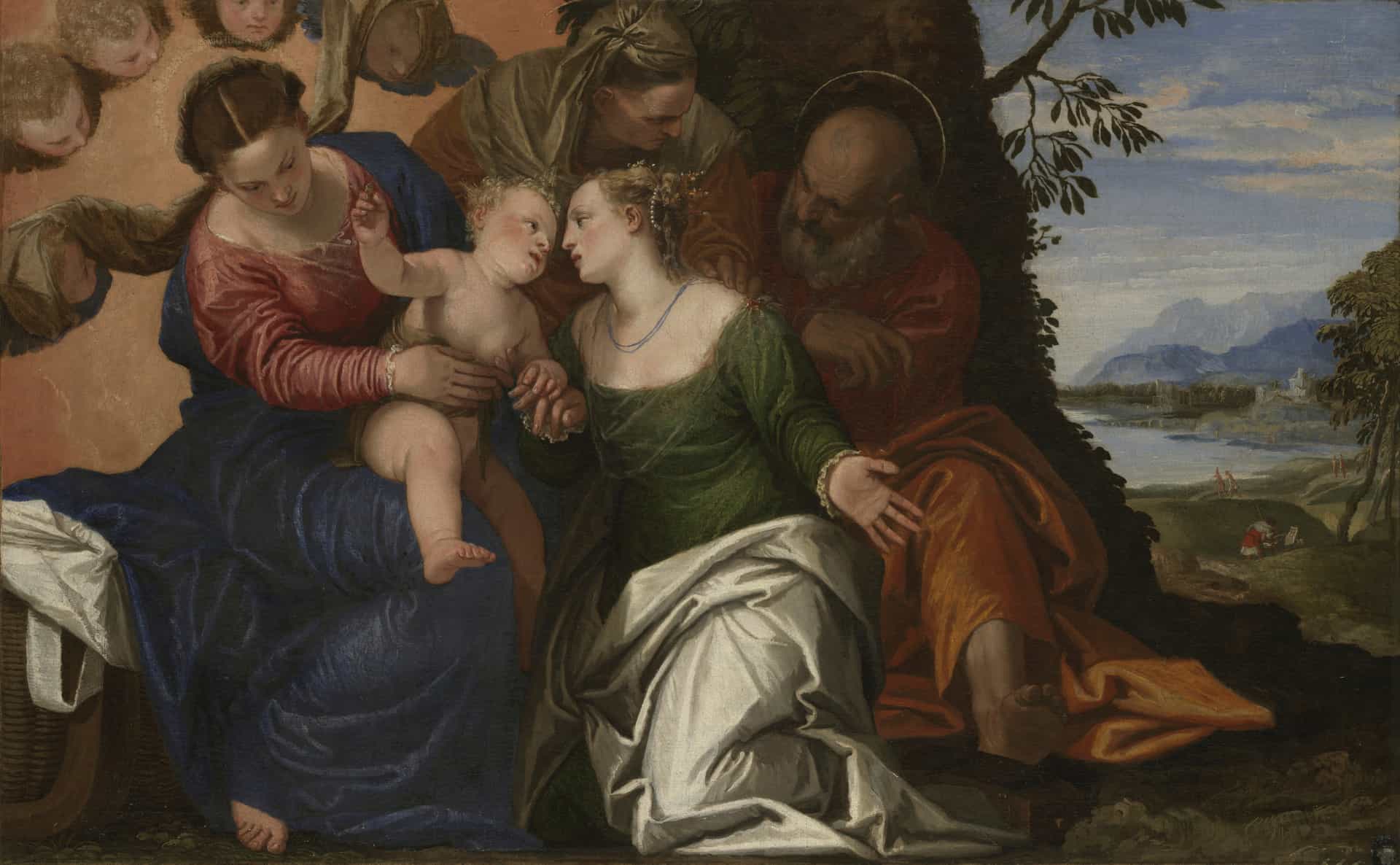
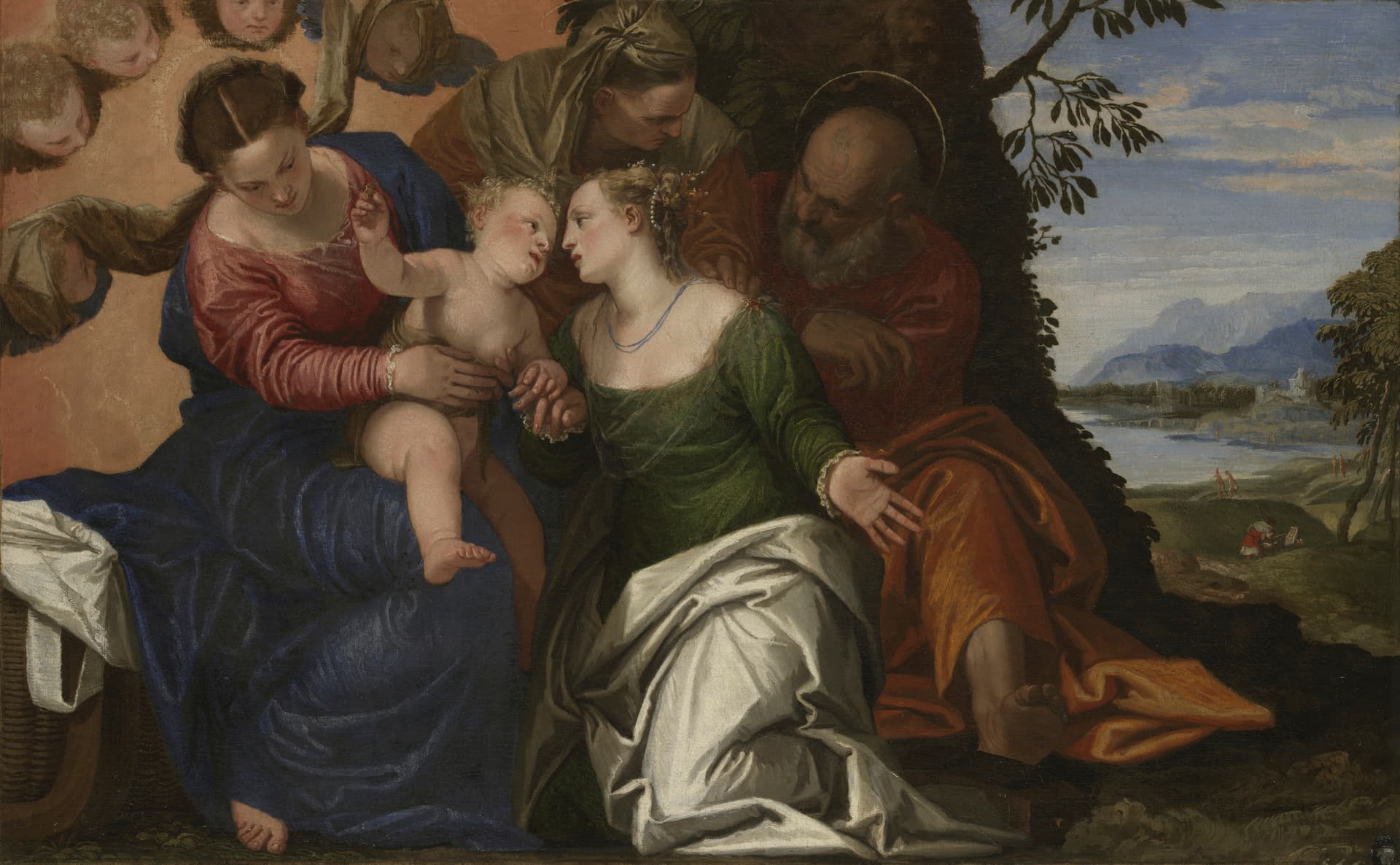
The Mystic Marriage of Saint Catherine of Alexandria
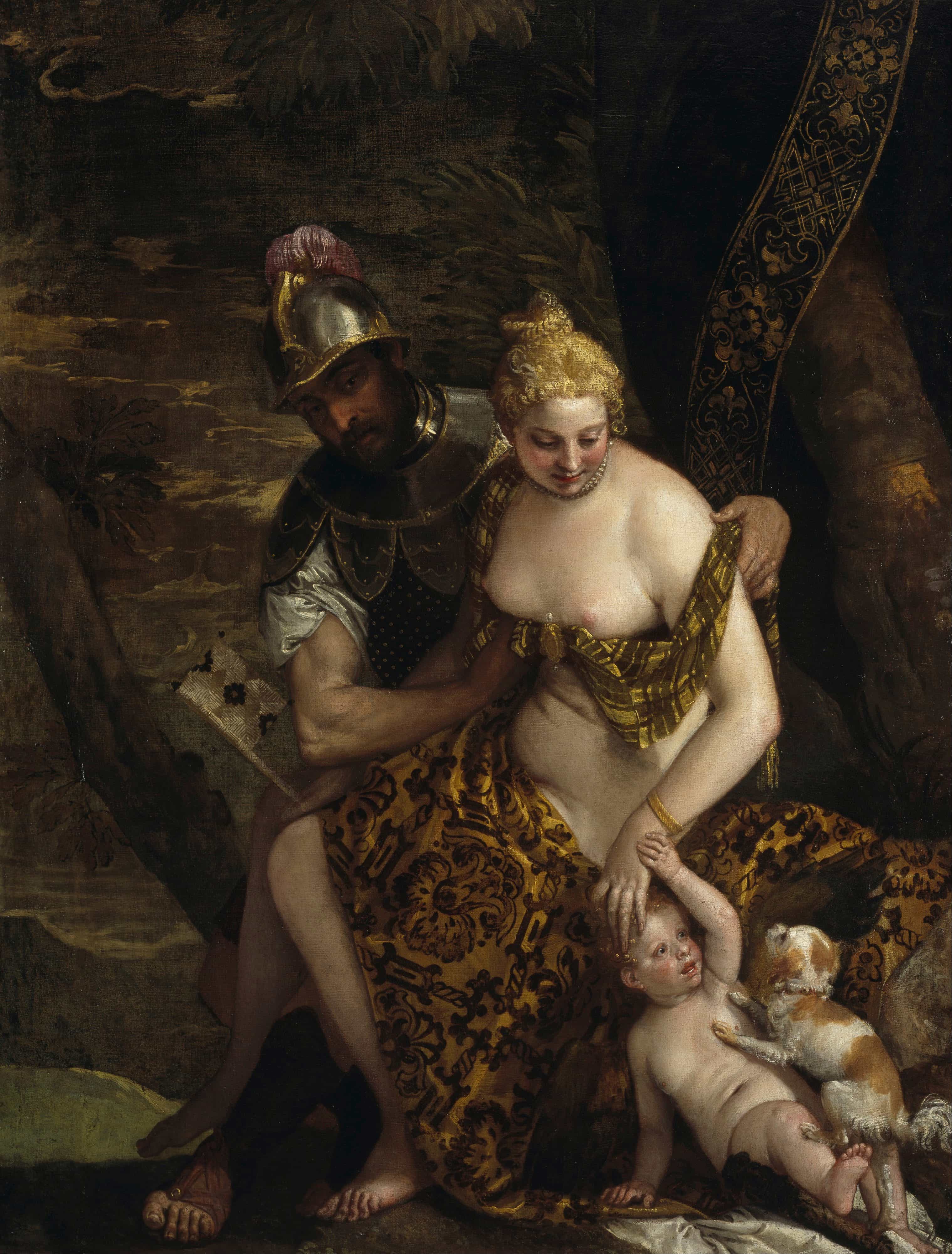
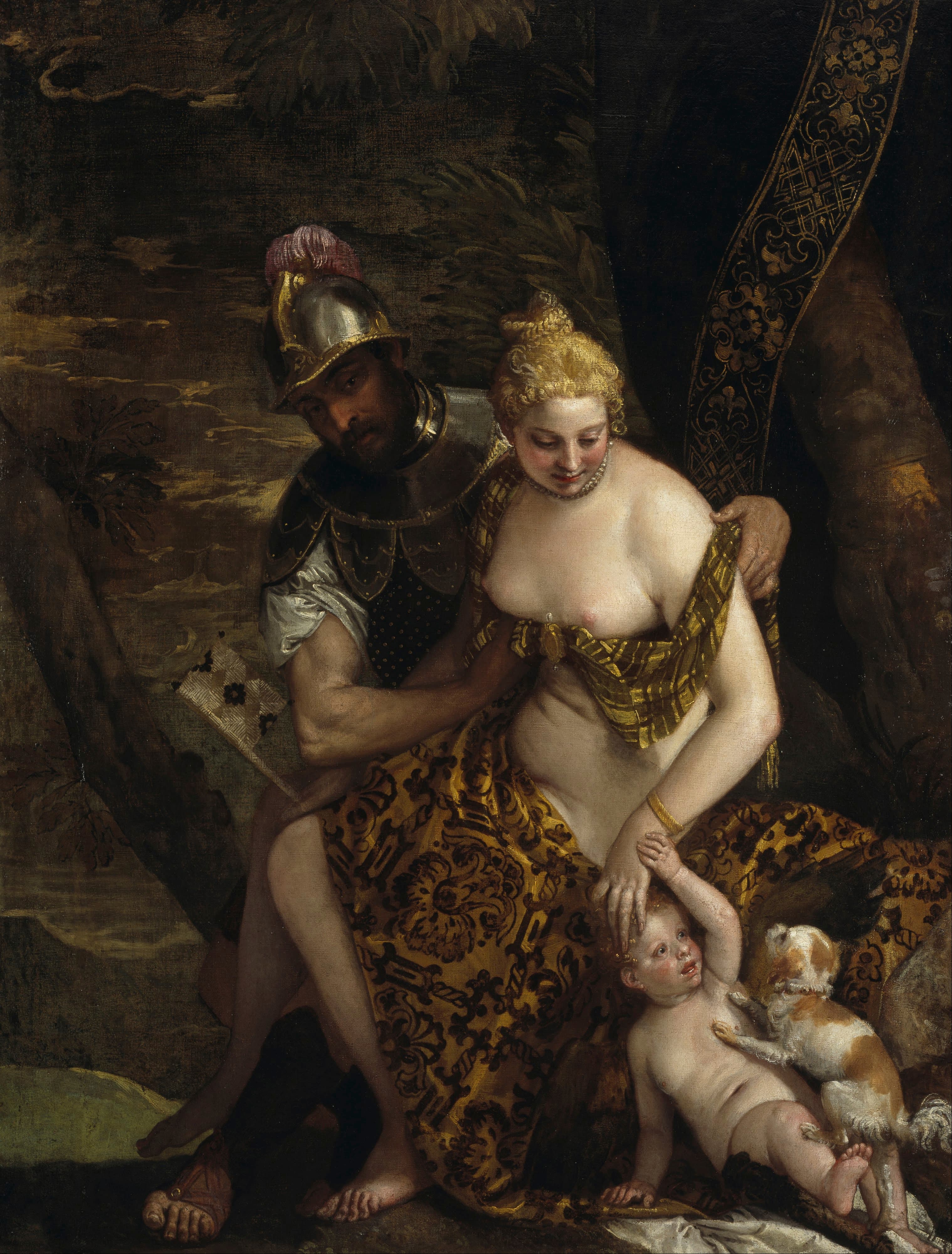
Mars, Venus and Cupid
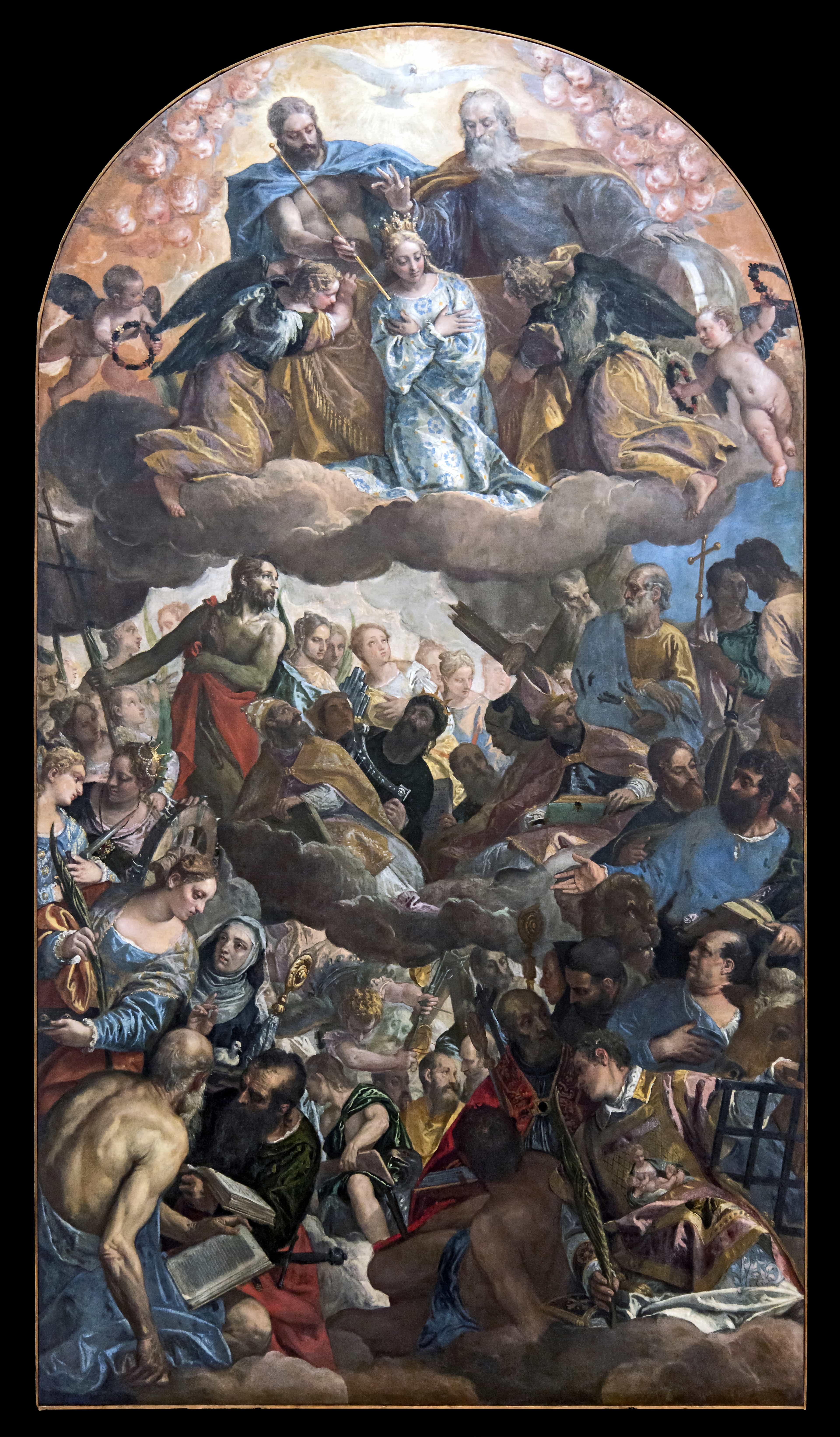
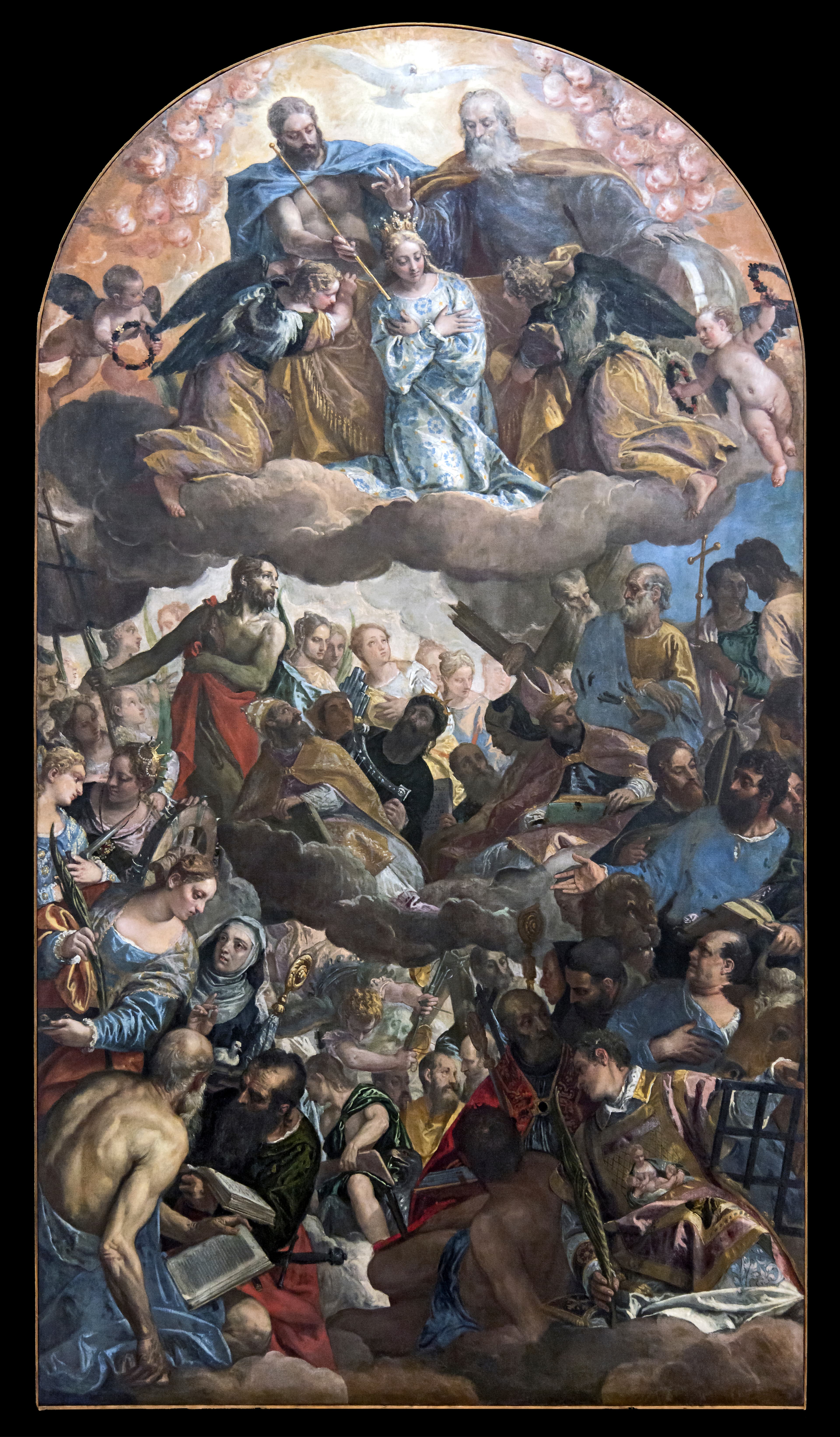
Coronation of Mary
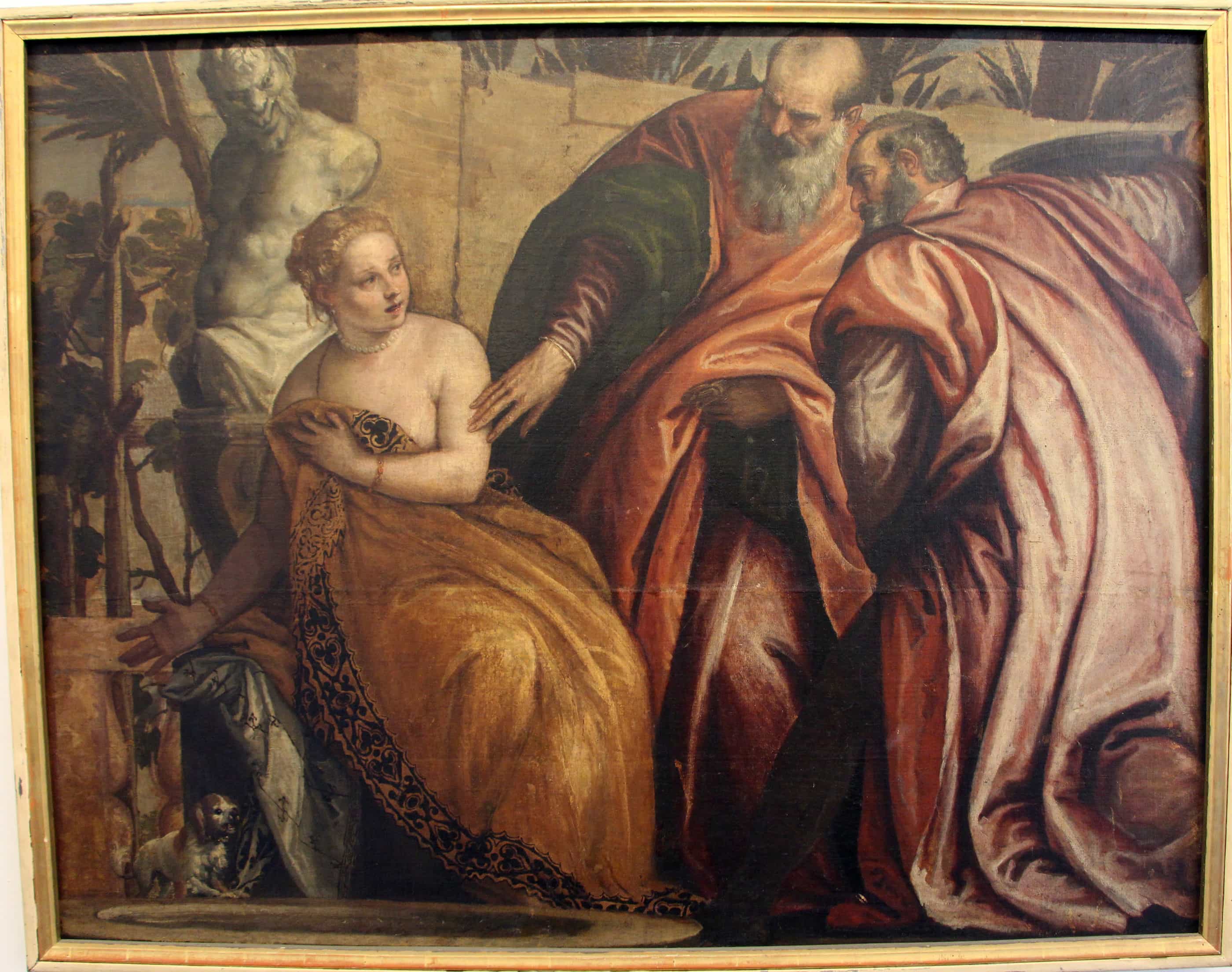
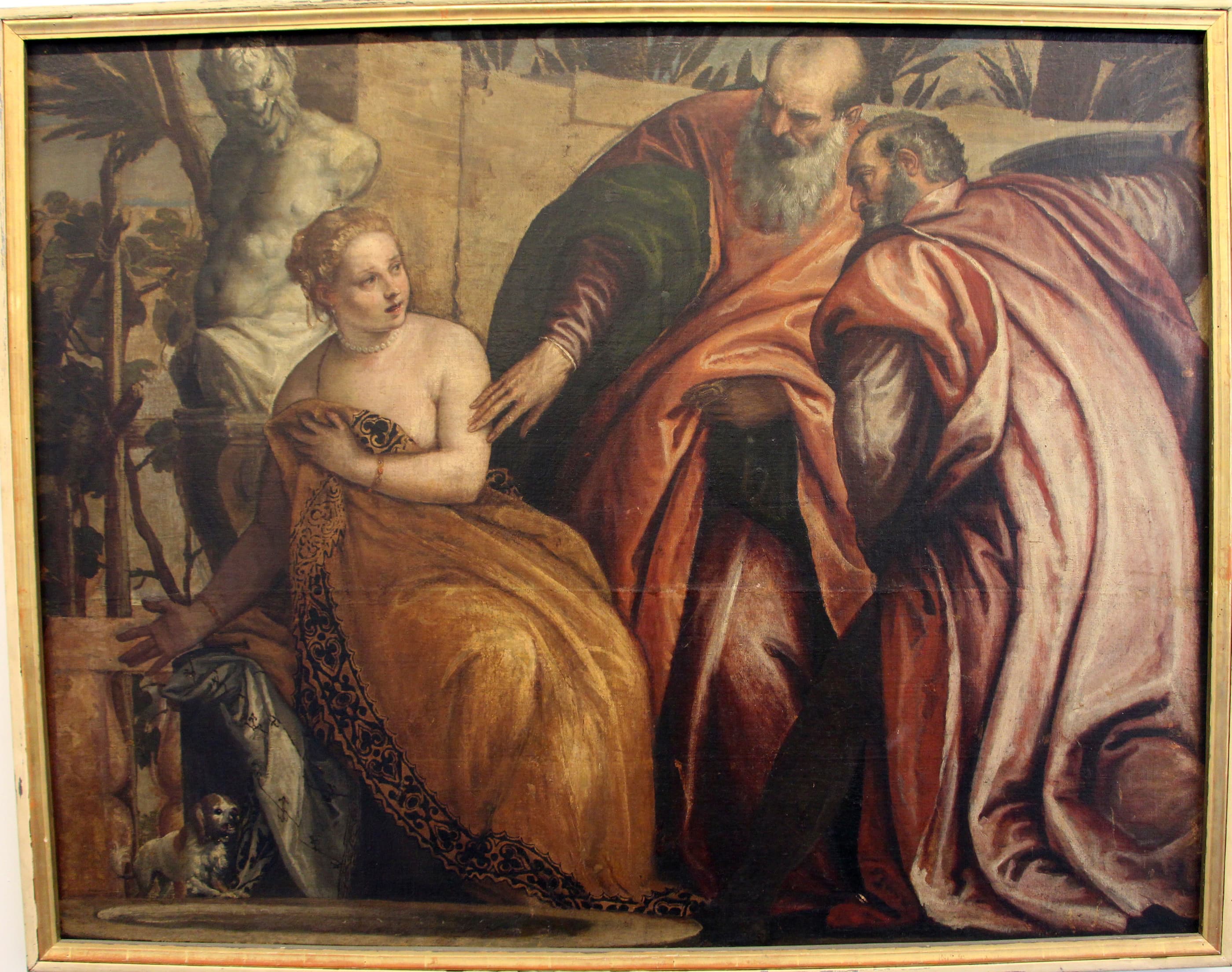
Susannah and the Elders
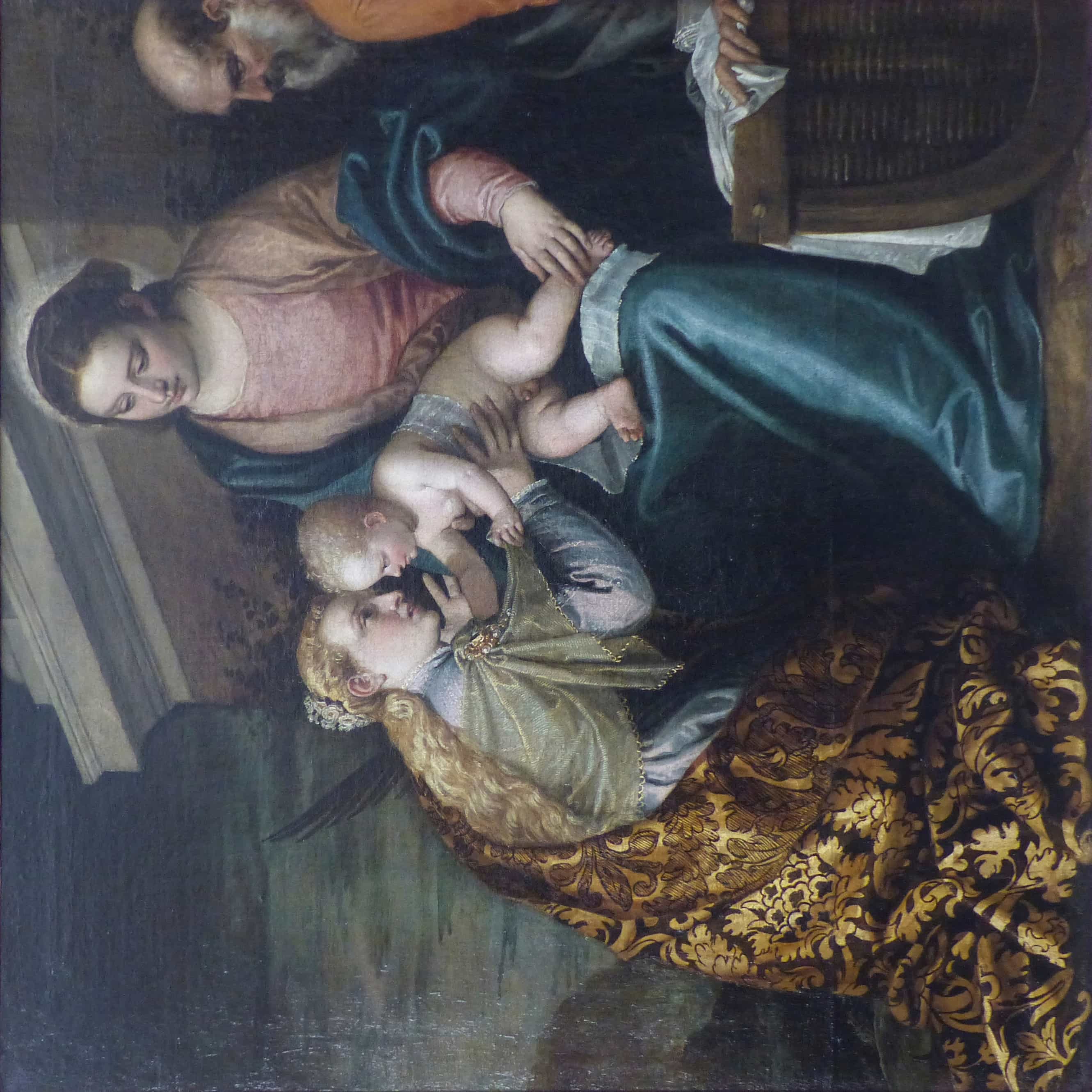
Le Mariage de sainte Catherine
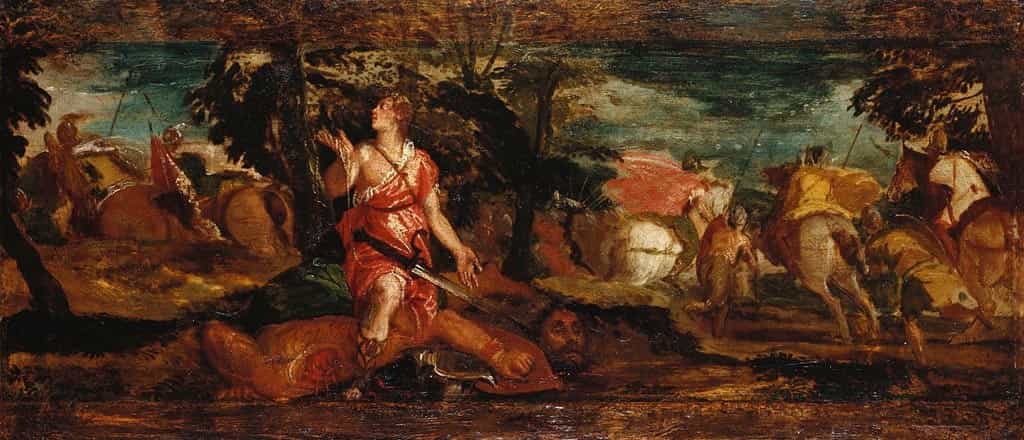
David Victorious Over Goliath
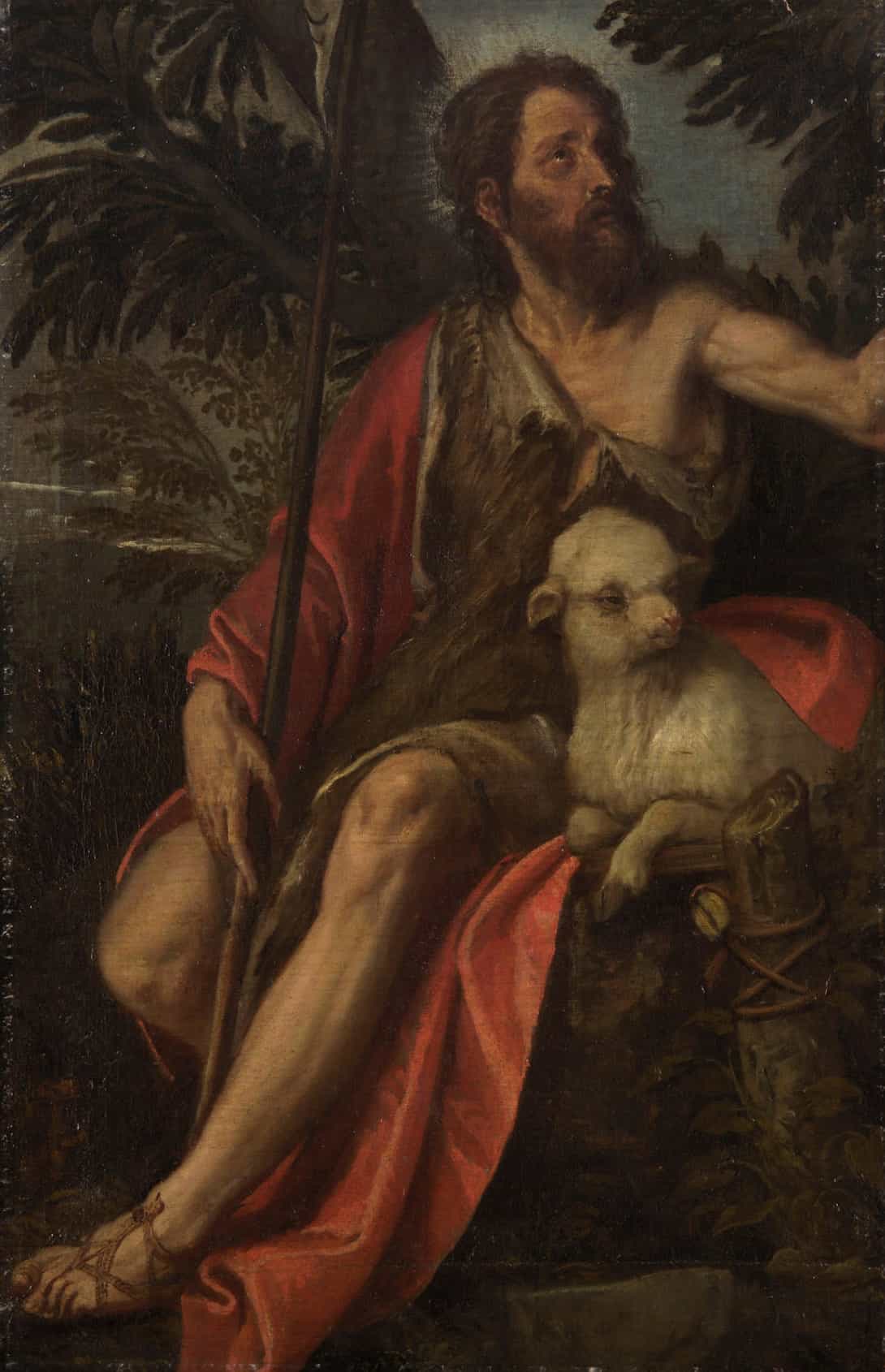
Saint John the Baptist
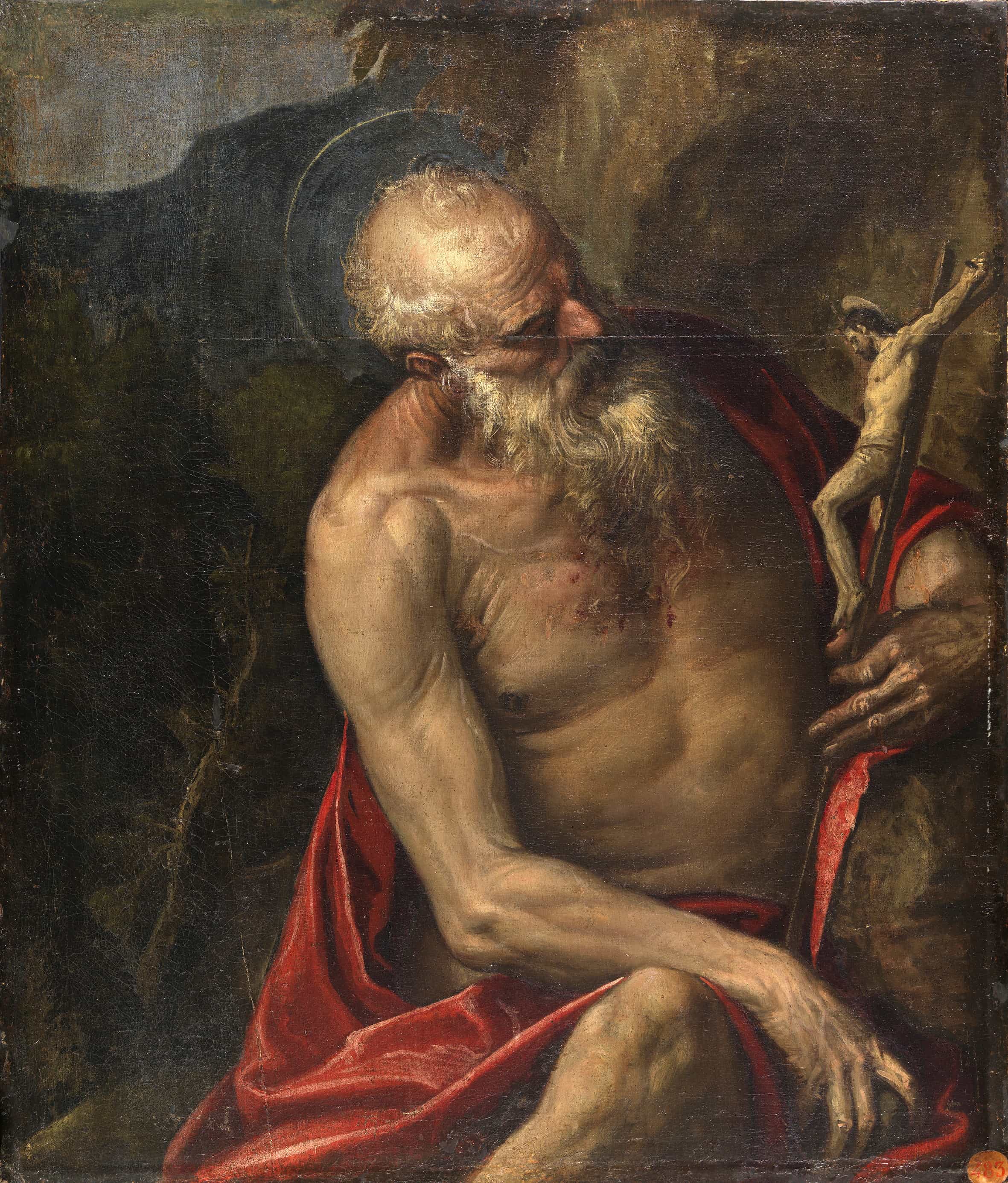
Saint Jerome Meditating
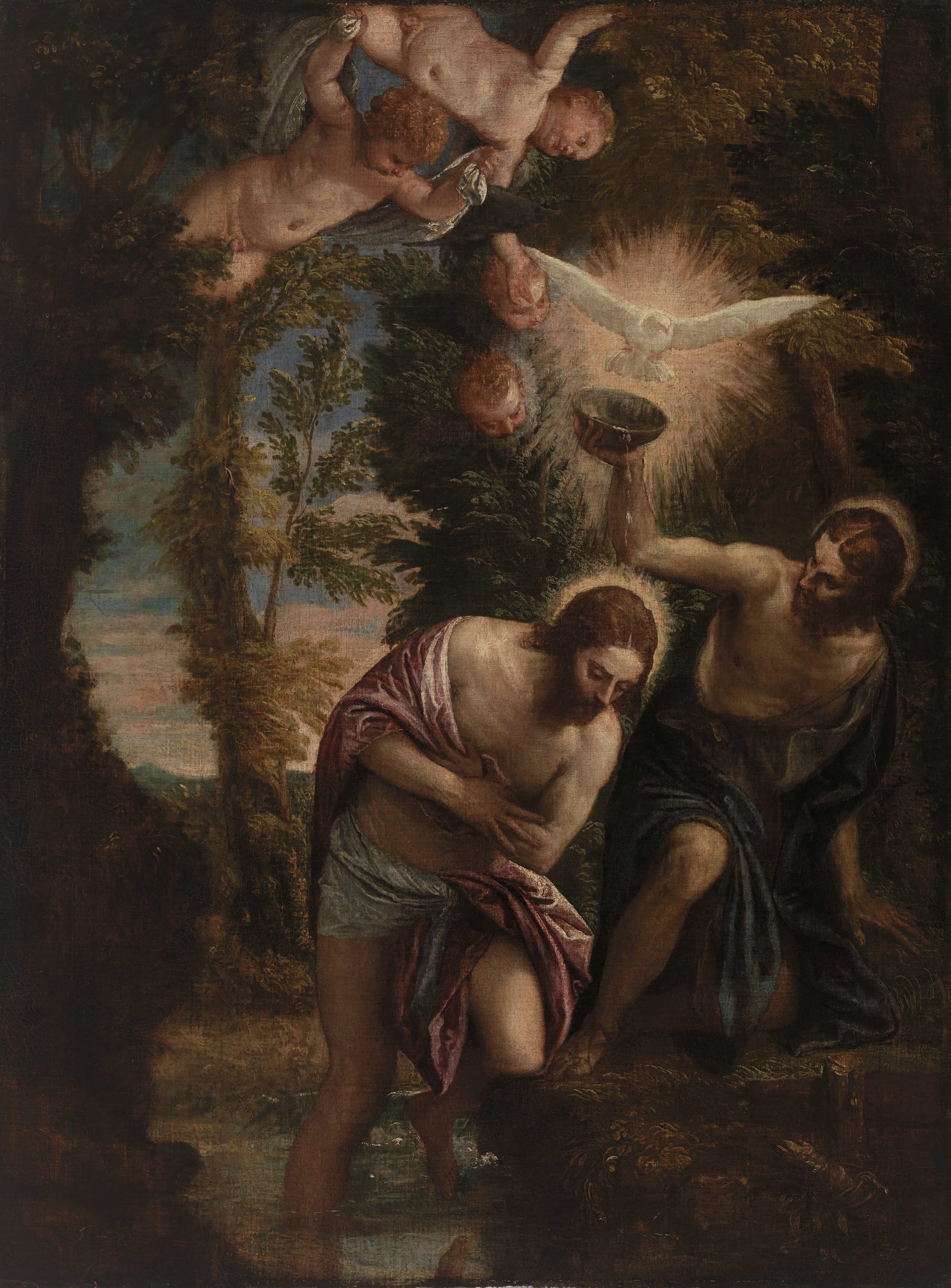
Baptism of Christ