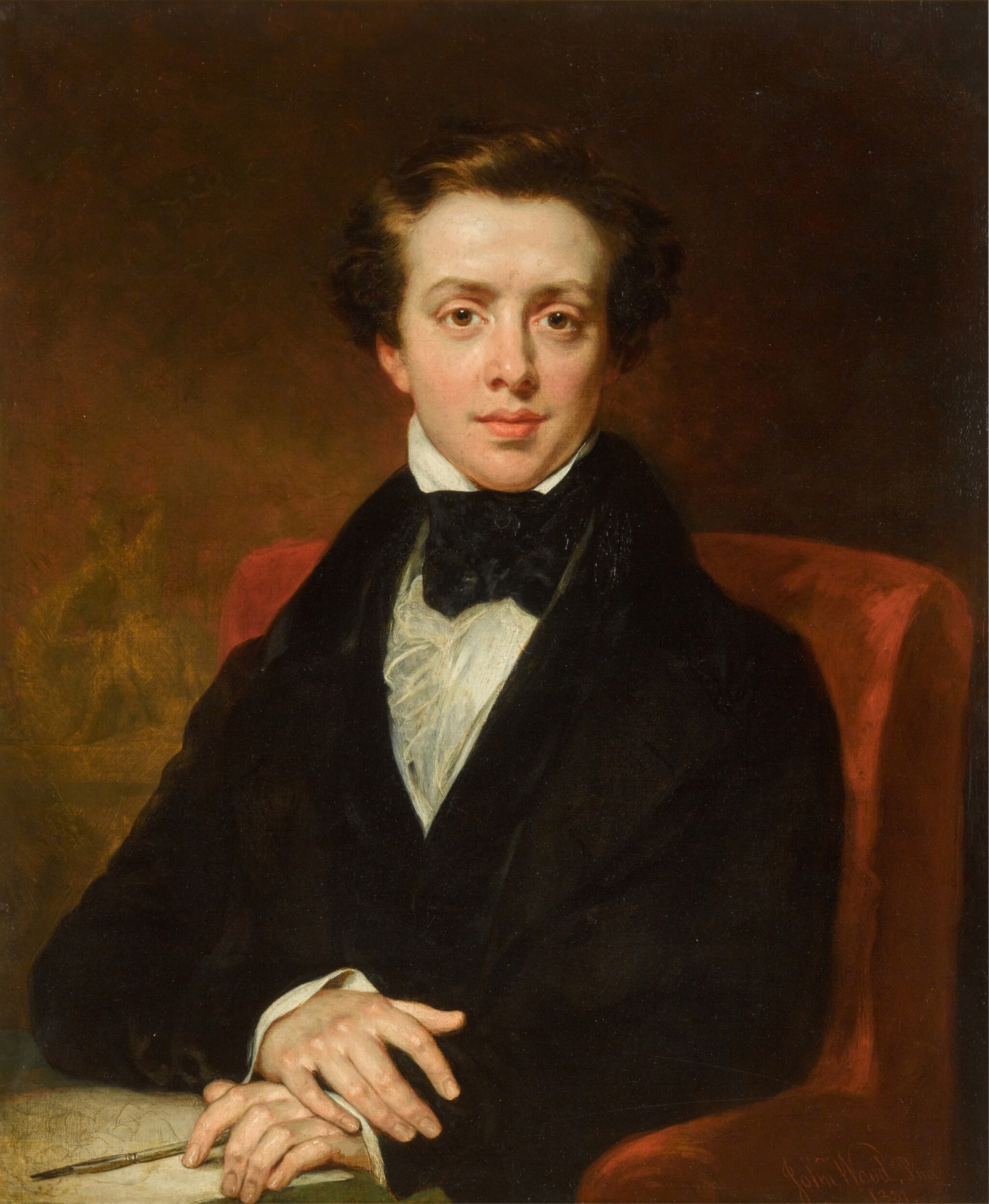
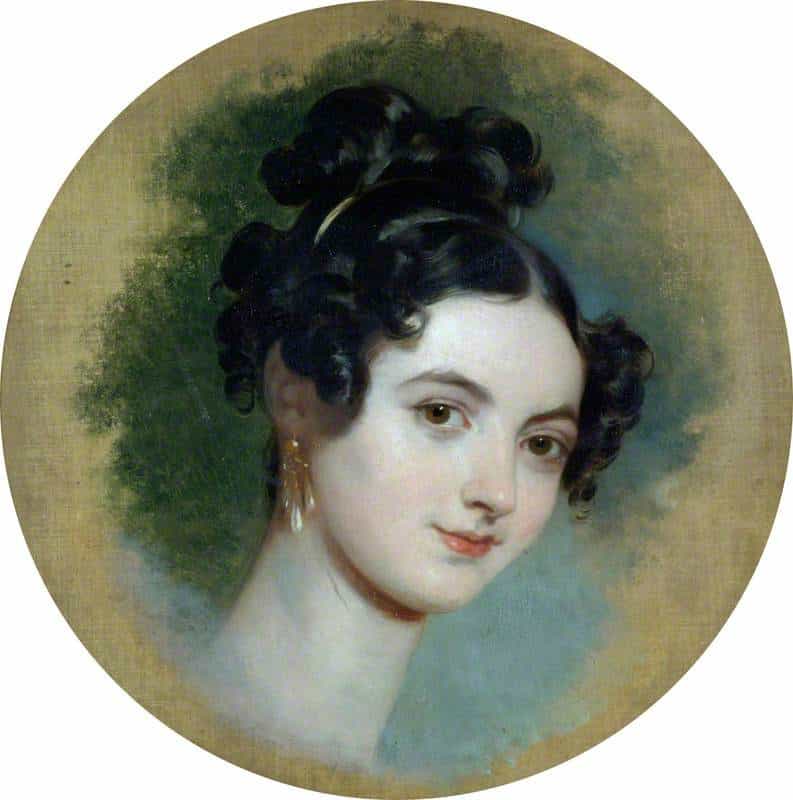
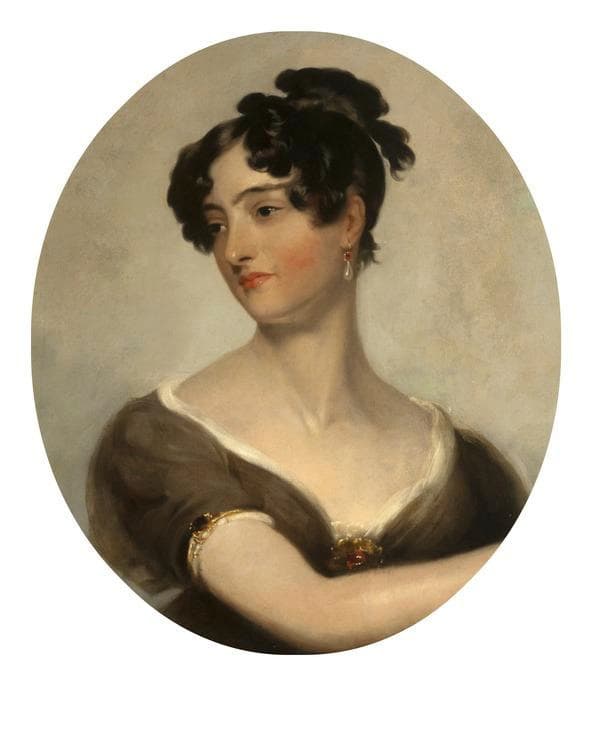
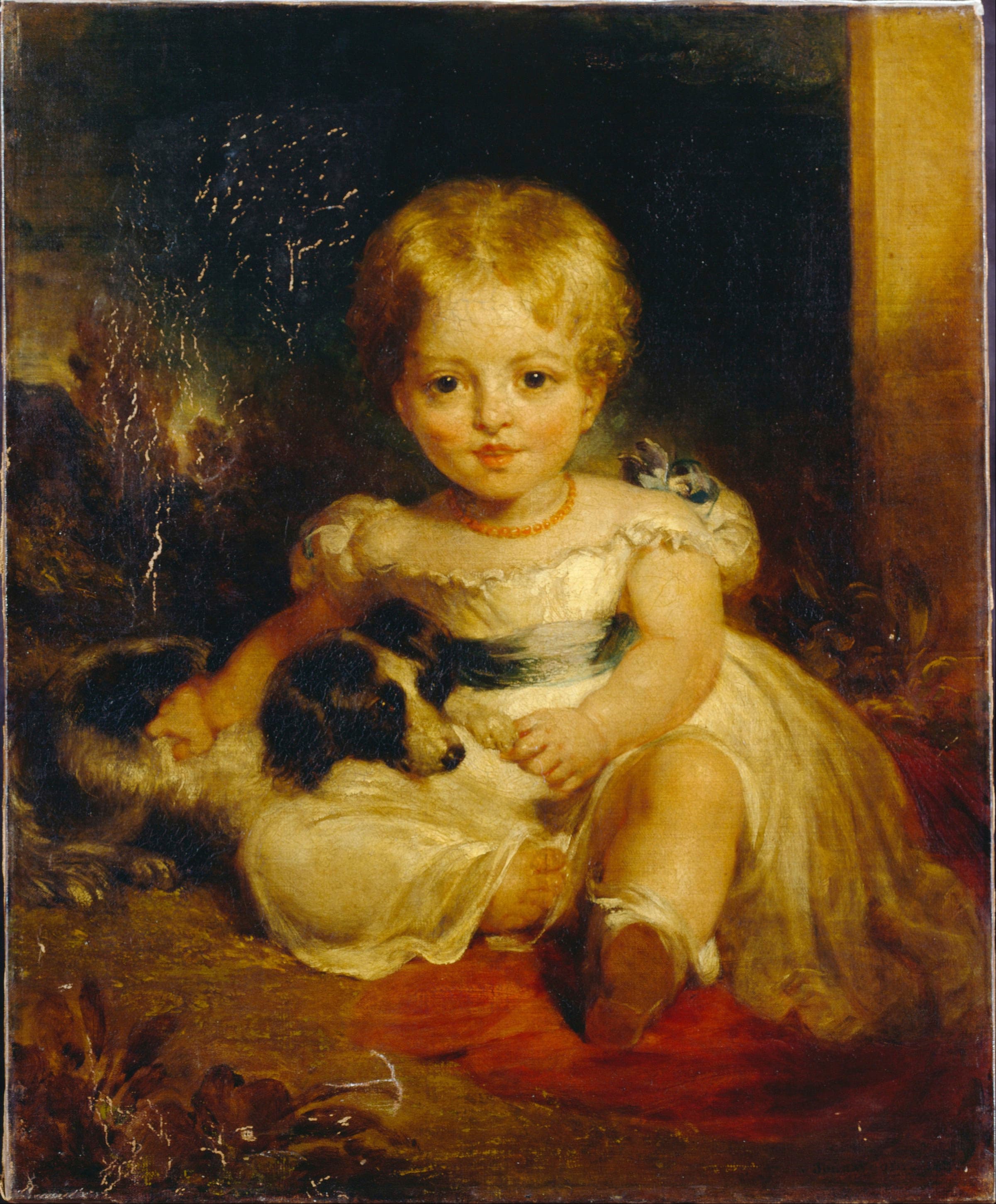
Lady Selina Meade (1797–1872) (after Thomas Lawrence)
John Wood
From $104
Collection
Museum-quality reproductions on 310gsm textured cotton rag paper.
Shop all prints by John WoodArtistic Style
Style Evolution
Working within the Victorian tradition, Wood's style emphasized clear draftsmanship and narrative composition. Over his career he maintained a decorative, observational approach suited to domestic and urban subjects, with a tonal palette and polished finish that appealed to nineteenth-century collectors.
Palette
Subjects
Techniques
Topics
John Wood (1801-1870) was a British 19th-century painter whose detailed depictions of domestic and urban life captured Victorian-era atmosphere.
Learn about the life of John Wood
Signature Works
See all available prints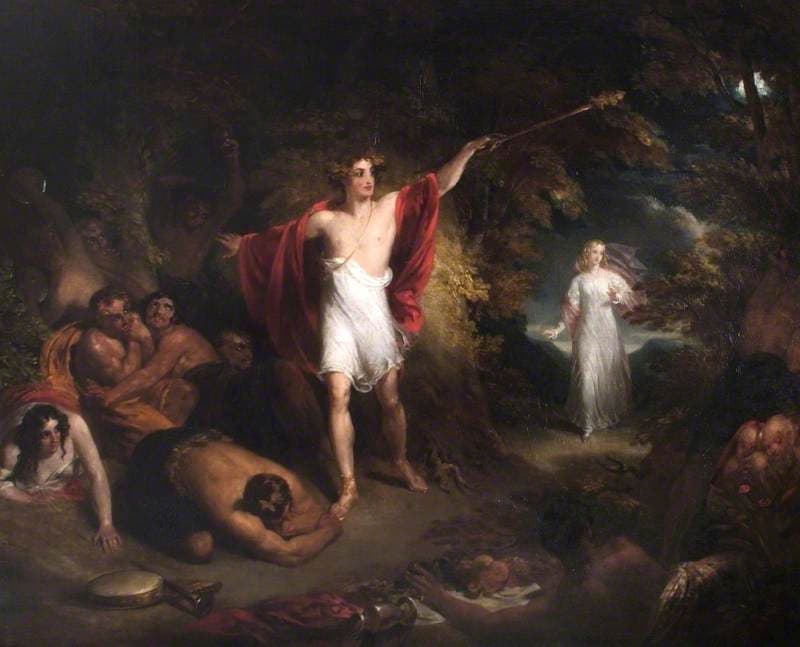



Biography
John Wood (1801-1870) was a British 19th-century painter whose detailed depictions of domestic and urban life captured Victorian-era atmosphere.
John Wood (1801–1870) was born in London and spent his life and career within the cultural orbit of nineteenth-century Britain. Working during the Victorian era, Wood's practice was formed amid rapid social change and an expanding market for painted scenes that documented domestic life, urban growth, and the tastes of a growing middle class. Precise records of his training and teachers are not available in the provided data; what is clear is his identity as an English artist rooted in London.
John Wood developed as an artist in the milieu of nineteenth-century British art, responding to the visual demands of the Victorian public for narrative clarity and decorative appeal. While detailed documentation of specific periods, teachers, or formal education is not provided here, Wood's career unfolded during a time when artists balanced studio practice with commissions and the exhibition system in Britain.
In his early years as an artist, Wood would have worked within established Victorian conventions—attending to careful draftsmanship and clear storytelling in picture-making that appealed to domestic and institutional collectors.
As his practice matured, his work likely reflected the era's attention to genre scenes and urban subjects, emphasizing atmospheric detail and compositional balance suited to both public display and private interiors.
By the later part of his life, Wood remained associated with London, the centre of Britain’s art market. He continued producing works that collectors of the period sought for their decorative and documentary qualities.
Specific titles of individual works are not included in the supplied data, so this account focuses on Wood’s broader contribution: paintings that document Victorian domestic and urban life with a refined, observant eye. Collectors and historians value such works for their ability to convey period atmosphere and social detail.
Wood’s art is characteristic of many nineteenth-century British painters who prioritized clarity, narrative content, and polished execution. His paintings would appeal for their compositional restraint, attention to surface detail, and a tonal approach that supports storytelling. These qualities make his work visually engaging and suitable for display in both historic and contemporary interiors.
While specific influences and pupils are not detailed in the available data, John Wood belongs to the broader tradition of Victorian British painters whose work documented and shaped public tastes. Such artists influenced later generations of collectors and decorative arts enthusiasts who valued narrative painting and historical atmosphere.
##
Frequently Asked Questions
Lady Selina Meade (1797–1872) (after Thomas Lawrence)
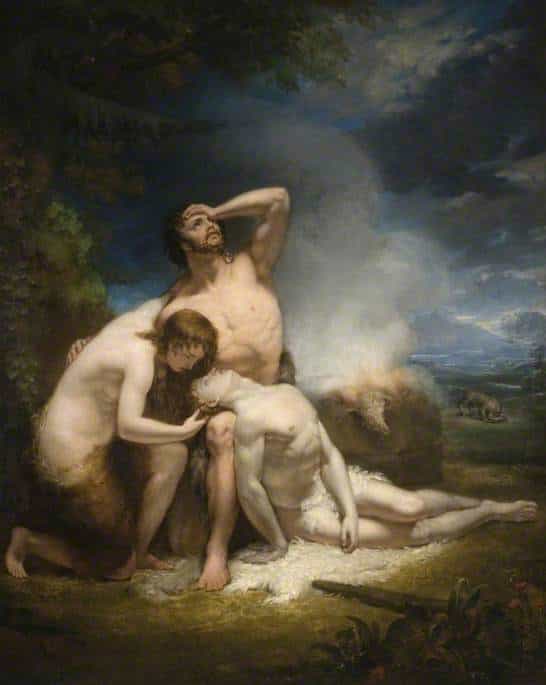
The Death of Abel

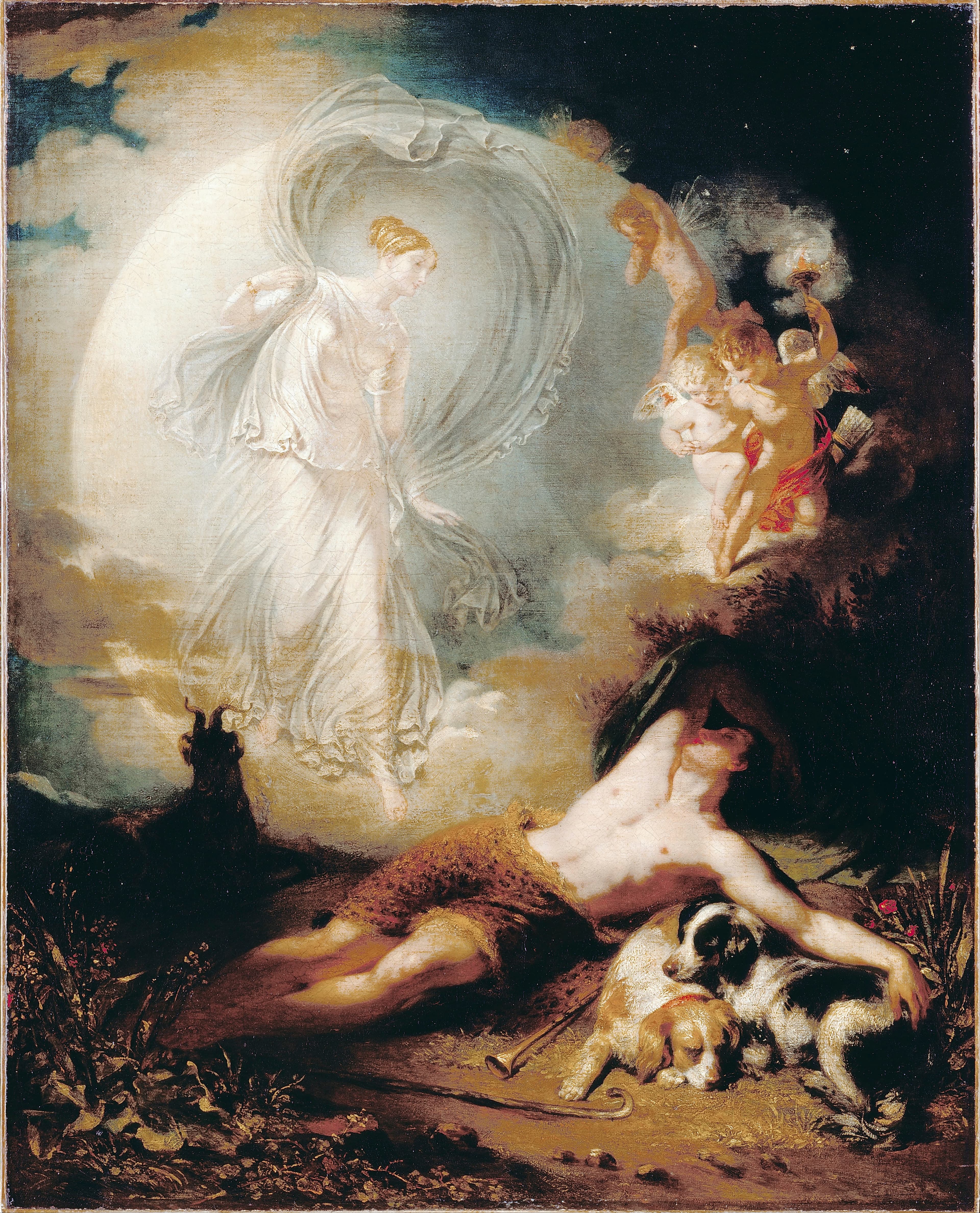
Endymion

Susan Jay and Her Dog
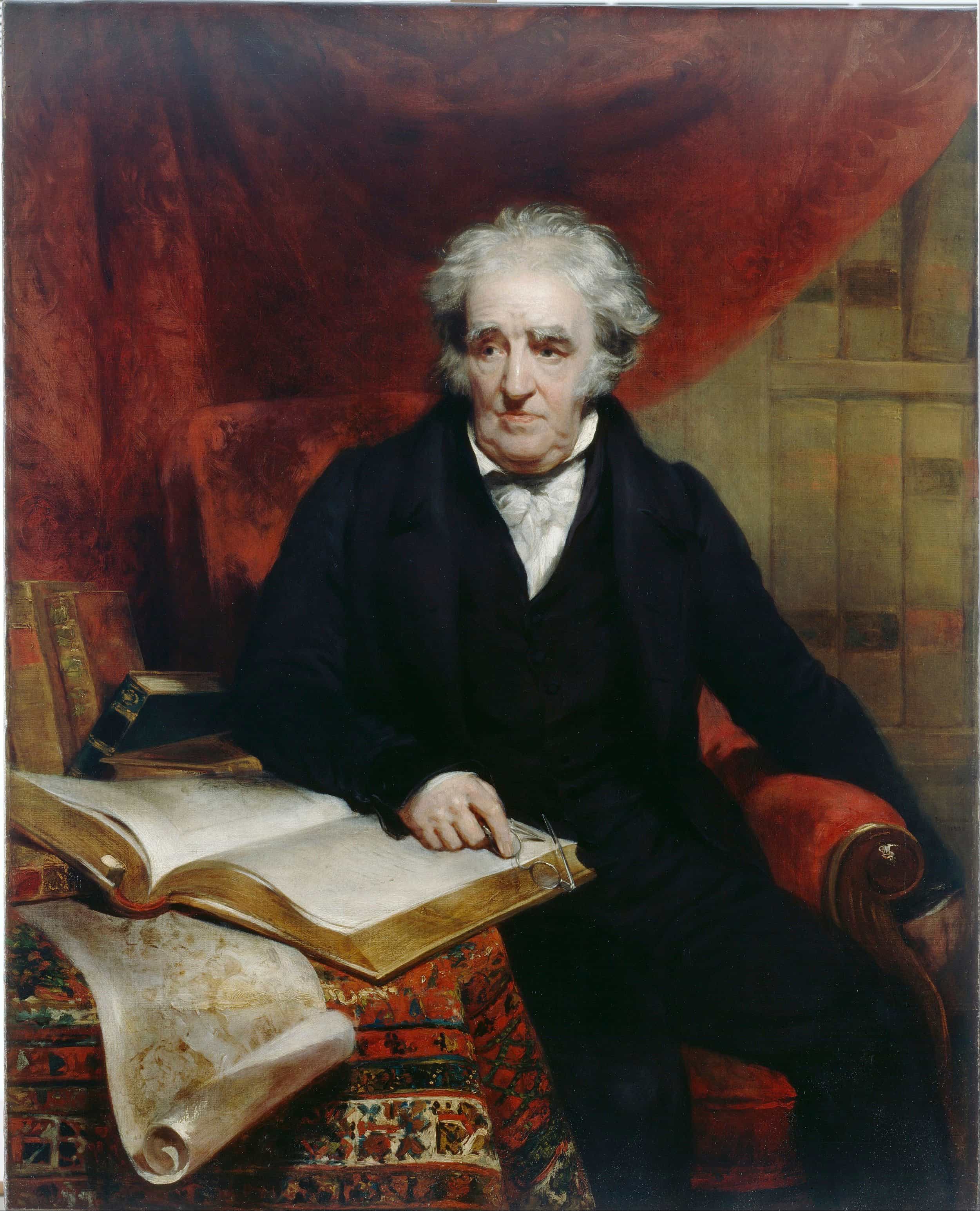
Thomas Stothard
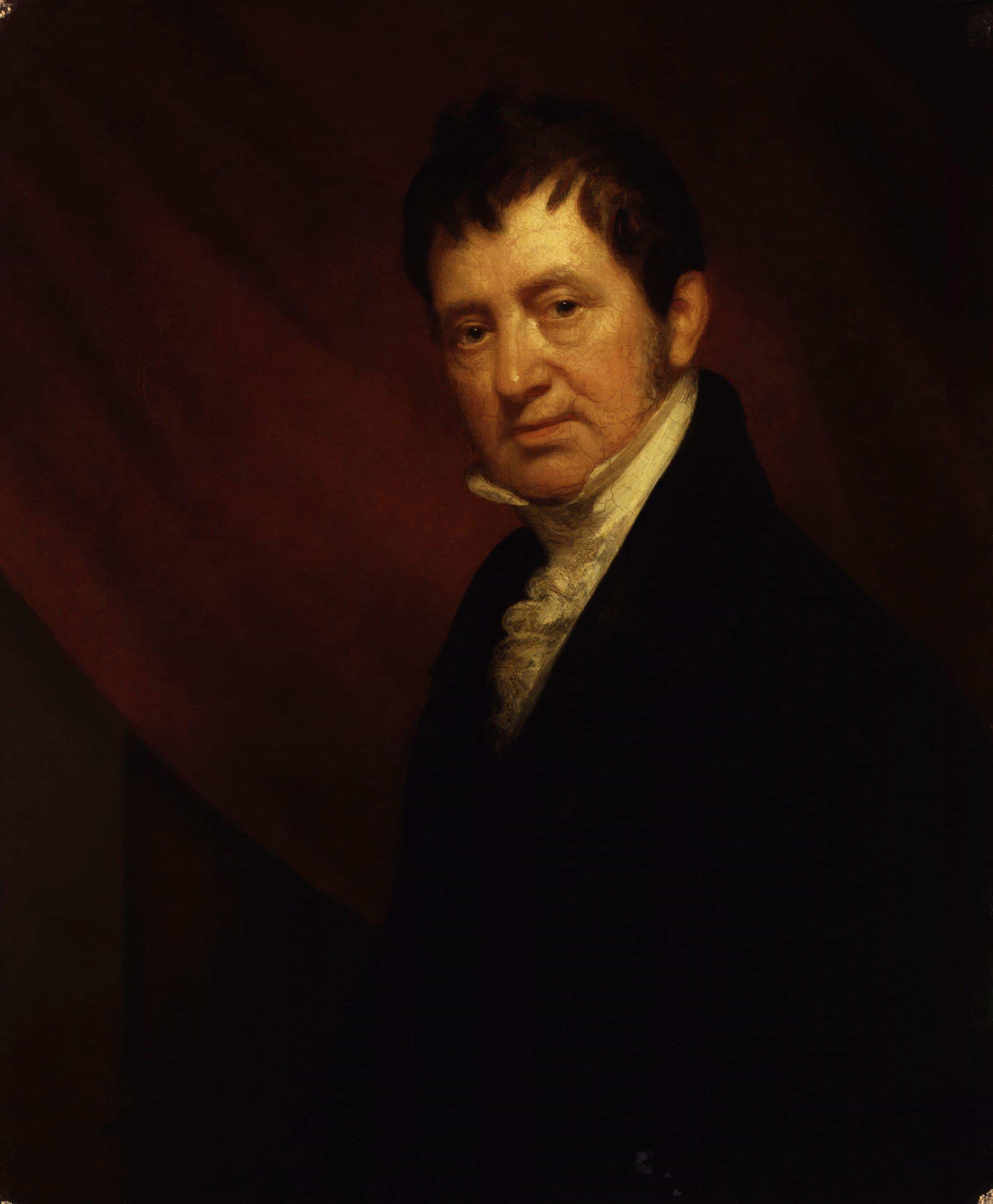
Sir William Beechey (Self-portrait)
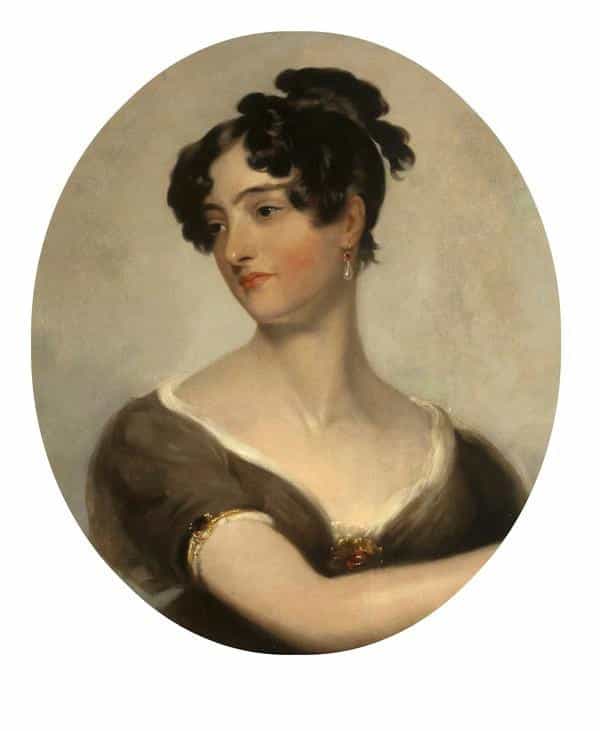
Harriet Murray (Mrs Henry Siddons) 1783–1844
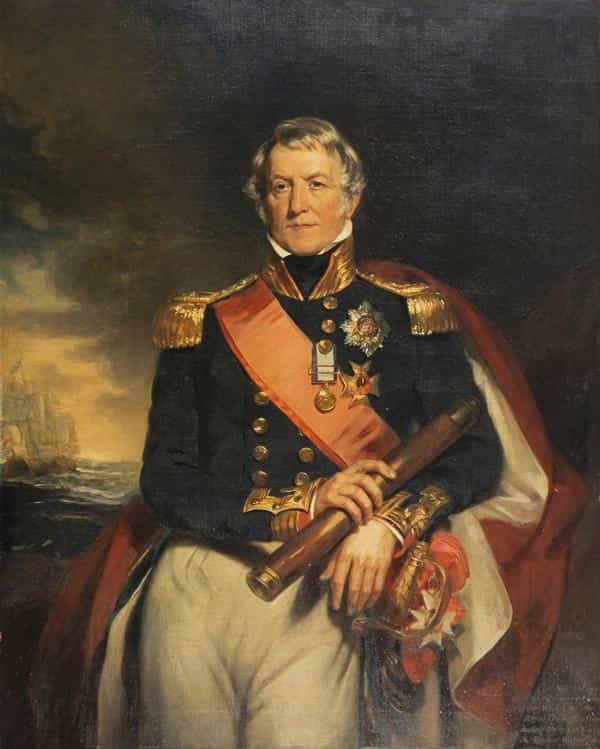
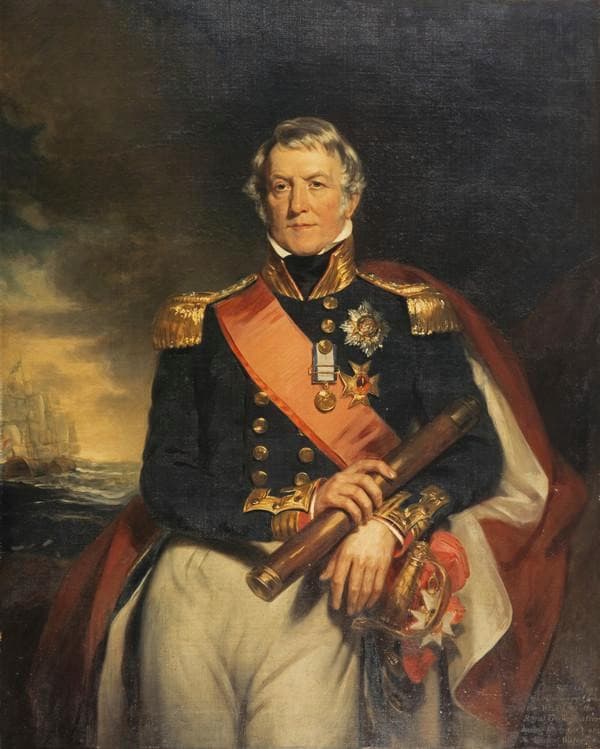
Admiral Sir Philip Charles Henderson Calderwood Durham, 1763 - 1845
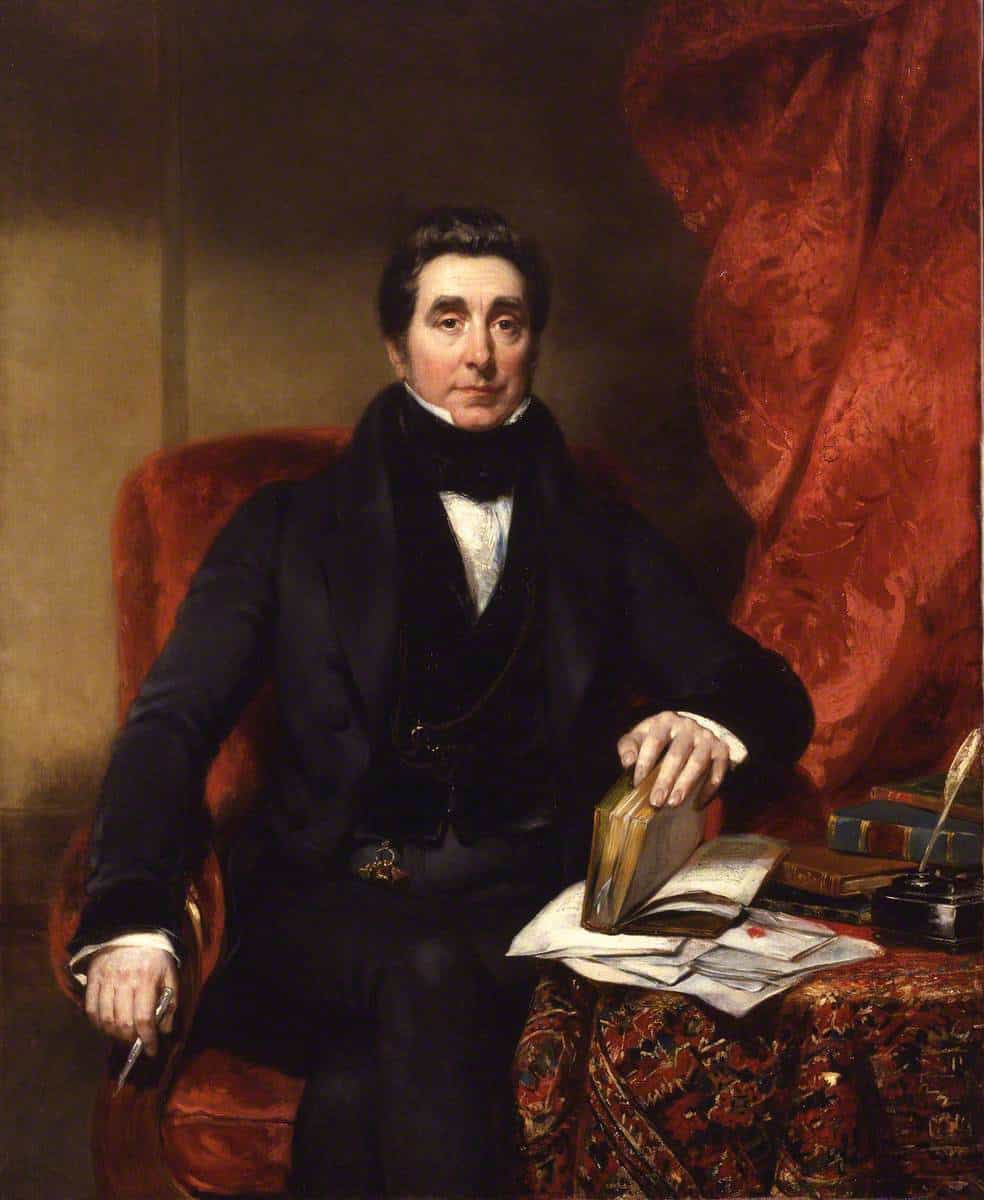
James Johnson (1777–1845)
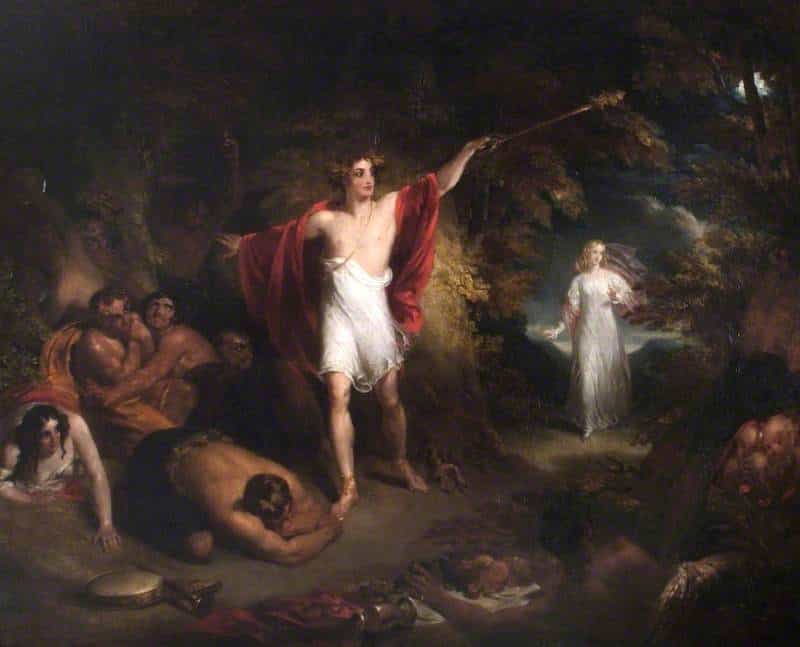
Comus and the Lady Benighted

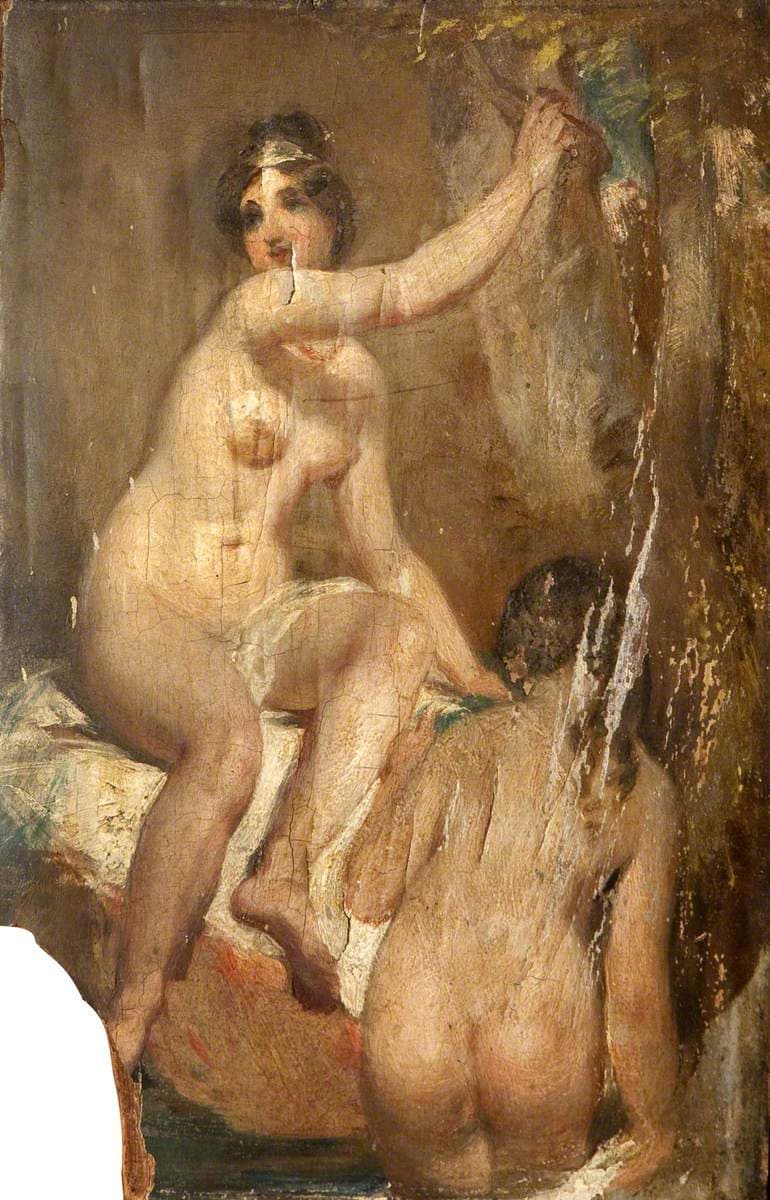
Two Female Nudes
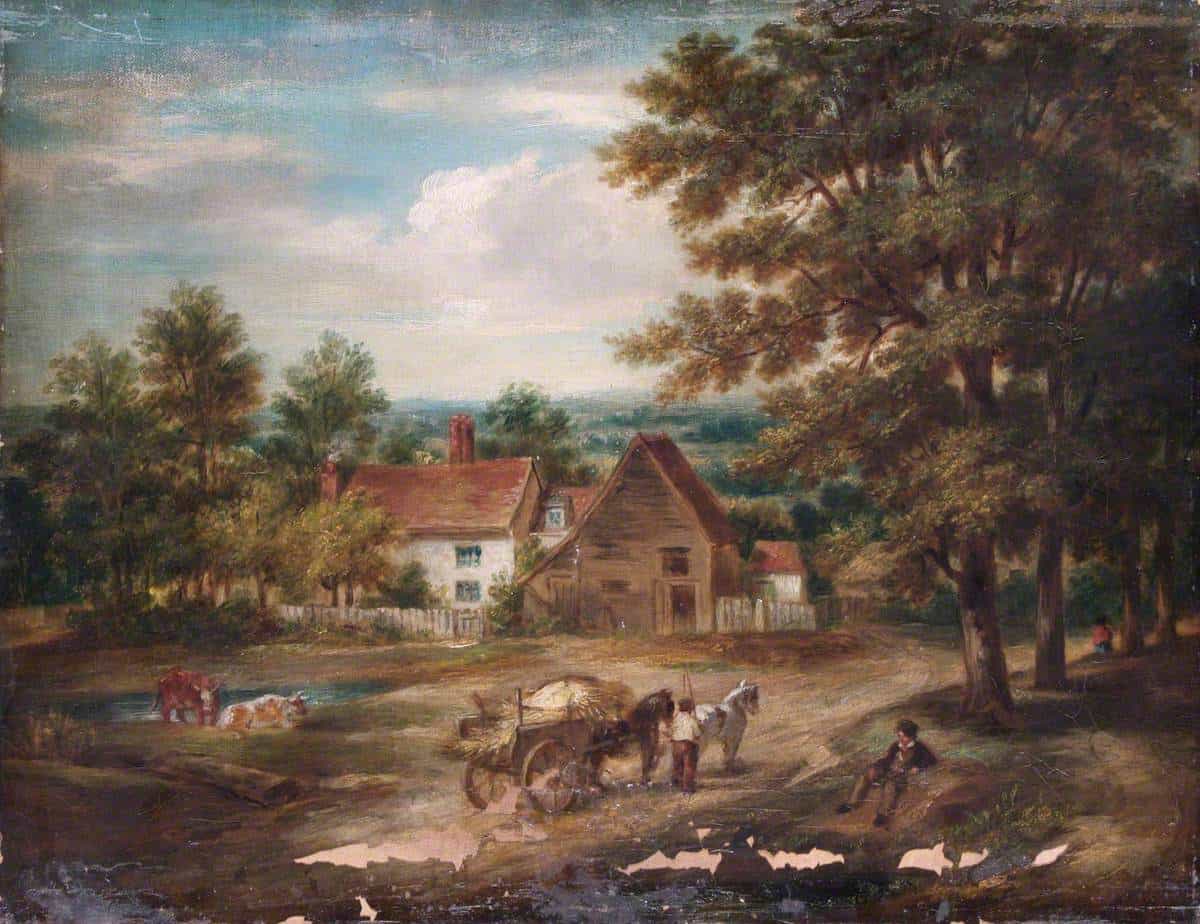
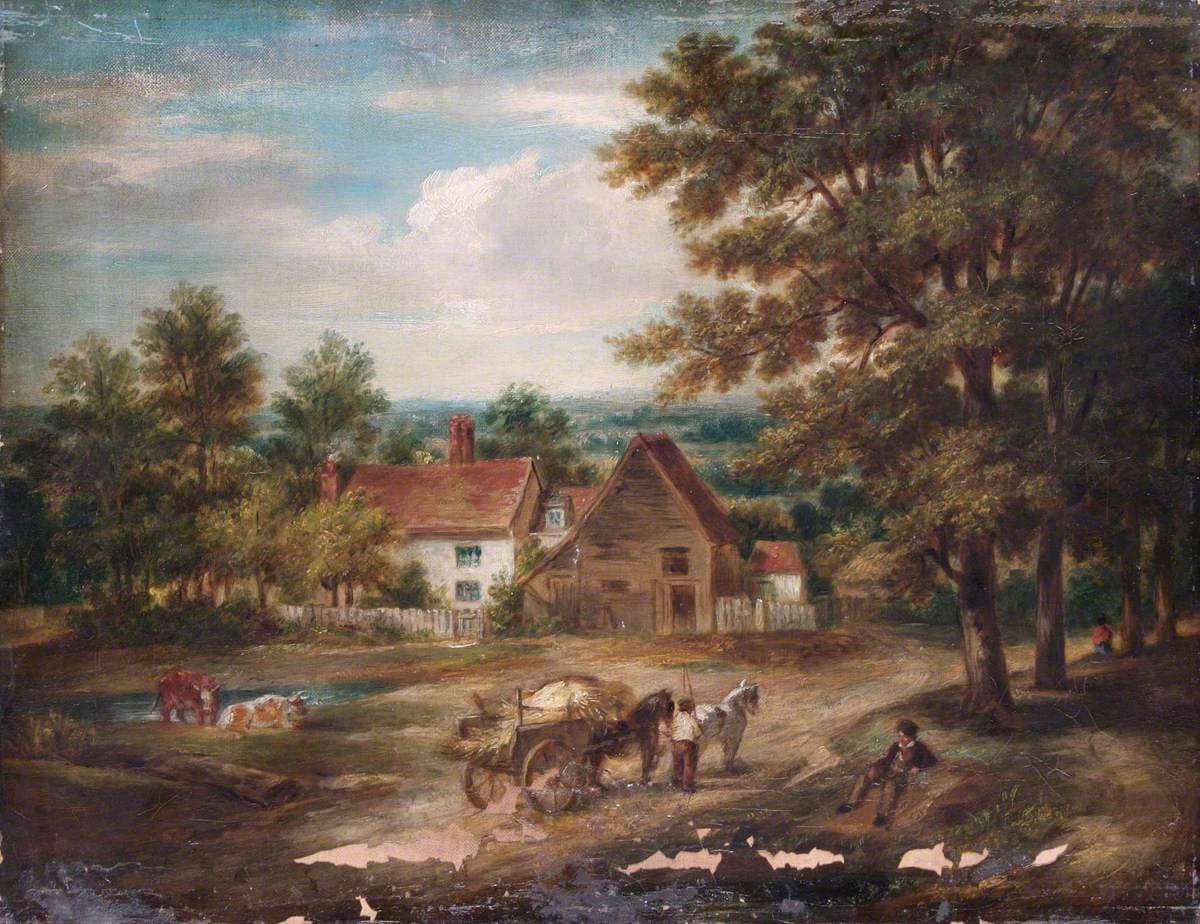
Wyldes Farm (The Farmhouse at Hampstead, 21 August 1857)