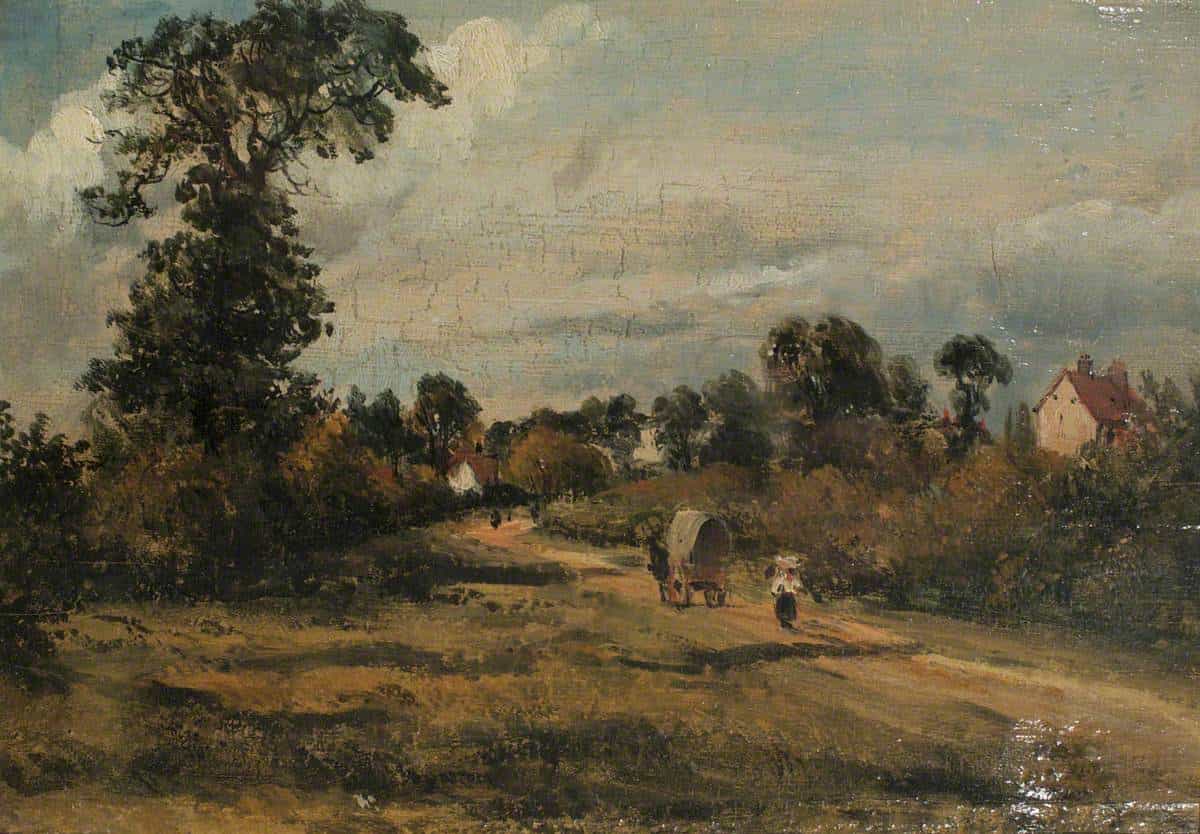
A Country Road
John Constable
From $69
Collection
Museum-quality reproductions on 310gsm textured cotton rag paper.
Shop all prints by John ConstableArtistic Style
Style Evolution
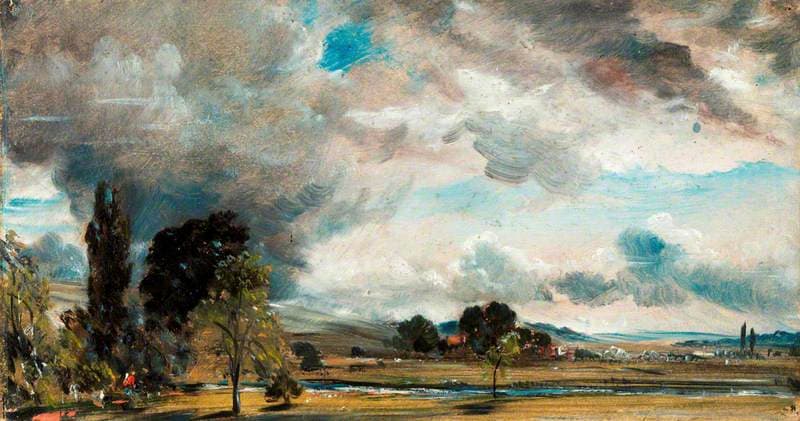
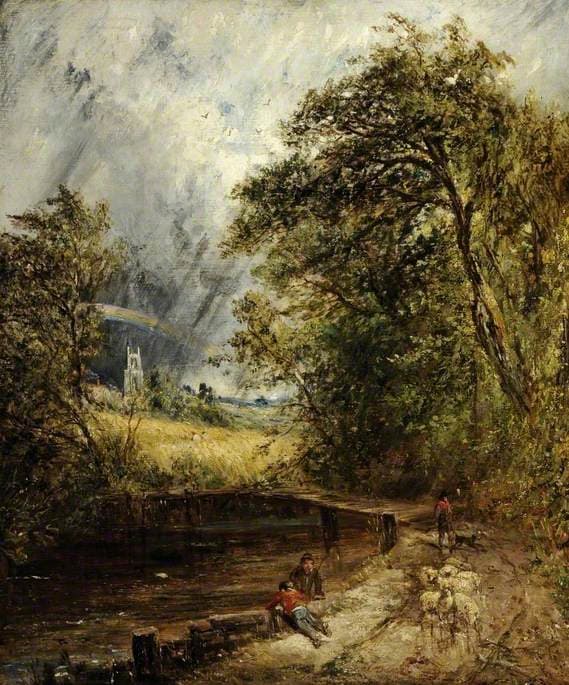
Constable moved from carefully observed rural sketches to larger studio compositions that preserved the immediacy of his plein‑air studies. Over his career he refined a naturalistic, atmospheric approach that emphasized cloud formations and weather as central expressive elements.
Palette
Subjects
Techniques
Topics
John Constable (1776-1837) was an English Romantic landscape painter whose naturalistic depictions of the Suffolk countryside and luminous skies transformed landscape art.
Learn about the life of John Constable
Signature Works
See all available prints
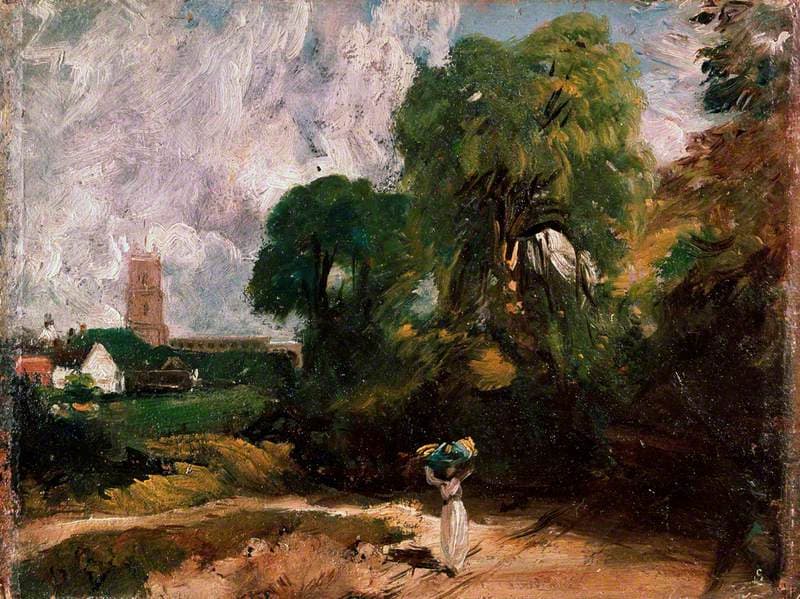
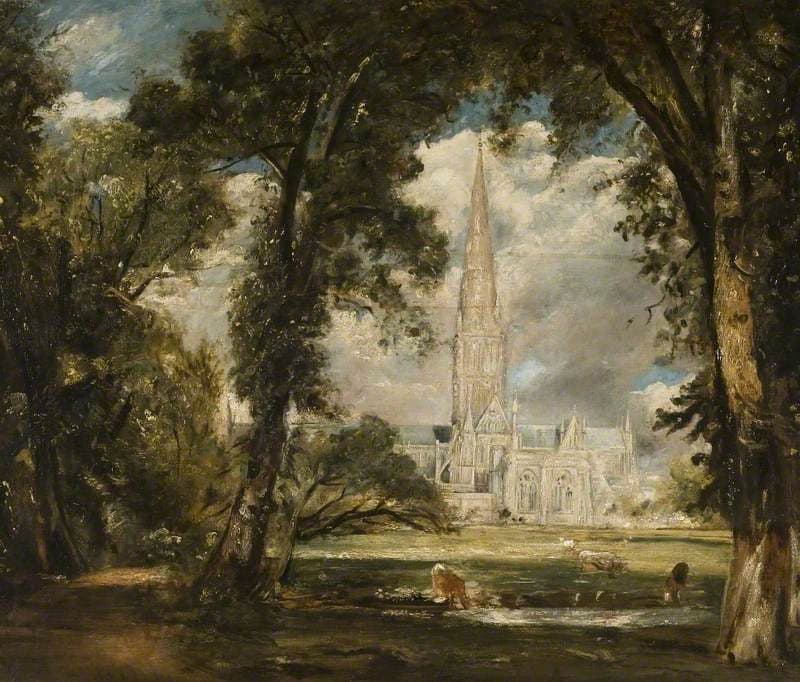
Biography
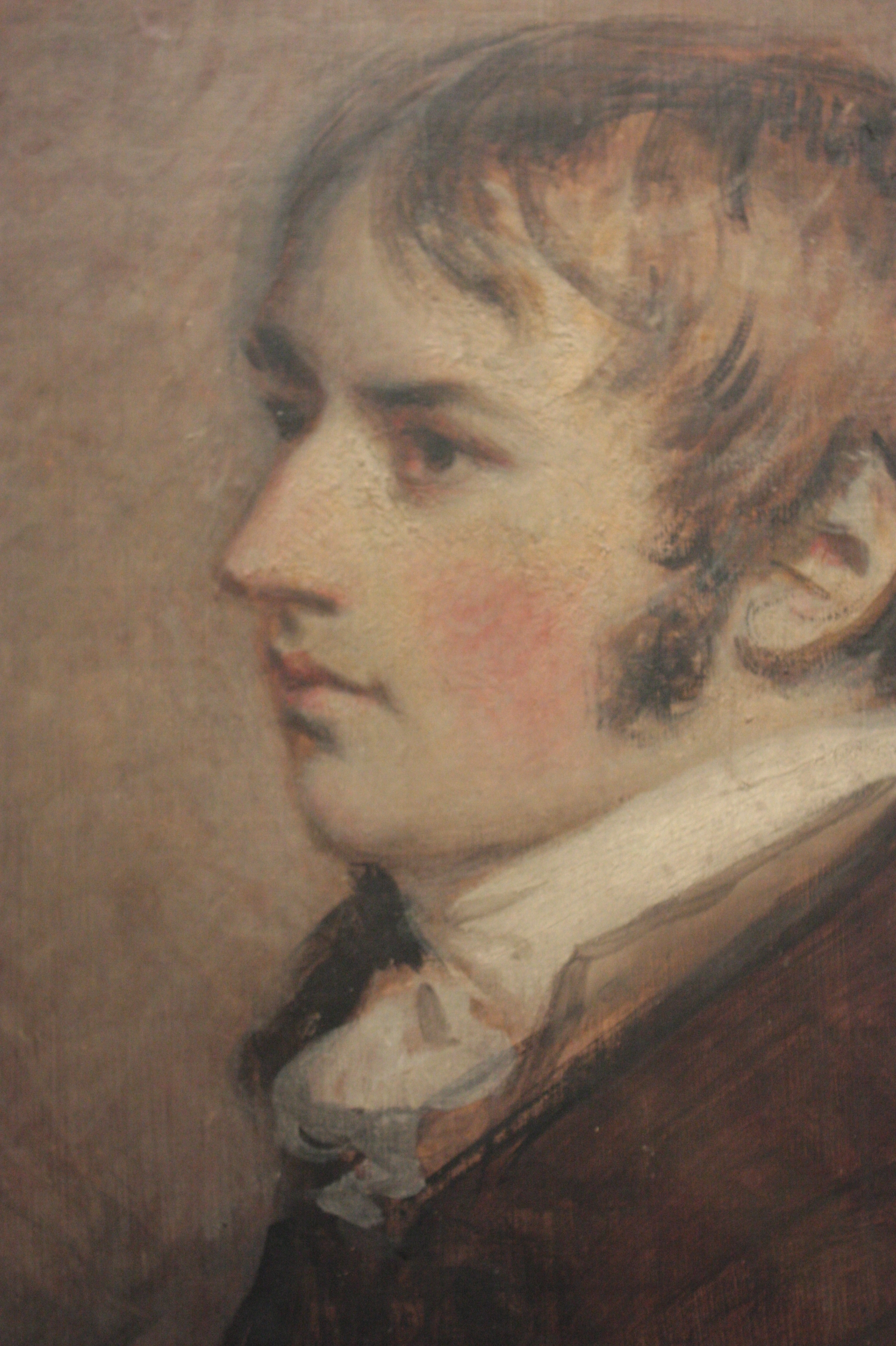
John Constable (1776-1837) was an English Romantic landscape painter whose naturalistic depictions of the Suffolk countryside and luminous skies transformed landscape art.
John Constable was born in East Bergholt in 1776 into a rural Suffolk family. From an early age he was drawn to the landscape around the River Stour, making sketches and studies of local scenes that would become the foundation of his lifelong subject matter. He moved to London to pursue formal art training and to exhibit his work, while repeatedly returning to Suffolk for field studies and inspiration.
Constable trained at the Royal Academy Schools in London and established himself through disciplined study of nature and careful observation of weather and light. He developed a practice of working from sketches and oil studies made outdoors and then composing larger studio paintings.
While based in London for much of his professional life, Constable kept a close creative connection to the Stour Valley in Suffolk. His London years were the period when he exhibited at the Royal Academy and sought critical recognition from the art establishment.
Throughout his career Constable returned to sketch and paint on location in Suffolk. These on-site studies—particularly of skies, hedgerows, rivers and meadows—are central to his approach and informed many of his finished works.
Constable is celebrated for his naturalistic and emotionally resonant landscapes that elevated rural English scenes to subjects of high art. His practice of producing detailed plein-air sketches and richly observed cloud studies redefined expectations for landscape painting and influenced later generations of artists.
Constable’s technique combined direct observation with a painterly handling of oil paint: broken brushwork, layered highlights, and careful attention to the effects of atmosphere and weather. He favoured compositional balance drawn from real places and used light and cloud formations to animate otherwise quiet rural scenes.
Constable influenced the course of landscape painting across Europe. His emphasis on direct observation, tonal variety and the expressive potential of skies informed subsequent movements, including naturalist and realist approaches in the 19th century and artists who looked to nature as primary subject matter.
Constable maintained strong ties to his Suffolk origins throughout his life. He balanced a London-based professional life—where he studied and exhibited—with frequent returns to the countryside for sketches and studies.
Collectors prize Constable’s work for its authentic evocation of the English countryside, decorative appeal and technical virtuosity. His oil sketches and finished canvases are valued for their atmospheric sky-
Awards
Frequently Asked Questions
A Country Road
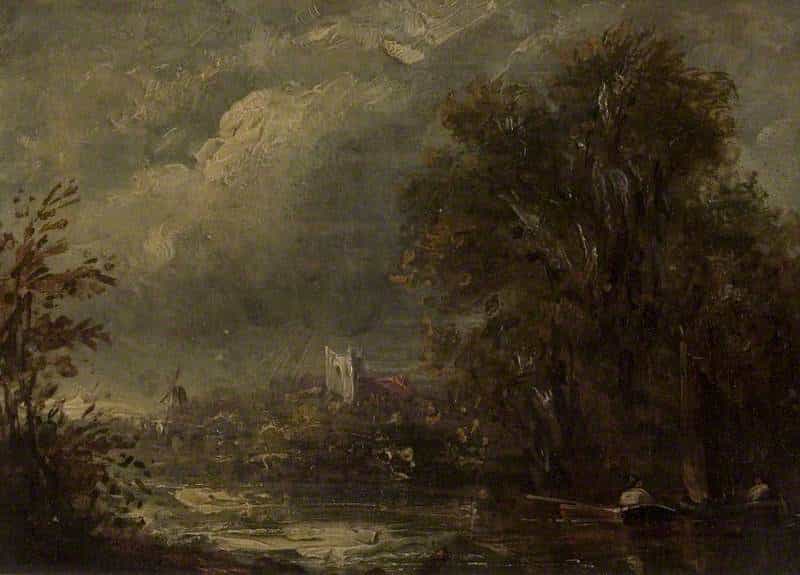
On the Stour
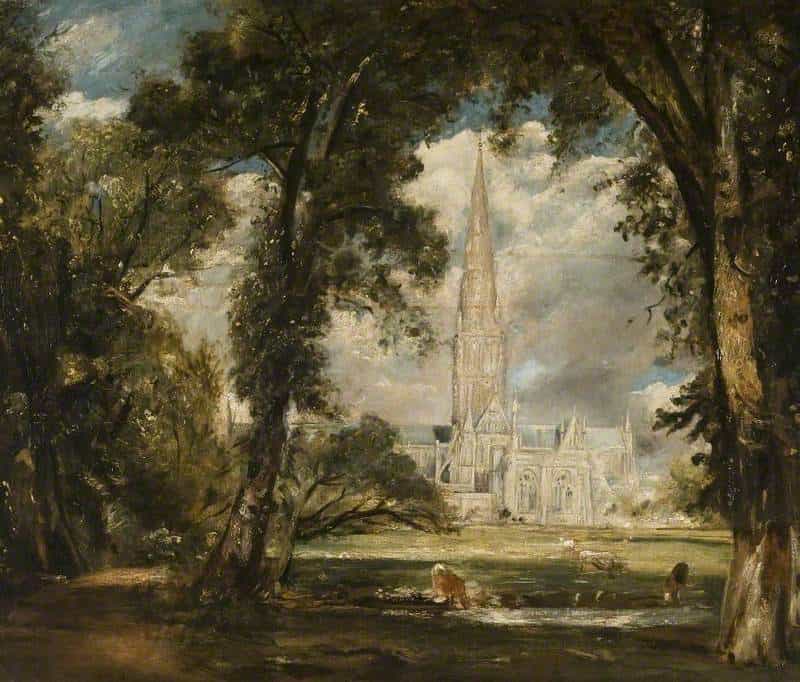
Salisbury Cathedral from the Bishop's Grounds
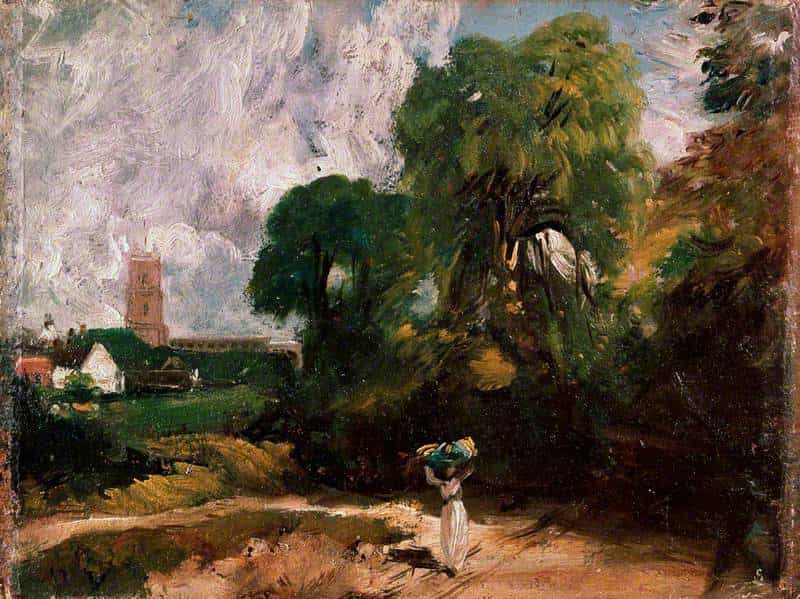
Stoke-by-Nayland, Suffolk
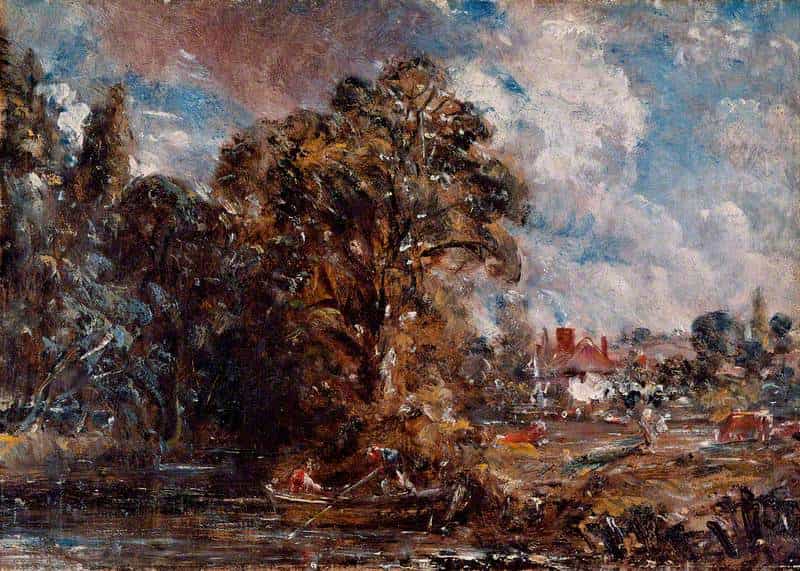
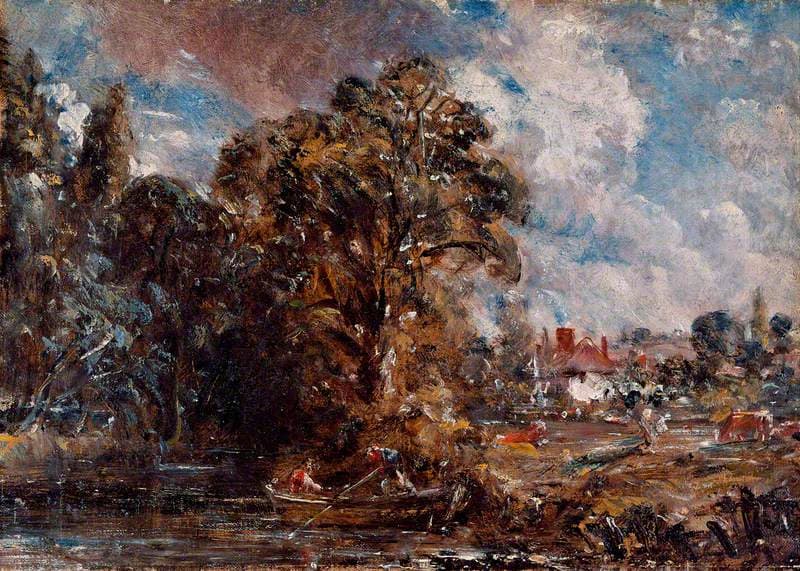
A River Scene with a Farmhouse near the Water's Edge
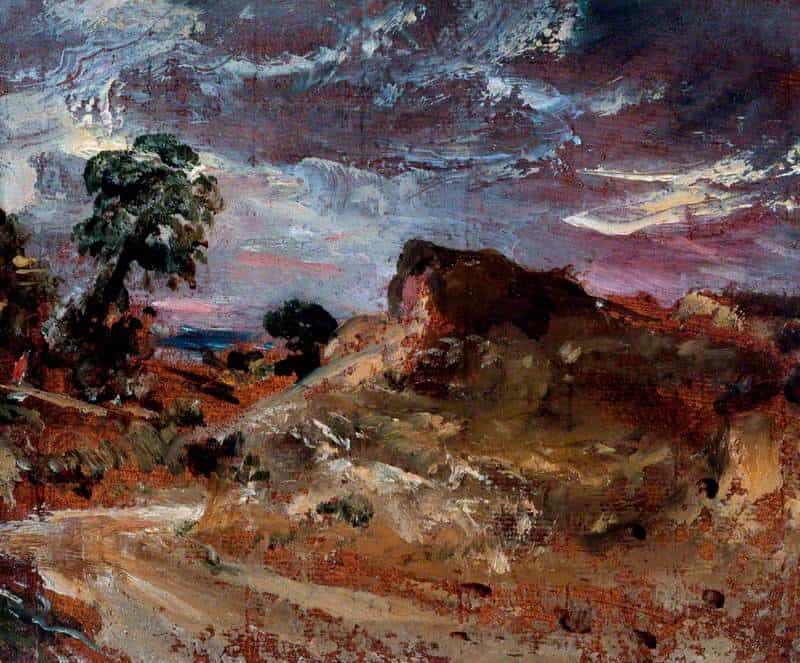
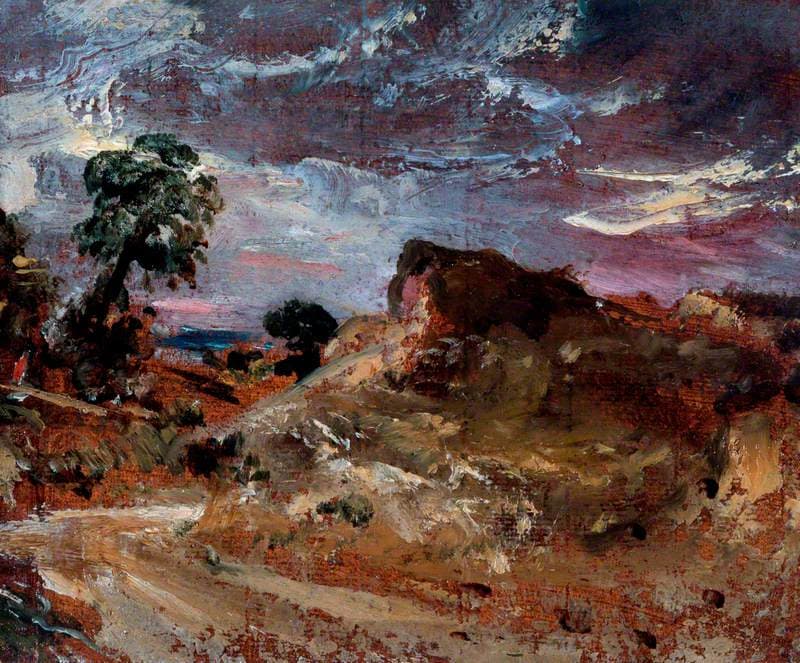
A Country Road and a Sandbank
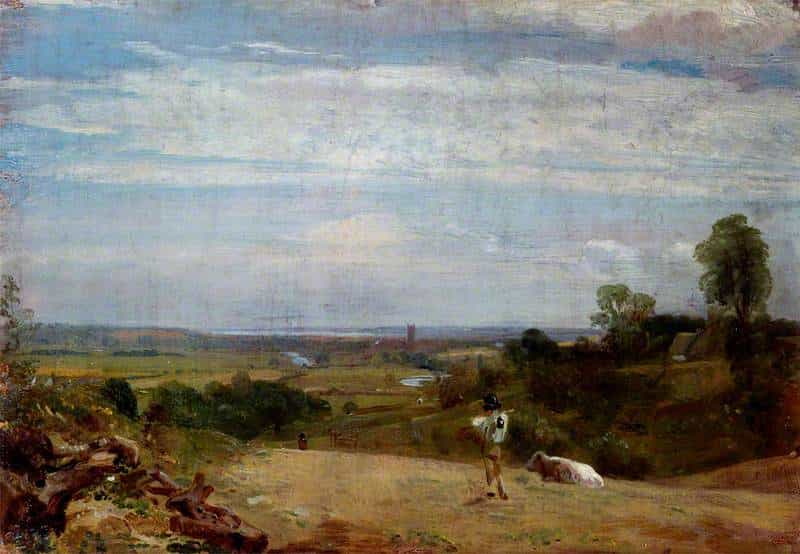
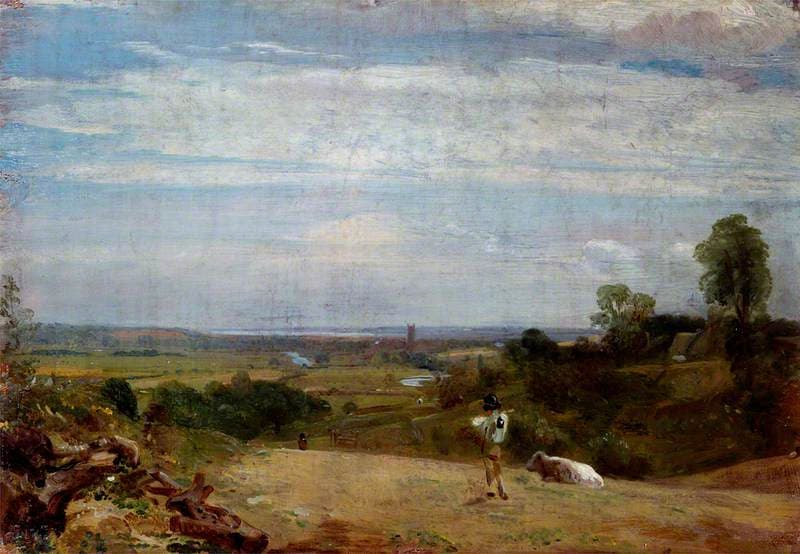
Summer Morning: Dedham from Langham
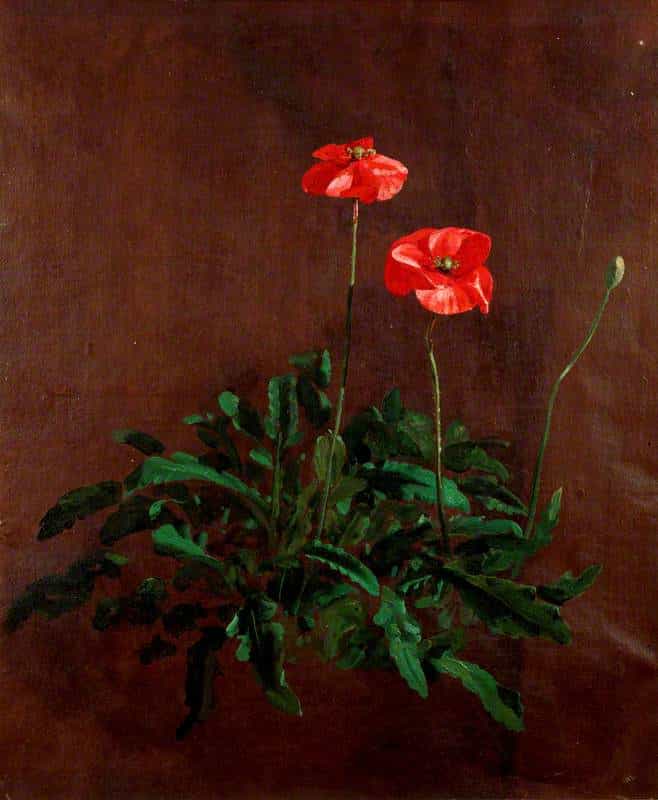
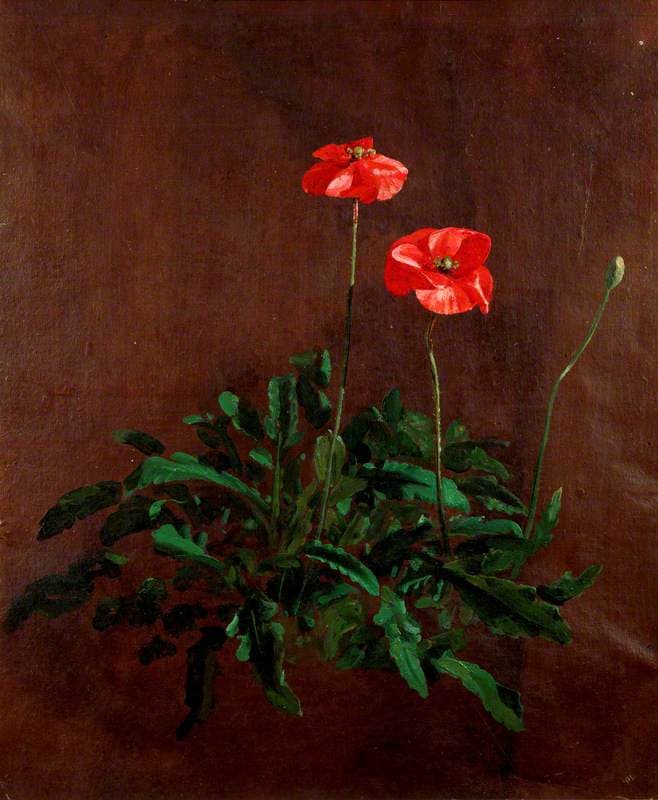
Study of Poppies
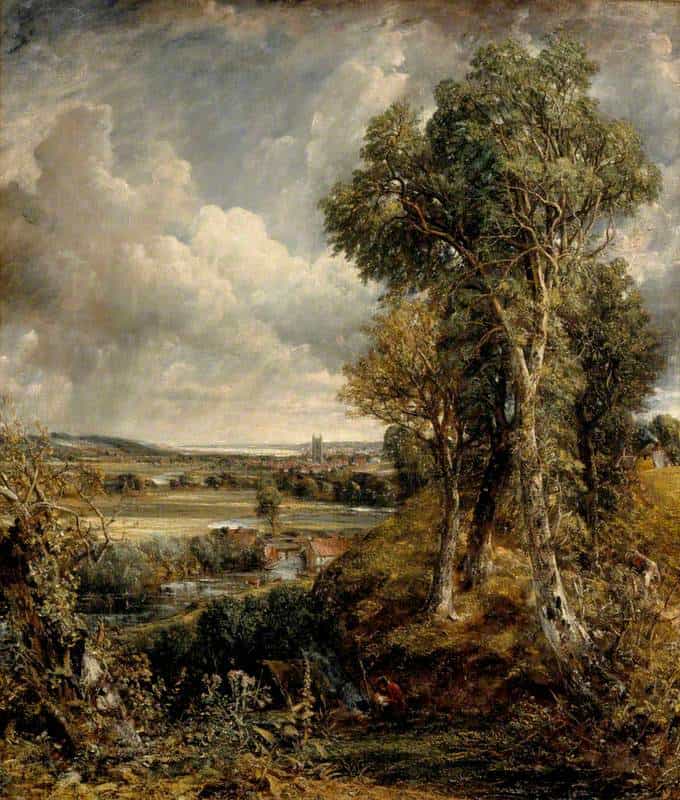
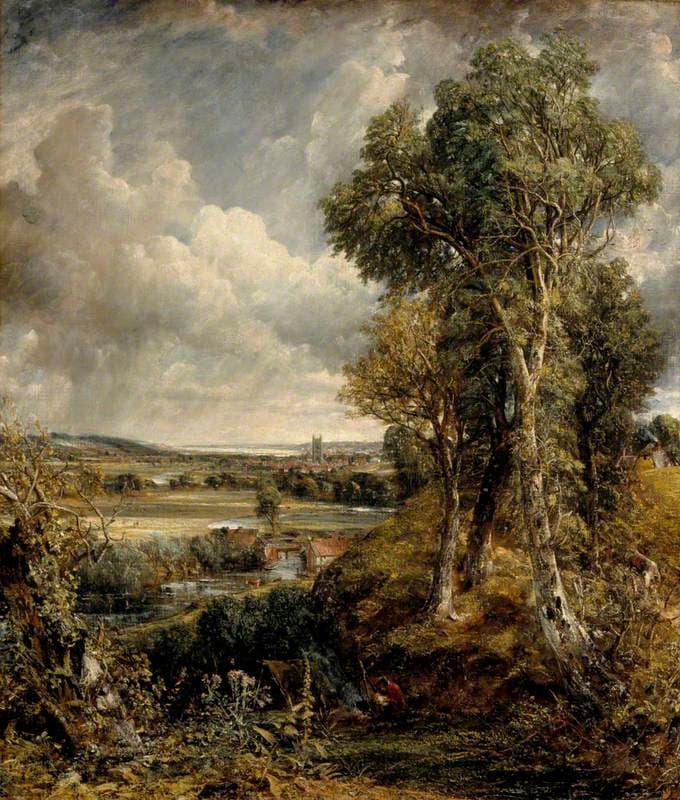
Dedham Vale
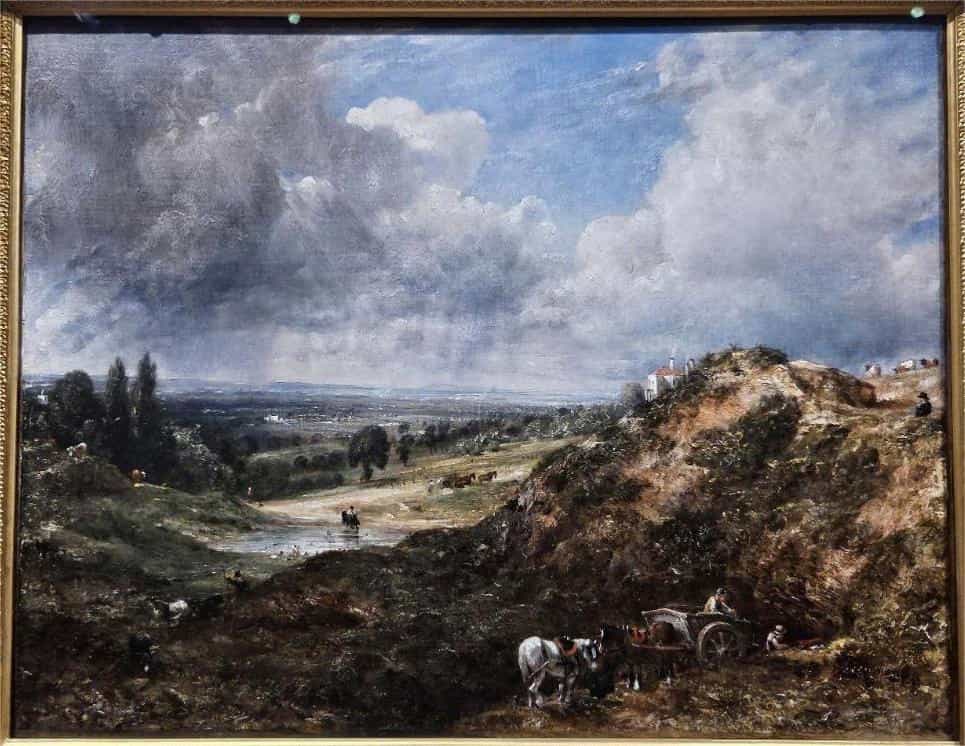
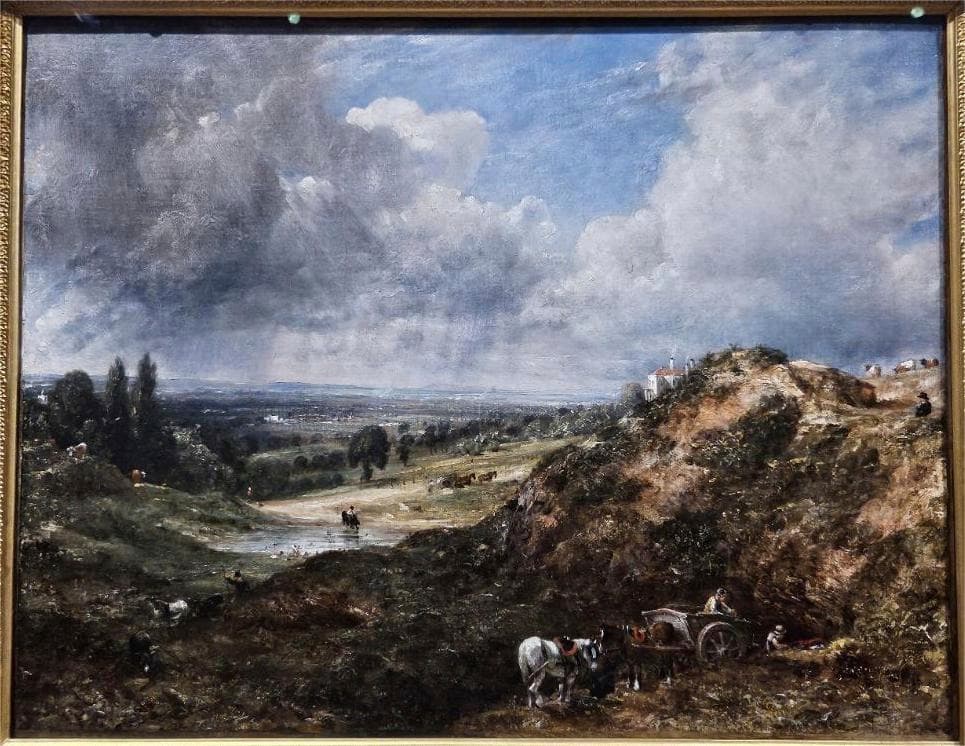
Hampstead Heath, Branch Hill Pond
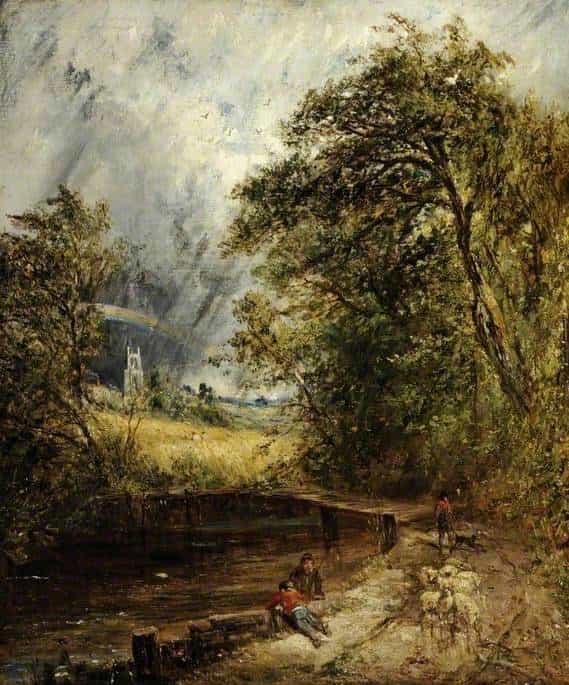
Landscape
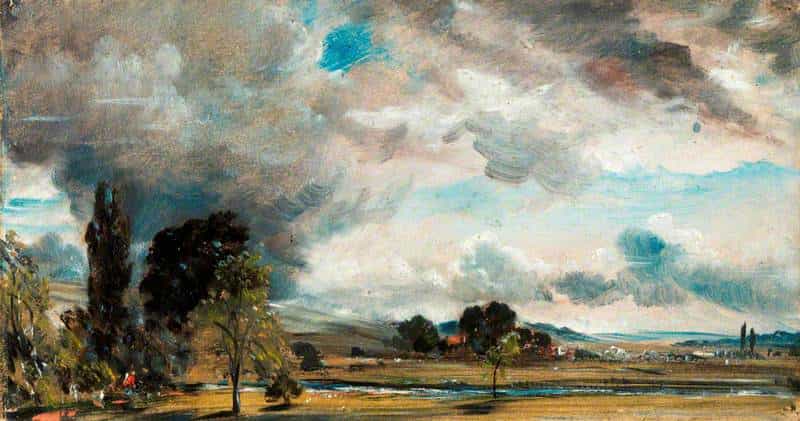
A View at Salisbury from the Library of Archdeacon Fisher's House