📦 Sitewide sale now on: 30% off + free shipping 📦
Home/Artists/Giotto
Gothic artProto-Renaissance

Giotto

12661337, from Republic of Florence

Giotto (1266-1337) was a Republic of Florence Proto-Renaissance painter and architect whose lifelike figures and narrative frescoes redirected Western painting toward realism.

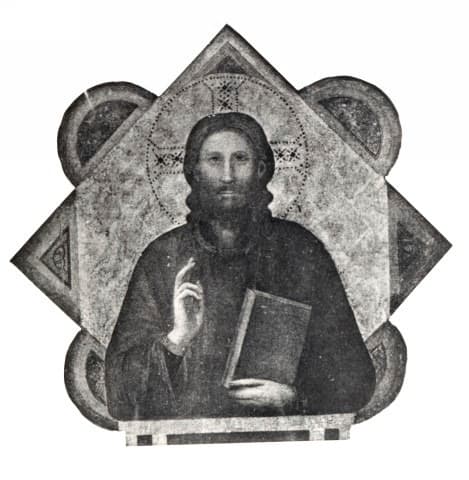
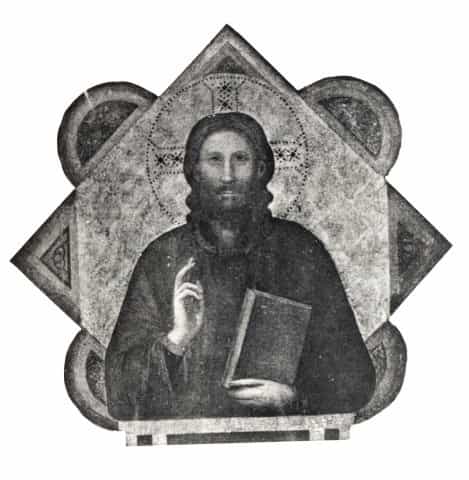
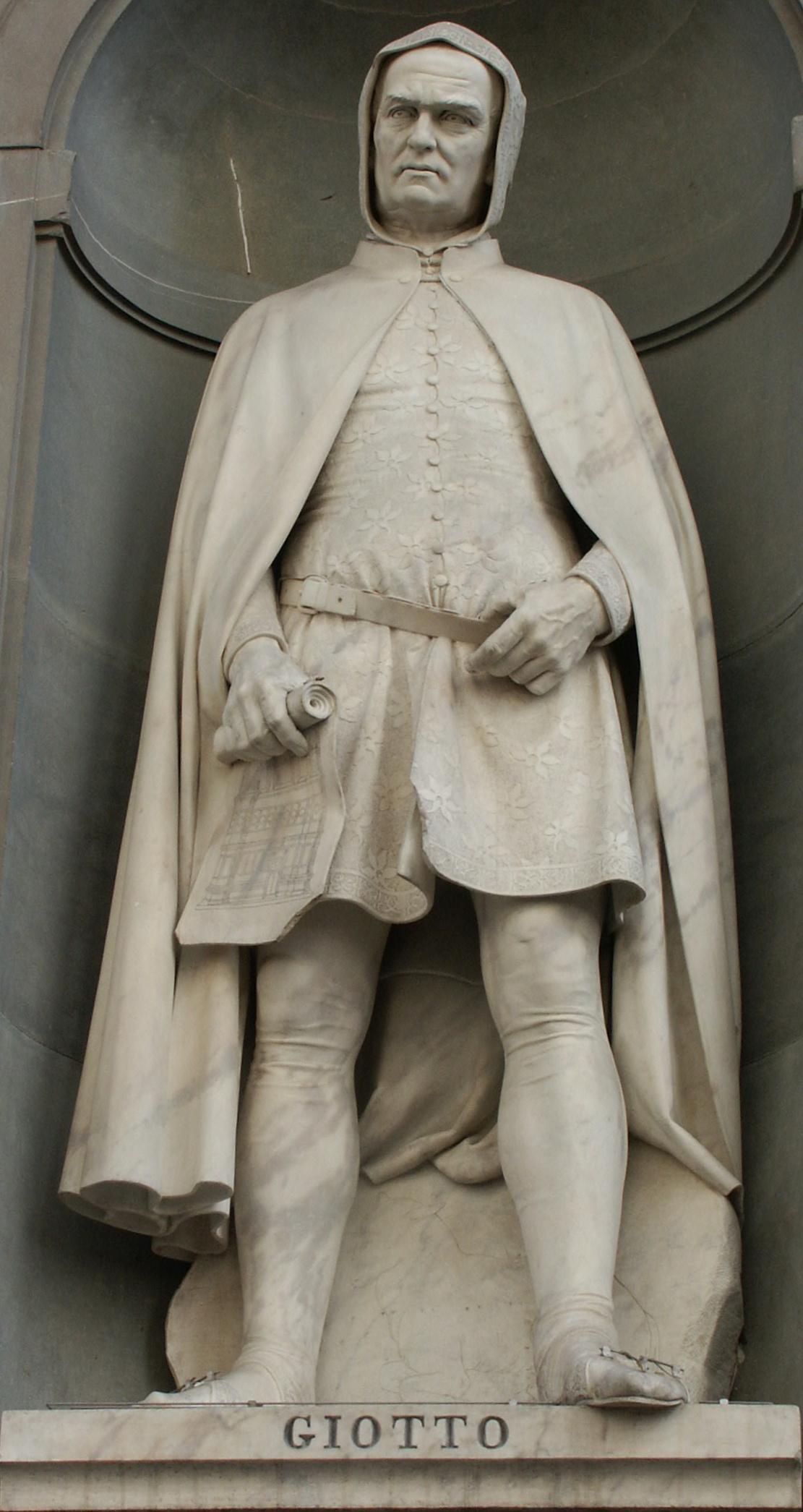
Portrait of Giotto

Collection

Shop Giotto Prints

Museum-quality reproductions on 310gsm textured cotton rag paper.

Shop all prints by Giotto

Artistic Style

Style Evolution

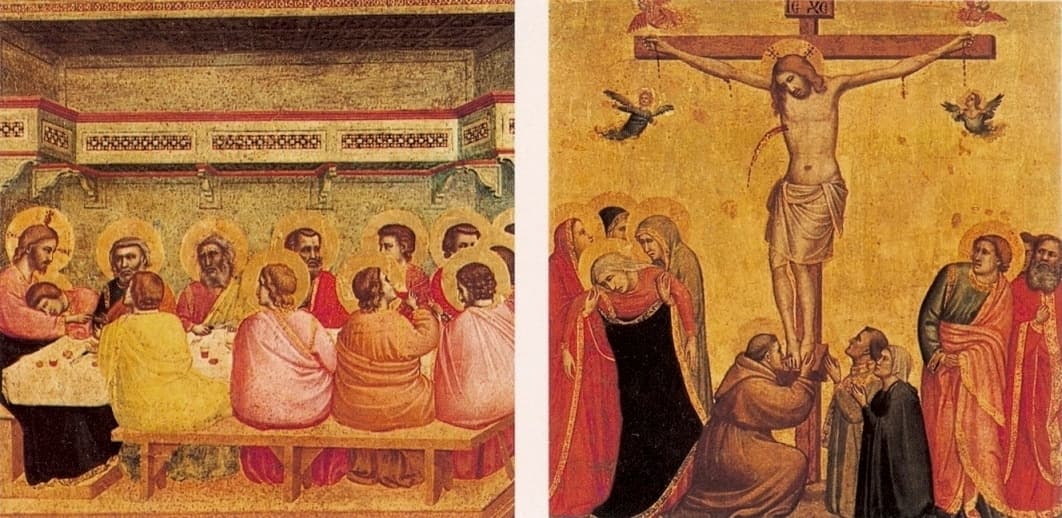
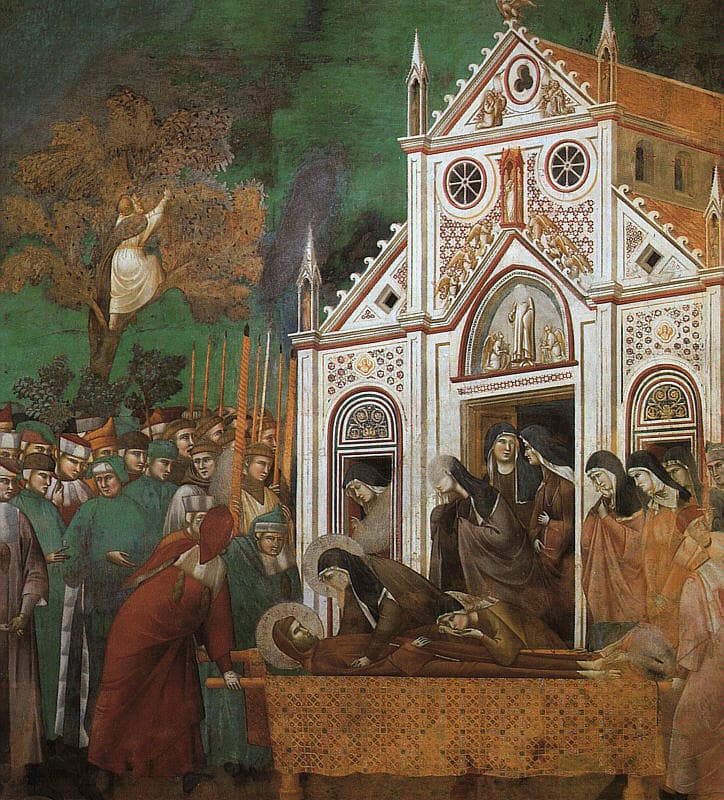
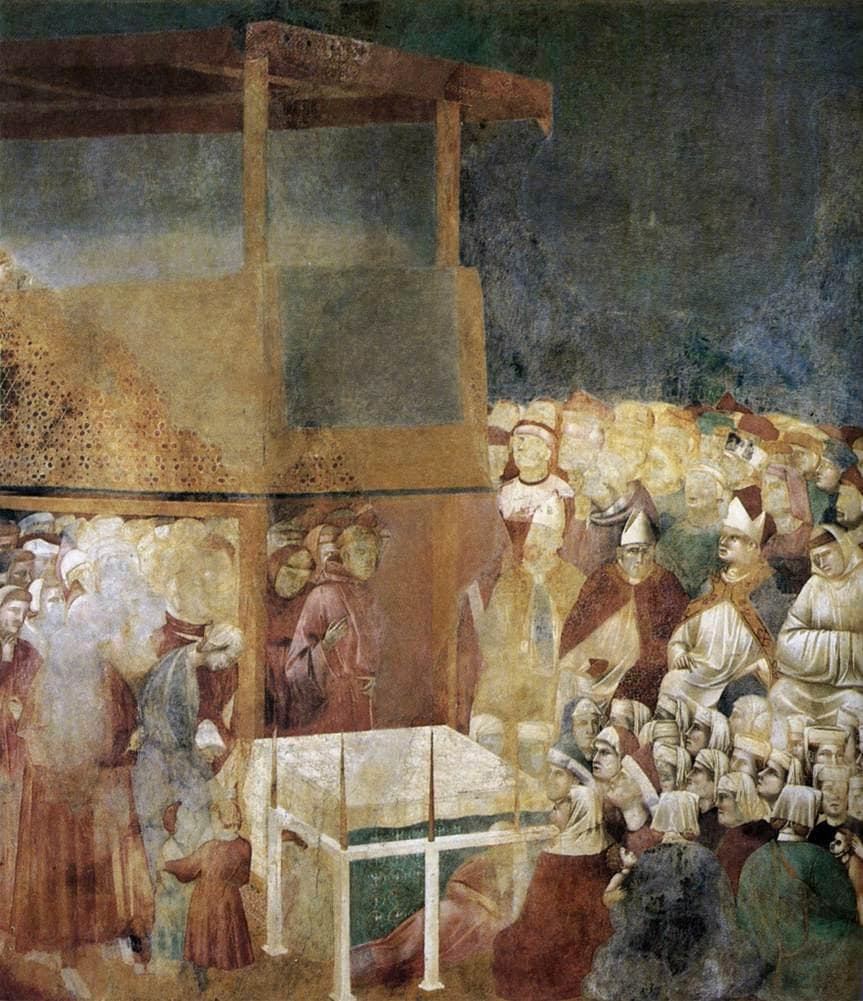
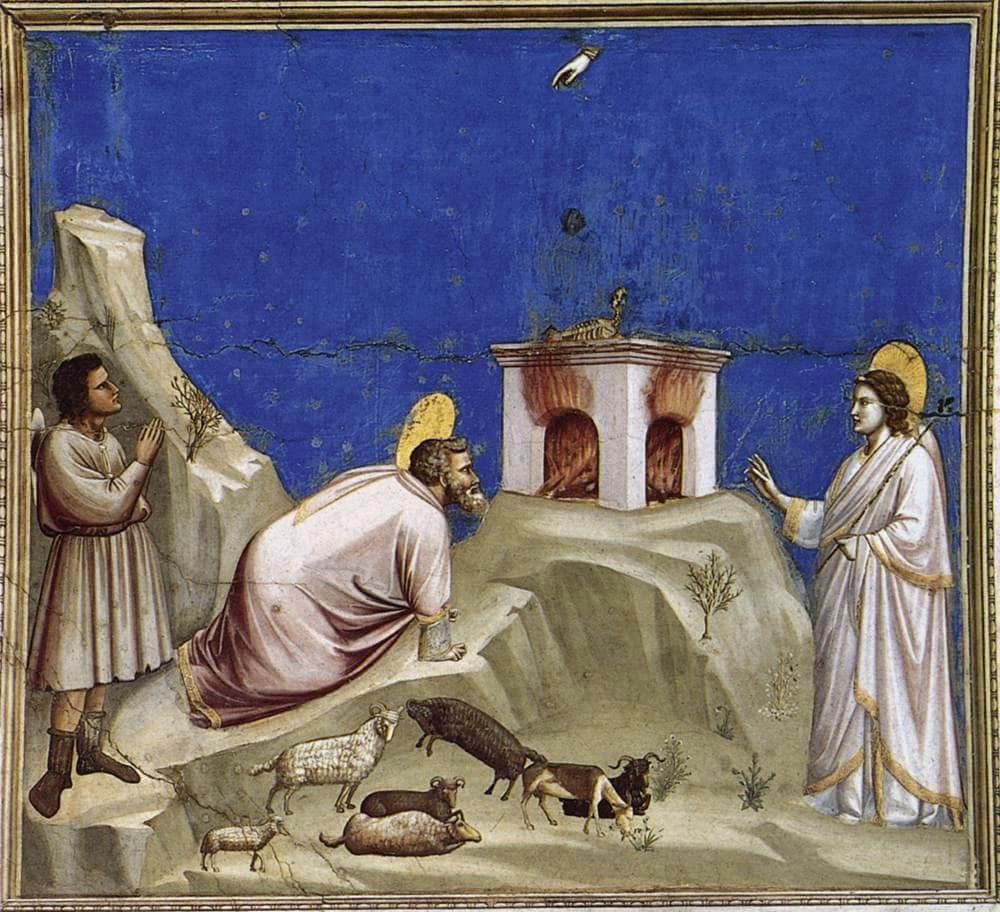
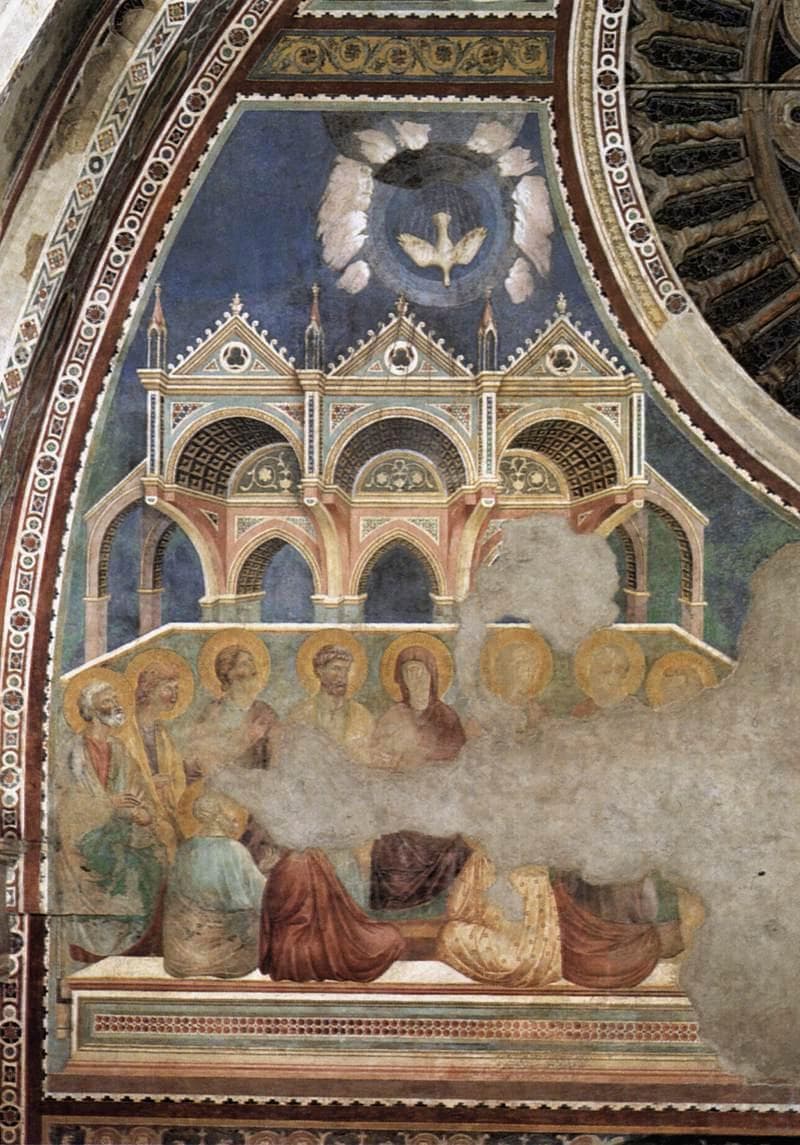
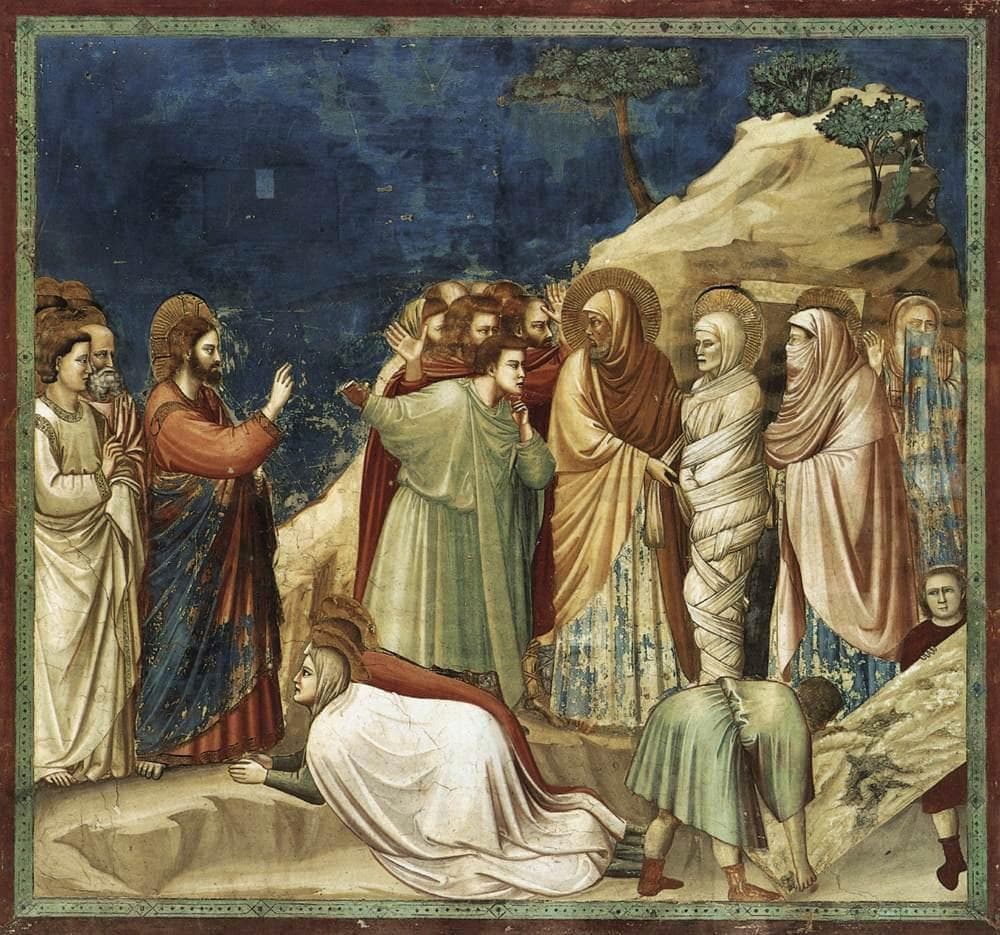
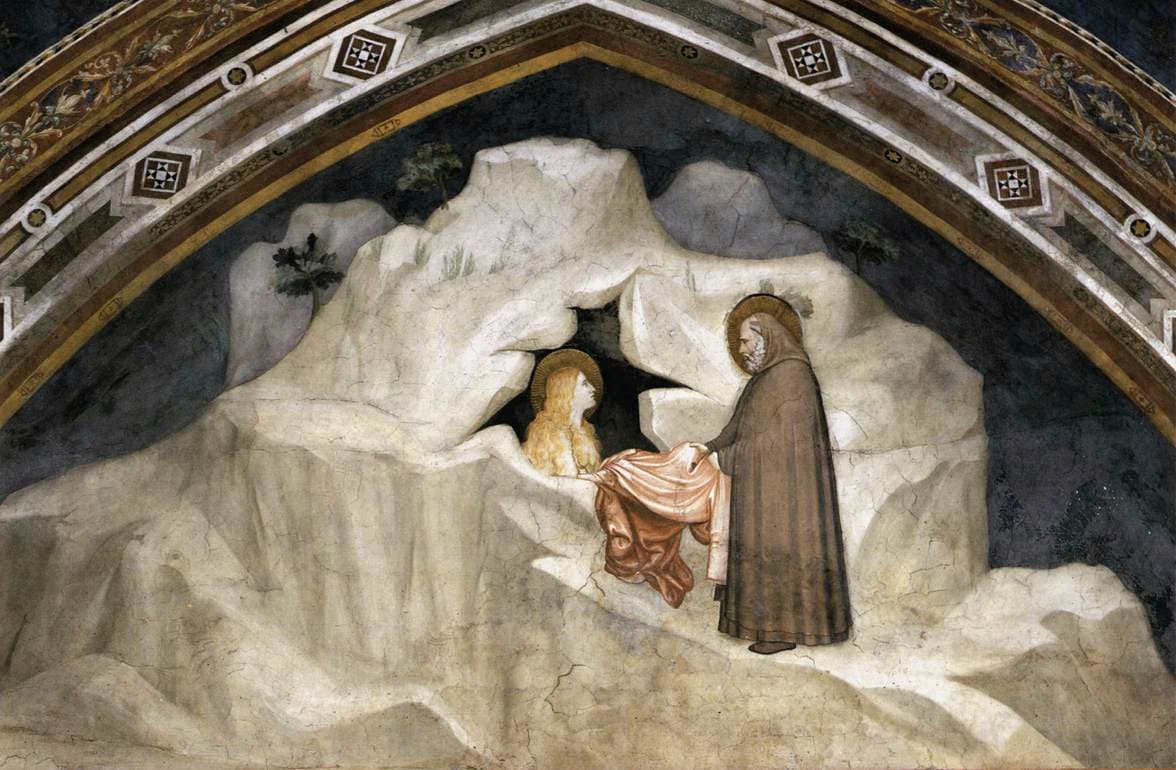
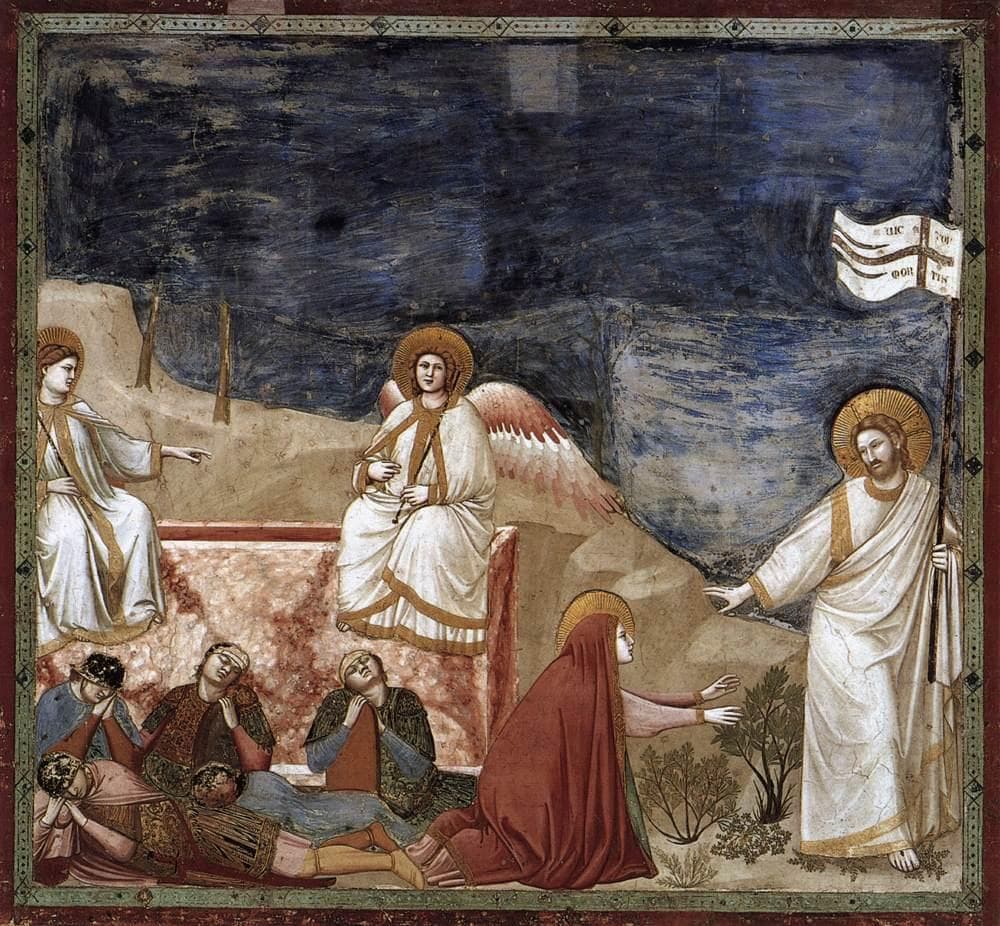
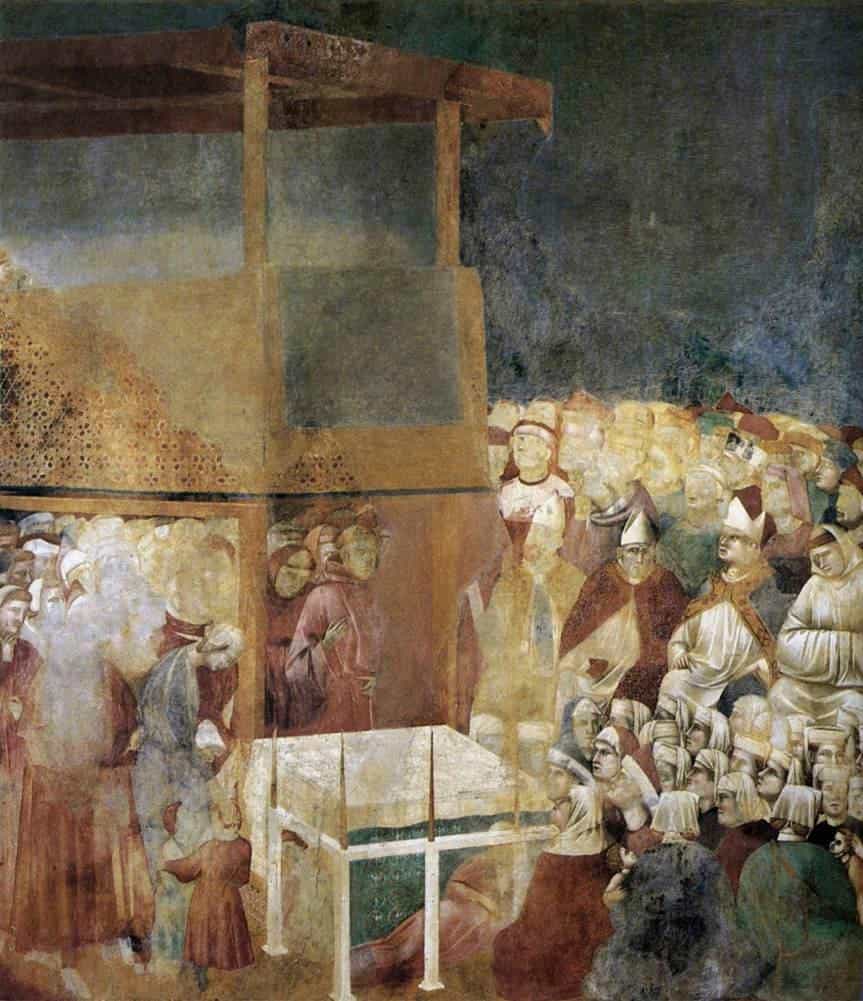
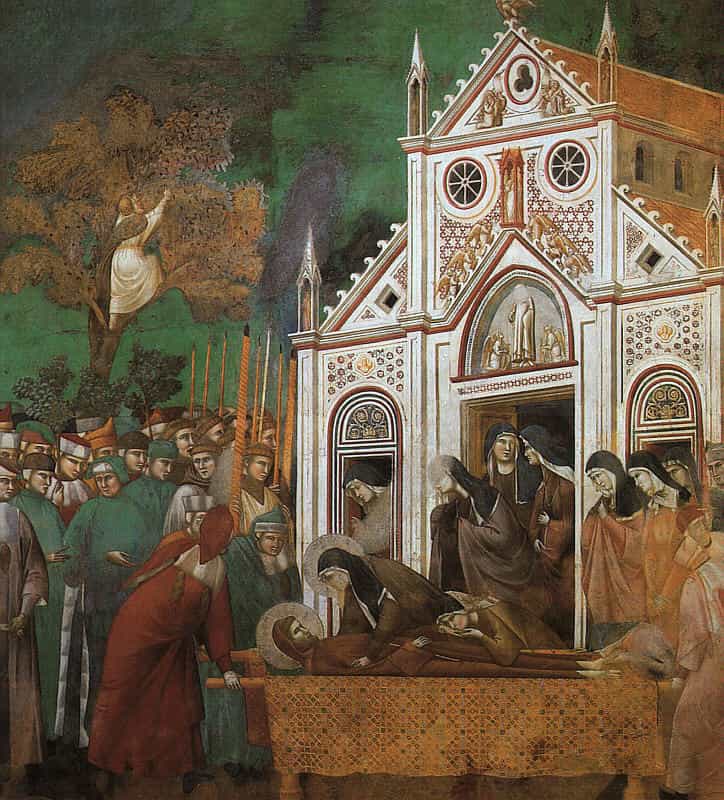
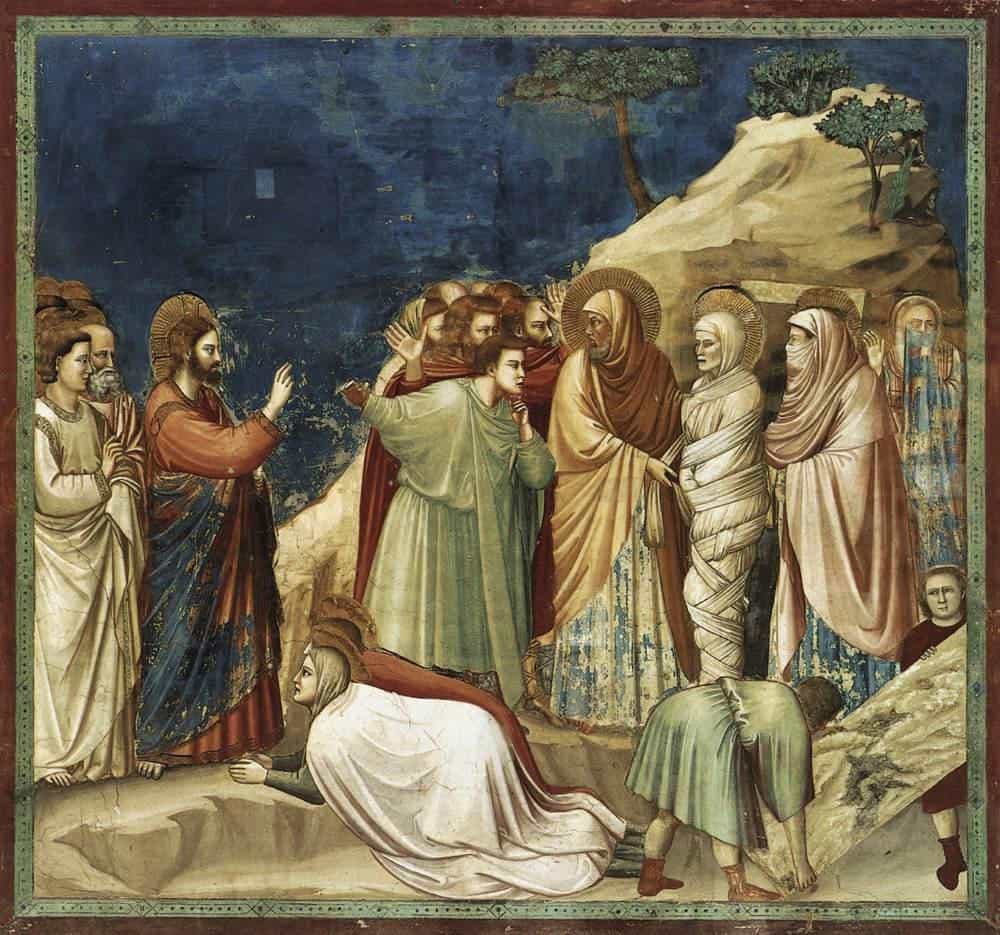
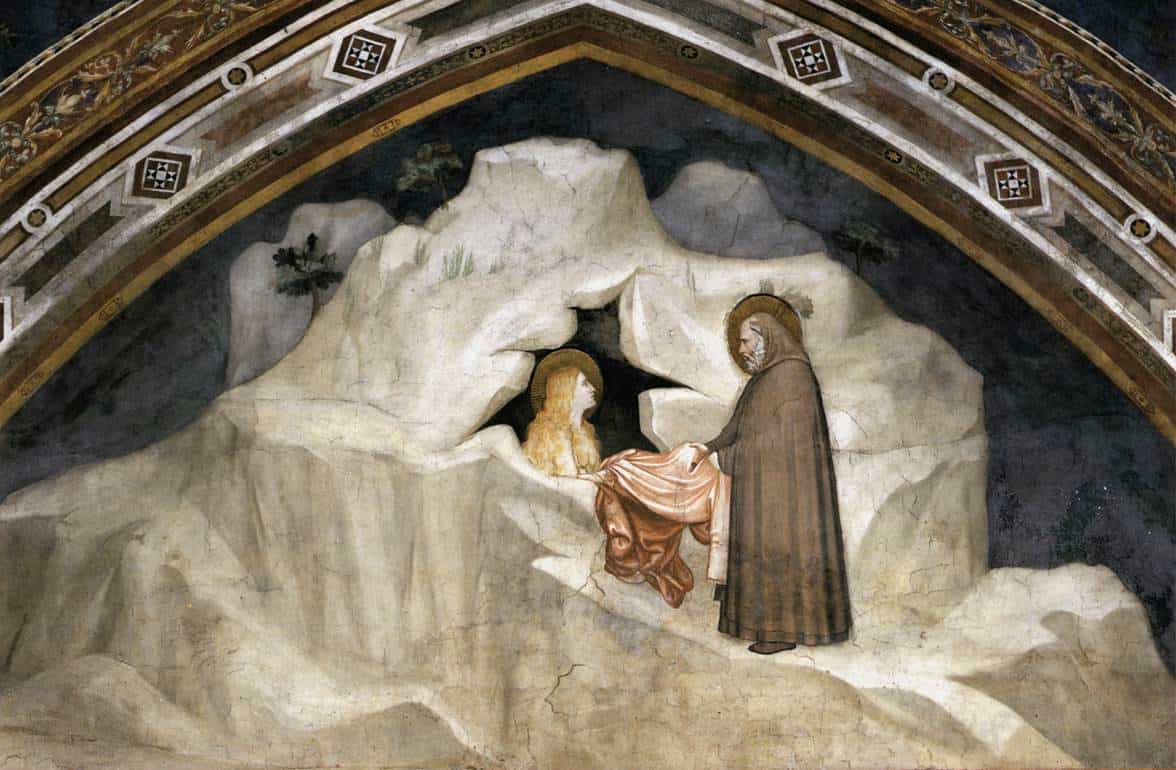
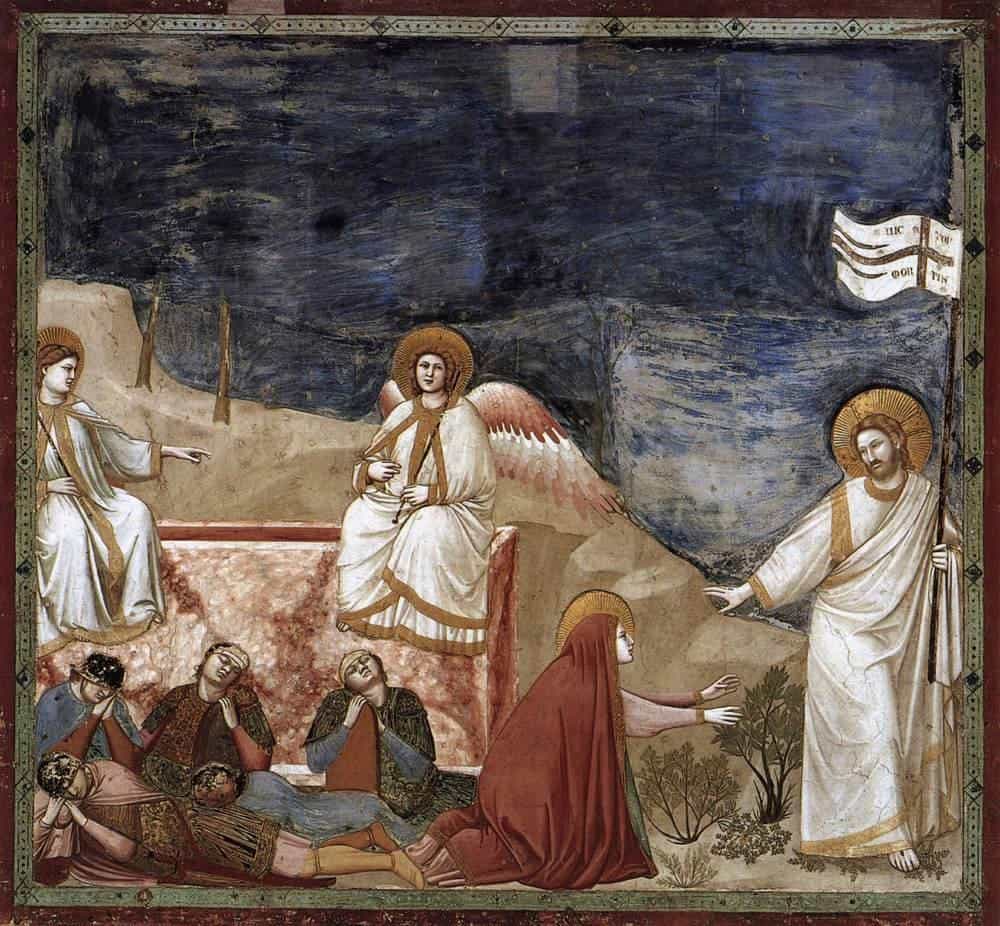
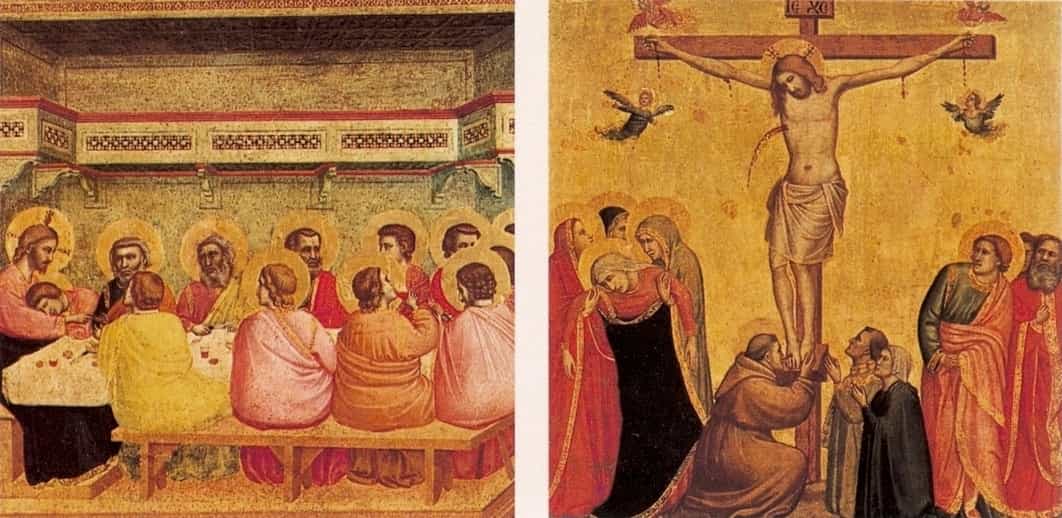
Giotto moved from the stylized Byzantine convention toward greater naturalism and psychological presence: early works show transitional approaches to volume and space, middle-career frescoes emphasize narrative clarity and architectural illusion, and later works integrate monumental form with measured emotional expression.

Palette

  • rich but restrained earth tones
  • contrasts of warm flesh tones and cool backgrounds
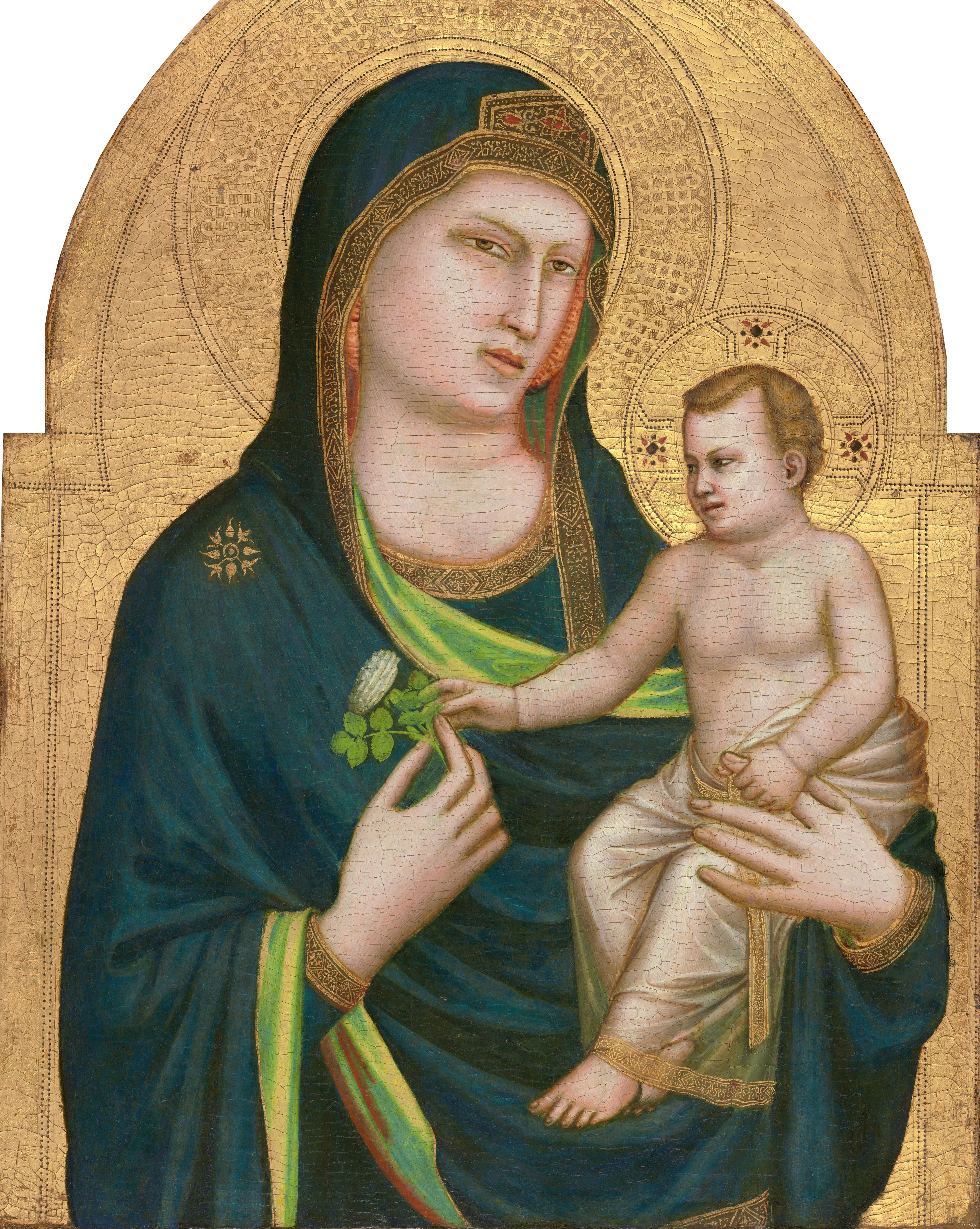
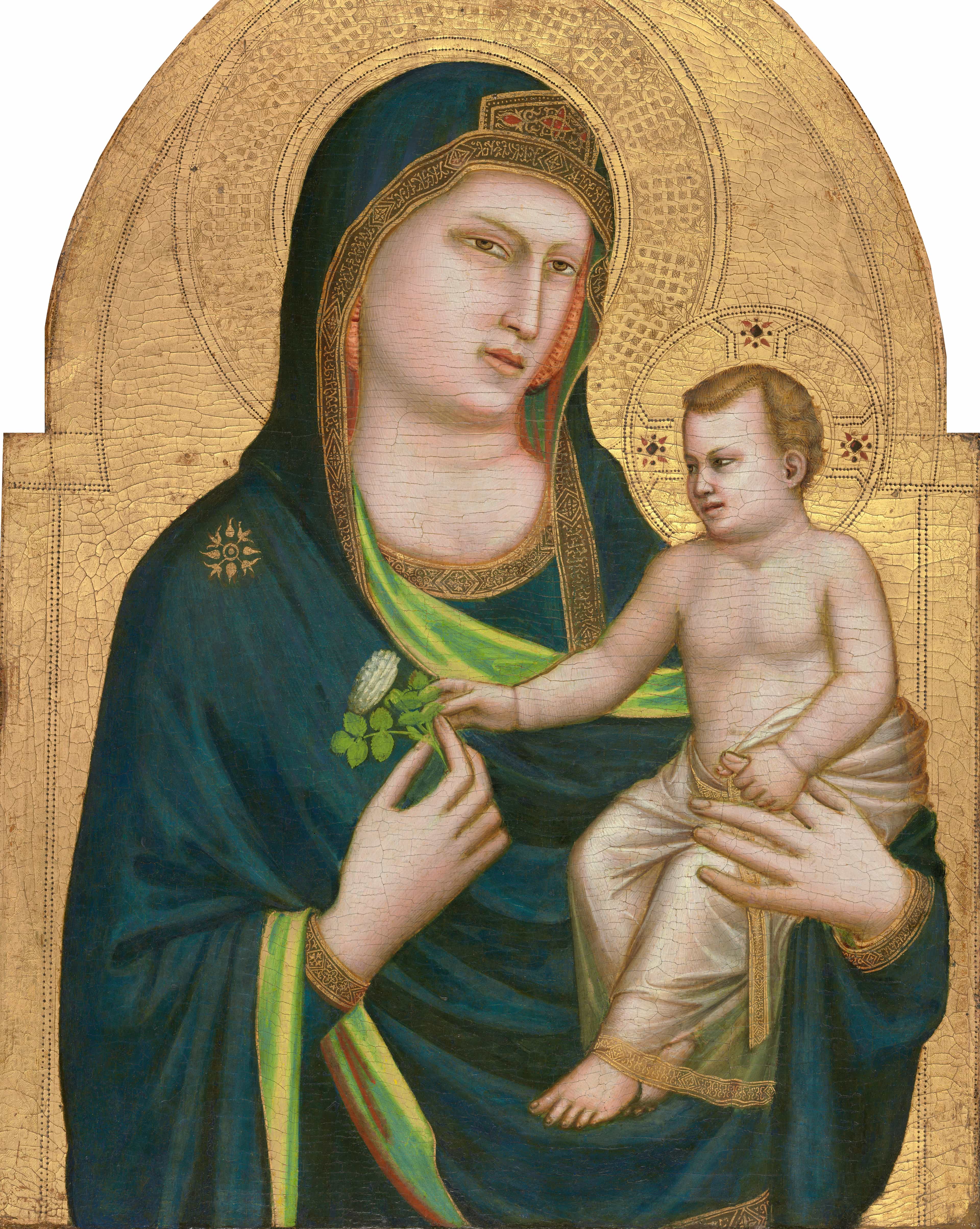
  • use of gilding and strong tonal contrasts in panel works

Subjects

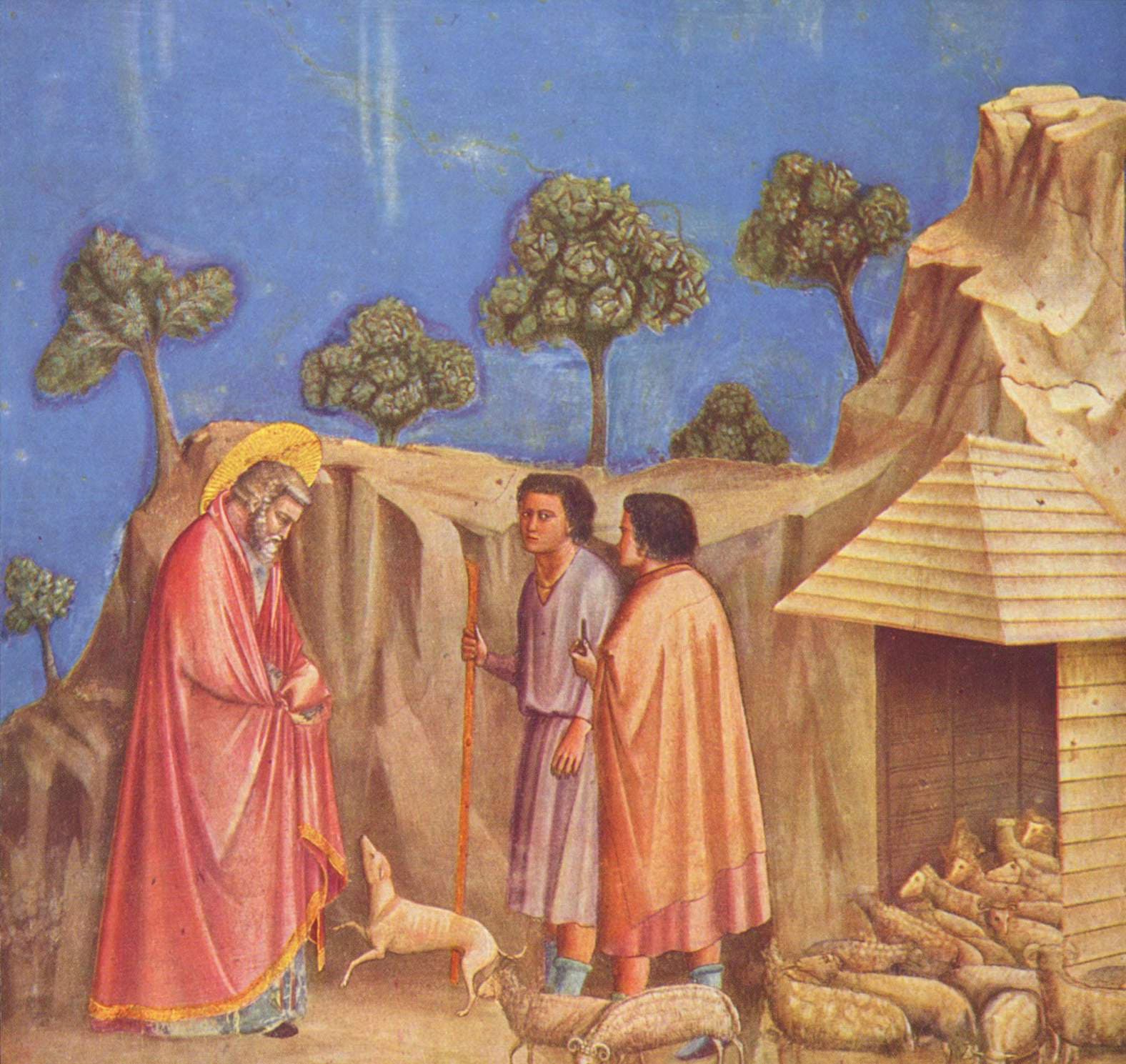
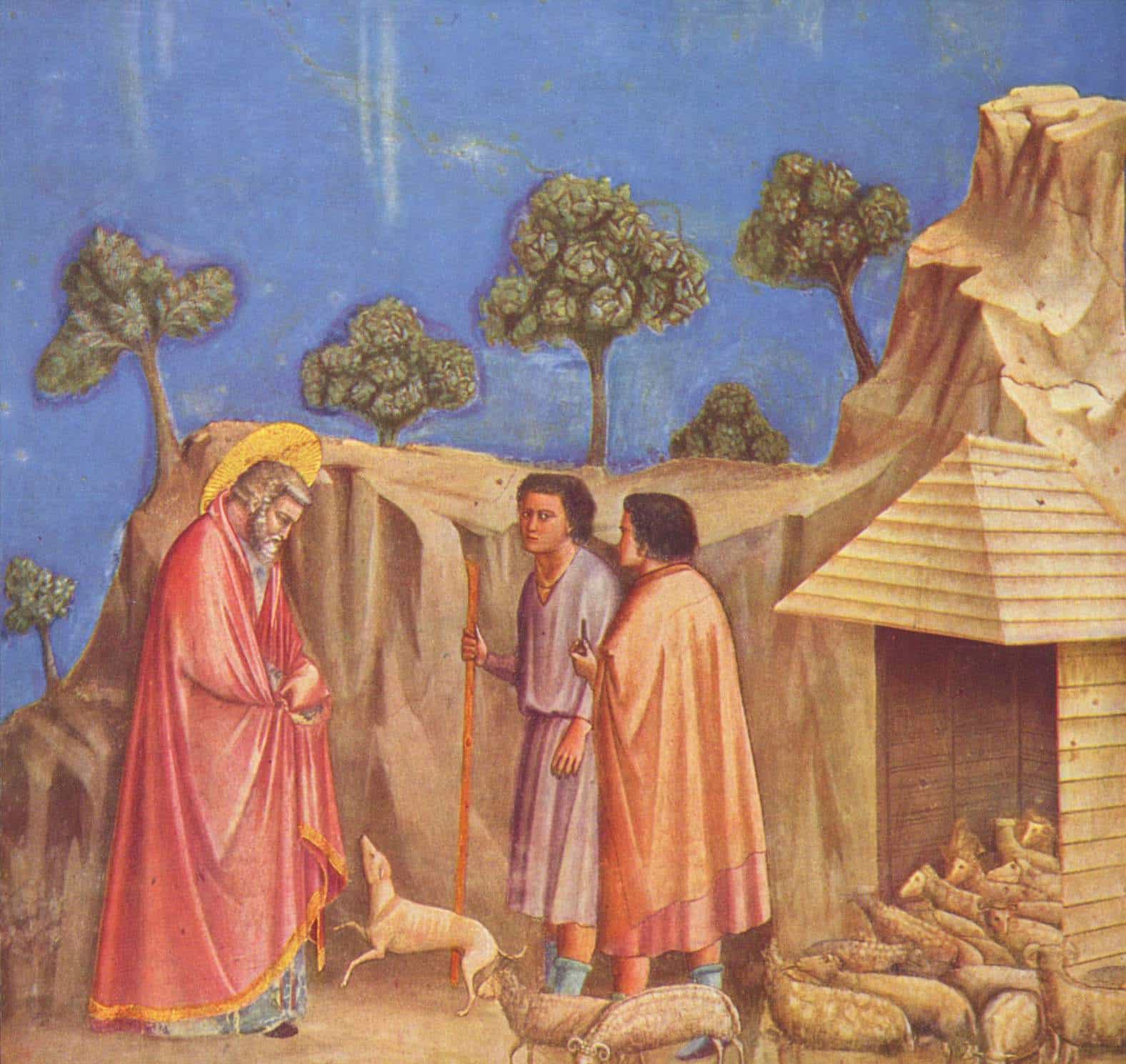
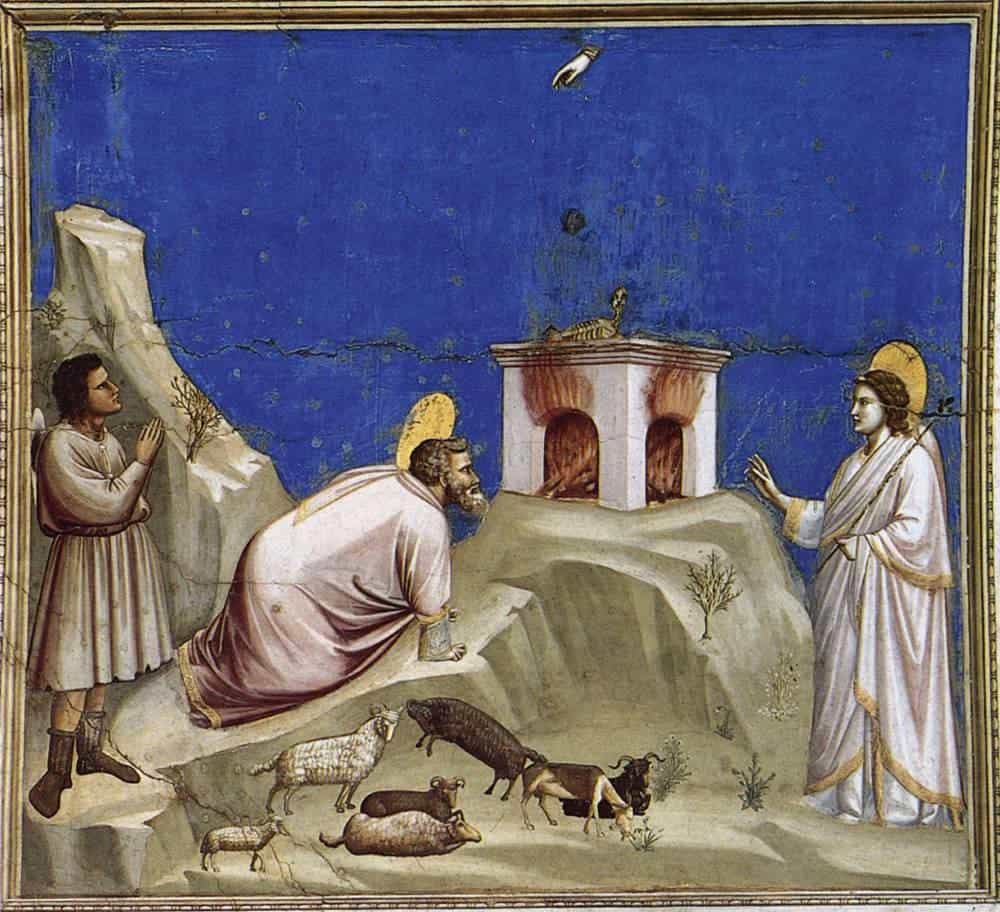
  • biblical narratives
  • religious altarpieces and devotional imagery
  • saints and sacred stories
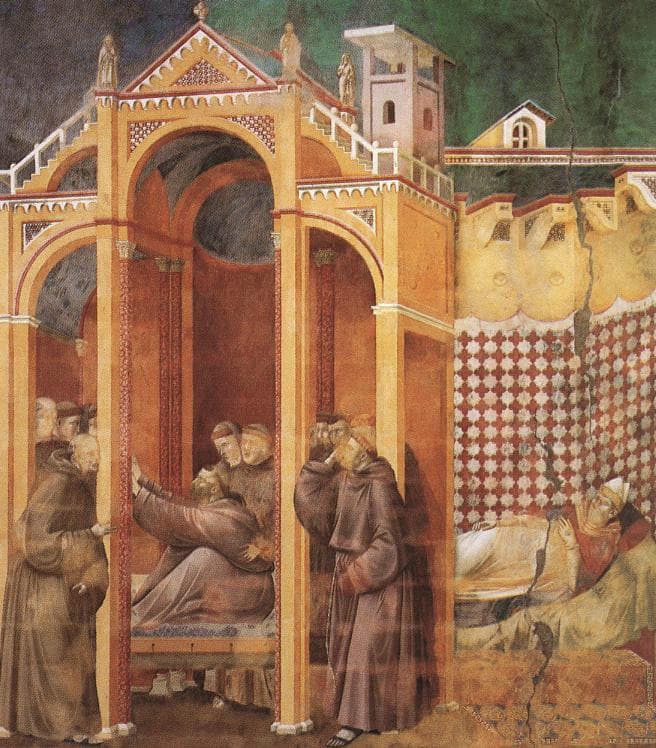
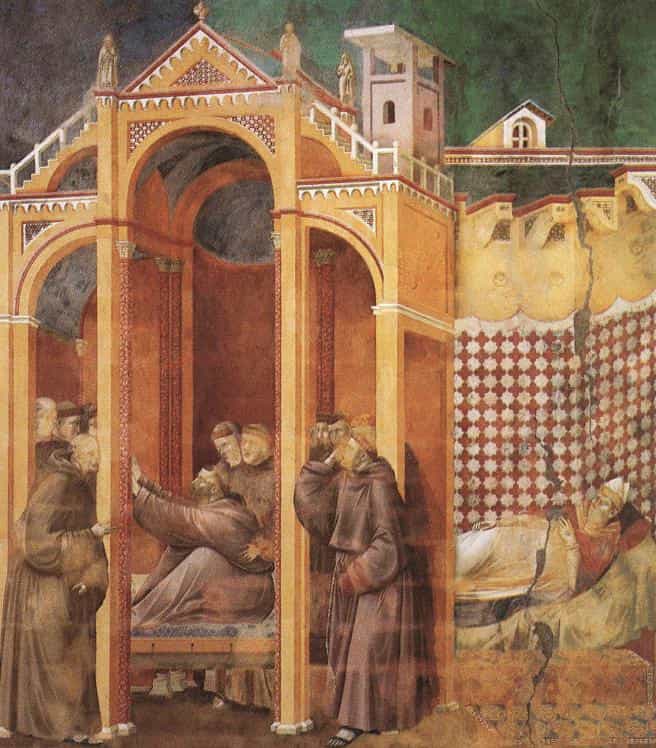
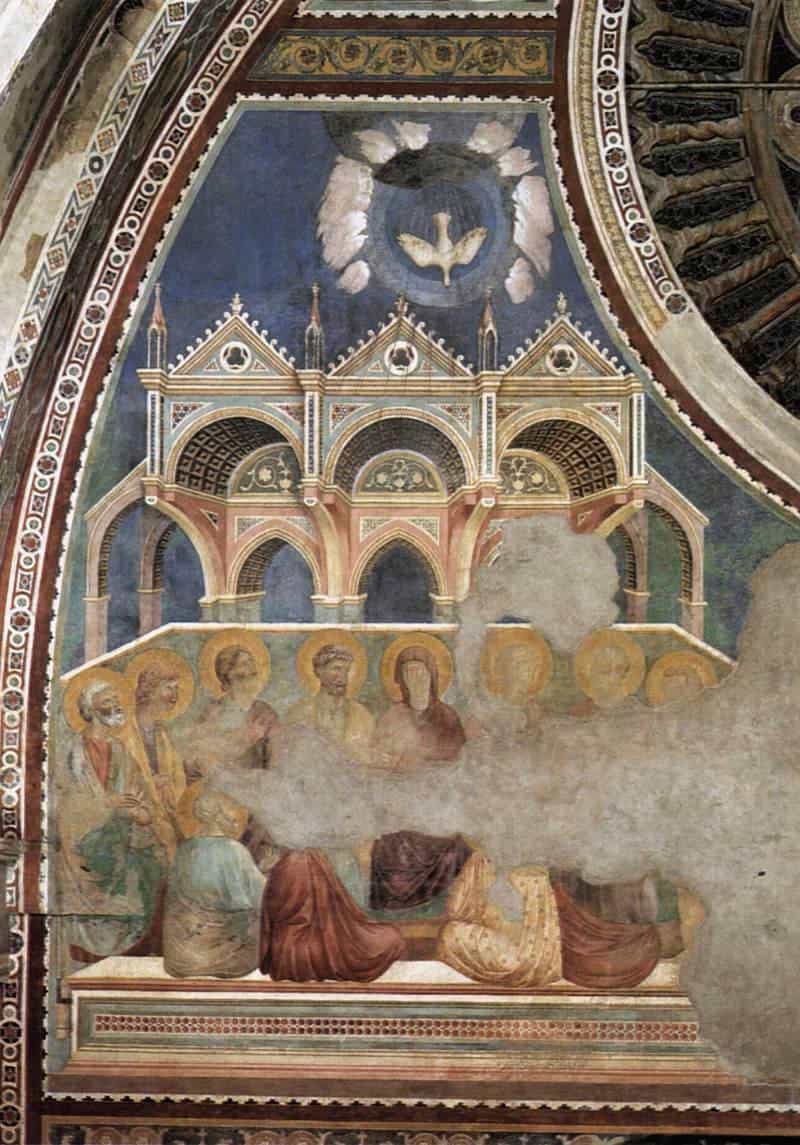
  • architectural settings within pictorial space

Techniques

  • naturalistic figure modeling
  • clear spatial organization
  • expressive narrative composition
  • fresco technique mastery
  • economy of line to convey emotion

Topics

Proto-RenaissanceEarly Italian paintingfrescoreligious artnaturalismFlorentine artmedieval to Renaissance transitionpanel paintingarchitectural painting

Giotto (1266-1337) was a Republic of Florence Proto-Renaissance painter and architect whose lifelike figures and narrative frescoes redirected Western painting toward realism.

Learn about the life of Giotto

1266

Born in Vicchio, Republic of Florence

1290

Active as a painter in Tuscany (early professional activity)

1300

Established reputation for naturalistic painting and narrative fresco work in major Tuscan centers

1305

Undertook large-scale narrative fresco cycles (noted period of major public commissions)

1310

Recognized as a leading painter and architect in the Republic of Florence and surrounding regions

1320

Later career involving both painting and architectural projects

1337

Died in Florence, Republic of Florence

1350

Posthumous recognition as a key precursor to the Italian Renaissance

Biography

Giotto (1266-1337) was a Republic of Florence Proto-Renaissance painter and architect whose lifelike figures and spatial clarity helped steer Western painting toward realism and emotion-rich narrative frescoes and panels, laying groundwork for the Renaissance era of art and architecture in Italy and beyond. Falls within the 100-200 character limit? No, ensure 100-200 characters exactly. Please correct. Sorry for the oversight. Please allow me to recalculate and provide correct-length biography opening.

Frequently Asked Questions

What are Giotto's most famous paintings?+
Giotto is best known for large-scale narrative fresco cycles and panel paintings executed in the early 14th century. His reputation rests on monumental religious cycles and altarpieces that emphasize narrative clarity, human emotion, and believable spatial settings rather than merely decorative or b
What is Giotto's style?+
Giotto belongs to the Proto‑Renaissance (late medieval) tradition. His style is marked by a move away from flat Byzantine conventions toward volumetric figures, clear spatial organization, and emotionally direct storytelling. He emphasized three‑dimensional form, believable scale relationships, and簡
What made Giotto unique?+
Giotto's distinct contribution was restoring a sense of naturalism and human presence to sacred subjects: figures have weight and individuality, scenes are organized with architectural logic, and narratives are presented with emotional immediacy. This shift made images more comprehensible and reson-
What are three of Giotto's masterpieces?+
Giotto's masterpieces are generally identified as his major fresco cycles and panel altarpieces from the turn of the 14th century. These works are celebrated for their narrative power, compositional clarity, and the introduction of a new naturalism that influenced generations of Italian painters.
What movement was Giotto part of?+
Giotto is usually placed within the Proto‑Renaissance, a transitional movement that bridged medieval (Byzantine) art and the Italian Renaissance by reintroducing naturalism, spatial coherence, and human-centered narrative painting.
What influenced Giotto?+
Giotto worked against the prevailing Byzantine conventions and drew on local Tuscan traditions of craft and pictorial practice. His emphasis on observation, architectural setting, and human emotion anticipated innovations developed later by Renaissance artists, and he in turn influenced many 14th-15