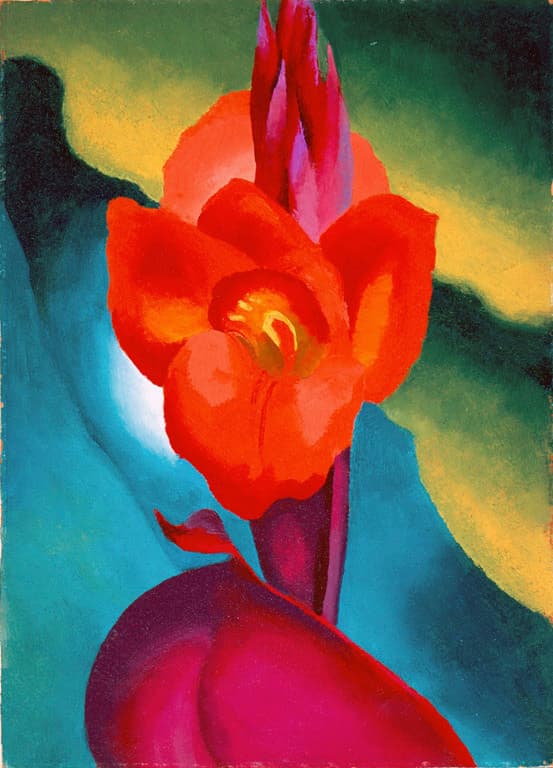
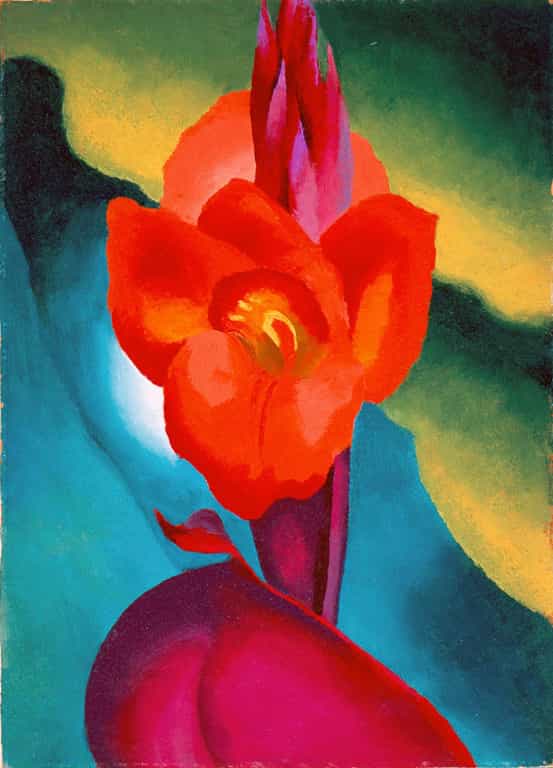
Red Canna
O'Keeffe
From $69
Collection
Museum-quality reproductions on 310gsm textured cotton rag paper.
Shop all prints by Georgia O'KeeffeArtistic Style
Style Evolution
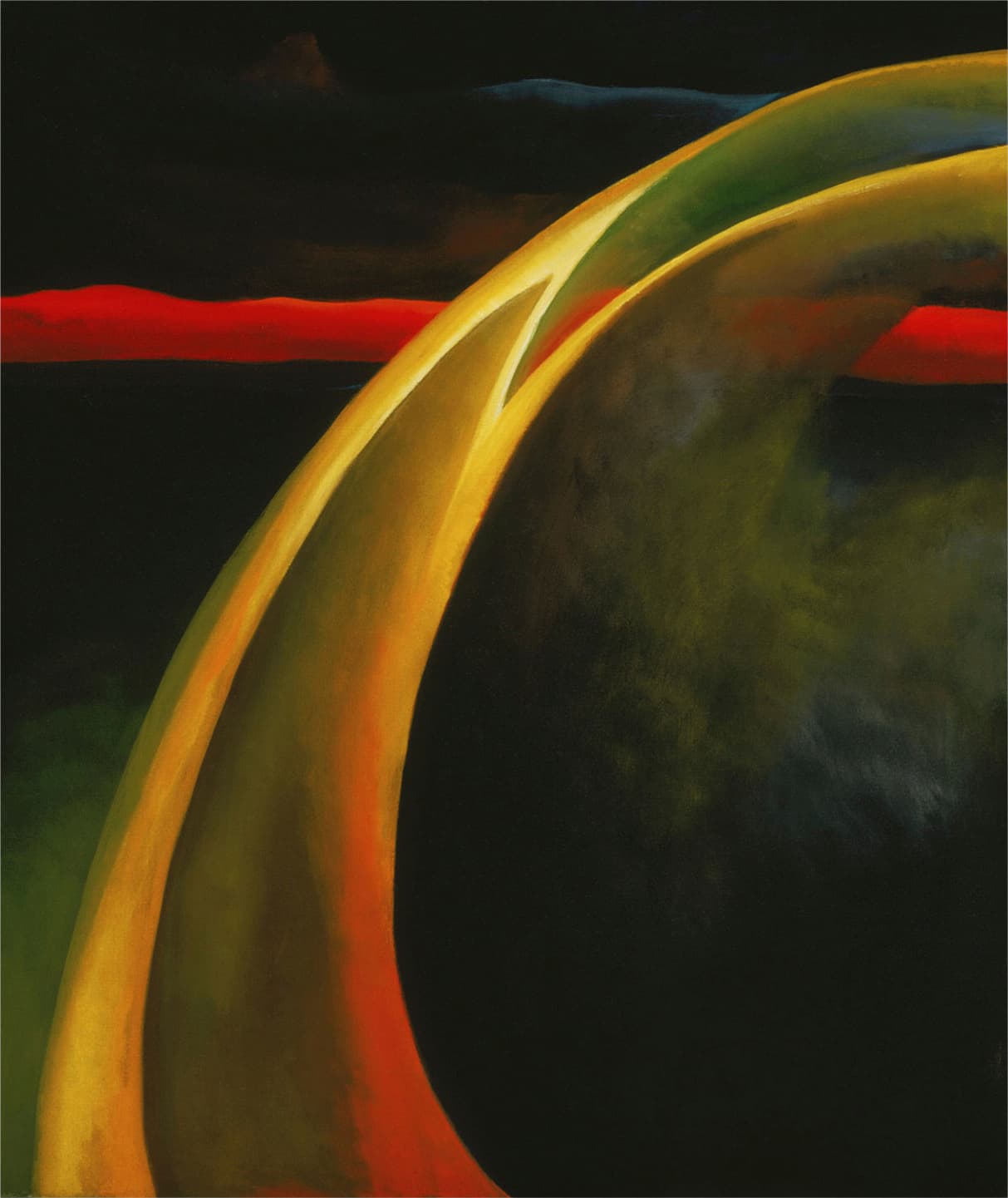
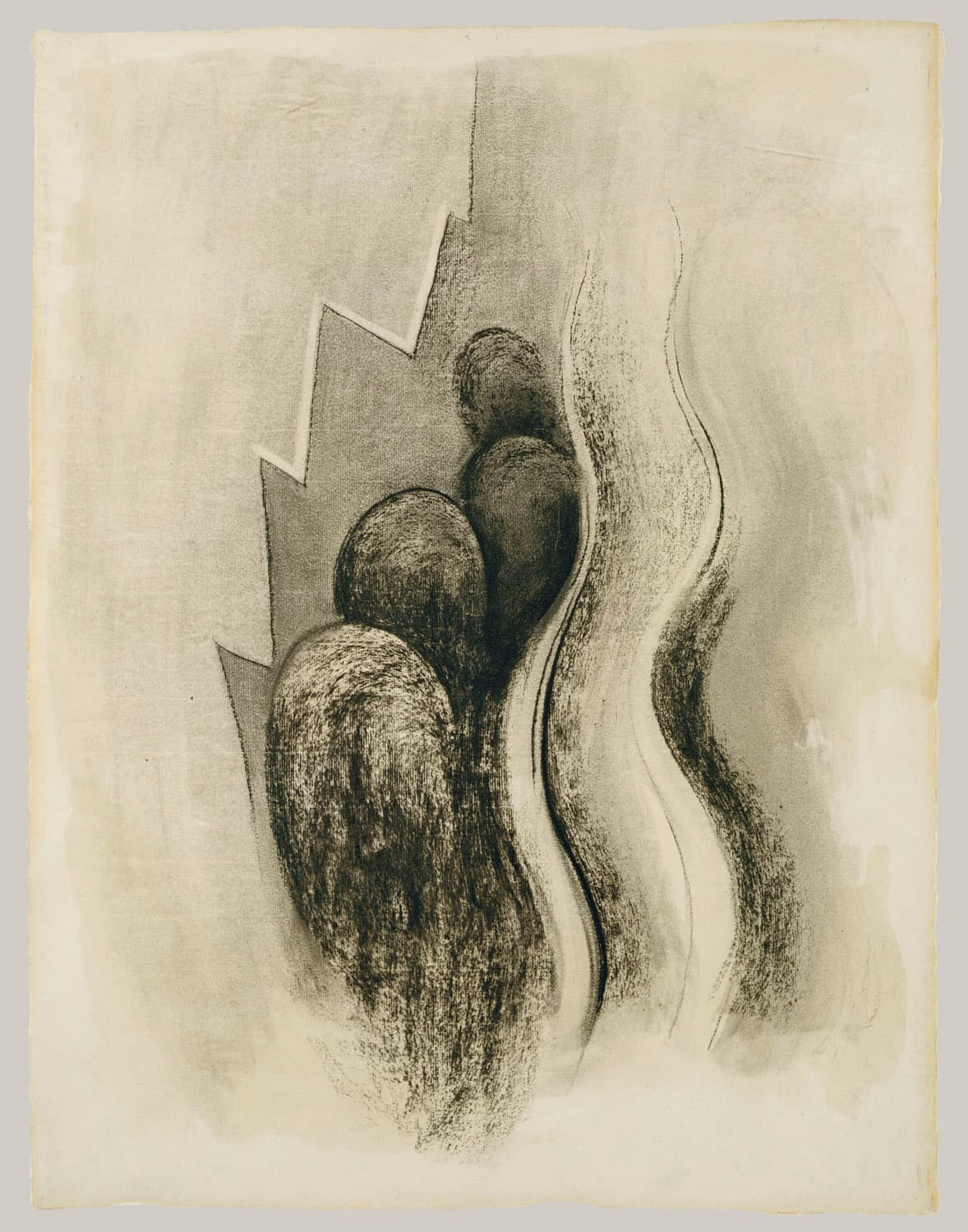
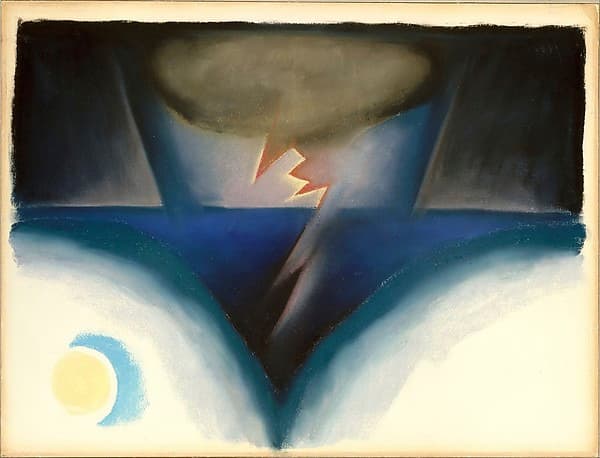
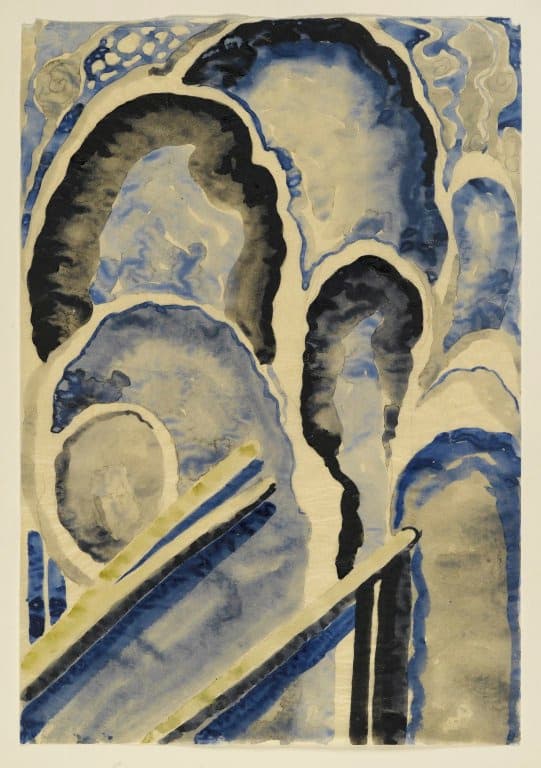
O'Keeffe's work moved from early charcoal abstractions to bold, large-scale paintings that simplify and magnify natural forms. New York years emphasized formal clarity; New Mexico introduced a sunlit, desert palette and iconic landscape motifs.
Palette
Subjects
Techniques
Topics
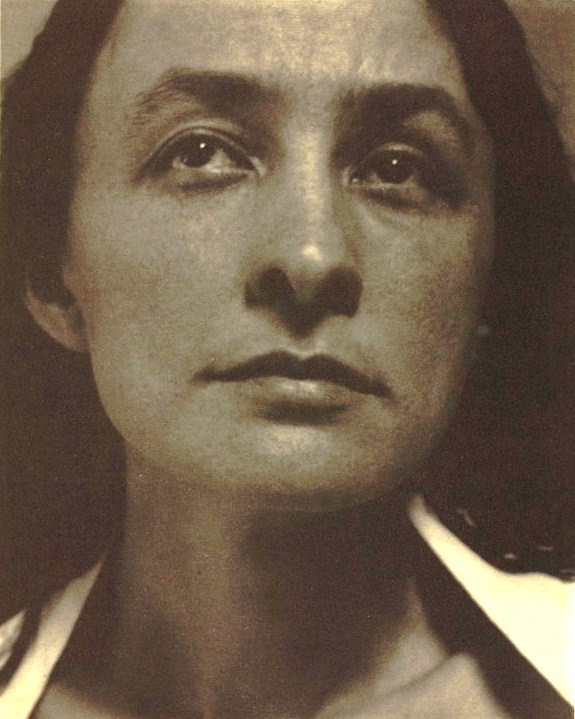
Georgia O'Keeffe (1887-1986) was an American modernist painter whose monumental flower close-ups, New Mexico landscapes, and clarity of form redefined twentieth-century American art.
Learn about the life of Georgia O'Keeffe
Biography
Georgia O'Keeffe (1887-1986) was an American modernist painter whose monumental flower close-ups, New Mexico landscapes, and clarity of form redefined twentieth-century American art.
Georgia O'Keeffe was born in Sun Prairie, Wisconsin, in 1887. She showed artistic promise early and later trained at several established institutions, including the School of the Art Institute of Chicago and programs in New York. Her early education exposed her to a range of techniques and compositional ideas that she would refine into a distinctive visual language.
O'Keeffe's career moved through clearly defined phases shaped by place and pedagogy. Her early work explored charcoal abstractions and simplified forms. Influenced by progressive teaching methods and by American and European modernist currents, she developed a pared-down vocabulary emphasizing shape and line.
In New York O'Keeffe found a sympathetic audience and critical support, and her work attracted the attention of leading figures in the art world. During this period her paintings became more focused on scale and formal clarity.
Visits to New Mexico introduced a dramatic new landscape and light that reshaped her subject matter. The region's deserts, bones, and architectural forms became recurring motifs, rendered with heightened clarity and color.
O'Keeffe is celebrated for a body of work that includes monumental flower studies, spare desert landscapes, and architectural views. Her paintings are prized for their decorative impact, sculptural sense of form, and capacity to translate natural subjects into near-abstract compositions. Major career milestones include early exhibitions in New York that established her reputation and decades of influential work created in New Mexico.
O'Keeffe worked with precise draftsmanship, careful modulation of color, and a controlled surface finish. She often isolated single subjects—flowers, bones, hills—cropping and enlarging them to emphasize form, contour, and internal geometry. Her technique favored smooth, flat color areas and meticulous composition to create works that read well at scale.
As a central figure of American Modernism, O'Keeffe influenced generations of artists—particularly women—seeking new approaches to scale, subject, and the depiction of the natural world. Her work helped establish a distinct American visual language in the twentieth century and remains influential in contemporary painting and design.
O'Keeffe split her time between New York and New Mexico for much of her life; the contrast between urban and desert environments informed her subject choices and palette. Her long career spanned many decades, during which she maintained a consistent artistic vision.
Collectors prize O'Keeffe for a
Awards
Frequently Asked Questions
Red Canna
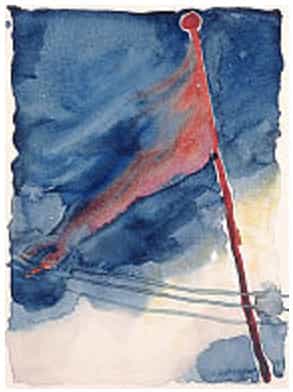
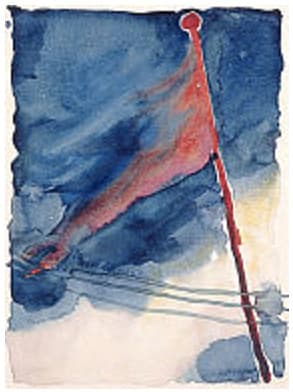
The Flag
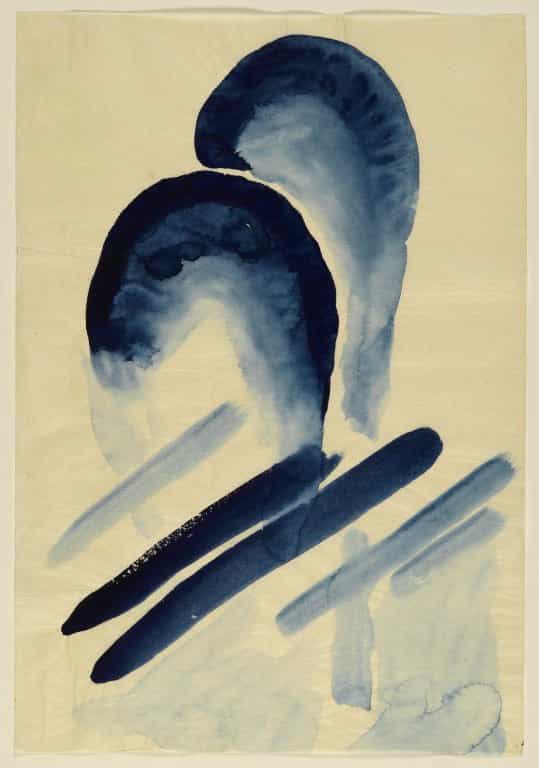
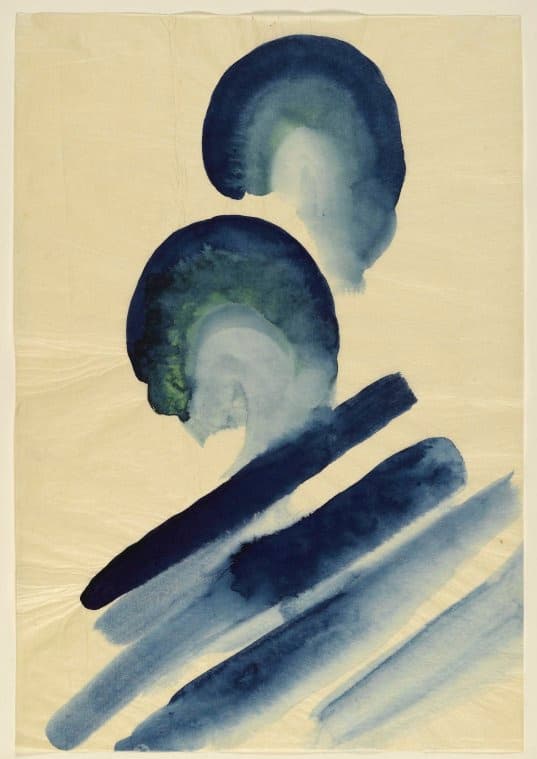
Blue #3
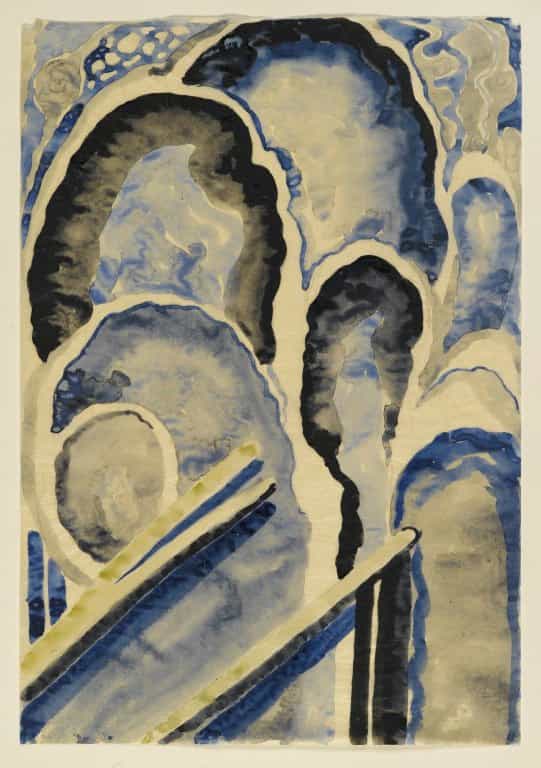
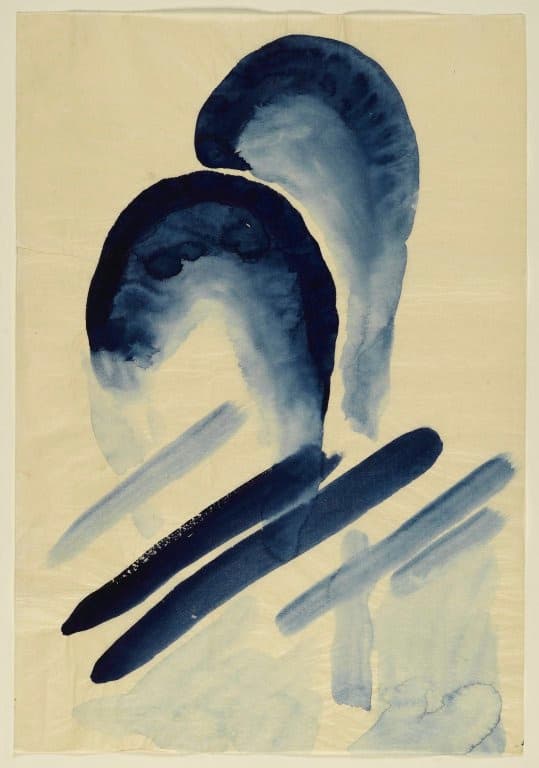
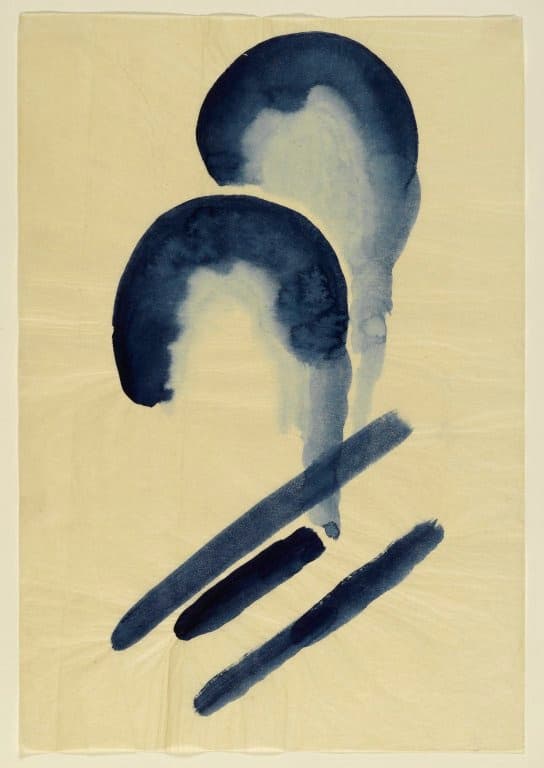
Blue #1
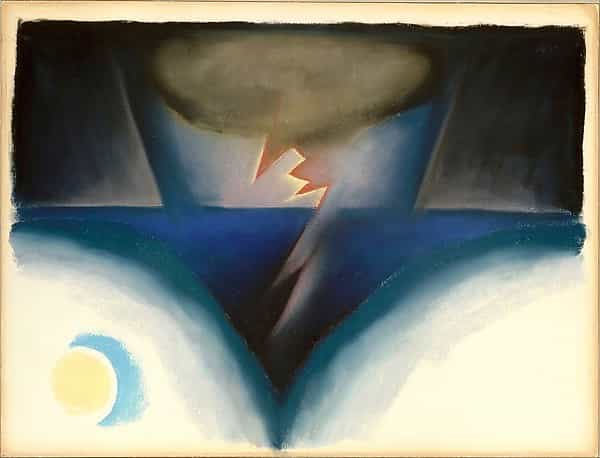
A Storm
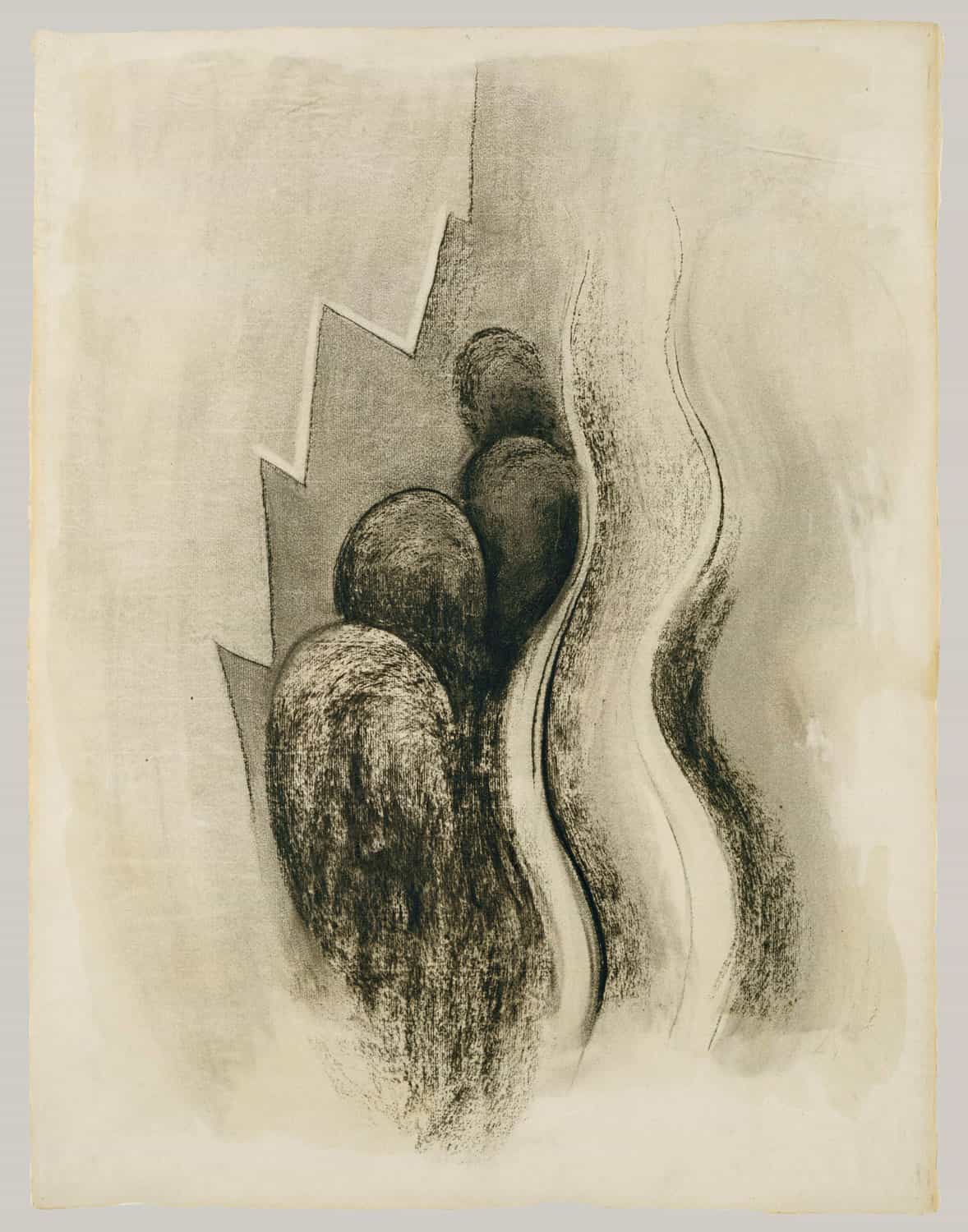
Drawing XIII
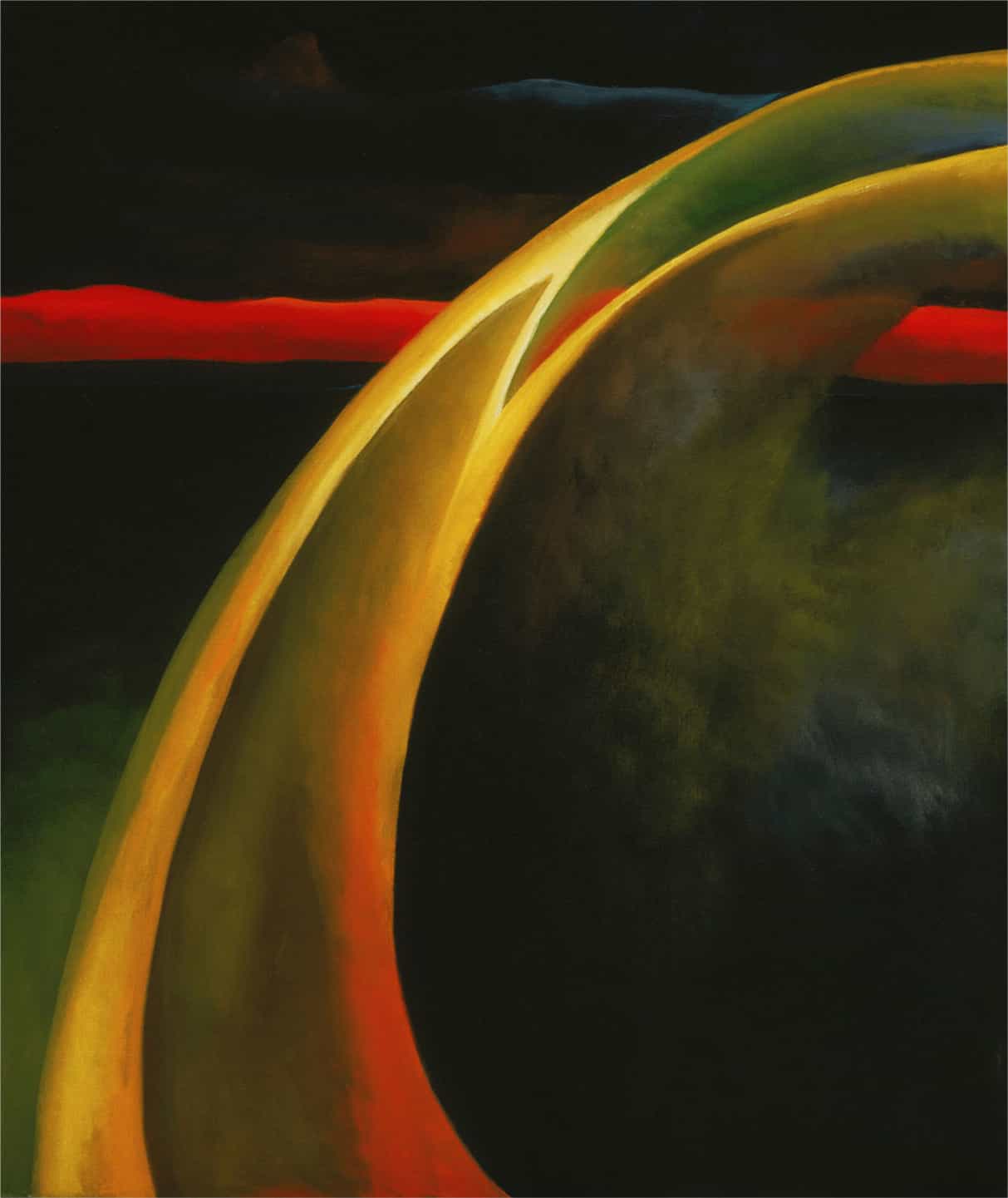
Red and Orange Streak
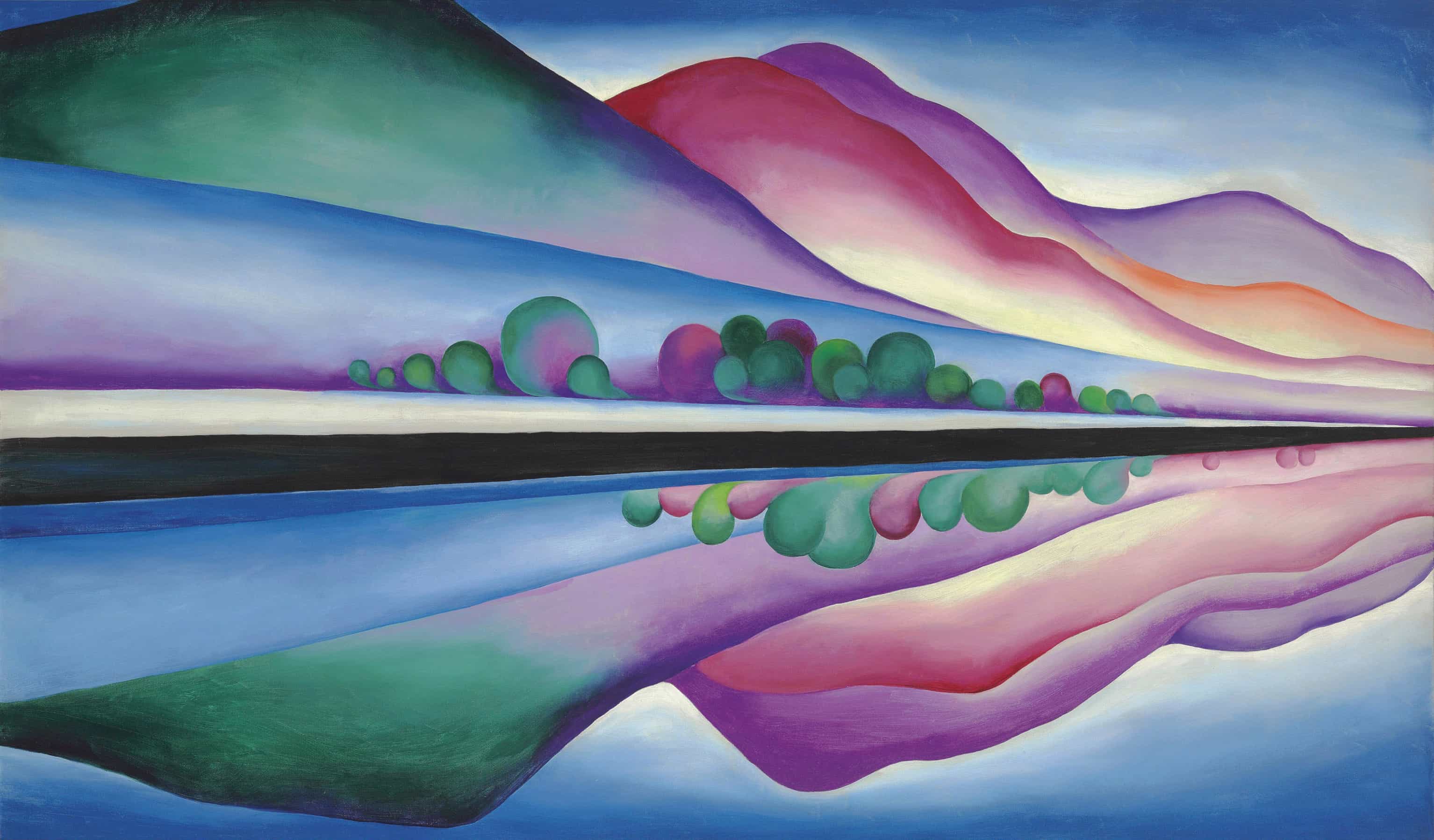
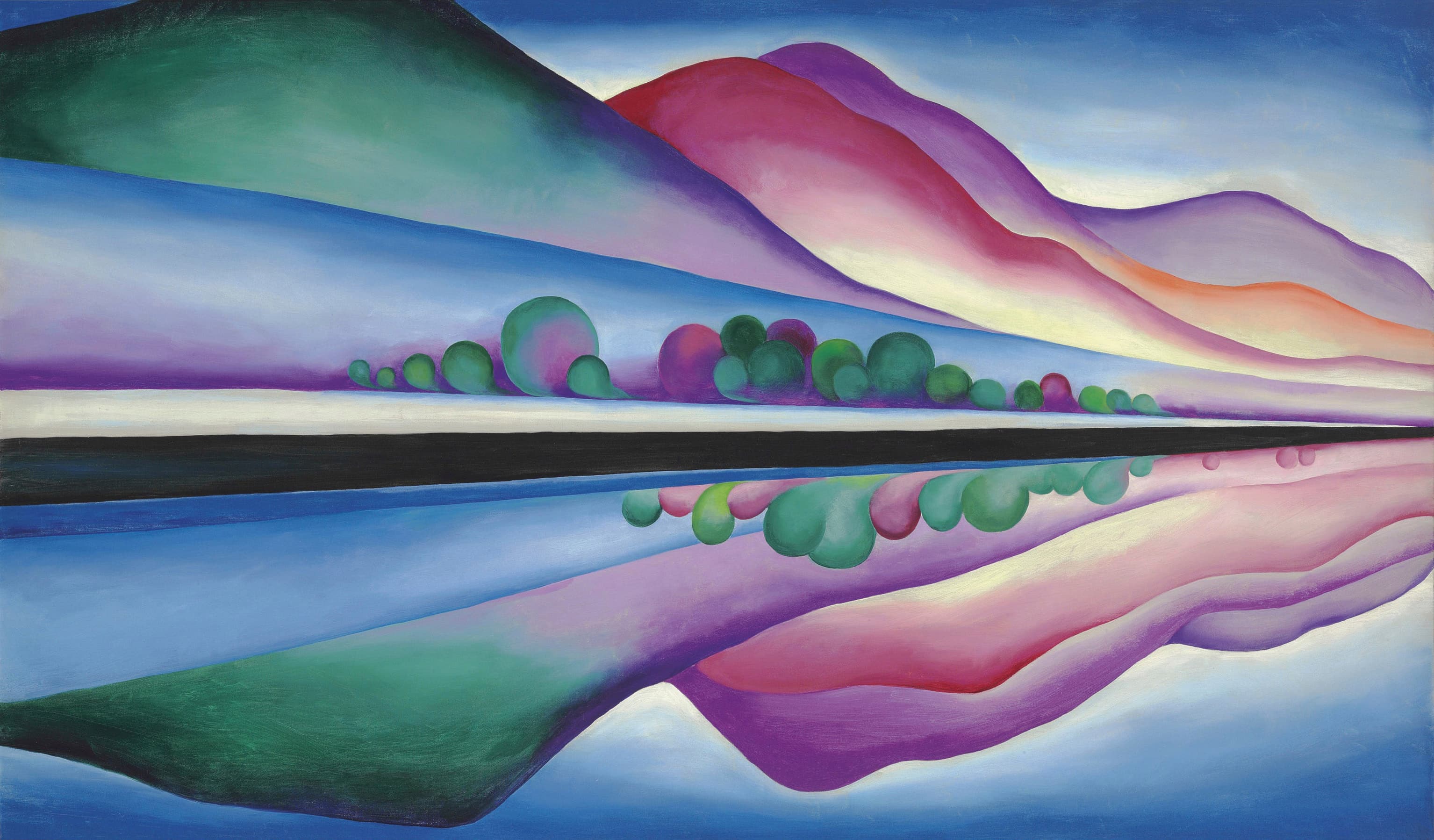
Lake George Reflection
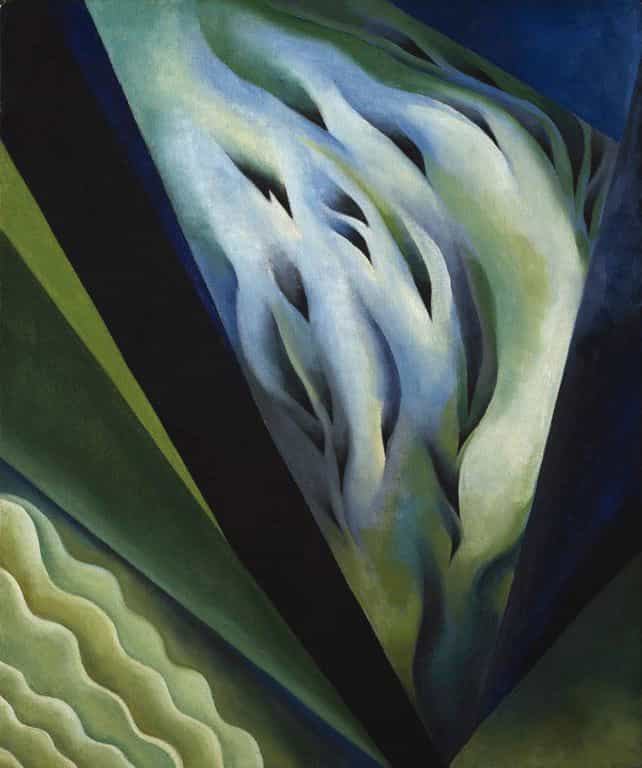
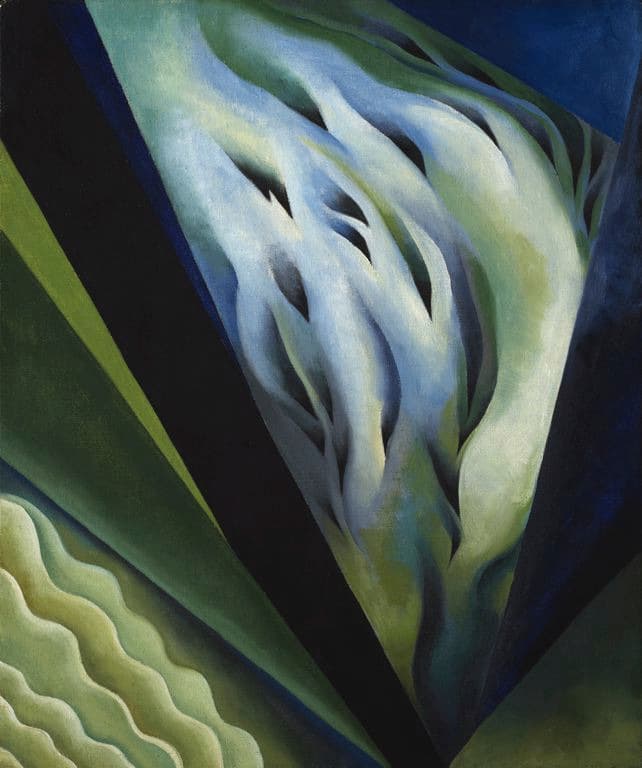
Blue and Green Music
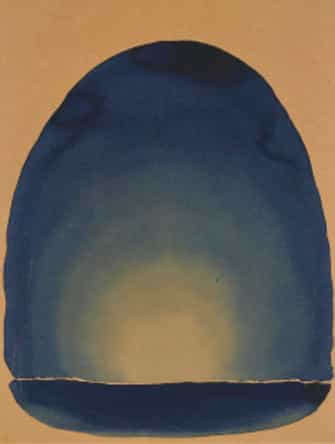
Light Coming on the Plains No. II
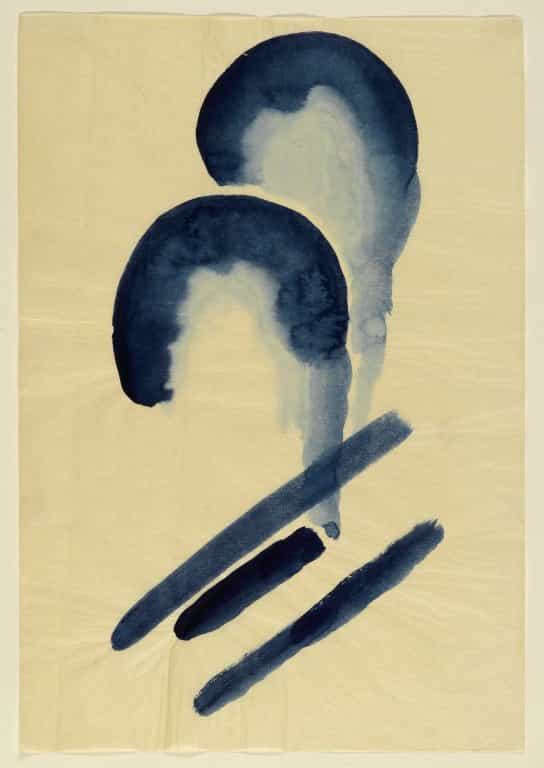
Blue #4
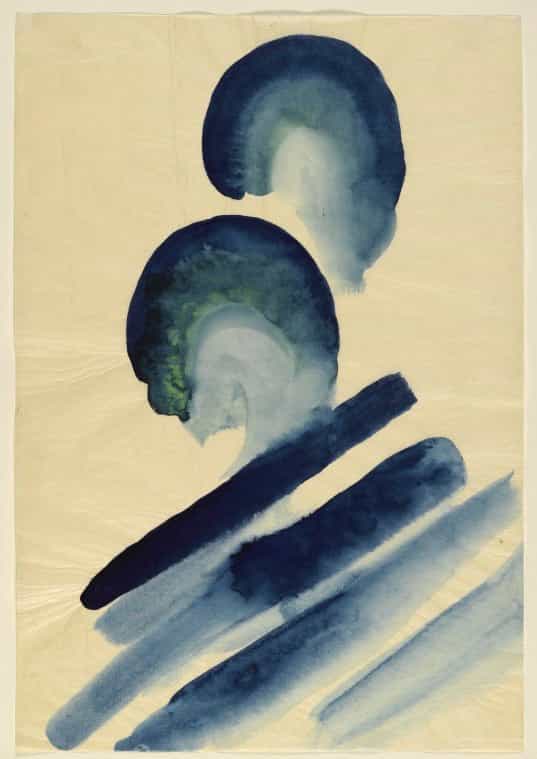
Blue #2