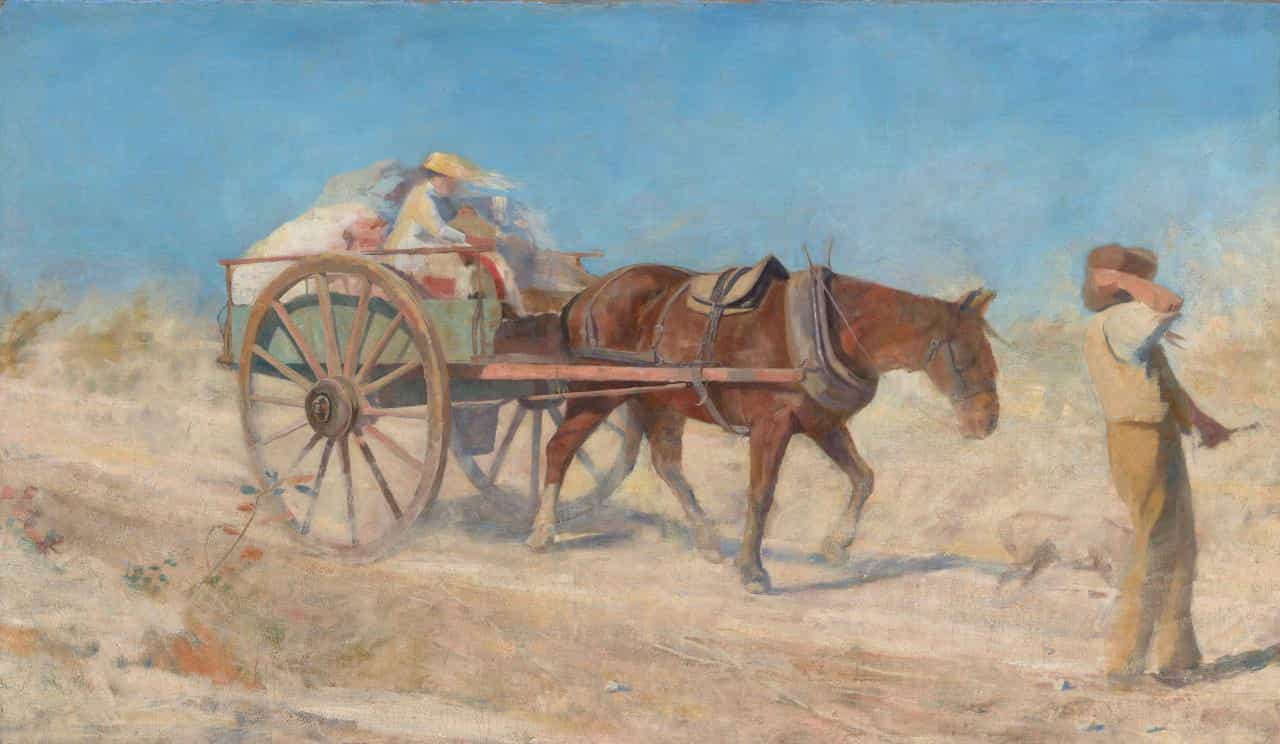
The North Wind
Frederick McCubbin
From $104
Collection
Museum-quality reproductions on 310gsm textured cotton rag paper.
Shop all prints by Frederick McCubbinArtistic Style
Style Evolution
McCubbin moved from direct plein-air studies in the 1880s toward more composed, narrative landscapes in later decades, maintaining impressionist concerns for light while emphasizing mood and national subject matter.
Palette
Subjects
Techniques
Topics
Frederick McCubbin (1855-1917) was an Australian Heidelberg School painter whose evocative bush landscapes and intimate scenes defined a national visual identity.
Learn about the life of Frederick McCubbin
Biography
Frederick McCubbin (1855-1917) was an Australian Heidelberg School painter whose evocative bush landscapes and intimate scenes helped define a national visual identity in late 19th-century Australia.
Frederick McCubbin (1855-1917) was an Australian Heidelberg School painter whose evocative bush landscapes and intimate scenes helped define a national visual identity in late 19th-century Australia.
Born in Melbourne, McCubbin came of age as Australia’s cultural life was asserting itself. He trained and worked in Victoria, developing a deep familiarity with the native bush and rural scenes that would become his signature subjects.
McCubbin’s development unfolded within the broader context of Australian Impressionism, often called the Heidelberg School, a group of artists who embraced plein-air practice and a renewed focus on landscape as a vehicle for national feeling.
In the 1880s McCubbin adopted en plein air methods and a palette that captured the fragile light of the Australian bush. He worked alongside contemporaries who sought to record local landscapes with immediacy and atmosphere.
Across the 1890s and into the early 20th century, McCubbin refined a quiet, narrative approach—compositions that combine landscape and small human figures to evoke mood, solitude, and memory.
McCubbin is celebrated for works that emphasize the visual and emotional qualities of the Australian bush. His paintings are lauded for their decorative appeal, subtle tonal harmonies, and ability to convey both intimacy and the expansive character of the landscape.
McCubbin favored controlled brushwork, layered tonalities, and a restrained but rich palette that balances earth tones with softer highlights. His technique often combined plein-air observation with studio refinement, producing works that read beautifully at both close and room-scale viewing distances.
A central figure in the Heidelberg School, McCubbin helped shape a distinctly Australian approach to landscape painting. His work influenced subsequent generations of Australian landscape painters and contributed to a visual vocabulary associated with Australian national identity.
McCubbin lived and worked in and around Melbourne for most of his life. His repeated focus on local scenes—bushland, tracks, and modest domestic settings—reflects a sustained engagement with place rather than with cosmopolitan or continental fashions.
Collectors prize McCubbin for his role in Australian art history, the decorative and atmospheric qualities of his paintings, and their cultural resonance. His canvases are seen as attractive focal pieces for interiors seeking a connection to nature and to Australian heritage, making them desirable in both public and private art‑
Frequently Asked Questions
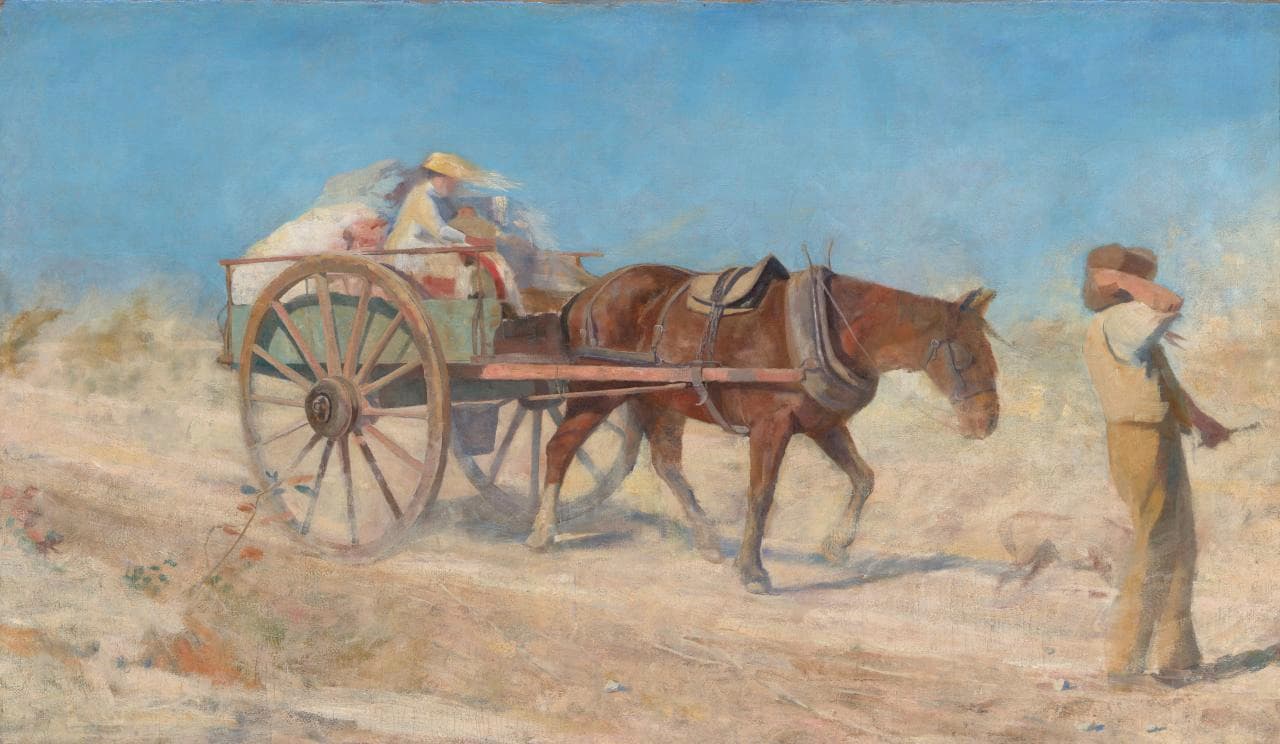
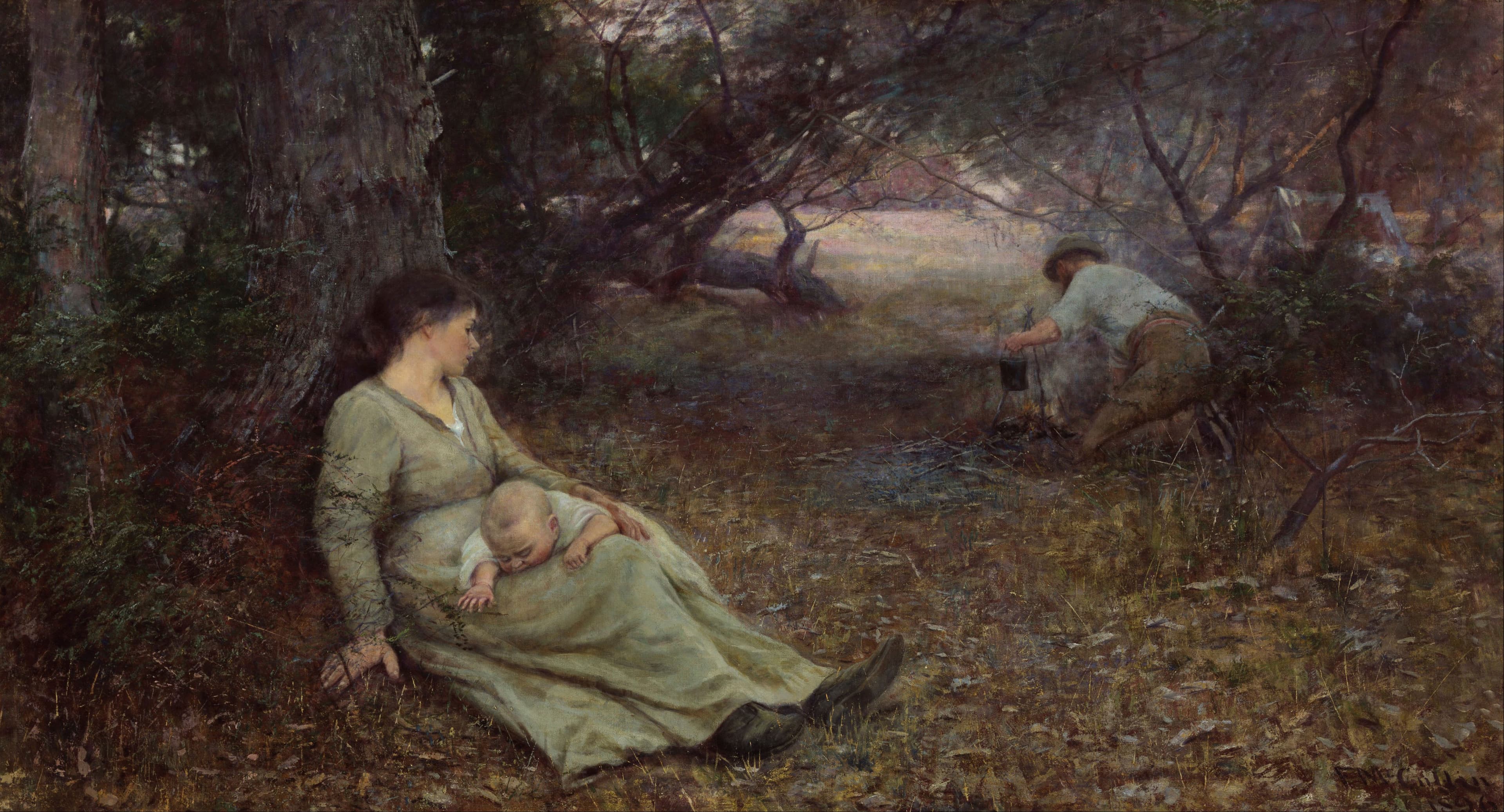
The North Wind
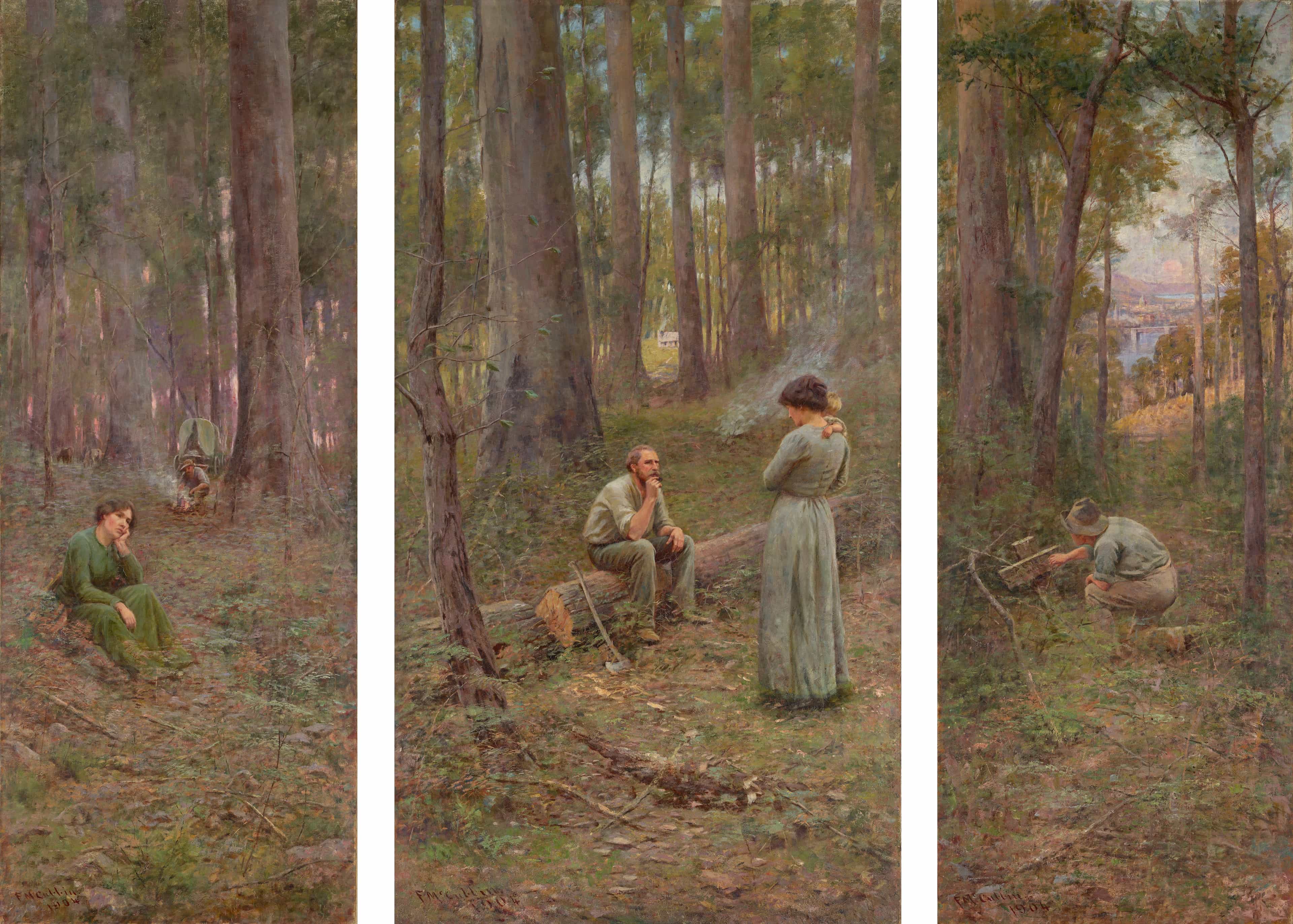
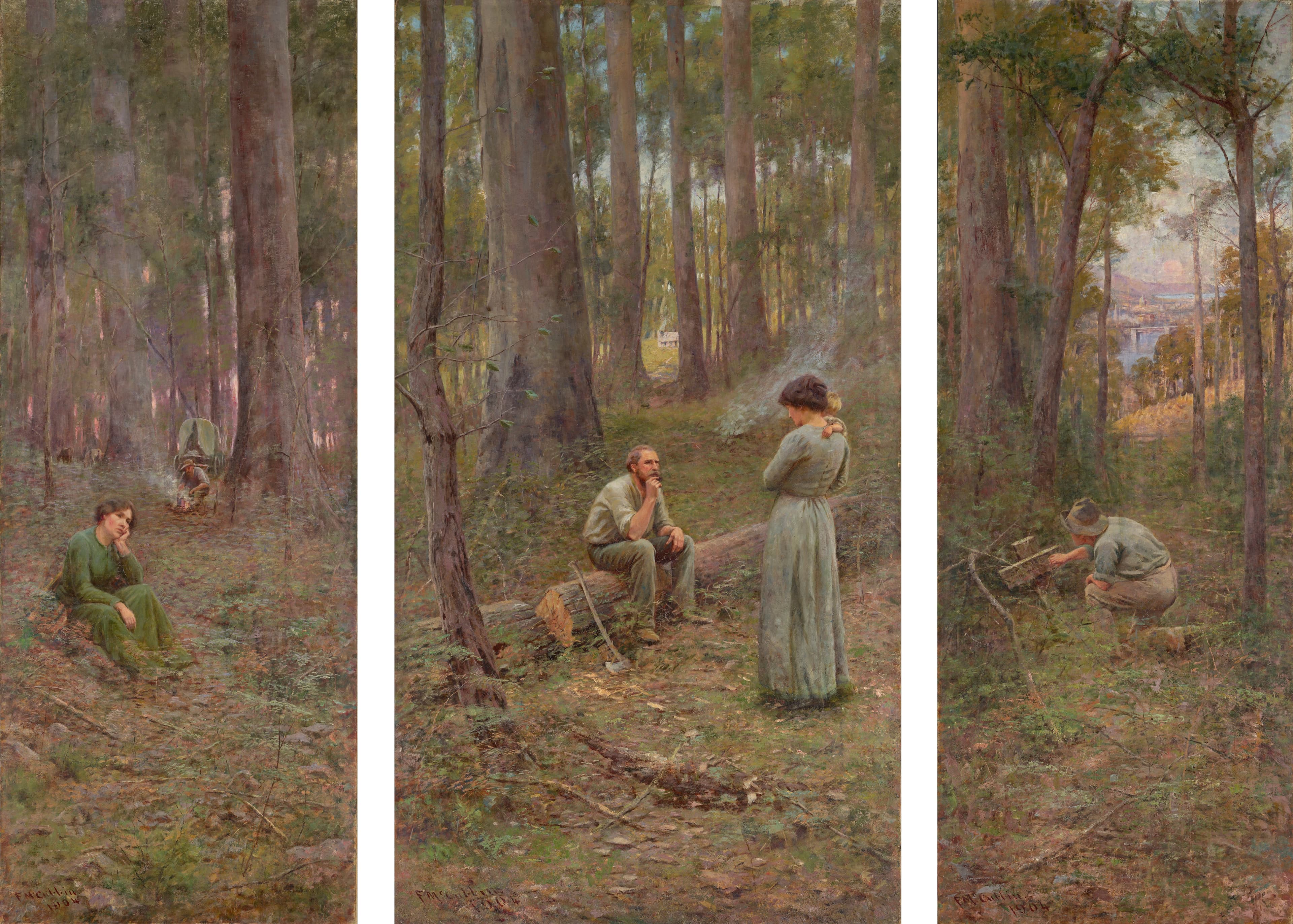
The Pioneer
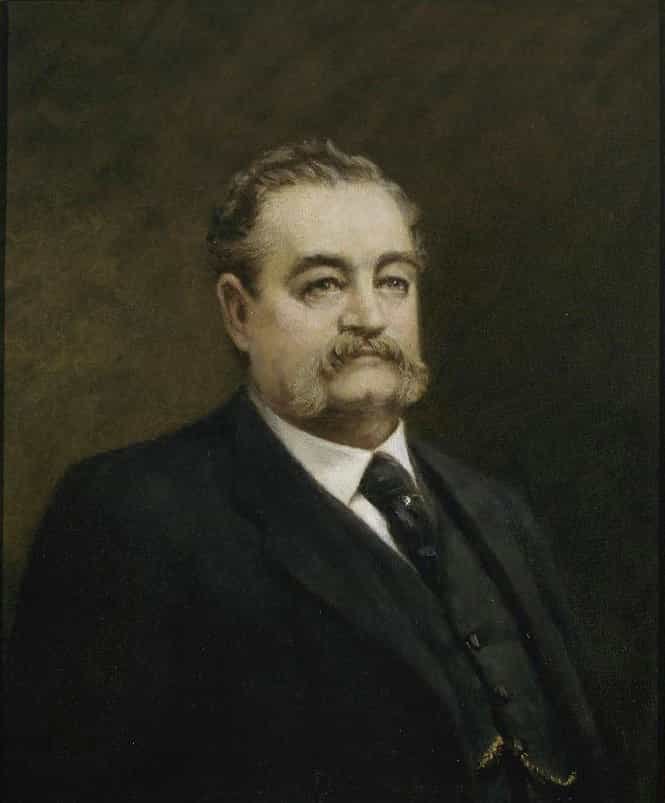
Walter Hall
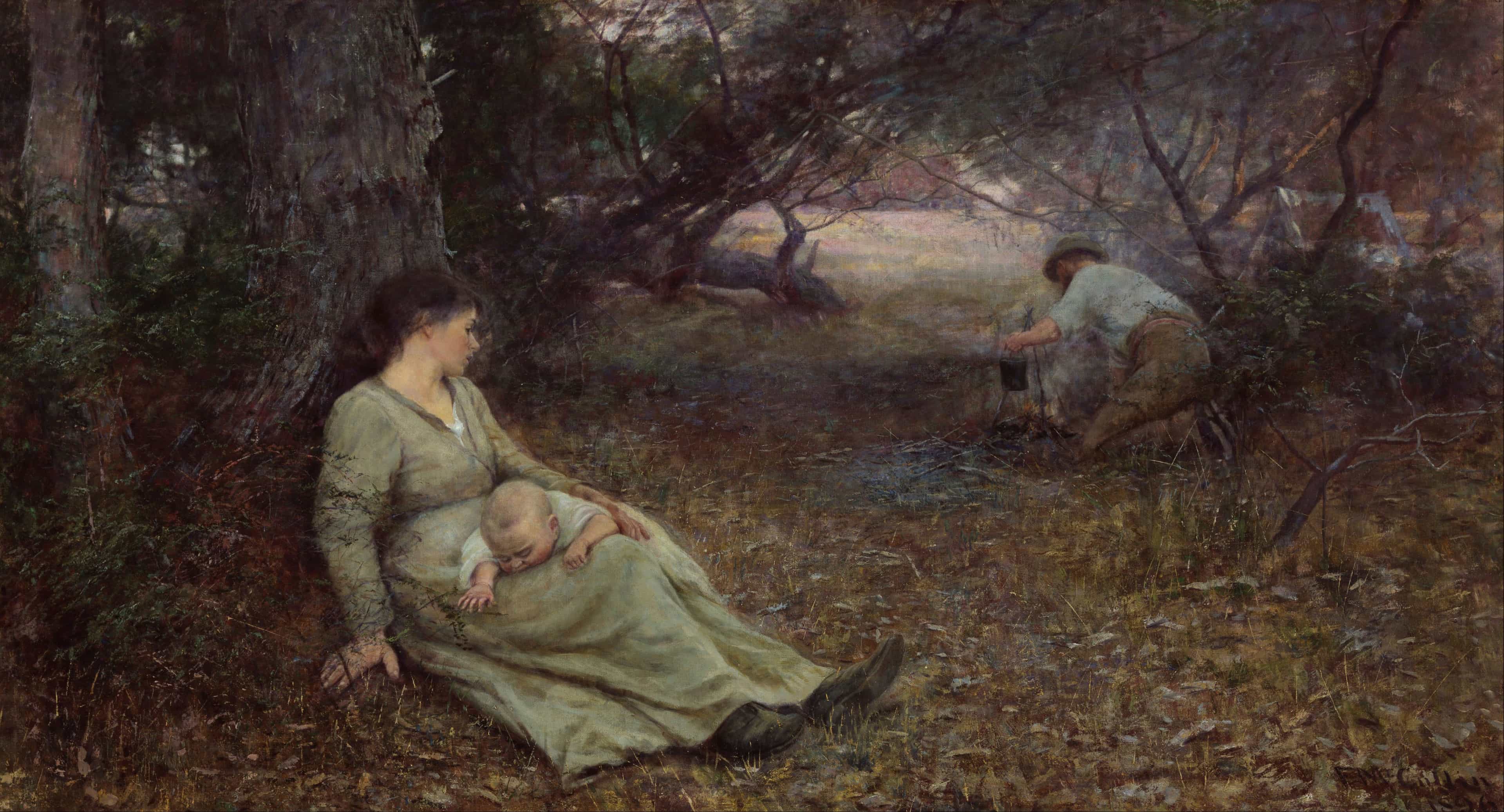
On the Wallaby Track
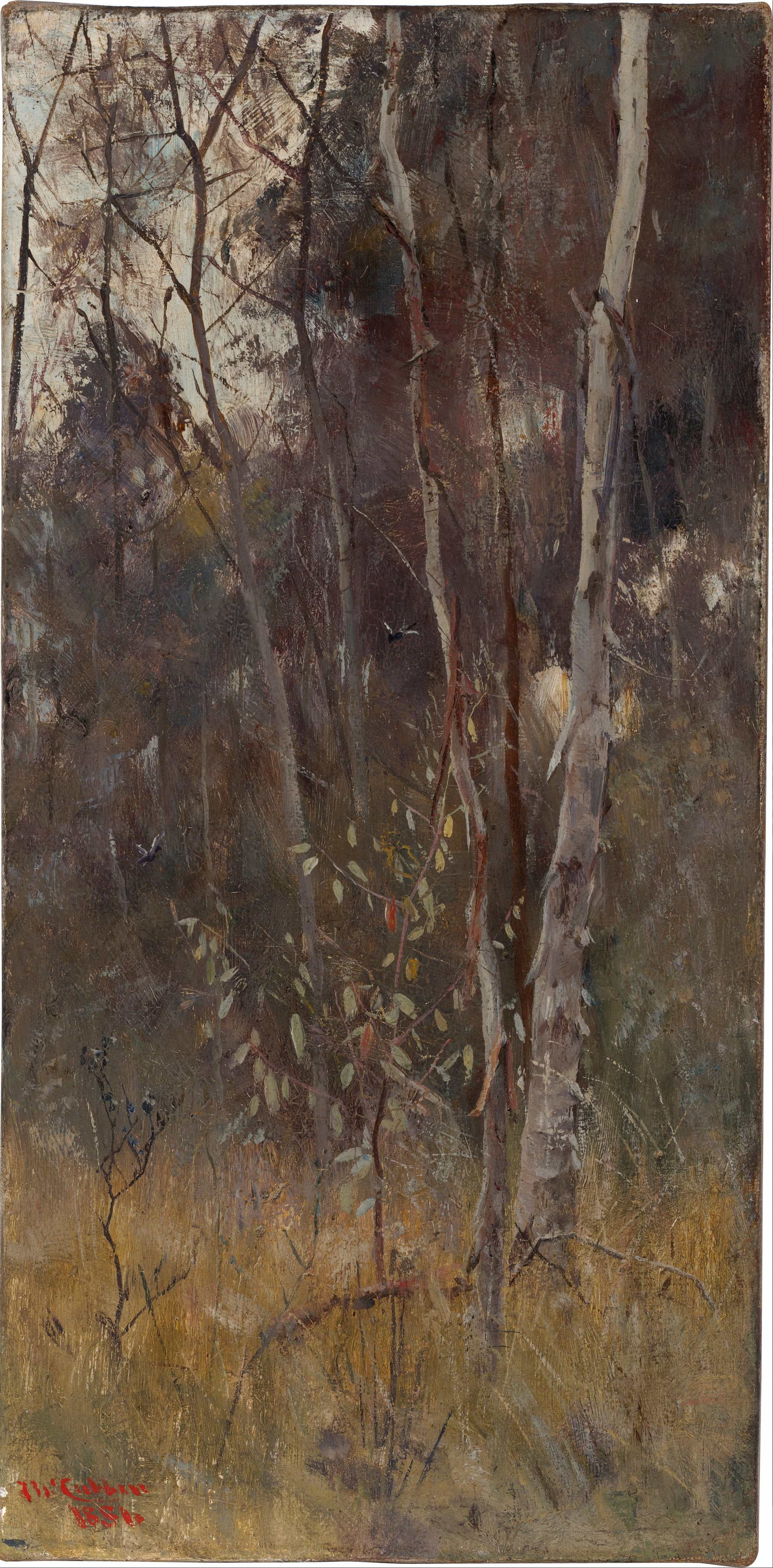
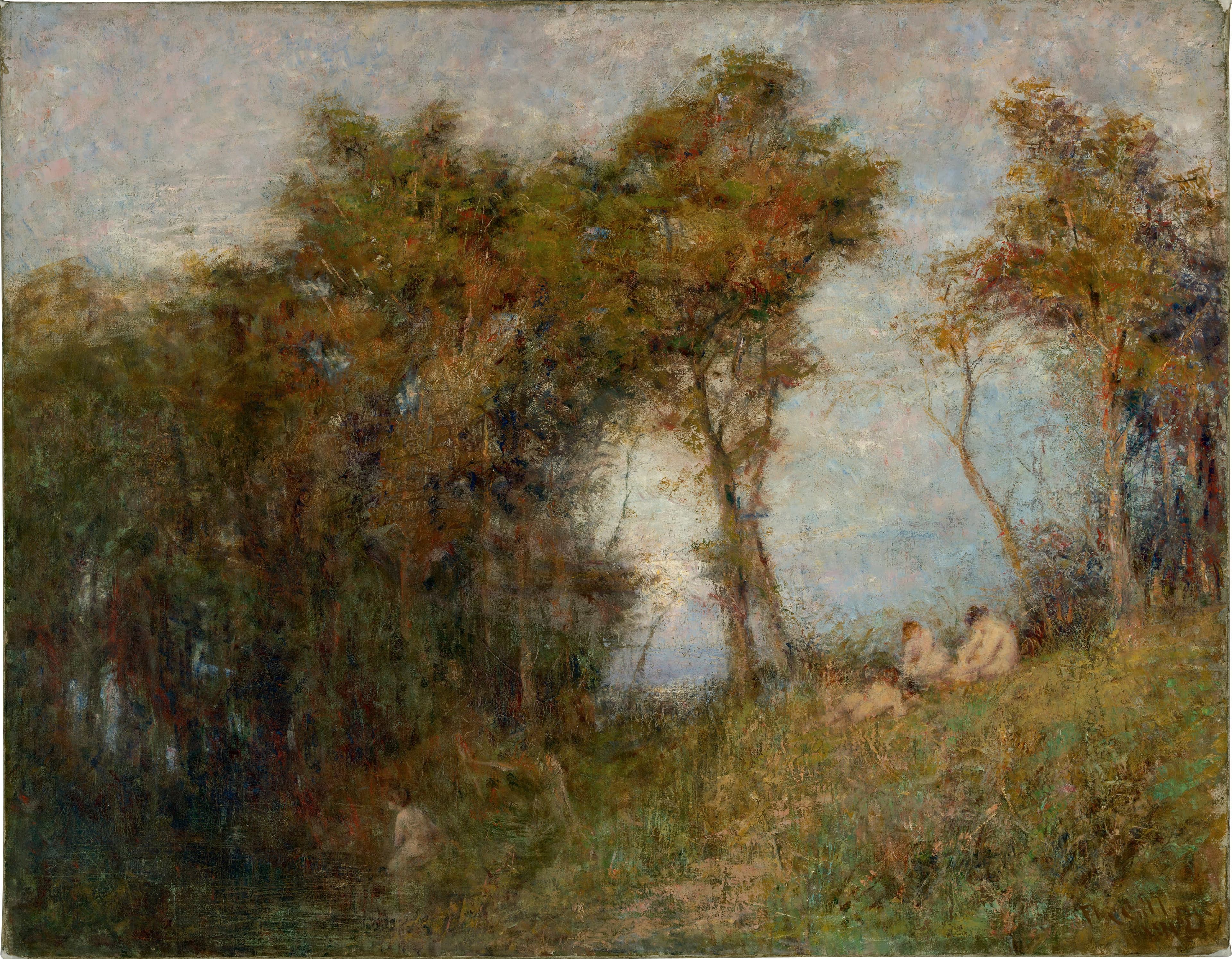
At the Falling of the Year
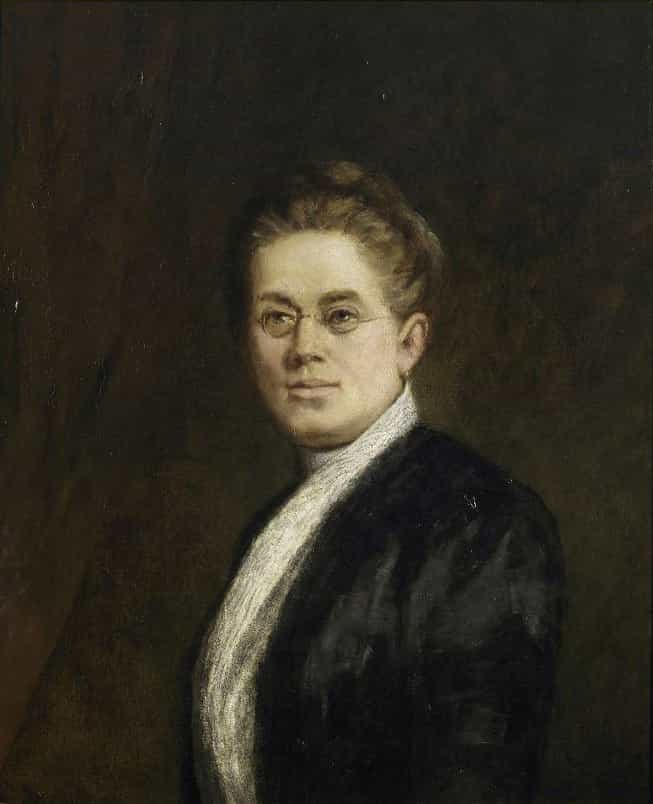
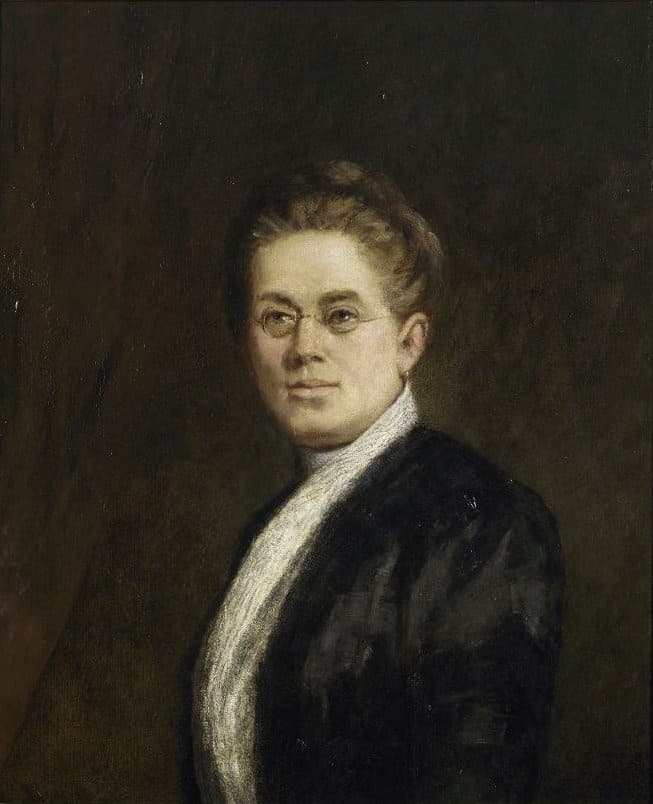
Eliza Hall
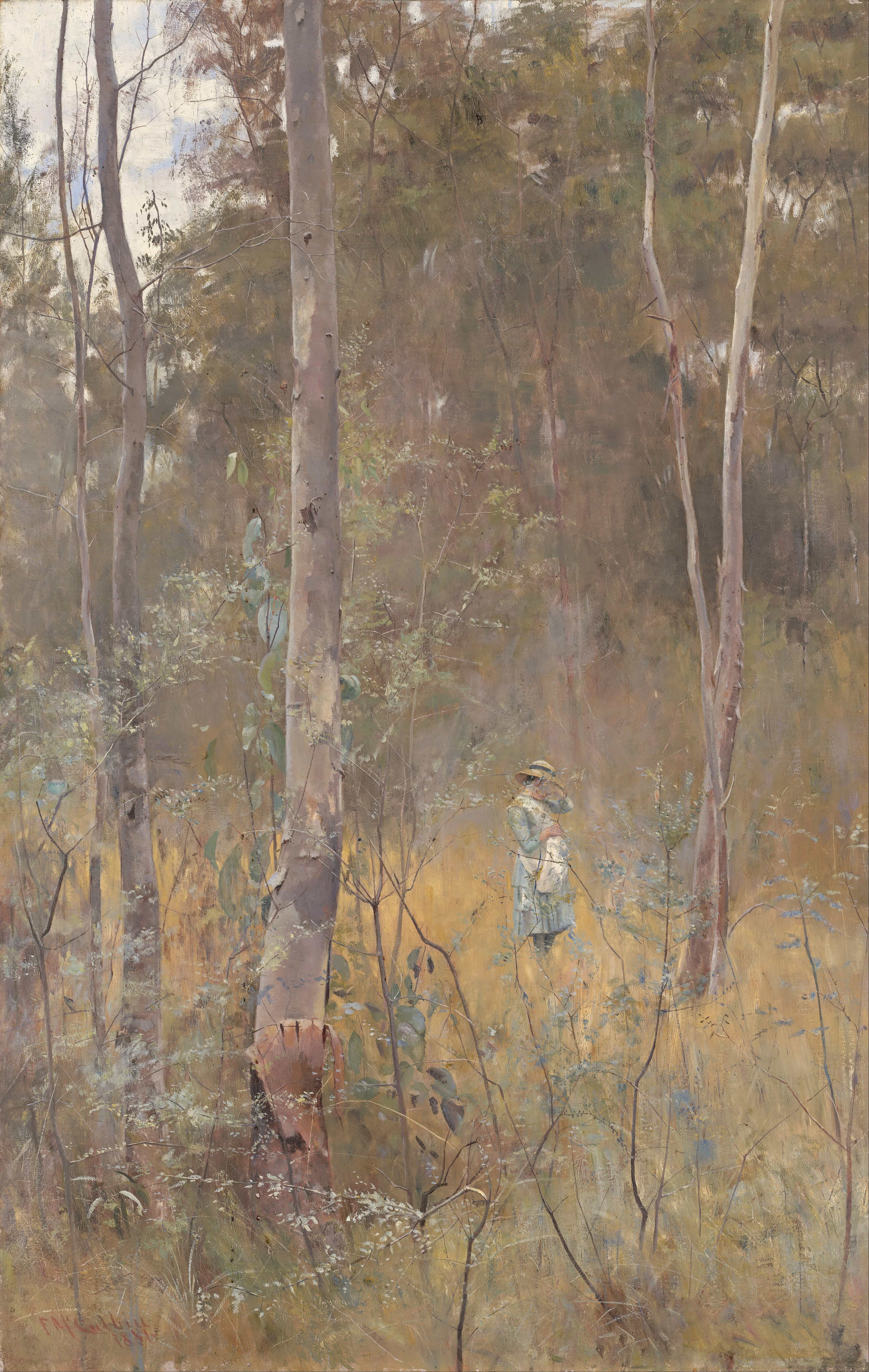
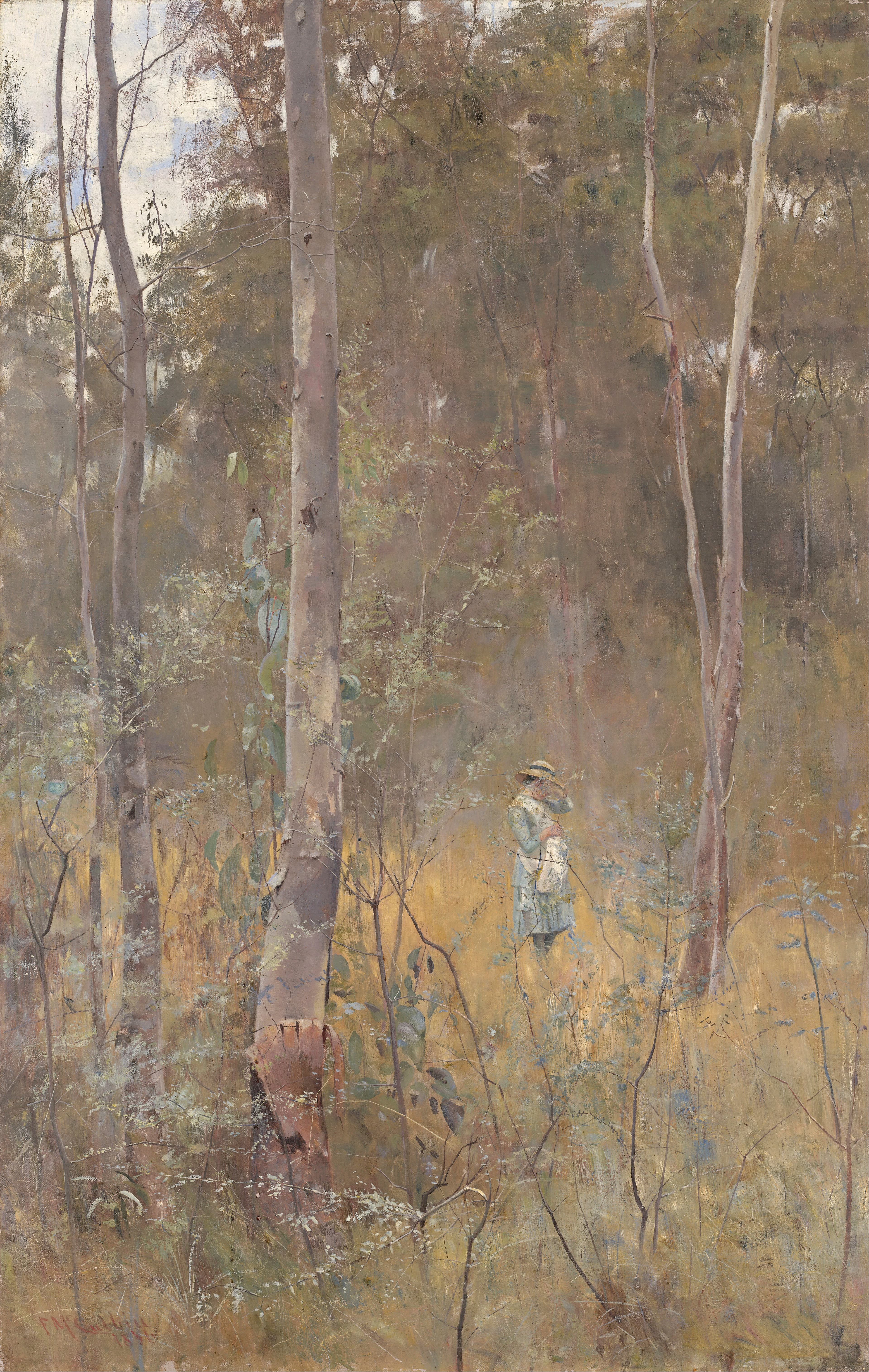
Lost
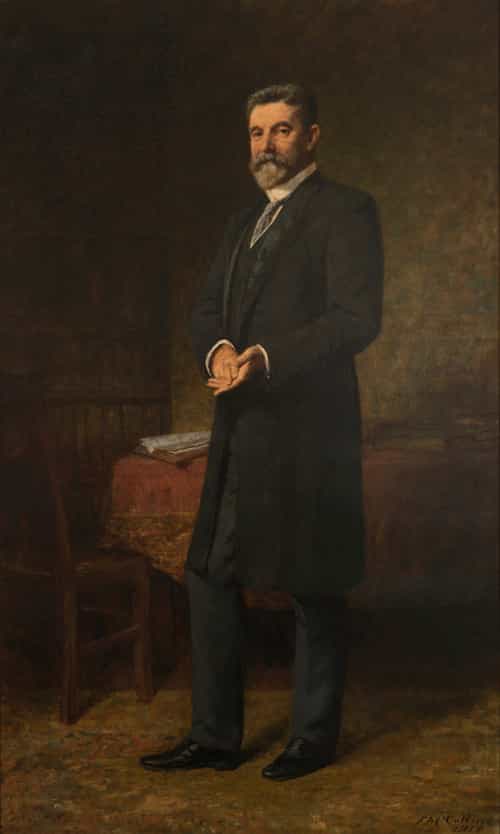
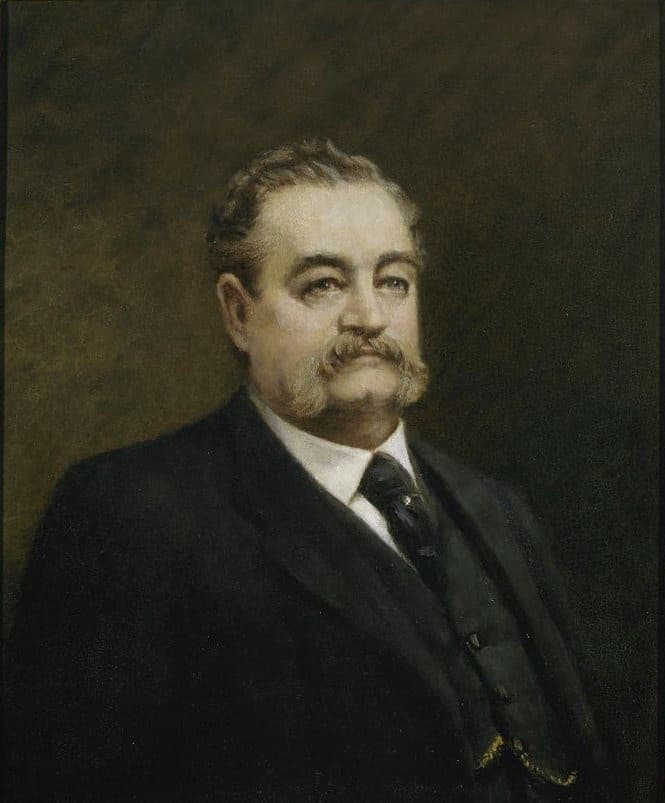
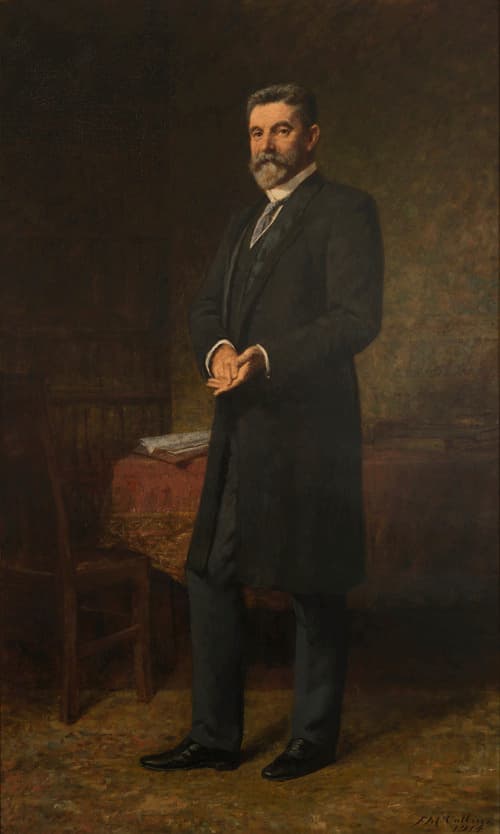
Hon. Alfred Deakin, Prime Minister of Australia (1903–04, 1905–08, 1909–10)
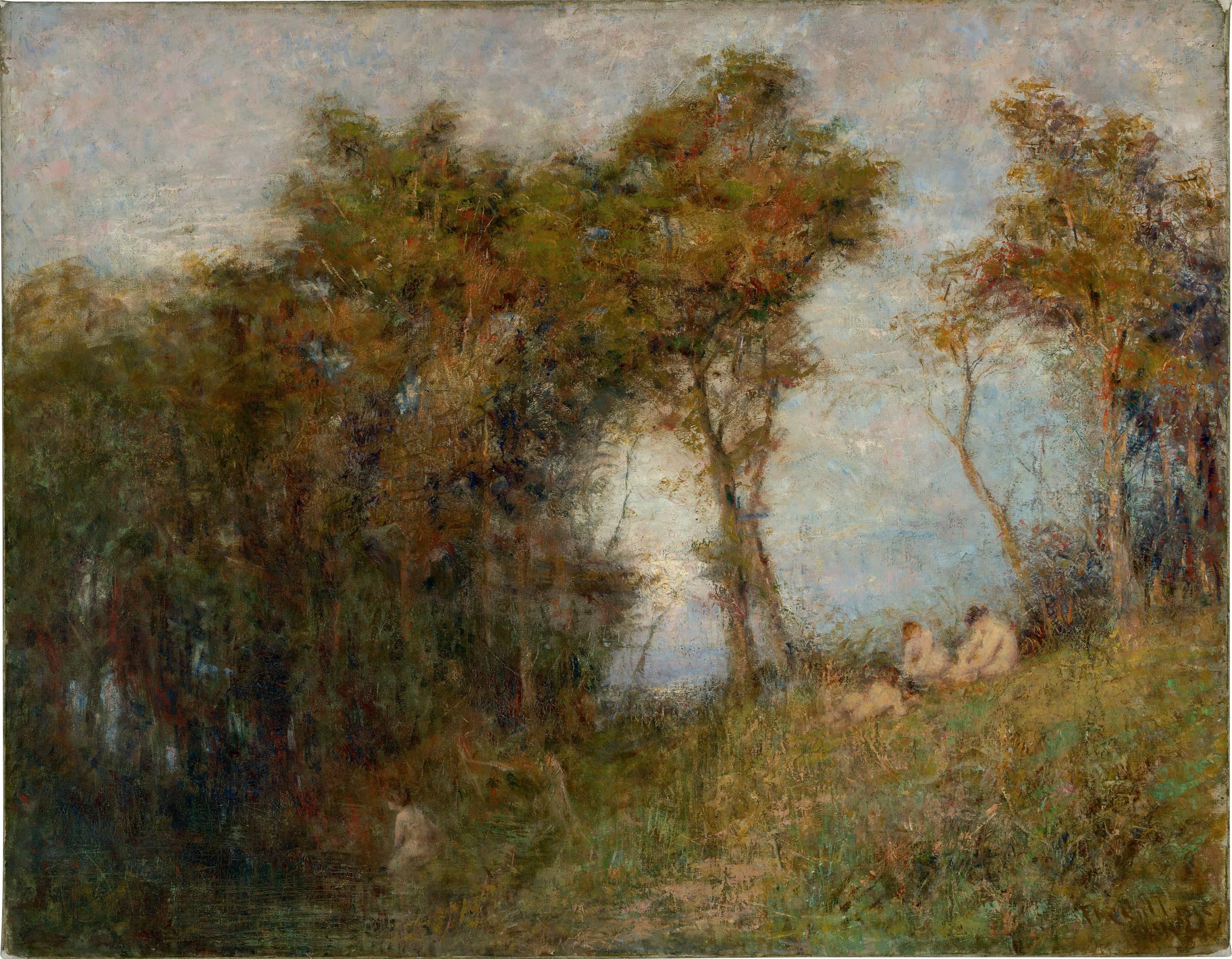
Afterglow (Summer Evening)
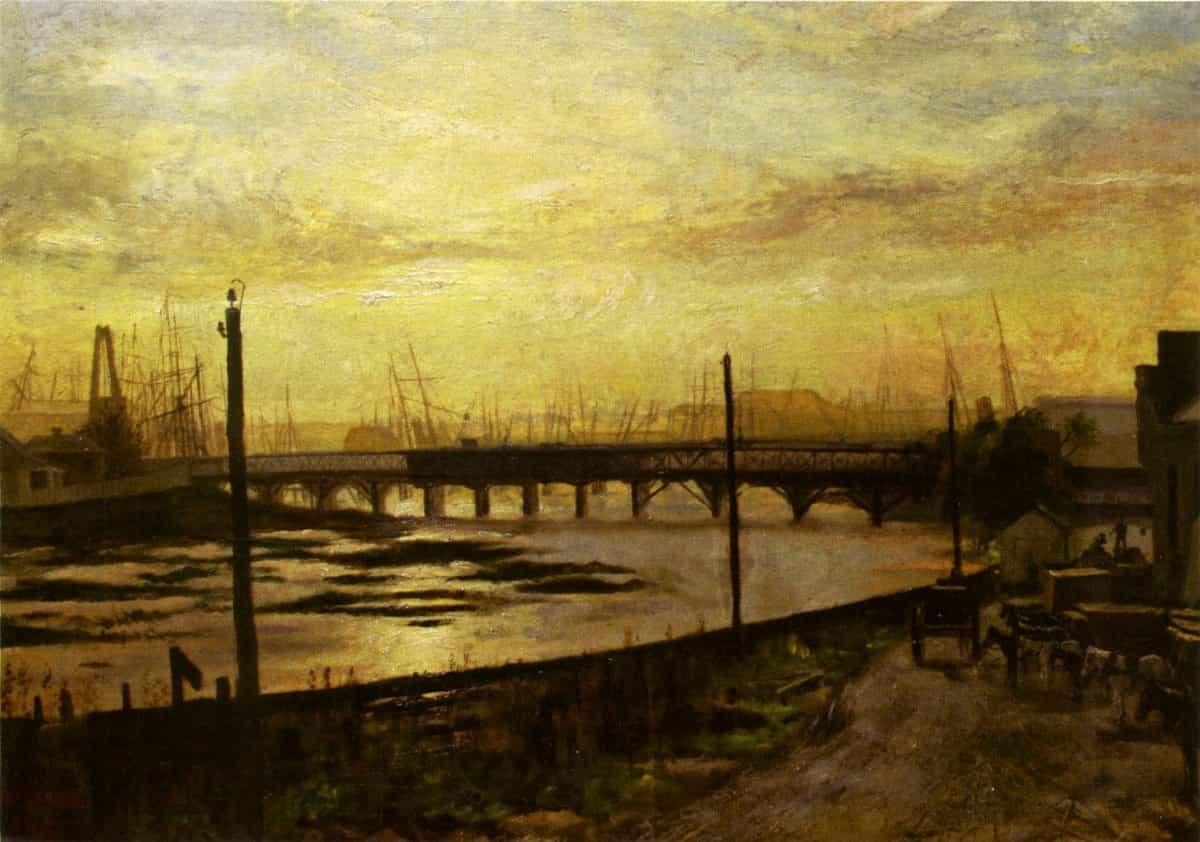
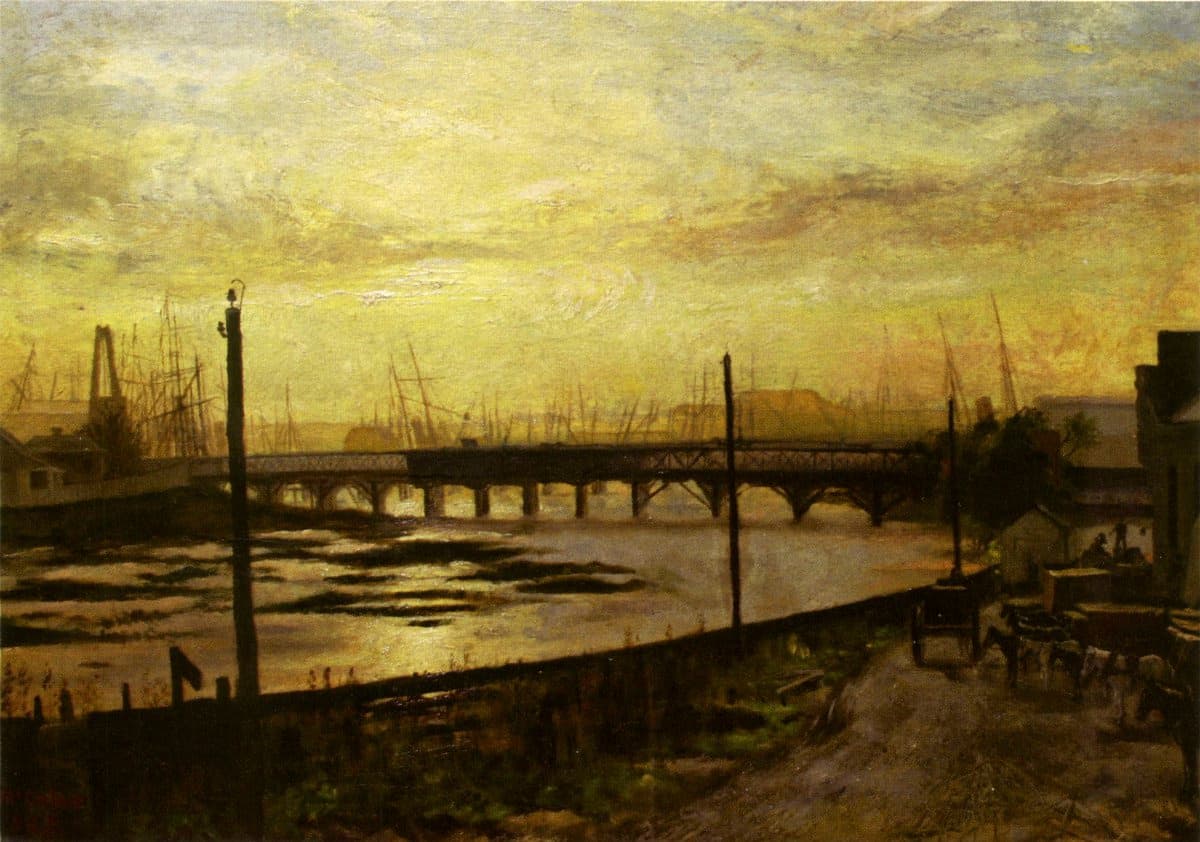
Falls Bridge, Melbourne
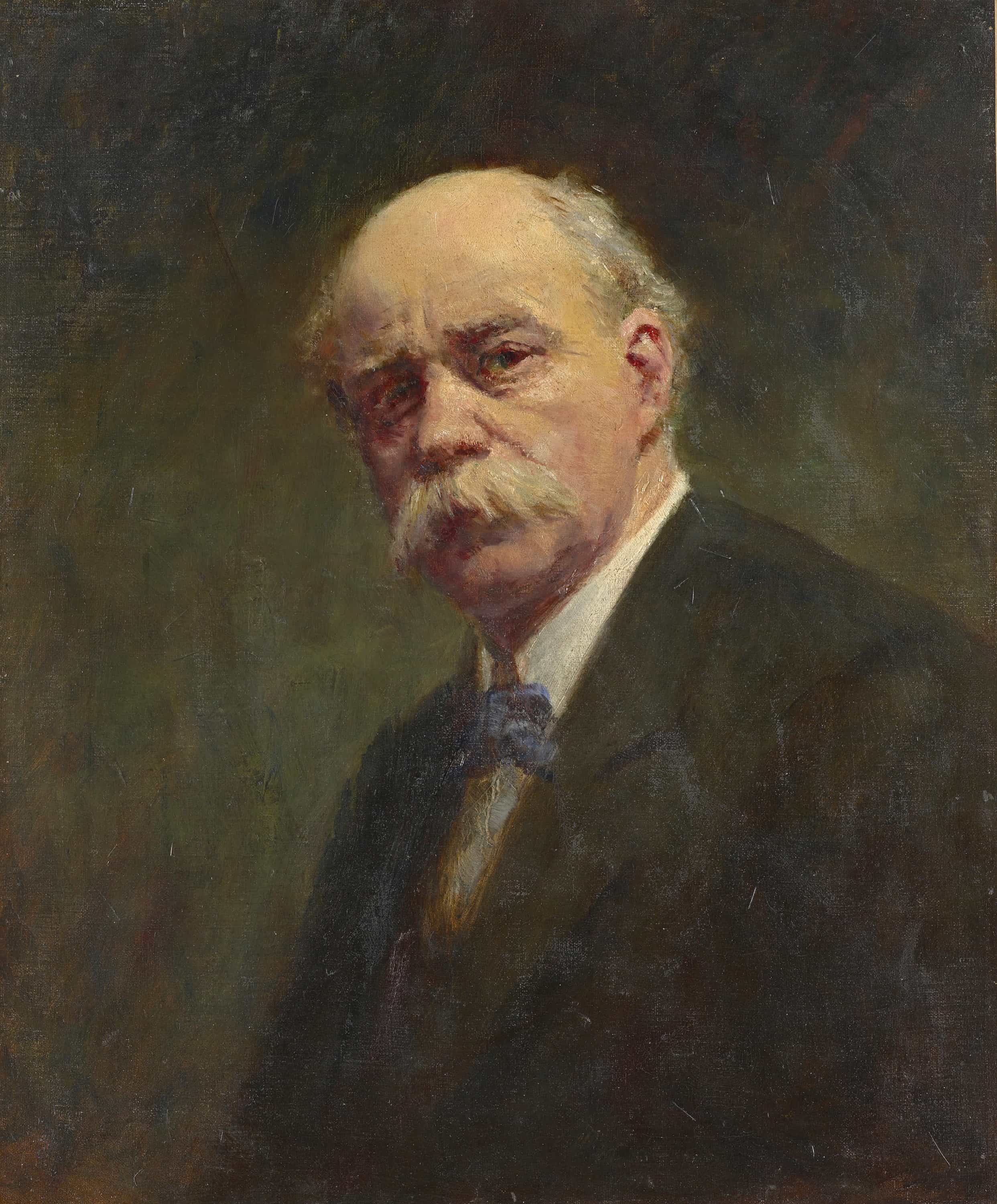
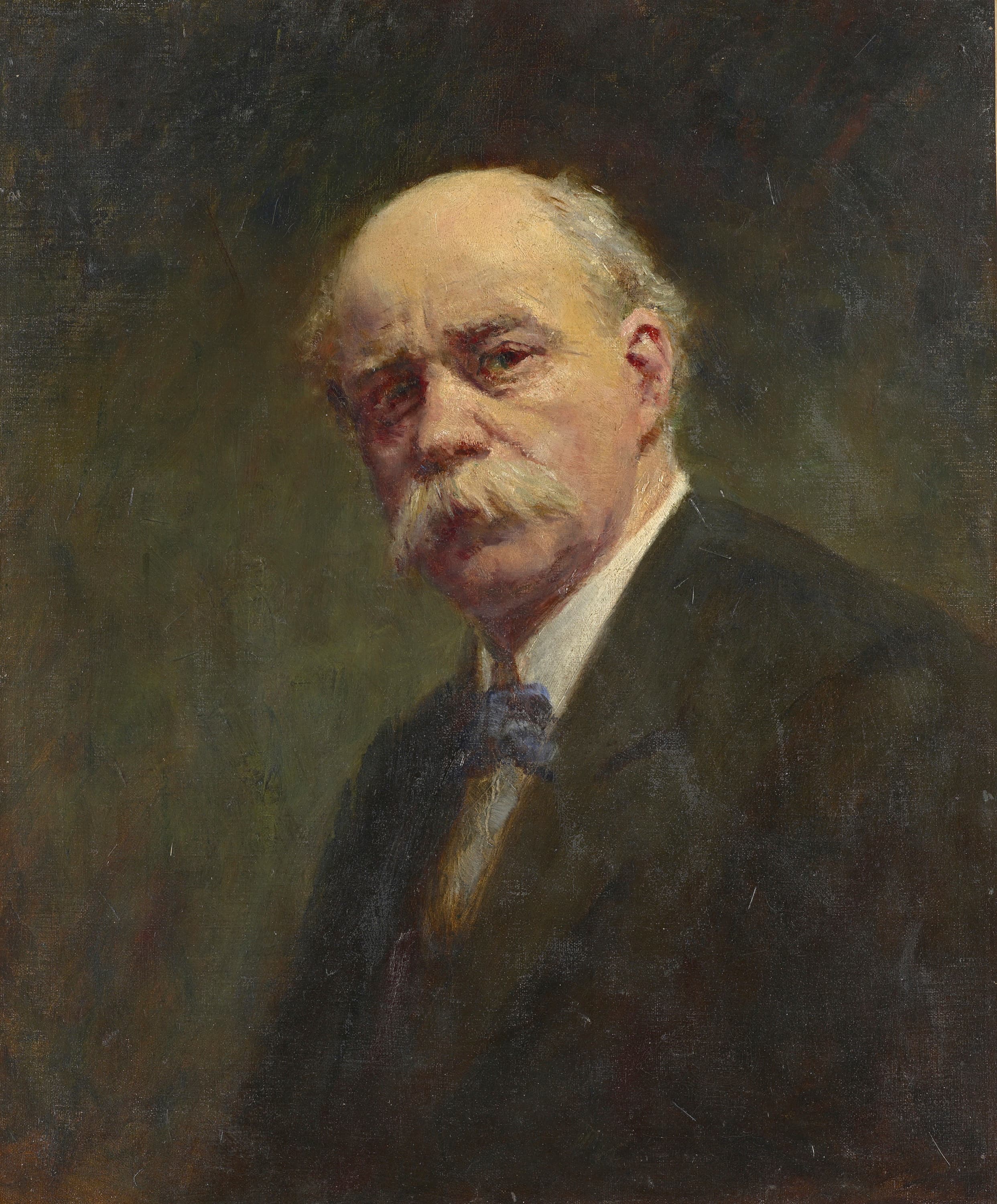
Self Portrait
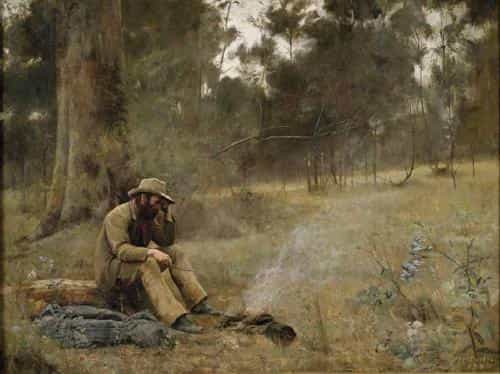
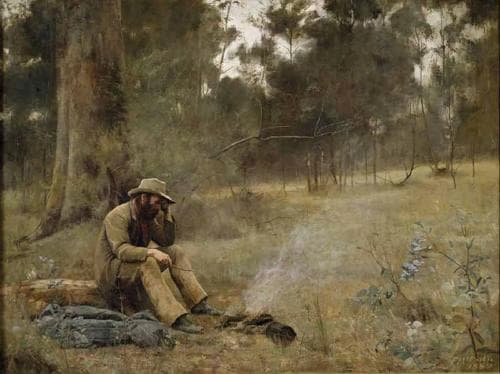
Down on His Luck