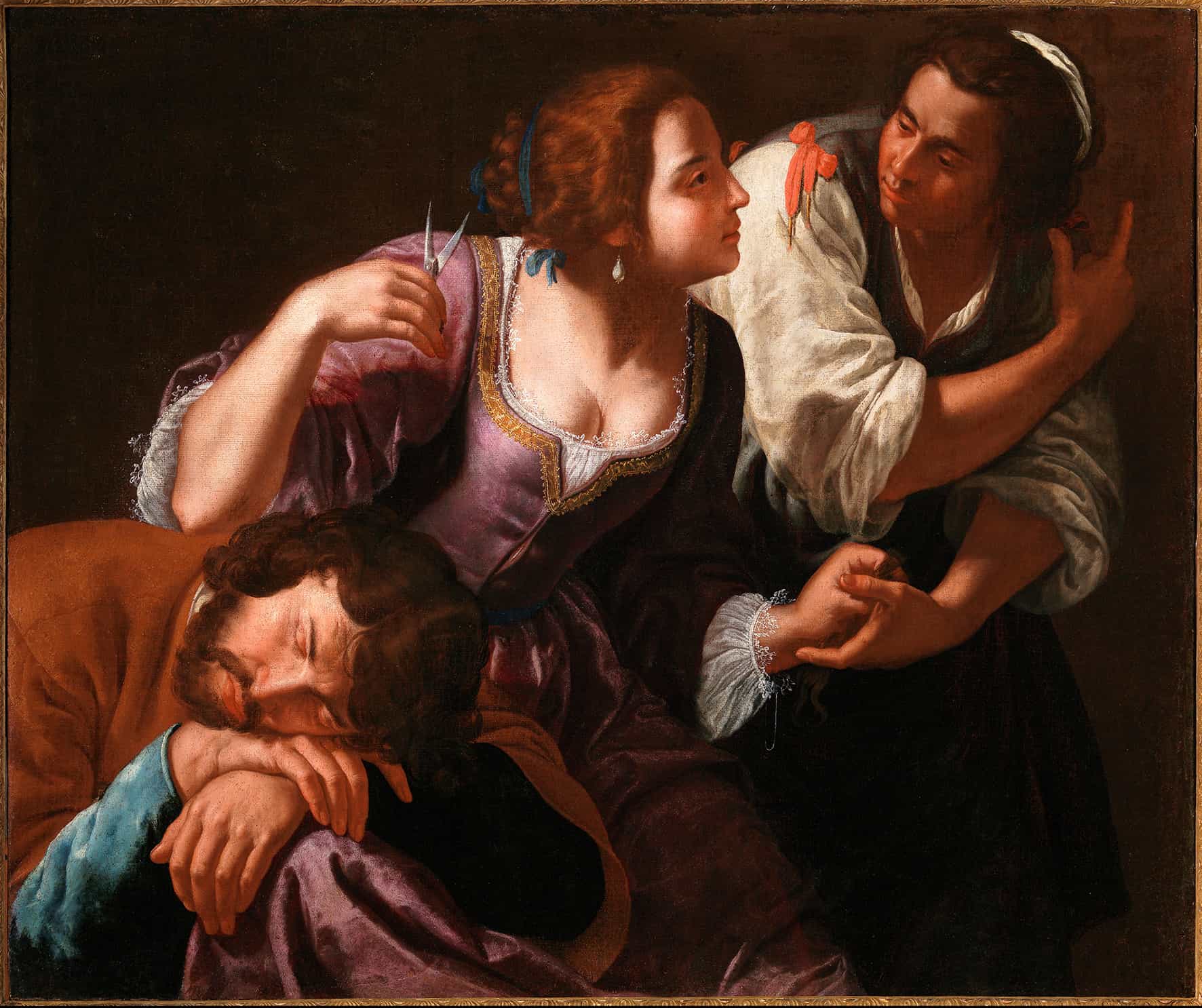
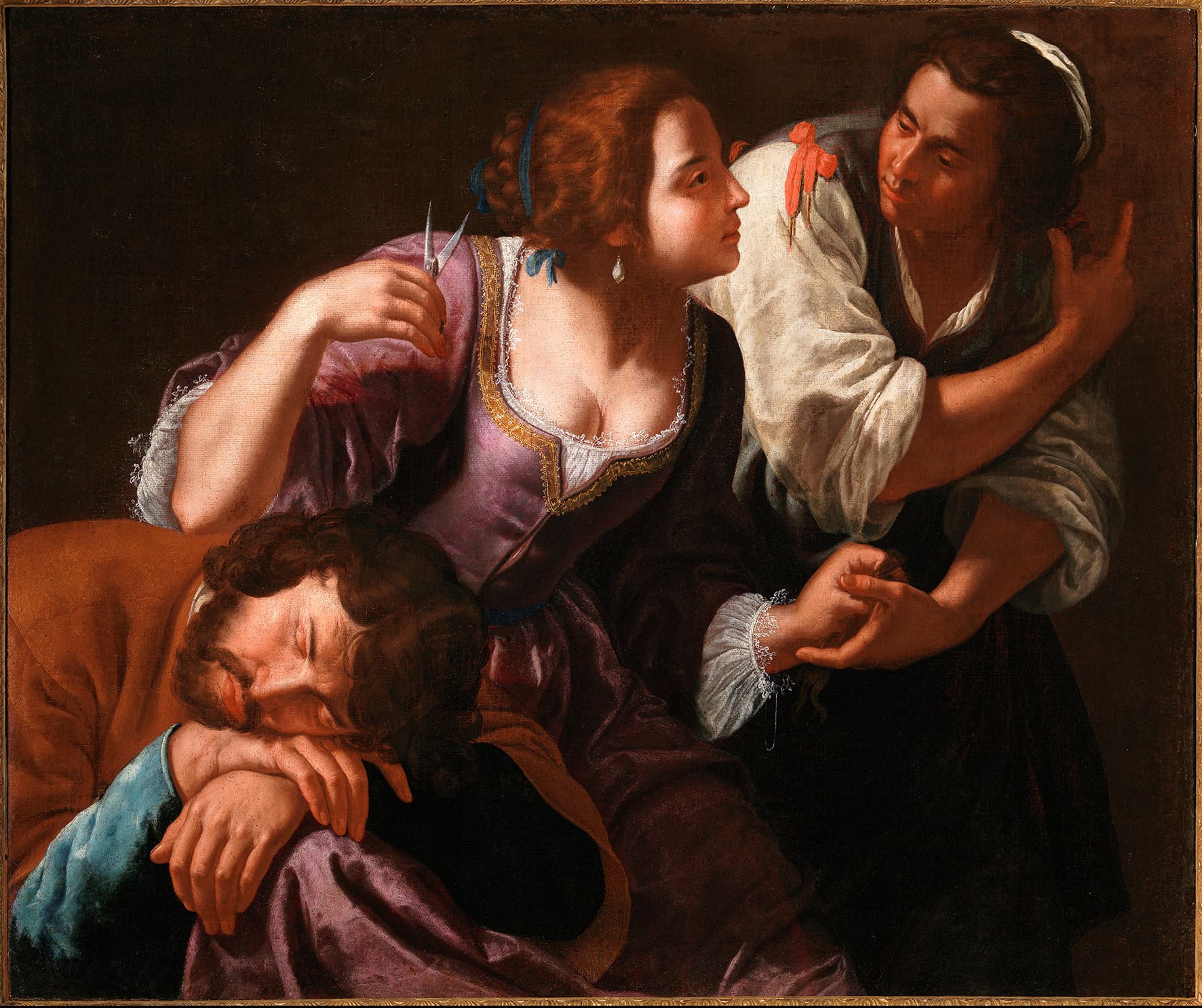
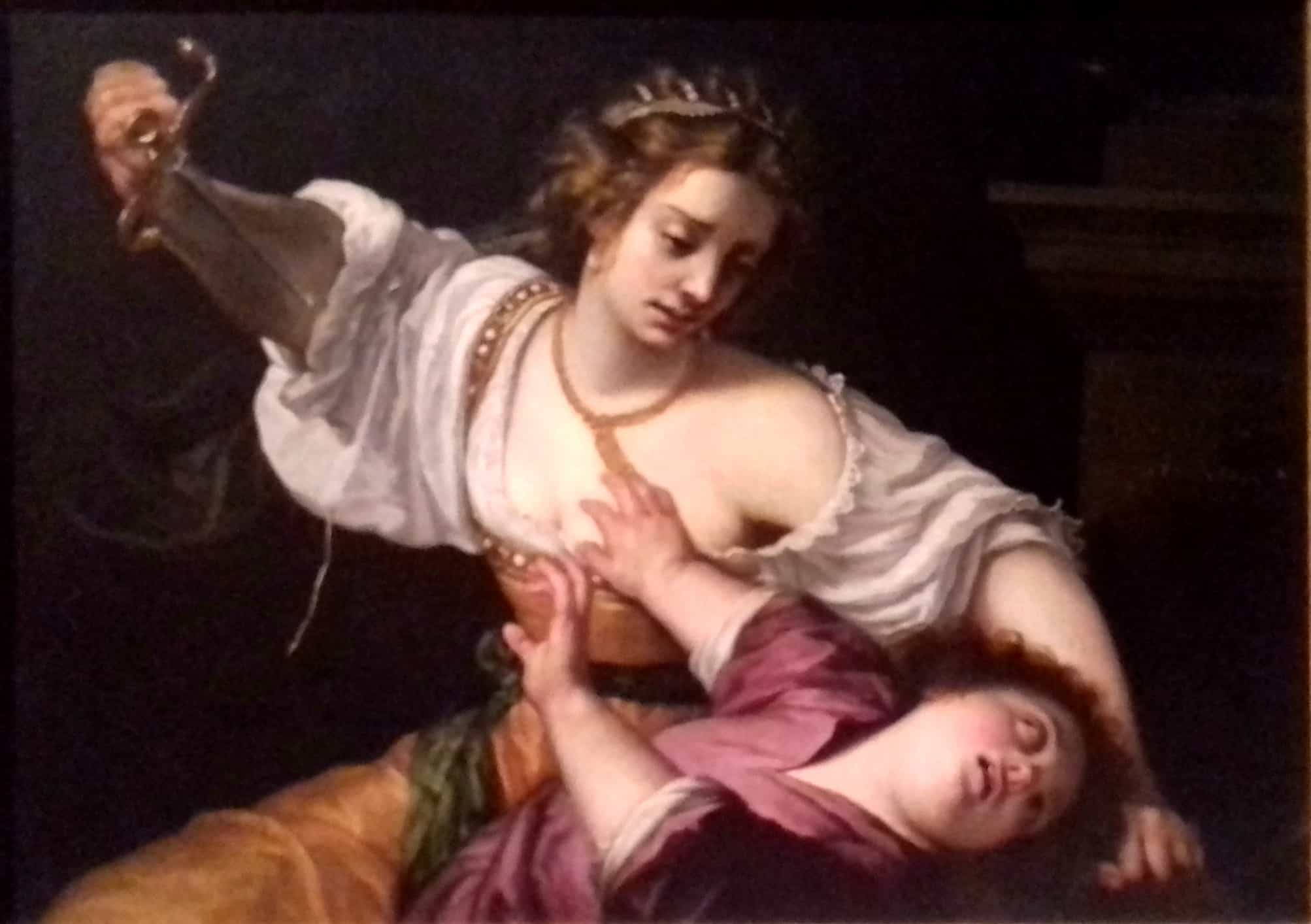
Samson and Delilah
Artemisia Gentileschi
From $94
Collection
Museum-quality reproductions on 310gsm textured cotton rag paper.
Shop all prints by Artemisia GentileschiArtistic Style
Style Evolution
Artemisia’s style began with Caravaggesque naturalism and intense chiaroscuro, matured into larger, more theatrical narrative compositions, and retained a consistent focus on psychological realism and decorative presence suited to public and private commissions.
Palette
Subjects
Techniques
Topics
Artemisia Gentileschi (1593-1653) was a Papal States Baroque painter whose dramatic figural scenes and pioneering female perspective reshaped narrative painting.
Learn about the life of Artemisia Gentileschi
Signature Works
See all available prints
Biography
Artemisia Gentileschi (1593-1653) was a Papal States Baroque painter whose dramatic figural scenes and pioneering female perspective reshaped narrative painting.
Artemisia Gentileschi (1593-1653) was a Papal States Baroque painter whose dramatic figural scenes and pioneering female perspective reshaped narrative painting.
Born in Rome in 1593, Artemisia was trained in a household closely tied to the Roman artistic world. She emerged in a period dominated by Caravaggesque naturalism and theatrical storytelling. Early exposure to the studio environment and to prominent Baroque methods shaped her command of dramatic composition and chiaroscuro.
Artemisia's career unfolded across multiple Italian centers and through distinct phases of growing technical mastery and narrative ambition. Her early work shows a confident grasp of Caravaggesque light and a focus on strong female protagonists. Over time her technique evolved toward increasingly large-scale, emotionally charged scenes intended for patrons and public display.
In her formative years she developed a powerful naturalism and an ability to render flesh and fabric with realism and dignity, marking her as one of the most accomplished painters of her generation.
During her middle period her compositions grew bolder and more theatrical, emphasizing psychological intensity and a refined palette that balanced deep shadows with warm highlights.
In later years her work continued to show dramatic storytelling suited to grand interiors and patronage, maintaining strong figurative clarity and decorative presence.
Artemisia is celebrated for a body of dramatic, narrative paintings that center on biblical, mythological and allegorical subjects executed with vigorous naturalism and theatrical light. Her paintings were sought after for both private devotion and public display, demonstrating technical virtuosity and a distinctive interpretive voice within Baroque painting.
Her signature techniques include a controlled use of tenebrism and chiaroscuro, a sculptural modeling of the human figure, and refined treatment of textiles and flesh. Artemisia’s compositions balance immediacy and careful structure, inviting viewers into emotionally charged moments while also providing decorative harmony for interiors.
Artemisia occupies a central place in discussions of Baroque narrative painting. Influenced by Caravaggio’s naturalism and dramatic lighting, she in turn influenced later painters who valued psychological realism and strong figural storytelling. Today her work resonates for its combination of technical mastery and a distinctly personal perspective.
Artemisia’s career unfolded within the male
Frequently Asked Questions
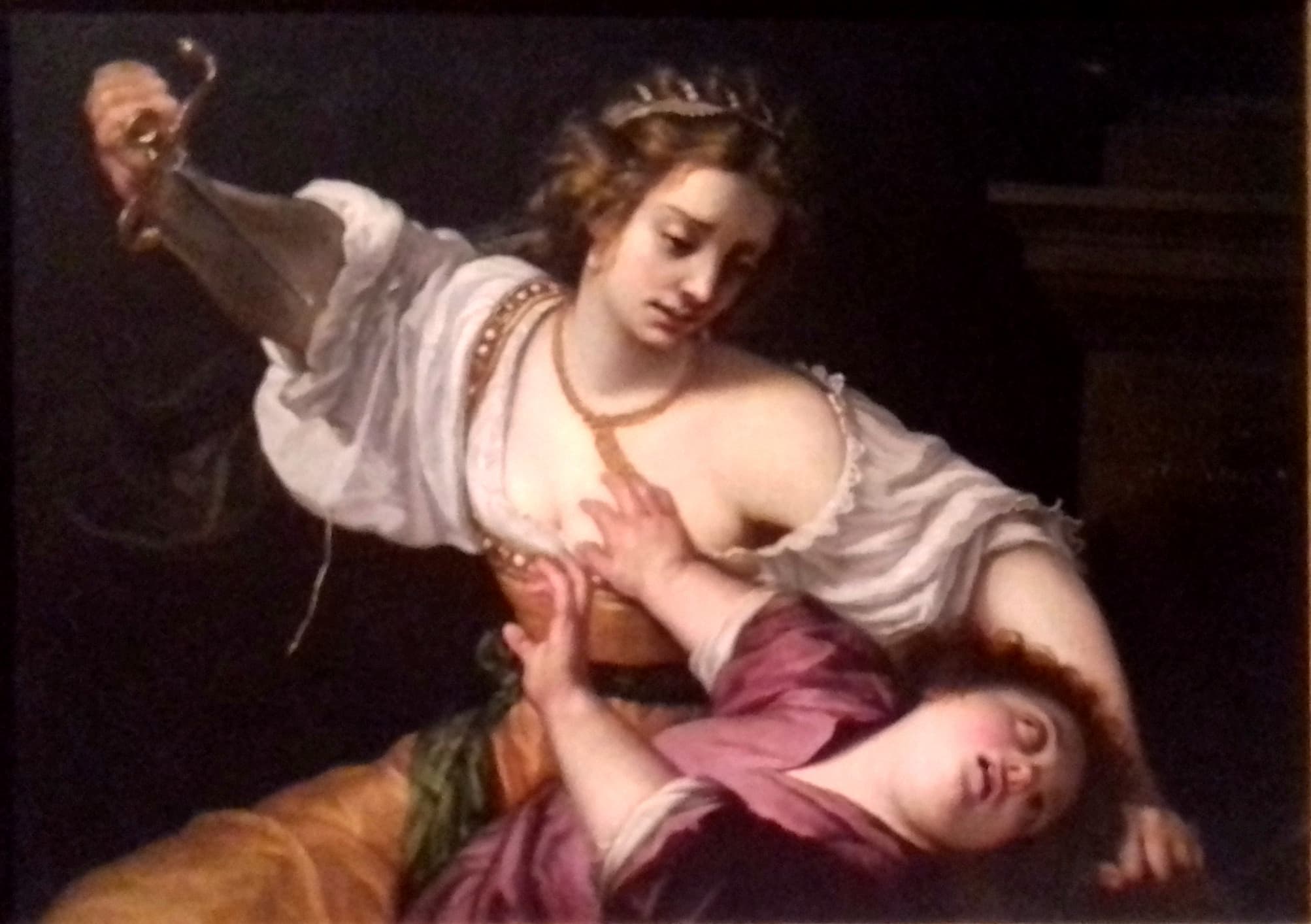
Samson and Delilah
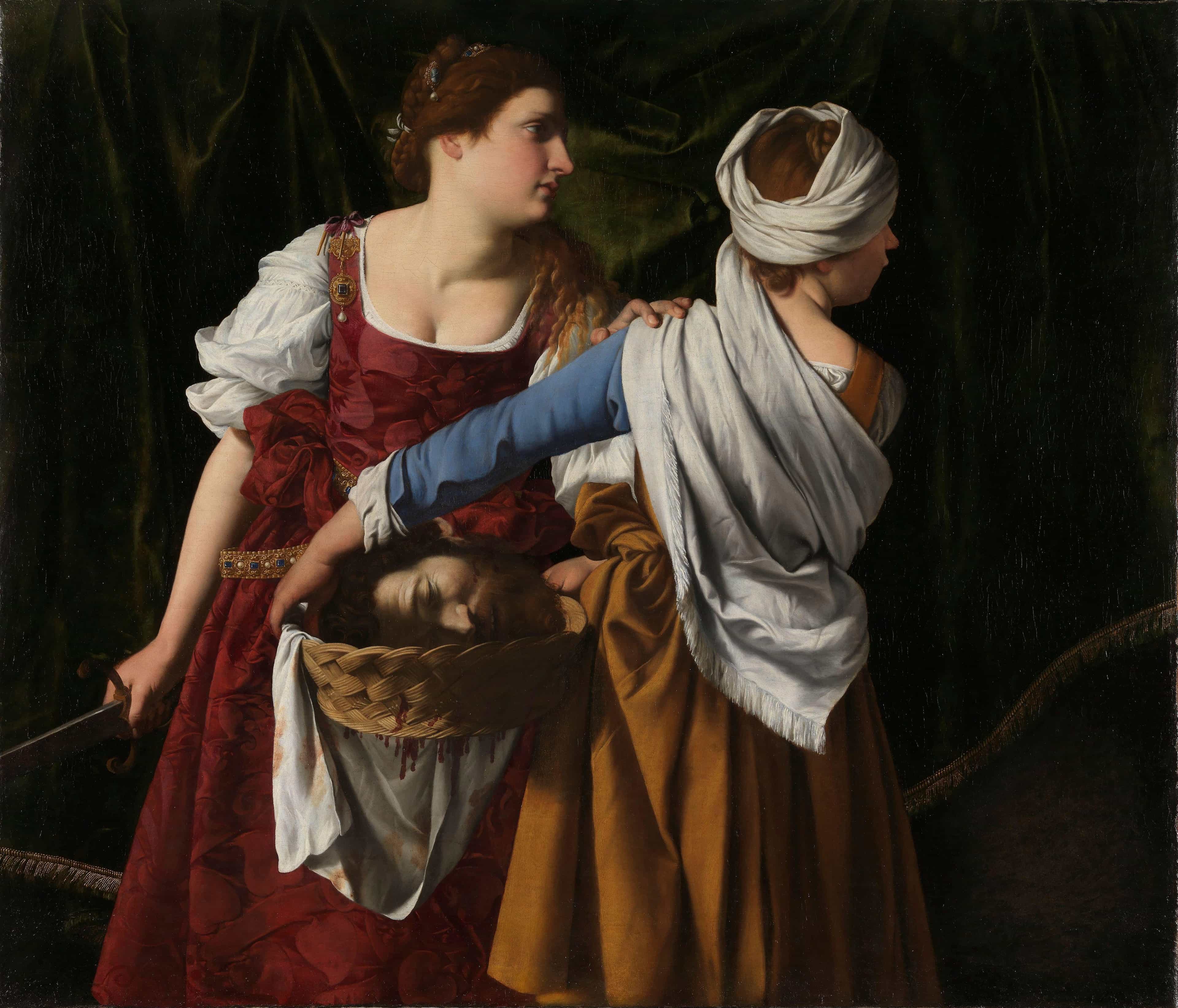
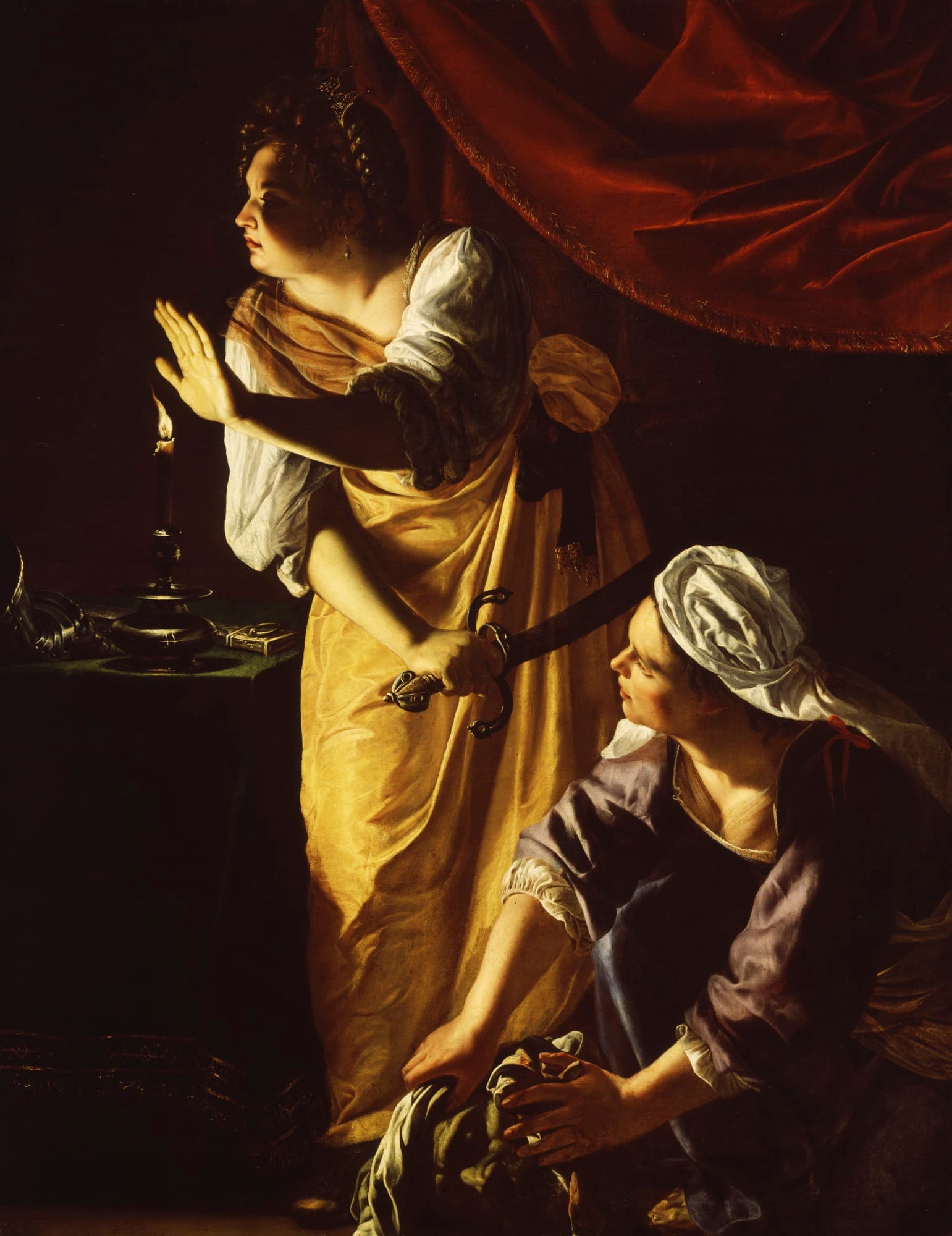
Judith and Her Maidservant with the Head of Holofernes
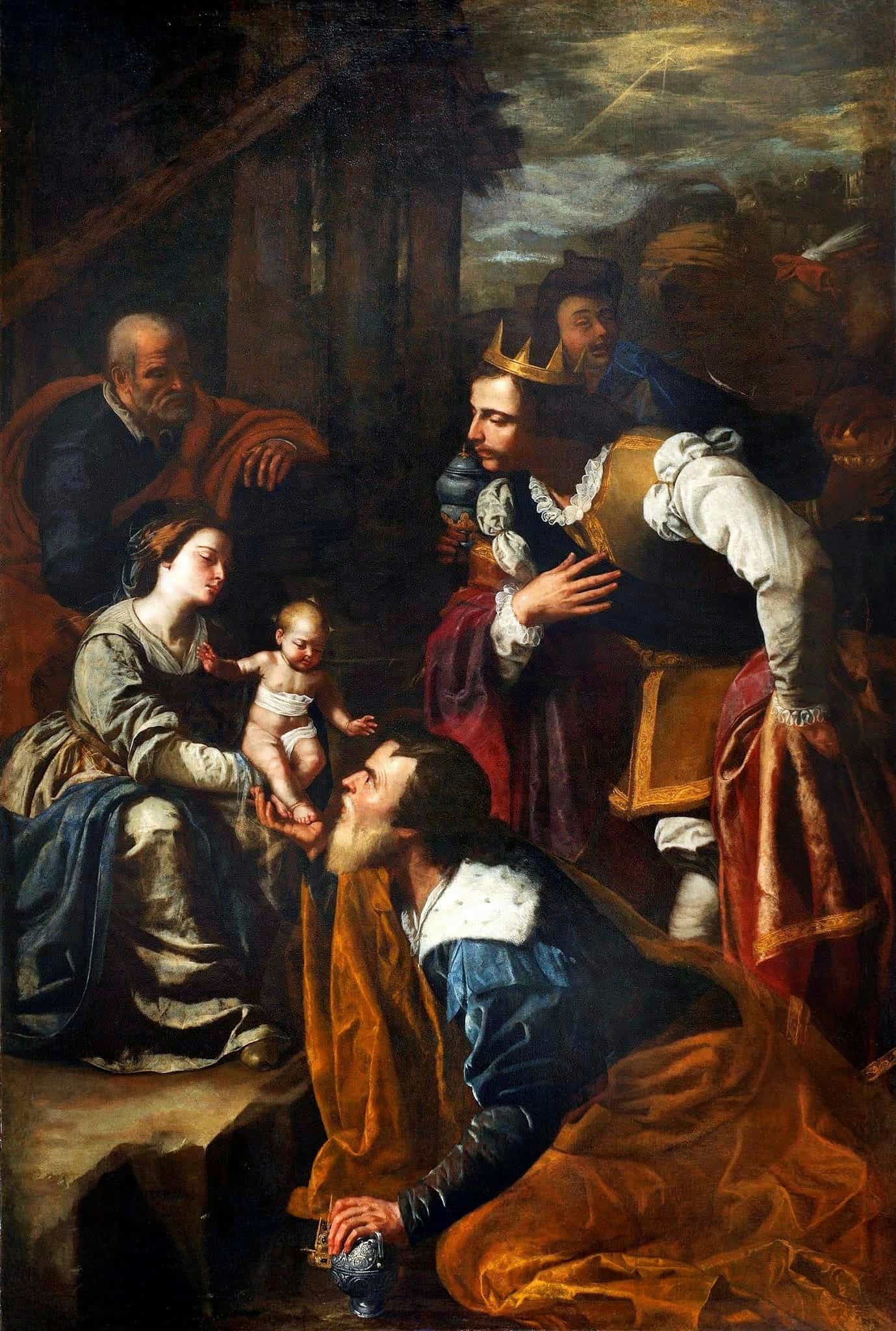
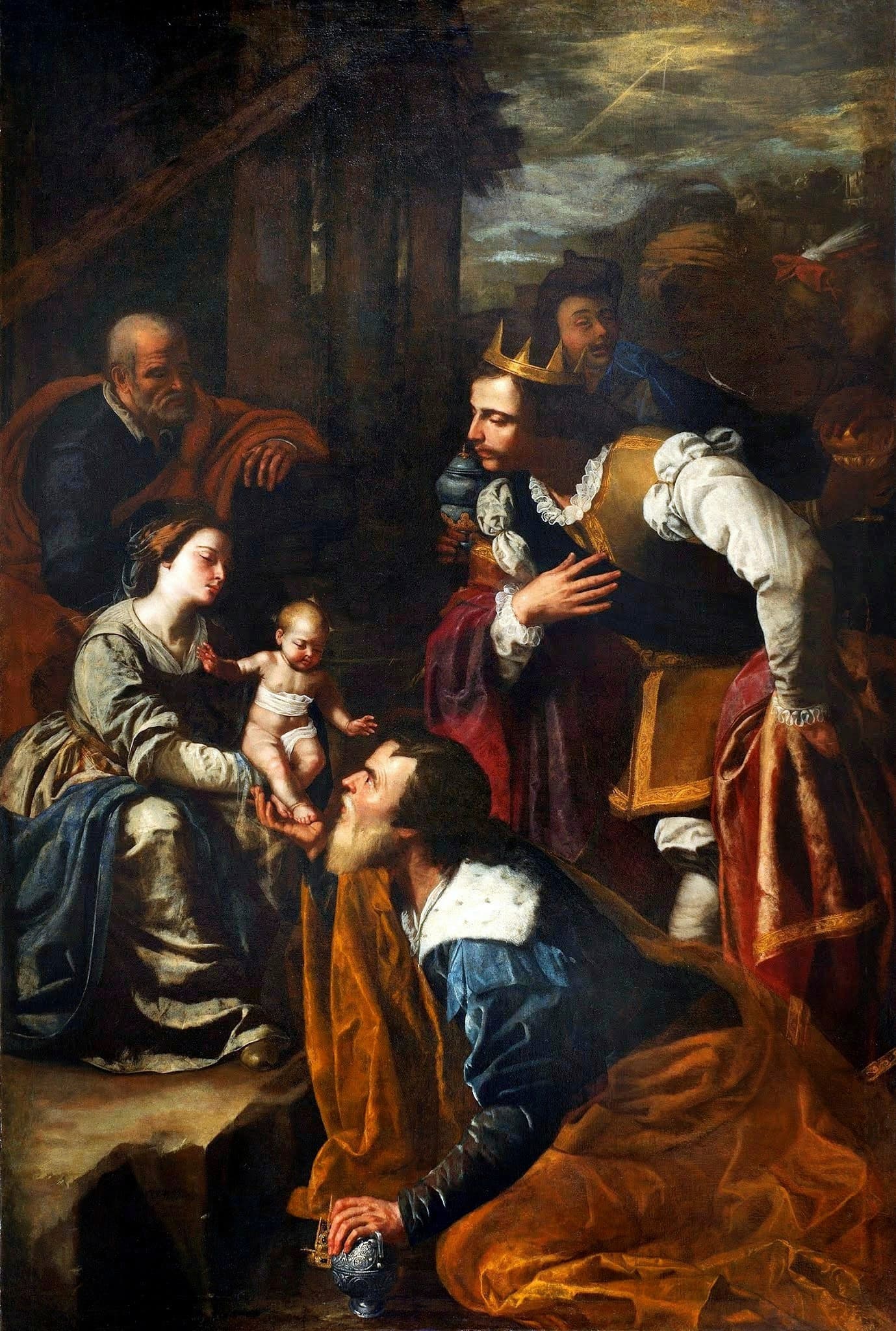
Adoration of the Magi
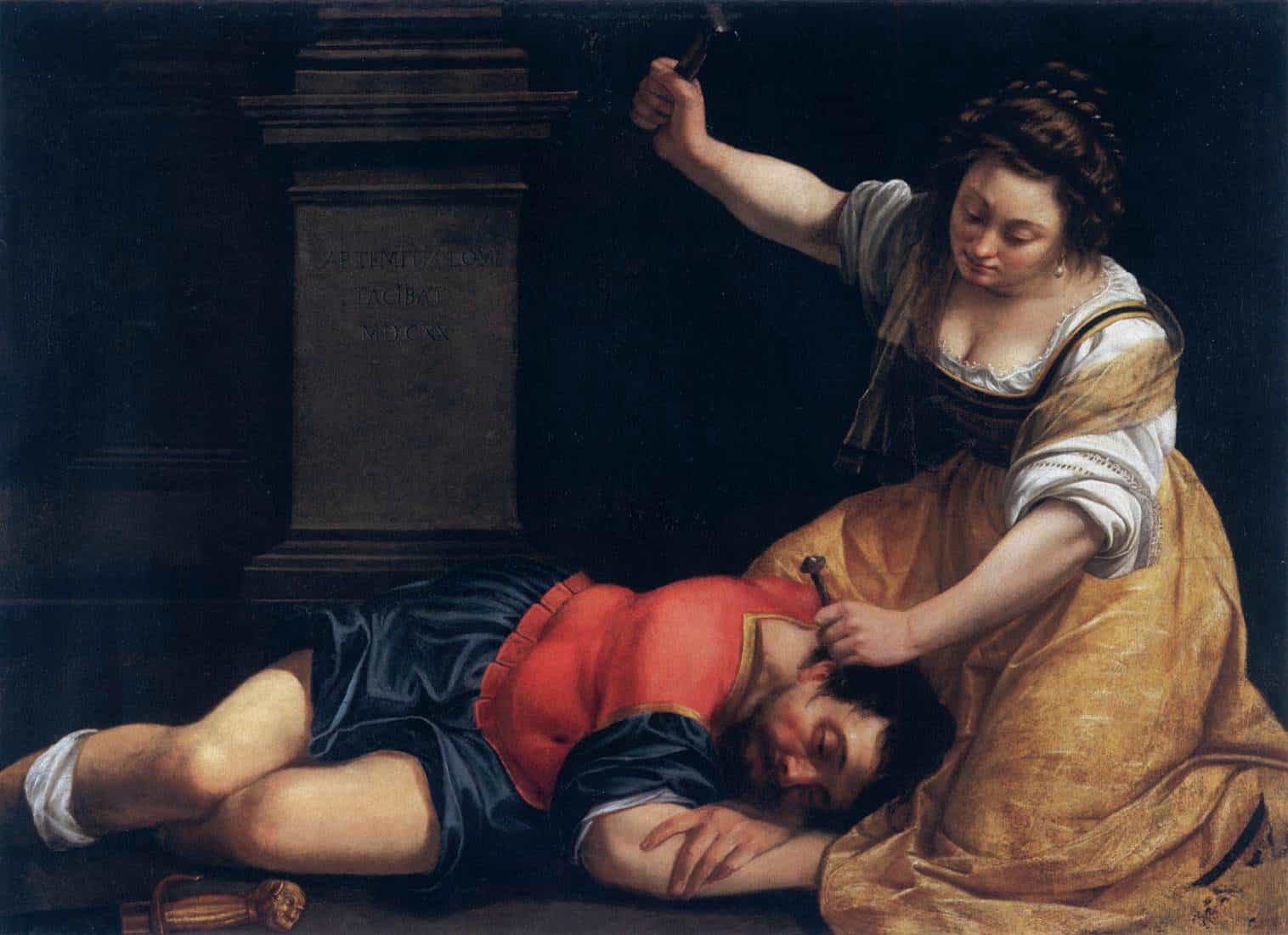
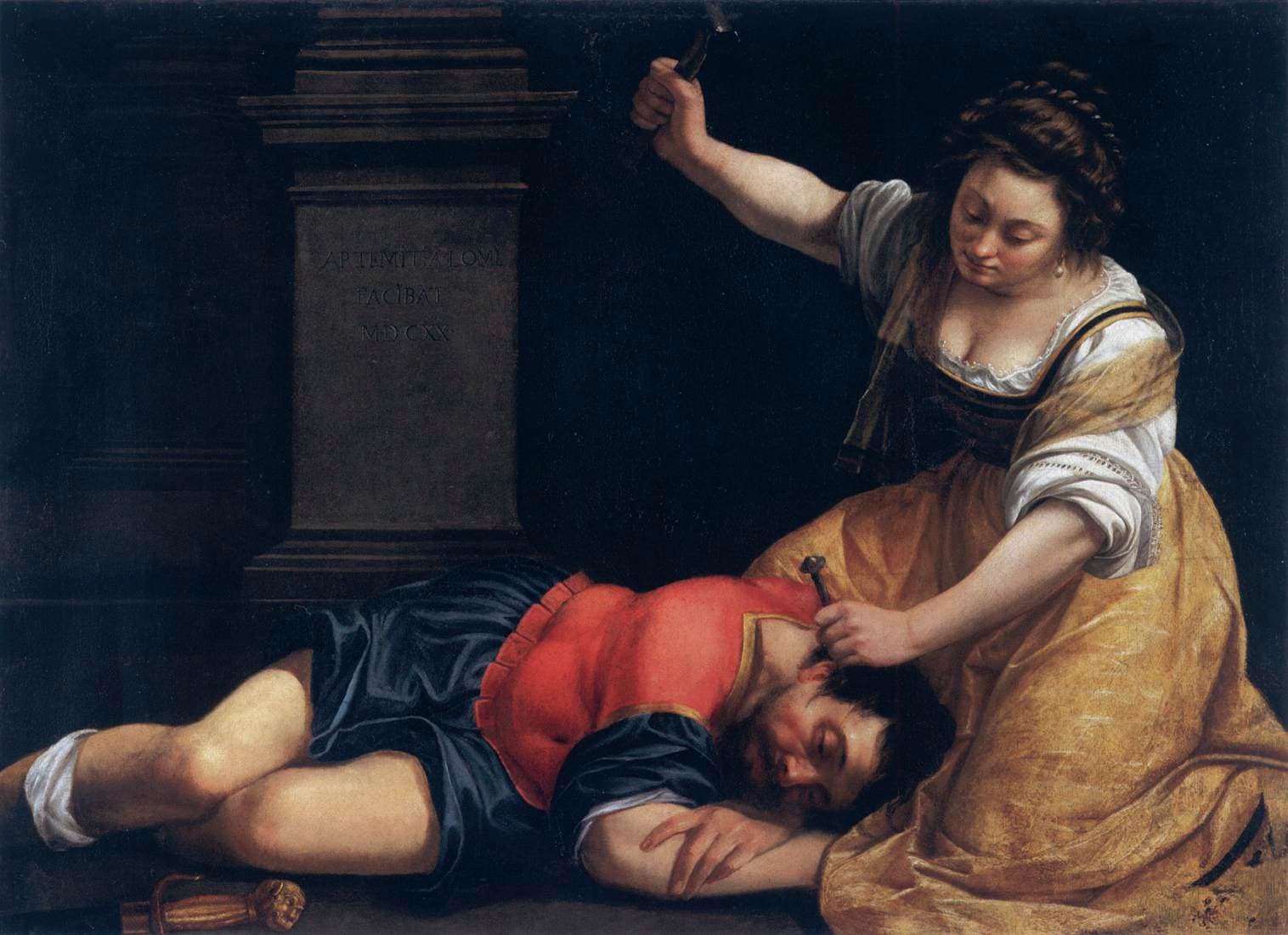
Jael and Sisera
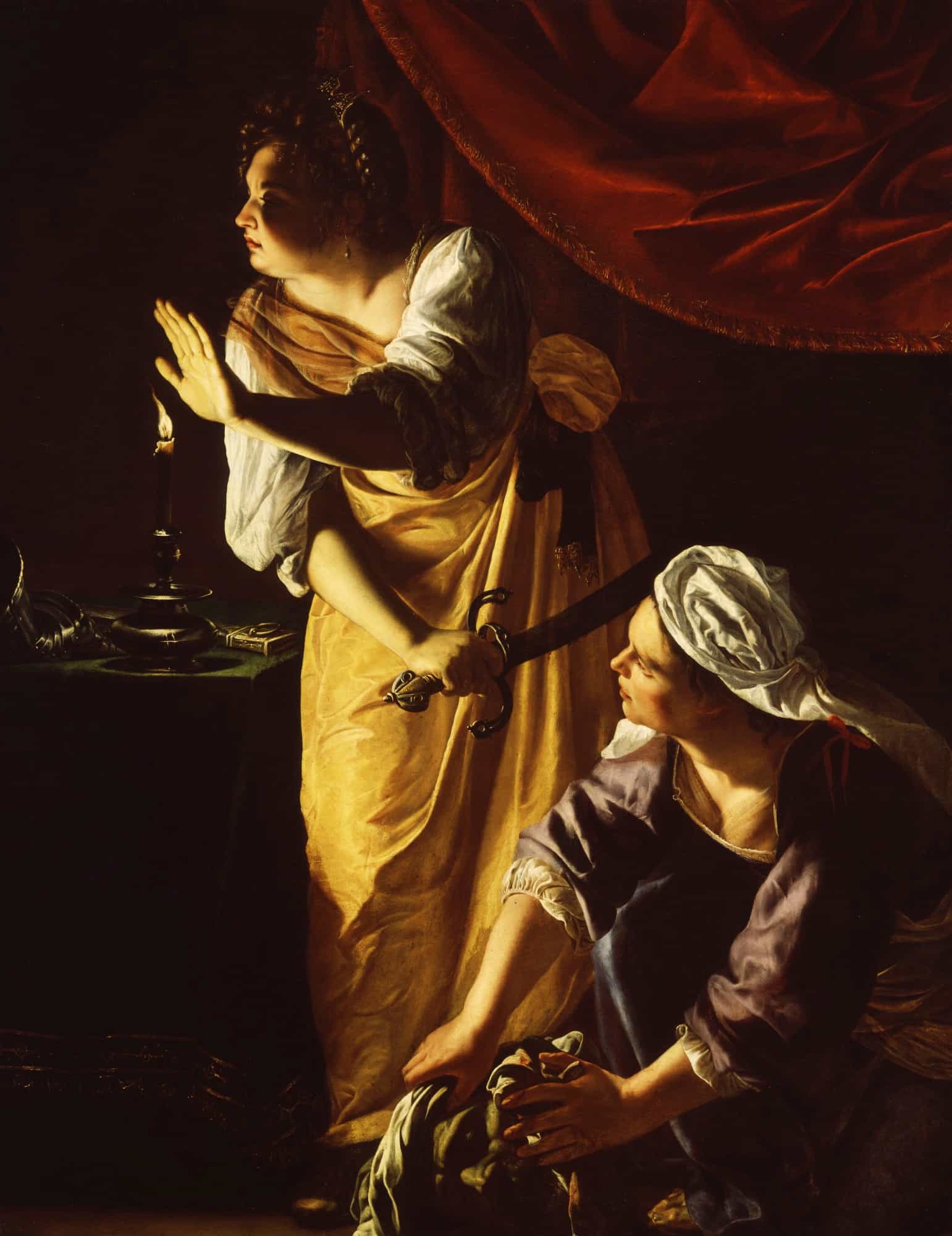
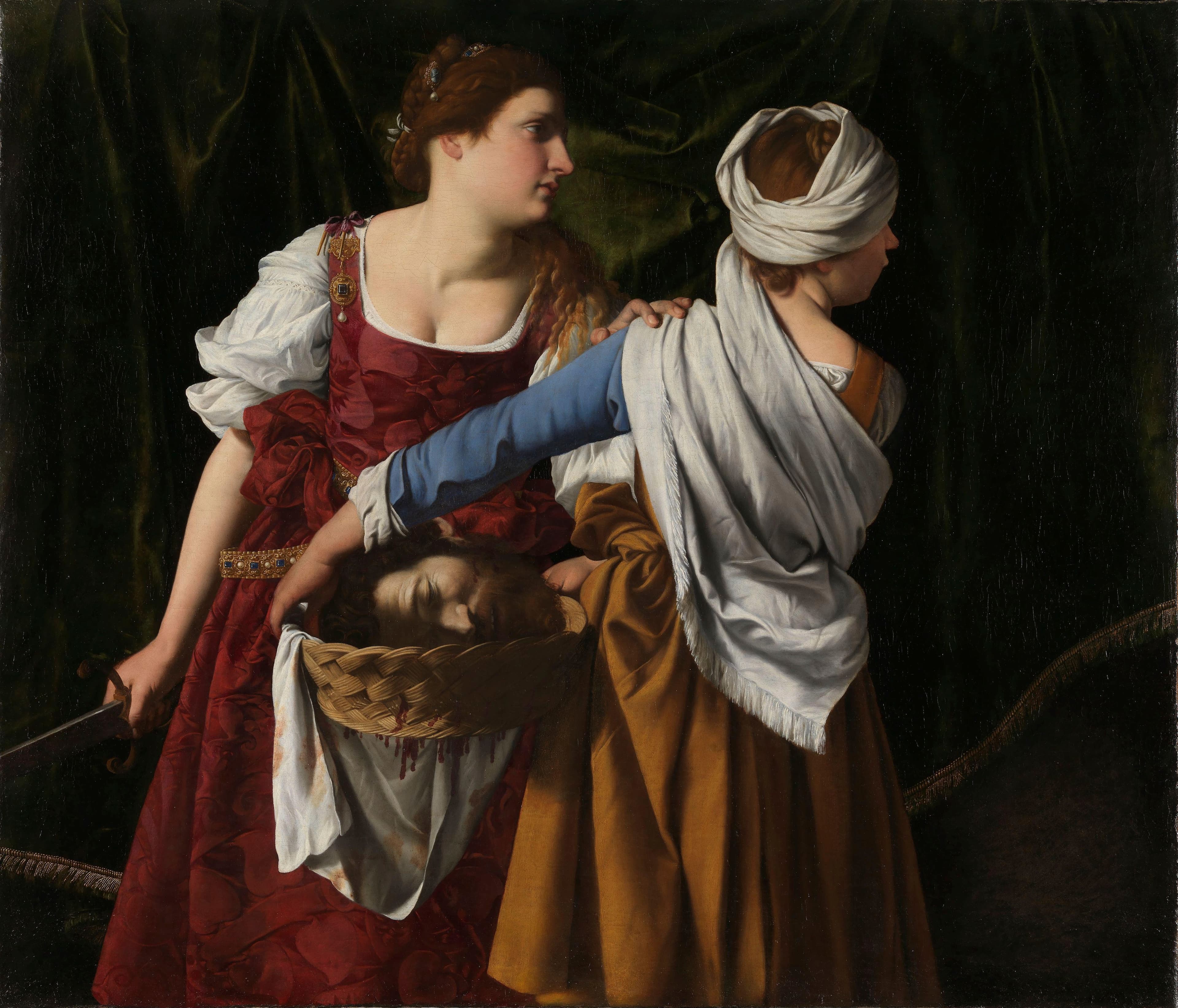
Judith and Her Maidservant with the Head of Holofernes
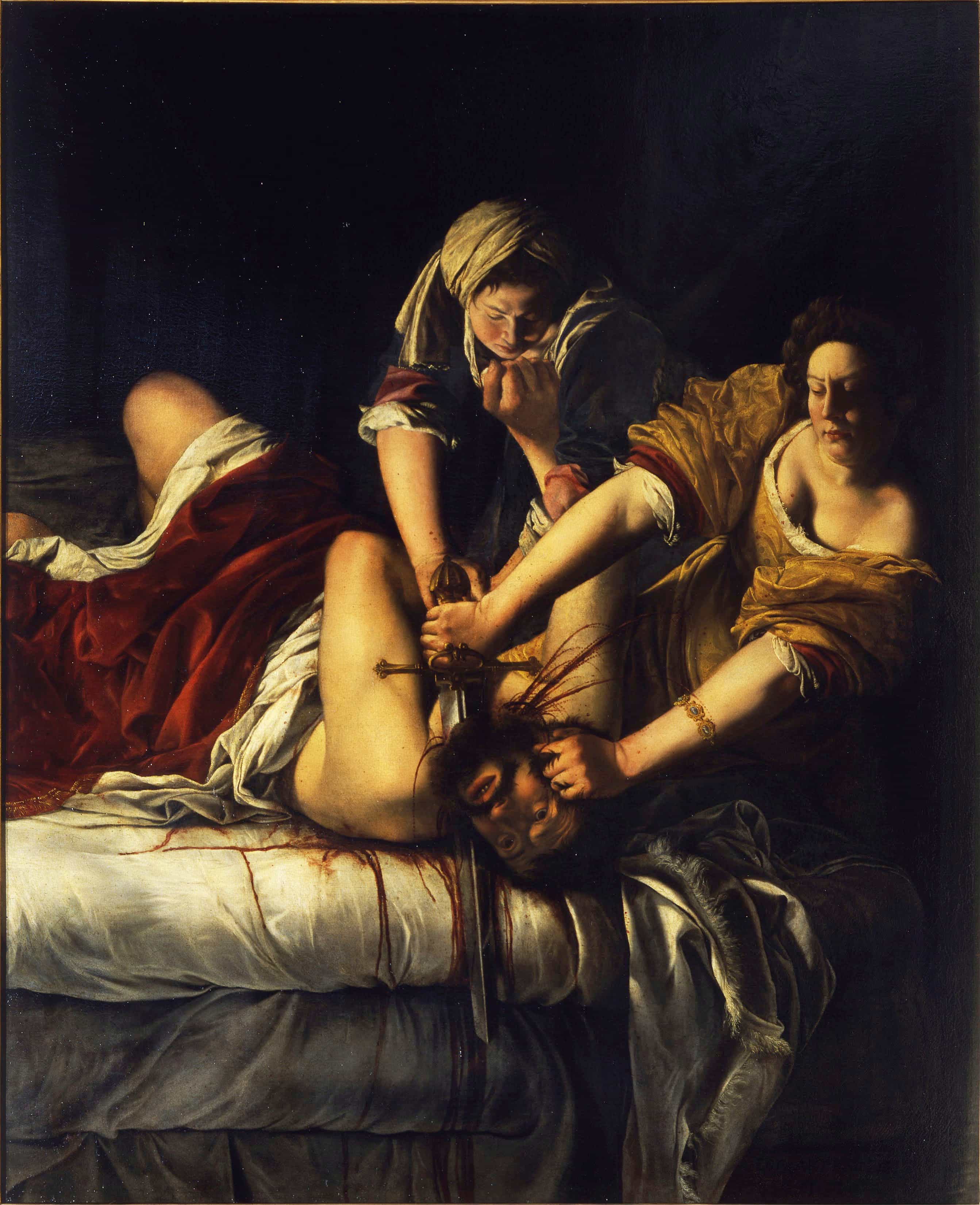
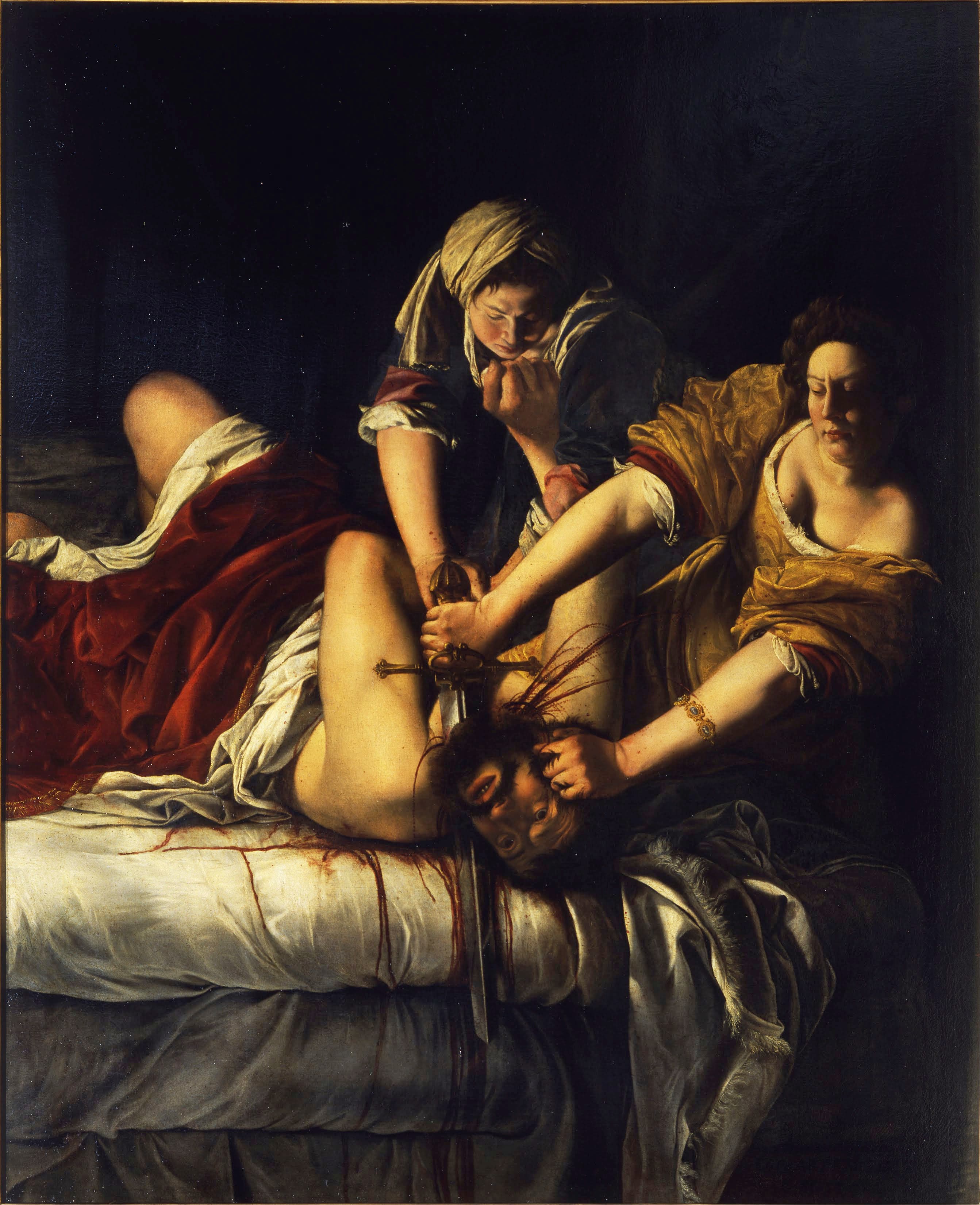
Judith Beheading Holofernes
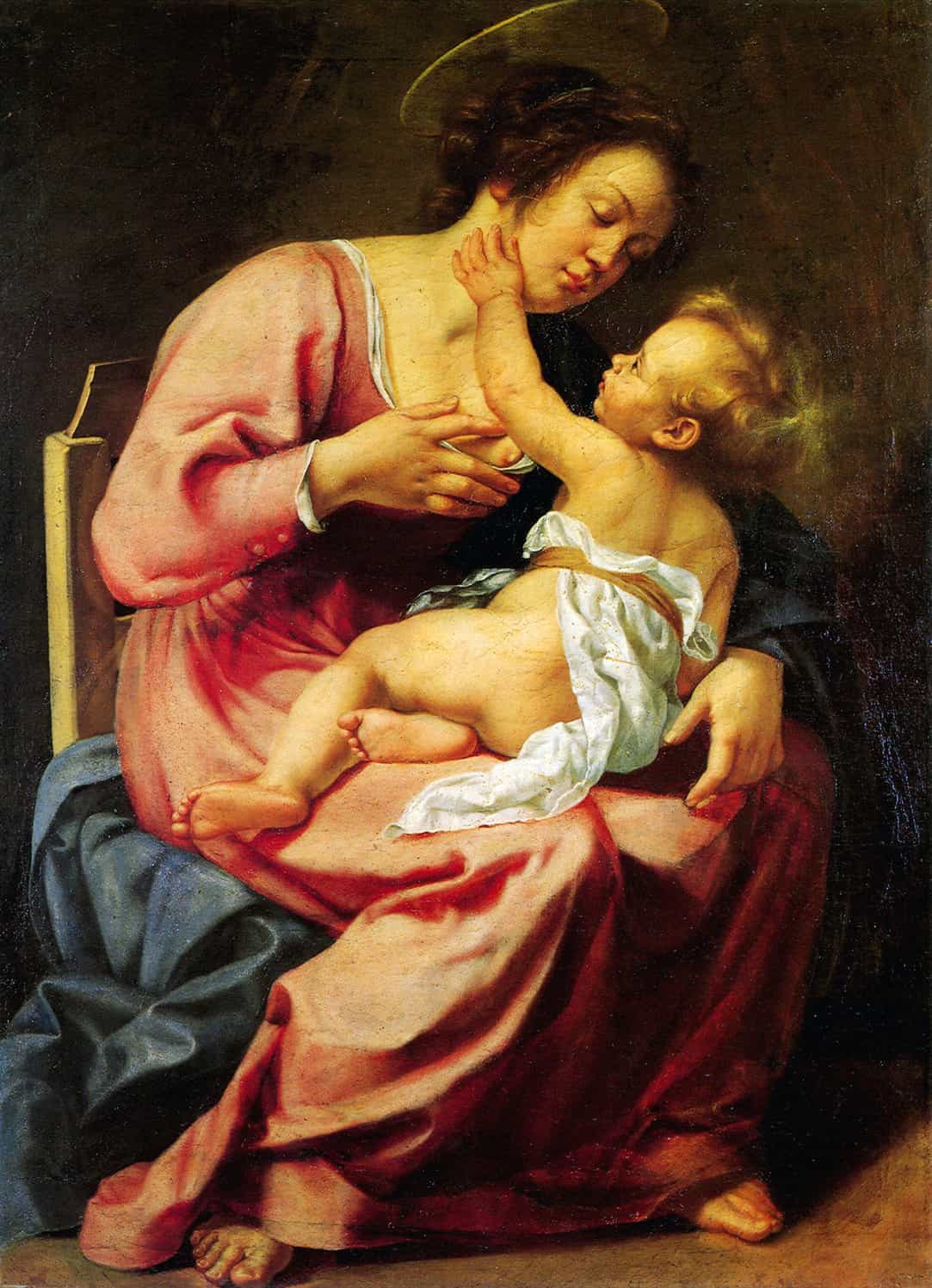
Madonna and Child
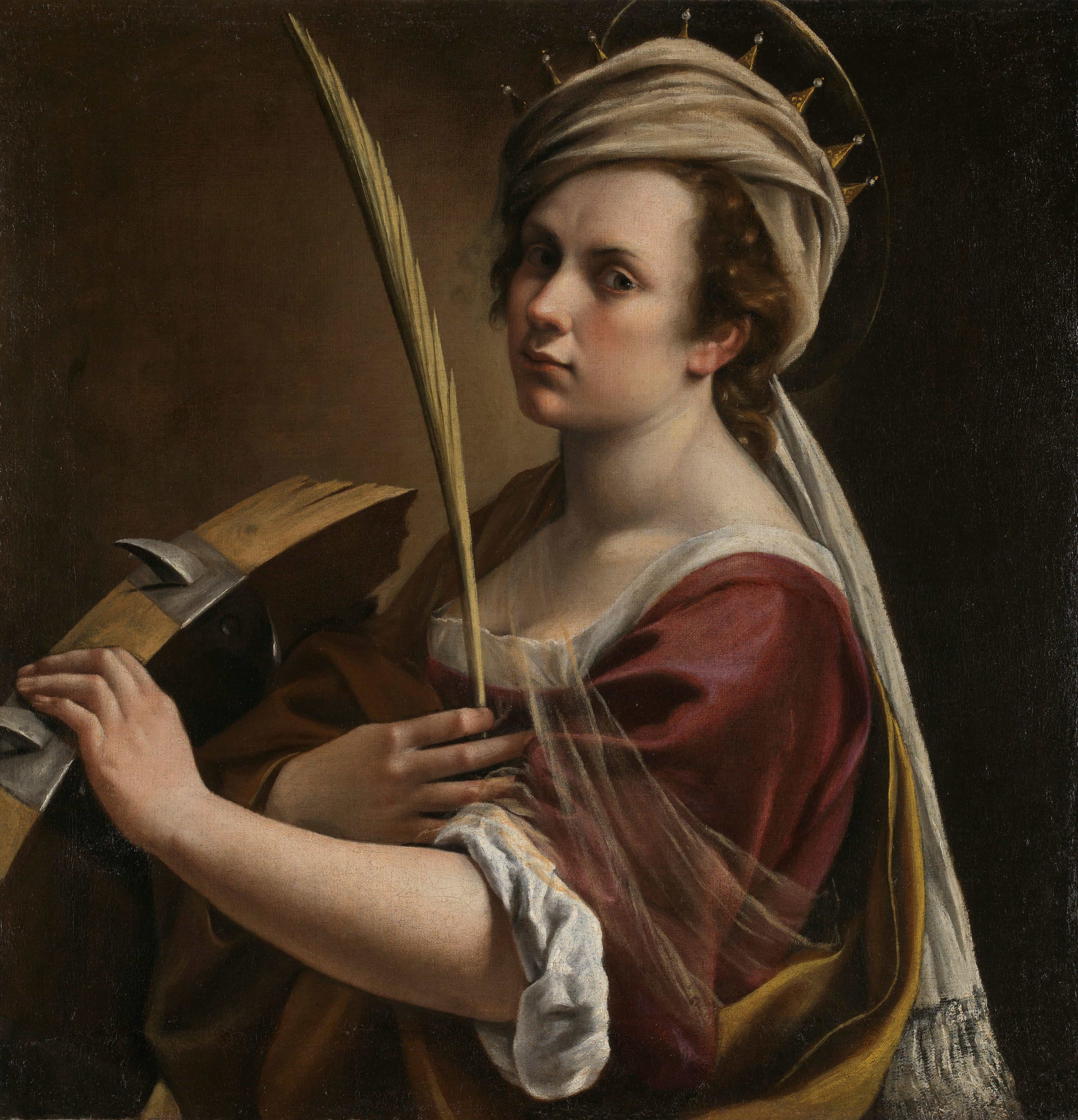
Self-Portrait as Saint Catherine
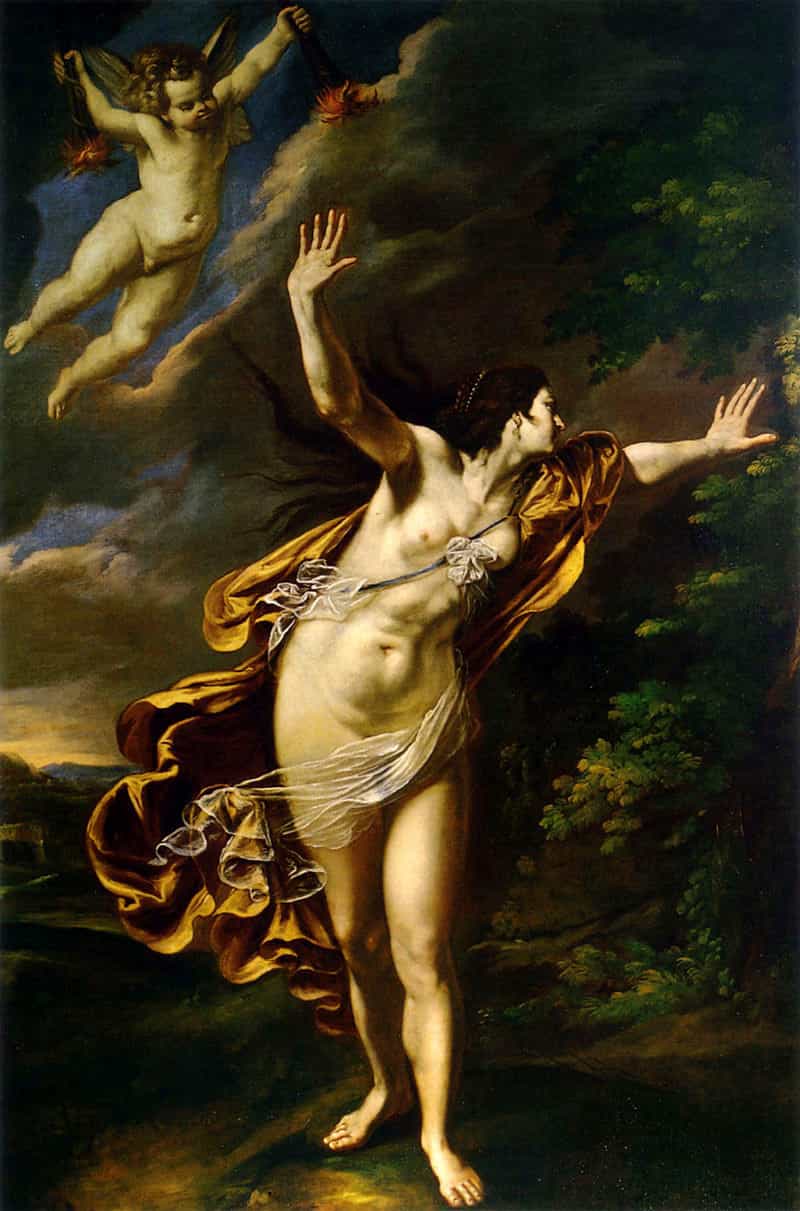
Aurora
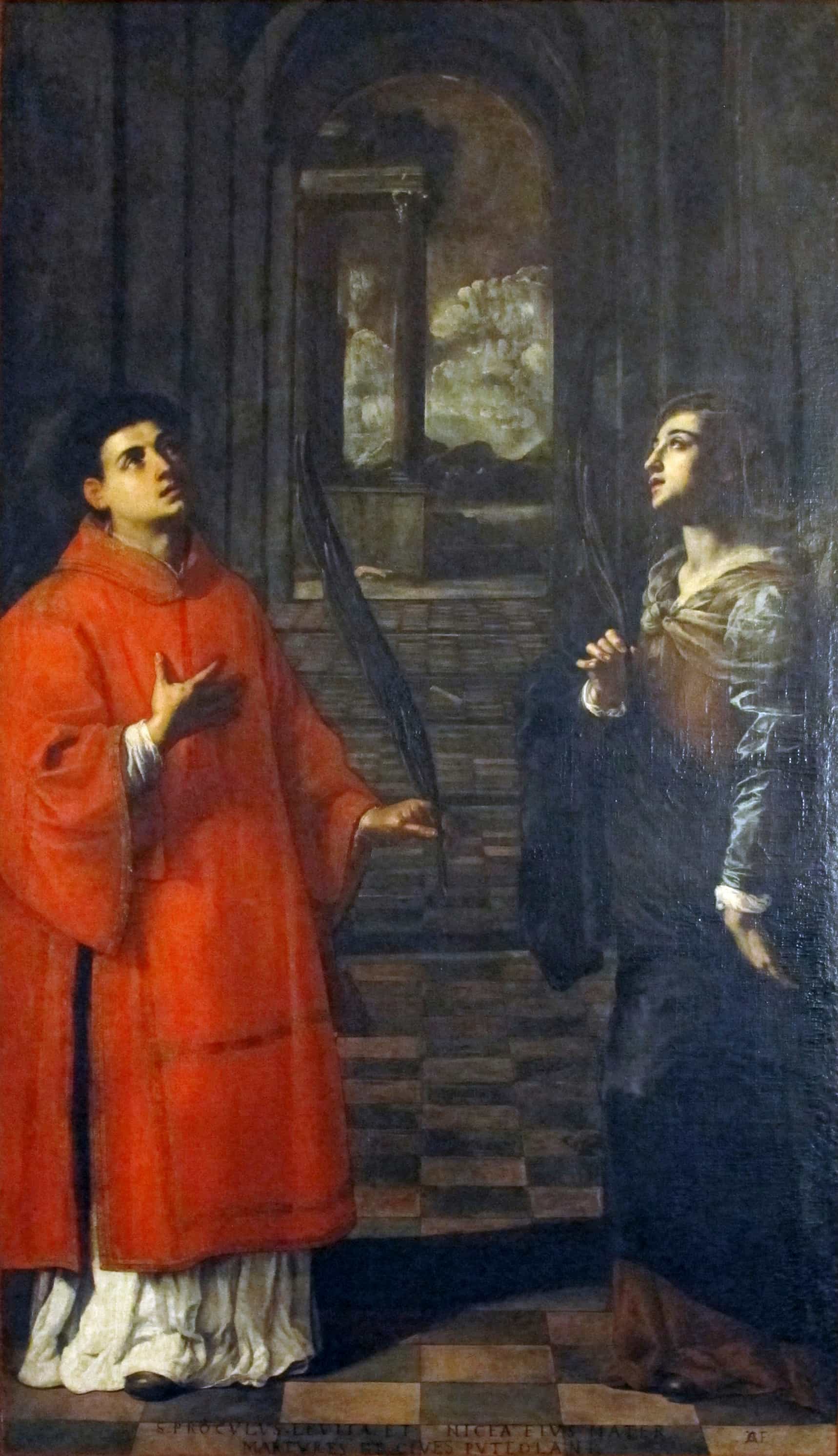
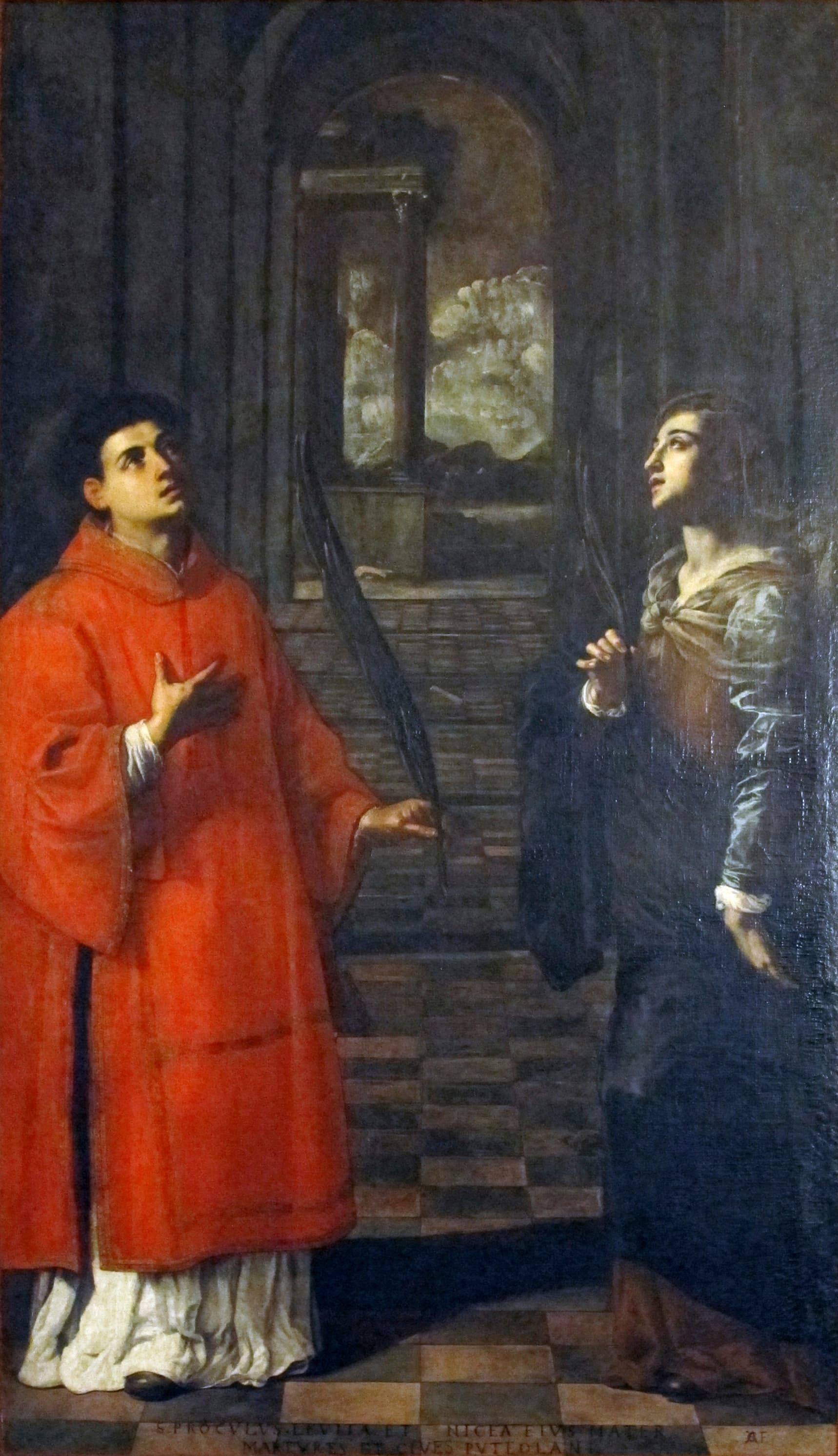
Saint Proculus of Pozzuoli and Santa Nicaea
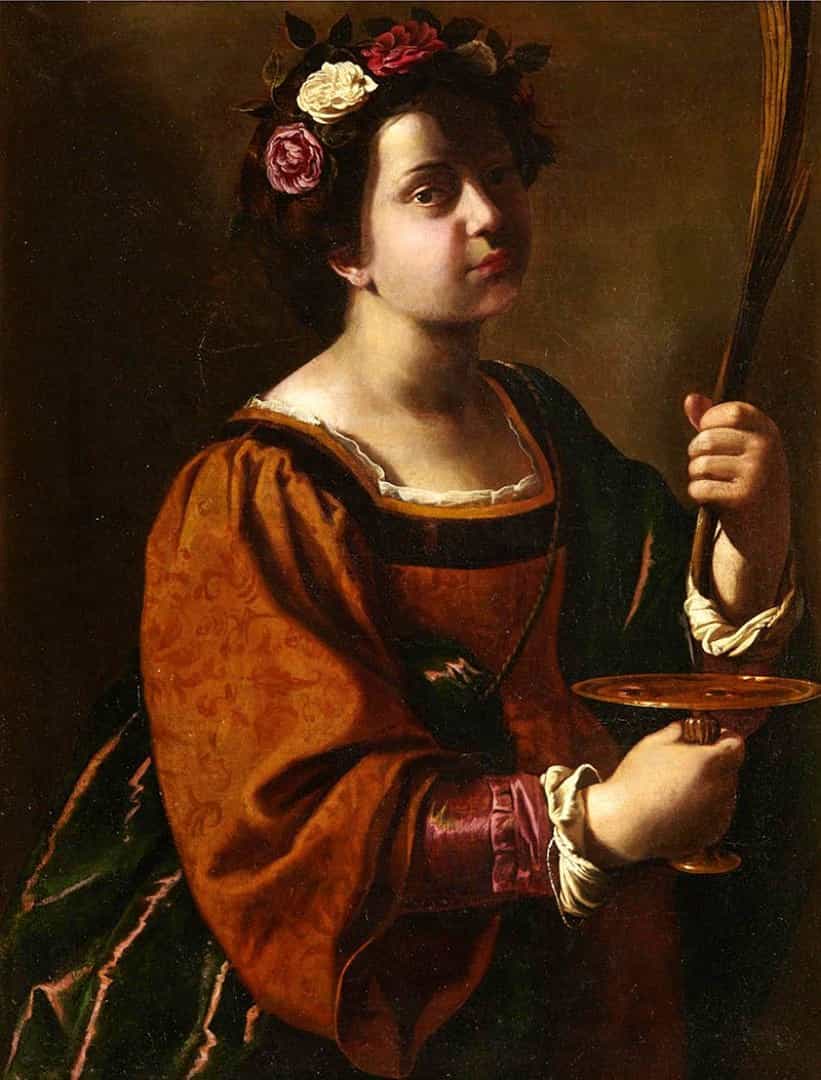
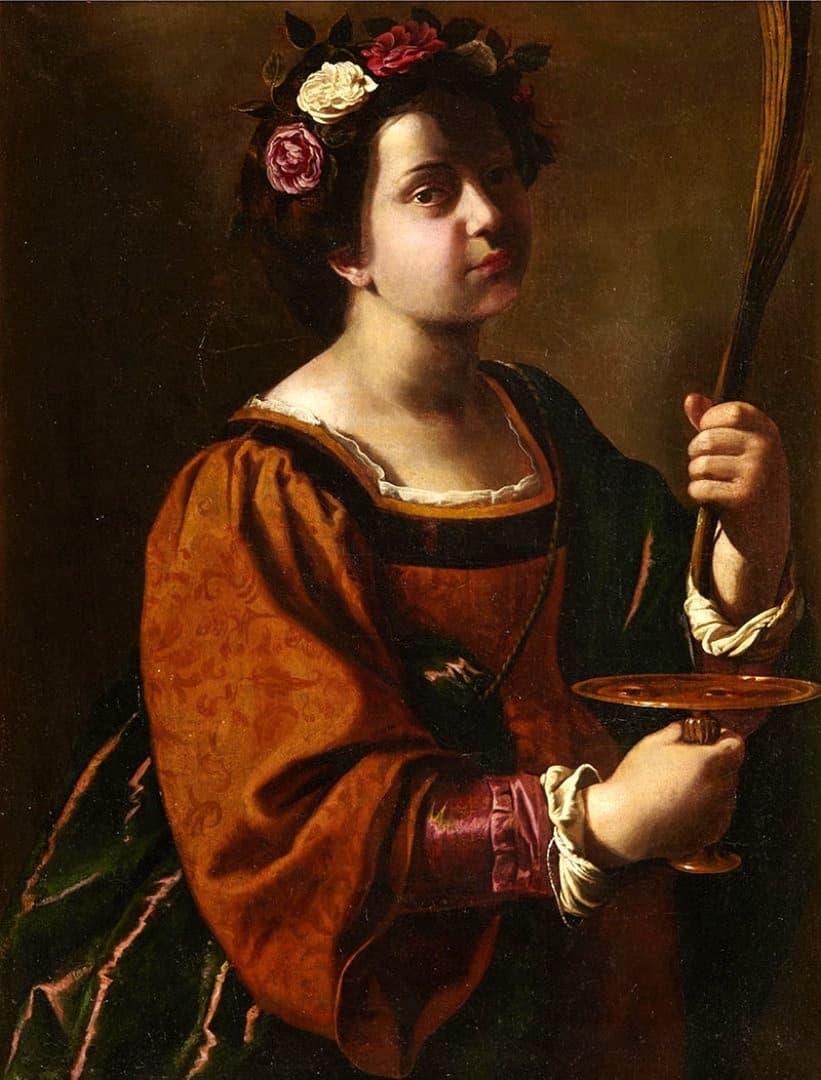
Saint Lucy
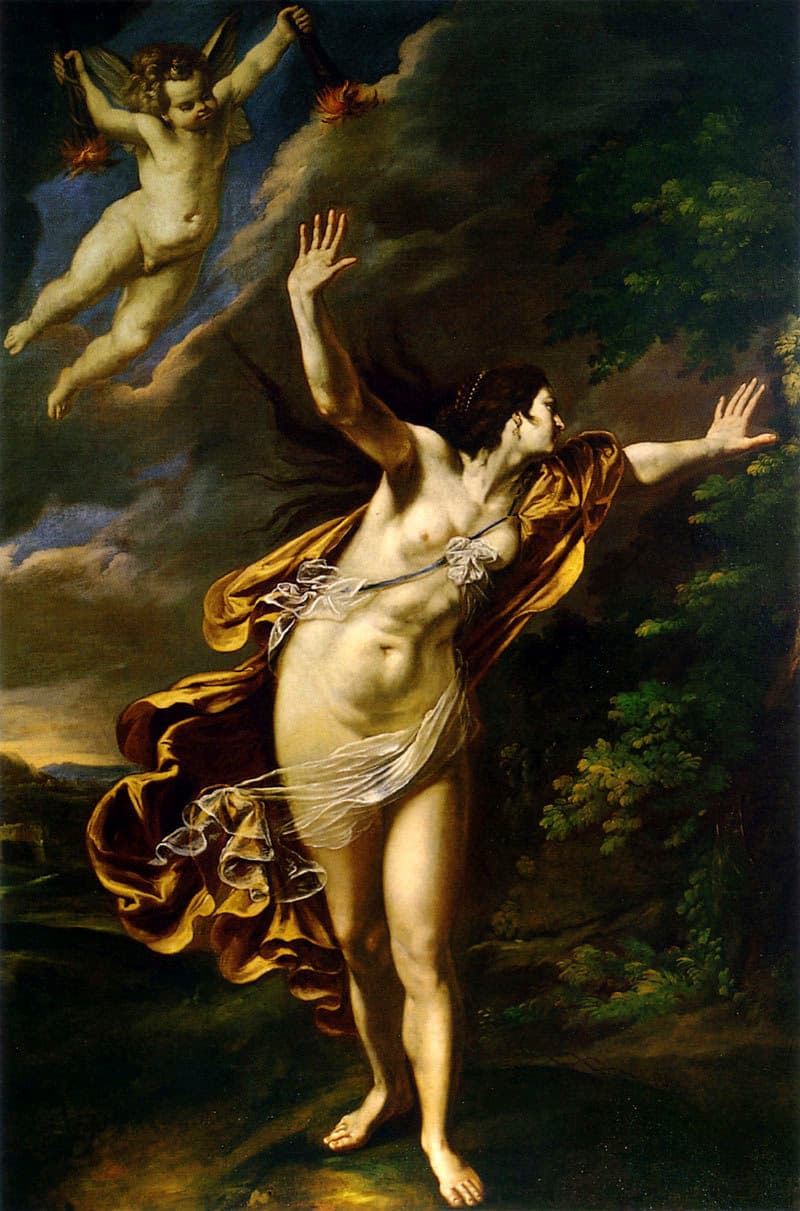
Medea